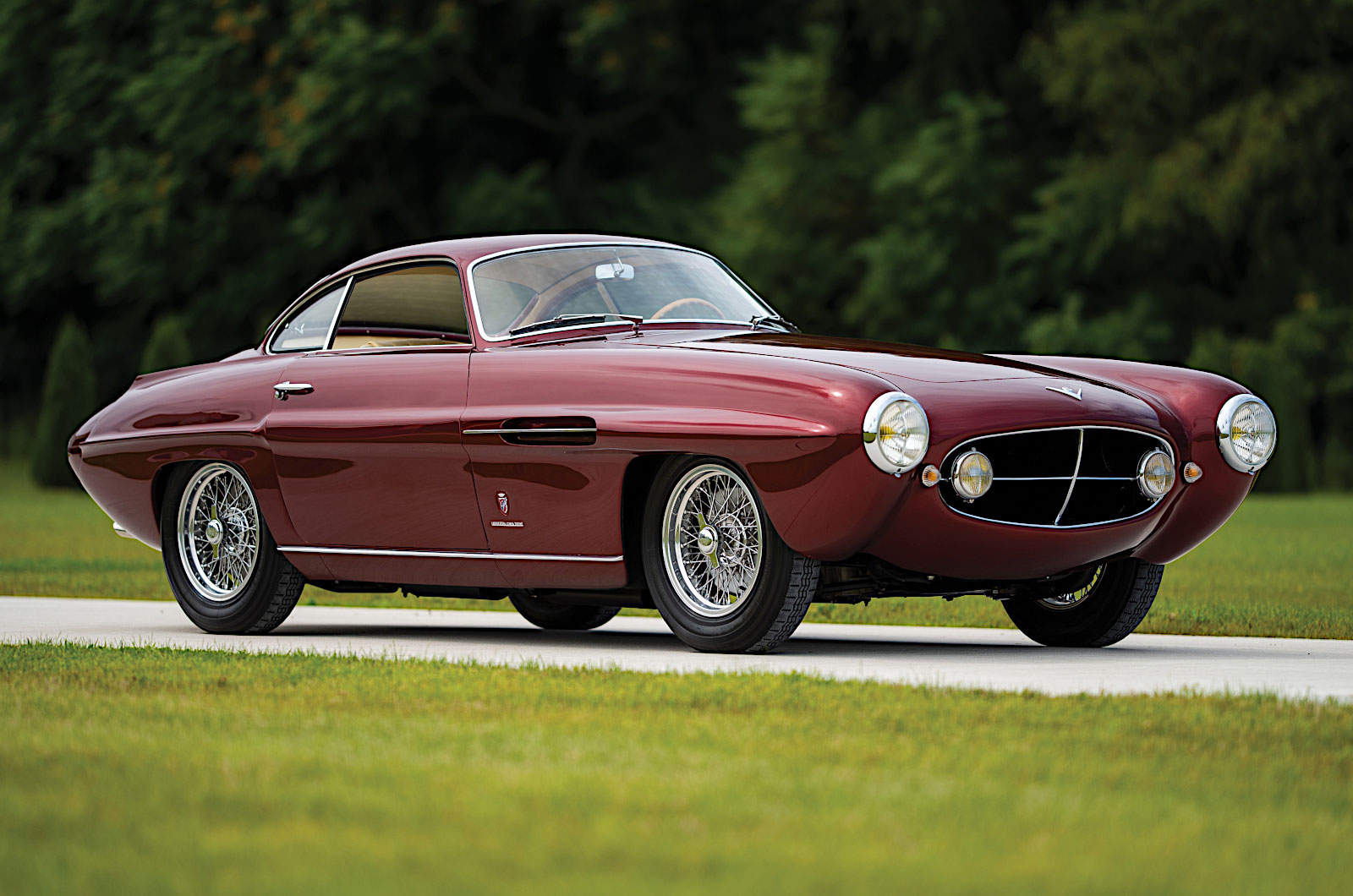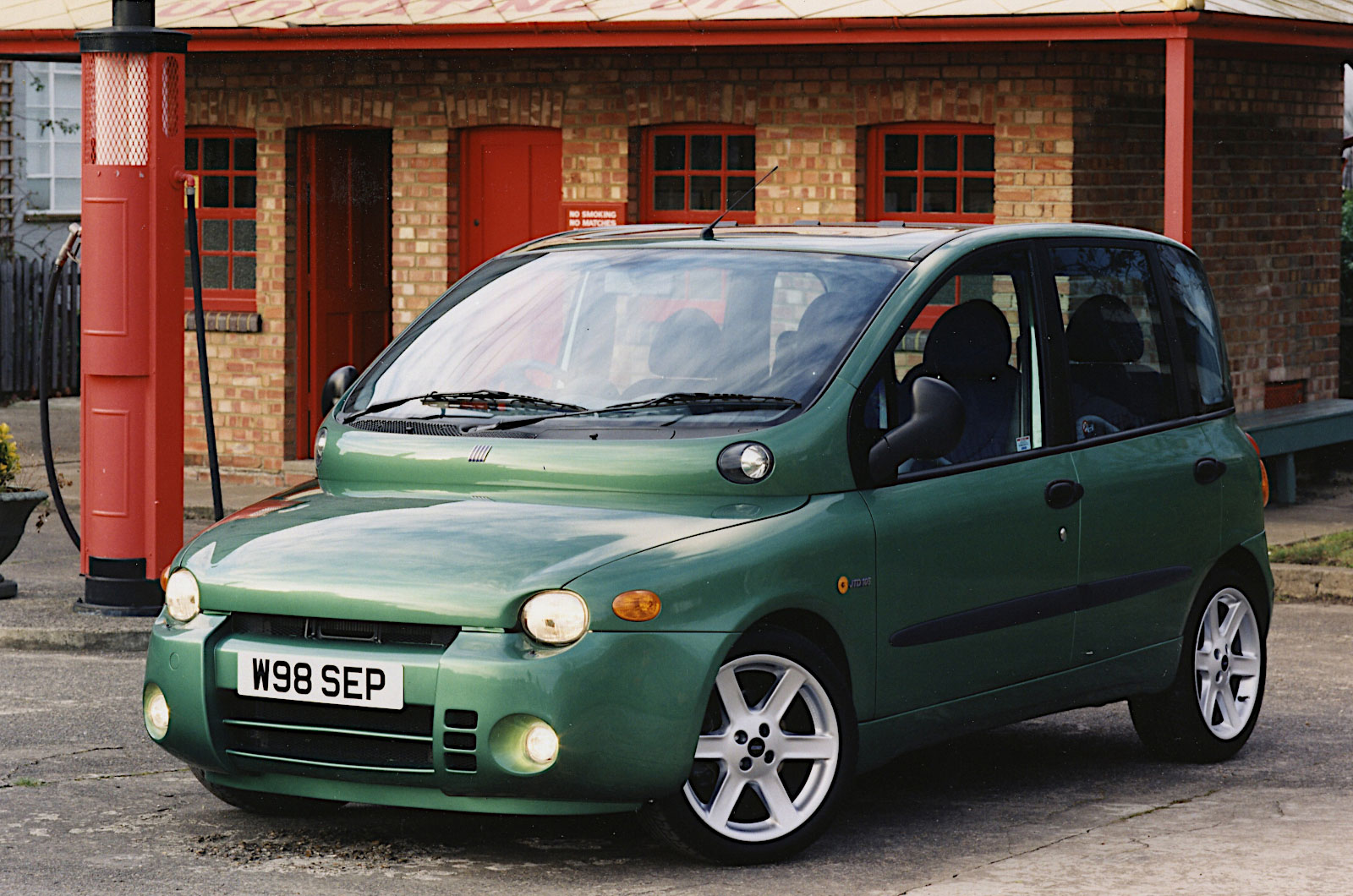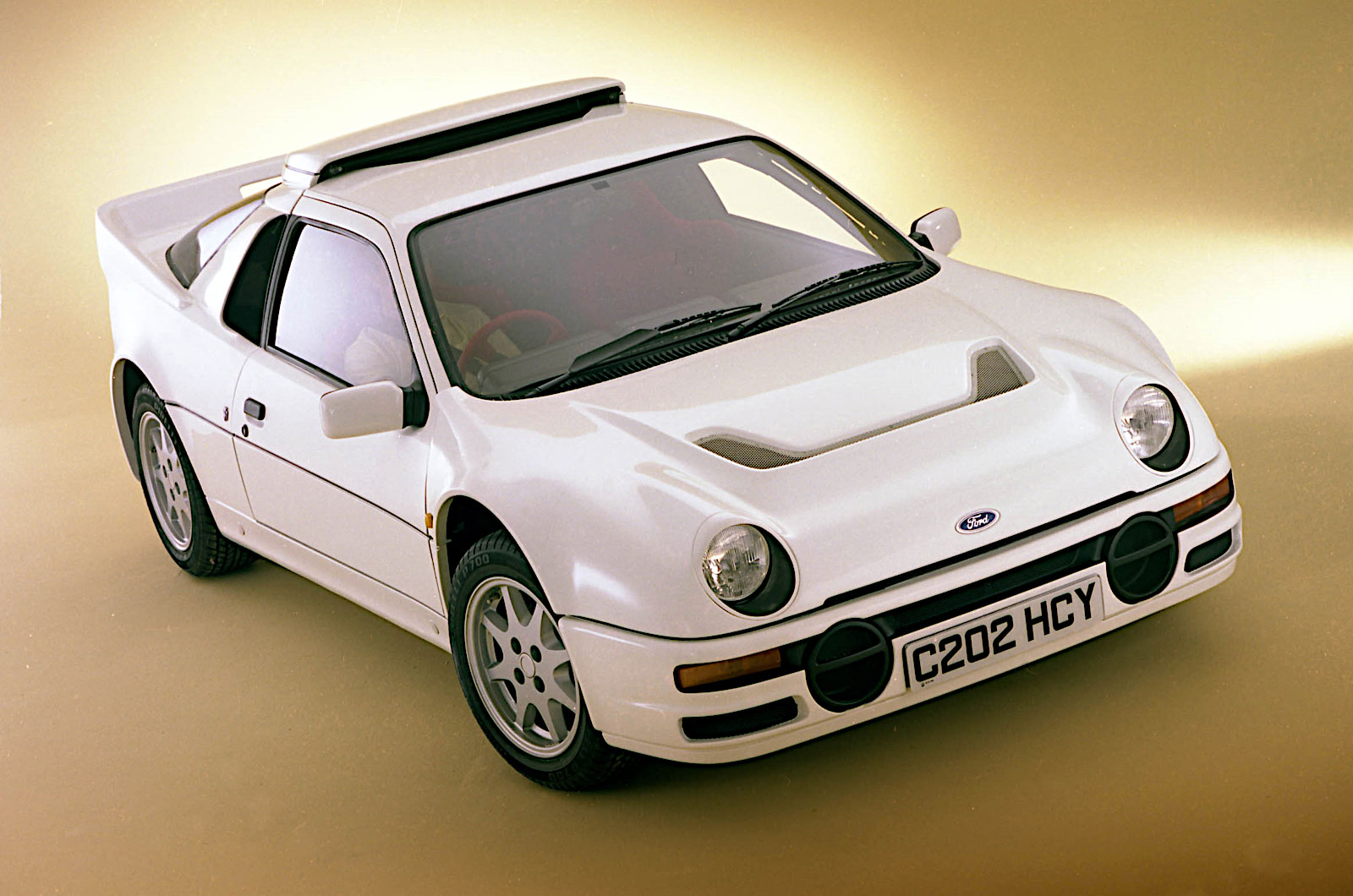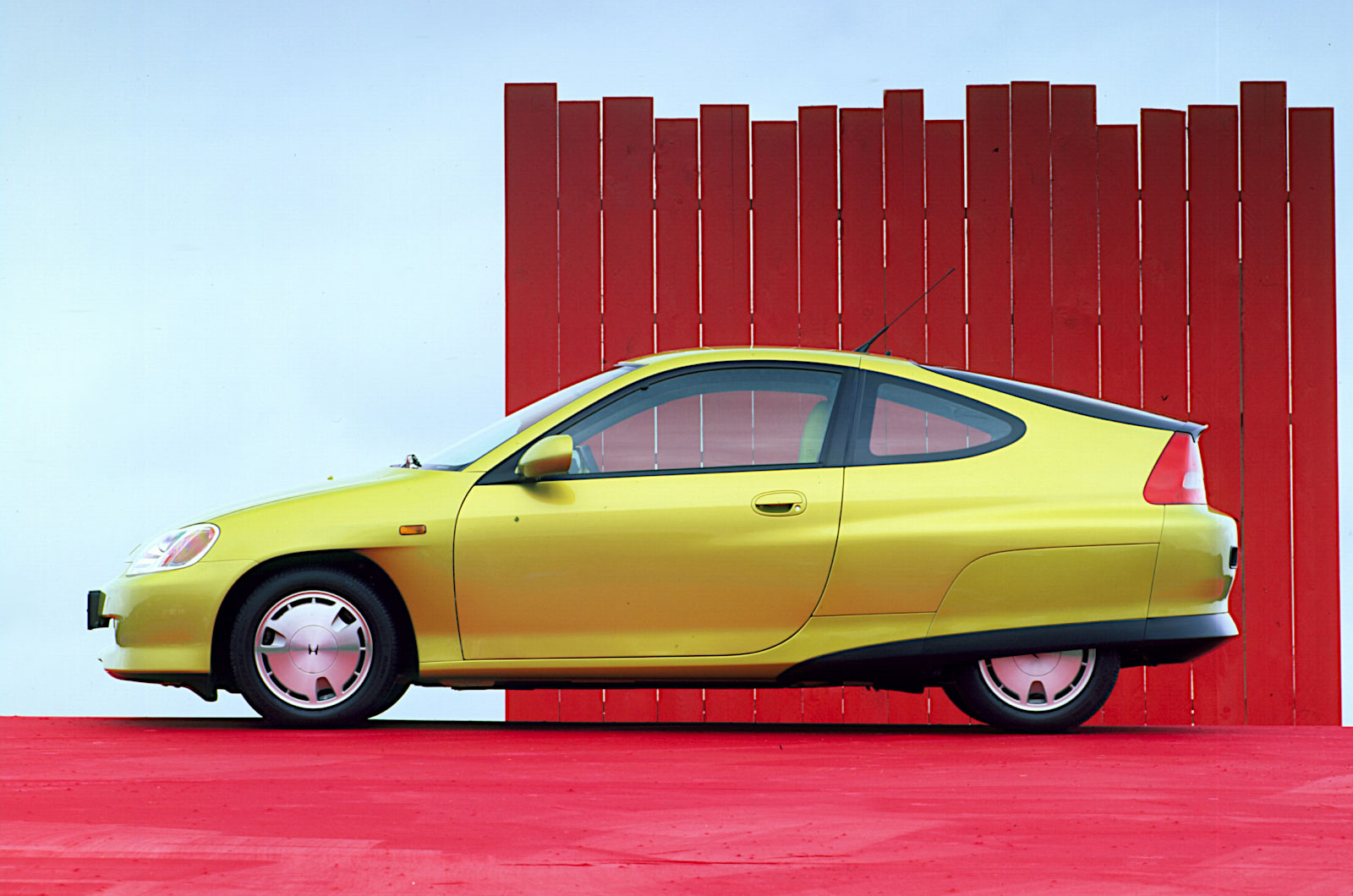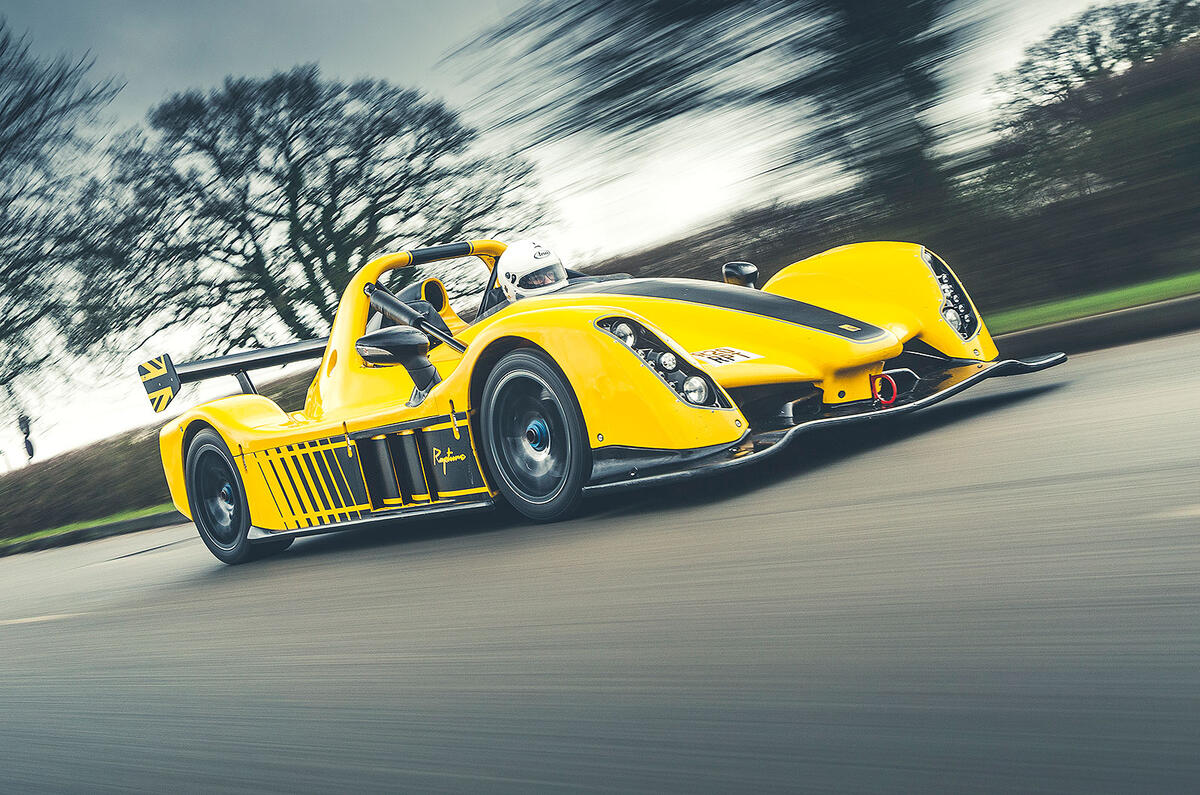
Customisers around the world have been creating deliberately wild-looking cars for many decades.
For at least as long, manufacturers have also come up with some pretty wild designs without necessarily meaning to. Many of their most apparently crazy cars ended up that way for sound technical reasons, or perhaps because they were simply following a particular fashion. Others can safely be described as unfortunate mistakes.
The possibilities are so wide that hundreds of cars could reasonably be described as wild. Here, in alphabetical order, are some which particularly grabbed our attention:
Alfa Romeo Disco Volante
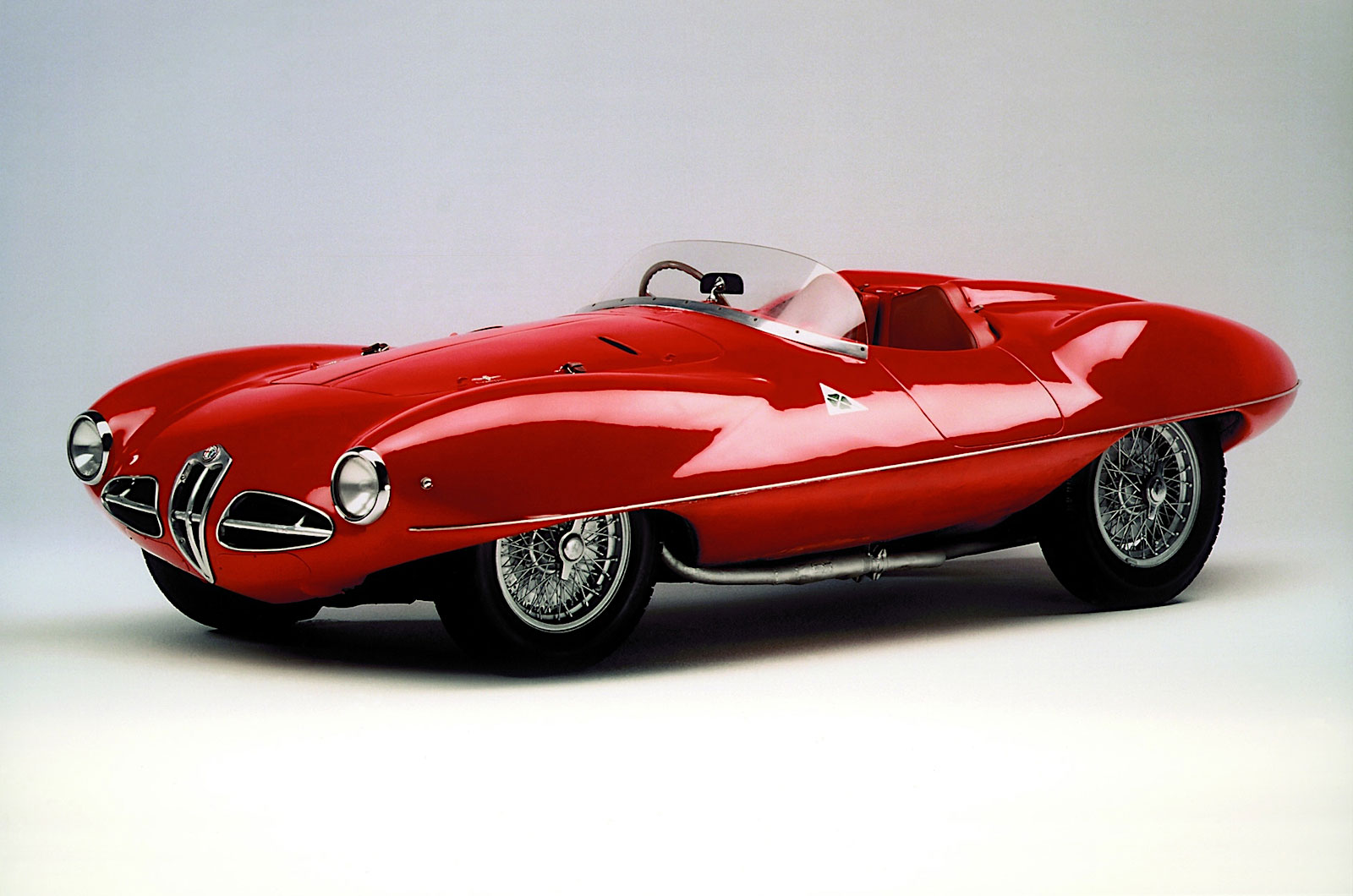
The Disco Volante was a sports racing car derived from Alfa's 1900 saloon and produced in very small numbers in 1952 and 1953. Manufacturers had been trying to manage airflow round their car's bodies for some time, but the Disco Volante took the idea to a whole new level.
Five cars were built, with three body styles. The Spider (pictured) most obviously deserved the model's name, which is the Italian for 'flying saucer'.
Alfa Romeo SZ
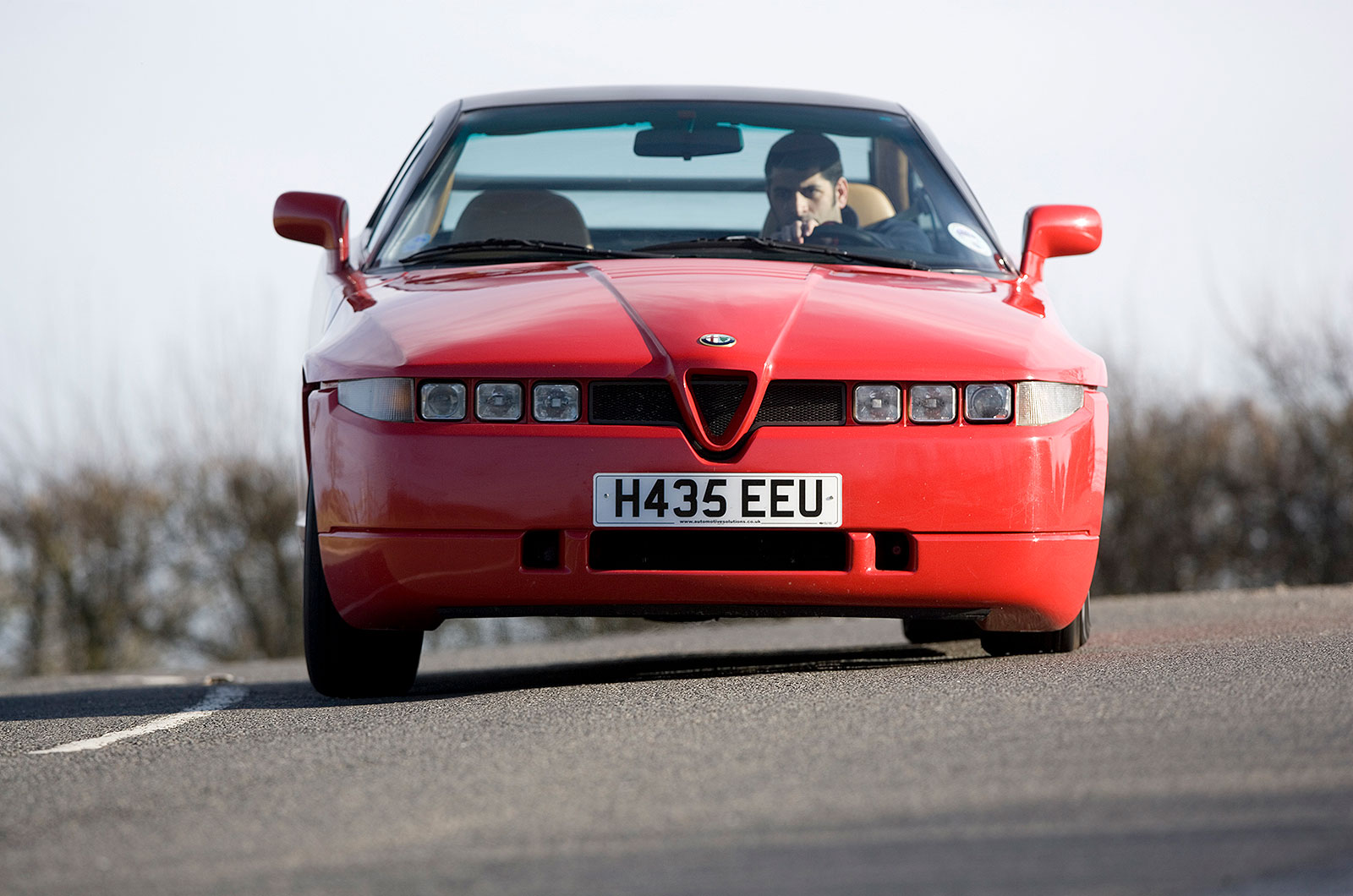
The most memorable Alfa Romeos are usually beautiful, and frequently curvy. Neither of these descriptions applies to either the SZ coupe (pictured) or the later RZ convertible. Based on a sketch by Robert Opron (1932-2021), the SZ was slab-sided and aggressive.
It was nicknamed il mostro ('the monster') by Italians, perhaps with a sense of approval and respect.
AMC Pacer
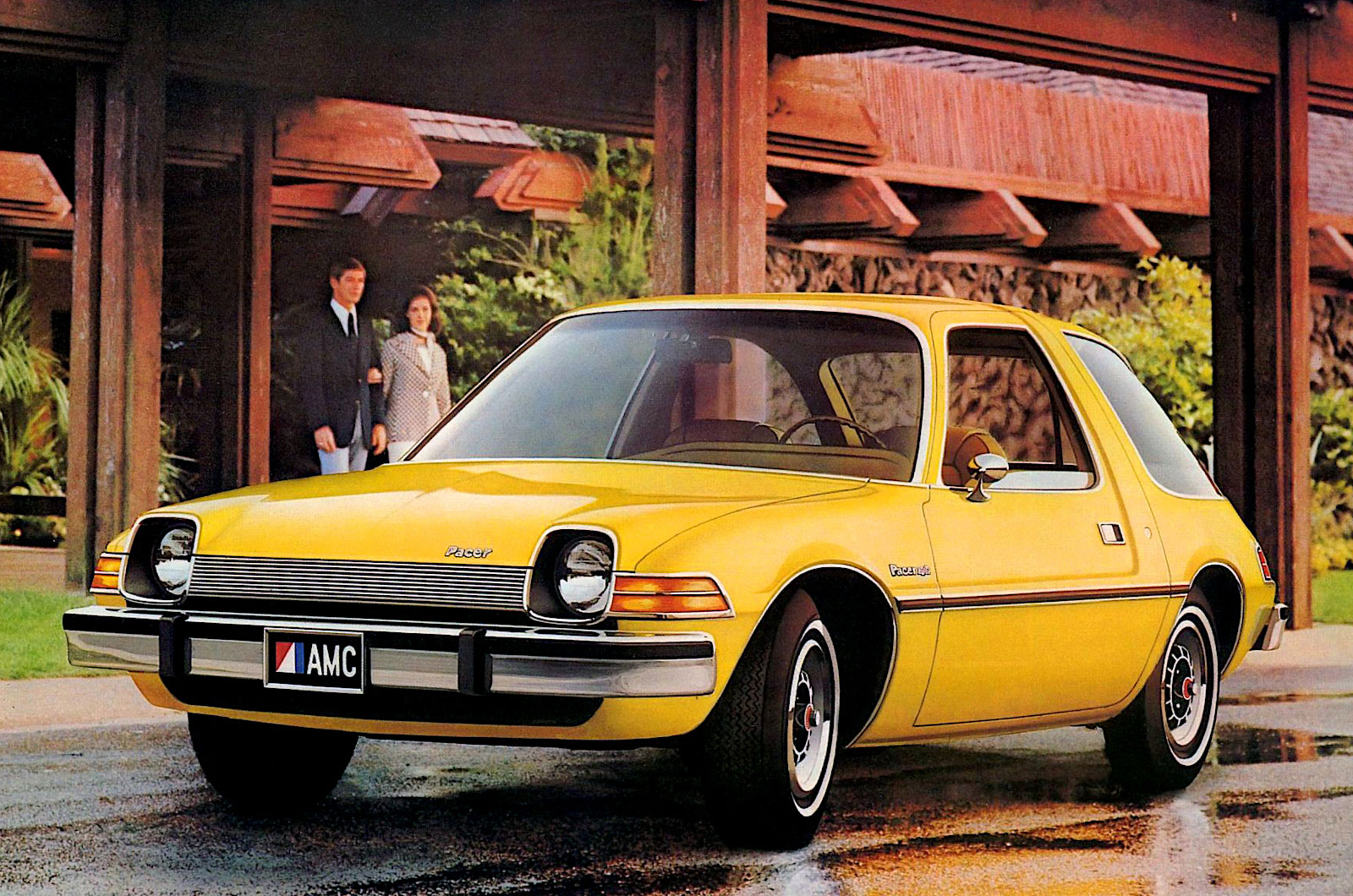
For a car produced in the US in the second half of the 1970s, the Pacer had an astonishingly modern design, featuring an enormous amount of glass. The radical shape was almost certainly a step too far for American Motors Corporation. Unlike Detroit’s Big Three US manufacturers, AMC was not big enough to offset the risk of losing money on the Pacer with profits from more conventional models.
The Pacer was not a great car, and there were several reasons to avoid it, but the styling was certainly a factor in AMC's decision to end production after just five years.
Ariel Atom
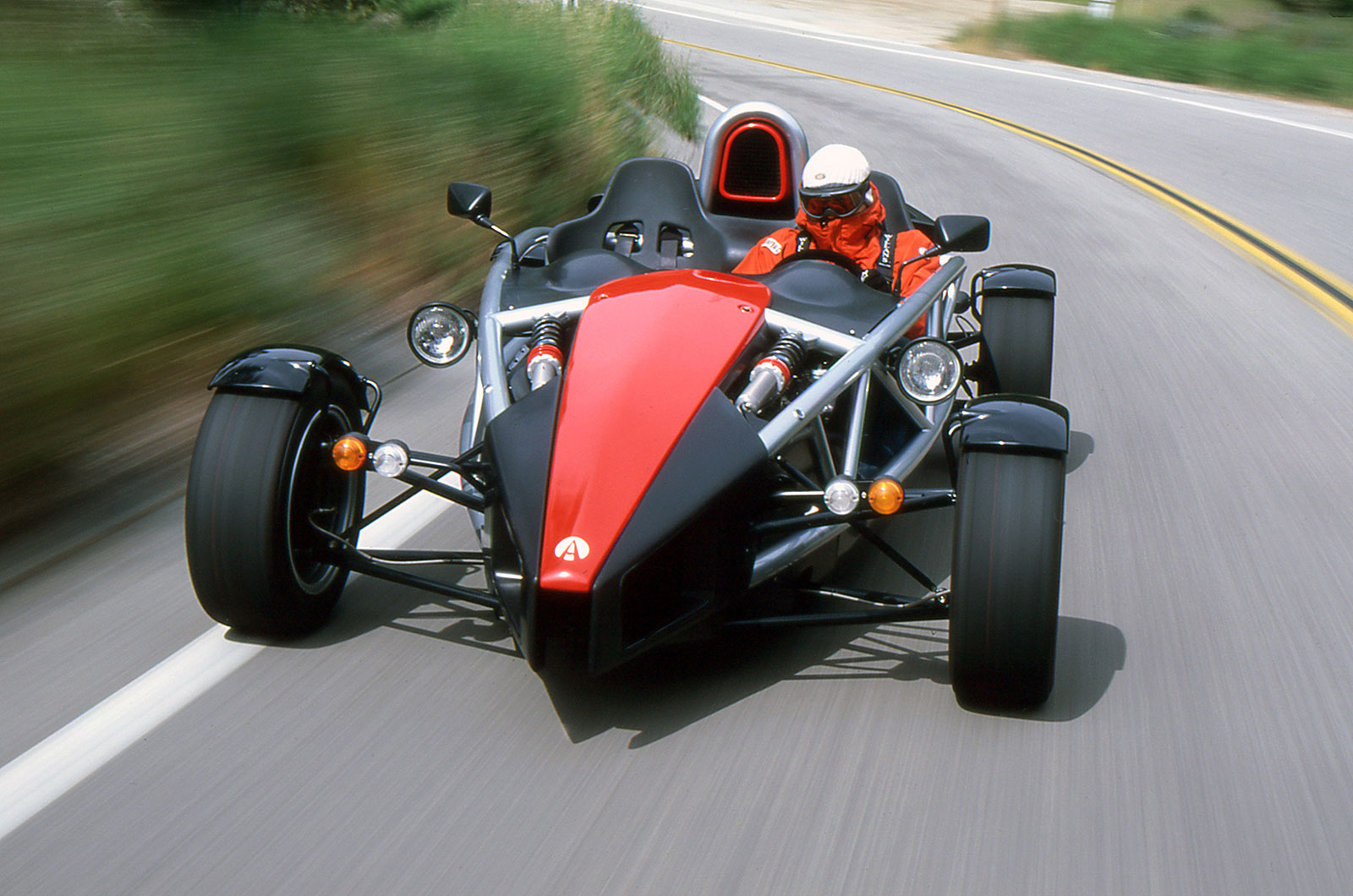
The Atom is an extreme example of a car's form being dictated by its function. There is almost no styling at all. The body of the car is also its spaceframe chassis, through which the driver and many of the components can easily be seen. There are almost no non-structural panels.
Despite all this, the Atom is one of the most immediately recognisable cars in the world. Hardly anything else looks remotely like it.
Aston Martin Lagonda
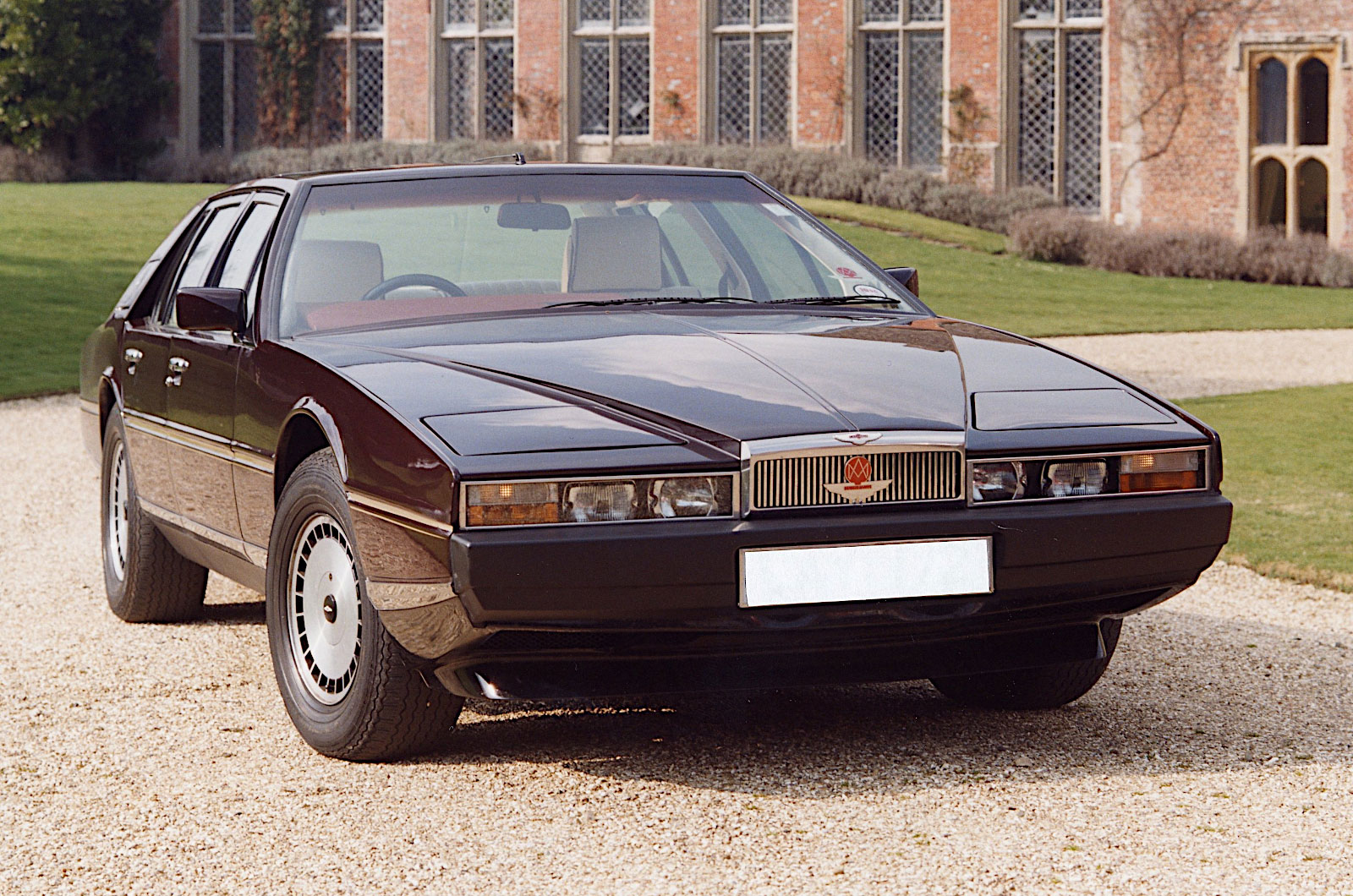
Designed by William Towns (1936-1993), the Lagonda was greeted with outrage when it made its debut in 1976. Until then, Aston Martins had been stylish and curvy. The Towns design largely consisted of flat panels joined to each other by sharp edges.
Traditionalists were horrified, but the Lagonda in fact remained in production until 1990. A slight restyle (again by Towns) in 1987 did nothing to change the car's original character.
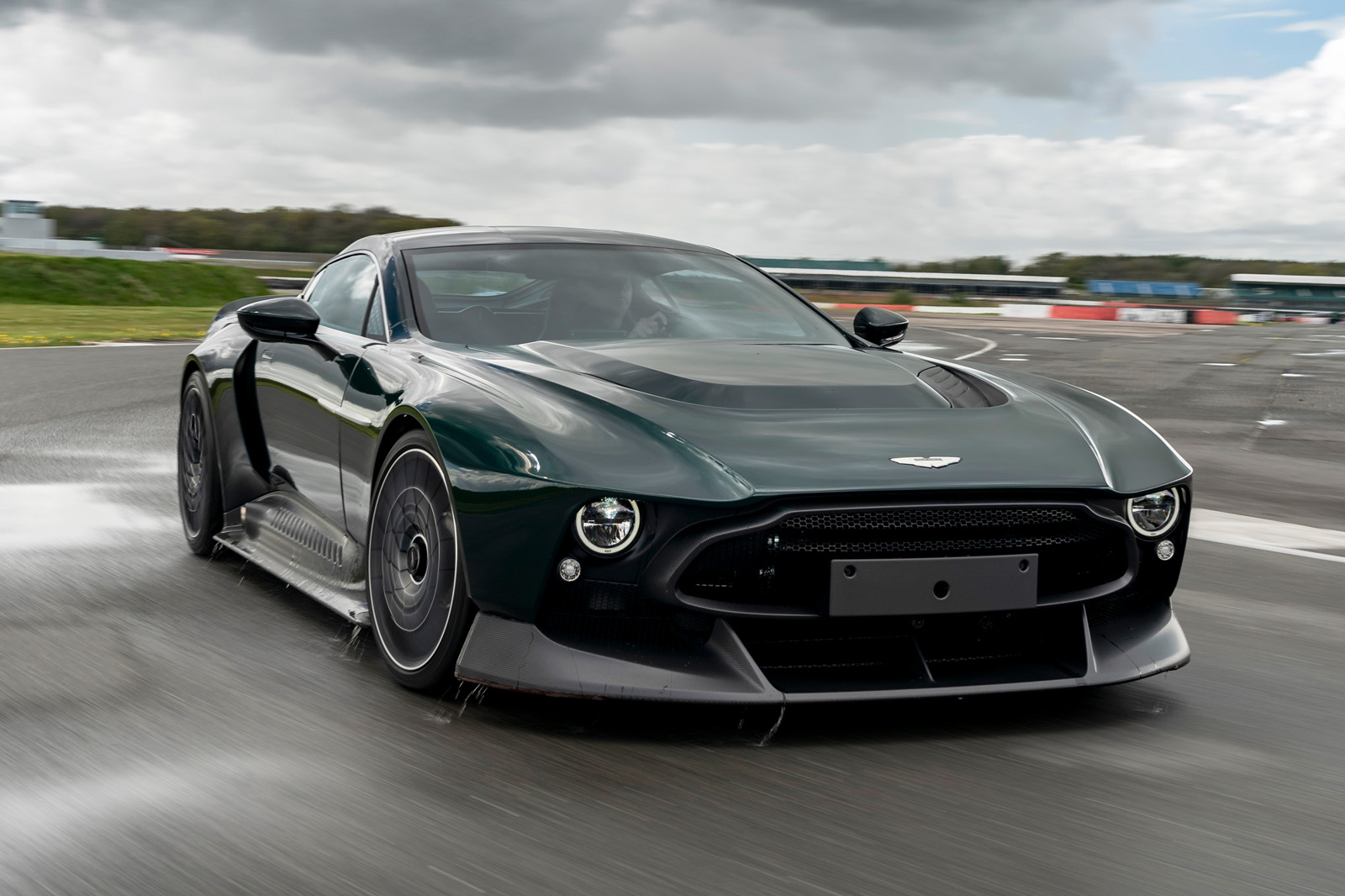
Aston Martin Victor