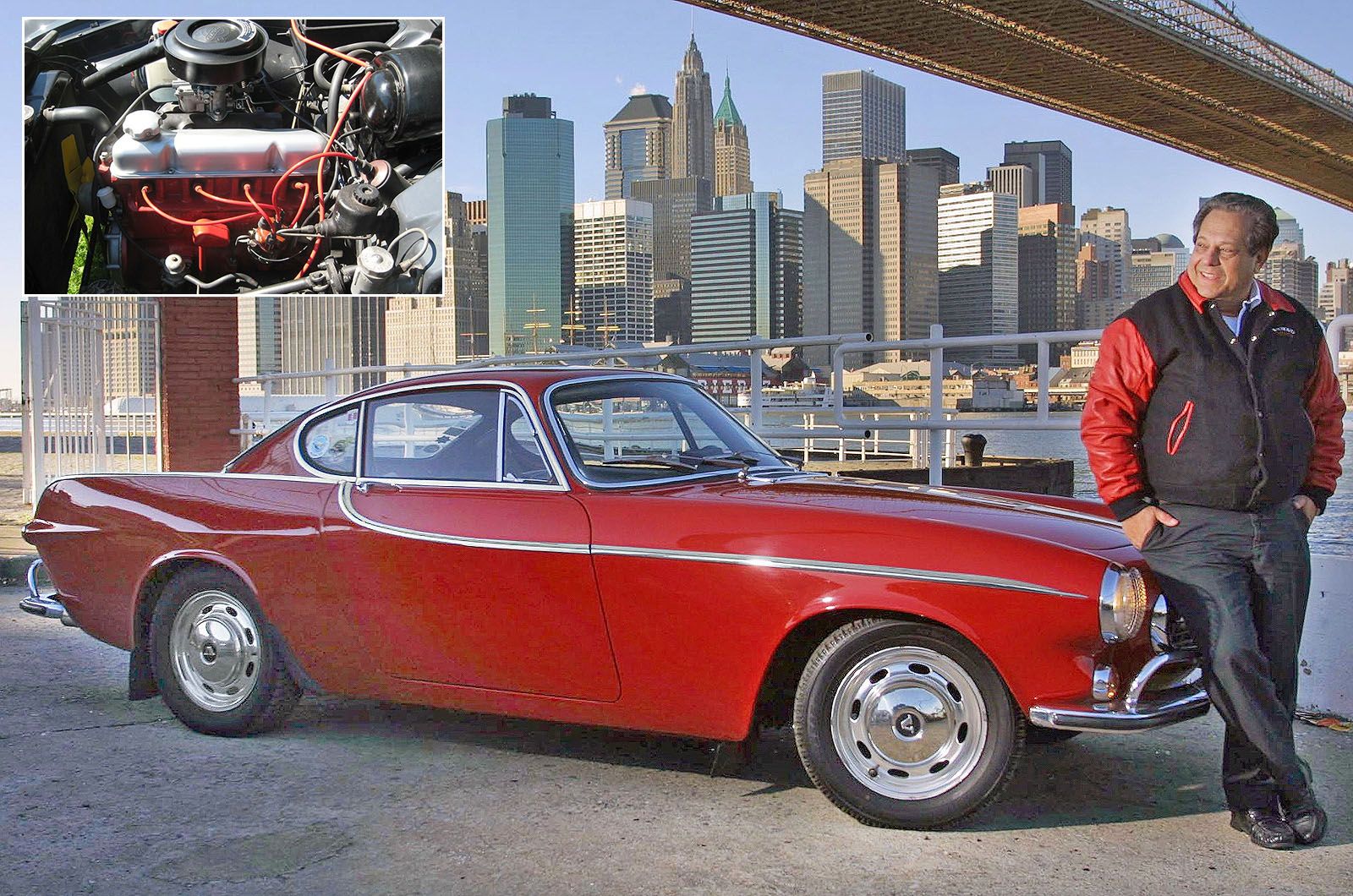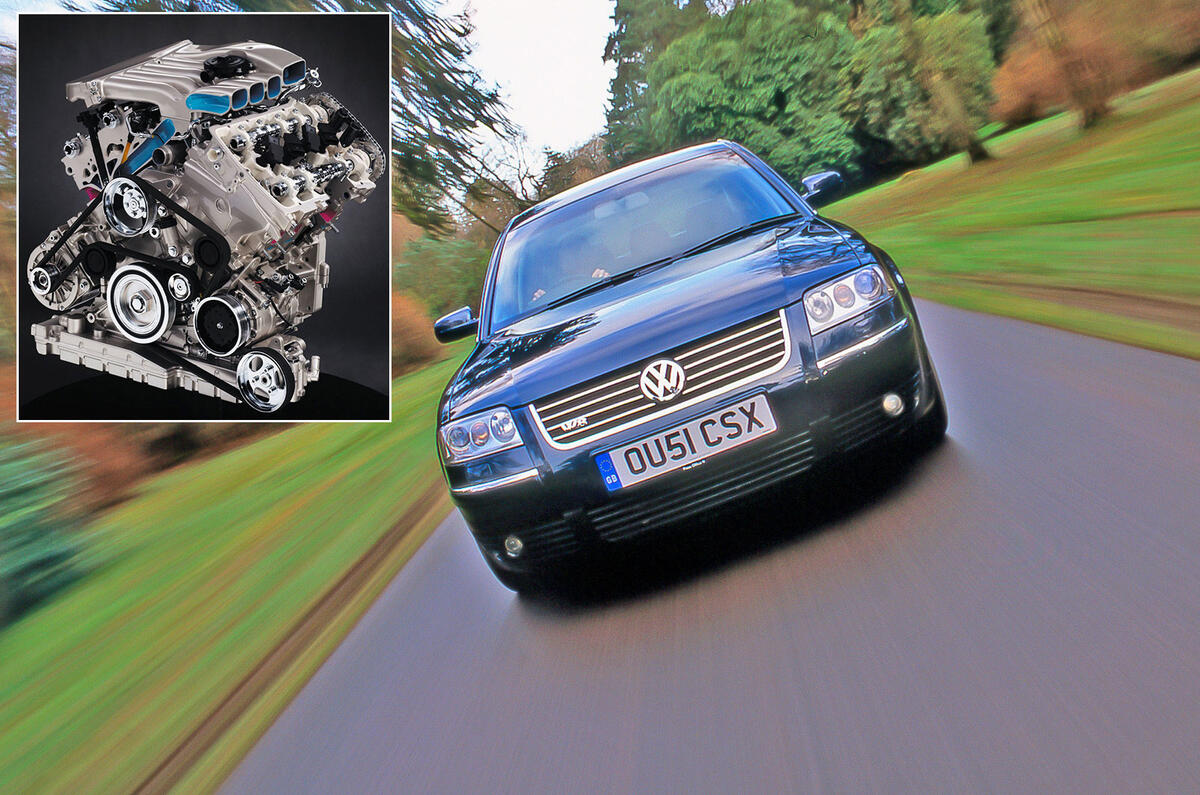
In the more than 130 years since the motor industry came into being, so many engines have been created that it’s almost impossible to keep track of them all.
Some – like the Chevrolet smallblock, the Ford Kent and the Porsche flat six – will probably remain in the public memory for a long time, but others are known today only to people with a particular interest in cars.
Here are 30 examples of the ones gradually being lost to time, listed in alphabetical order. While we’re sure you will know about some of them, congratulations are due if you were already aware of the full set.
AMC straight four
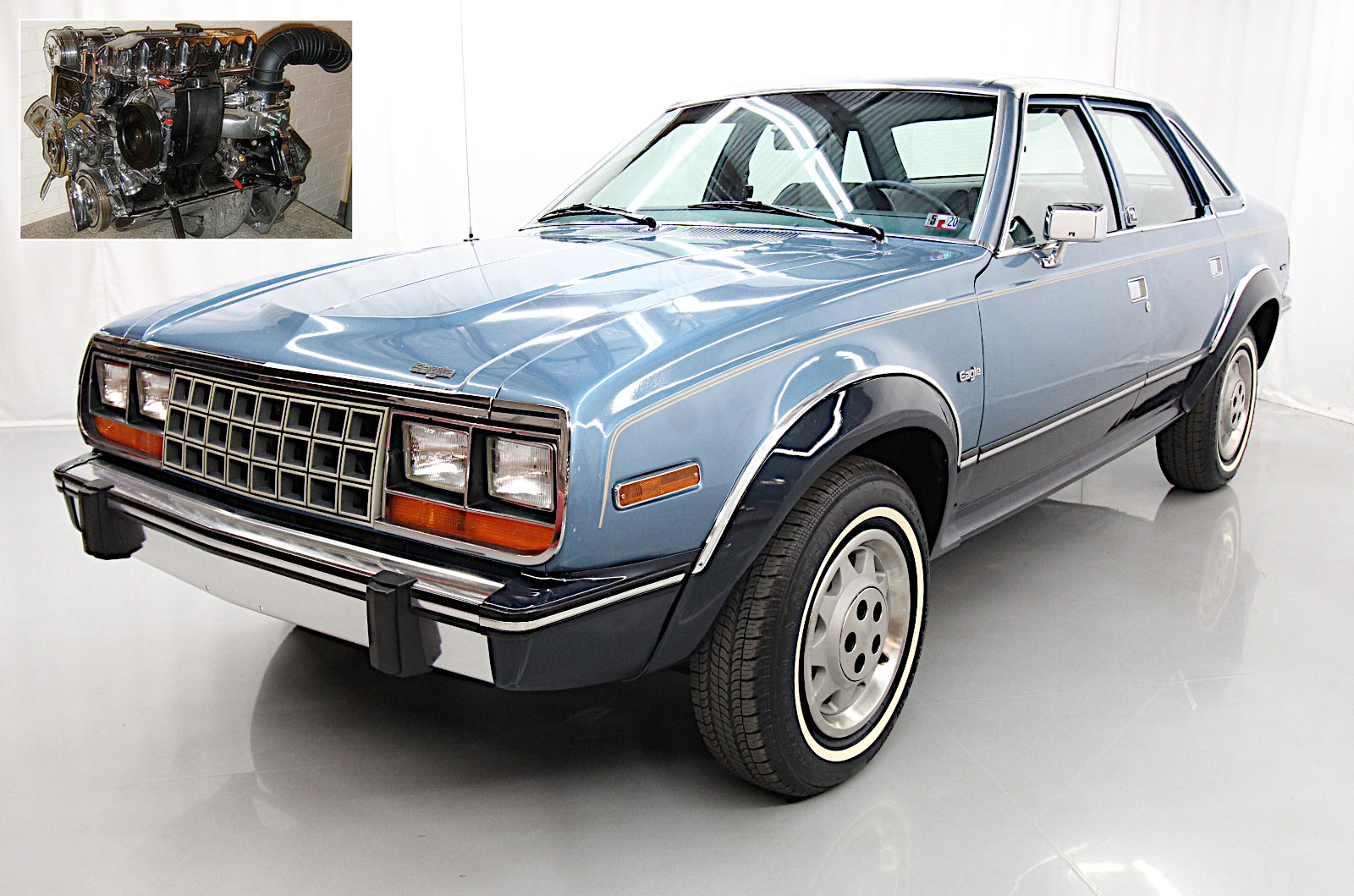
It would be easy to mistake this for a Chrysler engine, because it was used long after Chrysler took over the American Motors Corporation in 1987, but it was definitely the work of AMC. The original brief was to produce a unit which would power off-road vehicles, so durability and strong performance were design priorities right from the start.
The 2.5-liter straight four made its debut in Jeeps and the AMC Eagle (pictured) in 1983, and was still being used in the Wrangler SUV and the Dodge Dakota pickup in the early 21st century.
Austin Seven
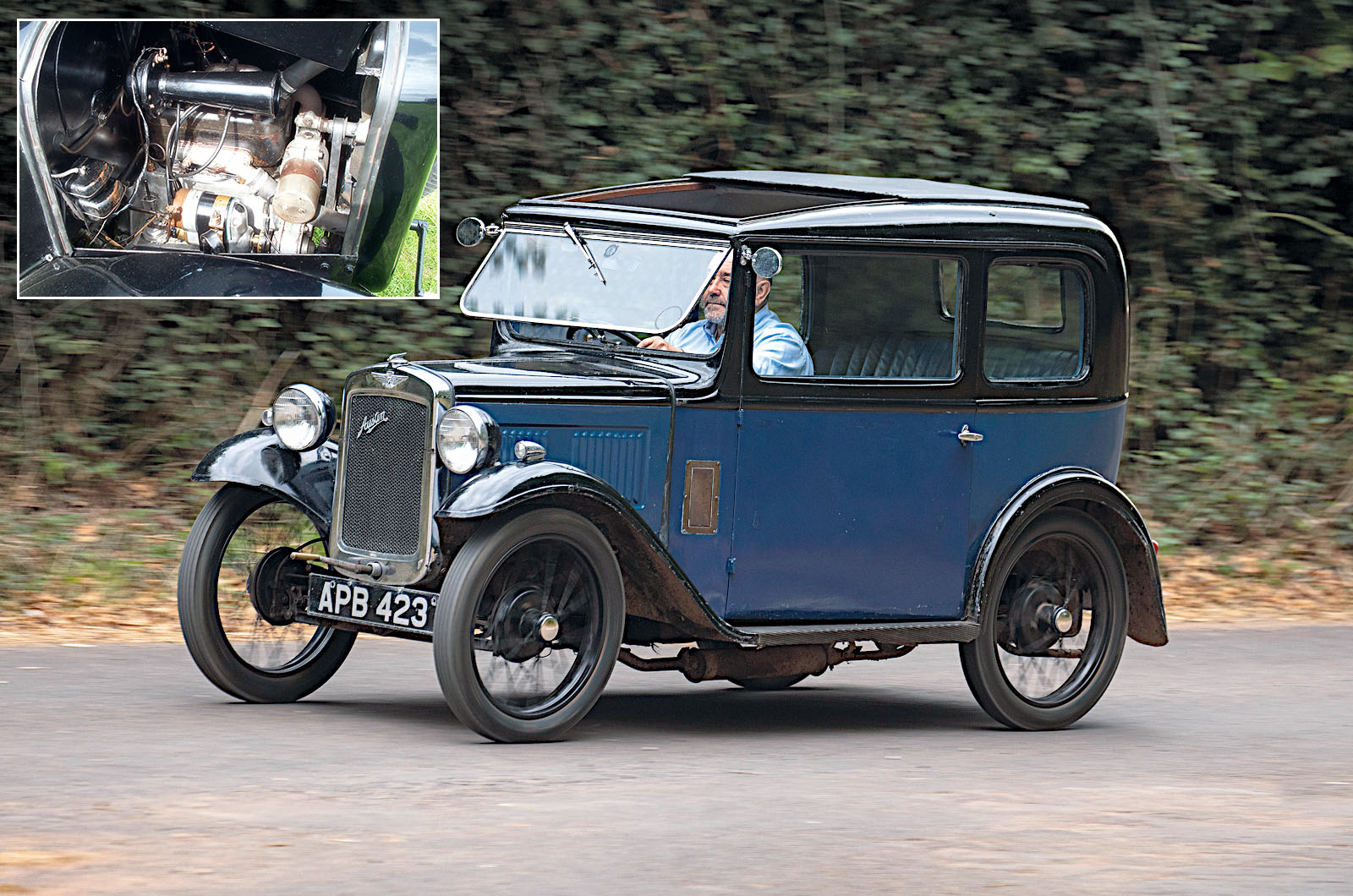
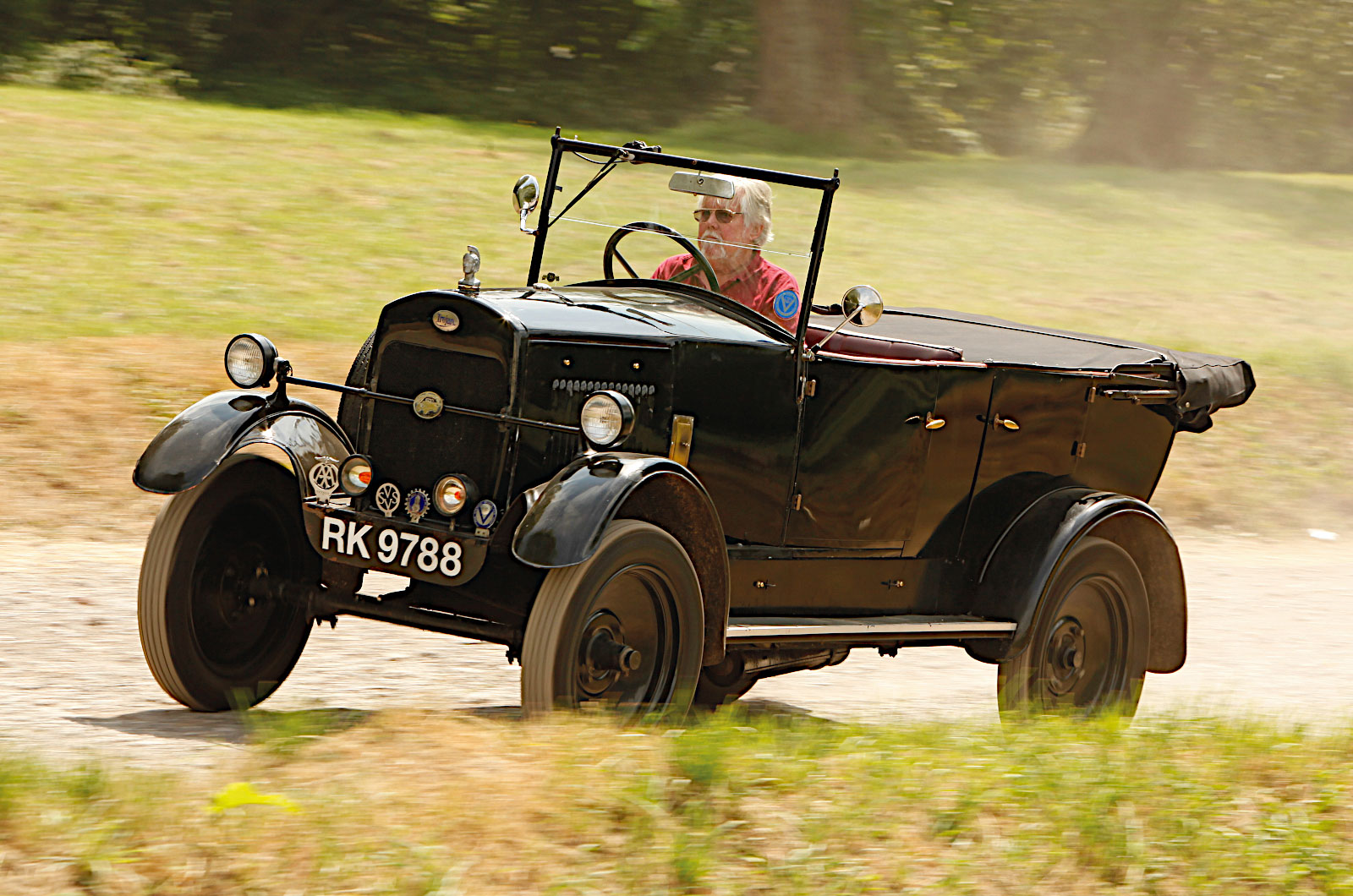
Hardly any British motorists of the 1920s and 1930s – and indeed very few pedestrians – would have been unaware of the Austin Seven, which at one point even had a song written about it. The little car was exceptionally popular, and its four-cylinder engine (usually though not always measuring 747cc) was both economical in its standard form and capable of being tuned to produce remarkable amounts of power, especially when supercharged.
More than 80 years after the Seven was discontinued, there’s very little reason why a non-enthusiast should know about it, but there are plenty of these cars and their derivatives still around if you know where to look.
BMW M10
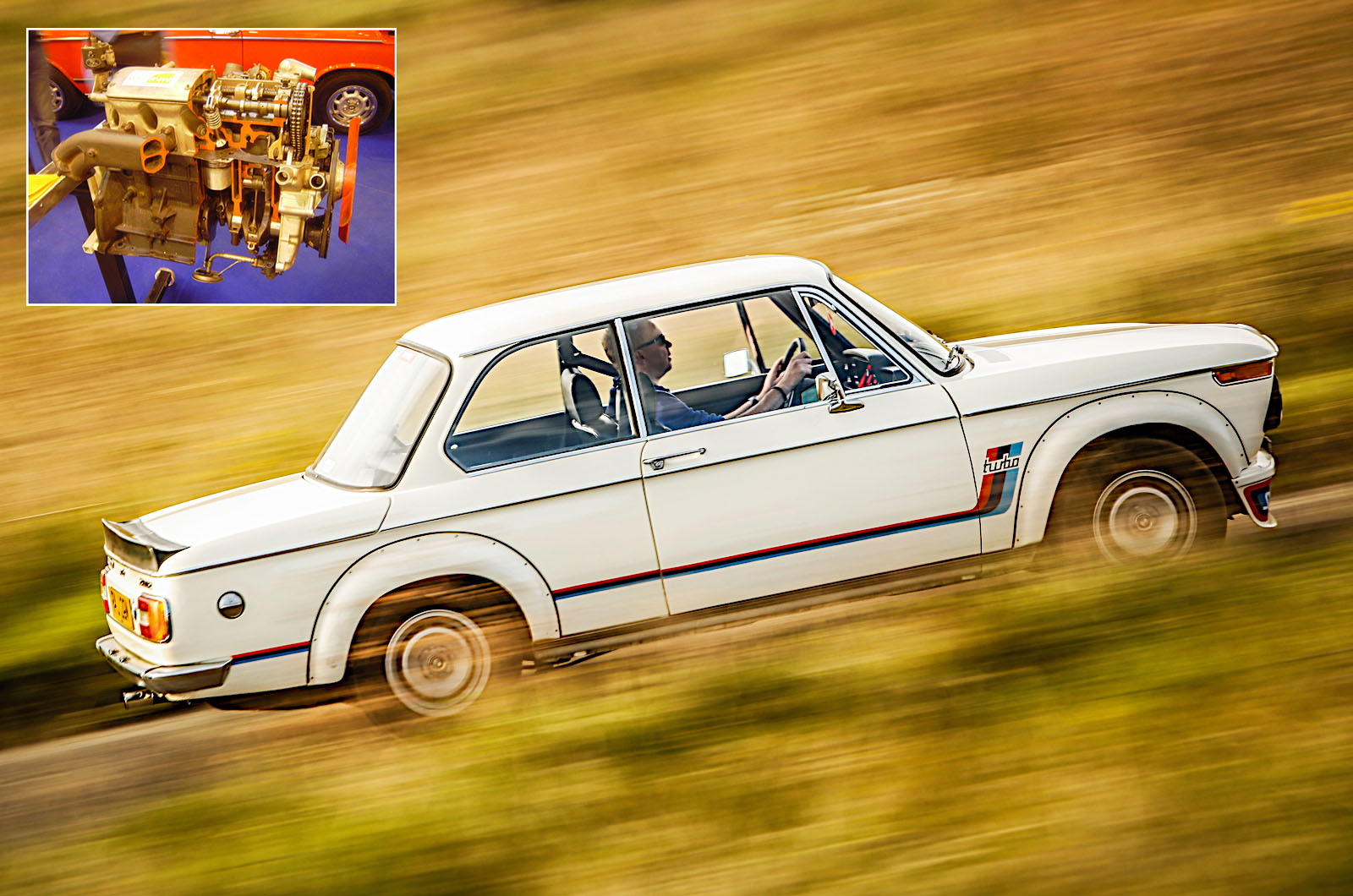
If it had a more evocative name than M10, this engine might be much better known than it is. Available in capacities from 1.5 to 2.0 liters, it was first used in the New Class saloons in 1962, and was still around more than a quarter of a century later.
In its most extreme form, it powered the celebrated BMW 2002 Turbo (pictured), and was also the basis of the S14 used in the first-generation BMW M3 and the turbocharged 1.5-liter M12 Formula 1 engine which, with the boost turned up in qualifying sessions, was estimated to produce around 1400bhp.
BMW V8
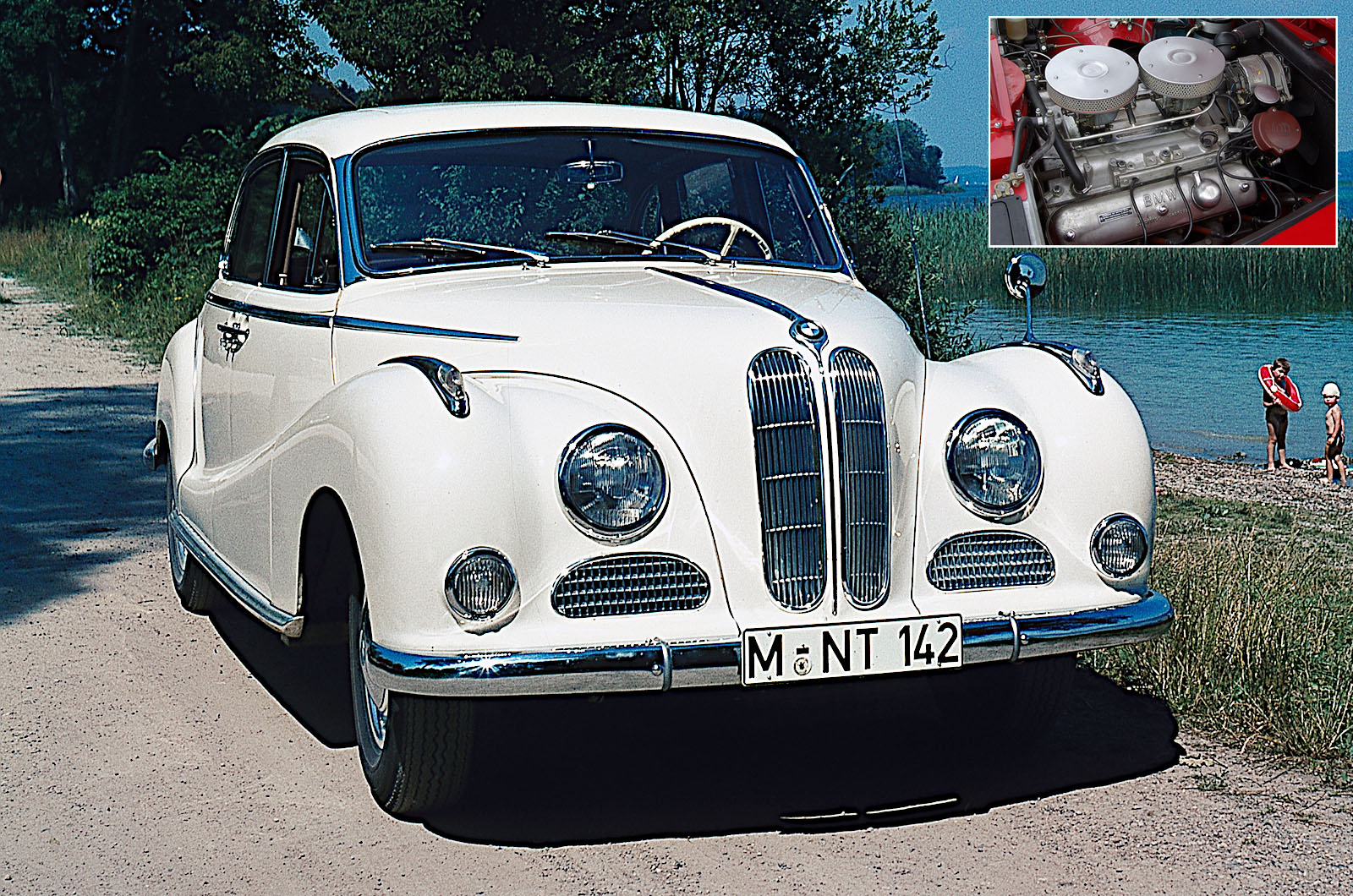
While it’s probably best known for its fours and sixes, BMW has also ventured into V8 and V12 territory. Its earliest V8 is also the only one described as overhead-valve (meaning that the valves are above the pistons but the camshaft is alongside them), and the reason you probably aren’t aware of it is that it hasn’t been used since 1965.
It had made its debut in 2.6-liter form 11 years earlier in the 502 saloon (pictured), and would later be expanded to 3.2 liters. Among other vehicles, it powered the fabulous, but also very unsuccessful, 507 sports car of the mid to late 1950s.
Chevrolet 90-degree V6