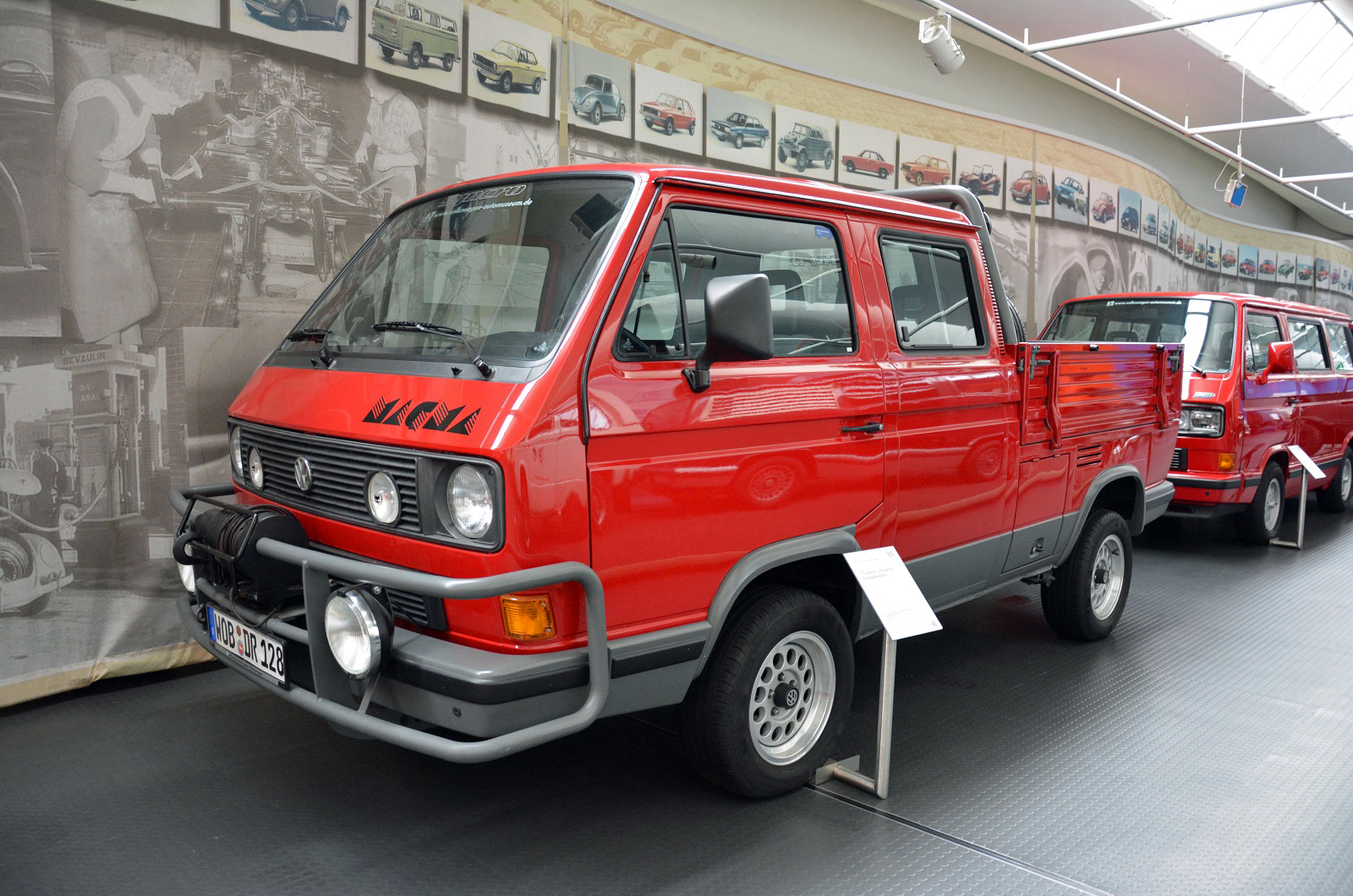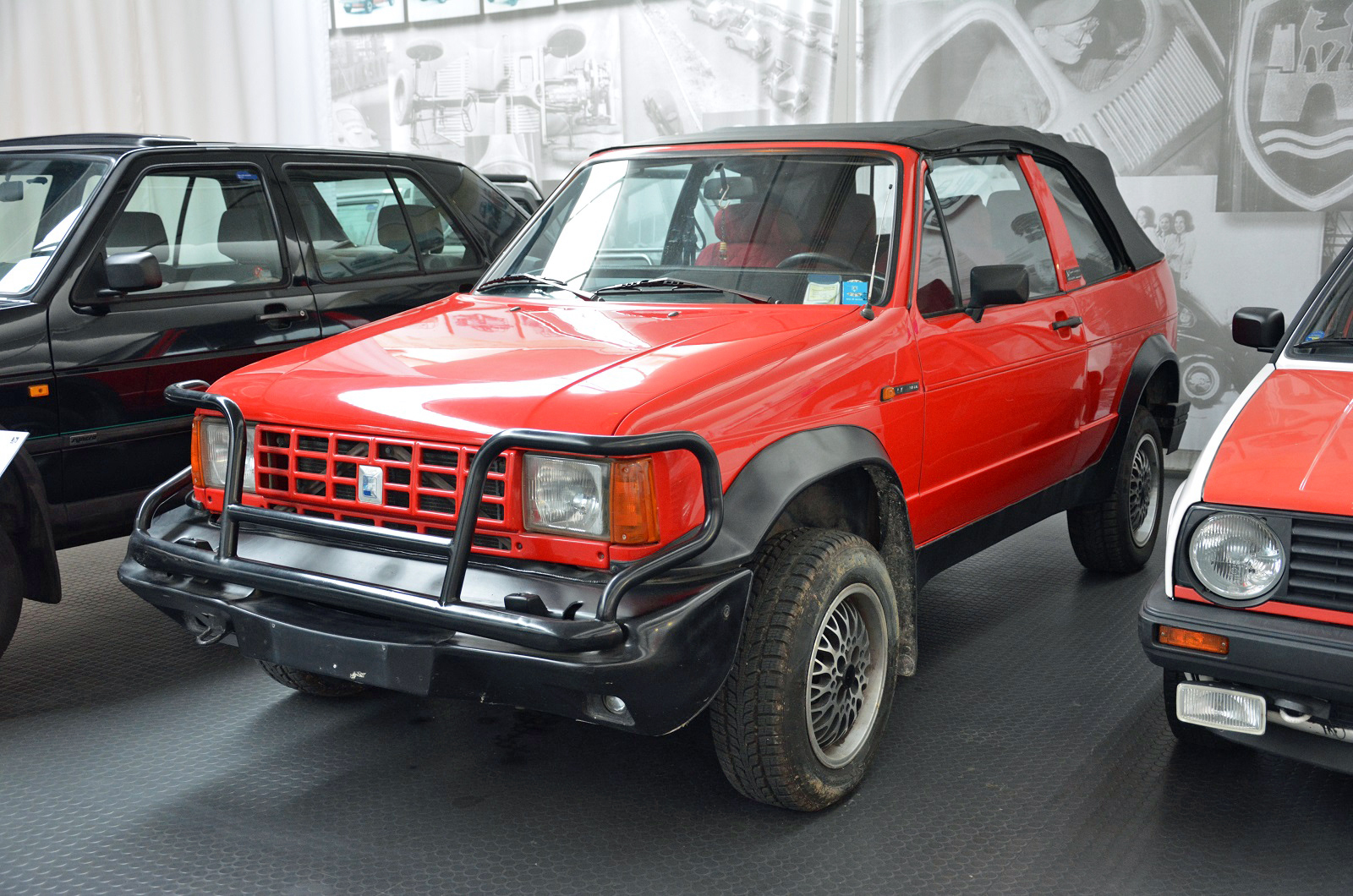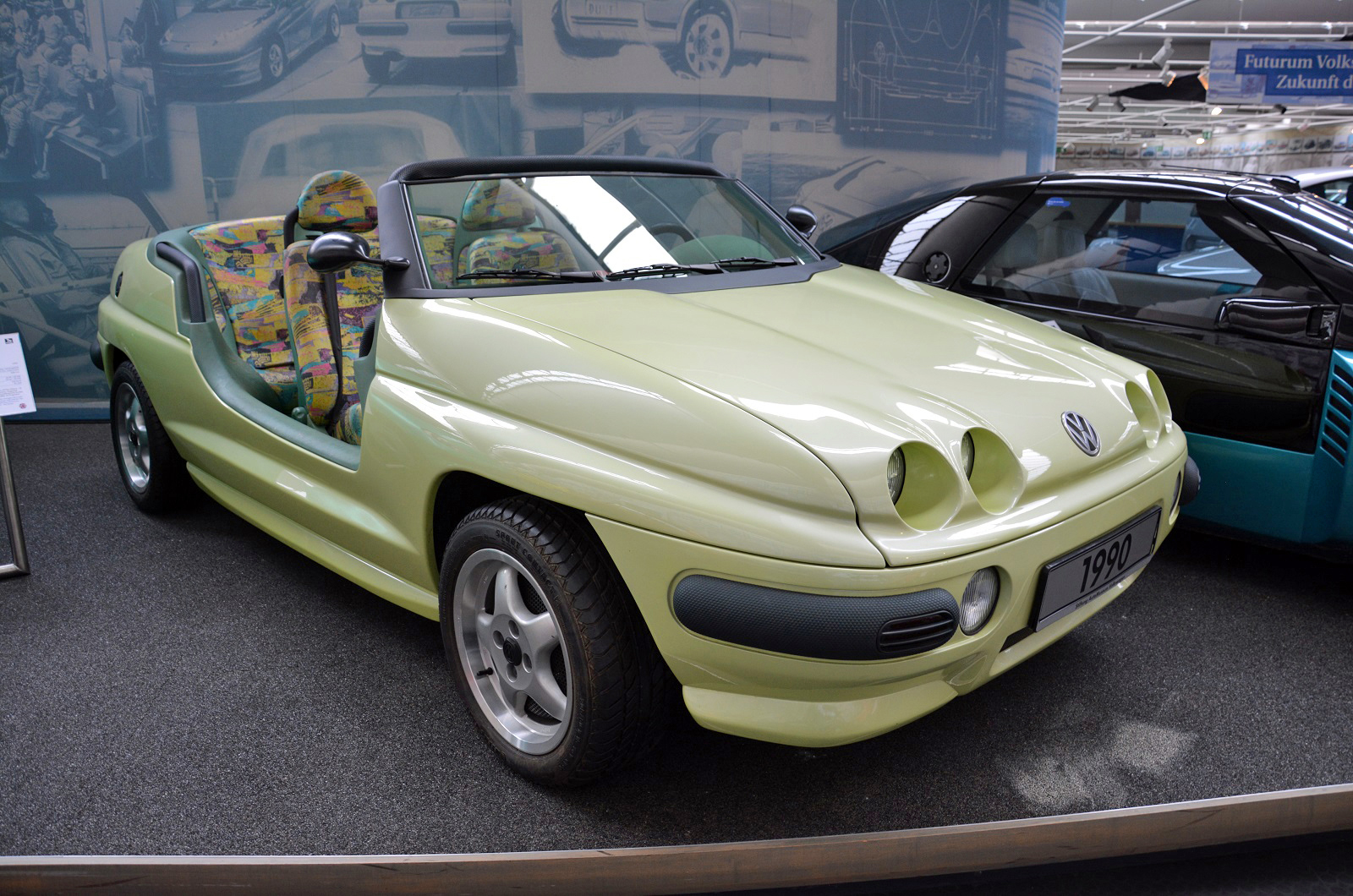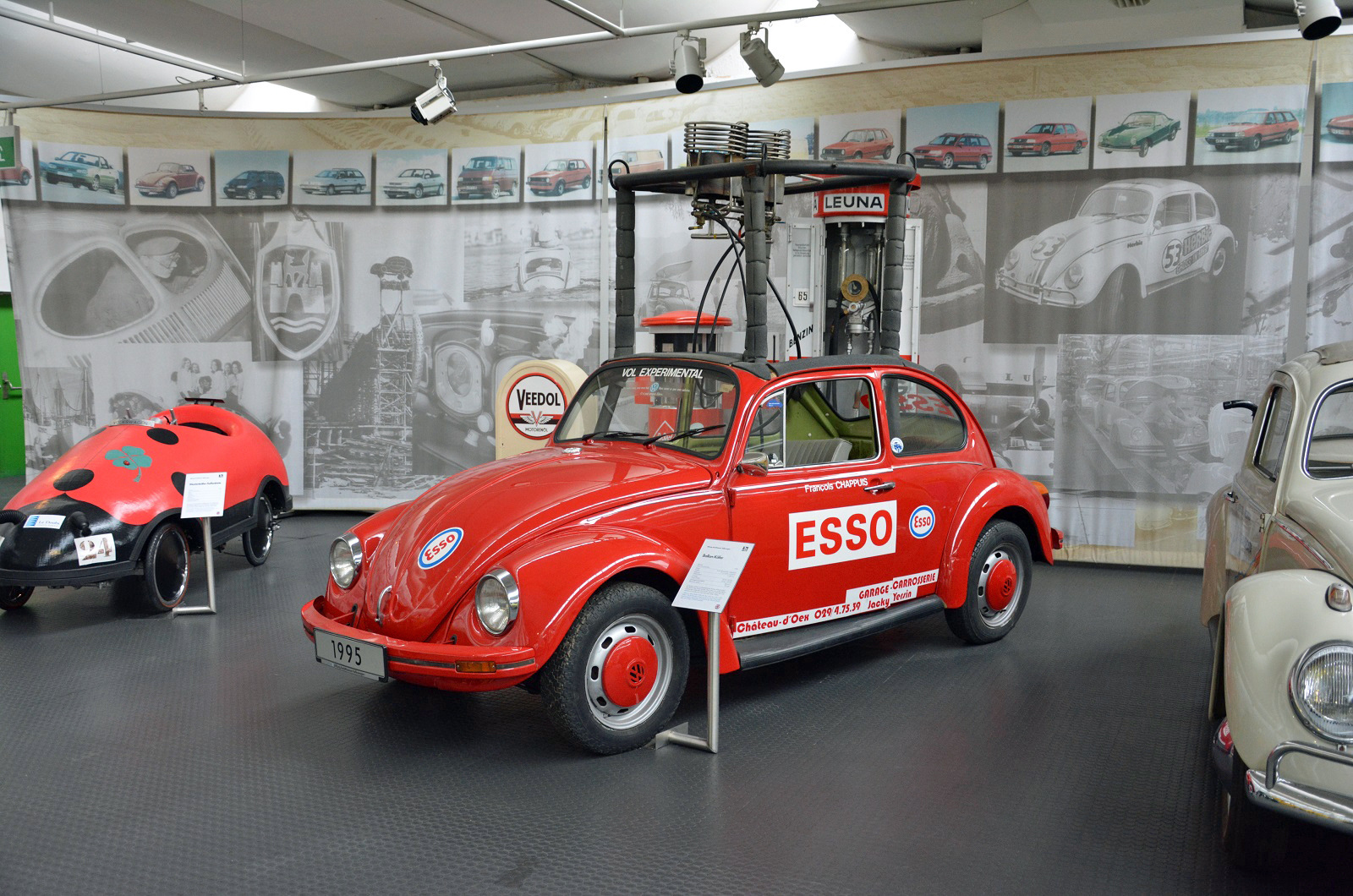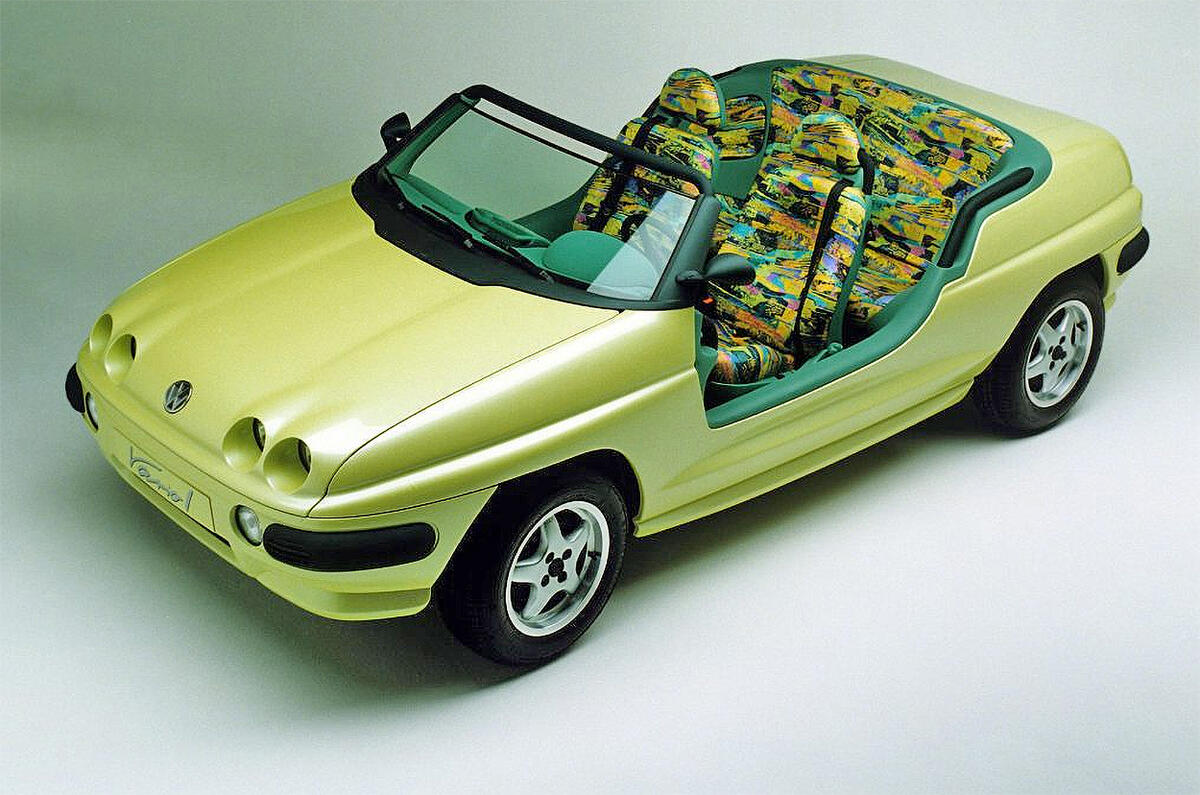

Volkswagen runs two museums in its home town of Wolfsburg.
Called ZeitHaus, the first collection is like a book of the 100 most emblematic cars brought to life. It’s where you’ll find a Lamborghini Miura, an Austin Mini, a Cadillac Eldorado and, of course, a diverse selection of classic Volkswagen models.
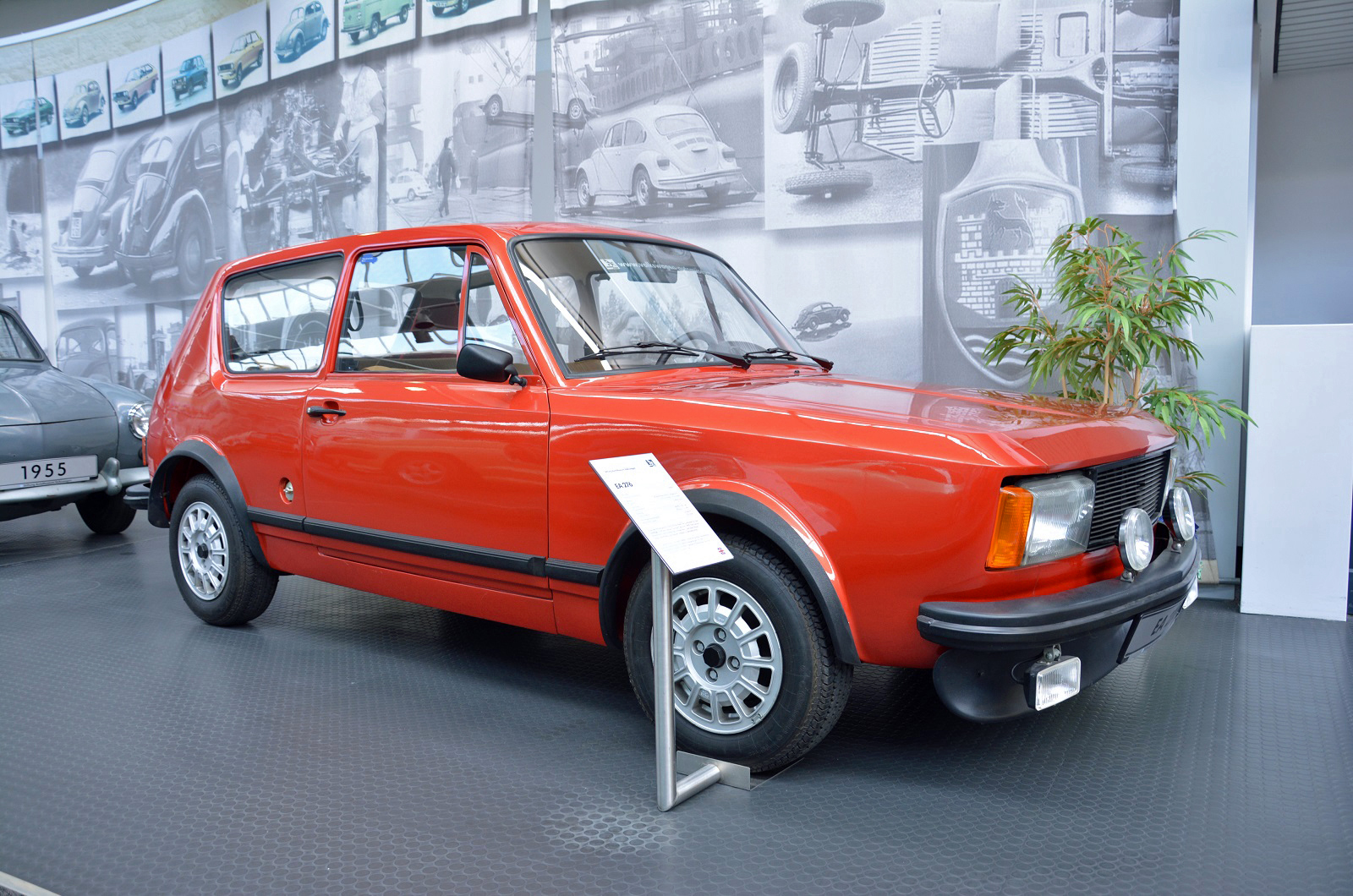
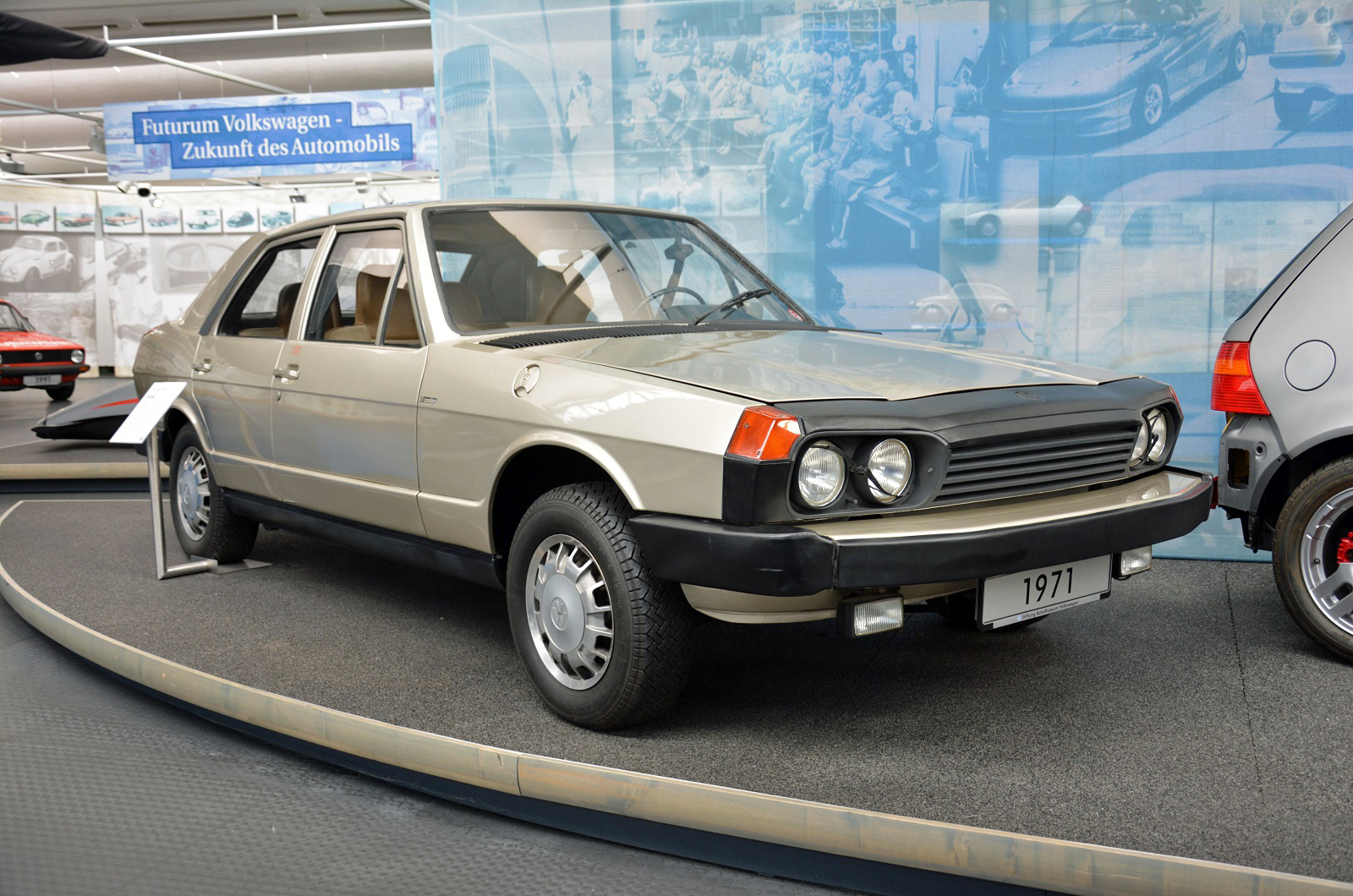
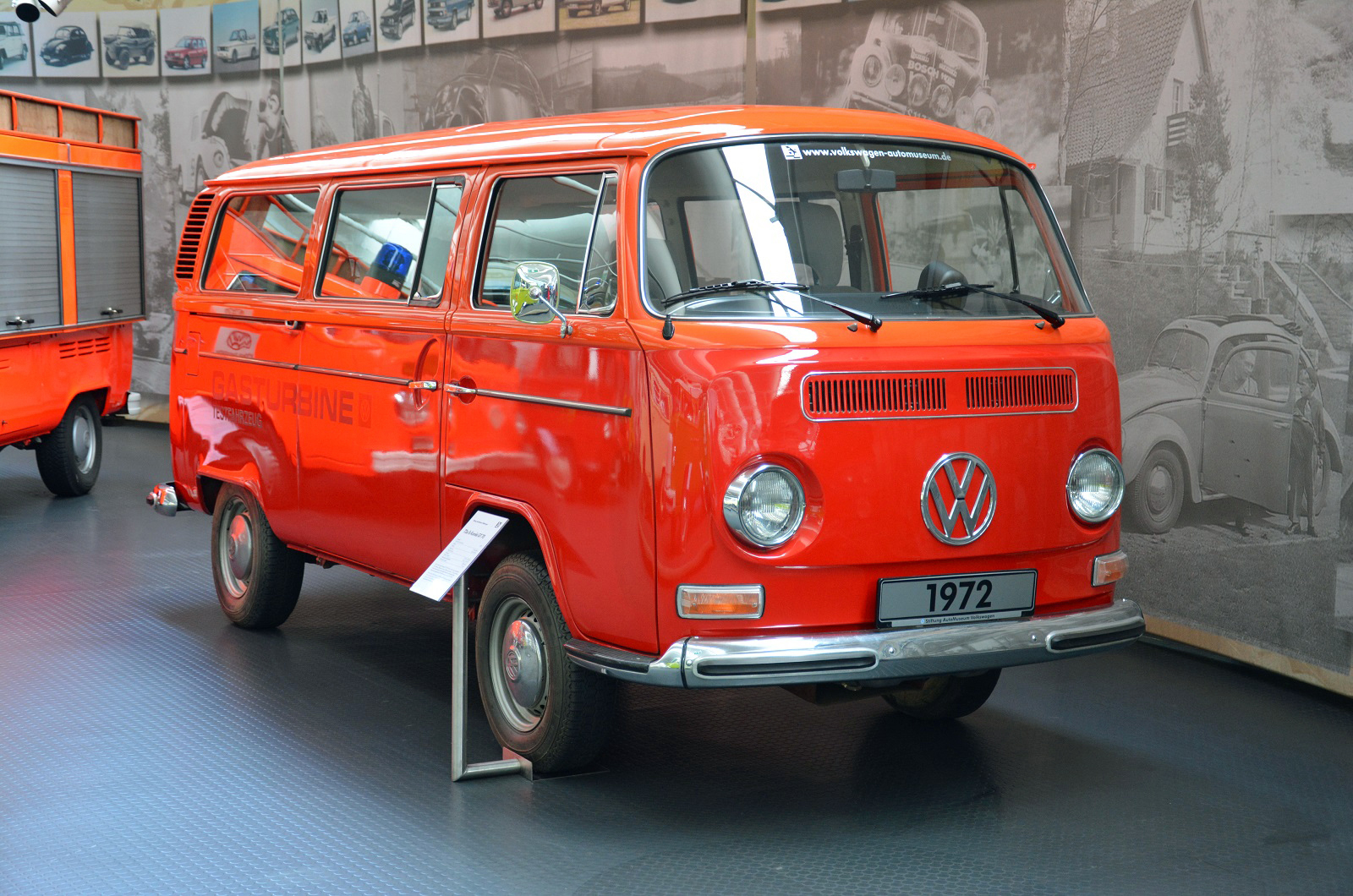
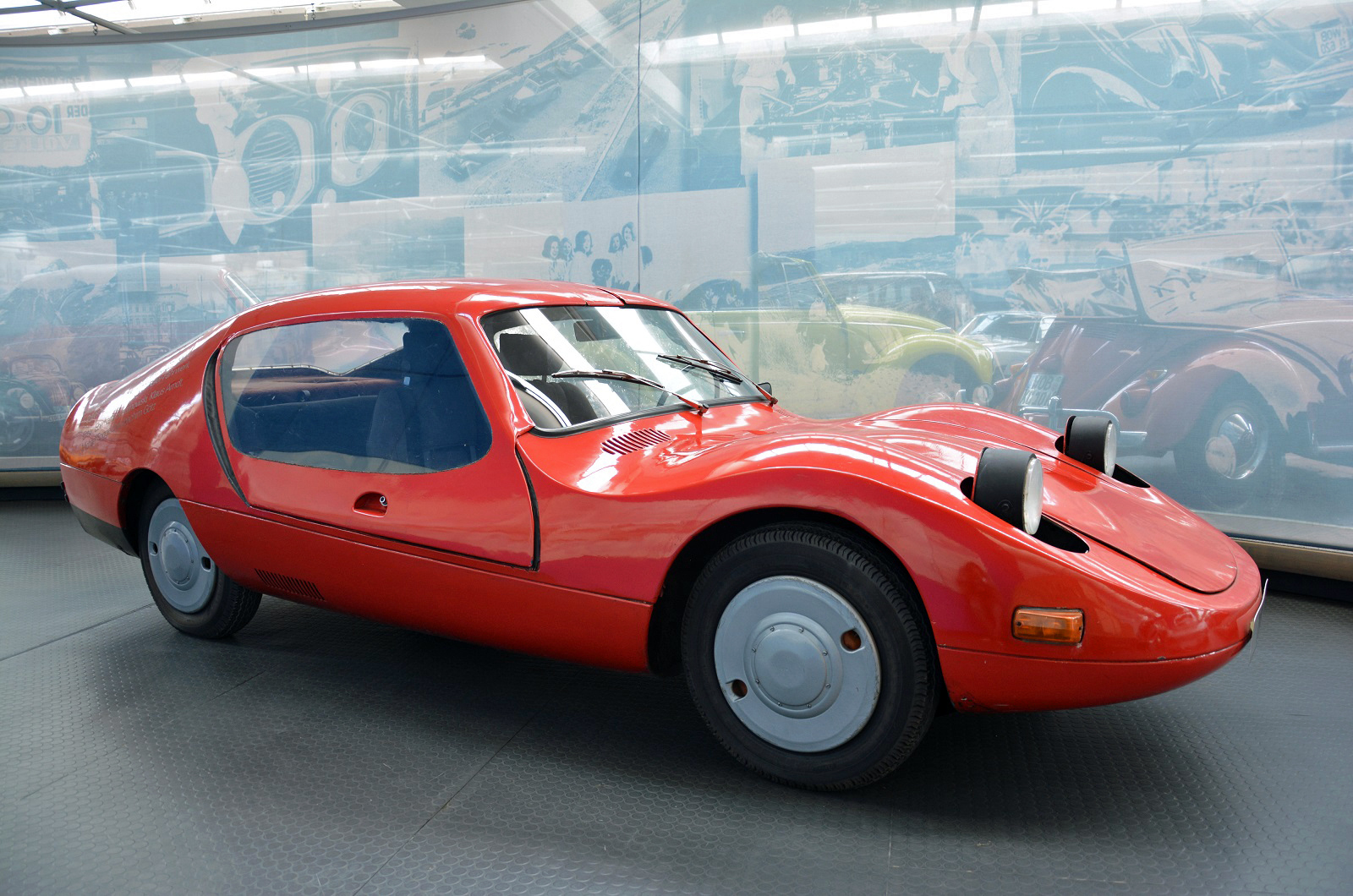
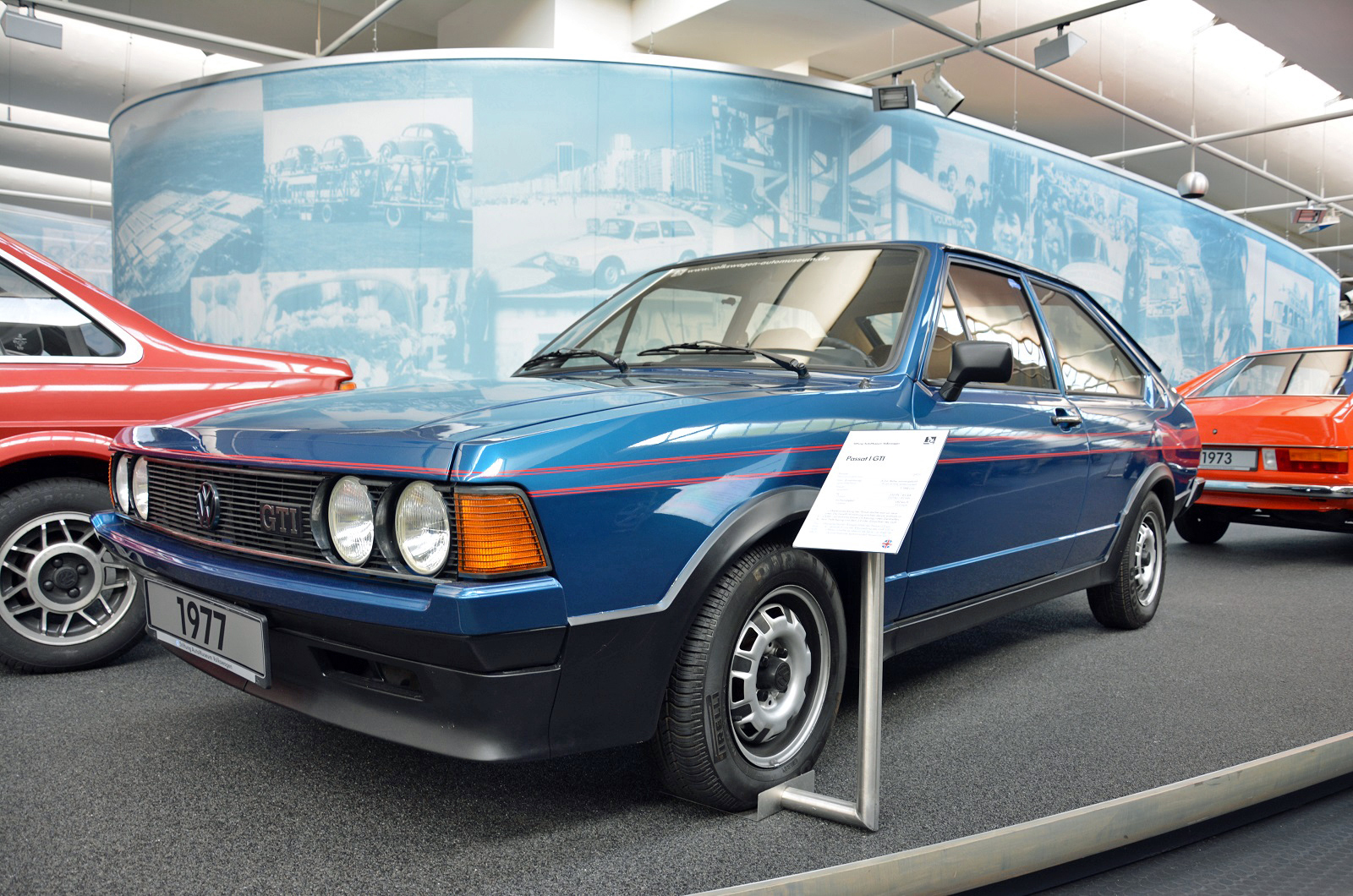
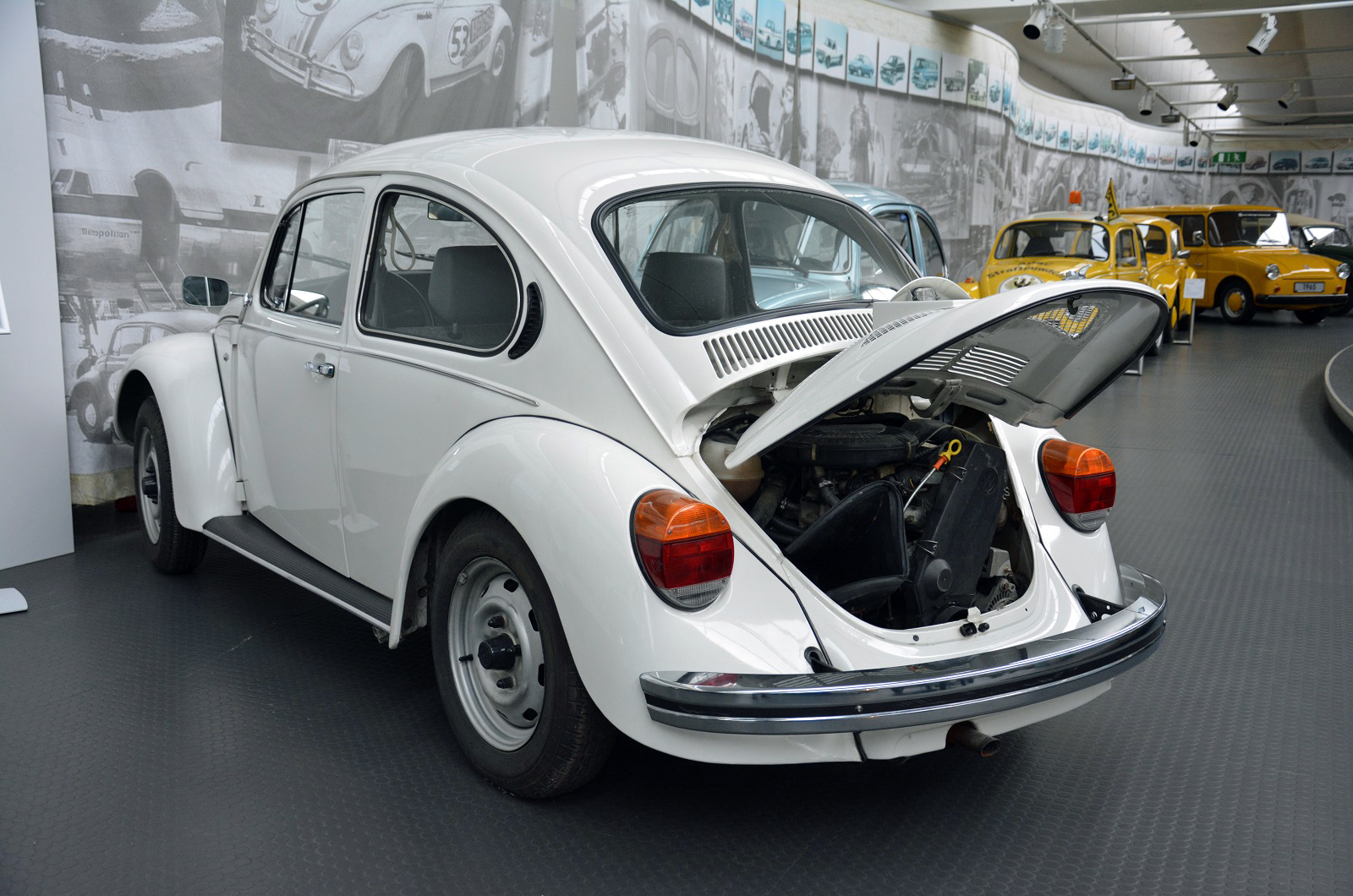
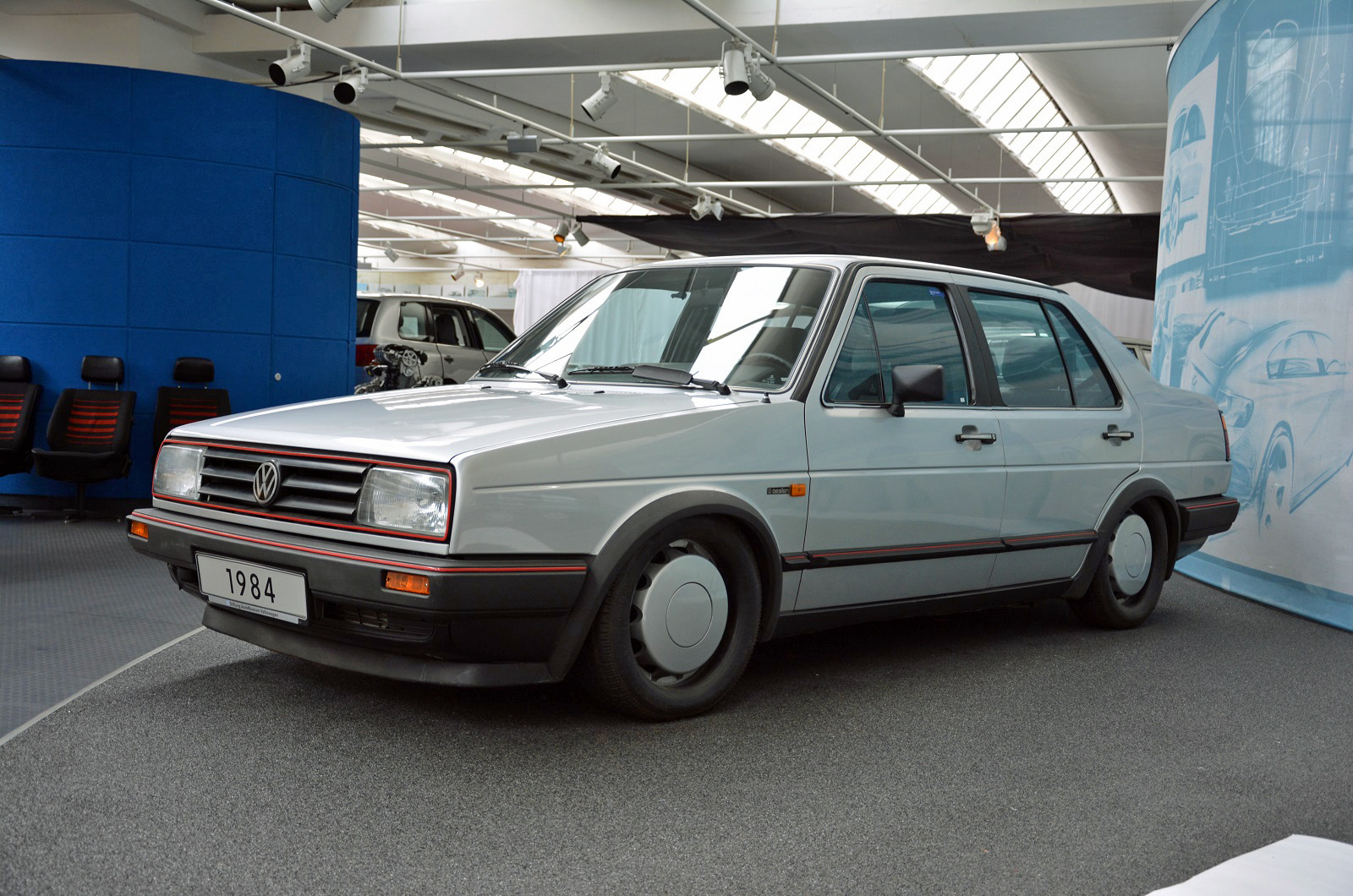
Dubbed Stiftung, the second museum is like walking through the minds of the brightest, most daring engineers Volkswagen has ever employed. Obscure one-offs, significant production cars, prototypes never shown to the public and once-popular concept cars all retire under the same roof. Join us as we explore the shady, forgotten side of the company’s history.
1955 EA 48
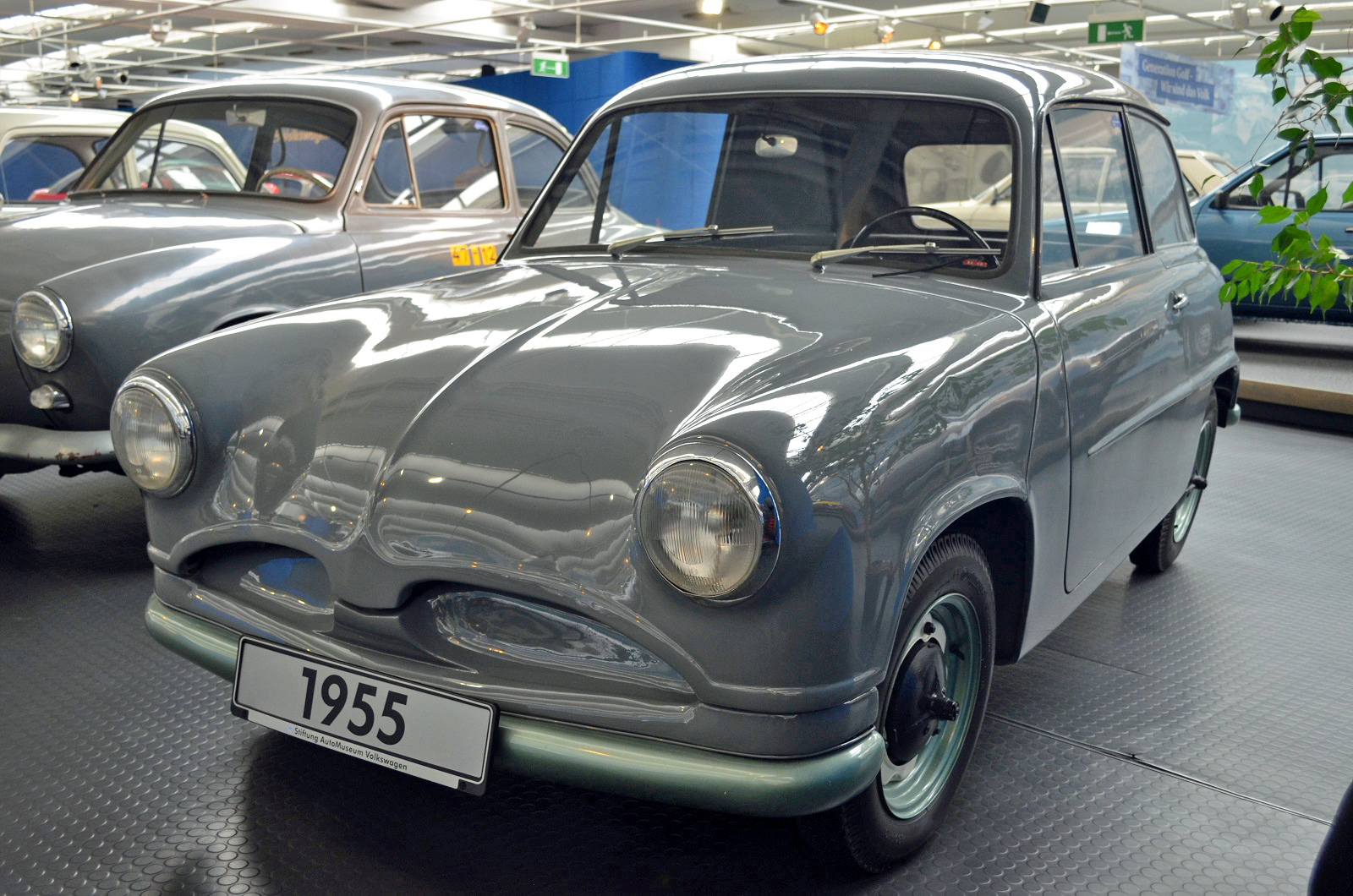
Though it never reached production, Volkswagen’s 1955 EA 48 prototype was shockingly similar to the Mini that Austin released in 1959. It stemmed from Volkswagen’s effort to develop a car positioned below the Beetle in terms of size, performance and price. While sharing components between the two model lines would have kept costs in check, the EA 48’s designers started with a blank slate.
The EA 48 stood out as Volkswagen’s first small car and the first model it designed on its own with no input from Porsche. It featured unibody construction, a front-mounted engine which spun the front wheels and a McPherson-type front suspension. This combination was unheard of at the time. The prototype had no rear windows but Volkswagen planned to add them before the car went on sale.
1955 EA 48
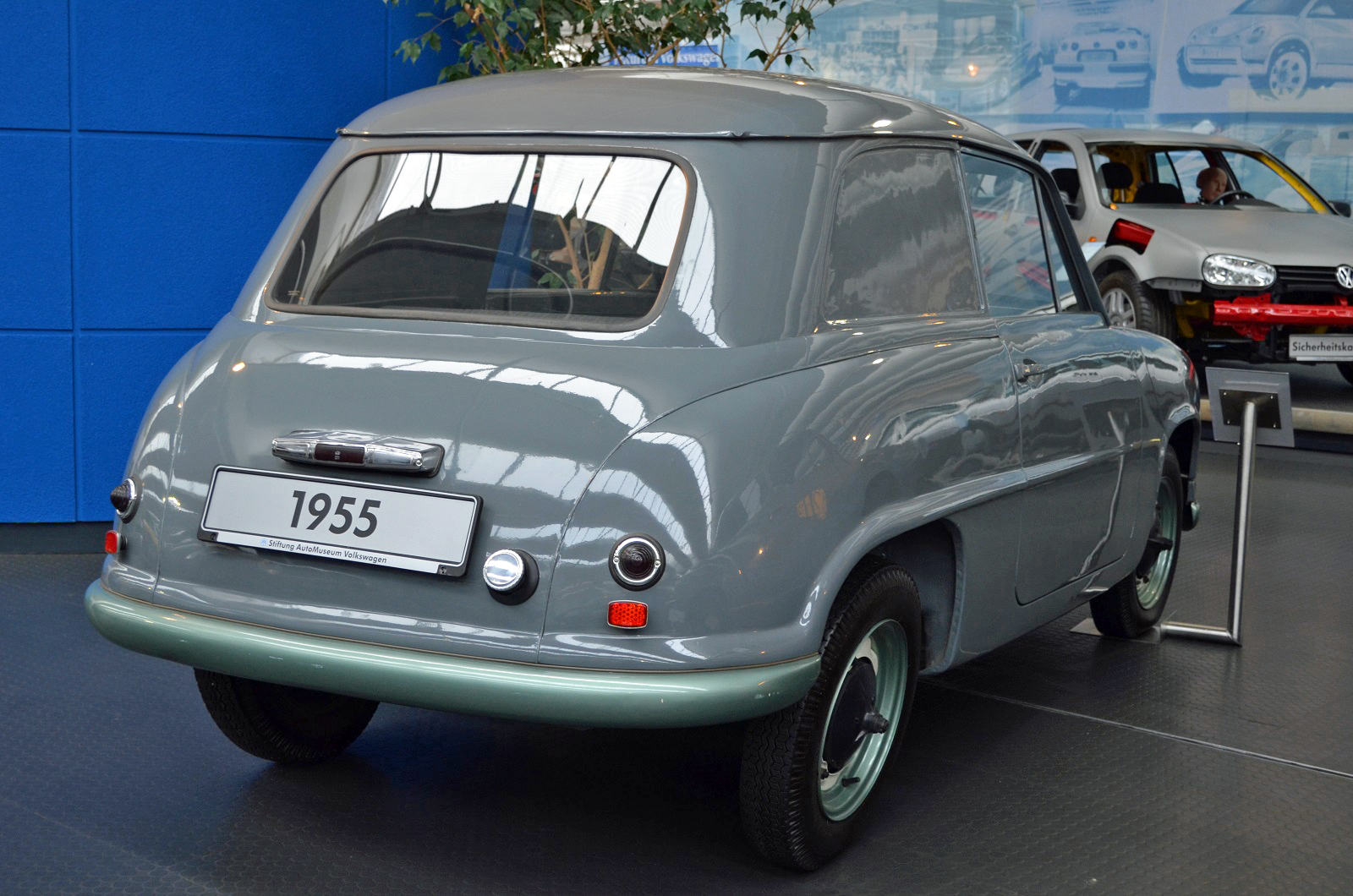
The EA 48’s engine was essentially a Beetle-sourced flat-four cut in half. The air-cooled, 0.7-litre flat-twin made 18bhp, which was enough to send the EA 48 to 50mph. It shifted through a four-speed manual in an era when many similarly-sized cars still offered a three-speed.
Volkswagen tested the EA 48 on public roads, ironed out its kinks and planned to start production until officials raised serious questions about the effect it would have on Beetle sales. The firm’s bread-and-butter model was barely starting to attract buyers and some justifiably worried releasing a smaller, cheaper car would have a disastrous effect on its career.
Interestingly, Carl F. Borgward also urged the West German government to ask Volkswagen to cancel the project. Ludwig Erhard, the minister of economy, warned Volkswagen boss Heinz Nordhoff that thousands of jobs would be lost at rival brands if the EA 48 saw the light at the end of a production line. The project was sent to the pantheon of automotive history in 1956.
1961 Type 3 Cabriolet
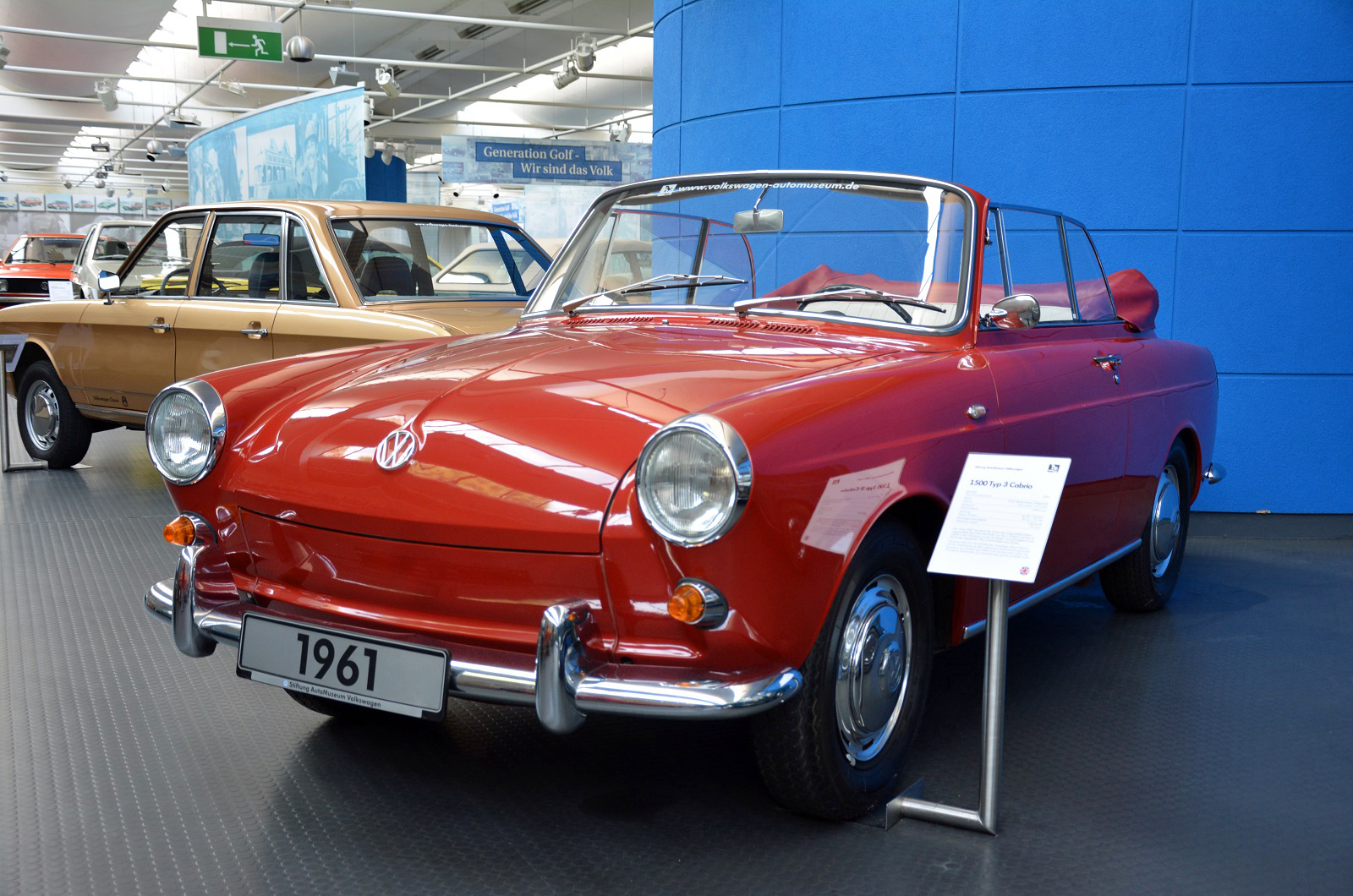
The Type 3 released in 1961 gave motorists a more upmarket alternative to the Beetle, so introducing a topless variant for buyers who wanted a nicer convertible made a lot of sense. Volkswagen built an elegant prototype that likely would have sold well in the United States but it shelved the project out of fear the model would create internal competition with the Karmann Ghia convertible.
1963 EA 128
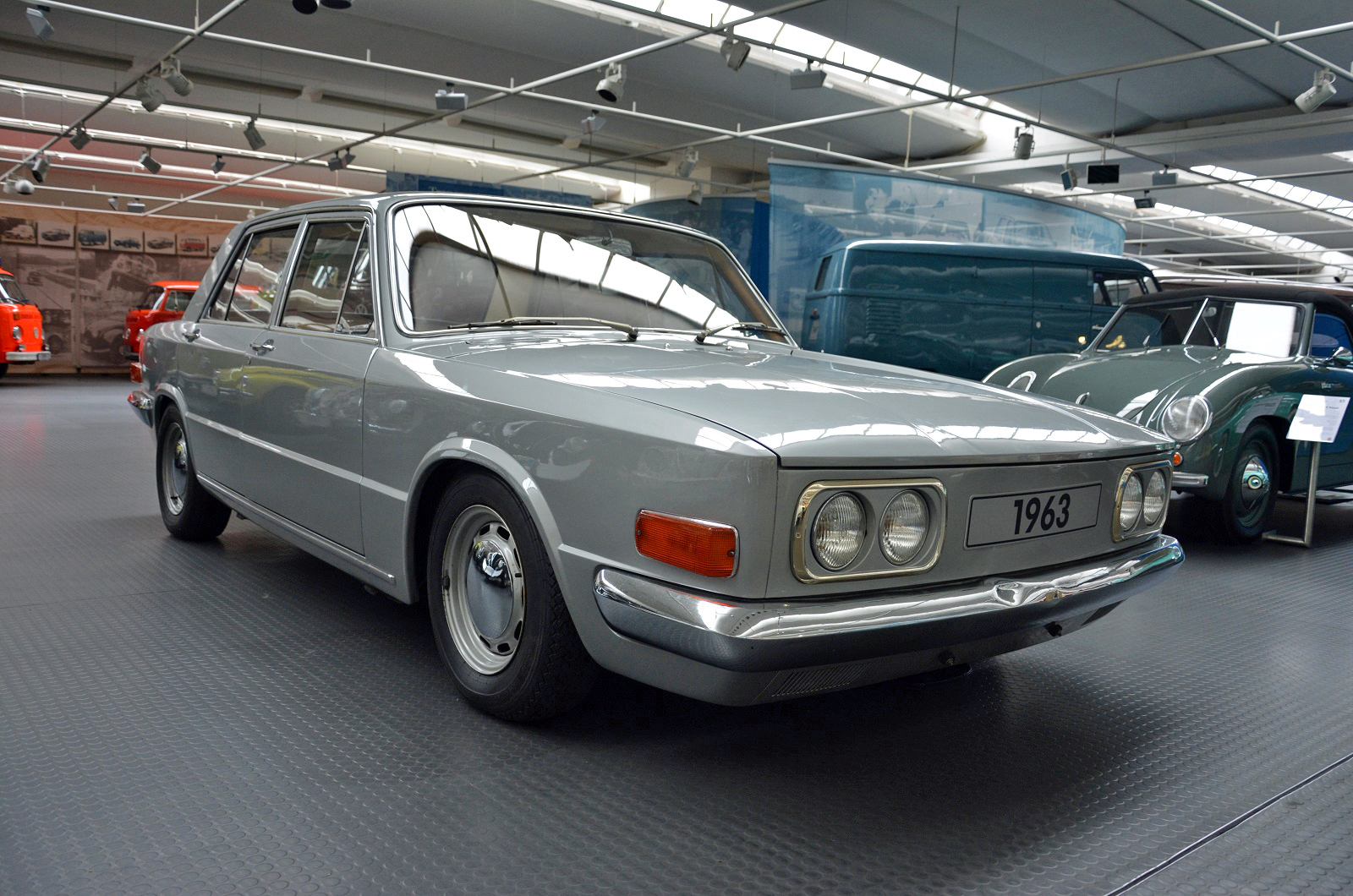
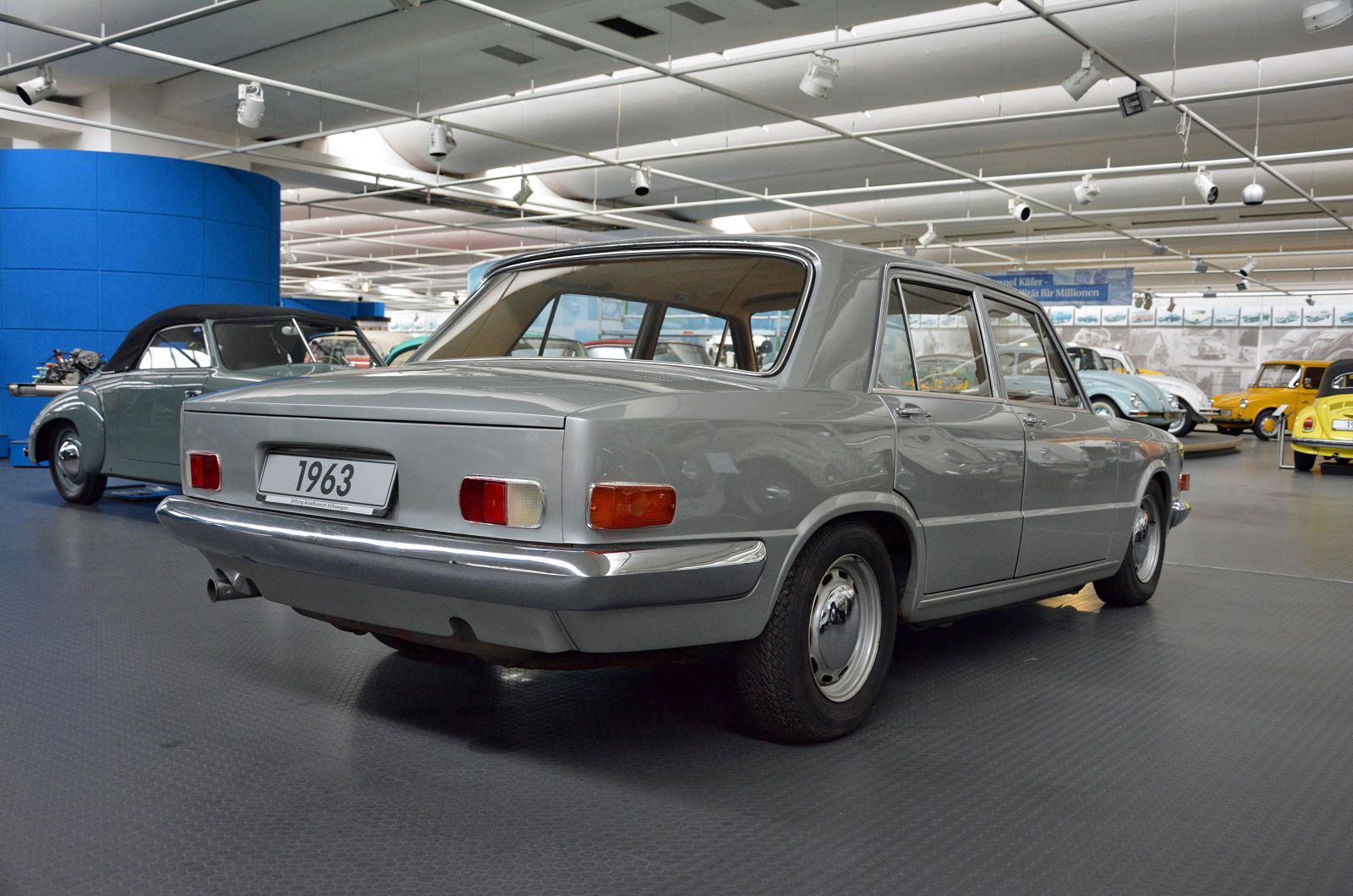
Easily one of the most captivating cars in the Volkswagen collection, the EA 128 came to life in 1963 as the company explored ways to deep its ties with Porsche while moving upmarket. It was a four-door, rear-engined family car developed with Porsche’s input and powered by a detuned version of the 911’s 2.0-litre, air-cooled flat-six engine. It made 89bhp, enough to send the EA 128 to 100mph. It could have become the first Volkswagen that allowed its driver to cruise in the left lane of the autobahn.