
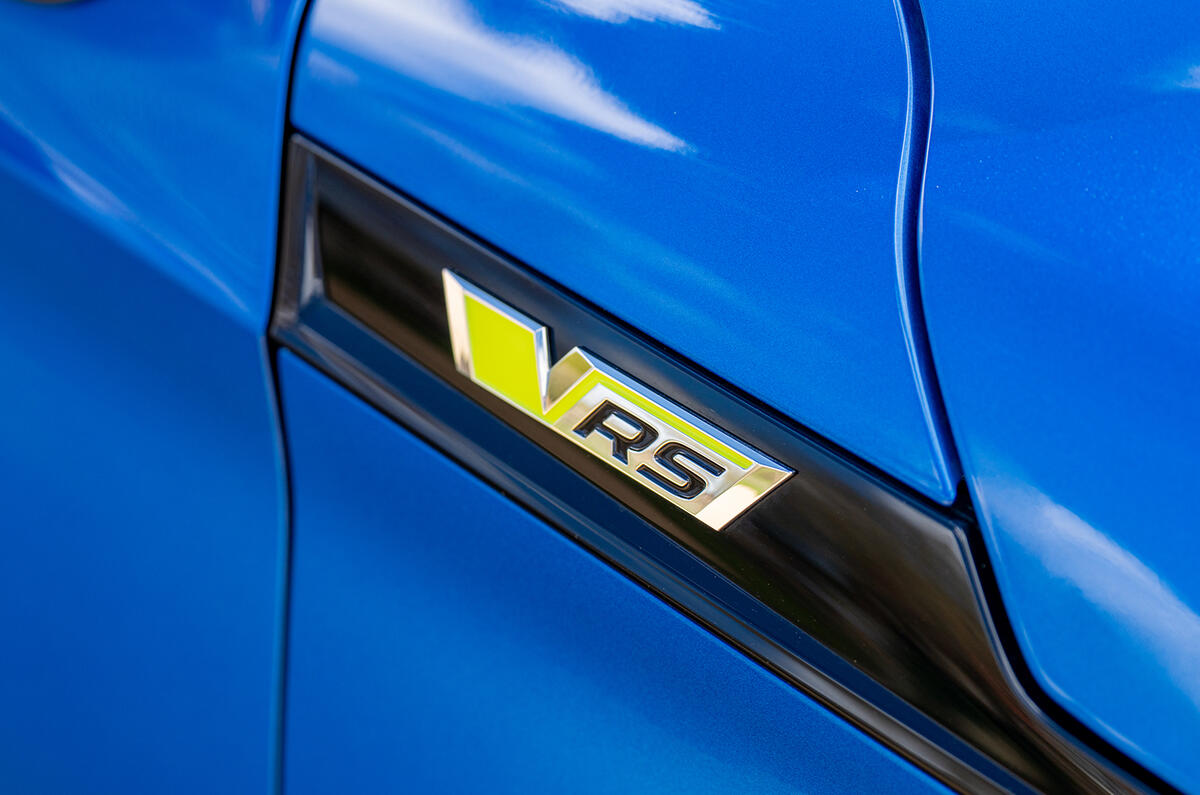







The vRS badge has a proud and somewhat improbable history. Born from Škoda's motorsport heritage – those hand-built 130 RS rally specials of the 1970s – and brought to road cars with the original Octavia vRS in 2001, those three letters have always stood for something specific: a meaningful injection of performance into an already-capable package, without sacrificing the everyday qualities that make Škoda cars so easy to live with. 'Victory Rally Sport', as the name officially has it, delivered in a way that never asks too much of you.
What's remarkable is how well that formula translates to the electric age. The Škoda Elroq vRS represents the first time the badge has appeared on a compact electric crossover, and rather than merely bolting on more power, Škoda has engineered the car from the ground up to be genuinely more capable in every dimension. Autocar’s testers awarded it 4 stars – here's why.
Learn more about the Škoda Elroq vRS
#1 It's the fastest-accelerating Skoda ever made
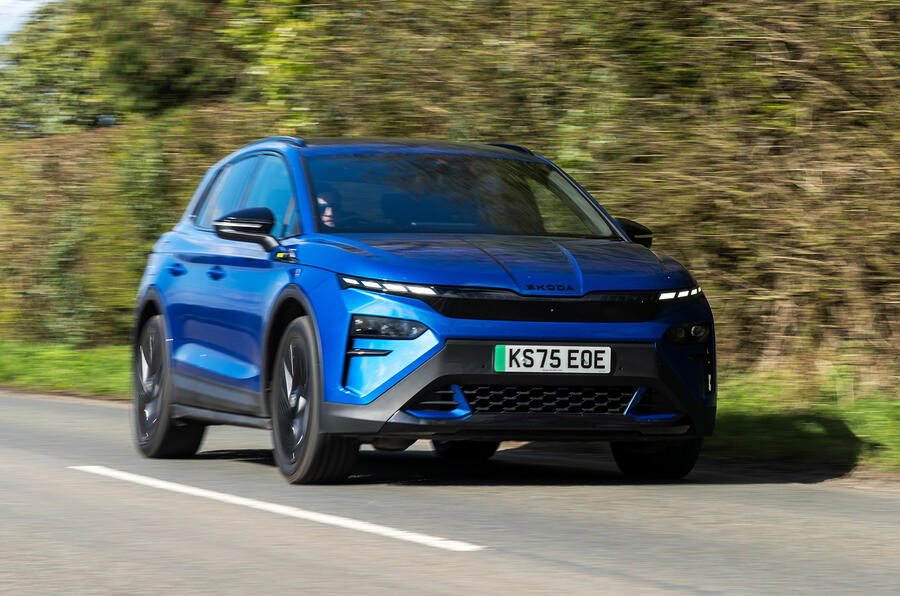
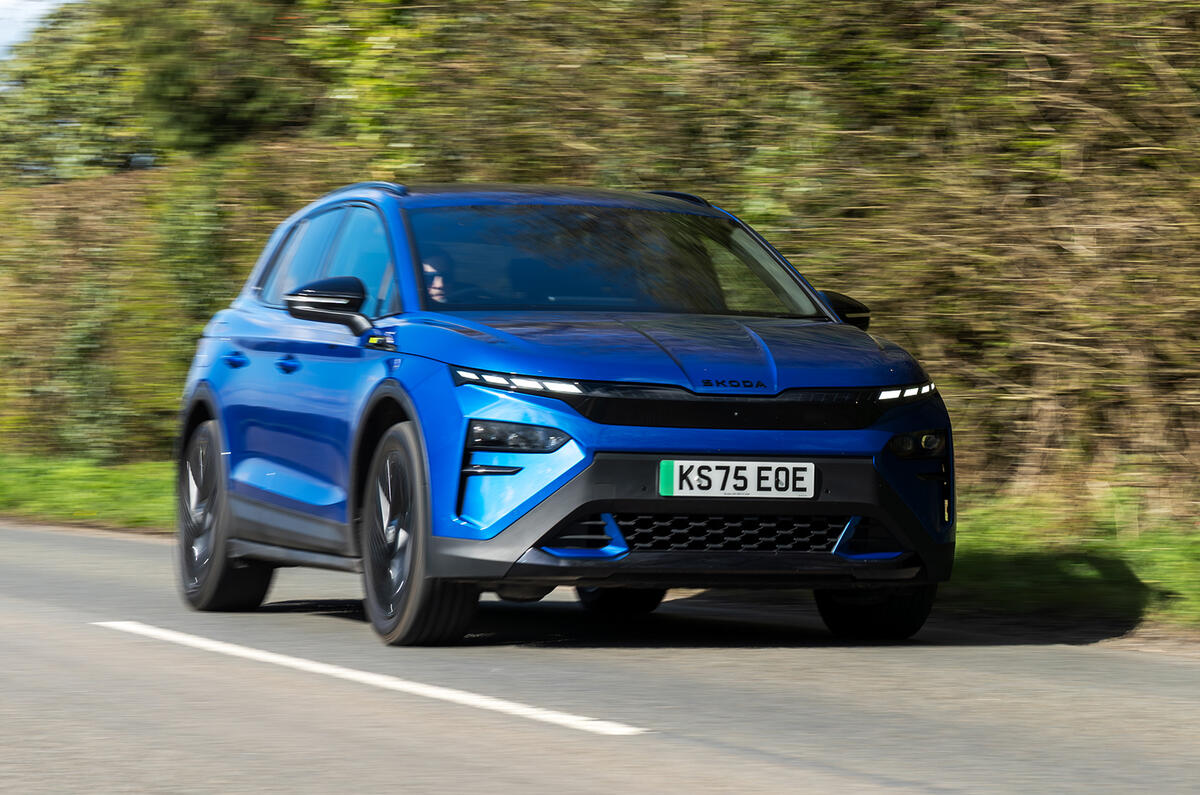
Let that sink in for a moment. Not the quickest Elroq, not the quickest electric Škoda – the quickest road car the brand has produced in its entire 130-year history. Two electric motors – one on each axle – produce a combined 340PS and a substantial 545Nm, driving all four wheels through a single-speed automatic transmission. The result: 0-62mph in 5.4 seconds.Crucially, that performance arrives in a way that's entirely in keeping with the vRS ethos. Autocar's road testers noted that the powertrain delivers its punch smoothly and progressively rather than as a shock-and-awe routine – the uptake of propulsive force is exploitable rather than alarming, with that body of torque easy to deploy precisely. Overtakes are effortless, and the all-wheel drive system means traction is, in road tester Illya Verpraet’s words, "nigh unbreakable."
#2 It's not just more power – it's a comprehensively retuned chassis
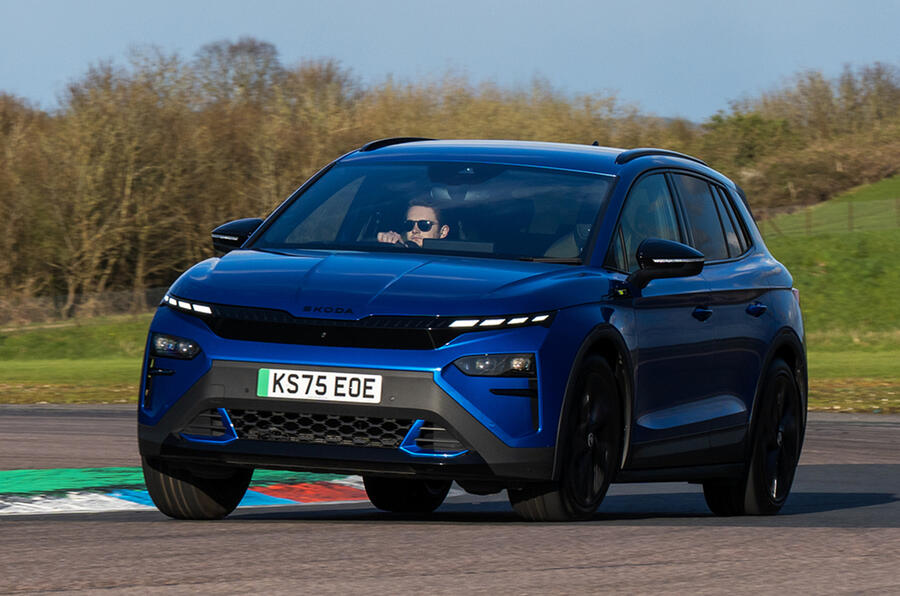
This is where the Elroq vRS earns its badge most convincingly. Škoda's engineers didn't simply drop the dual-motor powertrain into the standard car and call it a day. The entire chassis has been recalibrated for the job.
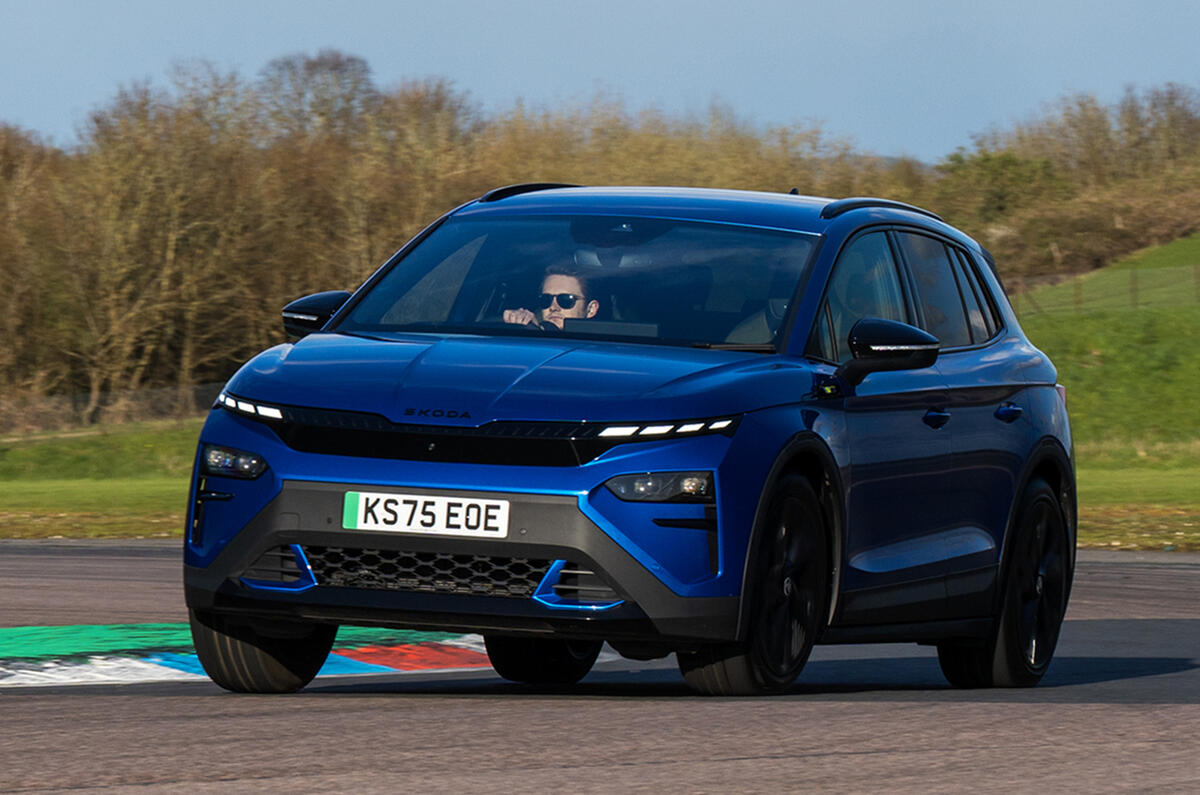
Compared to the regular Elroq, the vRS sits 15mm lower at the front and 10mm lower at the rear, thanks to shorter springs. Thicker anti-roll bars front and rear reduce body roll through corners without harshening the ride. Dynamic Chassis Control – with 15 individually adjustable levels of damper stiffness – comes as standard, and the results are striking. Illya Verpraet found that going one or two clicks softer than the factory Comfort setting "results in rather a lovely, steadfast fluidity that, in terms of ride quality, isn't far off what you get in a BMW 5 Series." The wider 255-section rear tyres – paired with 235-section fronts, just as you'd find on a serious performance car – sharpen the lateral responses further still, giving the vRS a subtly more aggressive stance and making it, in Autocar's assessment, a superbly capable cross-country tool.
#3 The vRS-specific styling details are worth knowing about
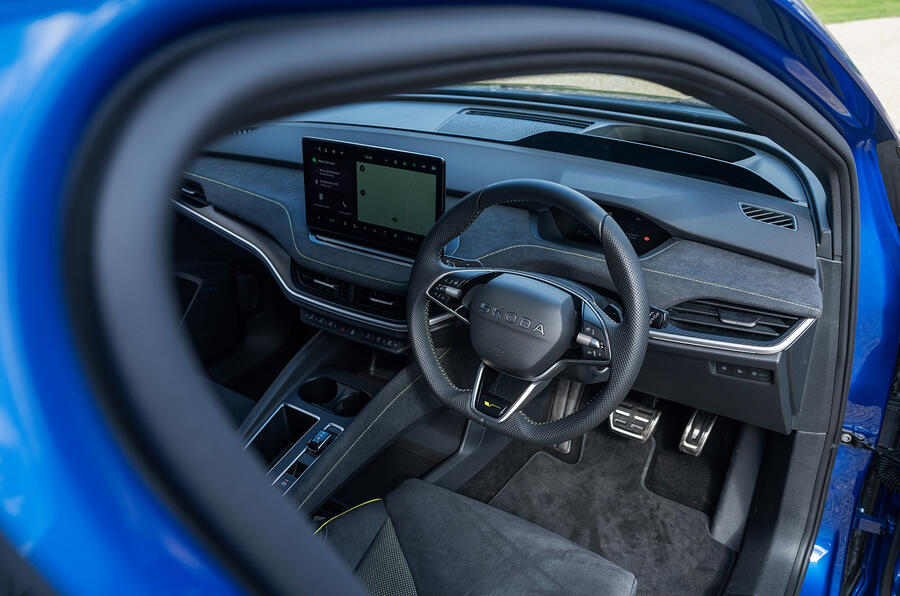
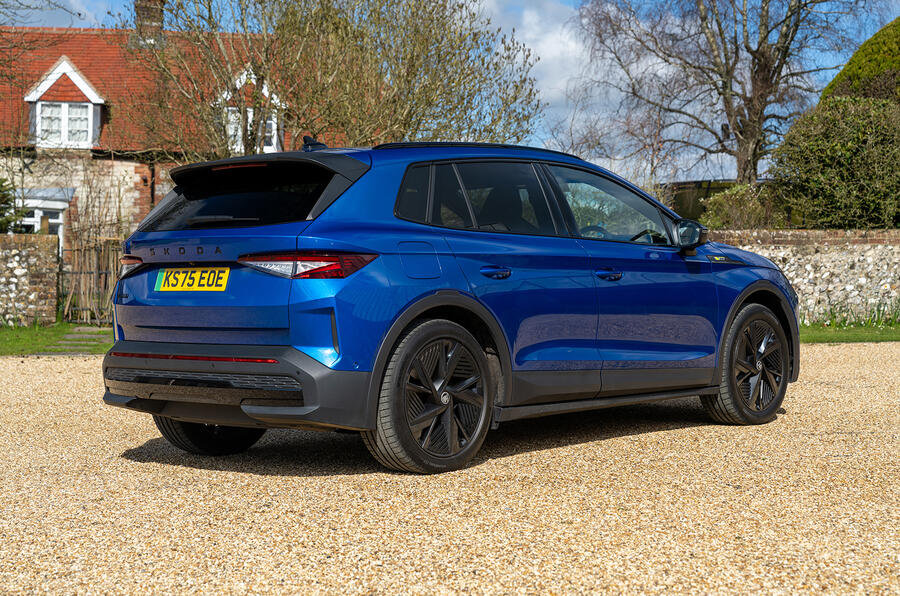
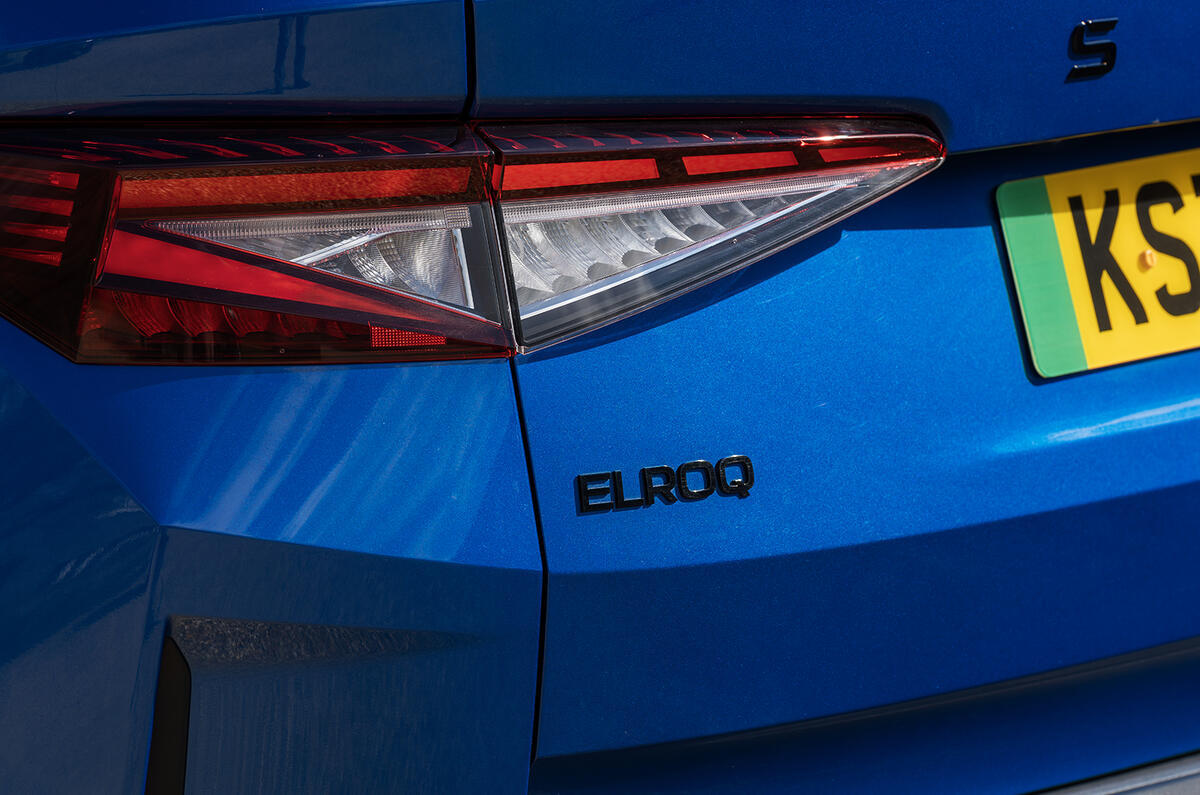
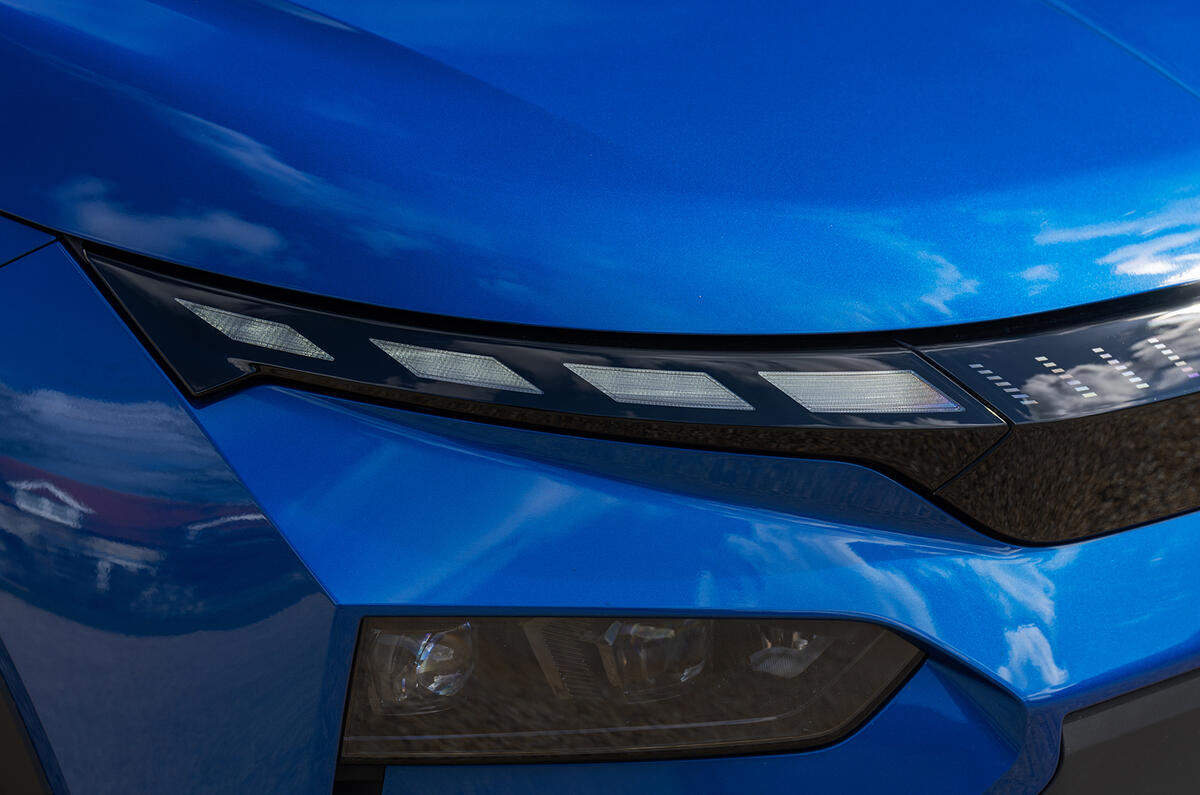
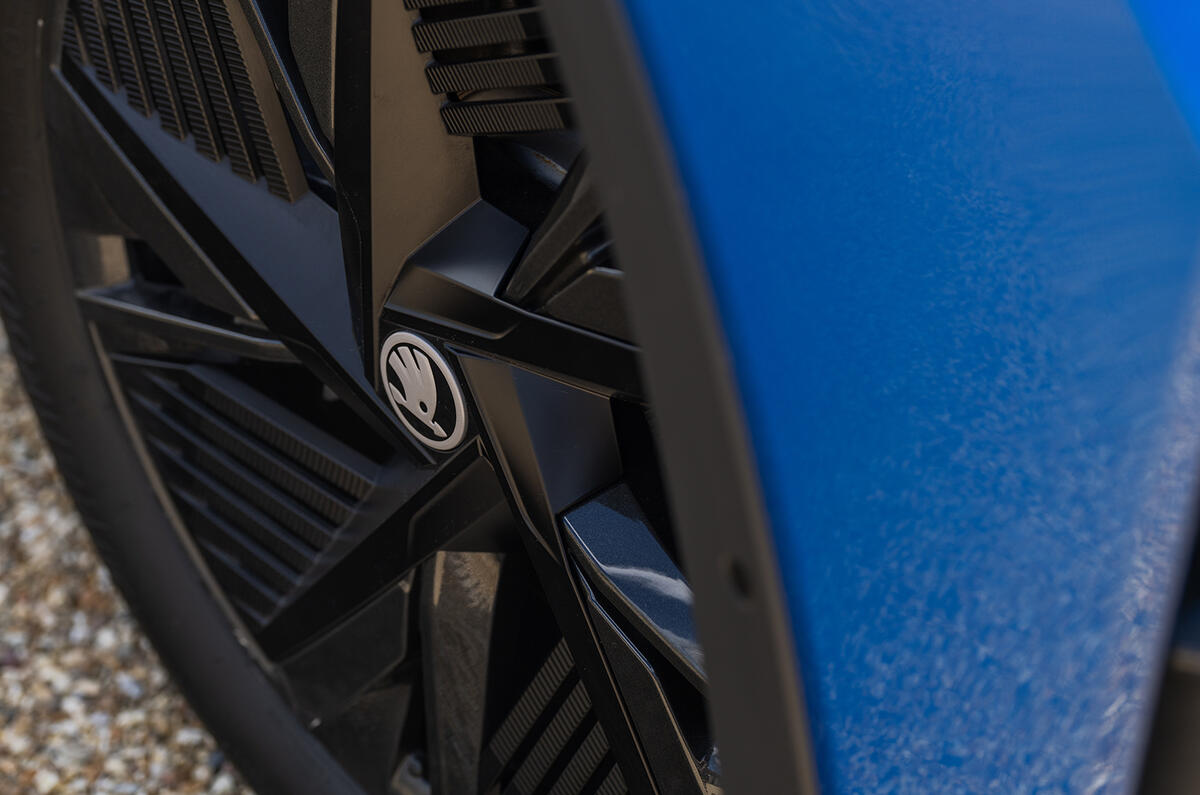
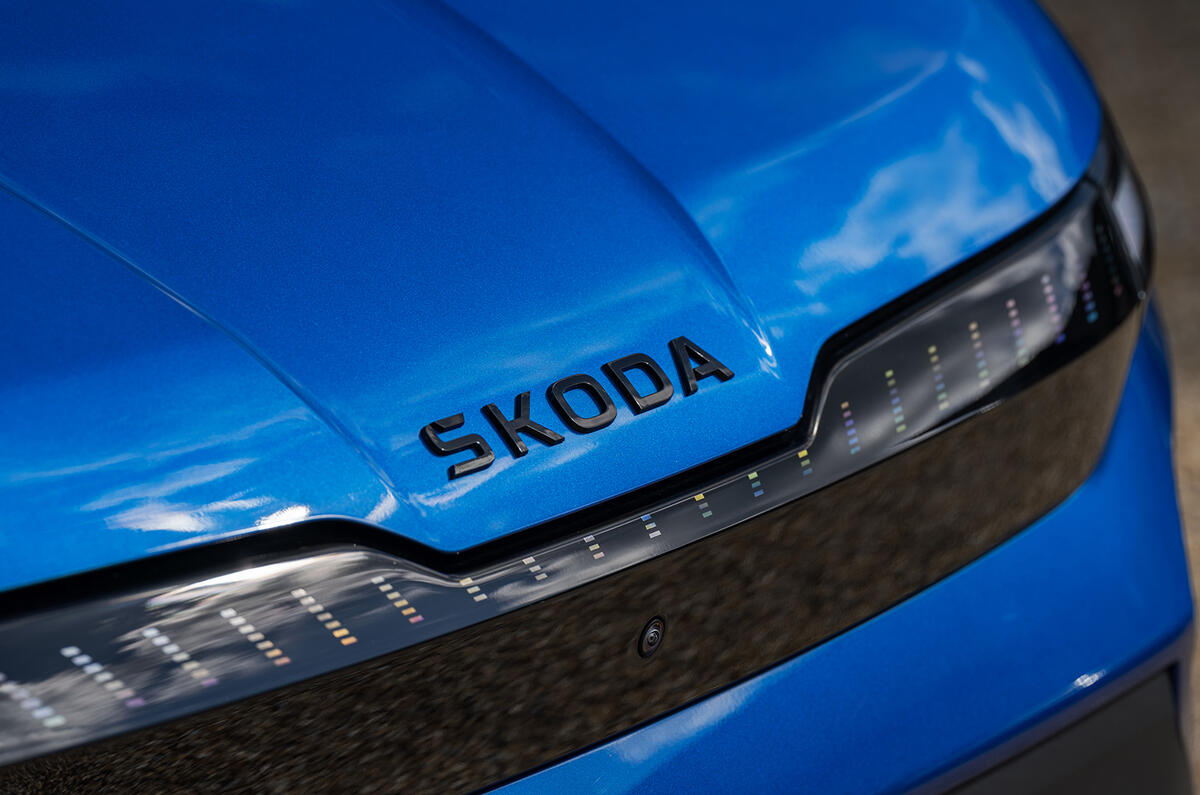
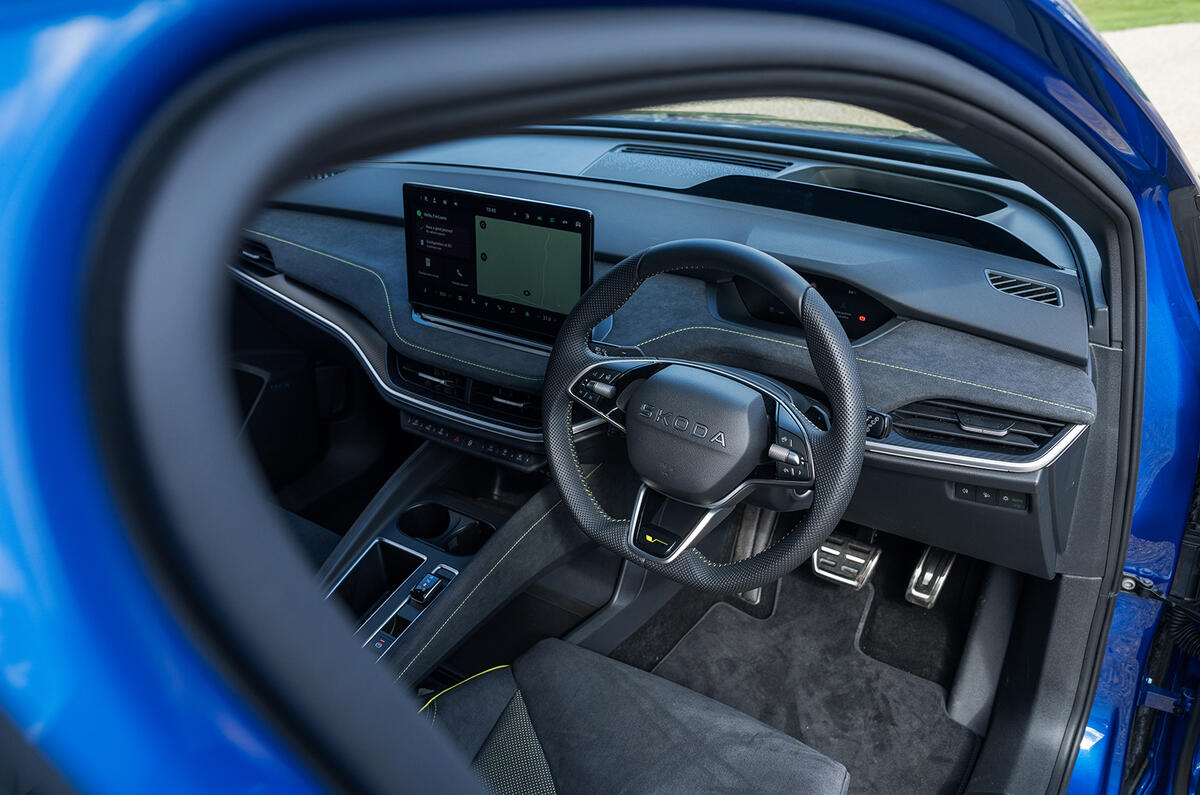
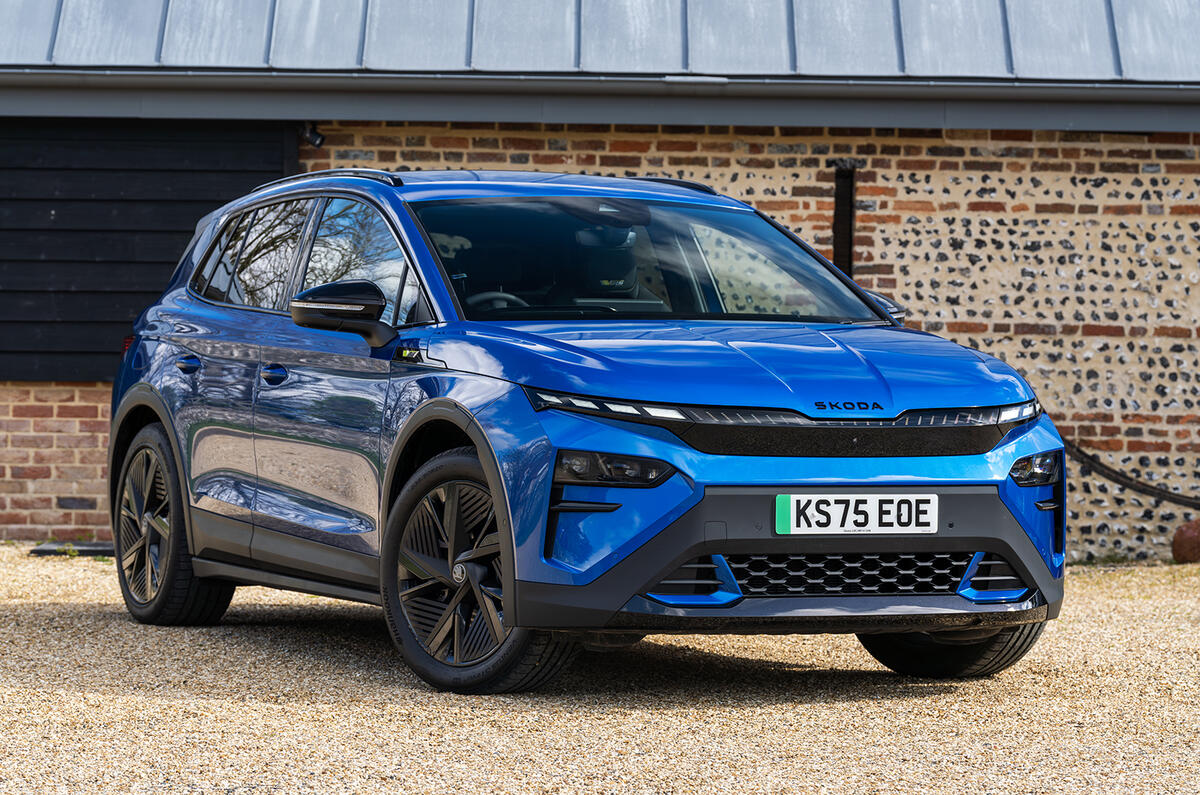
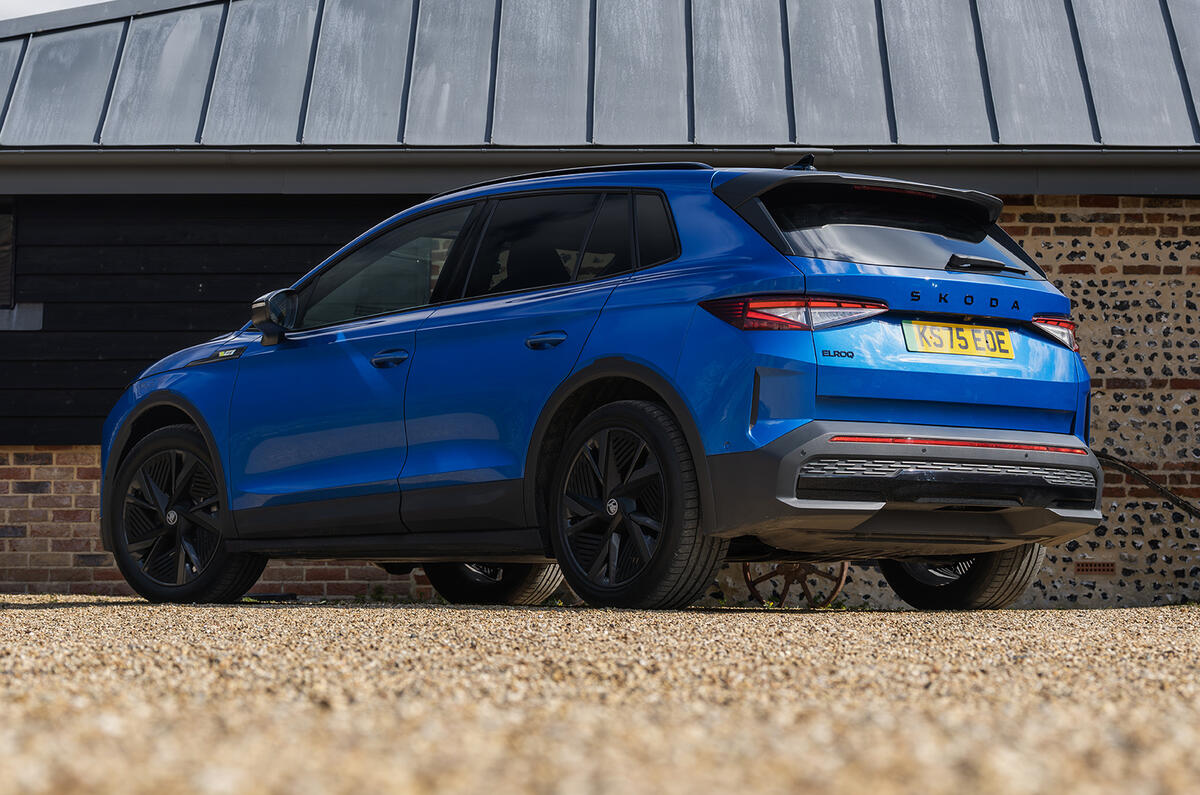
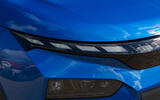
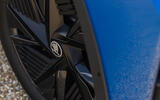
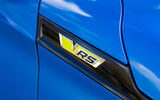
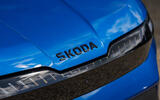
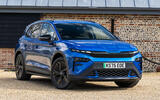
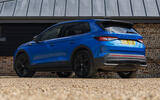
The Elroq vRS makes its intent clear from the outside, but with the restraint that's always been the hallmark of the performance sub-brand. Unique vRS bumpers front and rear sharpen the visual drama without resorting to overwrought aero addenda. The illuminated Tech-Deck Face hides the driver assistance sensors behind the front fascia, keeping the design clean. Gloss black detailing runs throughout, and 20in Draconis black alloy wheels are standard, with 21in Vision anthracite wheels available as an option. Autocar's deputy road test editor Richard Lane suggested he'd have his in Timiano Green on the smaller 20in wheels – "play into the car's understated character, which it underwrites with considerable ability and breadth."