
Fuel prices have soared these past few months, as most oil tankers have been unable to navigate the Strait of Hormuz while the US and Israel fight Iran and its allies.
What will happen next is anyone's guess - but fairly recent history provides a worrying precedent.
In June 1967, Israel launched a surprise attack on neighbouring Egypt, Jordan and Syria, capturing swathes of territory in just six days. After the ceasefire, Egypt closed the Suez Canal, forcing cargo ships to detour around Africa, increasing import prices for Western nations. Then, in October 1973, Egypt and Syria sought to recapture Israeli-occupied territory, with help from various other Arab nations.
"As we write, the situation in the Middle East is still uncertain, and as we close for press there seems little evidence to suggest which way the war is going," commented Autocar. "But already the rest of the world is being made painfully aware that this time the Arab nations are going to have no compunction about using their 'ultimate weapon' - the withdrawal of oil supplies from anyone they suspect of aiding, or even sympathising with, the Israeli cause.
"Iraq has seized (or nationalised, depending on your viewpoint) two American oil companies operating there. And with both Saudi Arabia and Libya making threatening noises, and the invocation of a jihad by the [religious] leaders, things look black for the future oil supply situation."
The very next day after that was printed, the US approved airlifting a monumental $2.2 billion worth of weaponry to the Israelis - and in response its enemies, led by the Saudis, implemented a total oil embargo on the US and slashed production levels. The price of a barrel quickly quadrupled - at a time when the country had already been suffering rampant inflation and growing such that its energy demand exceeded available supply.
"We must face up to a very stark fact," said US president Richard Nixon in a televised public address. "We are facing up to the most acute energy shortages since World War II. Our supply of petroleum this winter will be at least 10% short of our anticipated demands - and it could fall short by as much as 17%."
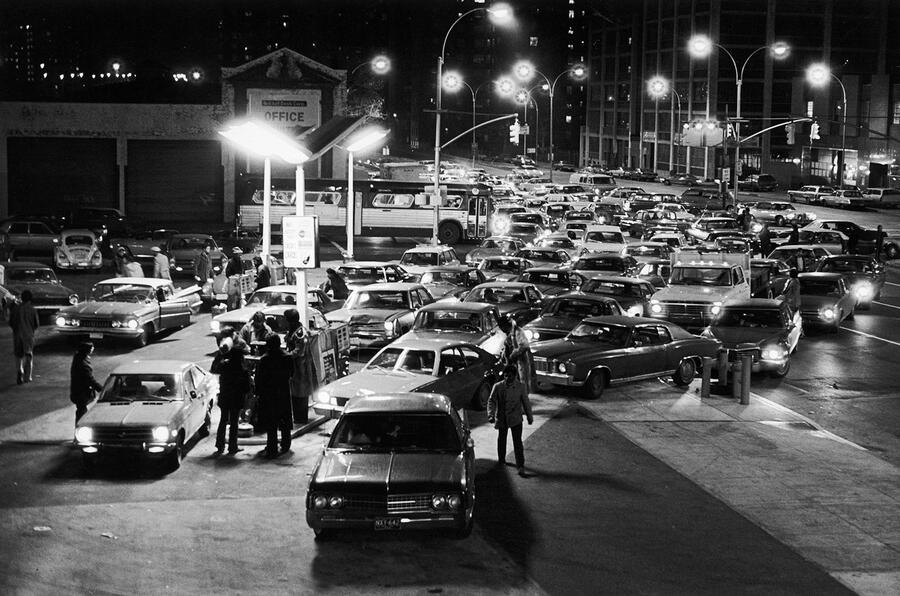
In an attempt to minimise the shortfall, his government lowered the interstate speed limit to 55mph and encouraged carpooling, while some states felt compelled to ration petrol, based on licence plates. Hours-long queues became a common sight at forecourts.
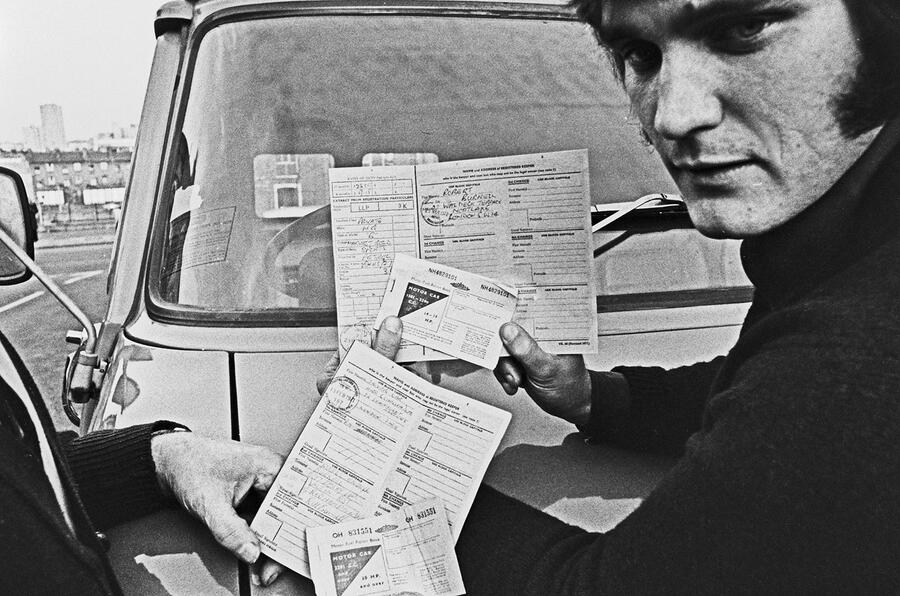
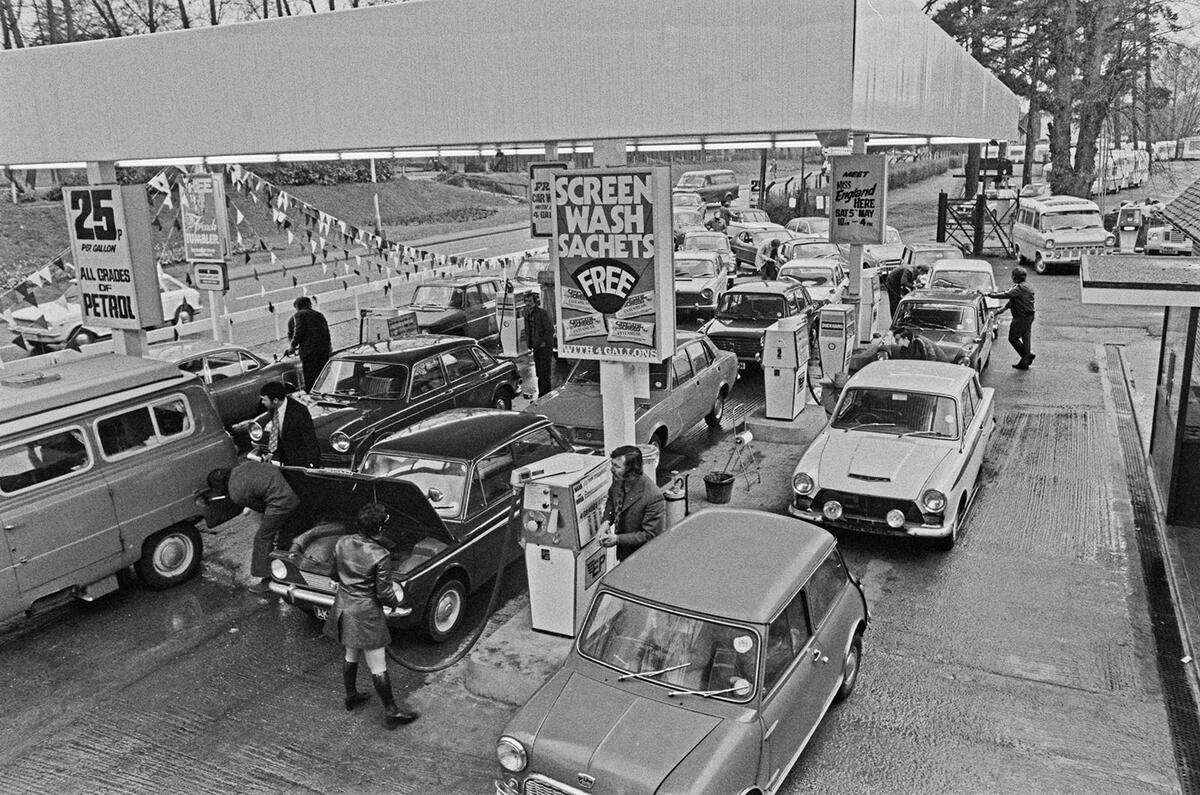
Although Britain wasn't under embargo, our government followed suit, reducing the motorway limit to 50mph, making it easier to give colleagues lifts and even issuing petrol ration cards as a precaution. Petrol prices soared from about 8p to 11p per litre (£1.22 in modern money) and forecourt queues formed, particularly in the south-east - but, like the Americans, we were to blame for the turmoil.