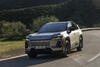





World’s best-selling car gets tougher look and new plug-in hybrid drivetrain with more power and electric range

Toyota has gone a bit nuts lately, hasn't it? Here's a company that built its empire on providing rock-solid, utilitarian dependability to the toughest corners of the world, yet now it's simultaneously trying to rival Rolls-Royce with its Century brand, building sold-out sports cars under the Gazoo Racing banner, developing a V8 GT and reimagining the legendary Lexus LFA supercar as an EV. 

But it still needs bread-and-butter cars out there earning a crust. And the Toyota RAV4 is precisely that. 

Advertisement

DESIGN & STYLING

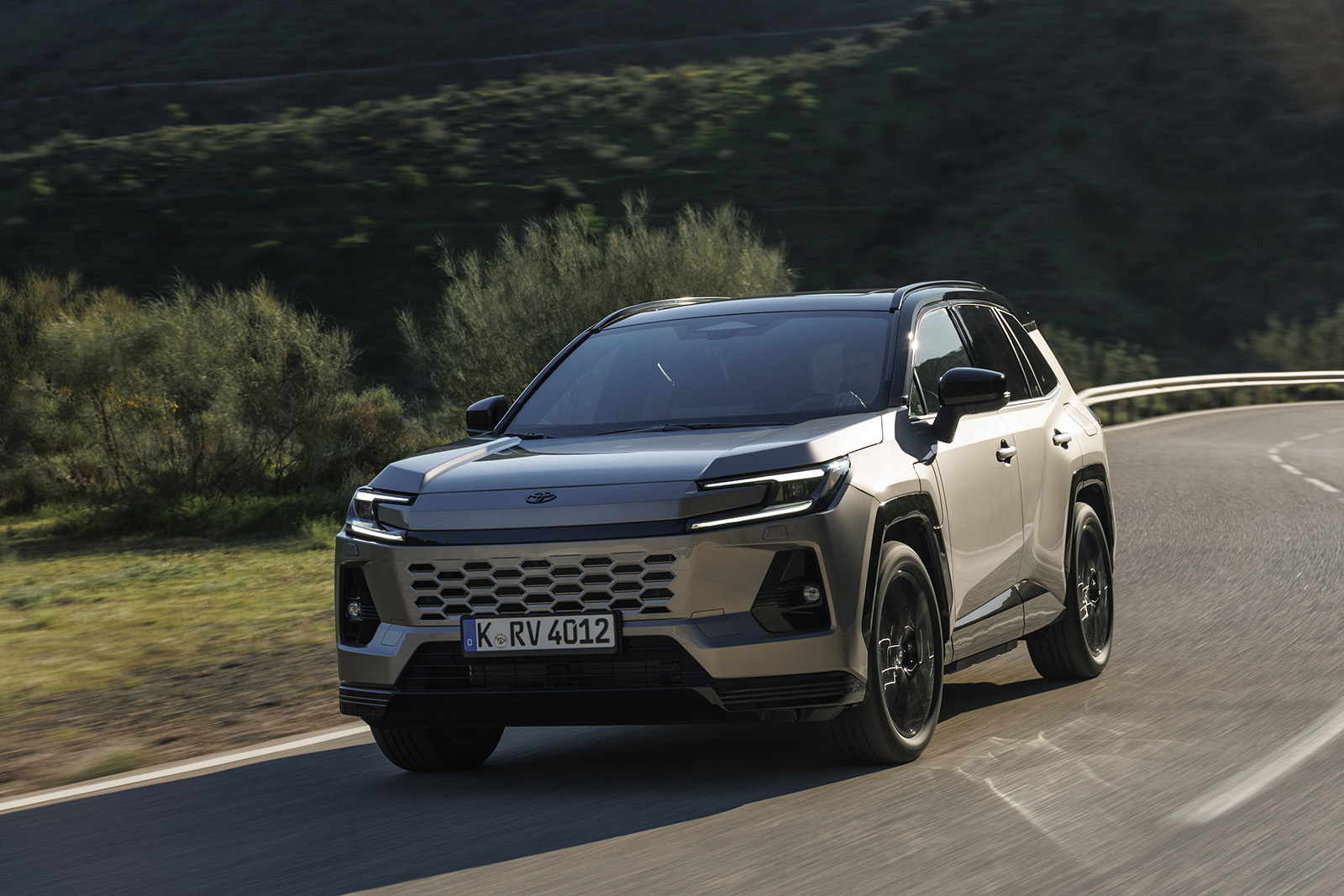
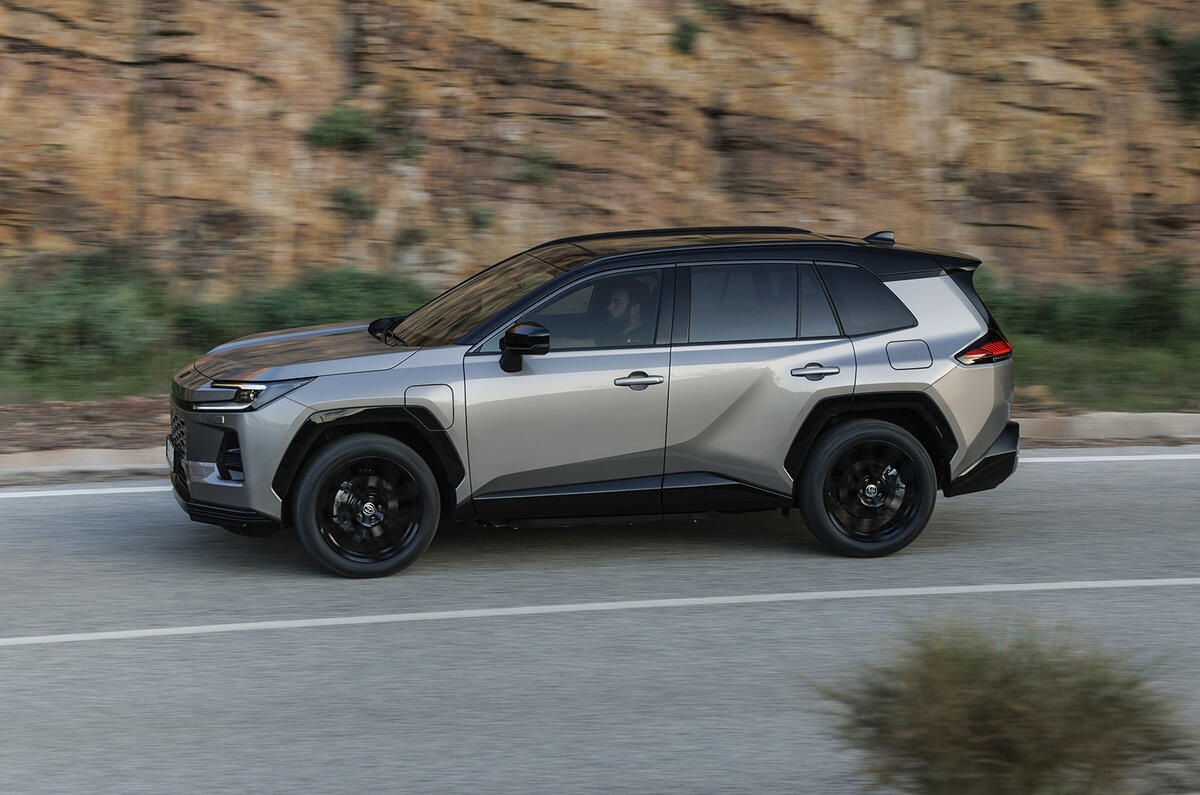
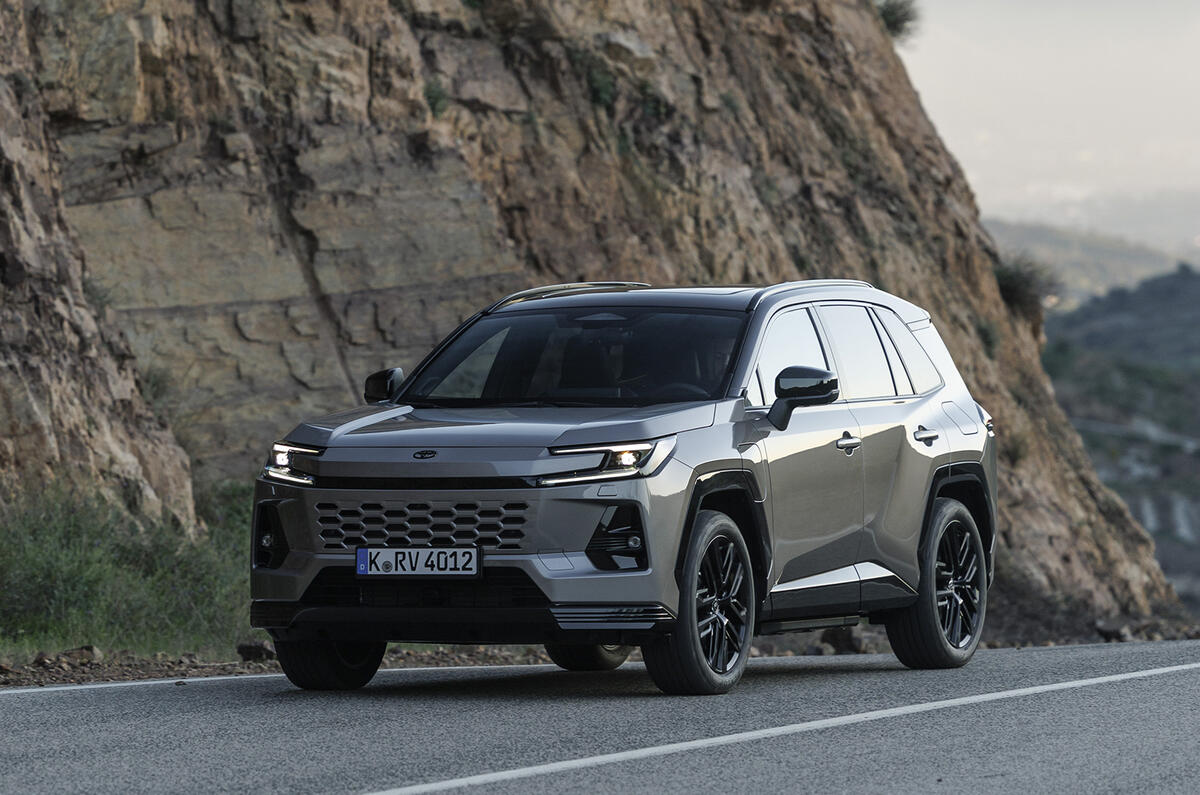
2026 RAV4 PHEV  Avantgarde Bronze dynamic 006

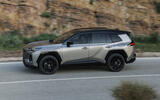
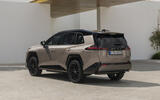
This 4.6m-long SUV was the world's best-selling car last year, and with this new sixth-generation model Toyota is doubling down on sensibleness. In the UK, the conventional hybrid was taking less than 20% of sales, so Toyota has axed it, forging ahead exclusively with a plug-in hybrid powertrain. Listening to customer demand, it has also introduced a front-wheel-drive version. 

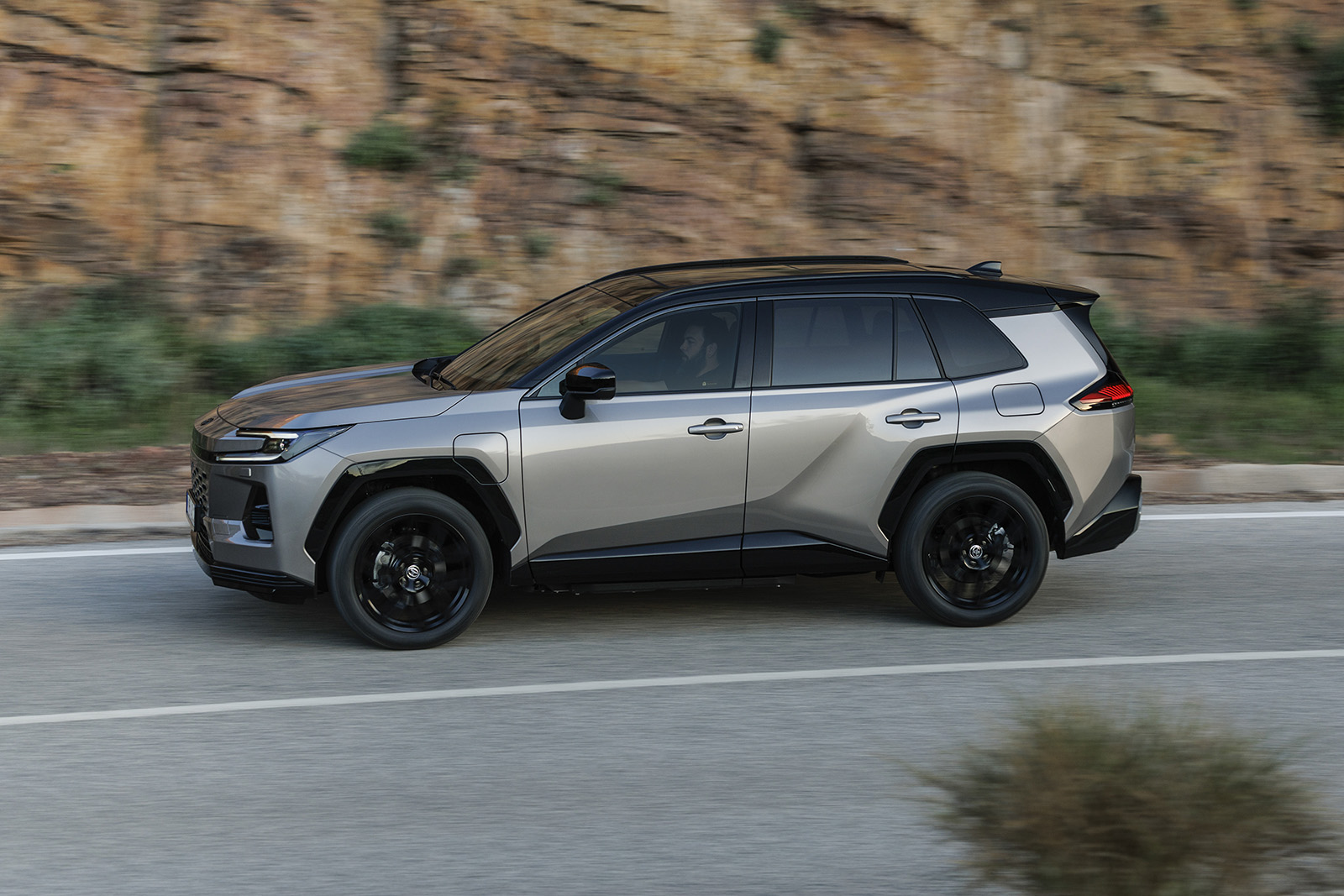
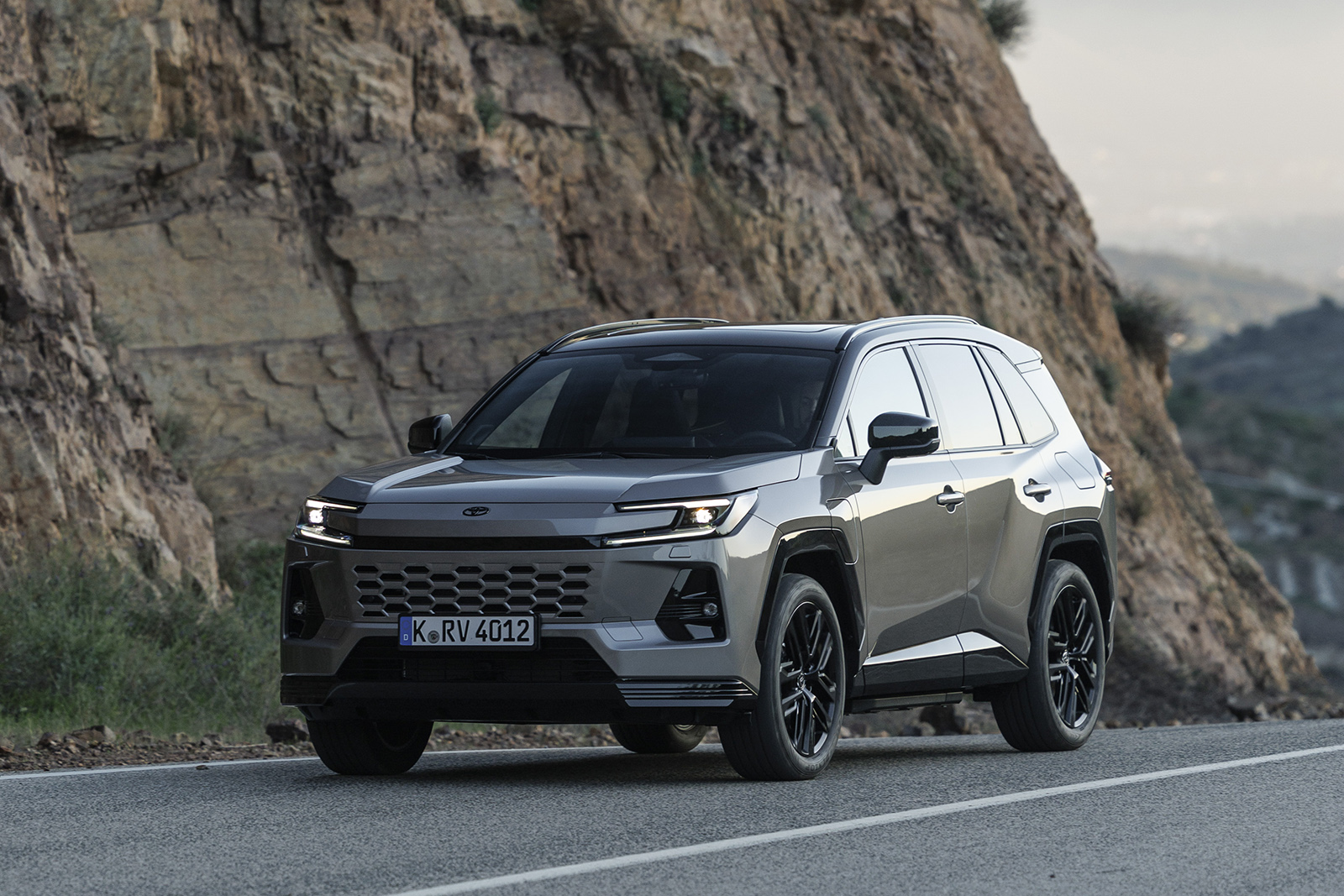
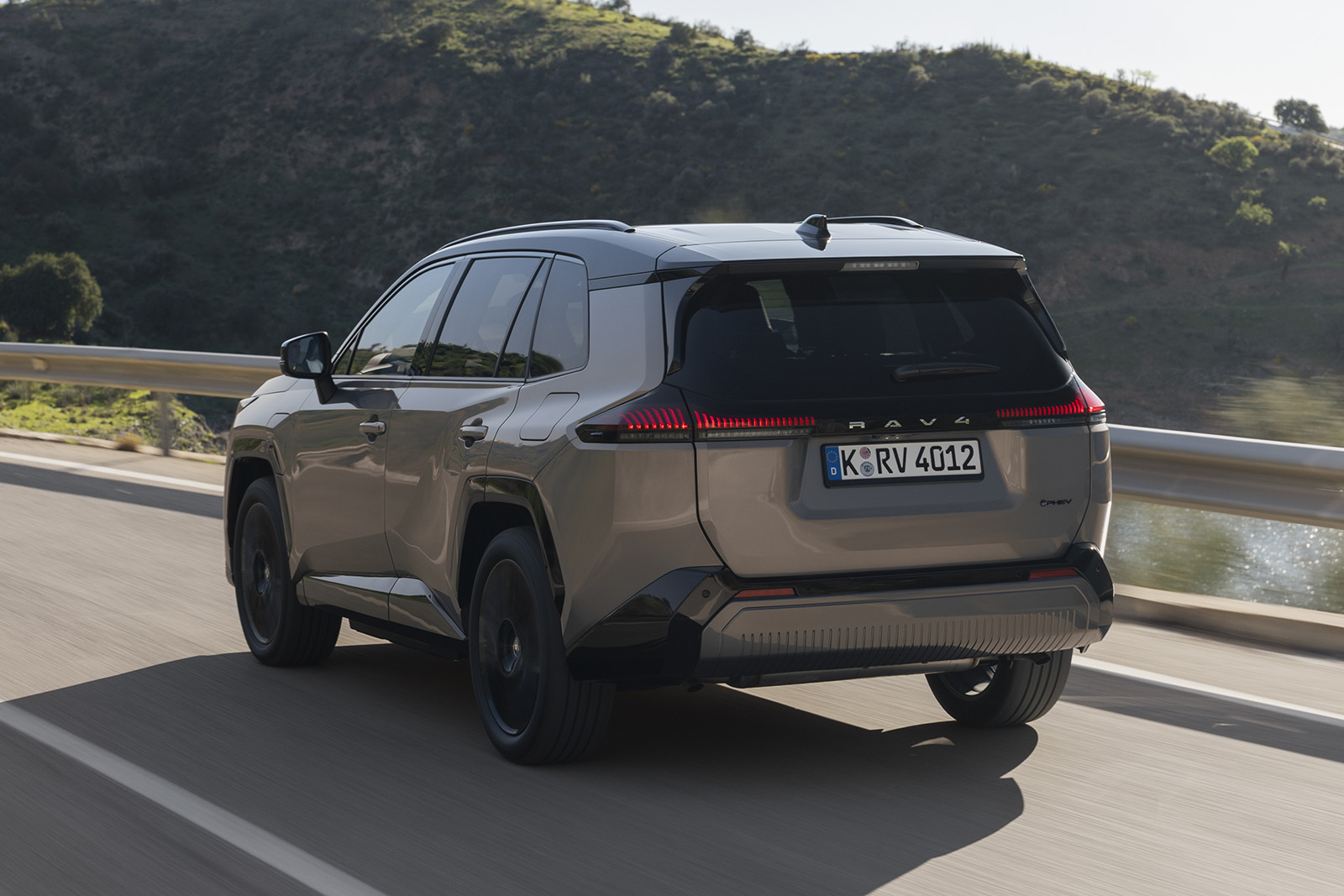
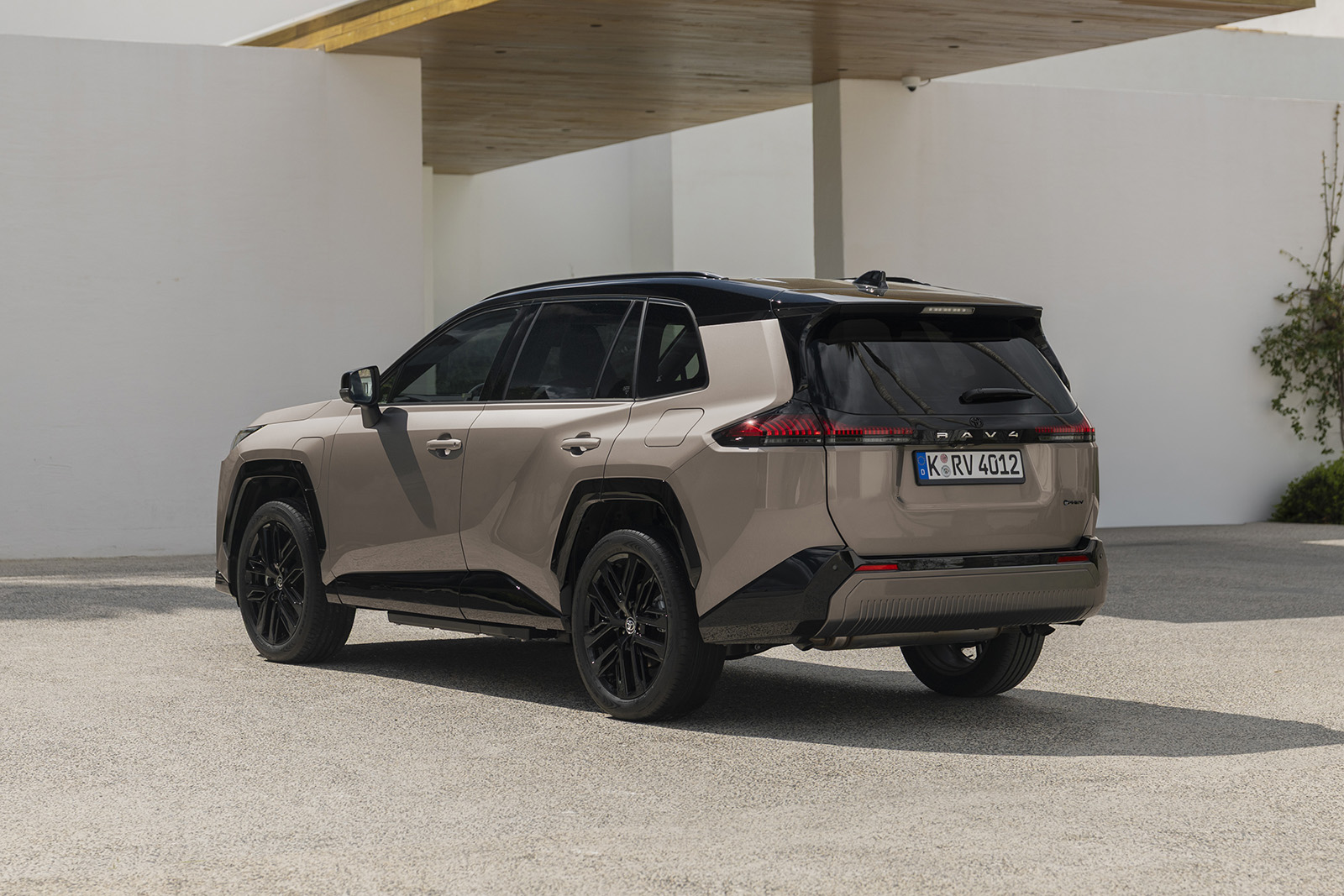
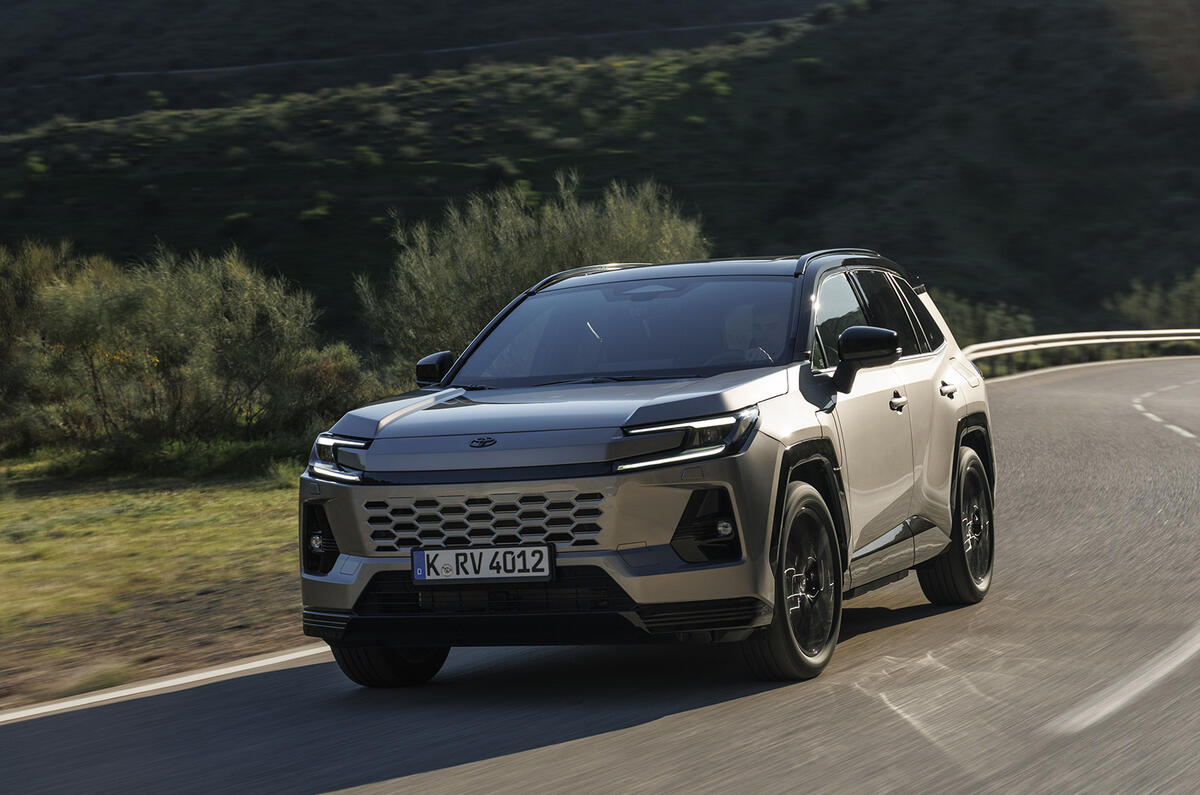
The new RAV4 sits on the same TNGA-K platform as its forebear and retains the same dimensions, but Toyota has made some clever packaging improvements. Tweaking the rear seating arrangement has liberated a touch more boot space, while resiting the underfloor battery has lowered the centre of gravity and increased body rigidity. The front end has been restyled to align with Toyota's latest design language, giving it the air of a mini Land Cruiser. With wheels ranging from 18in to 20in, a high ride height and a flat roofline, it's clearly styled to project a serious off-roader aesthetic. 

It looks mint - all the stuff I like about a Land Cruiser but in a more UK-friendly package.

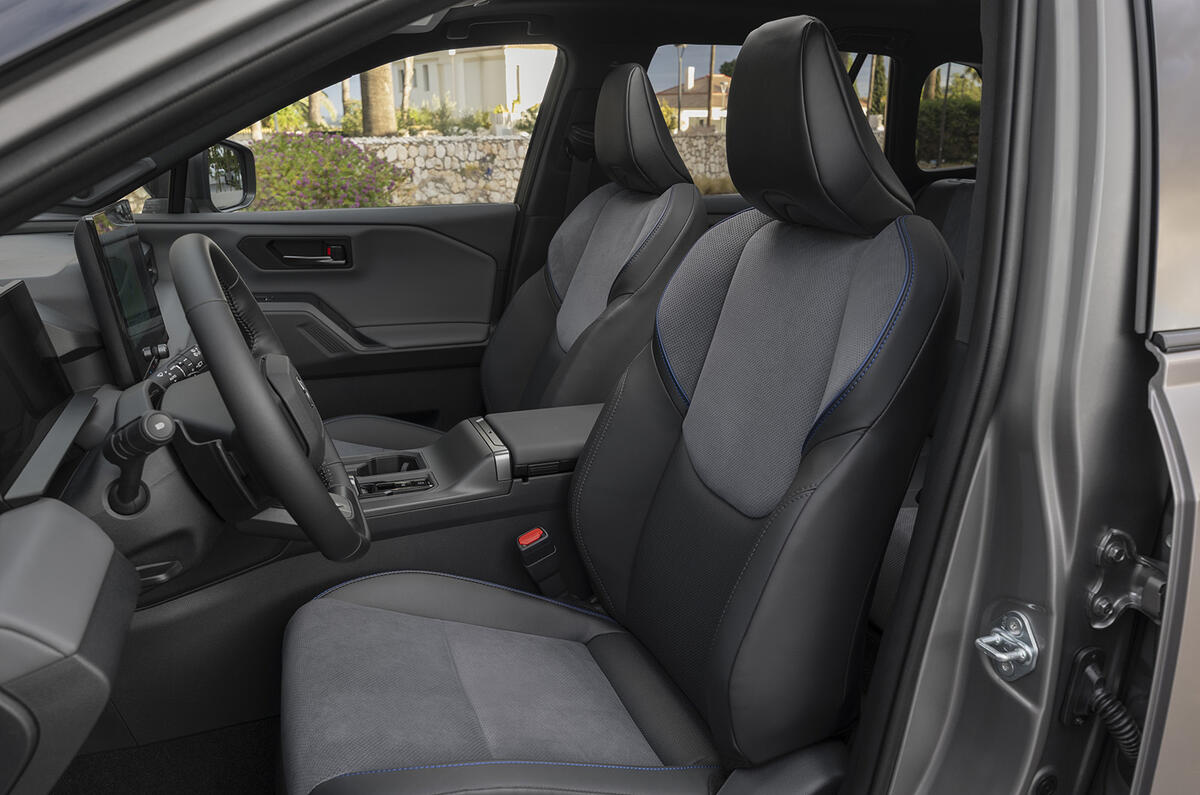
The UK line-up consists of four trim levels. Icon is the base specification, featuring heated front seats and a heated steering wheel. Design adds 20in wheels and bi-tone paint. Excel introduces the option of four-wheel drive and gains leather upholstery and a head-up display. GR Sport then gets you lightweight 20in alloys (saving 2kg per wheel), a tuned chassis and dedicated GR styling elements on the grille, steering wheel and front seats.

INTERIOR

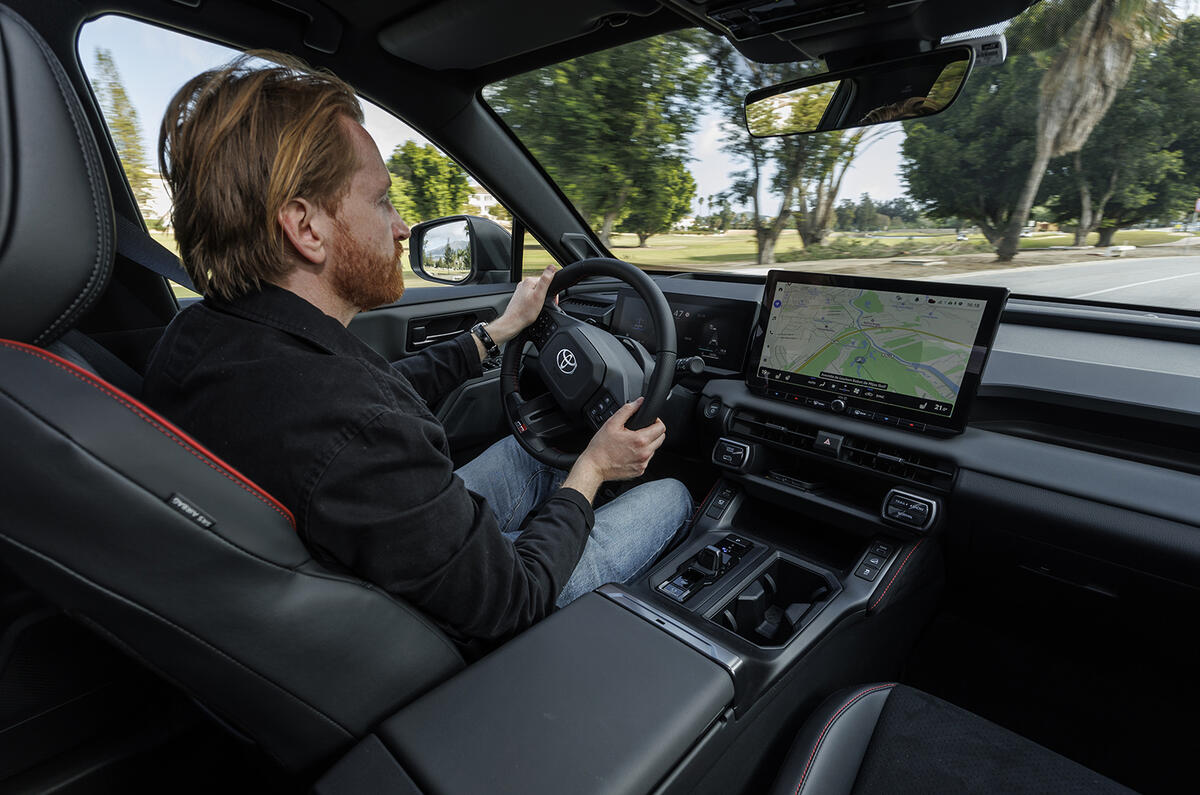
2026 RAV4  Murray Scullion 002

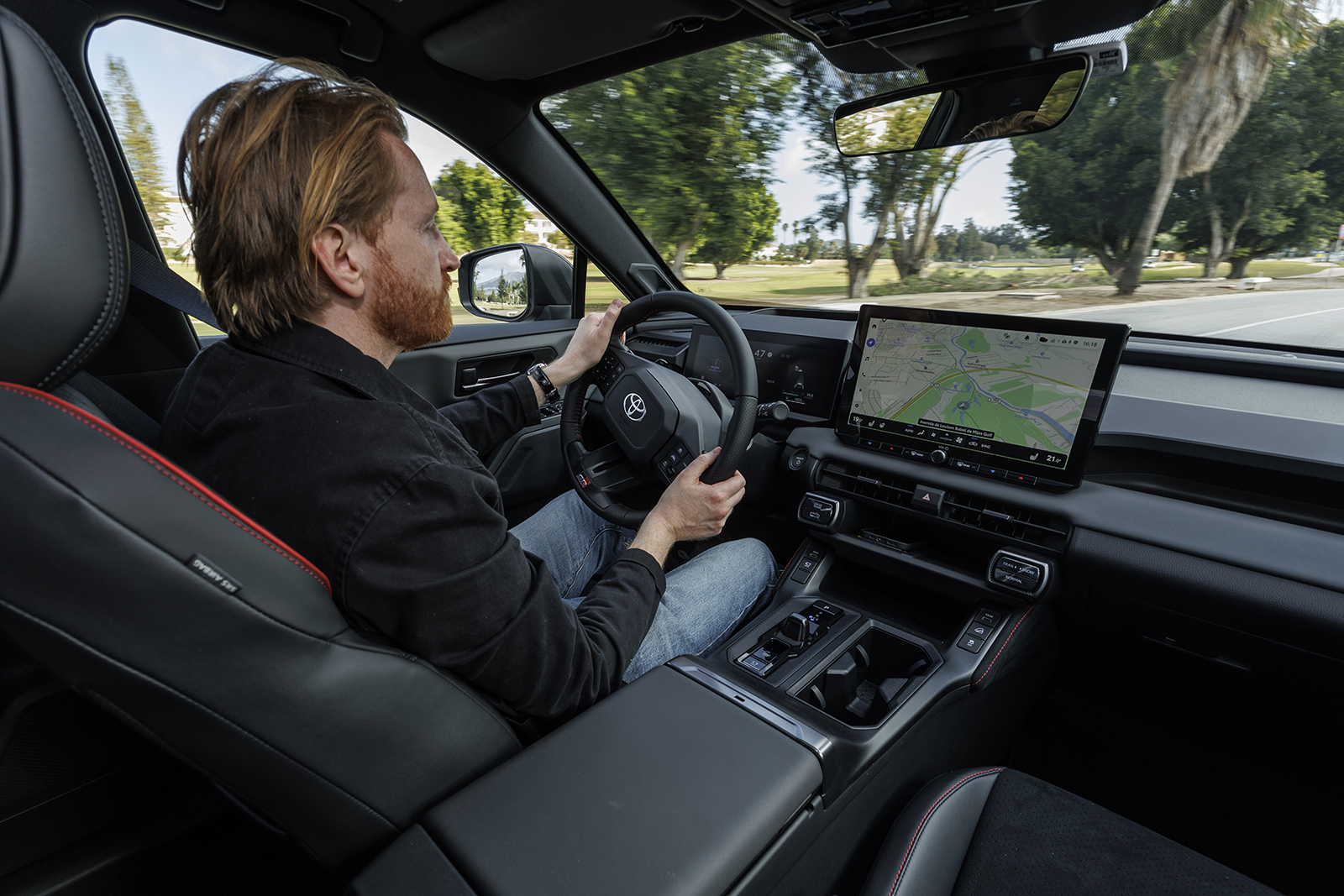
The fit and finish inside the RAV4 is exactly as robust as you would expect from Toyota, although a few cheap and nasty plastics lurk lower down in the cabin.

It's a utilitarian space: if the exterior echoes the Land Cruiser, the interior certainly takes inspiration from it too. The new, free-standing touchscreen features fresh and responsive infotainment software, offering modern conveniences like a digital phone key.

GR Sport models get nine badges and some red stitching... and not a lot else.

This brings the car up to date, although it hardly puts it ahead of the curve. Physical switchgear is abundant. Below the screen sits a volume dial alongside buttons for the climate control. Beneath those are drive mode selectors (you can have Auto, EV, Hybrid, Trail or Snow).

The ability to deactivate all of the ADAS functions from a single menu is a welcome touch, but the car isn't without its digital quirks. The driver attention monitor is particularly aggy, while the built-in dashcam, which is designed to automatically record an 'event', was triggered three times on a 90-minute journey, including once when I was simply accelerating onto a motorway.

ENGINES & PERFORMANCE

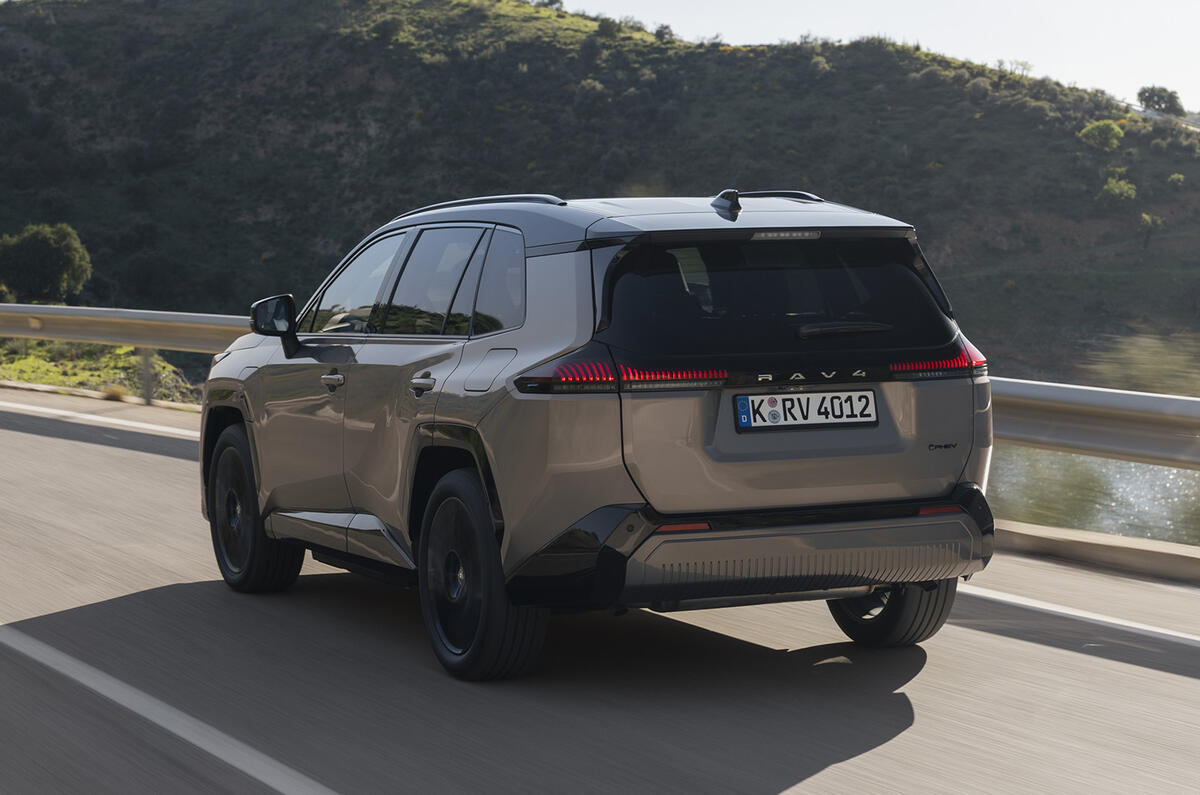
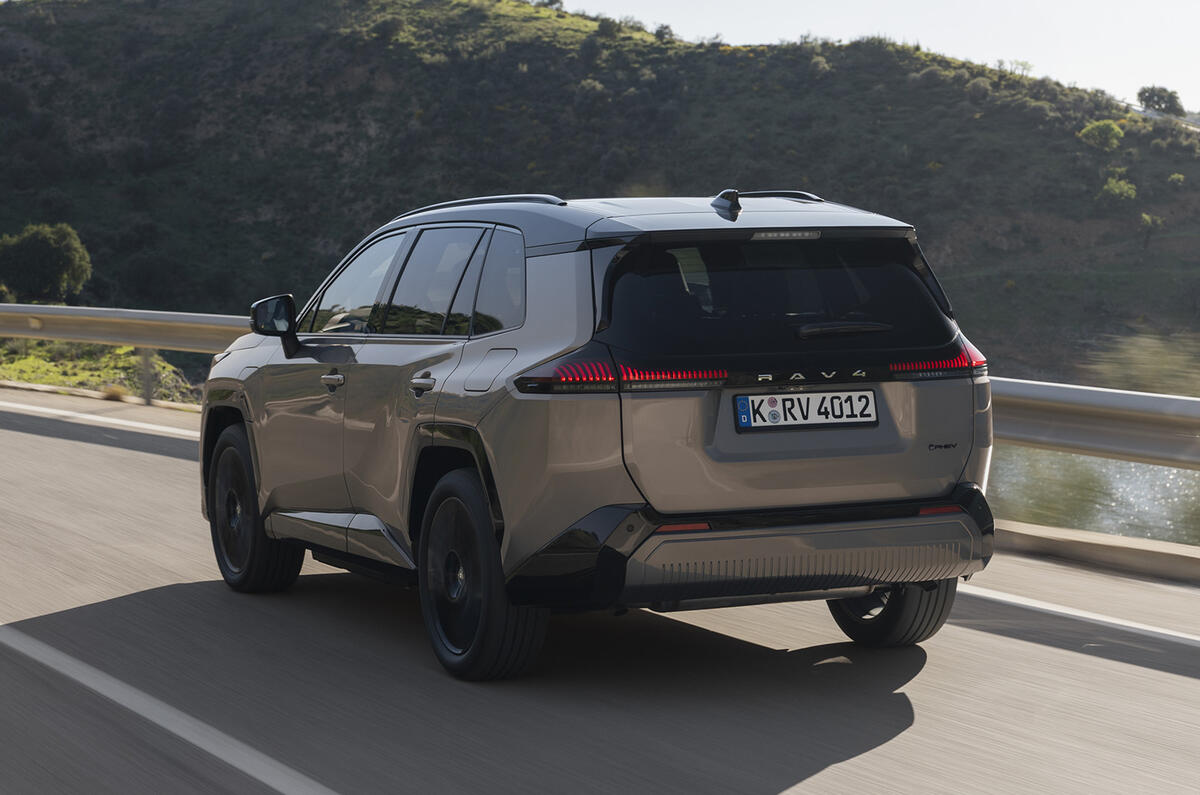
2026 RAV4 PHEV  Avantgarde Bronze dynamic 007

While other markets receive a regular hybrid, the UK is strictly PHEV. This powertrain matches an atmospheric 2.5-litre four-cylinder petrol engine with an electric motor on the front axle and another one within a CVT.

All-wheel-drive models gain yet another motor on the rear axle. Both versions are fed by a sizeable 22.7kWh (20kWh usable capacity) battery. Toyota claims this provides 85 miles of electric range for the FWD model, 75 miles for the AWD one-up from 47 miles previously.

This is probably the best CVT I've ever used. The electric power does a great job at masking its inherent flaws.

The performance is genuinely impressive. FWD cars get 268bhp while AWD models receive 305bhp. Officially the 0-62mph sprint takes just under six seconds in the latter, but I reckon I could get it done quicker than that.

It's brisk from a standstill and in-gear acceleration is really sharp too. While both versions use a CVT the abundance of electric torque makes progress feel effortless, and when the petrol engine is coaxed into life the gearbox manages it with minimal fuss.

Toyota has invested heavily in sound deadening and body strengthening, and that has paid dividends here. If you bury the throttle, you will still experience a hint of that characteristic CVT rubber-band effect, but the engine never gets egregiously loud.

RIDE & HANDLING

2026 RAV4 PHEV  Avantgarde Bronze dynamic 015

Dynamically, this is a well-sorted car that errs heavily on the side of safety. Traction and grip are abundant, even in FWD models.

Attack a roundabout with too much verve and you will be met with safe, predictable understeer. The traction control light rarely flickered during my testing.

I genuinely think the 'sporty' model is more comfortable.

The suspension set-up is super-smooth, if just a touch too bouncy, with too soft damping. There's a bit of body roll around corners, and when you hit a bump you can dive deep into it and come out the other side a bit too slowly. 

The GR Sport version may not have any more power, but it does have bespoke suspension tuning. There's a high-performance front damper, a reinforced rear suspension brace and a dedicated suspension tune. Compared with the regular RAV4, it's tightened to the point that it improves close body control but keeps the ride soft overall.

MPG & RUNNING COSTS

2026 RAV4 PHEV  Avantgarde Bronze dynamic 001

Headline economy figures hover around the 200mpg mark, but in a PHEV with a battery this large, official figures are academic.

Most daily commutes could feasibly be tackled purely on electric power. On an 80-mile route, my AWD Excel test car achieved 75% EV running and around 60mpg.

Most people in the UK could conceivably do all their commute using just electric power.

Charging is remarkably swift for a D-segment SUV. A 50kW DC on-board charger can replenish the battery from 10-80% in just 30 minutes. Meanwhile, the 11kW AC charging - twice as fast as the previous model supported - can give a full charge in roughly three hours.

VERDICT

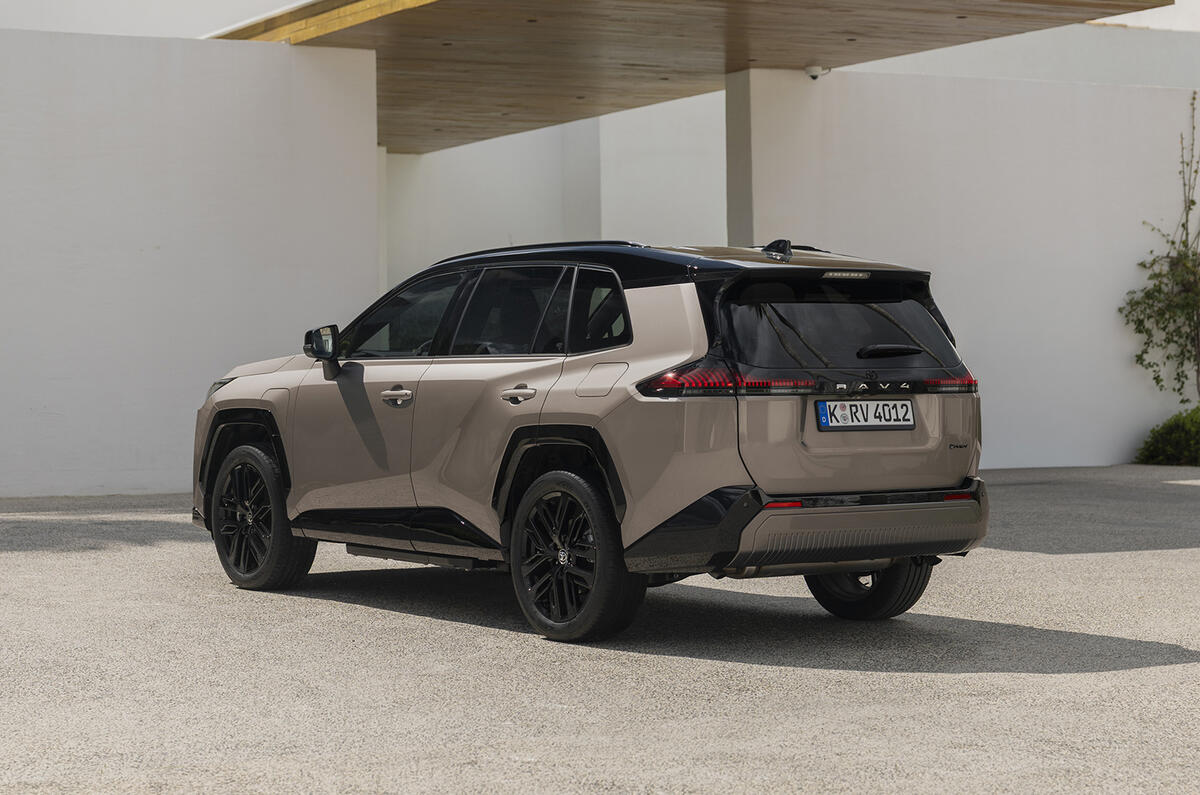
2026 RAV4 PHEV  Avantgarde Bronze static 050

There was a time when PHEVs with small batteries and pathetic electric ranges felt entirely devoid of common sense: you would deplete the battery in miles, only to drag its dead weight around using a petrol engine.

The latest tranche of long-range PHEVs has changed the equation entirely, offering an electric range that most drivers will not exhaust in a day. The buying public has noticed, with the UK's PHEV market growing by 35% last year. Said market is now flooded with SUVs from Europe and China - and this new RAV4 can stand toe to toe with the best of them.

2WD models are cheaper and more economical. Buy them rather than the 4WD models.

It's incredibly well sorted, meticulously thought out and ruthlessly sensible. Crucially, not only does the sheer size of the battery guarantee strong economy, but also the electric punch smooths out the roughness induced by the CVT, making the RAV4 a genuinely excellent daily.

Murray Scullion

Murray Scullion
Title: Digital editor

Murray has been a journalist for more than a decade. During that time he’s written for magazines, newspapers and websites, but he now finds himself as Autocar’s digital editor.

He leads the output of the website and contributes to all other digital aspects, including the social media channels, podcasts and videos. During his time he has reviewed cars ranging from £50 - £500,000, including Austin Allegros and Ferrari 812 Superfasts. He has also interviewed F1 megastars, knows his PCPs from his HPs and has written, researched and experimented with behavioural surplus and driverless technology.

Murray graduated from the University of Derby with a BA in Journalism in 2014 and has previously written for Classic Car Weekly, Modern Classics Magazine, buyacar.co.uk, parkers.co.uk and CAR Magazine, as well as carmagazine.co.uk.