
Rotorcraft took hundreds of years to evolve from fanciful pipedreams to actually flying but did not take long to transition from experimental flying machines to tools of war.
Not many people realise that helicopters and other related aircraft actually existed during the second world war, but they did. Amid the mass chaos, rotorcraft took their first tentative steps that would eventually lead to their becoming a prime instrument of warfare. Here are the Top 10 Helicopters & Rotorcraft of the Second World War:
10: Doblhoff WNF 342
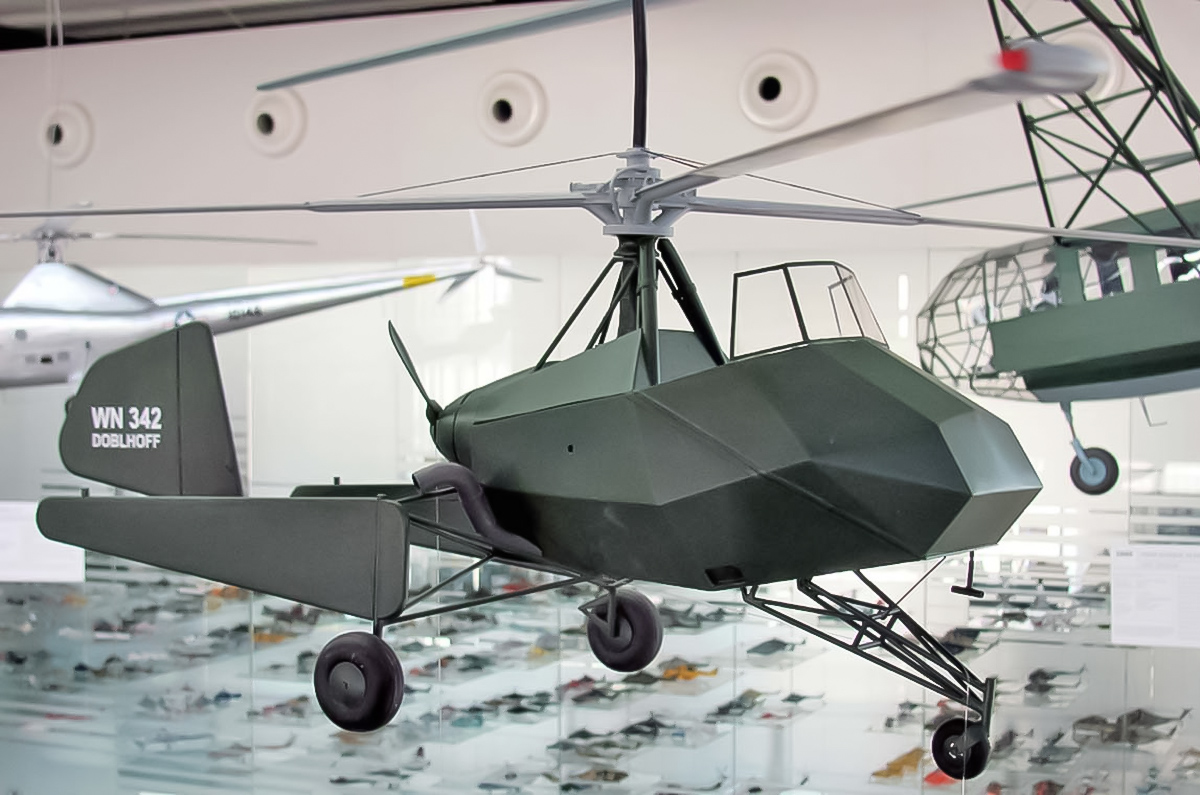
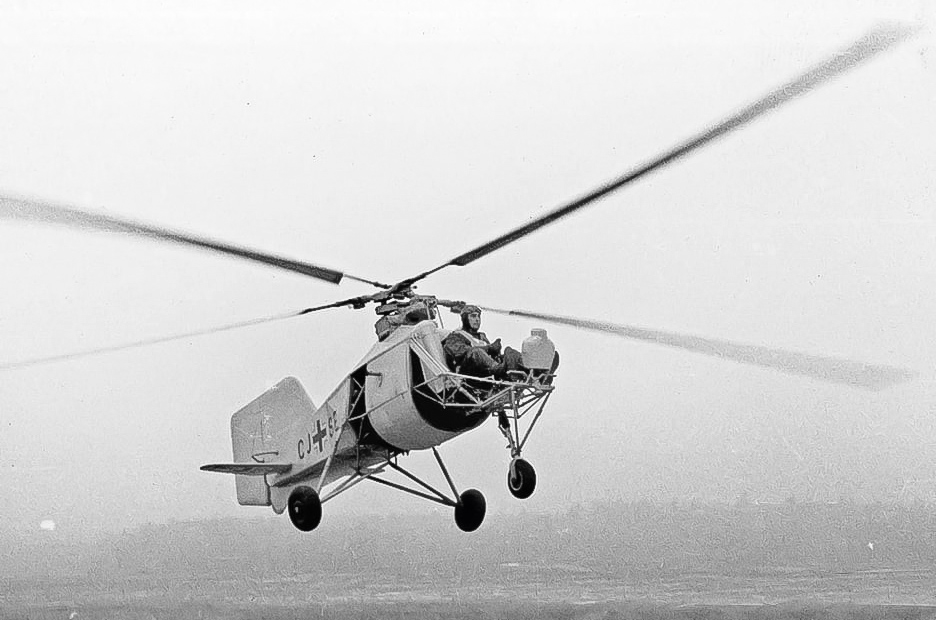
The Doblhoff WNF 342 was an experimental Austrian helicopter developed during the second world war under the direction of Friedrich von Doblhoff at the Wiener Neustädter Flugzeugwerke (WNF). Conceived in 1942, the design was notable for being one of the earliest attempts at a jet-driven helicopter, using tip-jet propulsion rather than a conventional mechanical transmission.
The WNF 342 employed a small piston engine to drive a compressor that fed compressed air to burners located at the tips of the rotor blades. The burning fuel-air mixture produced thrust, spinning the rotor without the need for a tail rotor to counteract torque, since no torque was transmitted through the shaft. This simplified mechanical design but introduced problems of noise, fuel consumption, and efficiency.
10: Doblhoff WNF 342
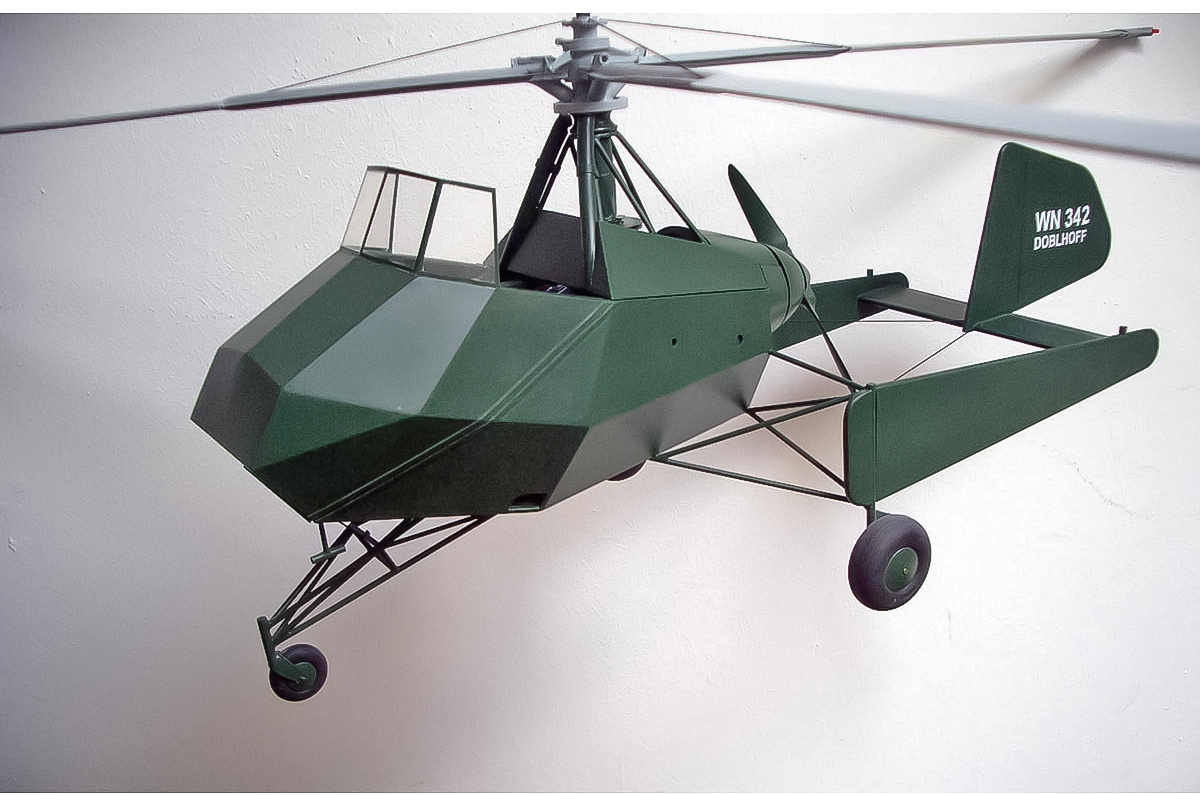
Several prototypes were constructed between 1943 and 1945, designated WNF 342 V1 through V4. Test flights demonstrated that the aircraft could achieve stable hovering and forward flight, but its limited endurance and impractical operating characteristics prevented further development during the war.
Although it did not see operational service, the WNF 342 represented an interesting step in rotorcraft experimentation. Its pioneering tip-jet rotor concept influenced later designs in postwar France and the United States.
9: Flettner Fl 265
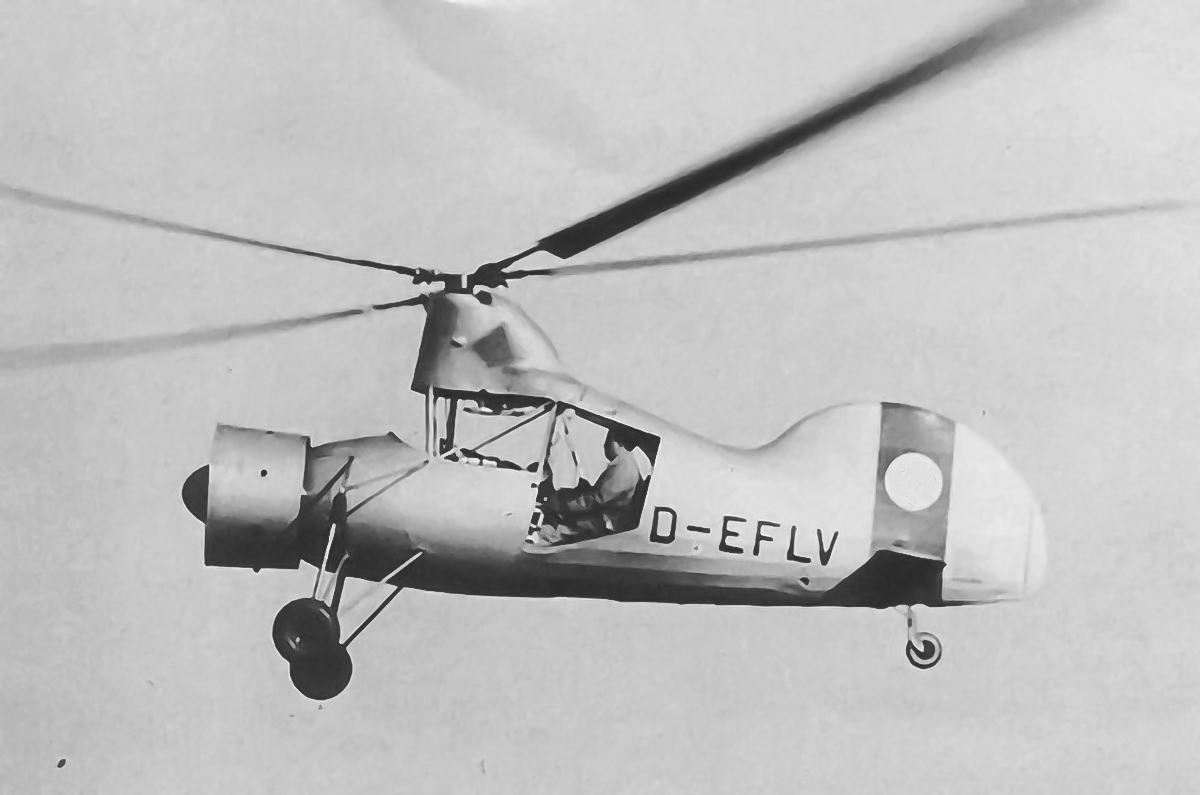
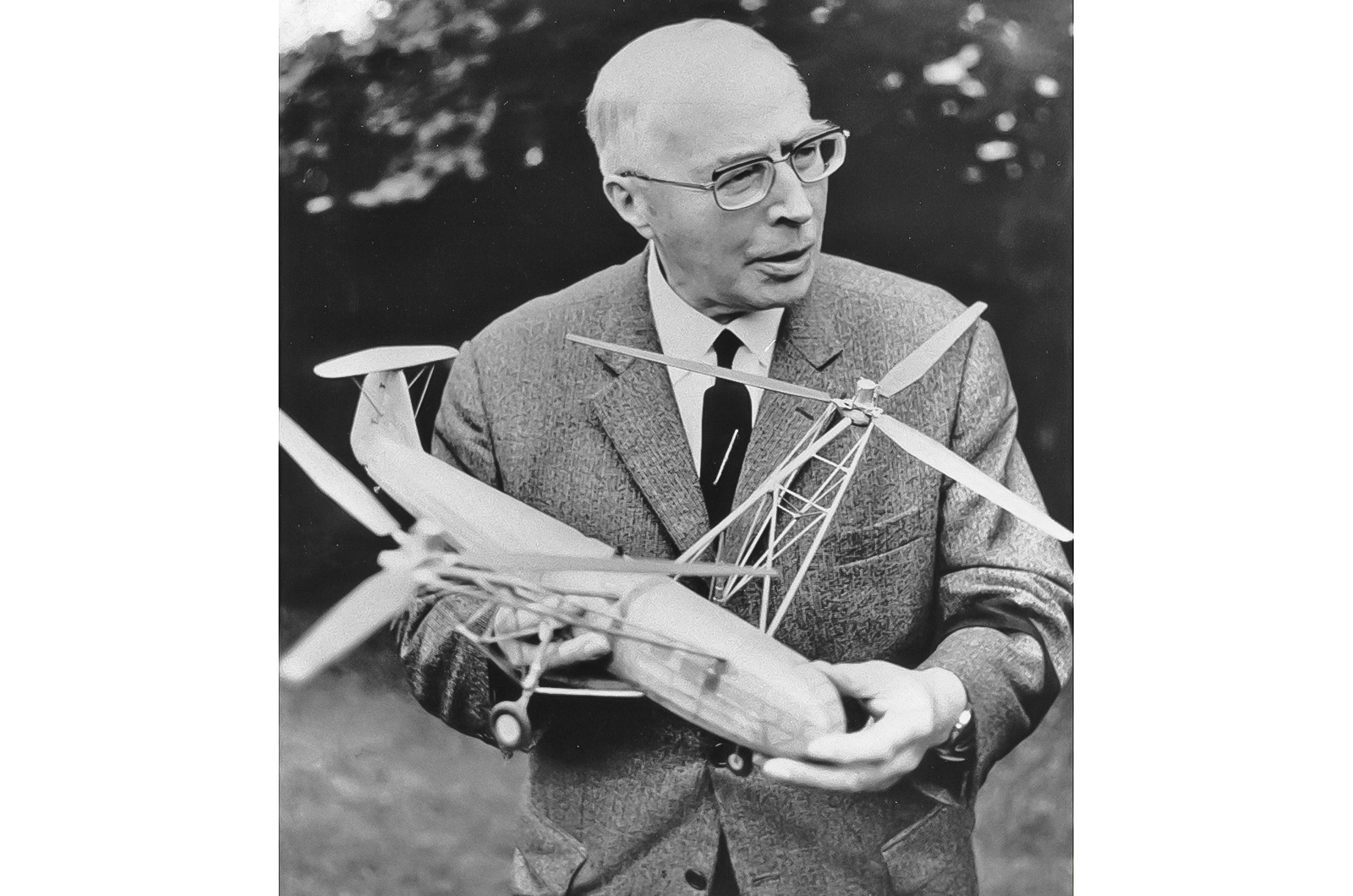
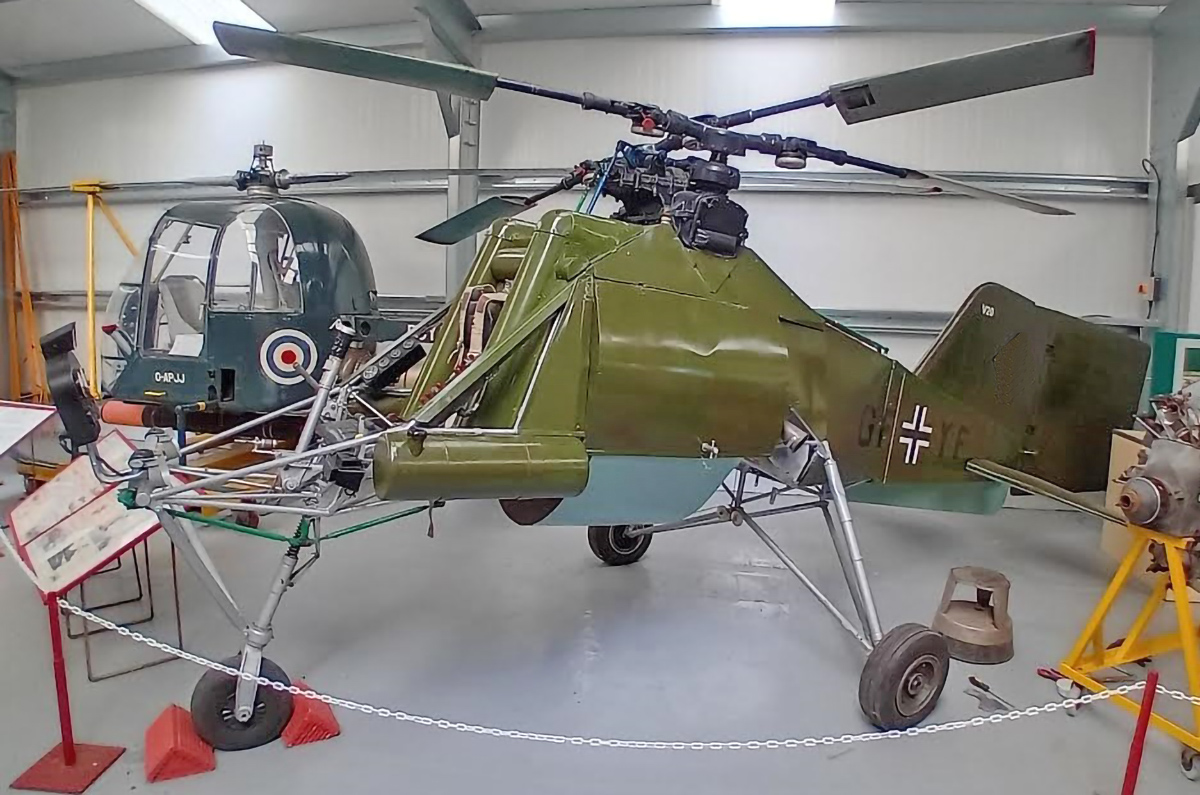
The Flettner Fl 265 was a German experimental helicopter developed in 1938 by Anton Flettner, a pioneer in rotary-wing aviation. It was one of the earliest helicopters to employ the intermeshing, or synchropter, rotor system that later became a hallmark of Flettner’s designs.
The Fl 265 was powered by a 160 hp BMW-Bramo Sh 14A radial engine, driving two intermeshing rotors mounted above the fuselage. This arrangement eliminated the need for a tail rotor to counteract torque, increased stability, and allowed for a compact airframe.
9: Flettner Fl 265
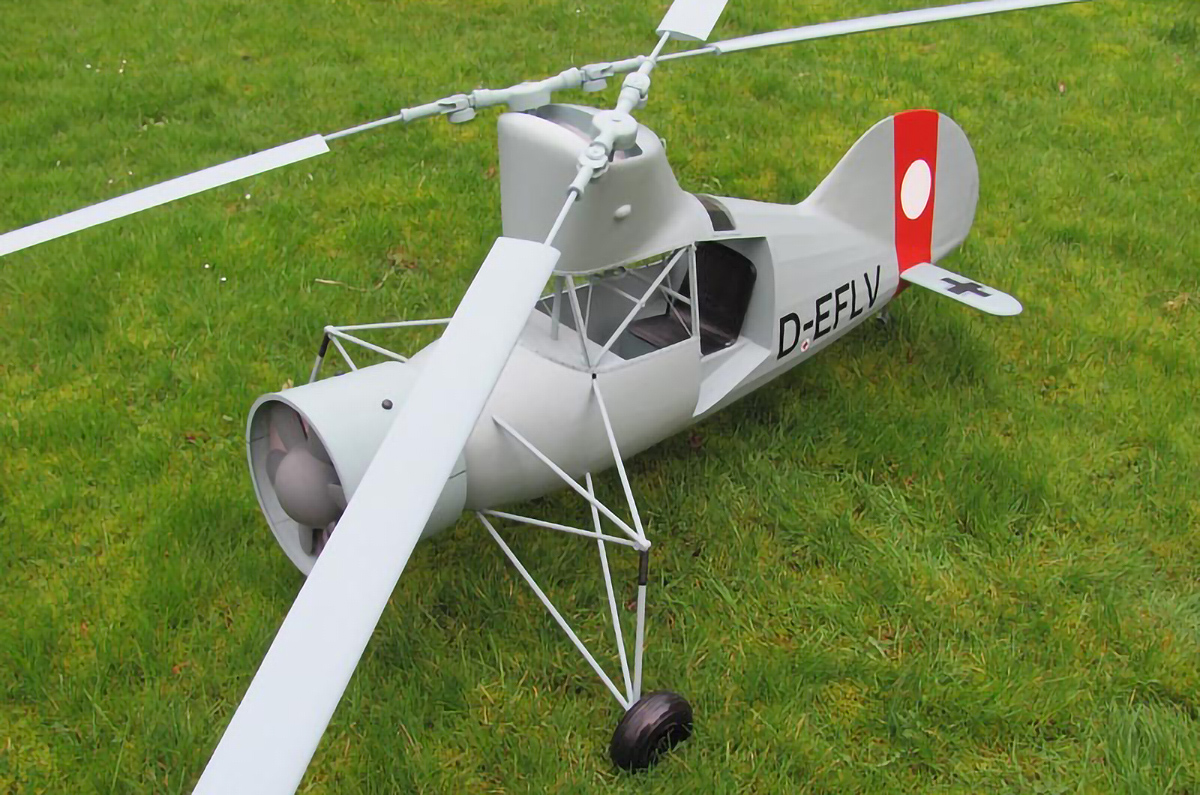
It carried a single pilot in an enclosed cockpit, and its configuration enabled vertical take-off, hovering, and controlled autorotation, marking it as one of the first helicopters to demonstrate safe engine-off landings. Six prototypes were constructed and tested by the Luftwaffe in 1939.
Flight trials showed that the Fl 265 possessed good manoeuvrability and reliability, and it could transition between powered flight and autorotation more smoothly than earlier helicopters. Nevertheless, the type was considered a stepping stone rather than a production aircraft, as we’ll see.
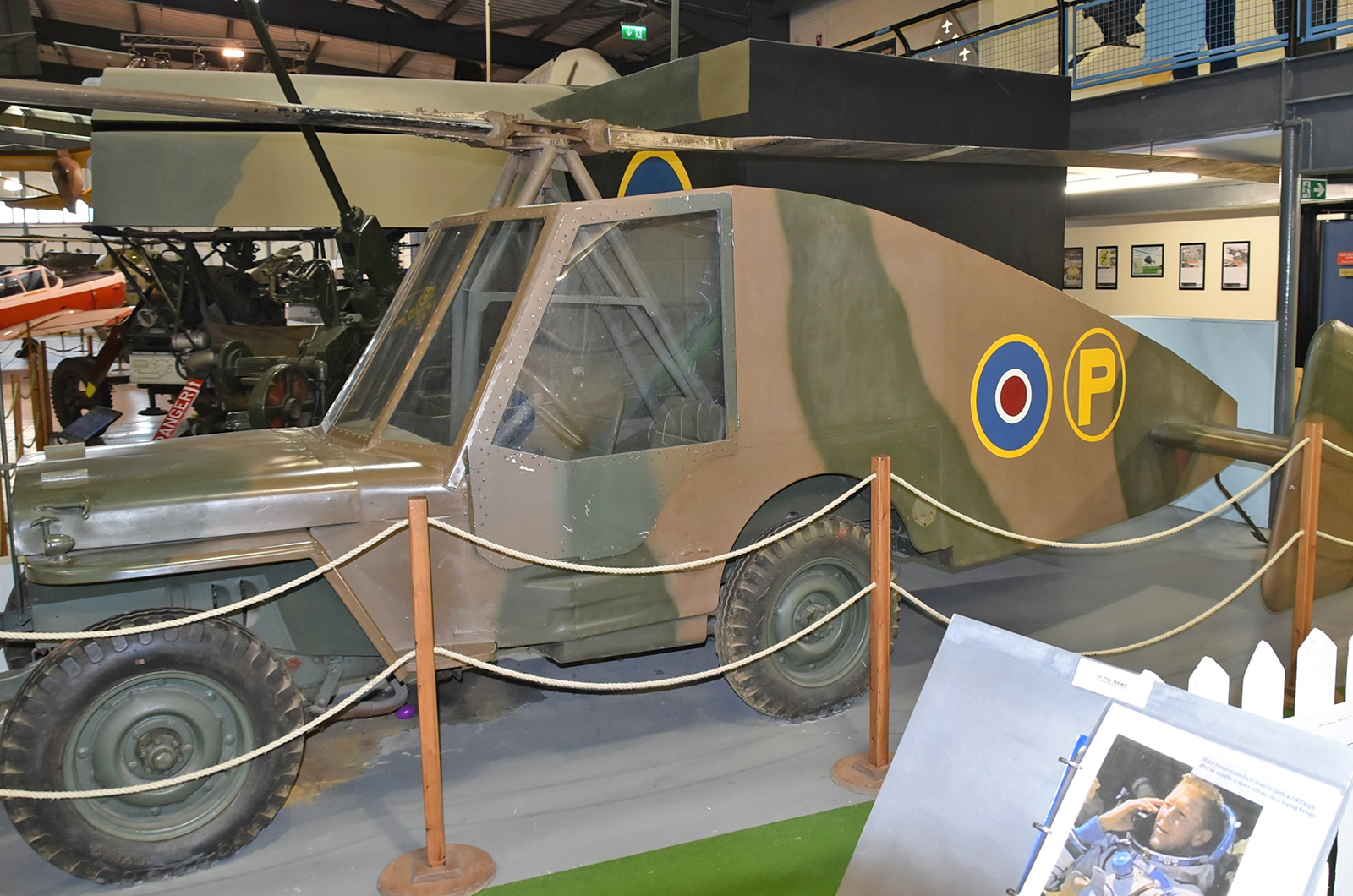
8: Rotabuggy
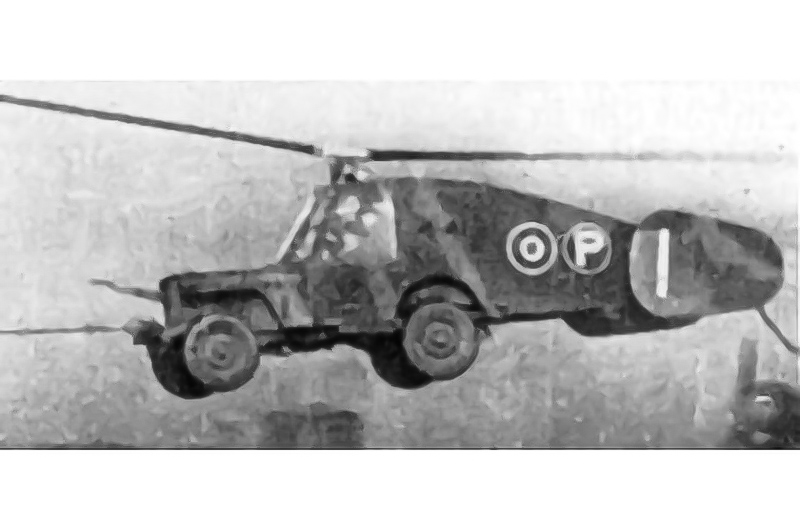
A rotor kite is an unpowered, rotary-wing aircraft that relies on lift from its rotors. Unlike a normal helicopter, they don’t have an engine powering their rotor. Like conventional gliders, a rotor kite needs to be carried aloft by a tow aircraft, car or boat. It can also ride on wind, and fly like a kite.