
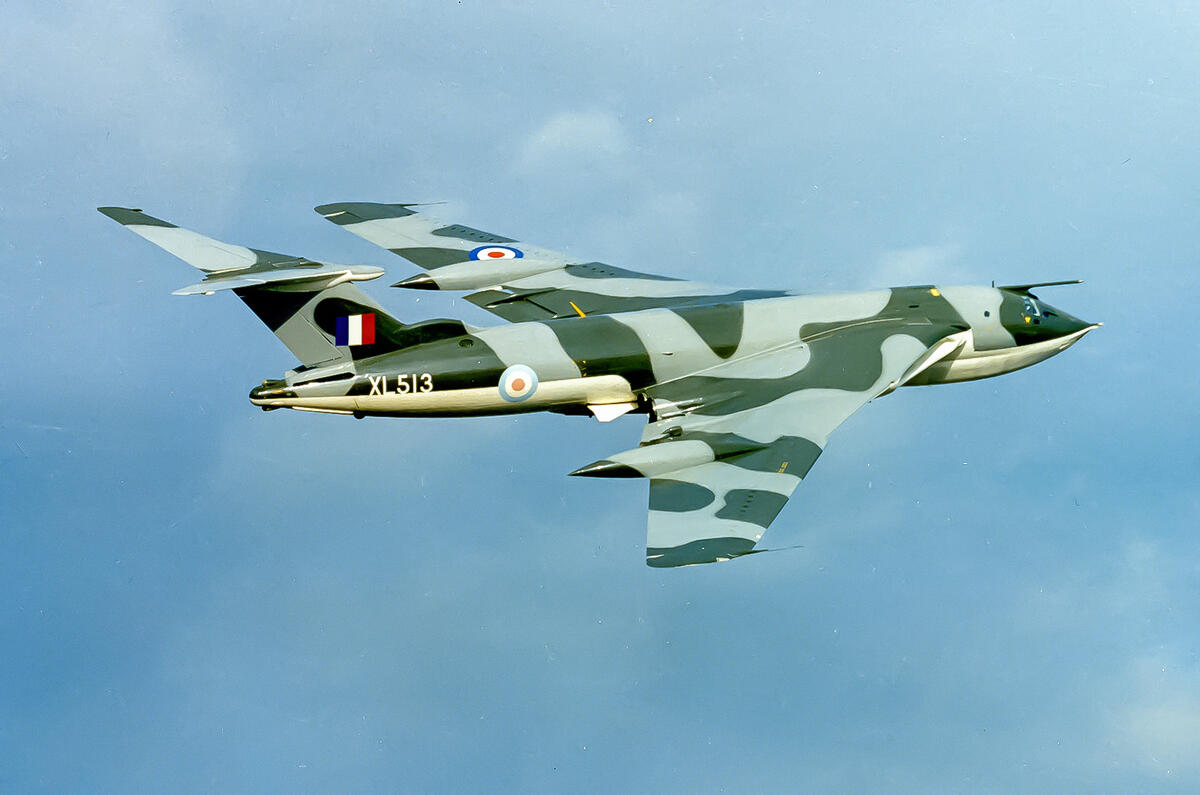

The readers of the Hush-Kit aviation blog (a British site) were asked to vote for the best-looking British aircraft.
With such a mouthwatering bevvy of sublime flying machines, selection was a tough task for the many people who participated. Such is democracy that, sadly, your favourite aircraft may not have made the list, so apologies in advance (and please note that international designs like Concorde and the Eurofighter Typhoon are not included). The good news is that the following 11 are all absolute stunners.
11: de Havilland DH.106 Comet
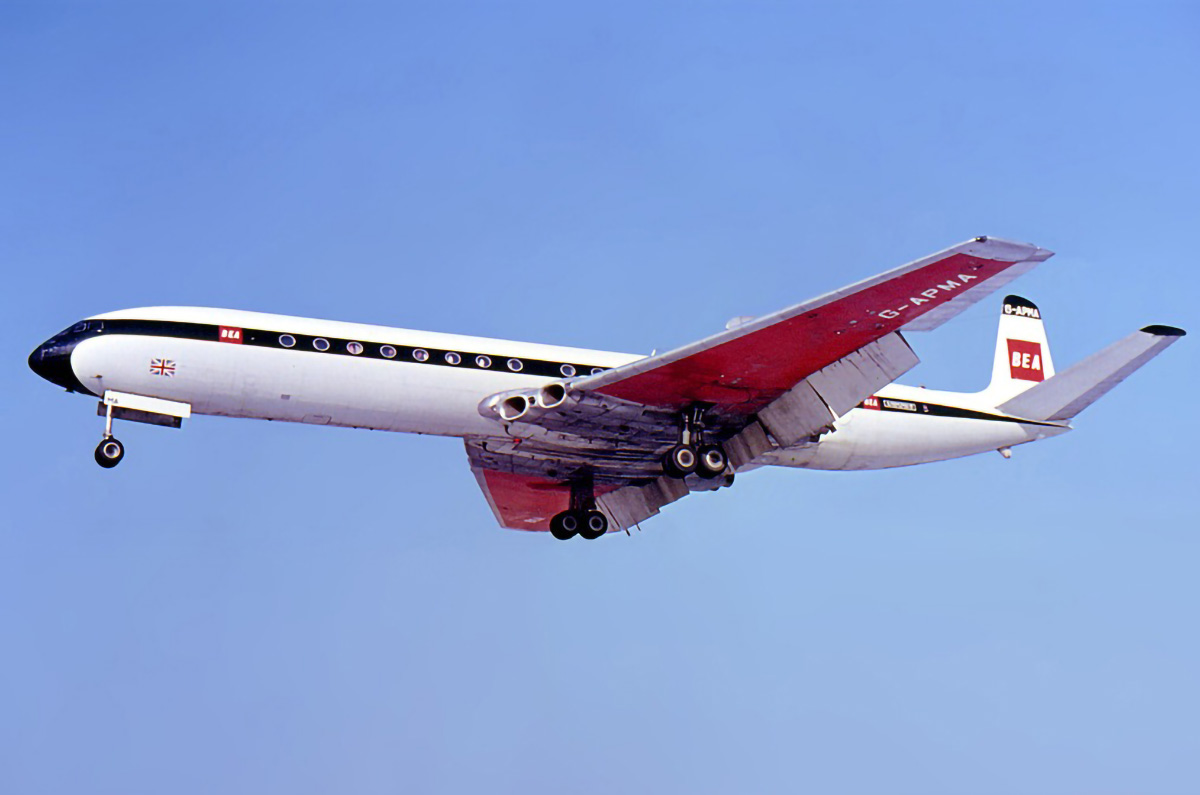
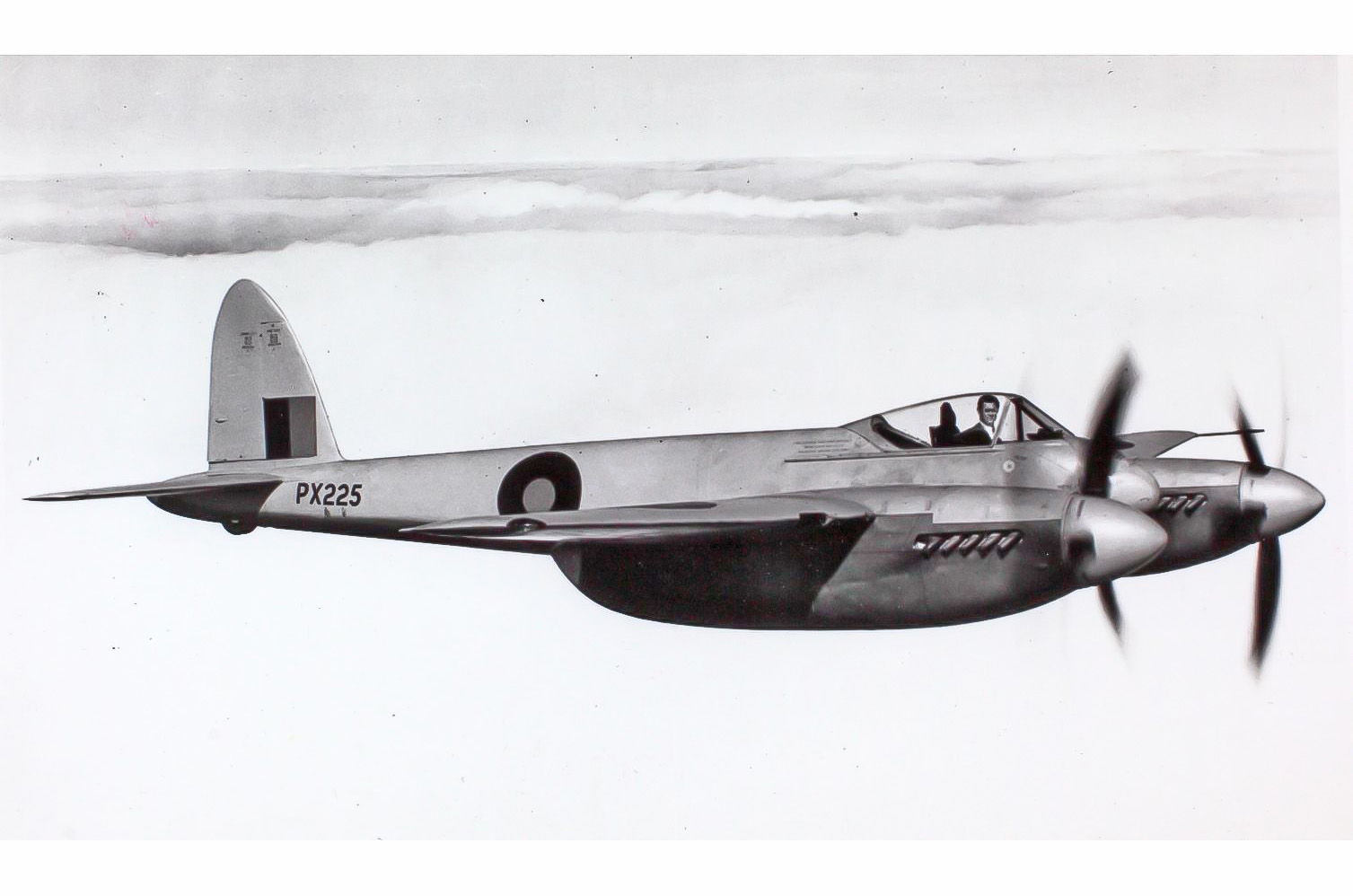
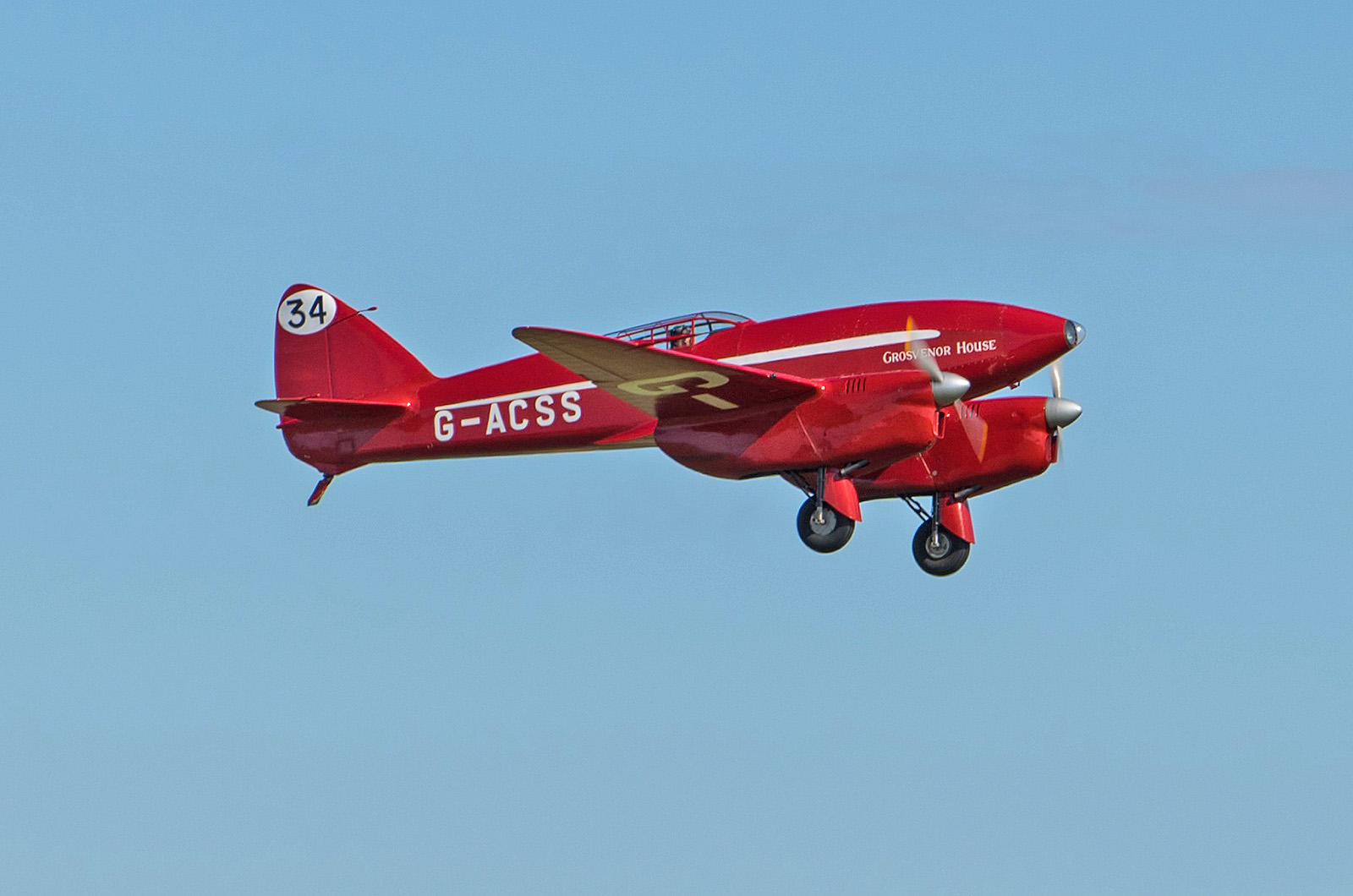
The de Havilland company had produced a slew of beautiful aeroplanes throughout the 1920s and 1930s, among them a series of elegant biplanes and the streamlined four-engined DH.91 Albatross airliner (incidentally, voted joint number 11 with the Hawker Typhoon/Tempest). Drawing on their interwar know-how of the highly advanced DH. 88 Comet and Albatross, de Havilland created the phenomenal Mosquito combat aircraft.
Also, de Havilland flew the Vampire jet-powered fighter in the Second World War. When the war ended, with the experience of high-speed aircraft, airliners and jet propulsion, de Havilland was in a strong position to build the world’s first jet airliner. This they did, and the resultant machine, with its sleekly buried engines, streamlined form and bare aluminium, was a revelation when it entered the world.
11: de Havilland DH.106 Comet
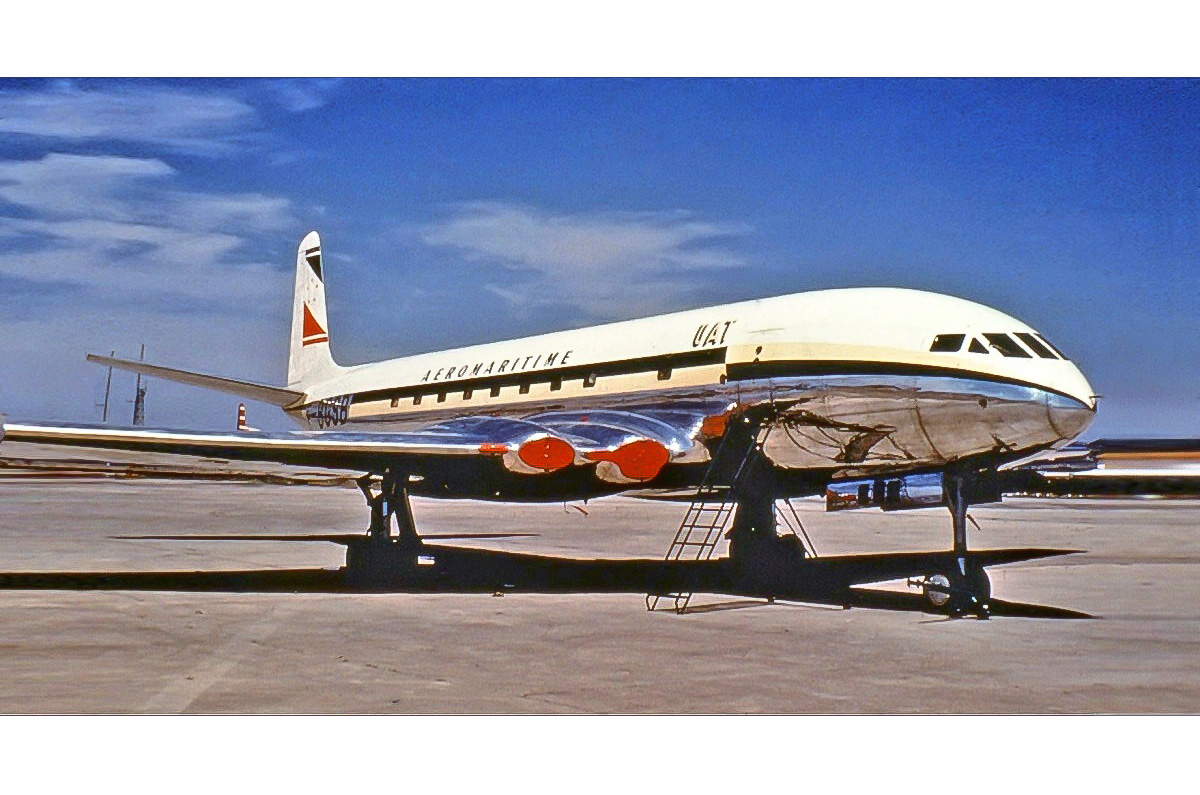
The de Havilland DH.106 Comet was a silver dream of the future when it was unveiled in 1949. In a world of spluttering piston-engined DC-3 airliners, the Comet looked like it had arrived from another planet. It was the world’s first jet airliner and promised unprecedented travel speeds and altitudes. Sadly, the beautiful Comet would have a tragic early life with several crashes due to metal fatigue.
Later, podded engines would totally dominate airliner design, but the Comet’s four jet engines neatly contained in the inner section of the wing was the far more aesthetic solution. The Comet lived on as the military Nimrod maritime patrol aircraft until 2011, but it was as an airliner that it was purest in form.
10: Blackburn Buccaneer
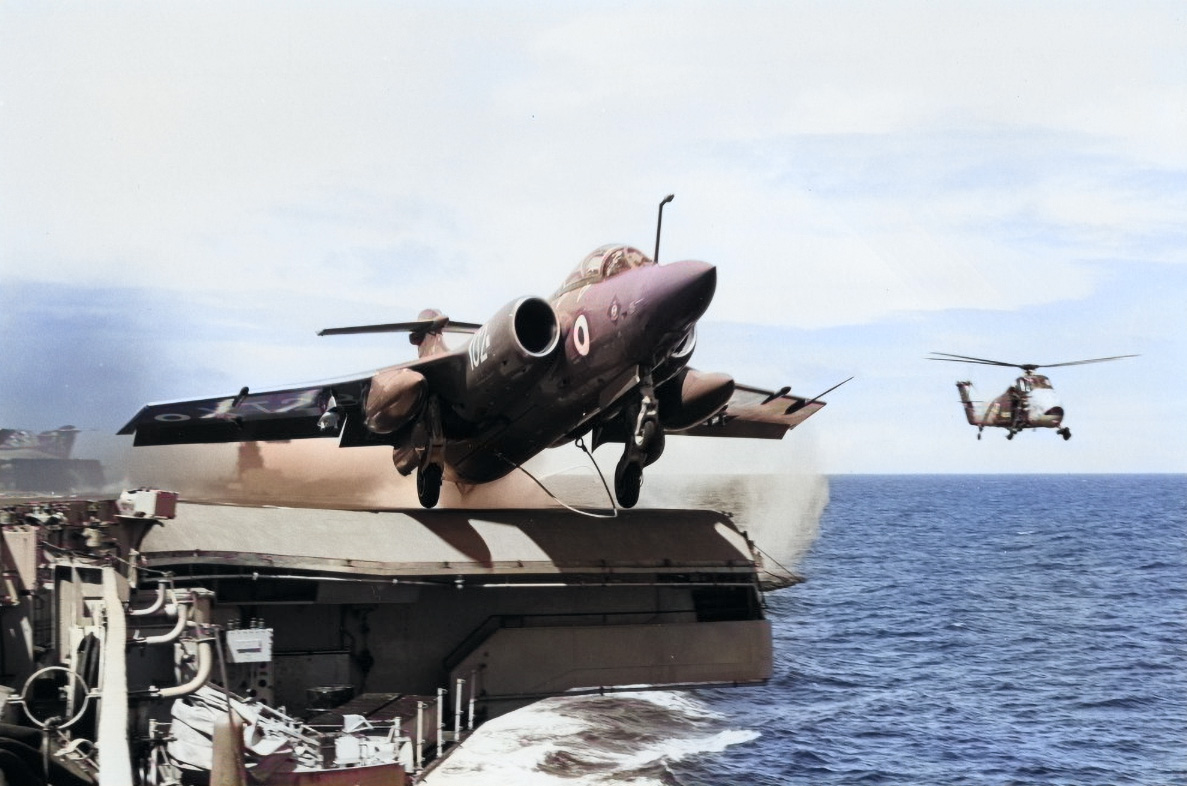
A pleasingly left-field choice, the Blackburn Buccaneer was a naval attack aircraft that first flew in 1958. It is not beautiful but imposing, rugged, and rather eccentric in appearance. The Buccaneer was built to operate from Royal Navy aircraft carriers and perform low-level anti-shipping missions. To see a Buccaneer, the observer is impressed by its heavy industrial look, which reeks of physical strength.
To create space on the crowded carrier deck, the ‘Bucc’ has folding wings; the ‘Bucc’ is a particularly imposing sight when its wings are folded up. Scale, as with the English Electric Lightning, is where some of the Buccaneer’s visual impact comes from; the massive Buccaneer certainly knows how to dominate a hangar.
10: Blackburn Buccaneer
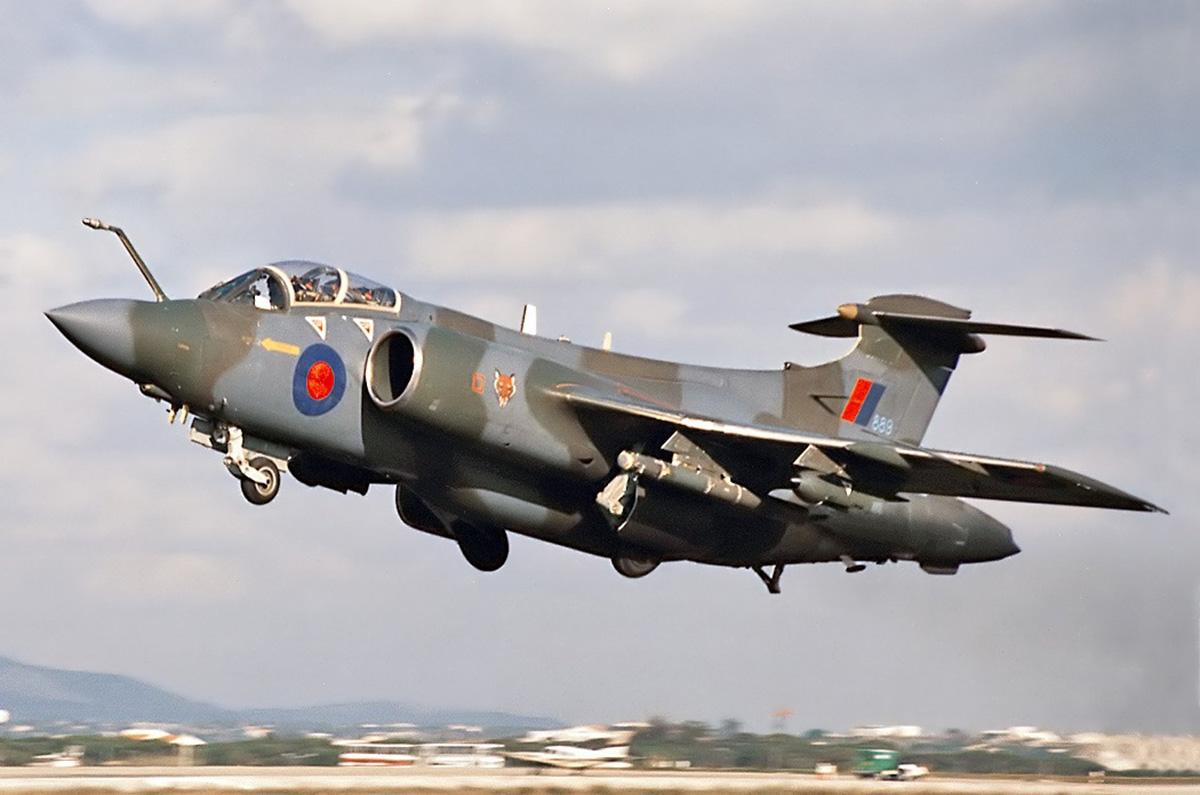
The tail section is particularly wonderful; many British jet have a seductively curved leading-edge (front) to their tailfin, but the Buccaneer takes this to extremes, with a long curve that starts halfway down its back. Then we have a T-tail (a design featuring we’ll meet a few times).





Add your comment