
There have been many strange ways to power an aeroplane.
In this story we’re going to look at 10 of the strangest methods. There wasn’t room to get into several other fascinating engines, fuels or methods of propulsion, including diesel (used on some German and Soviet bombers), steam (used in various high and low-tech ways) and mind-boggling things like ion-propelled aircraft, so maybe we will have to return to this rather wild subject. Here are 10 aircraft with totally bizarre engines…
10: Wankel

Perhaps the Wankel is not really a ‘rotary engine’, though it is often described as one. In a true rotary, the entire engine rotates around a fixed camshaft, but the Wankel uses a rotor in a stationary combustion chamber. With no oscillating pistons, Wankels are incredibly smooth and, therefore quiet, a compelling feature for any aircraft that doesn’t want to be heard.
The first aeronautical application of the Wankel was the 1970 Wright Aeronautical RC-2-60 fitted in the late Lockheed Q-Star, the prototype of an ultra-quiet surveillance aircraft for the Vietnam war, intended to be inaudible at 1500 feet and therefore able to snoop on Vietcong activities at night without being noticed.
10: Wankel

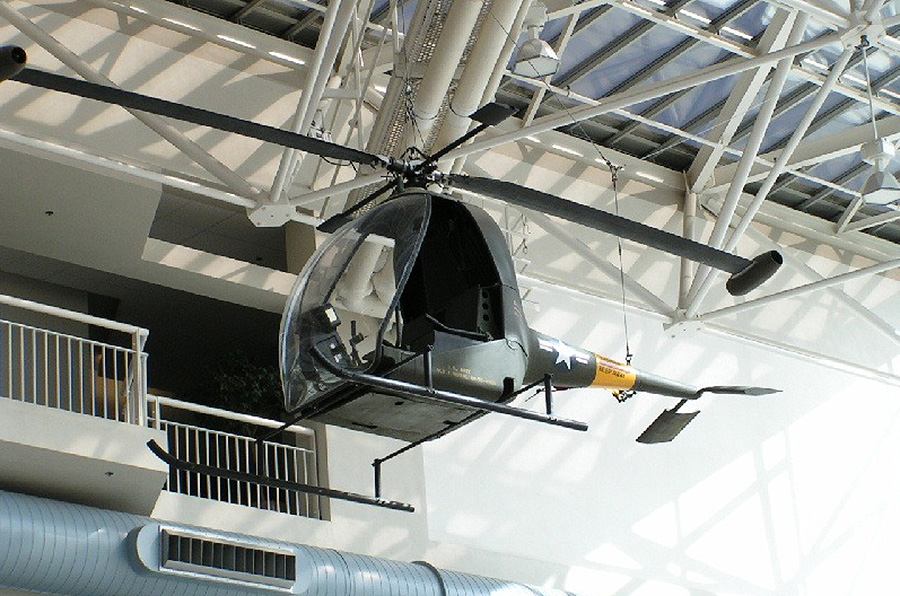
The Wankel-powered Q-Star did not progress to production, and neither did one of the most unlikely aircraft of the 1970s: the Citroën RE-2 helicopter (pictured). Citroen had invested hugely and unsuccessfully in Wankel-powered car development, so seeking to recoup some of the costs, Citroën bizarrely decided to develop a Wankel-powered helicopter.
The lightweight Citroën helicopter demonstrated potential in testing, but sadly, it decided to ditch the project. The Wankel finally found its niche, though; today, several products (mostly drones) use Wankel engines, primarily due to their quietness but also because they can be impressively compact and minimise the vibration of sensitive sensors.
9: Lift jets
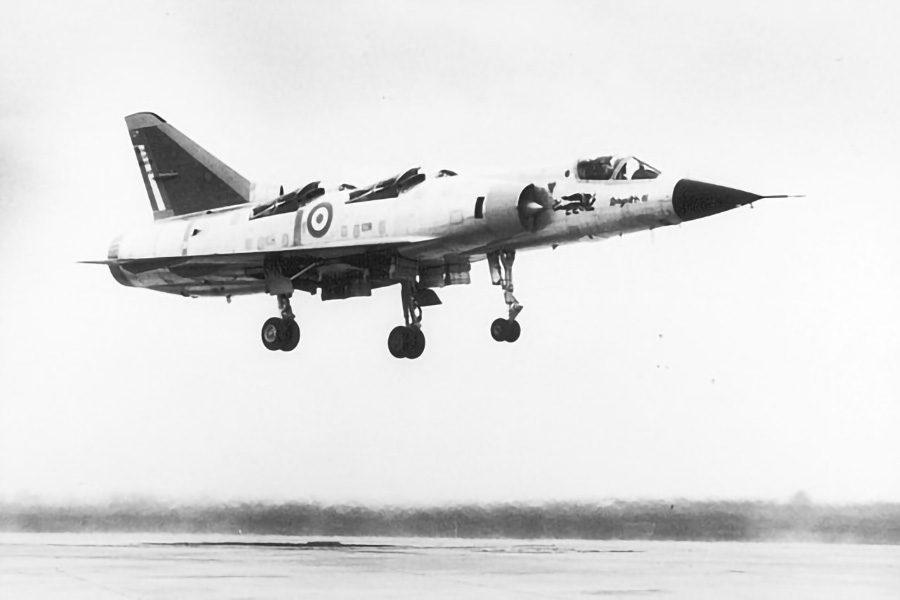
The dependency on long runways makes land-based military aircraft vulnerable to airfield attacks, and carrier aircraft dependent on dangerous landings and take-offs from massive ships. For these reasons, the ability to perform vertical take-offs and landings (VTOL) has long been desirable.
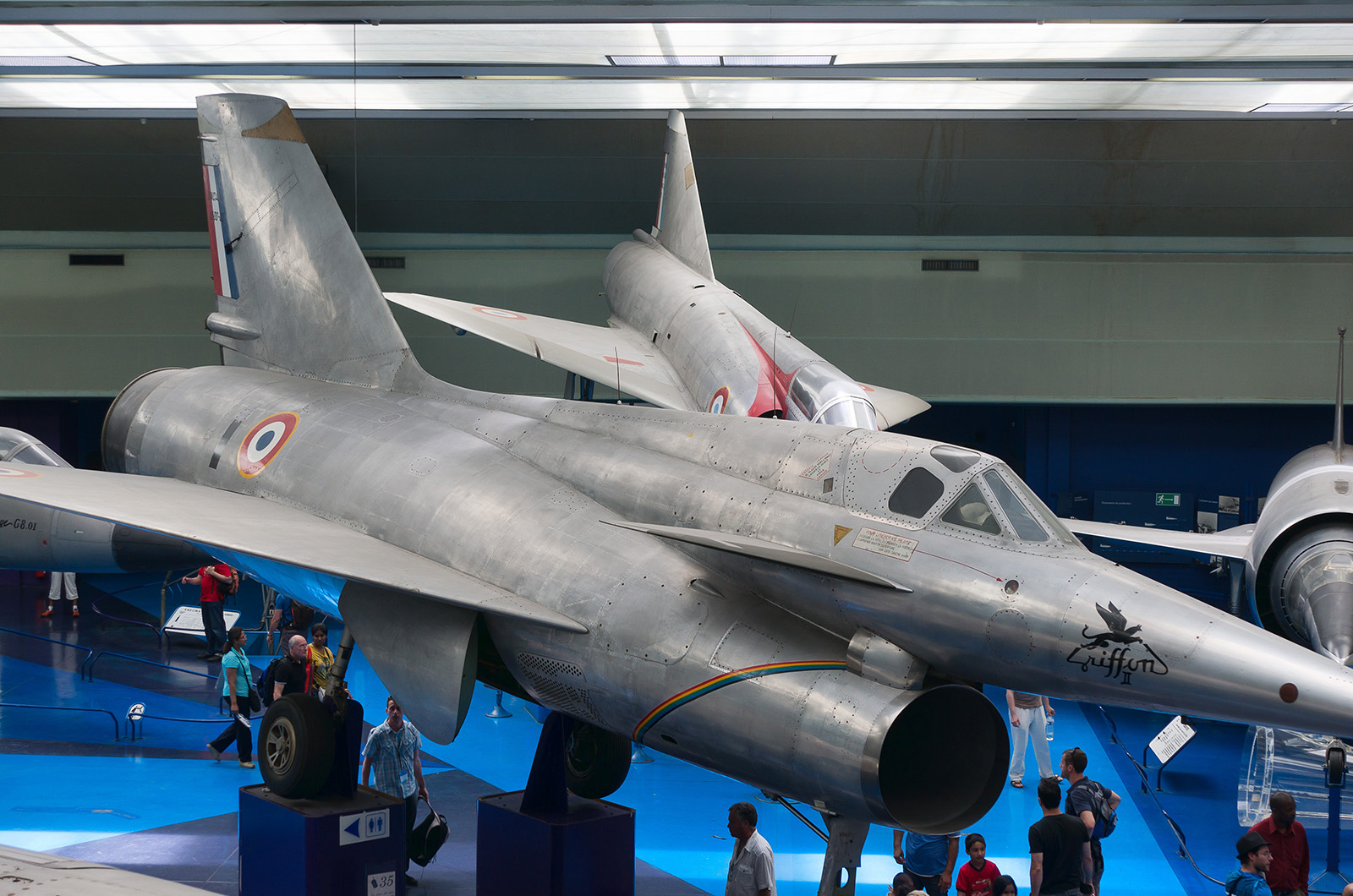
One solution that was repeatedly tried was small, dedicated ‘lift fans’. A lift jet is a small engine mounted vertically and used exclusively for take-off and landing. There are several advantages of this approach, one being it is relatively easy to create a VTOL aircraft that is supersonic, such as the Mirage IIIV (pictured).
9: Lift jets
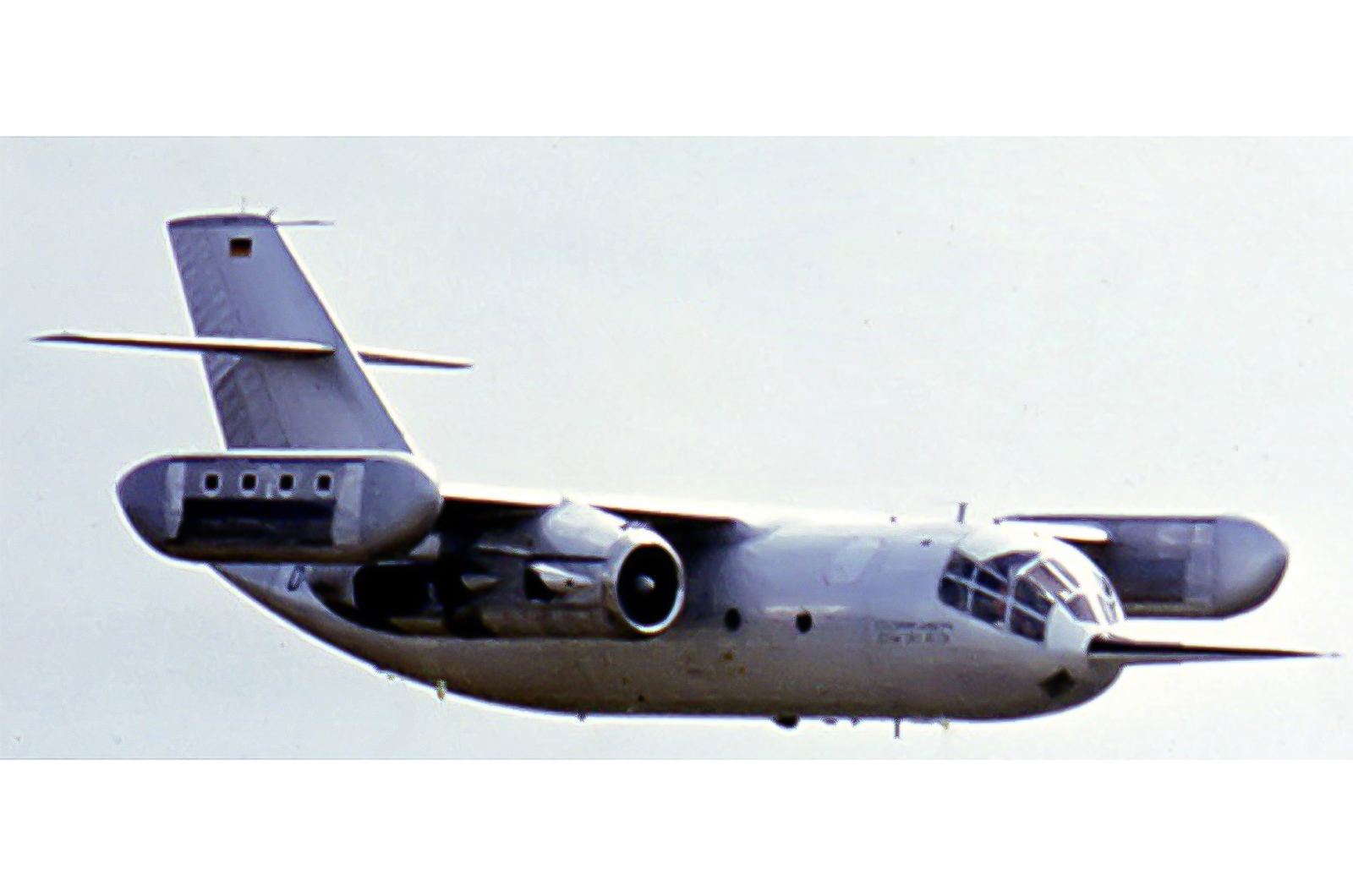
Lift jets were fitted to several experimental prototypes, but only the Soviet Yakovlev Yak-38 ‘Forger’ (essentially a rather inferior Sea Harrier) used them operationally. The most ambitious to fly was the Dornier Do 31 tactical transport (pictured), which combined two Harrier-type Pegasus-style engines with no fewer than eight lift jets!
The chief disadvantage of lift jets is the enormous deadweight and loss of internal volume to a part that is only used for take-off and landing, as well as increased maintenance and parts needs. The US Lockheed Martin F-35B Lightning II uses a ‘lift-fan’ driven by the main engine (combined with a rear three-bearing swivel nozzle).