
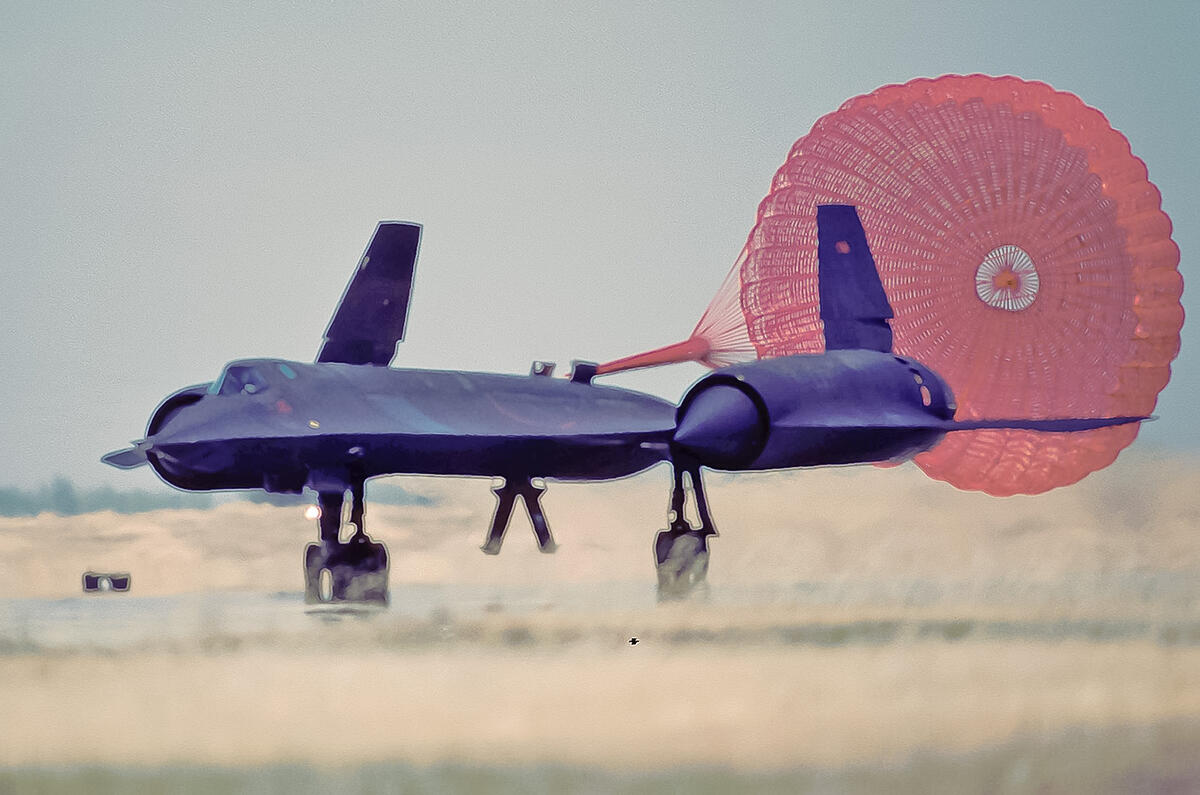

Other than spacecraft, aircraft are the fastest vehicles, leaving cars and bikes for dust.
We take a look at the ten fastest planes ever flown. Though some uncrewed aircraft (like the X-43) have flown faster, they somehow fail to stir the imagination in the way an aircraft carrying a pilot does, so we will look at true crewed aircraft only. We have given the speed in mph and Mach. Mach is a measure of speed relative to local conditions; at sea level sound travels at around 760mph, (so, at sea level Mach 1 is around 760 mph) as you get higher the air gets thinner and sound is slower. Let’s meet the 10 fastest planes…
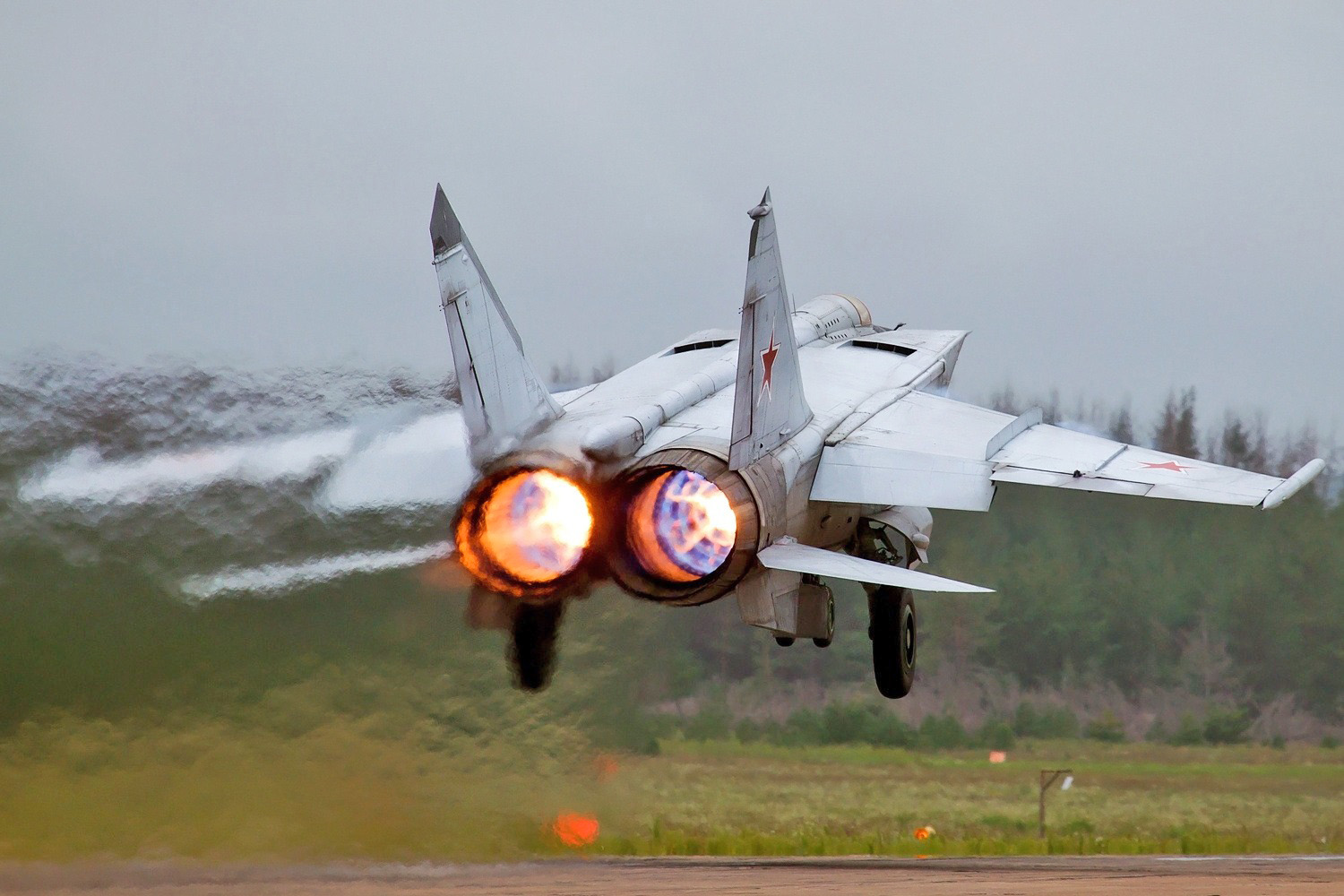
10: MiG-31 ‘Foxhound’ - Mach 2.83
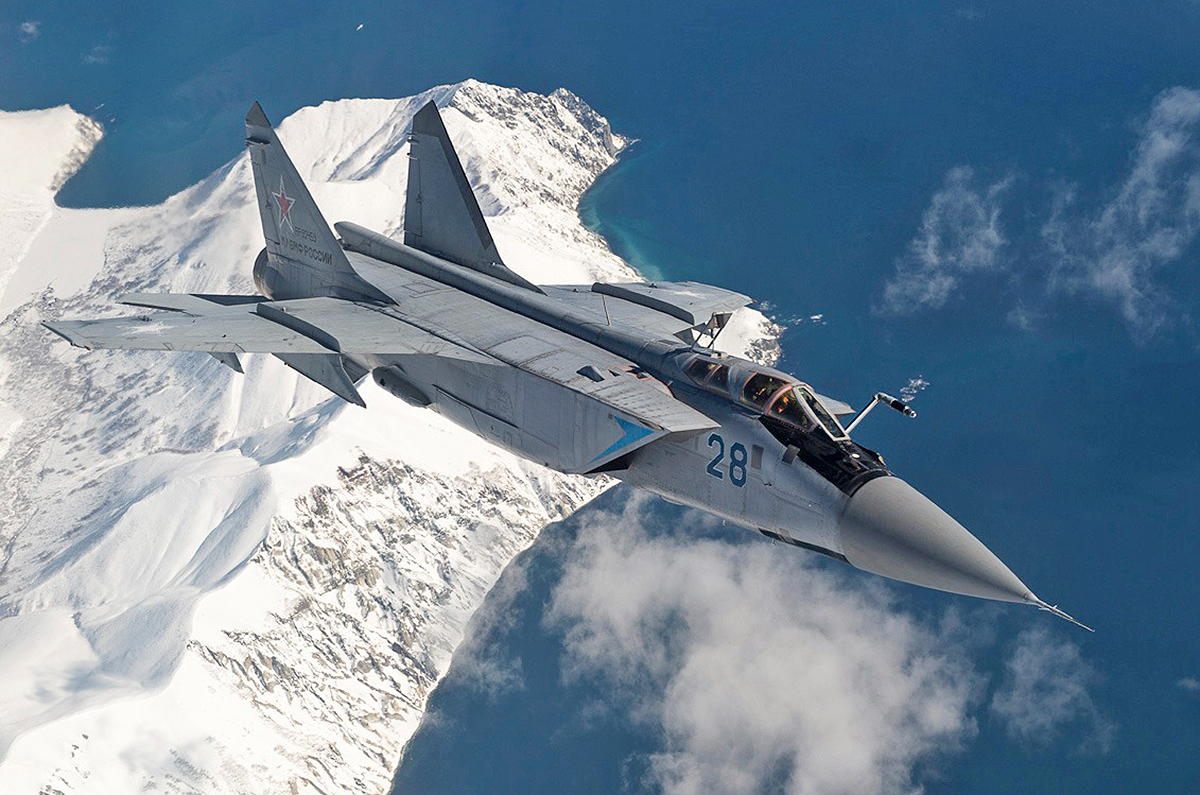
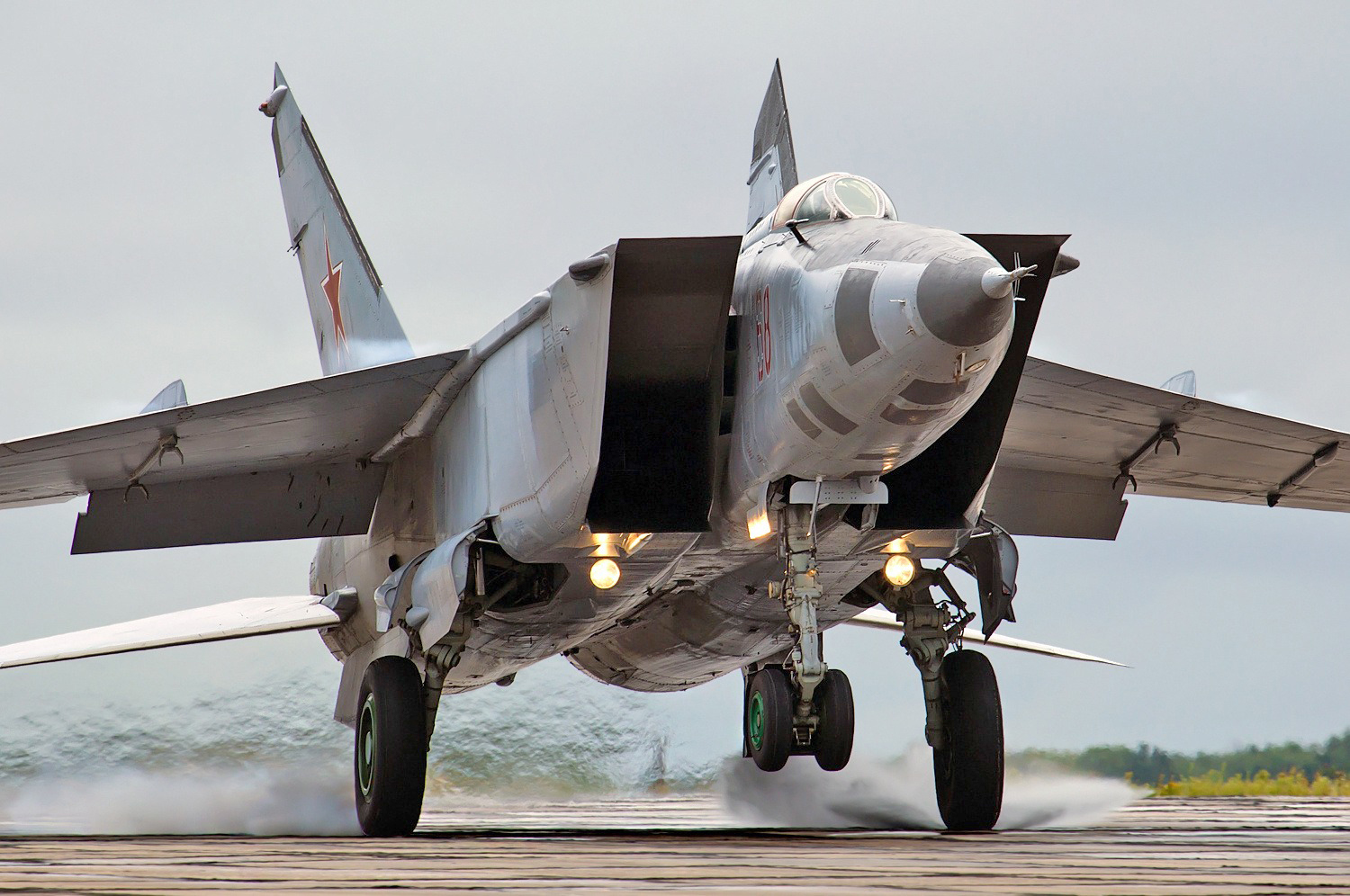
Based on the earlier Soviet Mikoyan-Gurevich MiG-25, the Mikoyan MiG-31 was designed as a defensive interceptor to shoot down enemy cruise missiles and bombers from a long distance. For the mission of defending a very large country from bombers, extreme top speed is more important than agility. The MiG-31 is a massive machine, weighing 46,000kg fully loaded. Much of the weight is accounted for by the huge amount of fuel required for the extremely powerful engines required to get the MiG-31 to a top speed of 3000 km/h (1900 mph) equivalent to Mach 2.83 at 21,500 m (70,500 ft).
10: MiG-31 ‘Foxhound’ - 1900mph - Mach 2.83
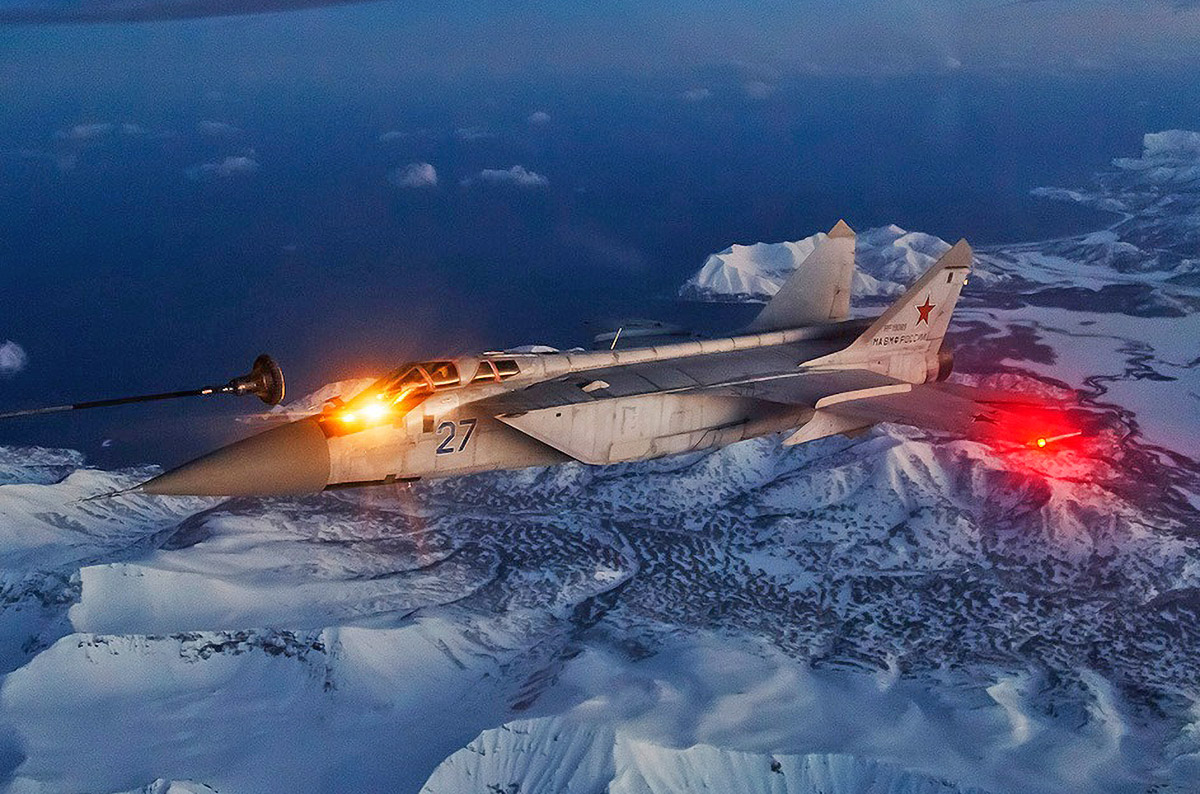
The MiG-31 has two turbofan engines, which when deploying afterburner (fuel burnt towards the rear of the engine to increase thrust) have a combined thrust of 68,000 lb ft (equivalent to 304kN). The engine is the Soloviev D-30. The MiG-31 first flew in 1975 and entered service in 1981. Other than the two ancient, and barely flyable, MiG-25s in Syria, the MiG-31 is the fastest (known) crewed aircraft flying anywhere in the world in 2024. Though capable of Mach 2.83, the MiG-31 is limited to Mach 1.5 in peacetime to preserve engine and airframe life.
9: Mikoyan-Gurevich Ye-150 series – Mach 2.85
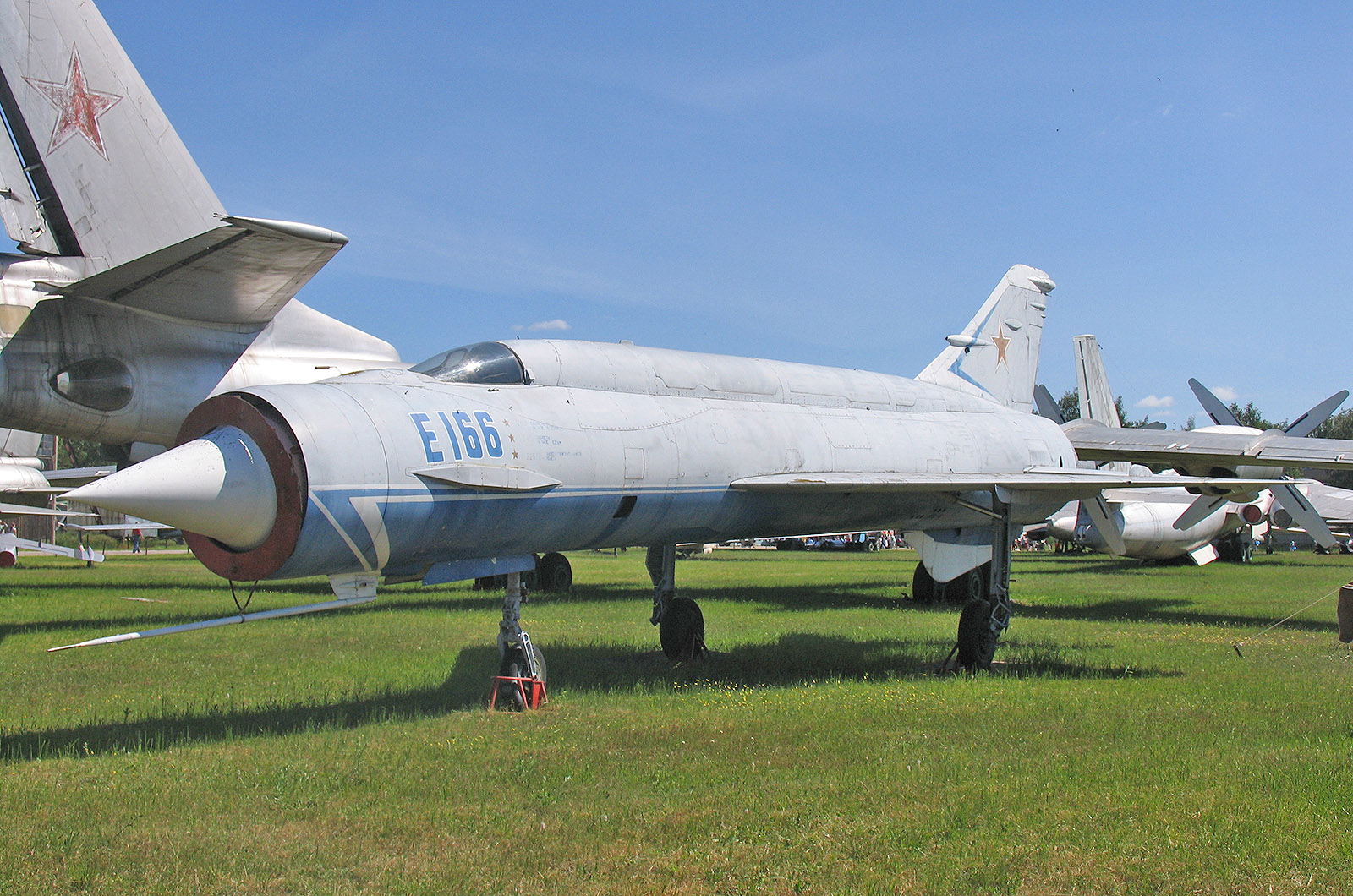
The Ye-150 series were wildly-high-performance heavy interceptors. They could out-drag and out-climb any fighter in the world, and they also looked exceptionally mean. Despite taking its first flight as long ago as 1959, the Ye-150 could reach an astonishing Mach 2.65 (some sources claim even higher speeds of Mach 2.85, or 3030 km/h) and could ascend to altitudes above 69,000 feet (21,031m). The series of four experimental fighter-prototypes was built in an effort to create a new, highly automated fighter to defend the Soviet Union against a proliferating Western threat (including supersonic bombers like the B-58, then in development). To catch and destroy these fast, high-flying intruders, the interceptor was to be automatically steered under the guidance of ground radars before engaging its own cutting-edge detection and weapons systems.
9: Mikoyan-Gurevich Ye-150 series – Mach 2.85
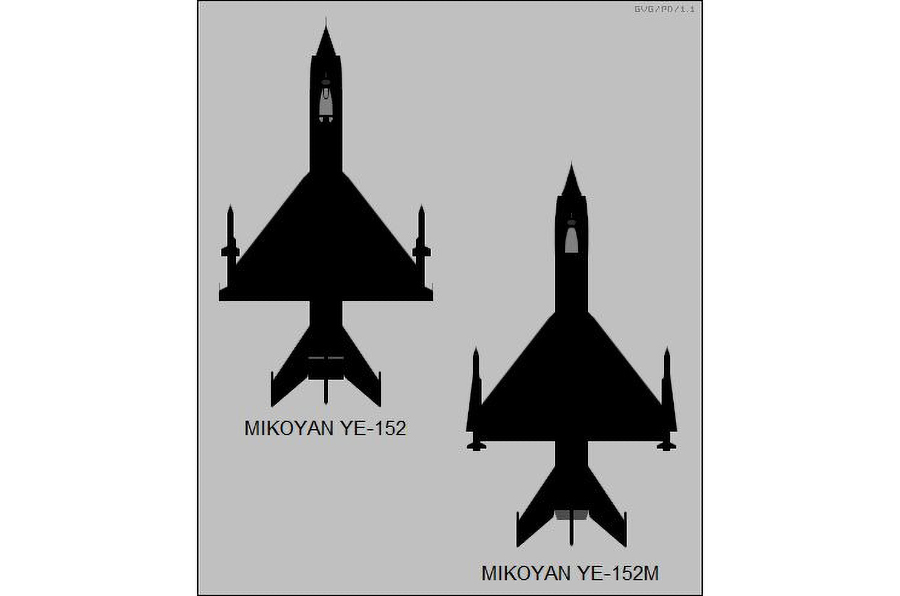
But it was a case of too much too soon; the ferociously exacting requirements for the electronics, missiles and powerplant were too demanding, and each suffered severe delays and development problems. What could have been the best interceptor in the world was ultimately cancelled in 1962. However, before it was cancelled it snatched the official world air speed record at 1665.9 mph (2681km/h). The pilot was Col. Georgi Mosolov and the record was achieved on 31 October 1959. The record lasted a mere six weeks before being beaten by a US F-106 (with a higher record speed but lower top speed in unofficial tests).




Add your comment