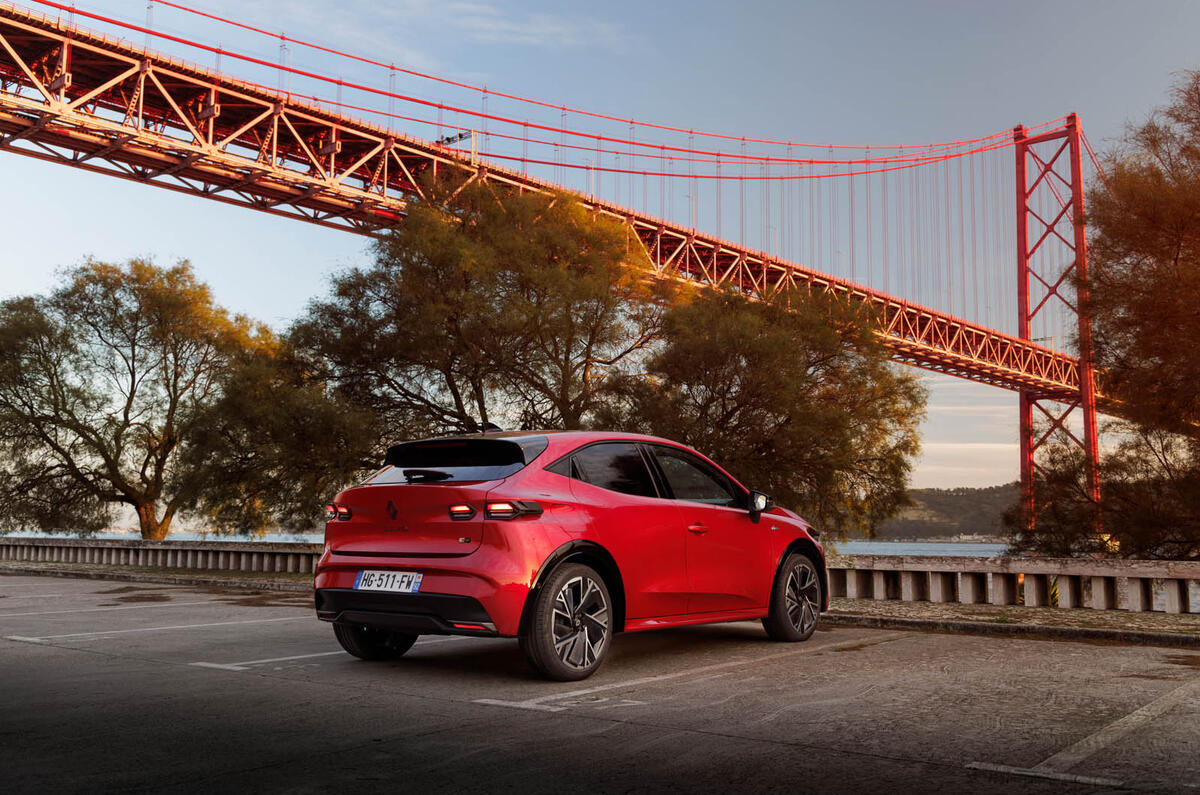






















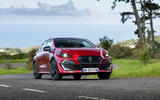







With the Ford Fiesta culled and Renault surely being satisfied by the success of the electro-revived 5, one wonders if the venerable Clio suddenly finds itself on thin ice.
Renault insists not. “Clio is Renault,” intoned executives at the launch of the new sixth-generation version in Portugal. Then again, in many European markets Fiesta was Ford, until it abruptly wasn’t. These are dangerous times for small ICE cars.
But let’s not get ahead of ourselves. For now there is a new Clio. It will go on sale in mainland Europe next year and arrive here only in 2027. Renault puts this unusual delay squarely on the UK government and its inconsistent communications concerning its zero-emissions vehicle mandate.
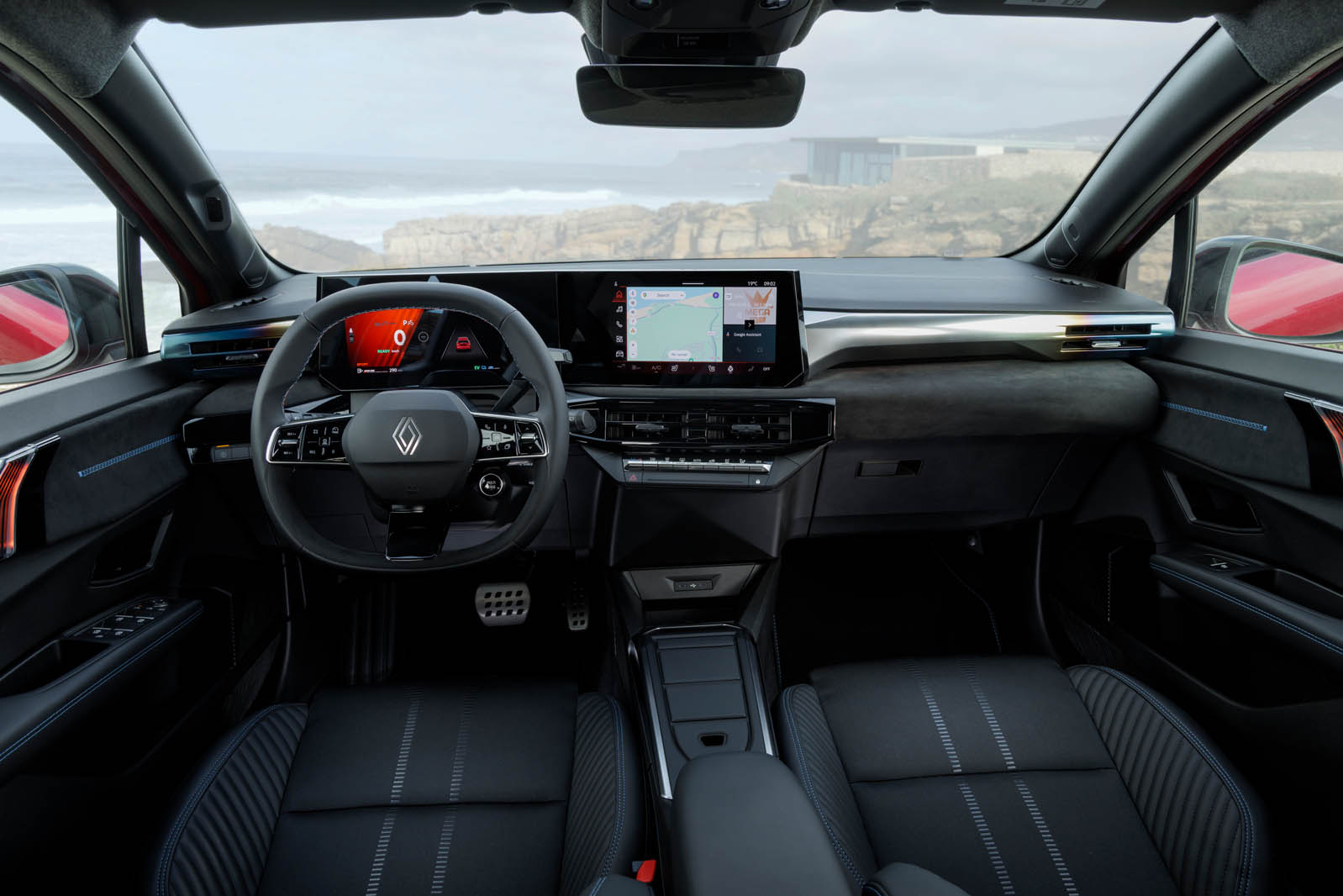
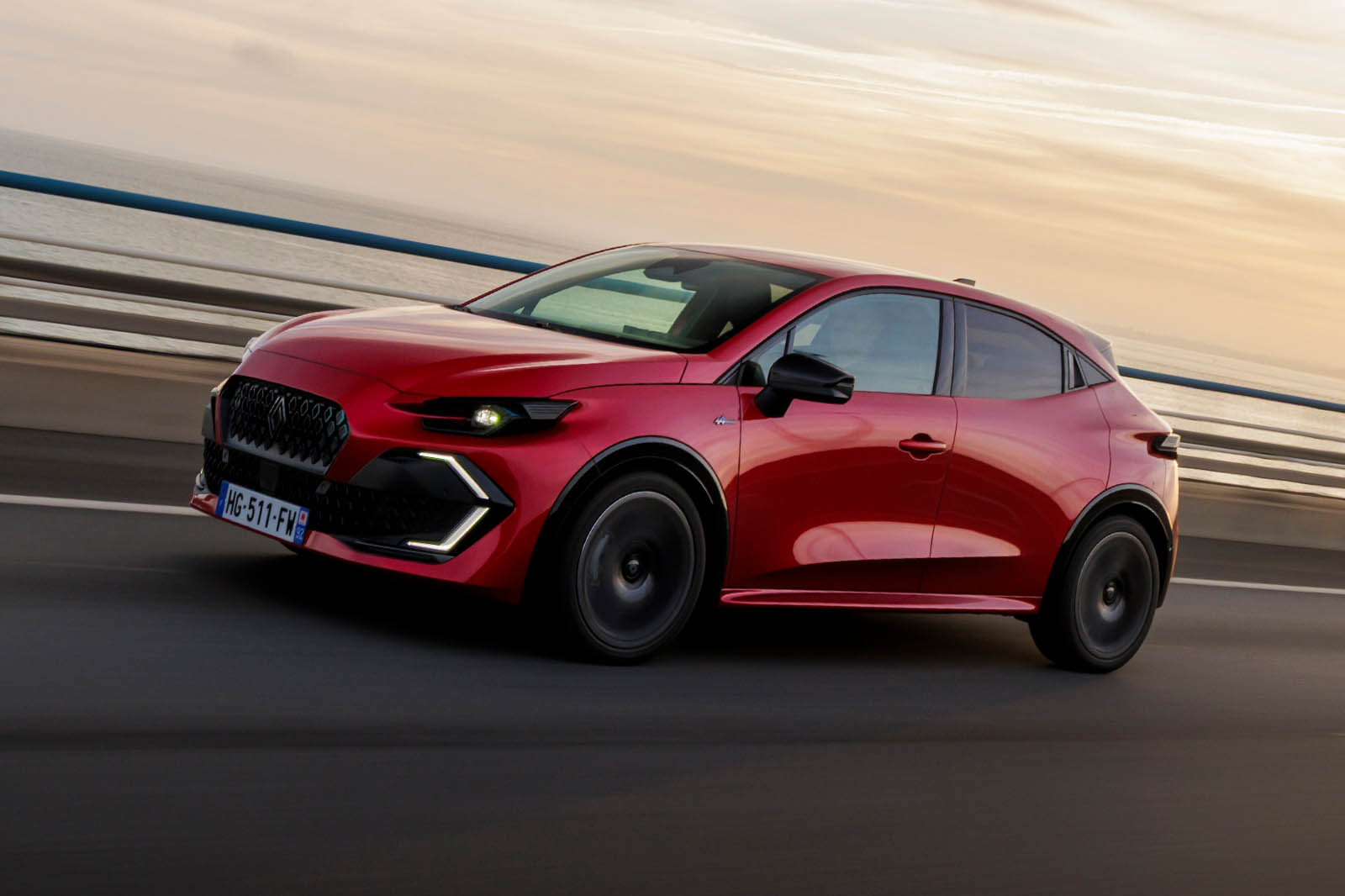
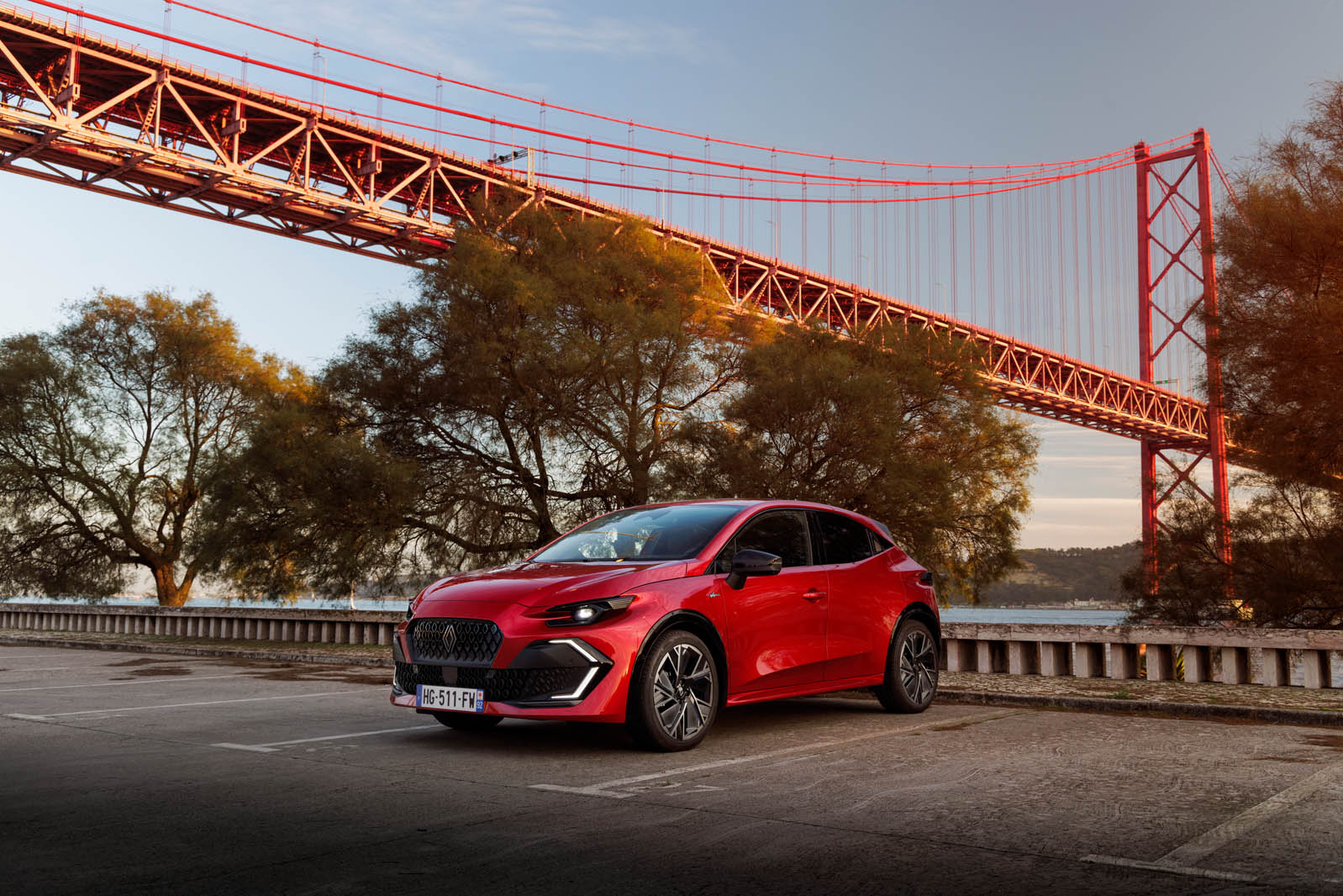
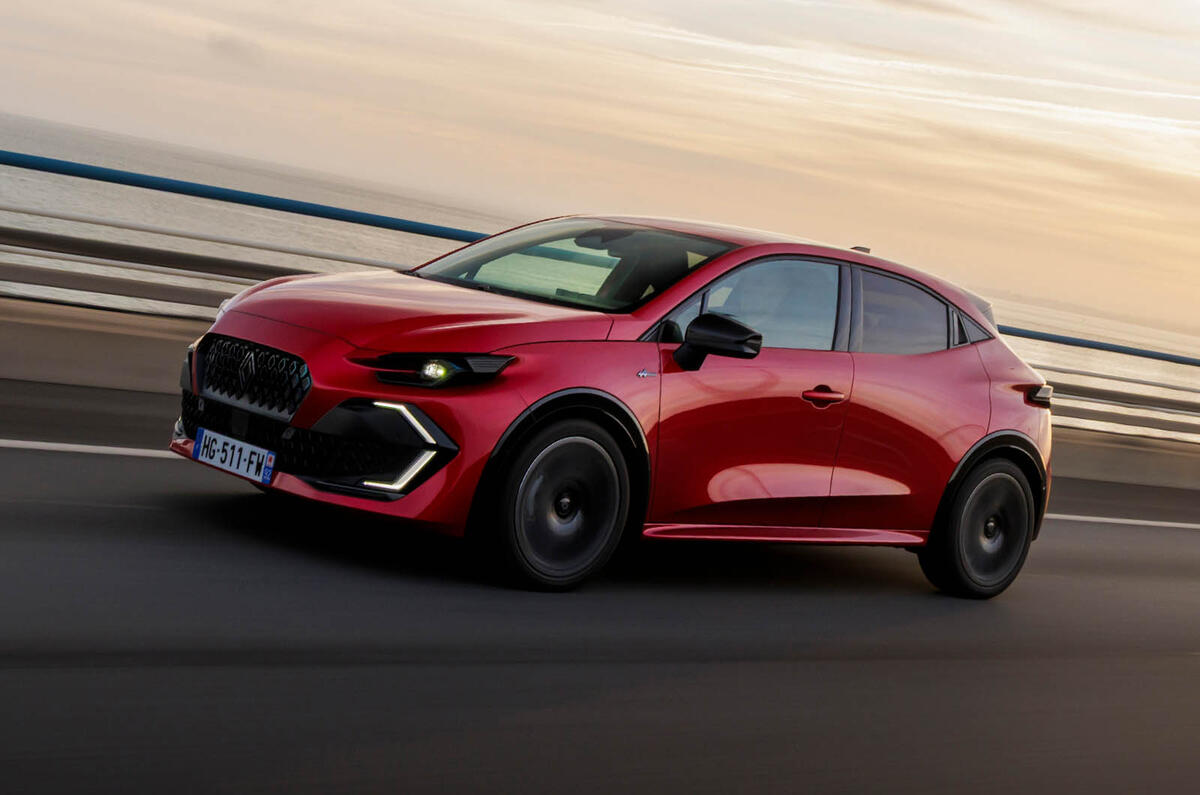
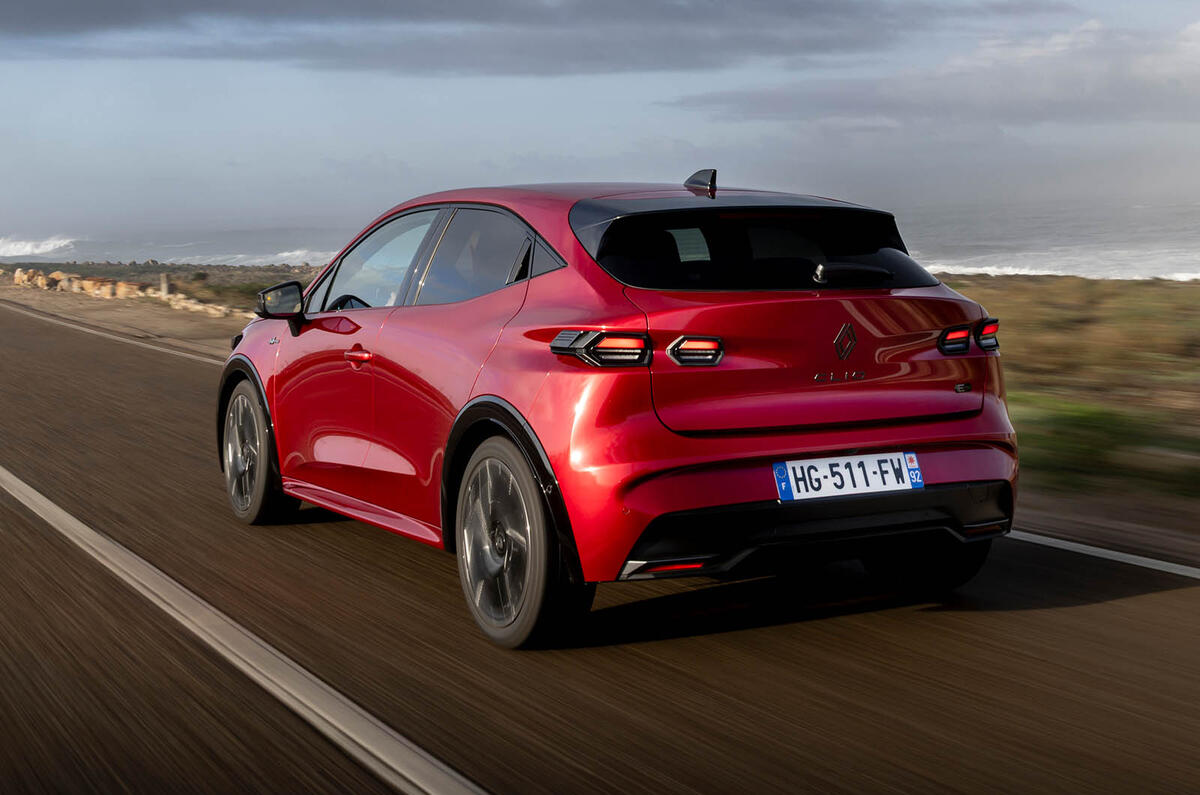
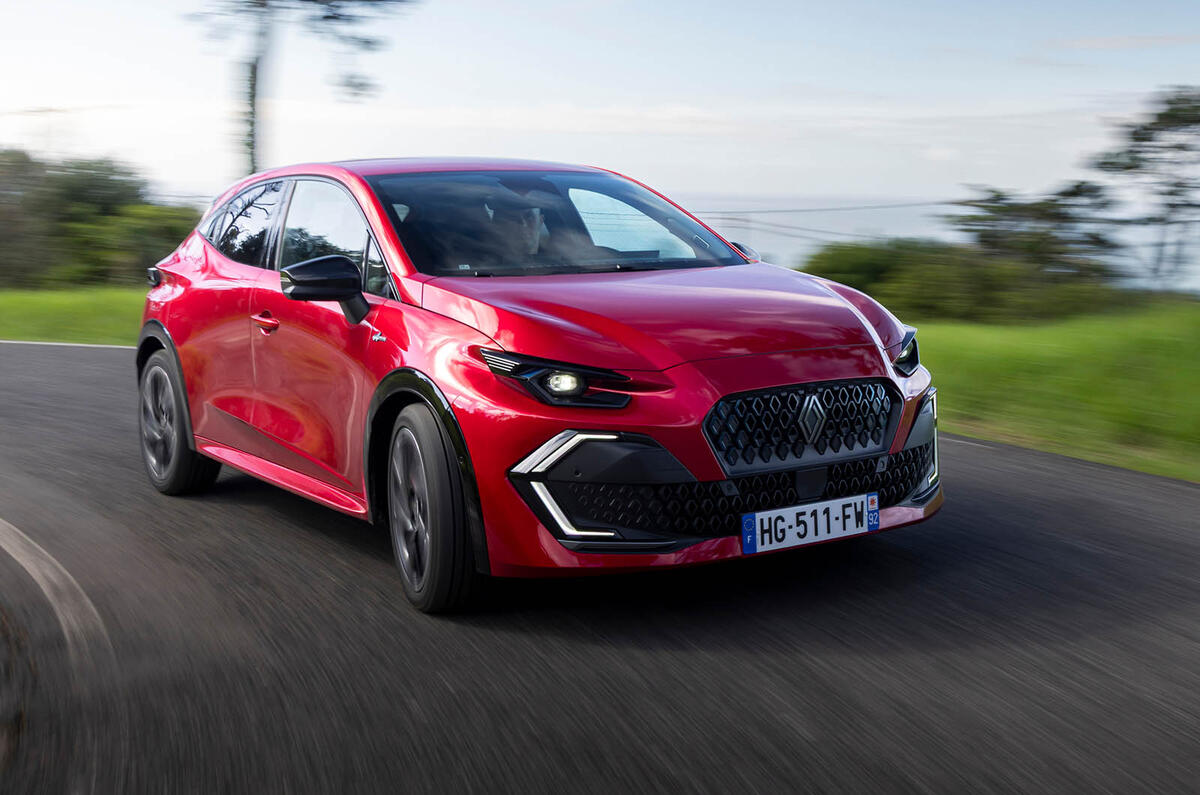
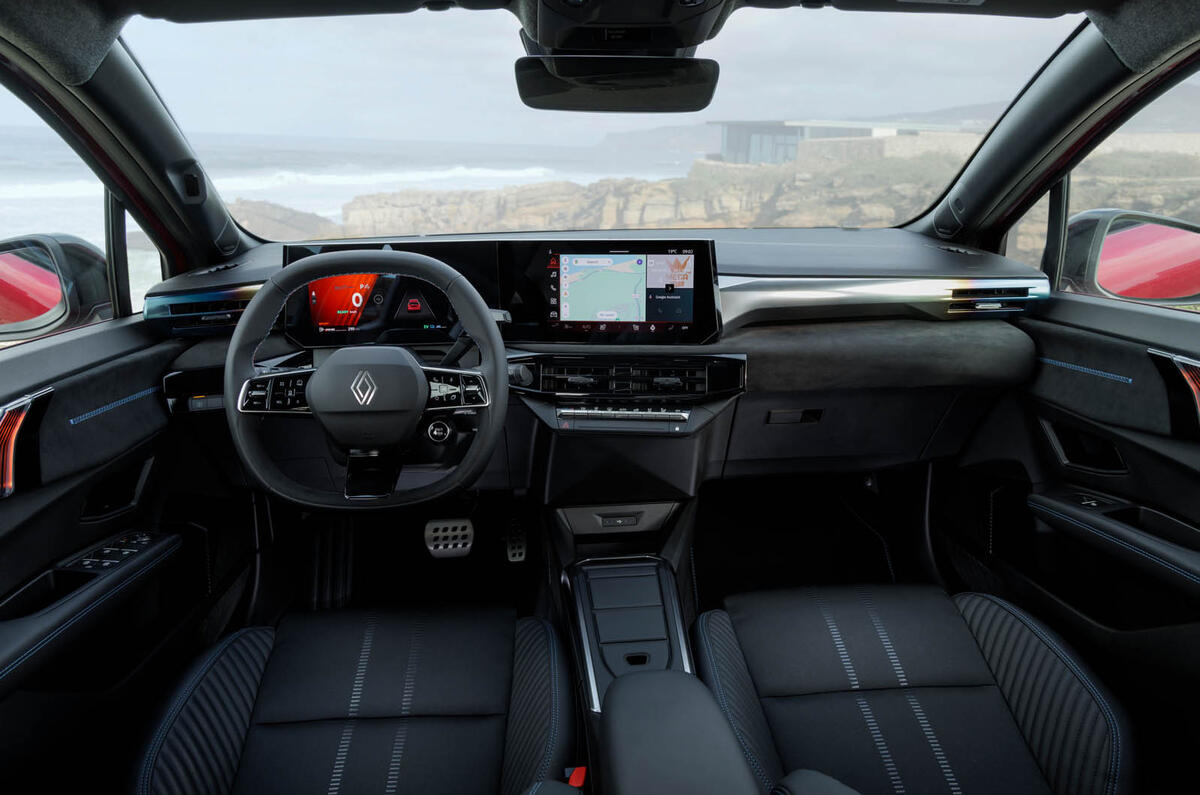
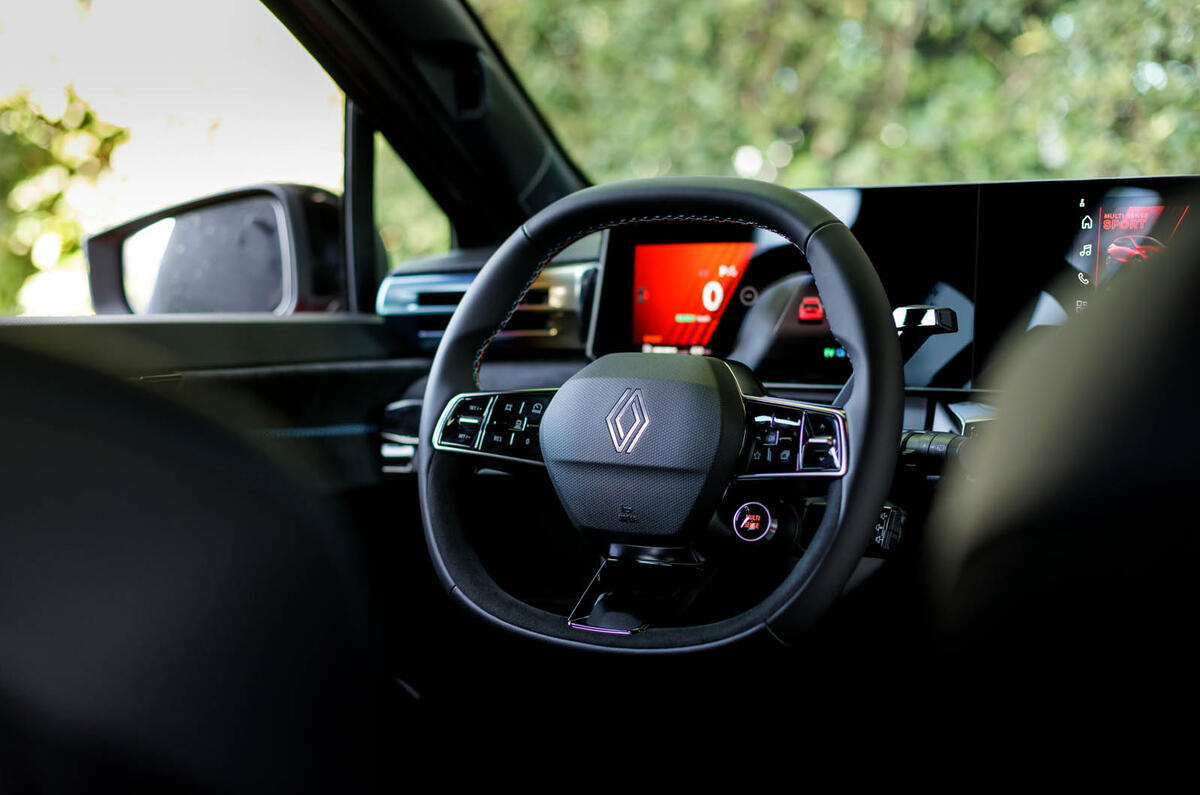
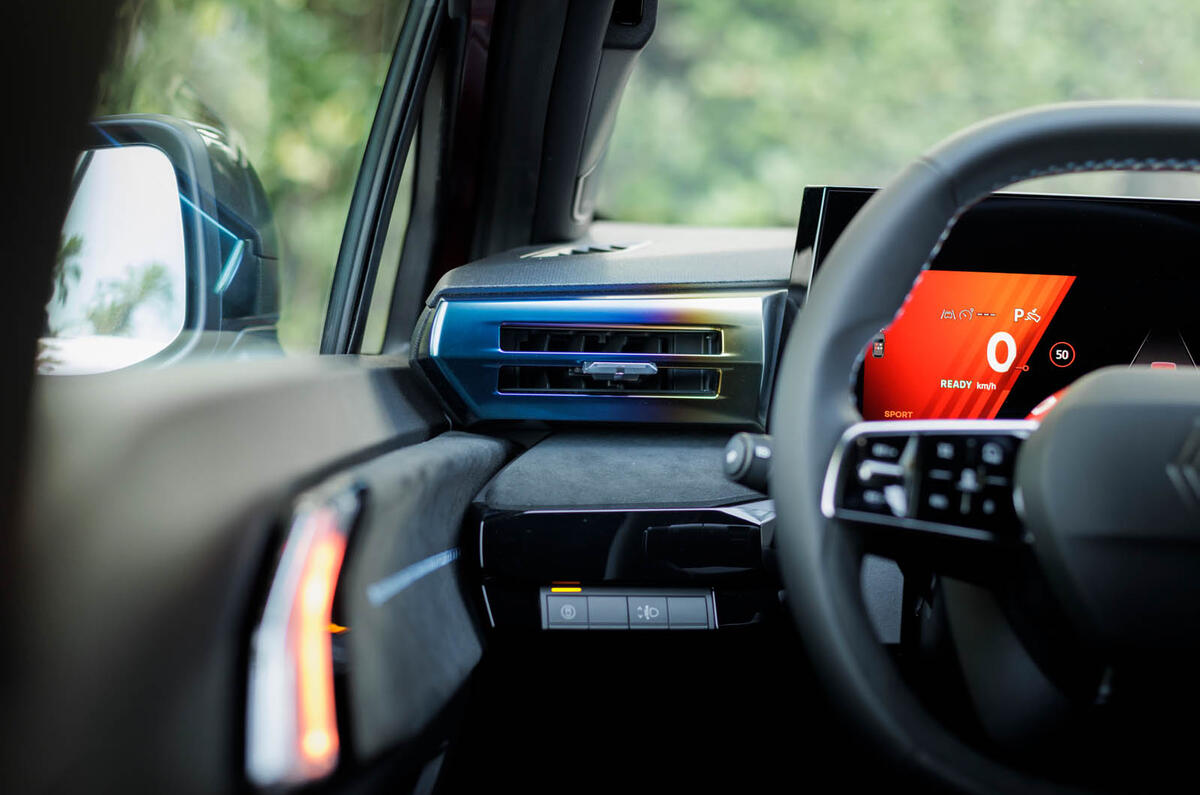
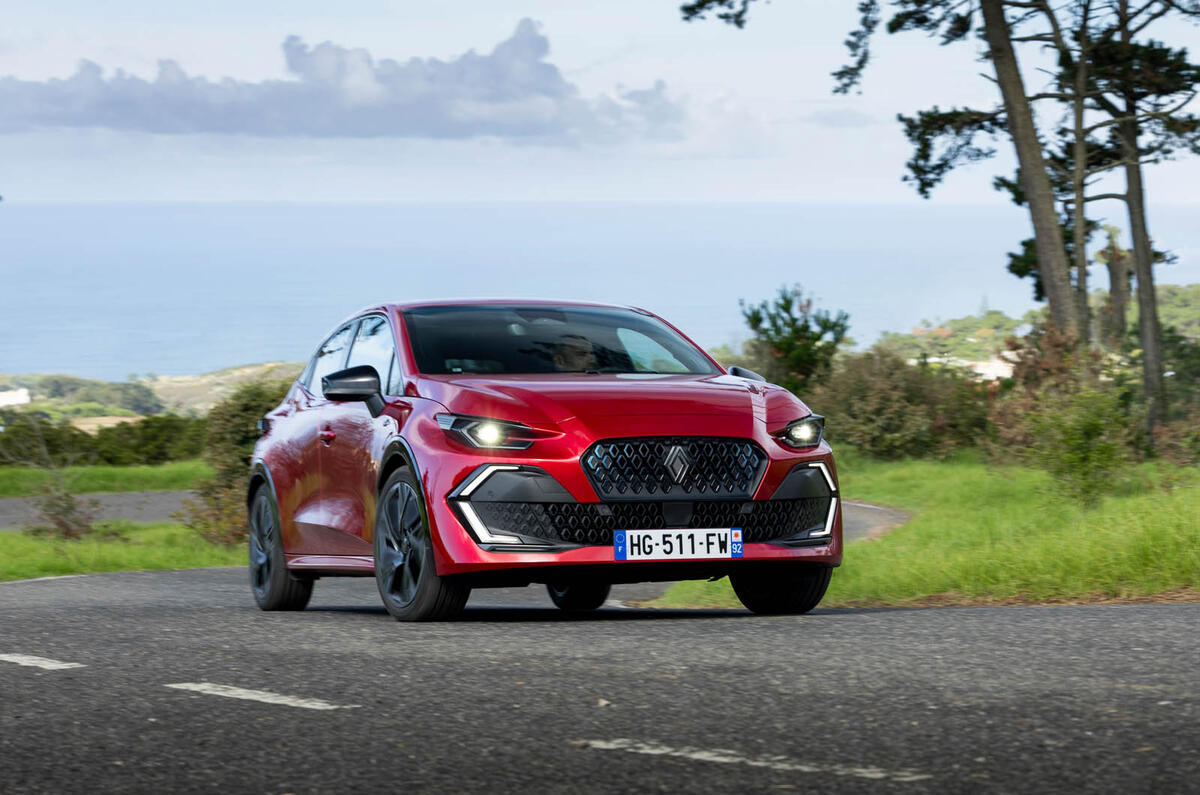
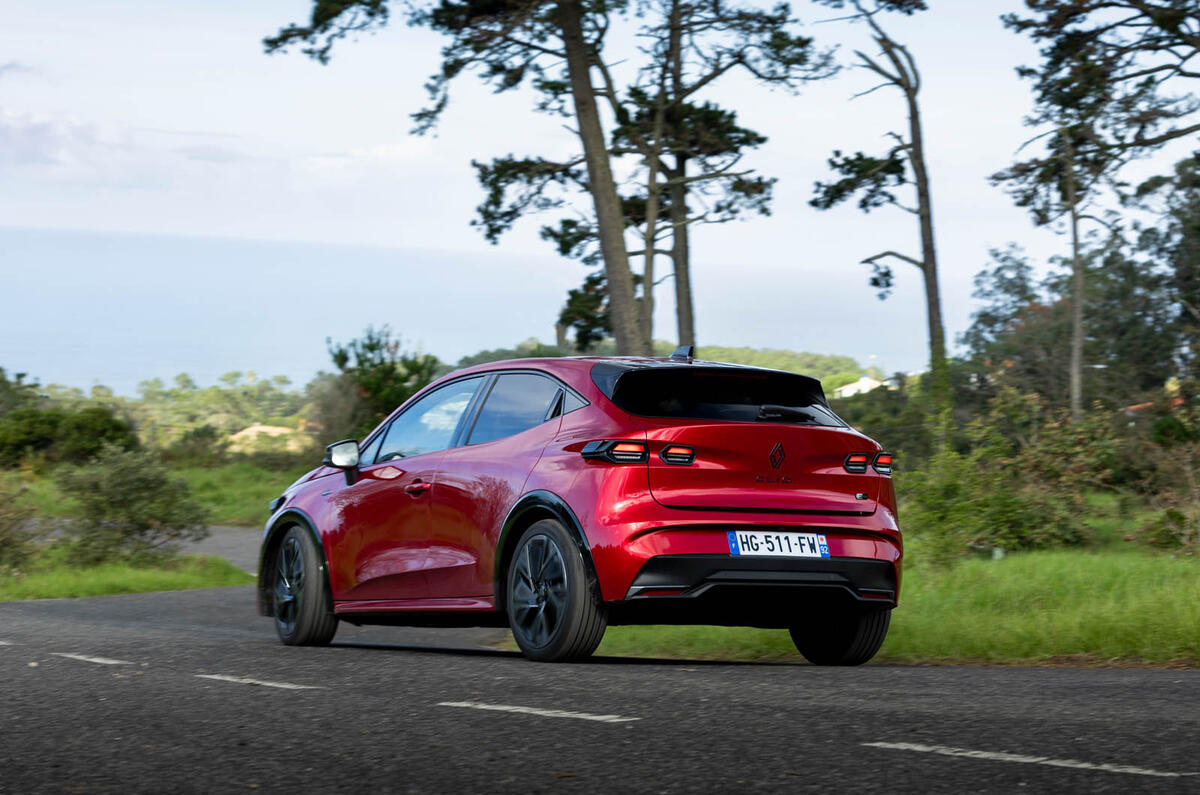
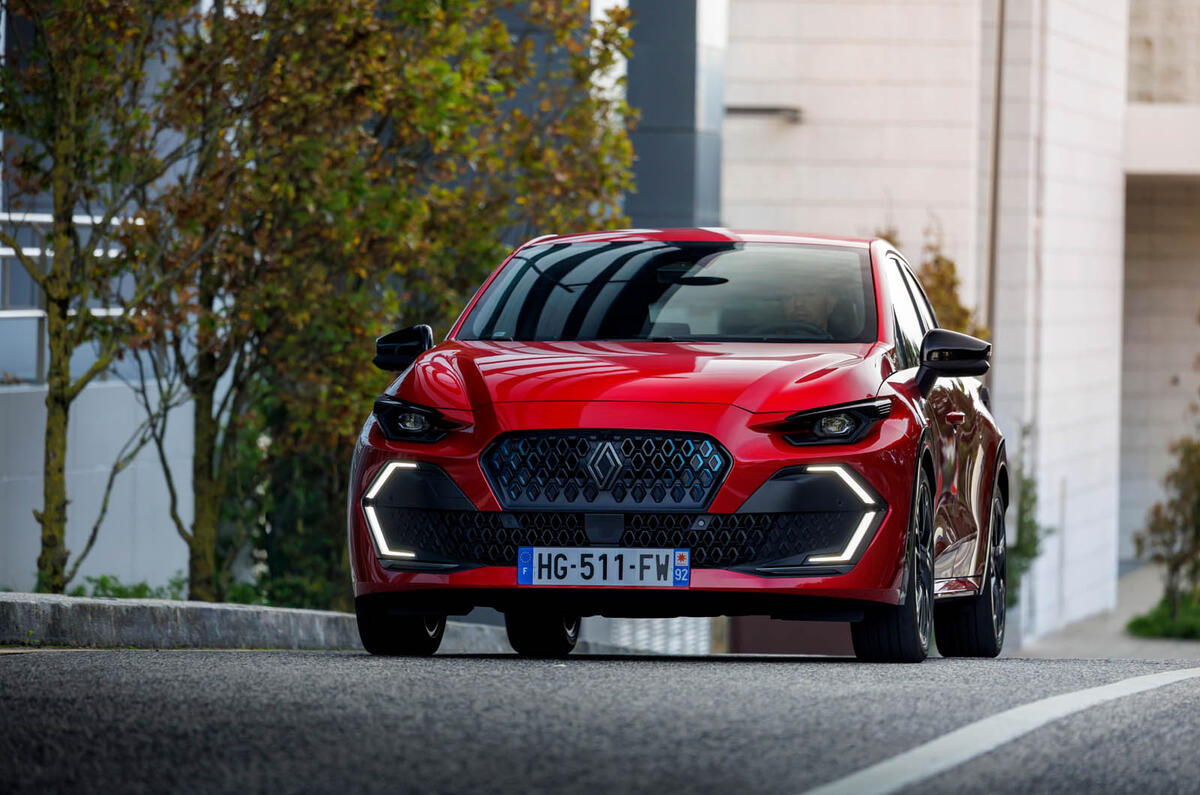
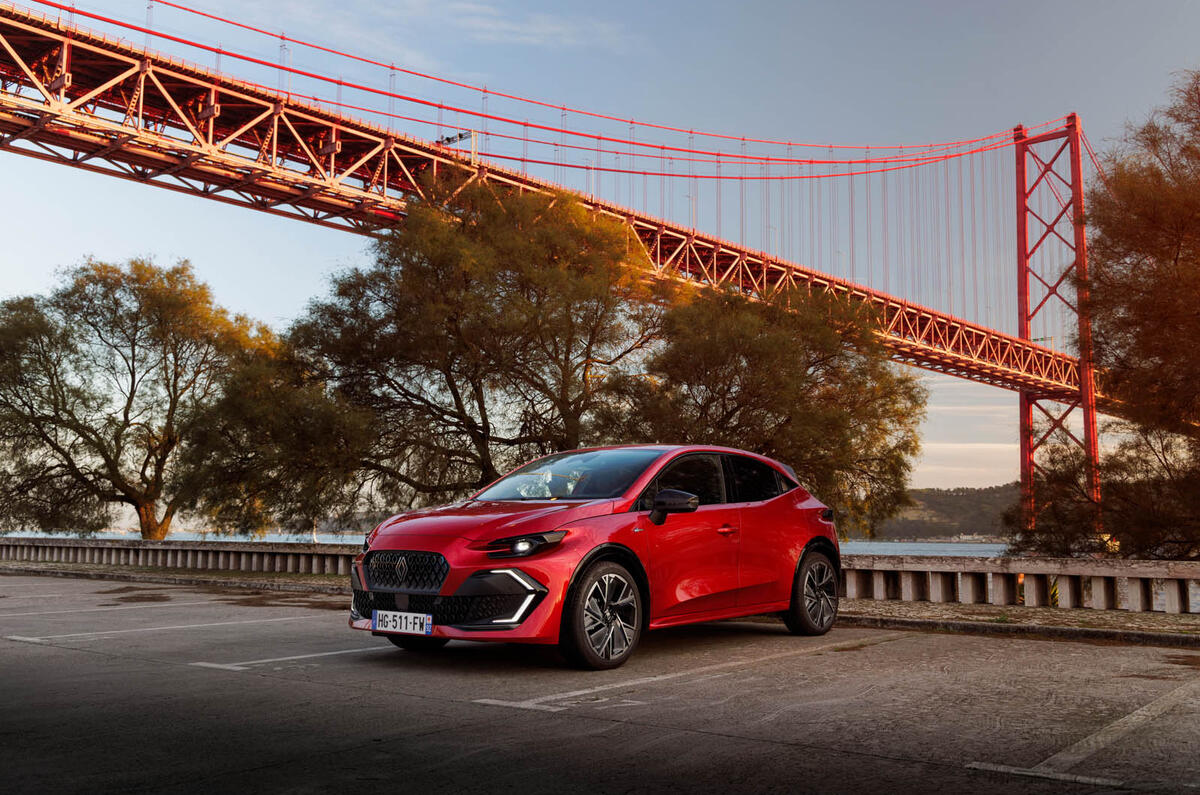
As for the car itself, the design has been overhauled, which is to say it has been wrenched in an angrier direction from the elegant template that Laurens van den Acker laid down with the Mk5 Clio in 2012. It also carries the biggest engine of any Clio since the RS hot hatch of 2009, more on which shortly.
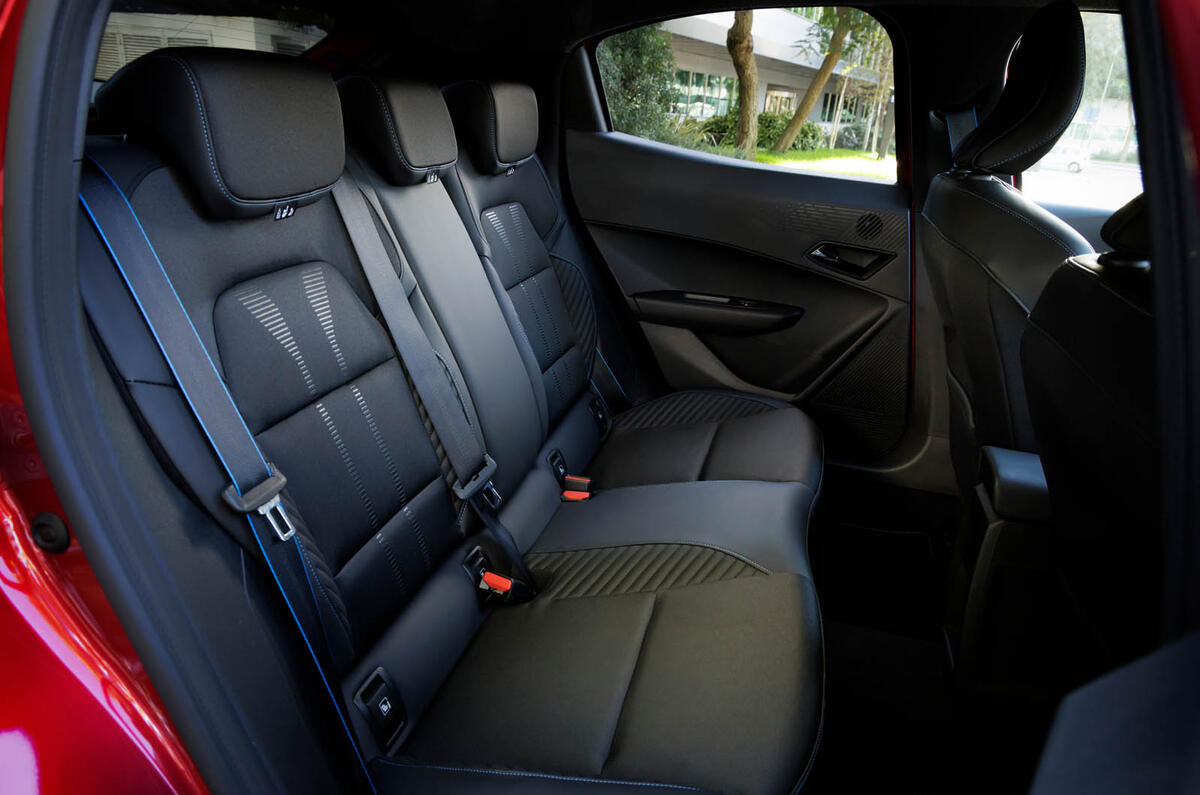
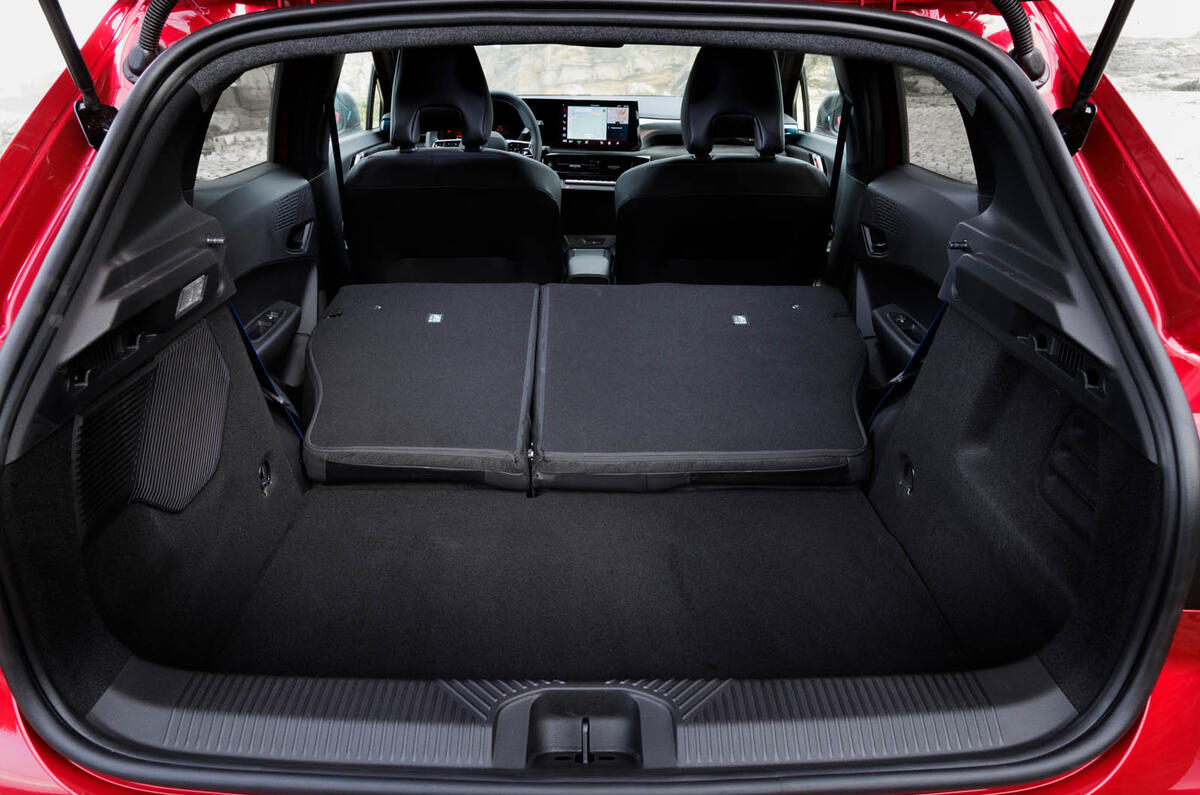
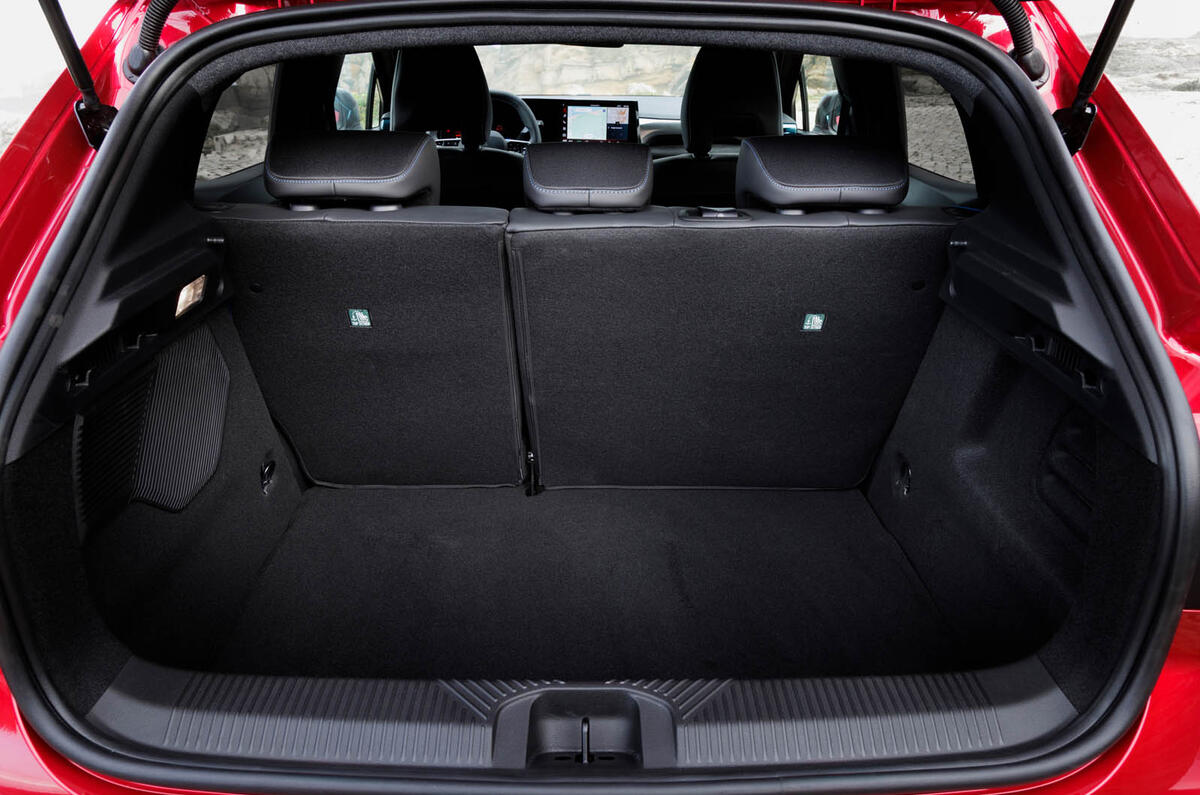
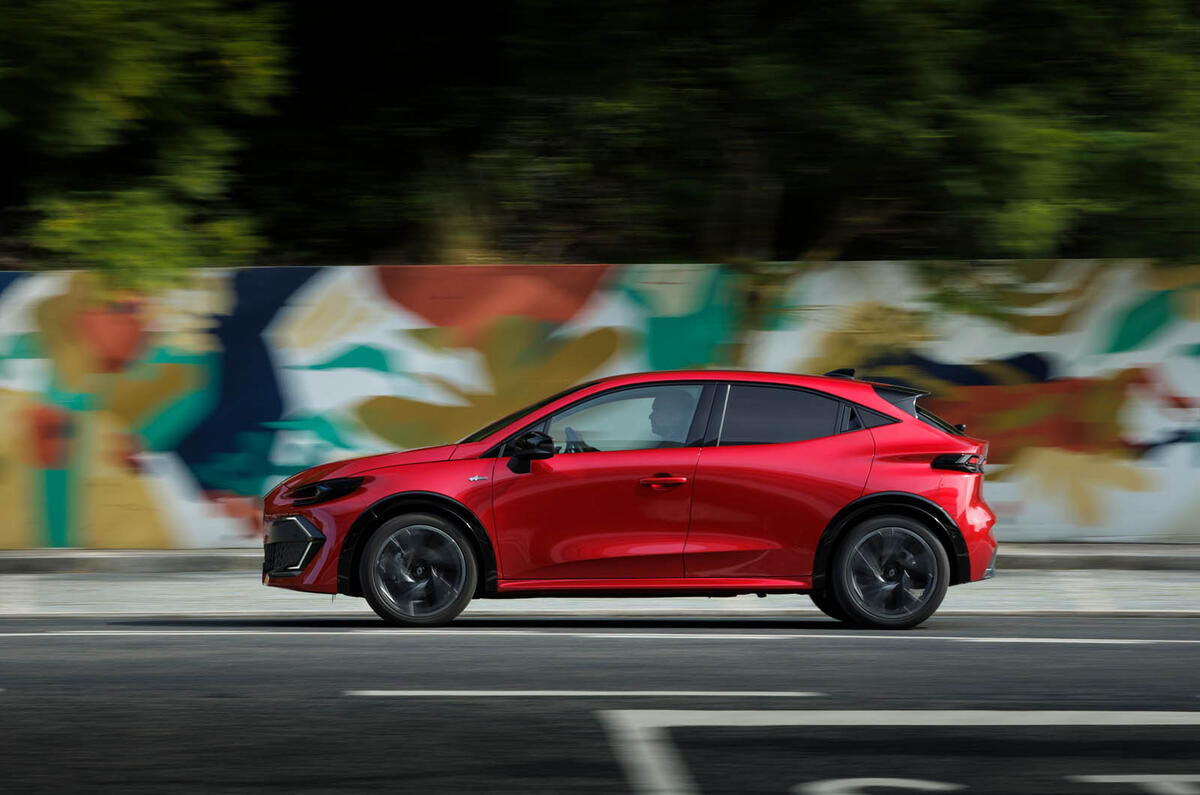
And it almost goes without saying that this new, sixth-generation car is the largest Clio ever. One day cars will begin to get smaller, but not yet. The truth is that the Mk6 is the same size as the very first Mégane, so the Clio has in three decades grown to fit the segment it once understudied.
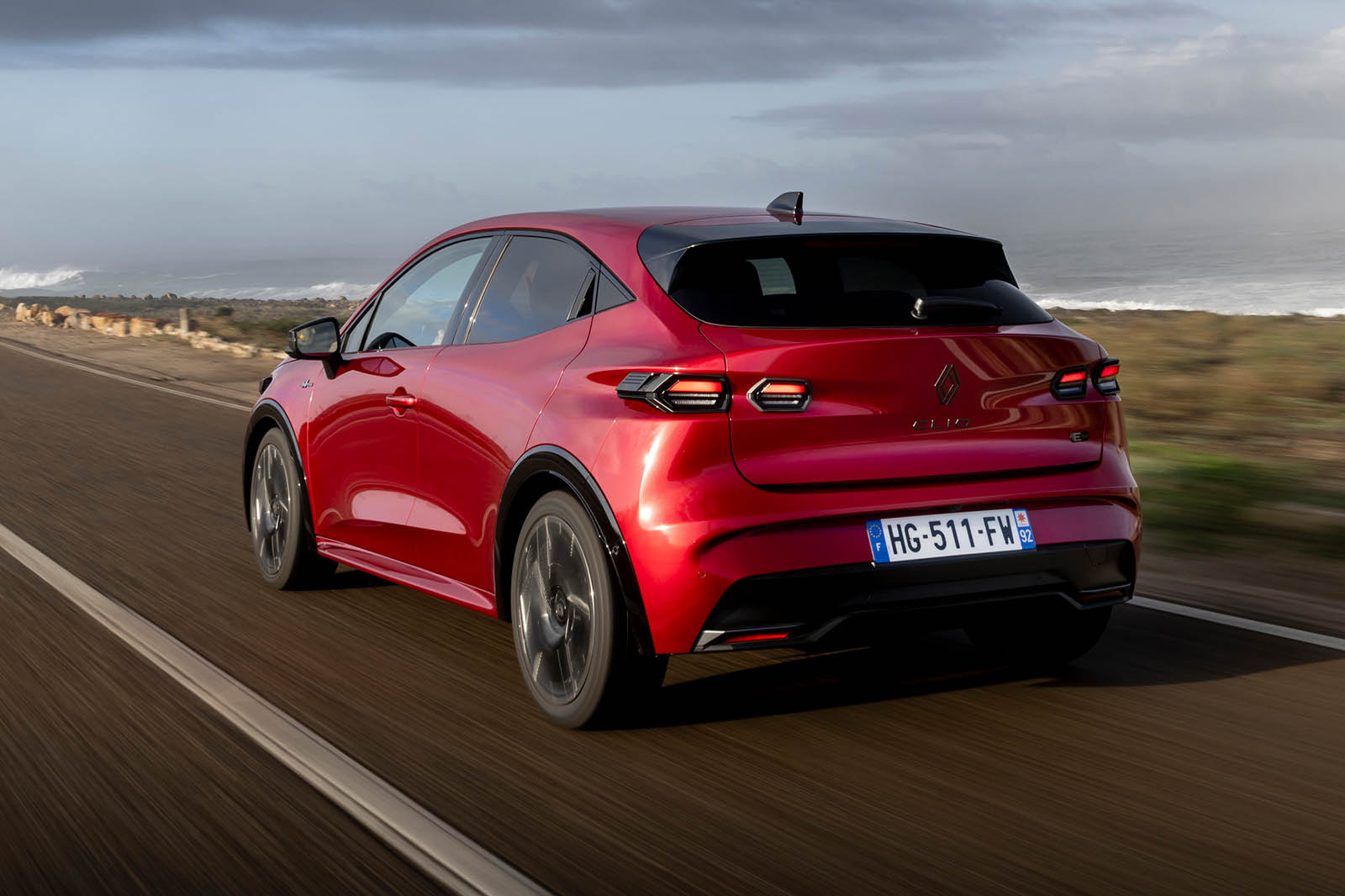
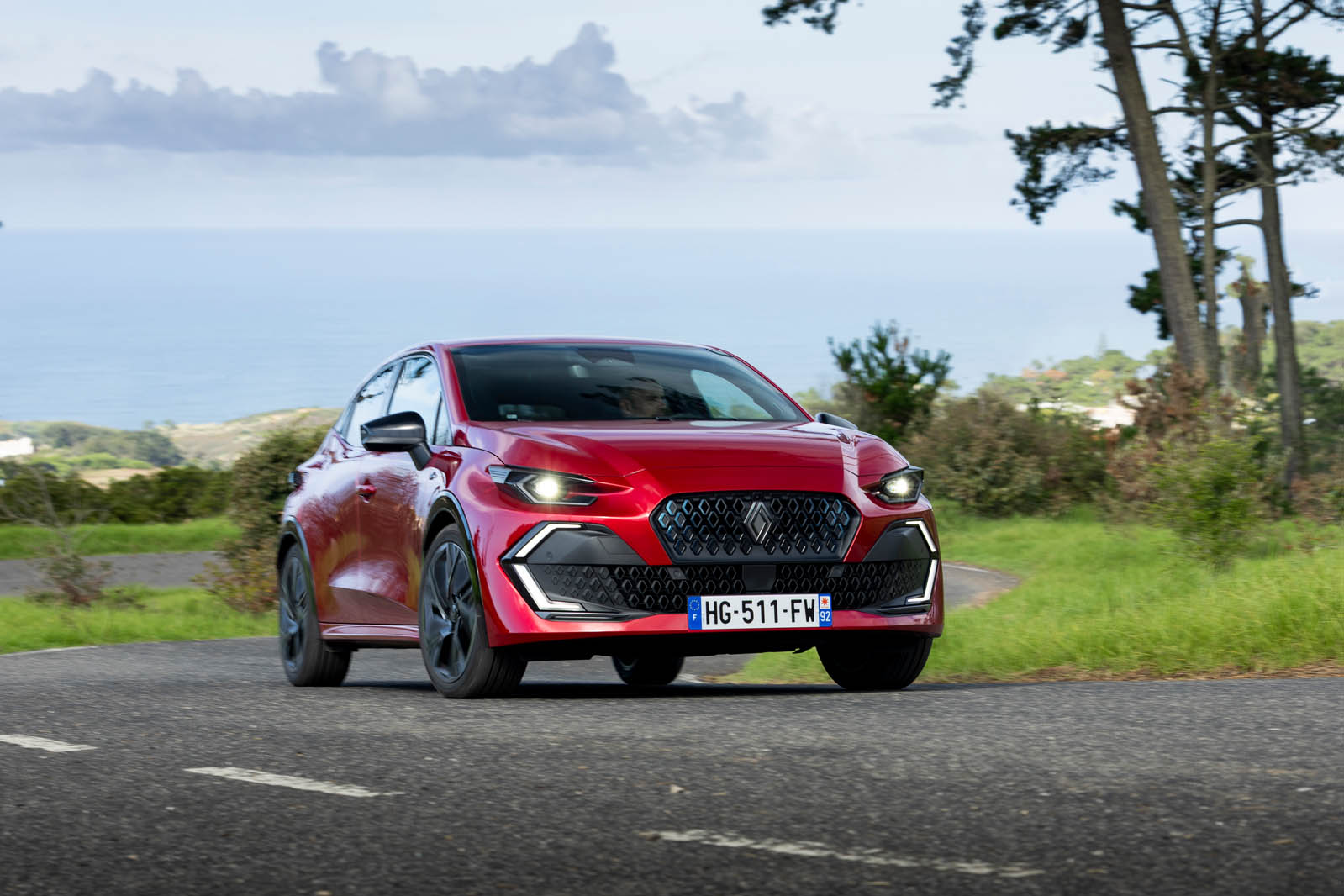
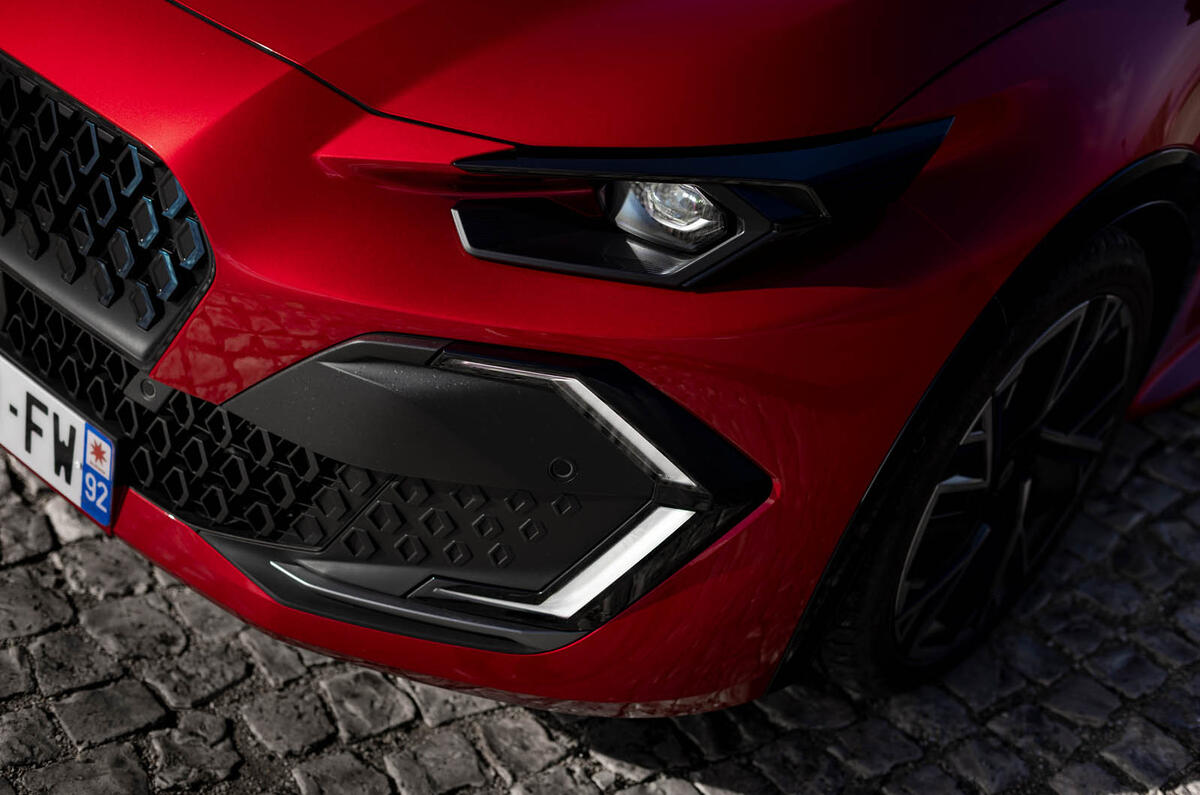
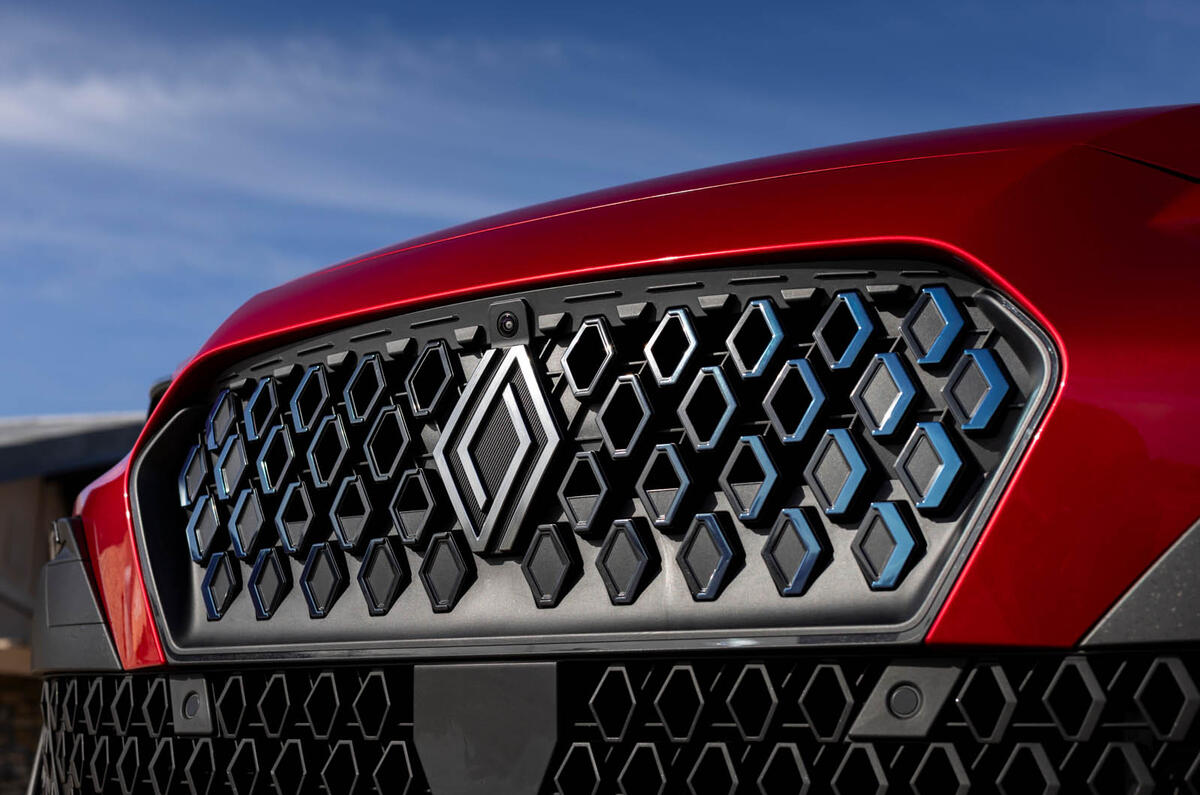
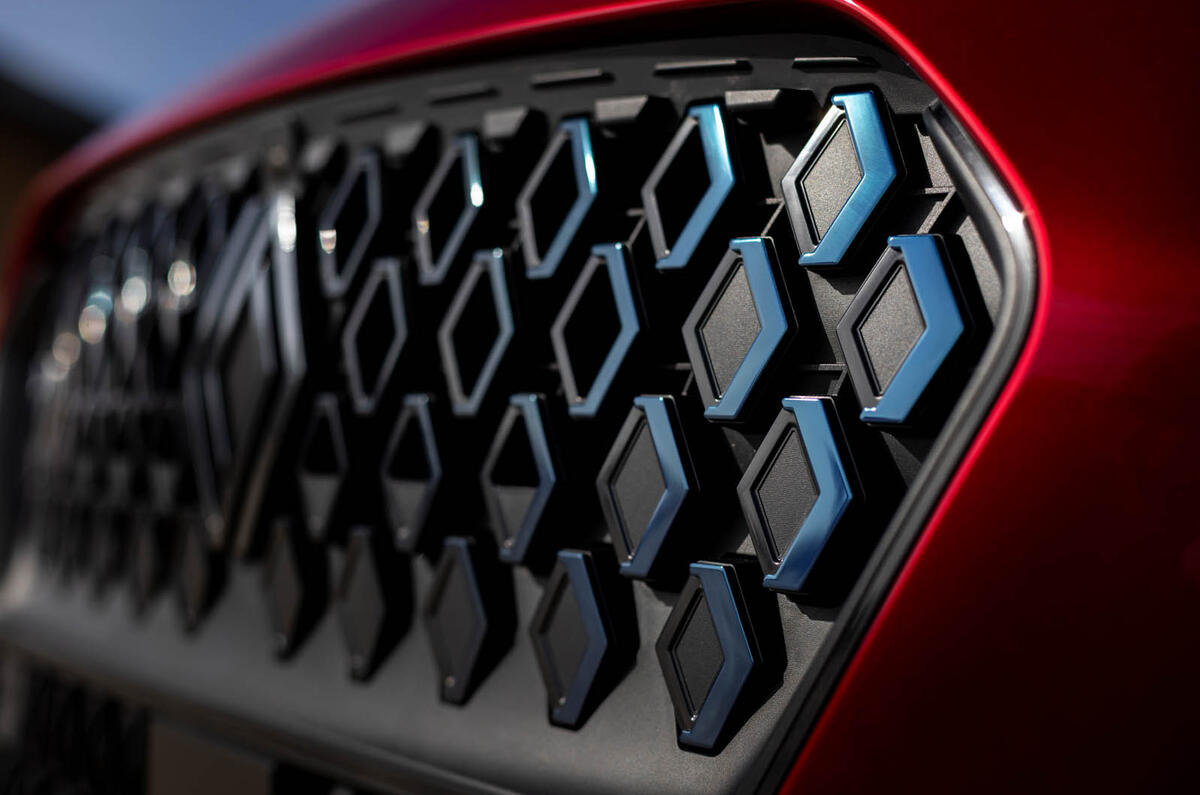
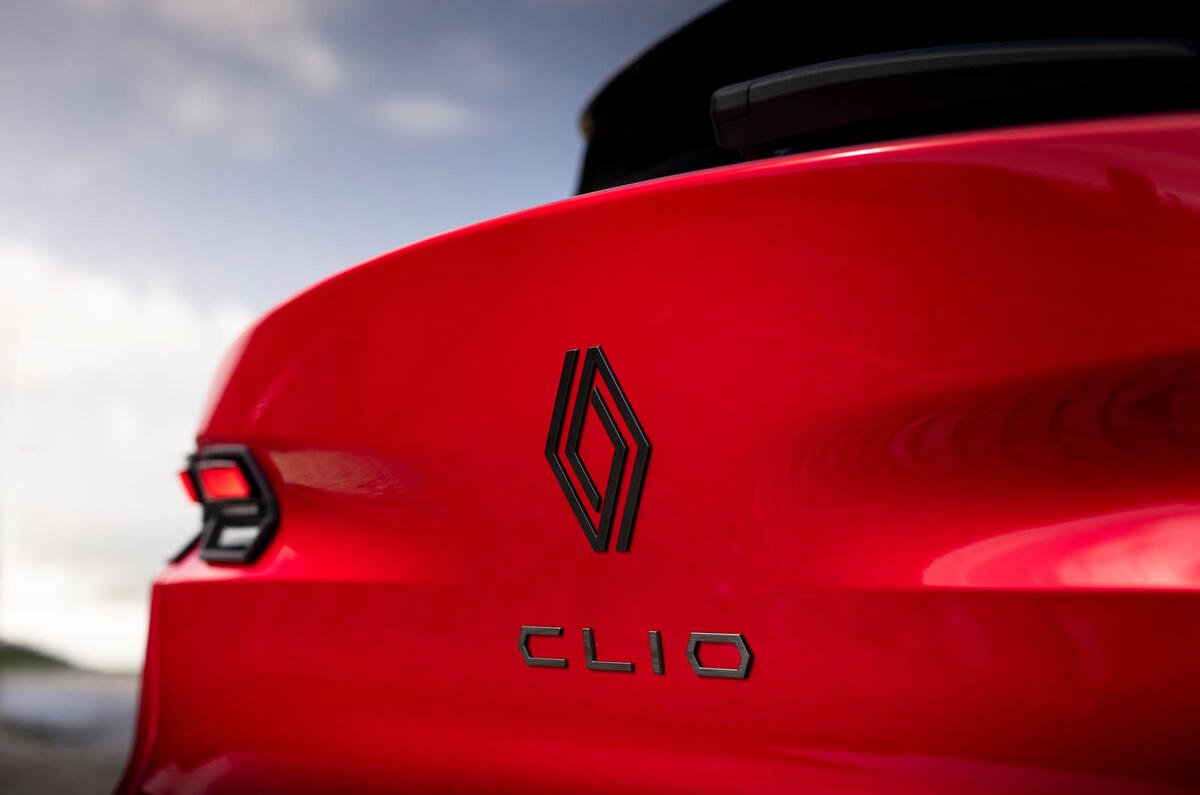
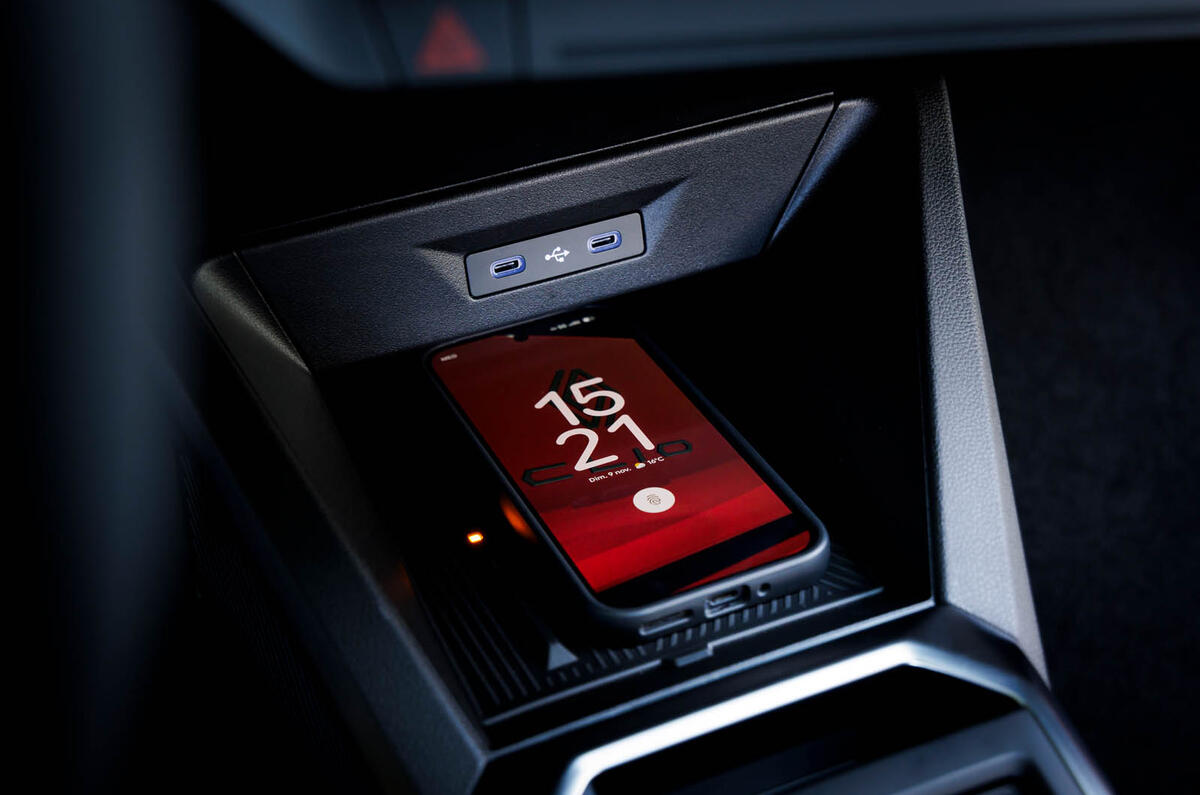
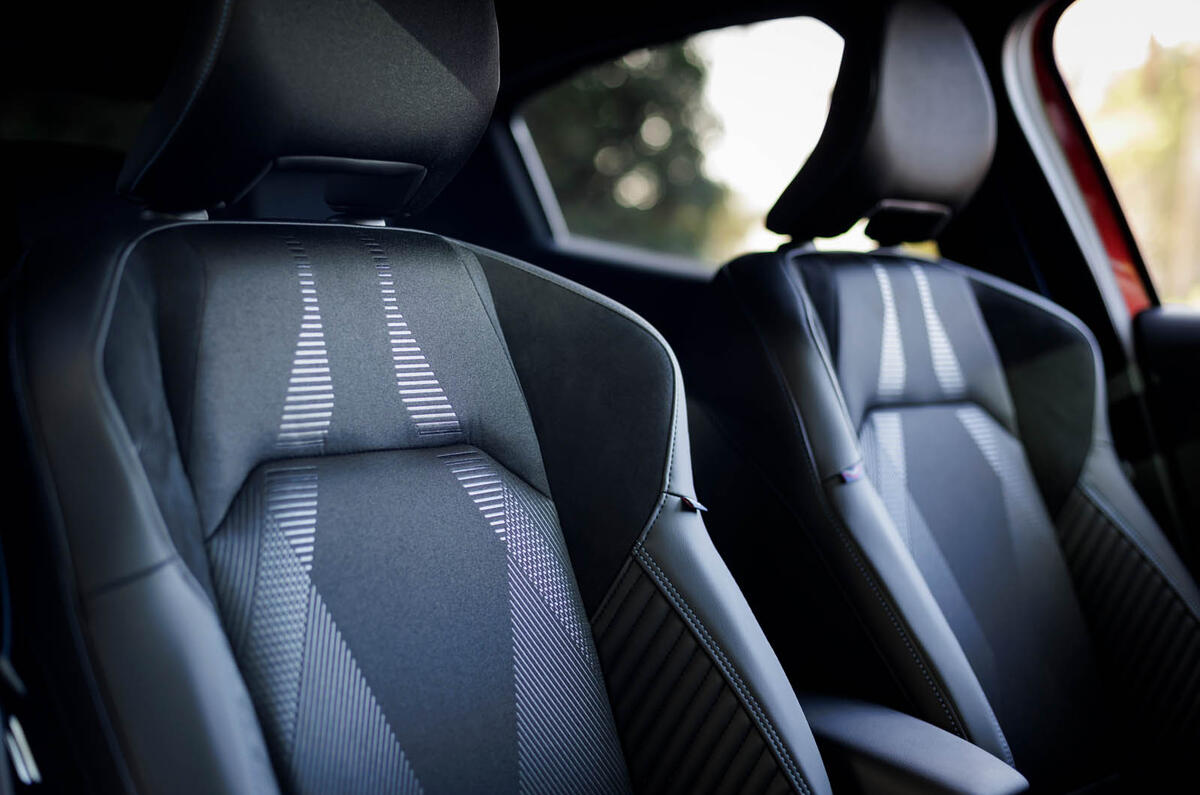
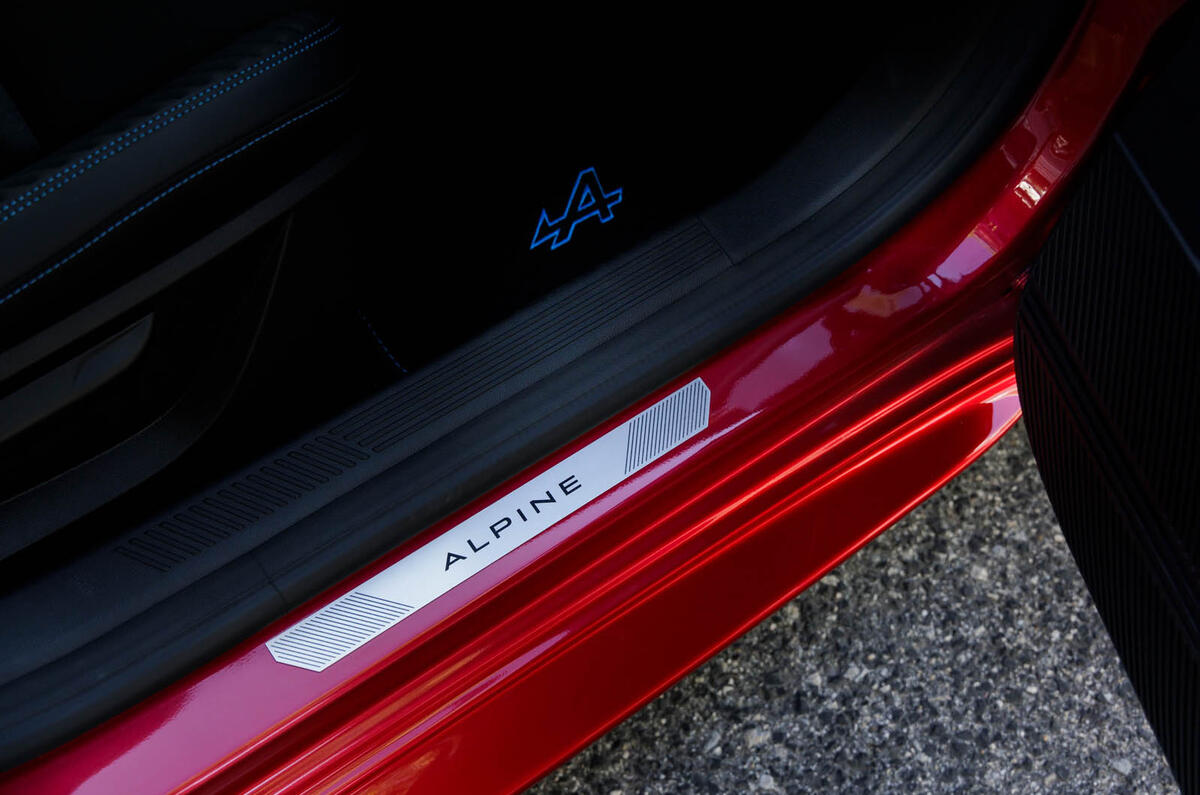
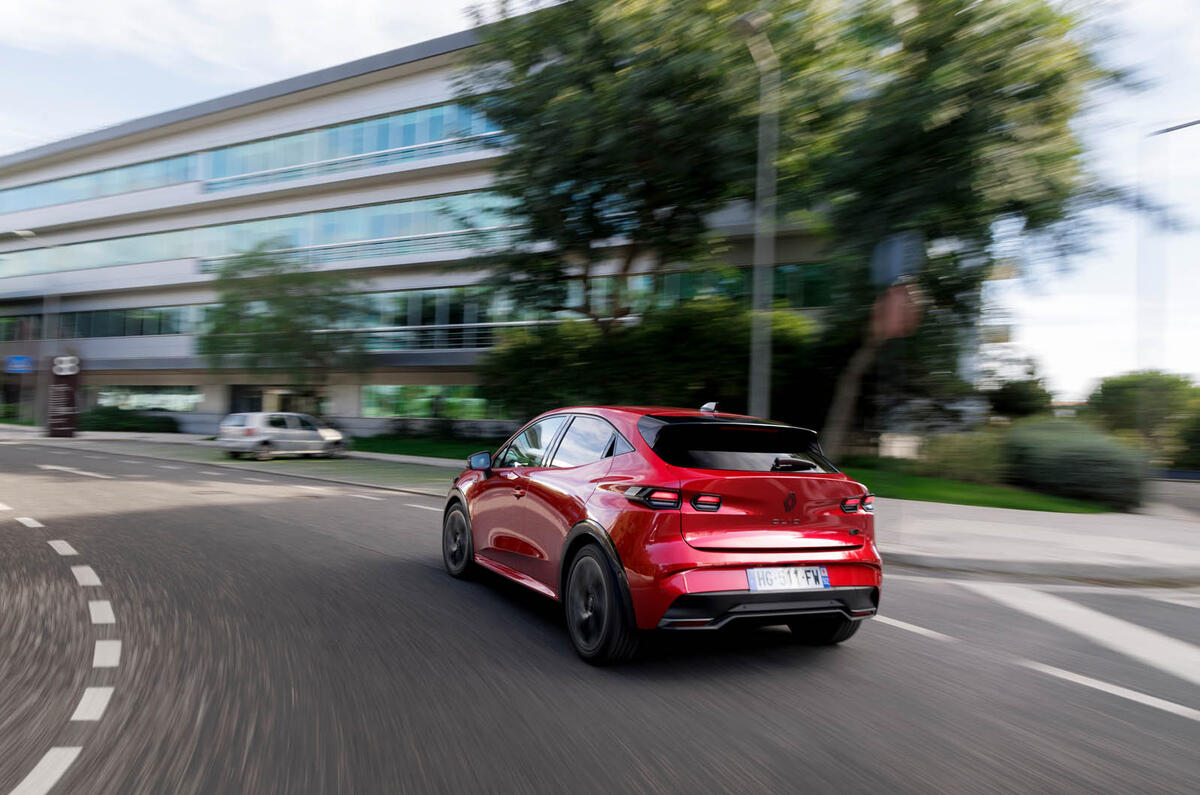
There are changes everywhere you look, not least in the more sculpted tail, the new front grille (rather BMW 4 Series, no?) and the trapezoidal LED tusks. However, in the main, this is a reassuringly familiar proposition in name, nature and mechanical make-up.