
French carmakers have always done things a little differently. At various times they have tried - somewhat successfully to change the perception that a car needed to be a box on wheels.
Remember the shark-like Citroen DS, a car that made half-covered wheels cool, then the bonkers-looking Ami6 and, more recently, the daft Renault Avantime MPV At other times, they have tried less successfully - to reimagine what a car should be.
There was the Renault Project 900, a car that was built back to front (yes, really); the Voisin Biscooter, which looked more like a school project than a production car; and even the propeller-driven Leyat Helica, because who doesn't want a plane that doesn't fly?
We can't leave out the Renault Twizy and Citroen Ami electric two-seaters, created as alternative mobility vessels. The Ami in particular feels like it has been produced for French 14-year-olds who are fed up with cycling everywhere.
But sometimes they really do get it right, like with the super cheap Citroen 2CV, which did indeed transform the automotive industry by opening motoring to the masses. Down with the haute bourgeoisie, et tout ça.

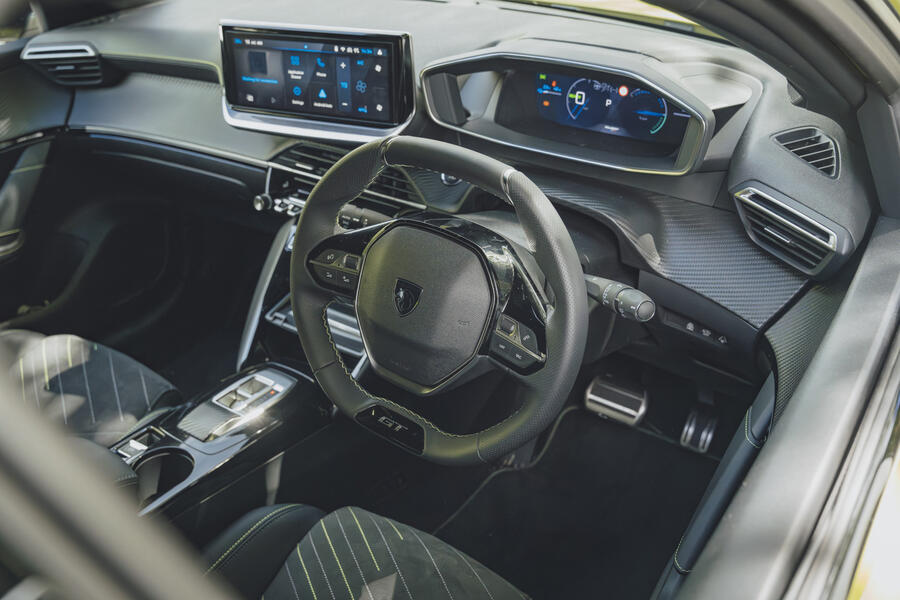
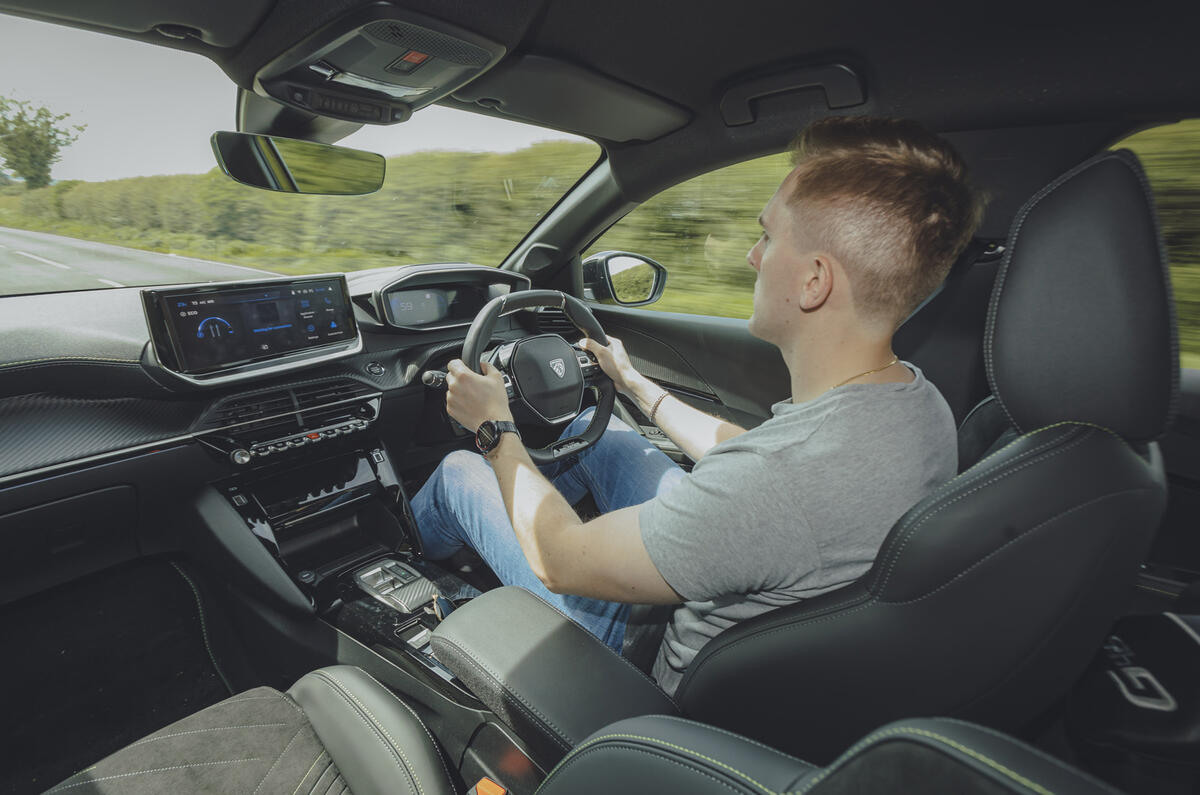
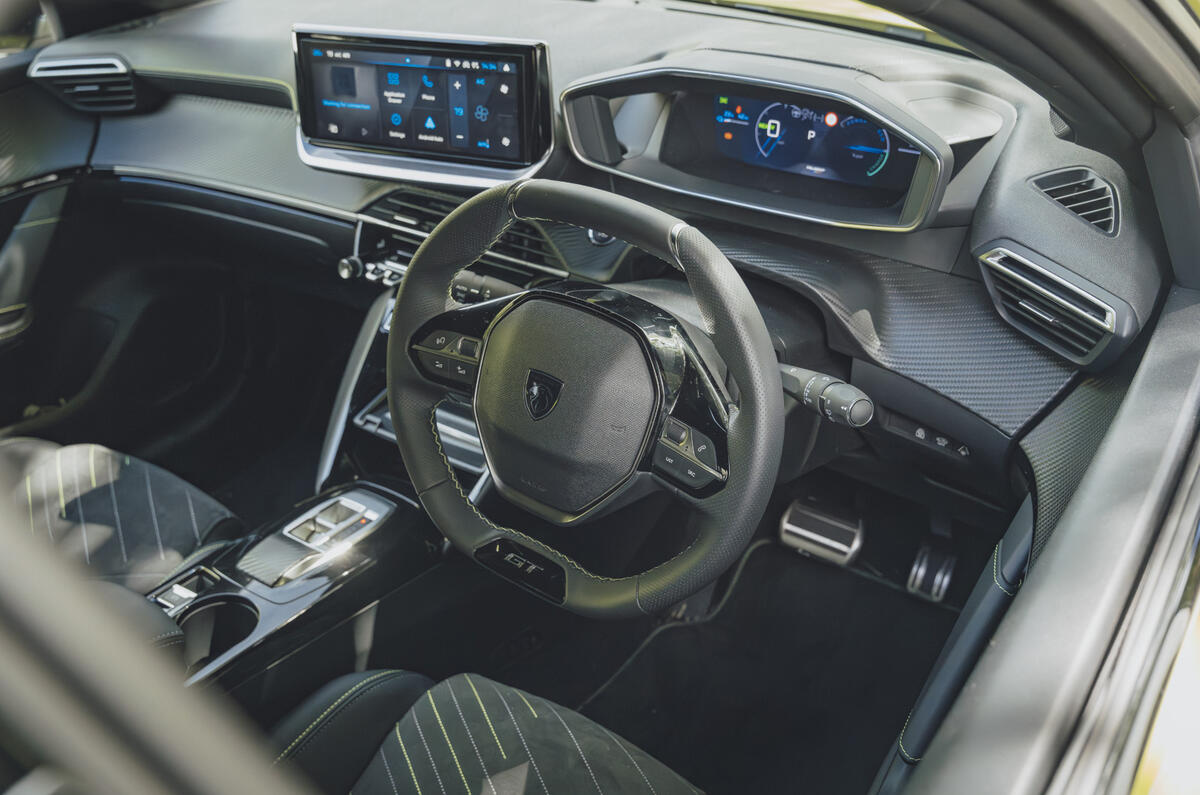
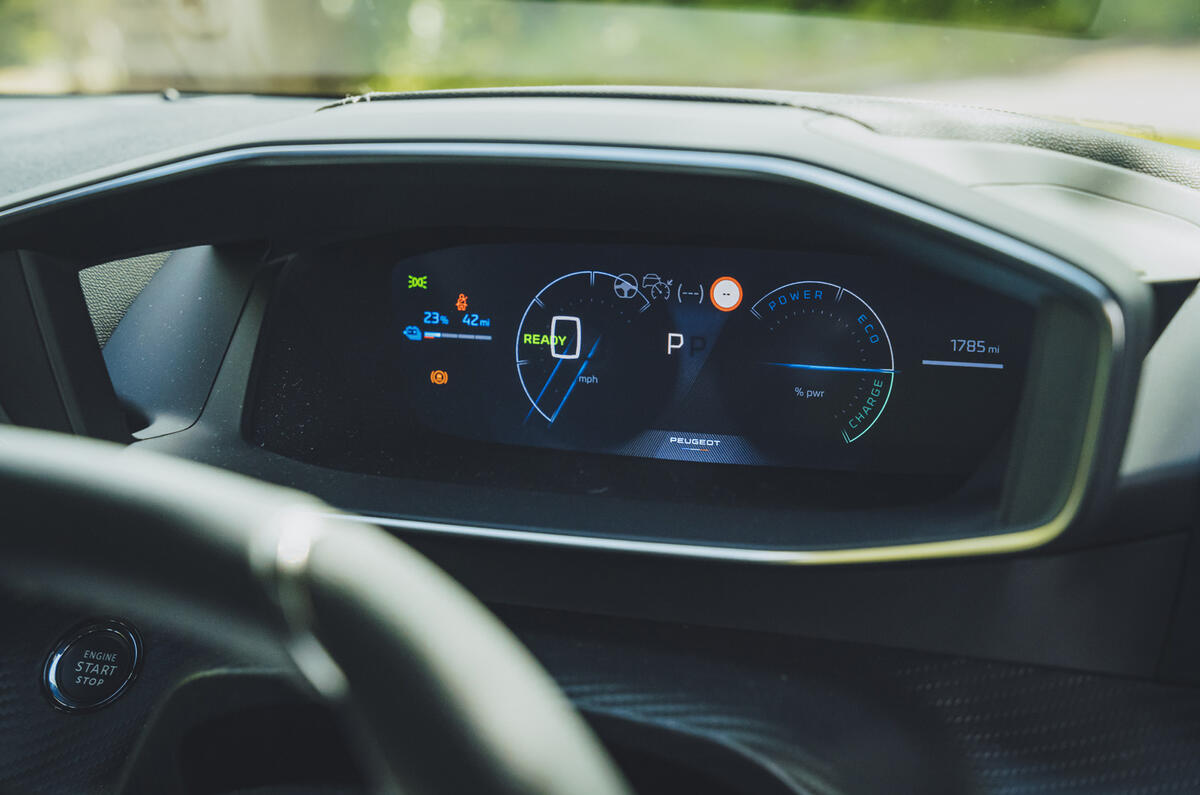
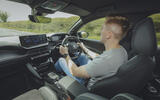
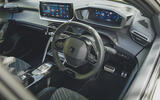
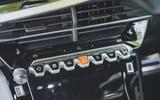
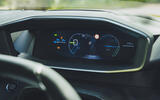
More recently, Peugeot had a stab. It's not as dramatic as some, nor as symbolic as others, but it's no less transformative: the iCockpit. For those unaware, this positions the instrumentation above a smaller steering wheel to enable, as Peugeot says, better manoeuvrability and increased focus on the road.
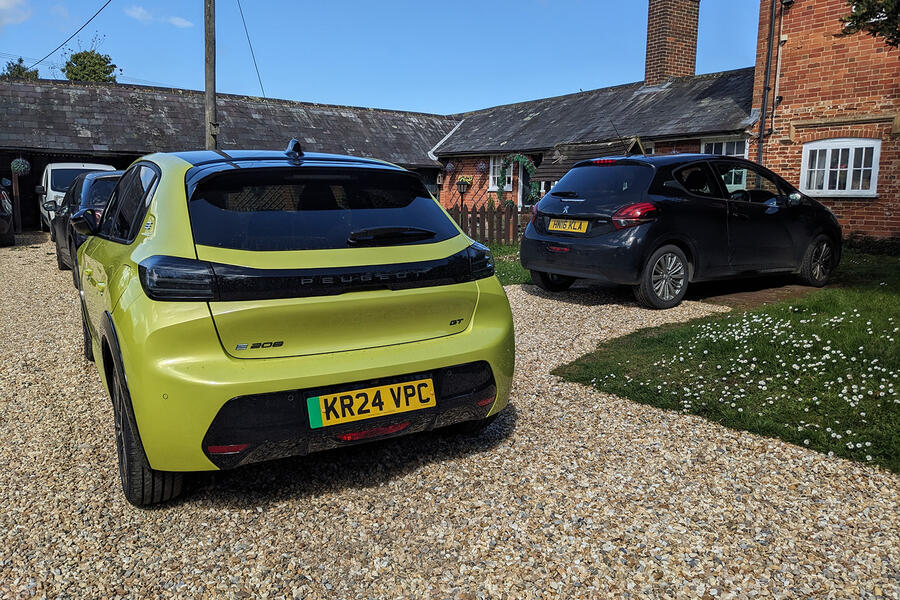
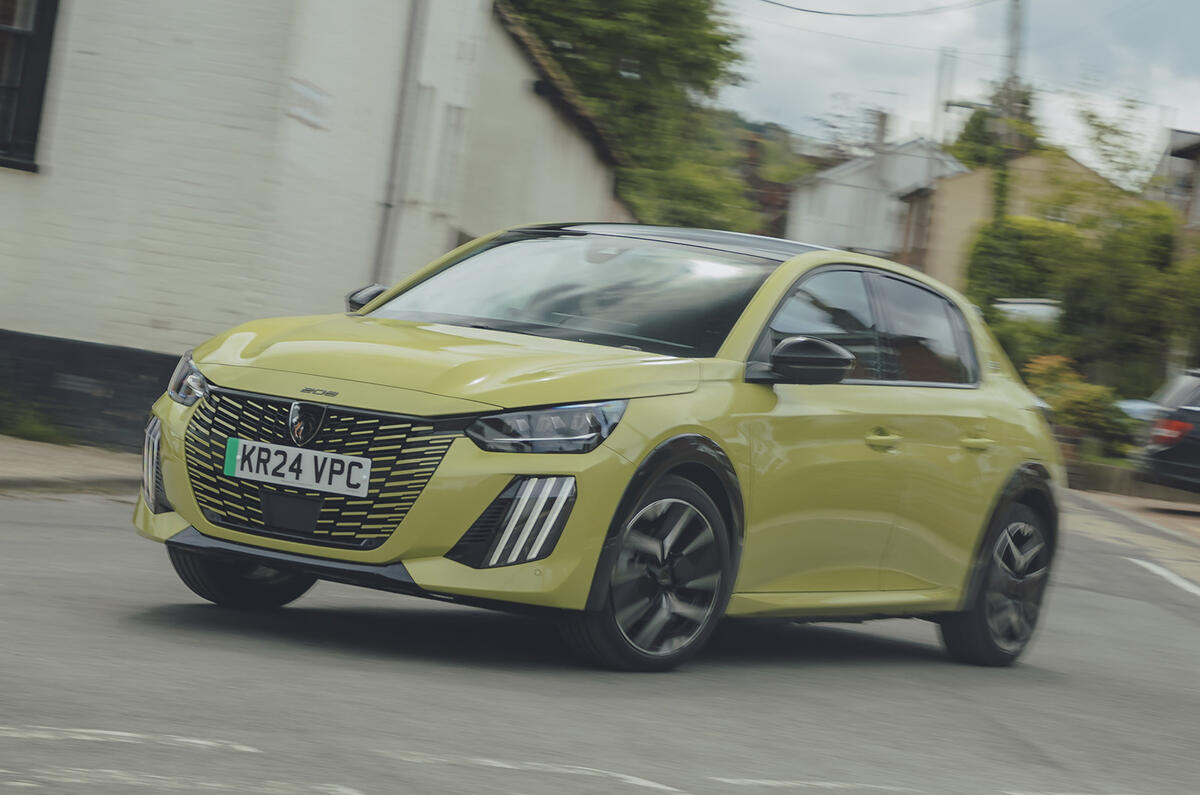
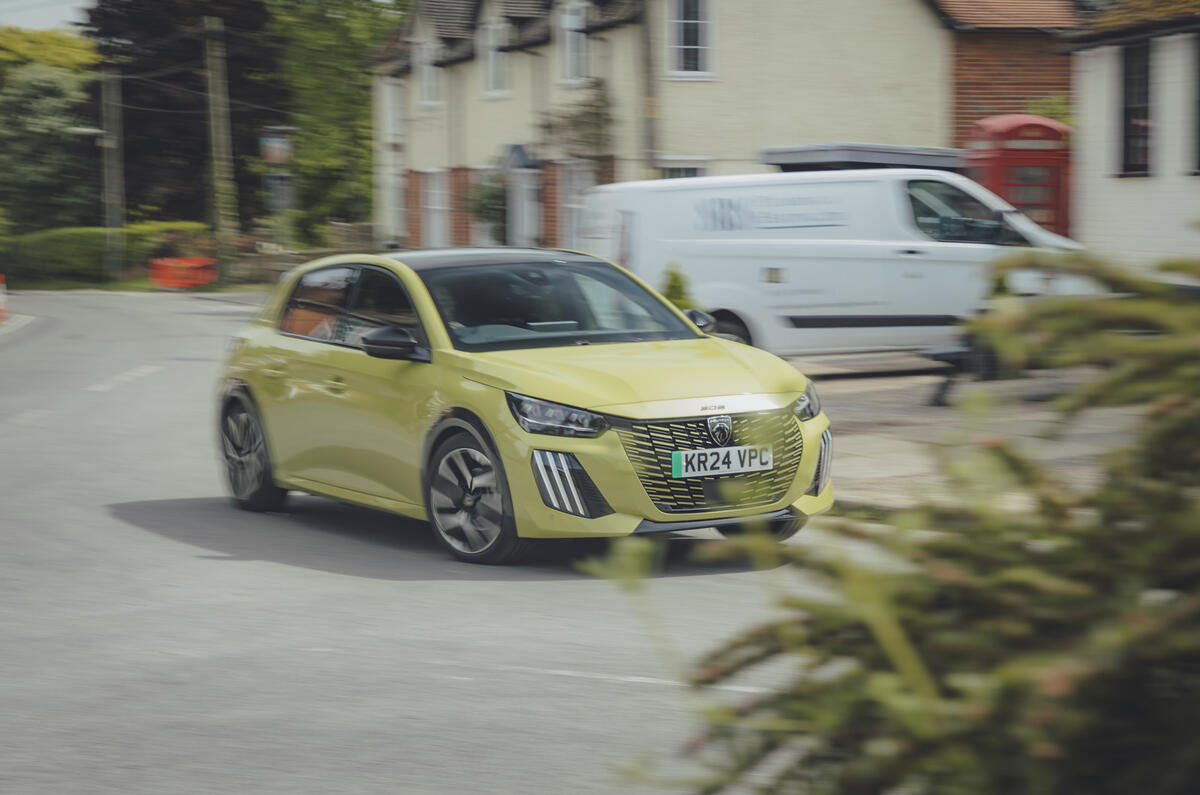
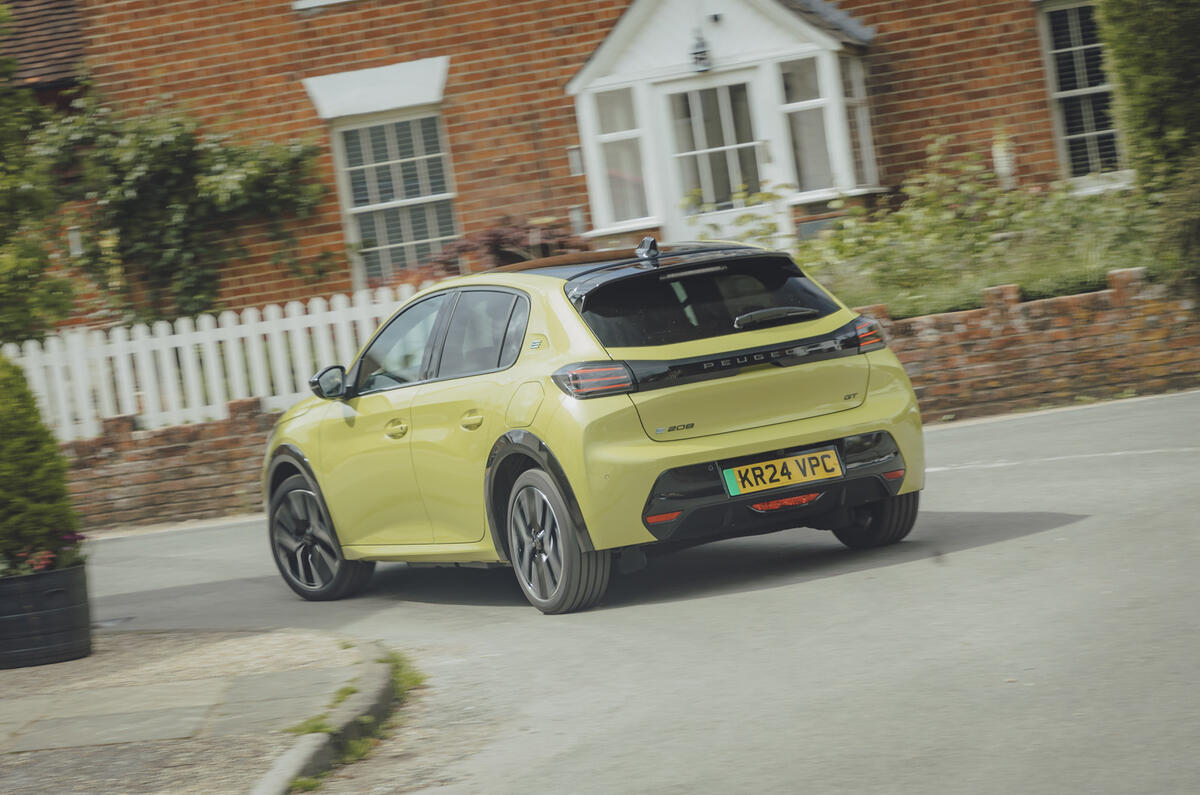
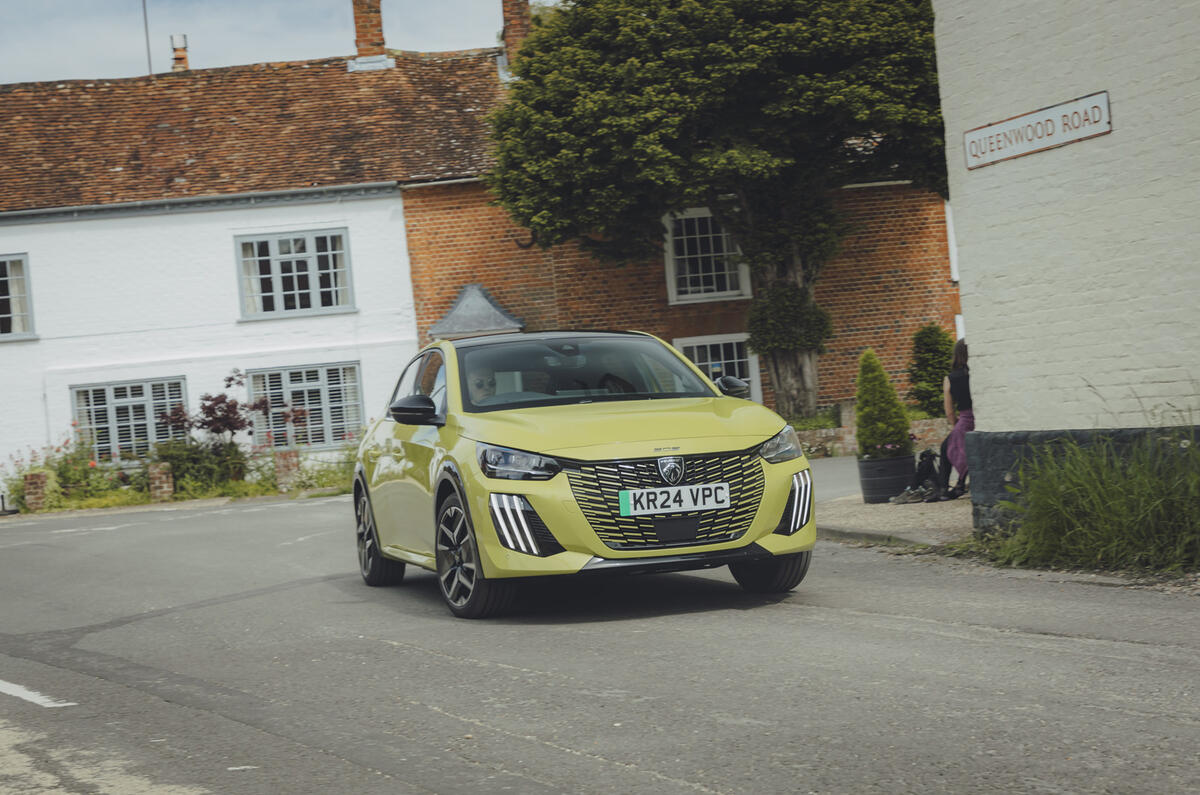
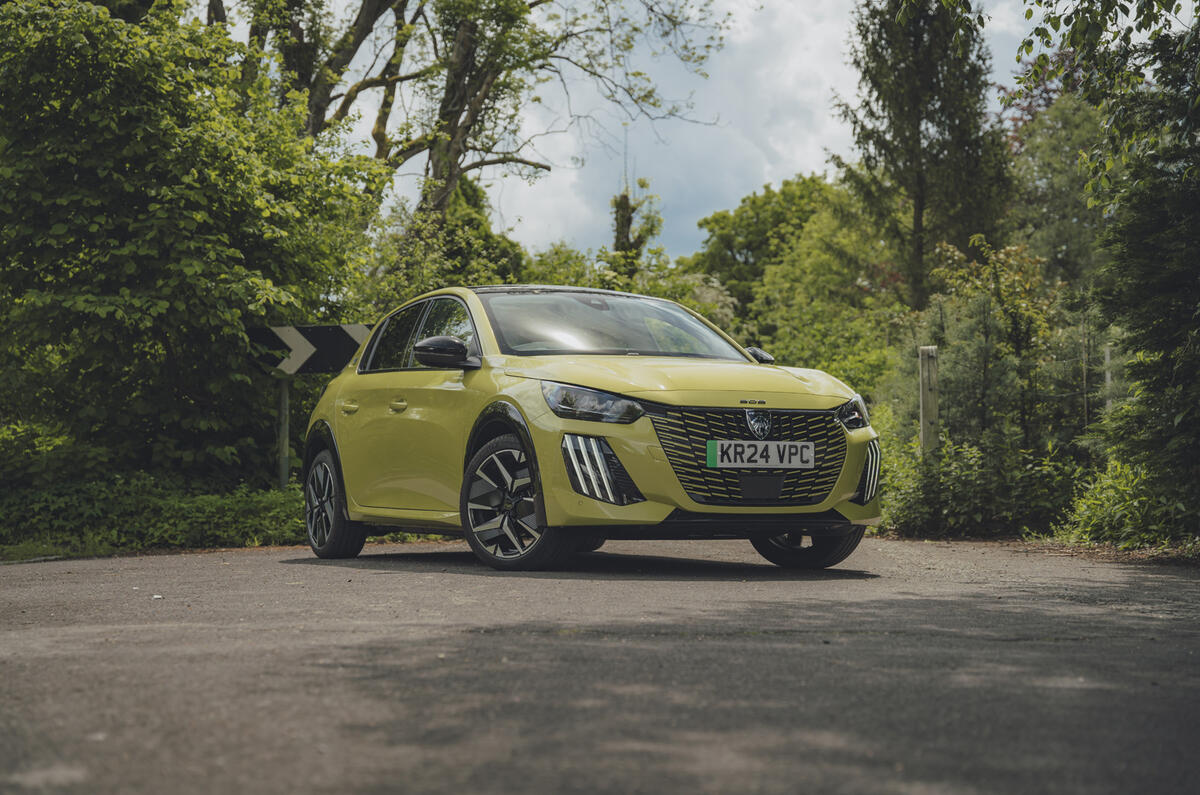
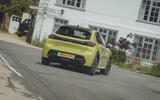
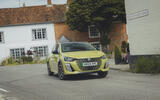
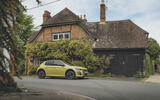
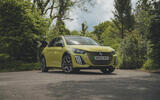
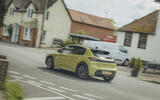
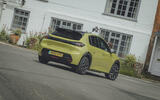
Why is this relevant? Because it's the second generation of the Cockpit that I find in my new Peugeot e-208 - and since it concerns the primary way you interact with your car, it's rather important. The iCockpit has featured in all new Peugeot models since it was first launched in 2013.