Slide of
Historically, many car companies have had a presence outside of their home country.
But the ones who ventured abroad kept some of their best cars to themselves. Models American motorists love are often ill-suited to foreign markets due to their size and thirst. Some were nothing to write home about, but there are plenty other markets would have welcomed with open arms – here’s our choice of the best:
- Slide of
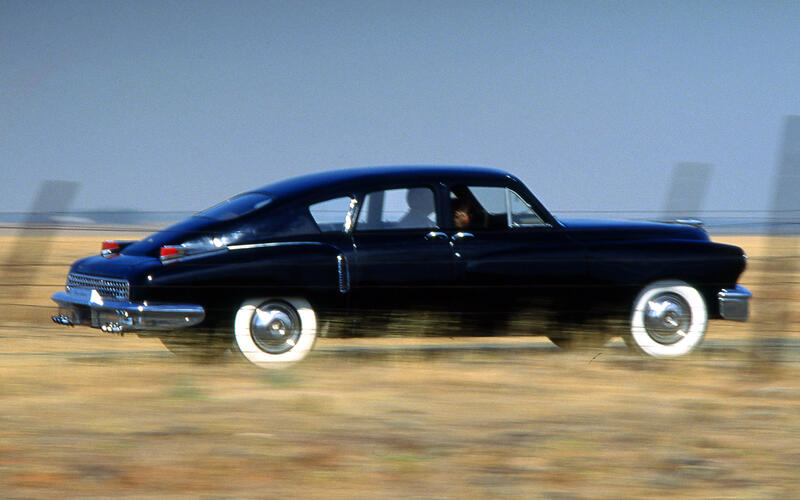
Tucker 48 (1948)
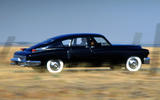
Preston Tucker wanted to design a brand-new type of car after World War Two. His original design brief called for a padded dashboard, a world-exclusive safety windshield, a directional third headlight and a rear-mounted flat-six engine rated at 166 BHP. As a start-up company, Tucker raised money by selling accessories such as radios and seat covers before starting production of the 48, its first car. The US Securities and Exchange Commission (SEC) sued Tucker for fraud when it heard about the program.
While the court later dropped all charges, the ordeal permanently damaged the company’s reputation and the 48 never reached mass production let alone overseas markets. Tucker manufactured just 51 examples, and due to that rarity and the interesting history, survivors are very valuable; a restored example sold at auction in 2019 for $1.6 million.
- Slide of
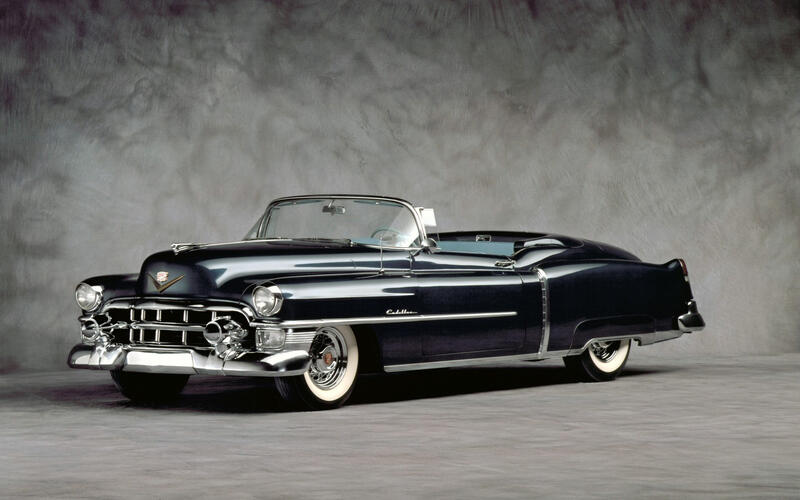
Cadillac Eldorado (1953)
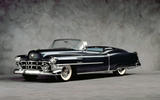
Introduced in 1953, the Cadillac Series 62 Eldorado was a large, expensive convertible built to make a design statement, not to generate any kind of volume. Buyers liked it, so Cadillac refined the concept the following year and transformed the Eldorado into the luxury-lined chariot of motorists who wanted to exclaim “I’ve made it in life!”
The Eldorado evolved with the times, even switching to front-wheel drive in 1967, but it always remained one of the most spectacular members of the Cadillac line-up. It began to decline at the end of the 1970s as it moved to a smaller platform. It never quite recovered and the nameplate retired in 2002. The first seven generations remain the archetypical classic Cadillac. Early cars trickled into Europe via different channels, but later ones were unobtanium.
- Slide of
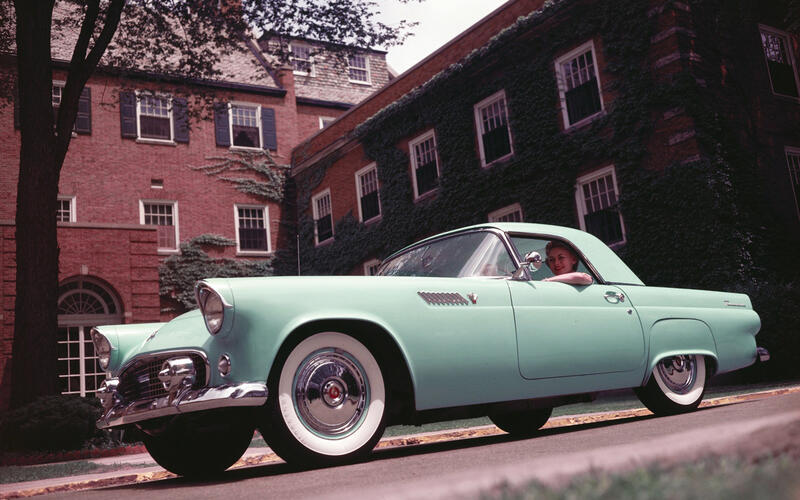
Ford Thunderbird (1955)
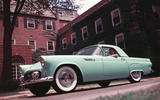
Introduced in 1954 as a 1955 model, the original Thunderbird elevated Ford design to unprecedented heights. Its rear fender skirts, fiberglass hard top and panoply of chrome-plated trim pieces announced it was a luxury car, not a sports car, which made it a unique proposition on the market.
Ford built 10 generations of the Thunderbird between 1955 and 1997, and the model returned for an 11th short-lived round for the 2002-2005 model years. Not all of T-Birds deserve our lust, but the original model stands out as one of the most gorgeous cars Ford kept at home.
- Slide of
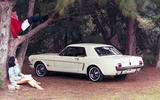
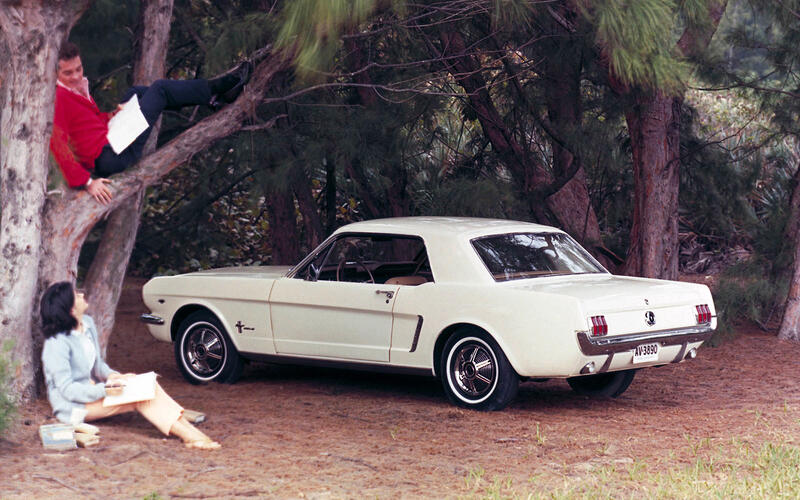
Ford Mustang (1964)
The original Ford Mustang was designed by Americans for Americans. It came to life in response to the Corvair, which Chevrolet assembled in Switzerland and sold in Europe in small numbers, but there’s little evidence to suggest Ford seriously considered sending the Mustang across the pond. In hindsight, the decision makes sense: Ford had plenty of demand to fill at home, and its major European divisions based in England and Germany, respectively, largely ran themselves. The rationale was “if they want a sports car they can build one.”
They did just that, and the wildly successful European Capri made its debut in 1968. In 2015, Ford introduced the first Mustang engineered with right-hand drive markets in mind. After testing it, we concluded it provides extremely strong bang for your buck, and plenty agree. With over 100,000 sales in total in 2019, it’s the world’s best-selling sports car.
- Slide of
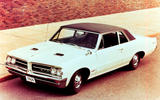
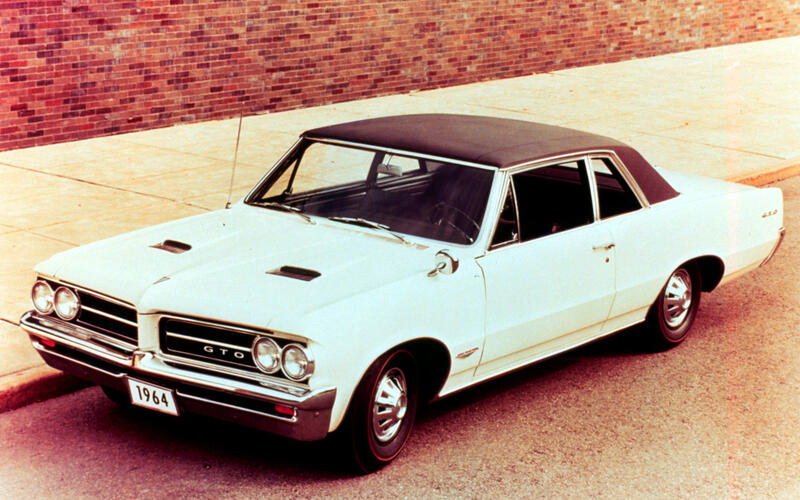
Pontiac GTO (1964)
The Pontiac GTO played a sizable role in democratizing the muscle car in America. Launched as an option package, the GTO nameplate adhered to the time-tested formula of stuffing a big, powerful V8 engine in the unassuming body of an otherwise mundane sedan. It became so popular that Pontiac turned it into a standalone model in 1966. The new marketing angle paid dividends, and the brand sold 87,684 GTOs during the 1968 model year.
Pontiac resurrected the GTO nameplate in 2004 for a re-badged version of the Australian-built Holden Monaro. The brand was on the brink of collapse, and General Motors was speeding towards bankruptcy, so executives had bigger worries than figuring how to sell a V8-powered coupe to Europeans.
- Slide of
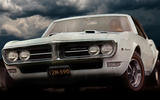
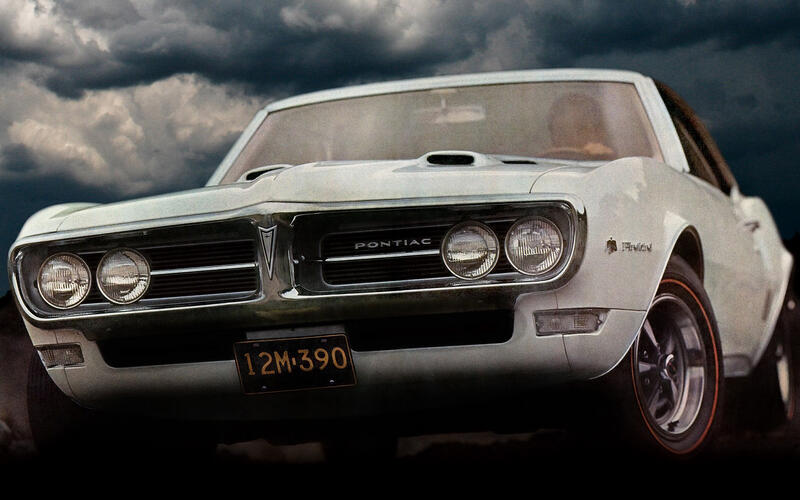
Pontiac Firebird (1967)
Although based on the Chevrolet Camaro, the Pontiac Firebird stood out with its own look that fell in line with the brand’s design language. It carried Pontiac’s image of affordable performance well into the 1970s and 1980s, at times remaining the only torch-bearer in a catalogue of monotonous models.
- Slide of
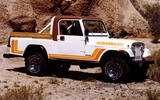
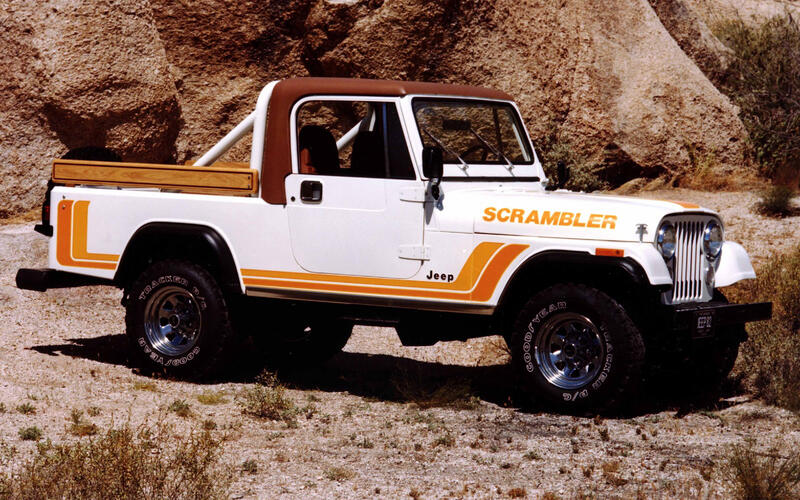
Jeep CJ-8 (1981)
Renault’s unlikely tie-up with American Motors Corporation (AMC) gave Jeep an outlet through which to distribute the CJ-7 in Europe. It was a modest success, at least for a relatively large SUV competing in a small segment of the market. The bigger and more practical CJ-8 never joined its smaller sibling in European showrooms, however.
Interestingly, in the 1980s Renault imported about a dozen CJ-8s powered by its 2.1-liter four-cylinder diesel engine and used them as support vehicles. Today, they’ve vanished into the pantheon of automotive history.
- Slide of
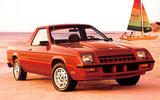
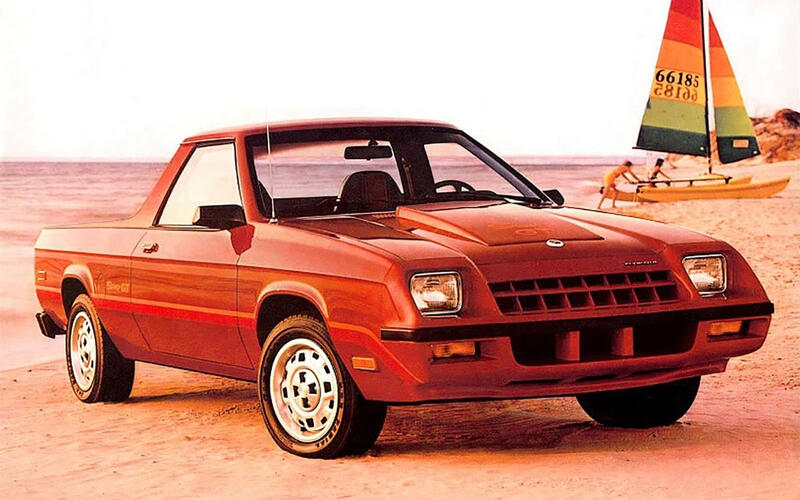
Dodge Rampage (1982)
Most American trucks were far too big for European roads. The Dodge Rampage still stands out as one of the few Europe-sized models to come out of Detroit, because it traced its roots back to the Old Continent. It sat on a modified Chrysler Horizon platform and it employed the brand’s ubiquitous 2.2-liter four-cylinder engine. Its small bed could haul 1144 lb.
No one seriously considered sending the Rampage to Europe. Chrysler was forced to divest its European division following its 1979 bailout from Uncle Sam so exports across the Atlantic weren’t an option. Had it been sold there, it would have given buyers an alternative to minitrucks like the Subaru Brat and the Volkswagen Caddy.
- Slide of
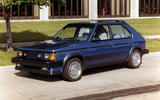
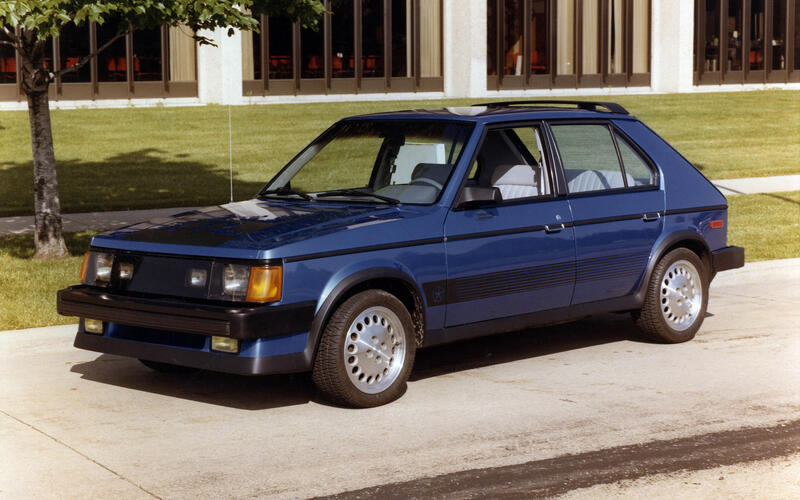
Dodge Omni GLH (1985)
The Chrysler Horizon wasn’t any more inspiring in America than it was in Europe – with one exception. Famed tuner Carroll Shelby saw an immense amount of GTI-killing potential in Chrysler’s smallest car, which wore Dodge and Plymouth emblems in the US.
Tuning the four-cylinder to 112 hp transformed the Horizon into a proper fast hatch worthy of the name Goes Like Hell (GLH). Shelby added a turbocharged 2.2-liter with 146 hp in 1985 (GLH-T), and he helped Chrysler launch a limited-edition, 176 hp model named Goes Like Hell S’more (GLHS) a year later. In the UK, the most powerful Horizon offered 91 hp.
- Slide of
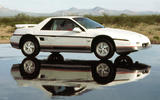
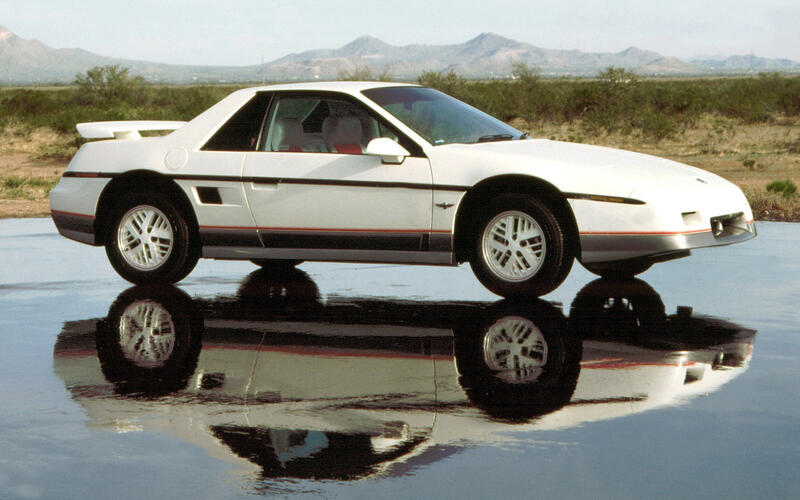
Pontiac Fiero GT (1988)
Pontiac unwrapped a surprise for the Fiero’s last model year on the market. 1988 bought a new suspension design that made the mid-engined coupe appreciably better to drive than before, a revised steering system and upgraded brakes.
The 2.8-liter V6’s output remained pegged at a paltry 140 hp and 170 LB-FT of torque. That wasn’t much, but period road testers agreed Pontiac engineers had finally turned the Fiero into a driver’s car. Better late than never, right?
- Slide of
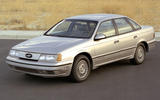
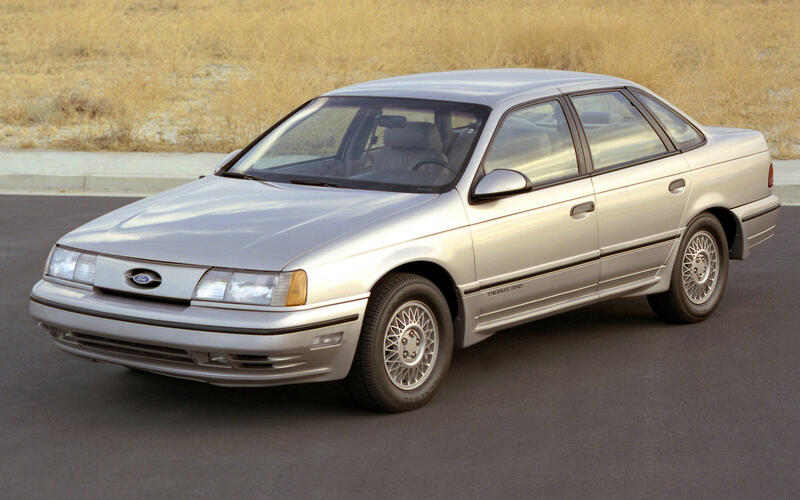
Ford Taurus SHO (1989)
Concerned about losing market share to European brands, Ford asked its in-house performance division to turn the humdrum Taurus into a true sports sedan. The Super High Output (SHO) nameplate denoted a completely new type of performance car at Ford. We’re sure it was met with more than a few skeptical stares signaling “we don’t do that here.”
Still considered the best of the breed, the original SHO received a 3.0-liter V6 built by Yamaha and tuned to 220 hp. It performed the benchmark zero-to-60-mph sprint in 6.6 seconds, an admirable statistic at the time, especially from a sedan. It was front-wheel drive, but that was passable in an era when even Alfa Romeo offended the traction gods by ditching rear-wheel drive. The Taurus SHO made it to its fourth generation, but died along with the Taurus lineup in 2019.
- Slide of
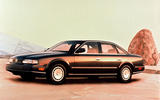
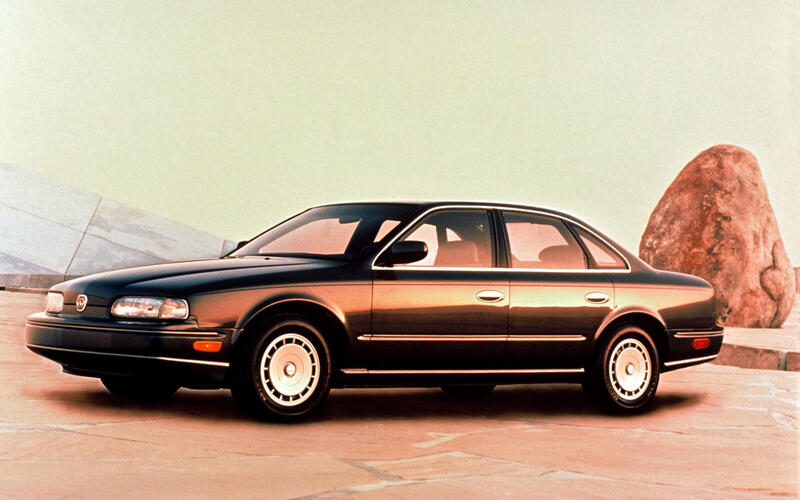
Infiniti Q45 (1990)
Japanese carmakers launched a full-fledged assault on their German rivals in the late 1980s. Nissan positioned the Q45 as the flagship of its then-new Infiniti line-up. One of the sedan’s most convincing arguments was a 278 hp V8. The Q45 was a typically and unabashedly Japanese interpretation of a luxury sedan, unlike the LS which Lexus Americanized to boost sales and the Acura Legend with Rover roots.
The Q45 hails from an era when Nissan churned out some of the best cars in its history. Like a proper range-topper it was solid, comfortable and quick, and it looked like nothing else on the road. Europeans missed one of Japan’s best German-punching luxury models, and Nissan an early chance to establish its luxury brand in that market. It finally came to Europe in 2009, but fared badly and withdrew in 2019.
- Slide of
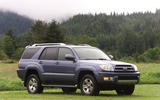
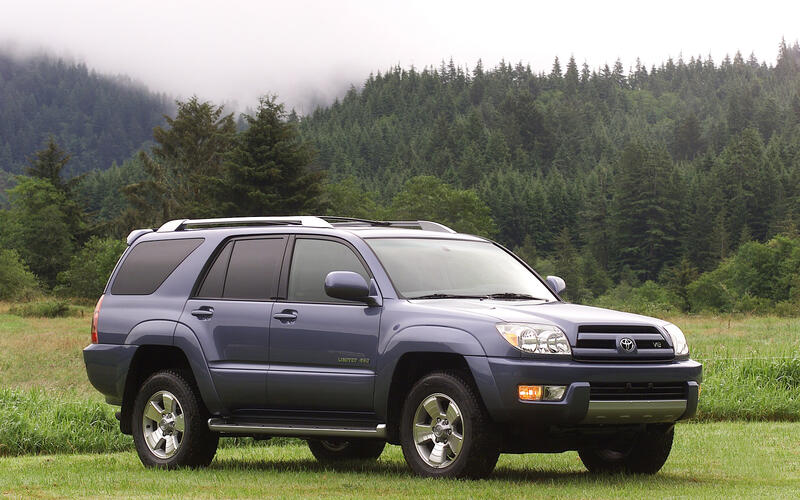
Toyota 4Runner (2002-on)
Toyota dropped the 4Runner from its European catalogue just as the model embarked in a bold new styling direction. It attempted to mask its utilitarian, truck-derived roots to become a more lifestyle-oriented model equally at home in Moab or at a mall in the Midwest.
The current 4Runner launched in 2009 with a tough, Tonka truck-like design. It’s the last body-on-frame SUV in its segment so it attracts adventured-minded buyers who need more space than the Jeep Wrangler offers. Toyota explains there’s not enough demand in Europe to justify bringing the model back. It’s too bad, because European Wrangler sales are higher than ever and the TRD Pro model is seriously capable off-road.
- Slide of
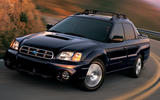
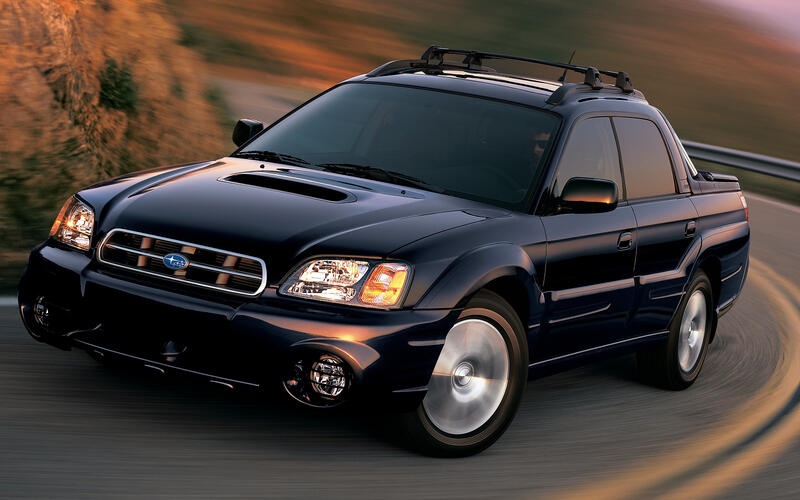
Subaru Baja (2002)
Built in Indiana, the Subaru Baja represented an attempt to bring back the Brat. Like its predecessor, it took the form of a light truck built with proven mechanical components plucked from the brand’s passenger cars; the Legacy in this instance. Baja production stopped in 2006 after the public’s lukewarm response made it clear the idea of a Subaru truck was past its prime.
- Slide of
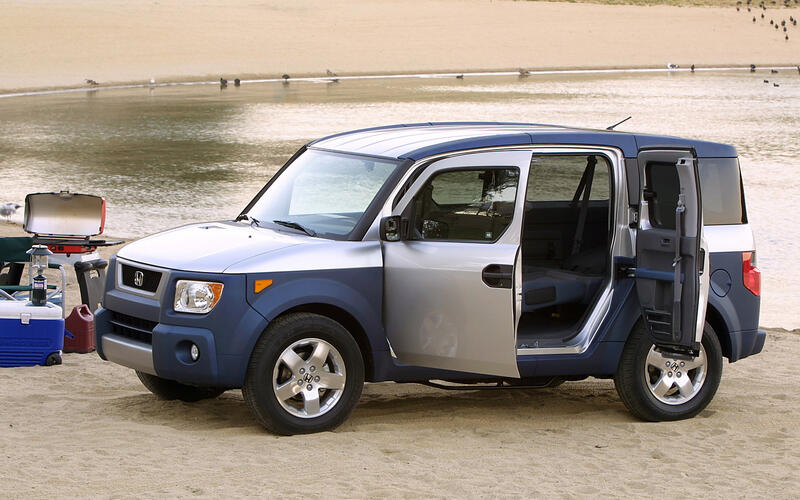
Honda Element (2003)
The Honda Element’s boxy, plastic-clad body hid underpinnings shared with the CR-V. Built in Ohio for the North American market, the Element existed at the intersection of the van, station wagon and SUV segments. It offered rugged looks, a spacious interior and available all-wheel drive.
Quirky reversed rear doors made the Element impractical as a family car, but its toaster-like silhouette allowed it to transport fully-assembled mountain bikes or double as a tent for two adults. It has already developed a small cult following in America and Canada.
- Slide of
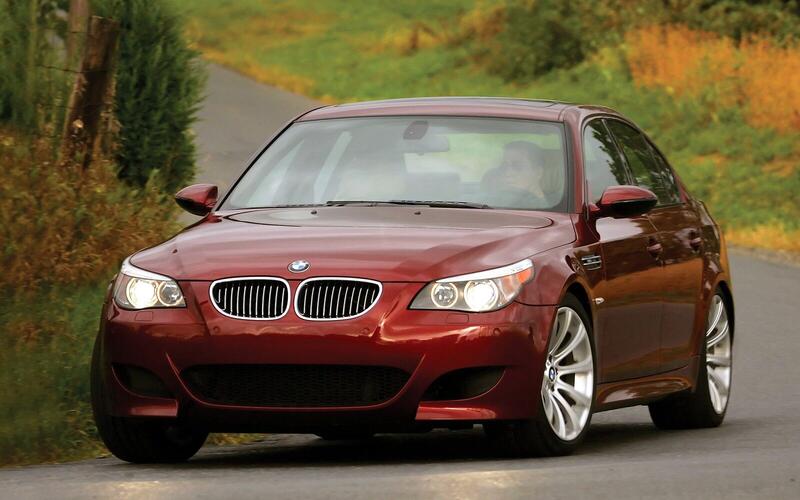
BMW M5 with a manual transmission (2006)
Only Americans got the option of ordering the V10-powered BMW M5 E60 with a six-speed manual transmission. It wasn’t planned that way. Insiders sheepishly admit BMW added the manual as a no-cost option after receiving mixed feedback about the robotized-manual SMG gearbox from US buyers and journalists – and it wasn’t much loved elsewhere either – but the US was the M5’s biggest market by a large margin. Roughly 50-percent of E60-generation M5s shipped to America had three pedals.
While the six-speed manual returned to the F10-generation model, the take-up rate collapsed year-after-year as enthusiasts gravitated towards the quick-shifting automatic transmission. BMW chose not to offer the brand-new 2018 model with a stick because buyer demand dropped to near zero at the end of its predecessor’s production run.
- Slide of
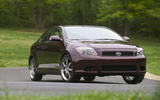
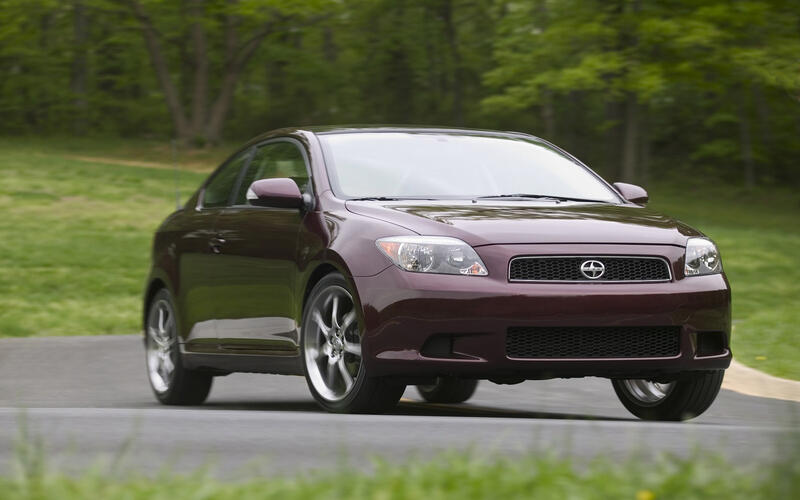
Scion tC (2004)
Toyota introduced its Scion sub-brand in 2004 to lure millennials into showrooms in the US. The tC joined the economy-oriented xA and xB models in Scion dealerships as a spiritual successor to the Celica.
The front-wheel drive tC wasn’t as enjoyable to drive as today’s GT86, but it gave young buyers on a tight budget a fun, good-looking alternative to garden-variety economy cars like Toyota’s own Corolla. Toyota dropped the second-generation tC in 2016 when it mothballed the Scion brand in America.
- Slide of
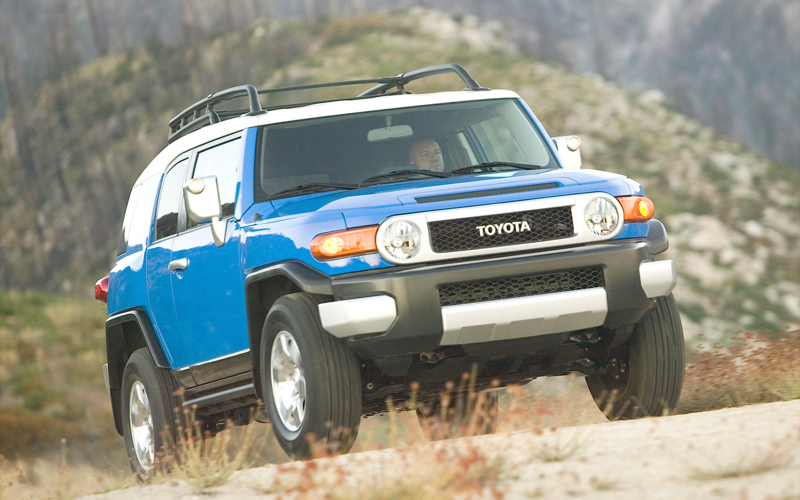
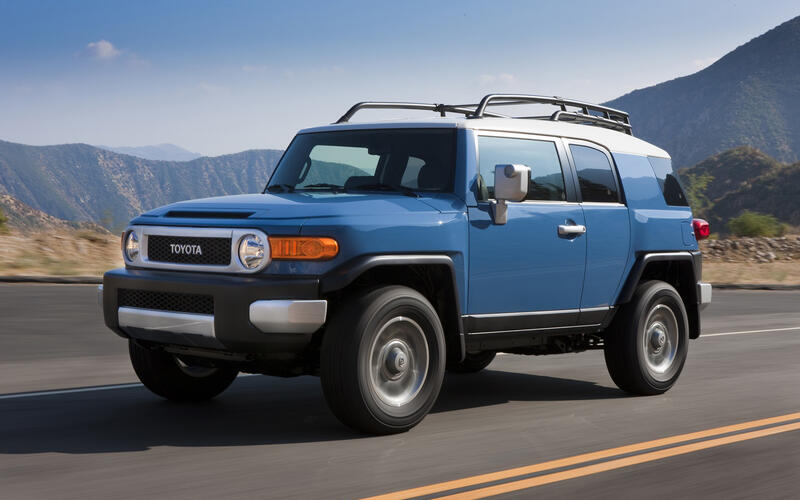
Toyota FJ Cruiser (2006)
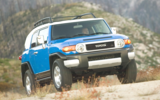
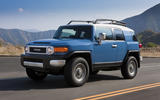
Toyota tried squashing the Jeep Wrangler with the FJ Cruiser, a retro-styled SUV inspired by the FJ40 Land Cruiser. It put a modern spin on its predecessor’s design and grew a pair of reversed rear doors for a tinge of practicality. It could go far off the beaten path thanks to suspension and chassis components borrowed from Toyota’s other trucks, including the Tacoma and 4Runner.
Look closely and you’ll notice the FJ Cruiser shares a quirk with the MG B. Its short, wide windshield required using three wipers.
Production for the American market ended in 2014, but Toyota continued offering the FJ in Japan until 2017. The FJ developed a strong following in the years after its US demise. The FT-4X concept unveiled at the New York motor show in 2017 hints at a potential successor.
- Slide of
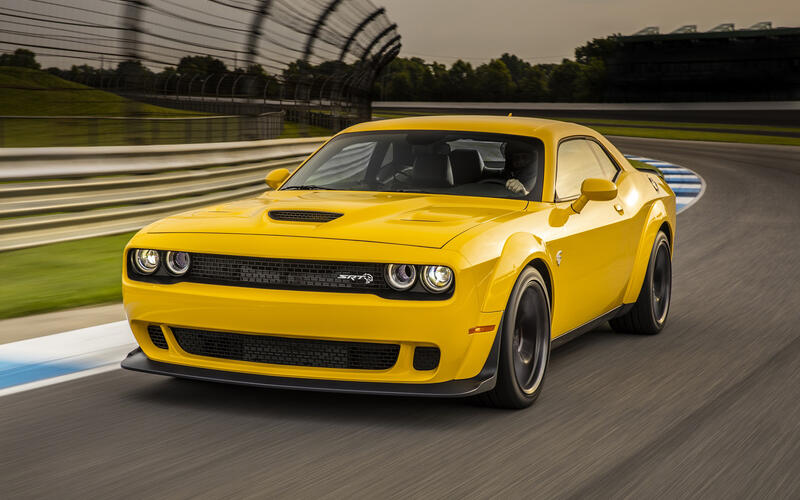
Dodge Challenger (2008)
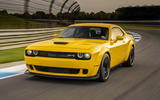
As a muscle car for the 21st century, the Dodge Challenger competes in the same segment as the Ford Mustang and the Chevrolet Camaro. It’s the only one not sold in Europe. That’s due to its titanic size, market regulations it most likely doesn’t comply with and Dodge’s non-existent presence here. Can you imagine the Challenger sharing a showroom with a Fiat 500?
The Challenger is also the most outdated car in its competitive set. It’s over 12-years-old and it rides on a platform cobbled together with Chrysler and Mercedes-Benz parts that should have retired years ago. Dodge has nonetheless leveraged its heritage to give the Challenger an undeniably sporty flair while keeping it interesting. Heritage-laced paint colors and top-spec variants like the Hellcat and the Demon add desirability to this forbidden fruit.
- Slide of
Ford F-150 Raptor (2009)
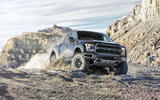
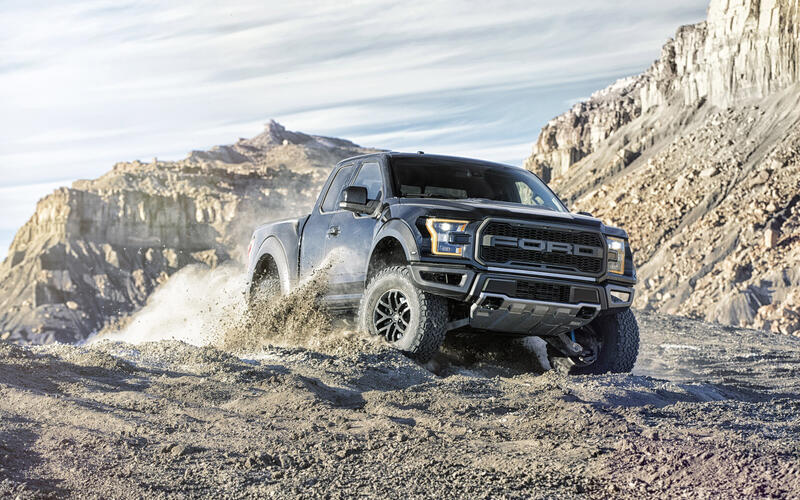
Based on the Ford F-150, the original Raptor was a street-legal Baja racer built to fly across sandpits with American swagger. It benefited from comprehensive suspension upgrades, 35-inch tires and a locking rear differential. Early models shipped with a 5.4-liter V8, but the optional 6.2-liter, 411 hp V8 became standard in 2011.
For its second generation, the Raptor lost a pair of cylinders as it switched to Ford’s twin-turbocharged, 450 hp EcoBoost V6; even big American trucks fall victim to downsizing. The off-road hardware under the sheet metal is as serious as ever, giving the Raptor over a foot of wheel travel to hop from dune to dune.
- Slide of
Honda Accord (2017)
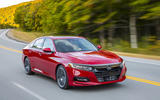
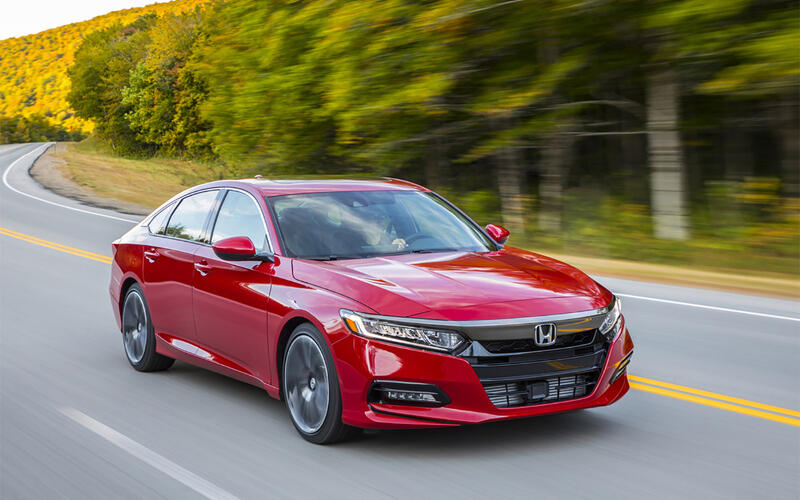
The Honda Accord had two personalities until 2015. In Europe, it was a semi-premium model closely related to the Acura TSX sold in America. In the US, it was a much more basic machine that bundled a tremendous amount of value in a package basic enough to appeal to anyone seeking “just a car.”
While Honda’s European division axed the Accord and abandoned the segment in 2015, the nameplate soldiers on across the Atlantic, where its latest generation arrived in 2017 for the 2018 model year. It’s better than ever, as cliché as that sounds. It offers a handsome design, sharp handling, strong fuel economy and abundant tech features at a wallet-friendly price, with MSRPs starting at $24,270. PICTURE: 2020 model
Close