






Currently reading: What are the implications of a ‘managed decline’ for TfL?

Transport for London's funding runs out on 4 February but the writing has been on the wall for a while

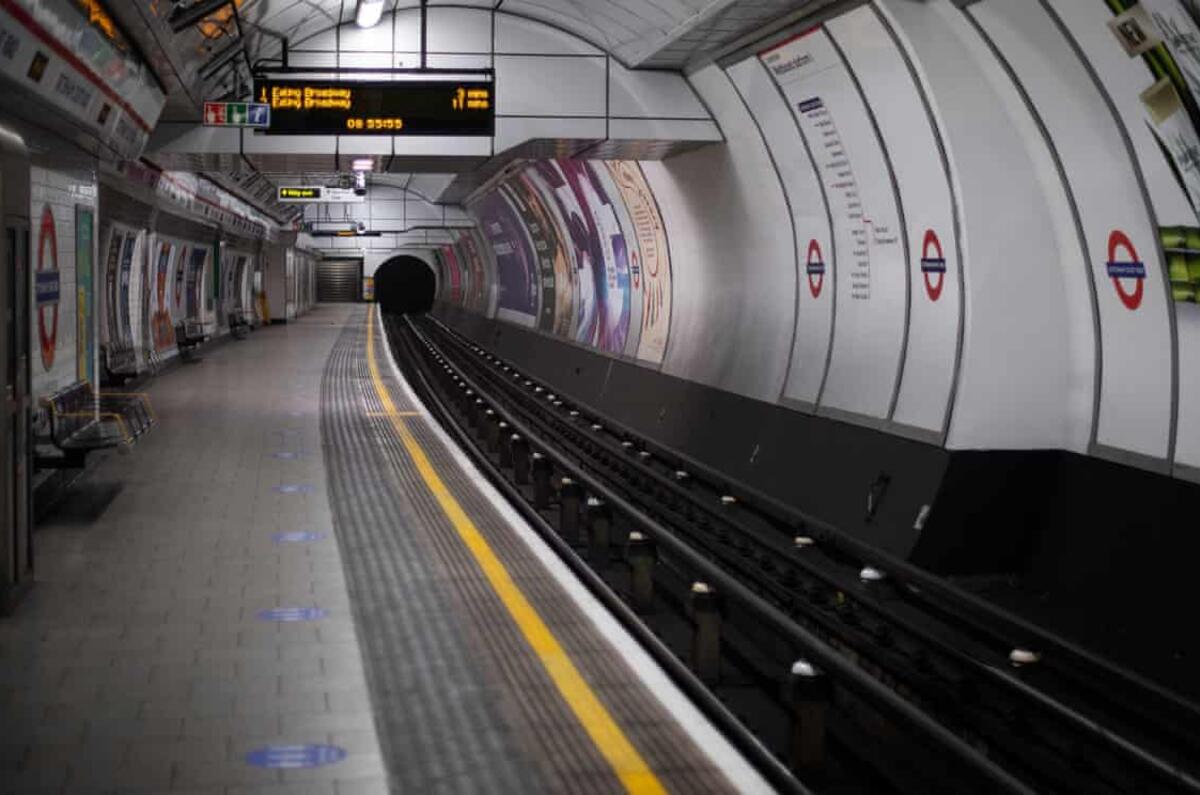
The current round of emergency funding for Transport for London (TfL) is set to expire on 4 February. While talks are still ongoing between the central government and the mayor of London, Sadiq Khan, for further financial assistance, the capital’s transport agency has warned that if this does not come to fruition, it will have to nurse a "managed decline" in order to drastically reduce costs.  

So far, during the pandemic, TfL has received more than £4 billion worth of emergency funding from the central government. However, TfL estimates it requires a further £245 million in the current financial year and £1.1bn in the 2022-23 financial year in order to stay afloat.

Join the debate

Comments
9
Add a comment…
Strider 2 February 2022

Sounds politically driven. When they are struggling to fund 'levelling up', pumping money into London is a vote loser, even if it is the right thing to do. This government doesn't care about 'the right thing', only the number of votes.

si73 1 February 2022
Public transport is a mess everywhere really, but the big cities have great infrastructure and transport links whereas smaller cities and towns elsewhere have lousy facilities. I don't think it should be tax payers paying, unless there was a national transport fund providing decent services all around the country. And agree re the HS2 white elephant, so much fuss from up north about needing it to level up, try the southwest, we just get completely cut of with our one line in and out, but you can achieve a greater number of services running on existing lines with ETCS, which would alleviate the need for HS2.
superstevie 1 February 2022

I absolutely agree with you on the smaller towns situations. When I was younger, I worked in a town about 12 miles away and it took about half an hour. When I had an accident (hit black ice), it was going to take 3 different buses and 2 hours to get to work on time. We're not even talking like out in the sticks places, central belt of Scotland and not far from Edinburgh.

superstevie 1 February 2022

Its London, it will get what it wants. Always will.

However, I think TfL really do need to restructure how it works, as do most public transport bodies. Businesses are always looking at ways of reducing overheads, and office space is one of their biggest ones. If they can have more of their employees work from home, or only come in a few days a month, while still having a productive workforce, why would they not go fir it? It isn't for every job, but I know plenty who now permenantly working from home, or only going in 2 days a month.

What that means is a lot less demand for the public transport, which will reduce the income available. Someone is going to have to pay for it, and it will sadly be those who rely on it the most, like the lower income earners as well as the tax payer.