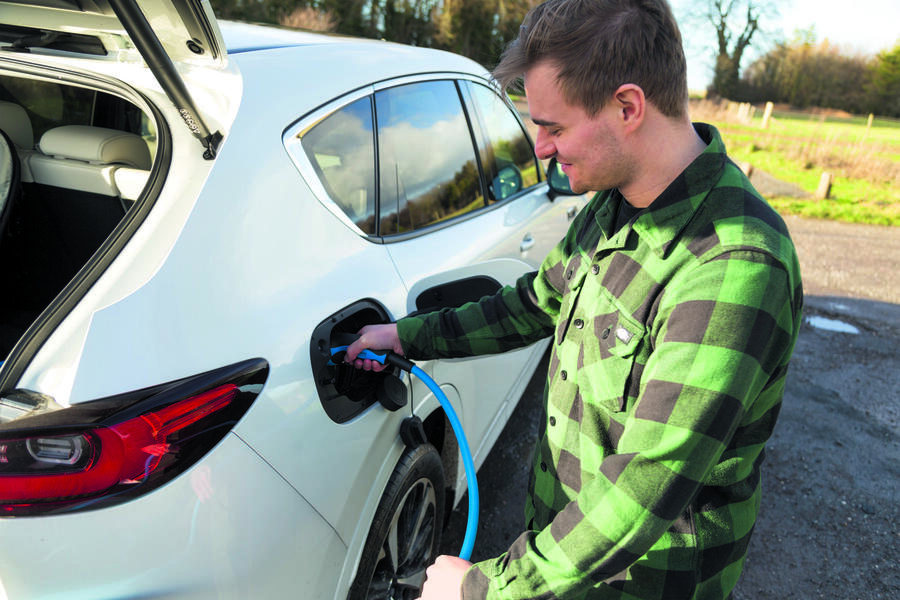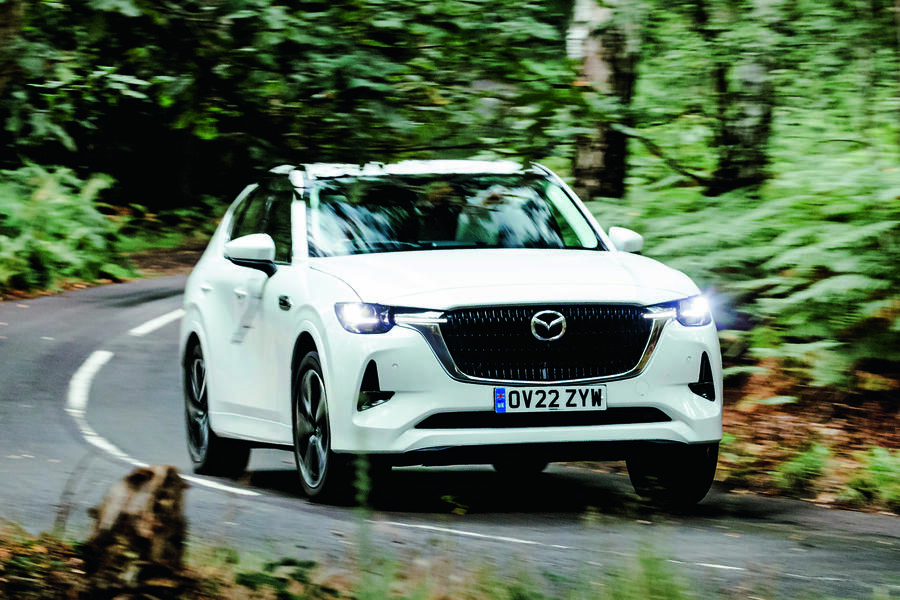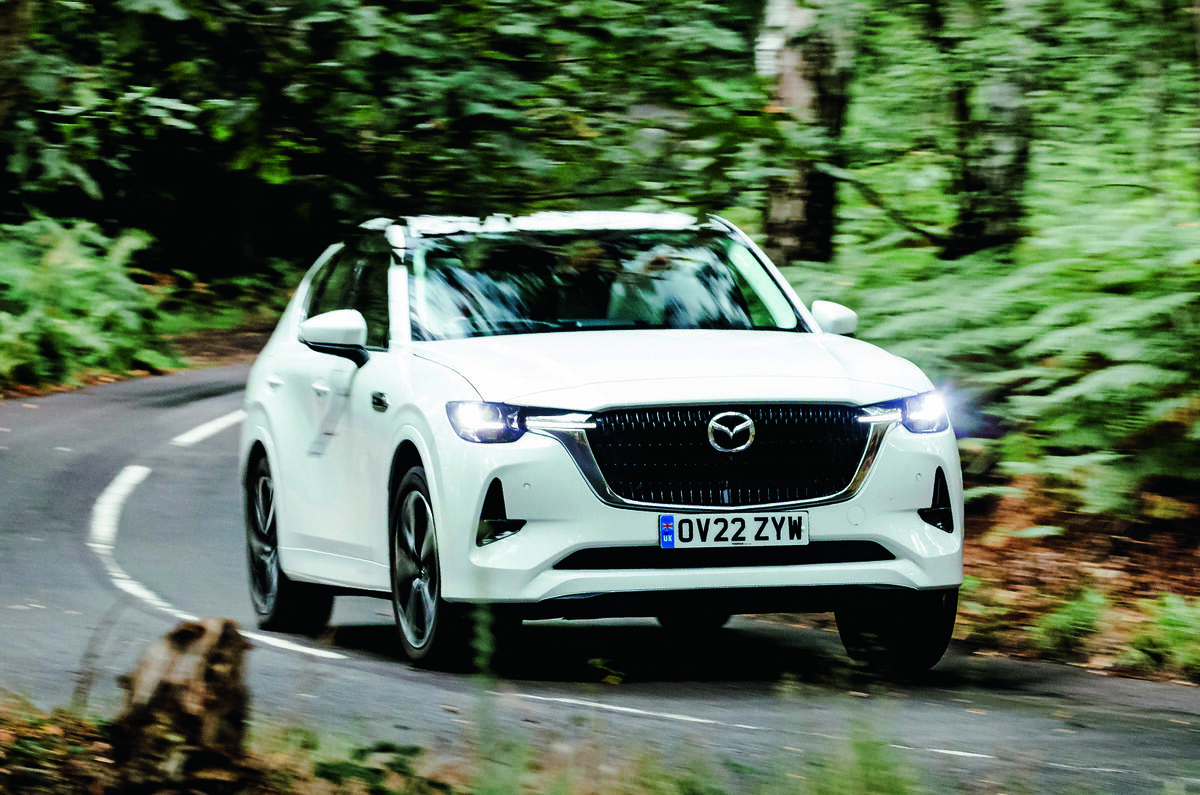
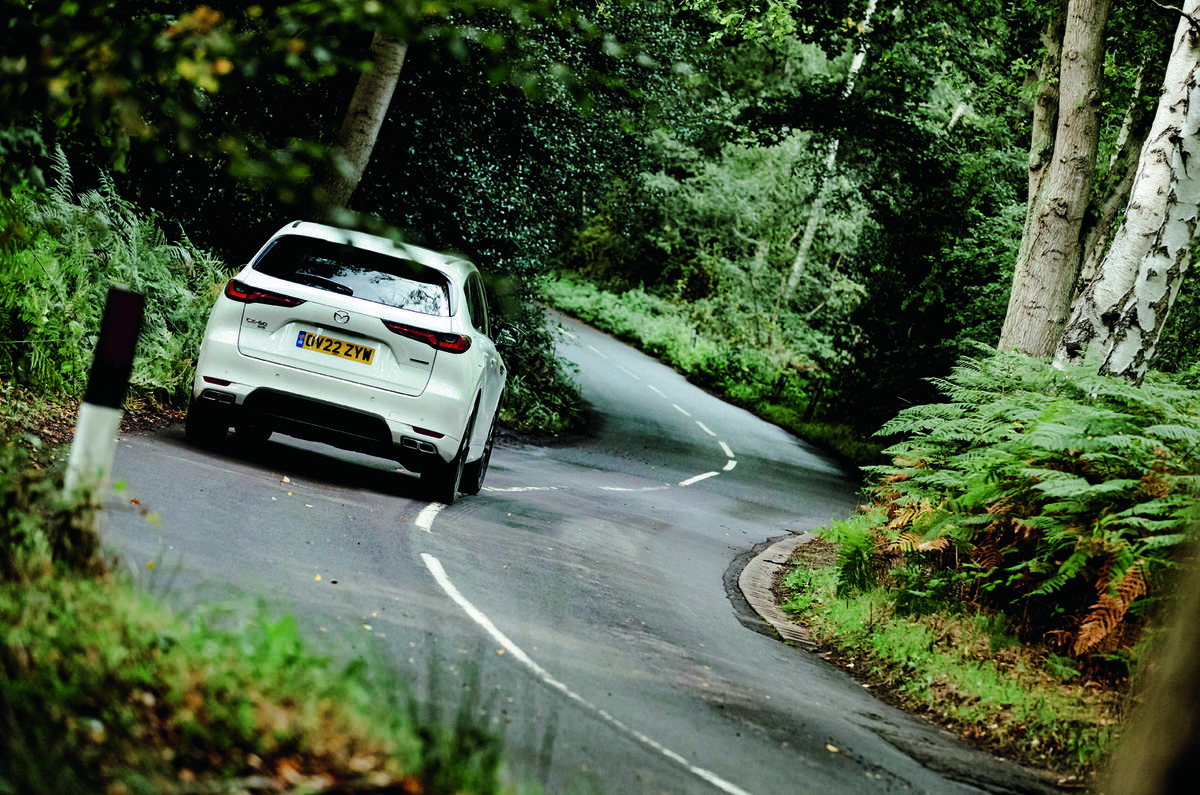
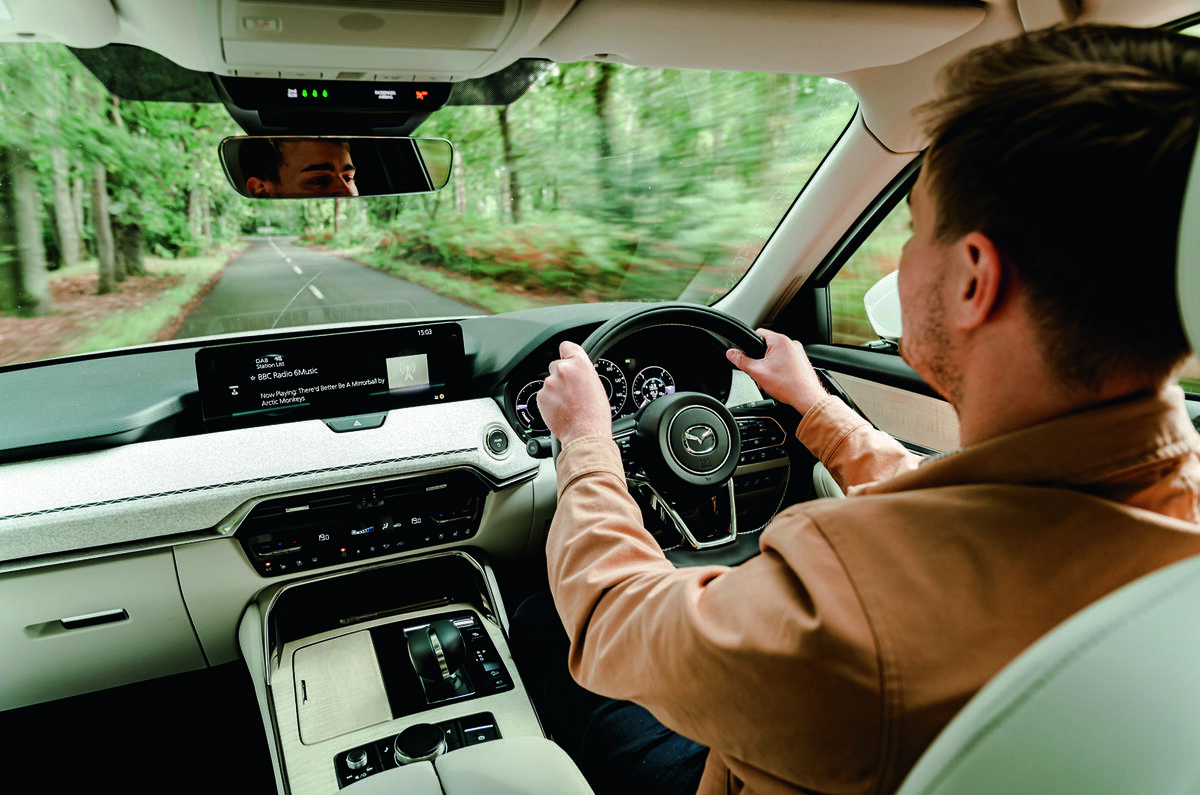
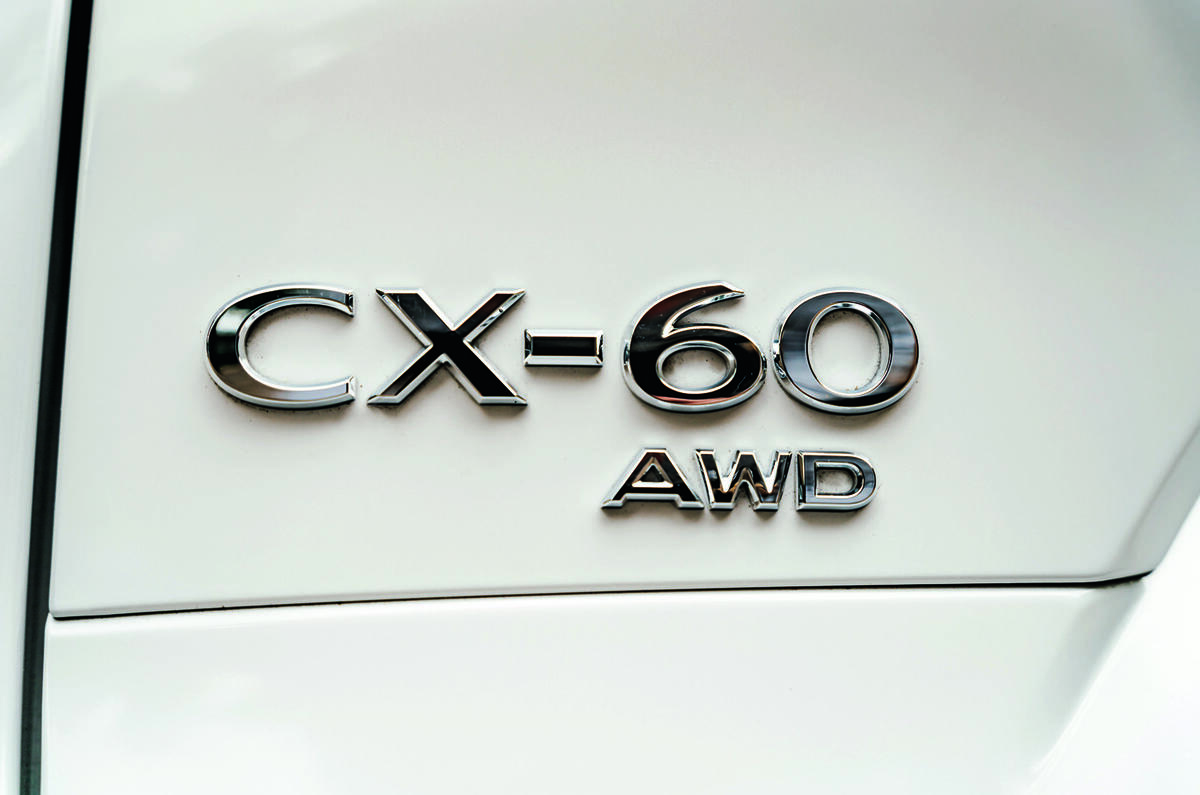


Why we ran it: Mazda’s largest and priciest car is also its first PHEV. Does it make any sense?
Month 3 - Month 2 - Month 1 - Specs
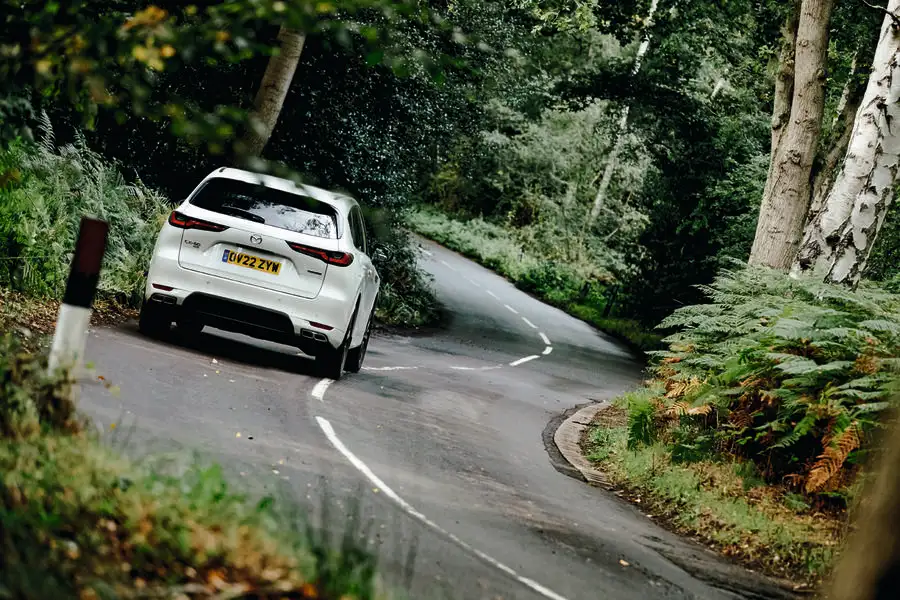
Life with a Mazda CX-60: Month 3
Mazda’s maiden PHEV has left some strong impressions after 4000 miles of varied, everyday use, so will we miss it?
When the Fiesta goes, the cheapest Ford on sale will be priced from £25,000. You can currently configure a Kia to command a £63,000 price, should you wish. And Volvo has just revealed an electric take on the XC90 that will ask six figures.
A rapid and dramatic surge in prices across the board means cars are properly, properly expensive now, so the concept of a £50,000 Mazda crossover is no longer as shocking as it was when the CX-60 was revealed a year ago. But that’s still Mercedes GLC money, and to compete with brands like Lexus and Land Rover in this hotly contested premium SUV segment, the CX-60 really ought to be Mazda’s most enticing and best-rounded car yet.
Buuuuttt… it’s not. Not by a long shot. That’s partly Mazda’s fault for making some great cars and thereby giving its big new SUV a particularly lofty bar to clear. But more so it’s Mazda’s fault for not ensuring the CX-60 had what it takes to contend for superiority in this most bitterly fought of car classes.
I can’t imagine BMW’s fearsome quality assessment team signing off on a customer car that creaks and groans as much as the CX-60, which at times felt almost prototypical in its lack of composure over speed bumps and during tight, low-speed manoeuvres. I optimistically put the odd suspension creak and trim rattle down to this early production car ‘bedding in’ during the first thousand miles or so, but even at the 5000-mile mark, I was wincing at sickening driveline graunches and moaning dampers. And this from a £50,000 luxury flagship? Needs improvement.