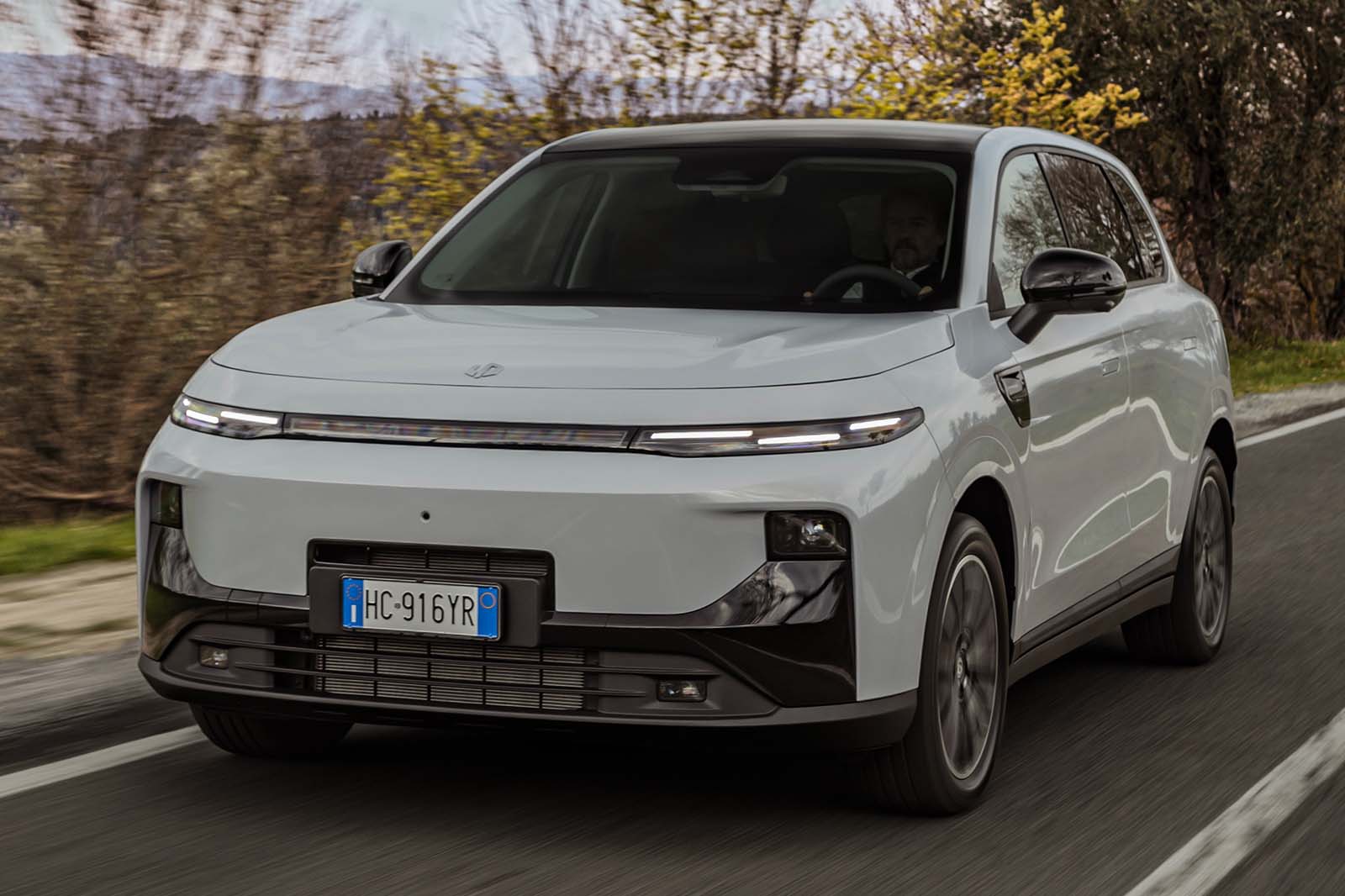
Nascent Chinese brand expands B10 line-up with range-extender plug-in hybrid

Find Leapmotor B10 Hybrid EV deals
Other Services
Sell your car
84% get more money with

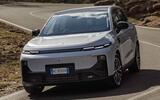
This is the Leapmotor B10 Hybrid EV, the nascent Chinese brand’s new C-segment SUV that uses an innovative range-extender powertrain to offer the feel of an EV, without actually being fully electric. 

Leapmotor already sells the B10 – and its C10 big brother – in pure electric form in the UK alongside its T03 electric city car. Backed by European car giant Stellantis, Leapmotor is now launching an assault on the family SUV market with its clever REx technology. 

The B10 Hybrid EV is offered in just one specification and trim – you can choose your preferred colour, but that's about it.

It’s not dissimilar in set-up to the Mazda MX-30 R-EV and Nissan Qashqai e-Power, whereby the wheels are driven by an electric motor, and the engine is used as an on-board generator to charge the battery. 

It’s a rare configuration in a burgeoning segment, but does the B10 Hybrid EV have the credentials to take on the current crop of established electrified family SUVs?

Advertisement

DESIGN & STYLING

B10 Hybrid EV Galaxy Silber (43)

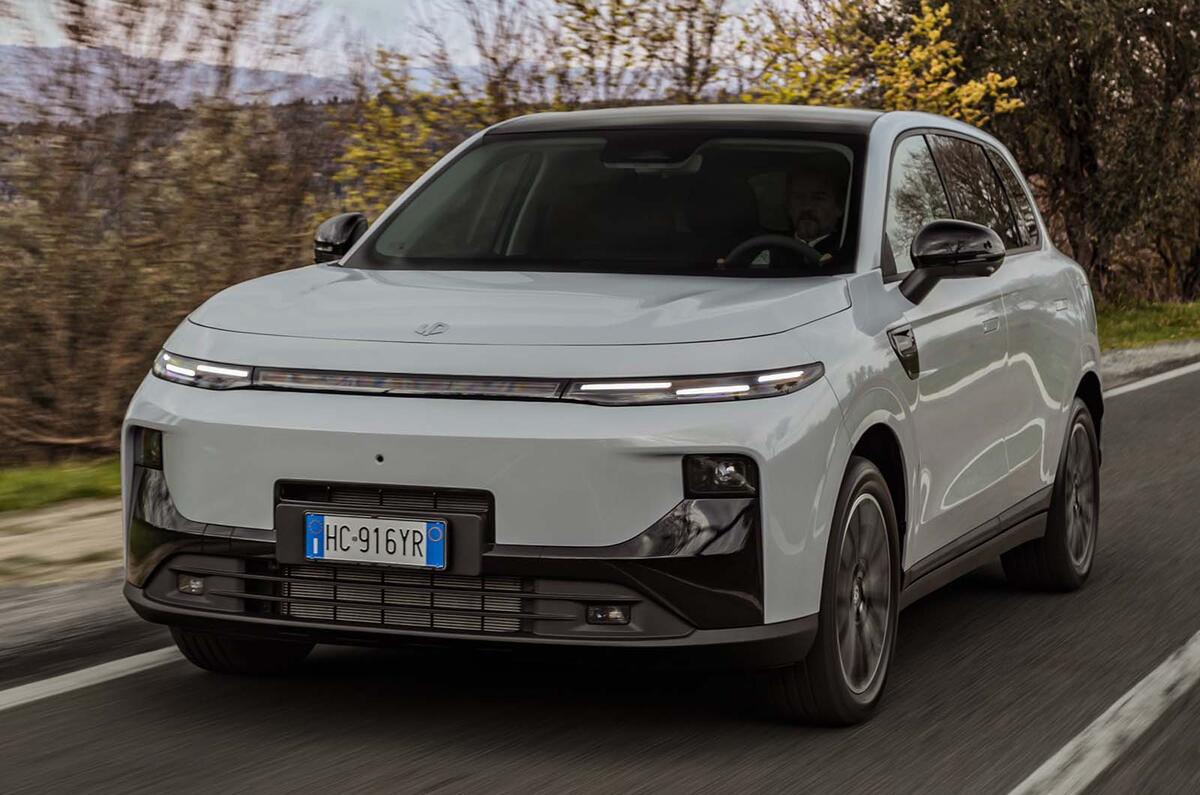
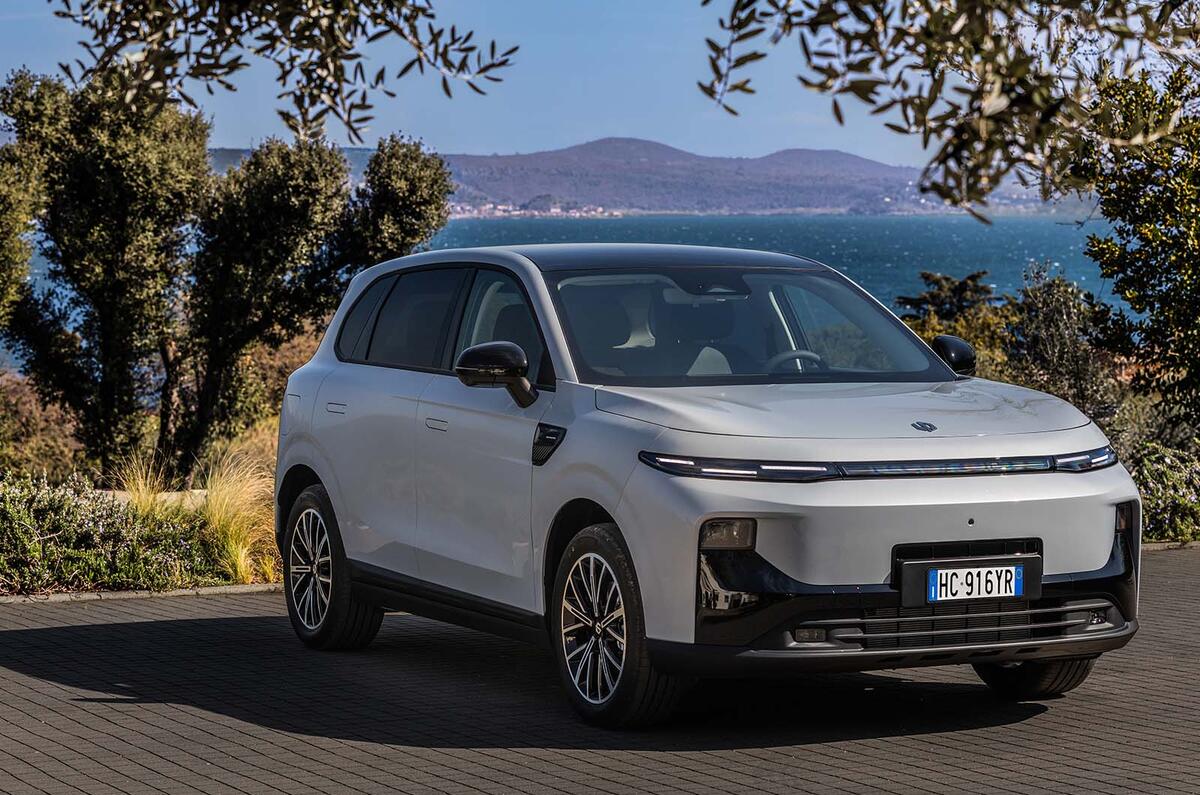
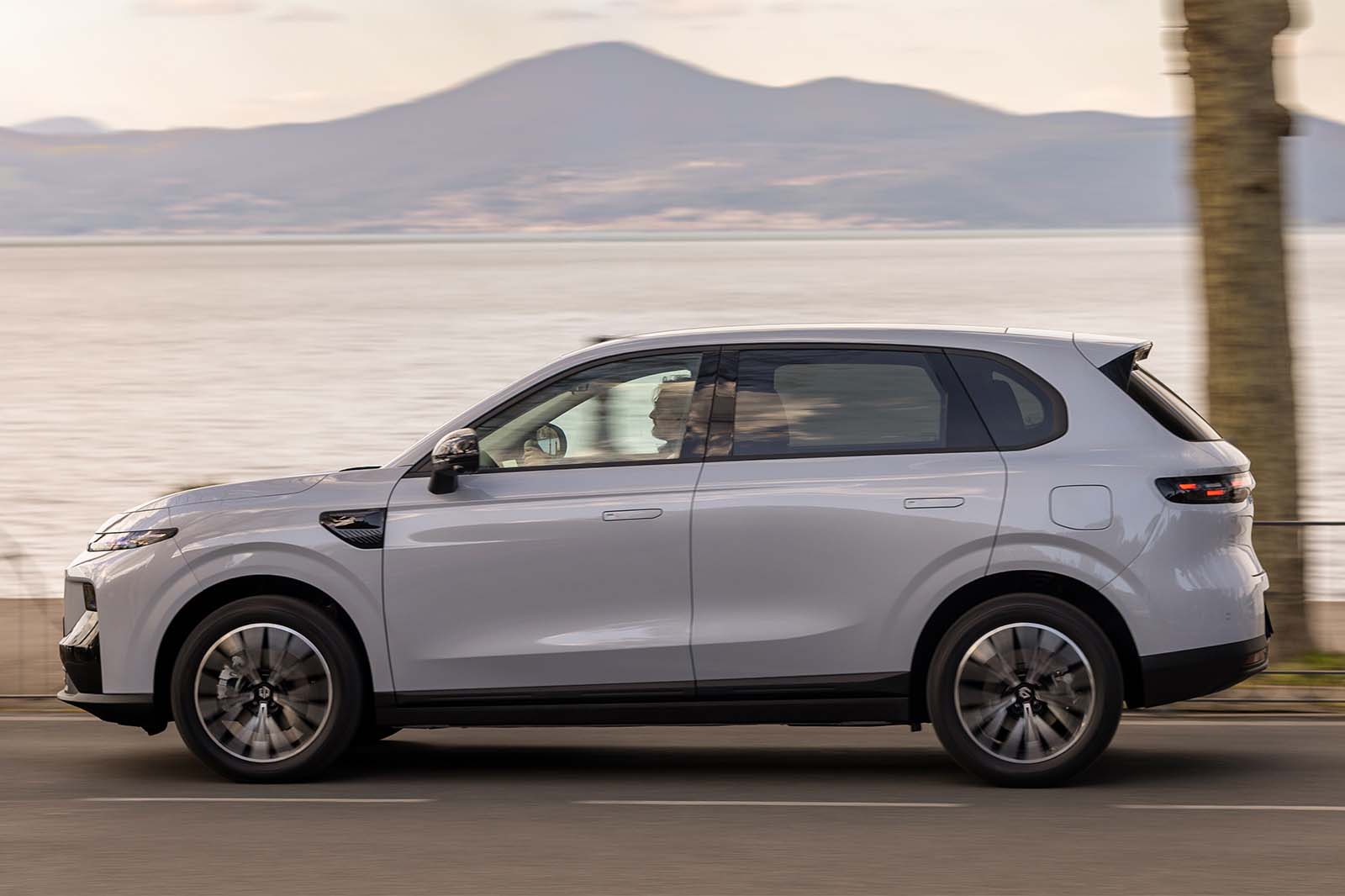
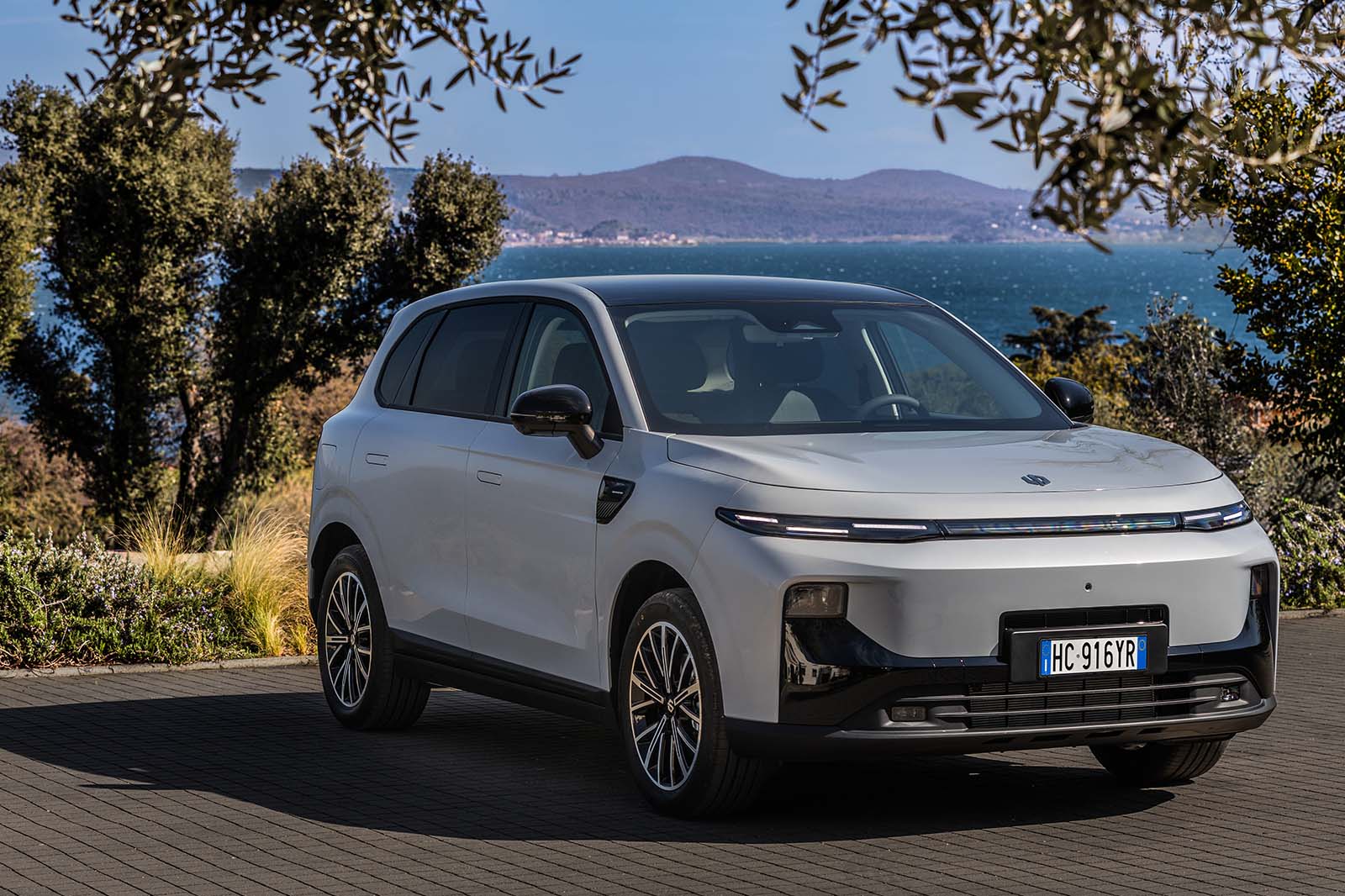
Measuring 4515mm long, 1885mm wide and 1655mm tall, the B10 has similar proportions to the Kia Sportage, although it’s slightly shorter, wider and taller. 

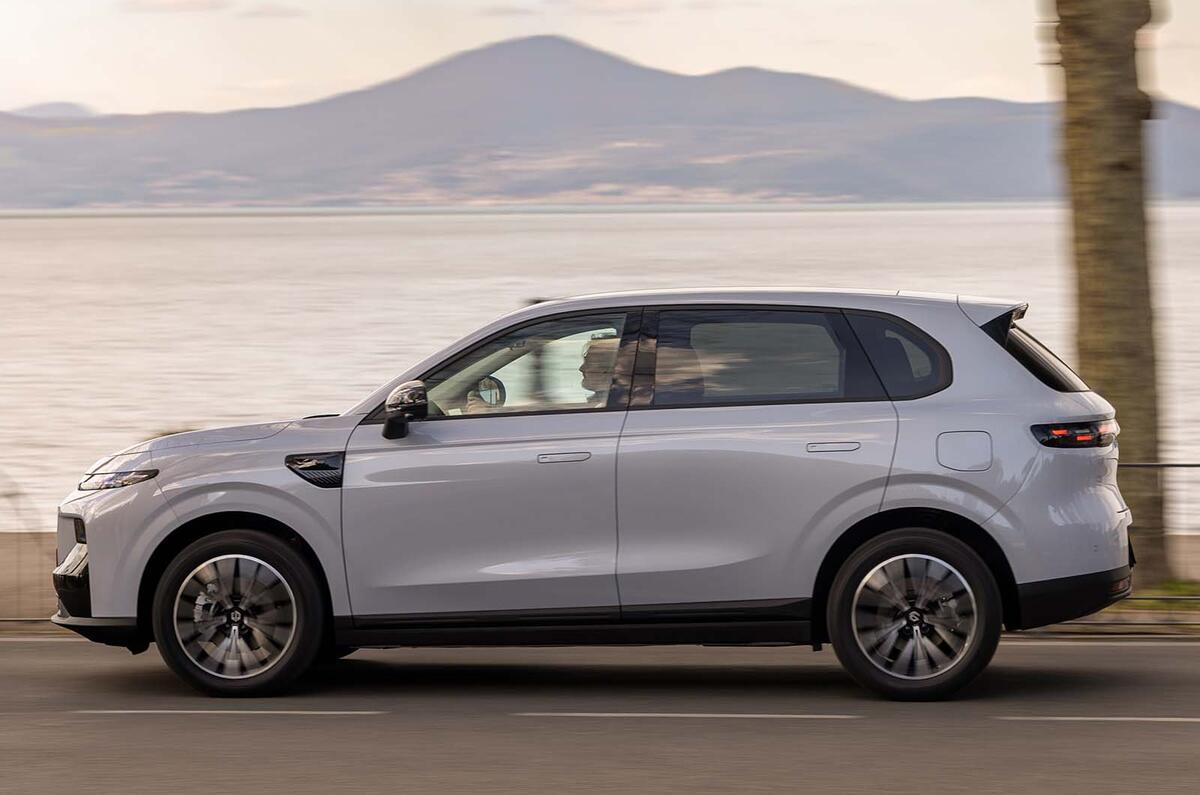
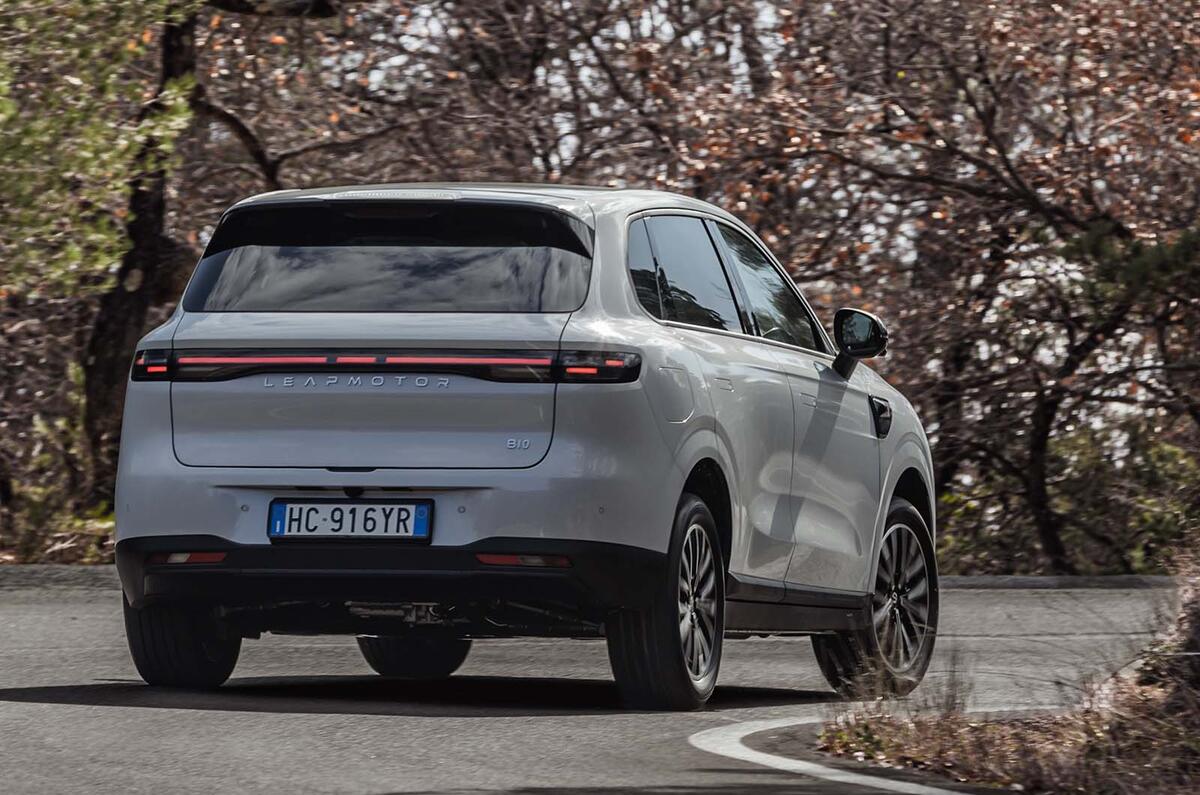
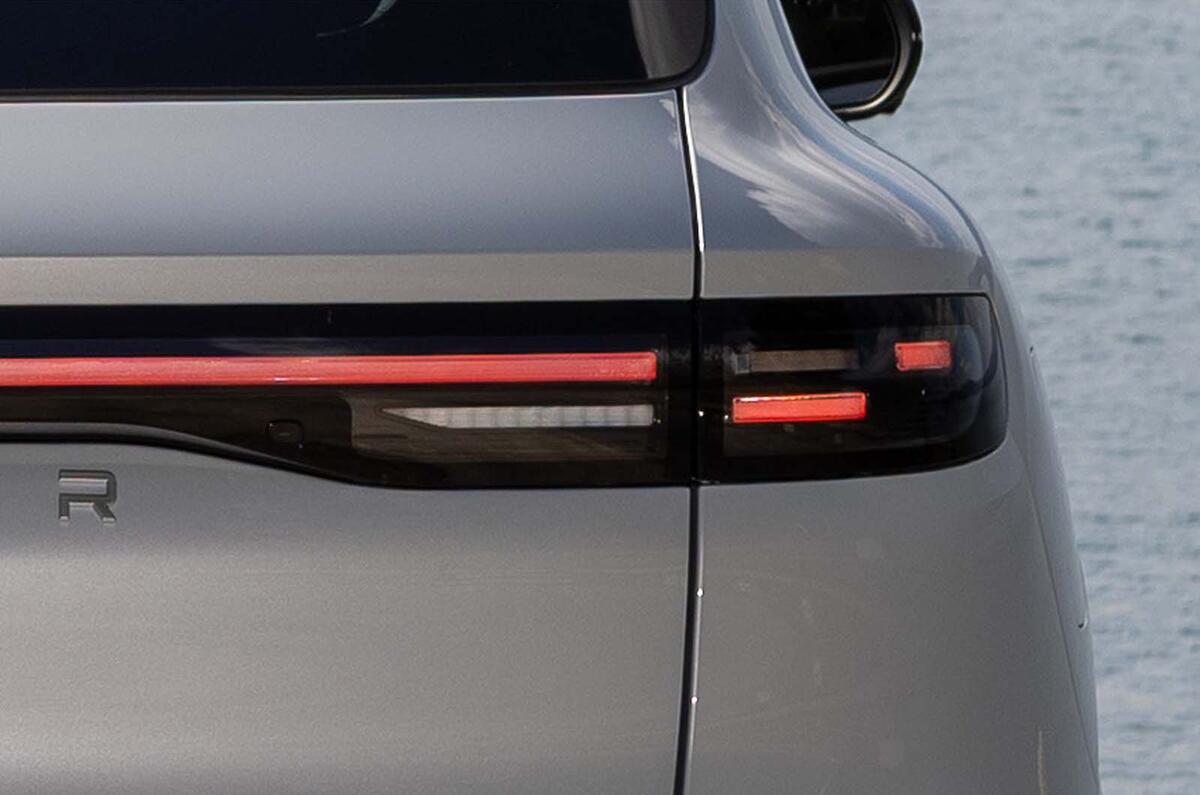
Much like the C10, the B10’s design isn’t particularly exciting, sporting a rather unassuming aesthetic. Still, its smooth silhouette, slim LED headlights and rear light bar ensure it has all the hallmarks of a modern family SUV and is up to date with current design trends. 

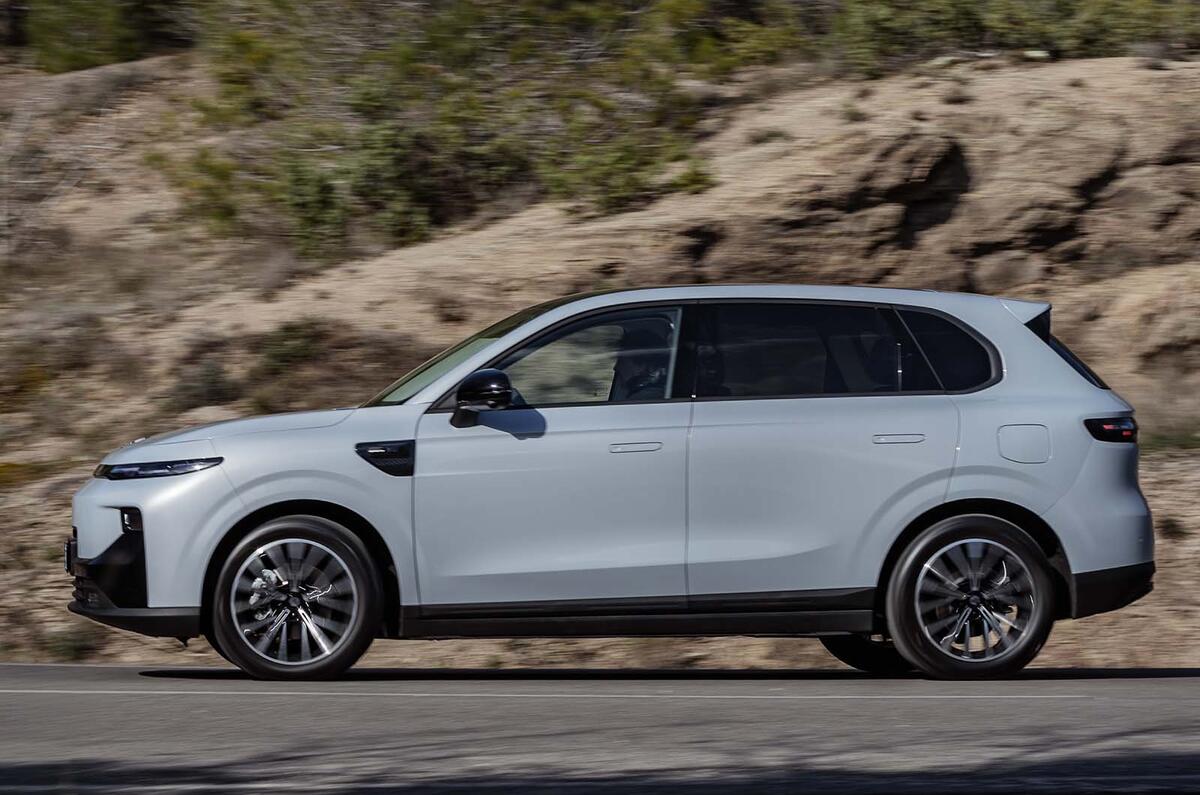
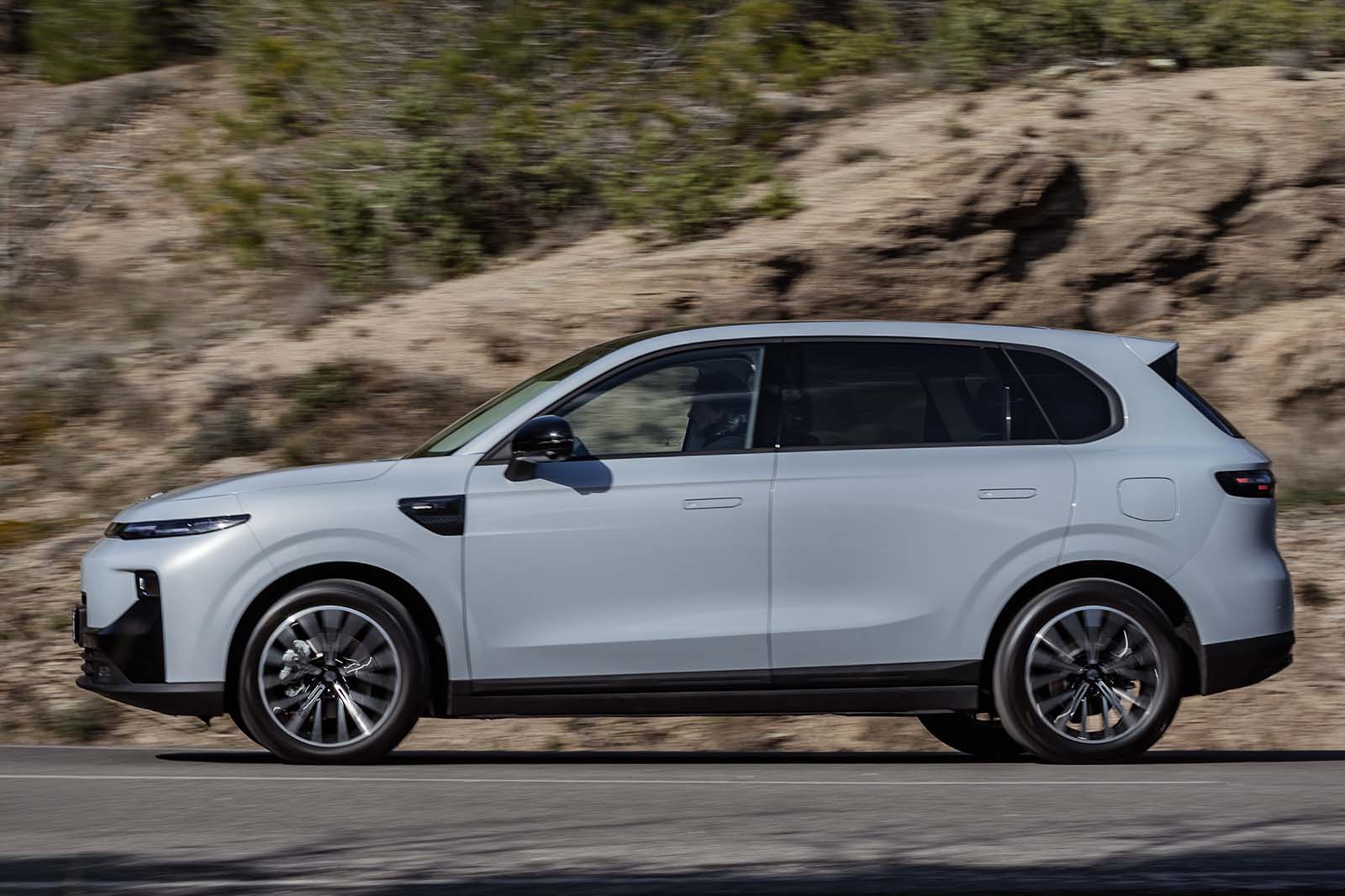
Casting a cursory glance at the side profile of the B10, I couldn't help noticing a resemblance to a certain German car maker's flagship SUV.

Unlike many of the current plug-in hybrids in the C-segment space, the B10 uses range-extender technology. 

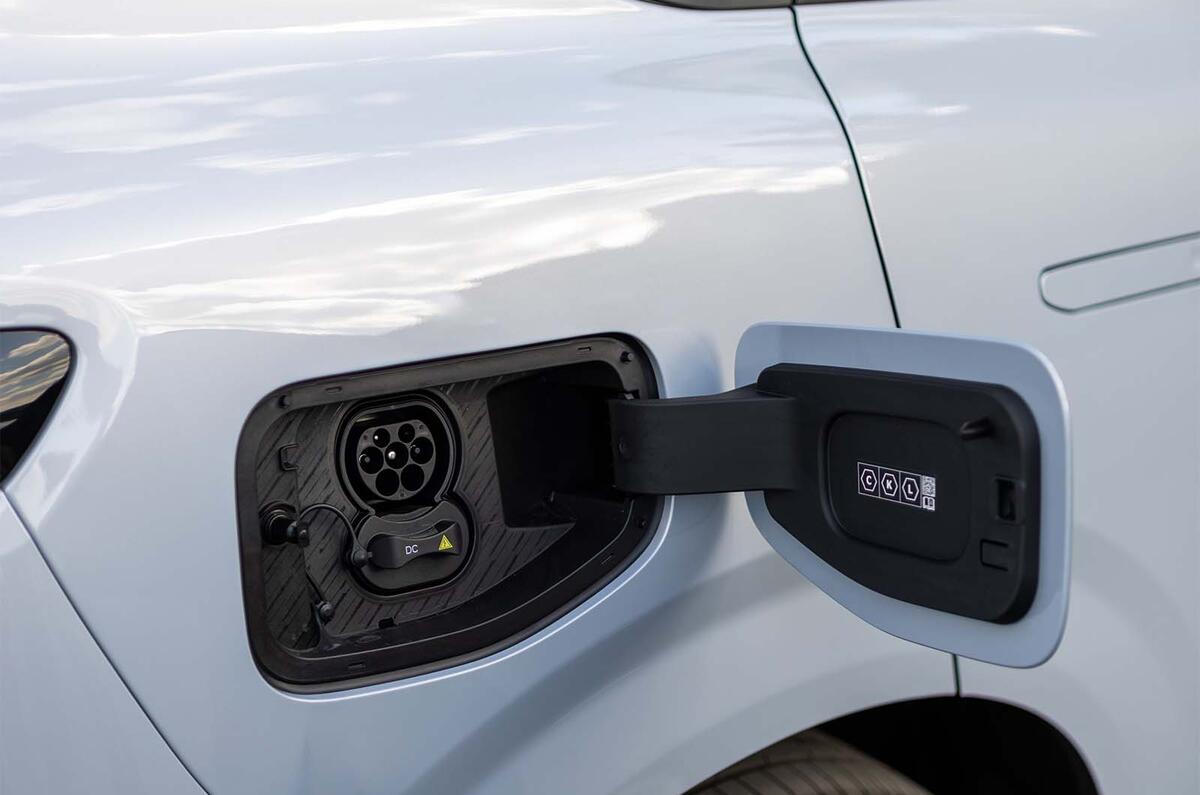
It is fitted with the same 1.5-litre four-cylinder petrol engine as the C10 Hybrid EV. That unit is used as a generator for the rear-mounted 212bhp electric motor and is powered by a 18.8kWh (total capacity) lithium-iron-phosphate (LFP) battery. 

The idea, according to Leapmotor, is to give the driver the feel of an electric car, but with a much greater range and better efficiency. To that end, the B10 is good for up to 559 miles and can travel up to 50 miles on electric power alone. 

INTERIOR

B10 Hybrid EV Galaxy Silber (14)(2)

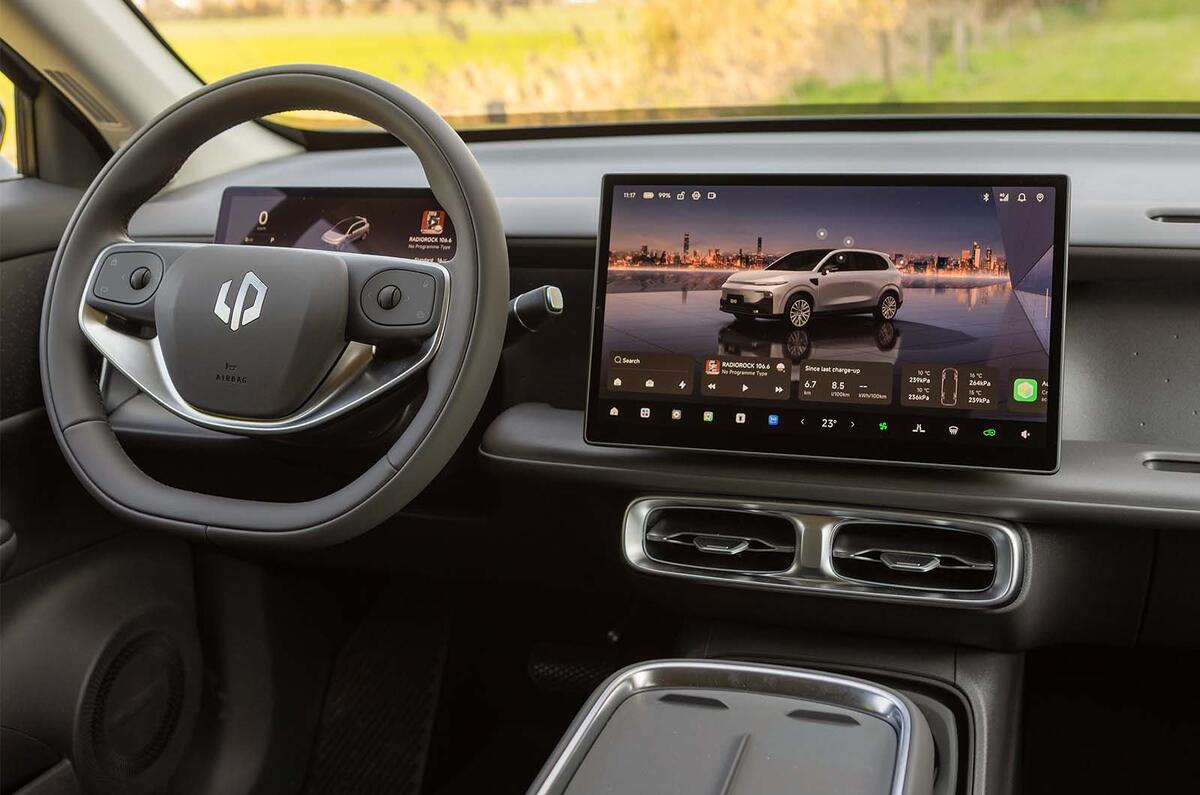
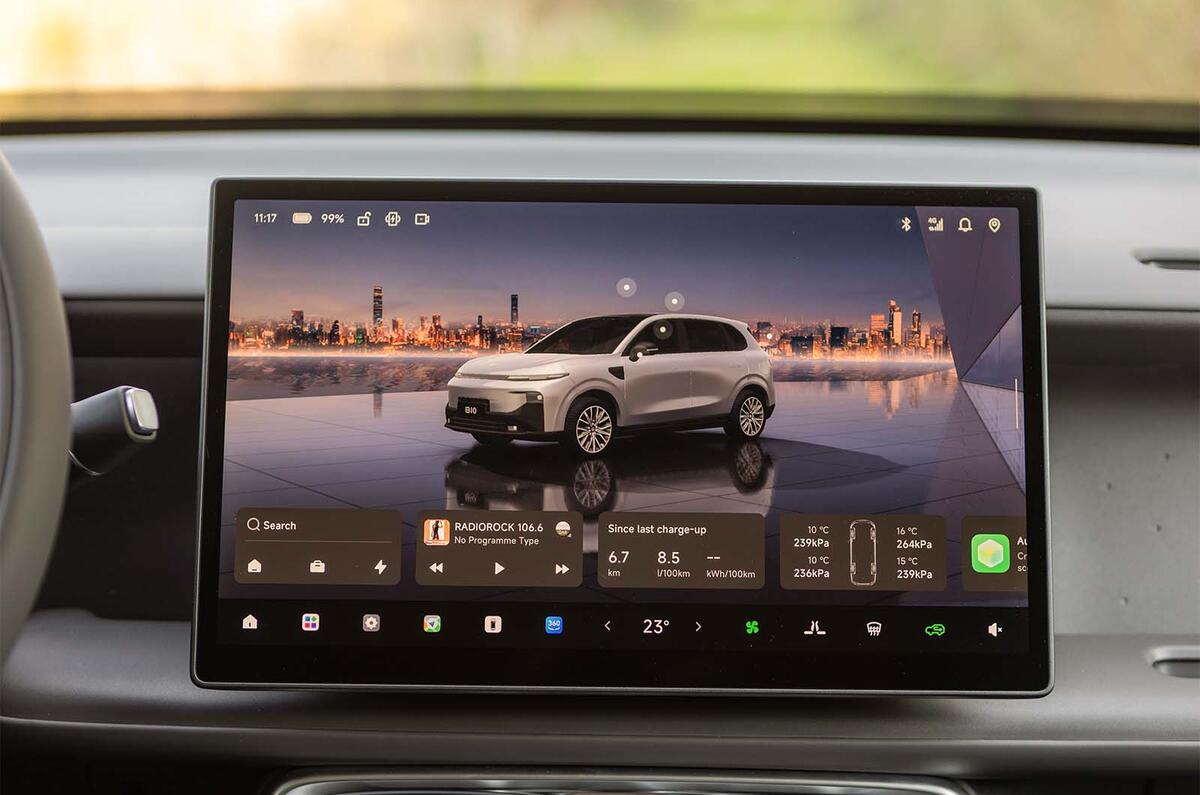
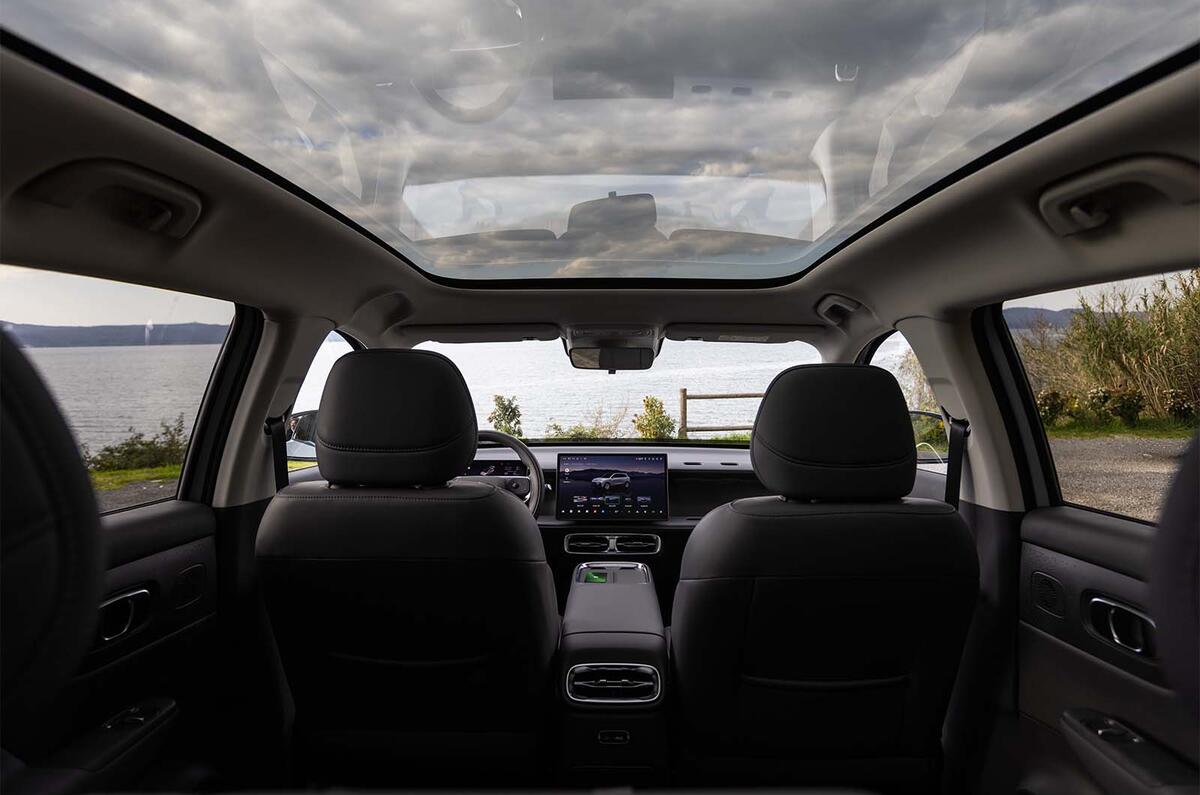
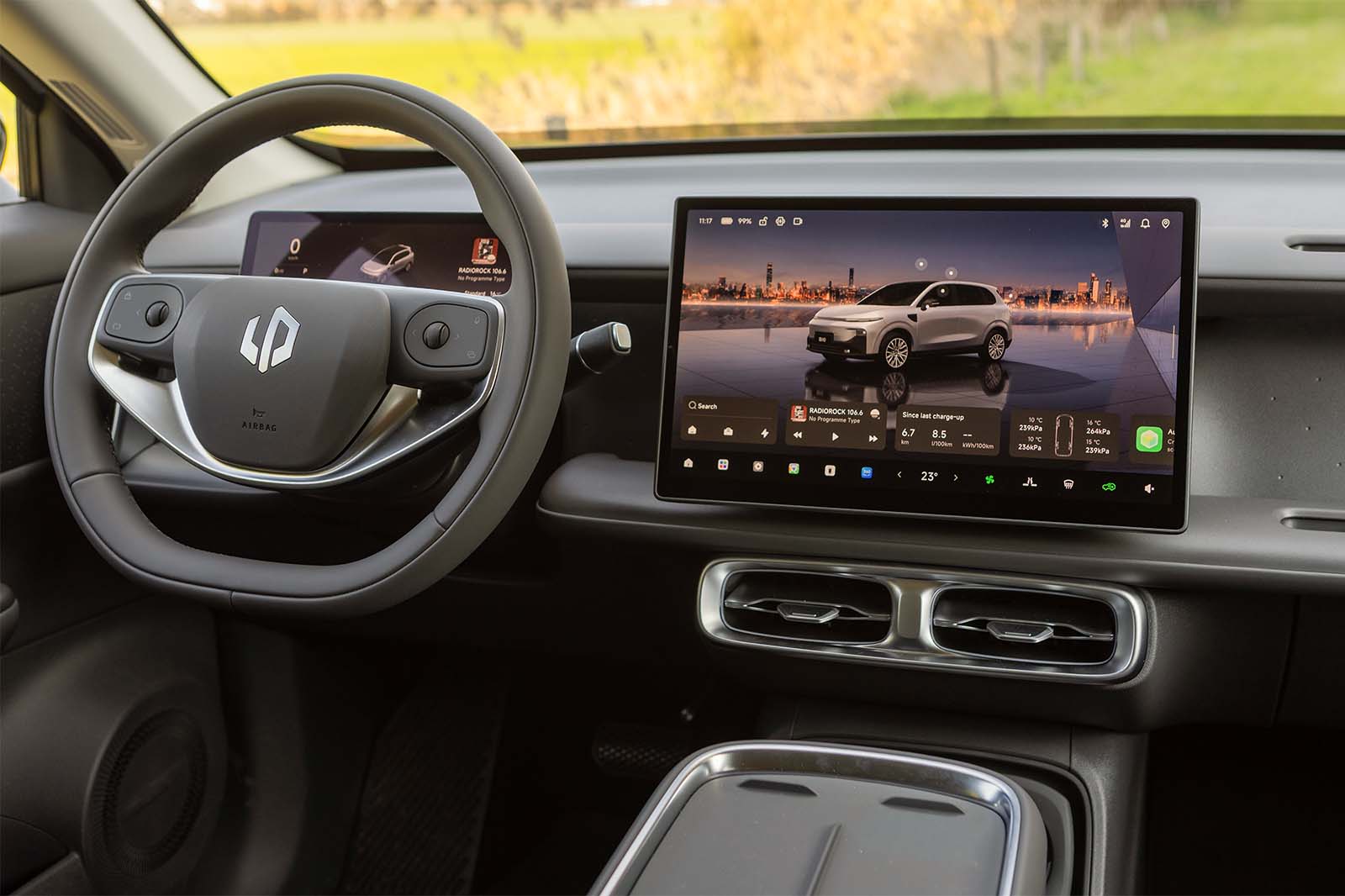
The hybrid version of the B10 is identical to its electric stablemate inside. As such, you get an 8.8in digital instrument display and a large, 14.3in touch-operated infotainment screen that houses all of the B10’s functions.

Like many of today’s infotainment screens, it falls foul of some usability issues. While it’s quite a large screen, it has far too many menus and sub-menus, so it can be tricky to operate on the move. There are some shortcut buttons on the bottom of the screen, but the icons are a bit on the small side, which forces you to take your eyes off the road for longer than you should really need to.

I think the driver attention warning system could do with a bit of fine-tuning. Within the first 20 minutes of our drive it told us to ‘take a break’ – twice.

It’s fairly responsive, though, and while it might take a bit of getting used to, it does come with Apple CarPlay and Android Auto, which you are likely to use over the car’s sat-nav system.

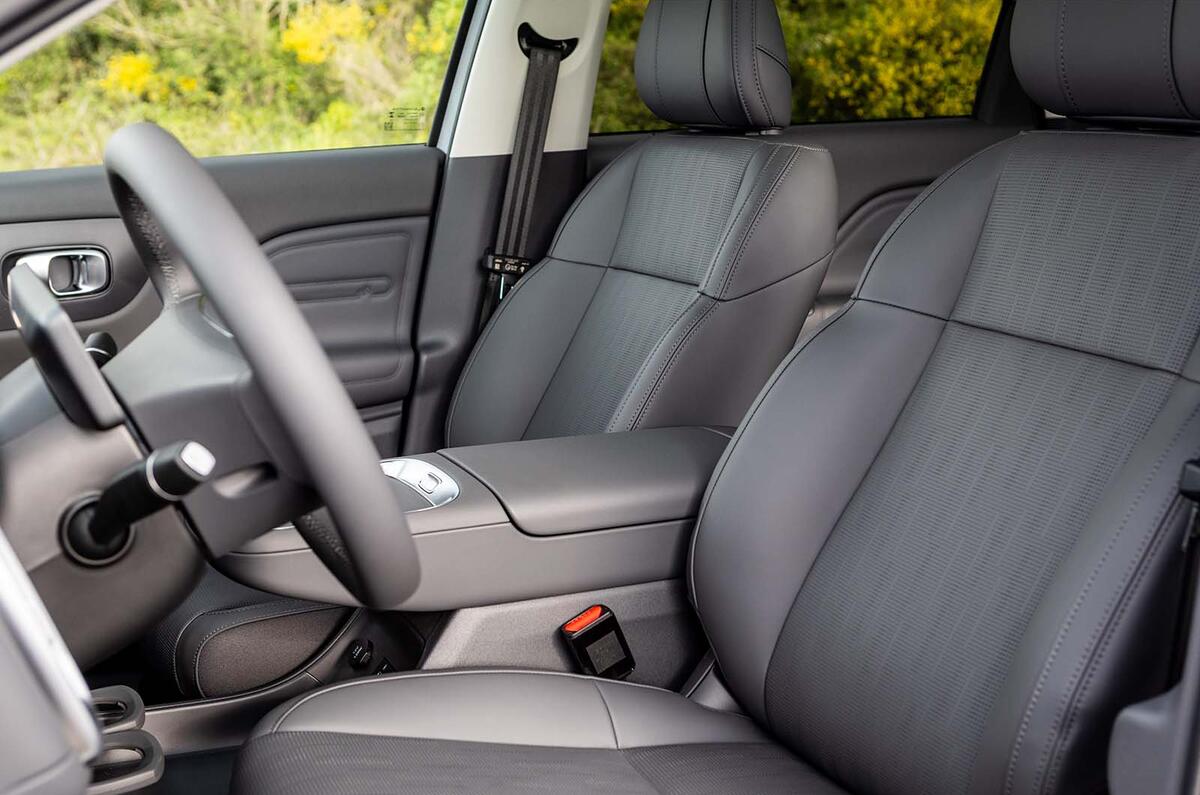
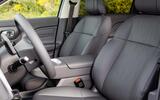
Infotainment foibles aside, the B10’s cabin is comfortable, light and generally pleasant. The kit roster is pretty generous for the price, with the faux-leather seats (which are heated and ventilated) and panoramic roof giving it a premium feel.

Of course, there are some shortcomings in quality here and there: the cupholders that fold down from the centre console aren’t particularly robust, the dashboard fascia feels very cheap and tinny, and there are a lot of hard, scratchy plastics on the doors and down by your feet.

Perceived quality is therefore a bit of a mixed bag, but at least Leapmotor has used softer materials on the tops of the doors, cappings and centre console.

You can’t really fault the B10 when it comes to rear passenger space. Taller adults will have no issue finding a comfortable seating position in the back, with generous amounts of both head and leg room.

There’s not much shoulder room with three passengers in the back, but it would be fine for shorter journeys – and the flat floor means that middle-seat passengers won’t grumble as much.

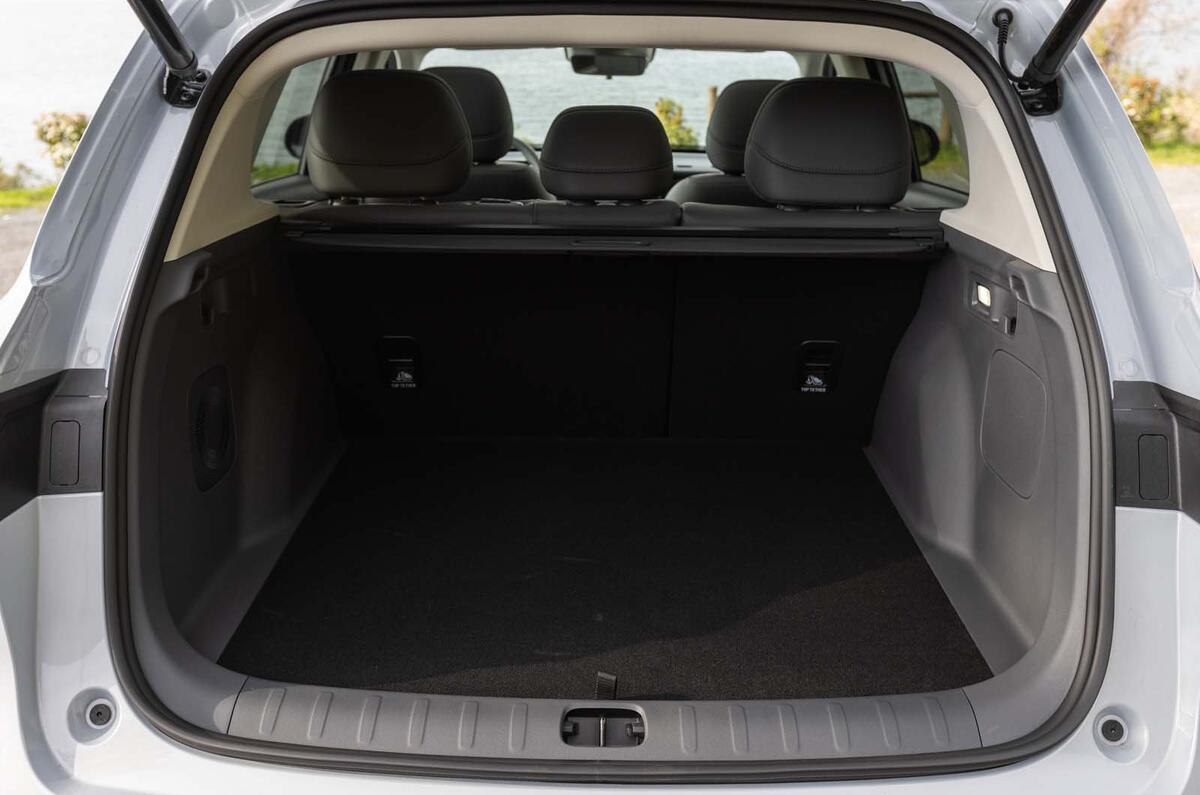
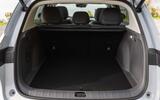
You get 330 litres of boot space, which is less than you get in a Volkswagen Tiguan PHEV (490 litres). There’s a bit of underfloor storage, but there’s only enough room for storing the B10’s charging cable.

ENGINES & PERFORMANCE

B10 Hybrid ev sideg

All in, the B10 produces 212bhp and 177lb ft of torque for an 8.5sec 0–62mph time. There’s more than enough pace here, and it’s delivered in a progressive, linear manner that certainly gives it the smooth, refined feel of an electric car. 

Sure, it’s lacking in character, but unlike a conventional PHEV there’s no interruption in acceleration because the four-cylinder engine is only there to recharge the battery, never to drive the wheels directly.

The B10 doesn’t have a normal key (sigh). Instead you can unlock the car using a Tesla-style NFC card or via the Leapmotor app. You have to place the card in a certain slot between the front seats for the car to work. As you can imagine, it’s highly annoying.

I wouldn’t call it quick, and while the power tails off as you reach higher speeds, you’ll have no trouble overtaking or getting up to speed on a motorway slip road. Overall, the system is very hushed. I could barely hear the engine while cruising, and even under hard acceleration – when many PHEV engines become vocal – it remained impressively quiet.

If you like the idea of an EV but want more range, the B10 will make a lot of sense, though you do need to familiarise yourself with the various modes to maximise efficiency.

The B10 features four modes: EV, EV+, Fuel and Power+. In EV+ mode, the engine stays dormant until the battery drops below 9%, whereas standard EV mode calls on the 1.5-litre generator to kick in at 25%. Fuel is the default driving mode, and provides a full EV experience as long as the battery is above 80%, while Power+ actively uses the engine to charge the battery while on the move.

RIDE & HANDLING

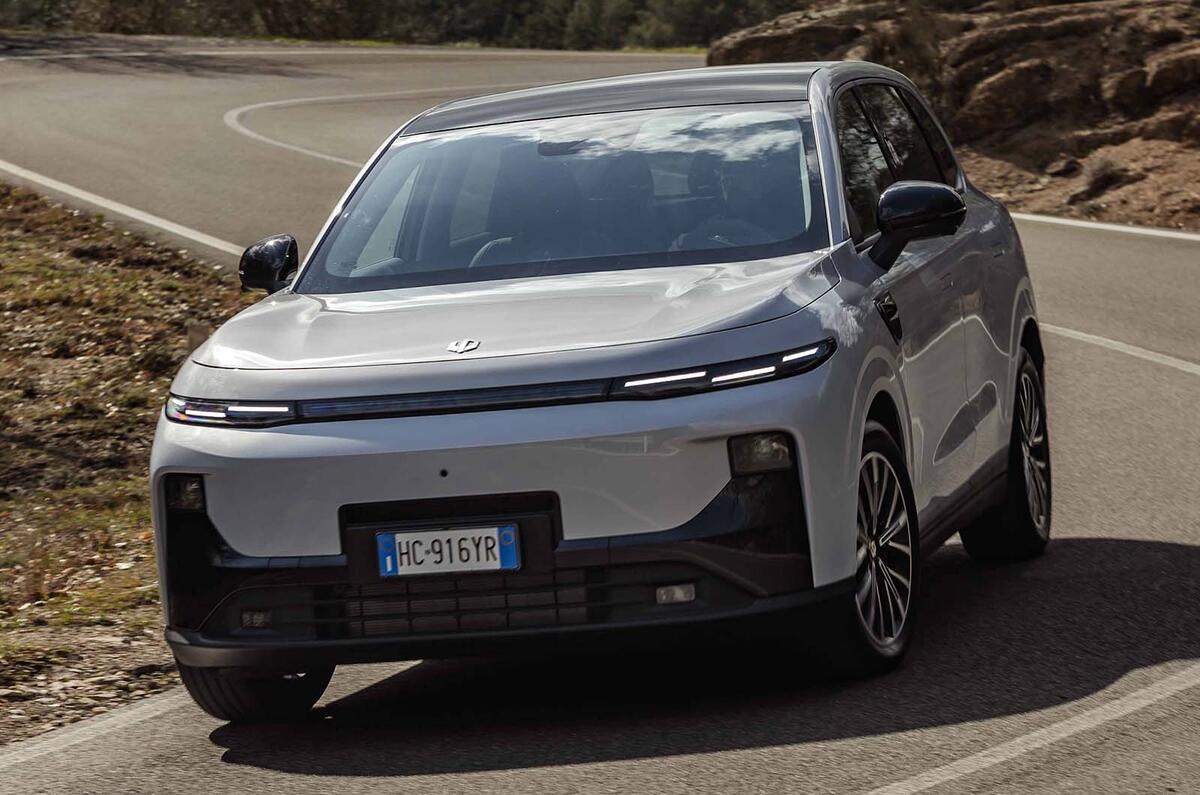
Leapmotor B10 Hybrid EV cornering

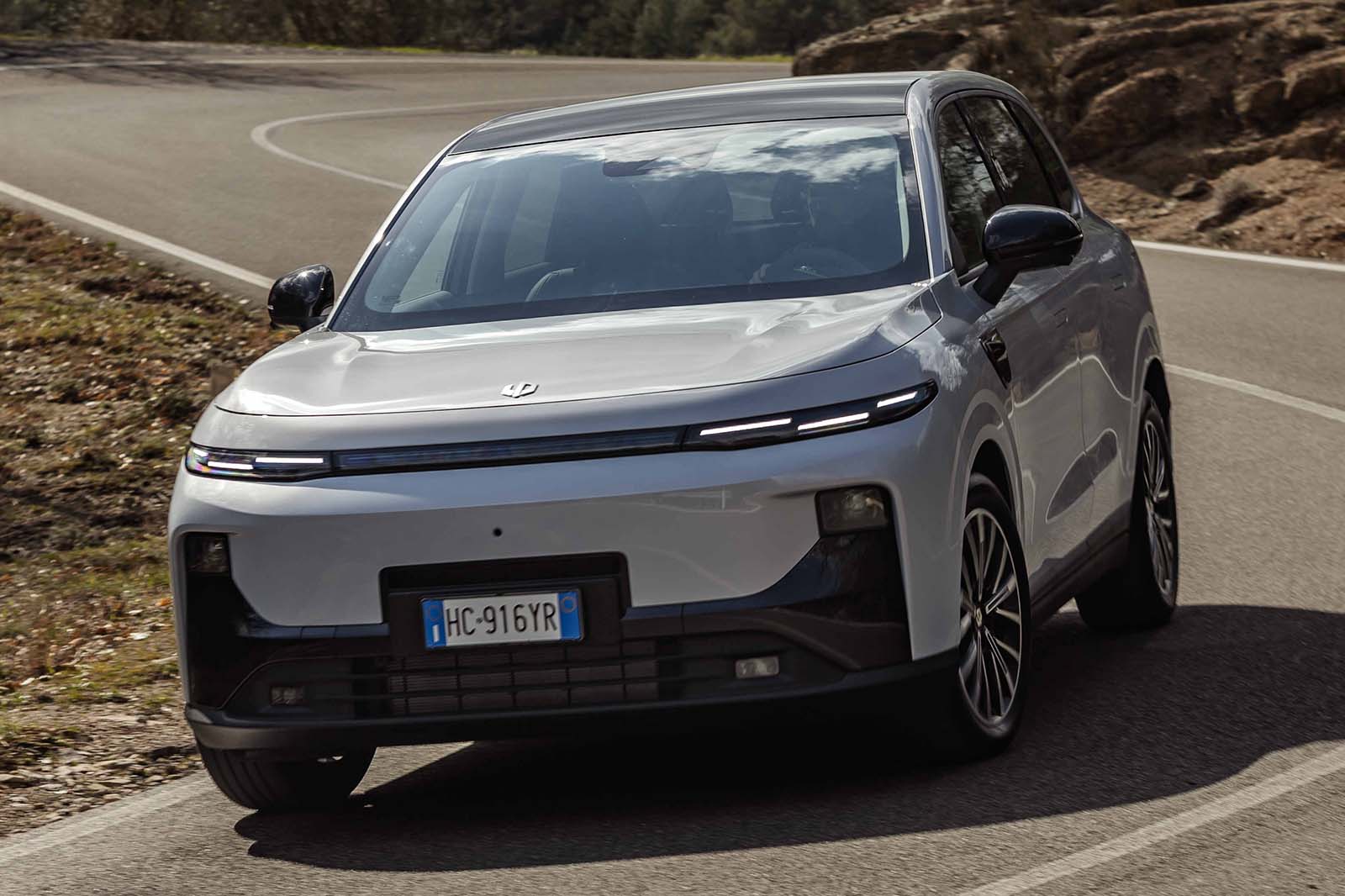
The soft-riding B10 has a languid gait that means it never quite seems to settle, be it at cruising speeds or on more technical rural backroads. 

On the motorway, it can feel rather floaty, with a detectable fidget that never really subsides. Leave the motorway for a cross-country road and the B10 struggles to maintain good close body control. 

Interestingly, Leapmotor offers customisable buttons as an accessory in China and is considering bringing this to the UK by the end of 2026. You can have a push button or rotary dial option, and you can have up to eight programmed to any function in the car.

Its soft, comfort-focused suspension set-up means that it leans heavily through corners, which doesn’t inspire confidence when you press on. 

This isn’t helped by the steering, which according to Leapmotor has a slightly different tune to the B10 EV. You can toggle between three different modes for the steering – Comfort, Standard and Sport – but none of them are really up to the mark. In Comfort mode, it feels light and remote; in Sport it becomes unusually elastic and lacks any real feedback. 

On the unkempt roads of rural Rome, the B10 soaked up larger lumps and bumps well, although it did become choppy at slower speeds resulting in a fair amount of head toss. Over broken surfaces it was fairly pliant, but any encounter with an aggressive-looking pothole and a noticeable thunk would echo through the cabin. 

Unfortunately, the B10 Hybrid EV suffers from the same overzealous ADAS issues as its EV sibling. 

If you disable the lane keeping assistance but don’t turn off the emergency lane keeping assistance, the car will repeatedly bong at you – even if you’re some distance from the white line – while at the same it will keep pulling you into the lane. If you don’t turn it off, you’ll find yourself getting pretty annoyed by its over reactive set-up. 

MPG & RUNNING COSTS

B10 Hybrid EV Galaxy Silber (19)

The B10 Hybrid EV costs £31,495 in the UK and is offered in just one trim that’s loaded with kit. Indeed, you get heated and ventilated seats, faux leather, smartphone keyless entry as standard, plus more premium features like a panoramic roof. 

That makes it pretty competitive against many of its broad range of rivals, which are typically less generously equipped in standard guise. The Volkswagen Tiguan PHEV is more than £10,000 dearer. 

The B10 produces 21g/km of CO2, giving it a benefit-in-kind tax rate of 7%.

As for range and efficiency, the B10 Hybrid EV can cover up to 559 miles, and up to 50 miles on electric power alone. On our test route around the outskirts of Rome, which included a mix of motorway and rural driving, the B10 achieved 42mpg and 3.8mpkWh. Its electric efficiency is pretty competitive but its petrol economy isn’t markedly better than a conventional PHEV. 


VERDICT

leapmotor b10 static verdict

The B10 Hybrid EV is in many ways a tale of two halves. It’s technically innovative, and affordable for its class, but rather underwhelming to drive. 

While the range-extender technology is a clever solution that will appeal to those who want the sensation of driving an EV without the range constraints of a BEV, the rest of the package lacks the completeness and polish of European and Korean rivals in this segment. 

It’s not particularly stimulating to drive and let down by its loose body control, poor steering and over-reactive driver assistance systems.

Inside, it's very roomy and practical, but its generous equipment levels are quickly overshadowed by the fiddly user interface, which lacks usability on the move. 

Many will be drawn to the B10 because of its affordable price, but ultimately for those who want a family hybrid that’s good to drive, easy to operate on the move and also practical and spacious, there are plenty of full-hybrid and PHEV alternatives that, while slightly dearer, offer more polish and better value for money. 

Sam Phillips

Sam Phillips
Title: Staff Writer

Sam joined the Autocar team in summer 2024 and has been a contributor since 2021. He is tasked with writing used reviews and first drives as well as updating top 10s and evergreen content on the Autocar website. 

He previously led sister-title Move Electric, which covers the entire spectrum of electric vehicles, from cars to boats – and even trucks. He is an expert in new car news, used cars, electric cars, microbility, classic cars and motorsport. 

Sam graduated from Nottingham Trent University in 2021 with a BA in Journalism. In his final year he produced an in-depth feature on the automotive industry’s transition to electric cars and interviewed a number of leading experts to assess our readiness for the impending ban on the sale of petrol and diesel cars.