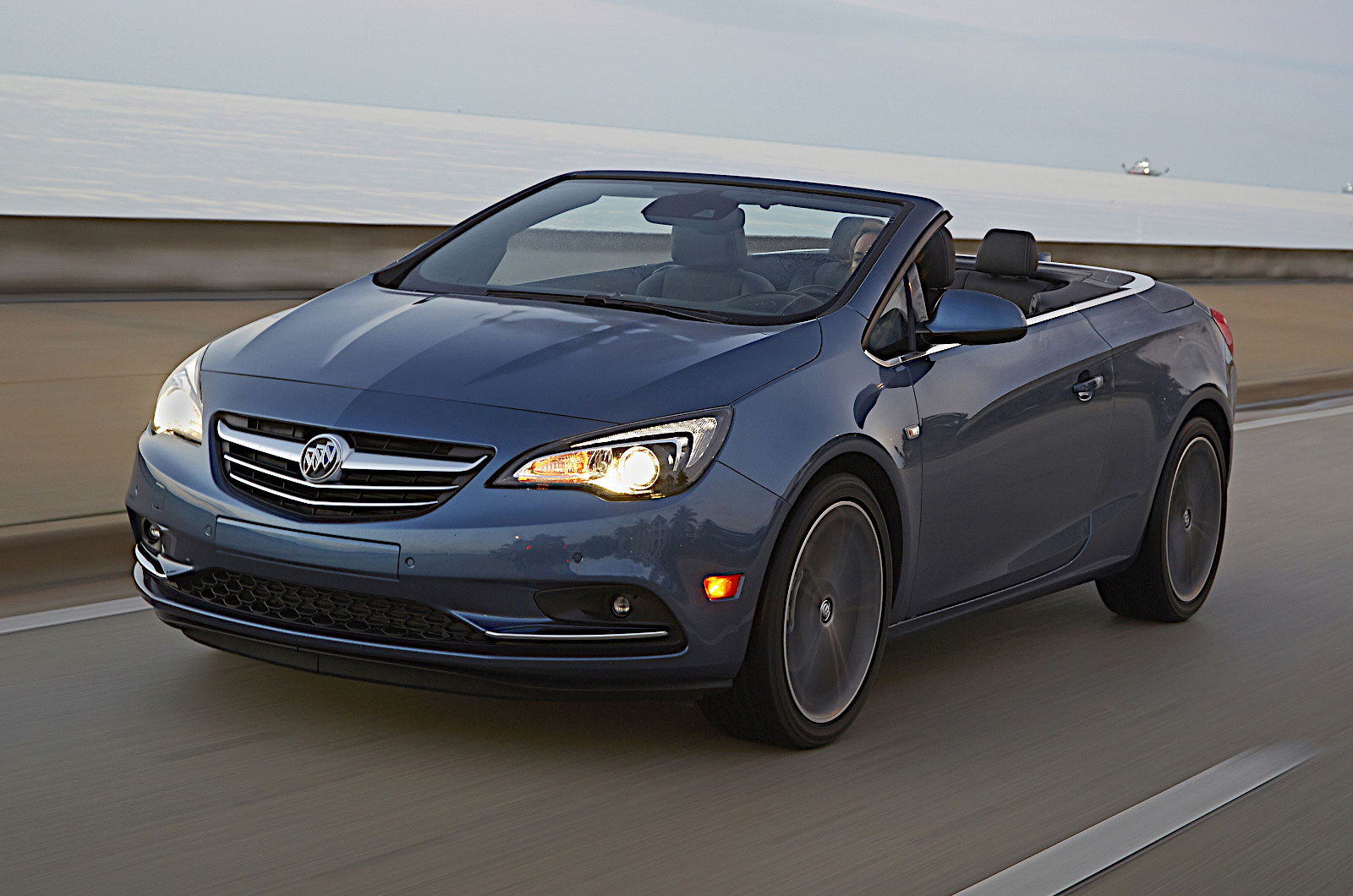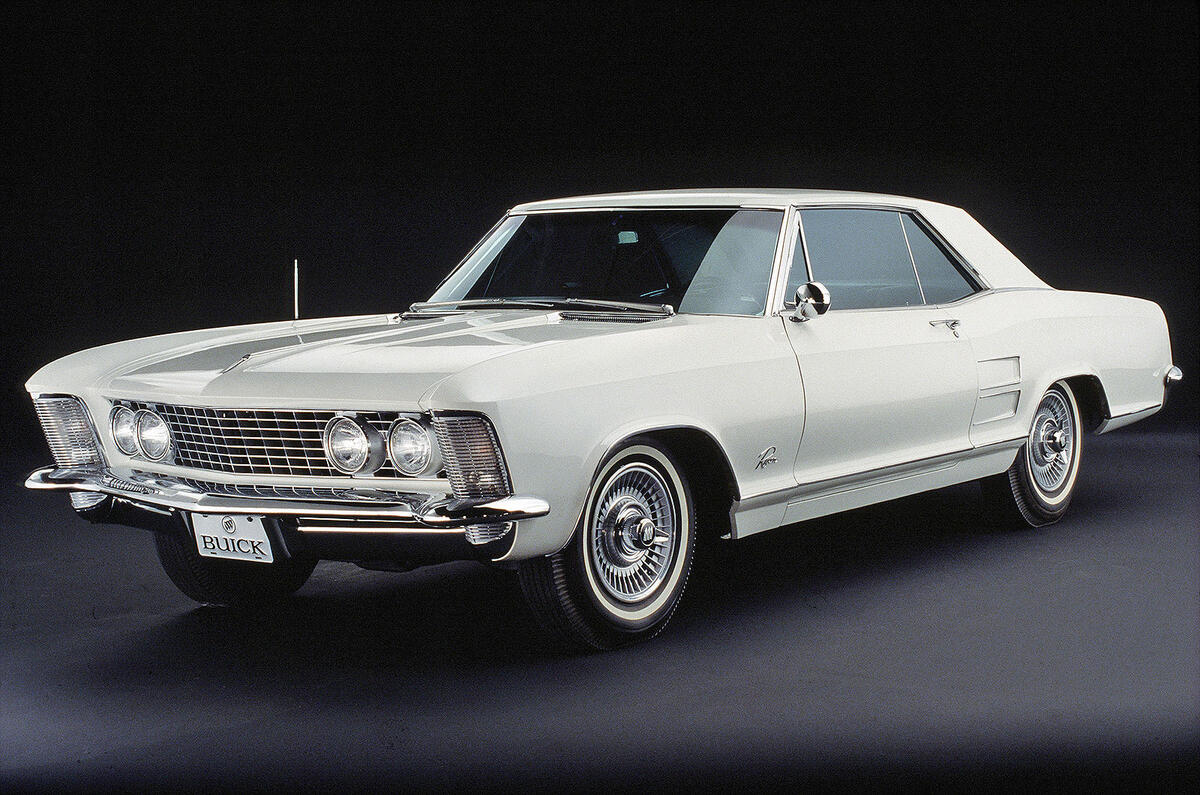
Small to large.
By a small margin, Buick is the oldest North American company still building cars today, was the first to be incorporated into General Motors, and marked its 120th birthday in 2023.
To have survived so long, Buick has clearly been doing something right for the last 120 odd years, which is as good a reason as any for us to delve into its history:
The founder
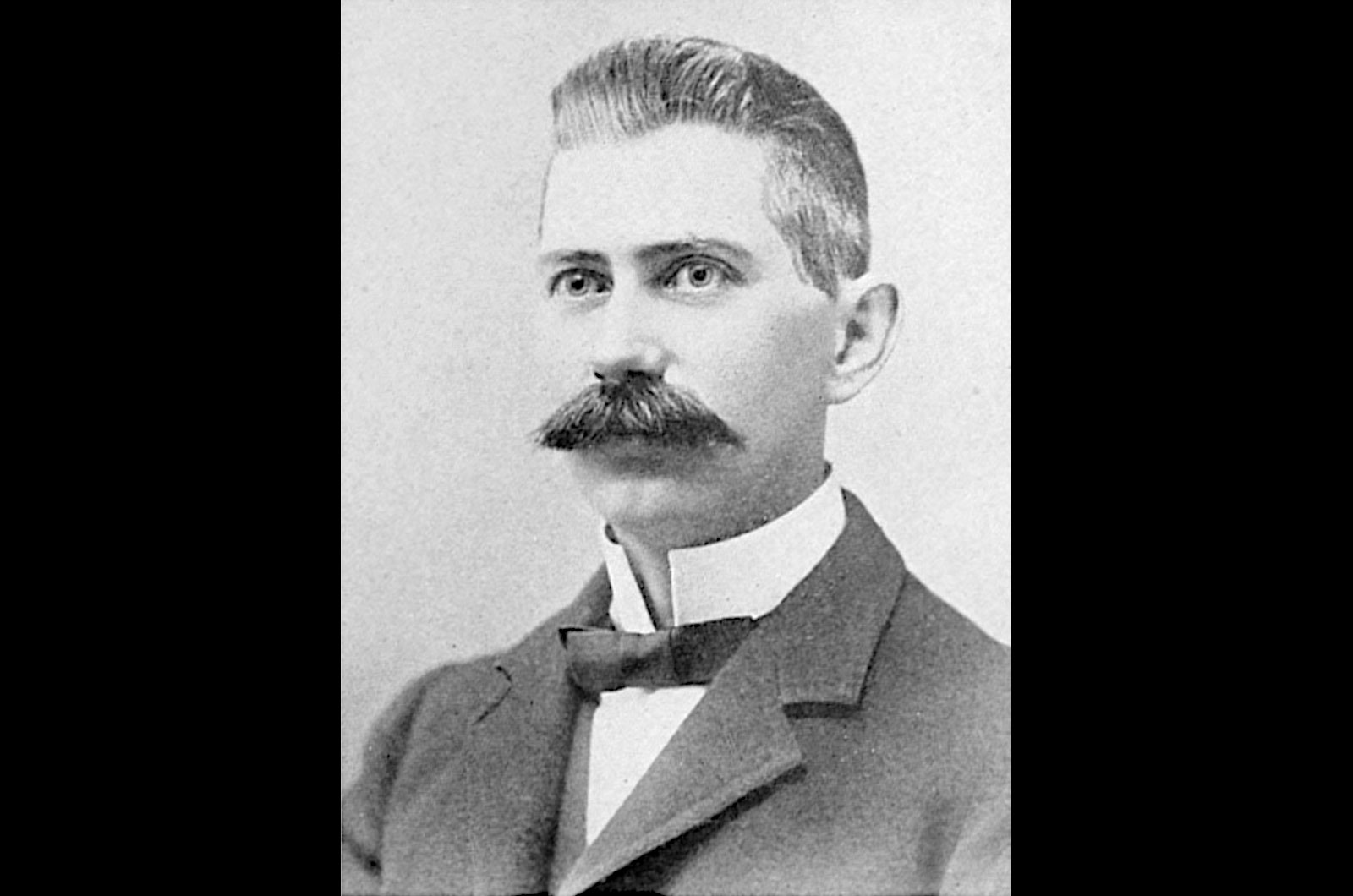
David Dunbar Buick (1854-1929) was born in Arbroath on the east coast of Scotland, but was taken by his family to the US at the age of two. Like Henry Ford (1863-1948), he created three companies, the last of which was by far the most successful.
The Buick Motor Company was incorporated on 19 May 1903, two months before Ford. Its predecessors had built cars, but this was the one that took the business seriously.
The first car
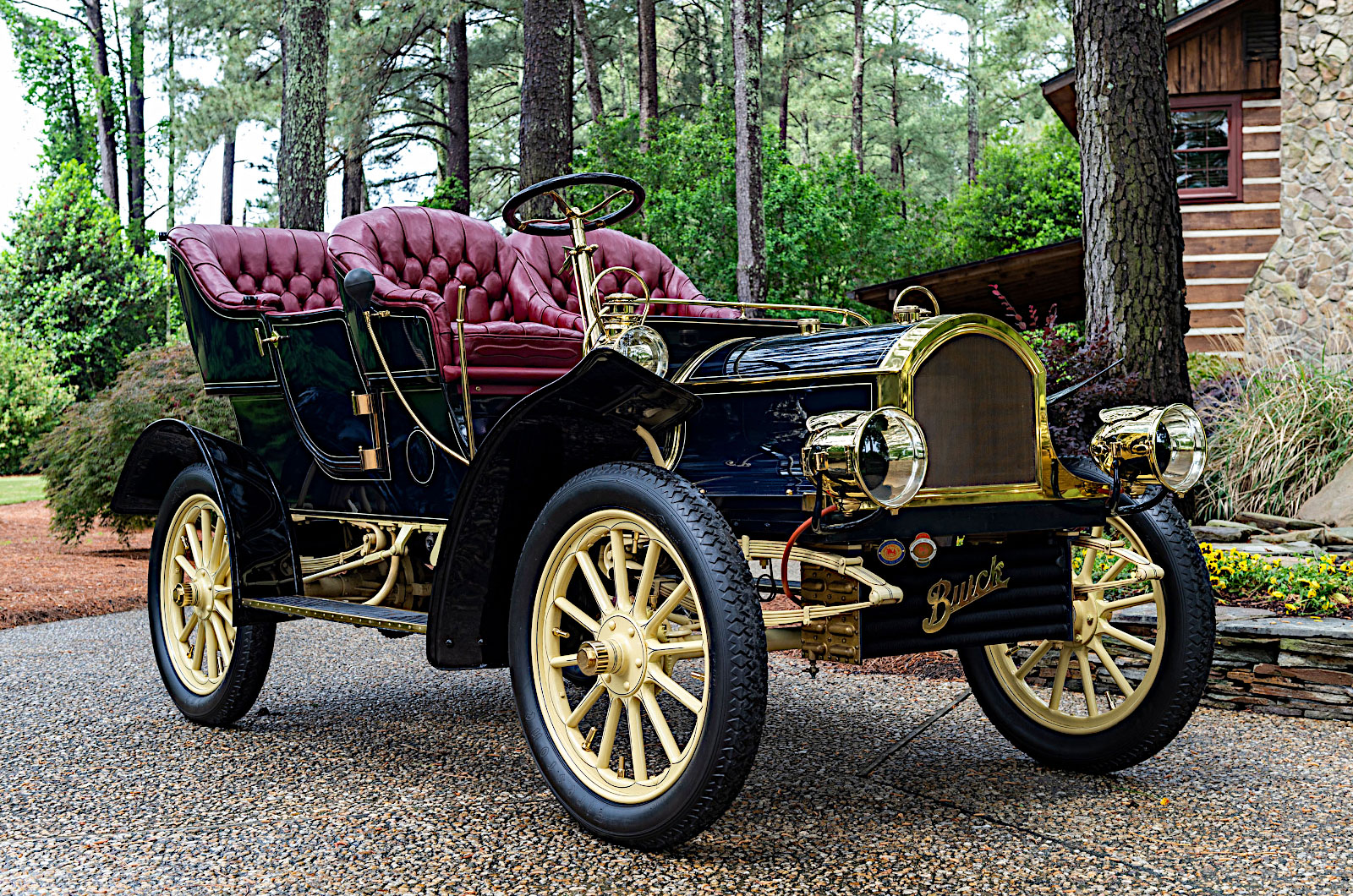
The first Buick to go to market, in 1904, was the Model B, which was renamed several times as it was developed over the years. None are believed to survive, but there are still over a dozen examples of the Model C derivative.
These cars had exceptional performance for their day, largely because their valves were mounted above the cylinders rather than alongside. This was due to the work of chief engineer Walter Marr (1865-1941), an early adopted of overhead-valve technology.
PICTURE: 1905 Buick Model C
General Motors
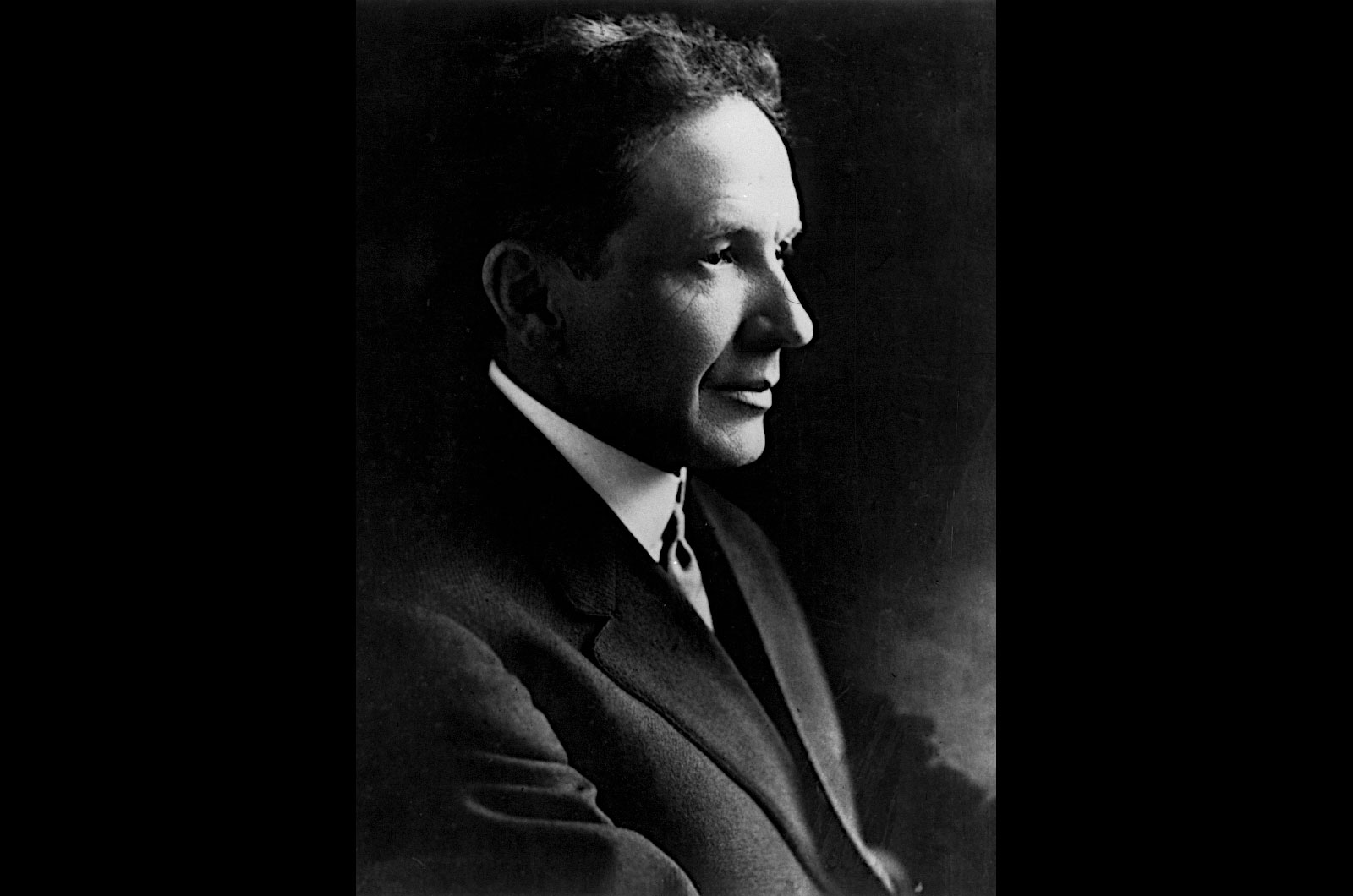
The Buick Motor Company got into deep financial trouble very quickly, and might not have lasted for much more than a year. It was saved by William Durant (1861-1947, pictured), who had made a fortune selling horse-drawn carriages. Not initially keen on cars, Durant was impressed by the Buick, and bought the company.
In 1908, he created a holding company called General Motors, Durant realizing before others that autos were going to be a huge new consumer product and economies of scale were key to producing them efficiently. Buick, by now very successful after its shaky start, was its first acquisition. Founder David Buick left the business in 1906 with a $100,000 pay off (around $3 million in today's money), but subsequent business ventures didn’t work out and he died, apparently broke, in March 1929.
The Four
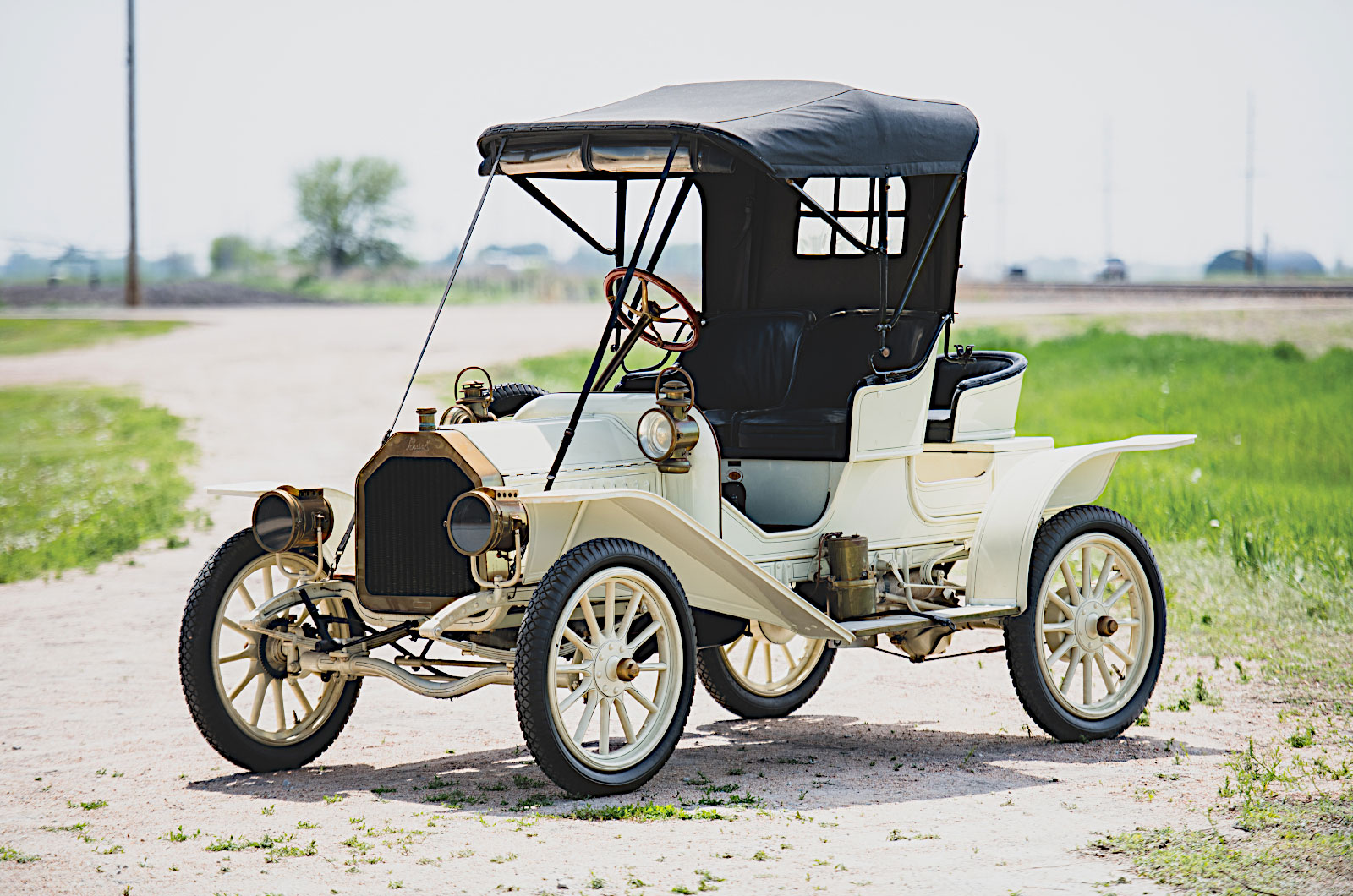
Buick Four is the collective name for a series of cars built after the GM takeover, whose engines had four cylinders, rather than the two in the Model B and its successors. Each cylinder was only slightly smaller than those of the older engine, and since there were twice as many of them the capacity almost doubled.
Oddly, Buick reverted to the less efficient sidevalve (or flathead) arrangement for this engine, but even in its earliest form it was far more powerful at 30bhp.
PICTURE: 1909 Buick Model 10 Runabout
The Six
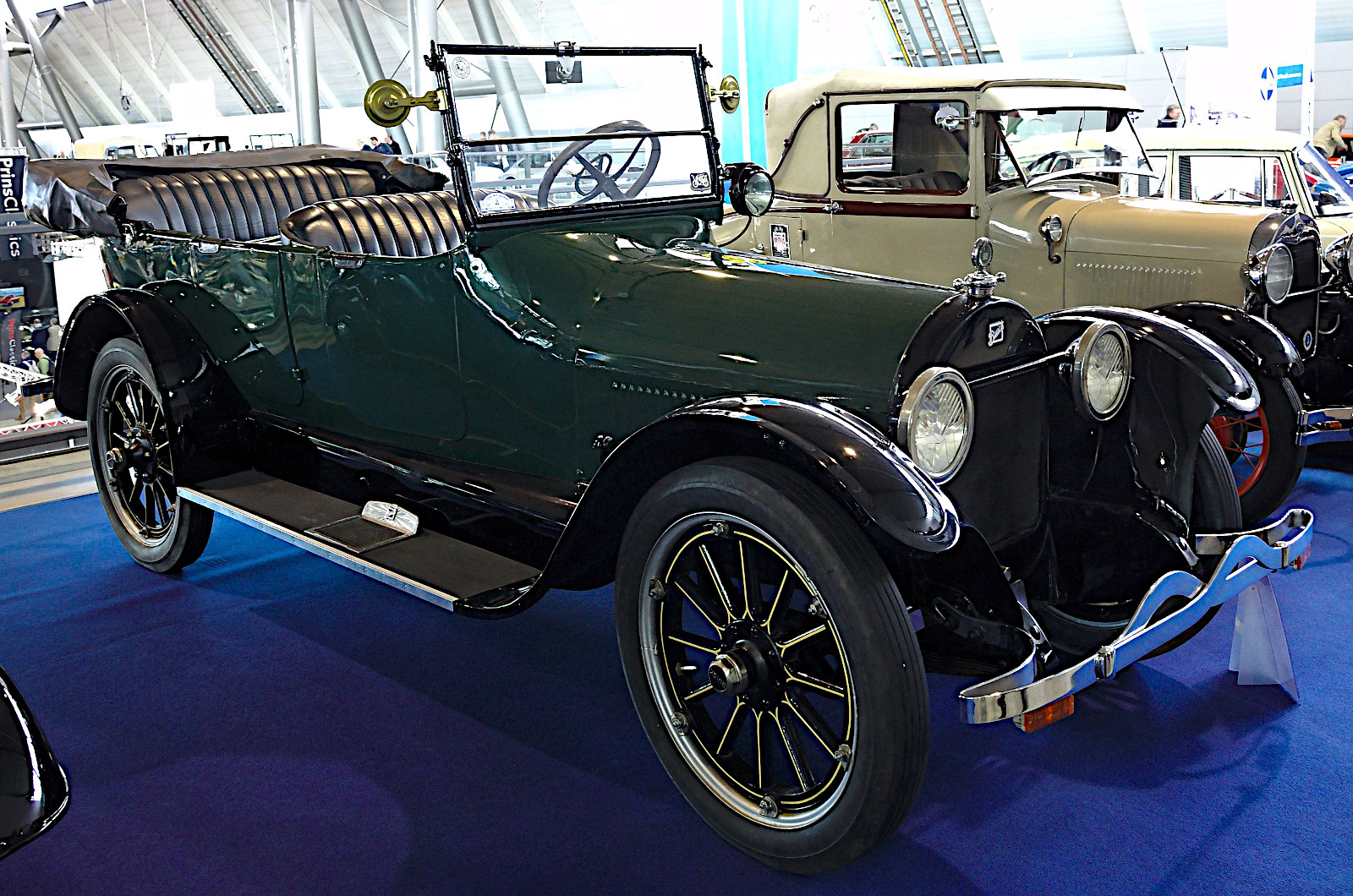
The Six was the last Buick launched before the US entered the First World War, and marked the debut of the company's first six-cylinder engine. Its cylinders were arranged in-line, and Buick reverted to the overhead valve head it had started out with.