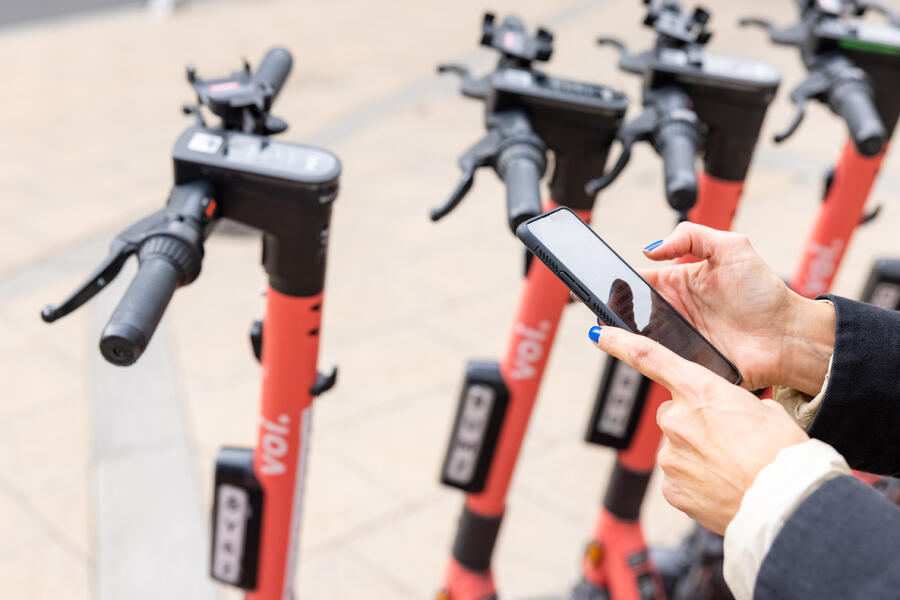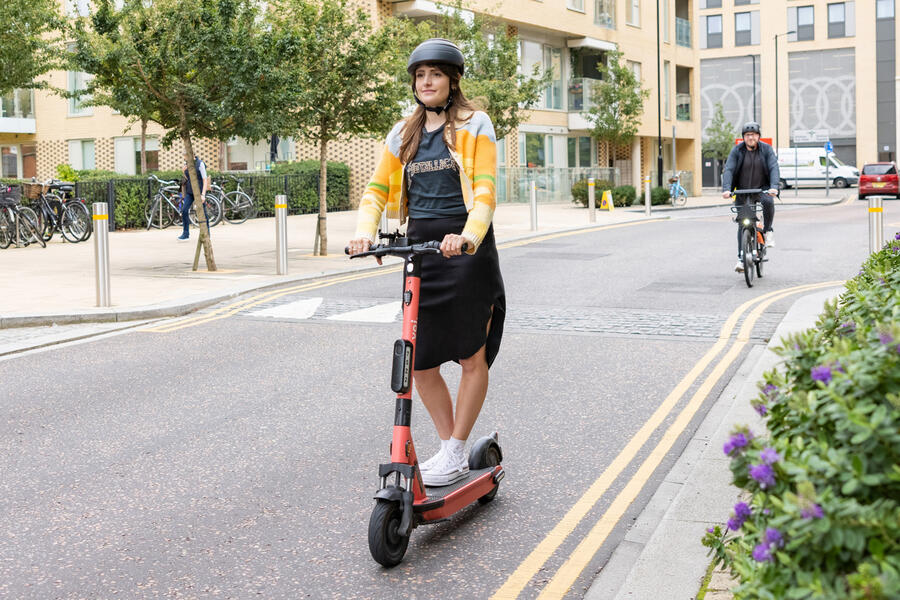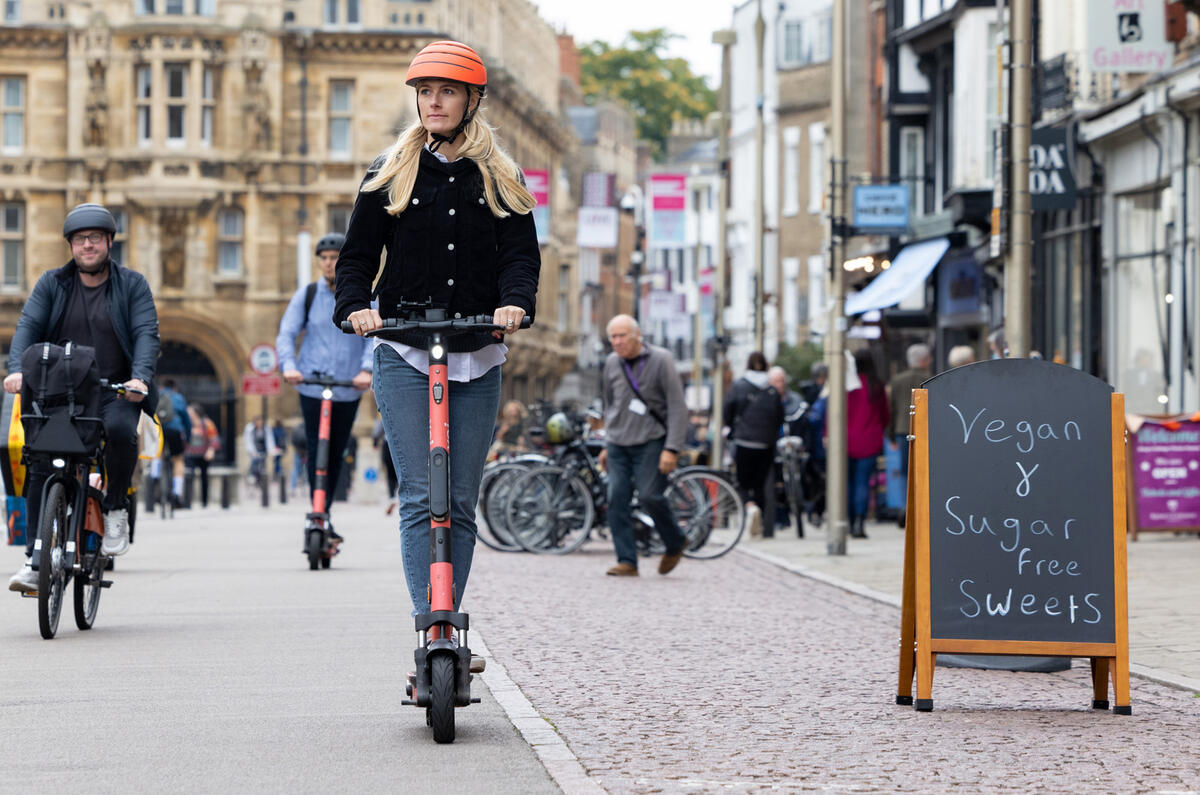
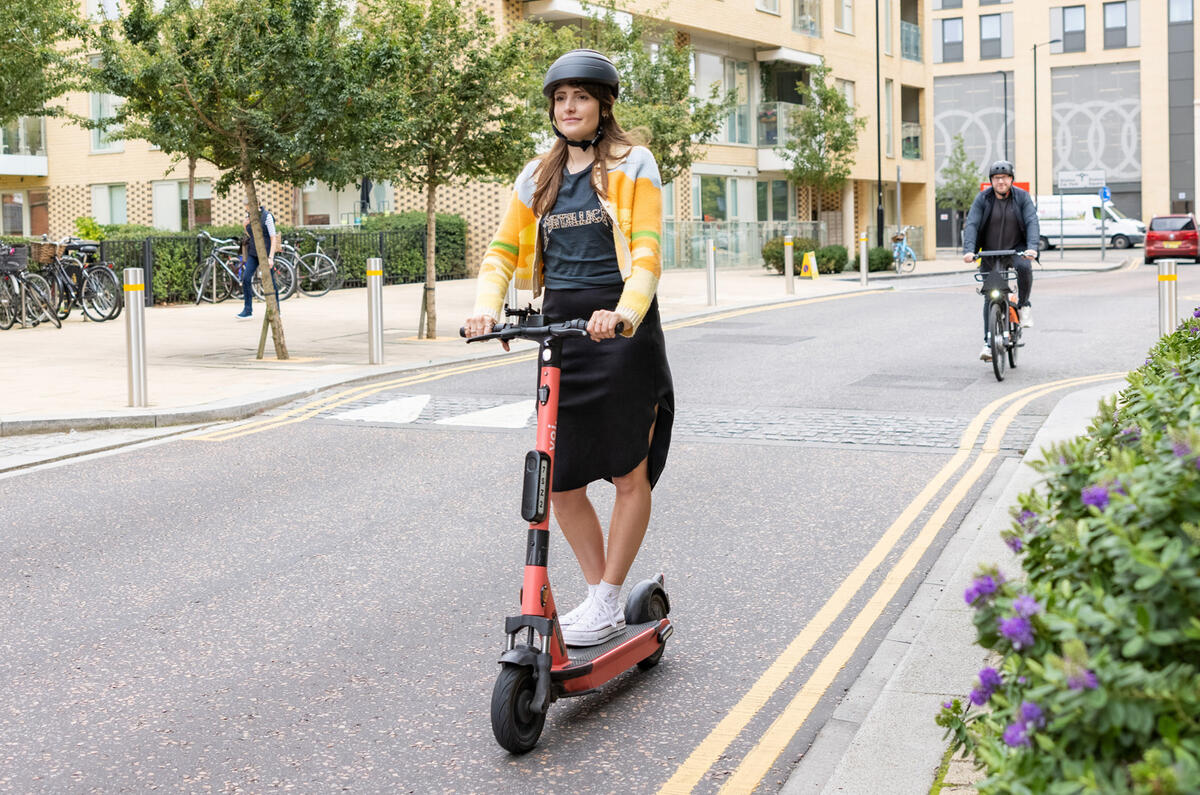




Electric scooters have been steadily increasing in popularity in recent years, despite plenty of confusion over their legality.
The appeal of e-scooters owes much to offering a greener alternative to using a car or motorbike while still being less physical than cycling or walking.
As a result, e-scooters have become an increasingly common sight in the UK – and that will increase with the government having confirmed plans to fully legalise them.
Full story: UK government to legalise e-scooters - and says 'safety will be at heart' of regulations
But while you are increasingly likely to see them on your travels, on pavements, cycle lanes and roads, should they even be there?
As selected councils have embraced trials and shops and online retailers have increasingly offered e-scooters for sale, the lines between what is and what isn’t legal have blurred.
Here, we’ve put together the key information you need to know about e-scooter use in the UK, including detailing how you can legally enjoy this relatively new and increasingly popular mode of transport, and what the risks are if you choose to use one outside of the provisions made by the law.
This guide applies to the rules as they currently stand. For the latest information, visit our sister title Move Electric.
Are e-scooters legal to buy and use?
Major high street and online retailers are actively promoting the sale of e-scooters owing to their growing popularity, so it’s probably no surprise to learn that it is completely legal to purchase one.
Crucially, privately owned scooters are restricted for use solely on private land with the permission of the land owner. It is illegal to use a privately owned e-scooter on pavements, cycle paths or roads at present.
Under current UK law, e-scooters are classed as ‘powered transporters’ and as such are treated in the same way as motor vehicles, so pavements and cycle paths are strictly off limits. In turn, for road use, they would have to meet the same requirements as cars and motorbikes and have the correct MOT, tax, insurance, licence and construction techniques, which currently is virtually impossible technically and financially.
However, the government is consulting on whether to change the law to make e-scooter use legal and is set to deliver a verdict in March 2022. The issue is also being discussed in the House of Lords.
The police have the power to seize and destroy private e-scooters that they catch being used illegally. In the UK capital, Transport for London has banned private e-scooters from being carried on its transport network.
Already, in numerous countries around the world, e-scooters have been legalised and retailers are lobbying for the UK to follow suit. A spokesperson for retail giant Halfords told Move Electric: “We believe that e-scooters for private use should be legalised. They provide clear environmental benefits, help people improve their access to travel and are hugely enjoyable to use.