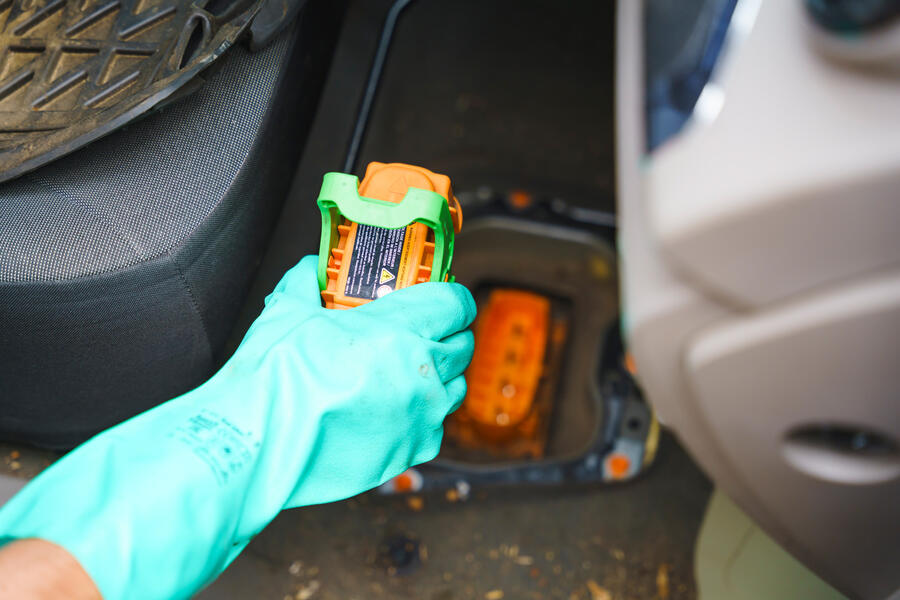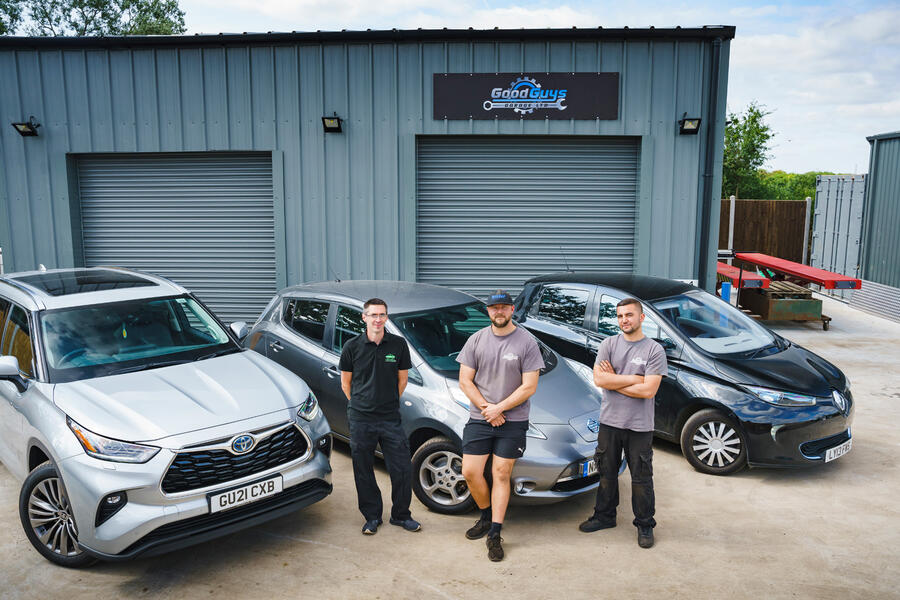
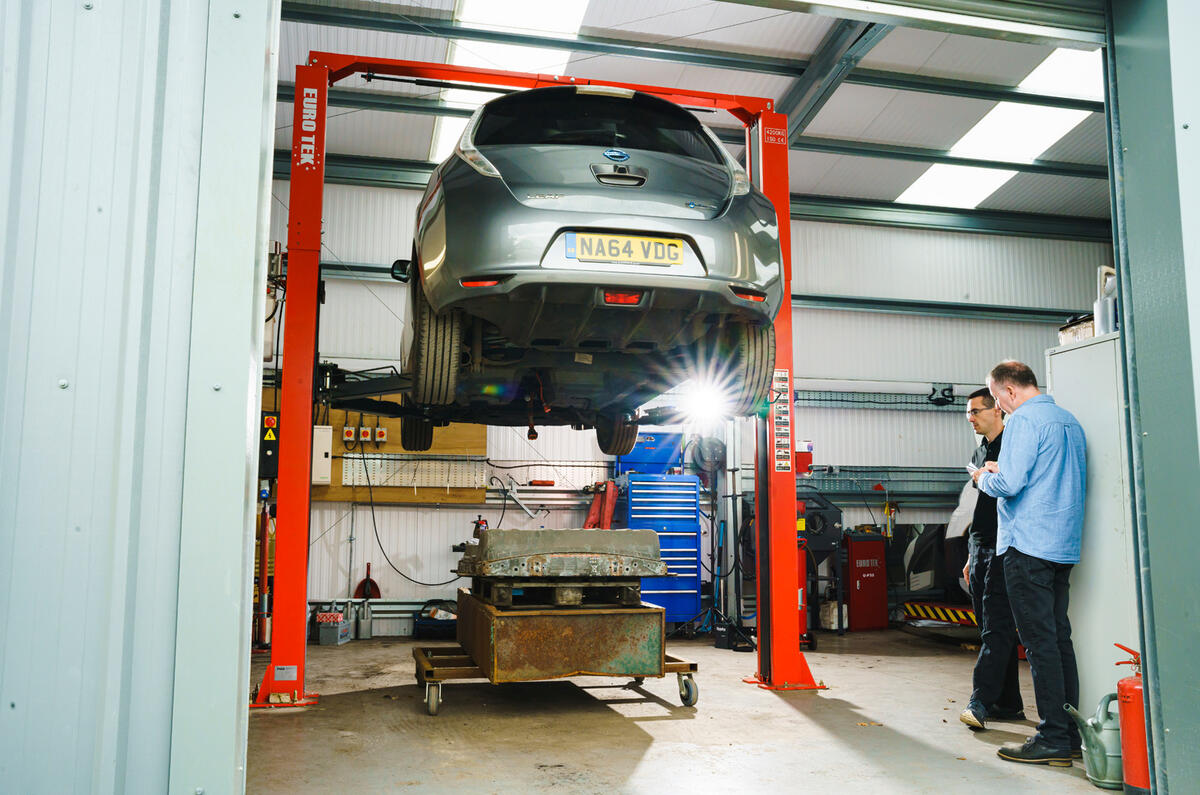
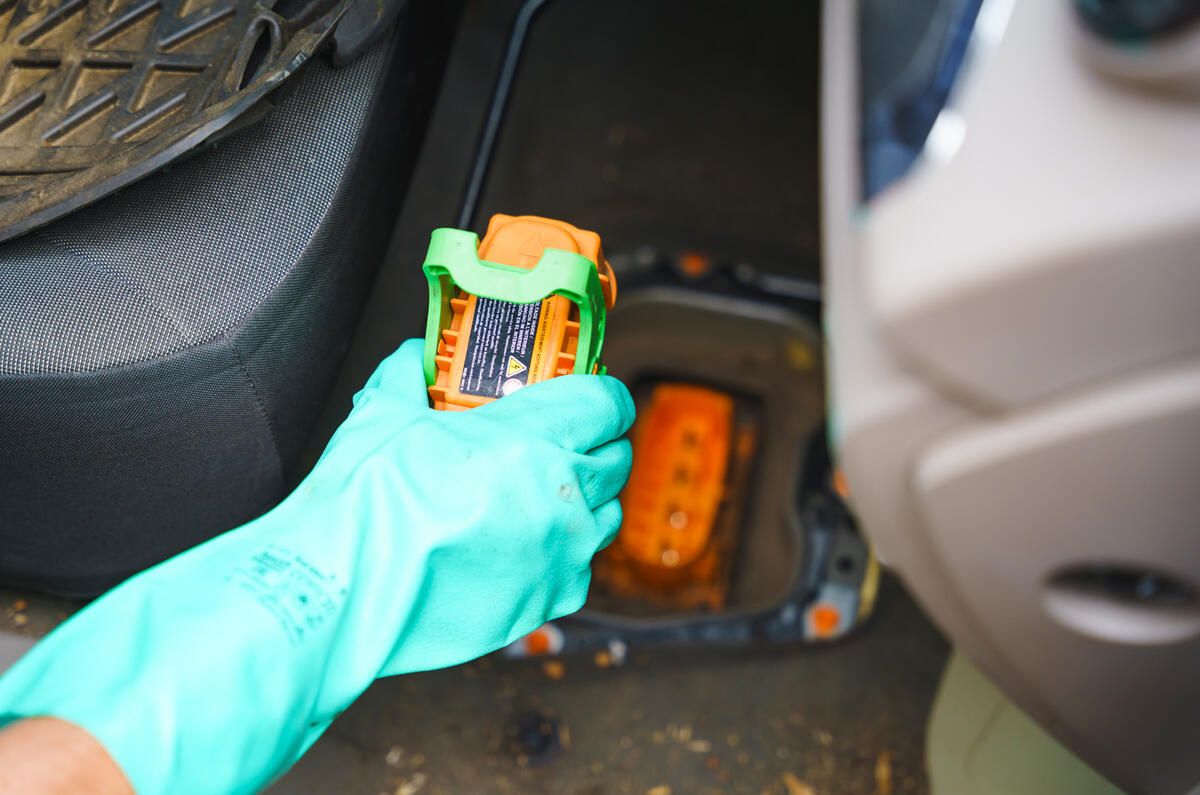
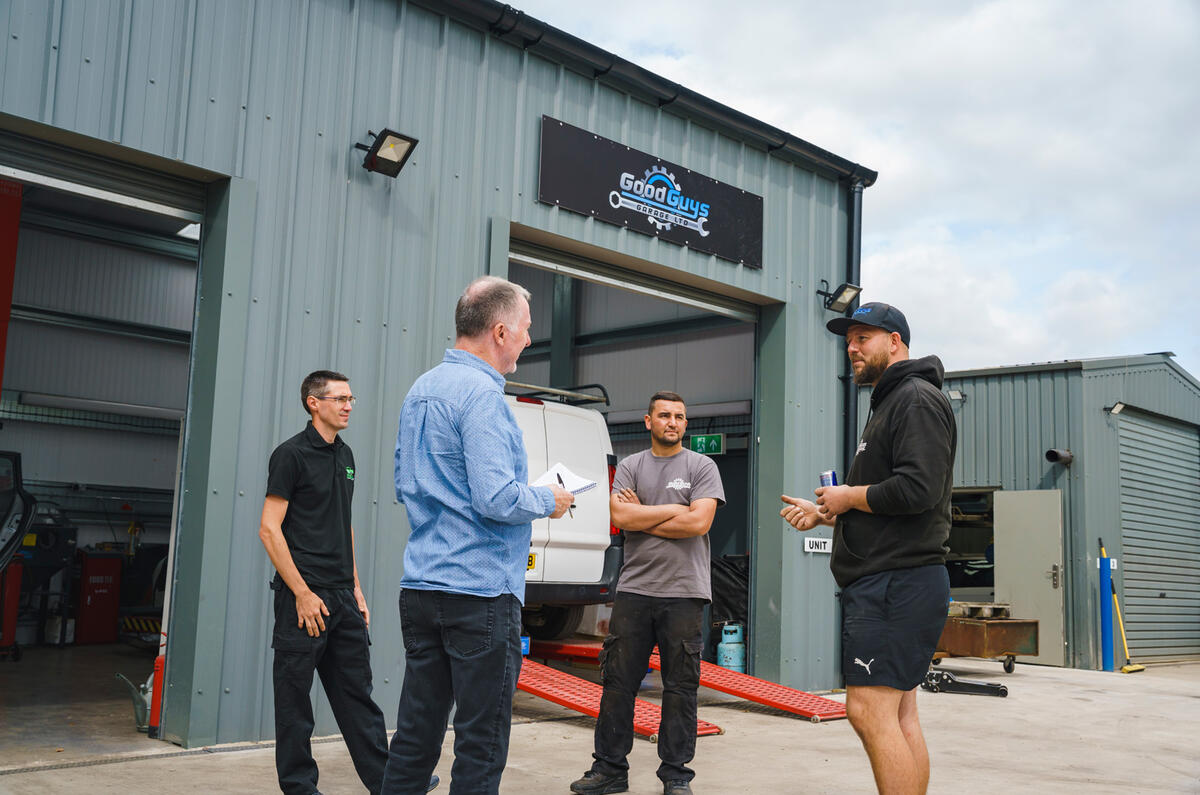
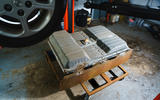
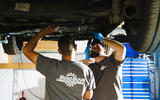
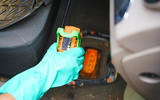
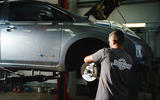

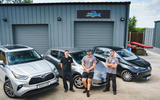

The memory of my sales colleagues striking the showroom window the instant I tremulously removed the cables from the battery in a used car on the forecourt plays out in my mind as I watch Luke Daisley, owner of Good Guys Garage in Essex, remove the main fuse from a Nissan Leaf. Will there be a flash and a smell of burning flesh? Fortunately not.
“People have this idea that electric cars are always live and dangerous,” says Daisley. “The truth is that you would have to do something stupid to get an electric shock.”
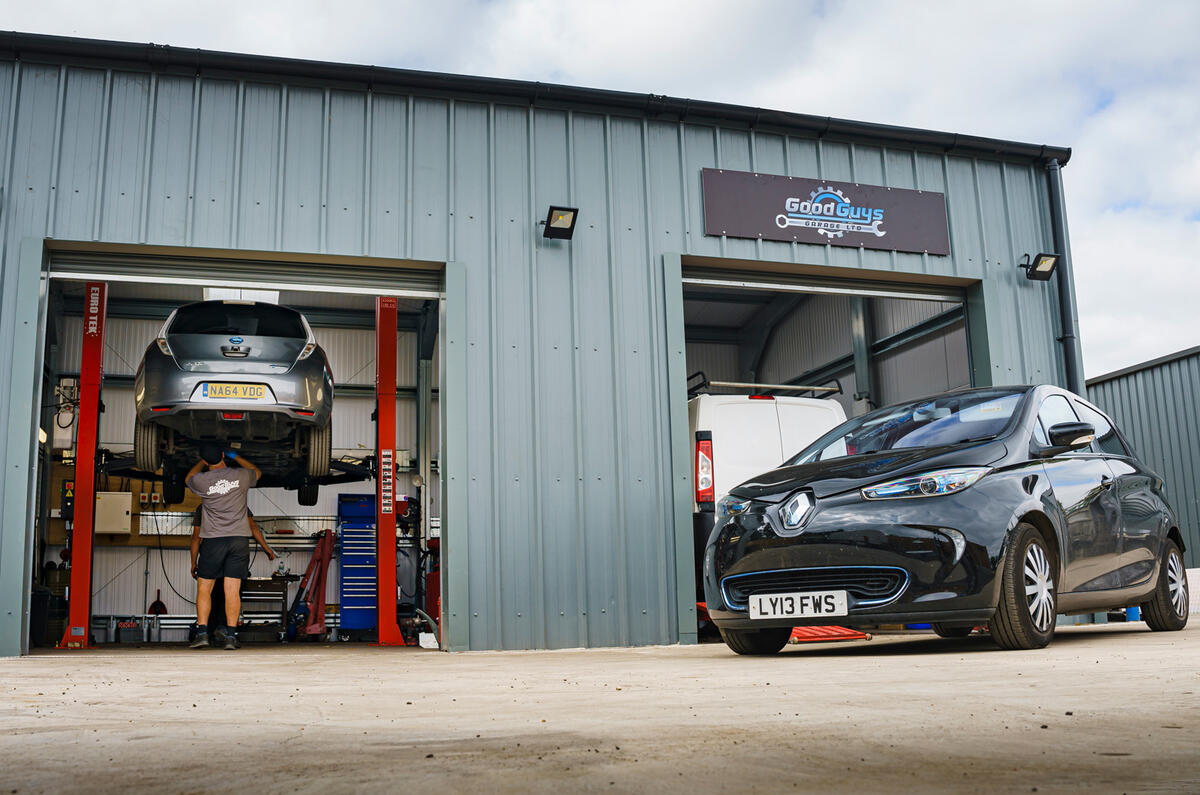
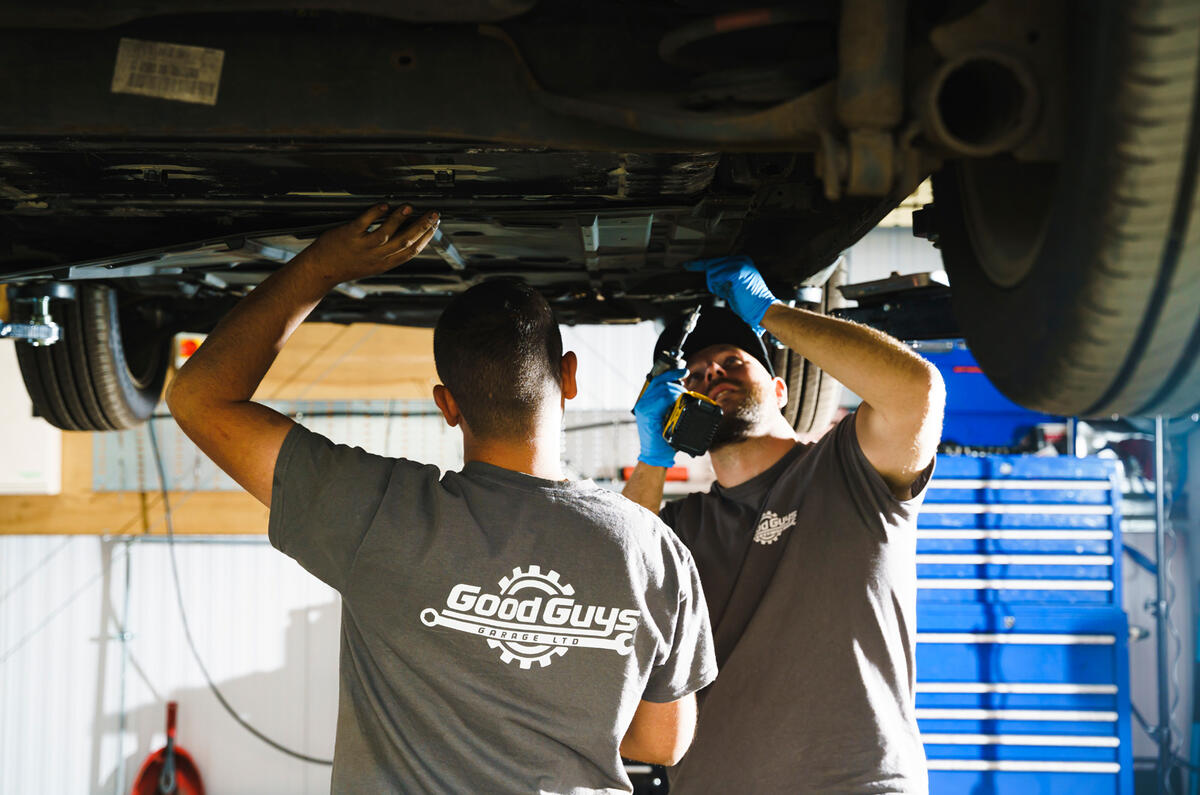
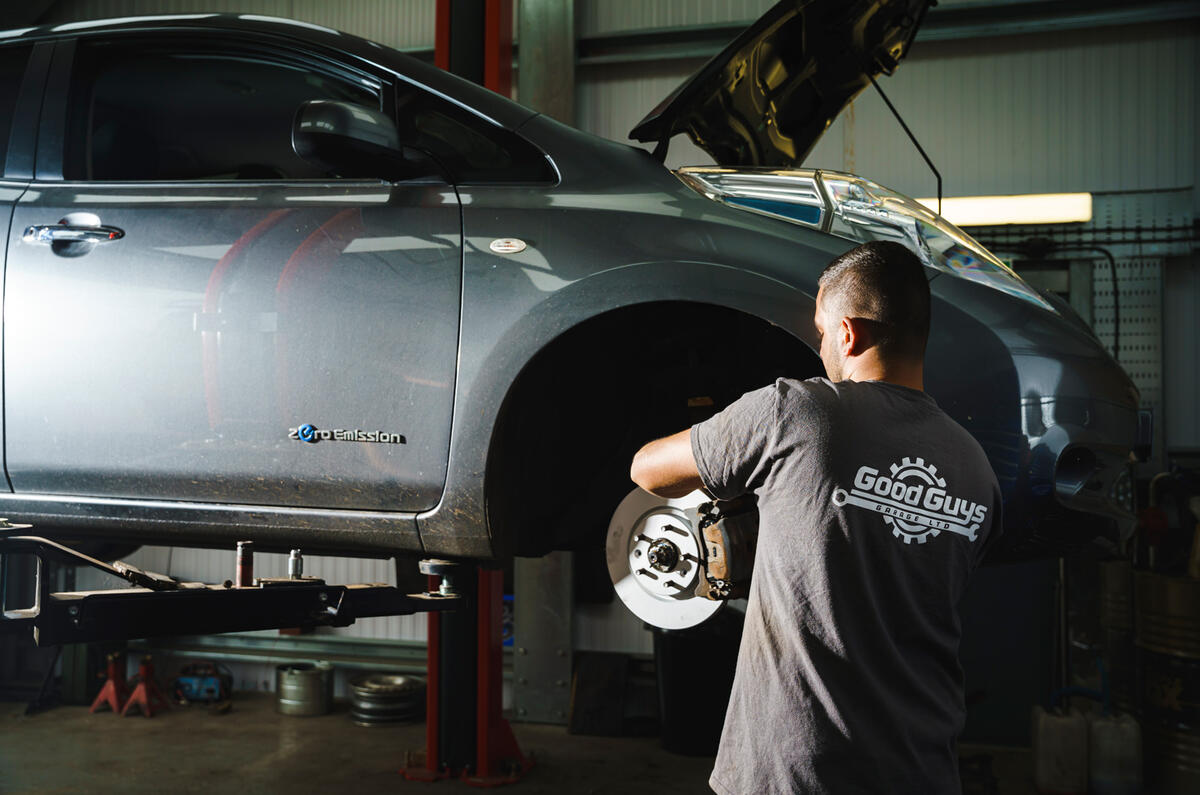
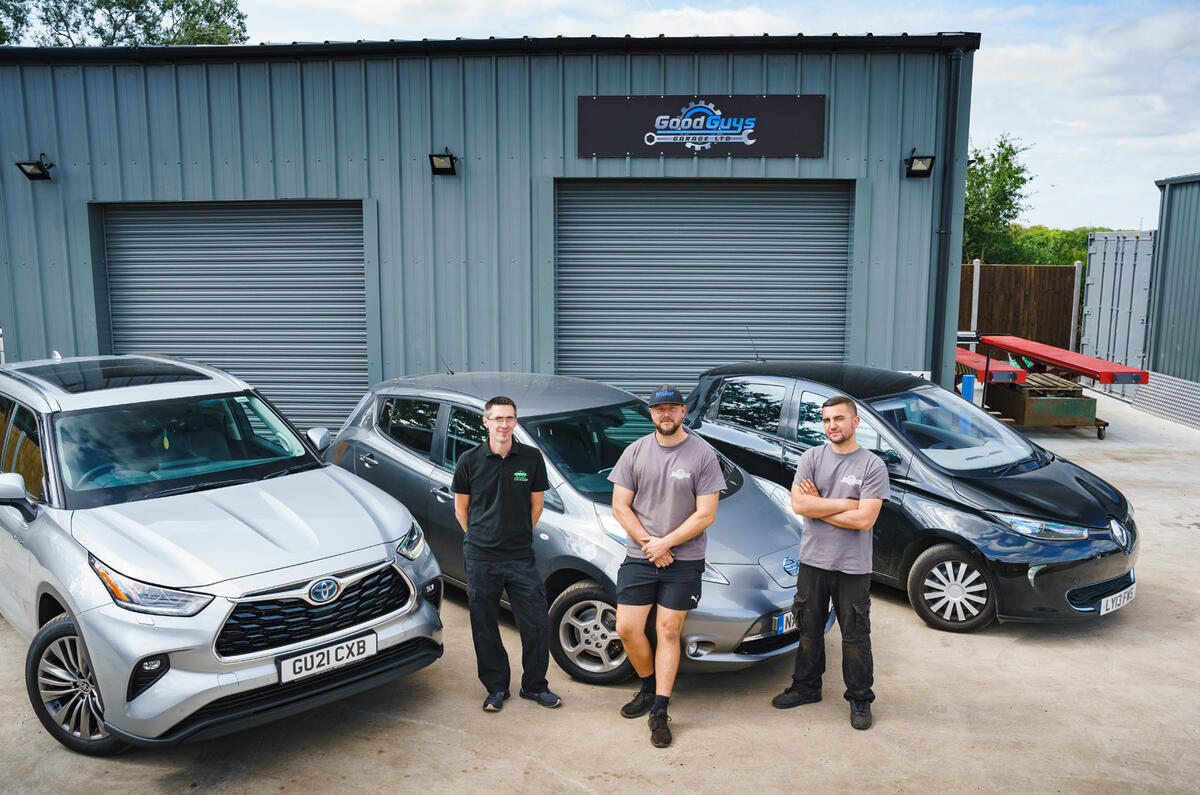
That’s not strictly true, of course, as guidance from organisations including the Health and Safety Executive makes clear. Still, as a former soldier (he served in the Royal Electrical and Mechanical Engineers), Daisley is determined not to play up the risks. He opened Good Guys as a general garage specialising in servicing and repairing EVs and hybrids earlier this year, since when he and his colleague Emre Taner have worked on a handful of EVs. He’s confident that there will be more.
Daisley’s optimism isn’t without foundation. The number of EVs on UK roads is forecast to grow to 12.7 million during the next 10 years. As they fall out of warranty, garages like Daisley’s should benefit.
He’s fortunate, since both he and Taner are qualified to work on EVs and have years of experience doing so. Less fortunate are the thousands of technicians across the UK yet to receive EV training. The Institute of the Motor Industry says that of a total workforce of 238,000 technicians, only 15,500 are registered on its Techsafe register and so qualified to work on EVs. It claims this isn’t only a threat to safety but, unless addressed, is also likely to increase the cost of EV repairs, therefore discouraging drivers from making the switch. The organisation is appealing to the government to help fund the training of a further 75,000 EV technicians.
Four years ago, Peter Melville, an experienced automotive diagnostics engineer, also realised that the UK’s vehicle technicians were lacking not only EV training but, once qualified, technical support, too. A technician working on petrol and diesel vehicles enjoys no end of support from manufacturers, third-party suppliers and their own colleagues. Not so those working with EVs, who struggle to get meaningful help from anyone.
Melville also realised that drivers whose EVs are out of warranty might wish to have them serviced not by main dealers but by less expensive independent workshops – but who can they trust to do the work properly?
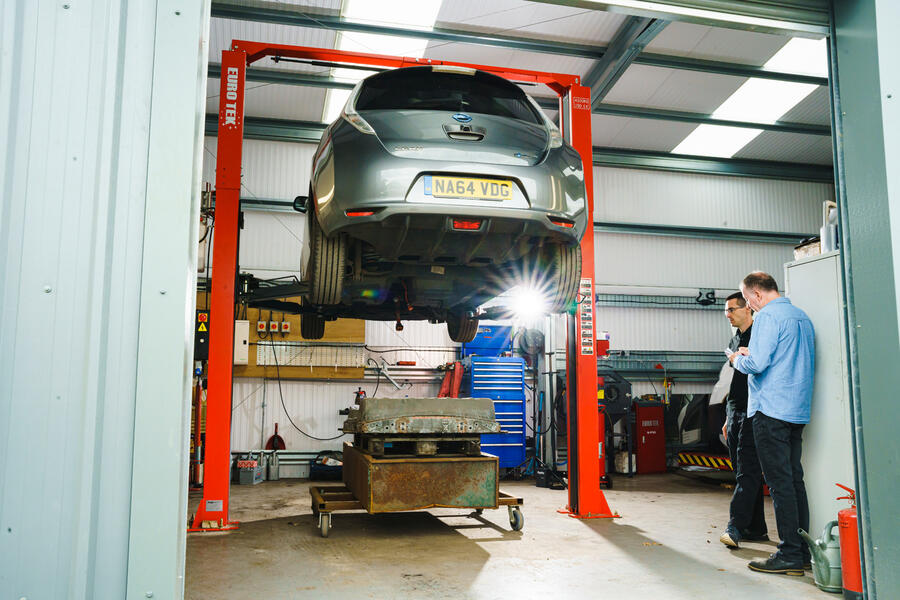
This situation inspired him to form the Hybrid and Electric Vehicle Repair Alliance (Hevra) in 2017. “Run by EV drivers for EV drivers,” proclaims its website. It sounds like just a marketing slogan, except Hevra really is a band of EV enthusiasts who pool their knowledge for the benefit of members and customers.