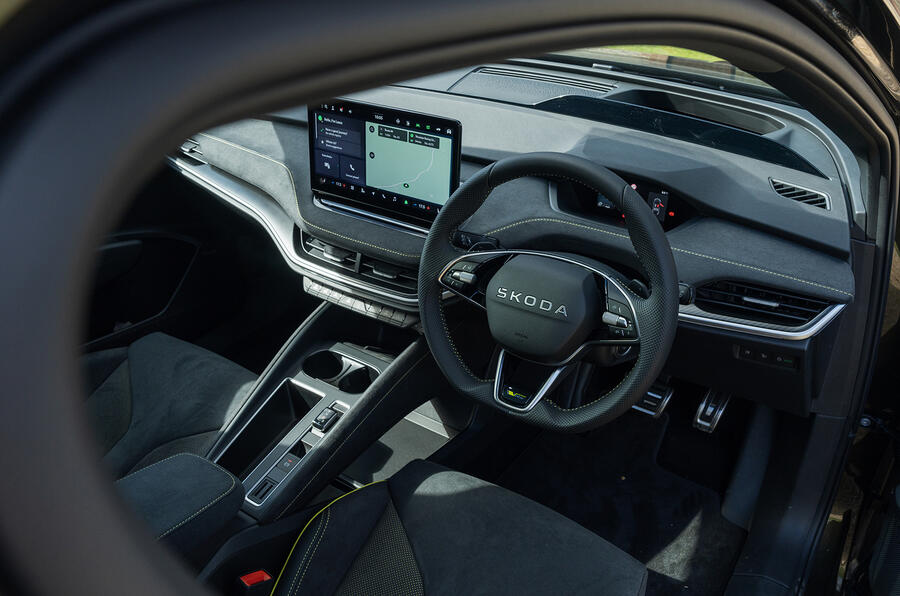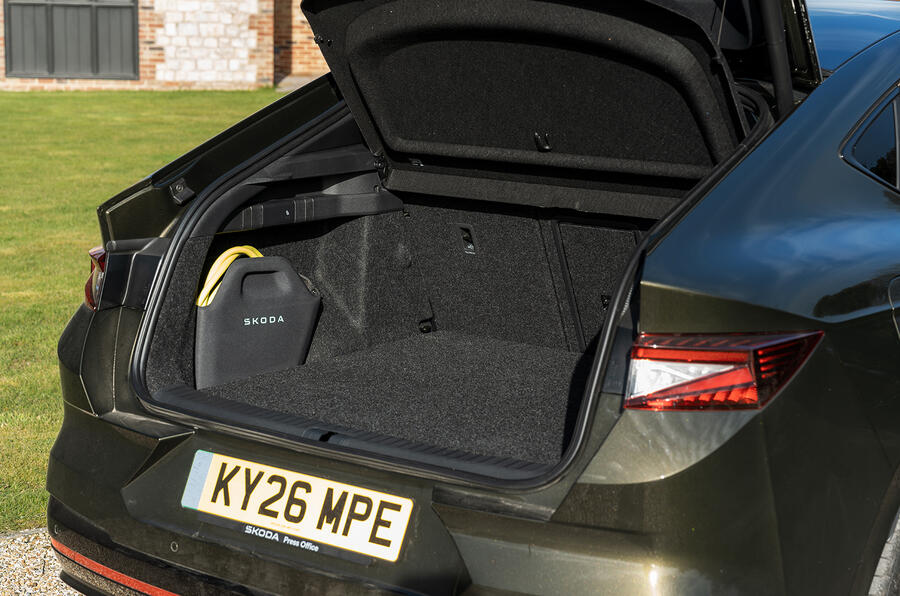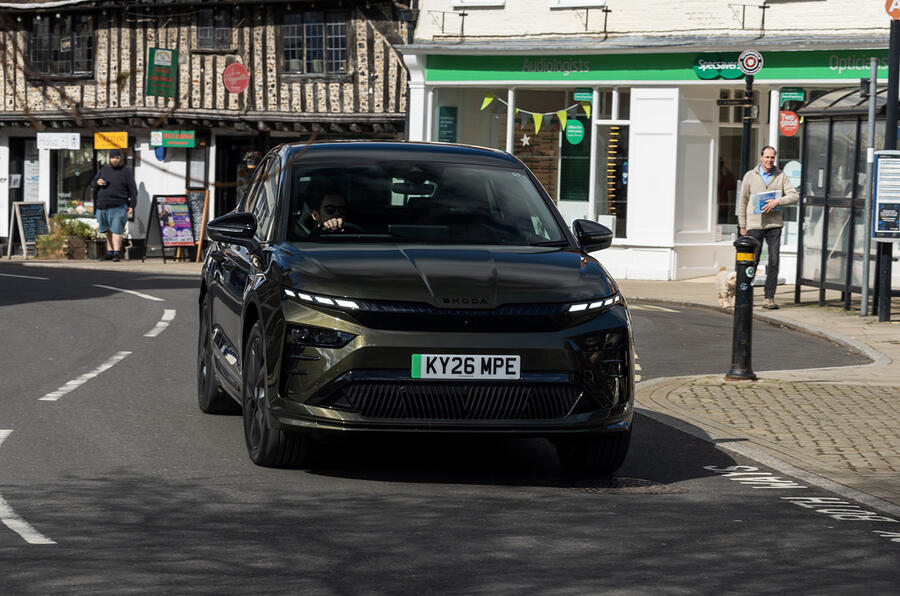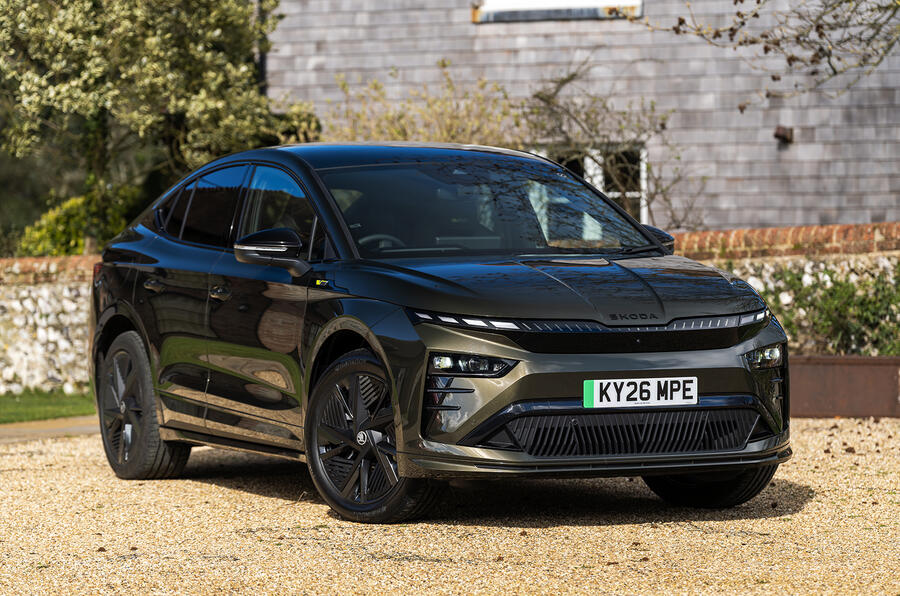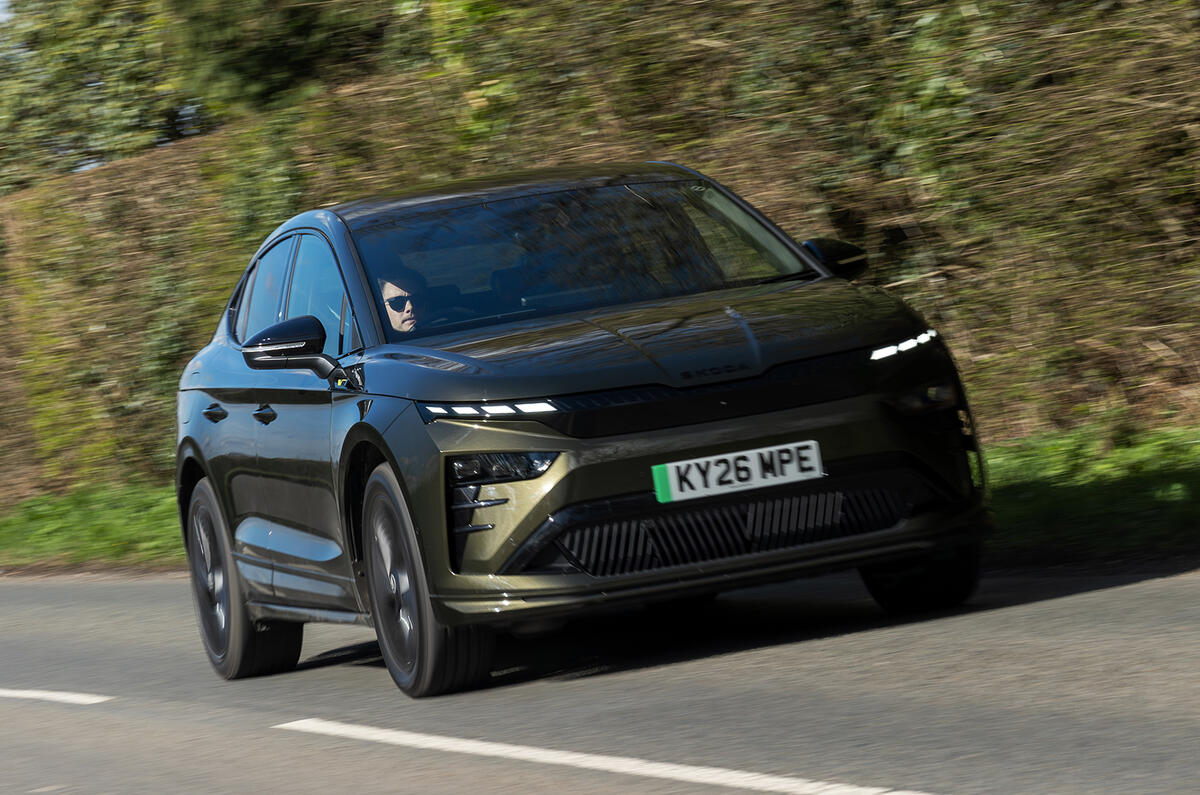
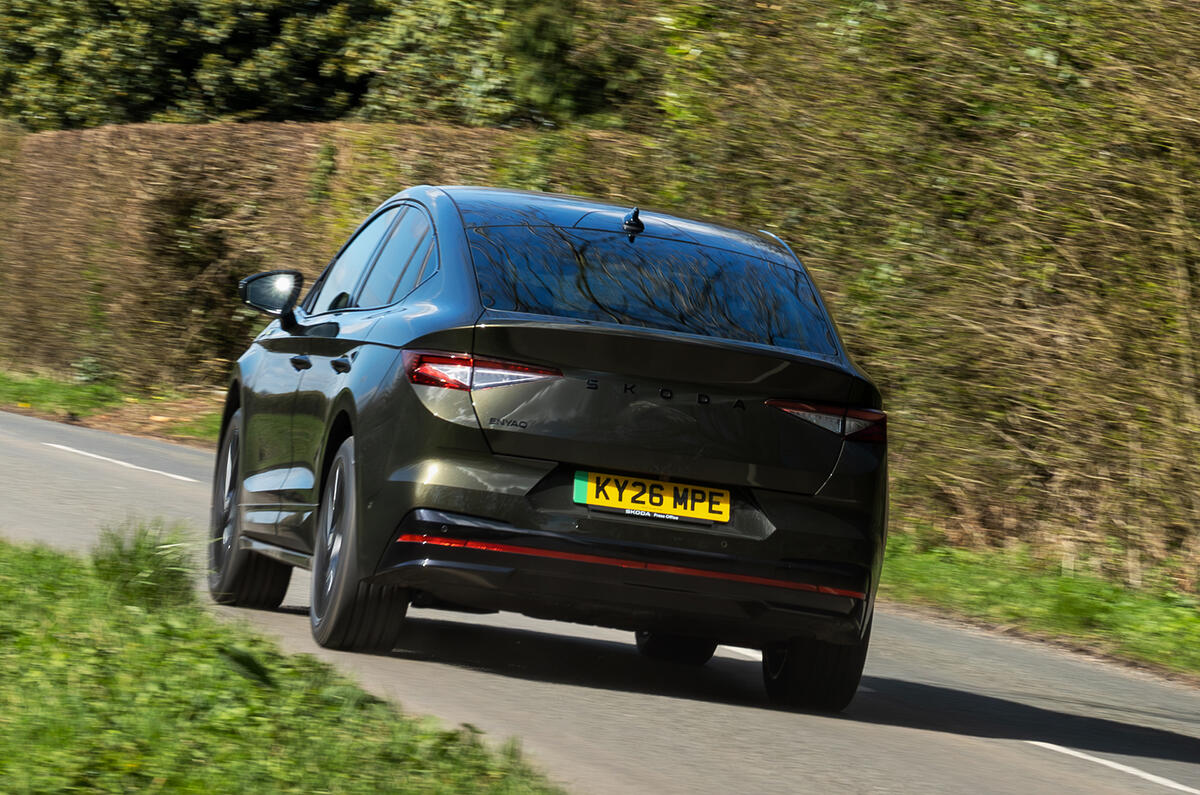
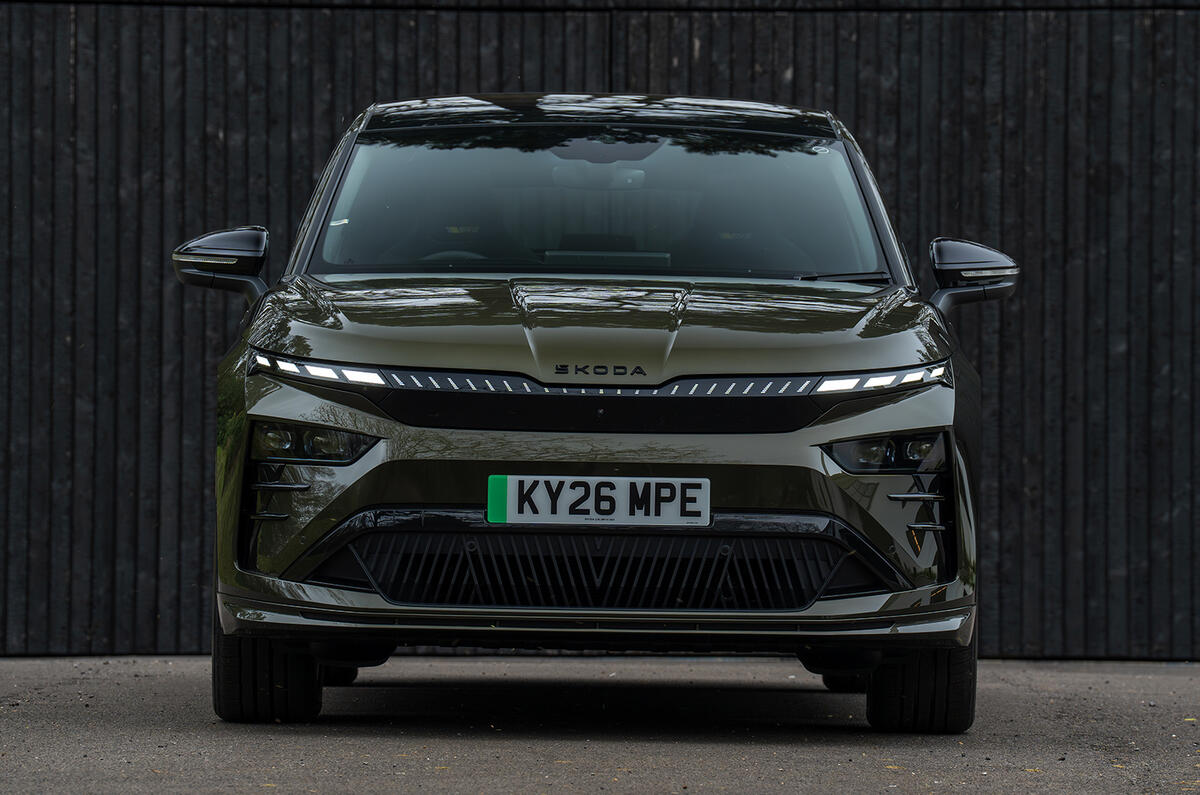
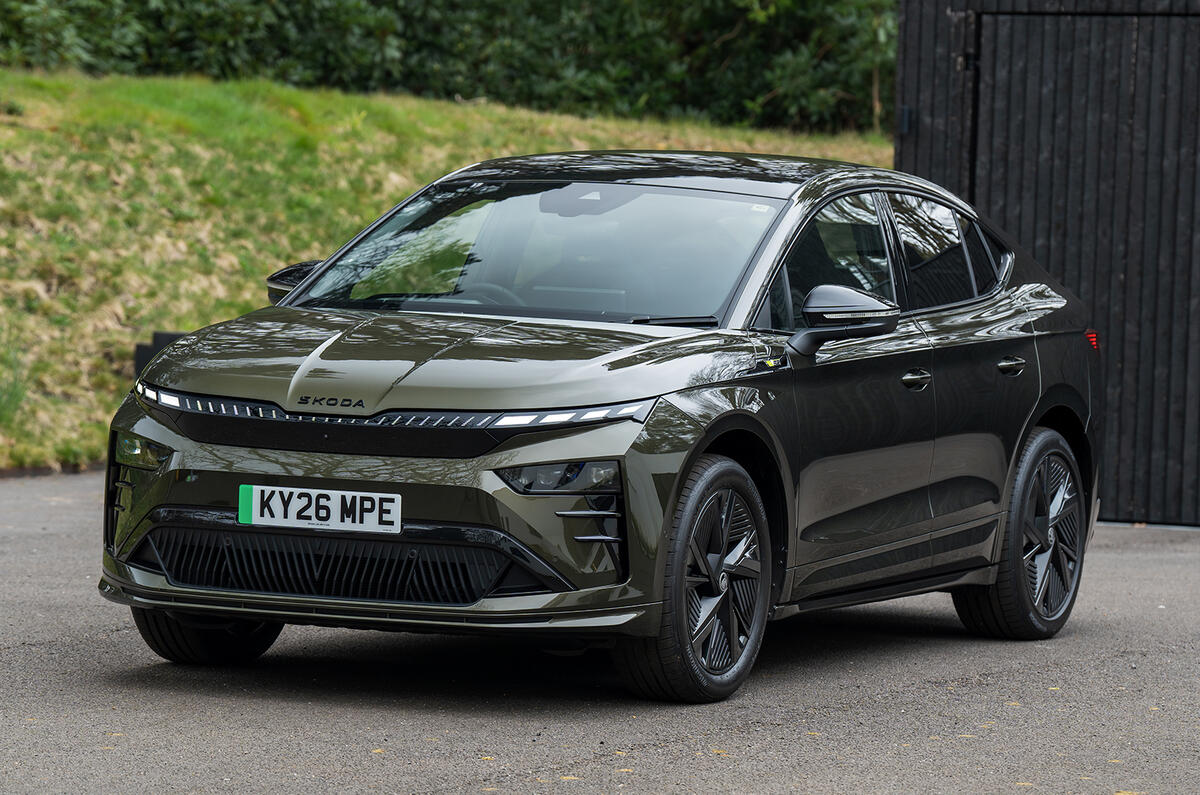
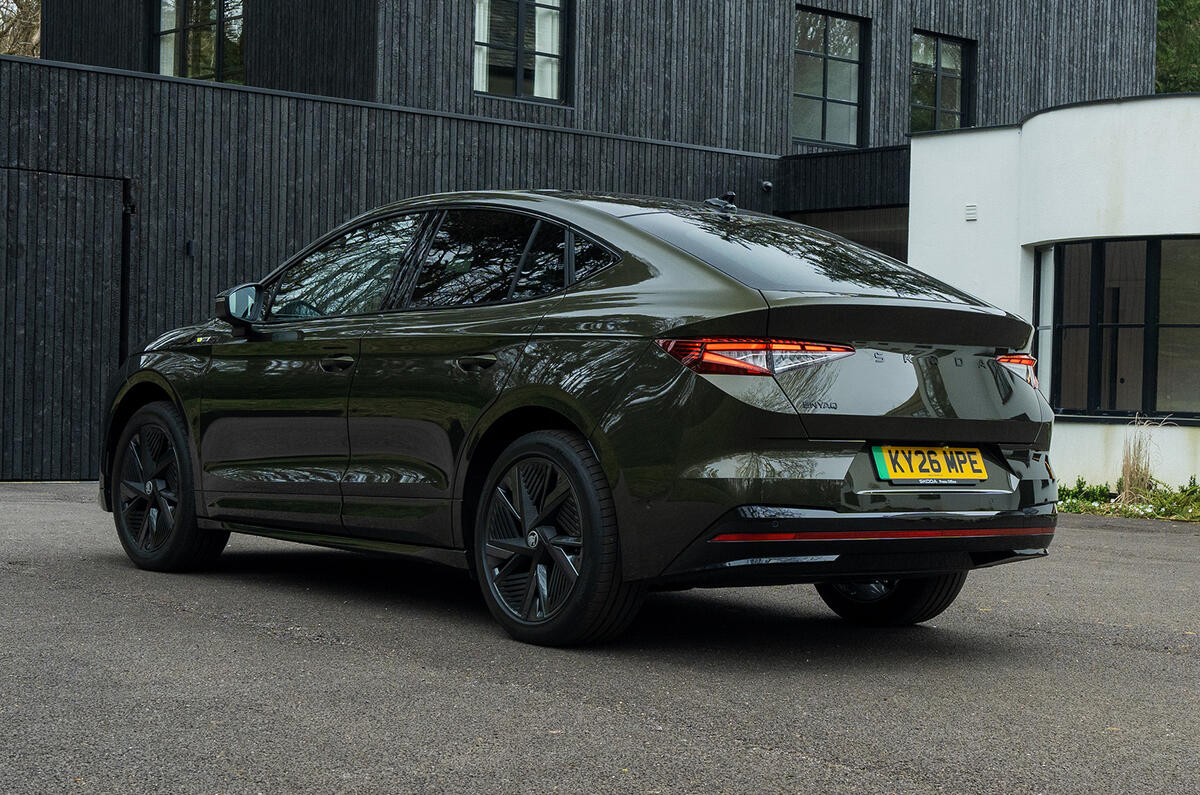
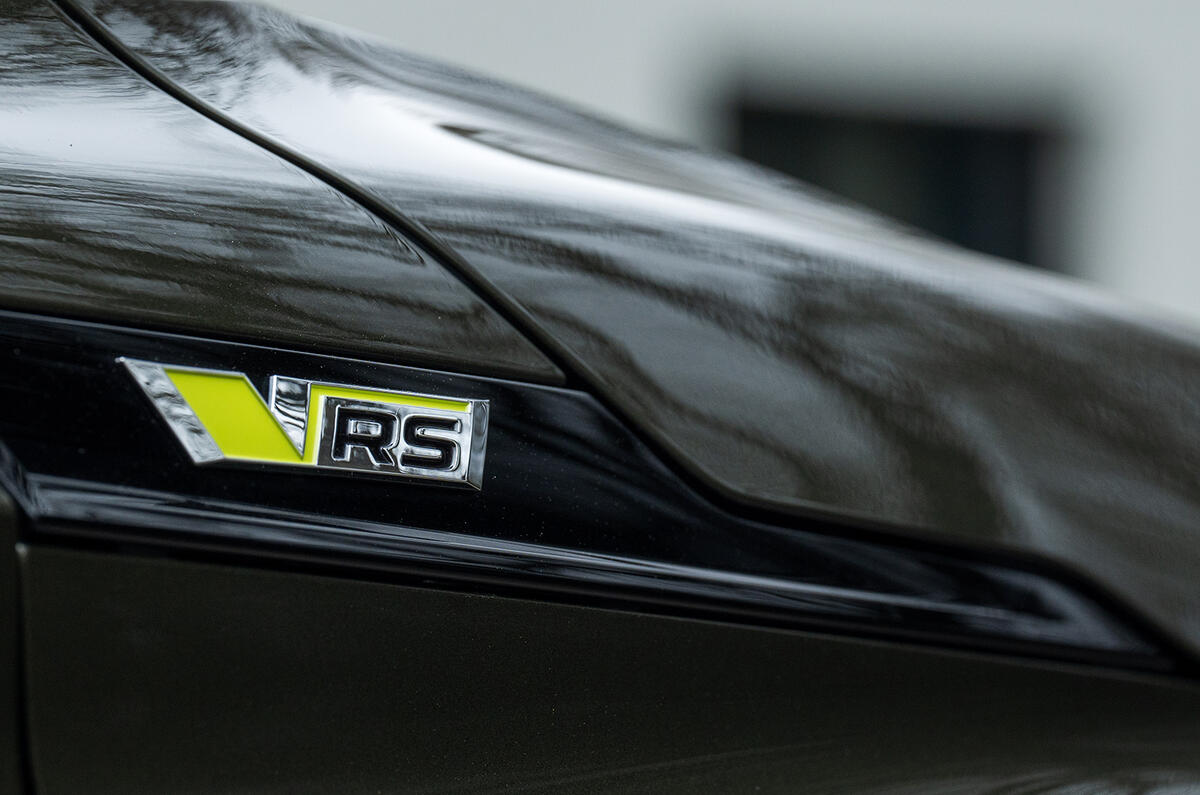
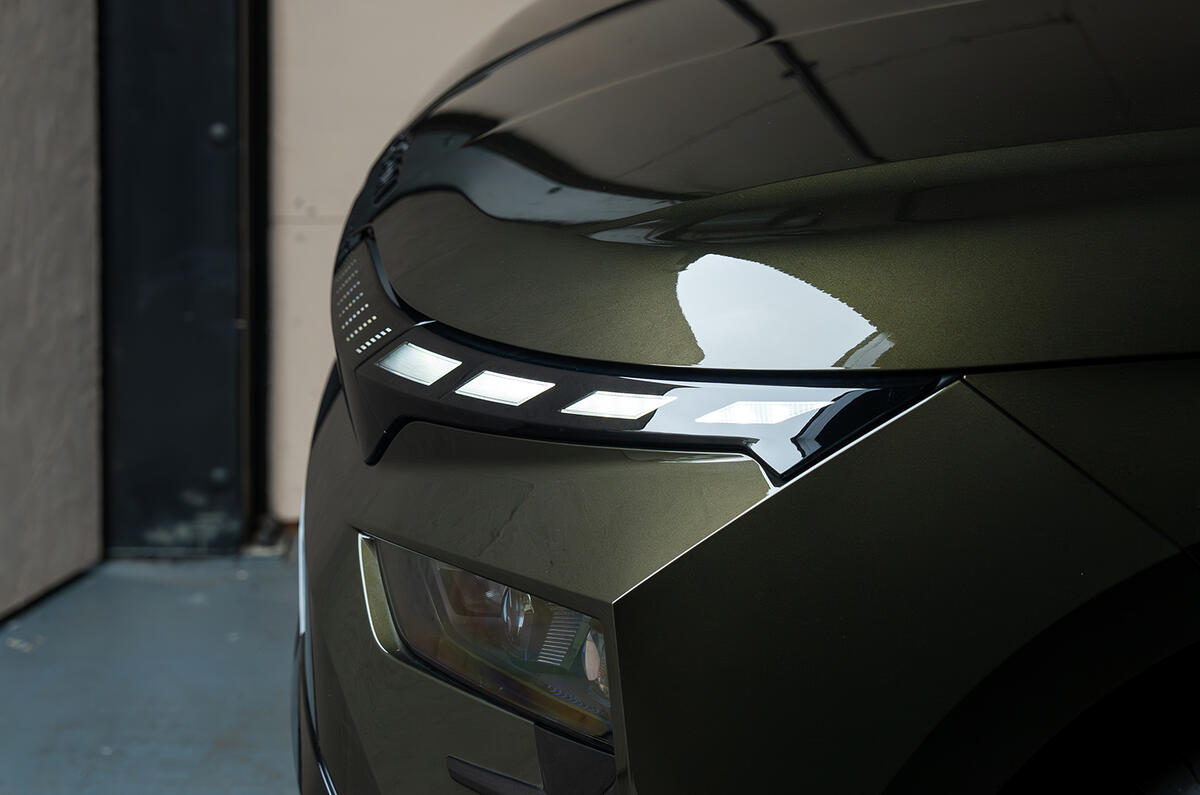
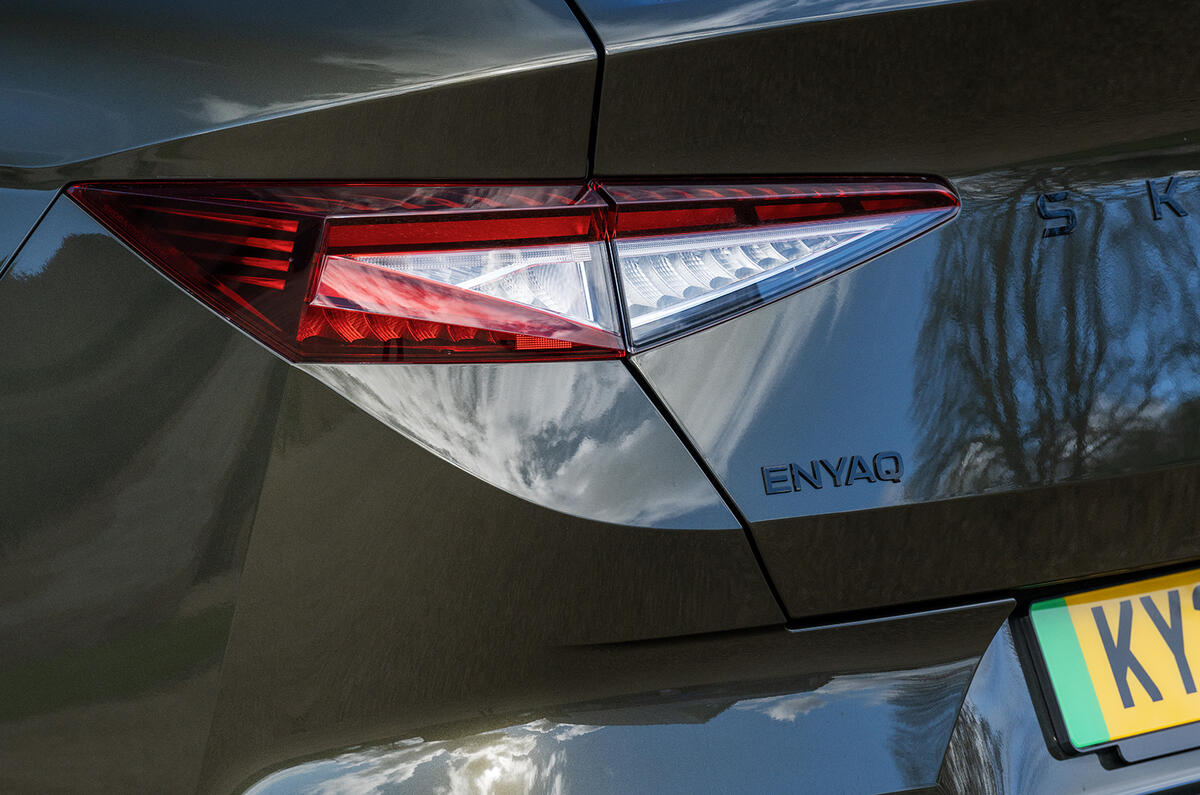
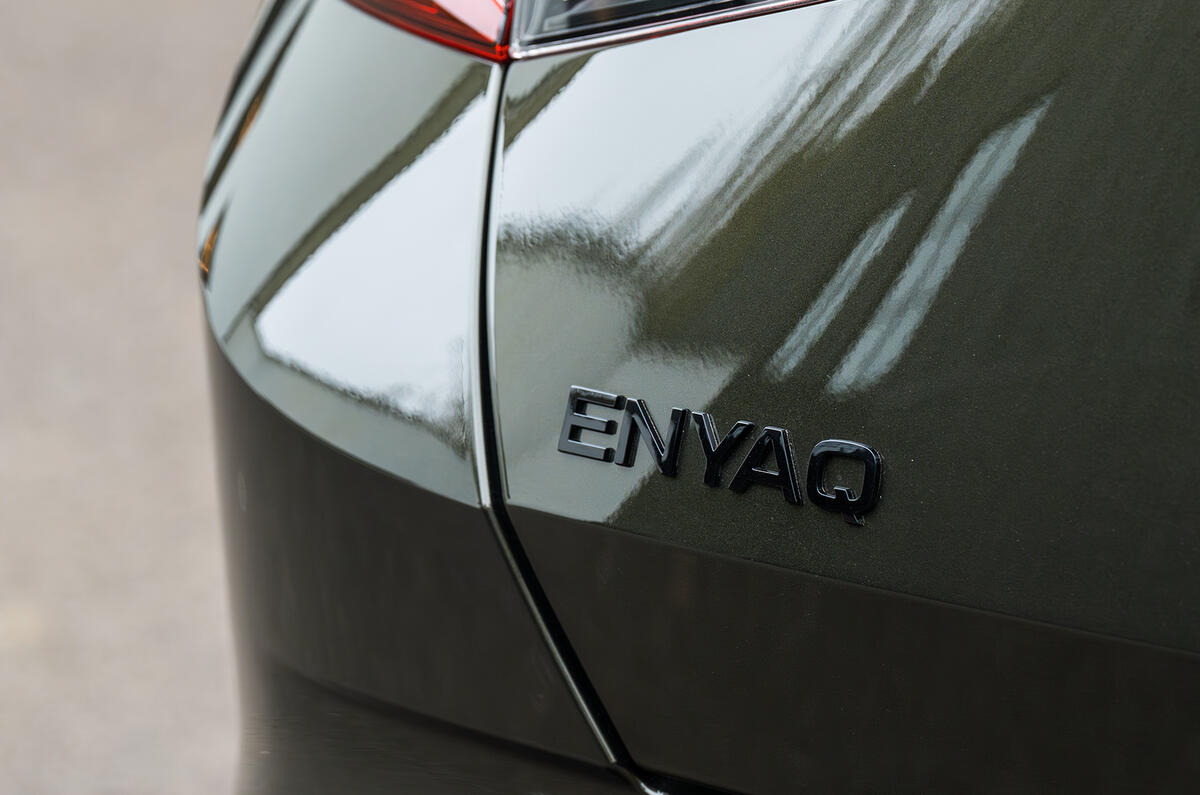
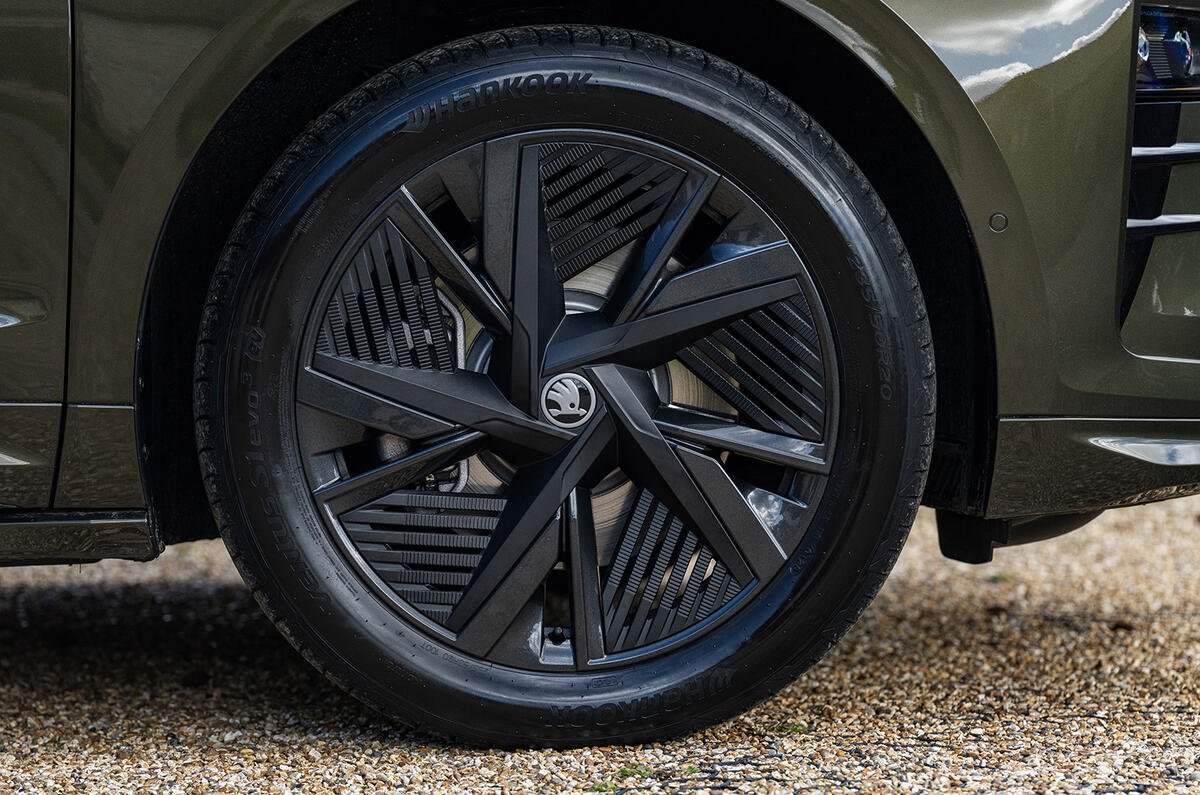
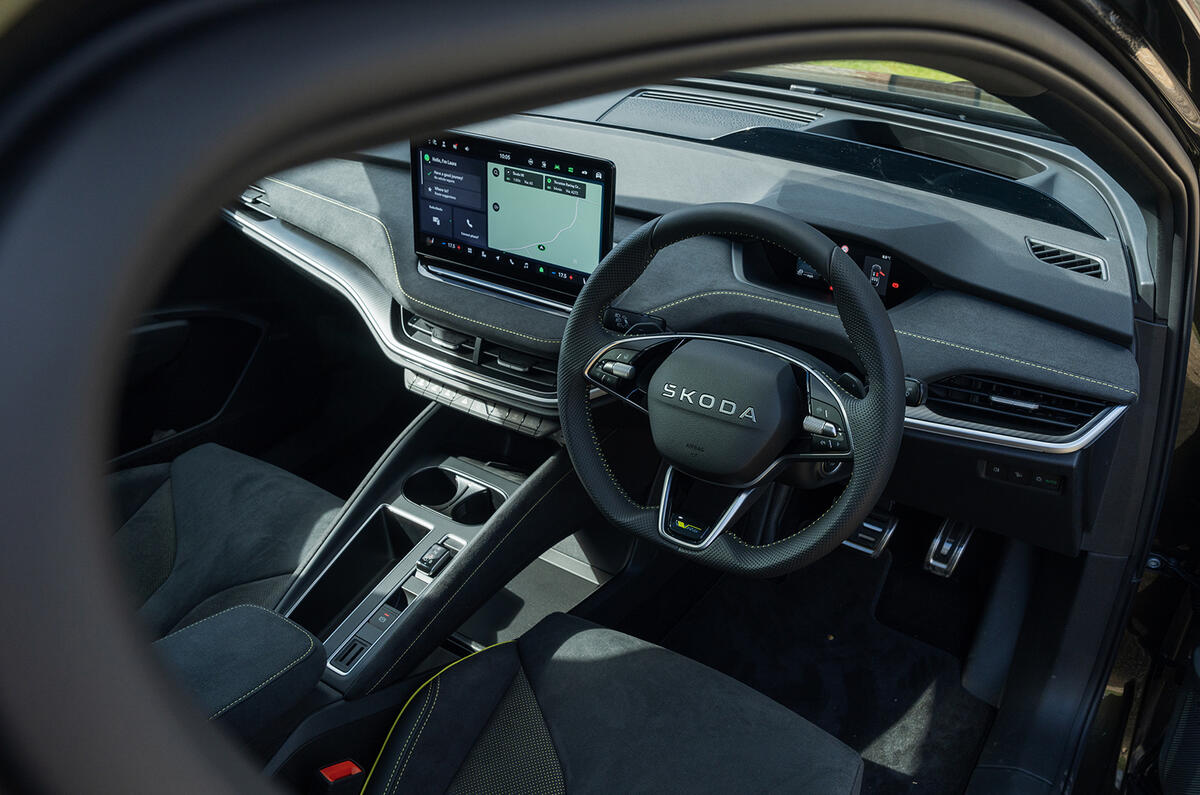
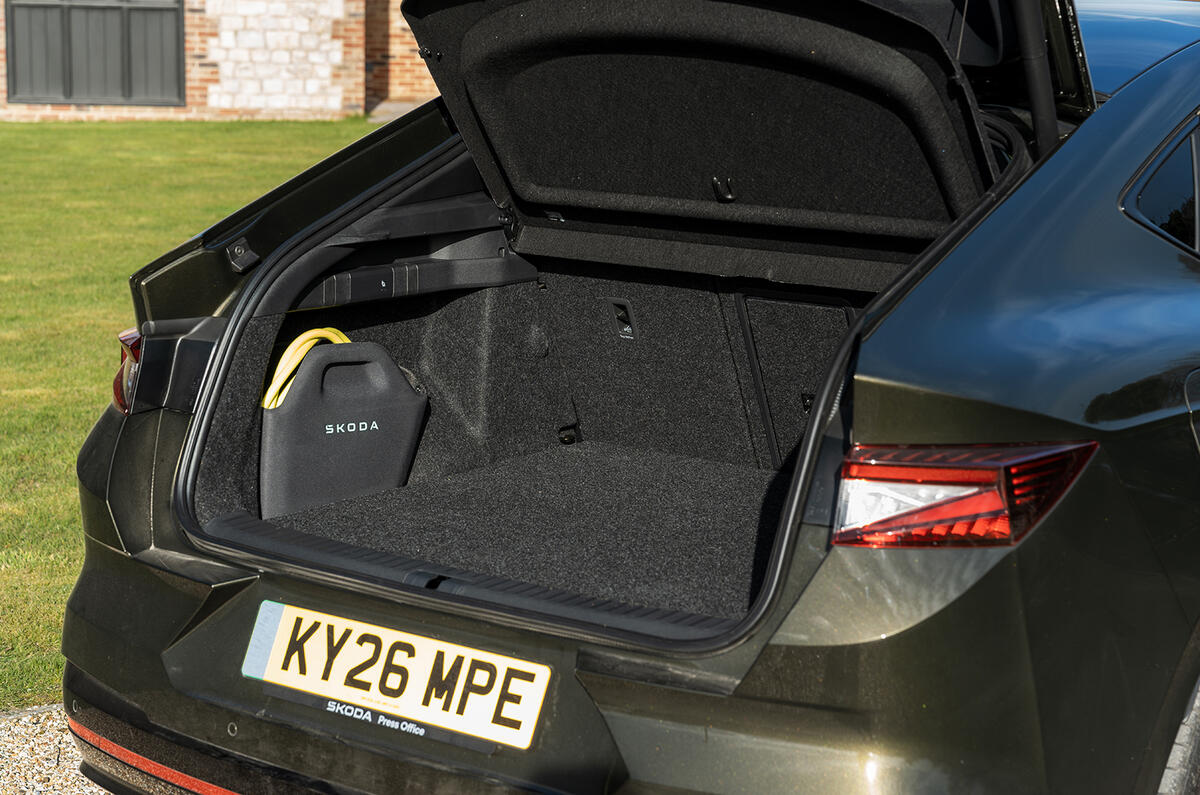
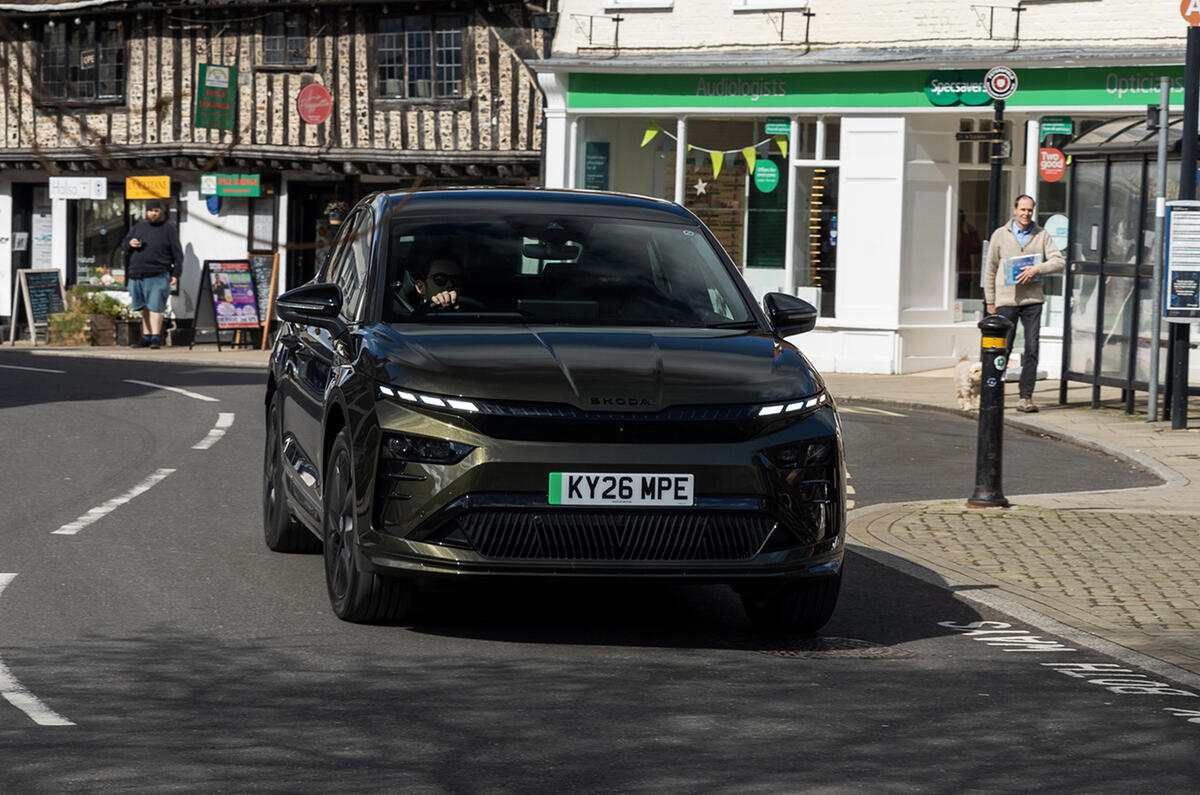
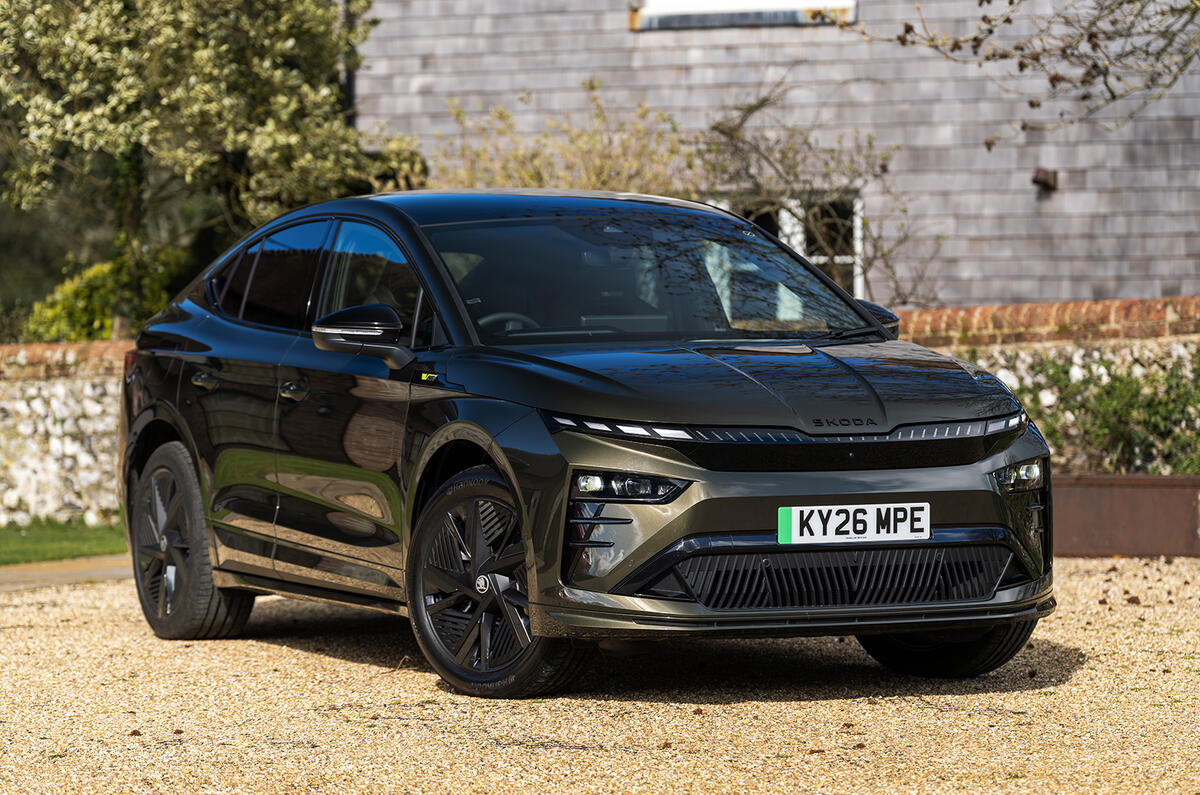
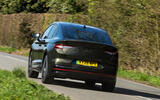
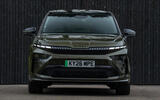
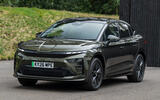
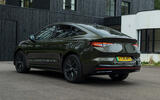
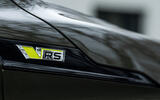

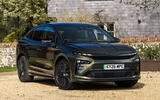


The name itself tells a story. vRS stands for ‘victory Rally Sport’ – a nod to Škoda’s rich motorsport heritage that stretches back to the hand-built 130 RS homologation specials of the mid-1970s. In the UK, the ‘v’ was added at Ford’s request (the American brand claiming prior ownership of the RS initials here), but that small prefix has since become a badge of honour in its own right. One in ten new Škodas sold in Britain today wears it.
Over the past quarter-century, vRS has been applied to hot hatches, diesel estate cars, plug-in hybrid family saloons, and even a seven-seat SUV that lapped the Nürburgring faster than any production vehicle of its kind before. Each iteration has stayed true to the founding principle: formidable all-round ability, without a pulse-raising price tag. The new Škoda Enyaq vRS is no different – it just happens to be the most audacious expression of that philosophy yet.
Better still, the new Enyaq vRS is not only a more capable car than the model it replaces – it’s a less expensive one too. With 340PS, a 344-mile range (WLTP), and rapid charging at up to 185kW, it undercuts its predecessor’s price by around £1500. That’s a statement of intent that no rival in this class has managed to match.
Learn more about the Škoda Enyaq vRS
Seriously, properly quick
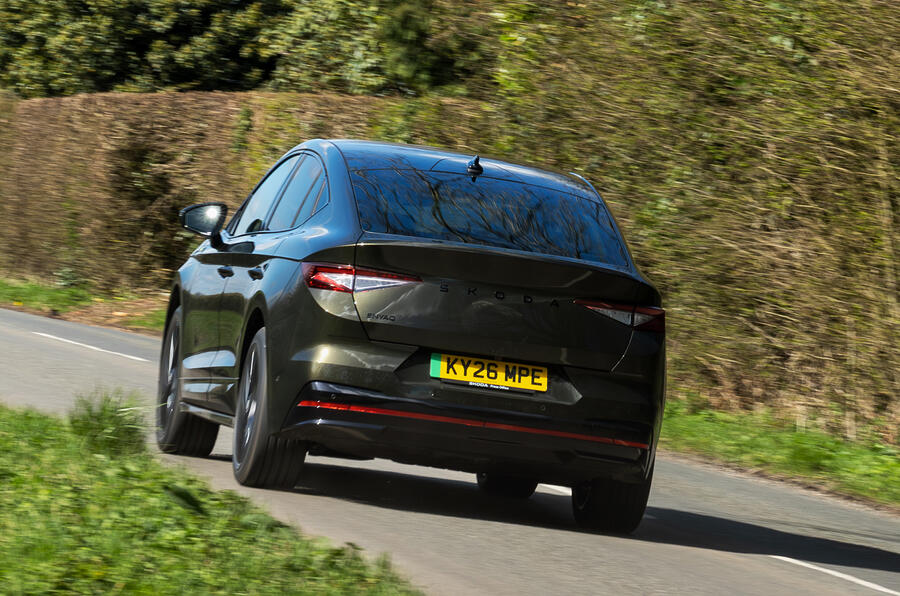
The numbers alone make a compelling case. Two electric motors – one on each axle – combine to deliver 335bhp and a substantial 679Nm of torque. All-wheel drive is standard. The result is a 0-62mph time of 5.4 seconds: genuinely brisk by any measure, and the kind of performance that would have been considered exotic in a family SUV even five years ago.
But the Enyaq vRS’s performance credentials go deeper than a sprint time. Standard fitment of Škoda’s Dynamic Chassis Control (DCC) – with 15 adjustable levels of damper stiffness – means the car can be tuned precisely to the driver’s preference and the road conditions at hand. The suspension has been lowered and stiffened versus the standard Enyaq, with thicker anti-roll bars front and rear delivering more resolute body control through corners. The progressive dynamic steering quickens and weights up satisfyingly as pace increases.
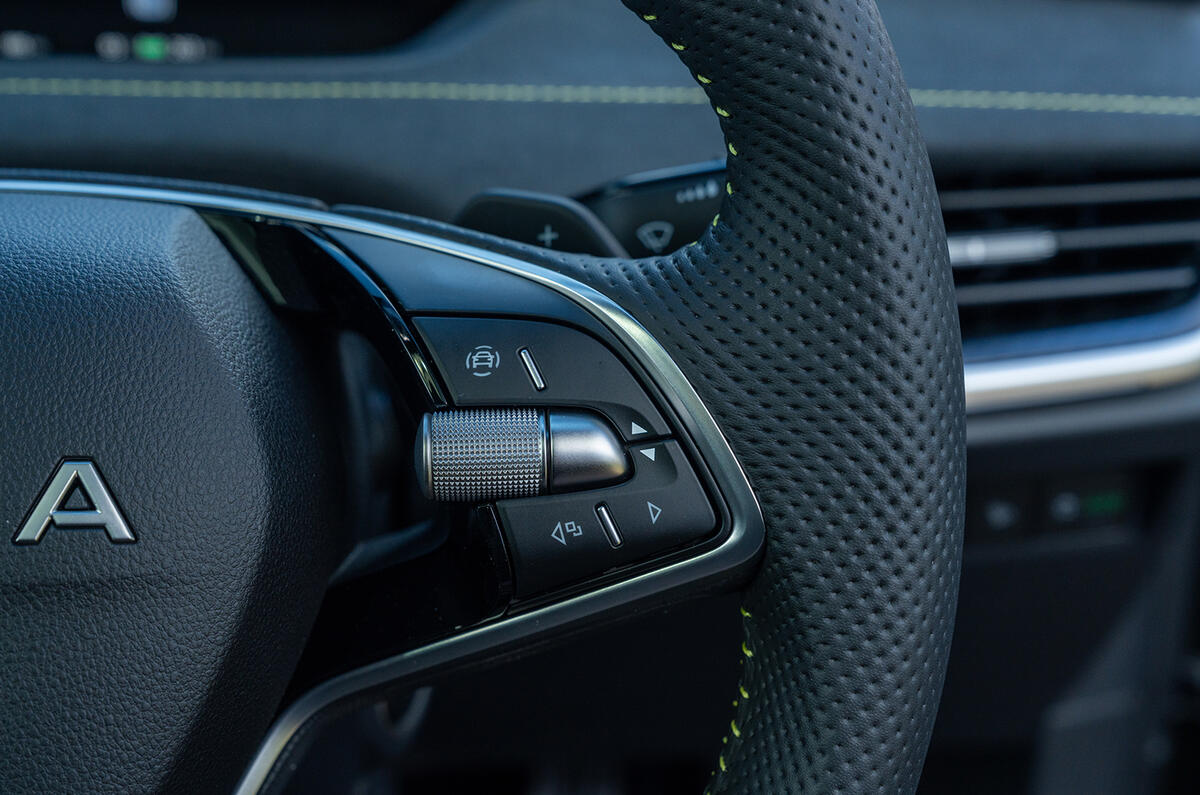
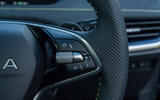
The overall character is one of deep, assured composure. Overtakes arrive almost instantaneously, the twin motors’ torque hitting with a smooth but insistent surge that dispatches slower traffic without drama. On any road, in any weather, the Enyaq vRS covers ground with an unhurried authority that’s genuinely impressive. The all-wheel drive system’s rear torque bias keeps things balanced and planted, and the regen paddles behind the steering wheel allow the driver to dial in their preferred level of energy recovery on the move.
Range and charging that mean business
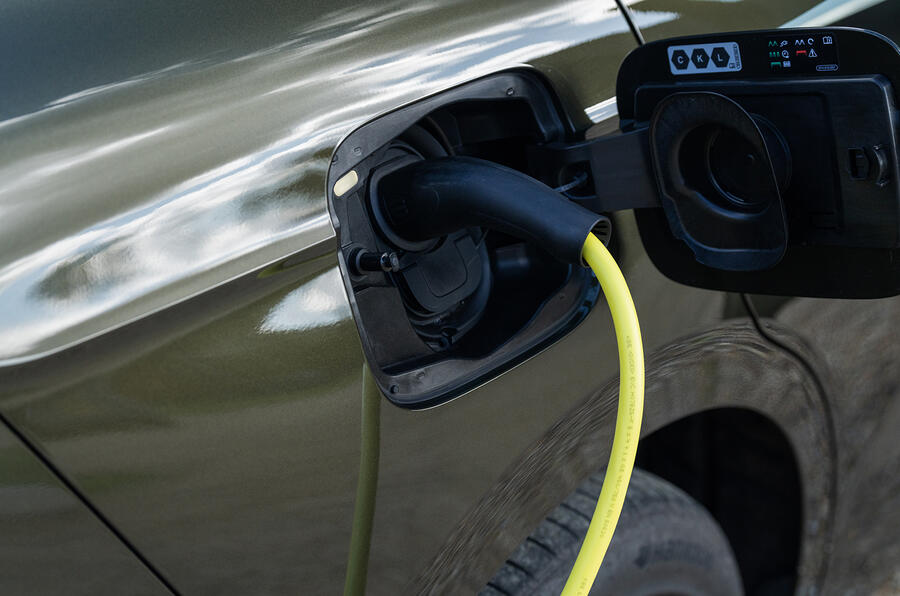
One of the most significant improvements in the new Enyaq vRS concerns real-world usability. The 84kWh battery – with 79kWh of usable capacity – delivers a WLTP-rated range of 344 miles, a substantial jump from the 296 miles offered by the outgoing model. For context, that comfortably exceeds the Kia EV6 AWD’s 339-mile range.
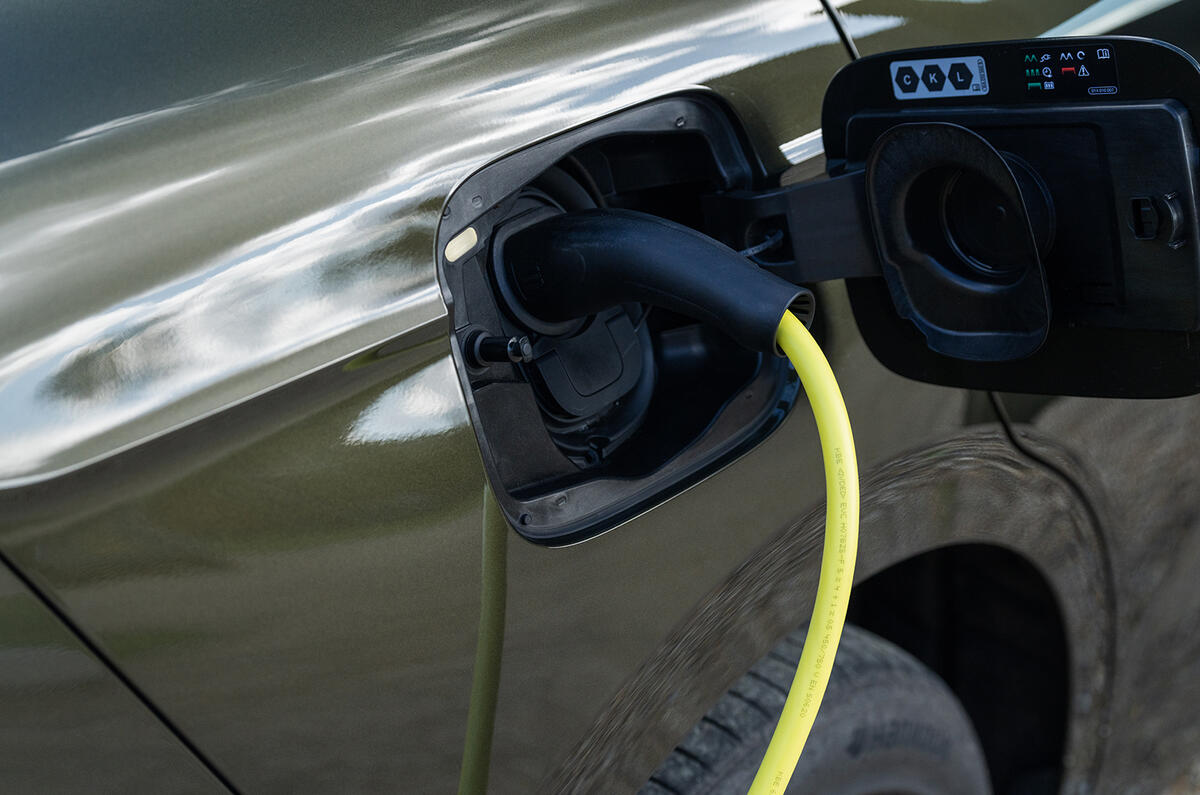
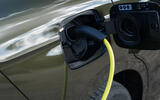
Charging has also taken a meaningful step forward. Maximum DC rapid-charging speed climbs to 185kW – up from 135kW previously – meaning a 10–80% charge takes around 26 minutes at a compatible rapid charger. Škoda’s Smart Schedule feature allows drivers to set charging around cheaper off-peak electricity tariffs, while the Remote Charging app provides live charge-status monitoring from your smartphone.