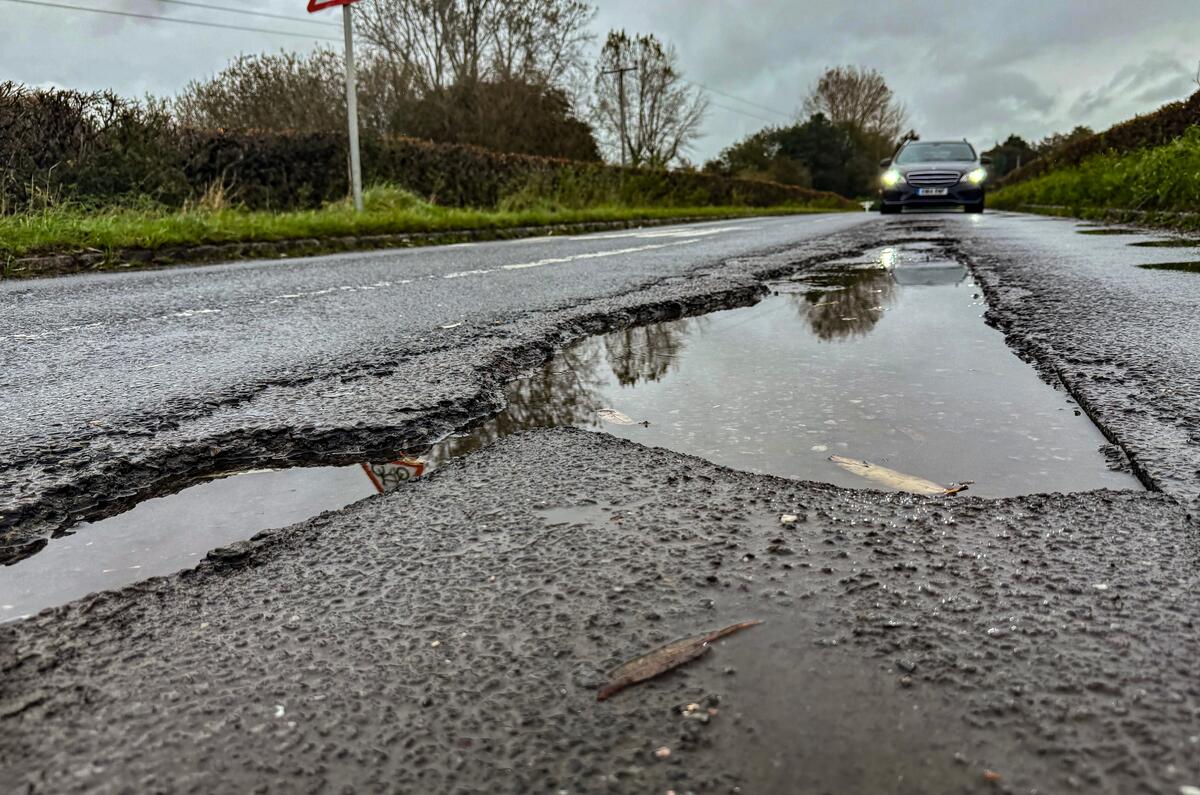
Experts say Britain has taken a wrong turn on long-term road maintenance.
There are now more than one million potholes across the UK, roughly six for every mile of road, and the problem seems to be getting worse due to what experts say are the wrong methods being deployed to repair them.
In a bid to stop the rot, the government has committed £7.3 billion for roads over the next four years and is now pushing councils towards longer-term maintenance strategies rather than simply reacting once potholes appear.
Despite that shift, drivers returning from trips abroad still wonder why roads in countries such as Germany, France and the Netherlands often appear better maintained.
So why do Britain's pothole repairs fail?
Nick Thom, assistant professor of civil engineering at the University of Nottingham, said some repairs are simply not designed to last.
"Pothole filling carried out in winter is usually done as a cheap emergency repair, without proper preparation of the surrounding surfaces and with materials that are not designed to last more than a few months," he said.
According to Thom, short-term repairs often rely on cold asphalt mixtures because they can be applied in cold and wet conditions.
He also cited research from one of his PhD students, who found repairs made in winter were more likely to suffer major fretting, where stones begin coming away from the road surface.
Did Britain make the wrong choice?
However, Thom said winter repairs are only part of the problem.
He explained that around 25 years ago the UK began moving away from Hot Rolled Asphalt (HRA) in favour of so-called thin surface course systems.
Thom said the decision to move towards thin surface course systems, which was taken to reduce road noise and spray, "contributed a lot" to the pothole problems drivers experience today.
"The material was really designed for faster roads, like A-roads and motorways," said Thom, "but around the same time many local authorities decided to follow the same approach on secondary roads. Where speeds are much lower, and spray not an issue, HRA would have been a much better solution. I would say we as a nation got it wrong."
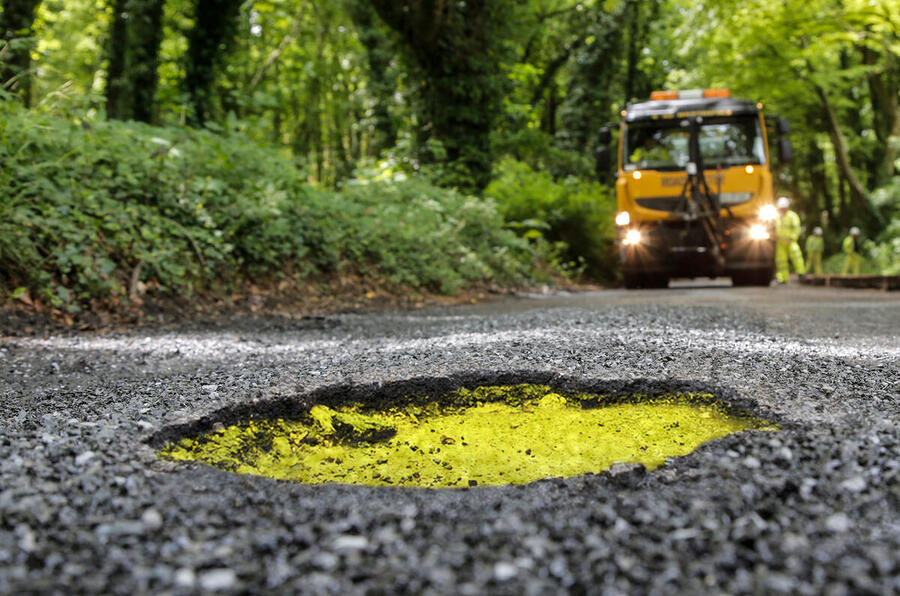
Thom said HRA often lasts more than 30 years, while some thinner surfacing systems last no more than 10 to 15 years before needing attention.