

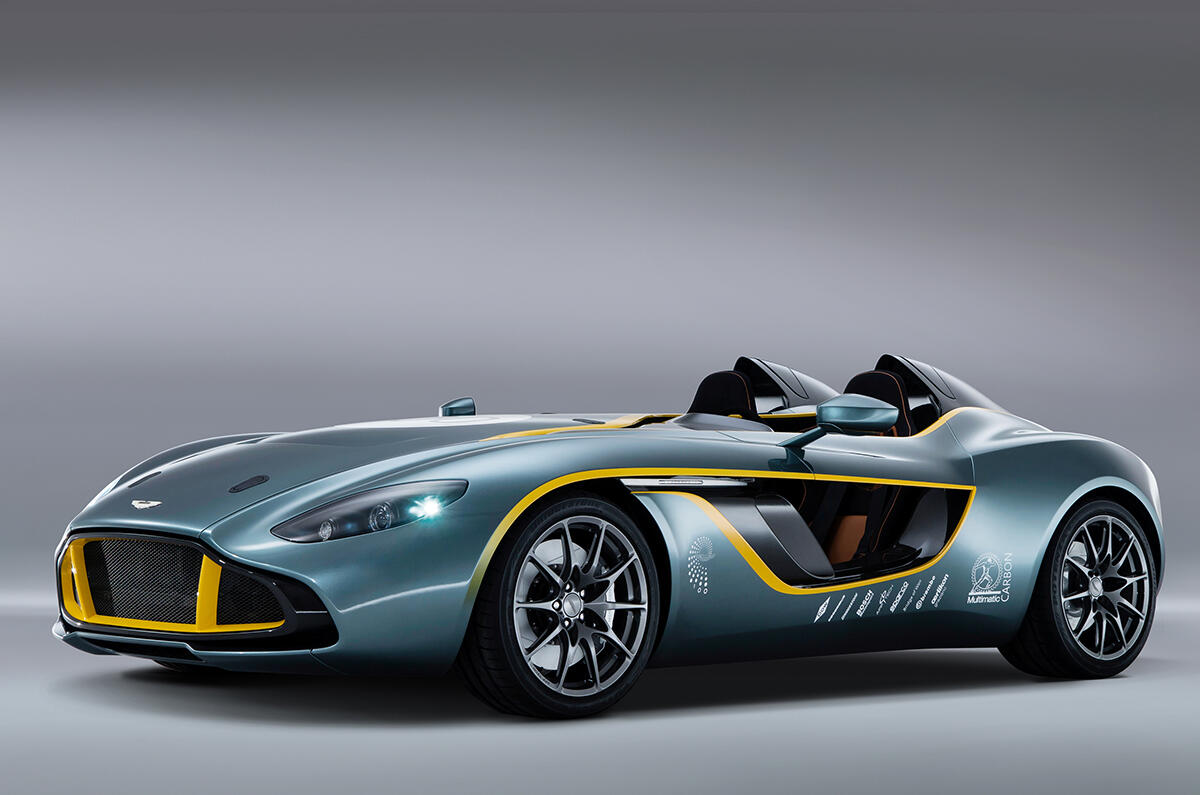



The history of Aston Martin is so inordinately complex and, at times, dysfunctional and precarious that it makes the British monarchy look positively straightforward and well adjusted.
There have been times in the past 100 years when Aston Martin has been the most coveted brand on earth, and others when the boss has gone to work in the morning fully expecting to lock the gates for good by sundown. The late Victor Gauntlett told me it was once even helped out by Saddam Hussein – whose troops were good enough to torch all of the Astons belonging to the Kuwaiti royal family in 1990, their replacements paying the wages for a few crucial months.
The name may not be quite as blue-blooded as Rolls-Royce, or as steeped in competition success as Bentley or Jaguar, but I’d wager that if you ask the world to name Britain’s most coveted car brand, more would say ‘Aston Martin’ than any other.
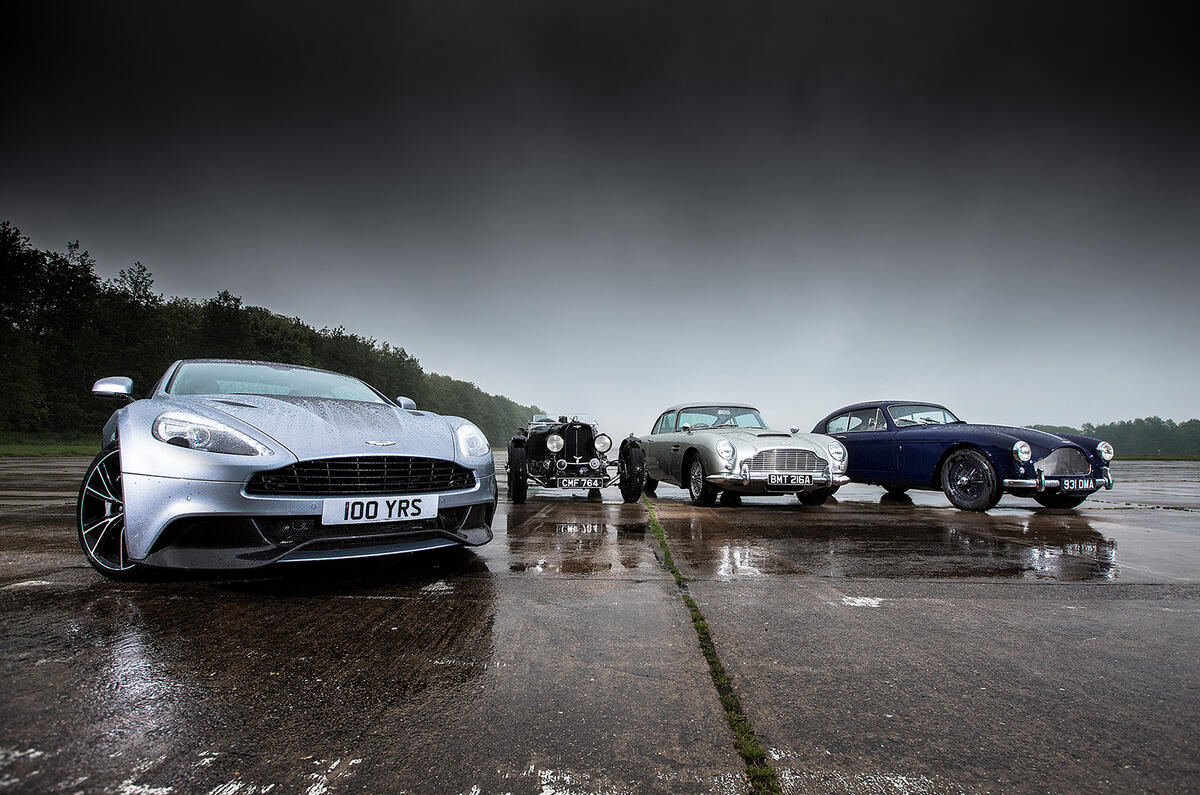
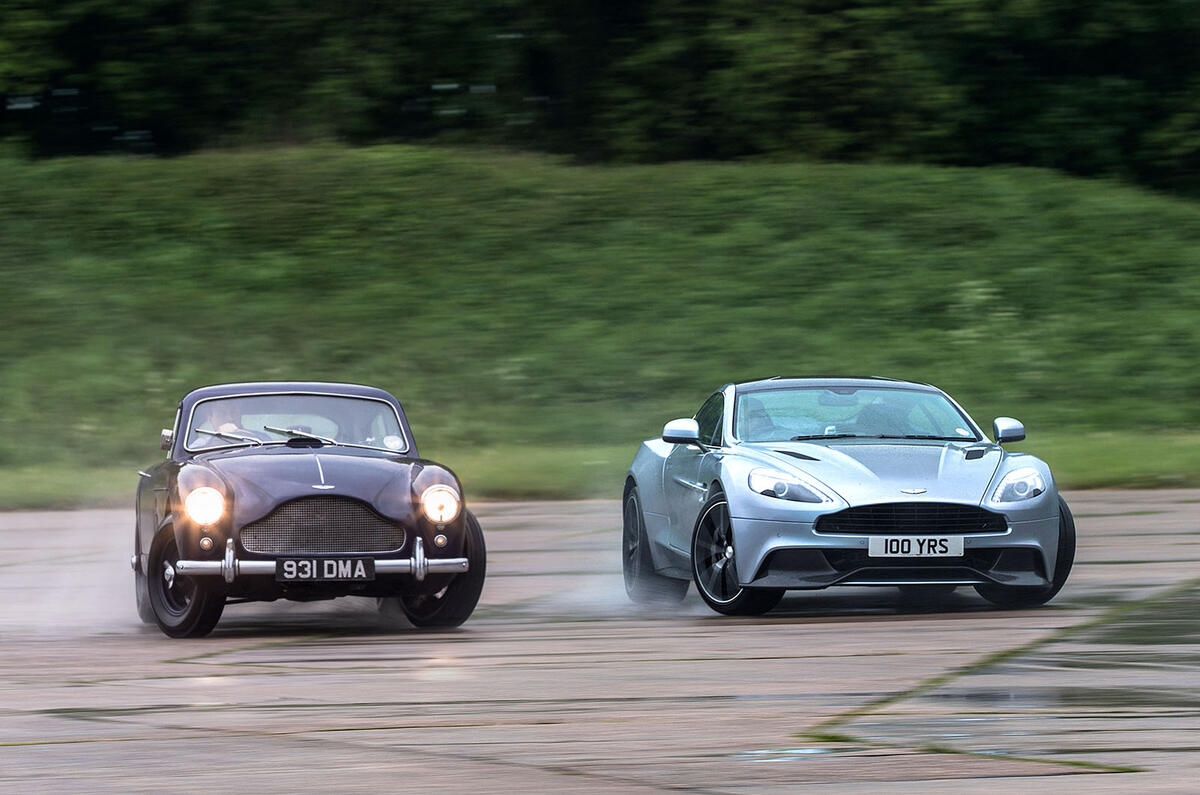
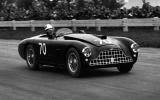
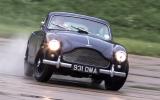
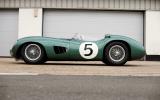
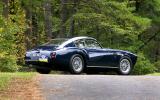
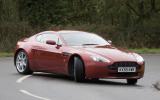
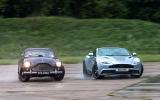
Watching these four cars getting slowly soaked on a concrete runway in the middle of a vast V-bomber airfield in Leicestershire, I’m not surprised. We’d have struggled to find worse weather or a more featureless location and still, individually and collectively, they look utterly gorgeous. They are here, plucked from across time, to tell us more about this most enigmatic of marques and to see what traces of the character of the originals have been preserved in this centenary year.
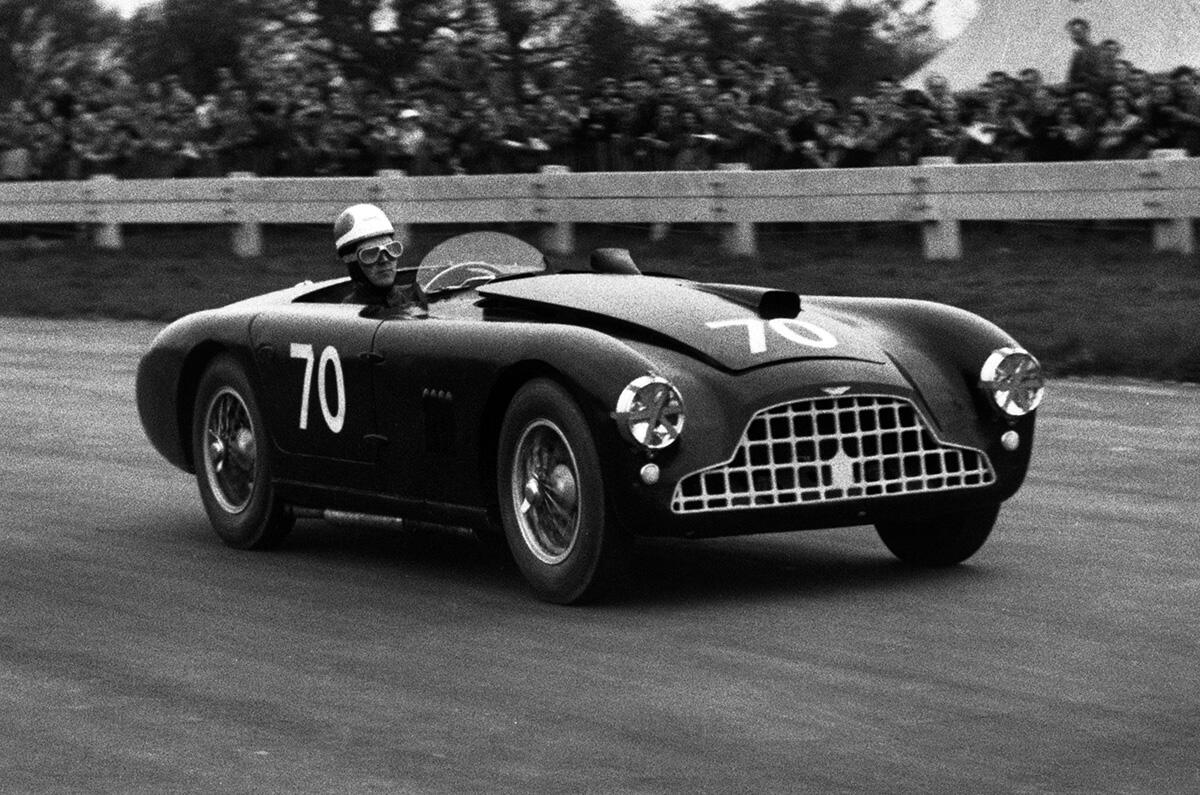
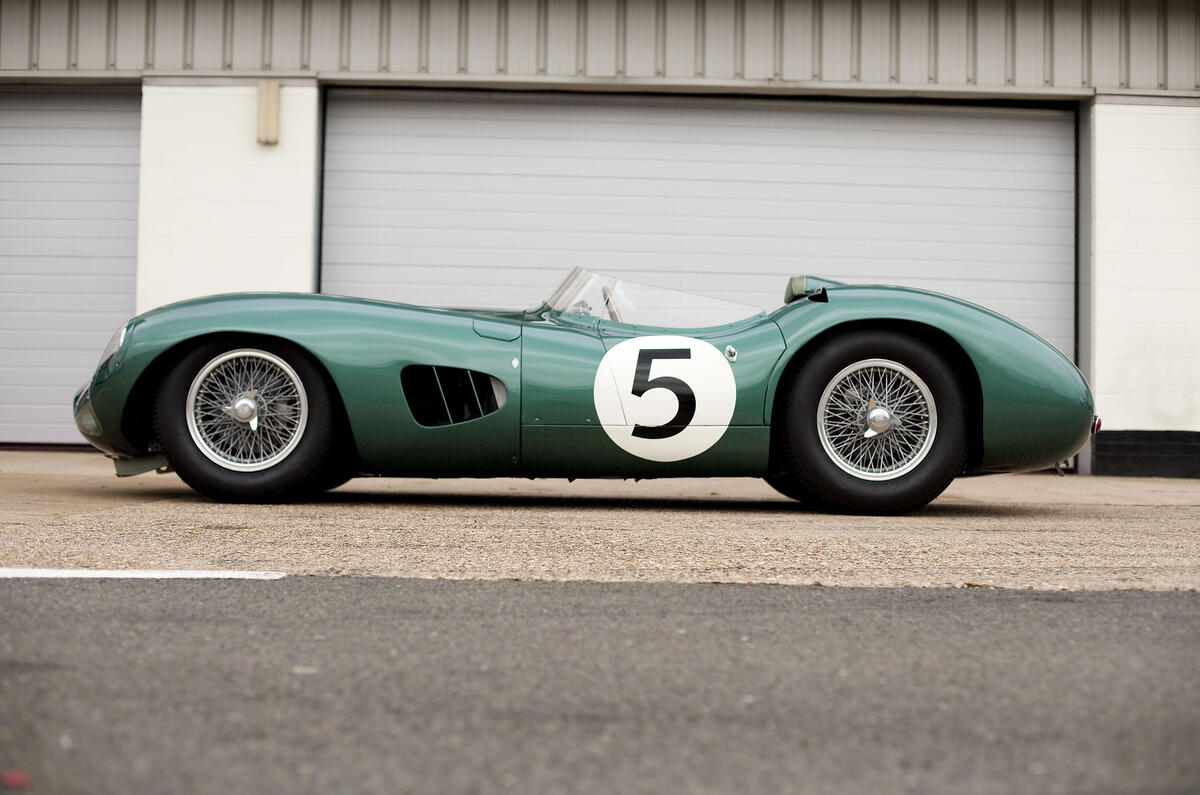
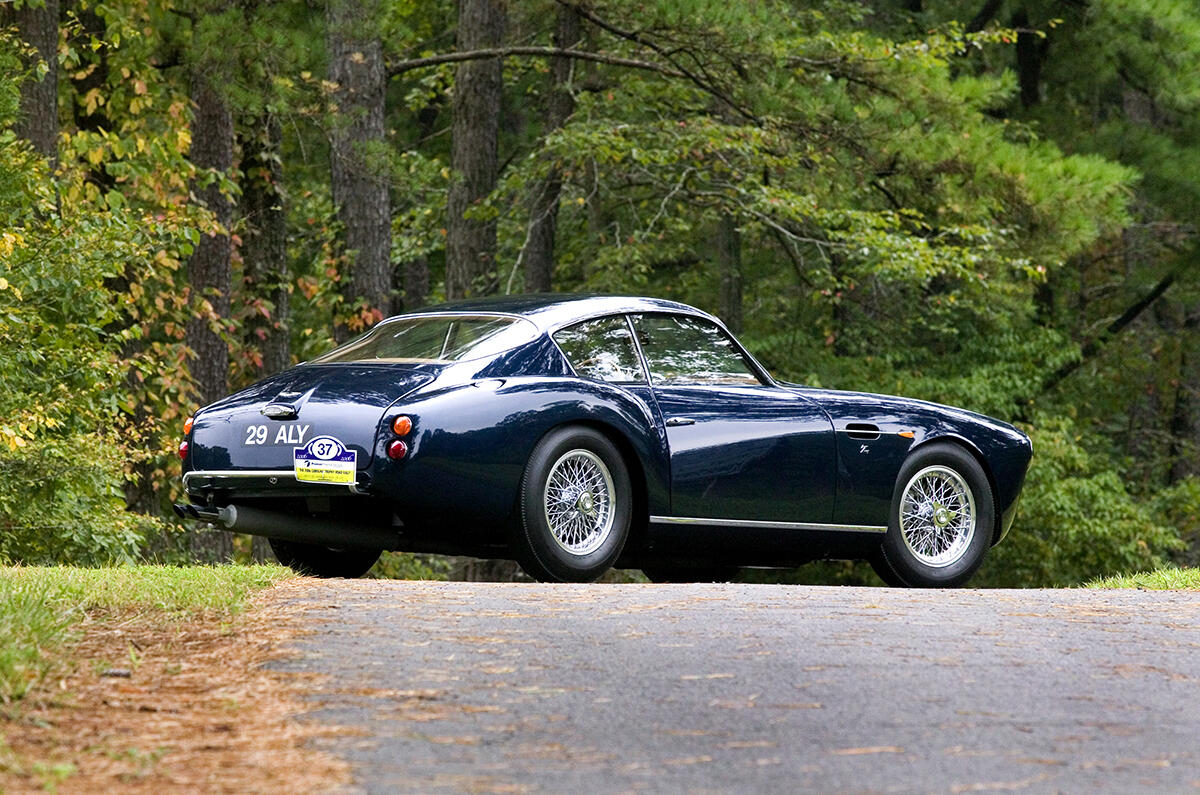
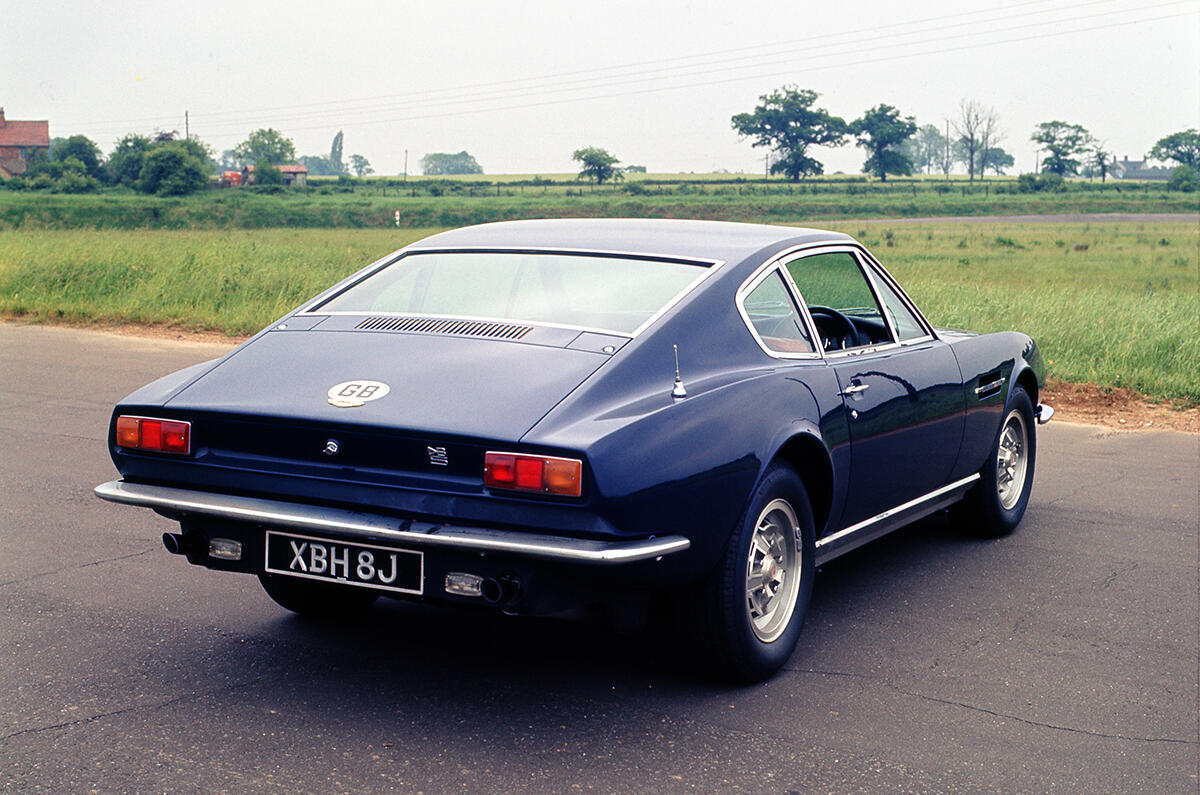
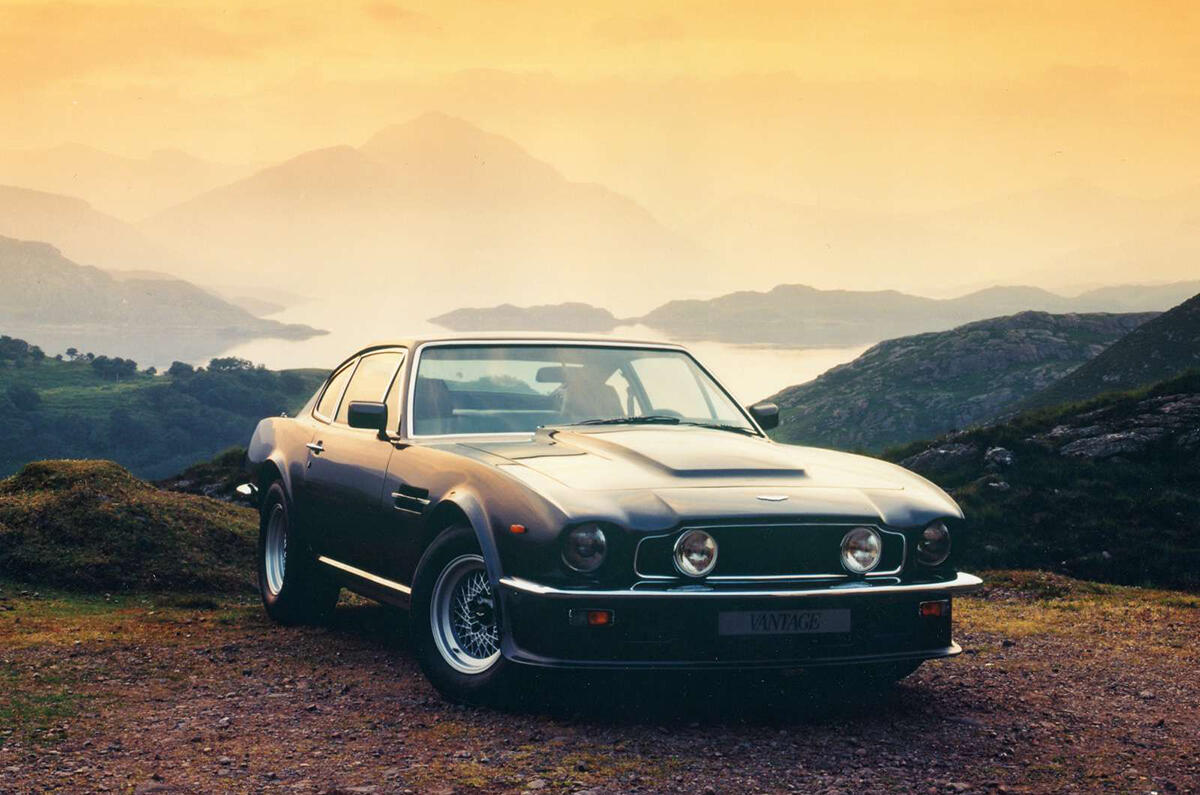
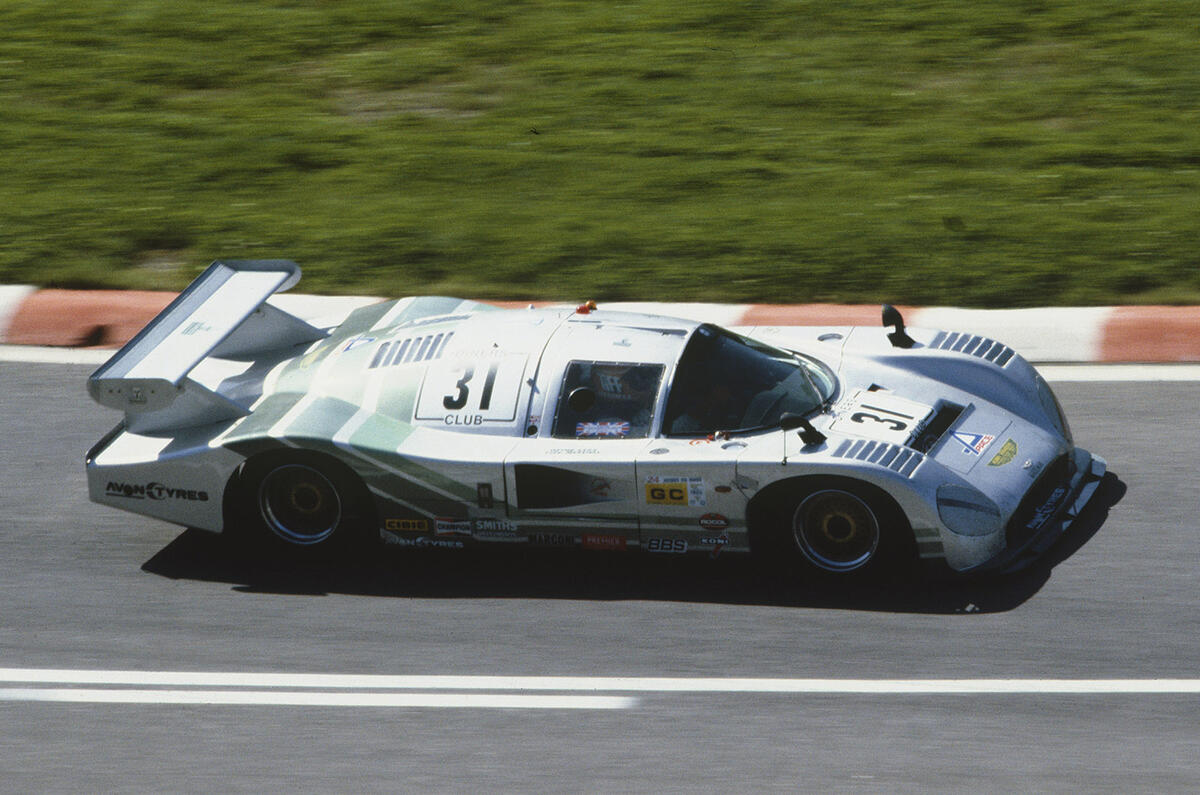
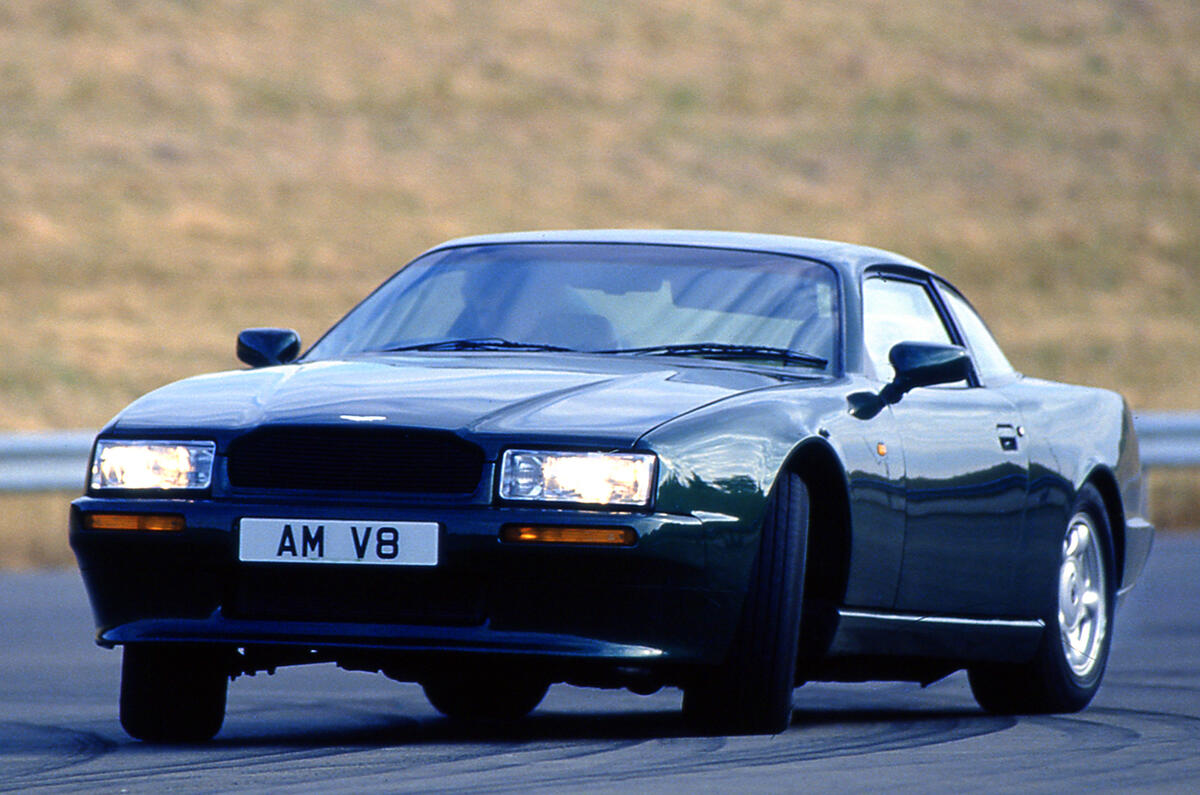
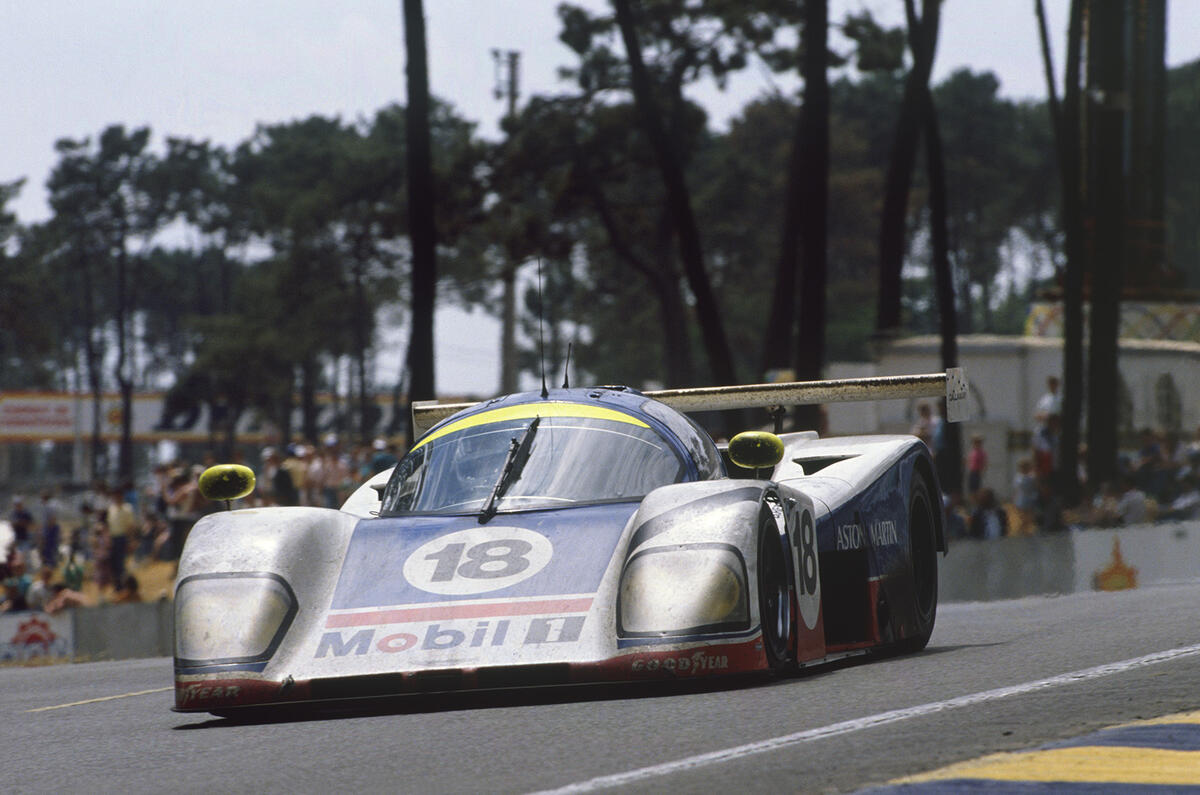
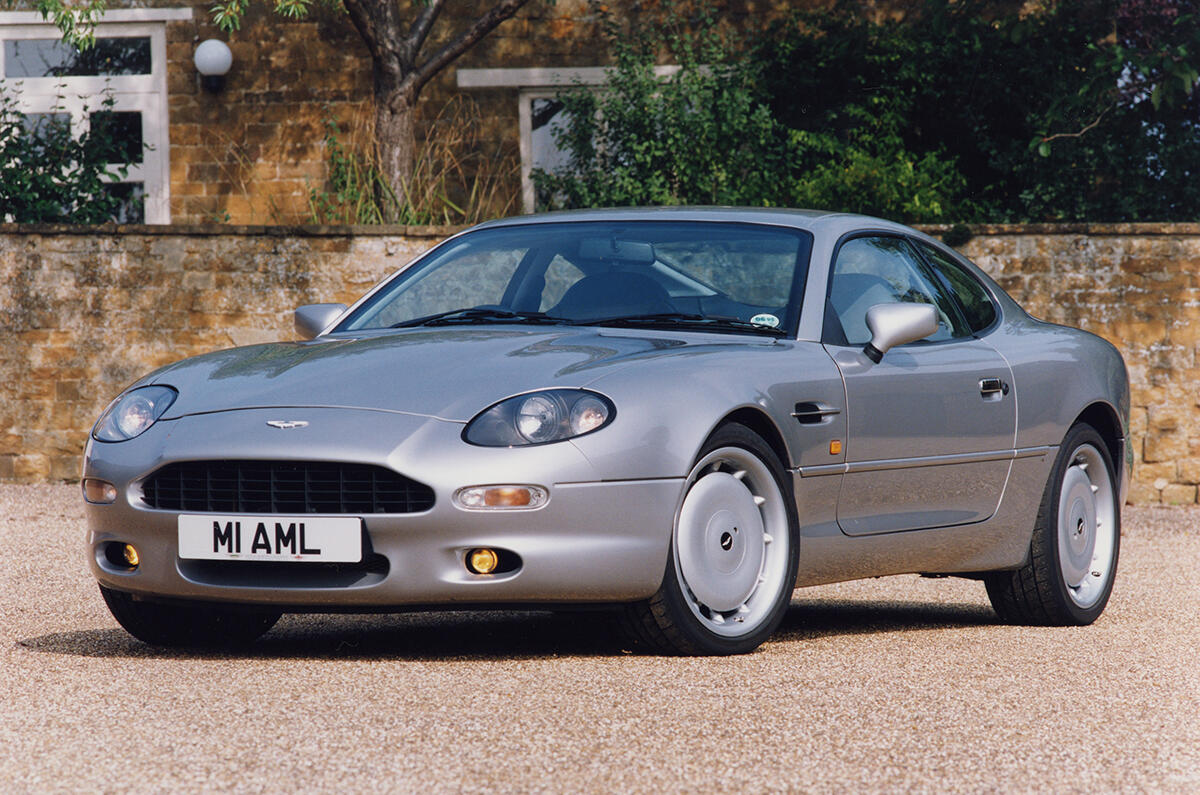
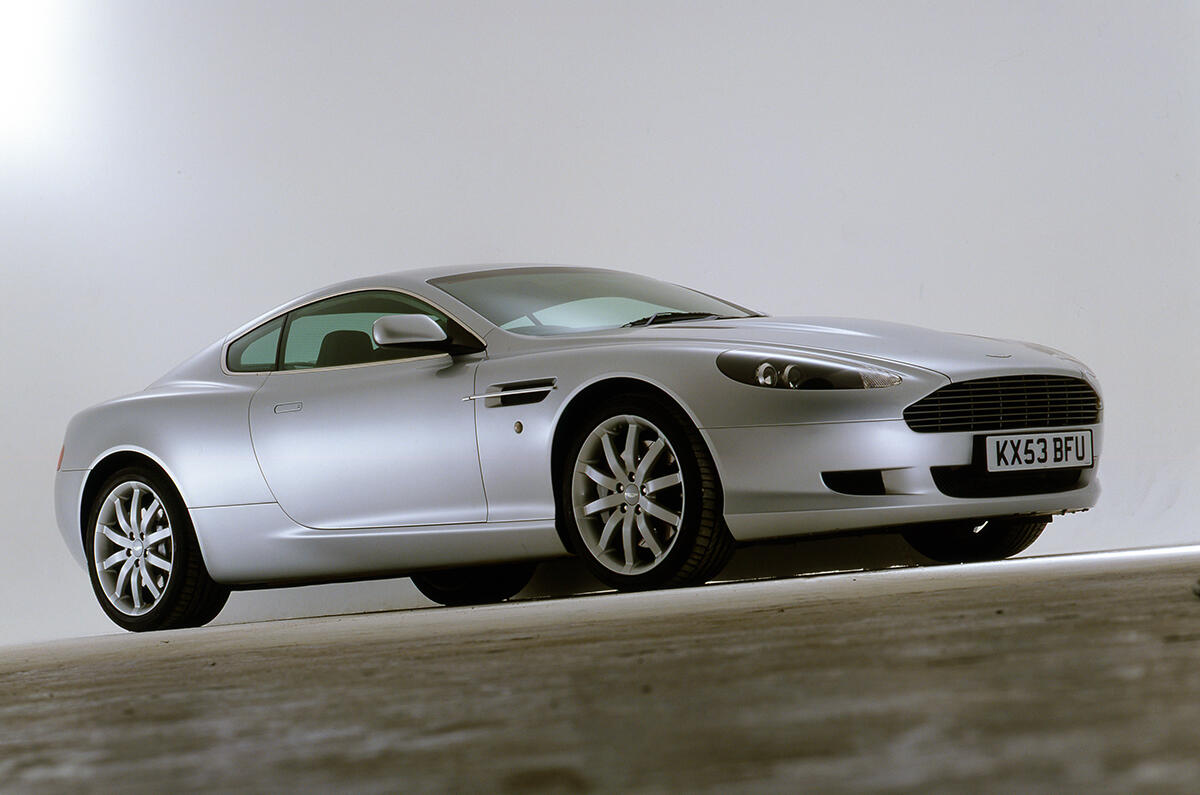
About now, you’ll be wondering about the cars that are not here. There are so many: there’s no 2-Litre Sports, the car retrospectively entitled the DB1 – the first of the David Brown Astons. And there are no racers. Nor is there any representation of the V8s built in the 1970s, 1980s and 1990s. If I could have had one more (given that the DB7 is examined elsewhere on these pages), it would have been an ‘Oscar India’ V8 Vantage from the late 1970s. But four was the limit and the brief to illustrate the phases of Aston’s existence. They were never intended to be a neatly spaced chronology of Aston Martin history. Instead, we wanted simply the best from each phase.
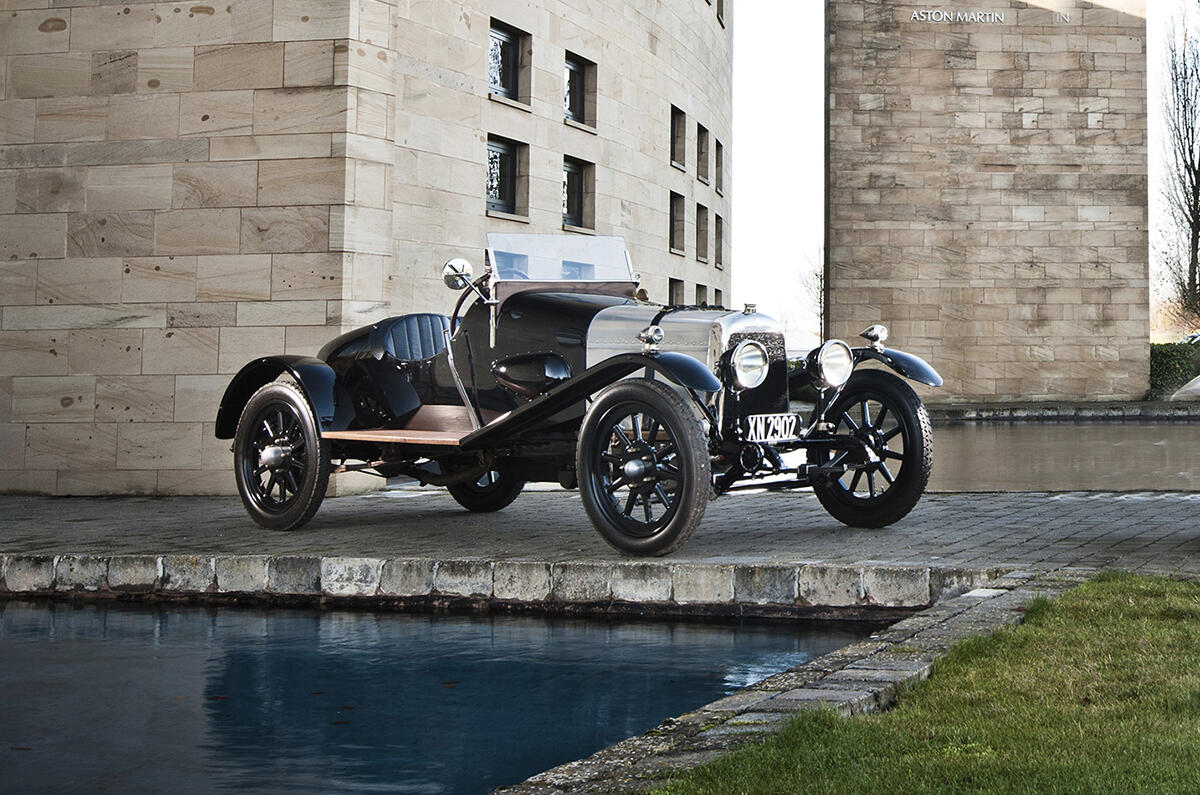
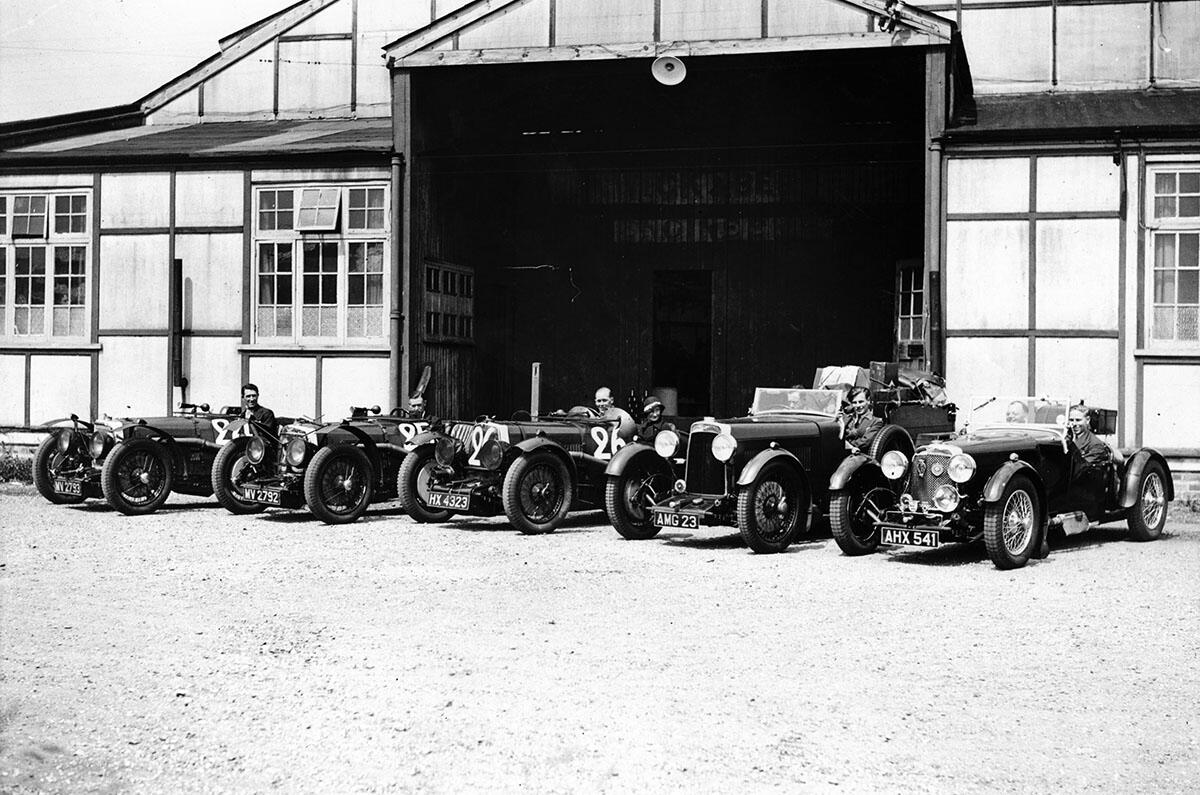
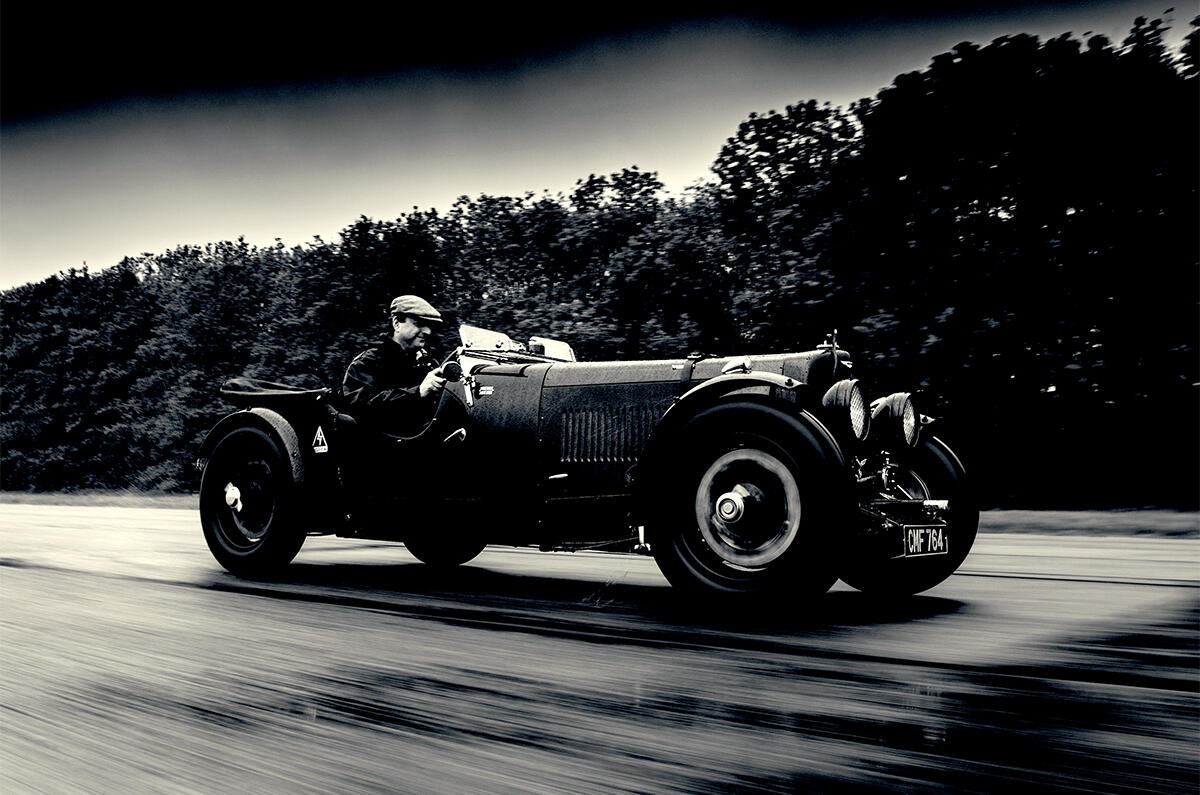
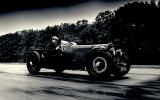
We had to have a pre-war car and, once that decision was made, it was only ever going to be an Ulster, the ultimate development of technical director Augustus ‘Bert’ Bertelli’s design for a proper British sports car.
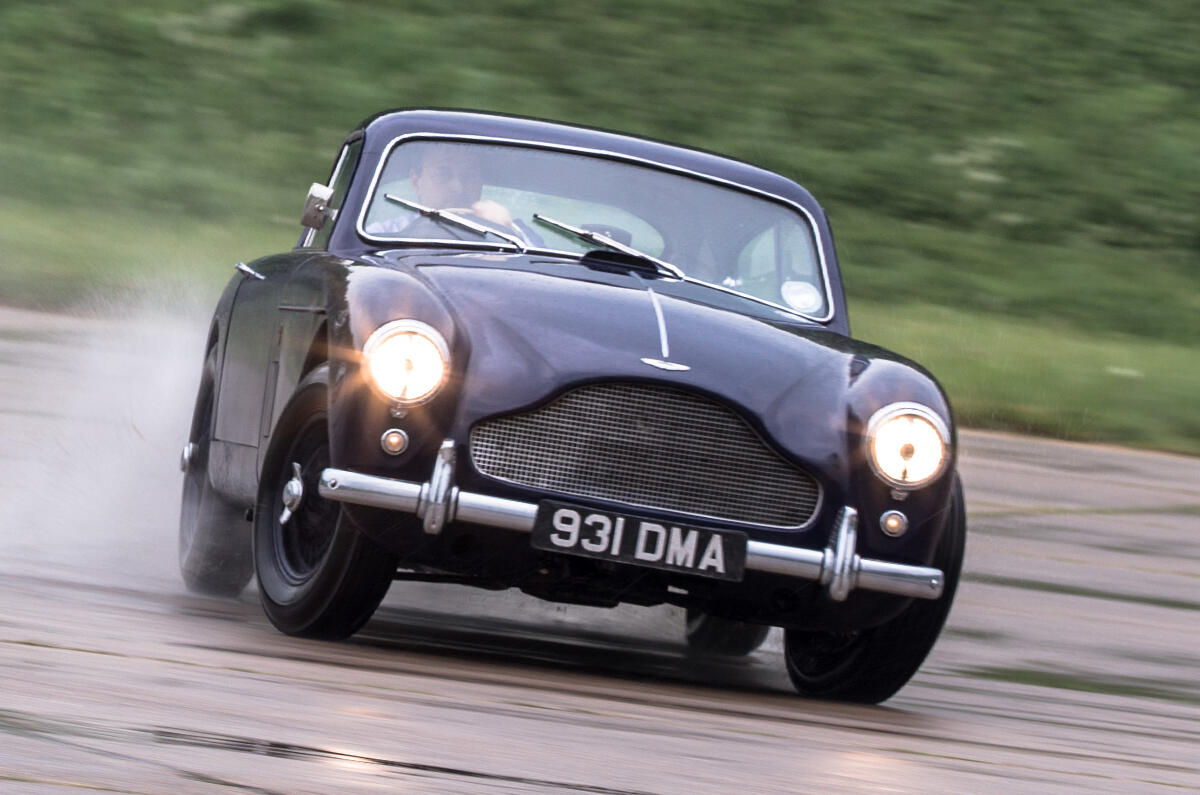
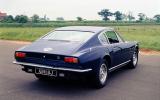
Next, we needed the ultimate development of the original David Brown Aston Martin and the last of the cars built at Aston’s home in Feltham. Technically a DB2/4 MkIII but universally known as the MkIII (and never to be described as a DB3), this is the least well known of the Astons here but, as we shall see, our story would be incomplete without it.
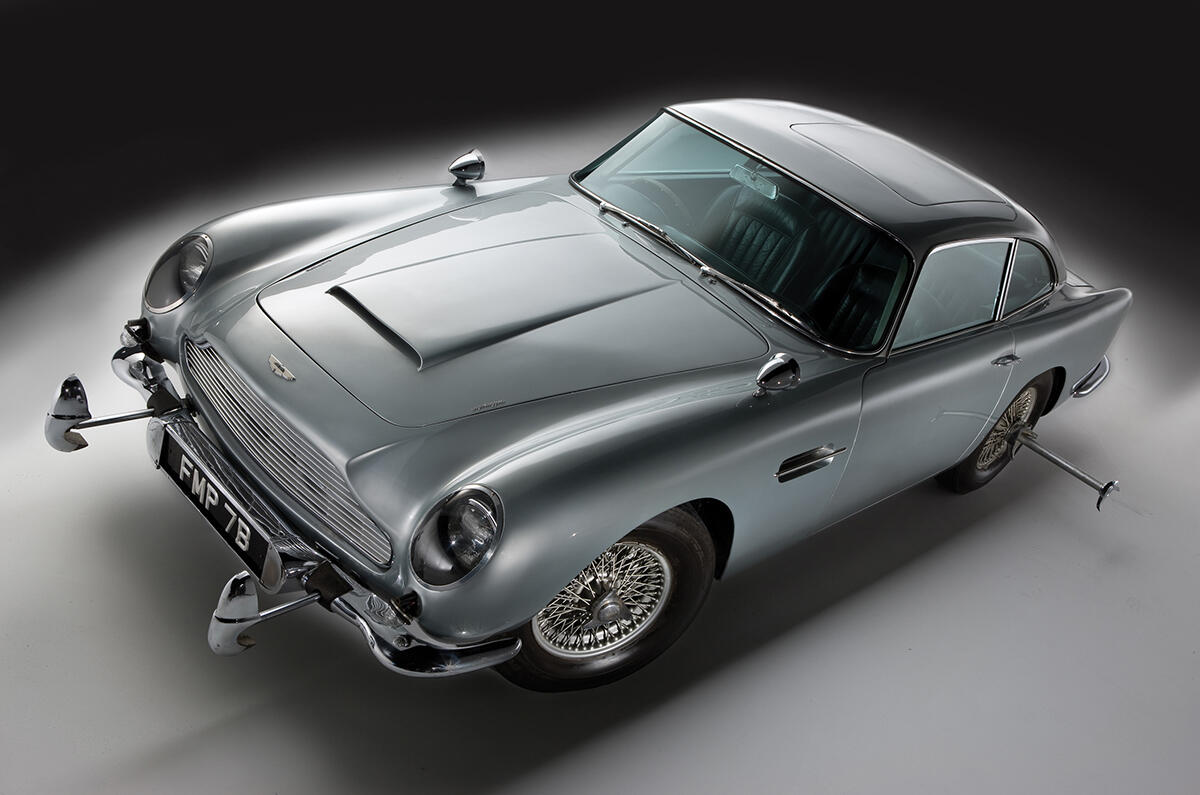
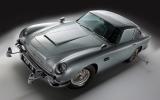
Then comes the DB5 – the very car last seen being driven by Daniel Craig in the Bond movie Skyfall, and if I need to explain its presence here, you might have clicked onto the wrong website. Of all the cars produced by Aston Martin during the ups and downs of the Newport Pagnell era, it is the one that’s considered to epitomise all that an Aston should be.
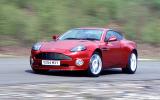
Which brings us to the present day and the new Vanquish, wearing its centenary paintwork and sterling silver badging. Sitting on the apron, it doesn’t look contrived, awkward or out of place. It can’t be easy with all those ancestors peering over its shoulders, but it seems comfortable in such illustrious company. And that’s the first test passed.


