





Currently reading: How Audi’s e-hybrid tech is changing the game for plug-in hybrids

Audi’s e-hybrid blends electric efficiency with petrol performance, delivering range, power, and everyday flexibility

The perfect balance. A promise that sounds appealing, but is rarely delivered in practice. Choosing one advantage usually means sacrificing another – a compromise most of us have come to accept in life. But in the case of plug-in hybrids, that trade-off simply doesn’t apply.

By combining the smooth refinement of electric-only power for everyday journeys with the go-anywhere flexibility of a petrol engine, plug-in hybrids provide the perfect bridge for drivers wanting to take their first step towards electrification without leaping straight to a fully electric car.

It’s a formula that has proved so popular in recent years that there are now dozens of plug-in hybrids on the market, from compact city hatchbacks to seven-seat people haulers and everything in between. So, the question is, who has perfected this no-compromise formula? In our opinion, that would be Audi.

Audi’s new, state-of-the-art e-hybrid technology embodies the brand’s iconic Vorsprung durch Technik philosophy, delivering some of the best electric-only ranges on the market, along with silky-smooth refinement, pulse-raising performance and steadfast quattro grip. Intrigued? Read on to find out the ways Audi e-hybrid is changing the game for plug-in hybrids.

Learn more about Audi e-hybrid

Impressive electric-only range
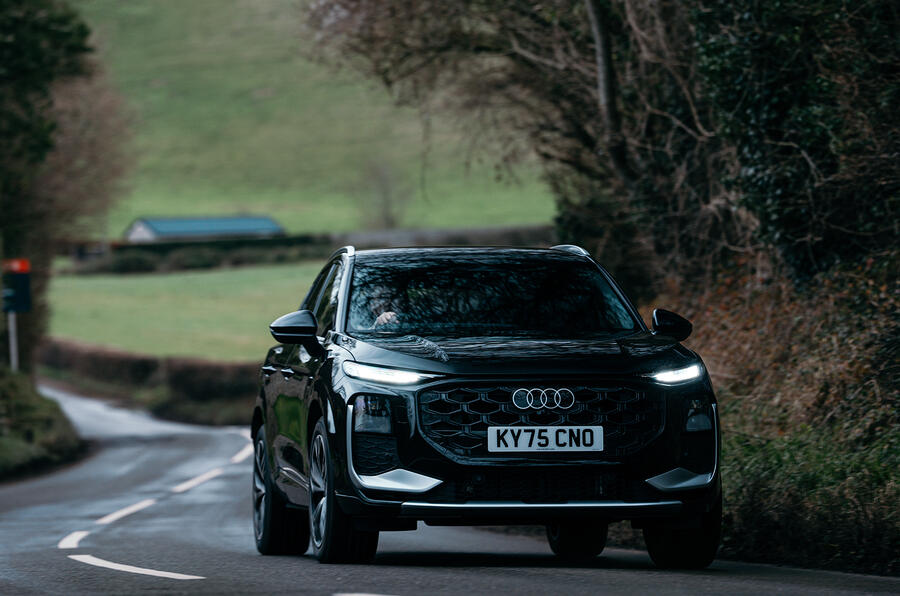
The ability to travel short distances on pure electric power is one of the biggest perks of plug-in hybrid technology; it’s smooth, quiet and helps keep your weekly fuel costs down. Only, in the case of Audi e-hybrid, the distances you can travel on electric power aren’t all that short at all.

That’s all thanks to Audi’s cleverly engineered battery architecture. At the heart of each Audi e-hybrid model sits a high-voltage lithium-ion battery that punches well above its weight, combining high energy density cells with a compact, modular cell-pack design, all controlled via an intelligent energy management system and supplemented by regenerative braking that recaptures energy for later use.

In laymen’s terms, this means Audi has found a way to cram more usable energy into less space, keeping cabin and boot room uncompromised while extending the electric-only range. The result is, depending on which Audi e-hybrid model you choose, you can travel up to 57-88 miles (WLTP)[1] on electric power.

To put this into real-world context, the average drive to and from work in the UK is around 20 miles a day. This means you’ll be able to complete almost 80% of your weekly commute without ever having to engage the petrol engine – lowering running costs and ensuring zero tailpipe emissions.

Back to top

Rapid charging

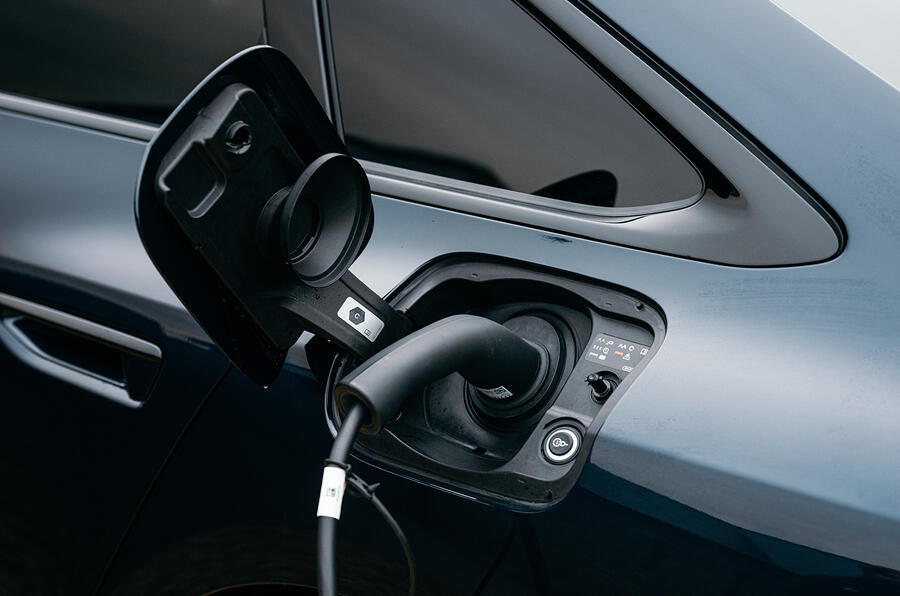
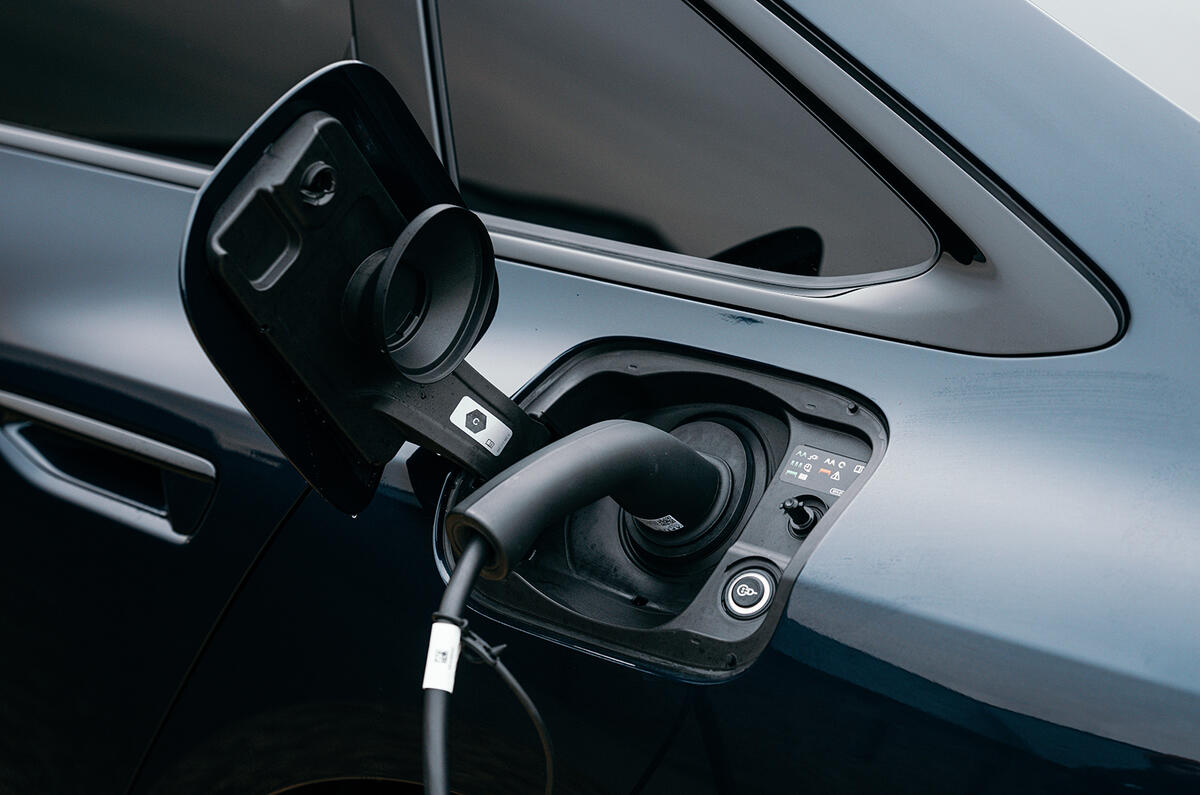
Another area where Audi e-hybrid really moves the needle is charging. Traditionally, plug-in hybrids have been limited in their rapid charging capabilities by their smaller batteries, typically only accepting AC charging up to 11kW – the sort of power you’d expect from a home wallbox or workplace charger. That usually translates to a full charge in around two and a half hours. Perfectly usable for everyday driving – but what if you want the ability to top up on the go?

Thanks to carefully optimised battery cell chemistry, thermal management and high-voltage architecture, select models in Audi’s plug-in hybrid range – including the A3 TFSI e and Q3 e-hybrid – can now accept DC rapid charging of up to 50kW, allowing the battery to be replenished from 10% to 80% in as little as 29-30 minutes[2] – a benefit usually reserved for fully electric cars.

In everyday terms, that fundamentally changes how a plug-in hybrid fits into everyday life. Rather than solely relying on overnight top-ups, drivers can make the most of public rapid chargers, such as those found at motorway service stations, for a quick mid-journey boost – effectively extending the all-electric range and giving more go-anywhere flexibility.

Back to top

Enhanced performance

Contrary to common belief, plug-in hybrid electrification isn’t just about boosting efficiency – it sharpens performance, too. For the majority of longer journeys, Audi’s e-hybrid models automatically run in Hybrid mode, where the petrol engine and electric motor work in harmony to deliver a smoother, more responsive drive.

The electric motor’s punchy torque fills the natural gaps in the combustion engine’s power delivery, enhancing acceleration and throttle response in a way that pure petrol engines struggle to match. Guided by Audi’s rich performance car heritage and its Vorsprung durch Technik philosophy, the system is engineered to deliver the sort of driving engagement enthusiasts expect from a model sporting the four rings.

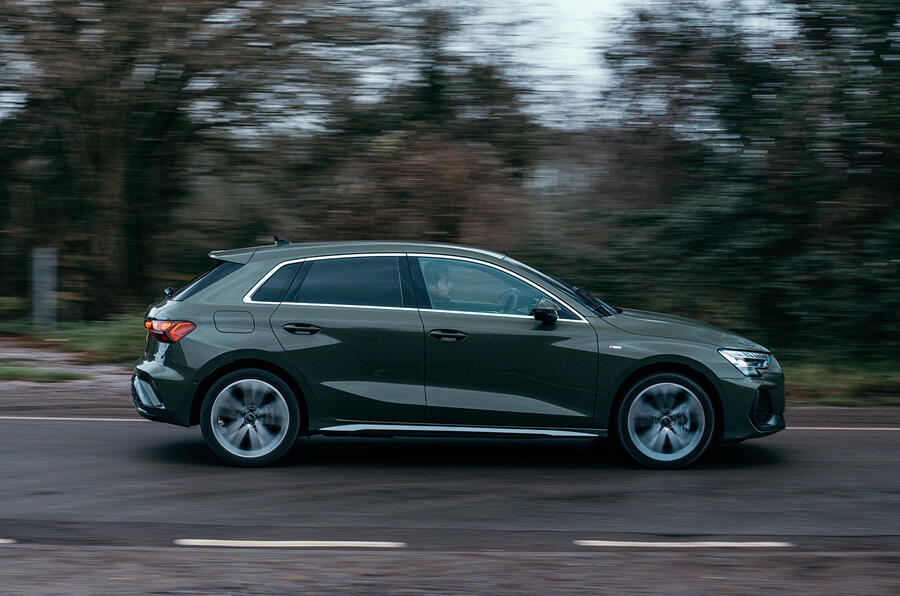
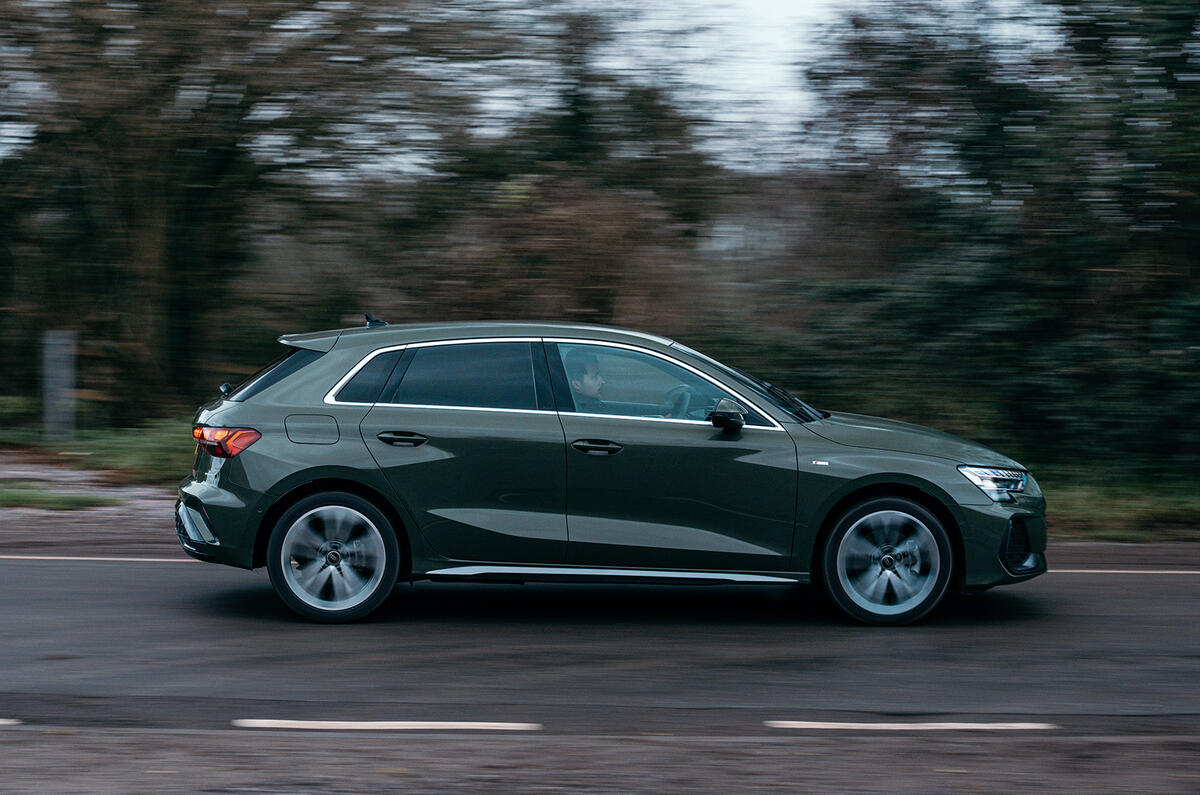
Across Audi’s e-hybrid lineup, two petrol engines form the backbone of the system: a 1.5-litre turbocharged four-cylinder in more compact models, and a 2.0-litre unit in larger cars and SUVs, each paired with an electric motor and high-voltage battery of varying capacities. In the A3 Sportback TFSI e, this combination produces 204PS and 205Nm, good for a hot hatch-like 0-62mph sprint of 7.4 seconds. Step up to the A6 Saloon e-hybrid, and outputs rise to 299PS and 450Nm, with 0-62mph dealt with in just 6.0 seconds.

But crucially, all that performance doesn’t come at the expense of efficiency. Because the electric motor does much of the work in urban and suburban driving, fuel economy can dip into three-figure mpg territory, with CO₂ emissions correspondingly low. Drivers also have full control via two drive modes: EV mode for purely electric journeys, and Hybrid mode, which orchestrates petrol and electric power according to battery charge, driving conditions, and even the sat-nav route to deliver the most efficient performance at every stage of the journey.

Back to top

Seamless quattro integration

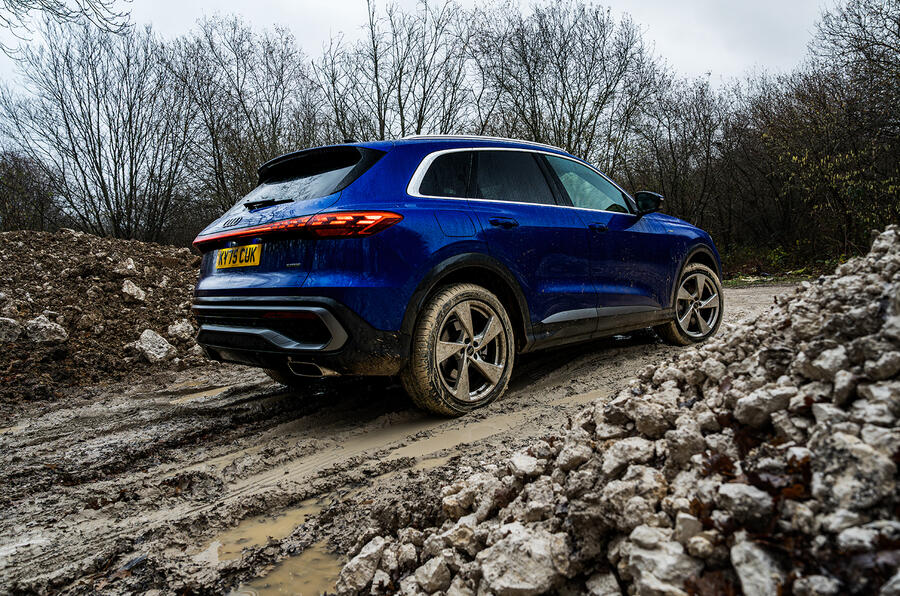
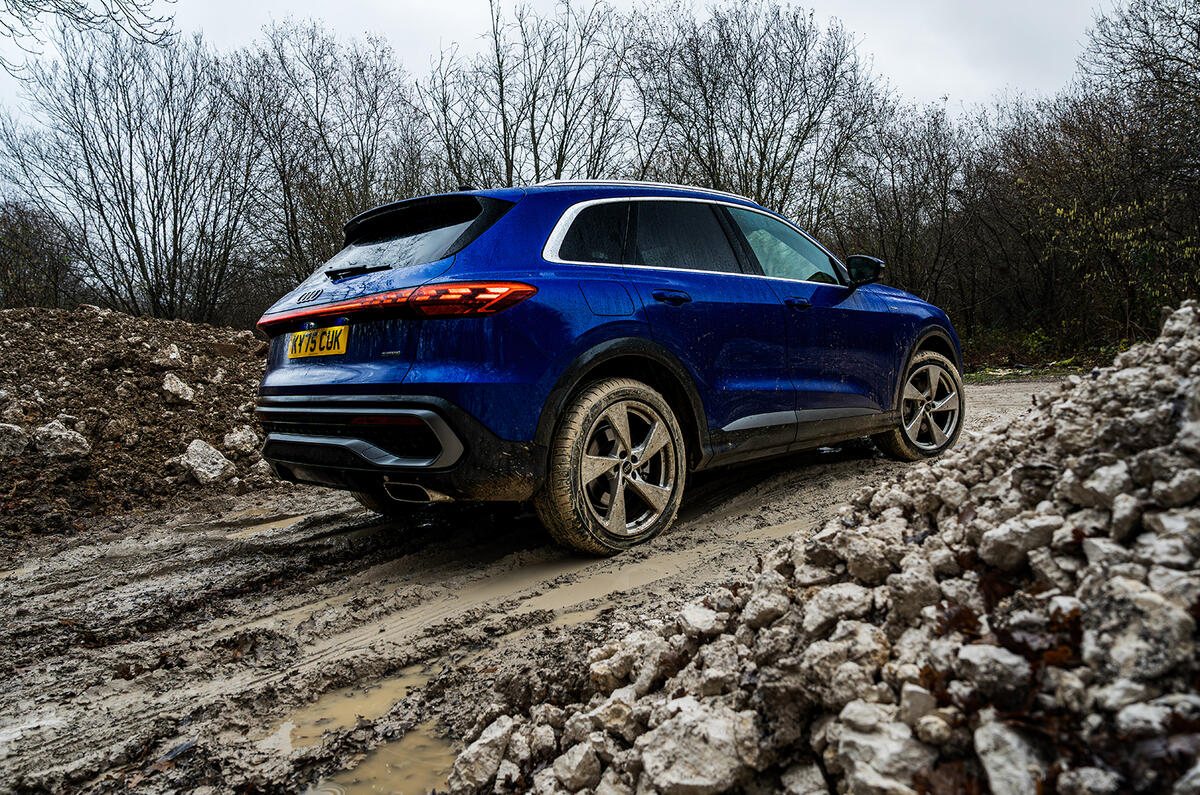
One of the understated advantages of Audi’s e-hybrid range is how quattro all-wheel drive has been woven into the architecture. On most models, including the A5, A6 and Q5,  quattro comes as standard, meaning traction isn’t something you have to think about – it’s built into the car’s DNA. Whether the road is wet, icy, or loose, the system distributes power intelligently between front and rear axles, ensuring grip is maintained without fuss.

The electric motor plays a key role in this integration. By working in tandem with the petrol engine, it helps to deliver unrivalled grip and optimised traction in all conditions. That not only enhances acceleration and cornering stability but also makes everyday driving feel effortless – simply point, and the car shall follow.

Unrivalled flexibility

At its core, Audi’s e-hybrid technology is about freedom. It gives drivers the flexibility to tackle any journey on their terms – whether that’s near-silent commuting in town, relaxed long-distance travel, or anything in between. By combining the rare balance of efficiency, performance, and adaptability, e-hybrid finally makes the best of both worlds a reality.

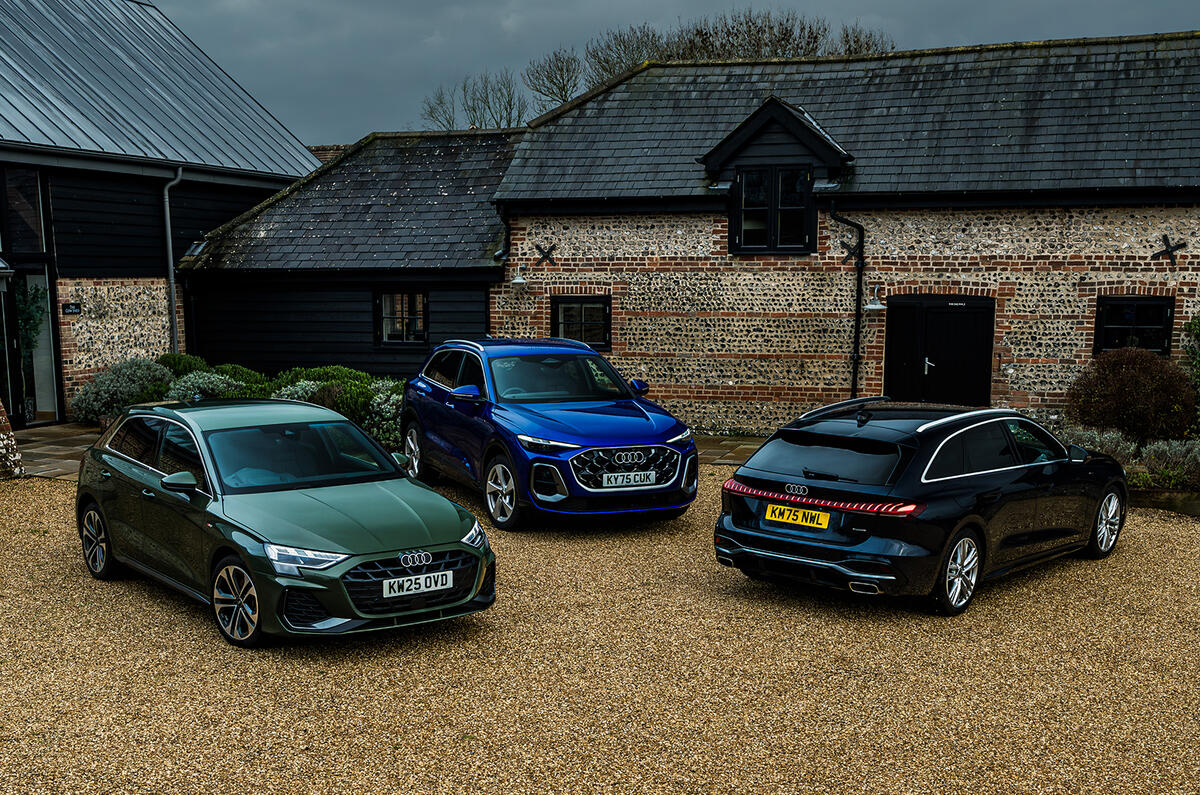
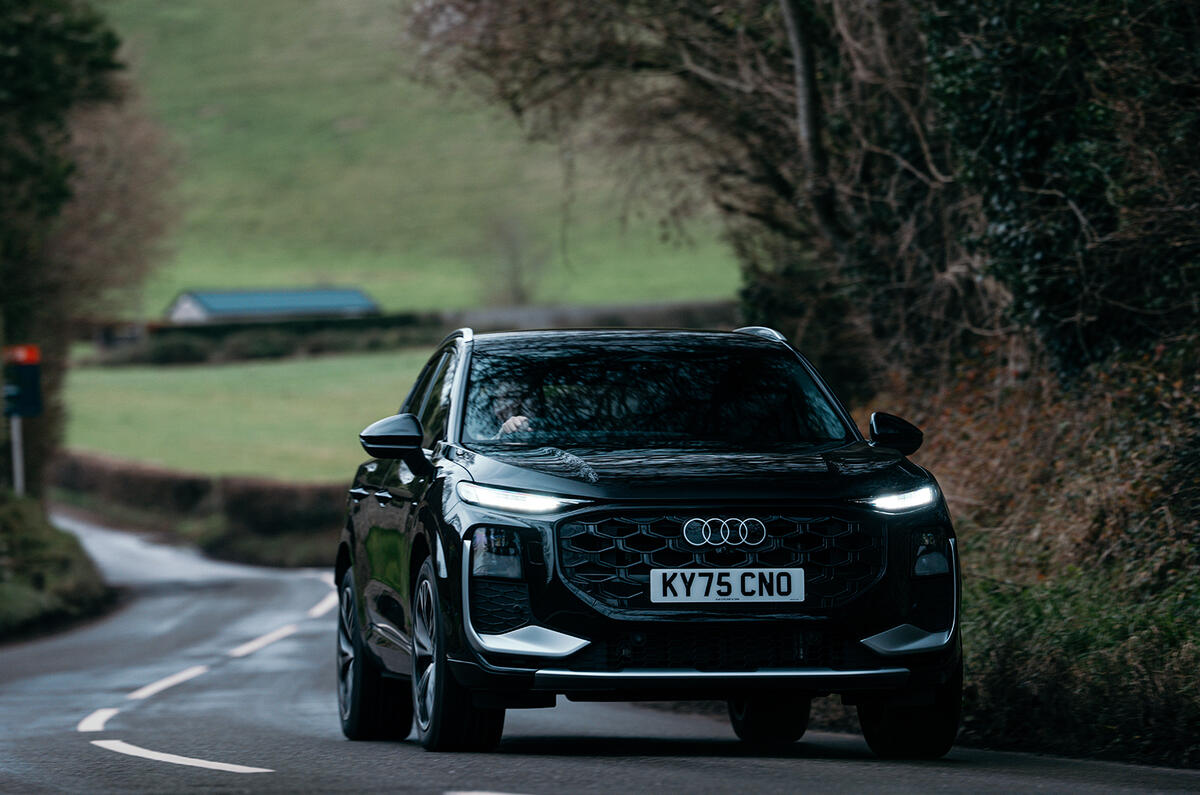
And with an expansive model range covering the the Audi A3, Audi A5, Audi A6, Audi Q3, and Audi Q5, there’s sure to be an Audi e-hybrid model to suit your needs. Maybe it’s time you have a go for yourself.

Back to top

Learn more about Audi e-hybrid

[1] Figures shown are for comparability purposes and were obtained using a combination of battery power and fuel. These figures may not reflect real life driving results, which will depend upon a number of factors including the accessories fitted (post-registration), variations in weather, driving styles, route conditions, speed, vehicle and battery age and vehicle load. Data correct at [17.02.26]

[2] The value for the charging process calculated according to DIN 70080 is 40 kW. A maximum charging performance of up to 50 kW is possible. At DC charging stations this can vary depending on a number of different factors including the ambient and battery temperature, the use of other country-specific connectors, the use of the preconditioning function (e.g. remote controlled air conditioning of the vehicle), the capacity available at the charging station, the state of charge and battery ageing. Charging capacity is reduced as the state of charge increases. Charging losses are considered.

Join our WhatsApp community and be the first to read about the latest news and reviews wowing the car world. Our community is the best, easiest and most direct place to tap into the minds of Autocar, and if you join you’ll also be treated to unique WhatsApp content. You can leave at any time after joining - check our full privacy policy here.

The discussion board is currently closed for new comments while we carry out some maintenance. In the meantime, please join the debate on our social media channels.