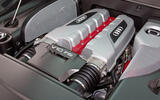


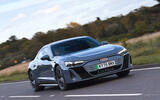

Audi is synonymous with many things: clean, avant-garde styling, incredible interior quality, and its world-beating quattro all-wheel drive system. And throughout the past 60 years, the brand has also been a pioneer in the field of powertrain technology.
Driven by the four rings’ enduring philosophy of Vorsprung durch Technik (progress through technology), Audi’s engineers have brought us some of the most iconic engines in history – whether by virtue of their exceptional economy, mind-warping performance, or both.
From the iconic five-cylinder 2.1-litre turbo that dominated rallying and the screaming V10 that catapulted Audi into the supercar hall of fame, to the battery-powered e-trons that marry efficiency with impressive power delivery and the e-hybrids that seamlessly blend the benefits of EV and petrol power, we explore seven of Audi’s most significant powertrains.
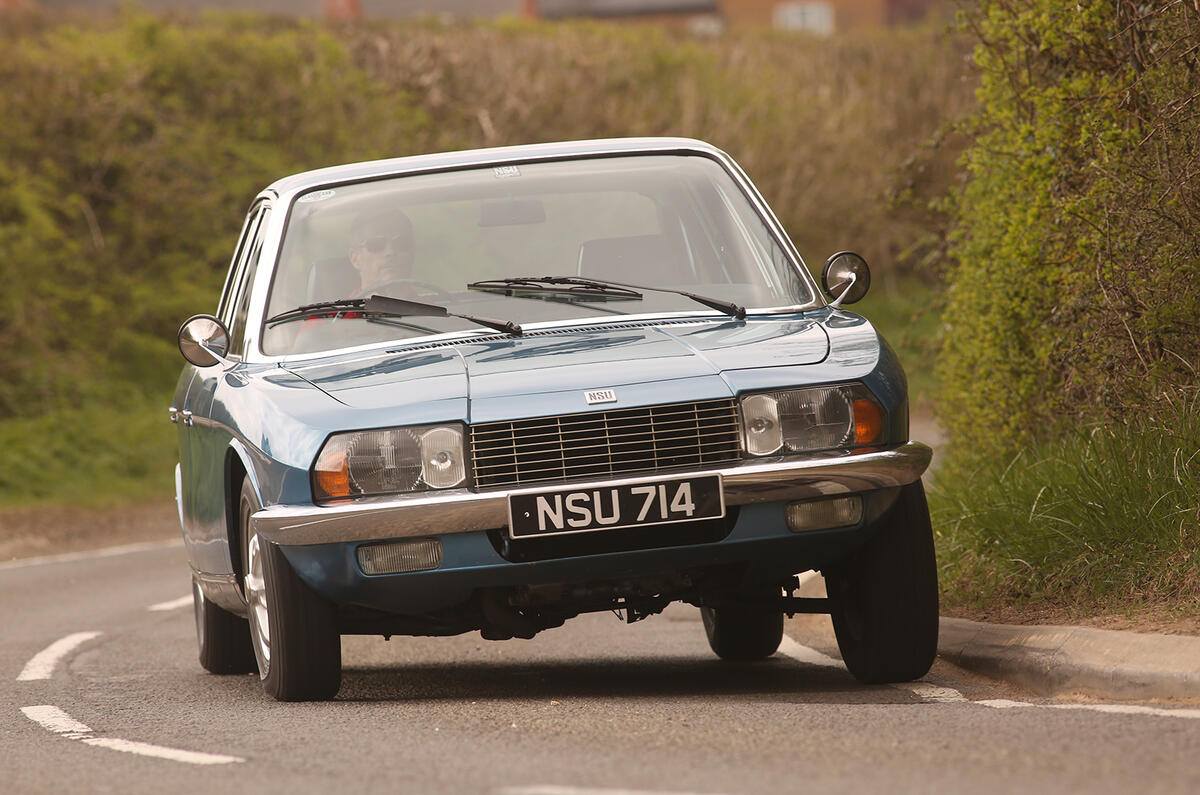
995cc rotary engine
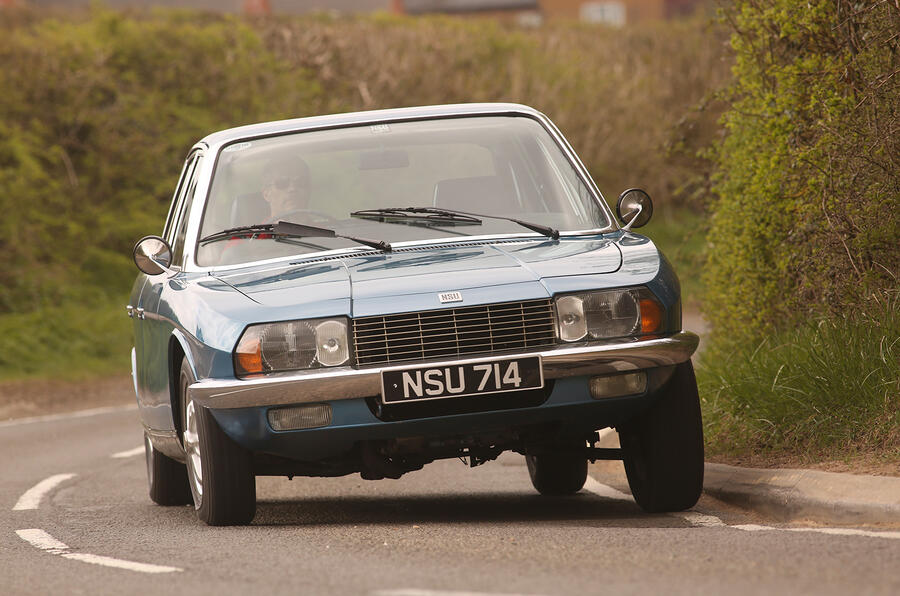
When Volkswagen acquired the NSU brand in 1969, it merged it with VW subsidiary Auto Union to create the Audi NSU Auto Union brand, which was abbreviated to simply Audi in 1985.
As part of the deal, Audi acquired a 995cc rotary engine from cash-strapped NSU, which was front and centre in the futuristic Ro 80 saloon car. It drove the front wheels, but instead of a traditional clutch it had an unusual vacuum-operated set-up.
Audi’s engineers immediately set about enhancing the engine, and very quickly managed to drastically improve both its reliability and its longevity, to the extent that the car lived on for another eight years.
2.1-litre turbocharged inline-five-cylinder
In 1976, Audi had plans to move upmarket, and the second-generation 100 model was its chosen contender.
During the development process, it was decided that traditional four-cylinder engines were not upmarket enough, so engineers were torn between developing either an inline five-cylinder engine or a straight six. In the end, the five-cylinder powerplant was chosen because it not only took up less space but it was also lighter, which helped with weight distribution.
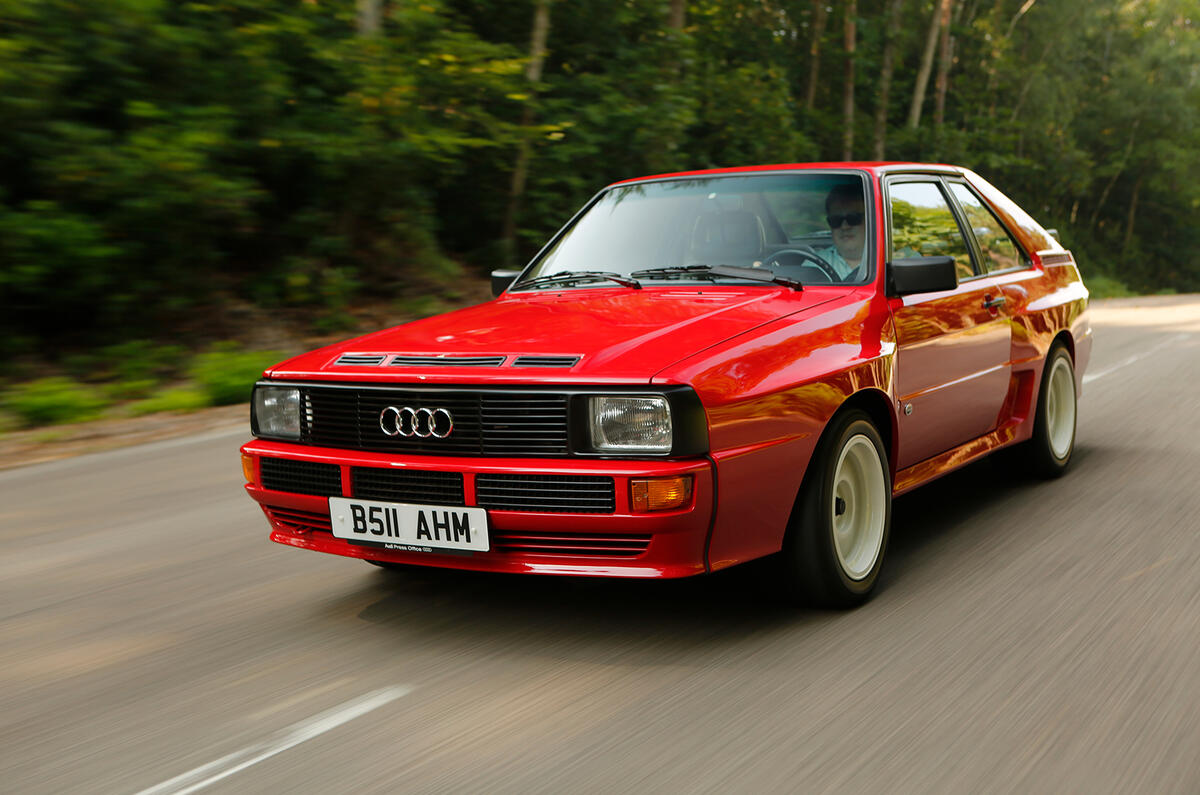
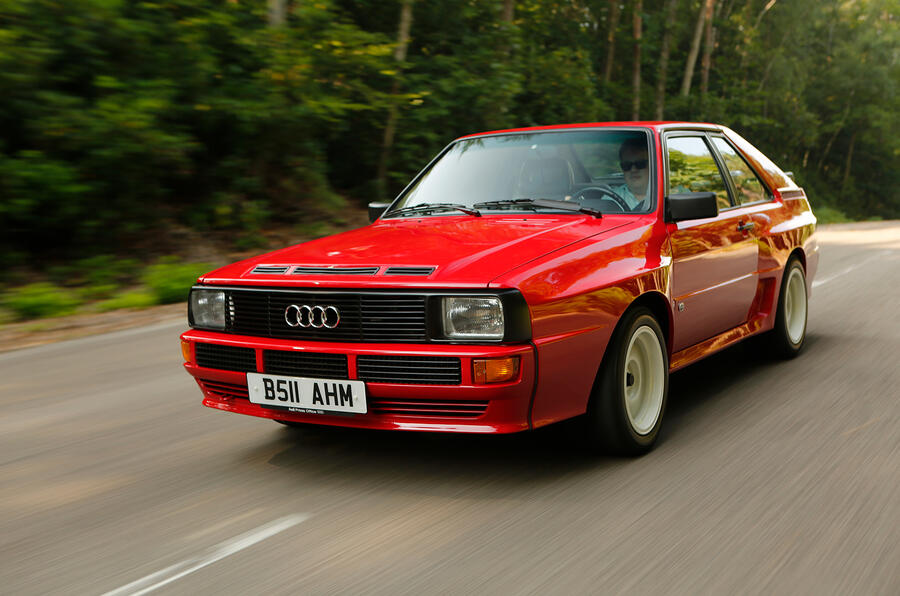
In the 100, there were three versions of the 2.1-litre five-cylinder unit available, developing 115PS, 136PS or 170PS. However, the engine would go on to much greater acclaim when in 1980 a 200PS version appeared in the Audi quattro coupé, one of the world’s first high-performance four-wheel drive cars.
The car would be on sale for 11 years. Undoubtedly, the way it revolutionised the World Rally Championship played a huge part in its success – millions of people watched as flame-spitting quattros decimated the field to the soundtrack of that unique five-pot exhaust note.
EA113 1.8-litre turbo
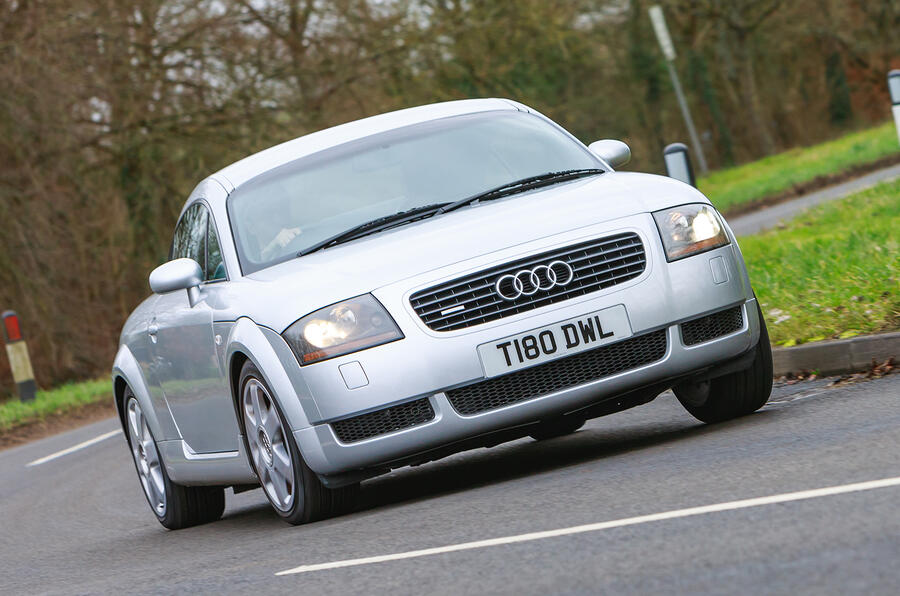
In the 1990s, Audi was one of the car makers that cottoned on early to the benefits of turbocharging smaller-capacity engines. One of its first was the 20-valve 1.8-litre four-cylinder unit that was developed under the EA113 type name.
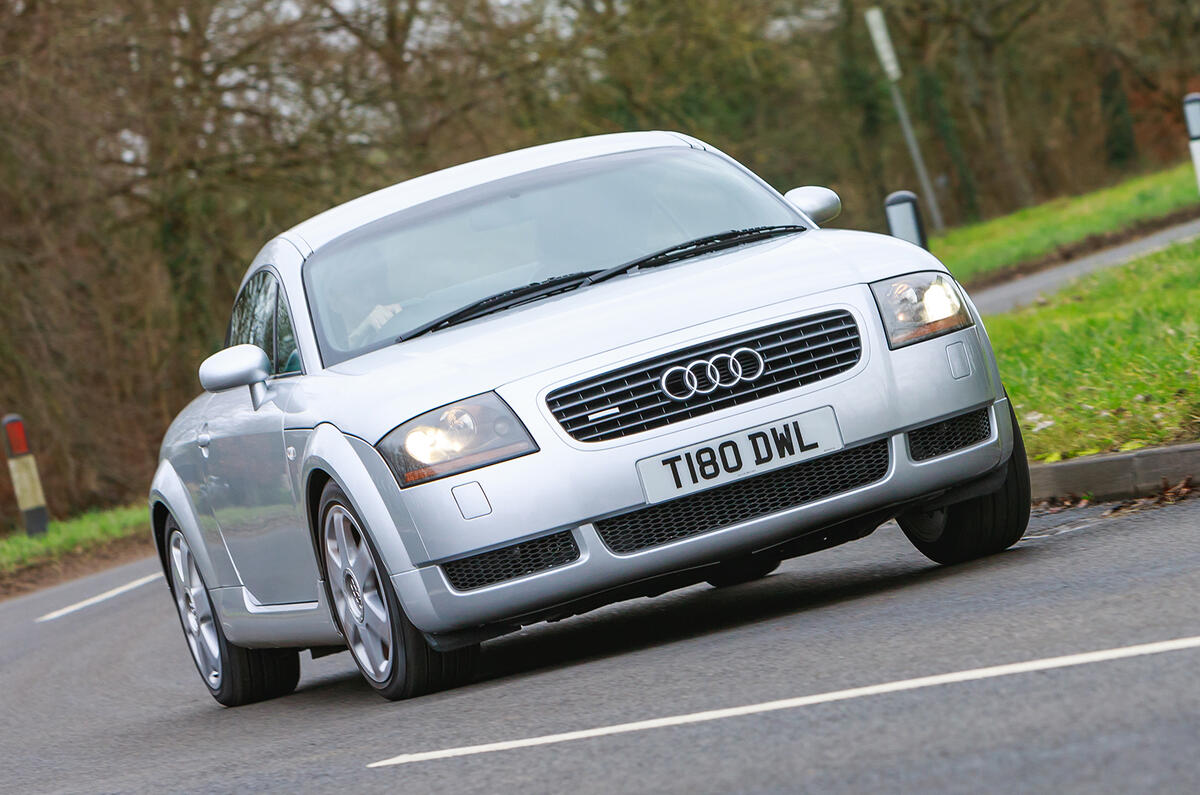
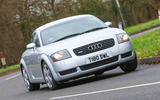
Its sheer breadth of abilities is unsurpassed, because it has appeared in a vast range of Audi models, starting with the A3 hatchback, and heading up through the A4 and A6 executive cars, and even the über-stylish TT. It truly was an engine that felt at home anywhere, which is why it was also fitted to cars competing in the Formula Palmer Audi racing series that ran from 1998 until 2010, as well as the FIA Formula Two Championship that ran from 2009-2012.