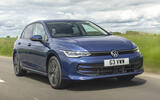
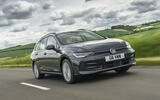
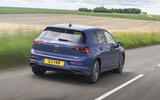
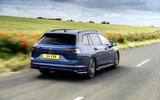
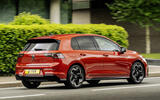
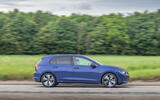
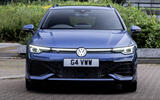
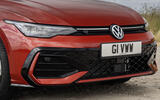
What is it?
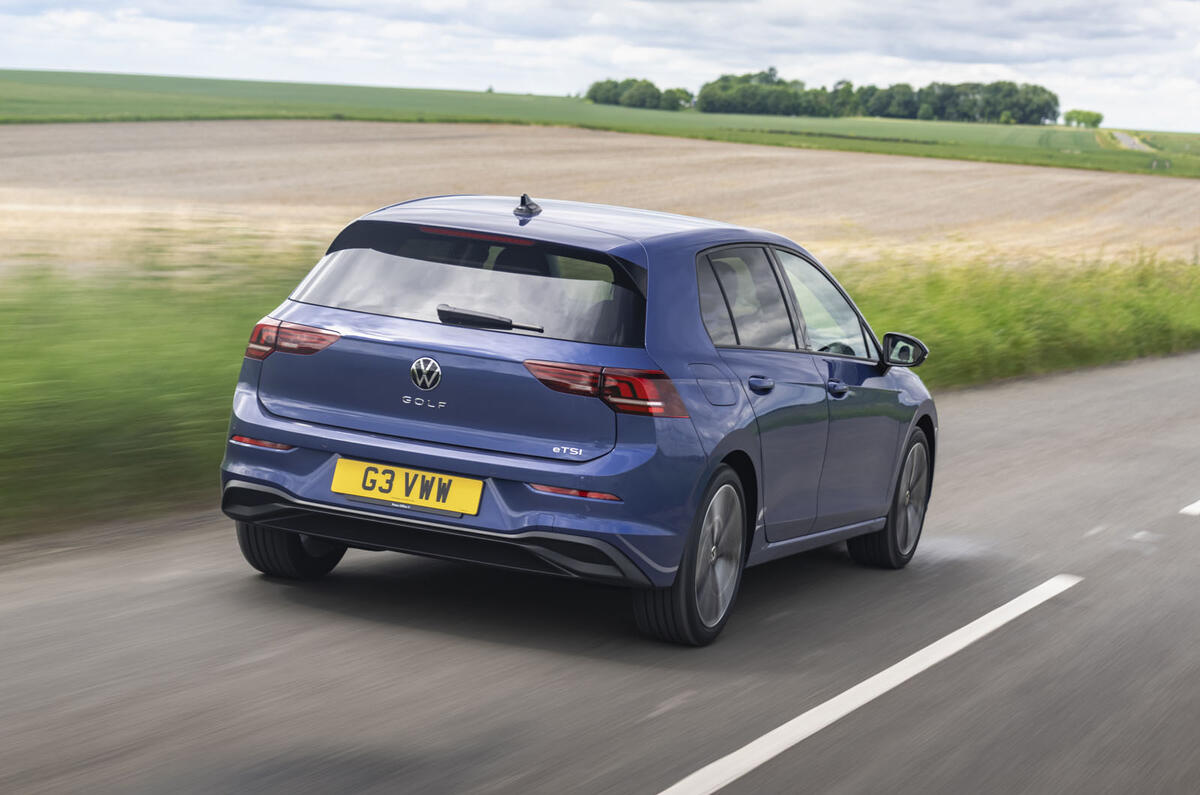
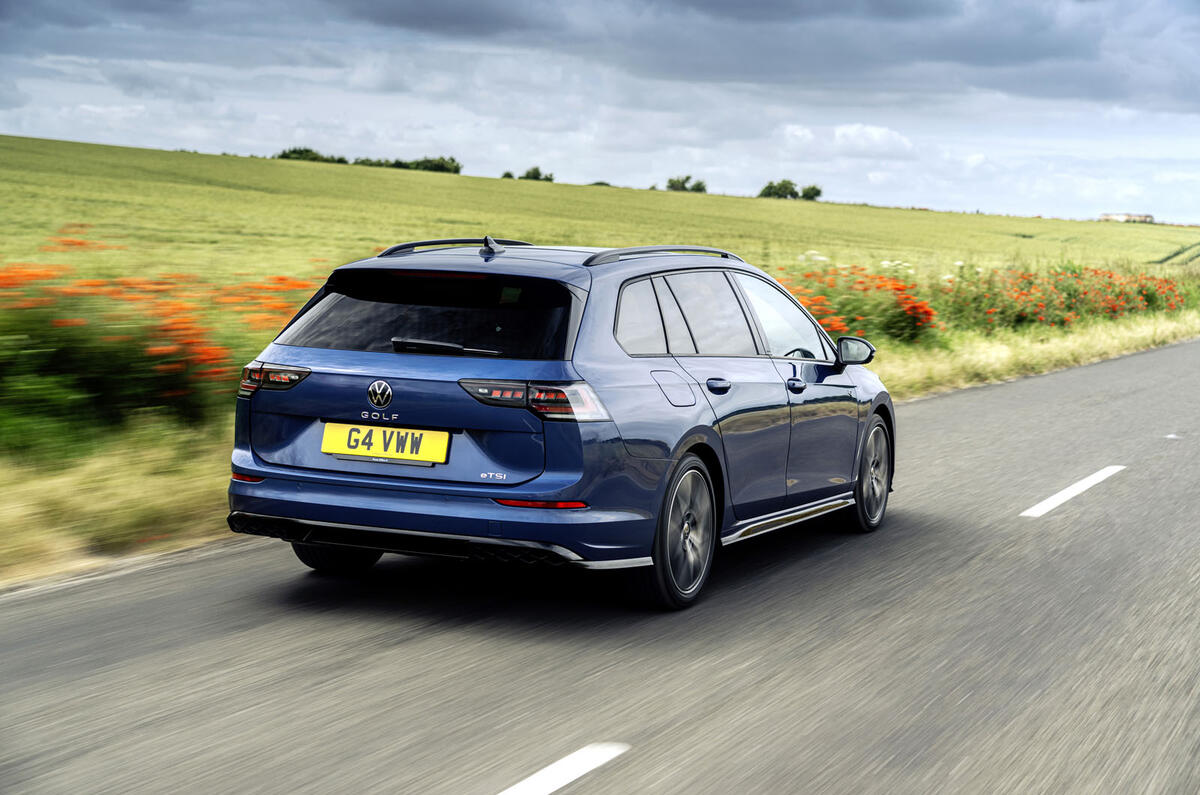
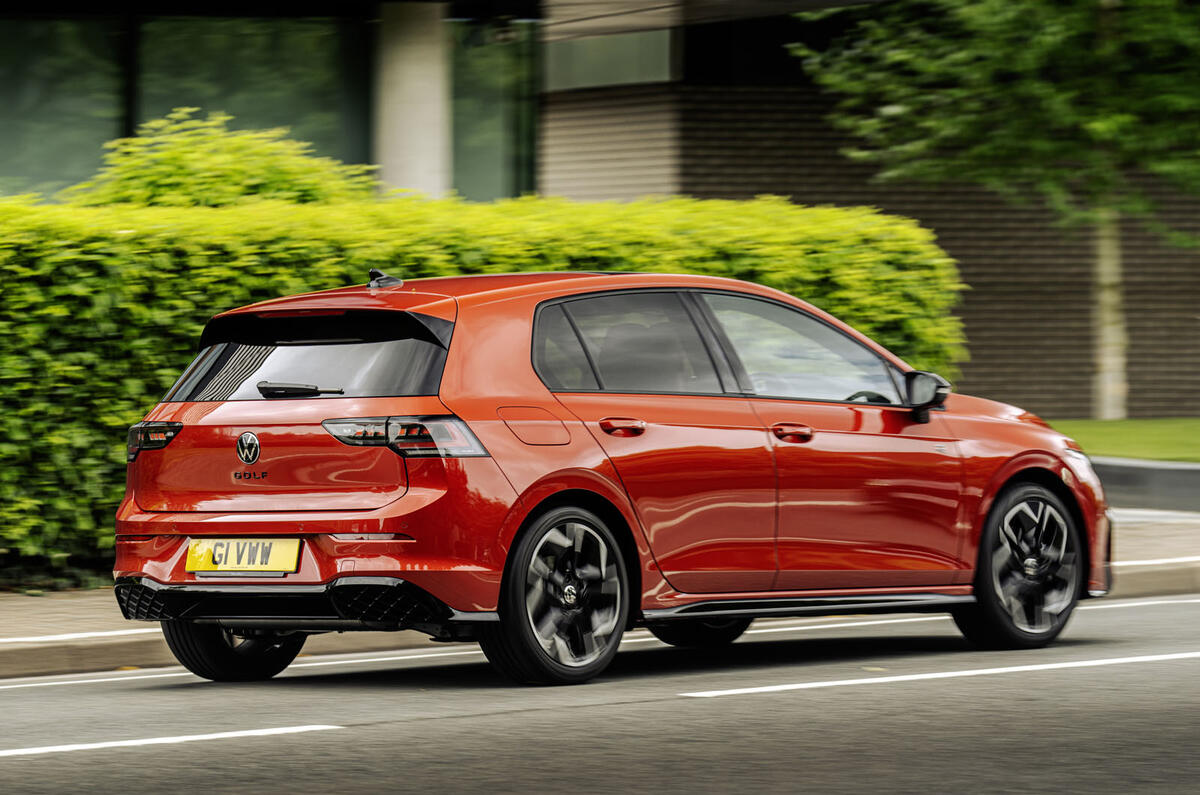
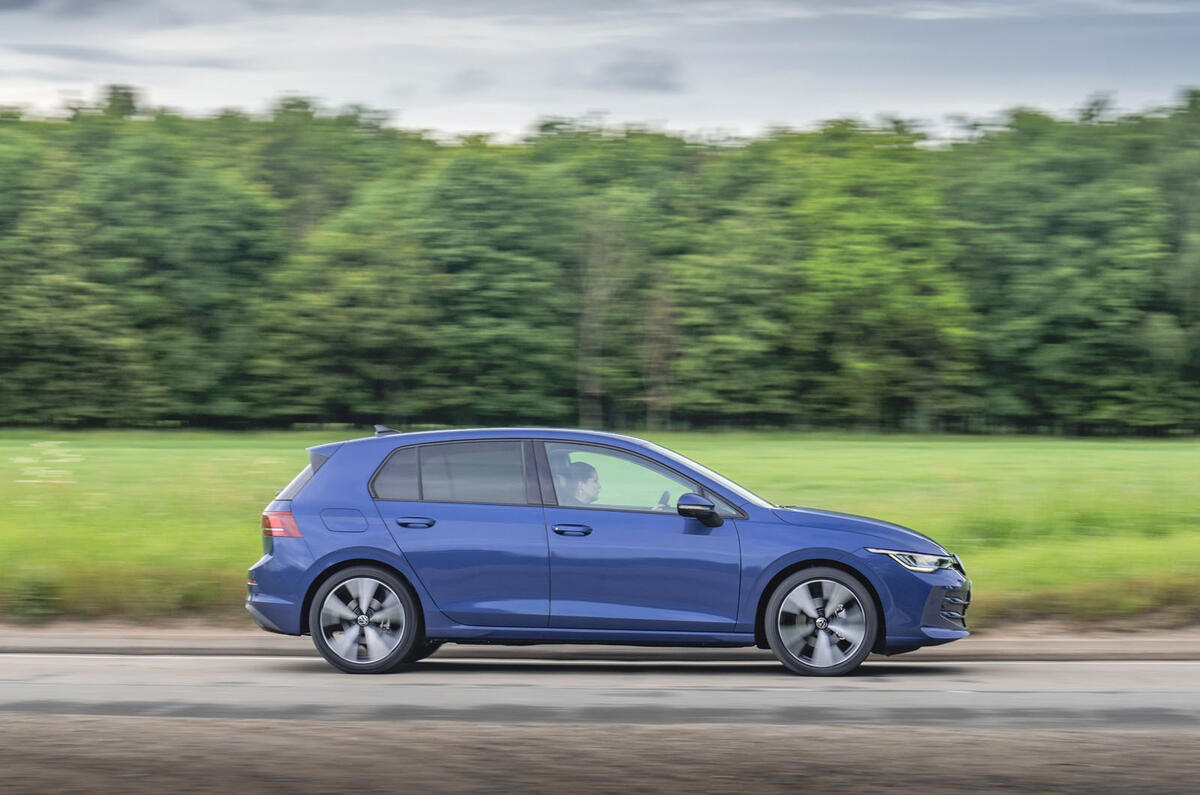
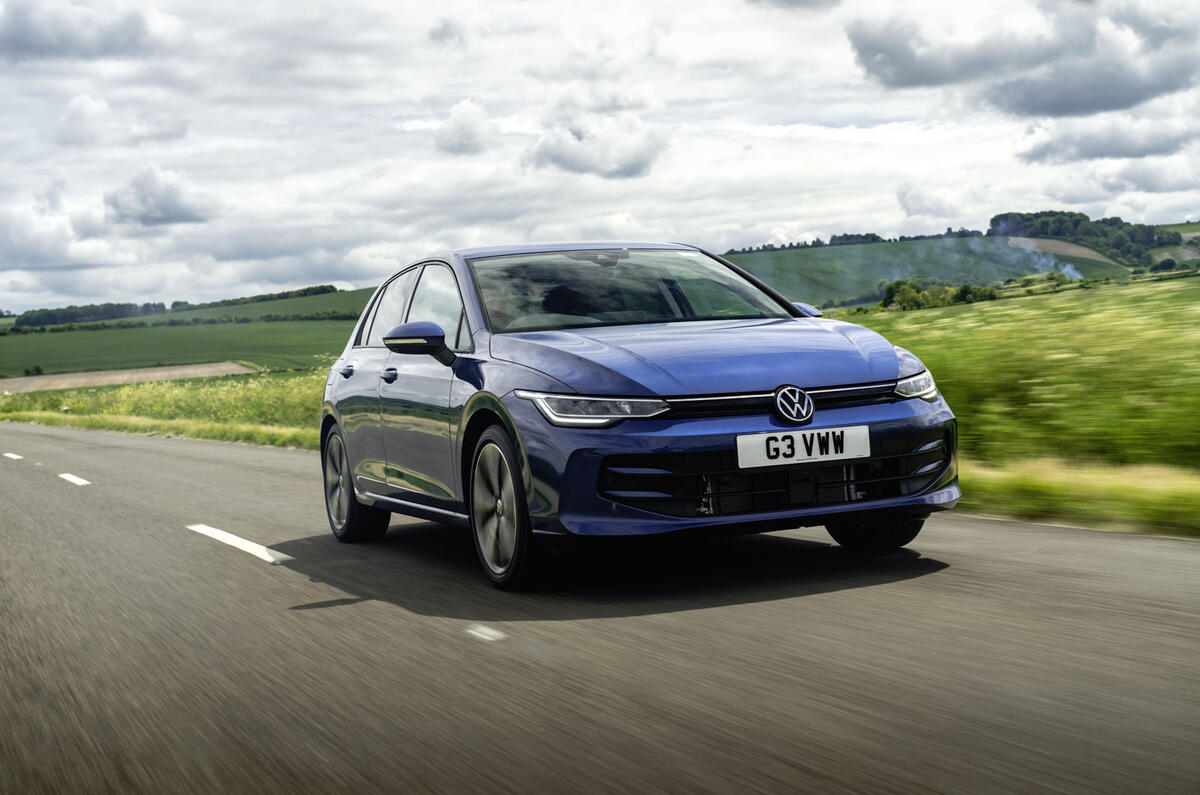
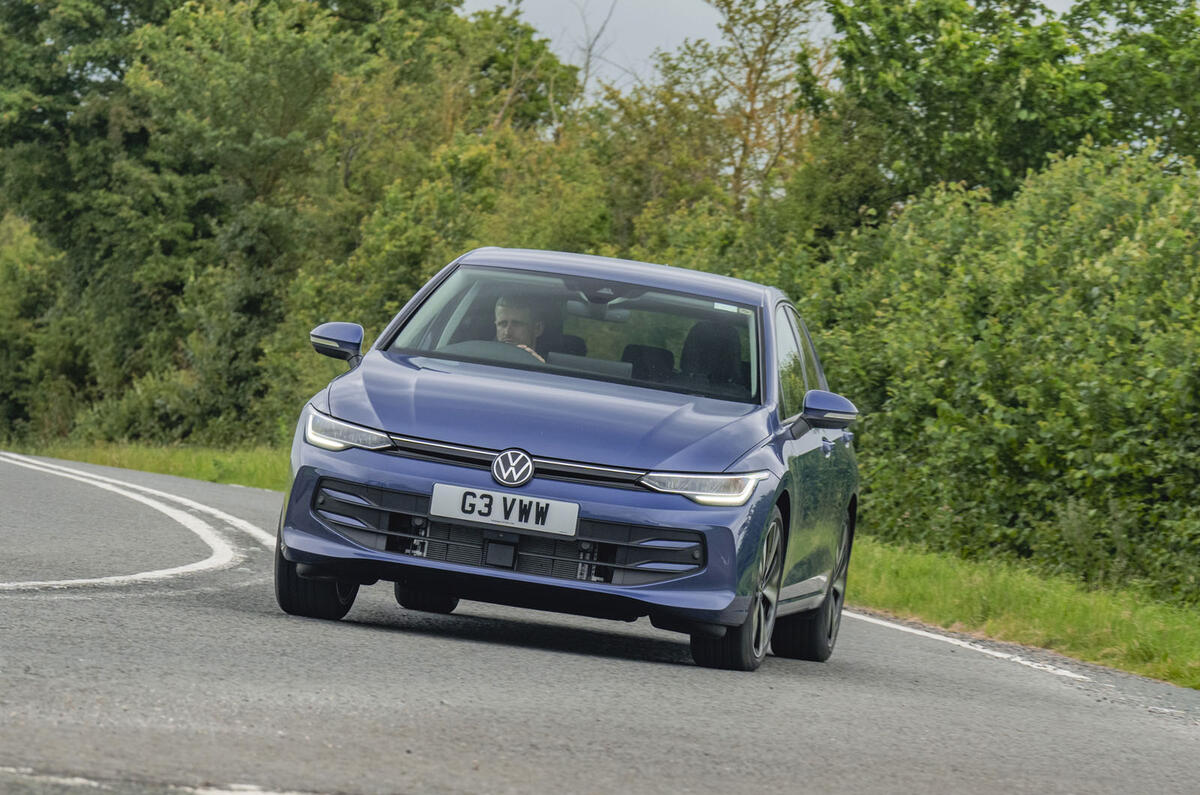
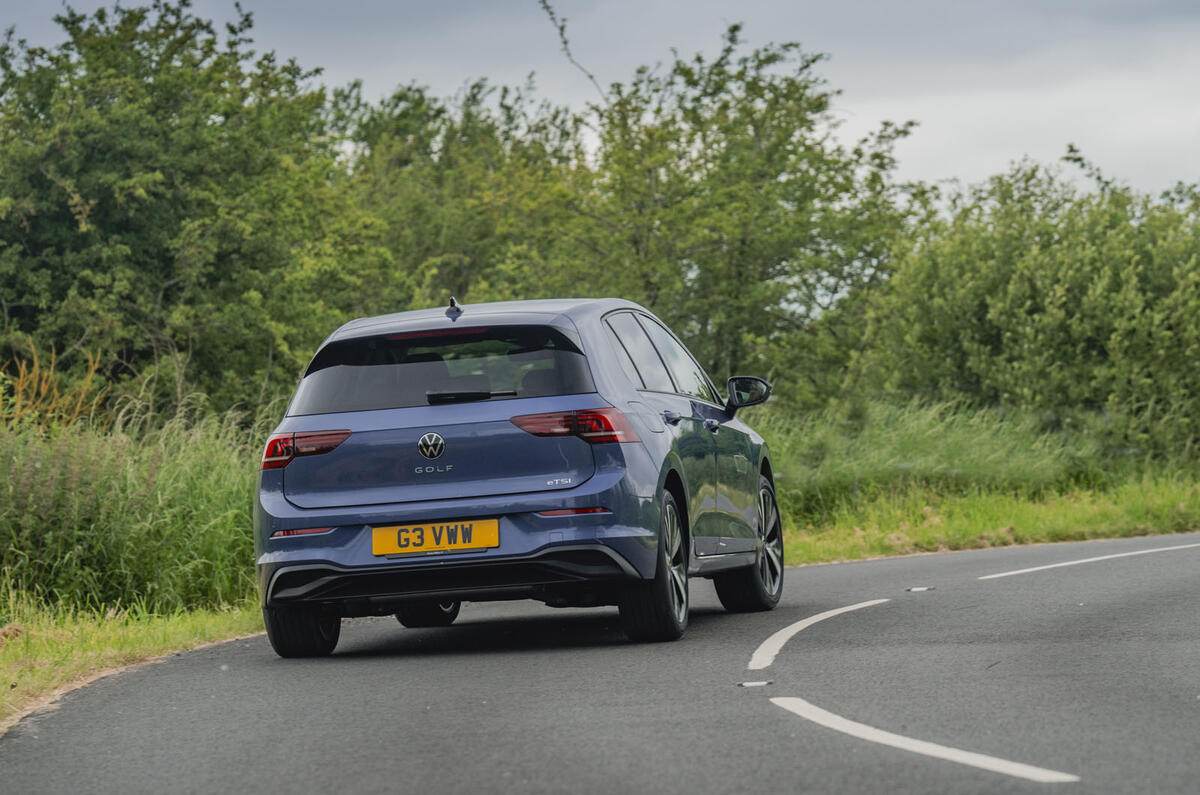
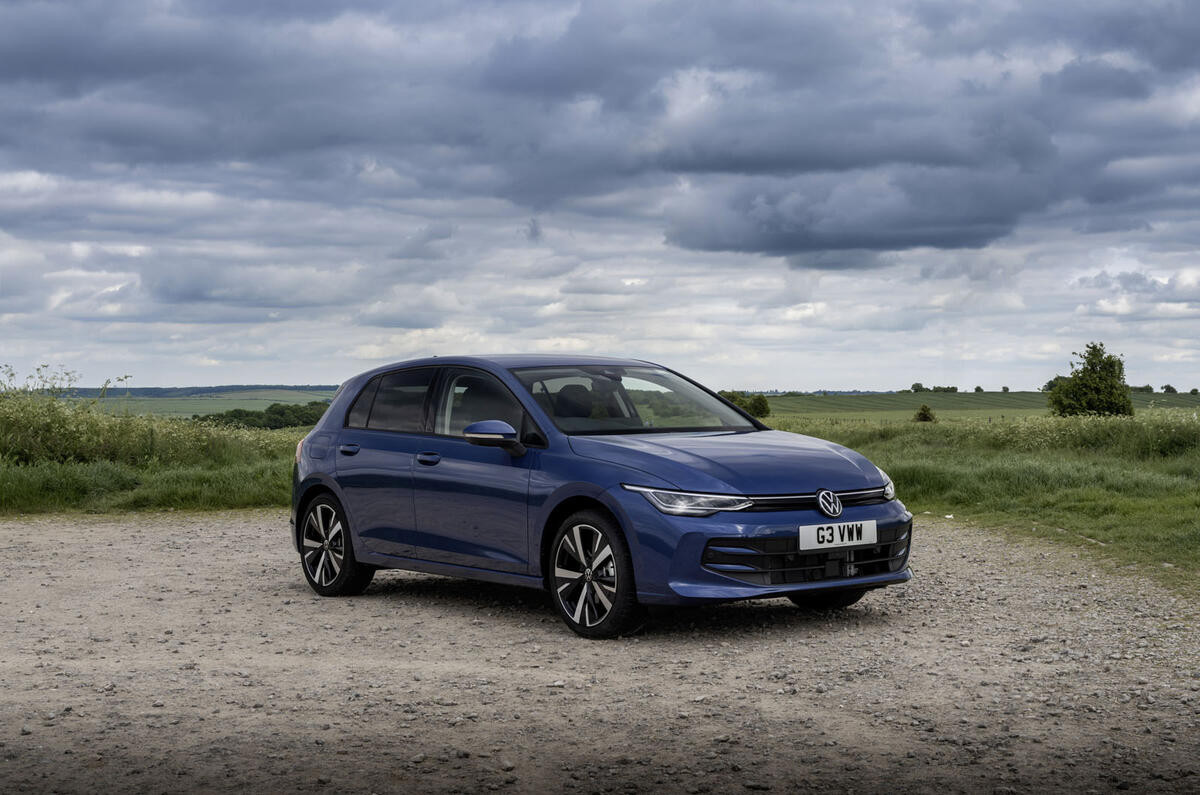
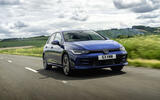
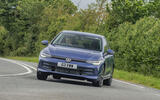
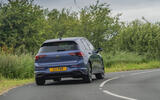
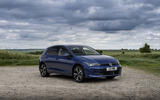
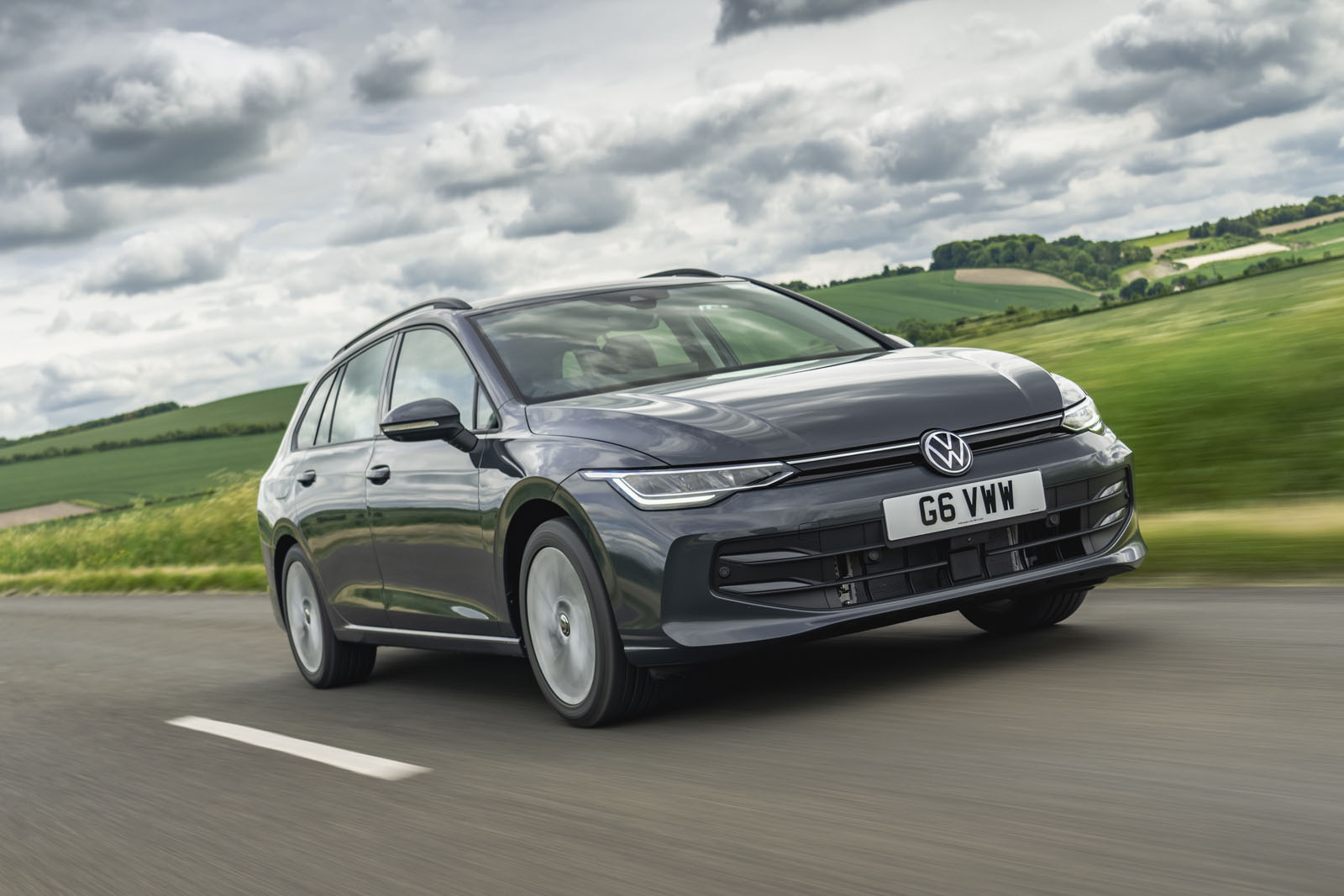
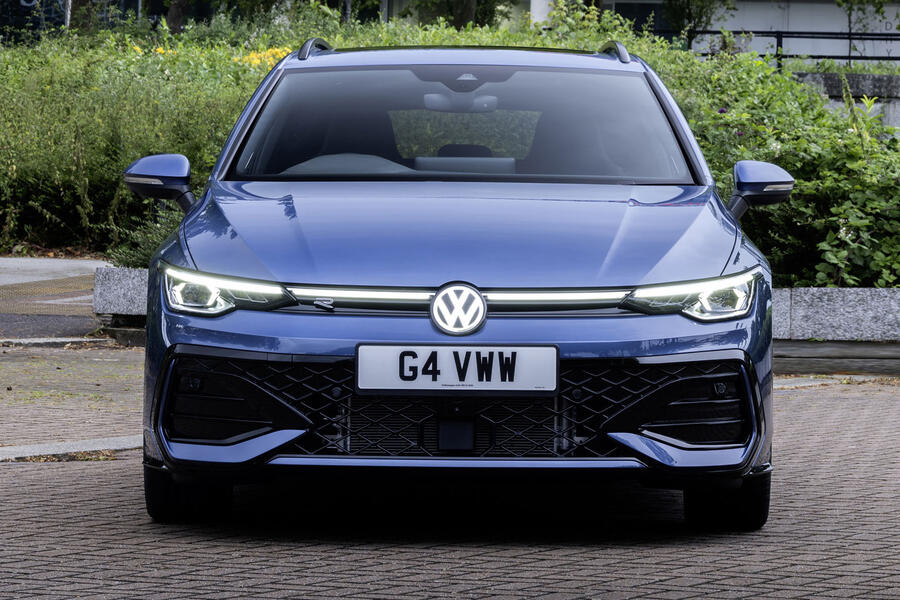
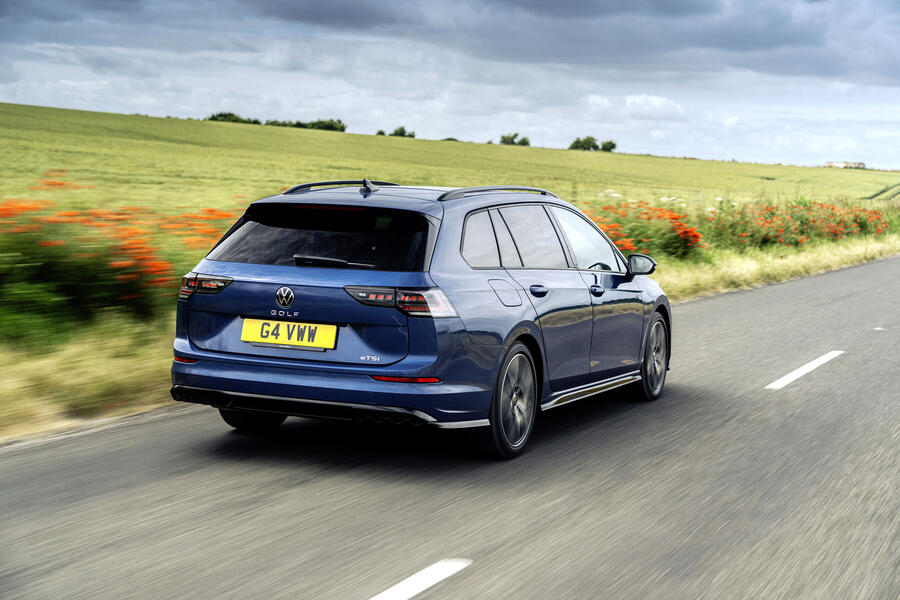
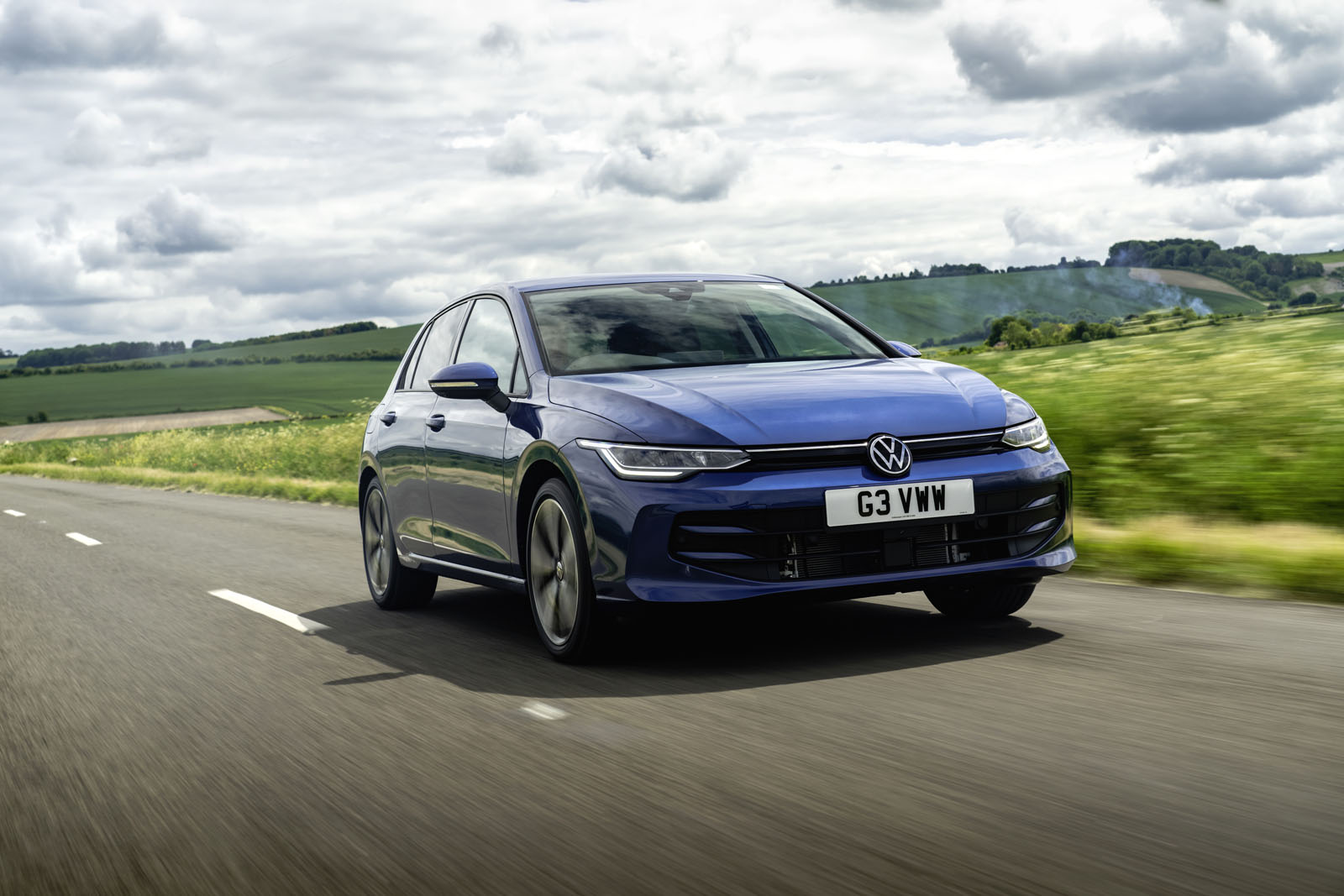
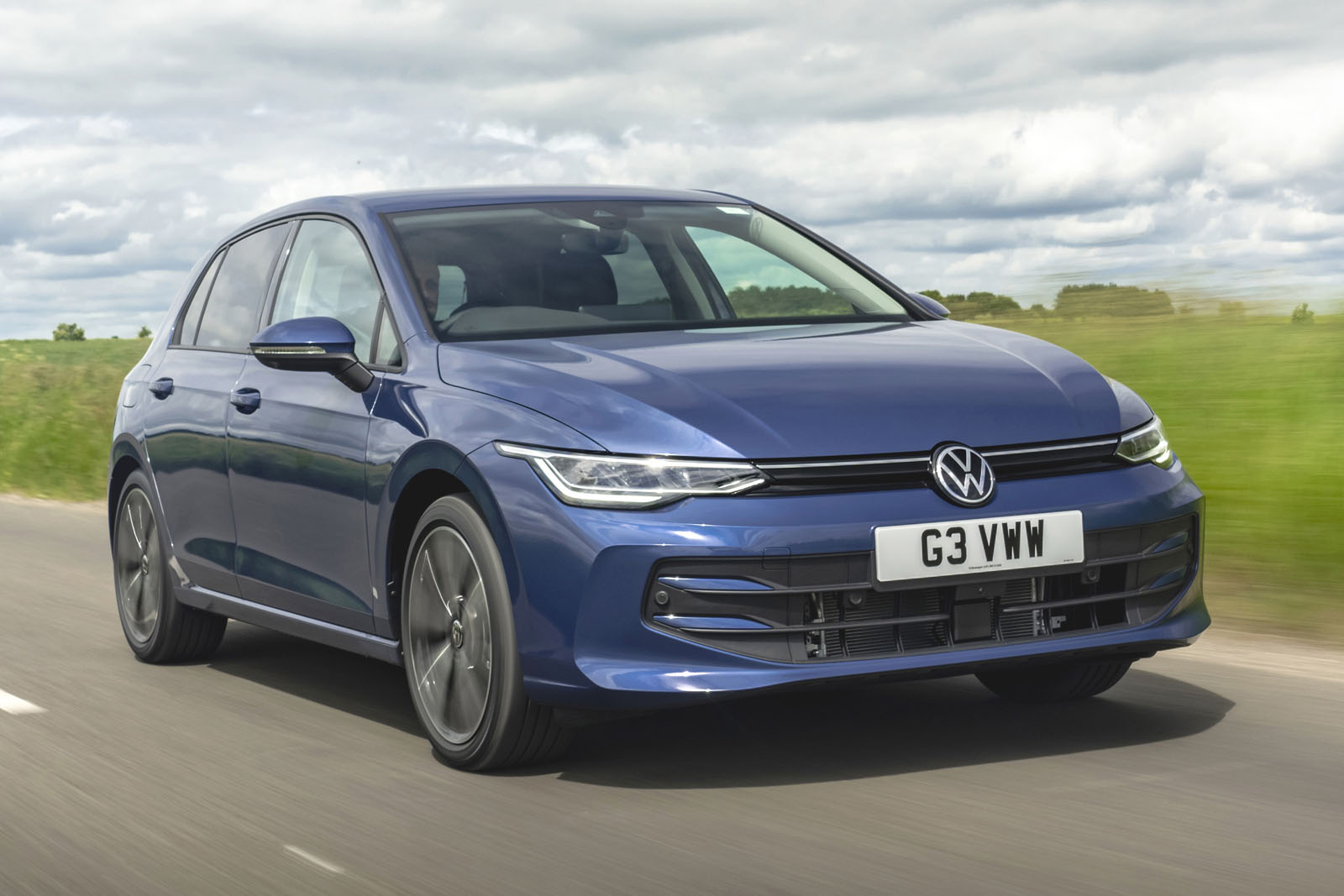
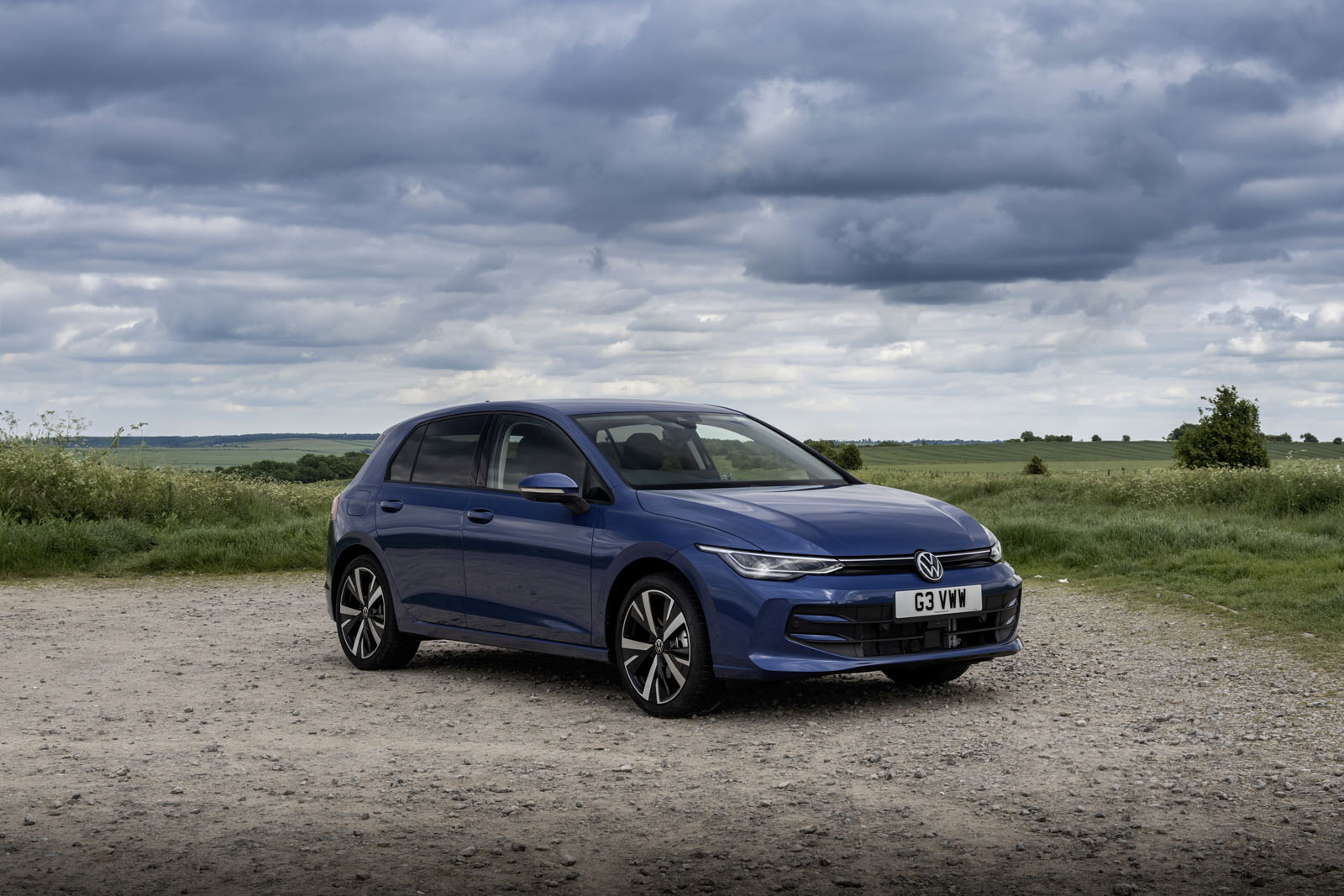
This is the first time we’ve driven the latest Volkswagen Golf in the UK, having been so impressed with it when we tried it overseas.
Our UK test car was still a left-hooker, thus putting its driver on the kerb side of the road in Britain and leaving them susceptible to the worst aspects of a car’s ride.
It came with a 138bhp 1.4 TSI turbo petrol engine driving through a six-speed manual gearbox, with a cylinder-deactivation system that cuts two cylinders on a light load.
What is it like?
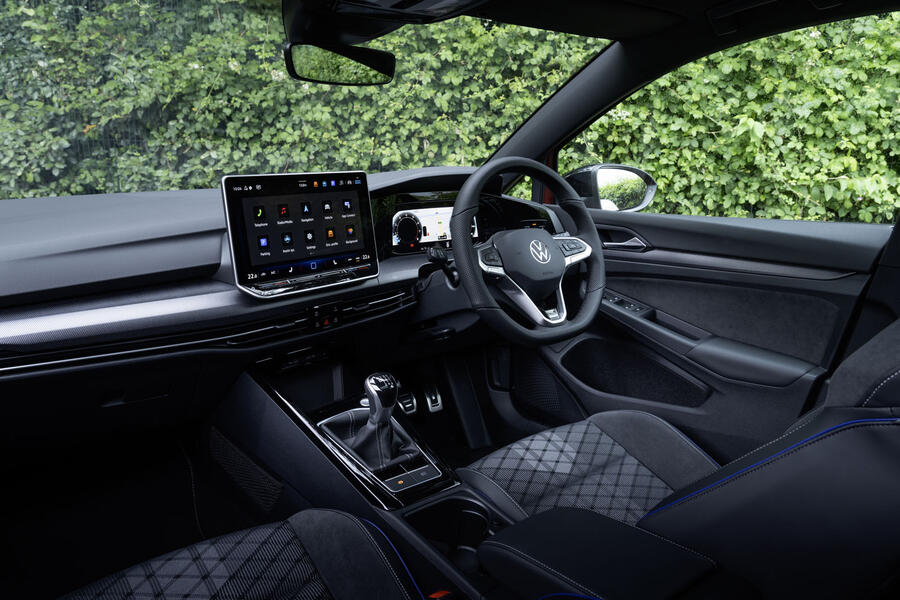
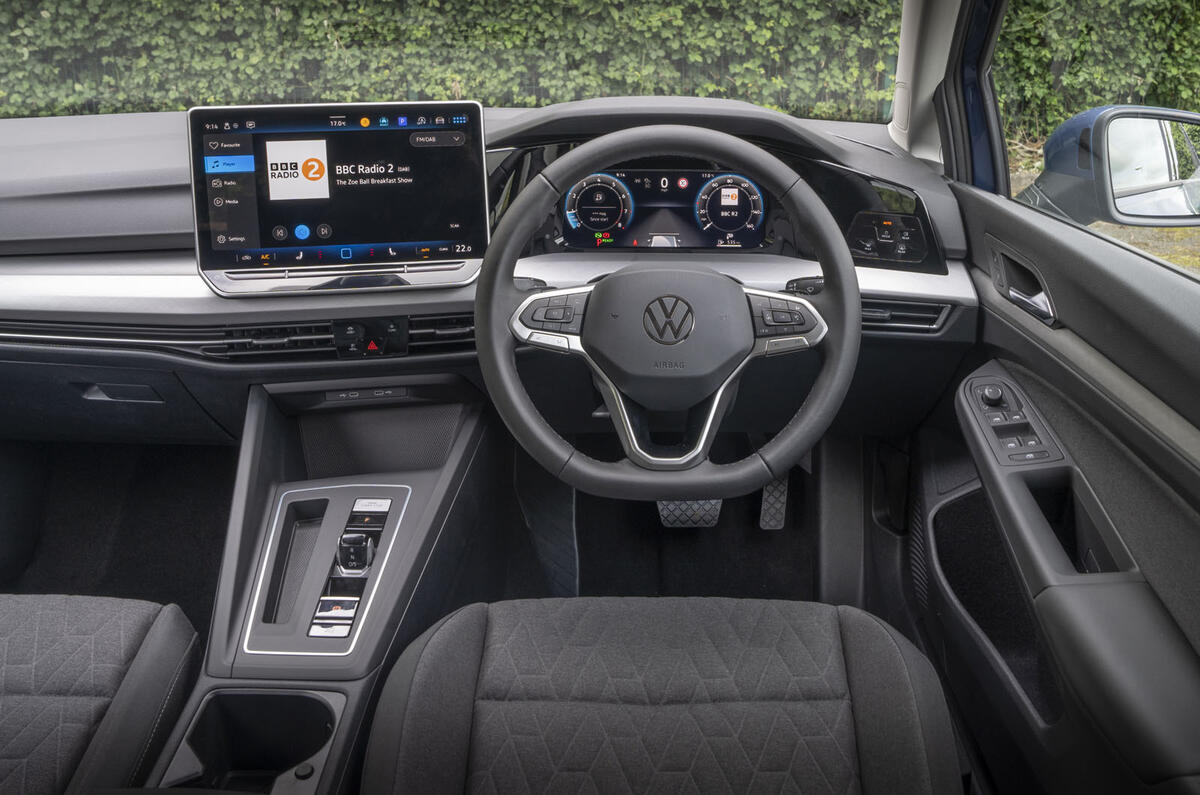
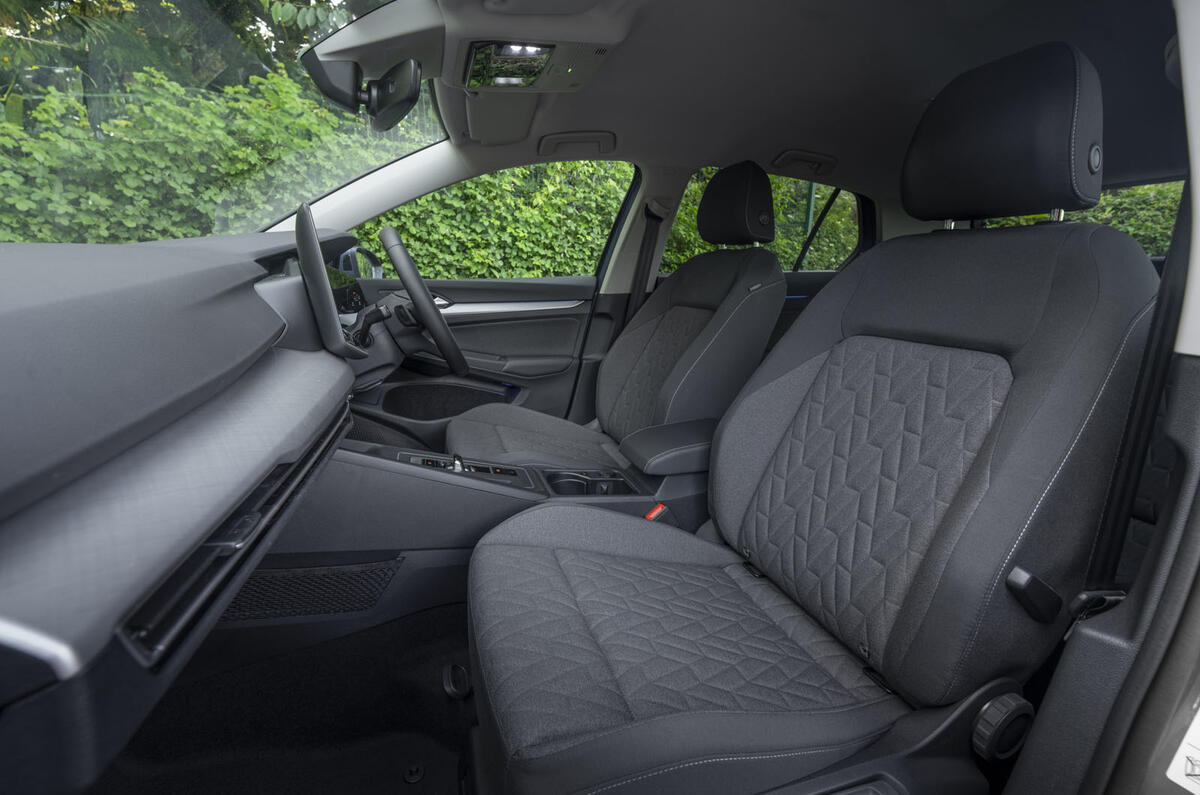
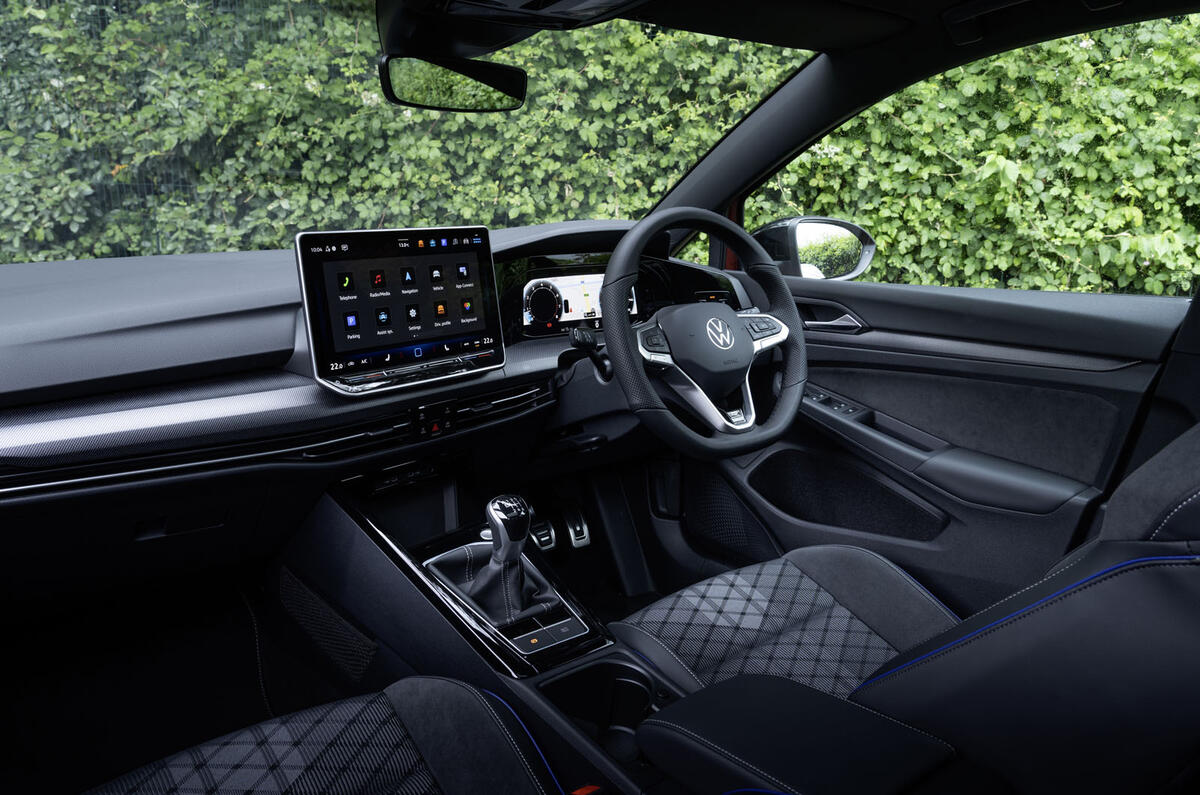
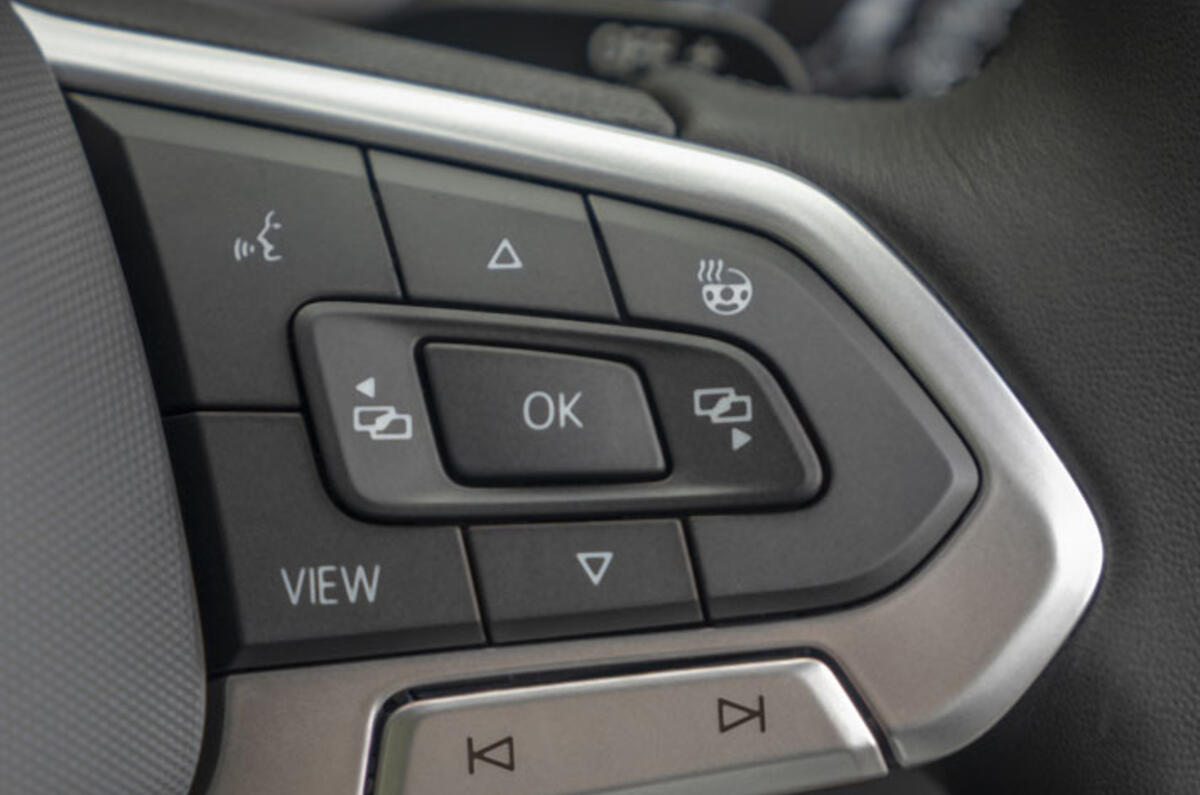
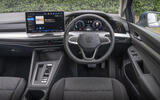
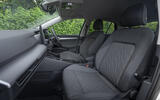
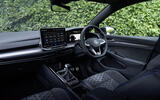
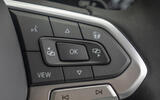
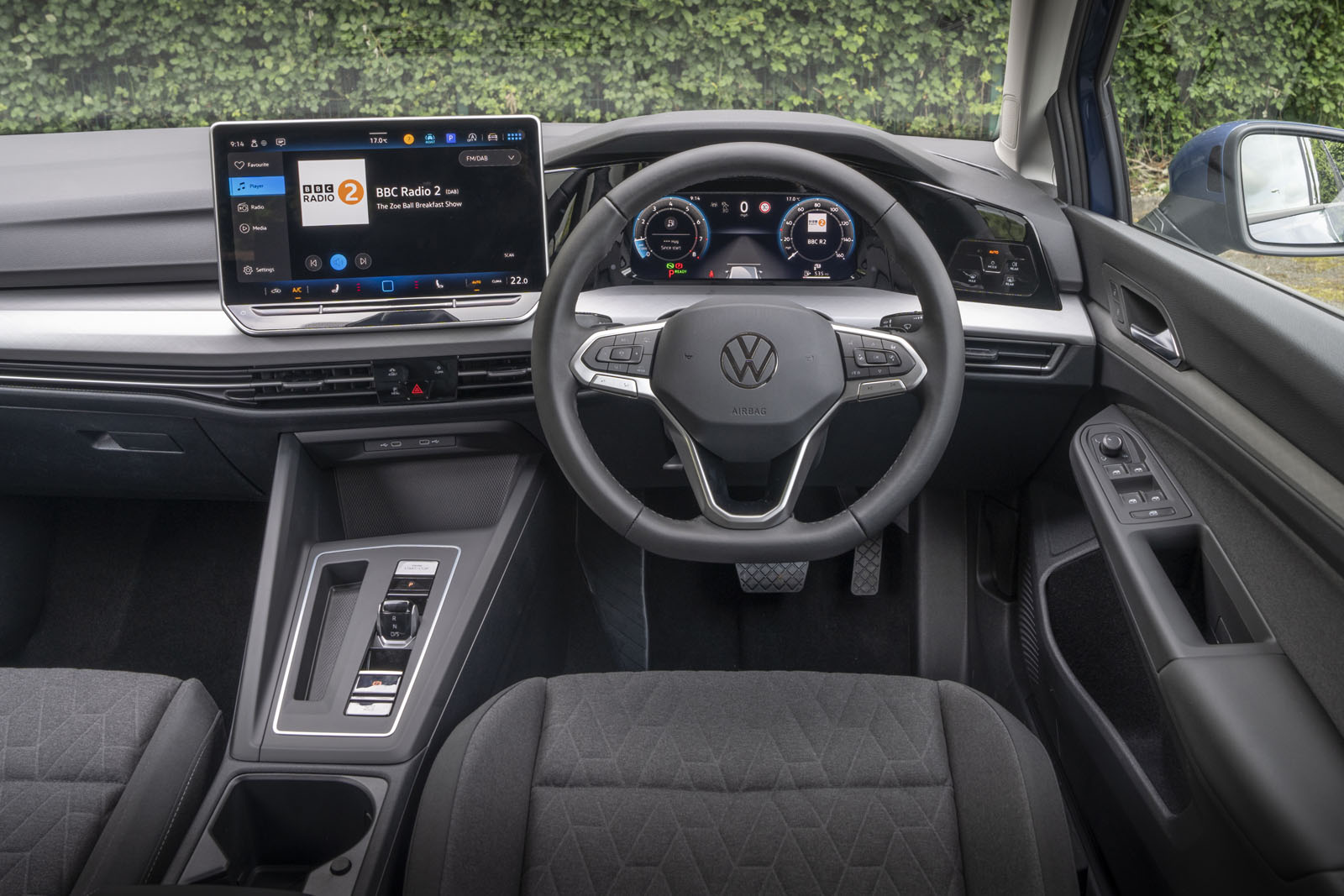
Impressive right away. The driving position is straight and widely adjustable, the driver’s seat comfortable and supportive, albeit that I found under-thigh support to be set too high when the seat was in its lower positions. The steering wheel is a thin-rimmed affair, pleasing but for a small flattened section, with an attractive small central boss and a slightly overloaded array of buttons for the cruise control, telephone, audio, and so on.
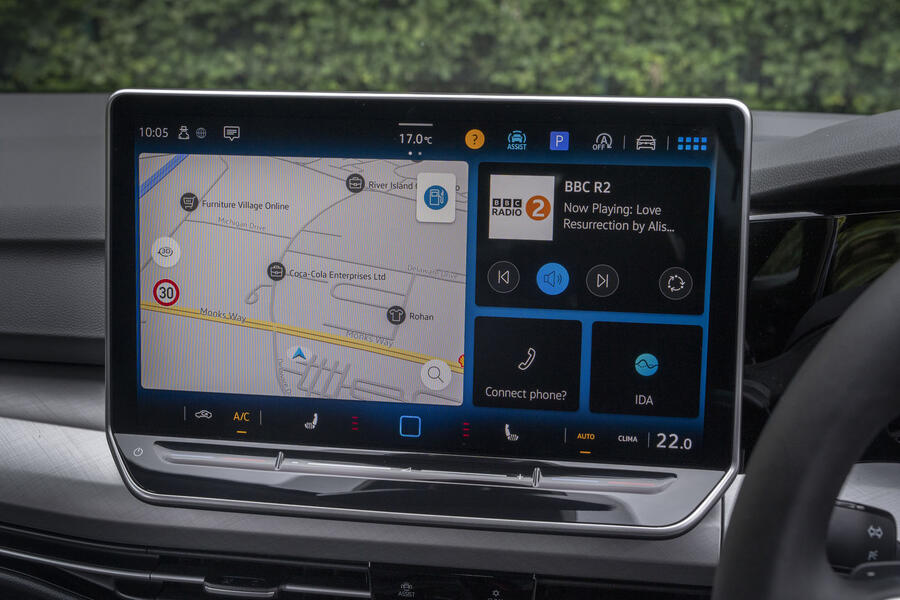
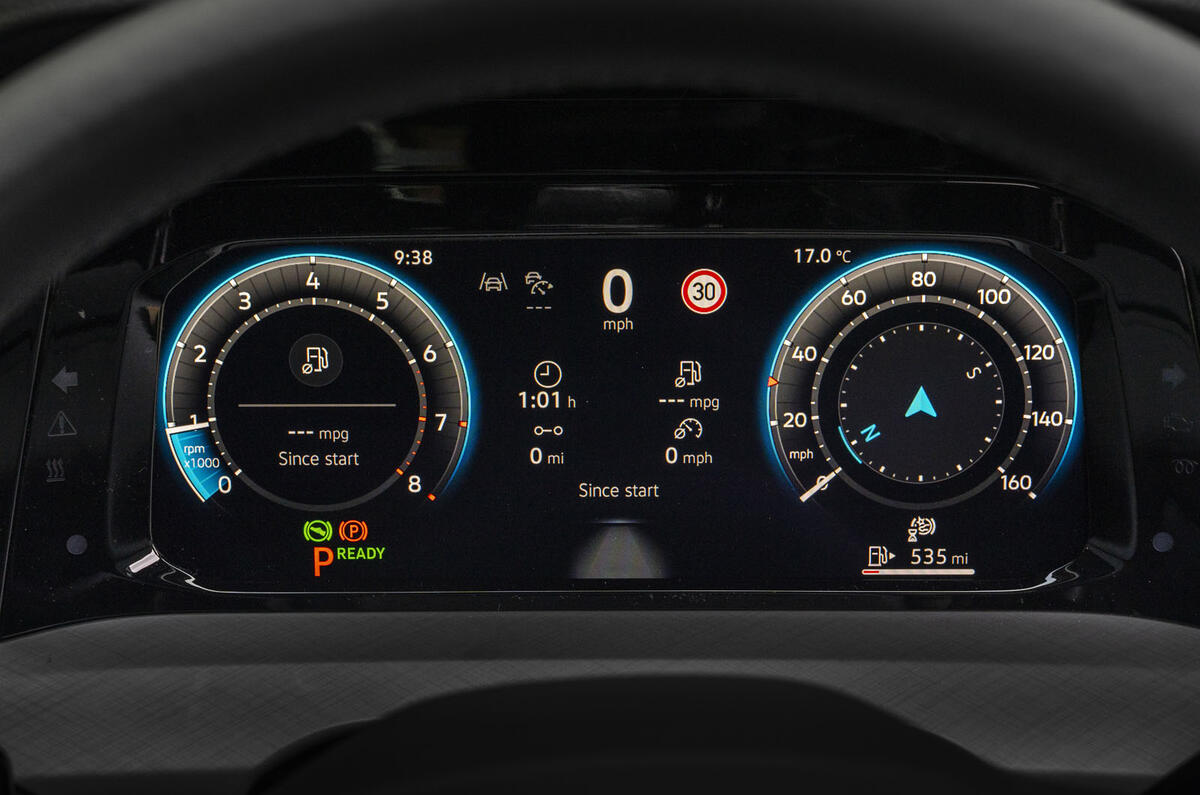
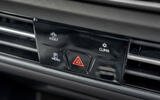
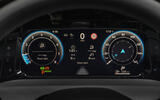
There are new column stalks, too, which are quite cute. And, unlike in the new Volvo V40 and others in the class, the Golf retains a set of entirely analogue instruments; they’re bold and clear, like the rest of the swtichgear. Clearly they follow Volkswagen standards for clarity and ergonomics, and are much the better for it. It’s not a particularly swooshy, inventive or exciting interior, but that’s the way Volkswagen likes it – and that’s fine by us.
Cabin materials are generally excellent. Soft-feel plastics adorn the door tops and dashboard, while even areas of harder plastic feel like they have a depth, thickness and solidity to them. There’s no low-grade brittleness anywhere. Carpets line the door pockets; there are little illuminated ambient lights in the doors. It all feels classy. You could argue that it lacks the imagination of an Audi A3 or Volvo V40, but you can’t knock what it does. And its materials are a league ahead of those used in any non-premium branded hatch.
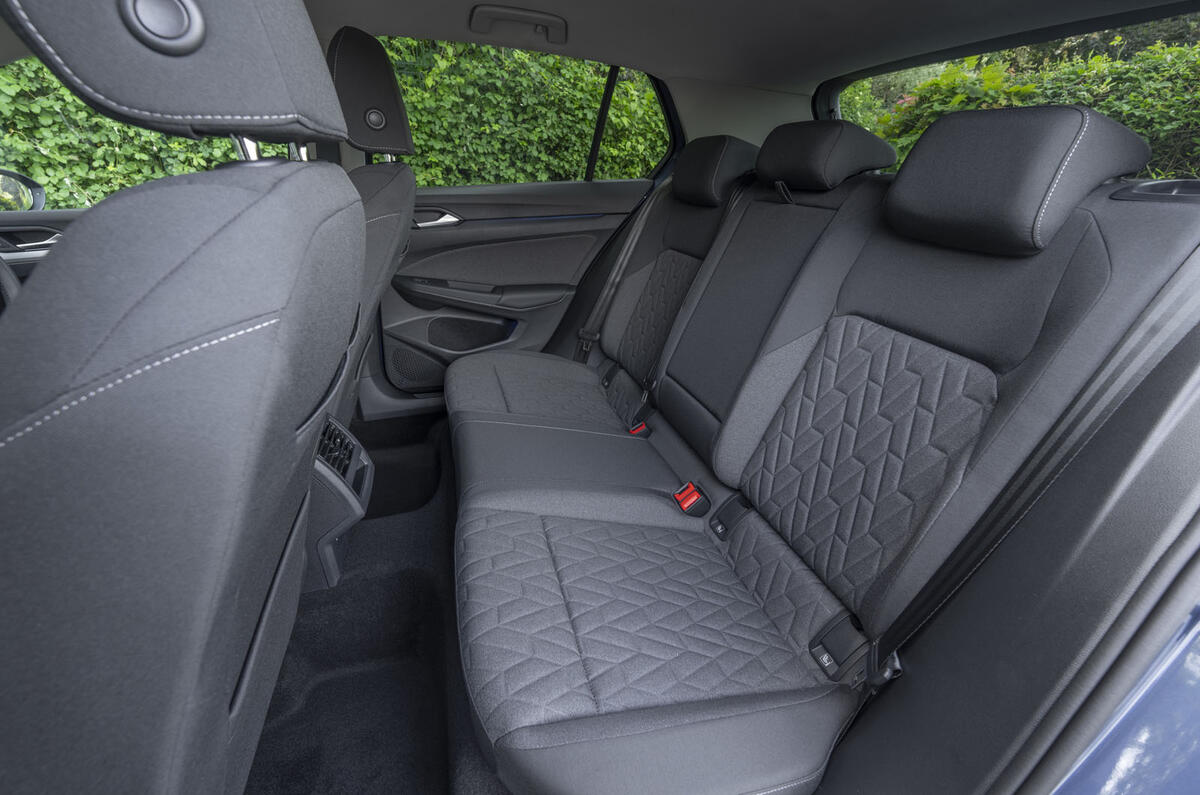
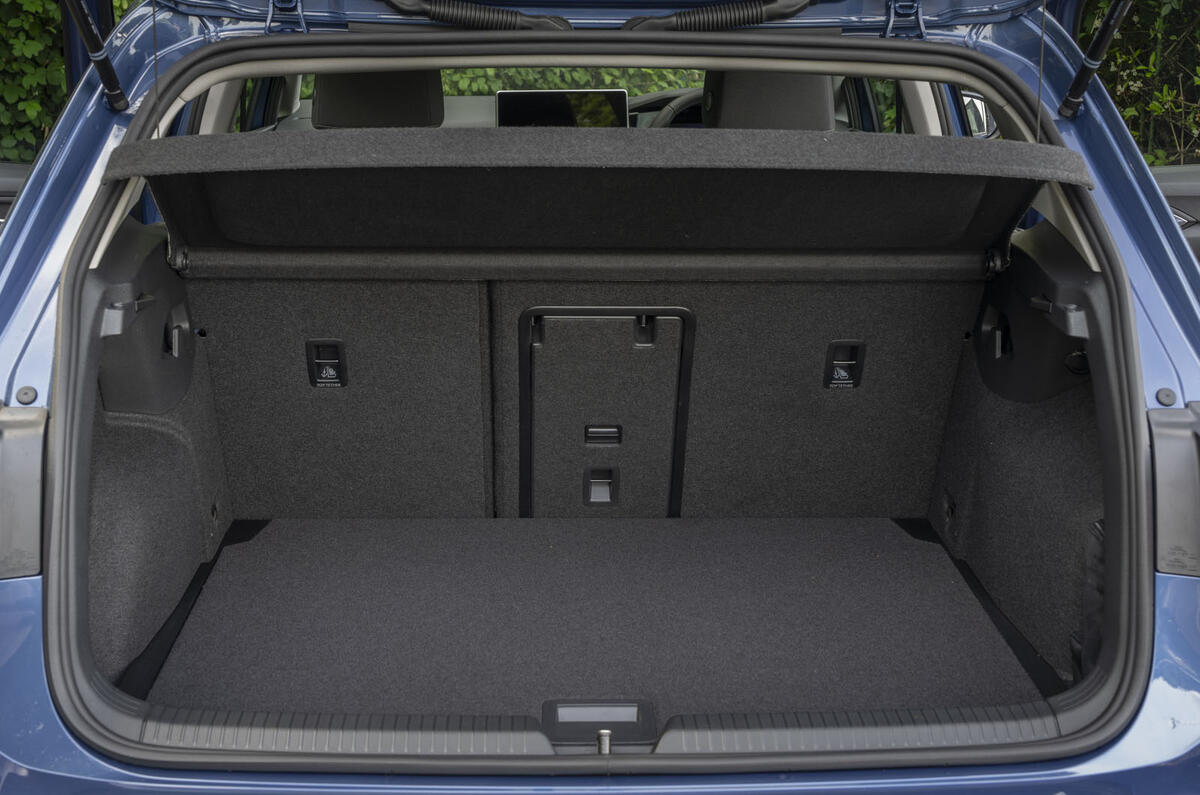
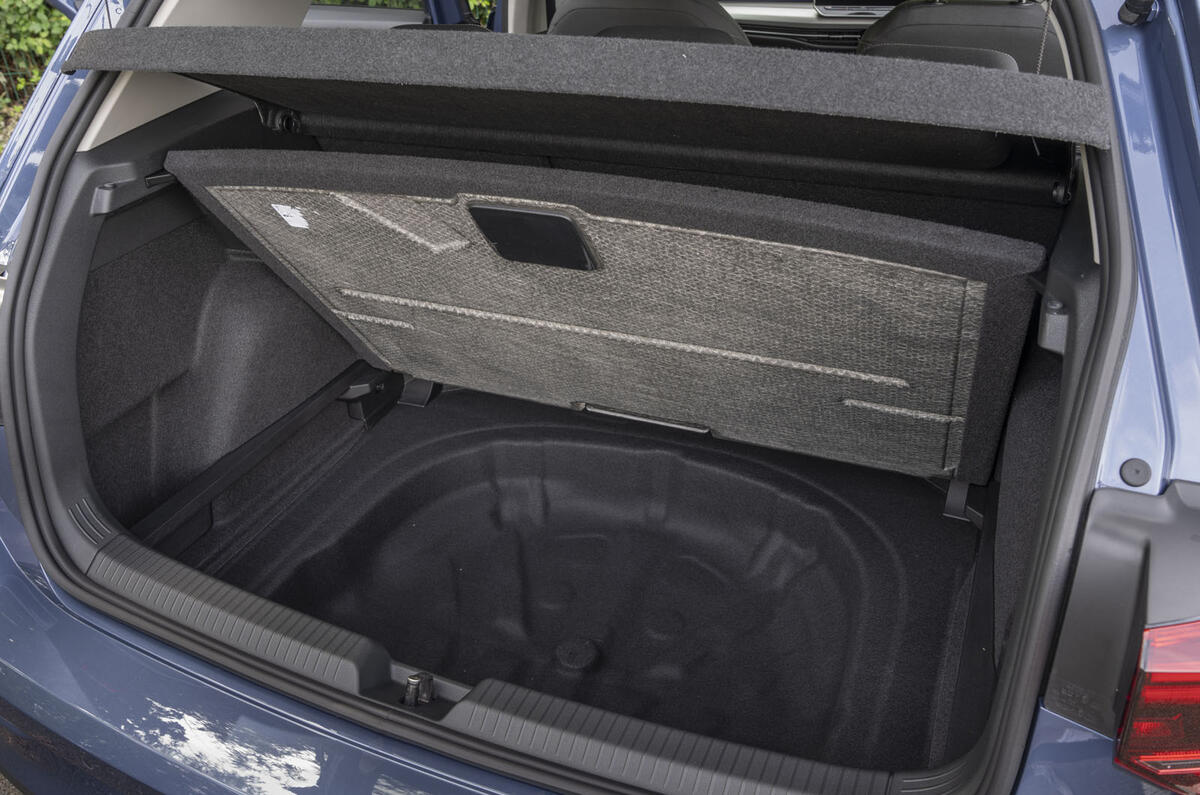
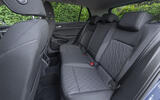
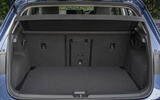
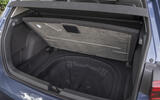
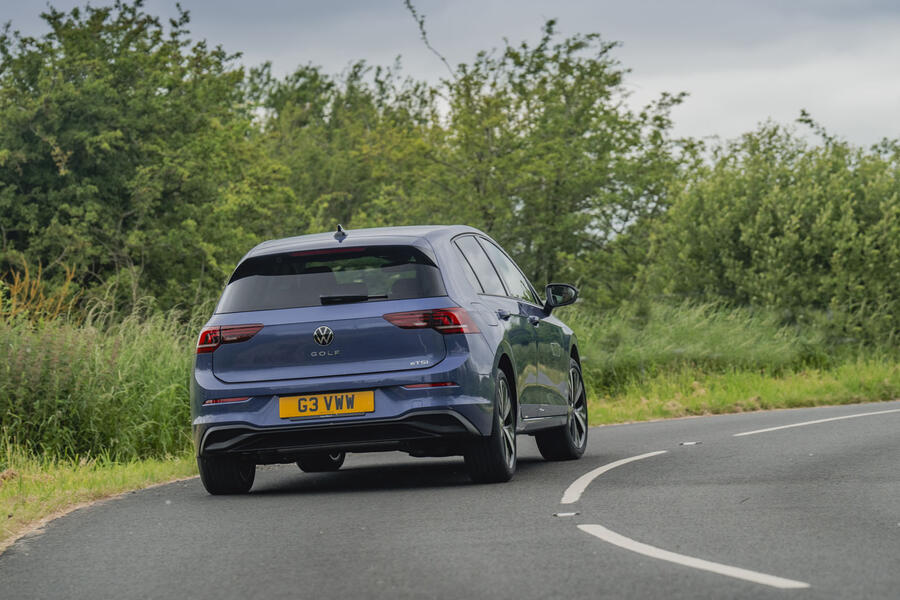
Rear accommodation is generous for the class, which is impressive given that the Golf remains less than 4.3m long. If you were downsizing from a larger car, smaller boot aside, I think you’d be pretty pleased with the Golf’s level of spaciousness.
And to drive, it’s very...Golfy. Like before, but with some welcome extra per cent added to each aspect. The ride of our test car was generally smooth on its 225/45 R17 tyres (albeit with £795 adaptive chassis control), while wind and road noise are both well suppressed. They make the Golf a refined, capable cruiser, with pleasingly consistent and well matched pedal weights and a light, positive gearchange with only a little notch.
The turbo engine is all but inaudible most of the time, and revs smoothly to a little over 6000rpm. It isn’t a high-revver, and has a broad spread of power and torque, making peak power of 138bhp at 5000rpm and peak 184lb ft from as low as 1500rpm.
It’s clear of notable lag but, as you move from off to part-throttle, our test car had an occasional hesitation in response. It was hard to know what it was: it felt almost like a traction control system intervening for a nanosecond, but clearly wasn’t. It could have been the cylinder deactivation kicking in or out, but it’s impossible to know for sure. A small foible, but noticeable nonetheless.
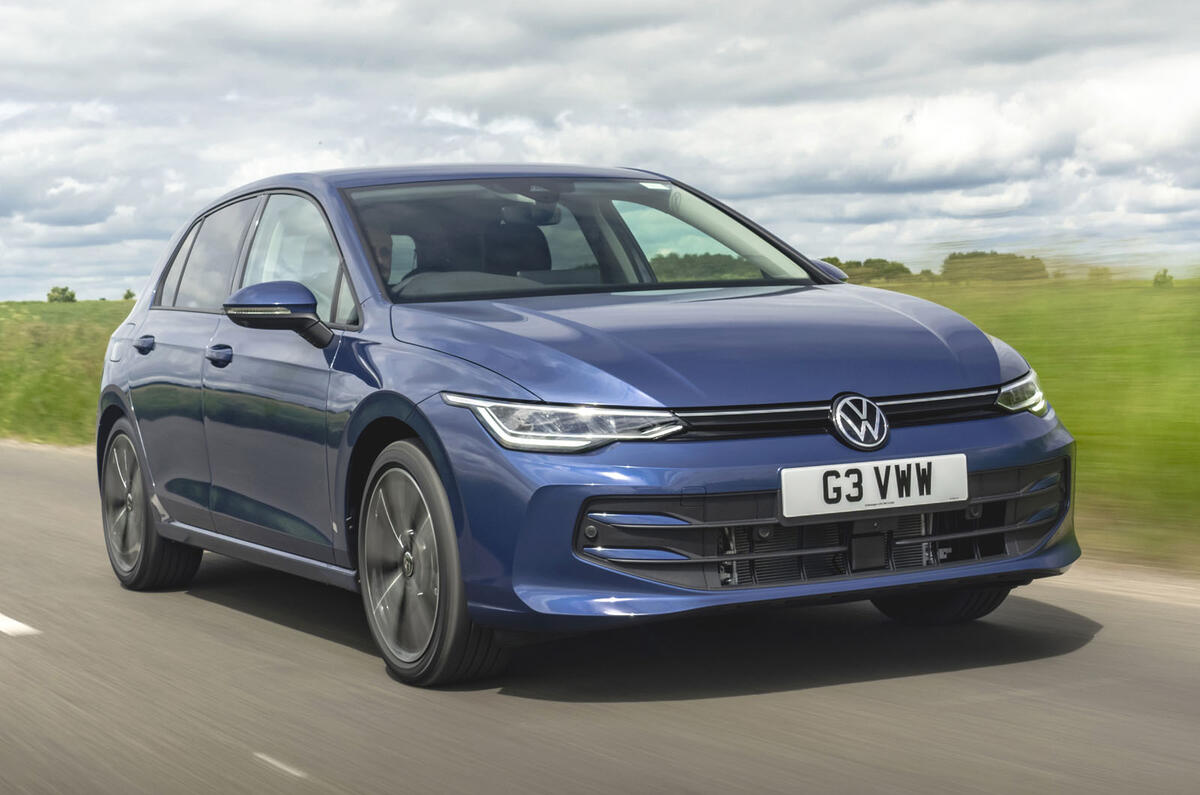
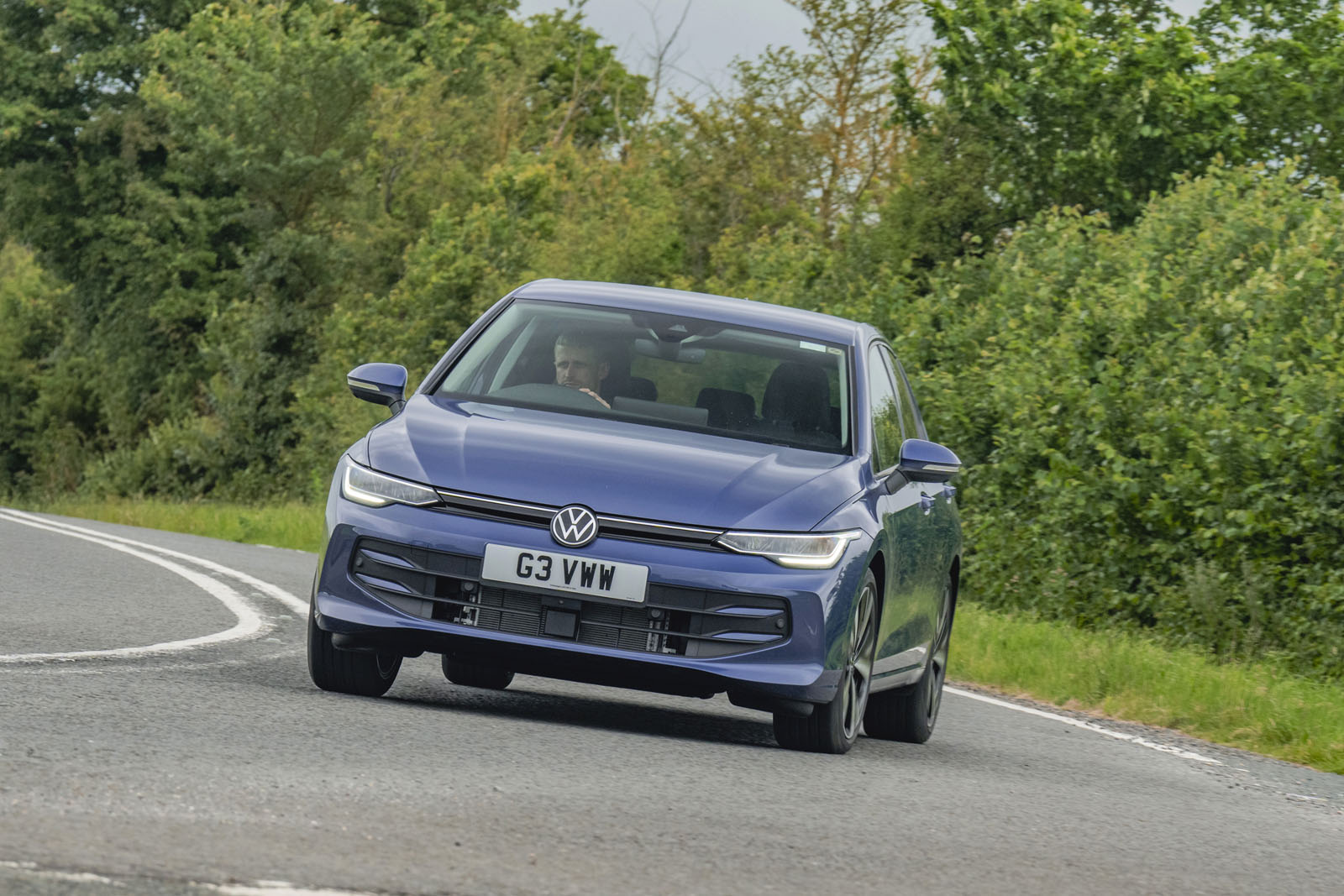
The Golf steers accurately and smoothly, without the keenness of, say, a Ford Focus, and the VW exudes a feeling of dynamic solidity and stability that can’t quite be matched by an Audi A3 or the Focus. The VW feels less agile than those, but that's usually been the case with the Gol; if you want the sharpest steering or handling car in the class, that hasn’t traditionally been the VW’s remit.
However, at least this time around it does display a tenaciously keen front end and, for all that of its stability and solidity, it generates a lot of grip and is happy to involve the rear wheels (suspended by a four-link set-up on our test car) in the cornering line if you lift or trail-brake into a corner. It’s now a car, even in this cooking form, that enthusiasts will take some satisfaction from driving. And, when you combine that with its completeness elsewhere, you get a pretty compelling package.
Should I buy one?
If it isn’t on your shortlist, then it could be that you’ve got something against Volkswagens, because this is one of the standout cars of this or any other year. If the criticisms above sound nitpicky that’s because you have to be.
The Golf is so crushingly competent in all respects that you have to look hard and deep for things that are ‘less right’ (nothing is outright ‘wrong’ with it) than other elements. To our eyes, it looks good, it feels good, and in every way it is good. It’s easy and satisfying to drive, easy to see out of, comfortable to sit in and economical to run (the combined consumption figure is 60.1mpg, we comfortably exceeded 40mpg in brisk driving, and the CO2 output is 112g/km).
If you were in charge of small family cars at Vauxhall, Peugeot, Citroen, Fiat, Renault, Honda, Toyota or any one of a number of mainstream manufacturers, the Golf would give you nightmares.
There are still reasons to look to other brands: for me, a Focus with a light petrol engine is a touch more dynamically satisfying, a Volvo V40 is a pleasing proposition and an Audi A3 is satisfyingly classy. But none of them does so many things with the competence of the Golf.
Volkswagen Golf 1.4 TSI ACT 140 5dr
Price £22,960; 0-62mph 8.4 sec; Top speed 131 mph; Economy 60.1mpg (combined); CO2 112g/km; Kerb weight 1270 kg; Engine 4 cyls, 1395cc, turbo petrol; Power 138bhp at 5000rpm; Torque 184lb ft at 1500-3000rpm; Gearbox 6-spd manual