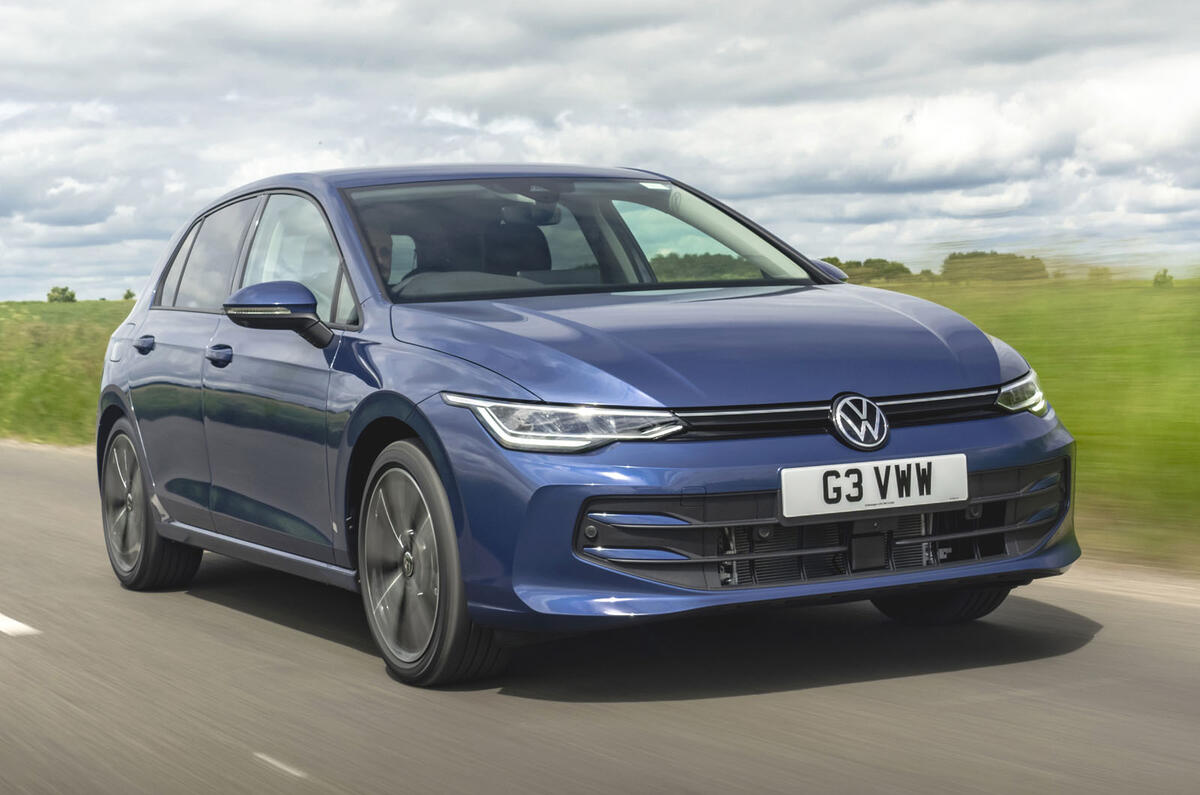
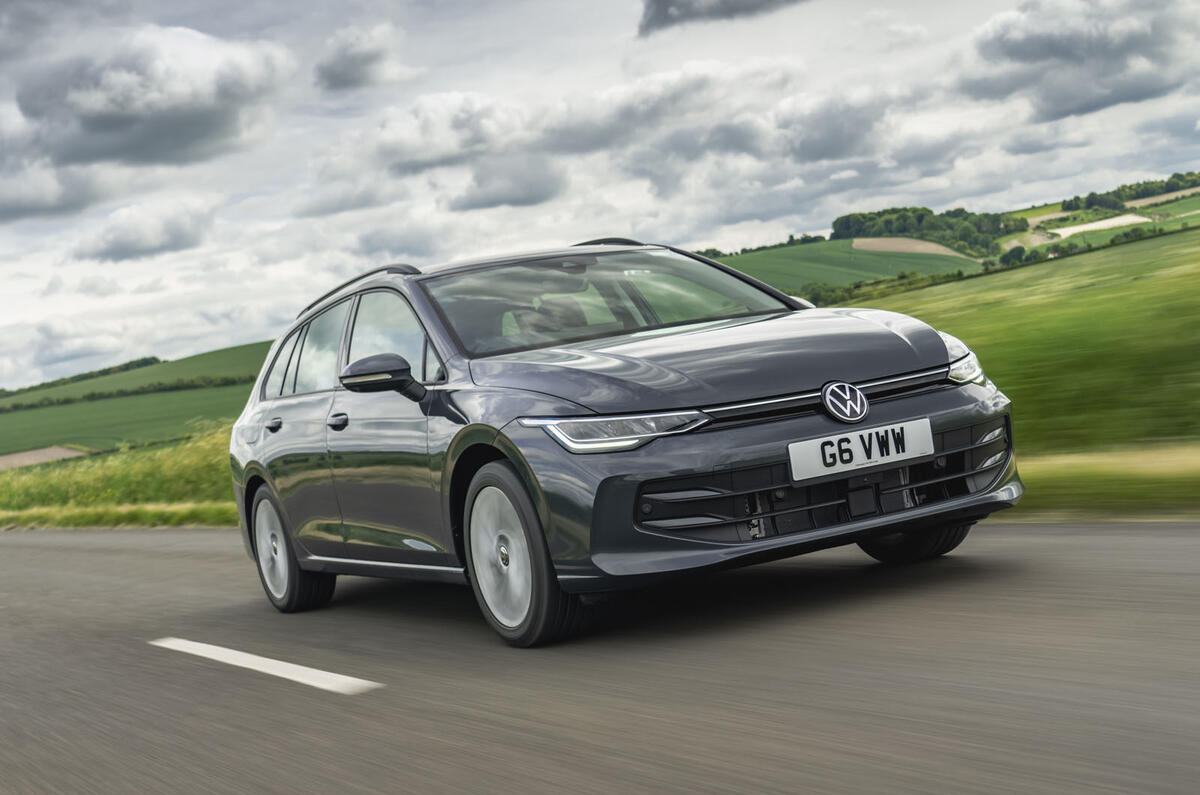
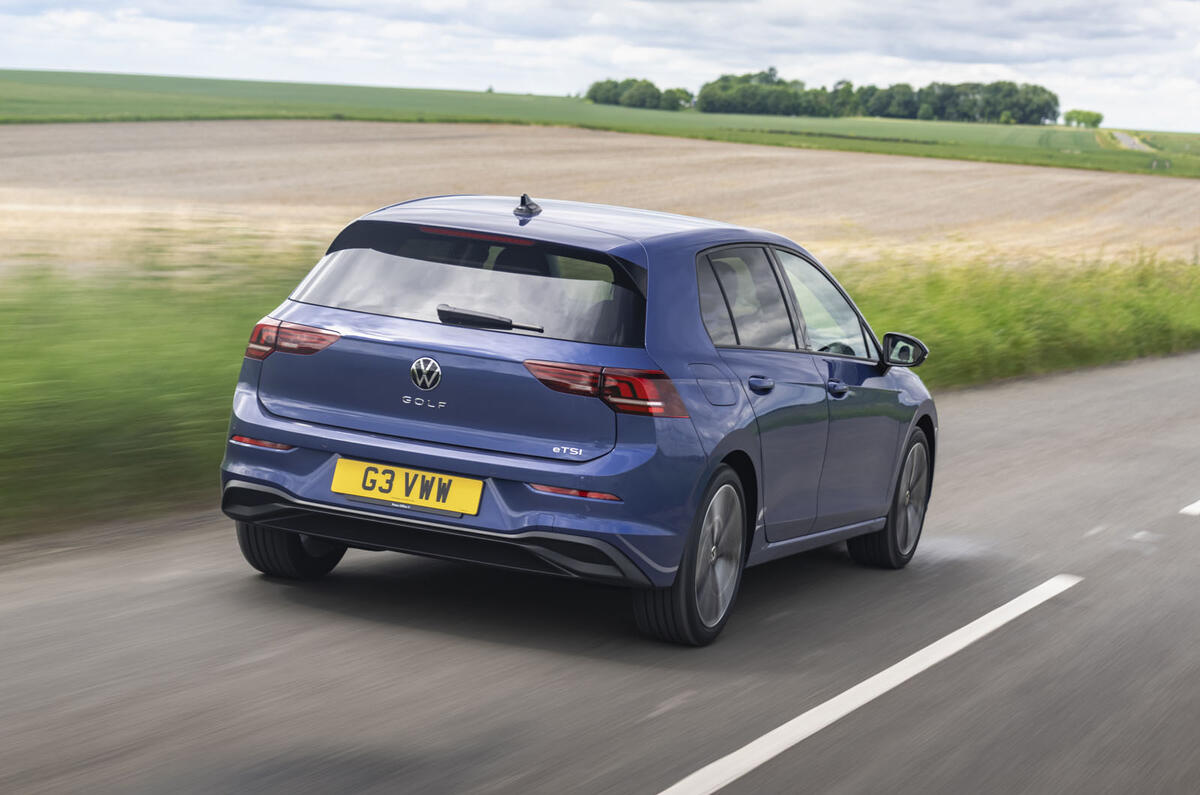
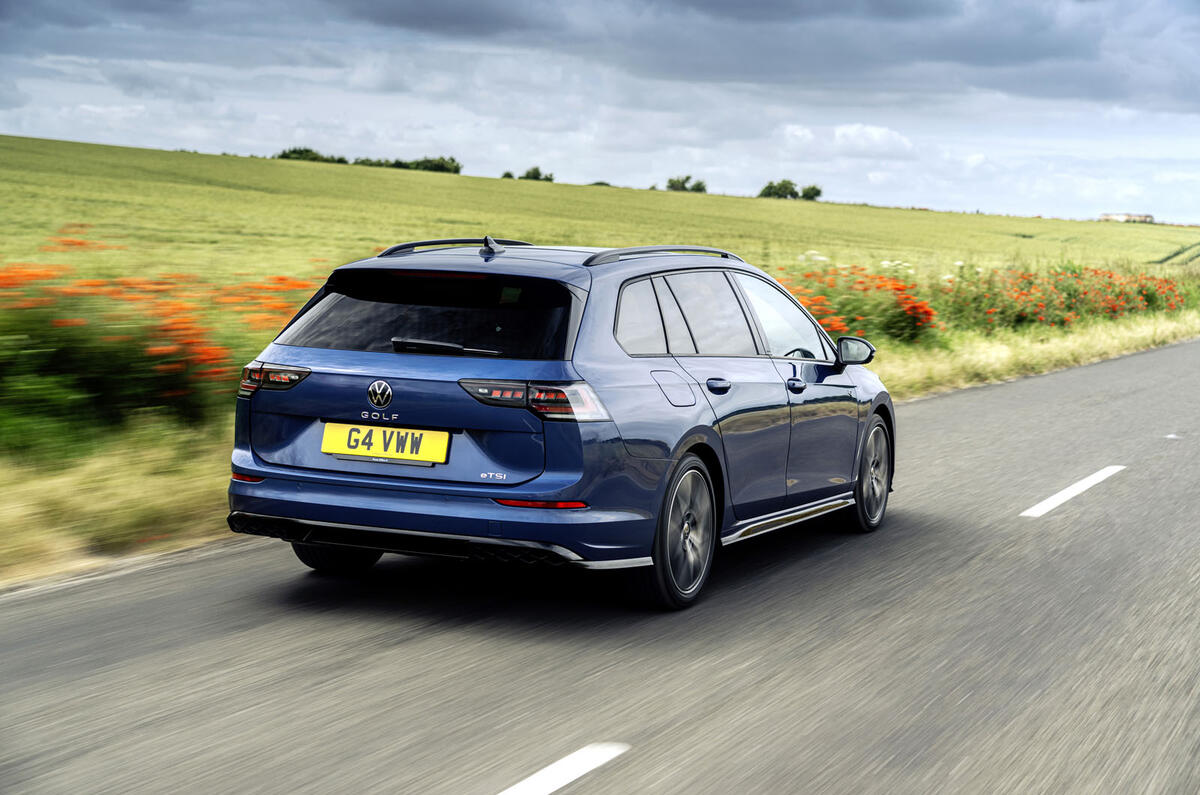
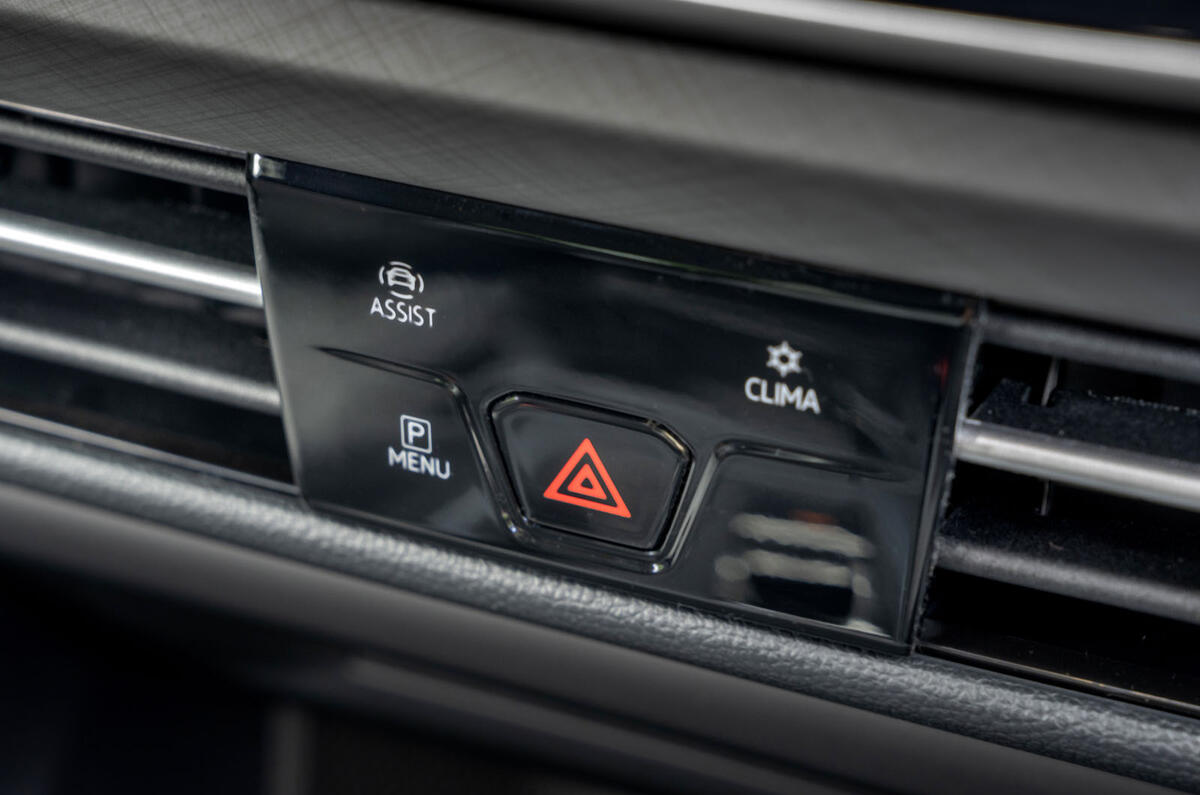
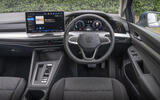
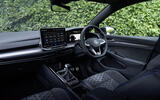
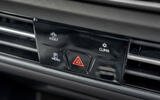
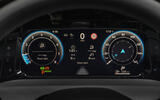
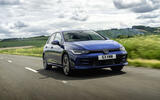
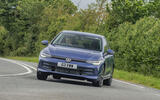
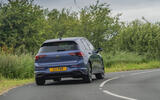
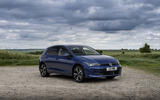
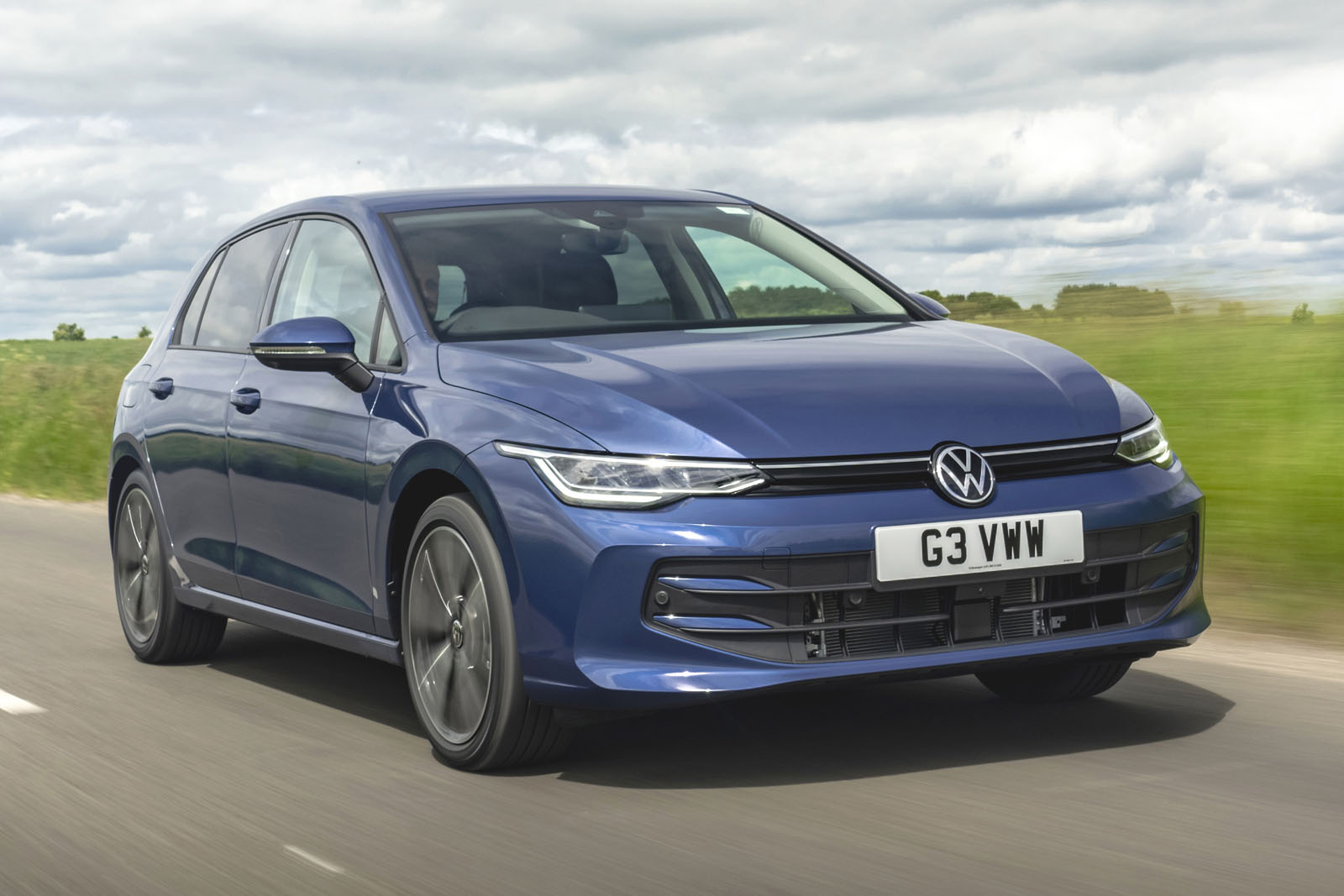
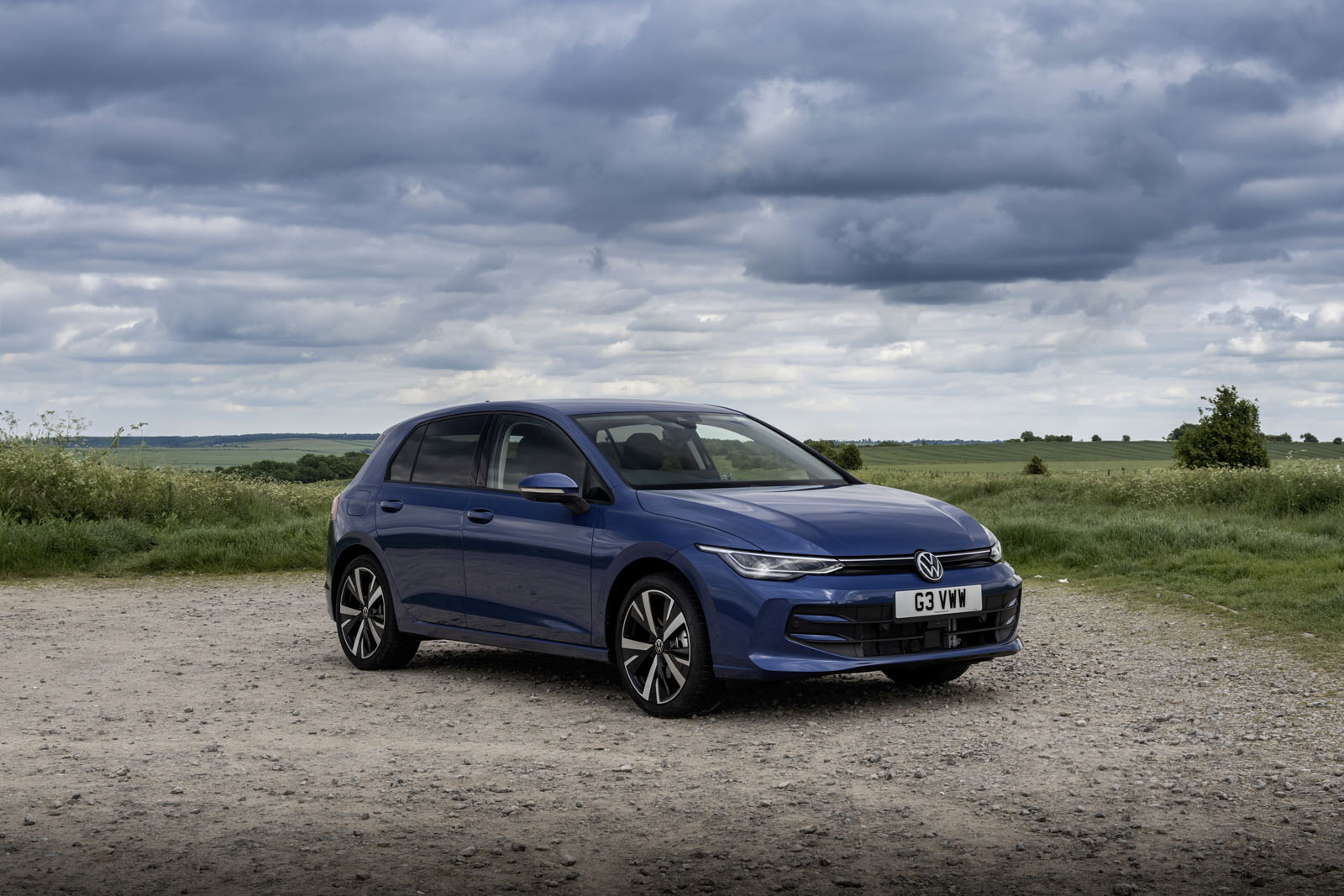
When it launched in 2020, the Mk8 Golf got its fair share of criticism for its control layout, not just from the likes of us but also from customers. Volkswagen says it has listened and updated the Golf’s cabin accordingly.
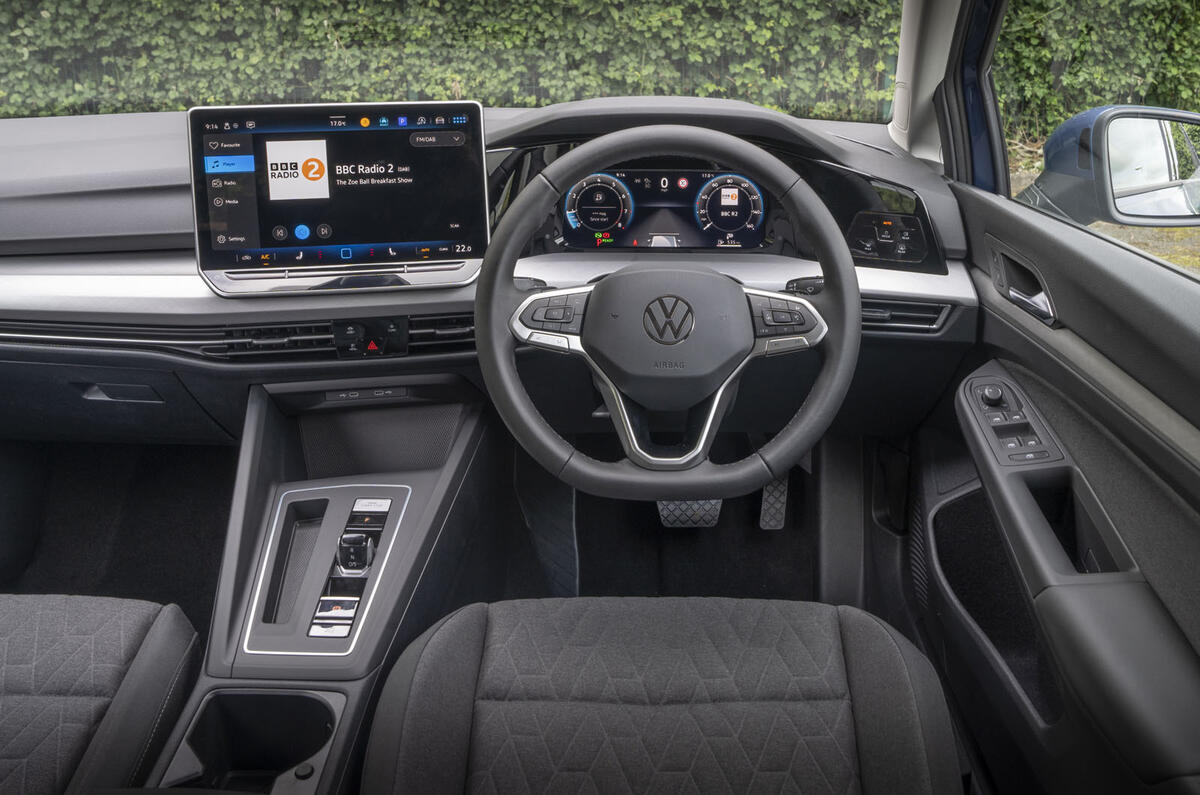
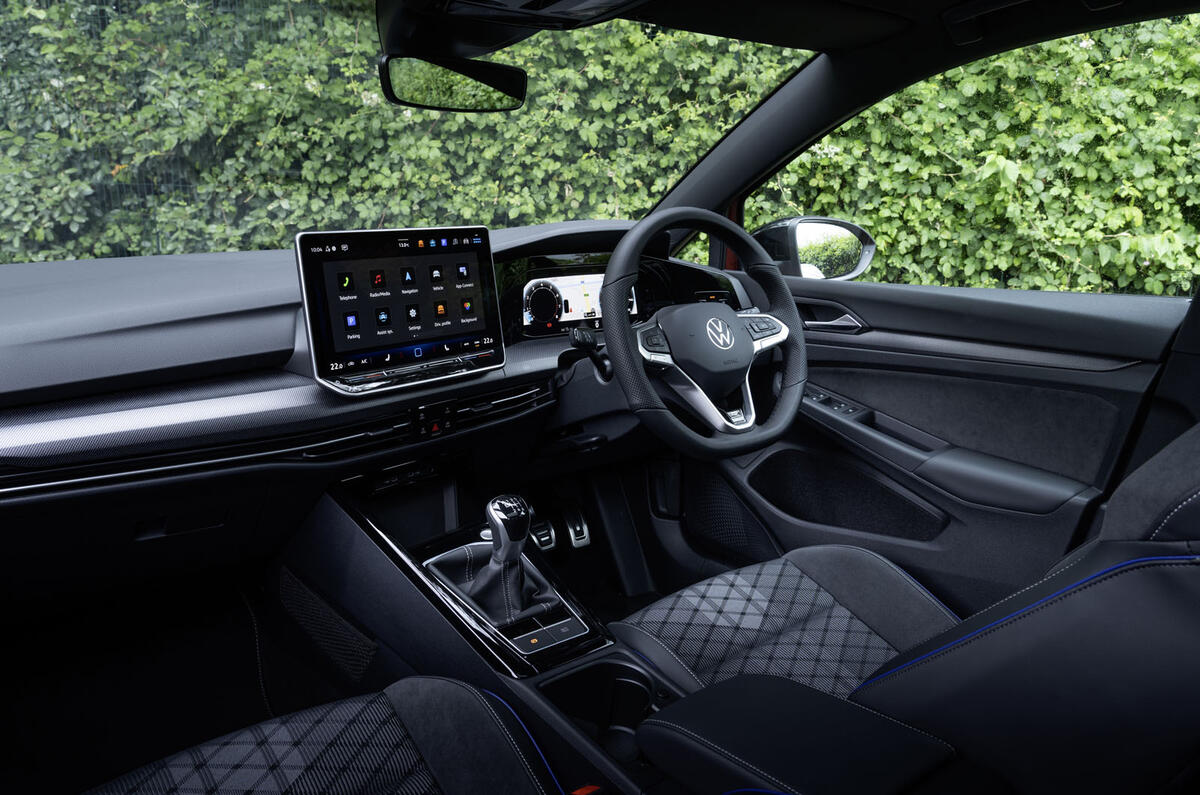
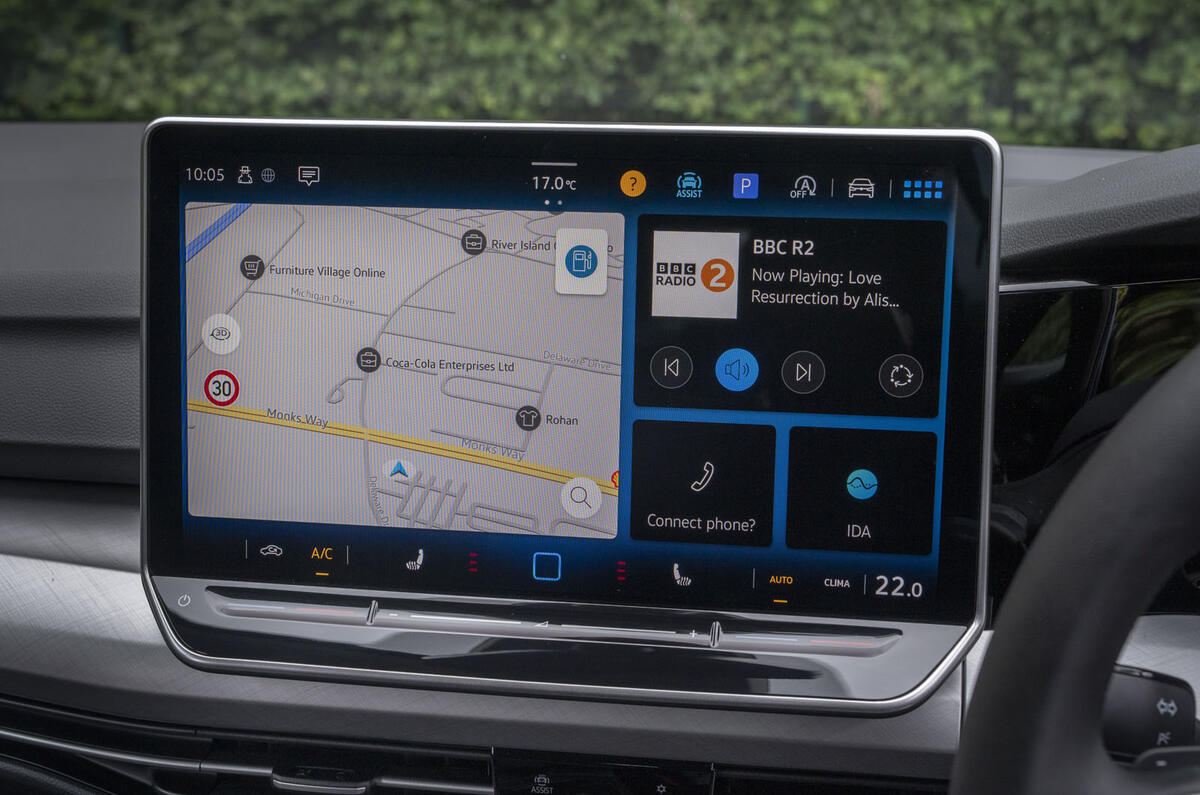
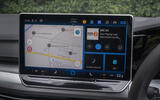
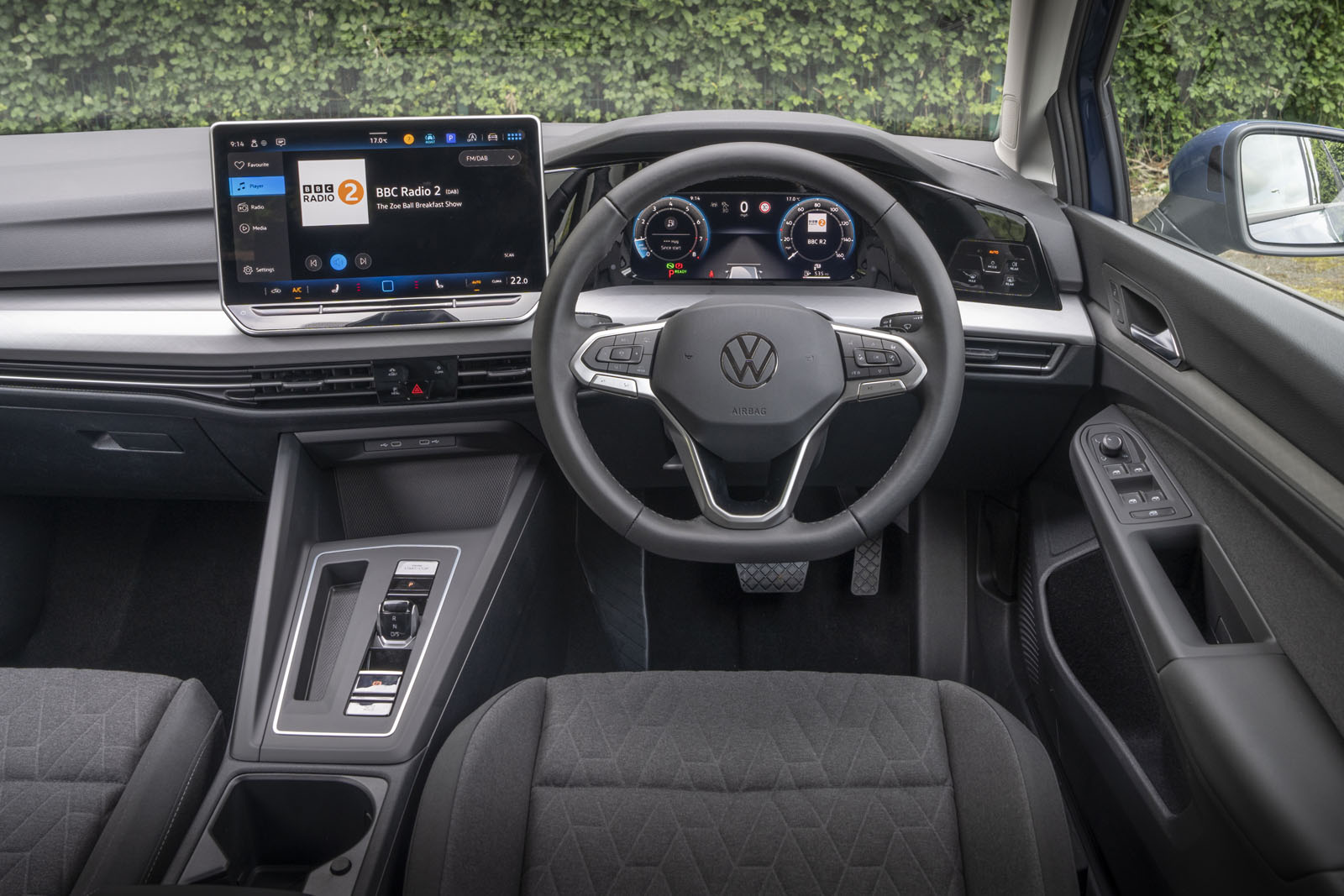
The Mk8.5 hasn’t gained many more buttons, but the MIB4 multimedia system has been significantly improved. The touchscreen is bigger, at 12.9in and main climate controls and ‘buttons’ for the heated seats are permanently displayed. The screen also works much more quickly. While the touchbar for the interior temperature and media volume remains, it does now light up.
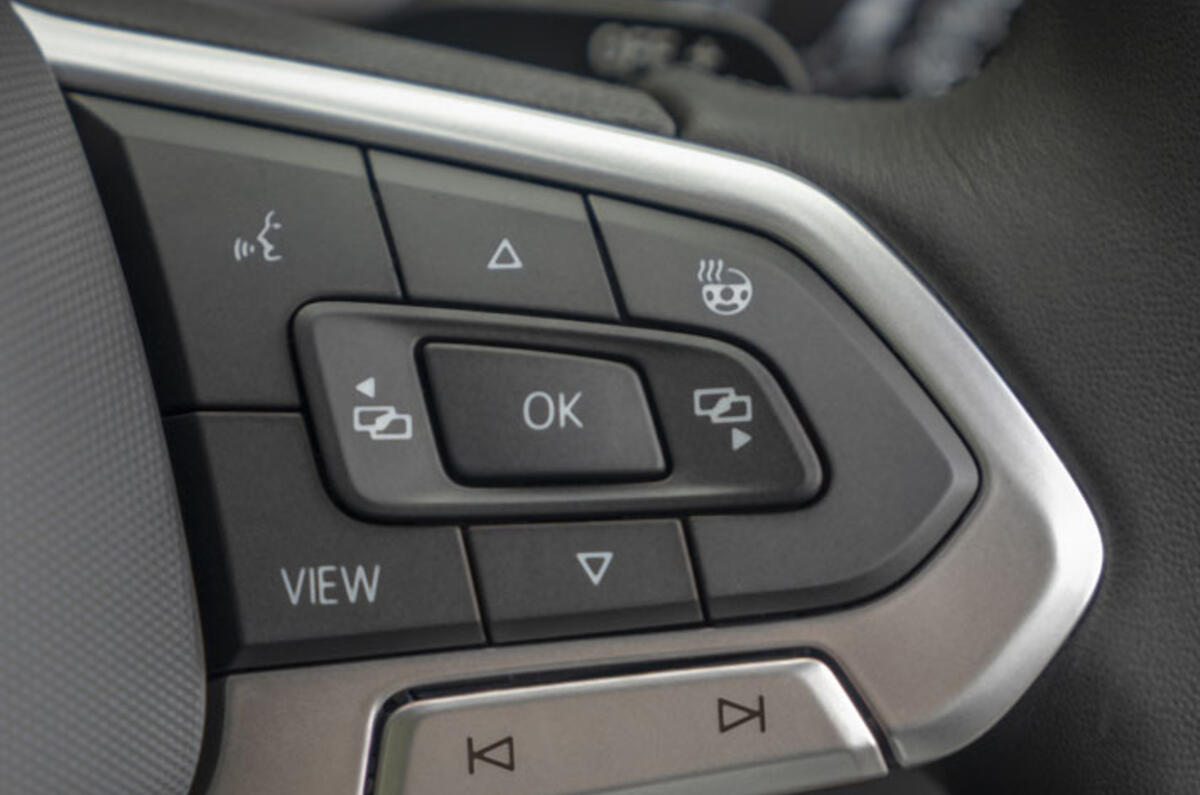
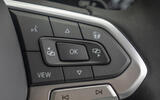
Contrary to what some believe, the Mk8 never lost its physical steering wheel buttons entirely; it was only the range-topping versions that got the capacitive equivalents. Anyway, that's now moot, because all new Golfs get proper buttons on the steering wheel. Phew.
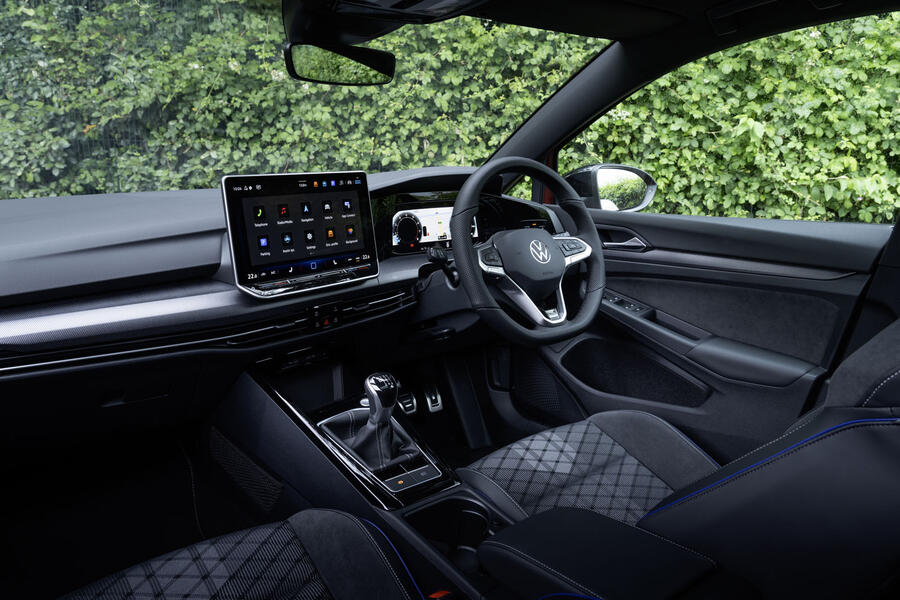
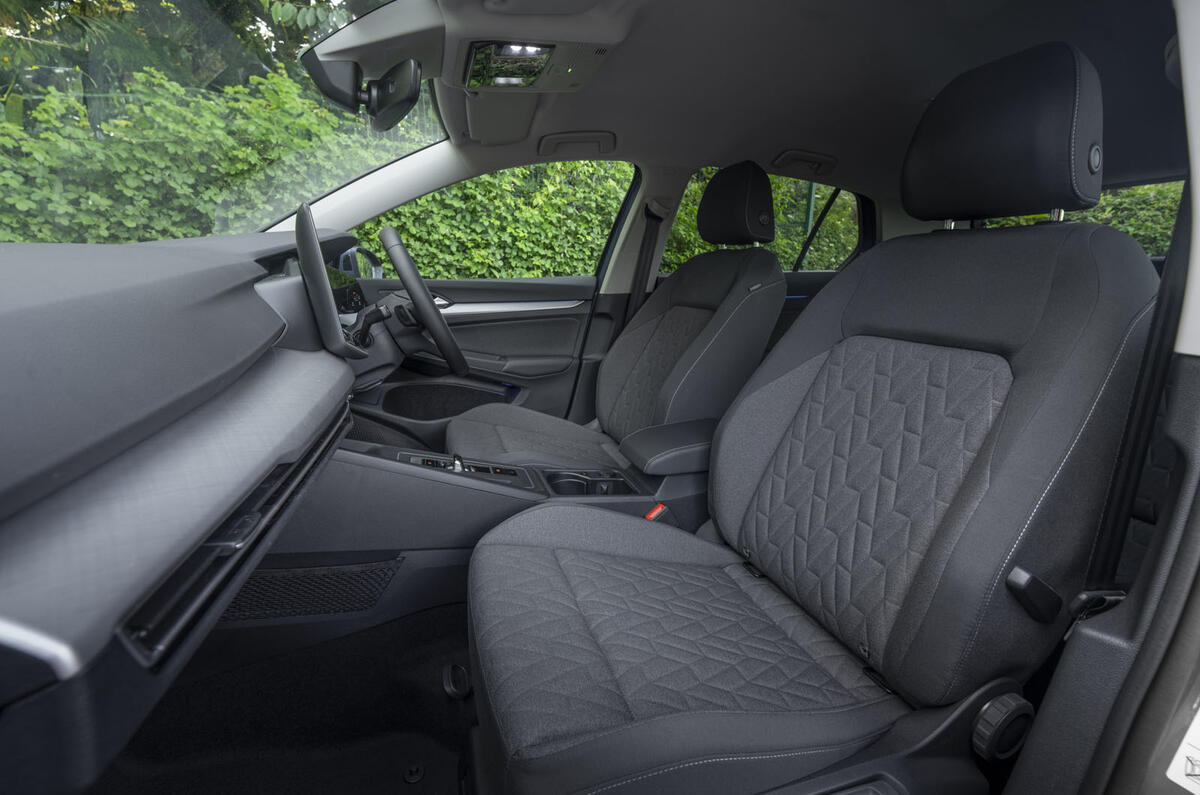
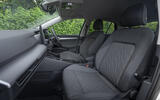
The rest of the interior is largely as before, which means materials and space are fair for the segment – nothing more, nothing less. The standard grey cloth upholstery feels good enough, if a little plain. However, opt for Style trim, and you get the option of a very attractive microsuede and cloth combo.
The seats themselves and the driving position are, in general, excellent. Whether you get the standard seats or the fancier sports seats on higher trims, the driving position is nice and low, with plenty of adjustability. While there's no tilt function, the seats are set at a comfortable angle anyway, and there's manually adjustable lumbar support as standard.
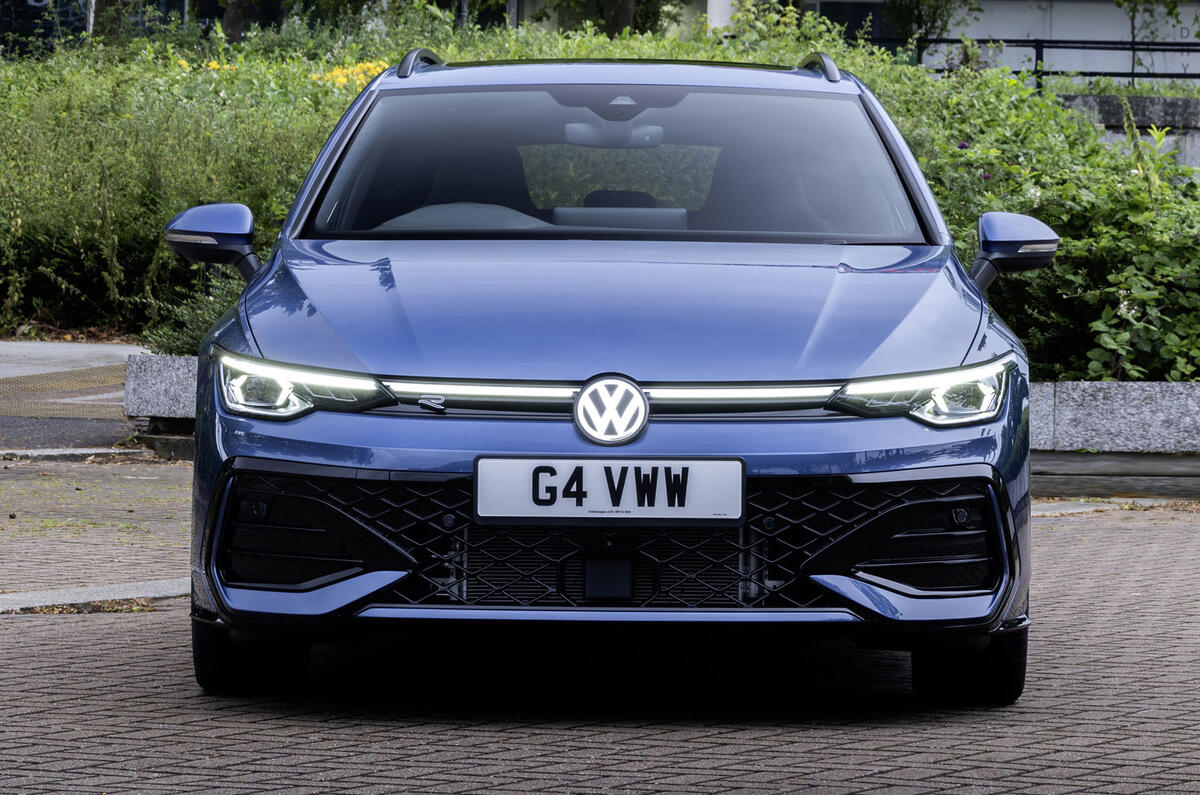
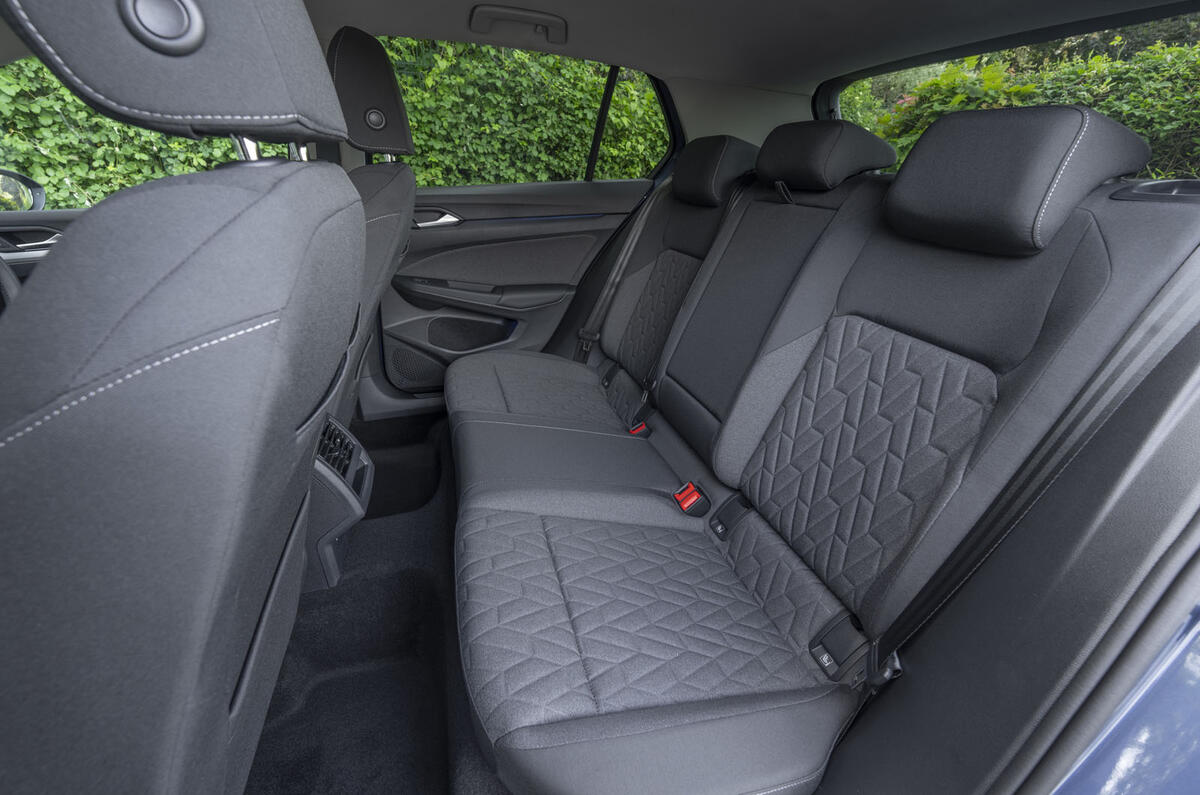
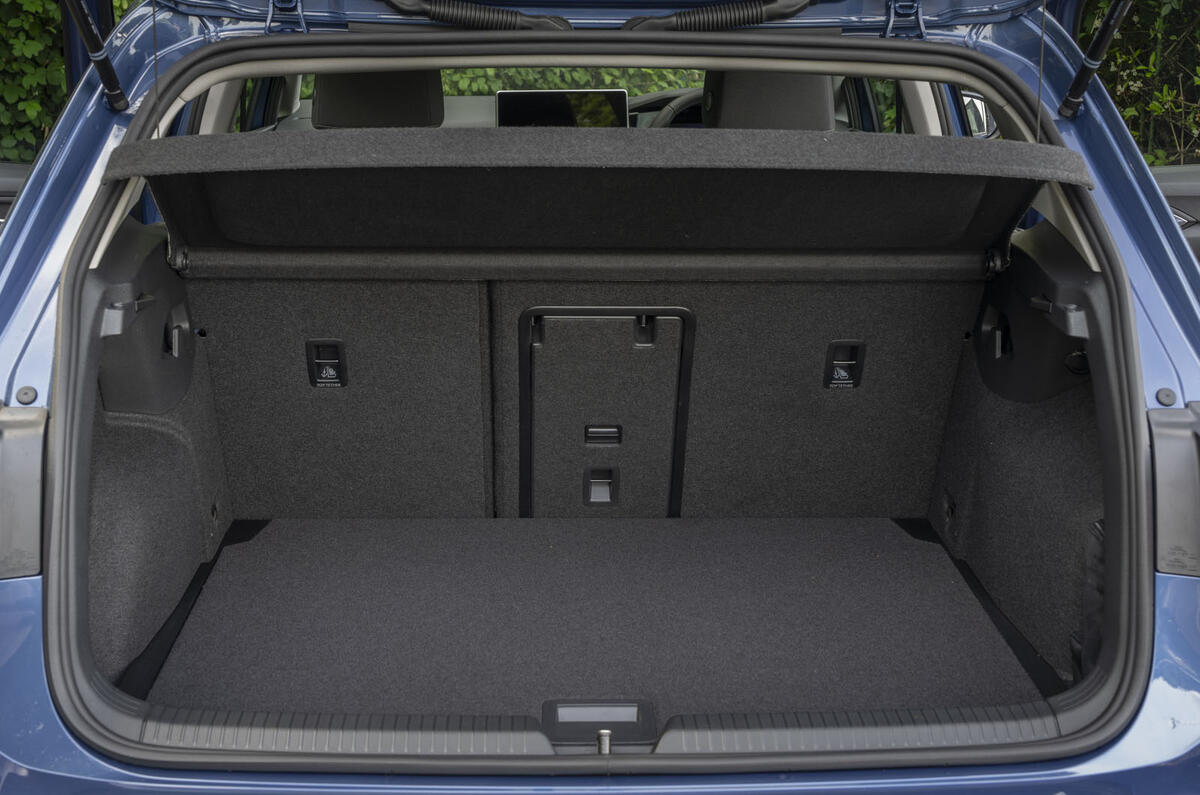
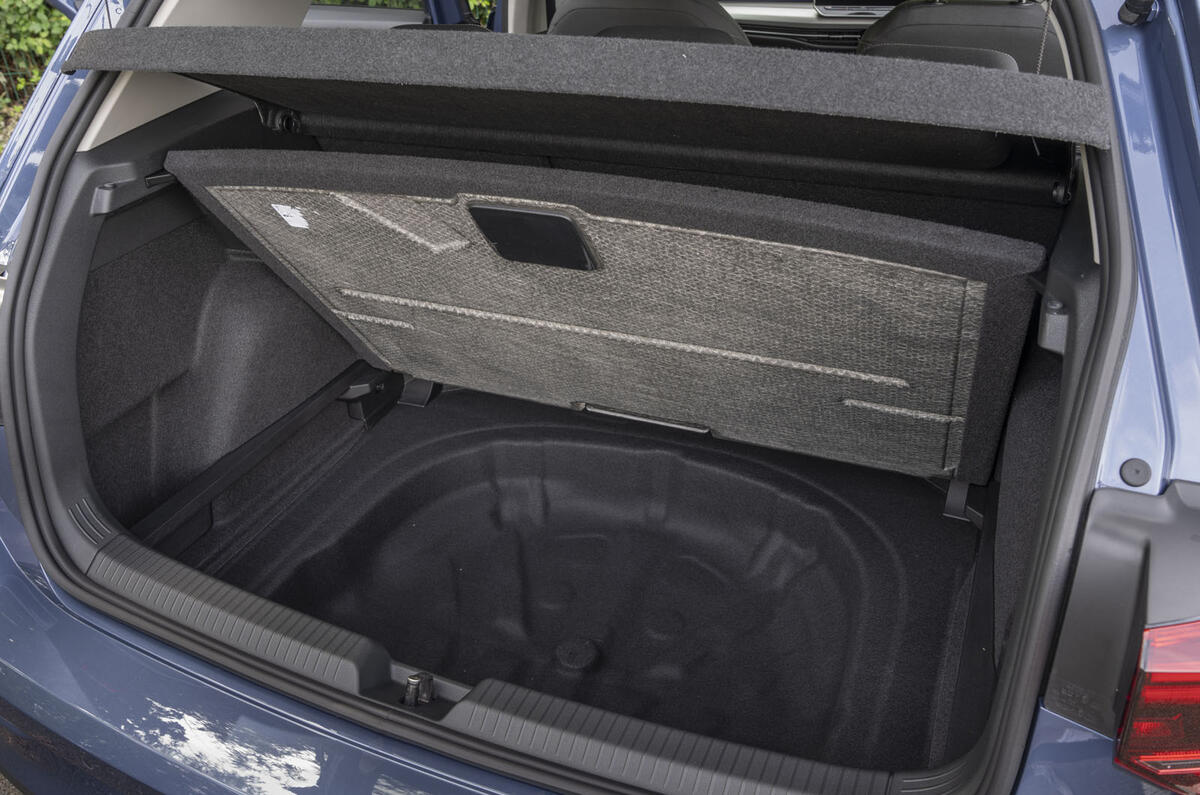
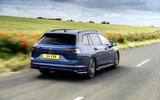
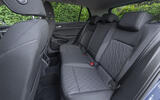
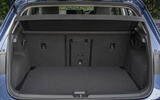
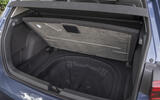
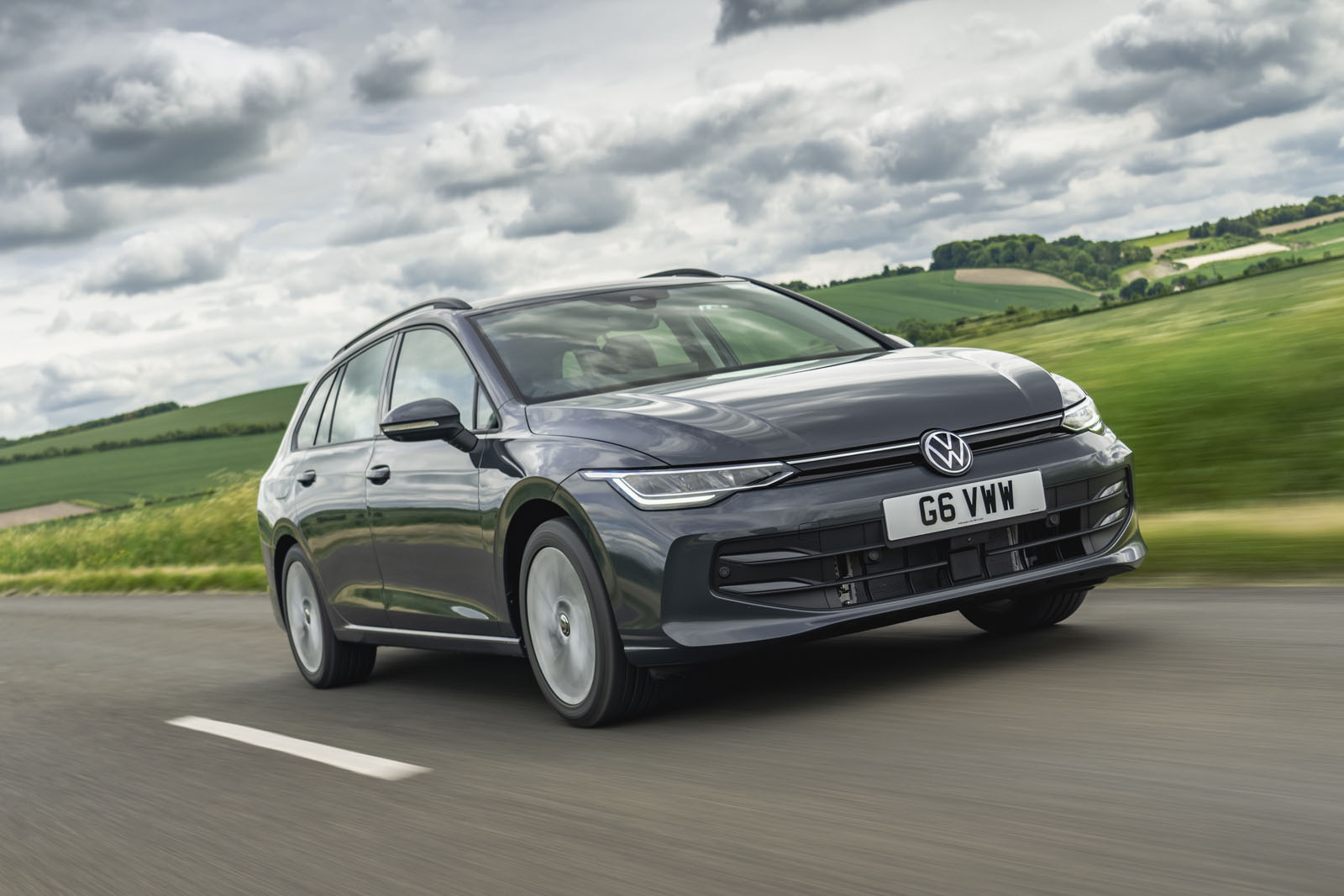
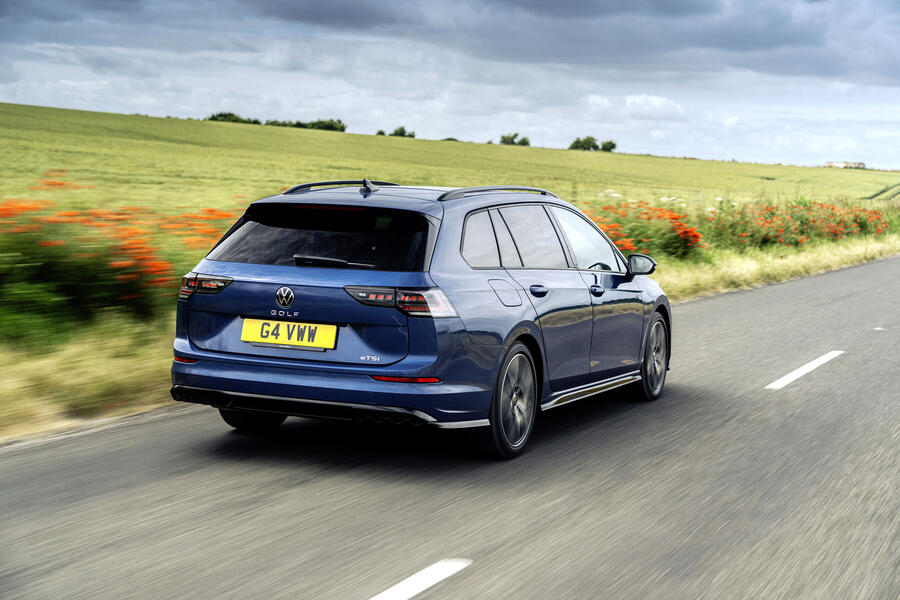
Interior space is similarly class-competitive, with just enough space in the rear seat for adults and in the boot for largish things. And if the hatchback doesn’t quite offer enough room for you, there’s also the estate. Naturally, it has a bigger boot (611 litres versus 381), but because its wheelbase is slightly longer, there’s more rear leg room as well.
Multimedia and infotainment
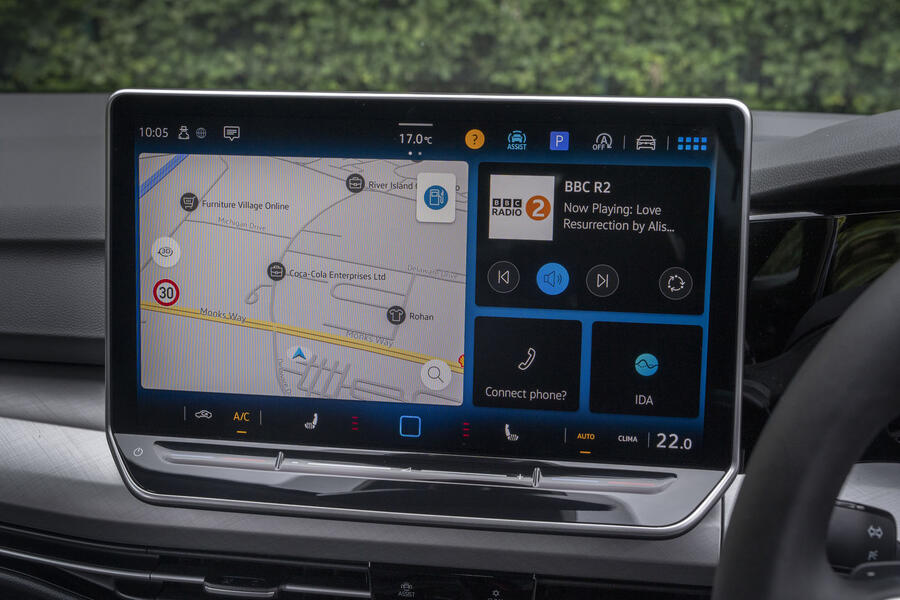
The Mk8’s original MIB3 multimedia system was not a success. Important functions were hidden away in menus, but worst of all, it was often slow and unreliable. Over the years, we drove many cars with this system, and some were decidedly worse than others in this respect.
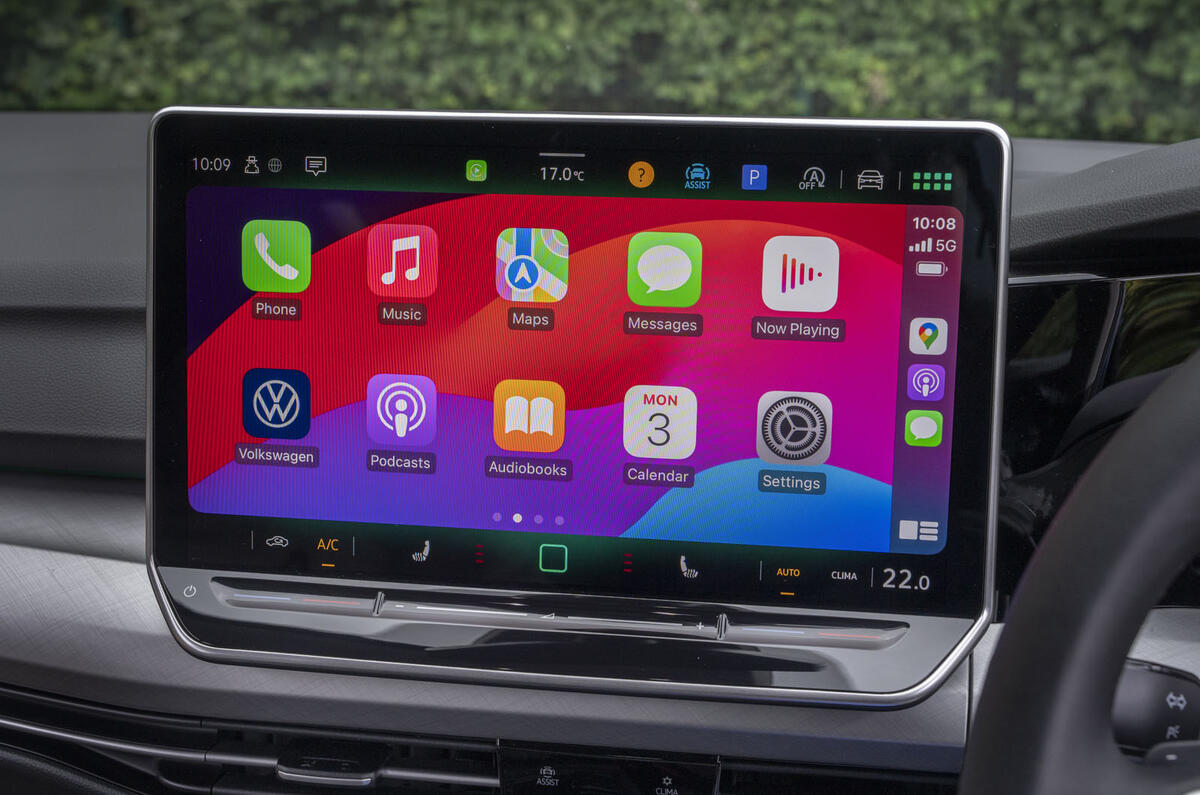
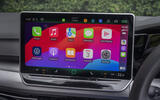
With MIB4, most of that has been fixed. Climate controls are permanently displayed at the bottom, the homescreen is customisable and there is a bar with customisable shortcuts fixed to the top of the screen. The built-in sat-nav works well enough, and there’s wireless Apple CarPlay and Android Auto.
With that said, there does still seem to be a bit of a reliability lottery involved. When we attended the UK launch of the facelifted Mk8.5 Golf, most cars were fine, but one was noticeably slower and suffered from some touchscreen glitching.