

What is it?
Put the words Volkswagen, Golf, GTI and cabriolet together and you have a recipe for a rather desirable open-top car. But despite being seemingly a no-brainer for product planners, this new soft-top Golf GTI cabriolet arrives almost 20 years after its predecessor (which was based on a Golf Mk1 and only ever on sale in the UK) went out of production in 1993.
The new Golf cabriolet went on sale just over a year ago and thankfully reversed a recent industry trend for heavy and unsightly retractable hard-top roofs. And with its impressive torsional rigidity and a not excessive weight gain, it was clear a more potent GTI version could be created to please not only Volkswagen engineers and product planners, but also Golf GTI aficionados.
The Golf GTI cabriolet has now reached UK shores after our first steer in the car in Austria back in the spring. There, it proved to be quick and dynamically capable, if not exactly thrill a minute through the bends.
What is it like?
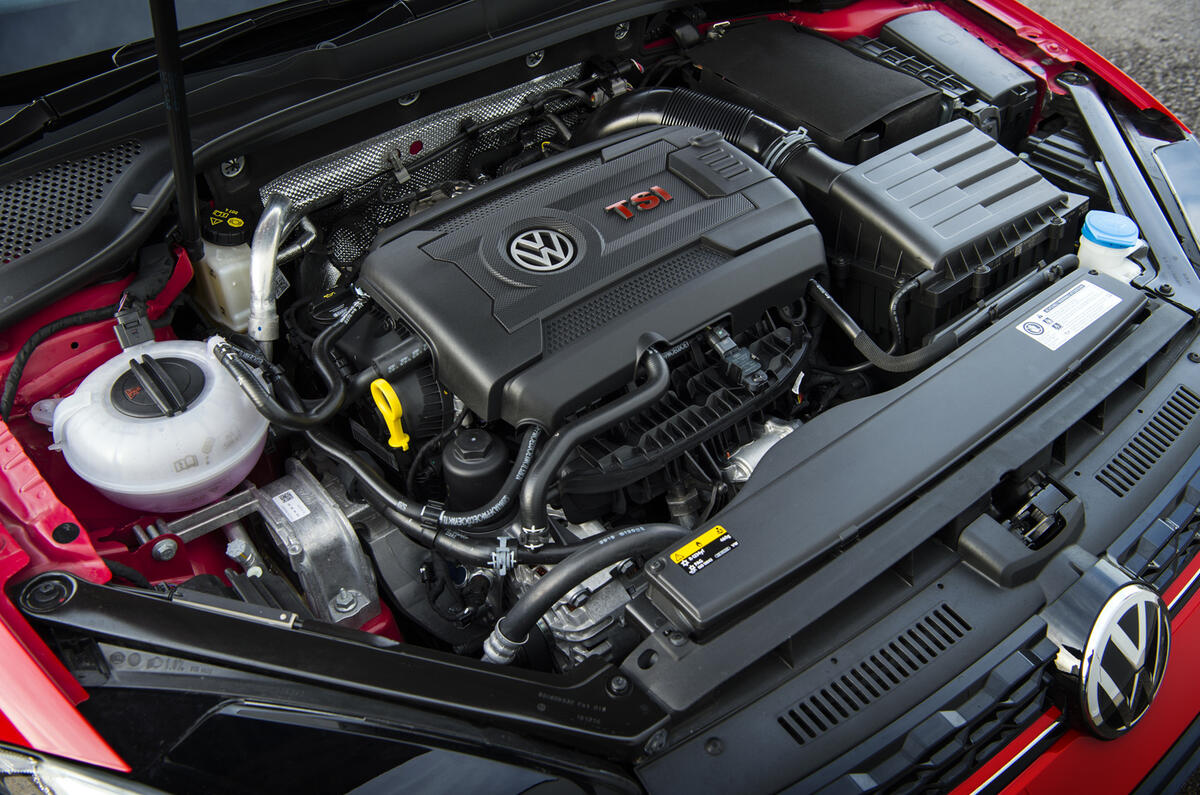
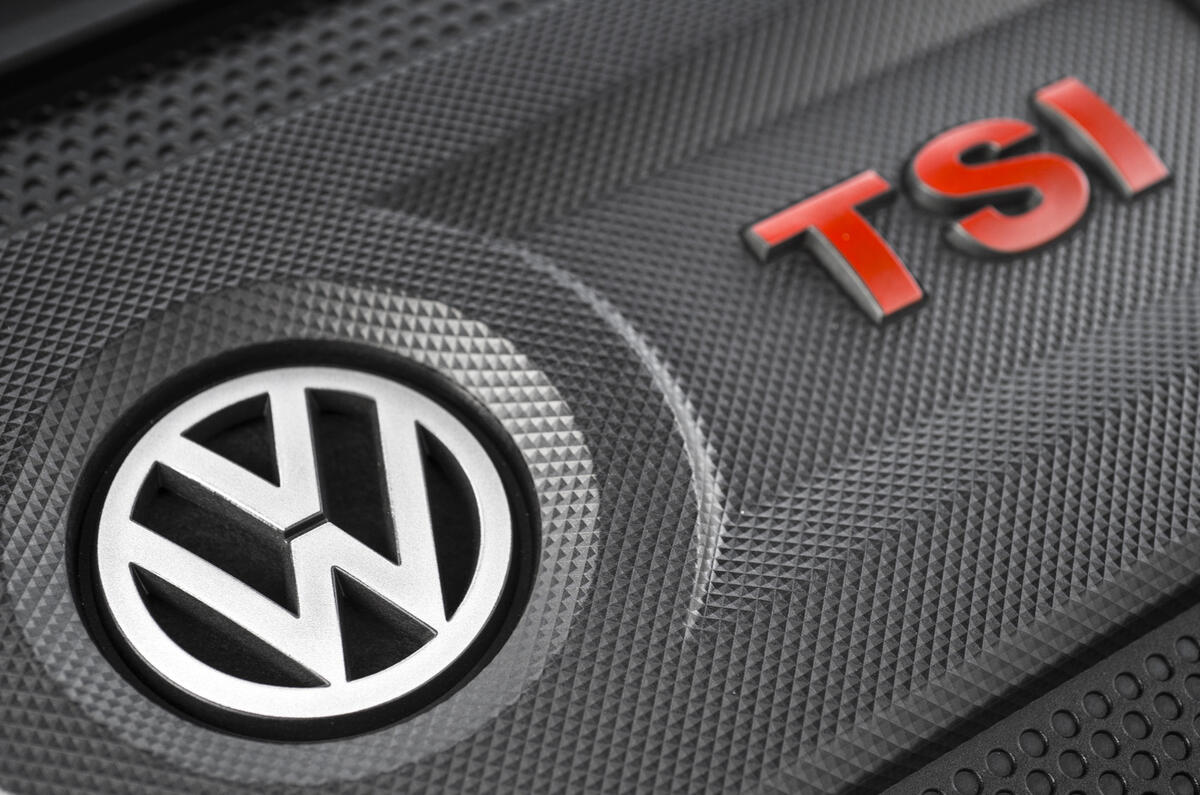
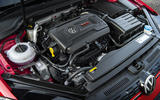
In a straight line, it’s a very quick car. Under the bonnet of the Golf GTI cabriolet is the same 208bhp 2.0-litre TSI engine as found in the three and five-door GTI hatchbacks.
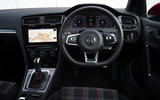
Equipped with out test car's six-speed dual-clutch DSG gearbox, the official 0-62mph time is 7.3sec. But it feels faster than this in the real world, particularly as it’s so strong near the bottom of the rev range. Peak torque of 207lb ft available from as low as 1700rpm and all the way through to 5200rpm.
While it might be fast in a straight line, the fun factor isn’t repeated when attacking corners. This is not to say the GTI cabriolet doesn’t handle well, because it does. It corners very flat, and is surprisingly reluctant to understeer unless really pushed hard thanks to its clever XDS electronic differential.
So it’s capable, but it feels too sensible. There’s no real charm to the way it corners; it does everything in a clinical, box-ticking way, and the driver never feels fully involved. The steering, although precise, also lacks feedback when cornering and is prone to kickback.
Where the GTI cabriolet performs best of all is on the motorway. While the 140kg weight gain over a three-door Golf GTI is noticeable in a sometimes crashy low-speed ride, the GTI cabriolet rides much better at speed. Wind noise is surprisingly absent, too, and the engine seems more akin to a soothing grand tourer than an urgent hot hatch.
It is only really at low speeds with the soft-top down where the GTI cabriolet can’t mask its lack of a fixed roof. Scuttle shake is evident, but it reduces with the roof up and only surfaces again at higher speeds over particularly nasty bumps and broken surfaces.
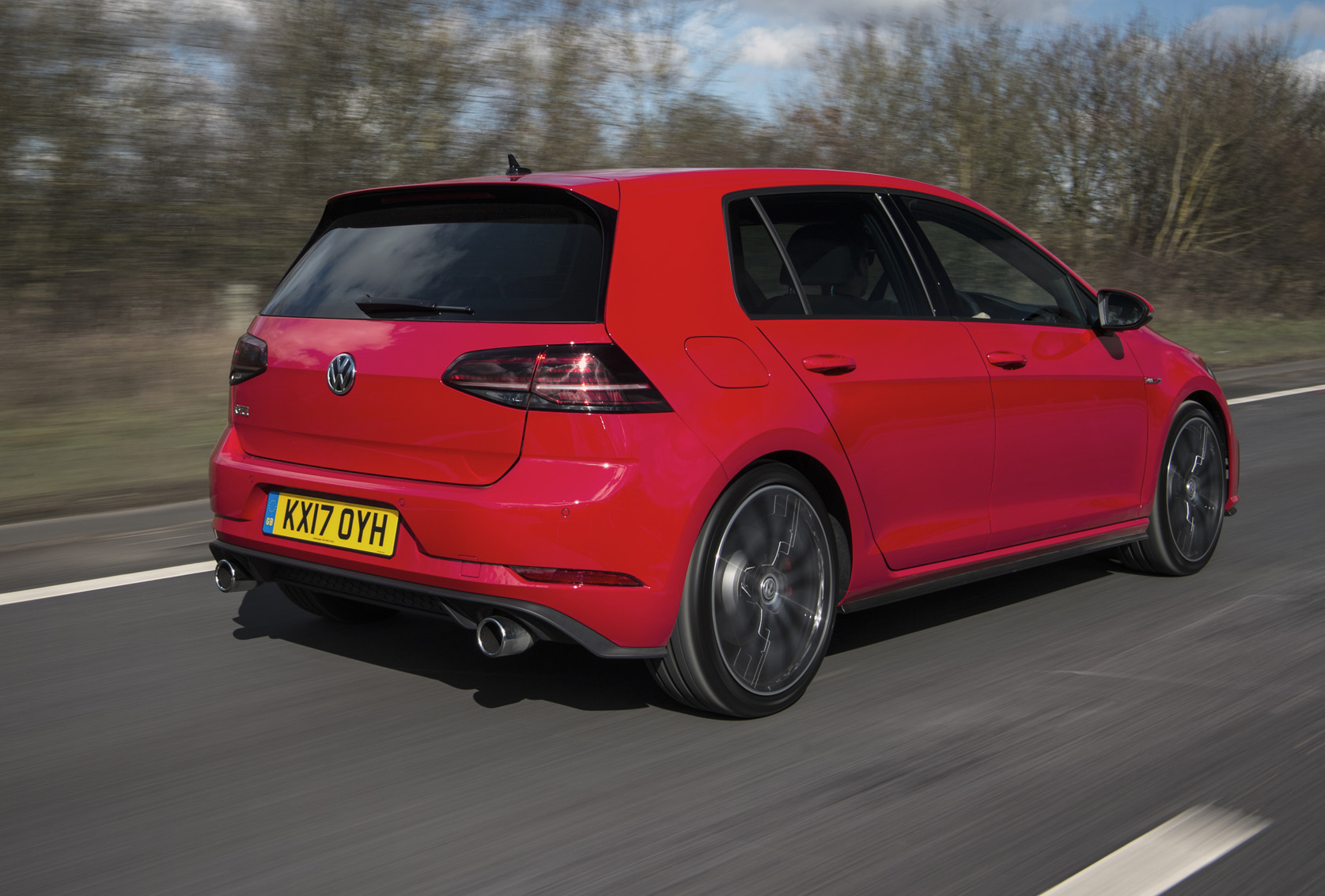
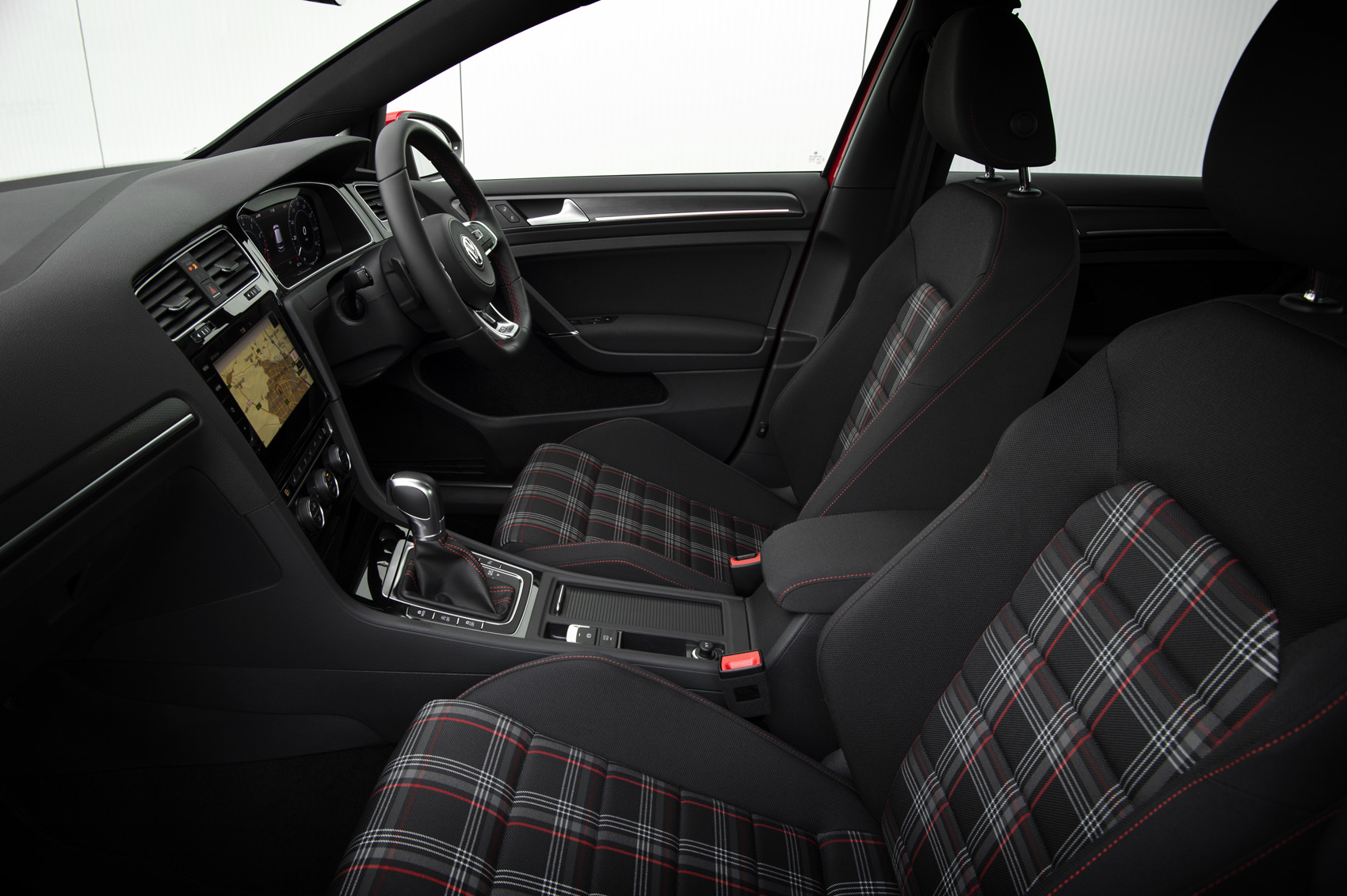
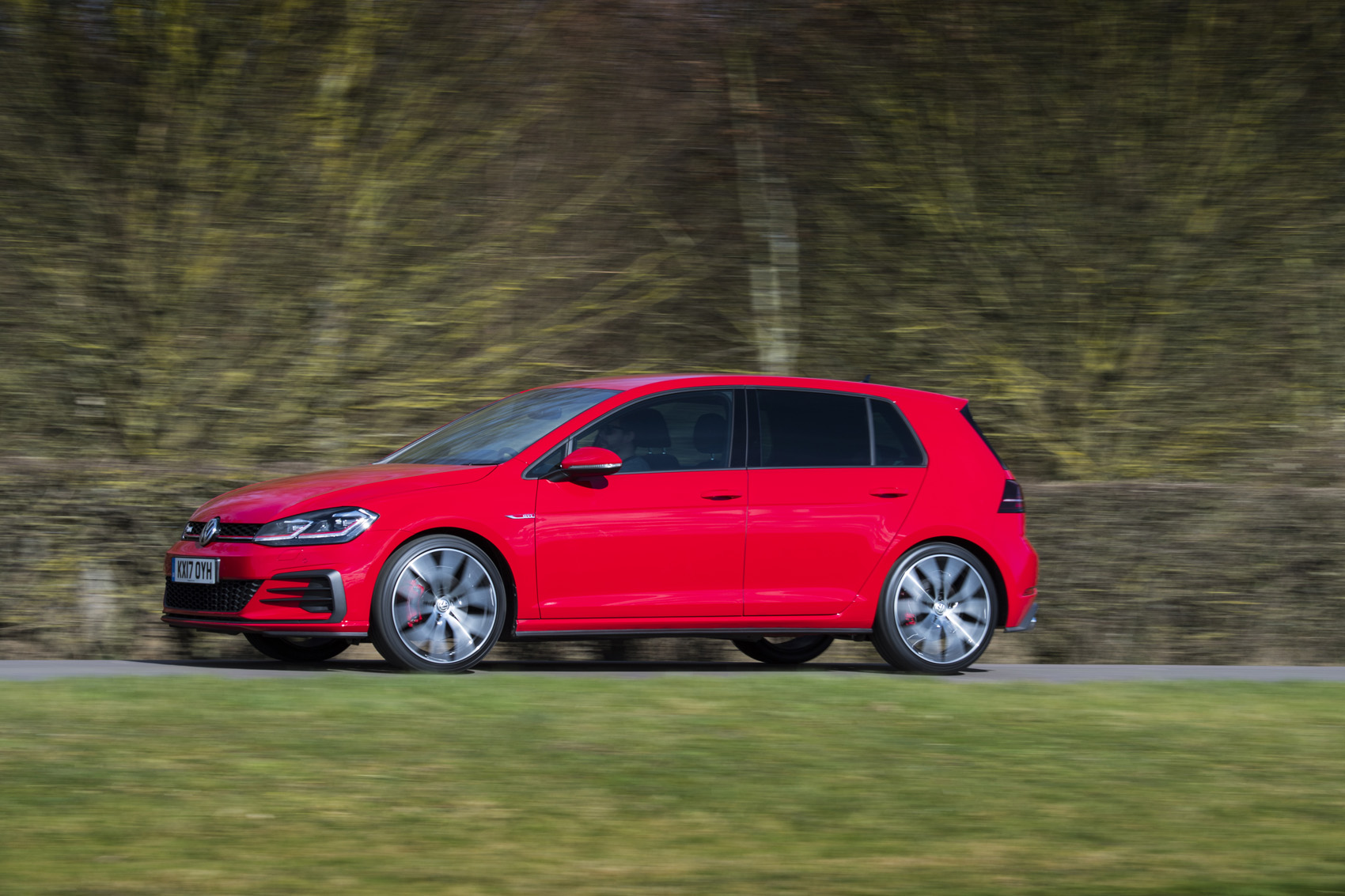
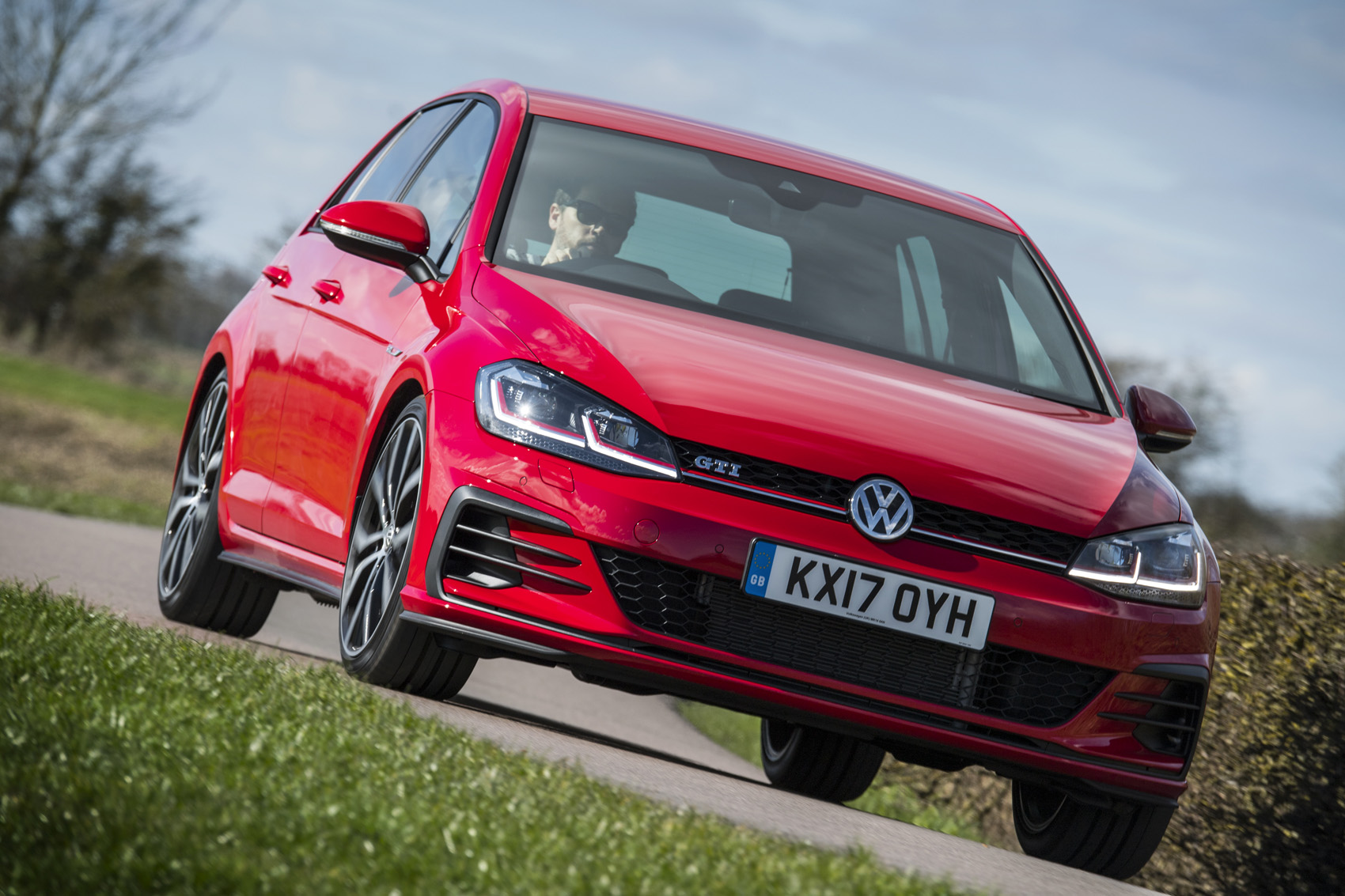
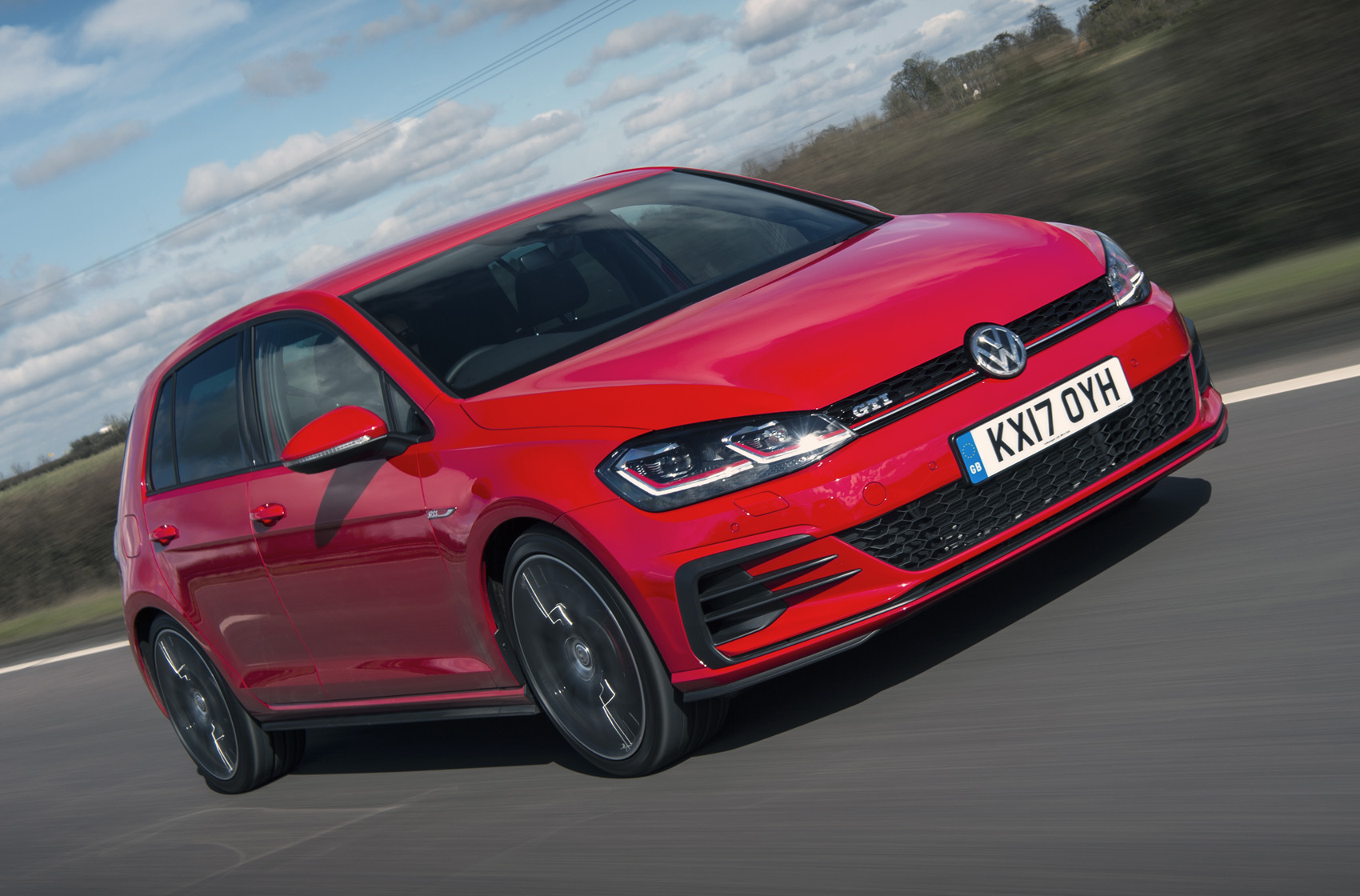
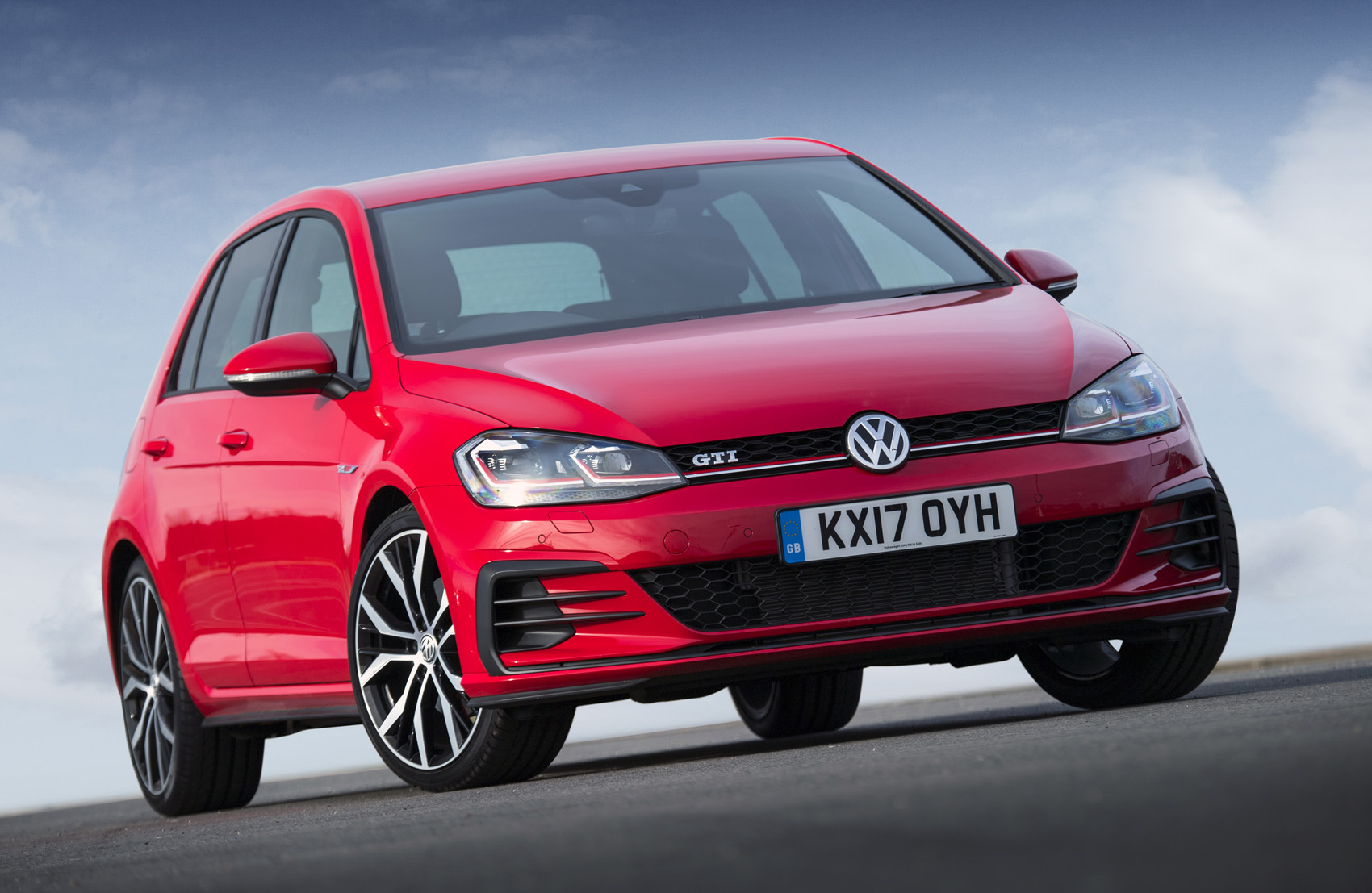
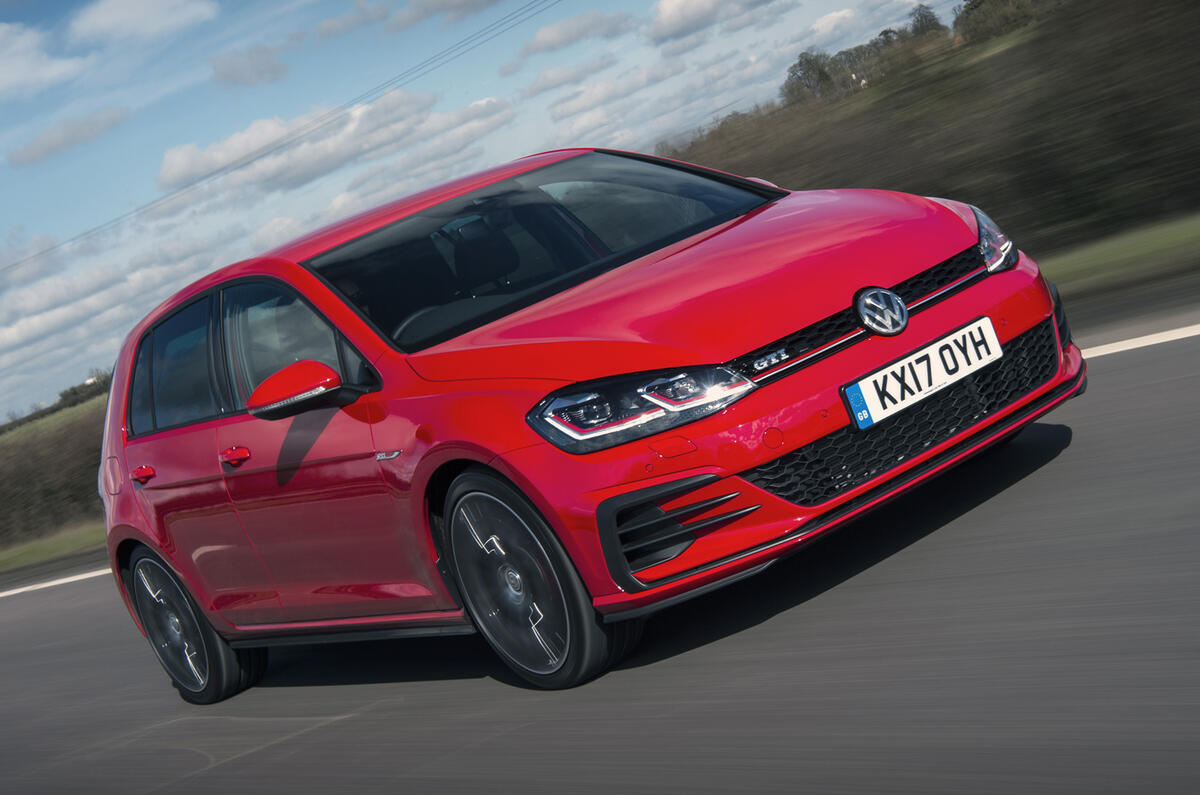
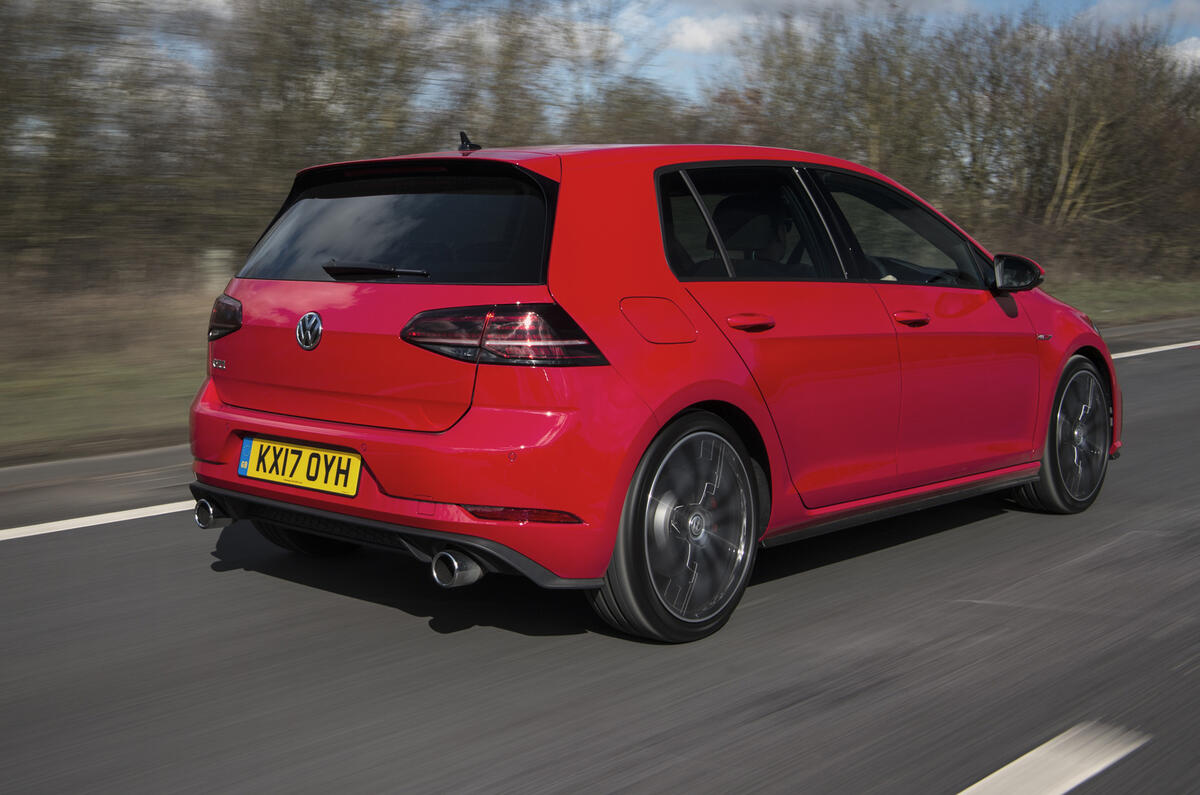
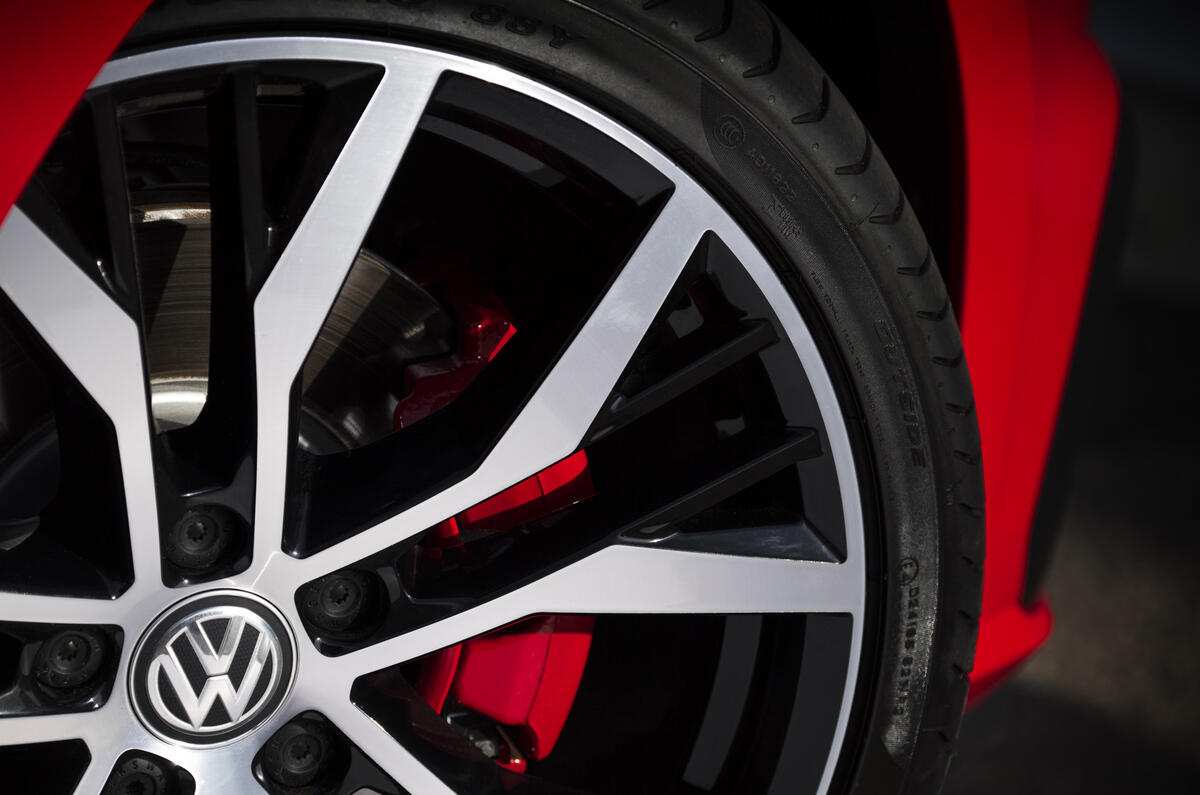
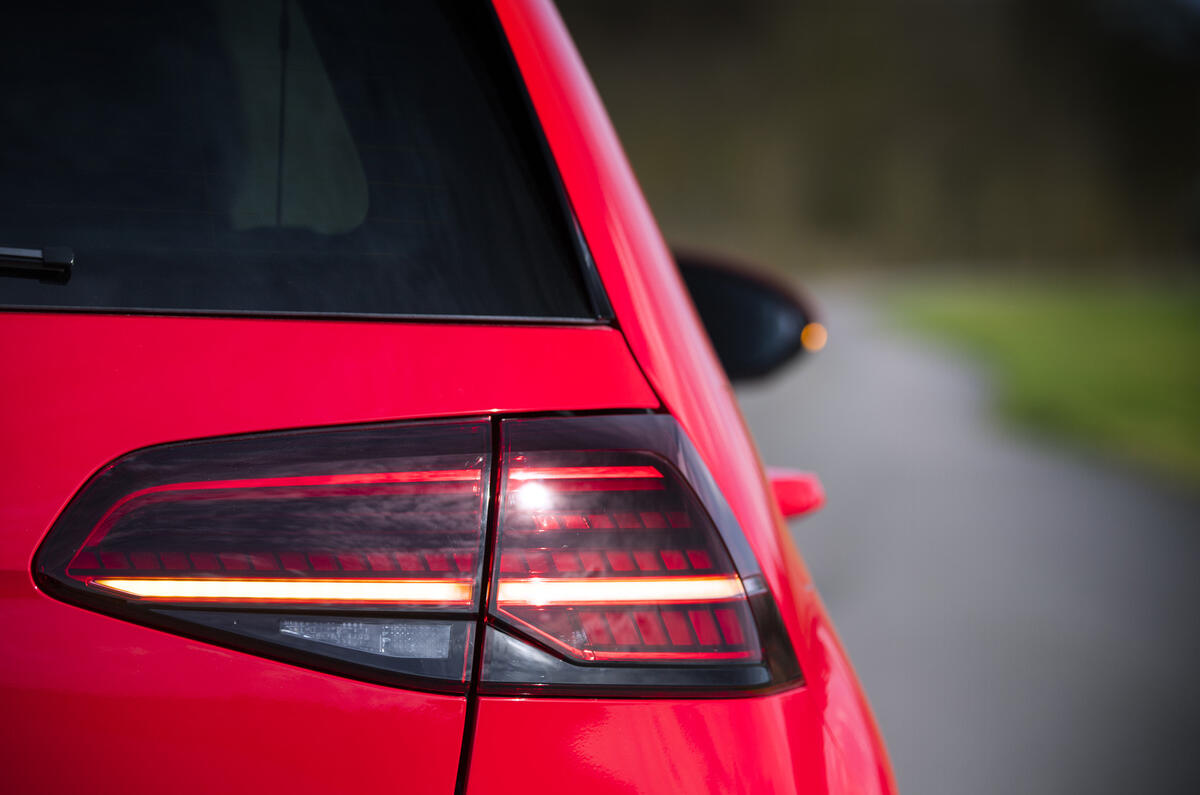
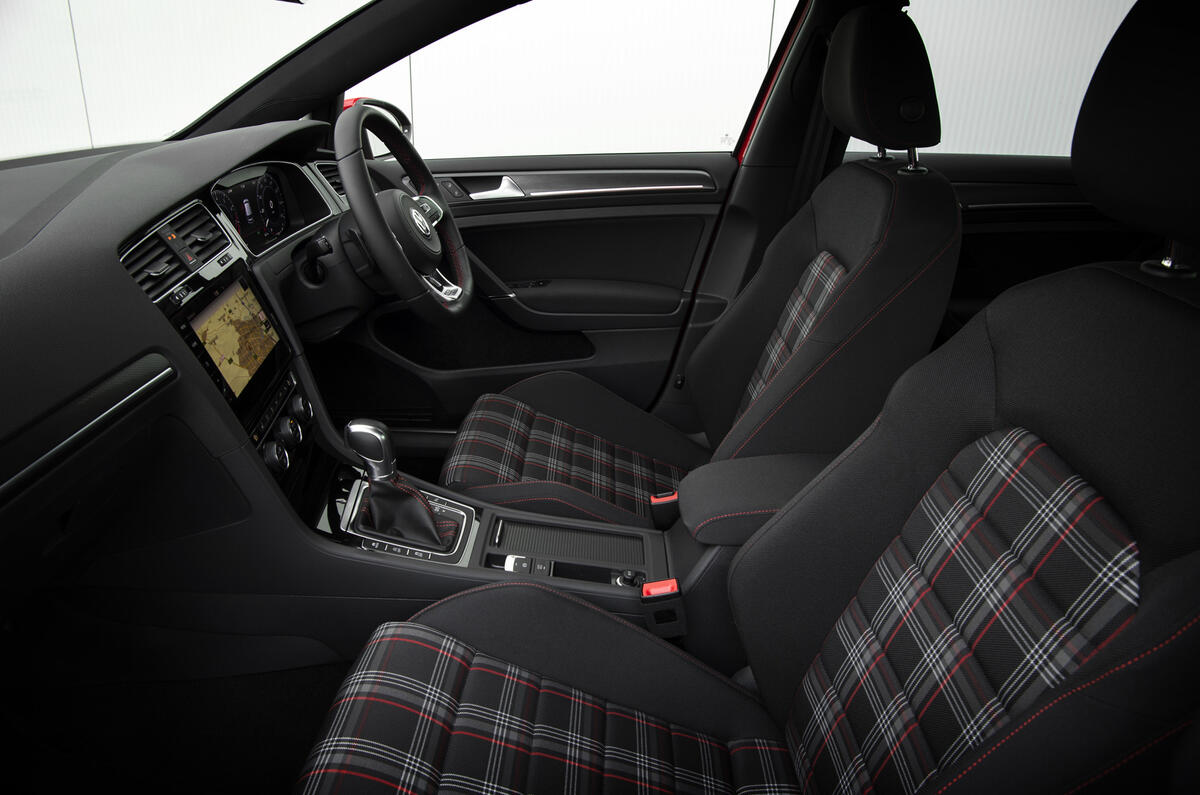
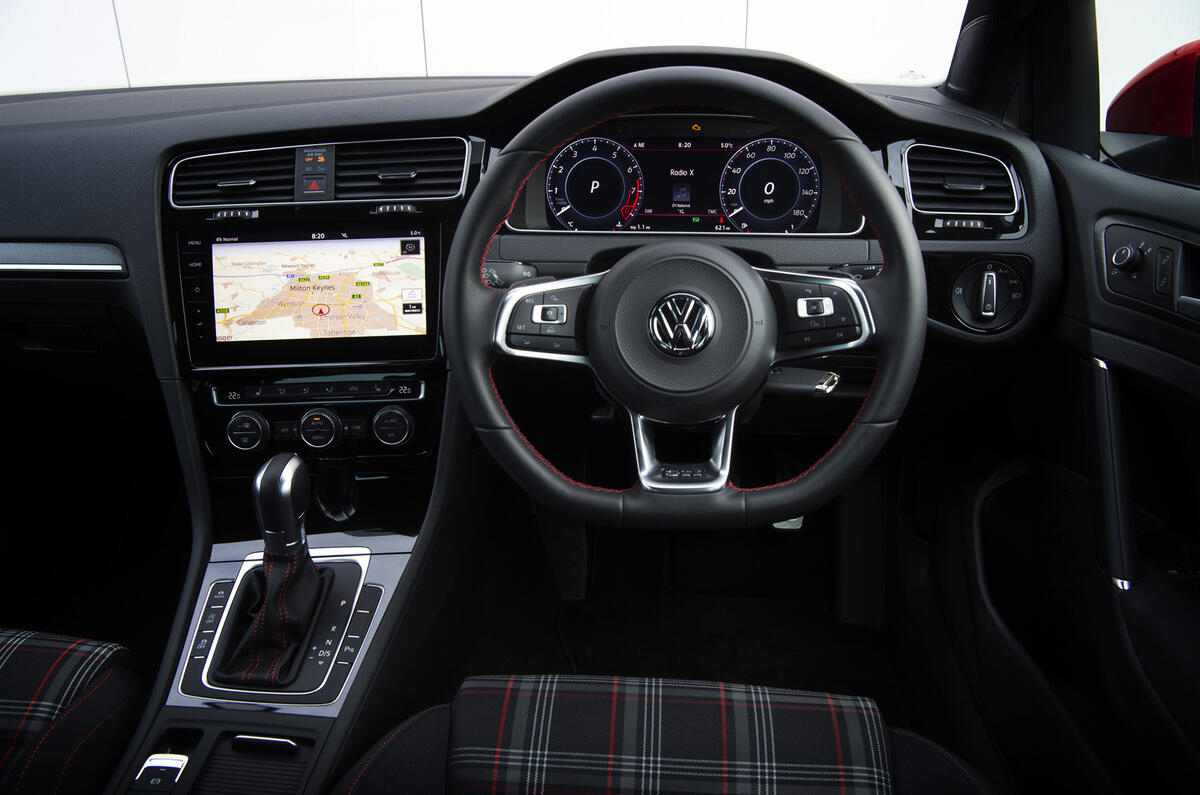
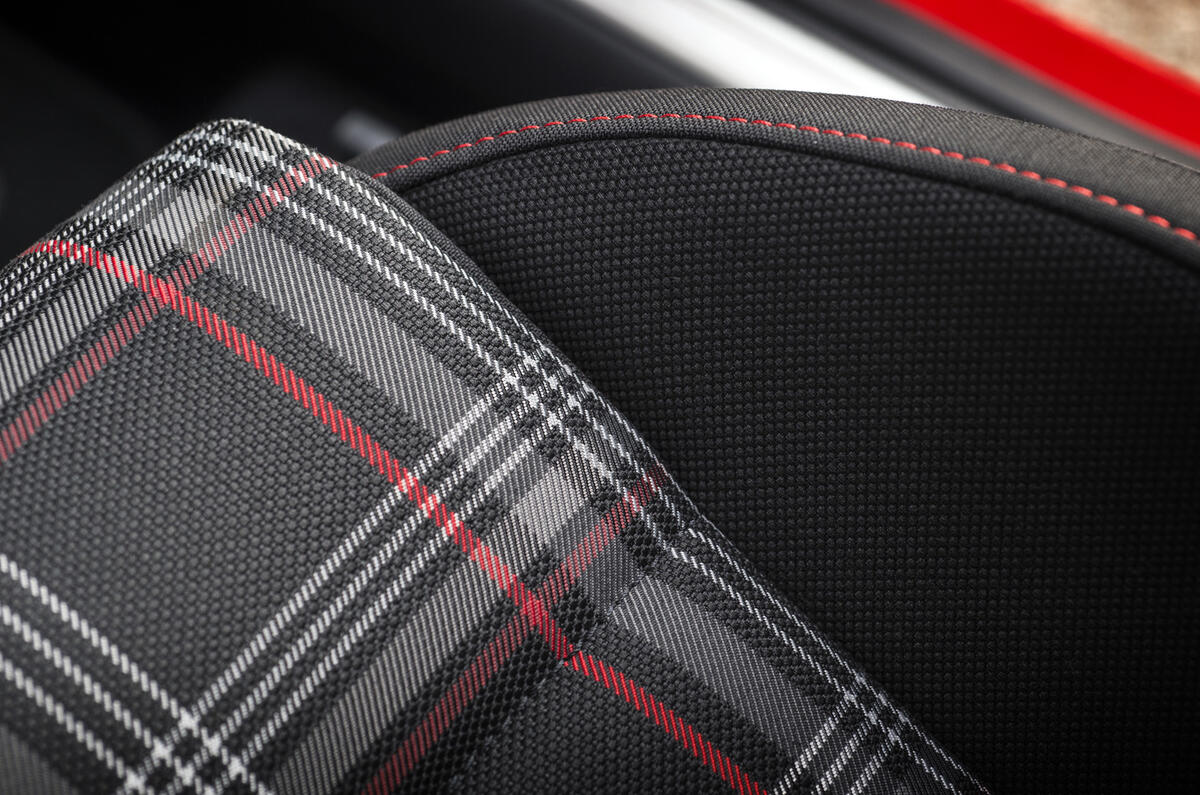
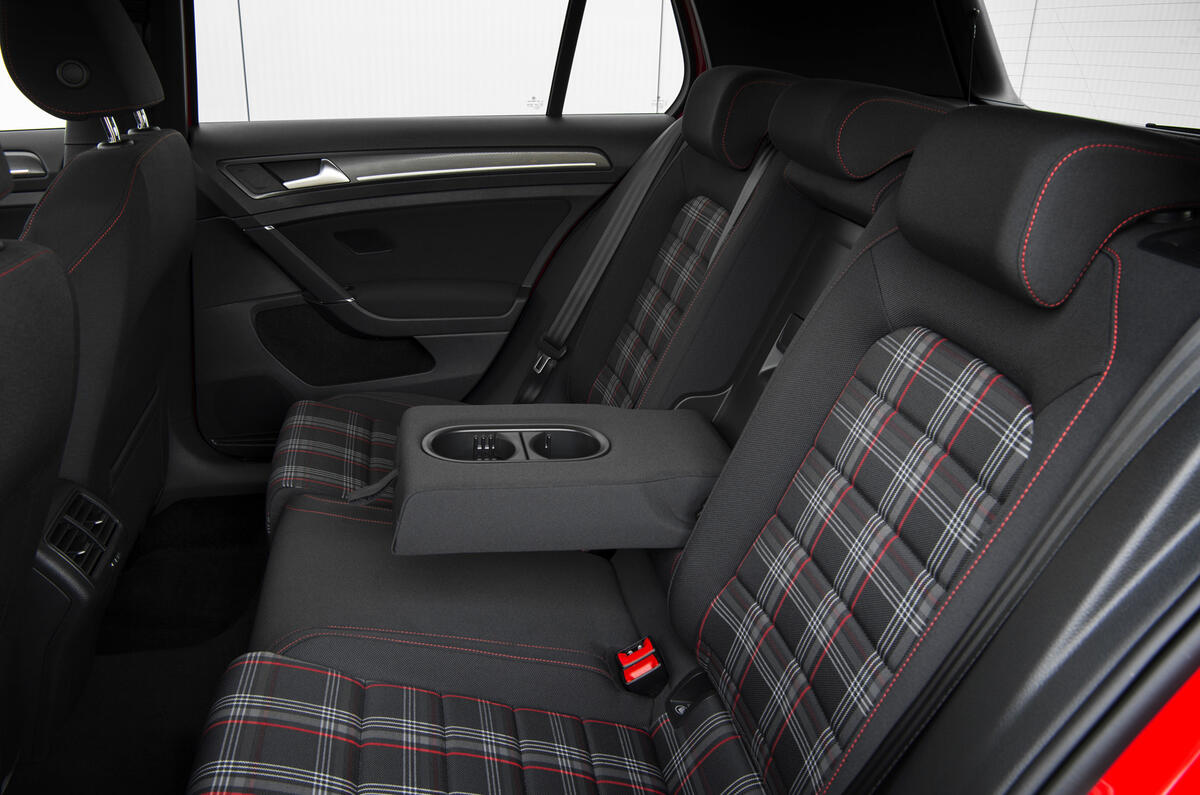
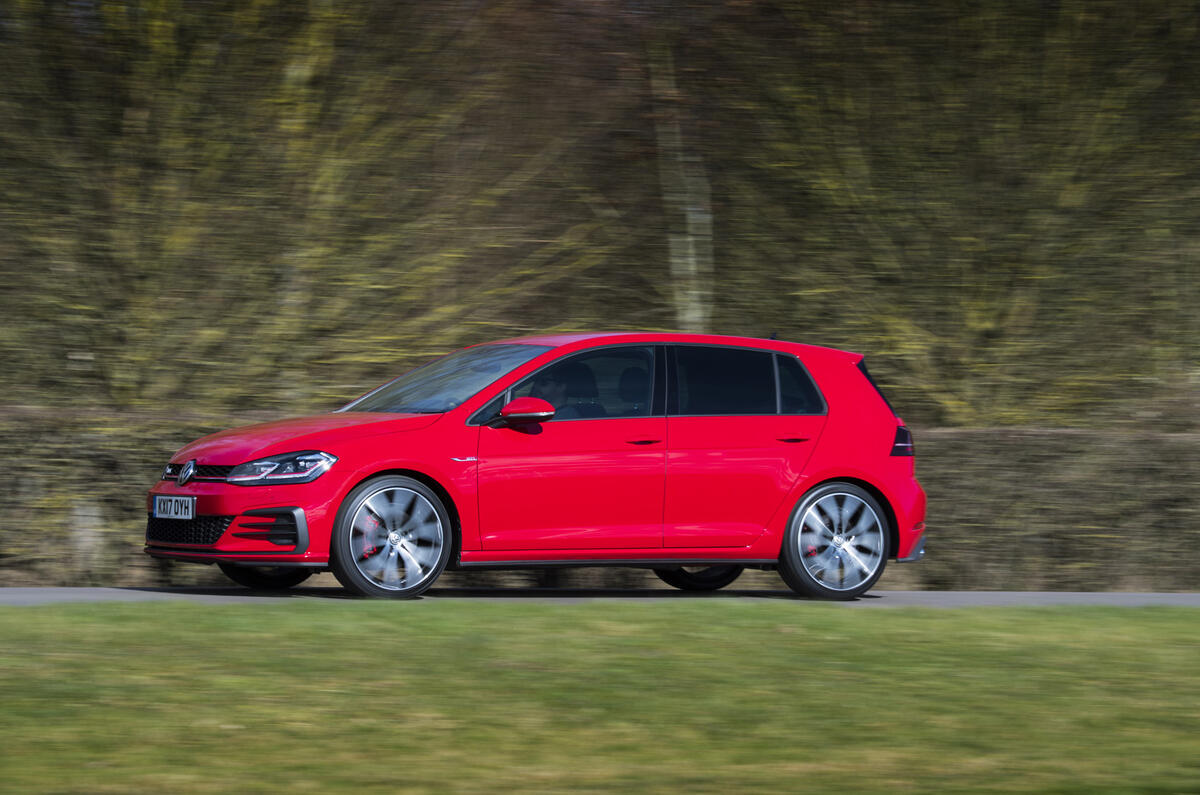
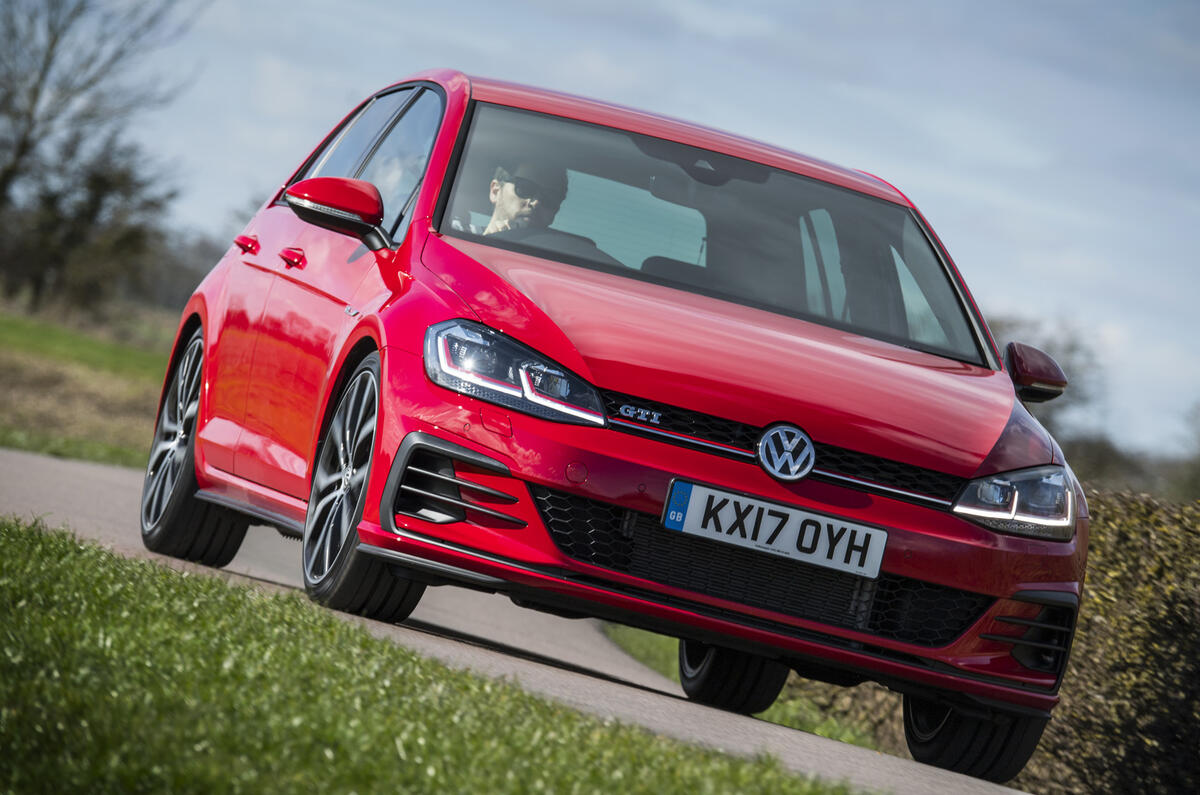
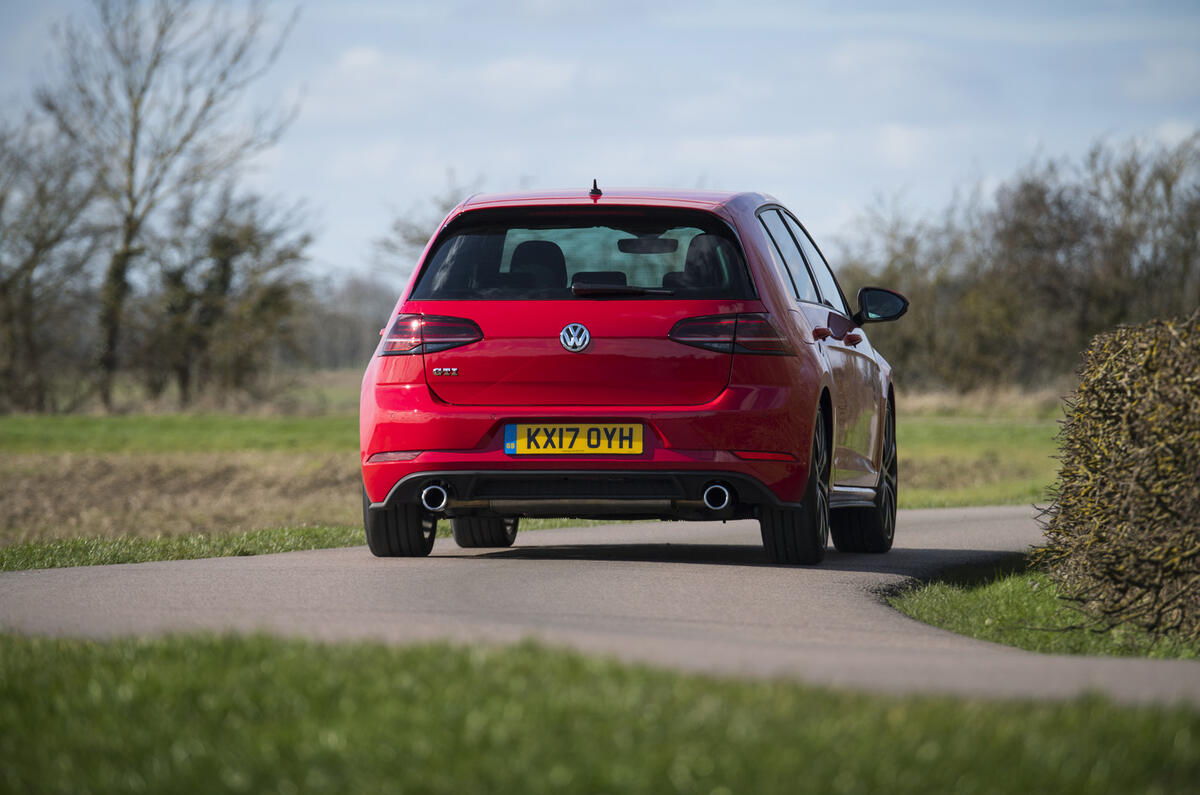
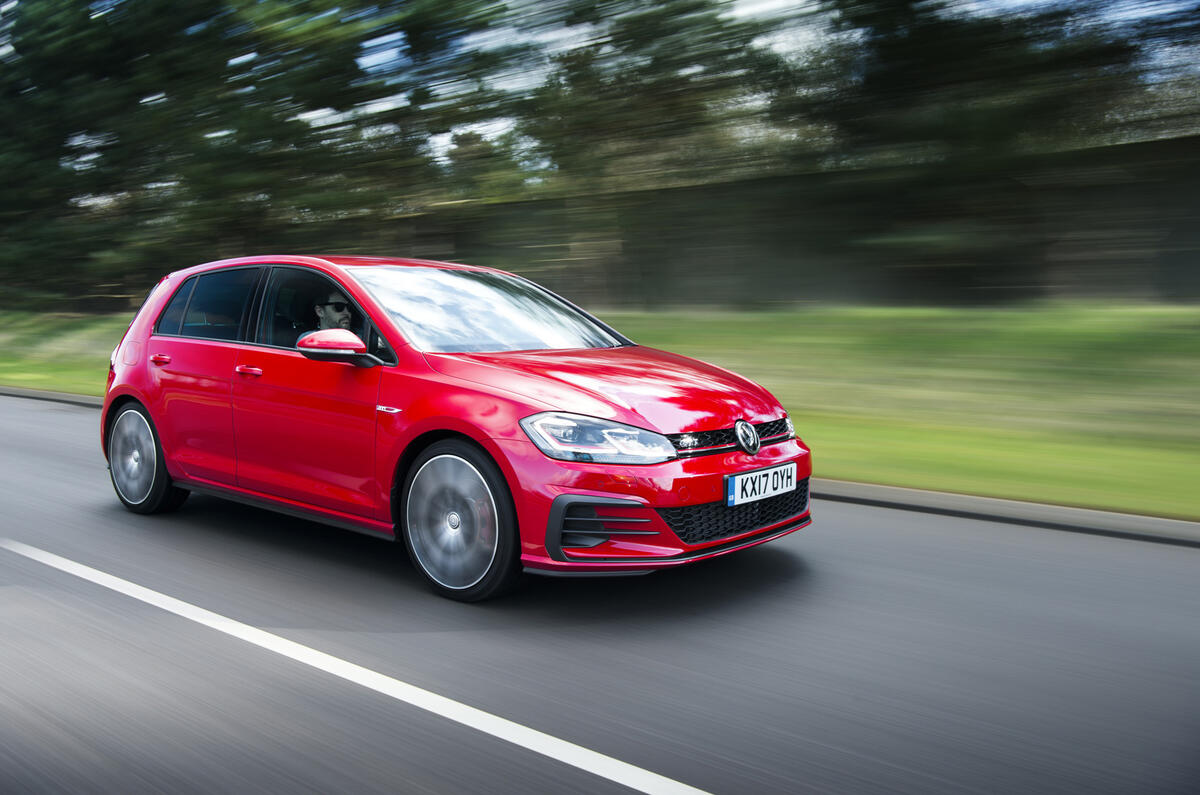
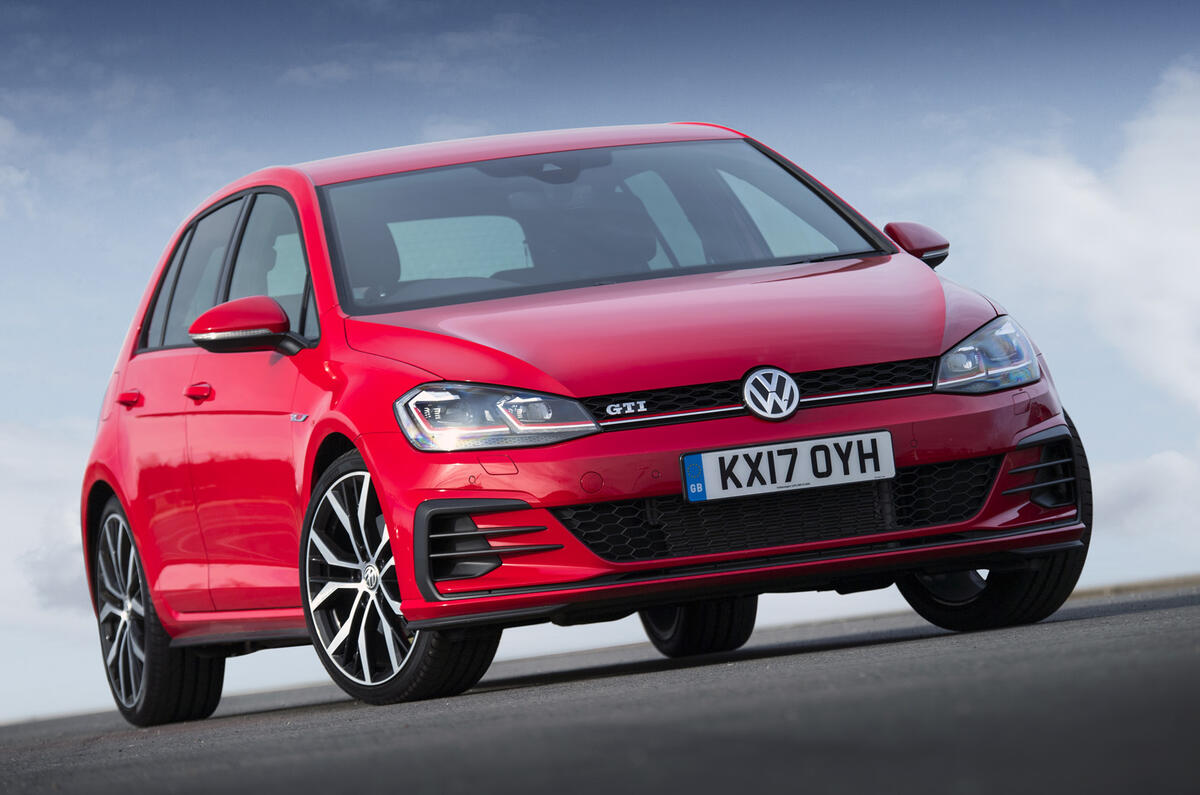
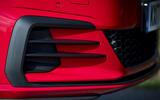
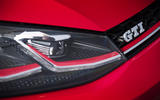
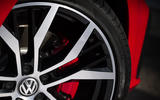
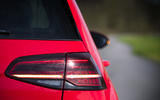
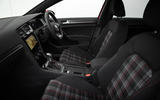
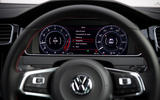
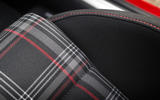
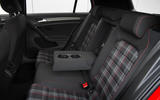
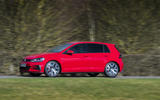
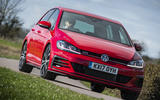
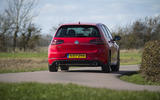
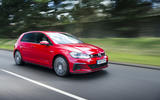
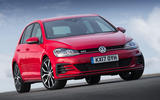
Roof up or down, the GTI cabriolet certainly looks the part. It has real presence, sitting 22mm lower at the front and 15mm lower at the rear than a standard Golf cabriolet. Those stylish 18-inch alloys are also standard, as is the traditional tartan interior.
Should I buy one?
The Golf GTI cabriolet is not without fault when compared to the hatchback, but that was always going to be the case.
But when you view it against its fast drop-top contemporaries, including top-spec versions of the Renault Mégane CC and Peugeot 308 CC, it’s streets ahead of in desirability and dynamic ability.
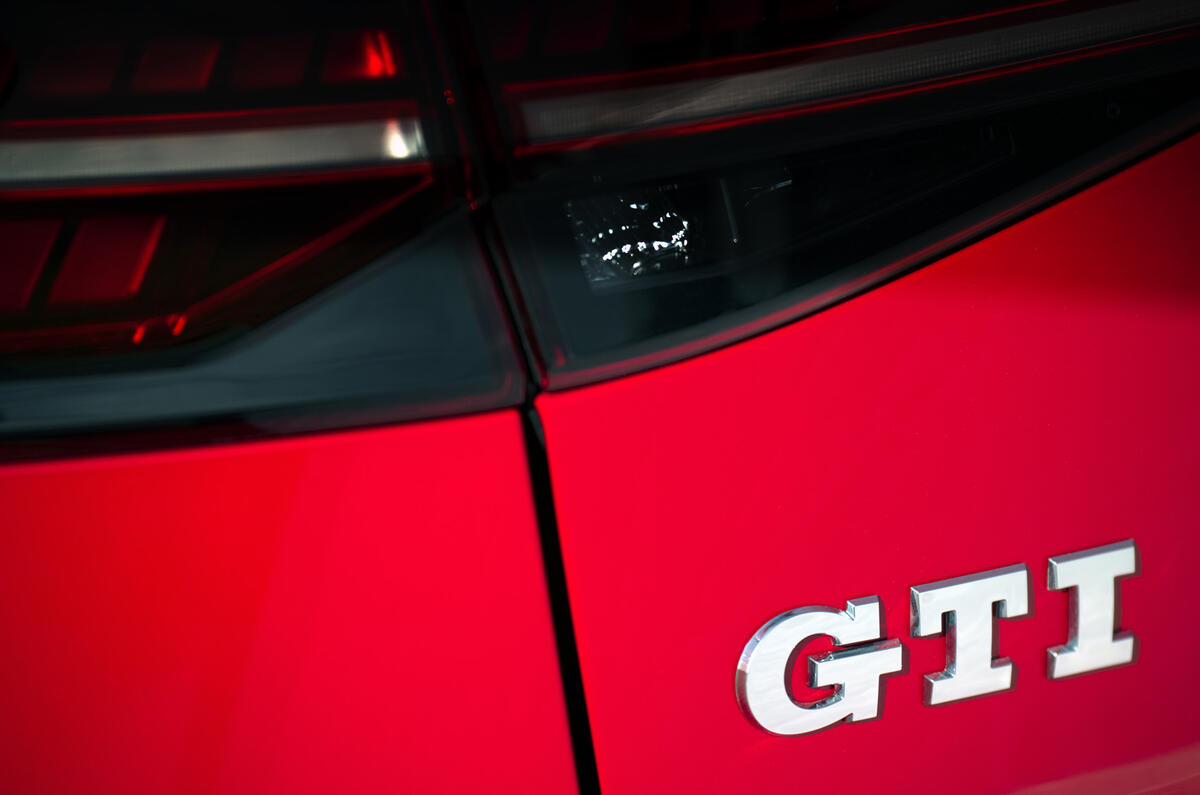
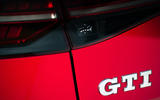
The price is the elephant in the room: a 197bhp Audi A3 cabriolet 2.0 TFSI S-line and the 215bhp BMW 125i M Sport can be had for less money than the £30,610 VW is asking for this particular GTI cabriolet. Choosing the VW over those two more prestigious rivals would come down to how much you value the GTI badge.
Volkswagen Golf GTI Cabriolet DSG
Price: £30,610; 0-62mph: 7.3sec; Top speed: 146mph; Economy: 36.7sec; CO2: 180g/km; Kerb weight: 1555kg; Engine type, cc: 1984cc turbocharged petrol; Power: 208bhp at 5300-6200rpm; Torque: 206lb ft at 1700-5200rpm; Gearbox: 6-spd dual-clutch automatic