Mark Tisshaw
23 July 2012

What is it?

A new Prius. Not just any new Prius, mind, but the most efficient version yet of the world’s best-known hybrid, boasting 134.5mpg and 49g/km of CO2 emissions.

How has Toyota managed to extract such impressive figures from the Prius? Cast your mind back a couple of summers to when we had a go in a Toyota Prius Plug-in development car. It was one of 600 being tested around the world to see how users would respond to a Prius with a greater all-electric range and recharging capability.

The results are now in, and Toyota has used them to shape a production version of the Prius Plug-in, on sale now at the top of the Prius range for £27,895.

What is it like?

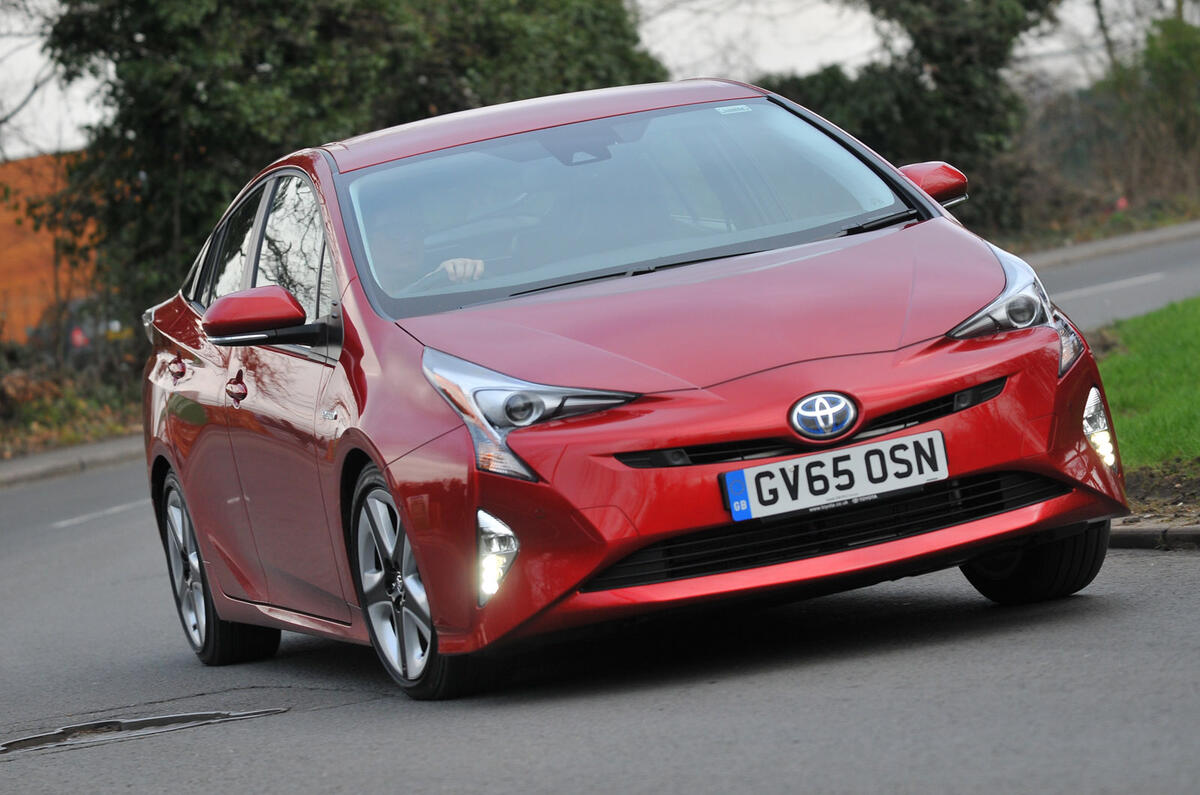
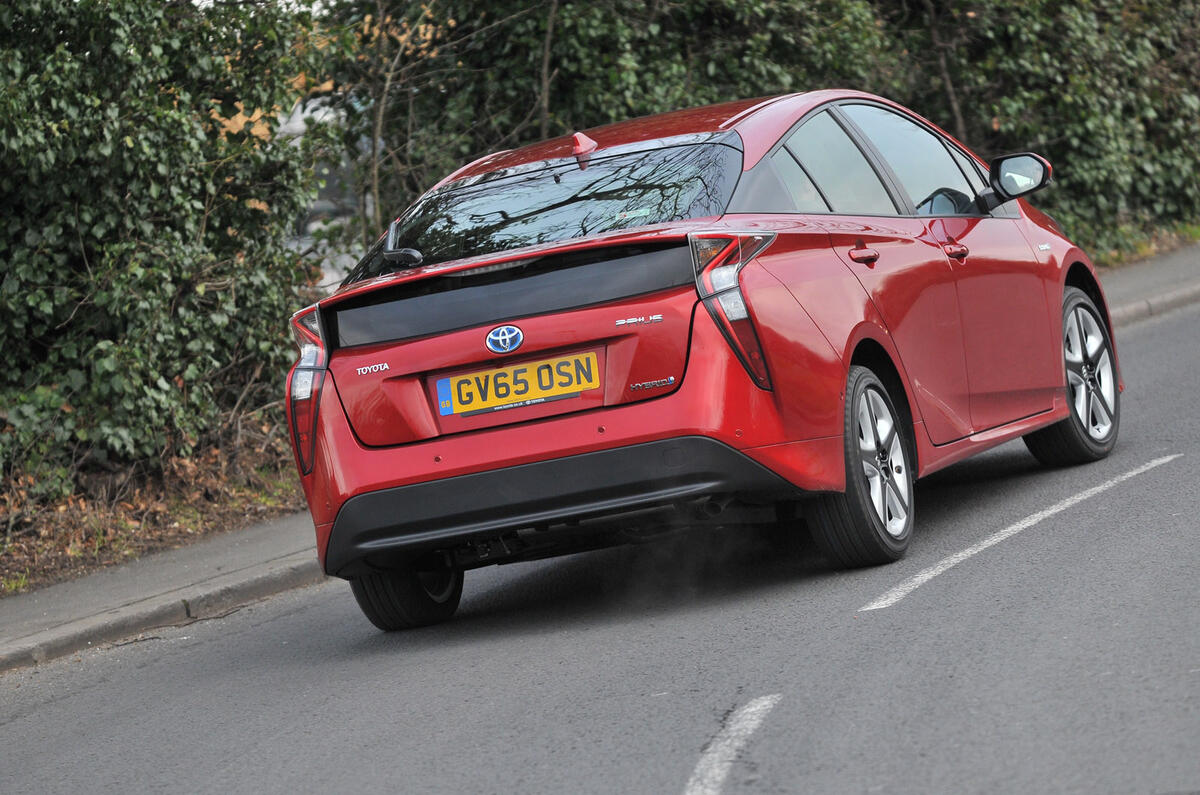
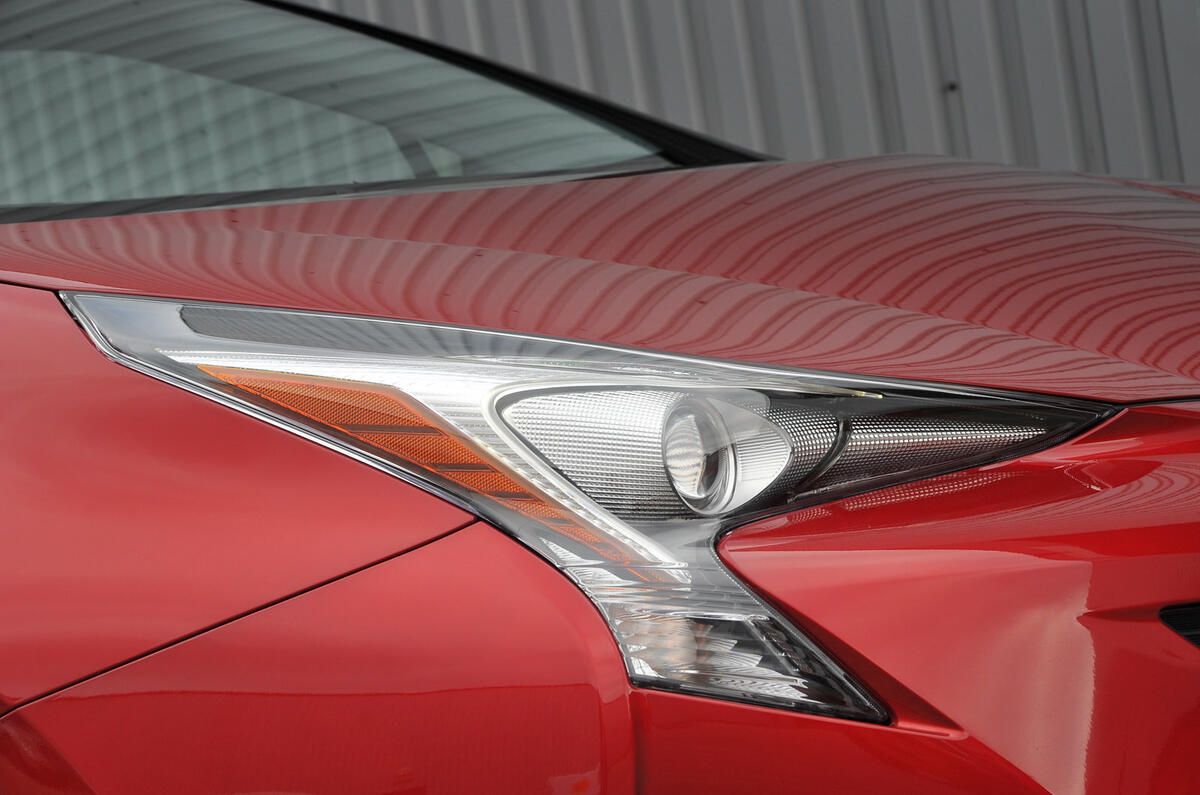
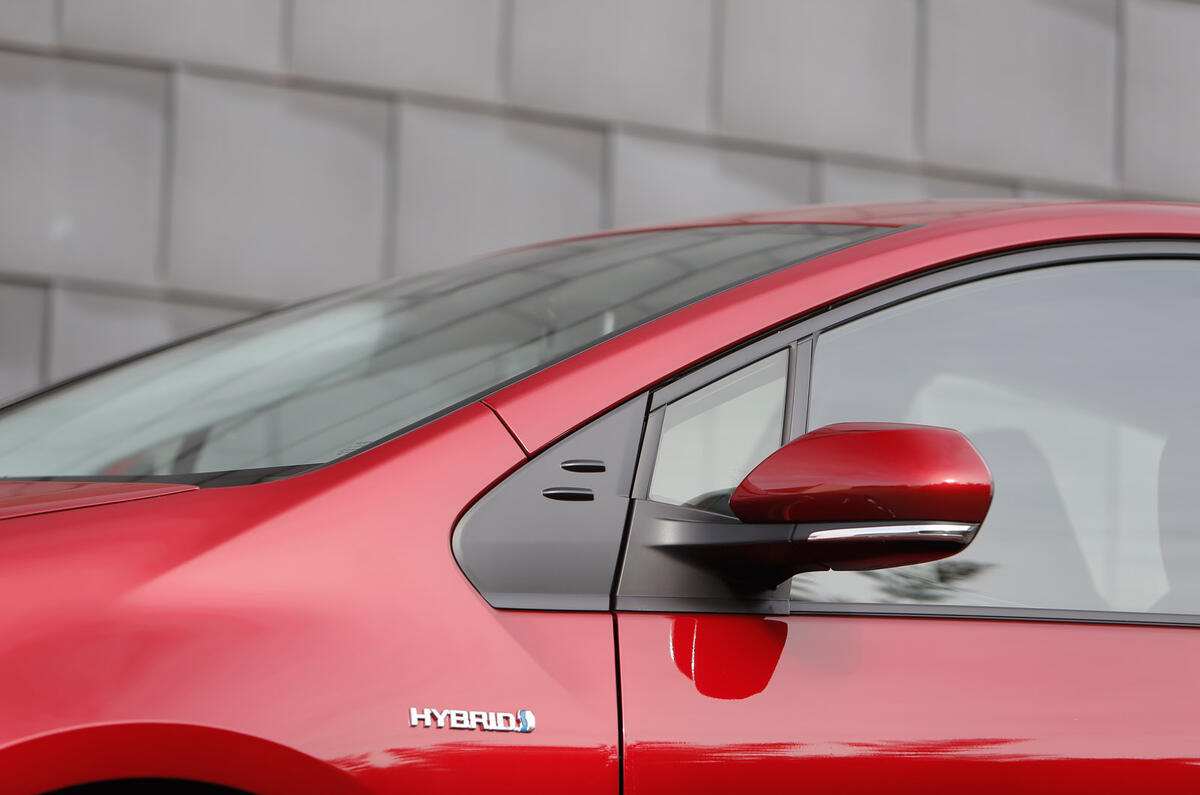
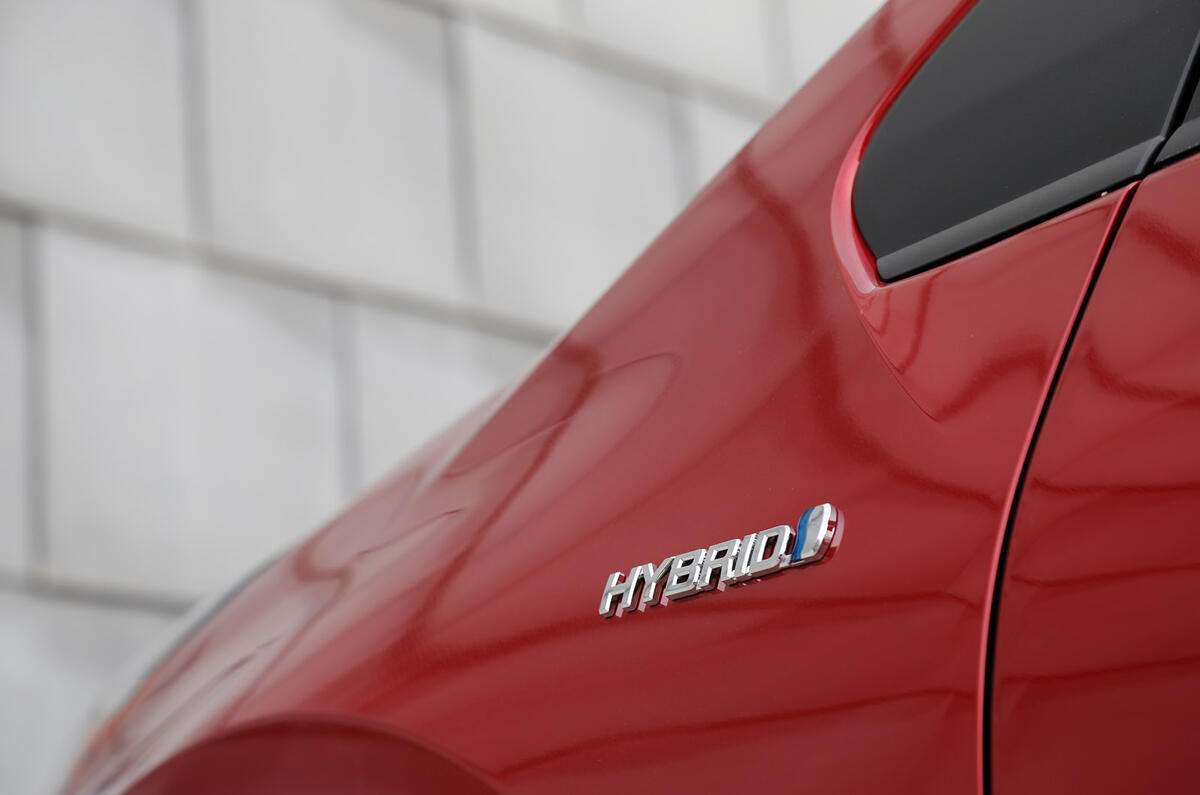
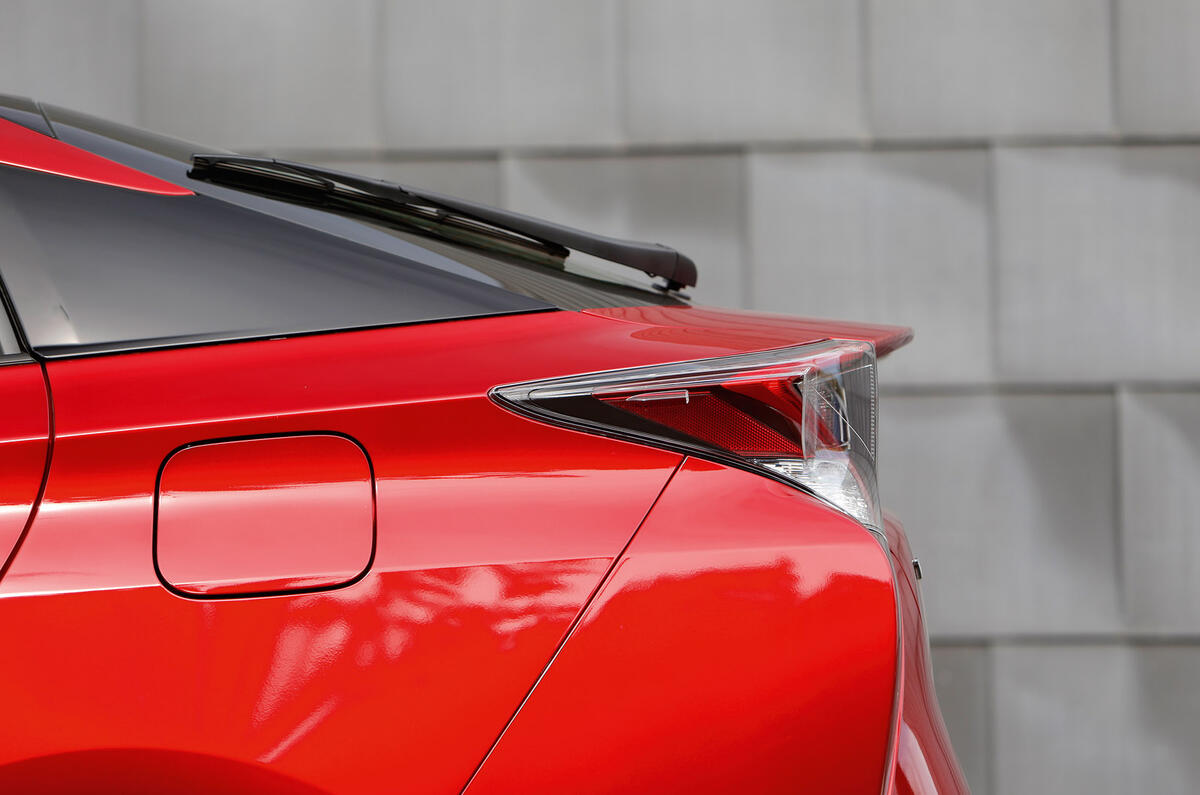
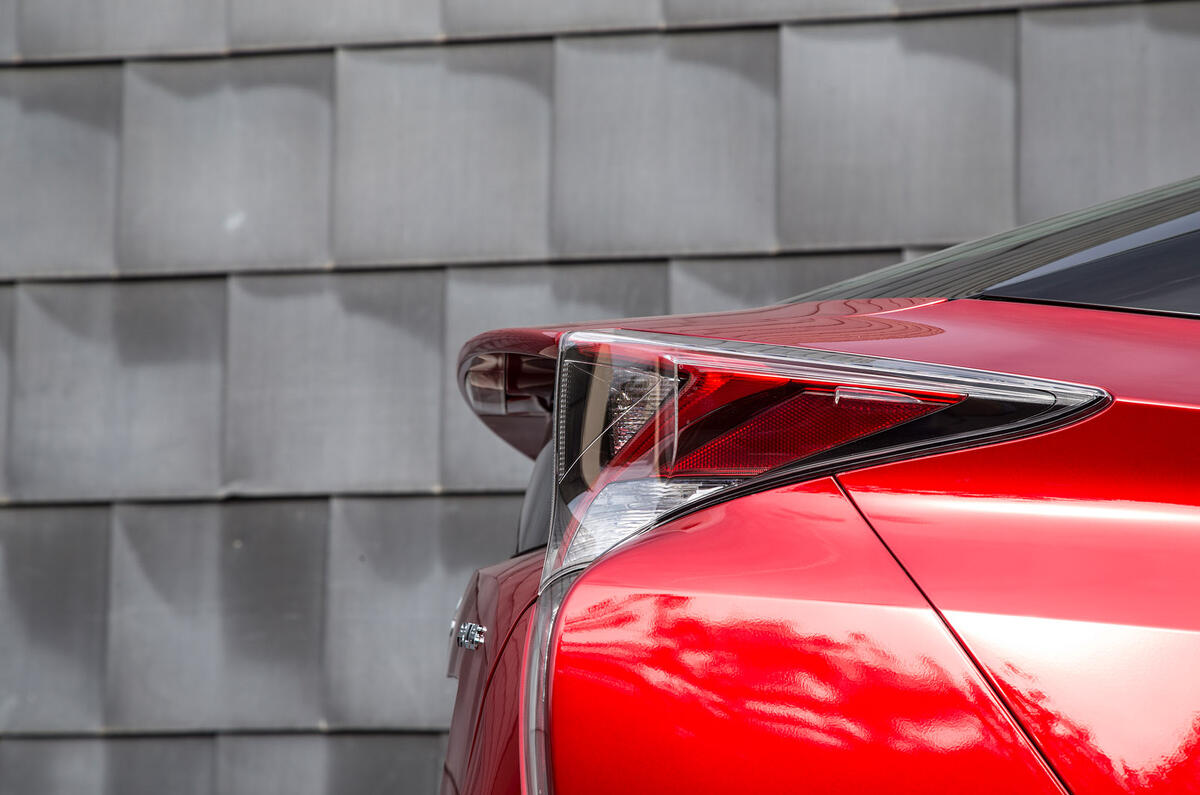
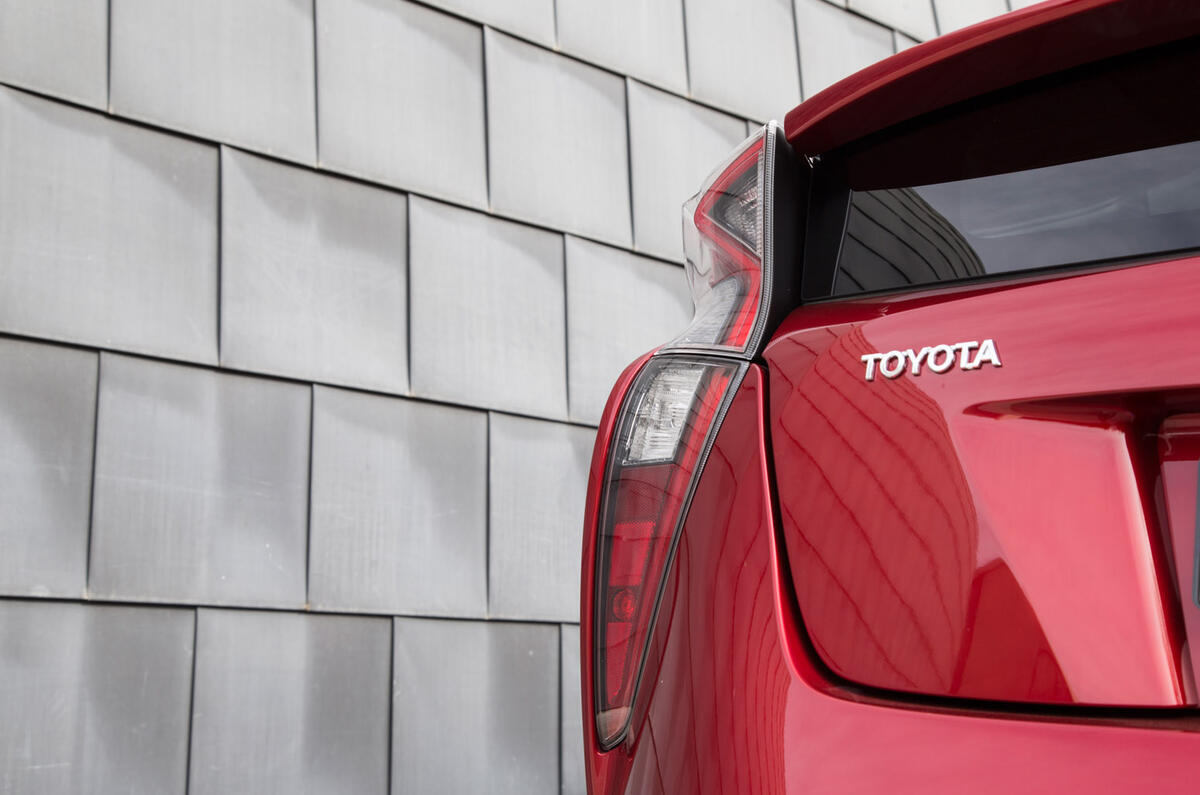
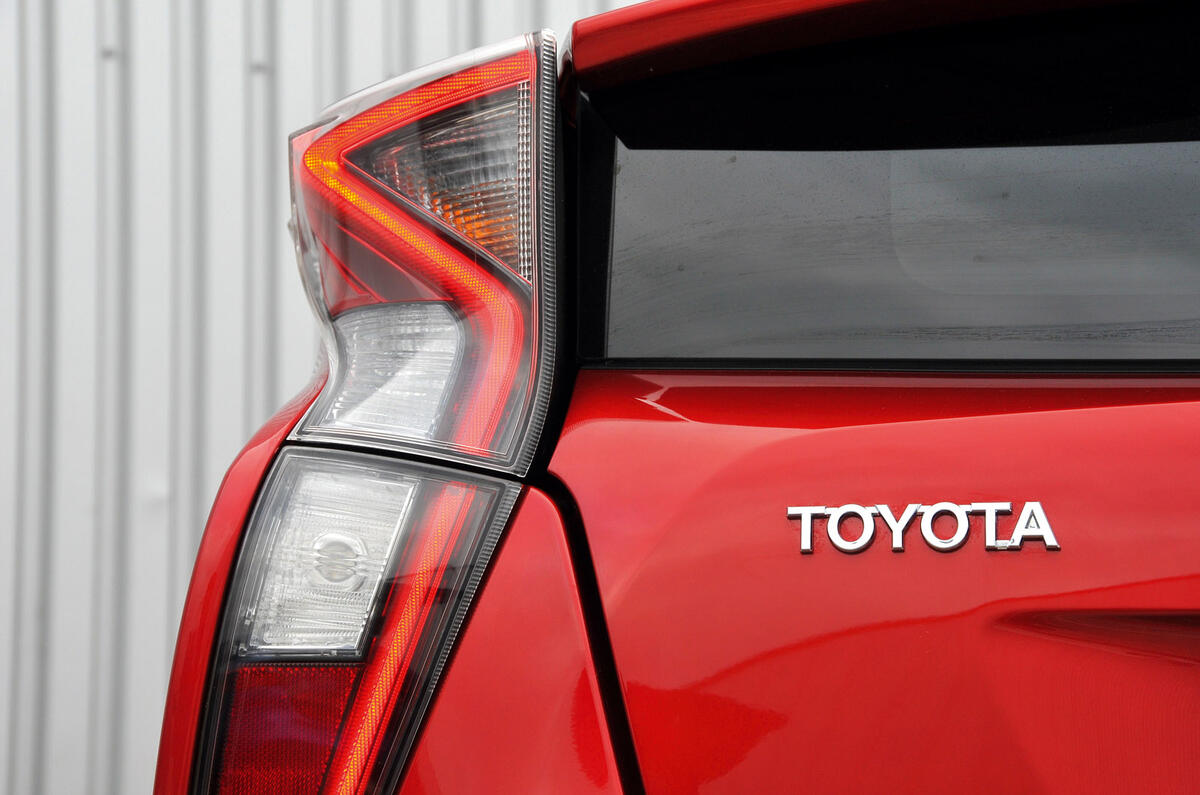
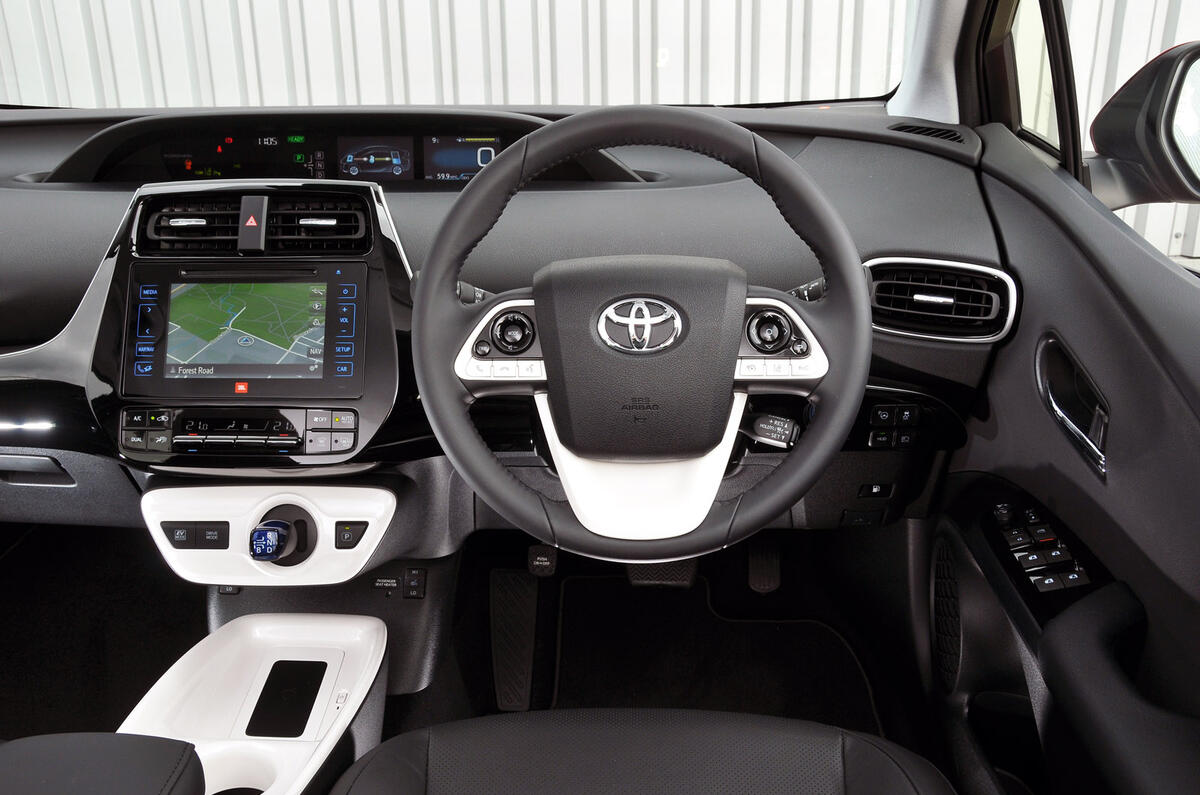
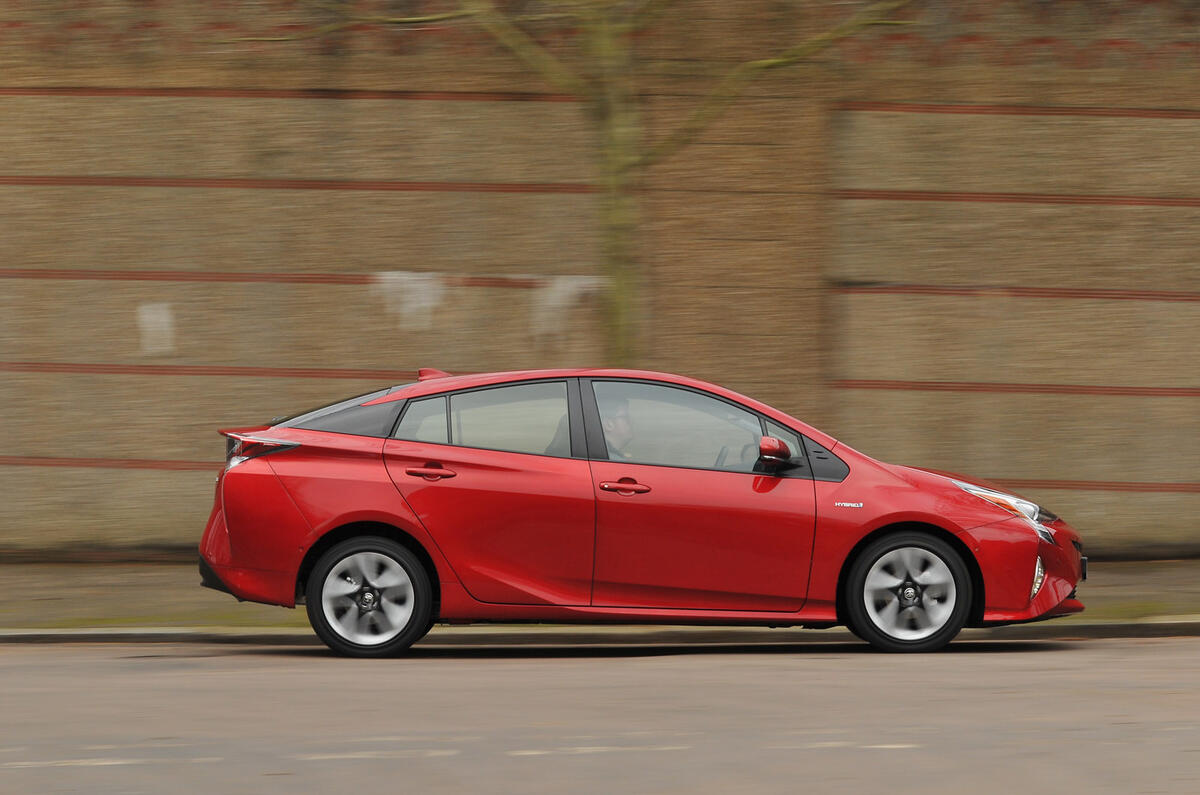
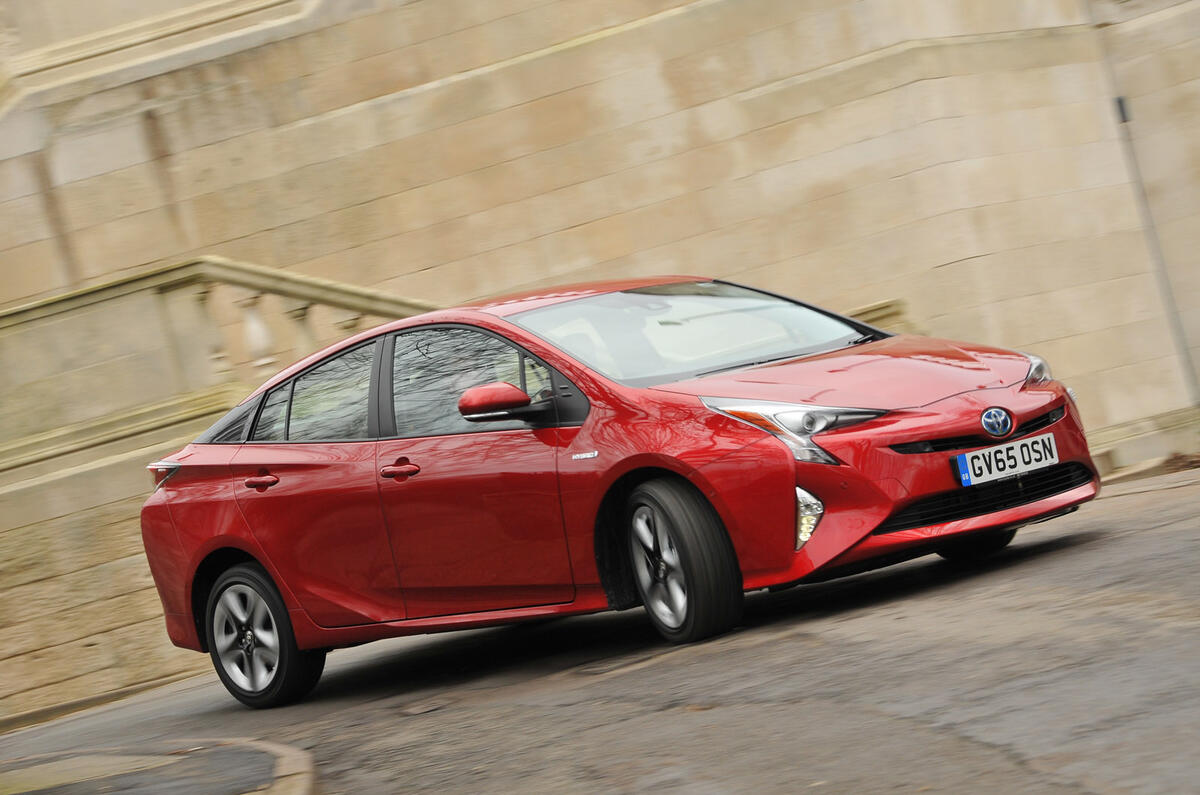
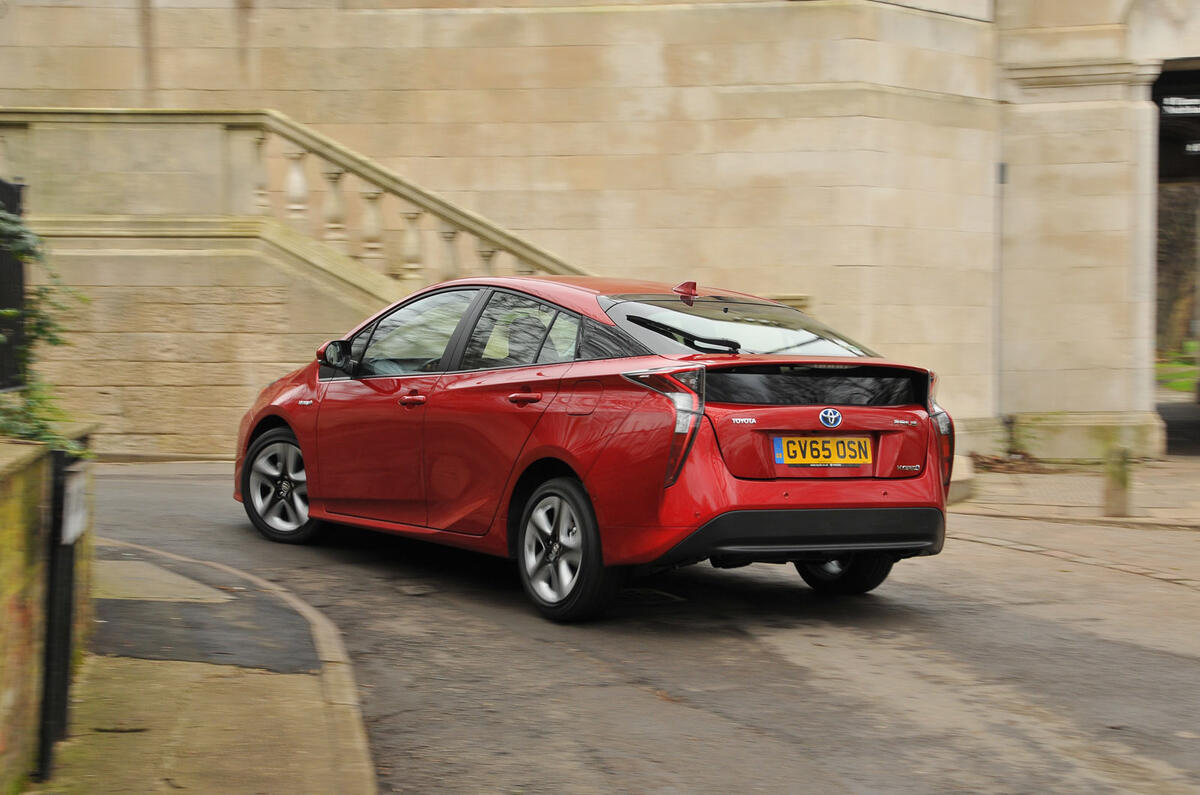
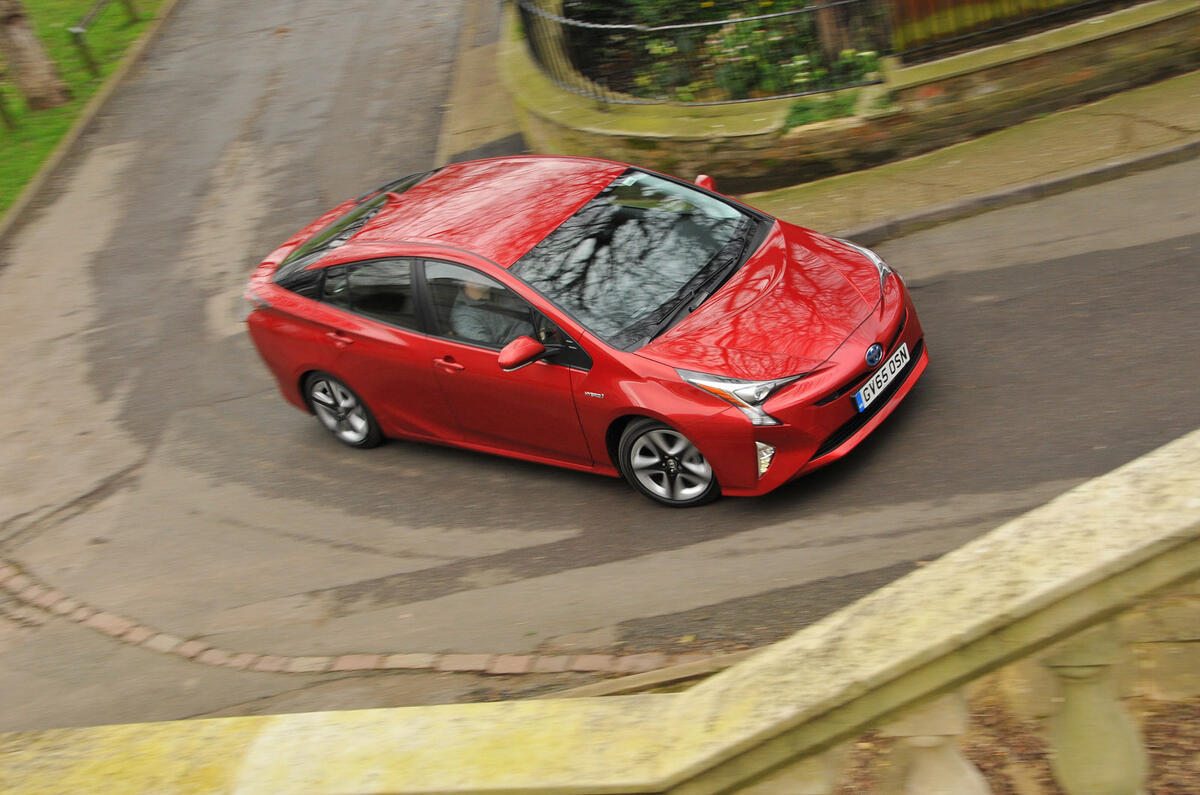
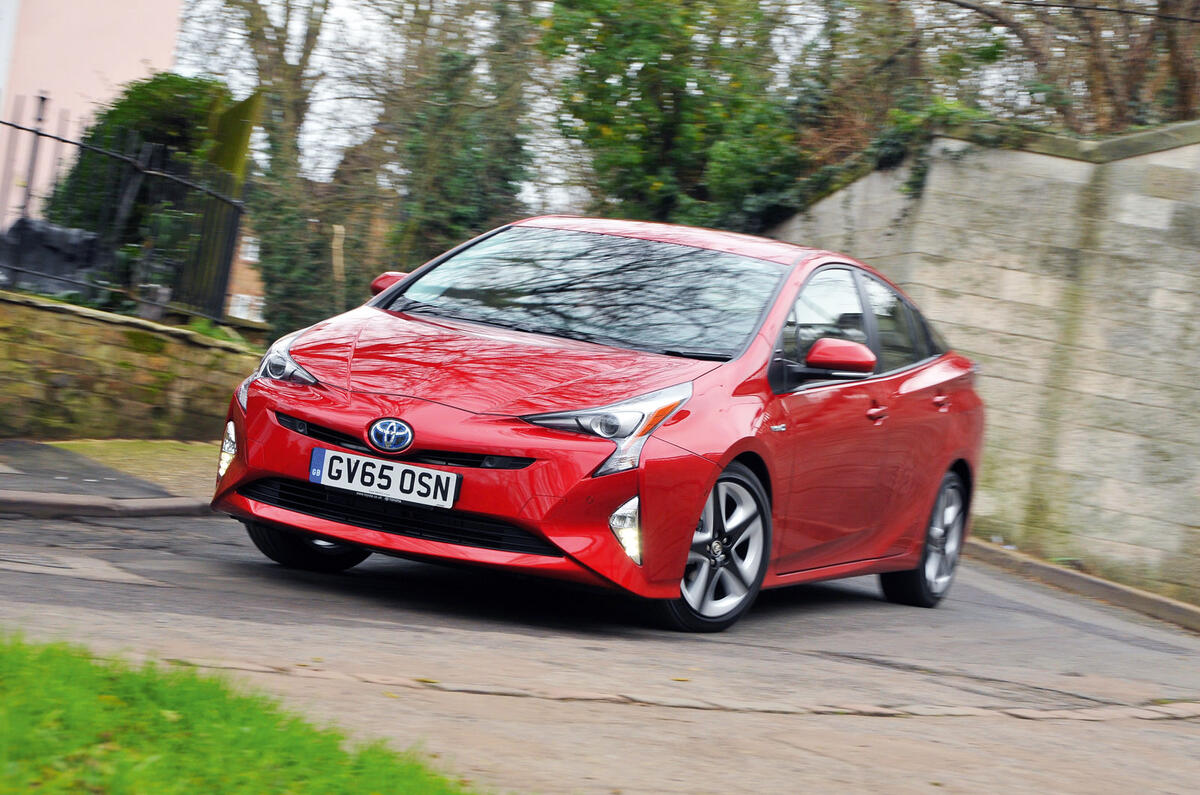
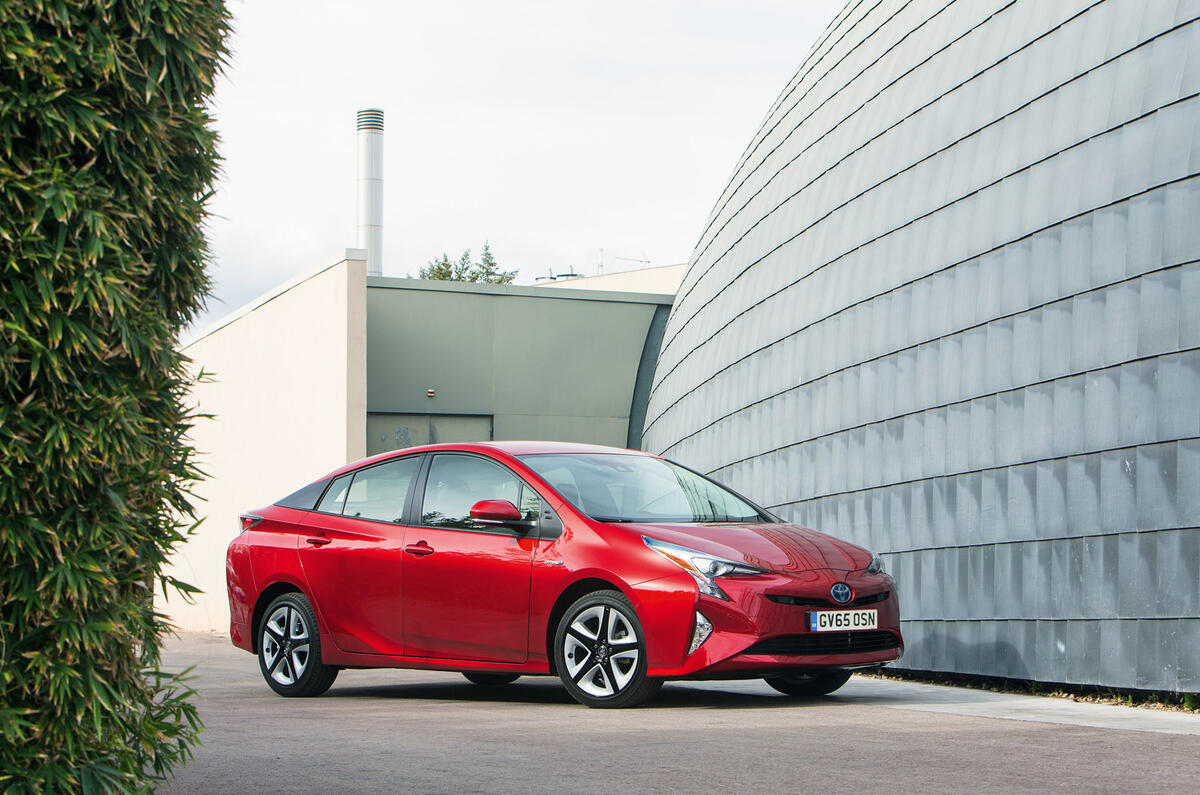
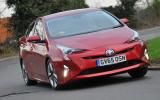
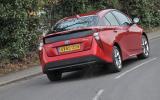
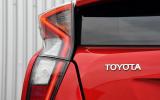
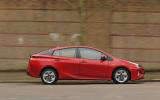
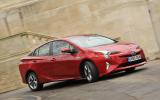
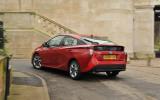
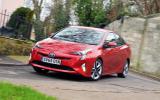
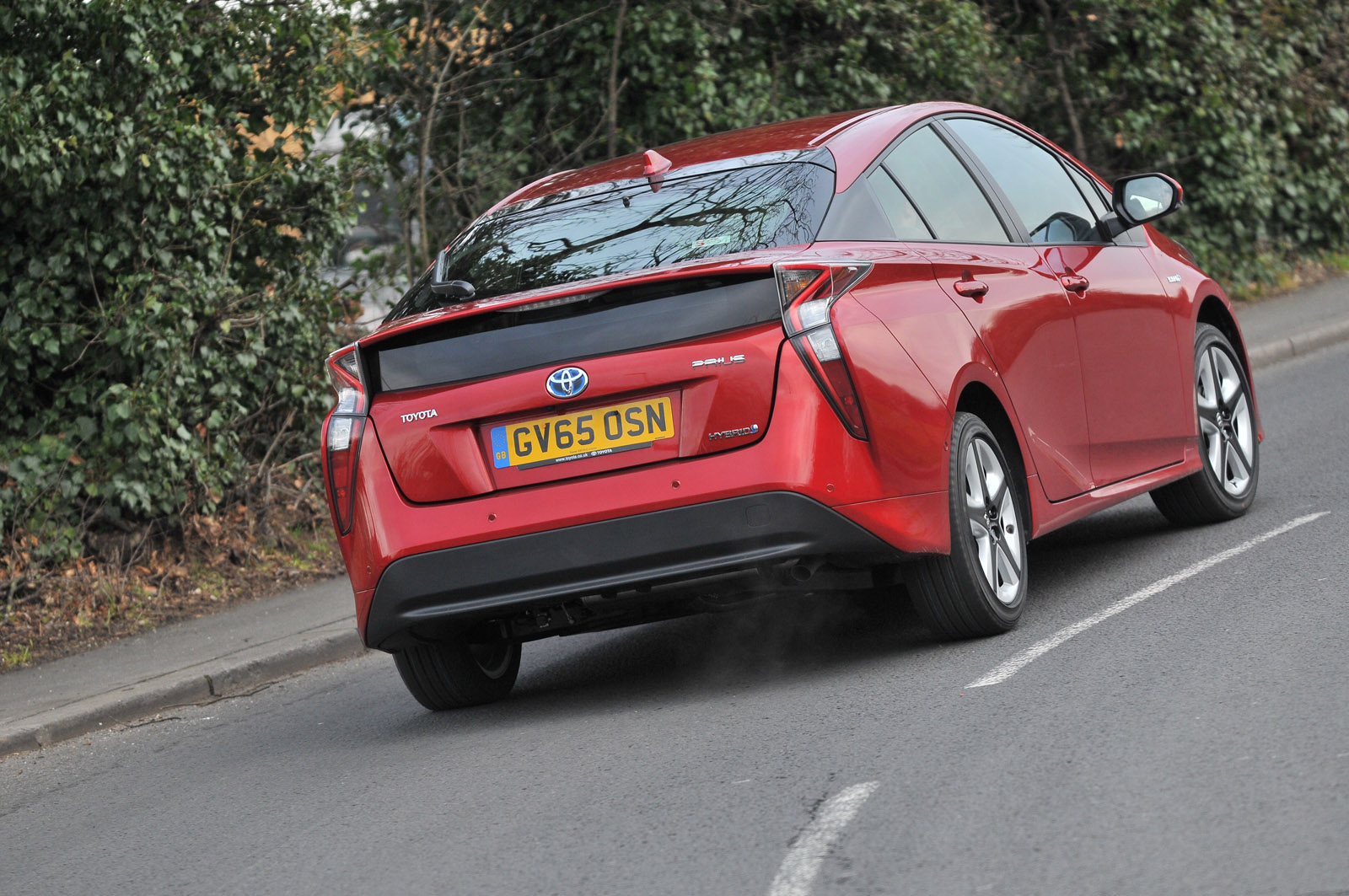
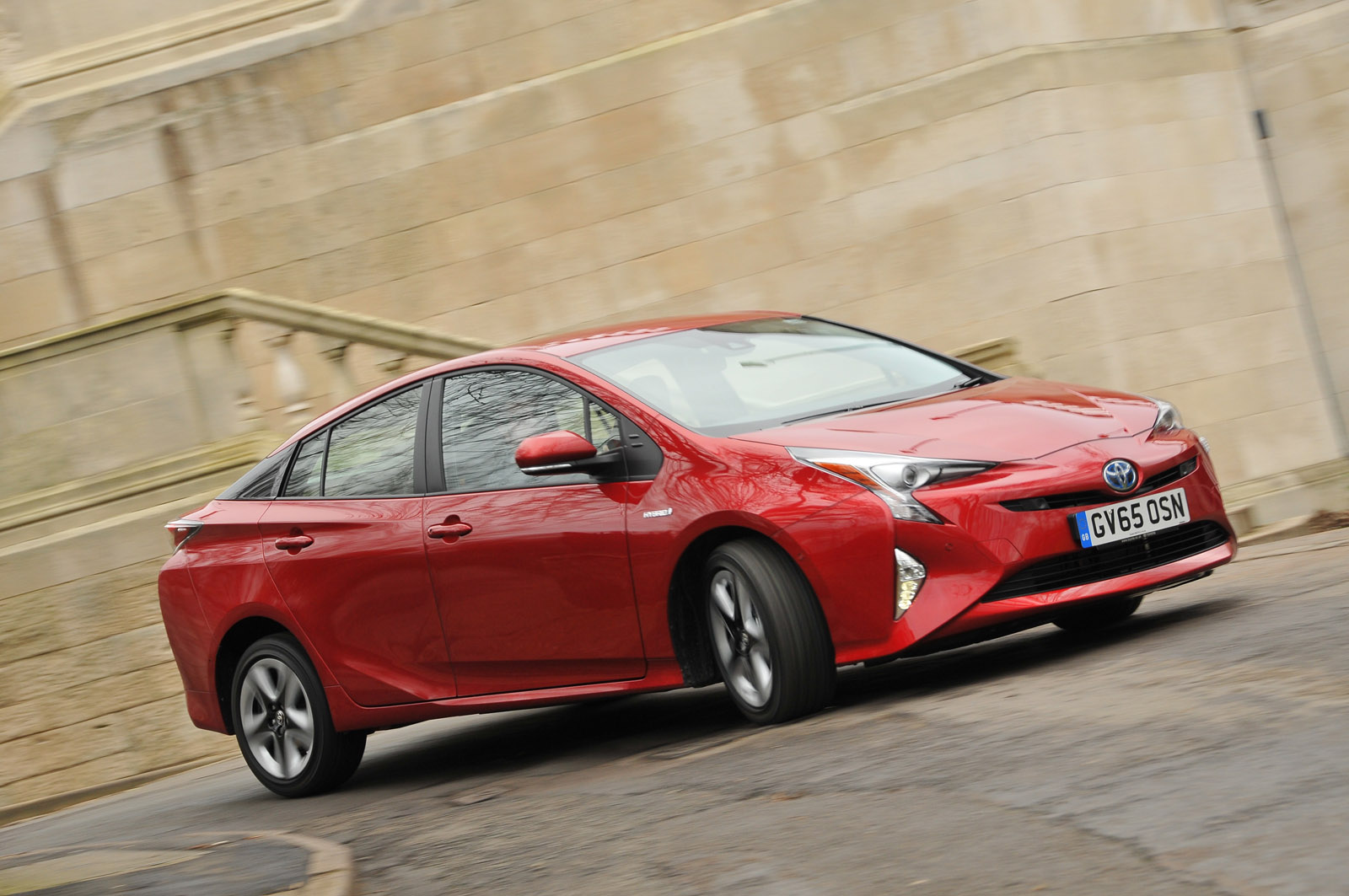
To look at, the plug-in resembles any other Prius. The biggest giveaway that this car is a plug-in are the filler flaps on each side. Extra anorak points for noting the chrome bars at the front and rear, too.  But the real changes, of course, are under the skin.

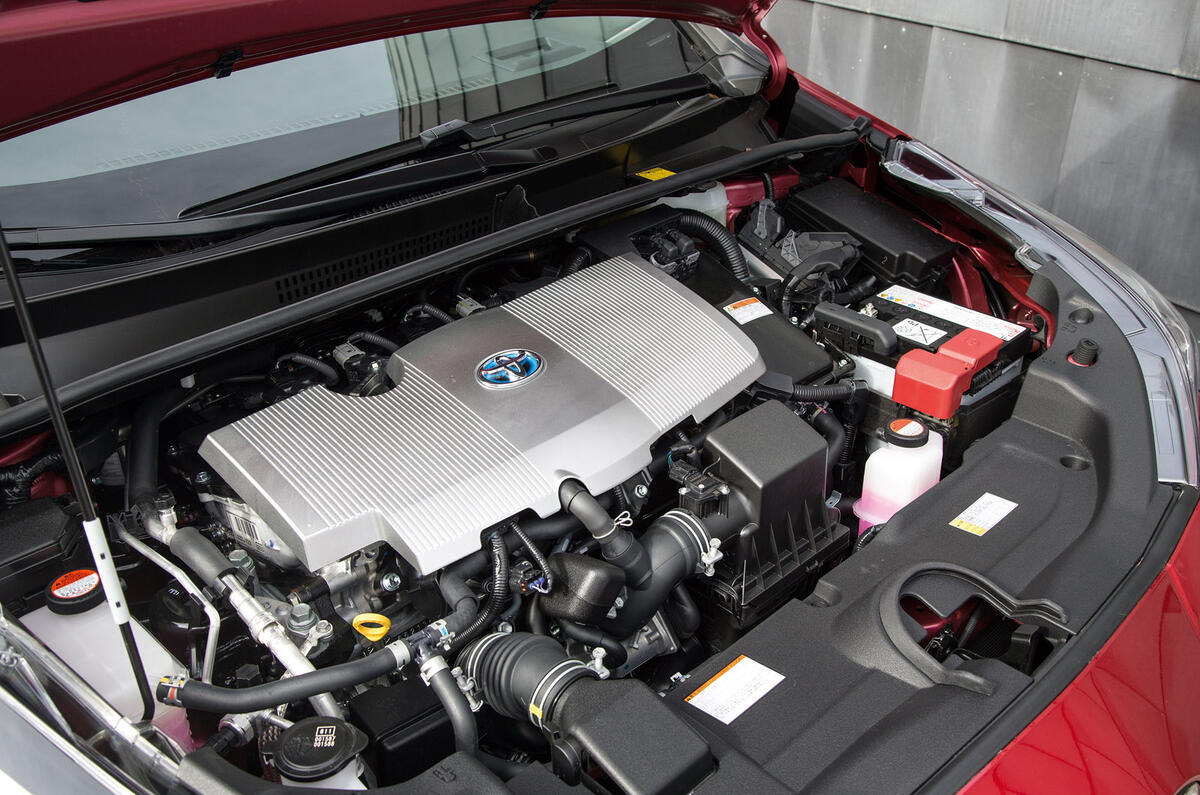
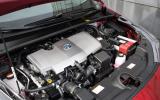
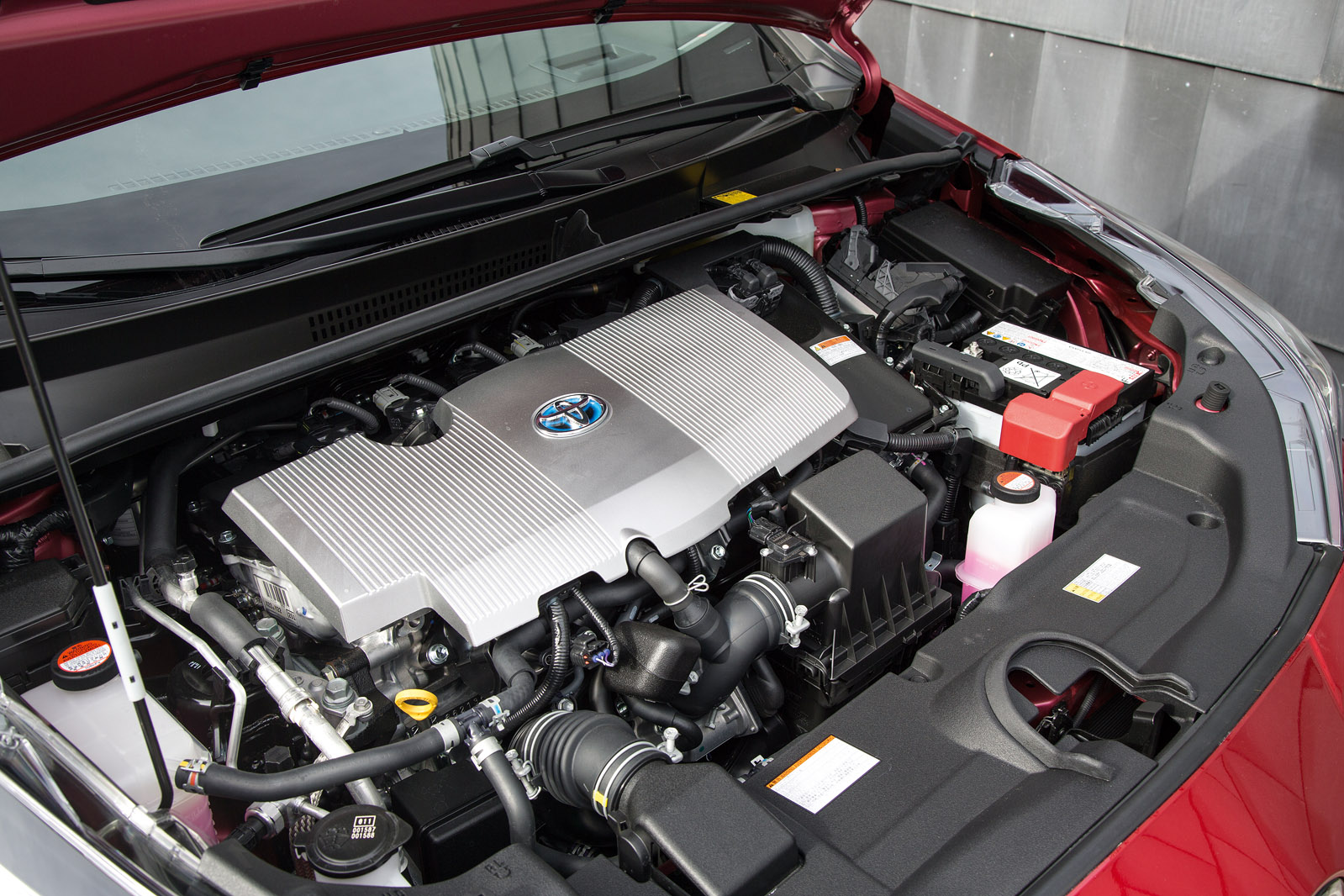
Gone is the Prius’s familiar nickel-metal hydride battery pack and in its place is a lithium ion pack that offers better all-electric range, power density and recharging times.

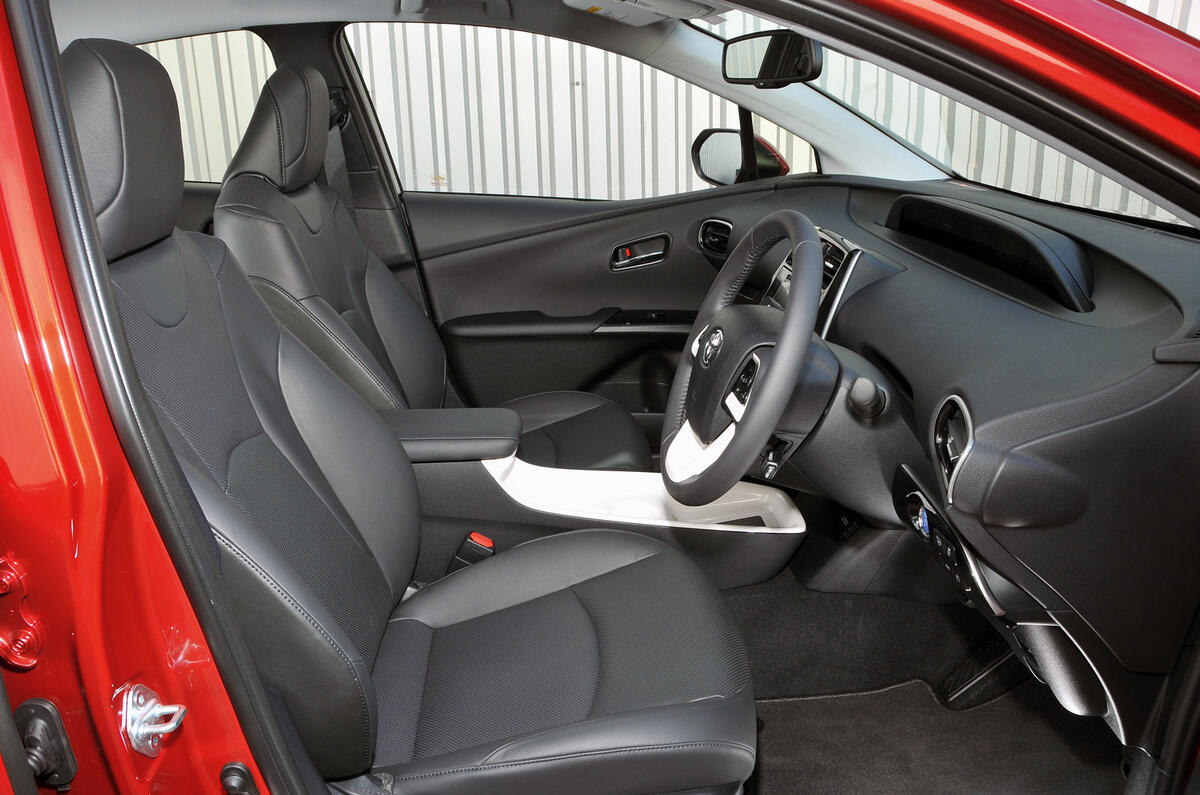
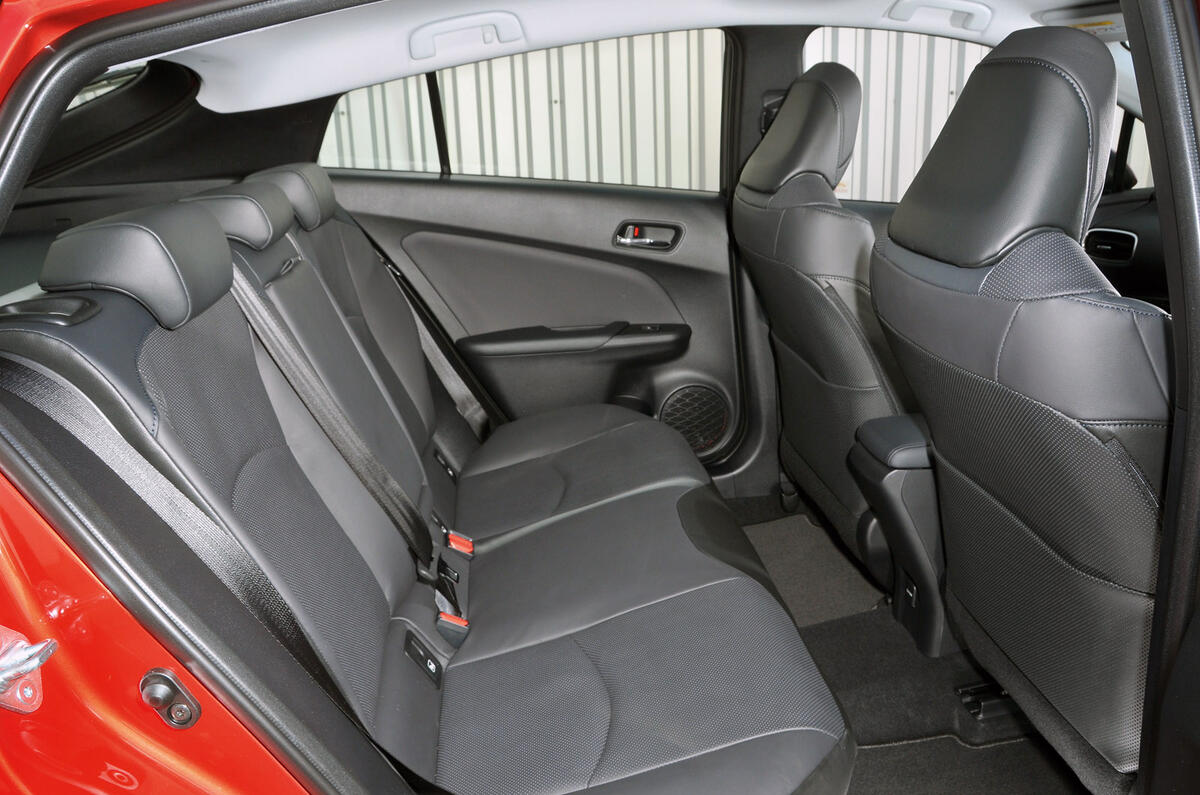
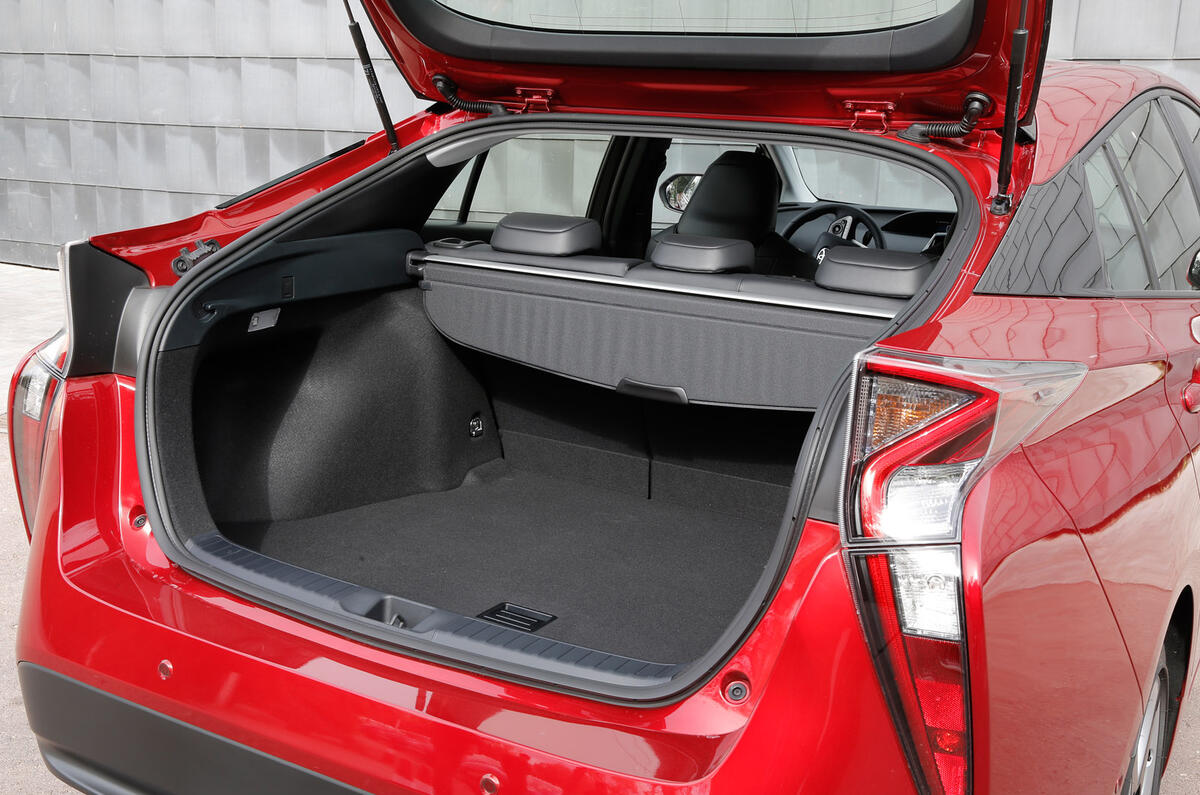
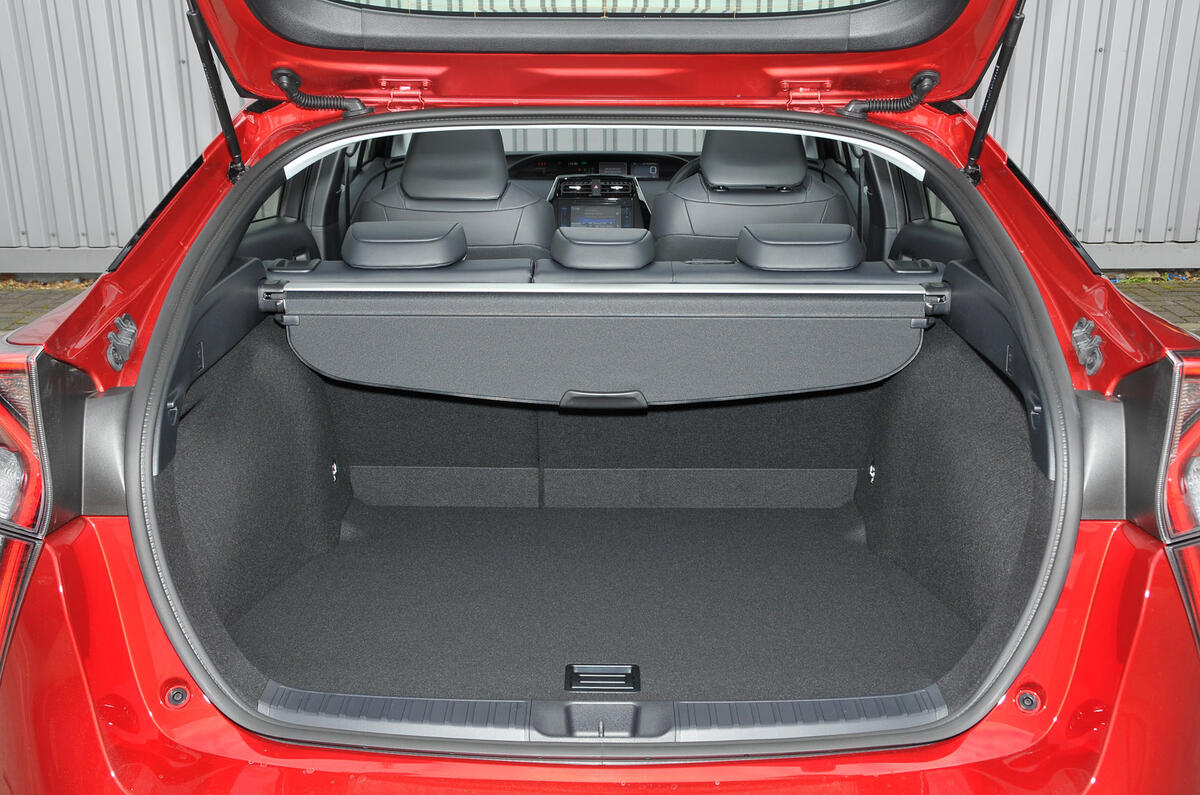
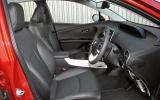
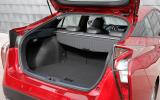
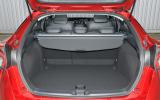
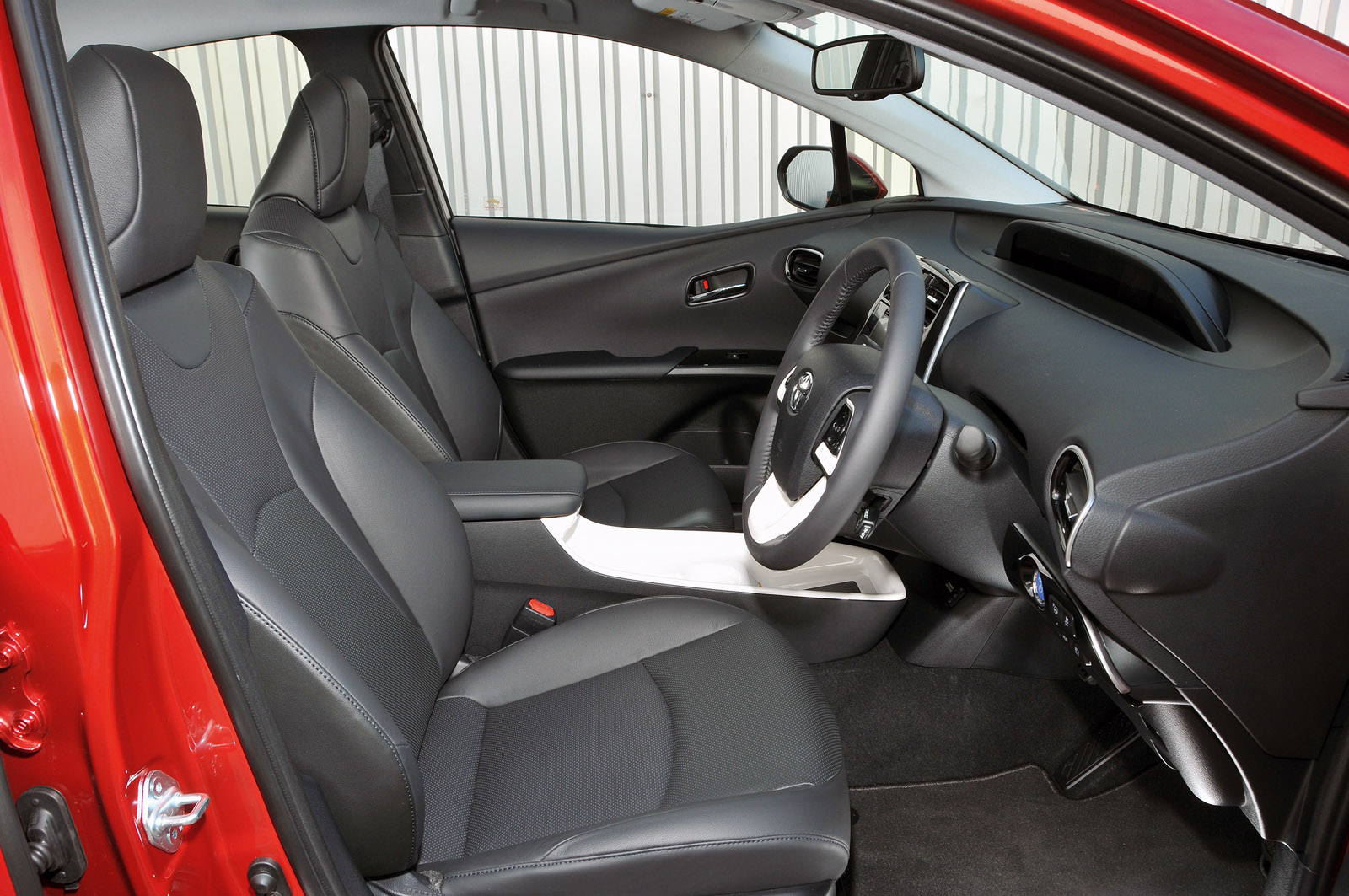
The battery pack is 36kg heavier than the standard car’s, but only two litres of boot space are lost over the standard Prius (443 litres is the Plug-in’s figure), while the flat floor and 60/40 split folding rear bench remain. Overall, the Plug-in is 50kg heavier than a standard Prius, with minor chassis tweaks to accommodate the extra weight.
The standard third-generation Prius has been trailing the Plug-in’s killer feature since it launched in 2009: the ability to run solely on electric power. But while the Prius’s battery pack can only muster electric power for 1.2 miles at speeds of up to 31mph, the Plug-in has a much more usable 15.5-mile range at speeds of up to 51mph.

That 15.5-mile figure was settled upon as a result of the trials; around two-thirds of those trialled commuted less than 12.5 miles per day. A full recharge of the batteries takes 90 minutes.

The car defaults to pure electric EV mode at start-up, so there’s the typically eerie silence that accompanies low-speed progress in such cars. But while most electric cars feel very brisk off the line, the Prius actually feels a bit sluggish, certainly more so than the standard car, due to its extra weight.

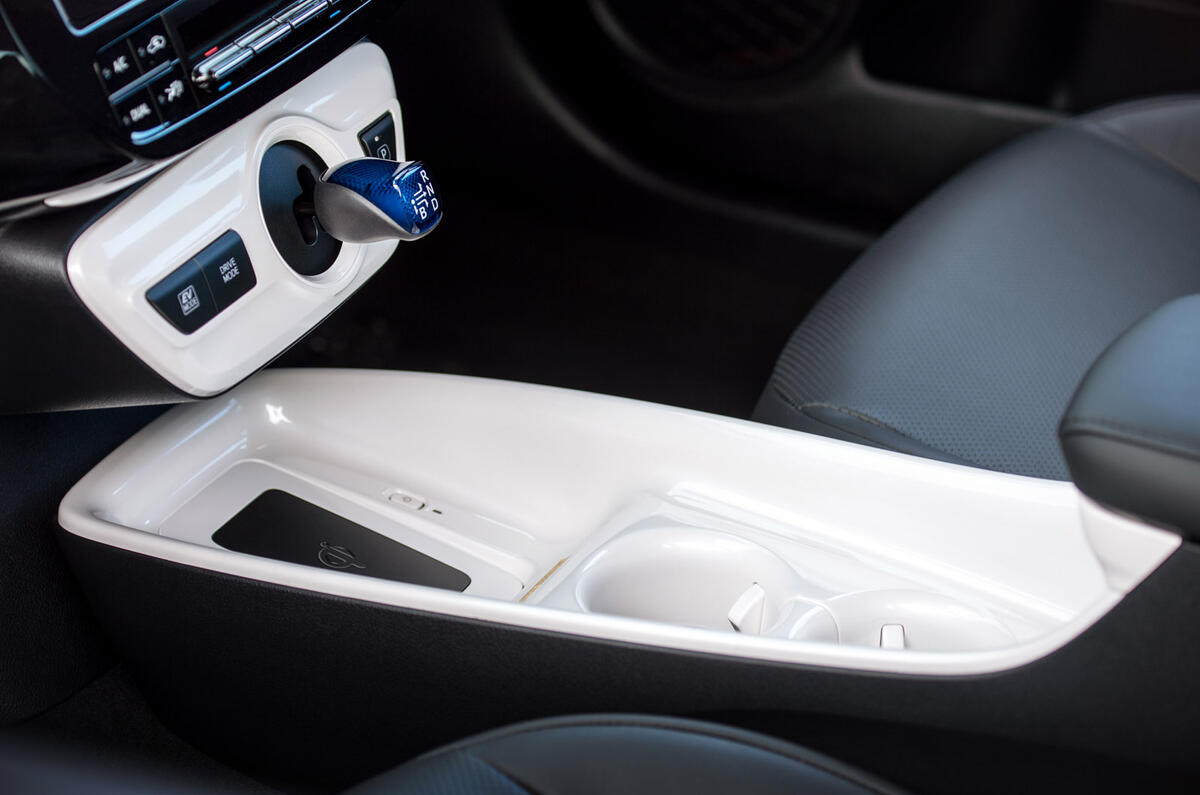
If you get too enthusiastic with your right foot in the regular EV mode, the 1.8-litre petrol engine kicks in and it switches to hybrid mode. This switch can also be made manually by pressing the HV-EV button, a function that can also be selected to save electric power for later in your journey.

As a conventional hybrid, the Plug-in performs as competently as any other Prius. The car switches seamlessly between petrol and electric power. Being a bit more conservative – and therefore eco-friendly – with the throttle can also mask the drone from CVT gearboxes.

One of the biggest changes to the Prius Plug-in since the earlier trials is the addition of a new ‘EV City’ mode. This allows for much more forceful use of the throttle before the petrol engine kicks in and is thus considered to be a much truer EV mode should future legislation create zero-emissions zones in city centres.

If the majority of journeys are short, you really will become an unfamiliar face down your local petrol station as you’ll barely be touching the contents of the 45-litre fuel tank. On longer journeys, once the EV-only range has been used, the Plug-in still returns a claimed 78.5mpg and 84g/km. Our experience suggests more than 60mpg should be achievable on long runs.

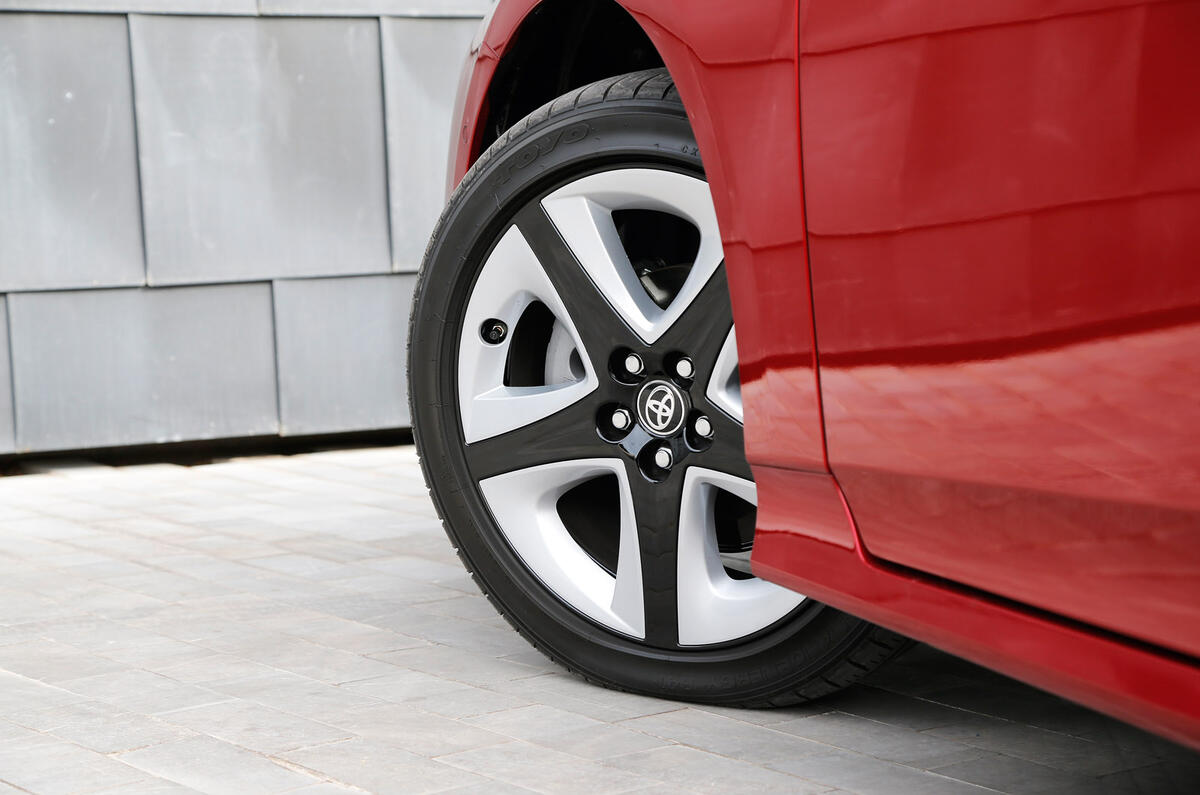
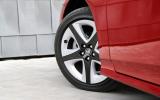
The Prius has always had a supple ride, albeit one that leans to the firm side. It’s also had a tendency to crash over larger bumps and the Plug-in, armed with its extra 50kg, is no exception, although smaller 15in alloys help soften the blow. The steering is precise if devoid of any great feel, although it handles tidily.

Should I buy one?

Prius customers are a loyal and affluent bunch. Most go for the top-spec model, and the Plug-in is marketed as much as a new range-topper as it is a stand-alone model.

So if you’ve already been sold on the Prius concept, you won’t take much convincing to go for a Prius Plug-in. Adding a useful electric range without significantly increasing the cost or weight, or compromising on the interior packaging, should have the Prius fan club sold.

As for attracting new buyers, the Prius Plug-in is probably the most tempting product yet for those wanting to take the plunge and go green without the fear that they are investing in unproven technology.

Toyota Prius Plug-in
Price: £27,895 (after £5000 OLEV grant); 0-62mph: 11.4sec; Top speed: 112mph; Economy: 134.5mpg: CO2: 49g/km; Kerb weight: 1425kg; Engine: 4 cyls, 1798cc, petrol, plus electric motor; Power: 134bhp; Torque: na; Gearbox: CVT

Join the debate

Comments
22

-

43 weeks 3 days ago

Forgive my stupidity, but can you drive this car without charging it and by just filling it up with petrol?

yep

43 weeks 3 days ago

Fidji6 wrote:

Forgive my stupidity, but can you drive this car without charging it and by just filling it up with petrol?

Yes you can and you're forgiven


Hydrogen cars just went POP

Competition

43 weeks 3 days ago

Virtually the same price as the cheapest Ampera but technically a long way behind. The Ampera can go 3 times further, and can go over well over 51 mph on battery power.

GM 1 Toyota 0


Hydrogen cars just went POP

xxxx wrote: Fidji6

43 weeks 3 days ago

xxxx wrote:

Fidji6 wrote:

Forgive my stupidity, but can you drive this car without charging it and by just filling it up with petrol?

Yes you can and you're forgiven

So if I were to buy a Prius Plug-in (I'm not going to) and I only refuelled it using unleaded and didn't charge the batteries, would it achieve similar fuel consumption figures to a normal Prius if you don't take into account the excess weight of the Prius Plug-in?

Toyota pricing

43 weeks 3 days ago

The UK pricing for other versions of the Prius are comparable with their USA prices, namely, convert dollars to pounds and add duty/tax. For the plug-in it is convert dolllars to pounds, add duty/tax, and then add £5000 - which of course is then deducted as a subsidy. If they had done their normal price conversion, with the subsidy it would have been a run-away success. Very cynical Toyota.

I'm not sure the figures make sense

43 weeks 3 days ago

This is a car that is going to save you a huge amount of your fuel bill if you do short journeys. However, if you do short journeys, you won't have a very big fuel bill anyway. I can't see how it's cost effective at the price, though I appreciate that cost isn't the only reason for buying a Prius, and I haven't taken resale values into account.

"There's a fine line between wrong and visionary. Unfortunately, you have to be a visionary to see it." - Dr Sheldon Cooper

no

43 weeks 3 days ago

Fidji6 wrote:

xxxx wrote:

Fidji6 wrote:

Forgive my stupidity, but can you drive this car without charging it and by just filling it up with petrol?

Yes you can and you're forgiven

So if I were to buy a Prius Plug-in (I'm not going to) and I only refuelled it using unleaded and didn't charge the batteries, would it achieve similar fuel consumption figures to a normal Prius if you don't take into account the excess weight of the Prius Plug-in?

probably not, but I can't think of why anybody would buy a plug-in car if they had no intention of plugging it in.  but then  if you only drove 15 miles a day and did plug it in overnight then you'd get alot more than 150 mpg equivant.


Hydrogen cars just went POP

90 mins charge for 15 miles -

43 weeks 2 days ago

90 mins charge for 15 miles - is there no fast recharge option or does the fact there's a petrol engine on board mean Toyota thinks a fast recharge isnt necessary?

How heavy?

43 weeks 2 days ago

The Prius could be a good deal more economical, in real everyday driving, if it wasn't so damned heavy.

In many ways this is the most

43 weeks 2 days ago

In many ways this is the most impressive car capable of electric propulsion so far. No range issues due to the petrol engine, not that expensive compared to the non plug in version (after our generous contribution).

The 12.5 miles will be sufficient for many so hardly any petrol will be used. But as Gregor pointed out, it thats all you drive, then you will never save the extra you spent over a normal Prius, and if you drive much further then it will return economy of a normal prius (after the first 12.5 miles)

If you drive more than 12.5 miles everyday to and from work 5 days a week, but charge up at home and also at work and return 50 mpg from petrol you will save £15 a week, or £750 a year in petrol. Even in the UK where petrol is so expensive it will take many years to break even (and you probably wont get 12.5 miles before the petrol engine is needed, you will probably get more than 50mpg from petrol, and i havent included the cost of the electricity!)

So it might make more sense than any other elecric powered car, but it doesnt make financial sense. Unless its a company car and they dont pay for your fuel!

And for all this the tax payer gets stung for £5,000. 


Please register or login to post a comment.

Our Verdict

The Toyota Prius is an easy and very visible route to greenness

Driven this week

  • Citroën C1 Connexion first drive review

    Citroën C1 Connexion first drive review

    First drive
    24 May 2013 6:17am

    Facebook makes a car that won't appeal to all tastes in the way it looks or drives

  • Lexus IS

    Lexus IS

    Car review
    23 May 2013 3:38pm

    Do Mercedes and BMW need to be worried by the third-generation Lexus IS luxury saloon?

  • Kia Carens 1.6 GDi 1 first drive review

    Kia Carens 1.6 GDi 1 first drive review

    First drive
    23 May 2013

    We test Kia's latest MPV contender, equipped with a petrol engine and in entry-level trim

  • Ford Fiesta ST

    Ford Fiesta ST

    Car review
    22 May 2013

    The popular hatchback gets the hot ‘ST’ treatment

  • Lexus IS300h first drive review

    Lexus IS300h F Sport first drive review

    First drive
    21 May 2013

    Hybrid version of third-gen Lexus IS has predictable strengths, but it’s too devoted to calmness and efficiency to really enjoy driving