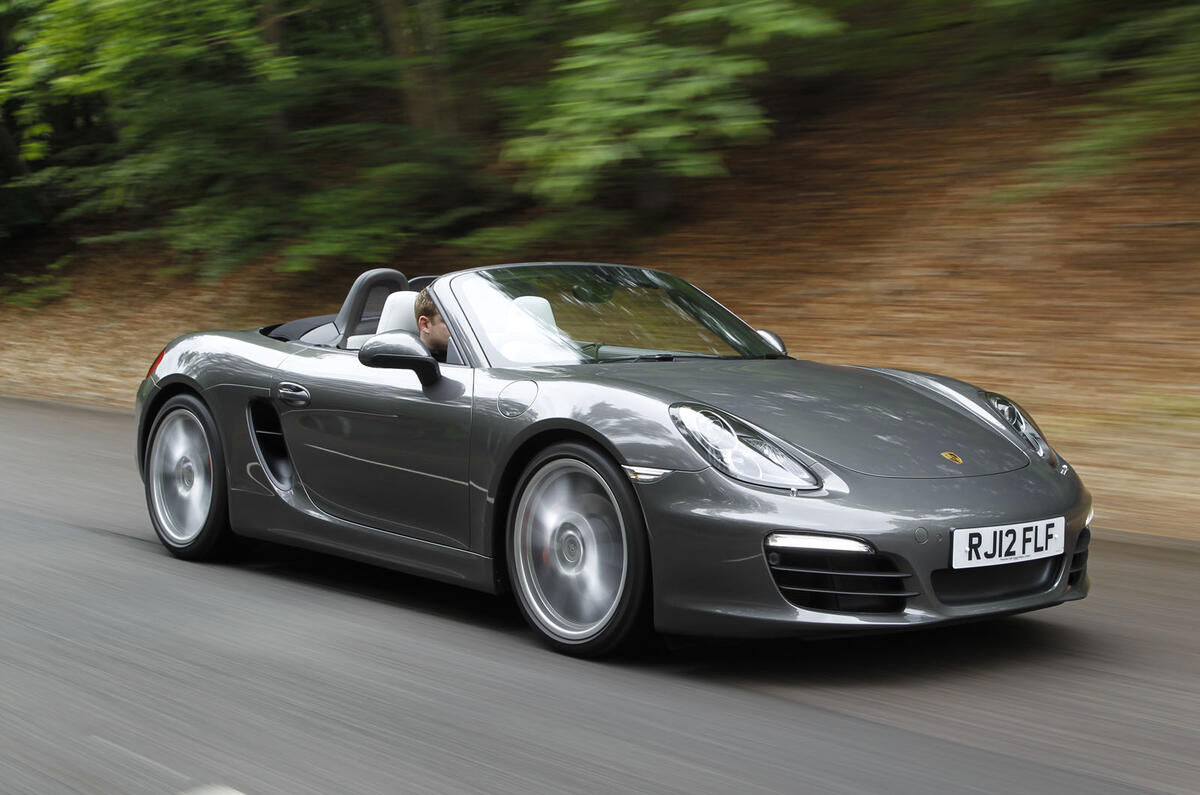
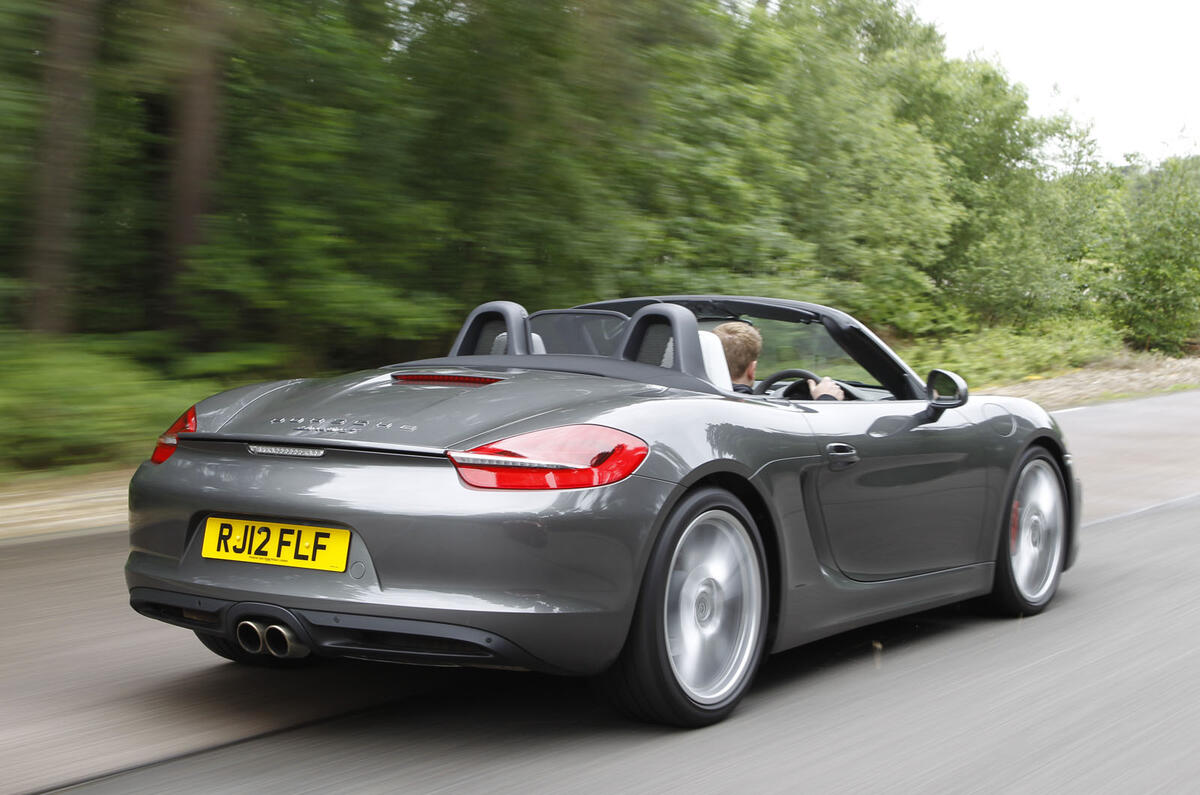
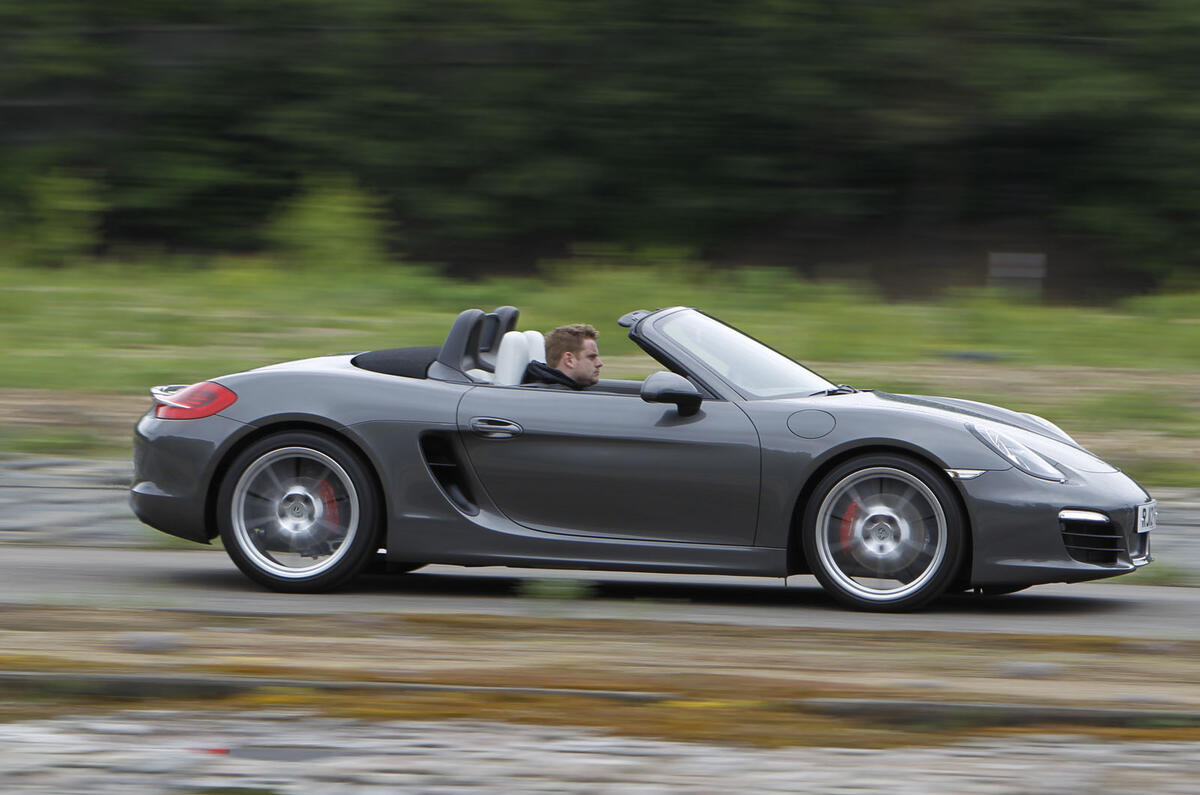
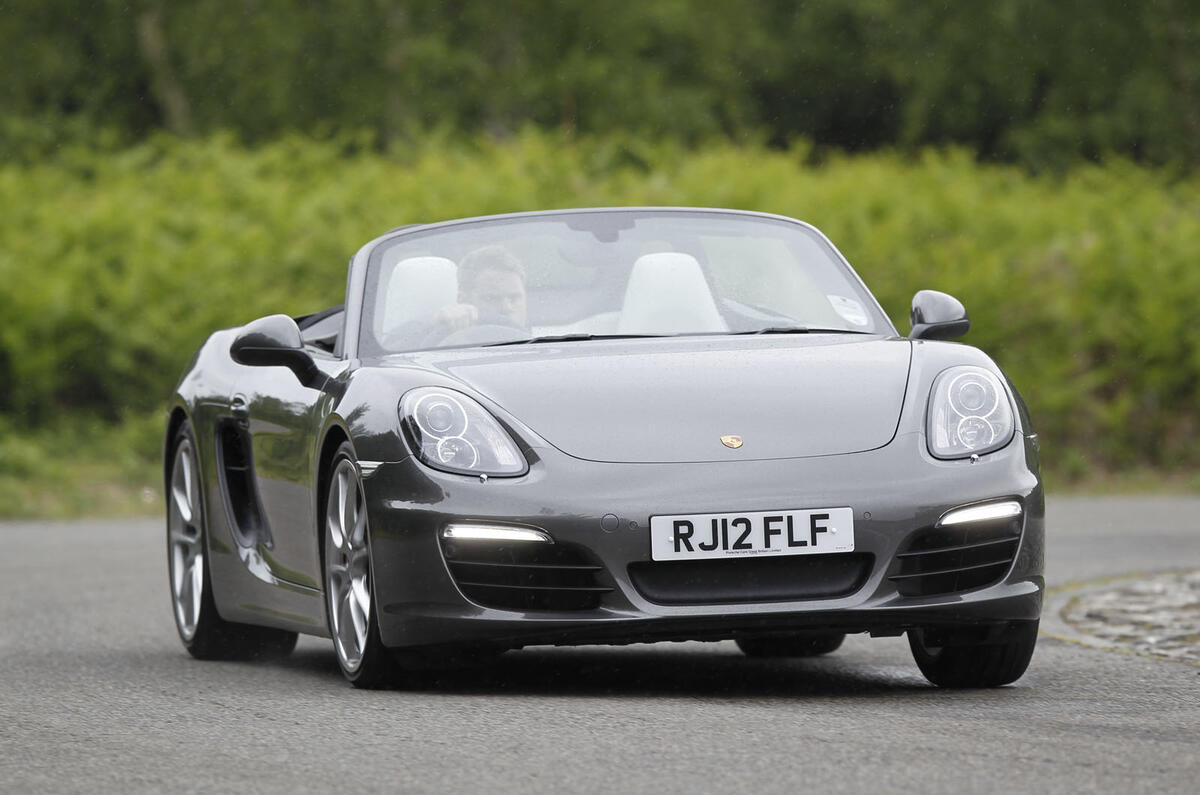
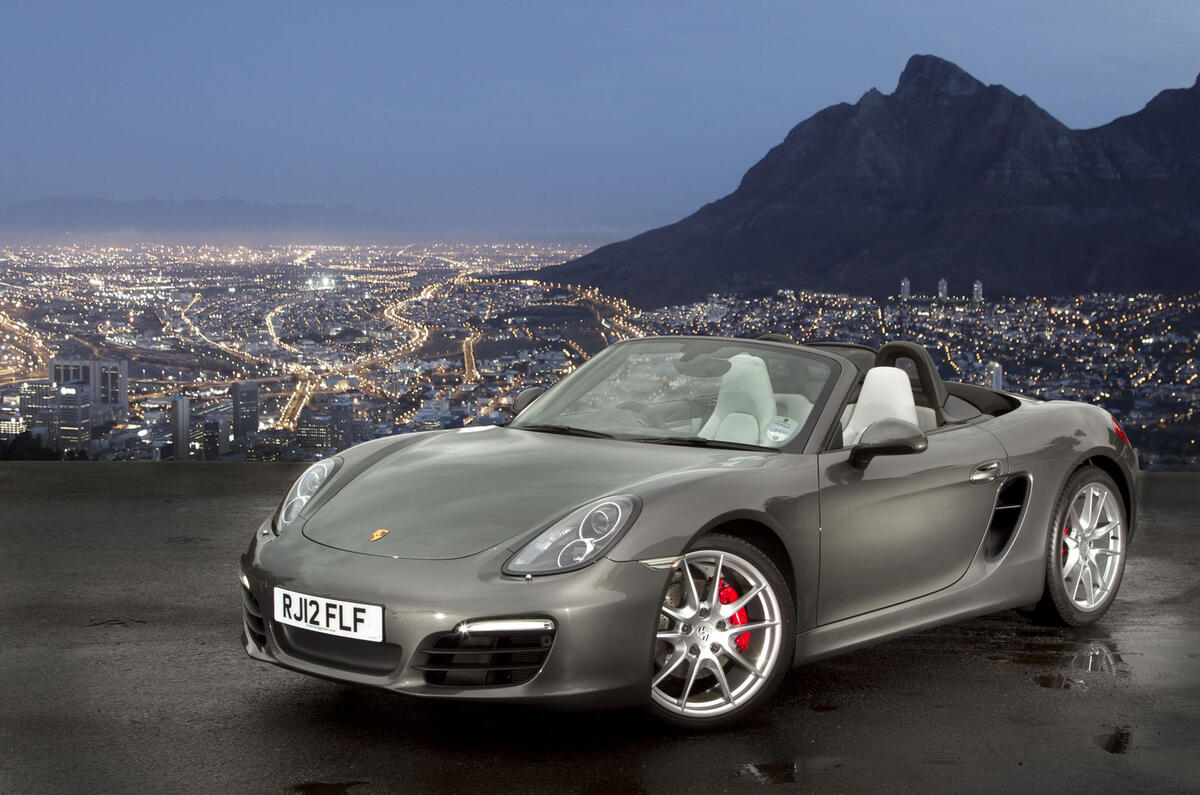





1996. John Major was in Downing Street, Hong Kong was in British hands and Justin Bieber was in nappies. And a mid-engined two seat convertible, called the Porsche Boxster, rode to the rescue of an embattled German sports car manufacturer.
The Porsche Boxster saved the company and all these years and three distinct generations later, it’s lost none of it appetite for wearing its undies outside its tights. A supercar it may not be, but a superstar among sports cars it most undoubtedly is.
Like its predecessors, the latest 981-series Boxster has more than a little in common with those other Porsches – the Cayman and Porsche 911 – that chose to place their engines behind their drivers.
This pragmatic sharing of technology and componentry is the very philosophy that dragged Porsche out of the pit of despondency last century and it’s still working well today.
But the Boxster has another job to do, one trusted to no other model in Porsche’s ranges. It is the cheapest Porsche you can buy, so stands at the gateway of marque ownership.
On top of all its other duties, it’s tasked also with welcoming new people to the brand and making a statement: we are Porsche, and this is what we do.
On the strength of that argument relationships will be forged that could result in a lifetime of Porsche ownership. The Porsche Boxster is as important as that.