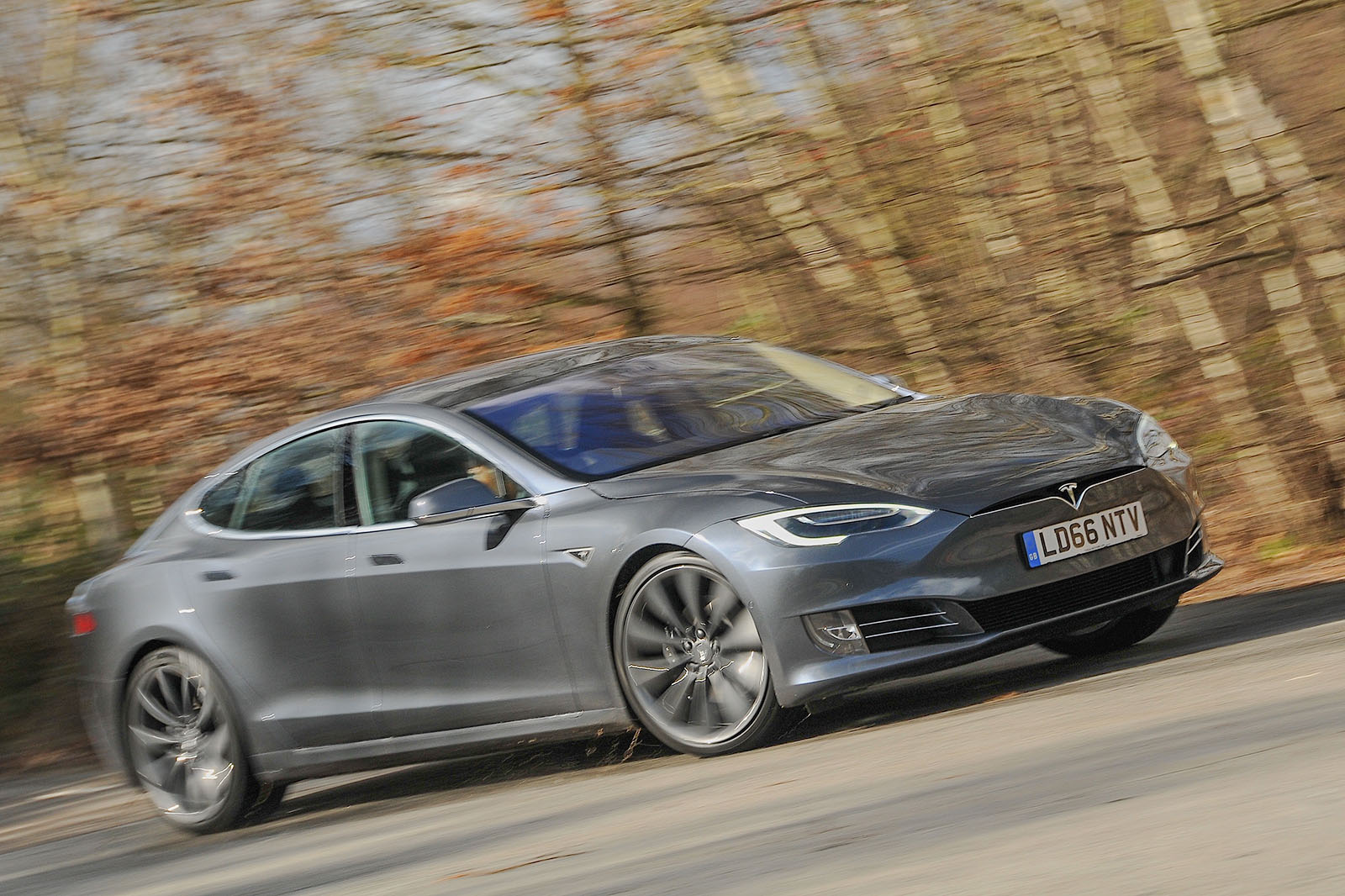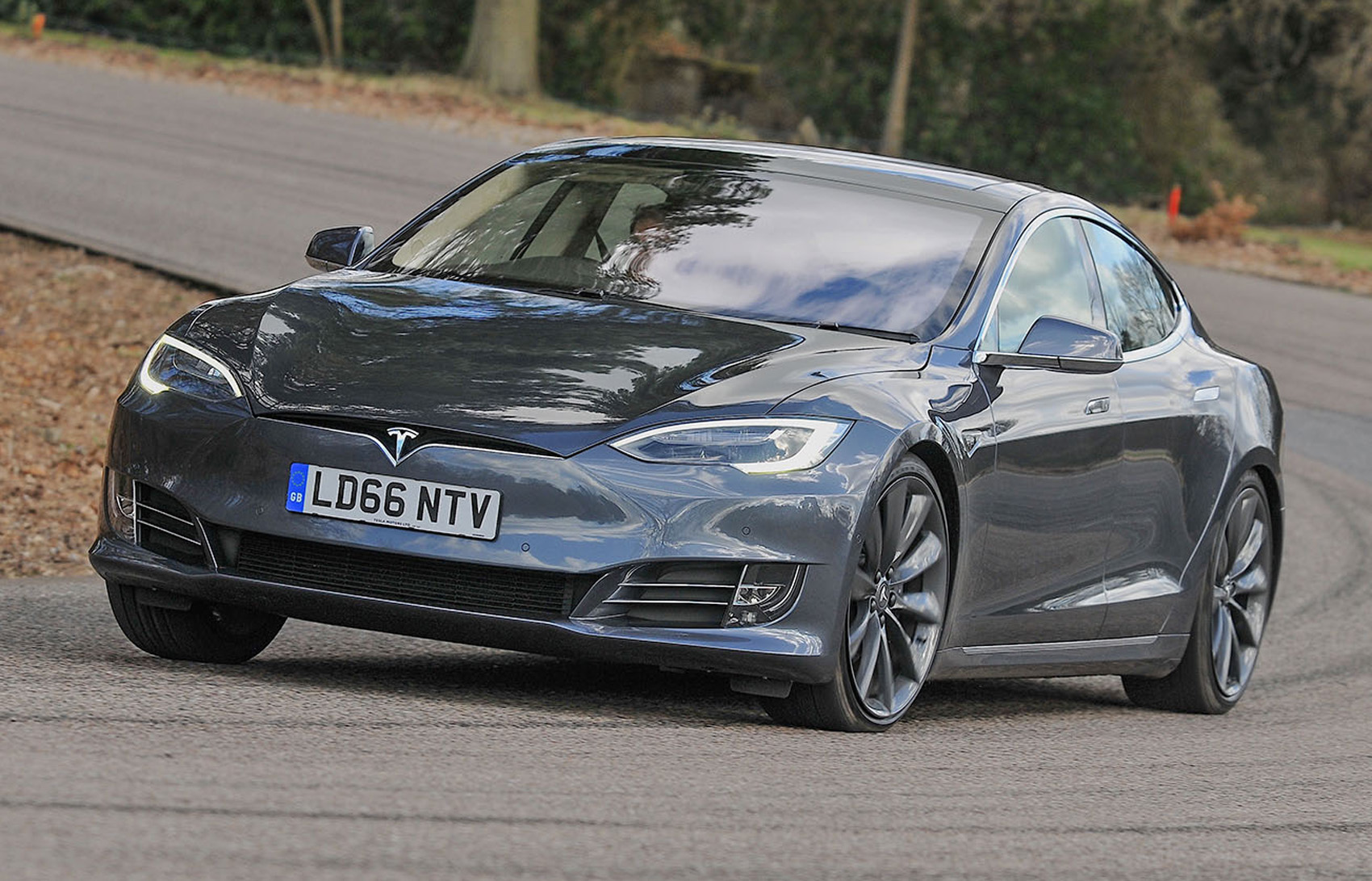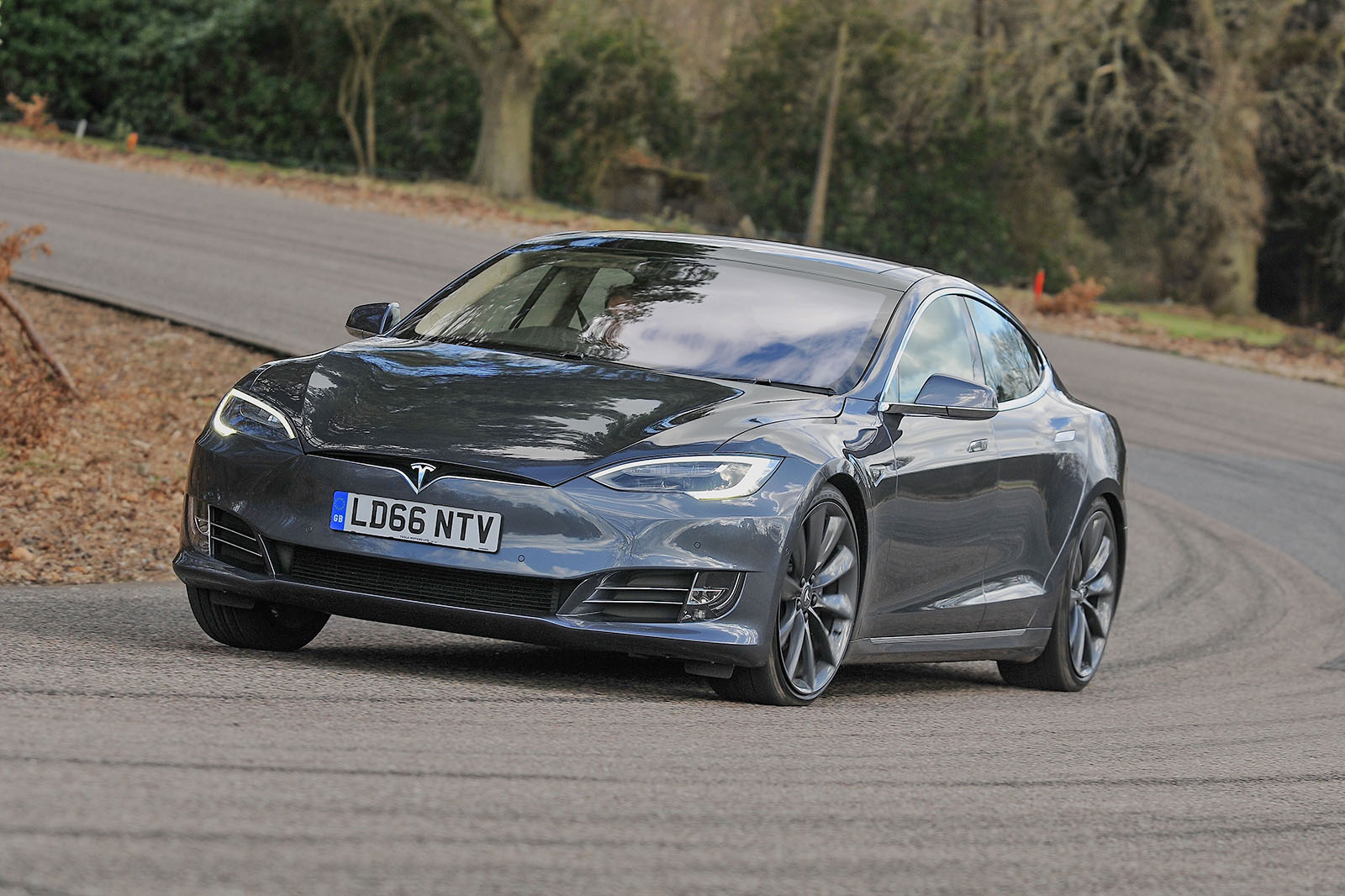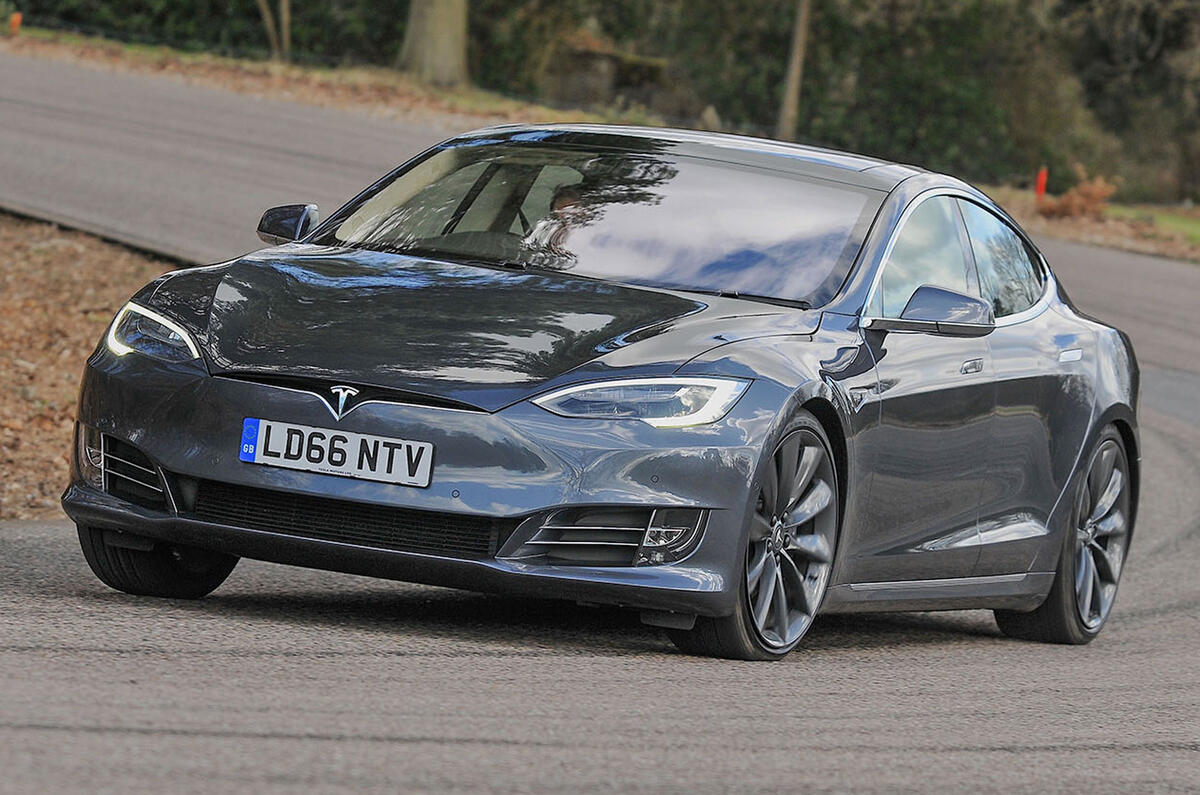
What is it?
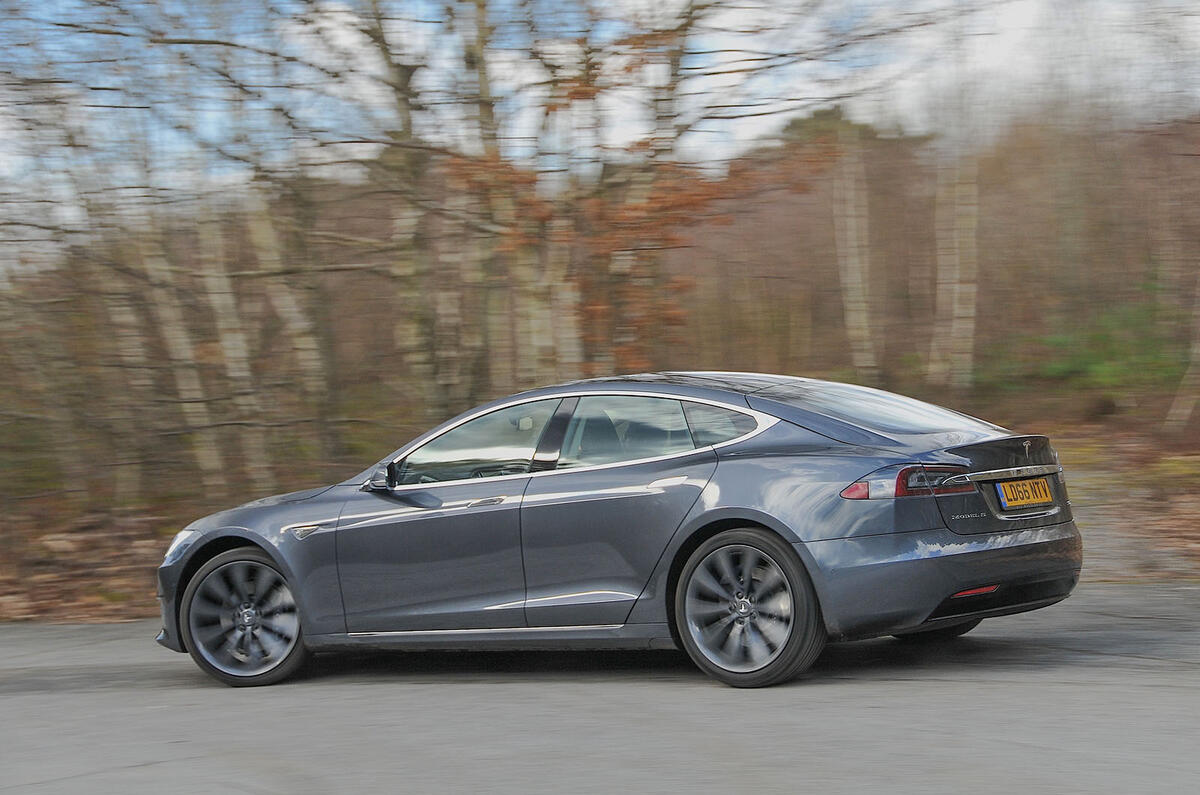
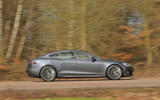
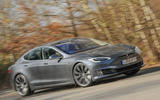
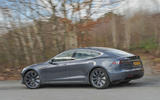
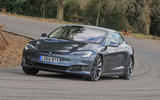
This is the Tesla Model S, the first bespoke creation from PayPal creator Elon Musk’s stable, which we tested in Germany, the first time we have driven the car in Europe. The car was production ready save for a couple of parts, such as rear headlights, which are still being prototyped for European homologation.
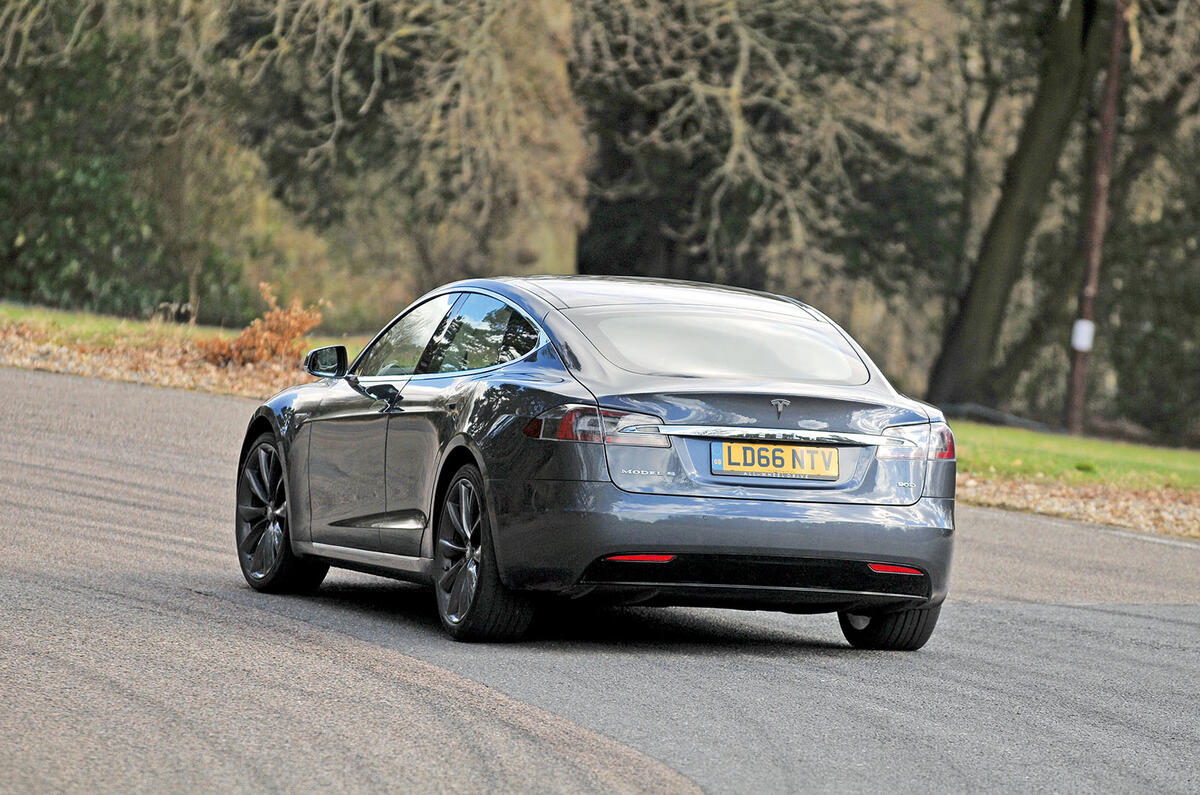
The 2106kg Tesla S’s body structure is aluminium, with steel used only to add strength in key areas. Tesla says the resultant stiffness has allowed it to bestow the car with good dynamics despite its size and weight (over two tonnes) and even on 21-inch wheels.
The car sits on double wishbone front and multi-link rear suspension. Our test car – as with all Tesla S models except the entry-level version – sat on air suspension.
Tesla also makes the case for aluminium’s increased strength in the event of an accident, a claim it backs up with eight standard air bags and a frontal crash structure it says has far more effective crumple zones than in a ‘standard’ car, simply because there is no engine to consider.
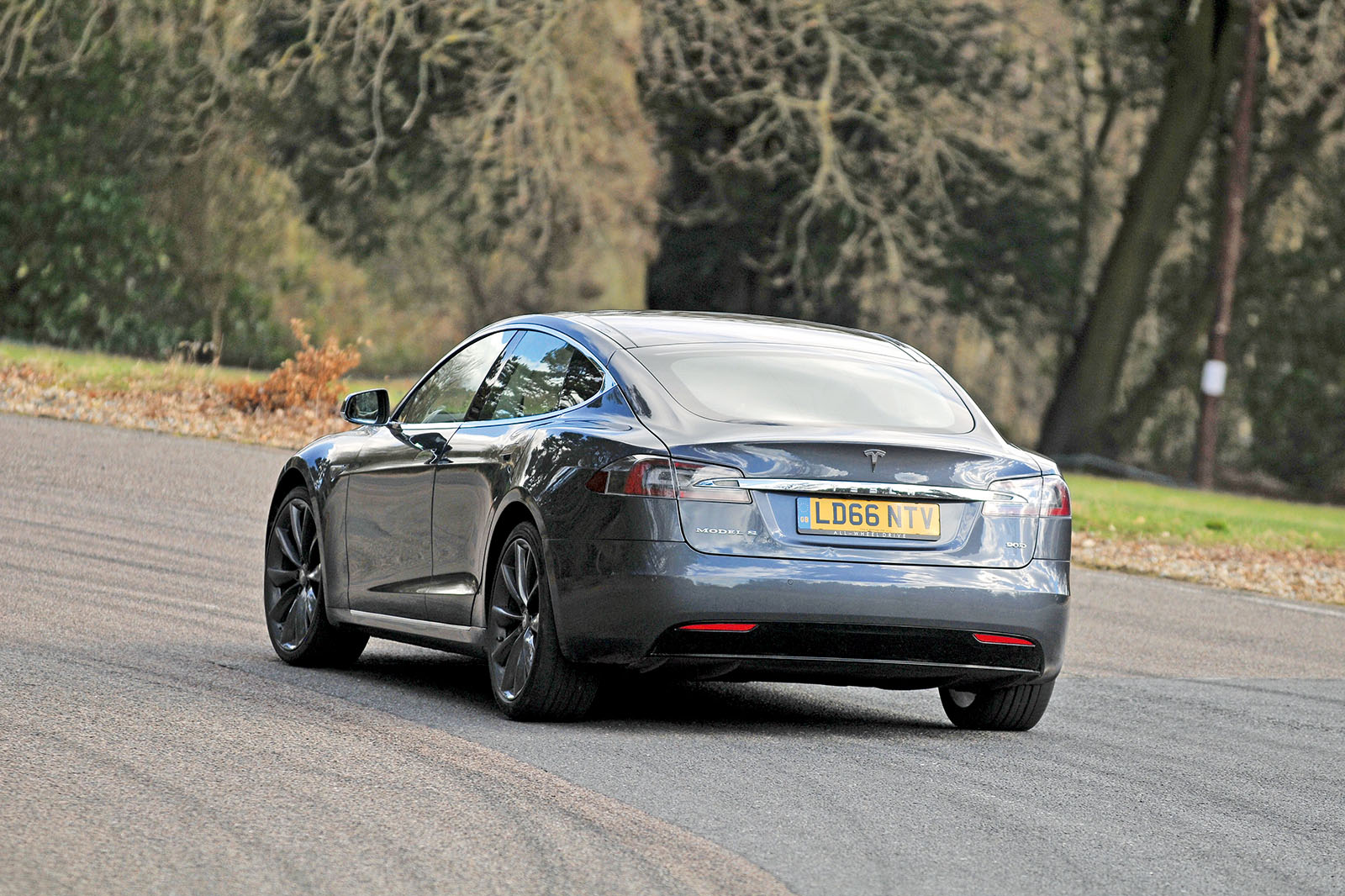
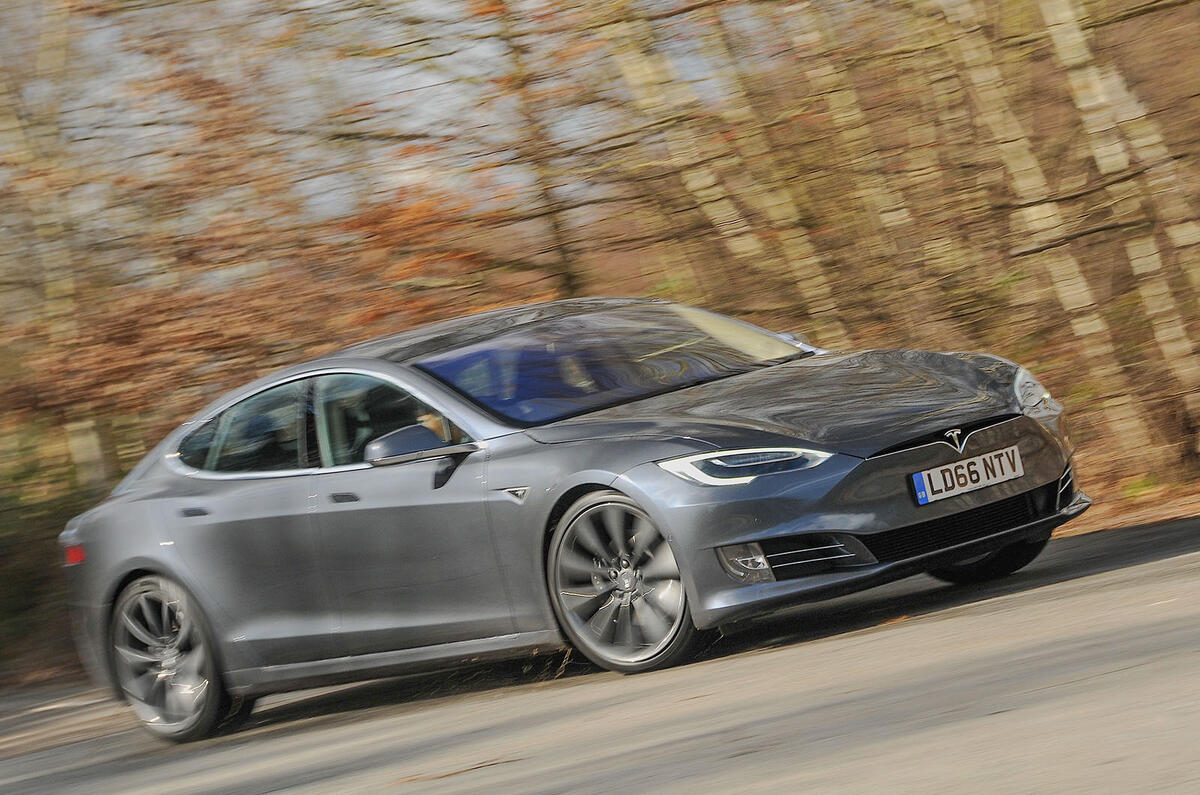
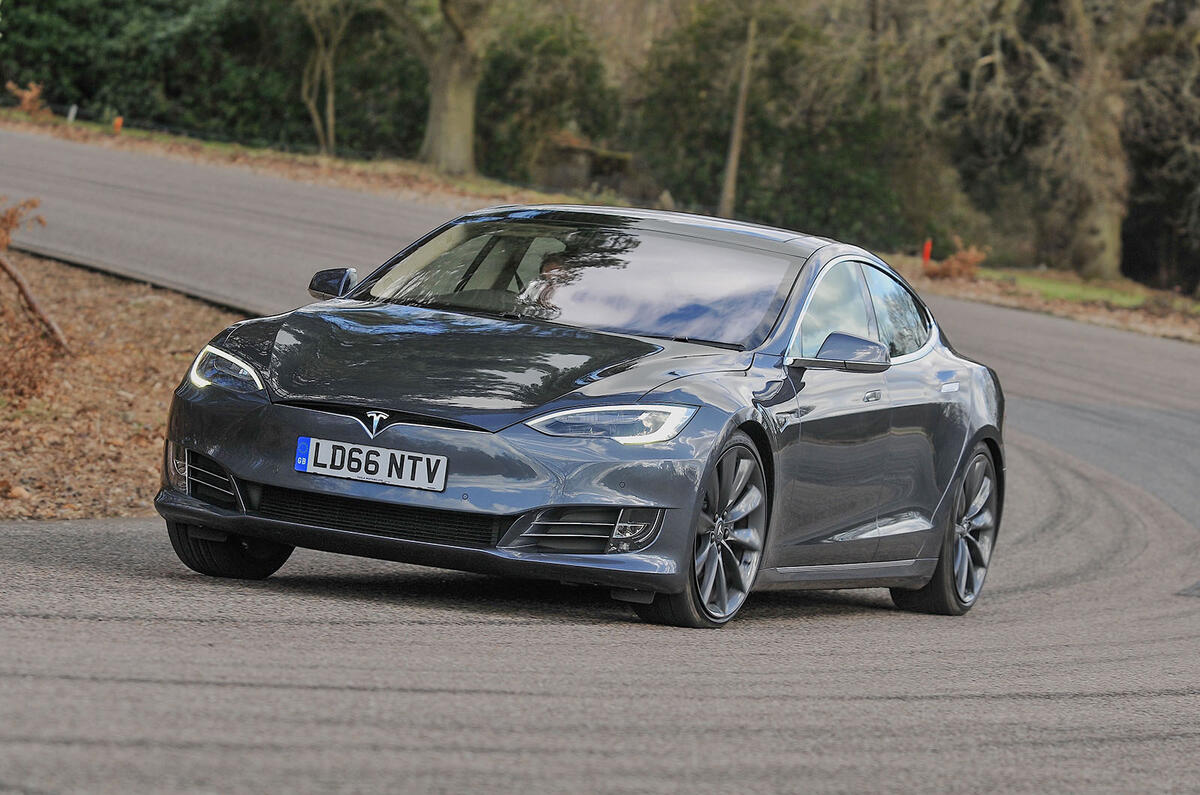
The company says it has wilfully made the Tesla S look like a conventional car, to the extent of fitting a dummy radiator grille, so as not to scare off customers wary of buying an electric vehicle.
The batteries – developed by Pioneer and also used by Toyota and Mercedes - sit under the floor of the car, running the length of the space between the axles in a 10cm deep stack, keeping the centre of gravity low, while the electric motor sits on the rear axle. Weight distribution is claimed to be 48%/52% front/rear.
Tesla has already taken 13,000 deposits for the S and is planning to sell 20,000 cars a year from 2013. It will go on sale in the UK next autumn.
What is it like?
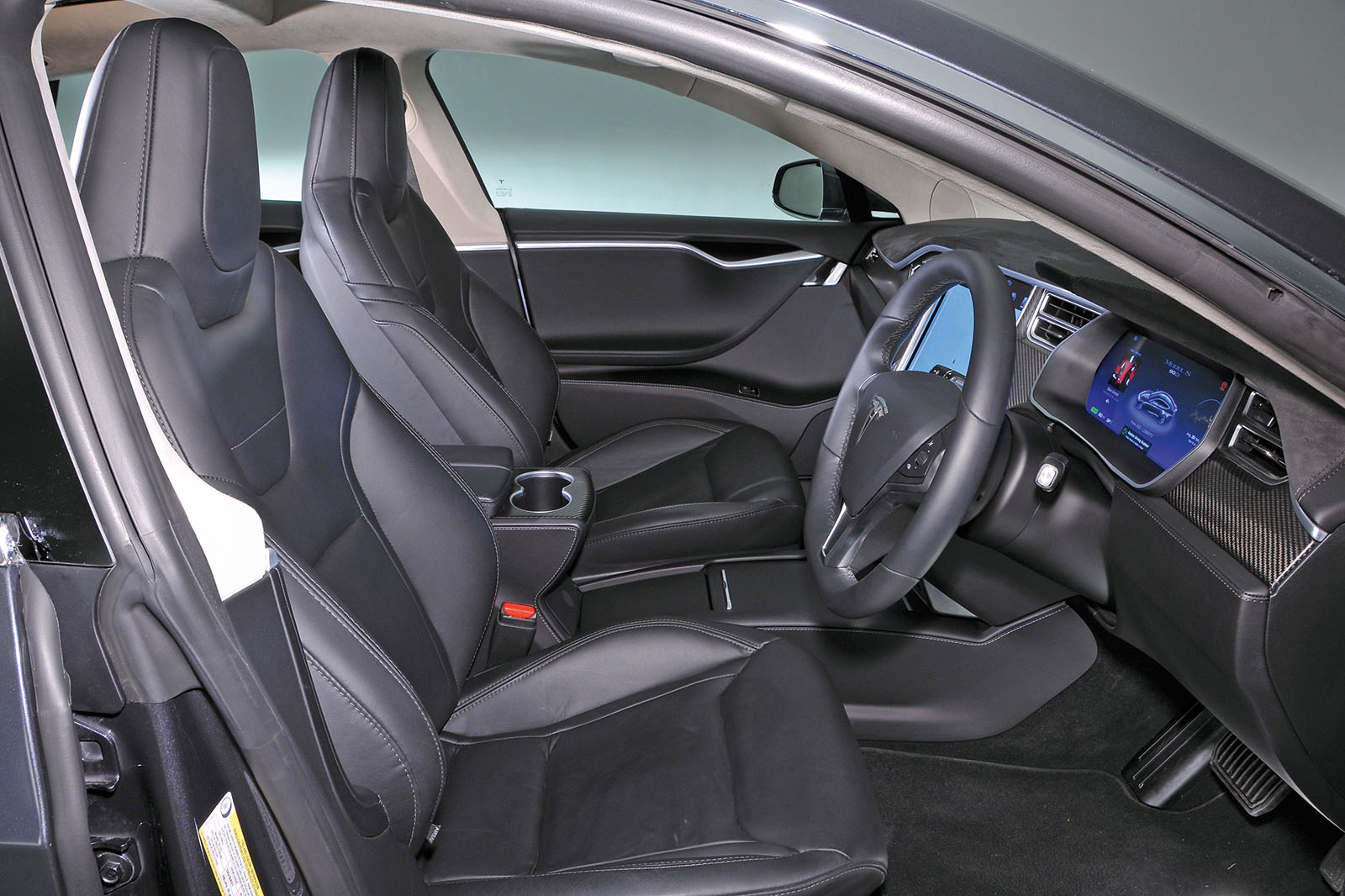
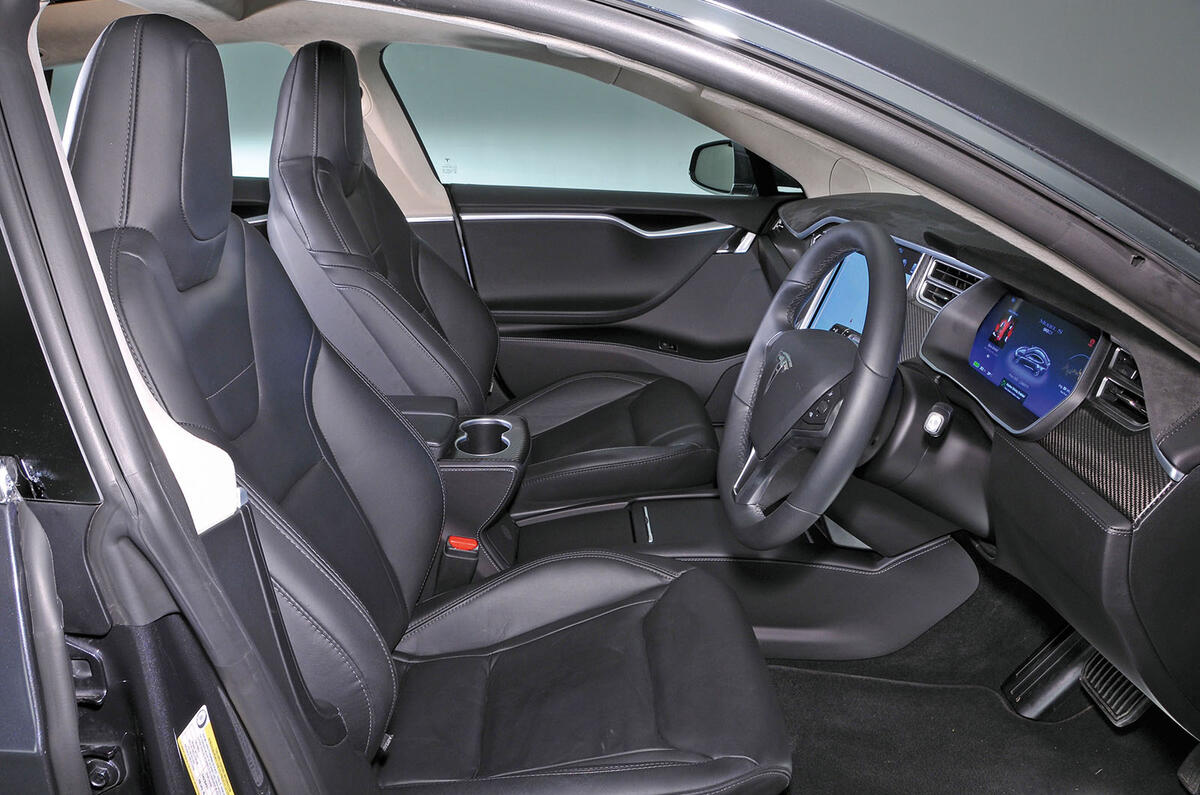
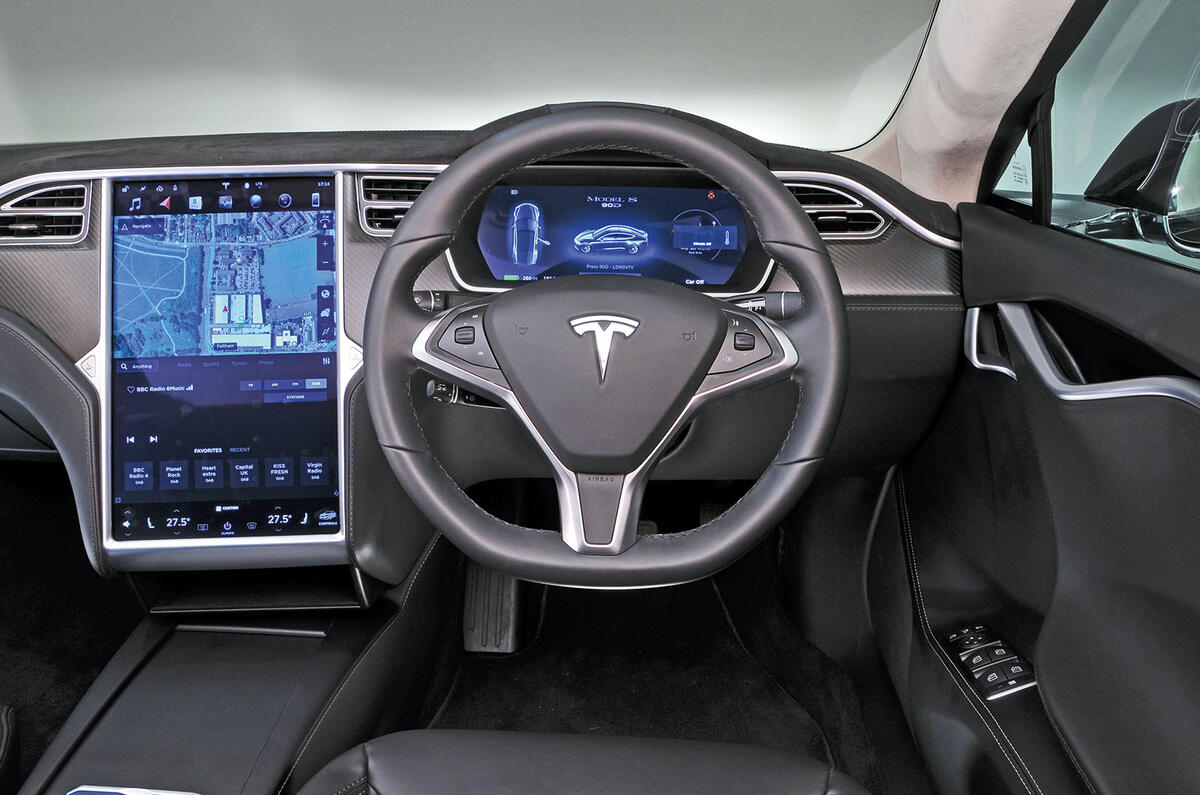
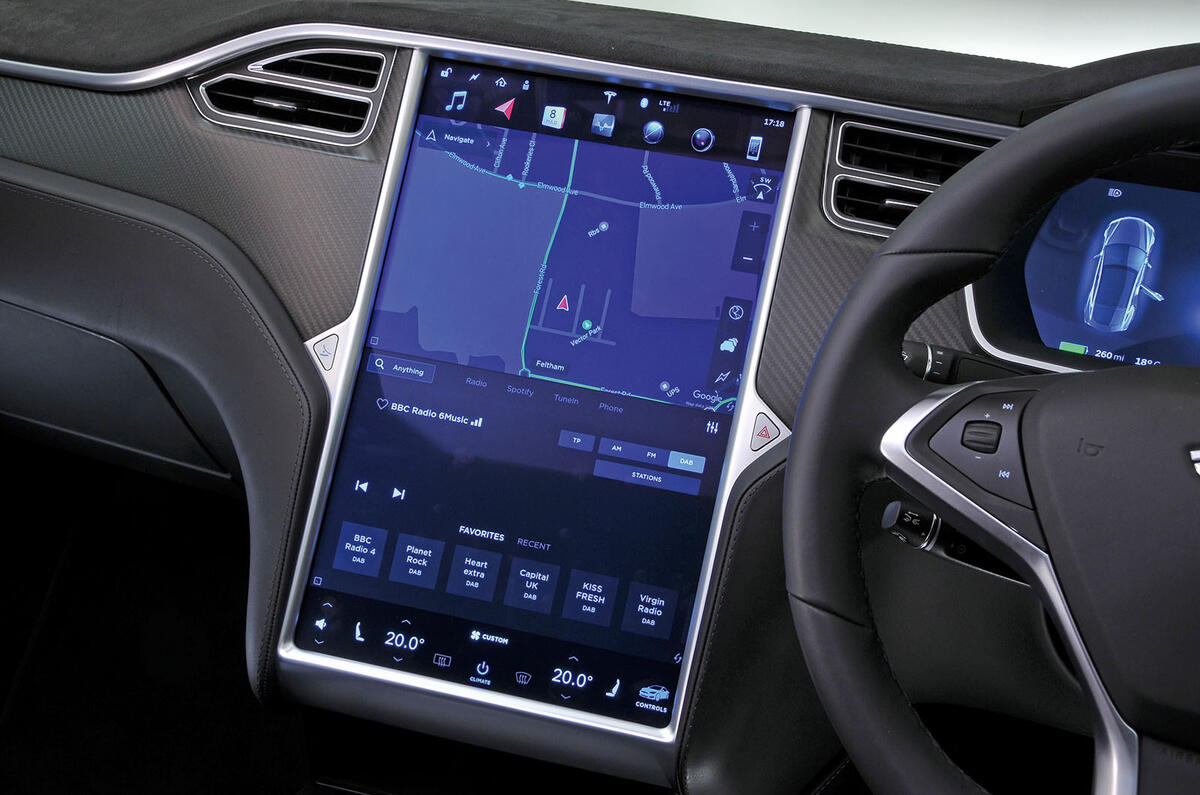
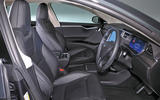
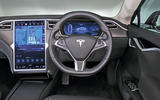
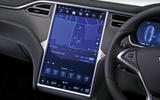
Approach the Model S and the first thing you get is a touch of theatre: pop the key blipper and the door handles pop from their flush housings. Inside, the cabin is dominated by a giant, iPad-like touchscreen, which stretches 43cm down the centre console and dominates the cabin, controlling everything from the air conditioning to the Google Earth powered sat-nav. It’s a futuristic high spot of an otherwise conventional premium cabin, which unashamedly uses switchgear straight from Tesla partner Mercedes and its parts bin.
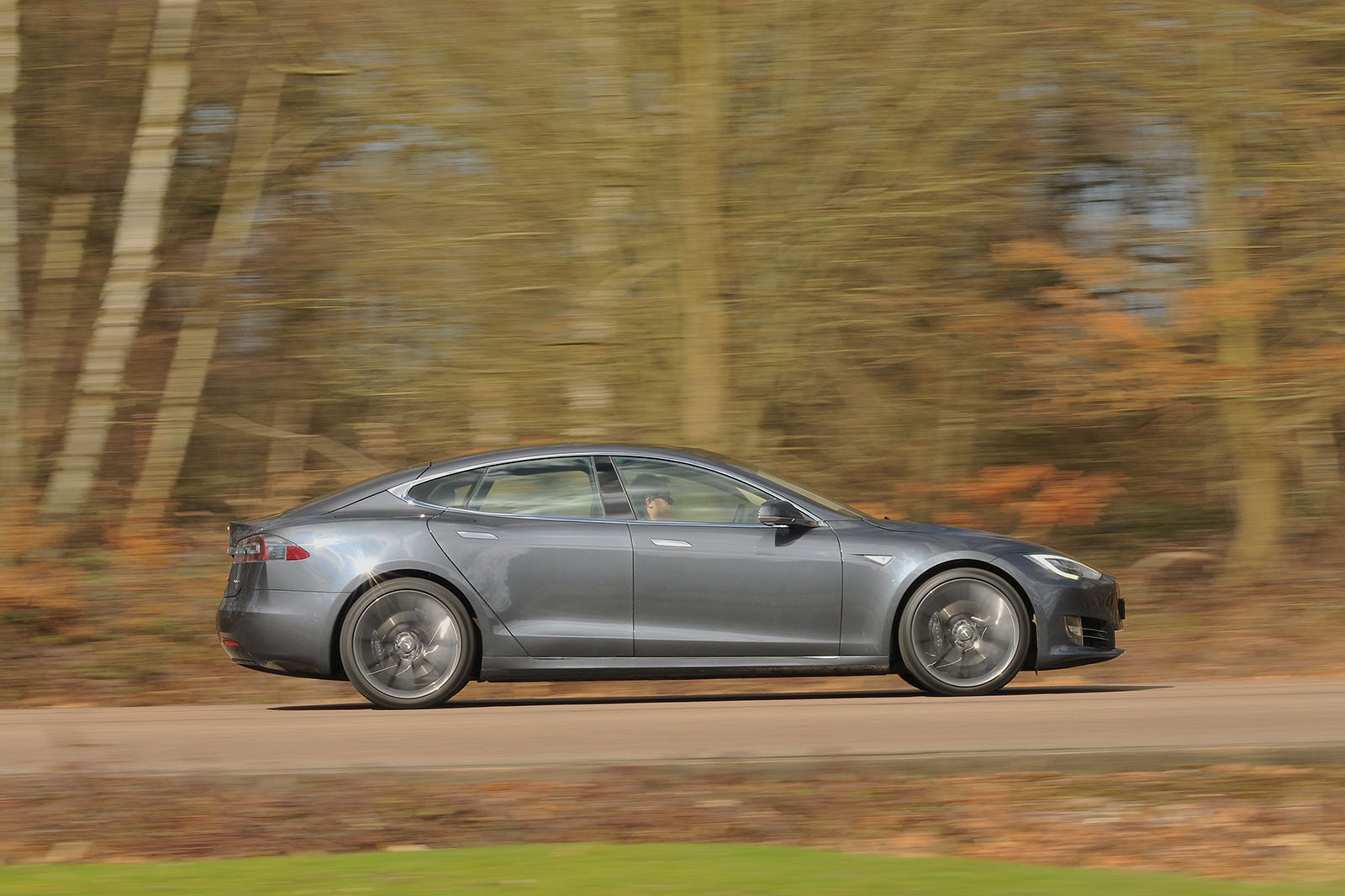
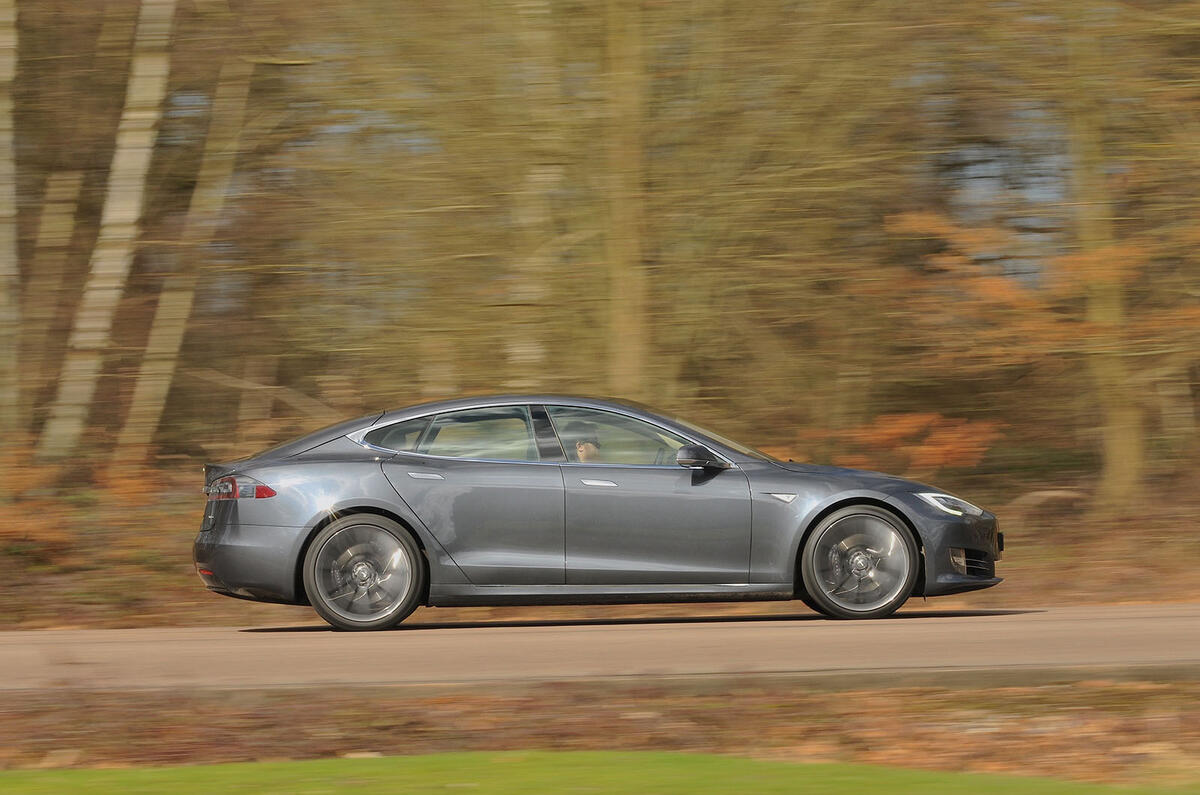
On the move you quickly feel that the Tesla Model S is a big car. At 4978mm long, 1964mm wide and 1435 in height, it is longer, wider and lower than all of its most obvious opposition, such as the BMW 5-series, Mercedes E-class and Audi A7. For instance, that’s 79mm longer than a 5-series, 164mm wider and 29mm lower.
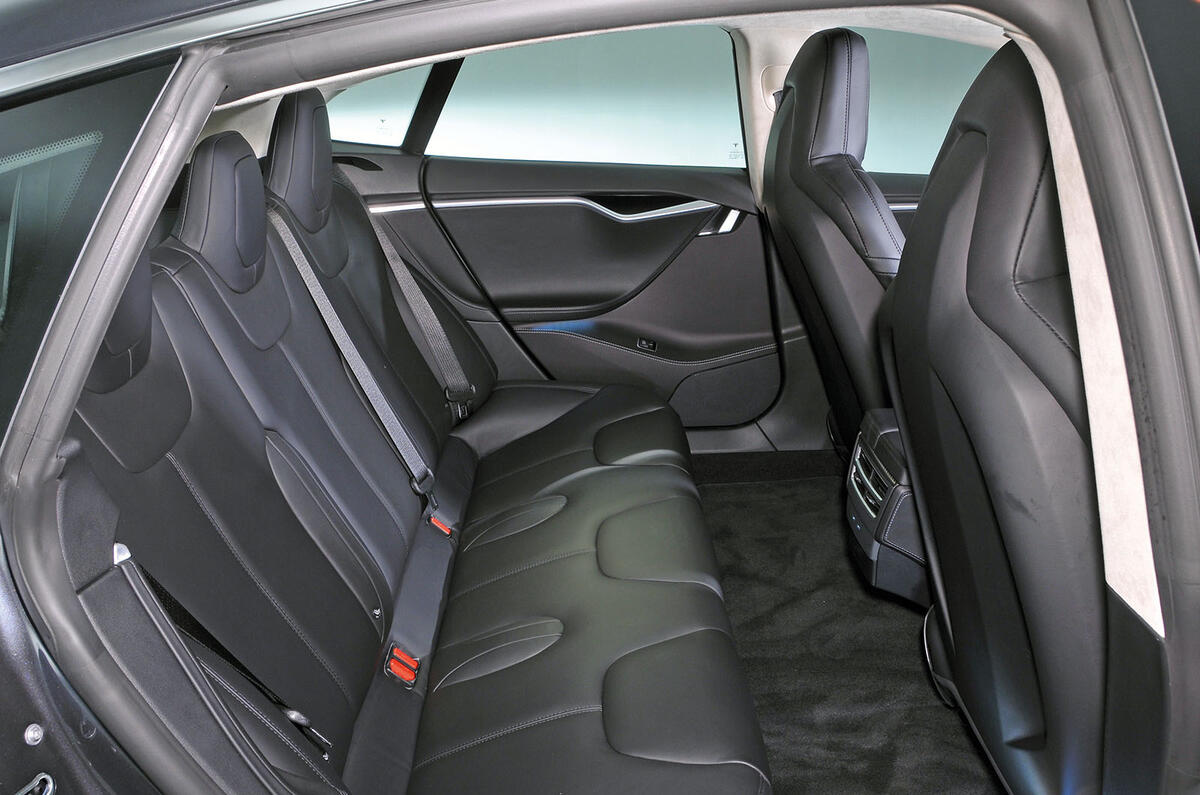
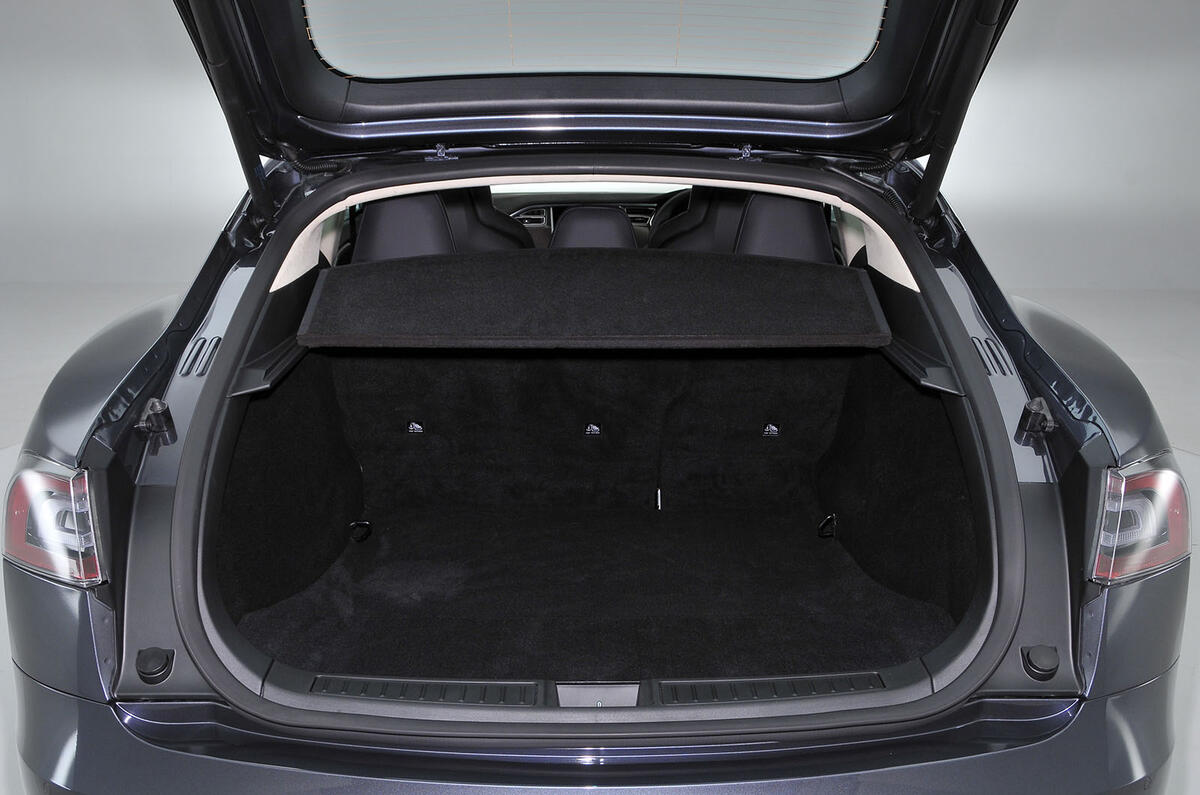
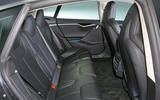
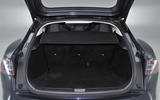
This has its benefits – the car is a true five-seater, and can be extended out to be a seven-seater with the addition of rear jump seats, and there is generous front and rear boot storage, totalling 895 litres. That compares to the 5-series’ 520 litres.
But there is also a downside. The width, in particular, takes some getting used to. While open roads present few problems, it does make town driving a nervy experience, at least while you adapt to the dimensions.
Acceleration in this Signature Performance trim level is as shocking as you’d expect from a car that produces 443lb ft of torque from a standstill, and peak power of 416bhp. Sure, the car’s two tonne plus weight holds it back off the line, but there’s no arguing with the sensations of a 4.4sec sprint to 62mph, or the pace with which it reaches its limited top speed of 130mph. All the way, there’s just a slight bustle of tyre and wind noise.
It is also more supple and agile than its stats suggest, the 21-inch wheels and low profile tyres proving a surprisingly decent ride on the mixture of roads we tested on. Down a twisty road you can always feel the weight, but the low down battery pack does noticeably help the centre of gravity. The steering can be switched between three settings – comfort, normal and sport, predictably – at the switch of a button, changing input weights but never really delivering much feel.
Should I buy one?
It’s hard to say for sure, as Tesla won’t give any clues to European or UK pricing, but the Tesla S certainly delivers a highly credible steer, a large, hushed premium cabin and massive load space with a nicely futuristic touch. It has the makings of a decent alternative for the class, then.
As ever, though, for many the stumbling block will be charge times and range. Tesla will eventually sell the S with three battery pack capacities: 85kWh, 65kWh and 40kWh, but at present only the largest is available. Range is rated at an impressive 300 miles, with each hour of charge from a standard socket delivering 65 miles of range. That gives the Tesla S the longest range of any pure electric car we’ve tested.
Enough to convince buyers? Maybe, maybe not, but the Tesla S certainly stands as perhaps the most credible electric car we’ve tested so far.
Tesla Model S Signature Performance
Price £50,000-£90,000 (est); 0-62mph 4.4sec; Top speed 130mph (limited); Economy 300-mile range claimed; CO2 0 (at tailpipe); Kerbweight 2106kg; Engine three phase, four pole AC induction motor; Instillation rear, transverse; Power 416bhp at 5000-8600rpm; Torque 443lb ft at 0-5100rpm; Gearbox 1-speed auto