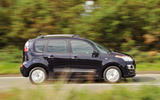
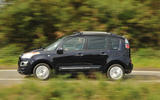
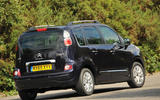
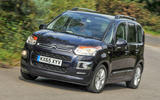
What is it?
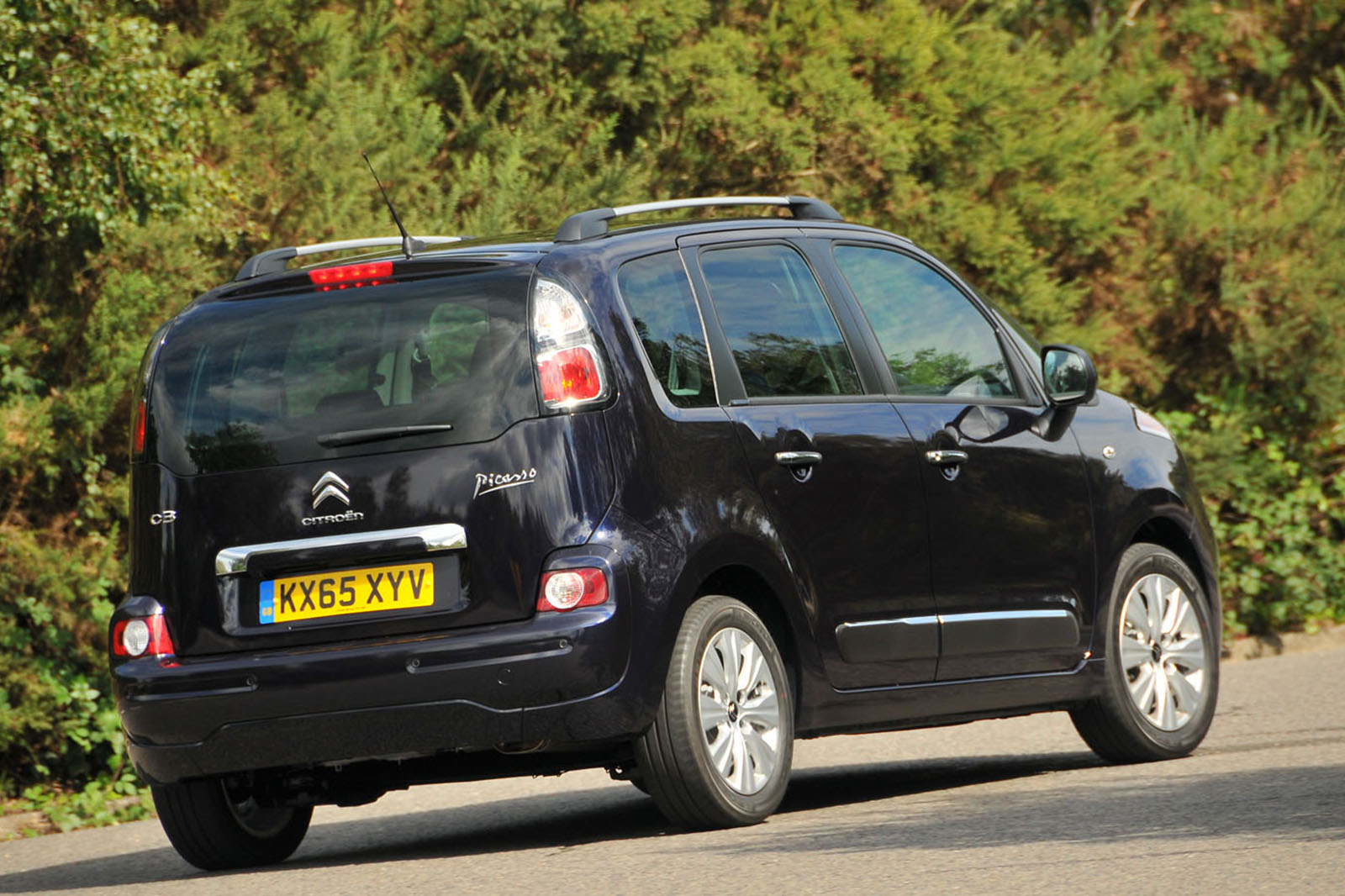
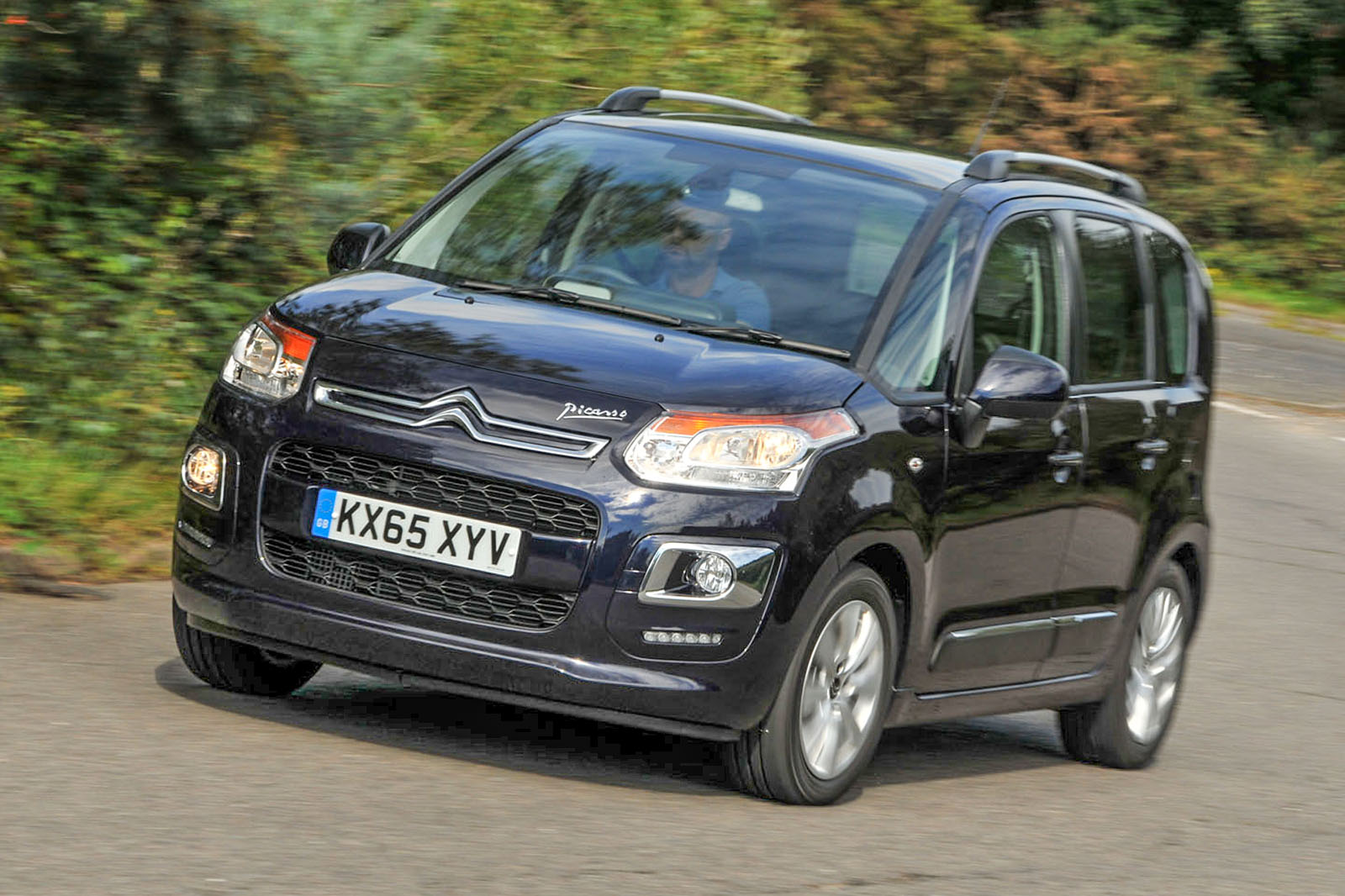
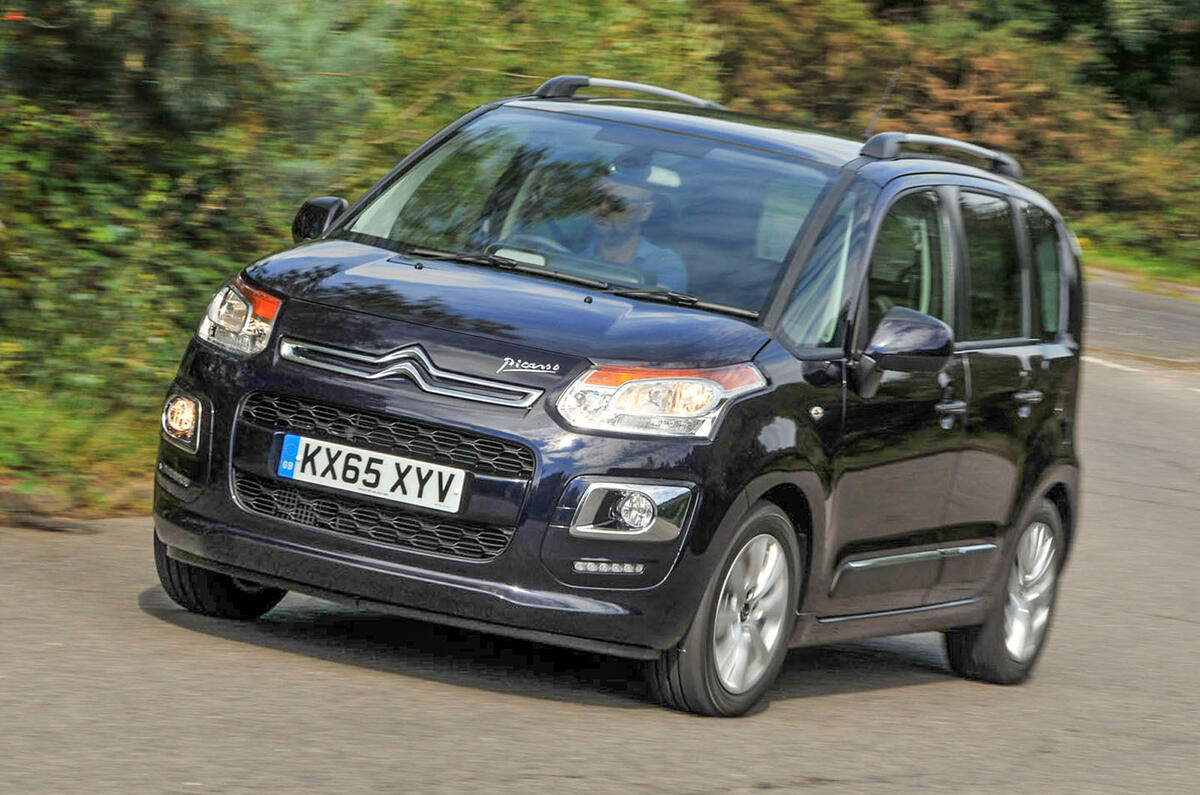
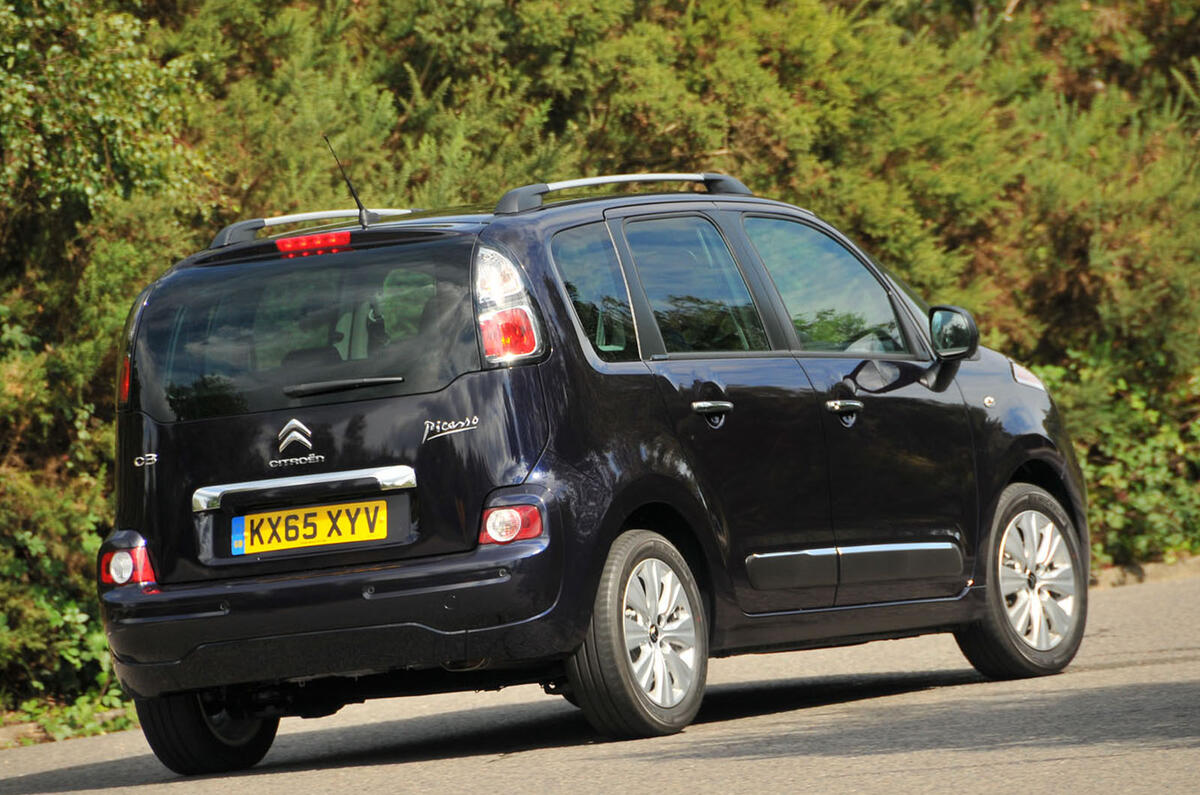
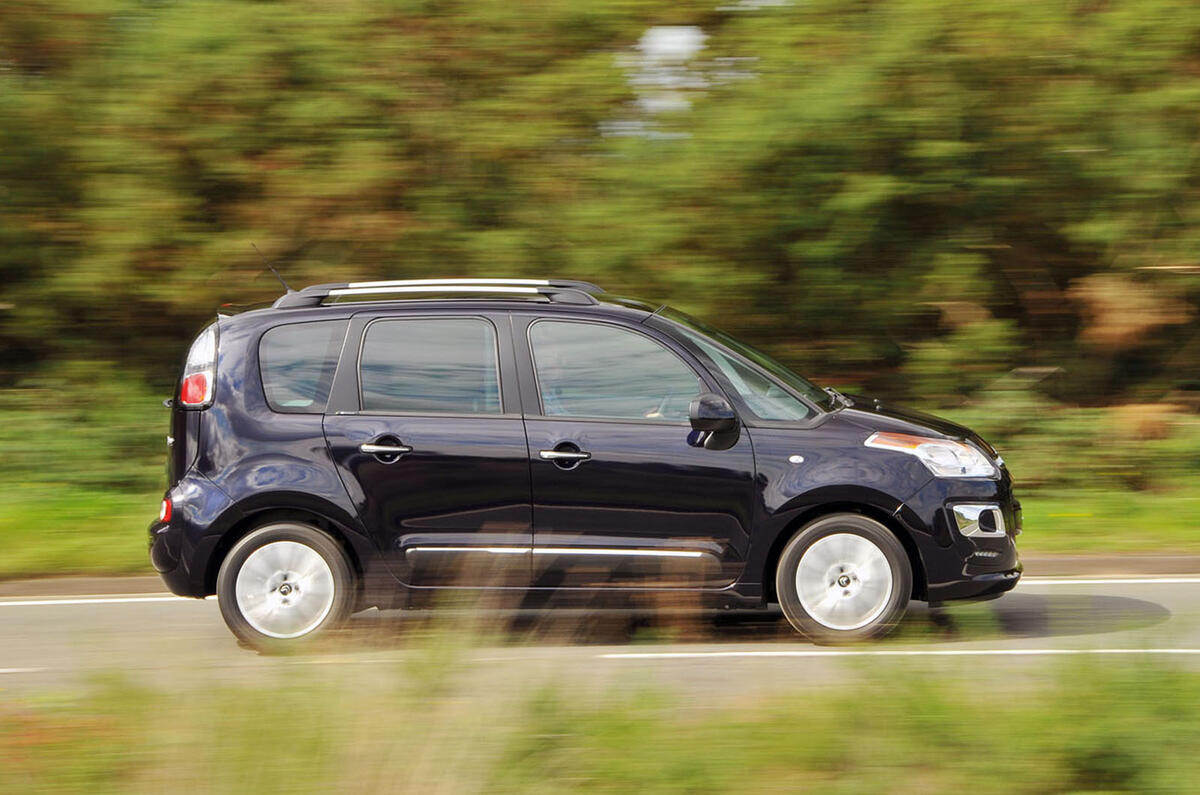
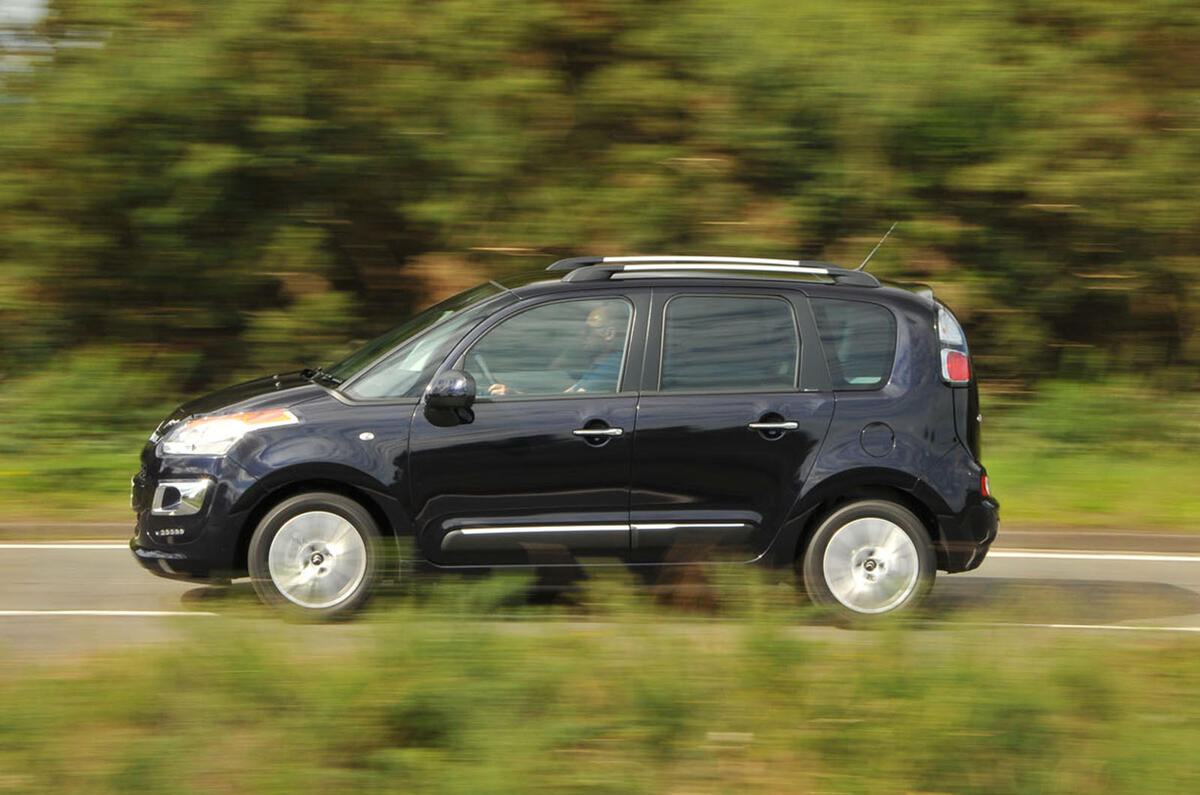
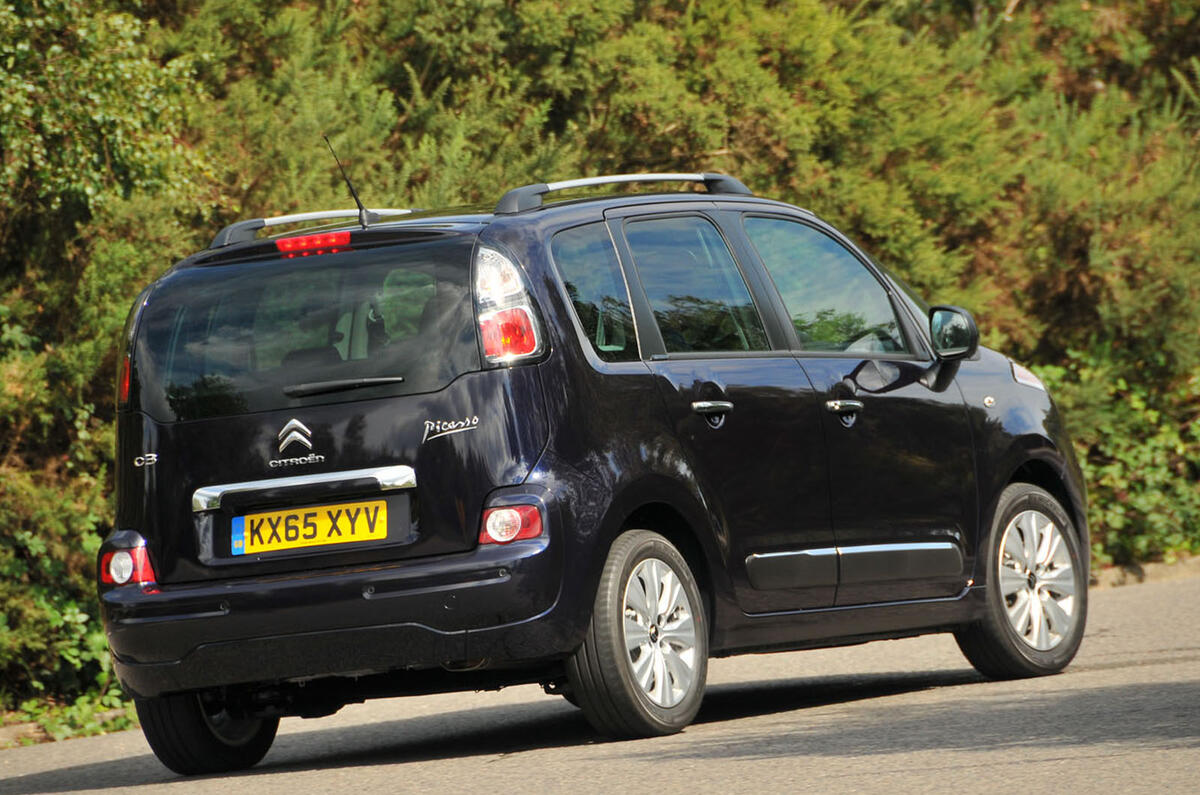
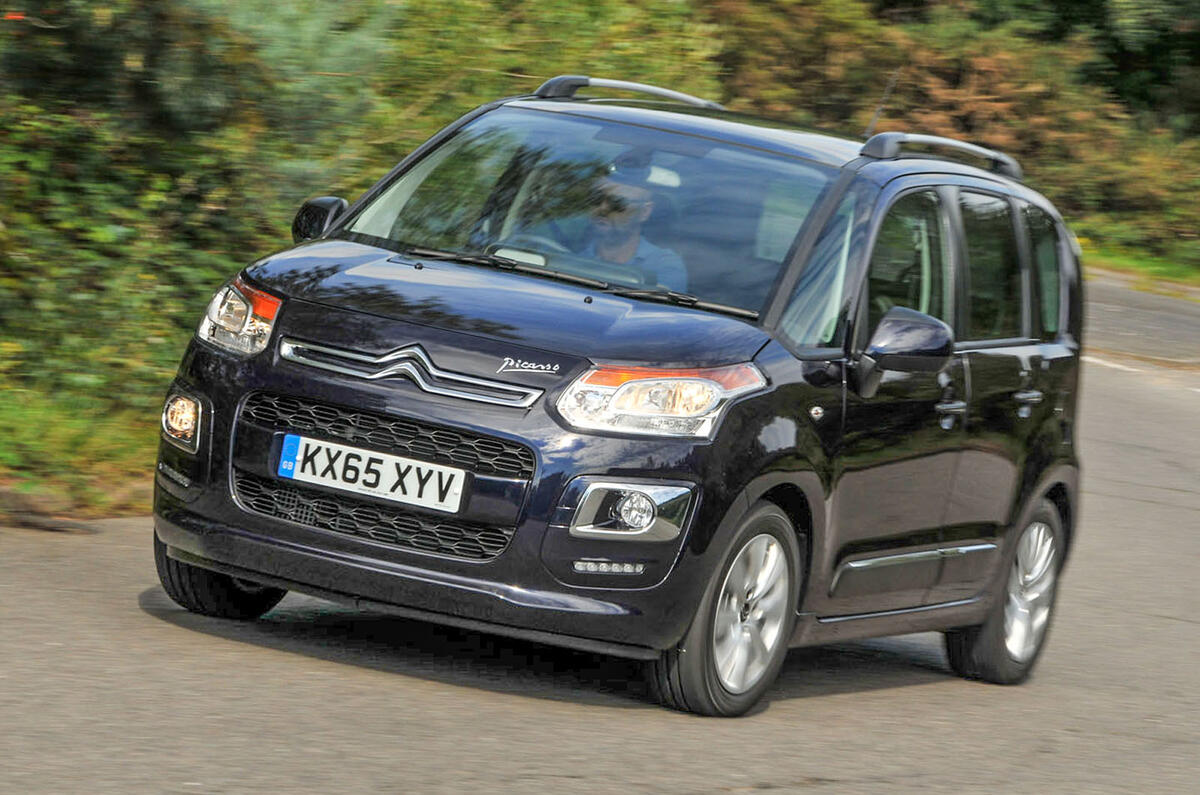
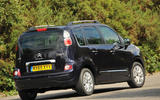
Citroën’s ‘funky’ C3 Picasso, just driven in the UK in facelifted form for 2013.
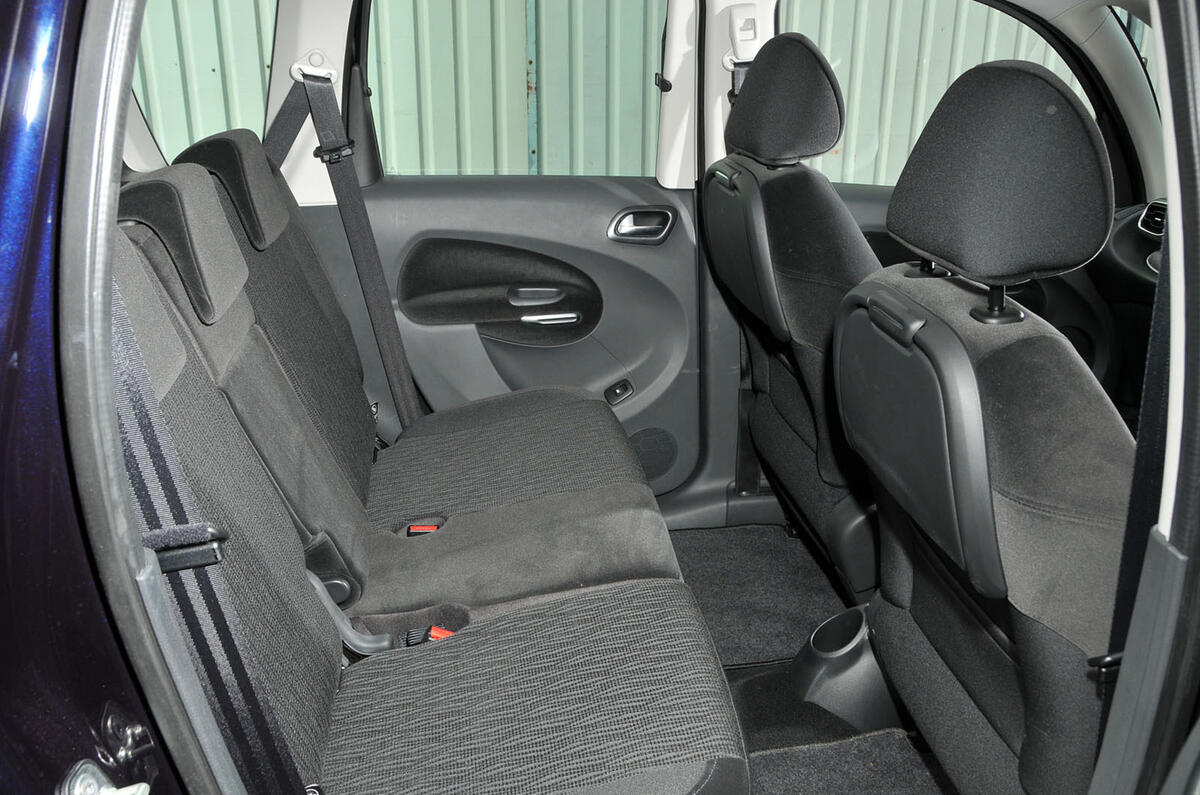
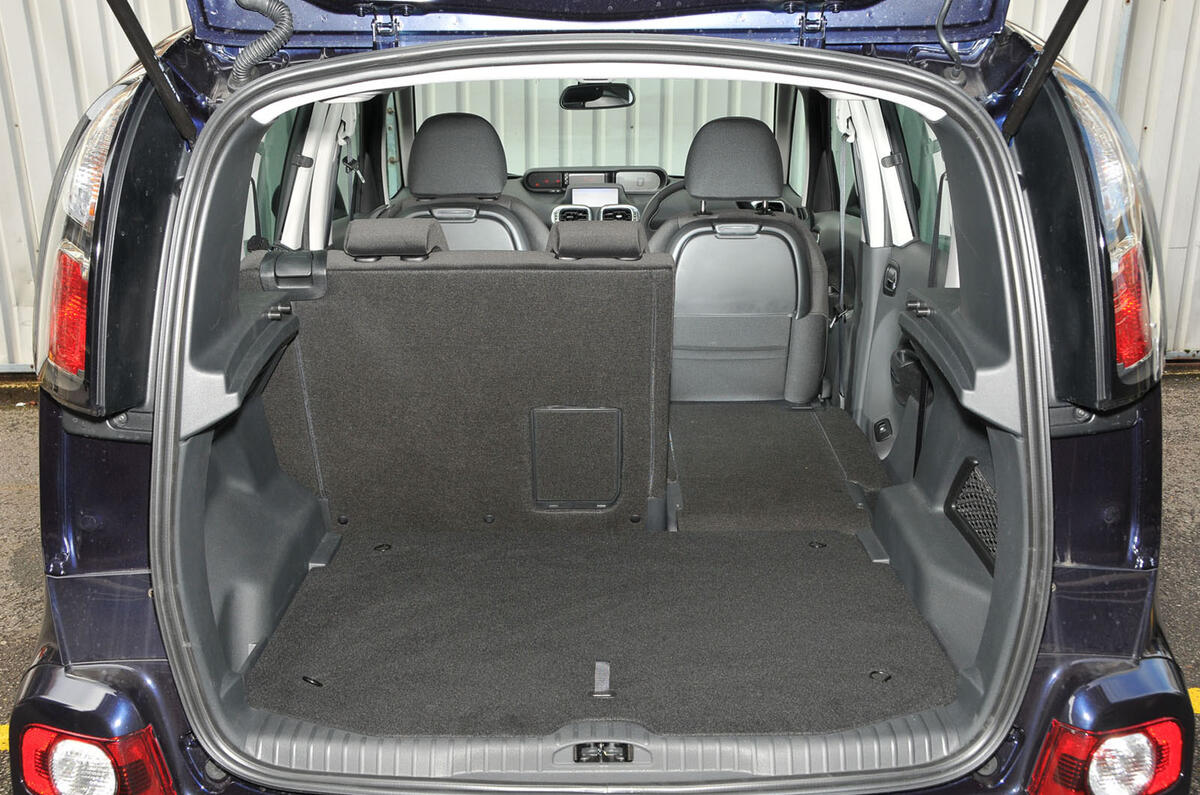
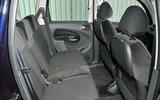
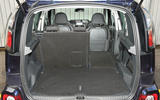
Not that the ‘funkiness’ matters much. A great deal of importance is often mistakenly ascribed to the quirky looks of this car when accounting for its popularity – and there’s been plenty of that over the past four years. The truth is that the C3 sells because it’s the largest car in its class (more than 1500 litres of maximum boot space) and because it’s also among the cheapest. You’d pay a grand more for an equivalent Ford B-Max, and a purse-puckering three grand more for a like-for-like Vauxhall Meriva. And that’s at list price – before Citroën’s typically generous discounts are measured against those of its rivals.
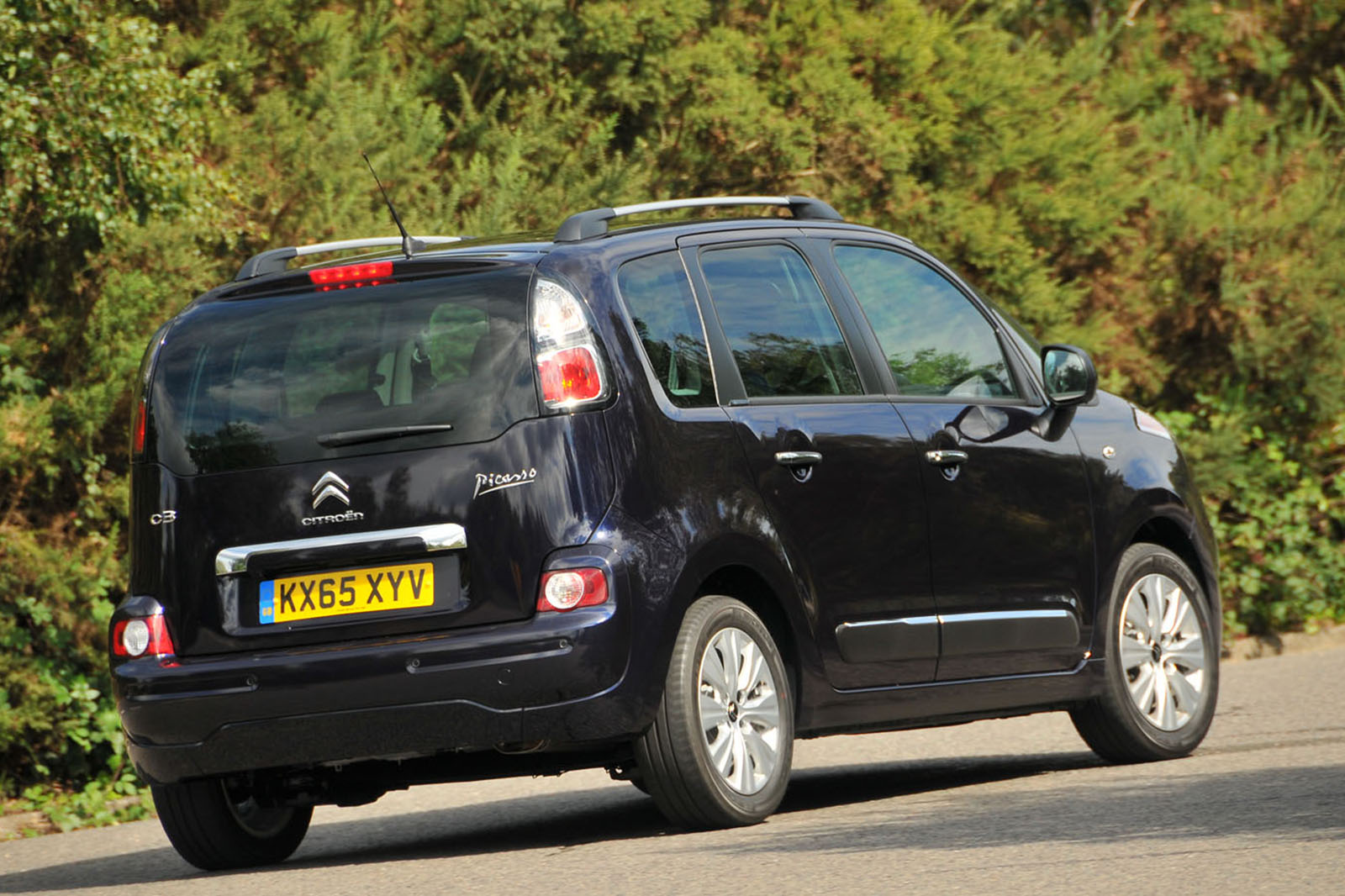
Since neither the new Ford nor the Vauxhall have threatened either of the C3’s outstanding selling points, there’s been little pressure on Citroën to update the car – hence the somewhat steady-Eddie mid-life nip and tuck. A new front bumper replaces the somewhat simple old one, LED daytime running lights and fog lamps with a cornering function have been added to mid and high-spec models, there are a couple of new paint colours and seat upholsteries, and there are one or two equipment level tweaks.
What is it like?
Mechanically, the only news is that Citroën has found an extra five horsepower for the range-topping 1.6-litre HDi diesel we tested. Which is also the only C3 Picasso we’d really recommend, after our painfully slow road test of the five-speed HDi 90 back in 2009. In contrast to the lowlier diesel, the new 113bhp motor provides plenty of flexible urge, and the extra intermediate gear ratio means you’re seldom far from that 199lb ft wave of thrust.
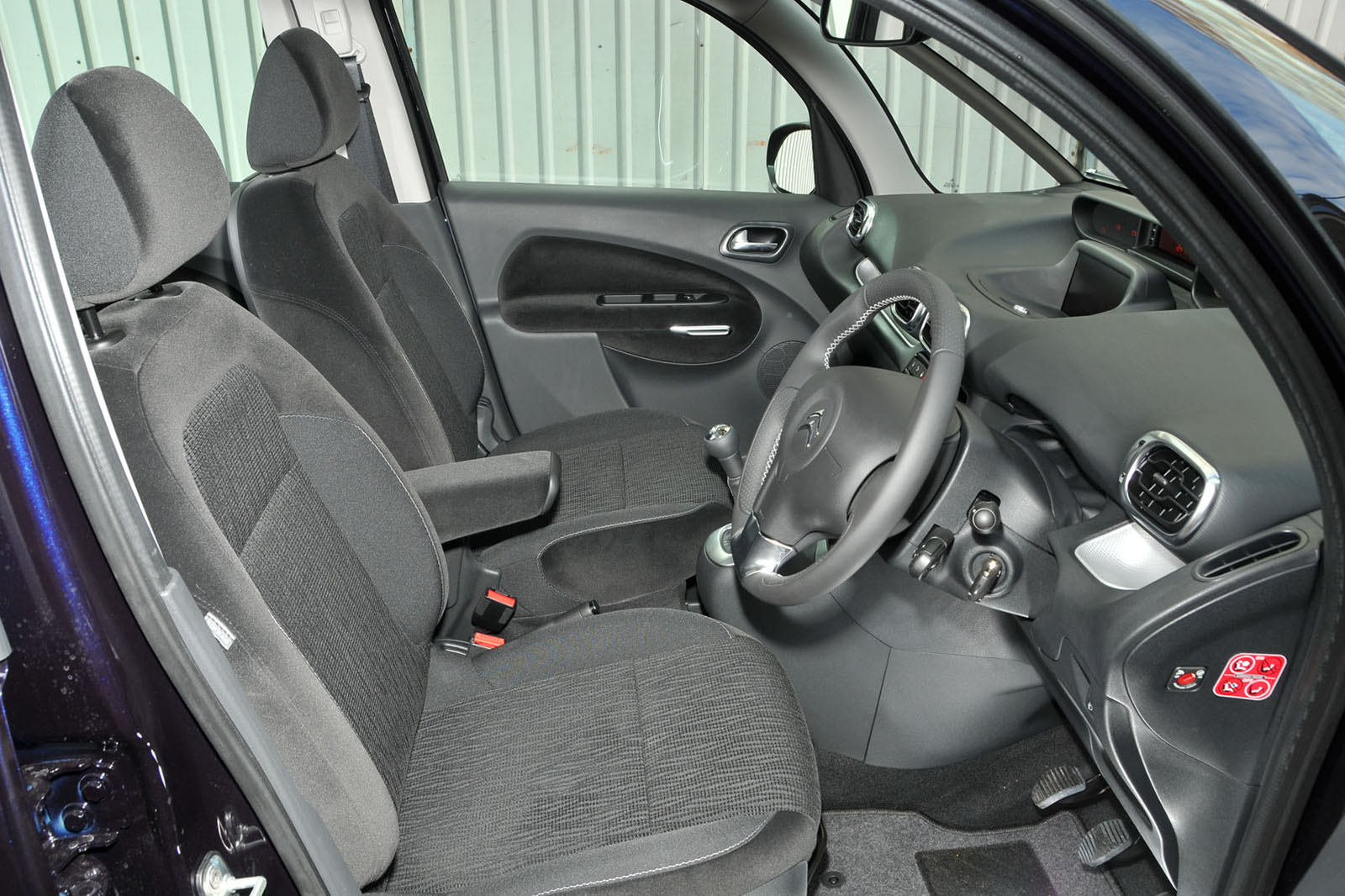
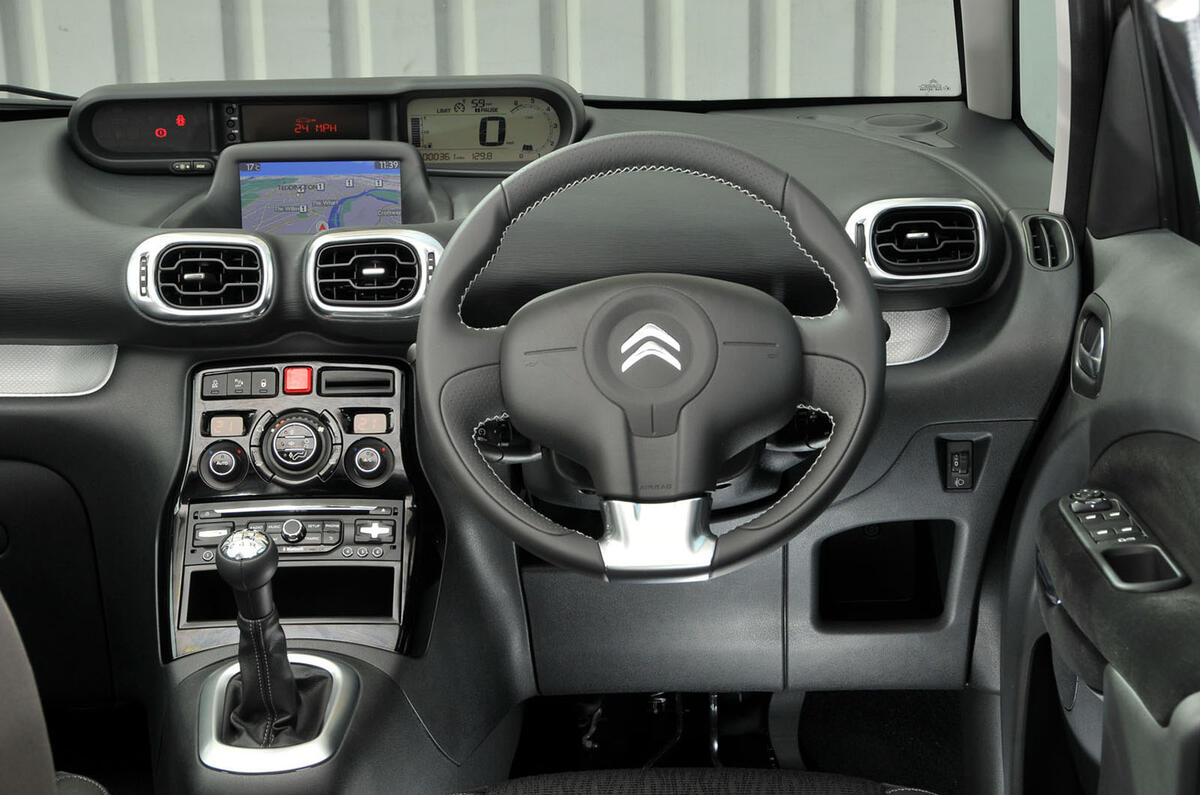
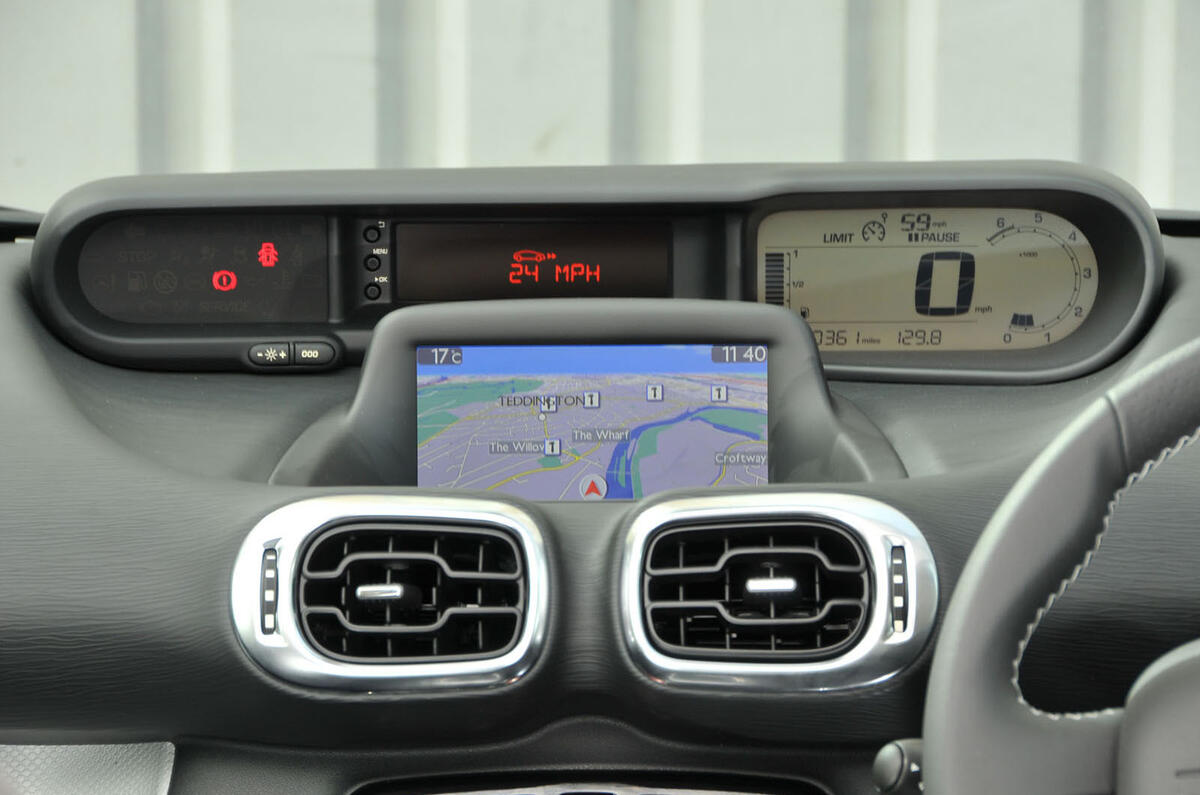
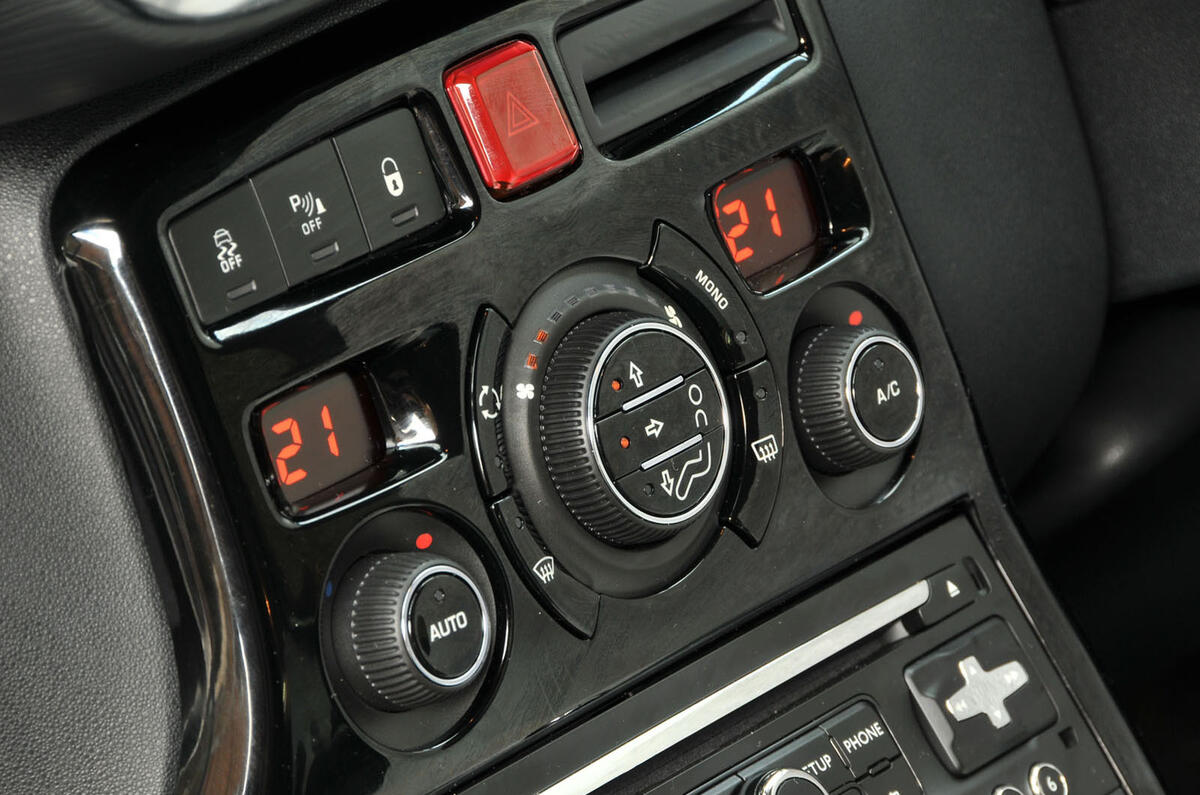
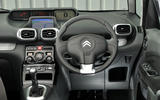
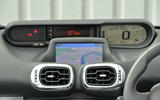
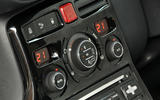
Citroën has, however, missed the opportunity to make more sense of the car’s fascia, which is a shame. You quickly get used to the central instruments, but the dated-looking climate control and audio consoles need a design reboot. The mix of plastics is less than impressive, too: they’re hard and smooth to the touch here, soft and grained there, mostly flimsy and lacking in the consistency that speaks of true care and attention to detail.
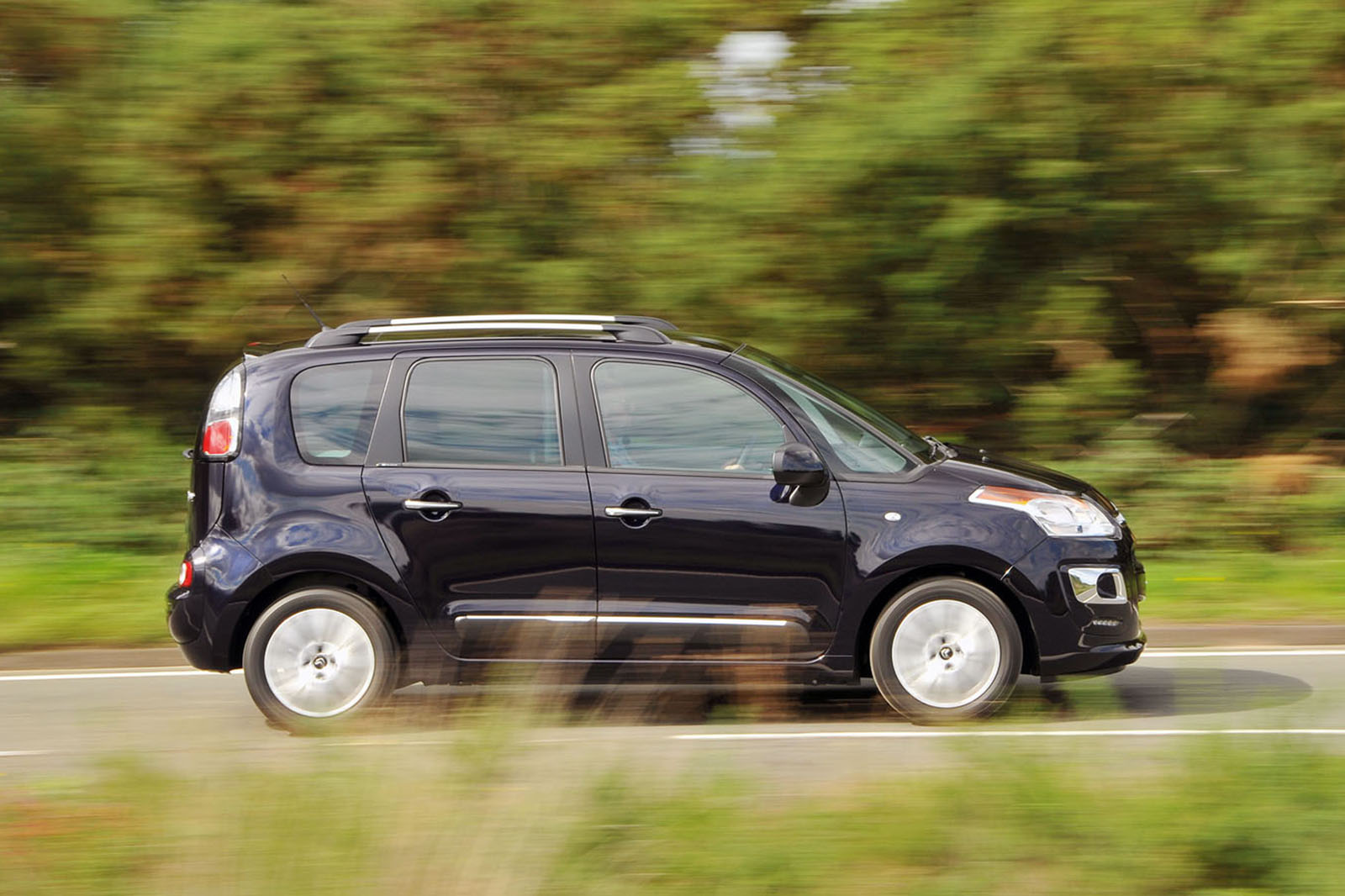
The C3 Picasso’s ride and handling is exactly as it was, though: benign and inoffensive, but bland and nondescript with it. The steering is extremely light and indirect, offering a sense of connectedness to the front wheels only when you provoke torque steer.
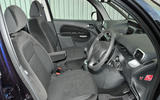
The car’s road-holding is competent enough, but it slips from the front end in sudden and non-negotiable terms at the limit of grip. And before that limit, it can near enough throw you out of the flat, unsupportive driver’s seat with body roll, should you forget where you are for a moment and make a spirited attempt at a corner. Even by mini-MPV standards, body control is approximate and directional responses woolly.
Should I buy one?
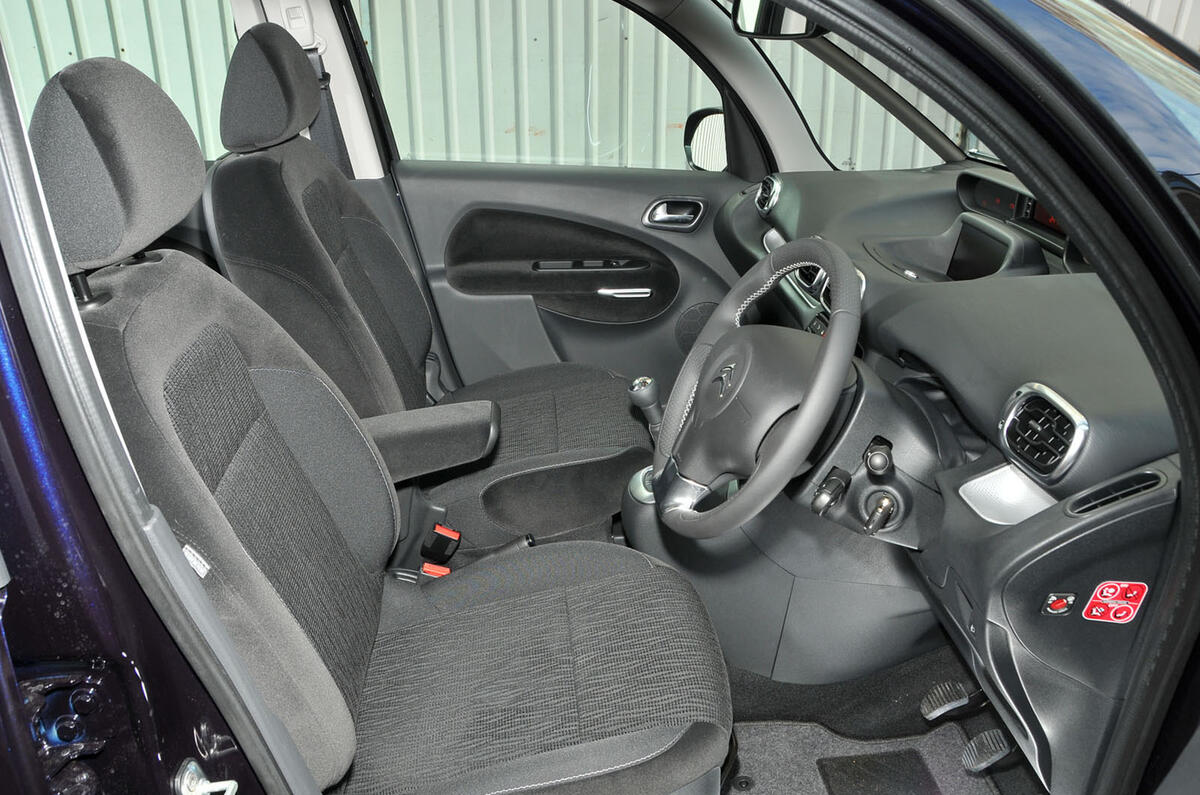
There are other reasons this Citroën makes a poor driver’s car, such as high, slightly uncomfortable pedals and a generally bus-like driving position. And yet, while the latter undermines its touring credentials, most owners are unlikely to care.
Which doesn’t mean you shouldn’t, of course. But the fact remains that a hatchback with a separately opening rear window is a bigger omission on this car than an engaging driving experience. With the likes of the Ford B-Max around, it’ll be a cold day on hell’s school run before the Citroën is our class champ – but as a cheap and cheerful family carry-all, there’s a lot going for it.
Price £17,655 Price as tested £17,655 0-62mph 11.2sec Top speed 114mph Economy 58.8mpg CO2 125g/km Kerb weight 1436kg Engine 4 cyls, 1560cc, turbodiesel Power 113bhp at 3600rpm Torque 199lb ft at 1750rpm Gearbox 6-spd manual