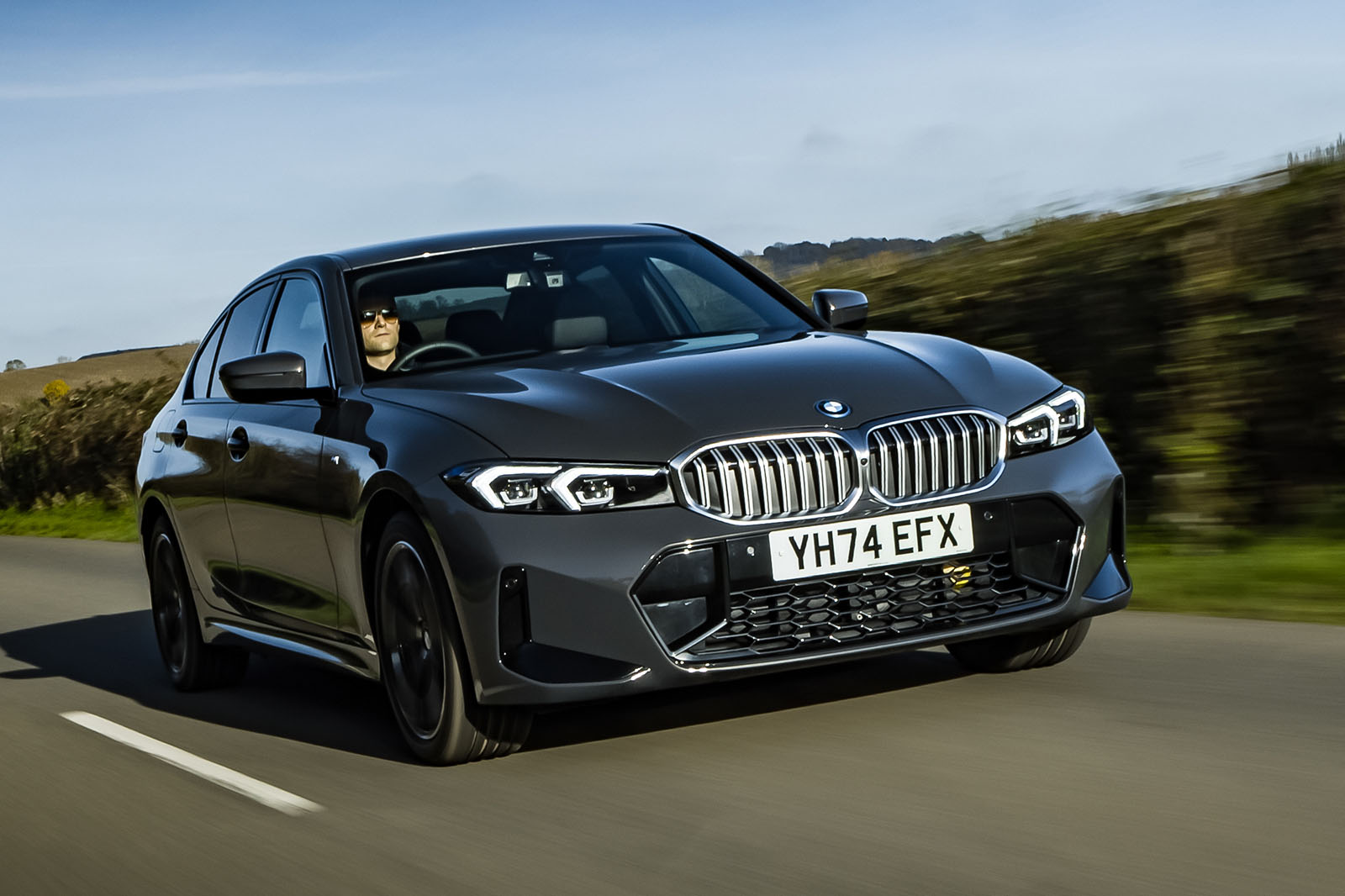
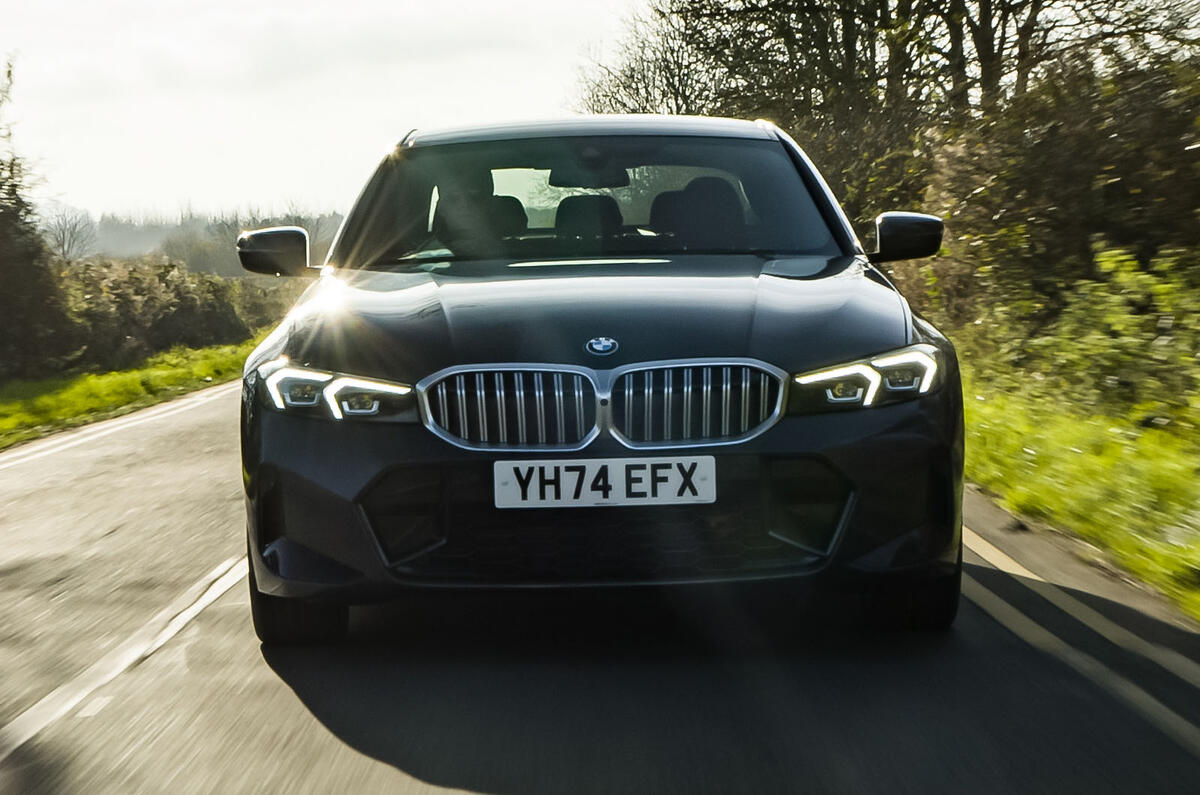
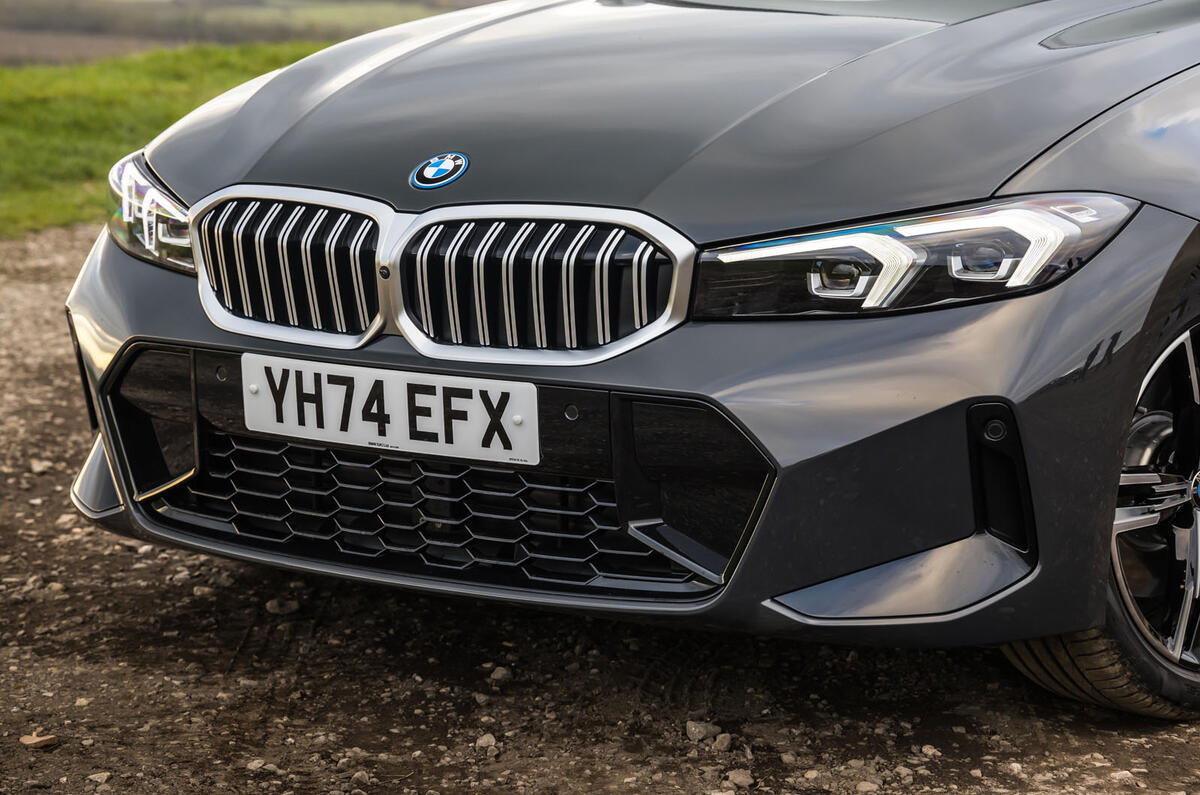
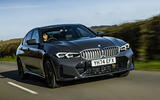


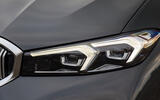

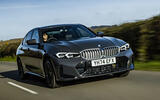
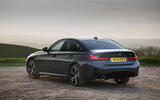
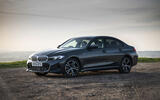

Even BMW probably didn’t anticipate just how radically the BMW 3 Series would change its fortunes.
It'll be five decades next year since the original ‘E21’ replaced the dainty 02 Series; and, over that time, more than 15 million Threes have been sold across seven model generations. Even in a global market increasingly populated by SUVs and crossovers, only a select few BMW models have ever consistently outsold it. Since its 1975 introduction, the 3 Series has not only become the Munich-based manufacturer’s meat and potatoes, but also the benchmark by which all other contenders in the compact executive class are measured in so many ways.
The current-generation 'G20' car came along in 2018, picking up on a story of meteoric recent commercial success. The BMW 320d in particular became one of those cars that you can use to help define the cultural and political zeitgeist of the first couple of decades of the 21st century. The suggestion, ten years ago, that BMW might actually quietly remove the model from the 3-Series UK showroom lineup without instantly bonfiring the car’s commercial fortunes would have seemed entirely ridiculous.
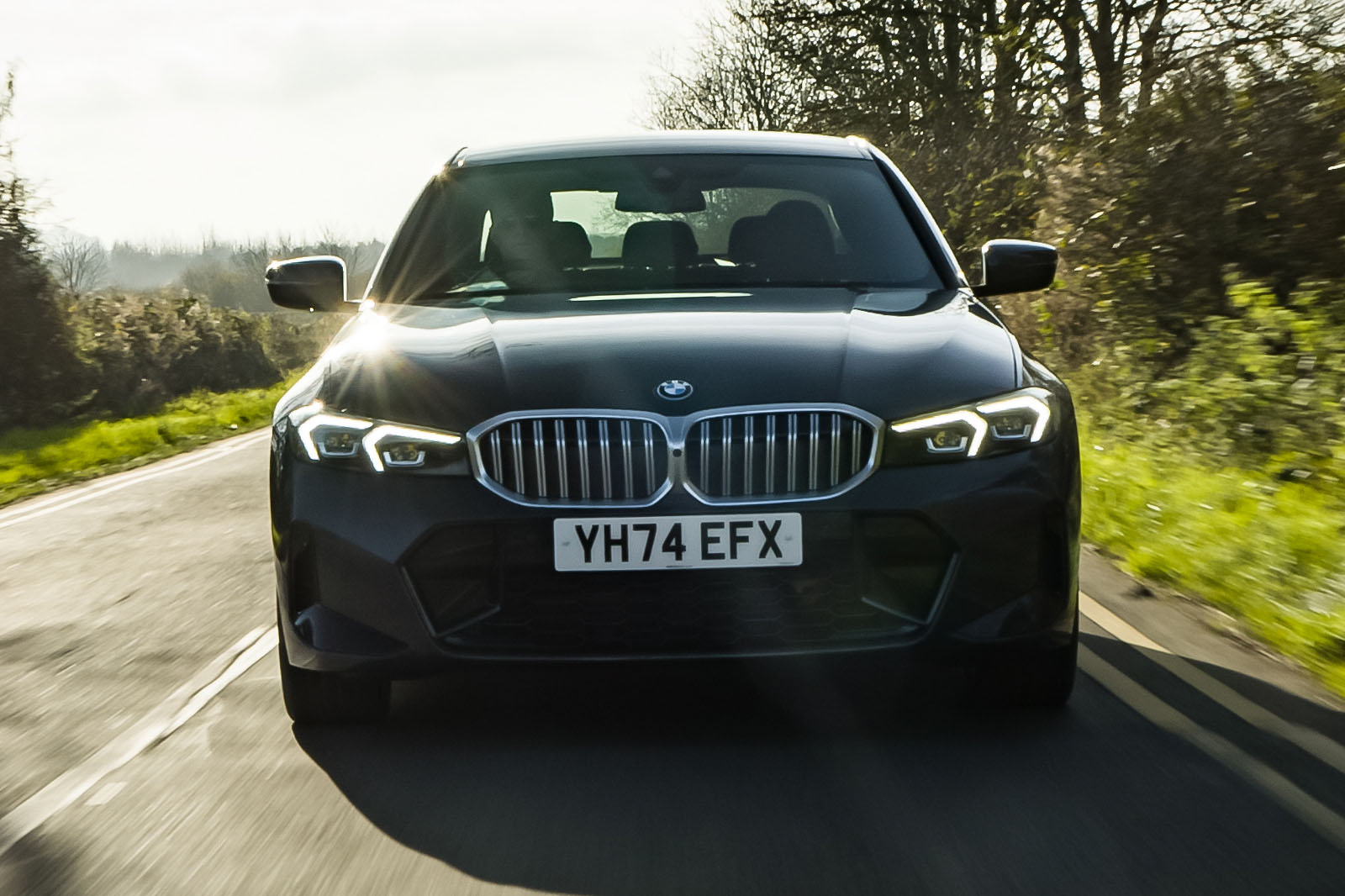
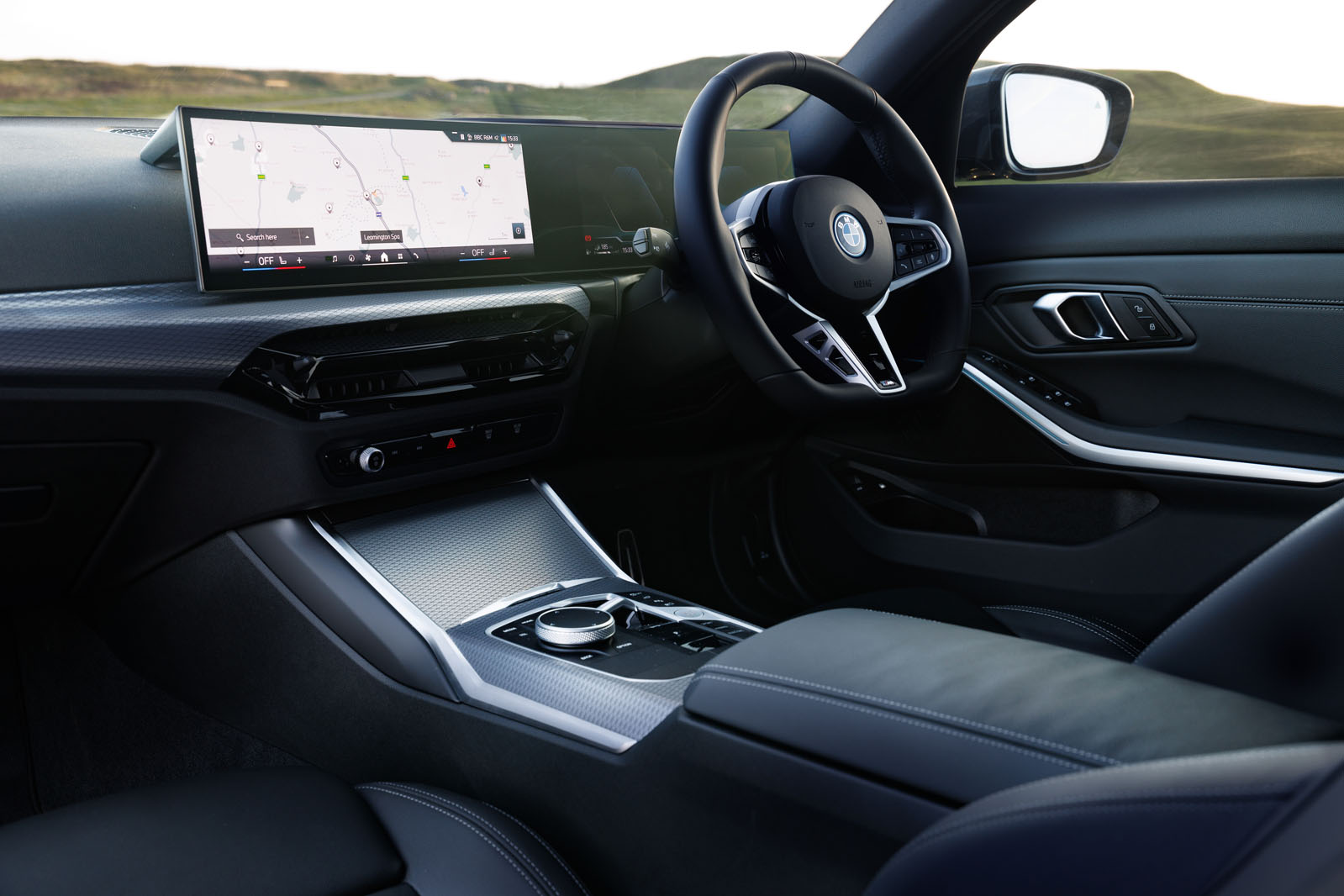
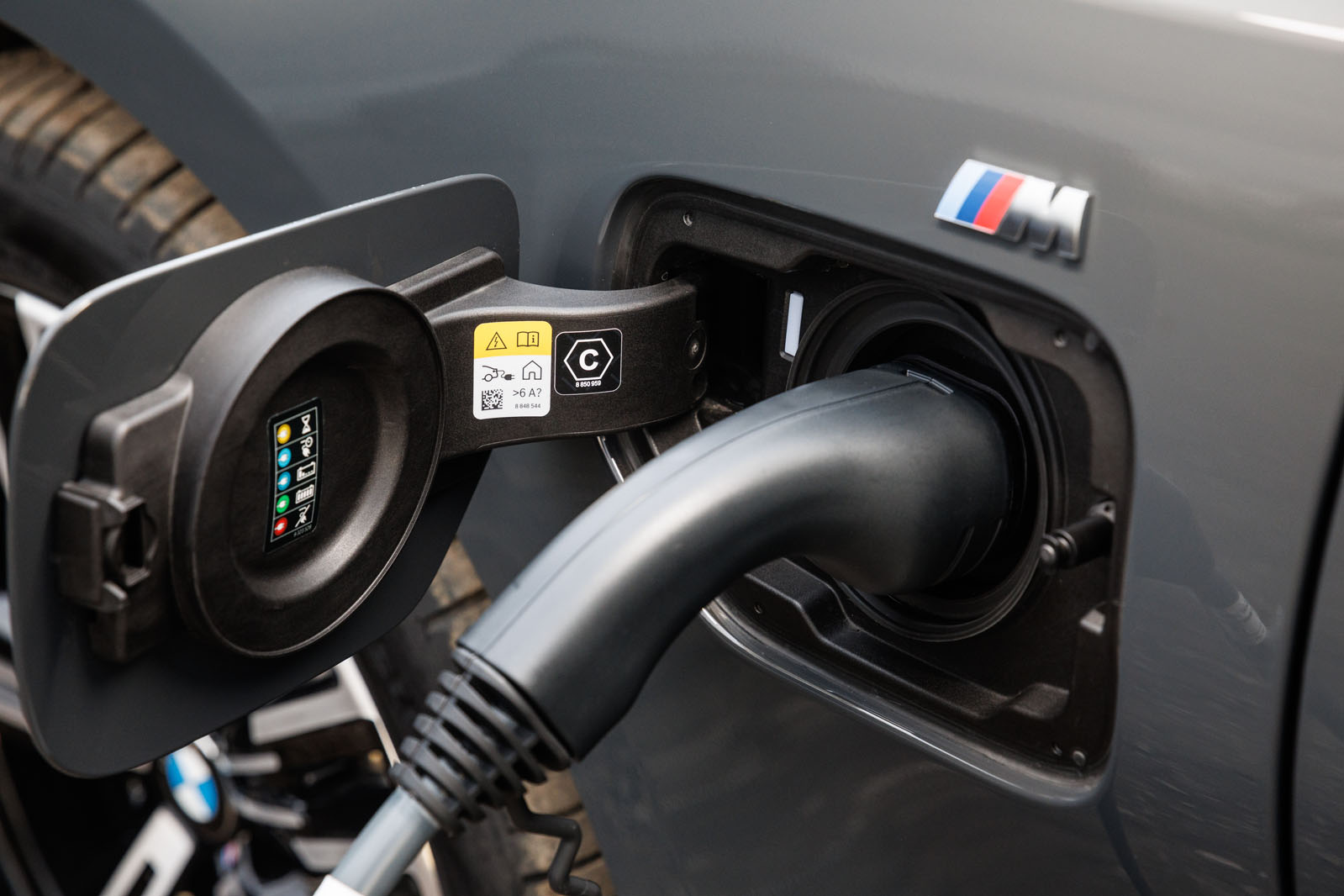
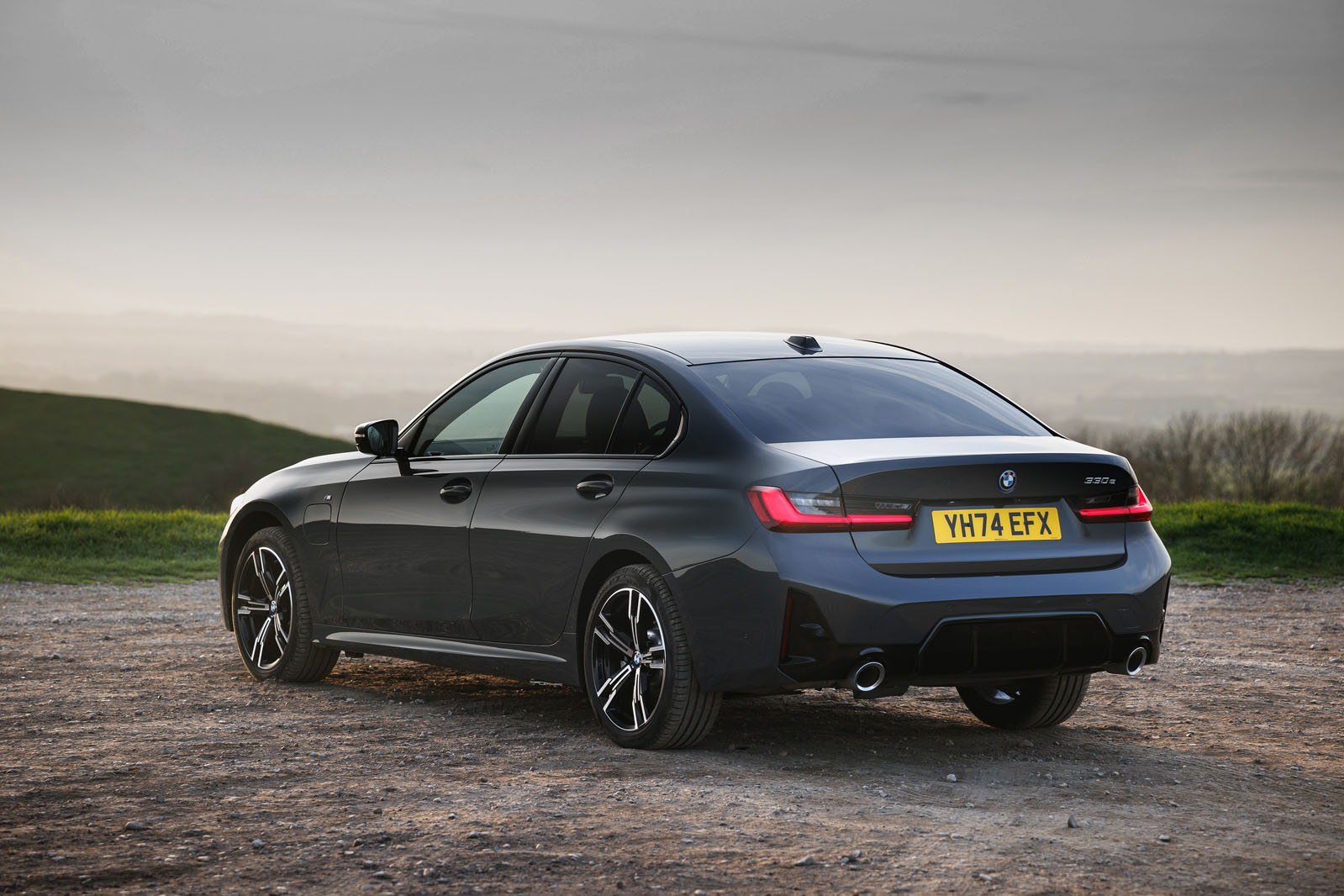
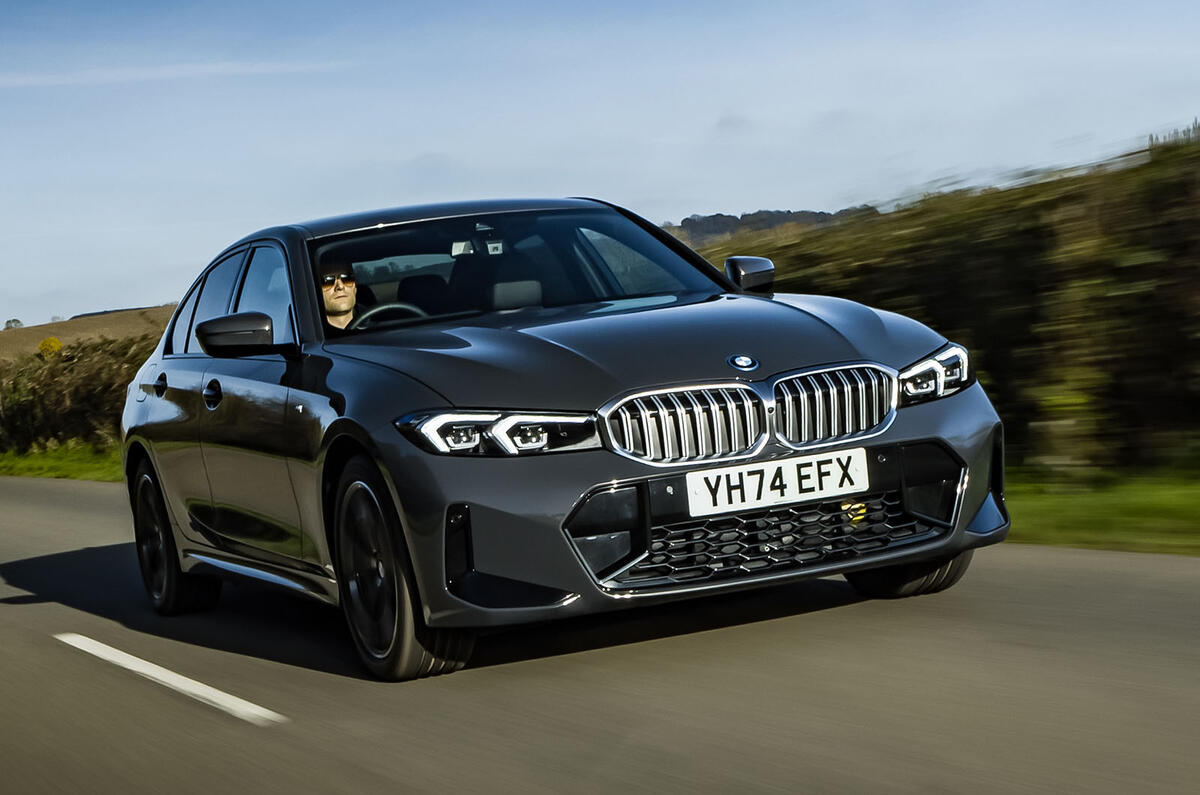
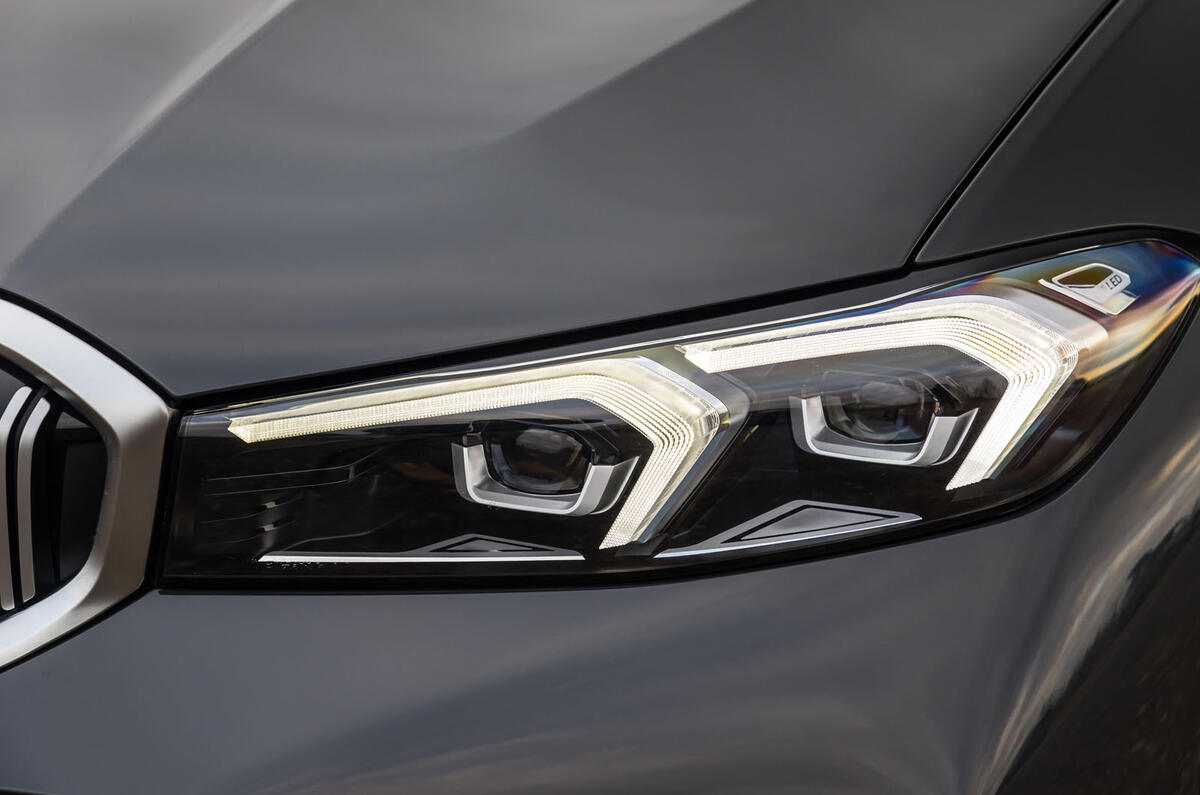
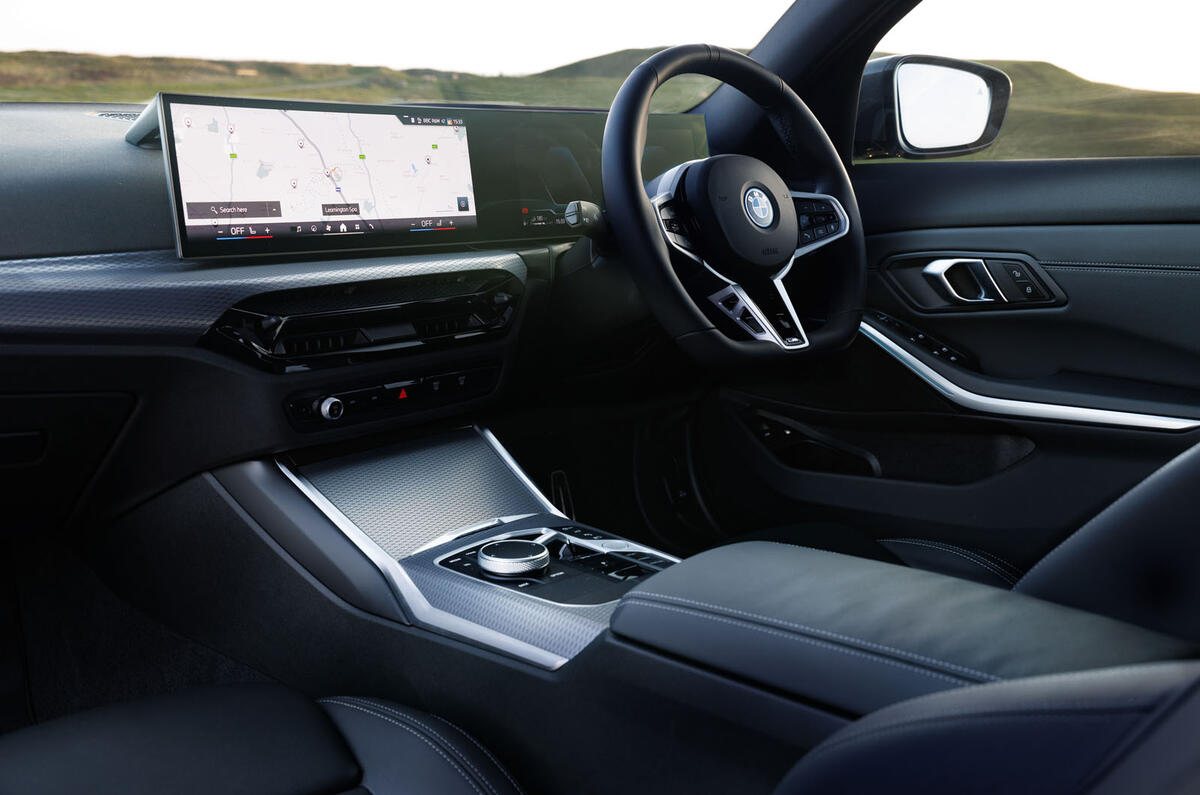
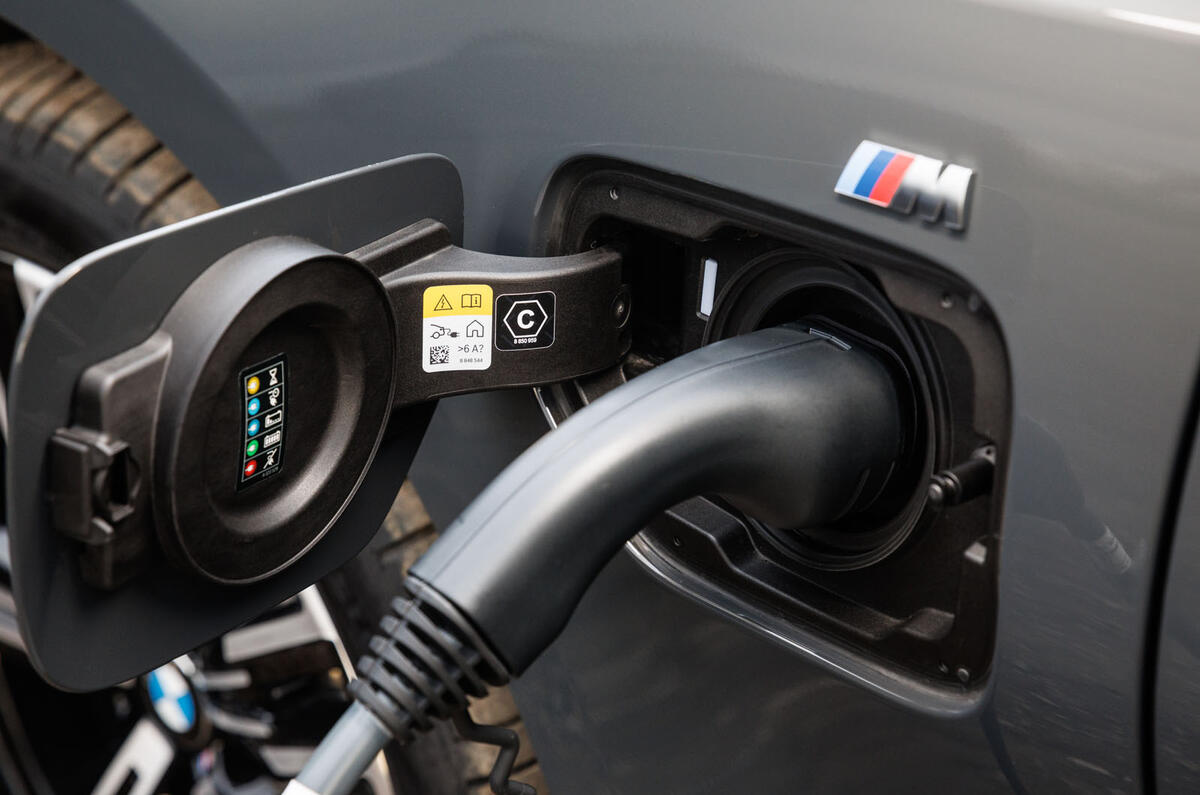
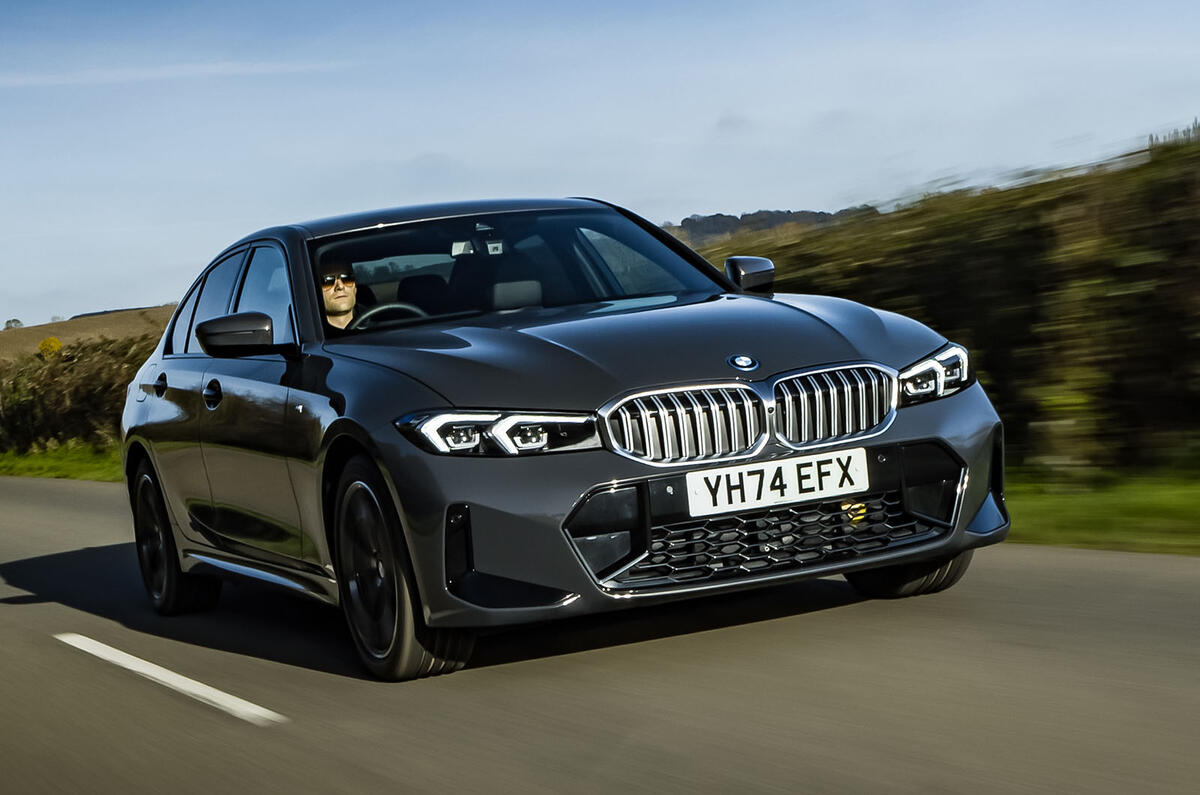
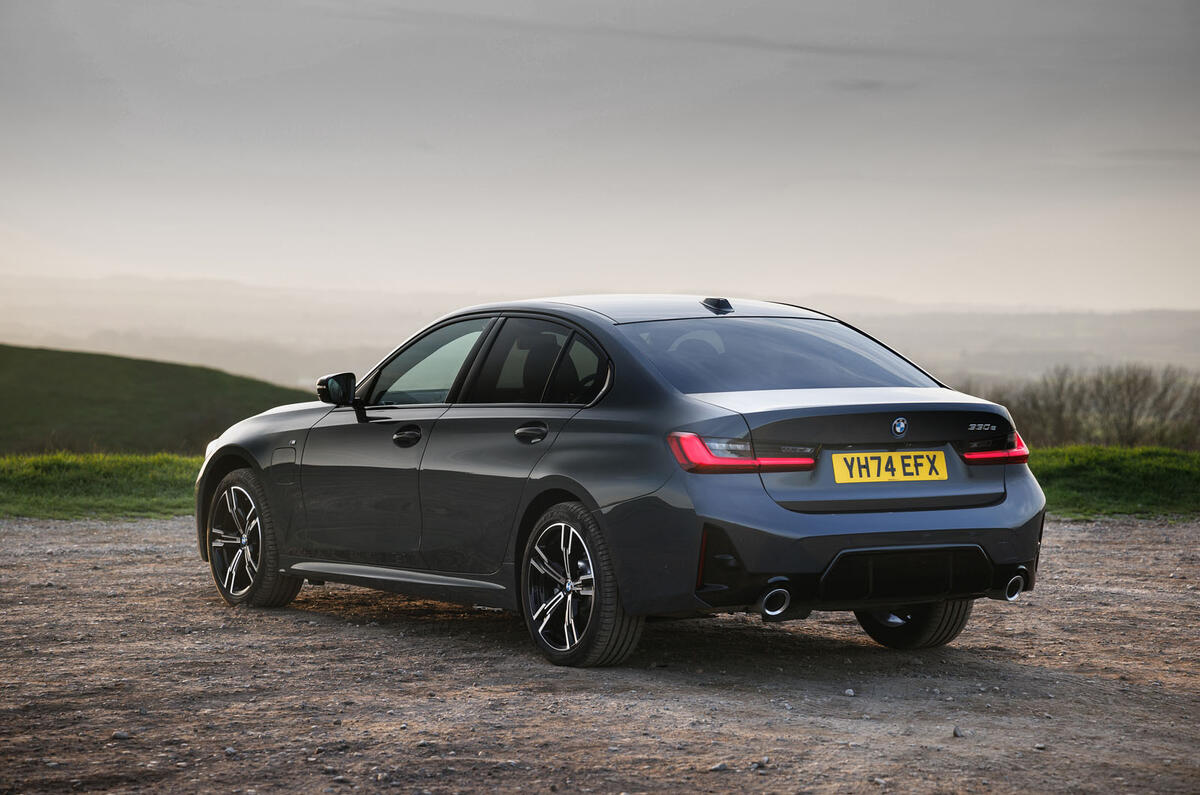
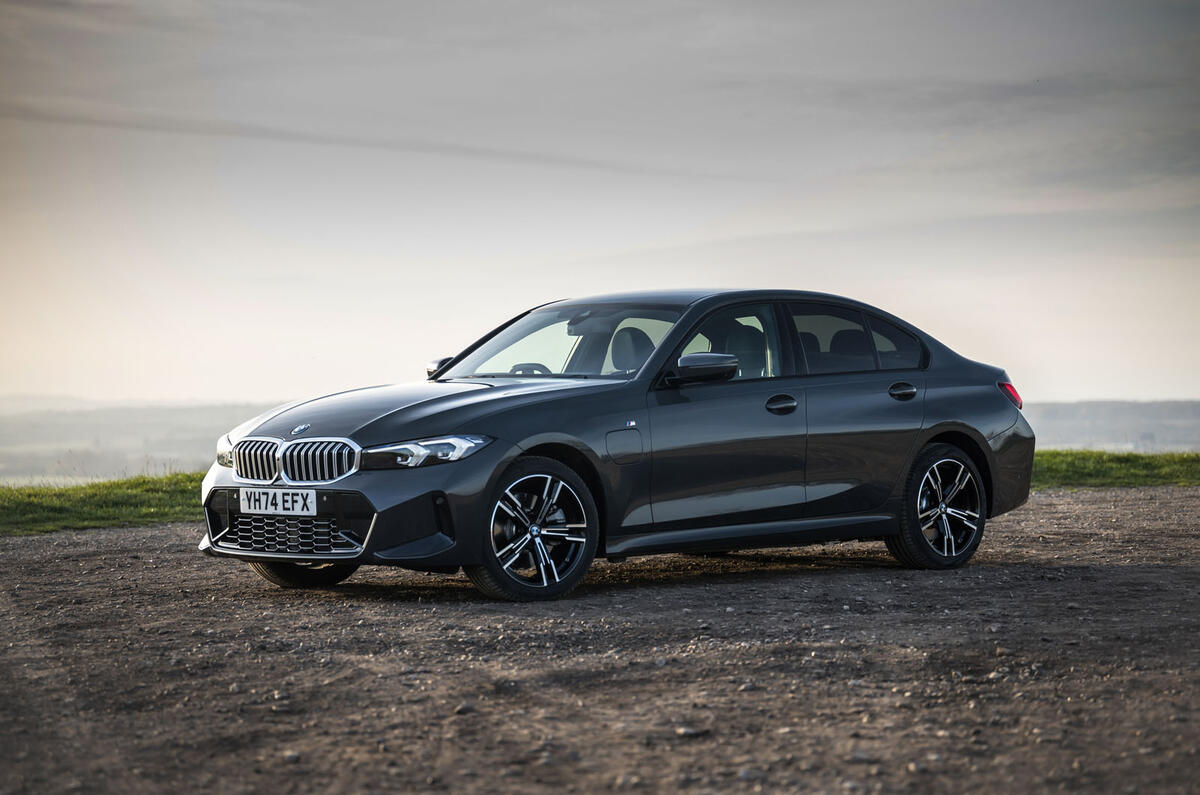
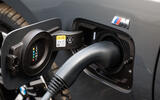
And yet it has come to pass. With the 2024 model year update that the company announced earlier this year, the last remaining 3-Series diesel has been removed from the UK price list entirely. What remains is an engine lineup that takes in an entry-level, mild-hybrid, 181bhp 320i; an upper-tier, six-cylinder, 369bhp M340i xDrive petrol sport saloon; and the car that has replaced the 320d as BMW’s darling of the company car fleet - the 289bhp 330e PHEV.