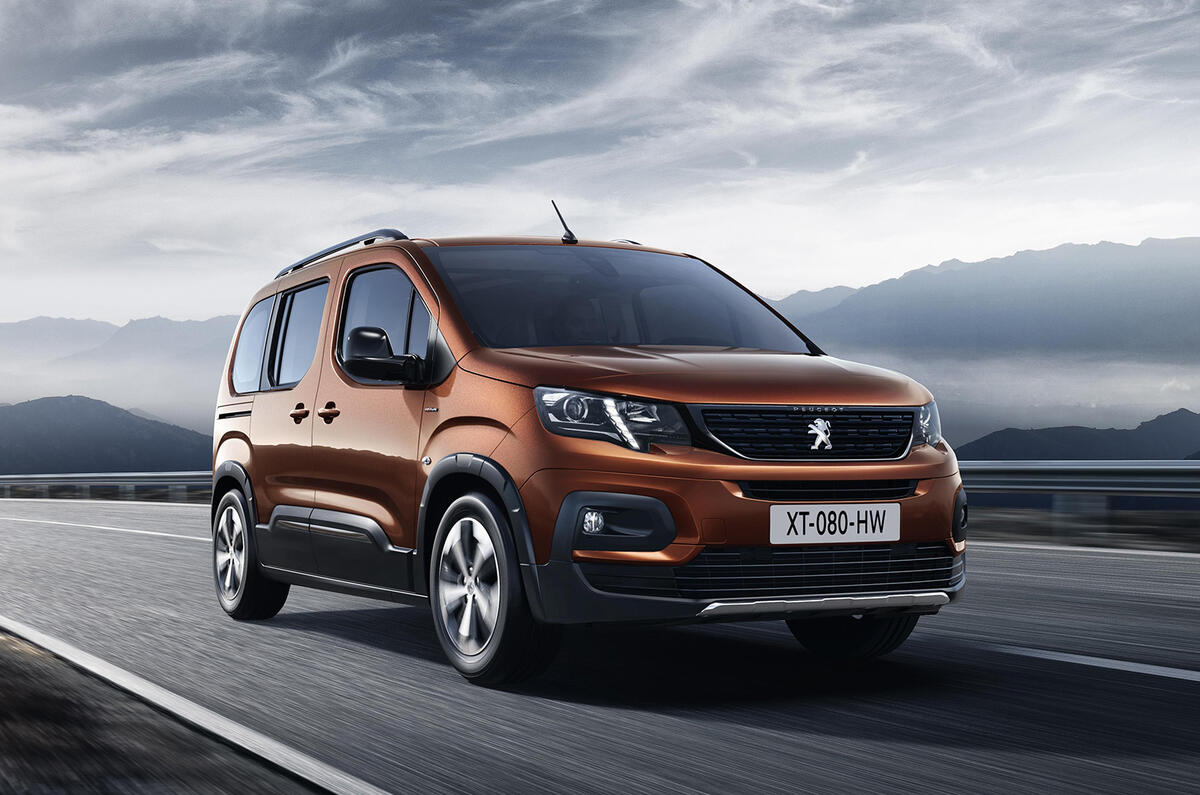
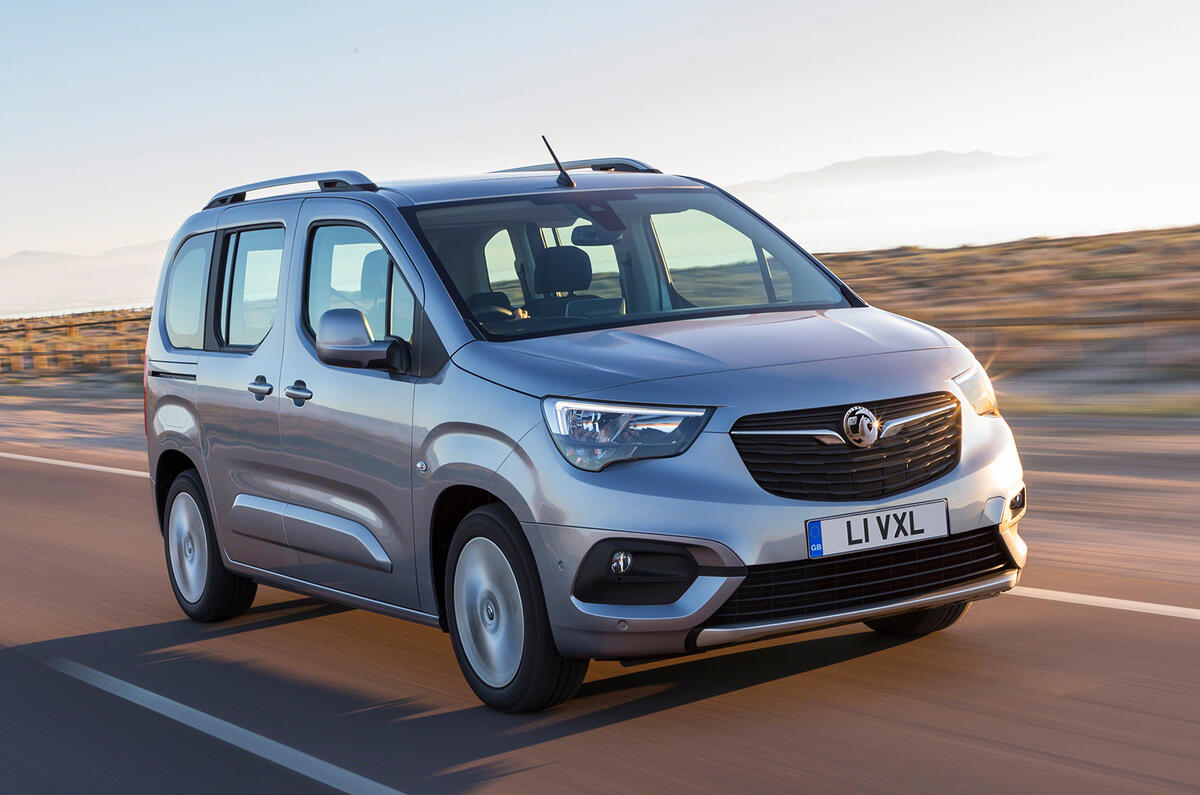
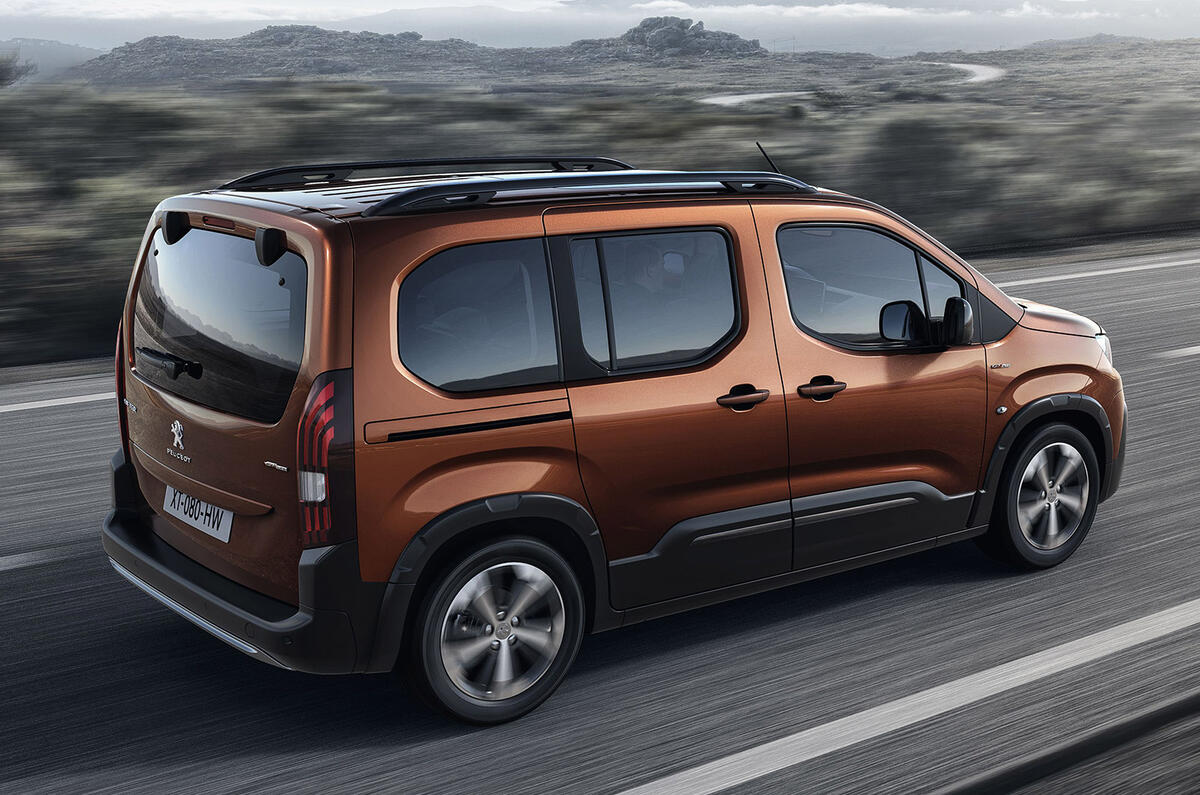
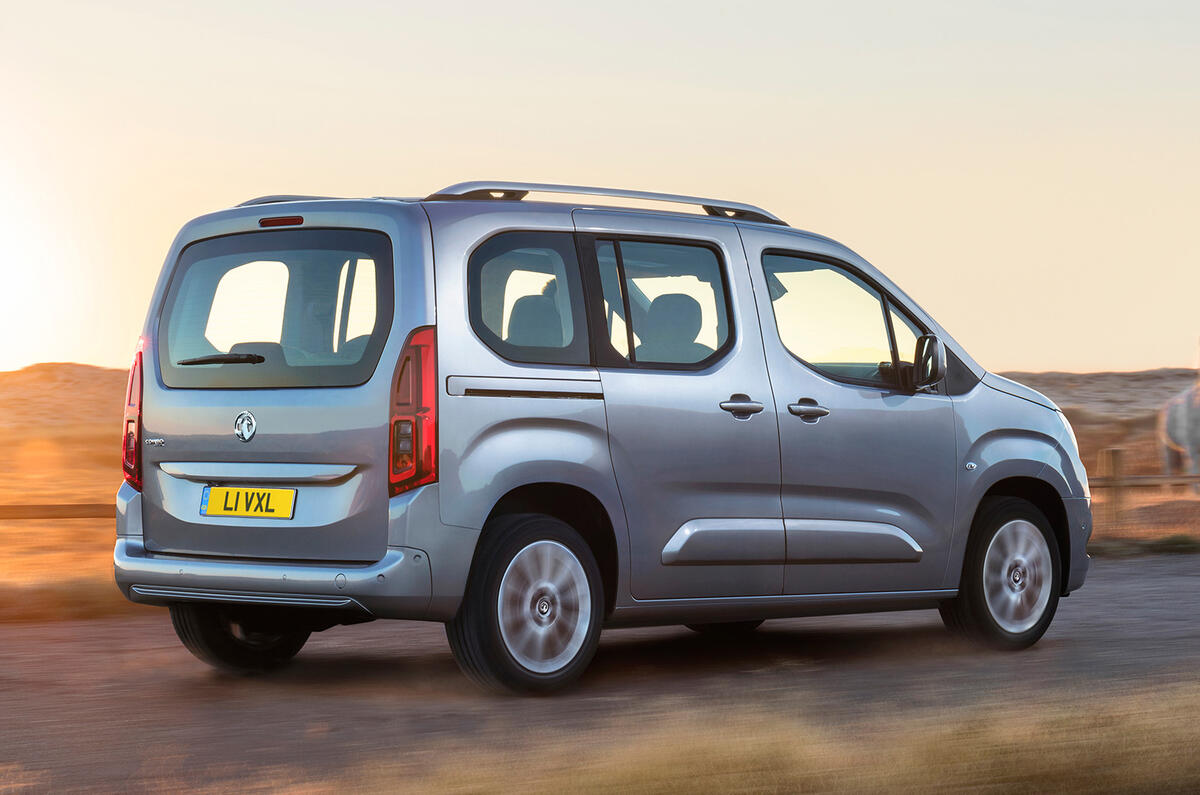
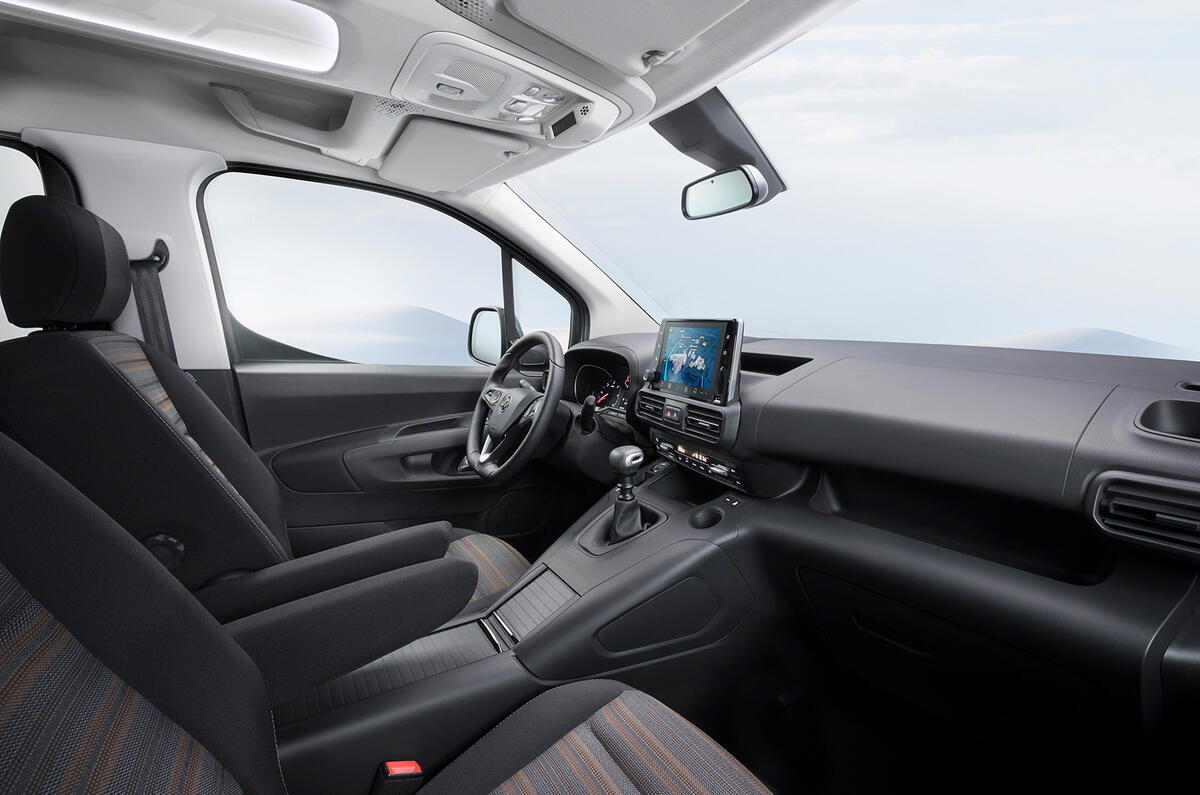
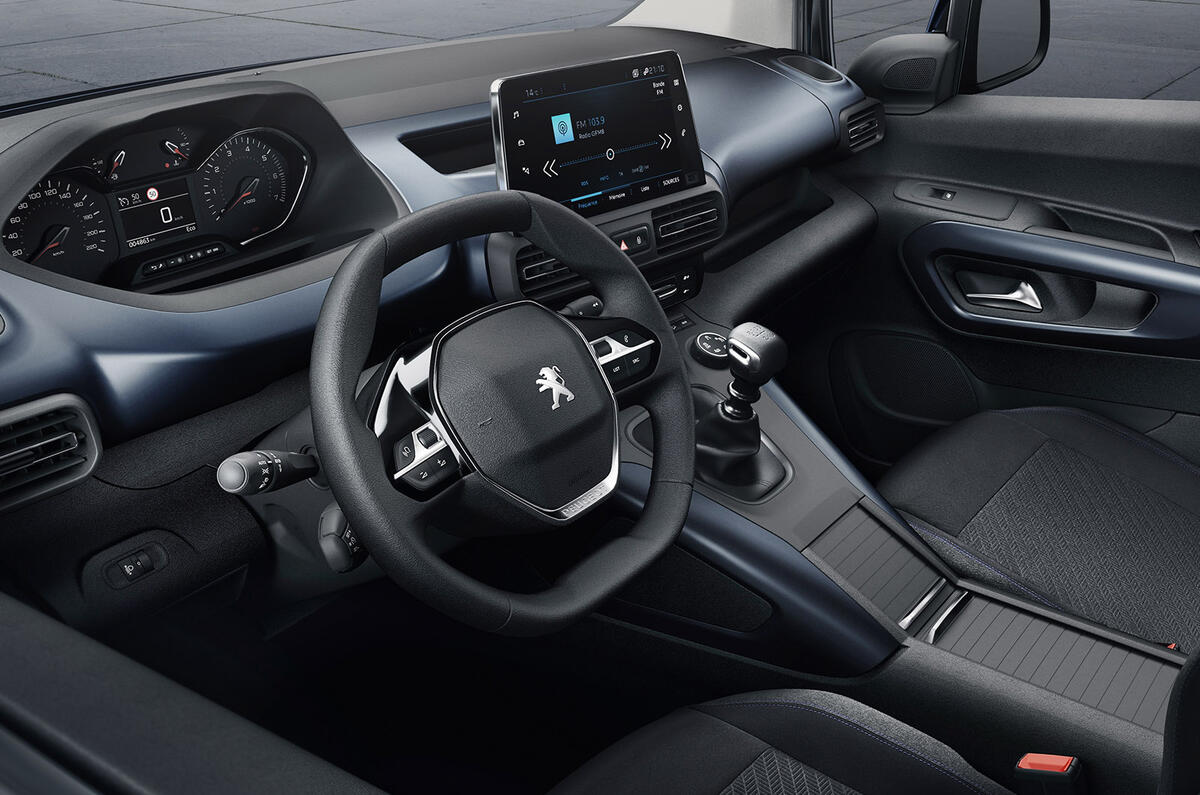

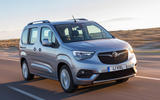
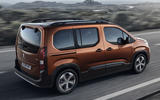
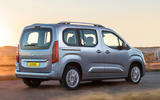
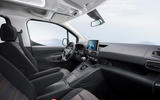
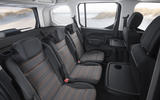
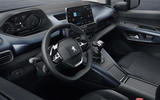
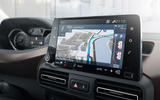

The Peugeot Rifter has been revealed as Peugeot’s offering in the three-prong PSA group assault on the van-based MPV market.
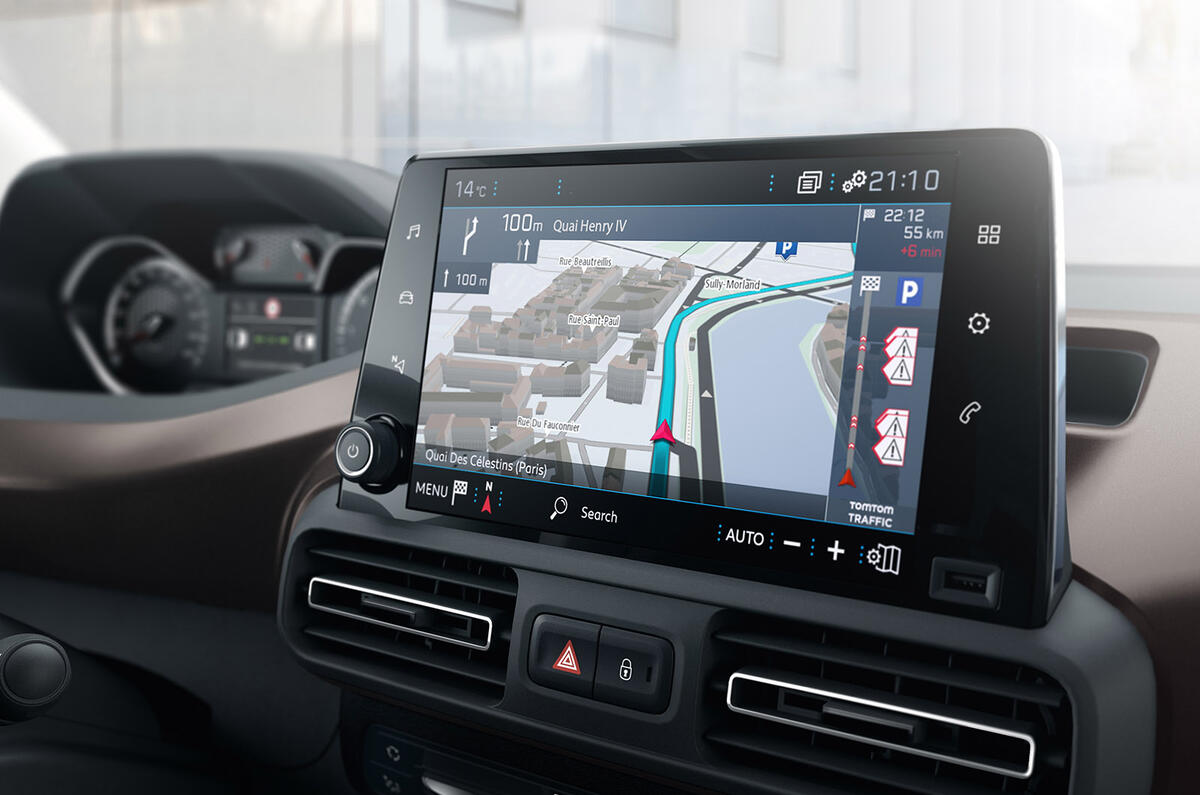
The Rifter is mechanically identical to the Citroen Berlingo Multispace and Vauxhall Combo Life, being based on the previous-generation cars, with the EMP2 platform front end allowing for greater driver assistance technologies, such as Advanced Grip Control (PSA’s traction control system), automatic emergency braking and adaptive cruise control.
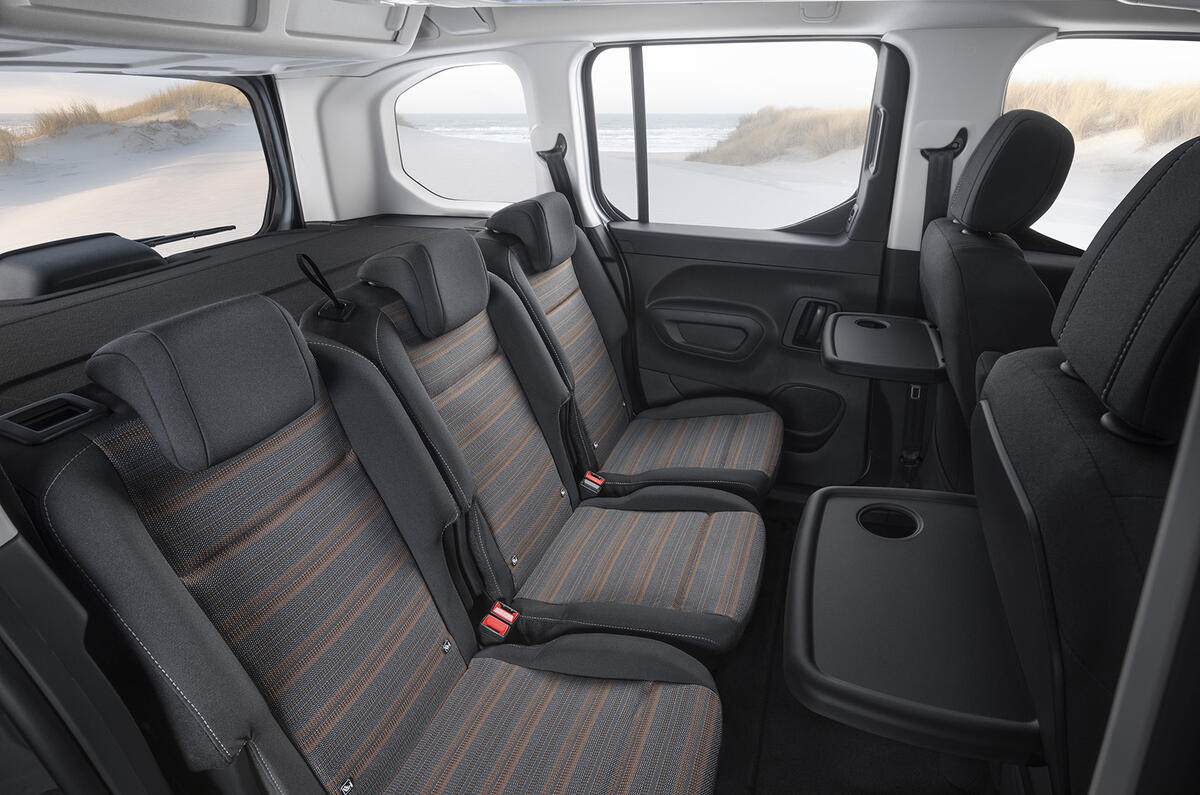
Like the Berlingo Multispace, the Rifter will be available in five or seven-seat variants when sales begin in summer, although the larger car won’t arrive on driveways until 2019.
Peugeot claims storage capacity of 775 litres up to the window line, which rises to 4000 litres up to the ceiling for the long-wheelbase version, with the seats folded flat. Identical to the Berlingo, the short Rifter is around 4400mm long, and the long-wheelbase version is 4750mm in length.
While the Citroën Berlingo has been refreshed with a new SUV-like look, the Rifter and Combo Life remain more MPV-like in their front ends.
Engines are shared across the three cars, meaning 1.2-litre Puretech petrols in 109bhp and 128bhp flavours, and four 1.5-litre BlueHDi diesels, ranging in power from 74bhp to 128bhp. Both 128bhp engines are available with eight-speed automatic gearboxes.
It’s a new entry into the market for Vauxhall, but Peugeot and Citroën have seen great success here; 2987 sales across 2017 puts the Rifter’s predecessor, the Partner Tepee, atop the sales charts for the segment, while Citroën’s 2644 sales place it third. The model is Citroën’s second-best-selling model worldwide.
A small price increase is expected over the Partner Tepee’s £16,795 starting price, while the longer variant is expected to command nearer to £20,000 when sales begin.