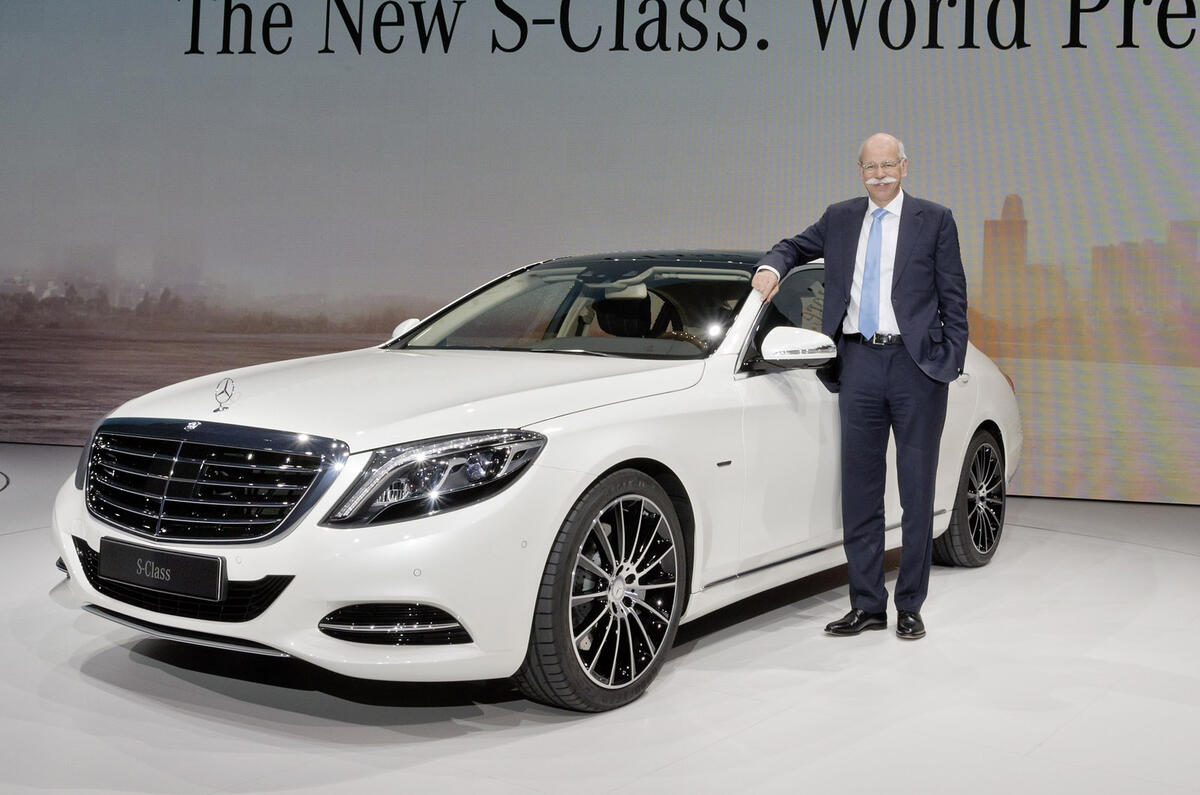
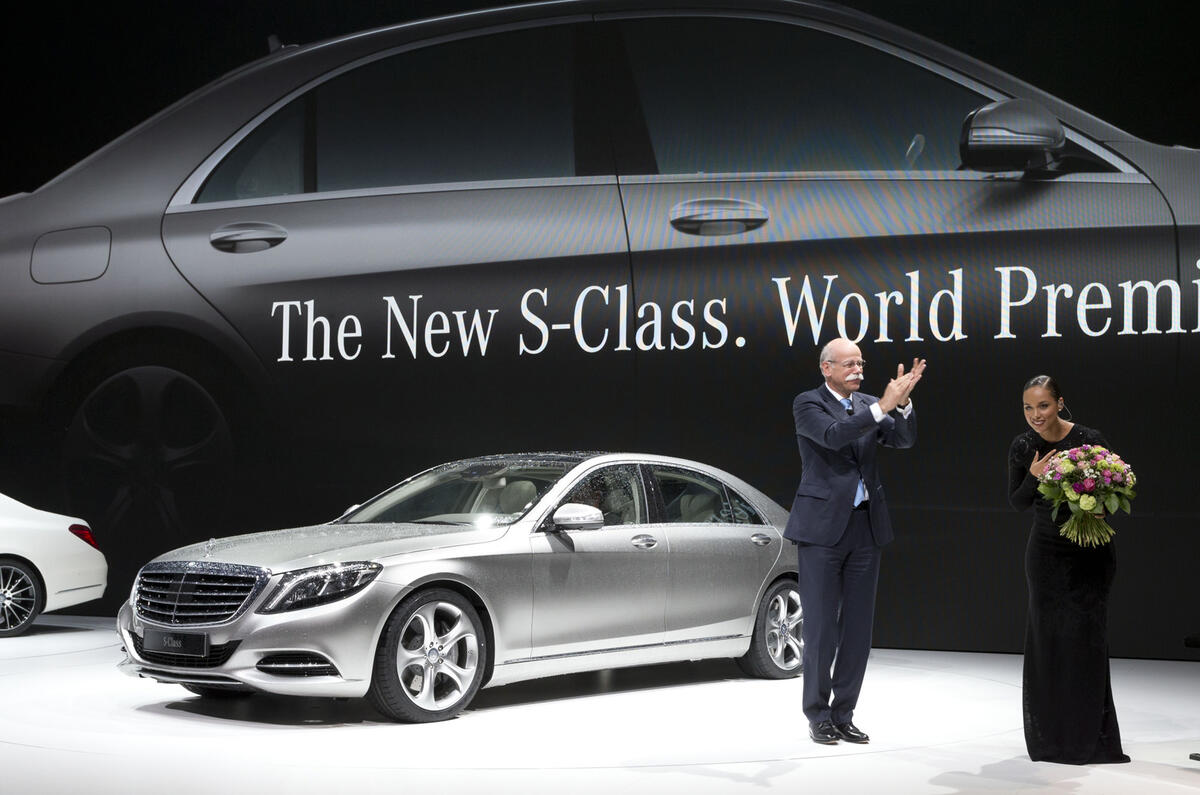
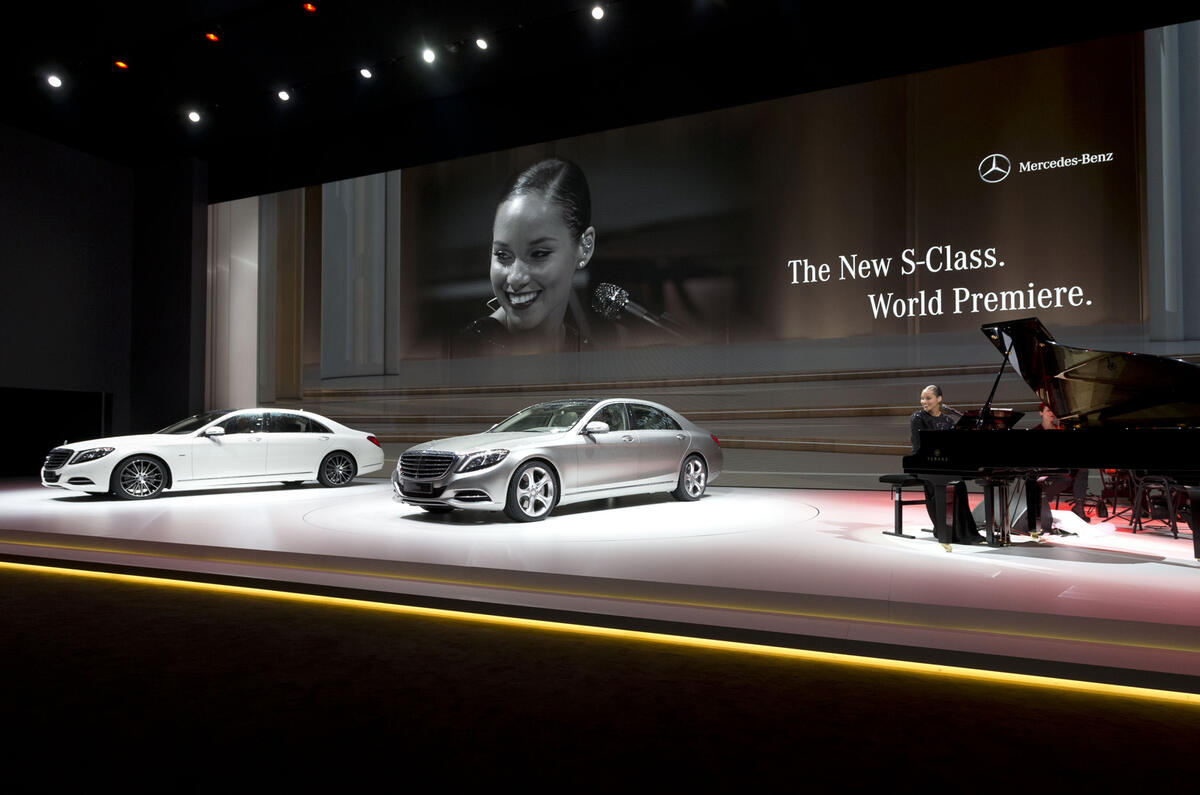
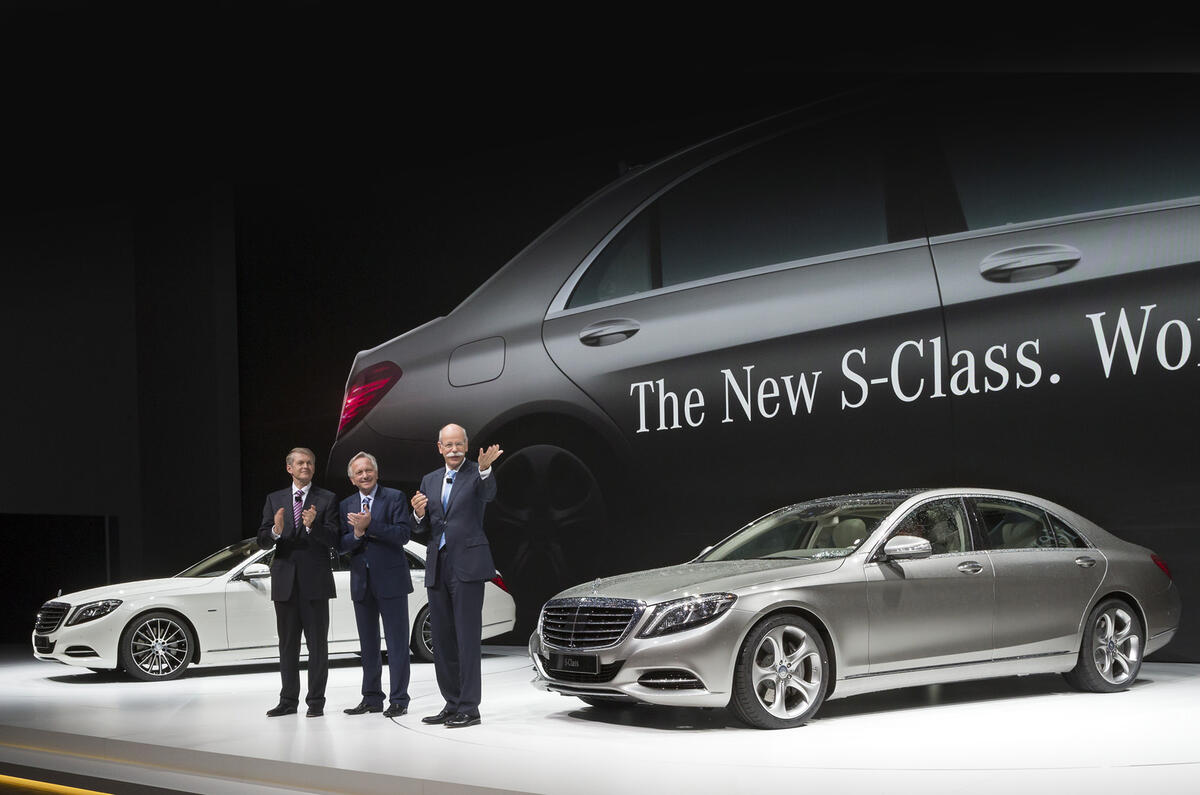
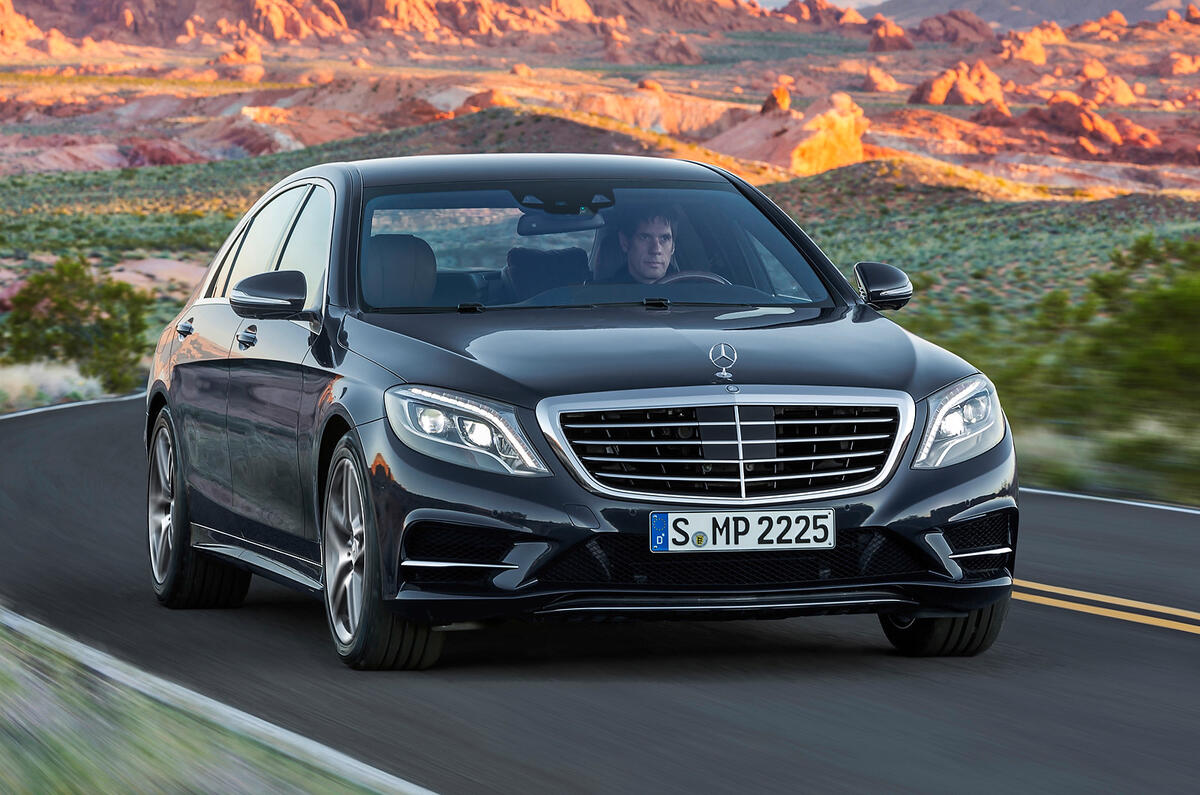
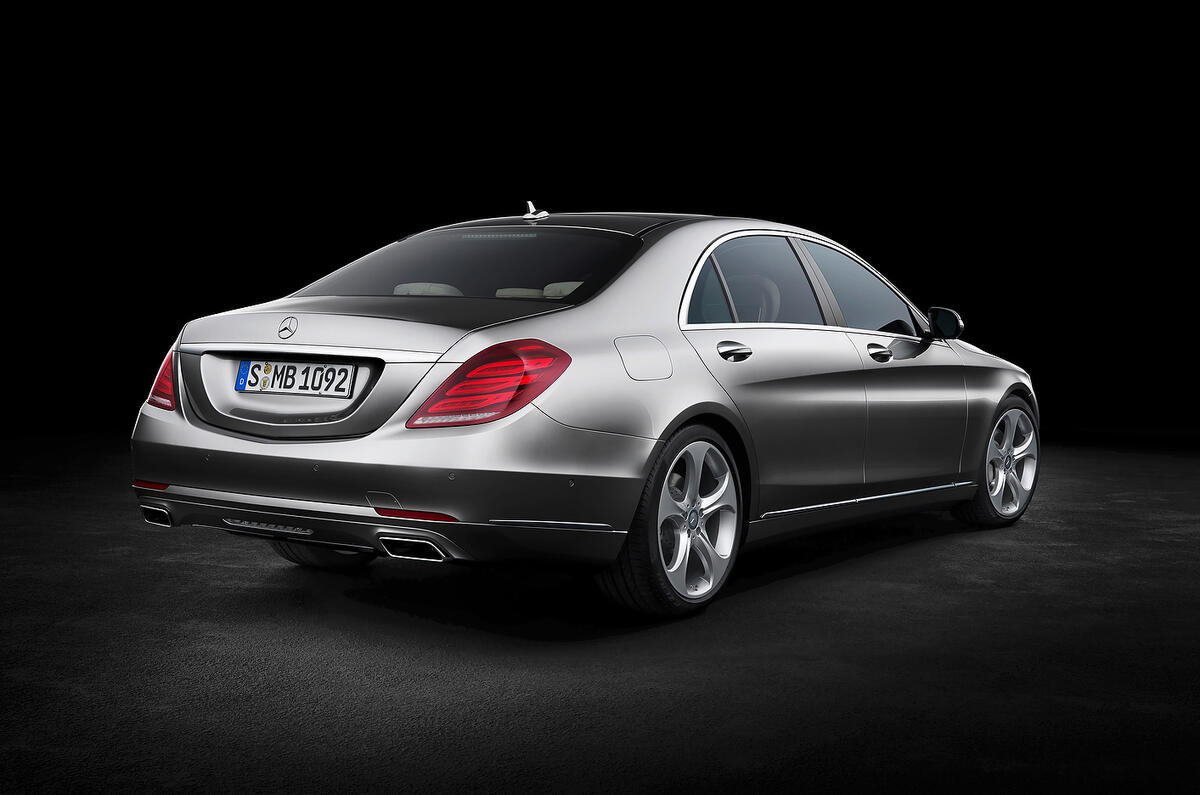
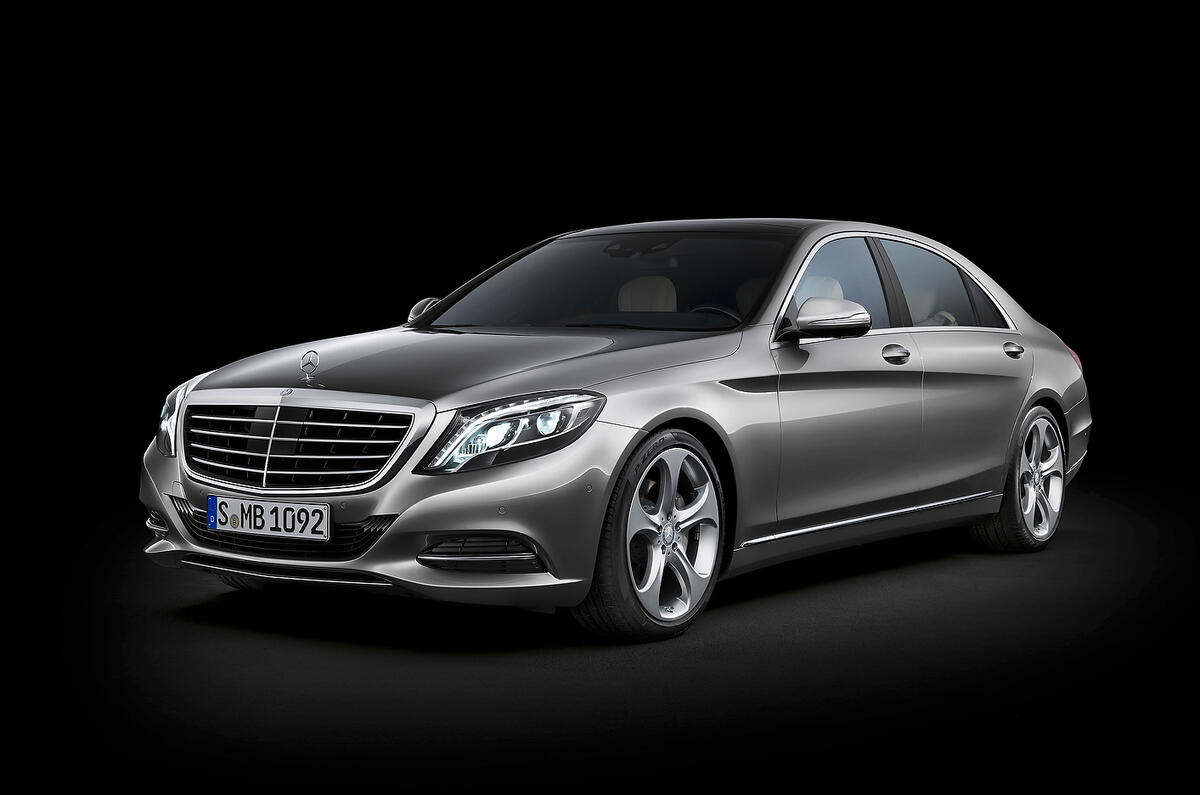
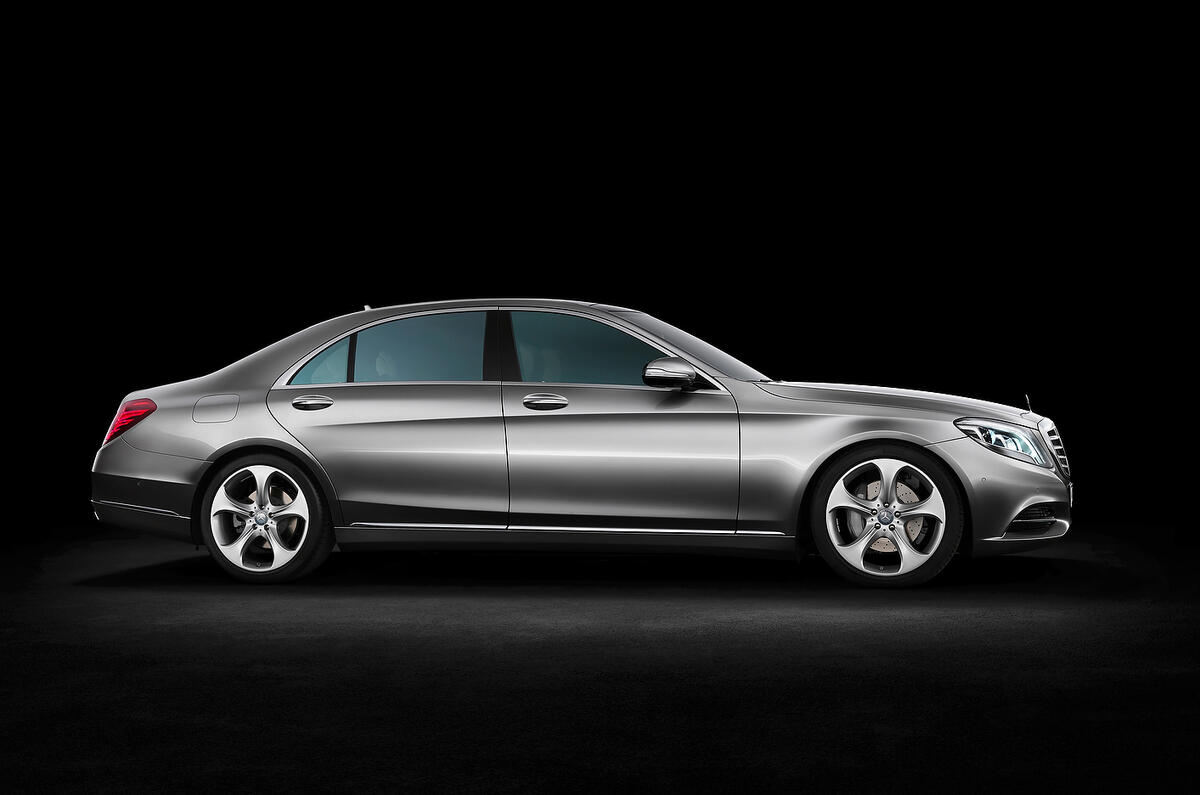
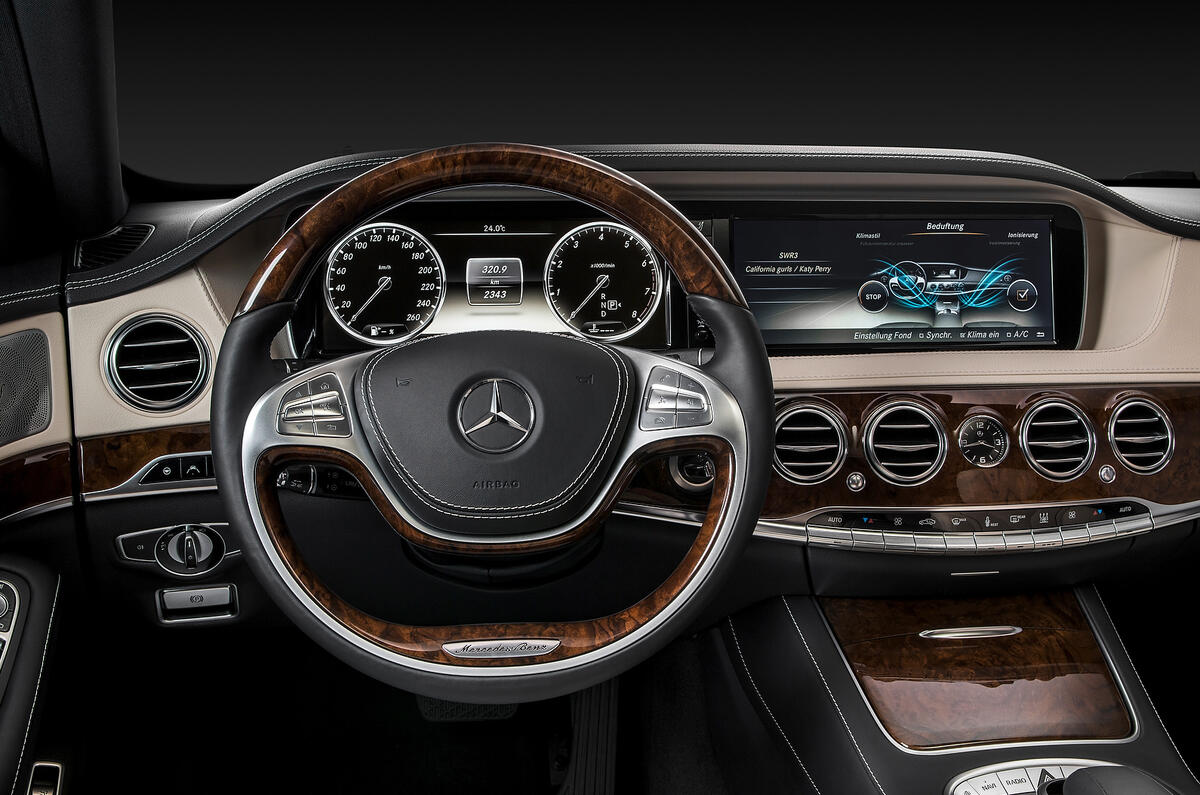
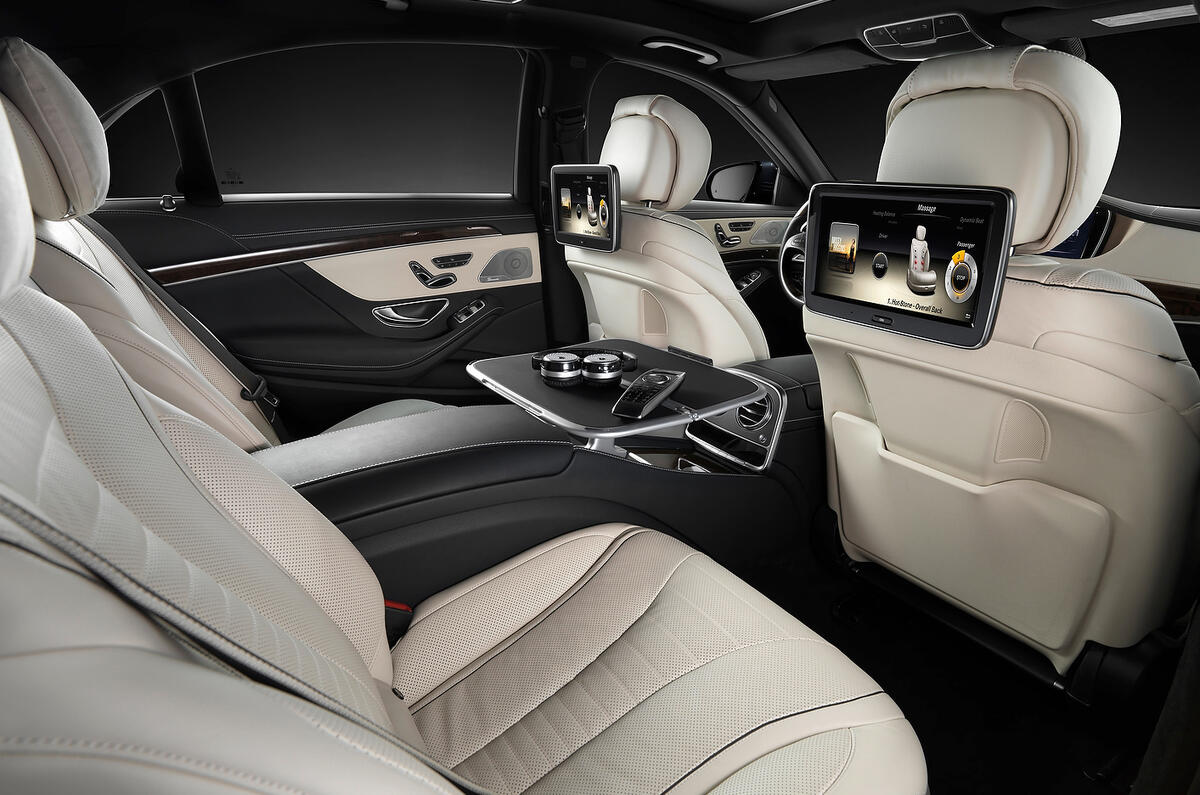
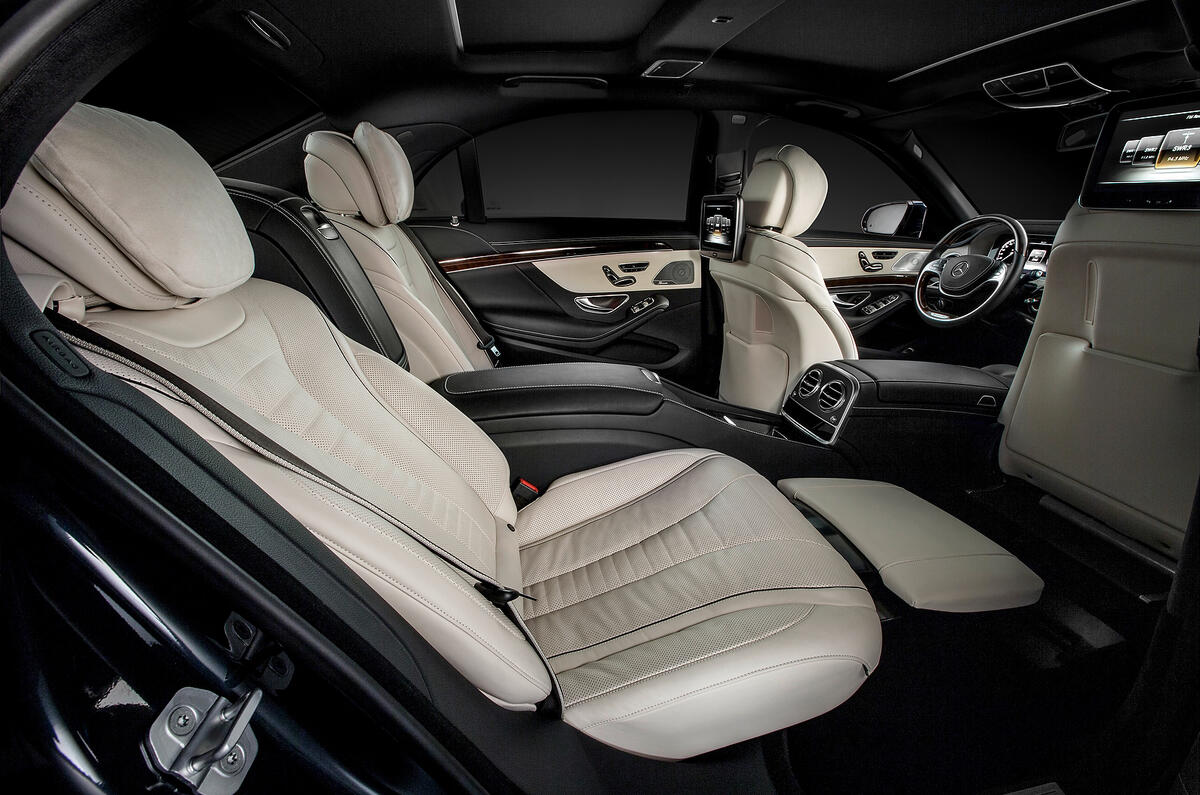
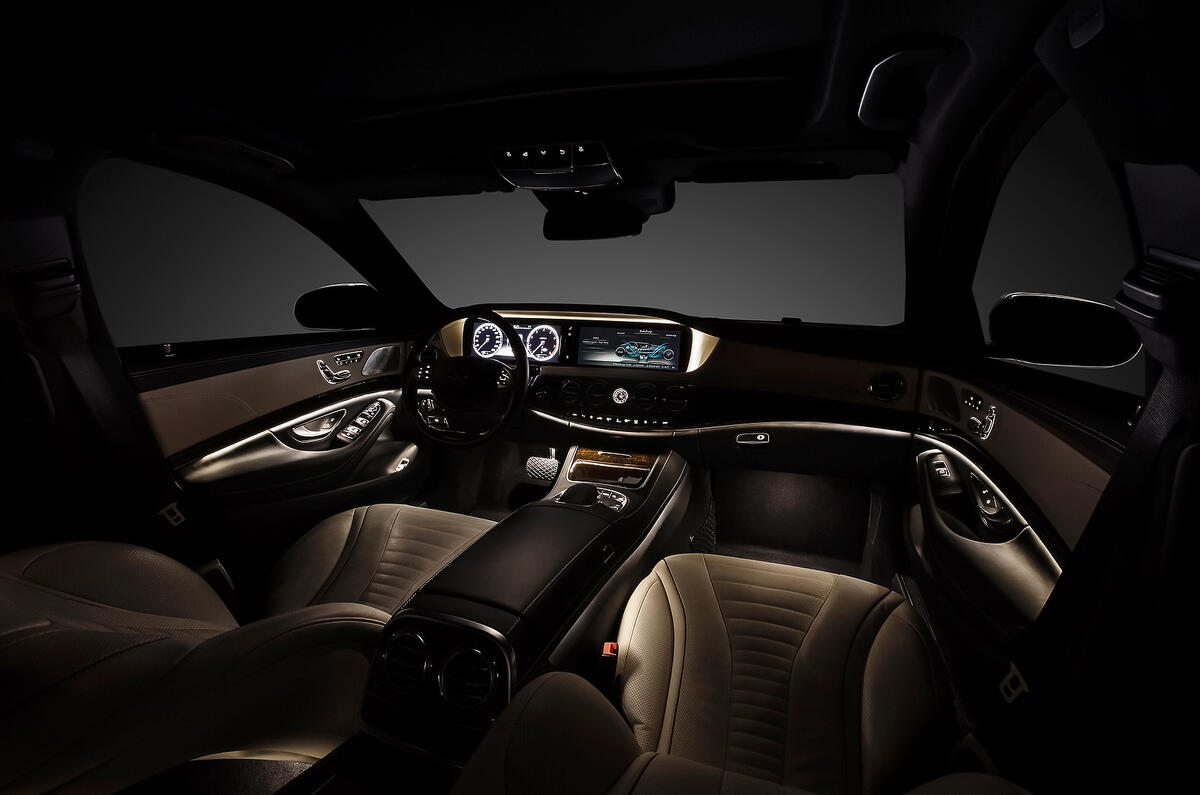
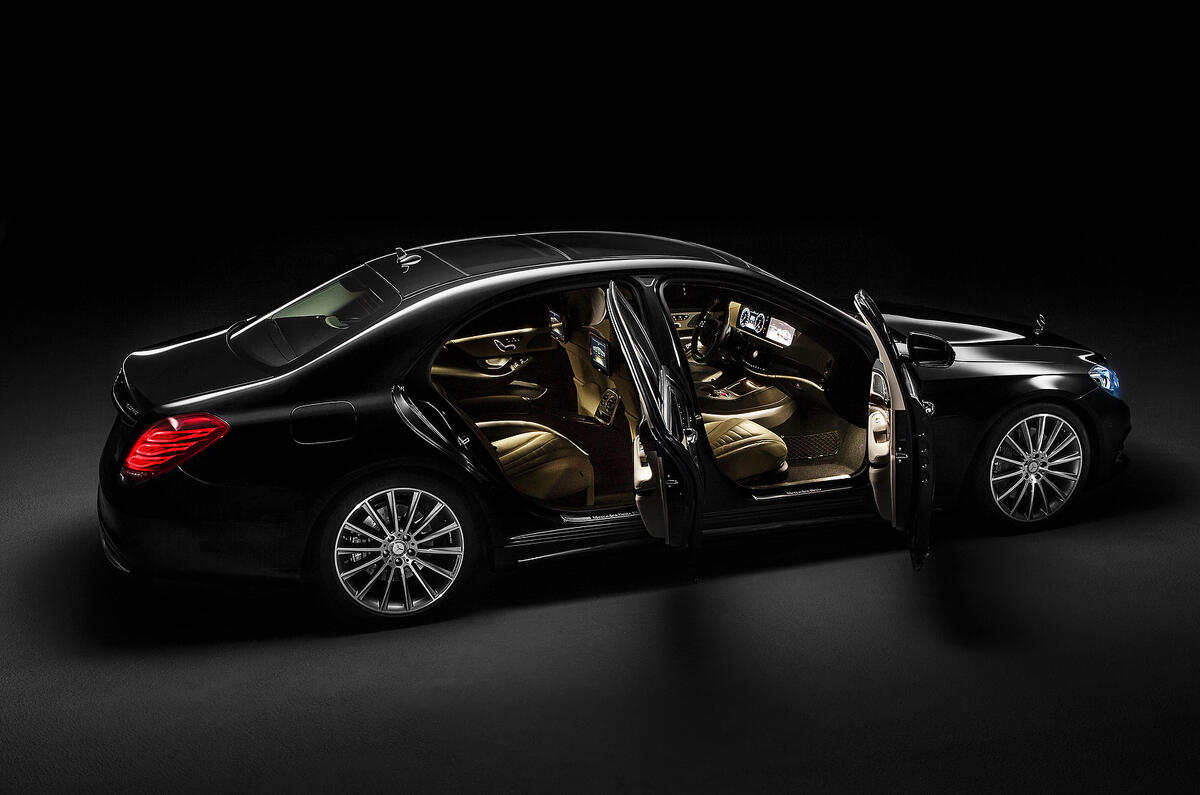
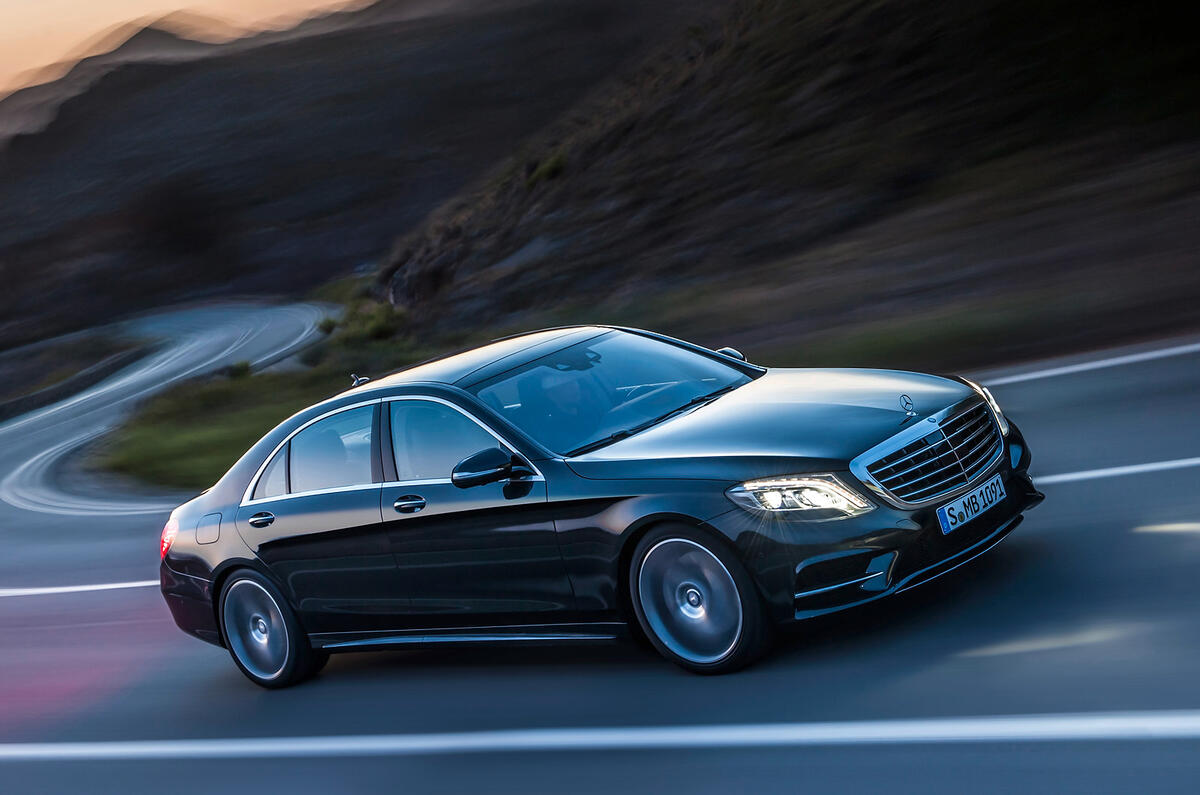
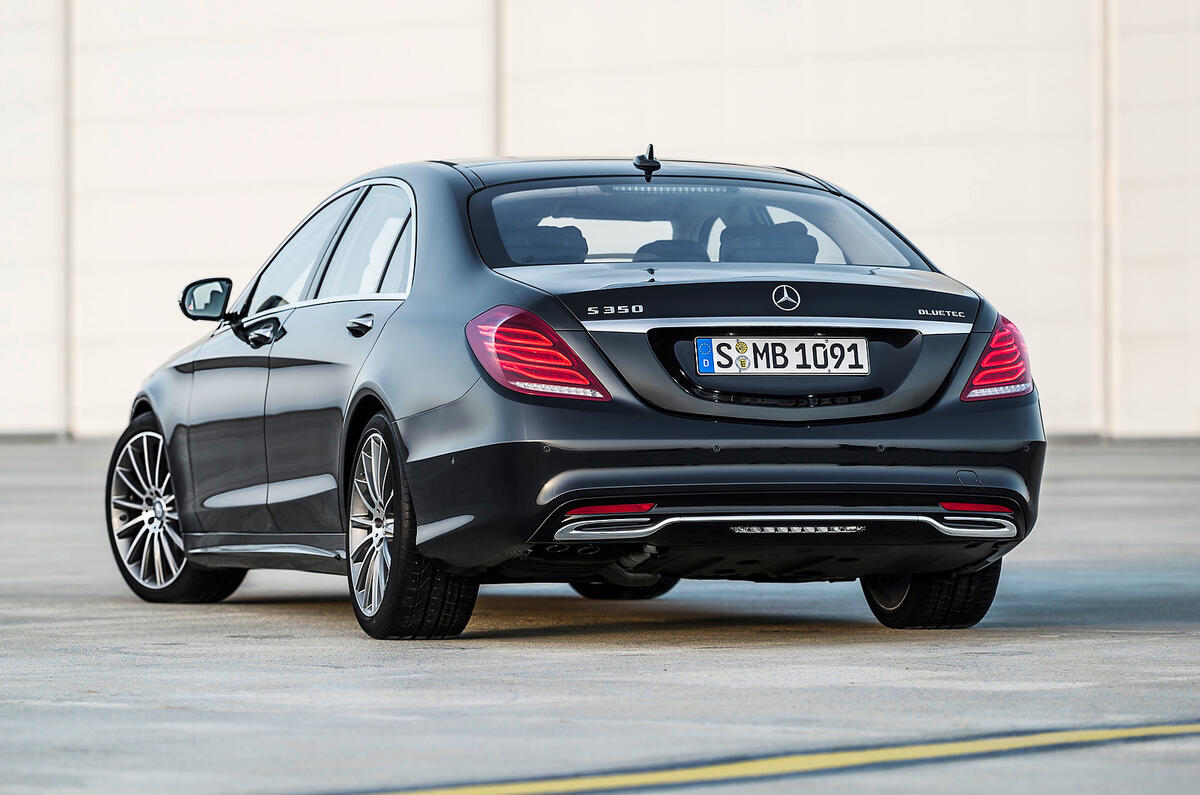
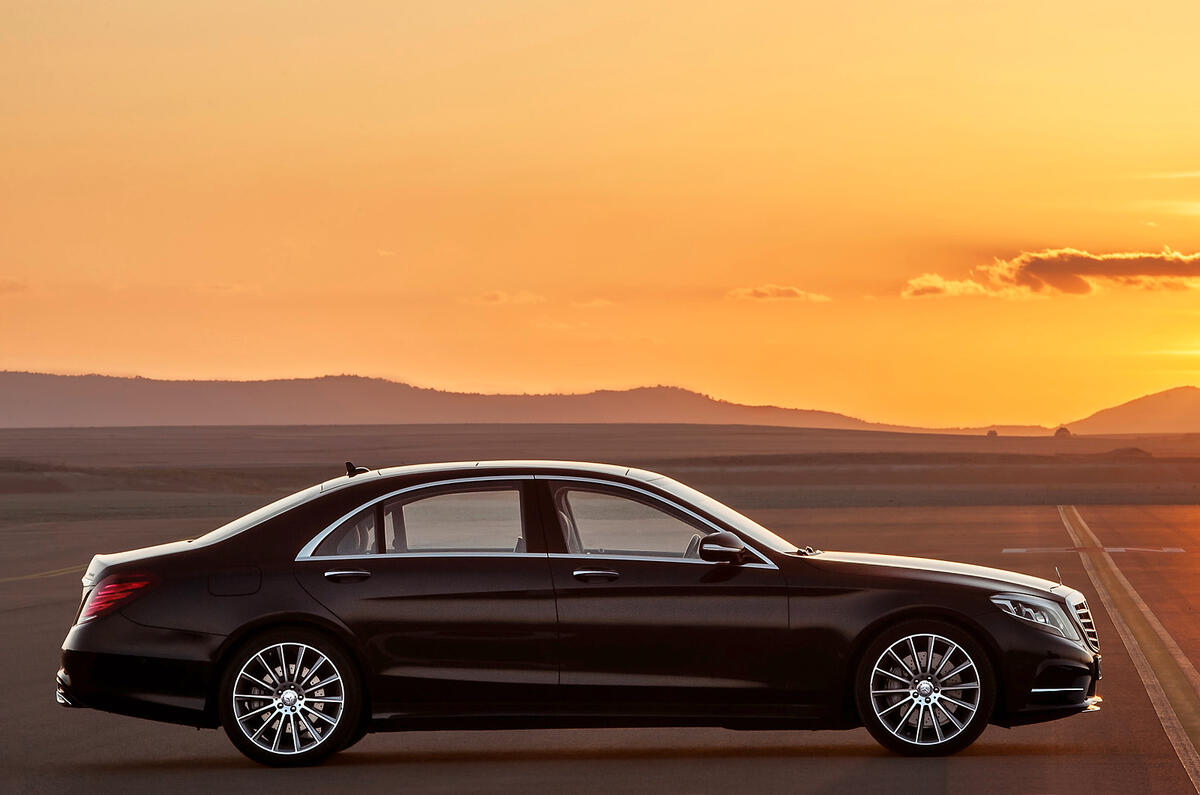
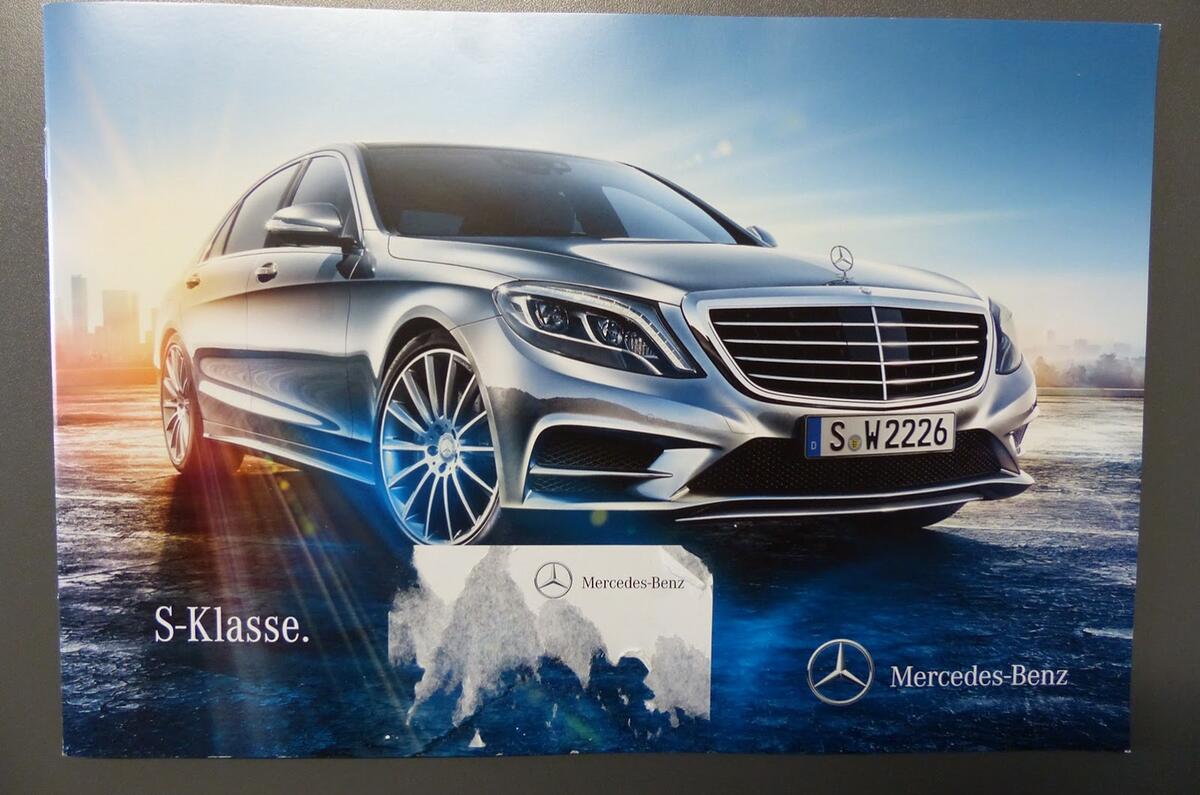
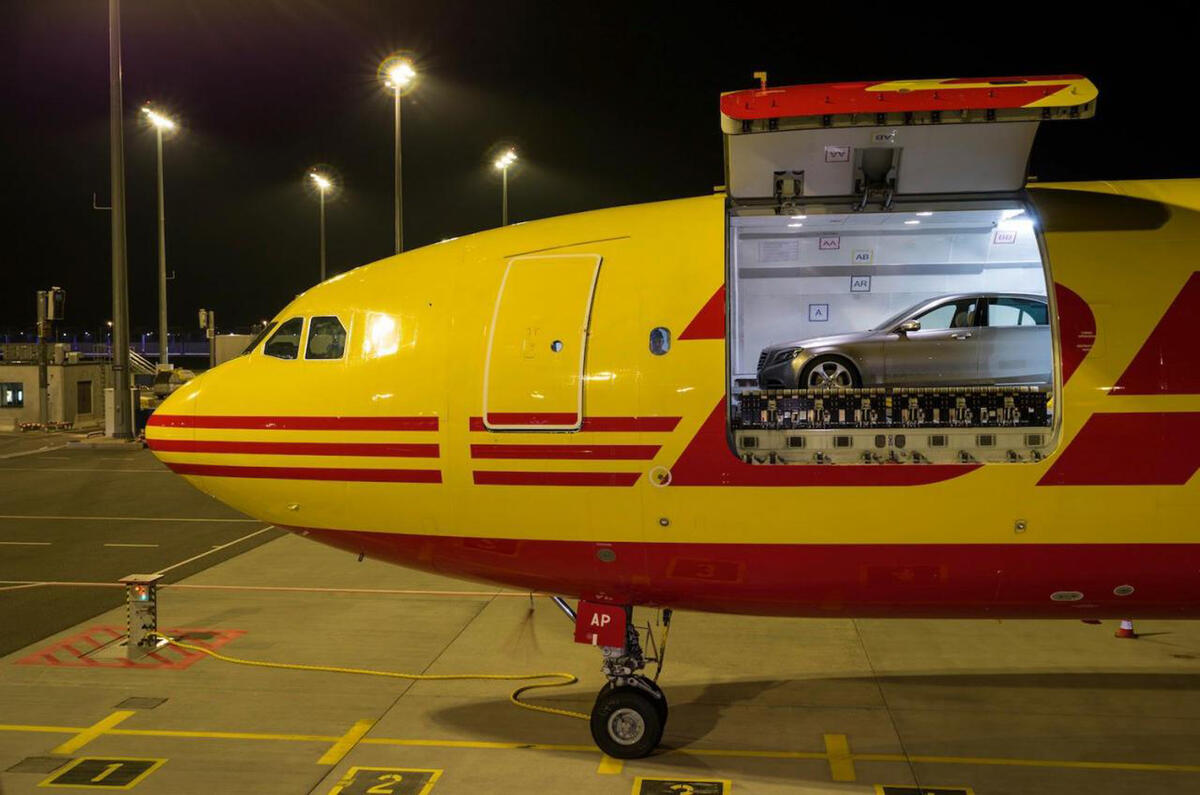





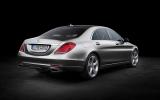







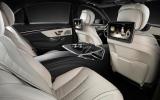

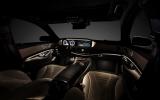




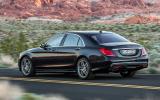


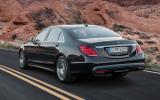


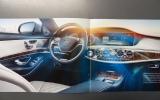



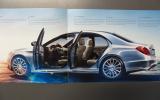
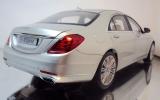


The all-new Mercedes-Benz S-class aims to continue the plush four-door saloon’s traditional dominance of the global luxury car market with a technological tour de force that combines comfort, space, efficiency, safety, quality and connectivity.
Set to arrive in UK showrooms in September, the new Mercedes flagship is charged with the task of replacing not one but two different model lines.
On the one hand, it has been developed to fill the role of the previous generation S-class on sale since 2007. On the other, it has been conceived to occupy the very same territory vacated by Mercedes-Benz’s discontinued Maybach brand and its 57 and 62 limousines.
Reflecting the importance that Mercedes boss, Dieter Zetsche, has placed on it, the new car is planned support no less than five different models: short wheelbase saloon, long wheelbase saloon, extra long wheelbase saloon, coupé and cabriolet.
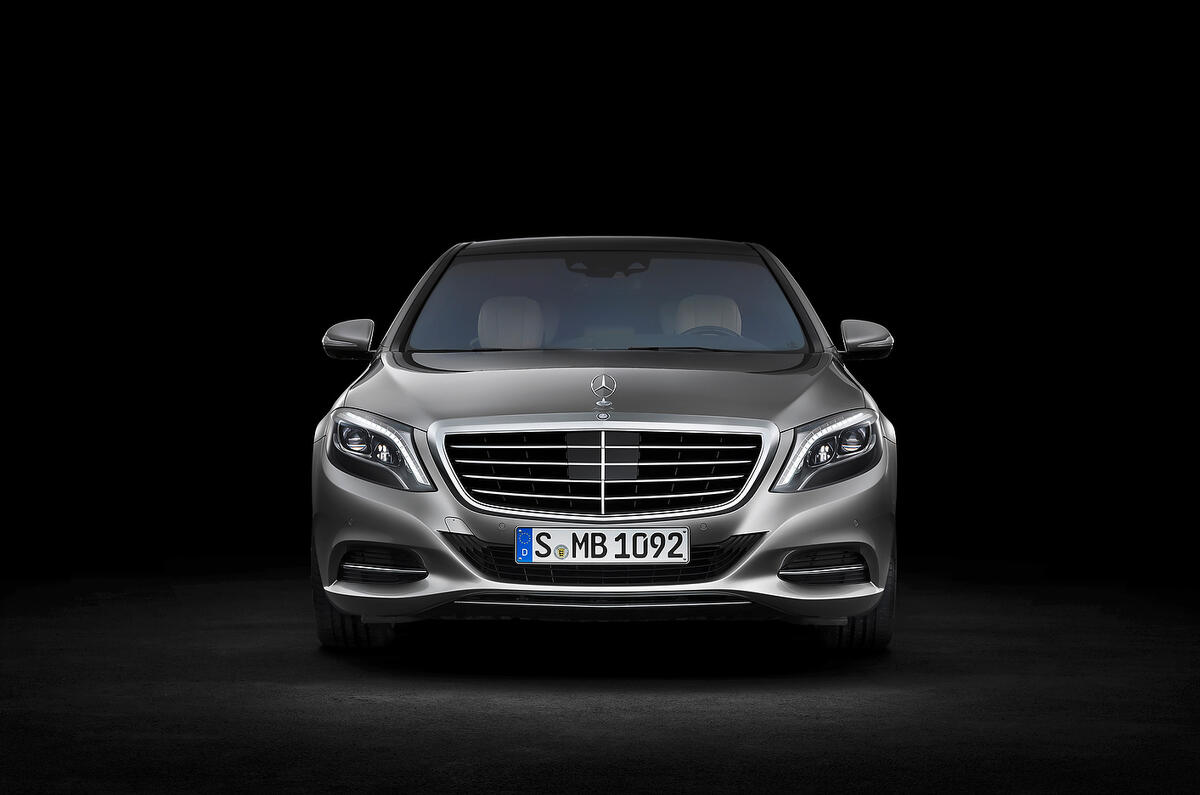
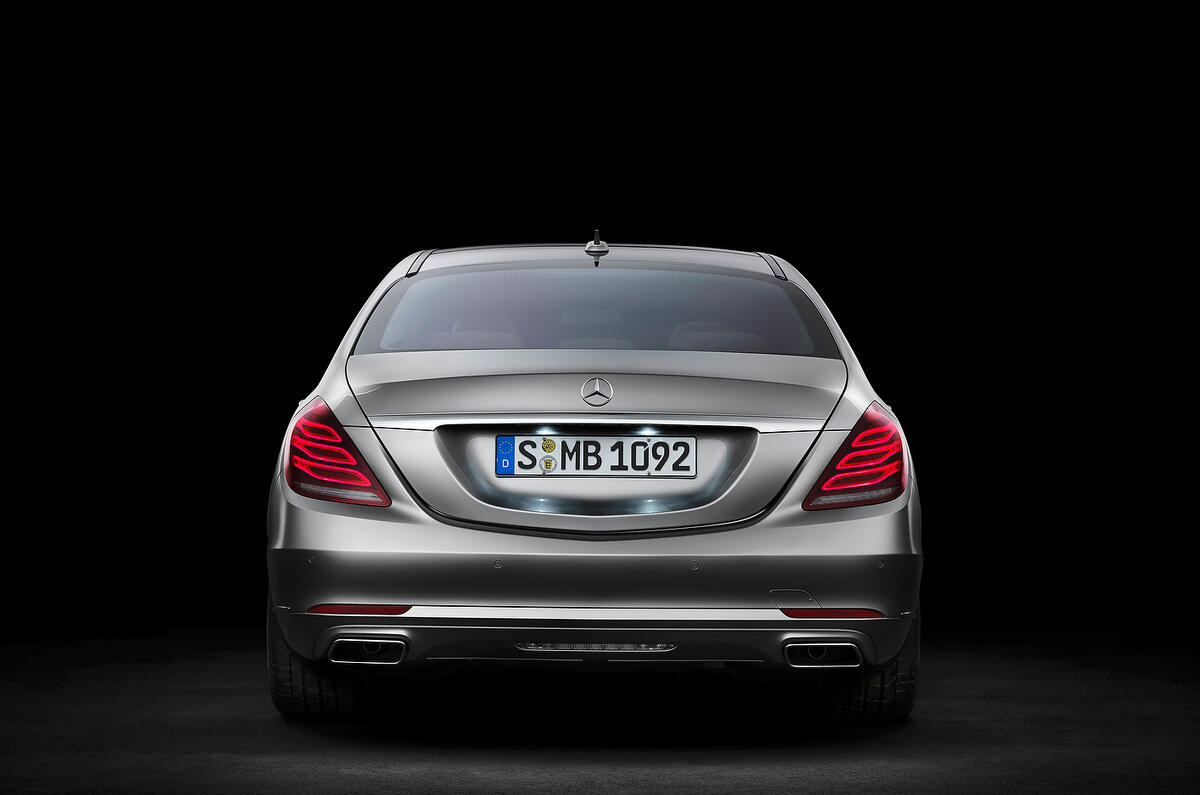
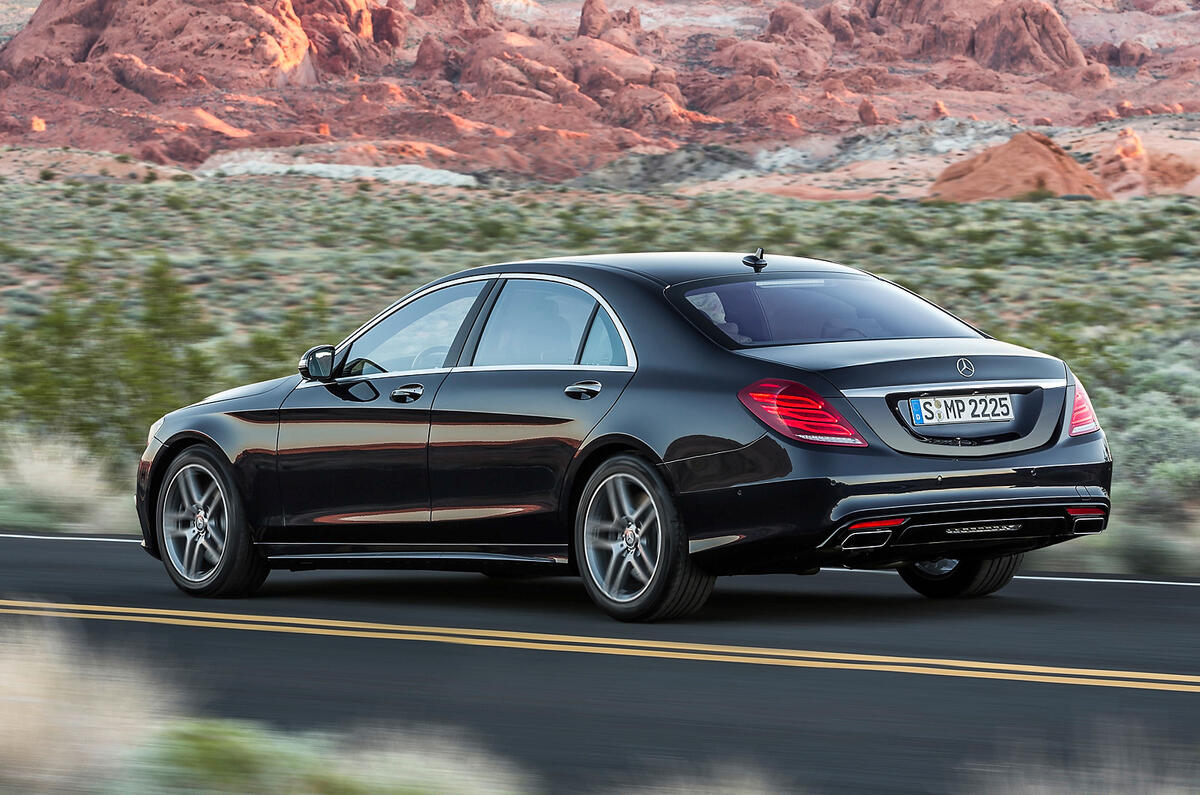
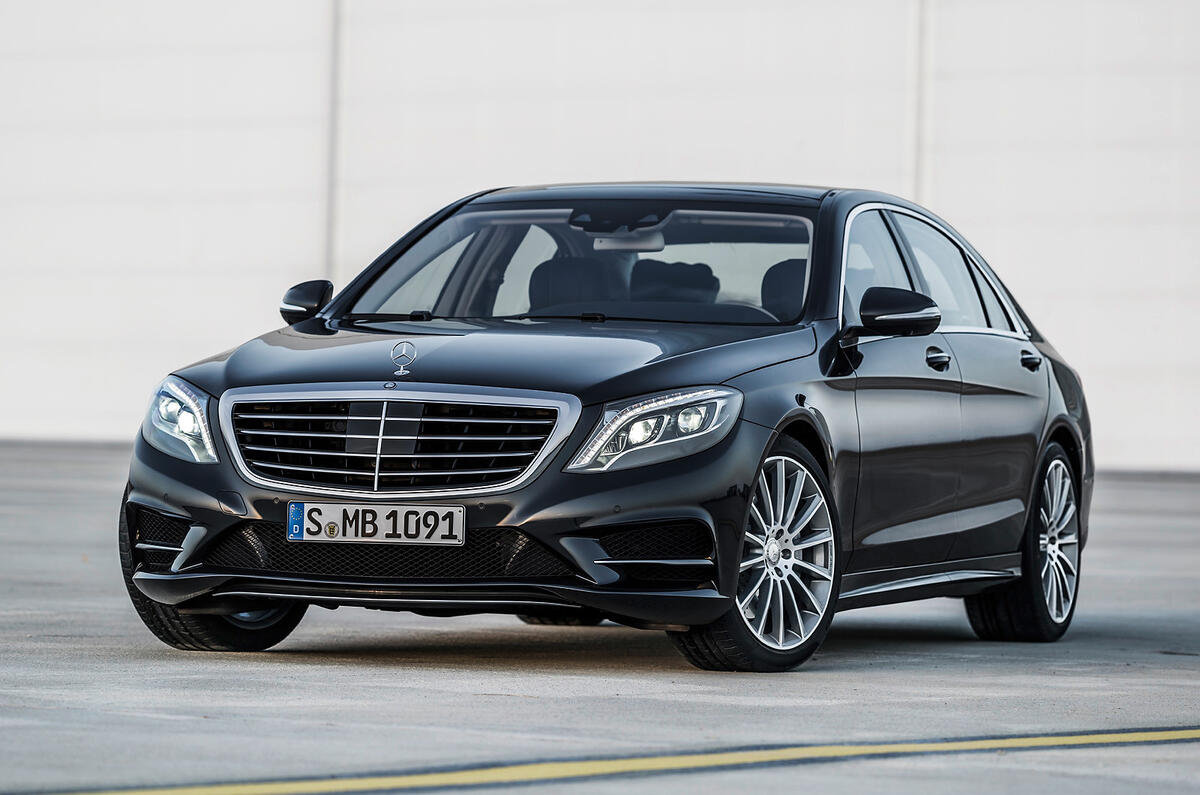
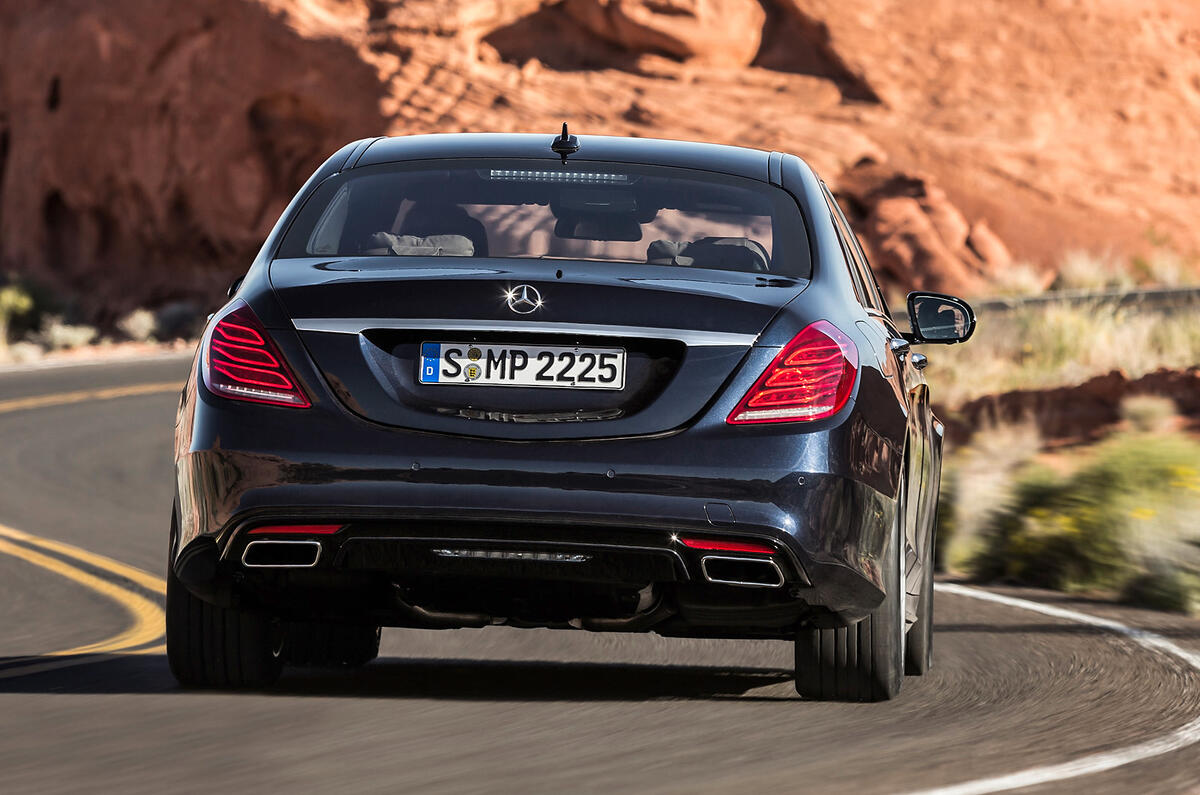
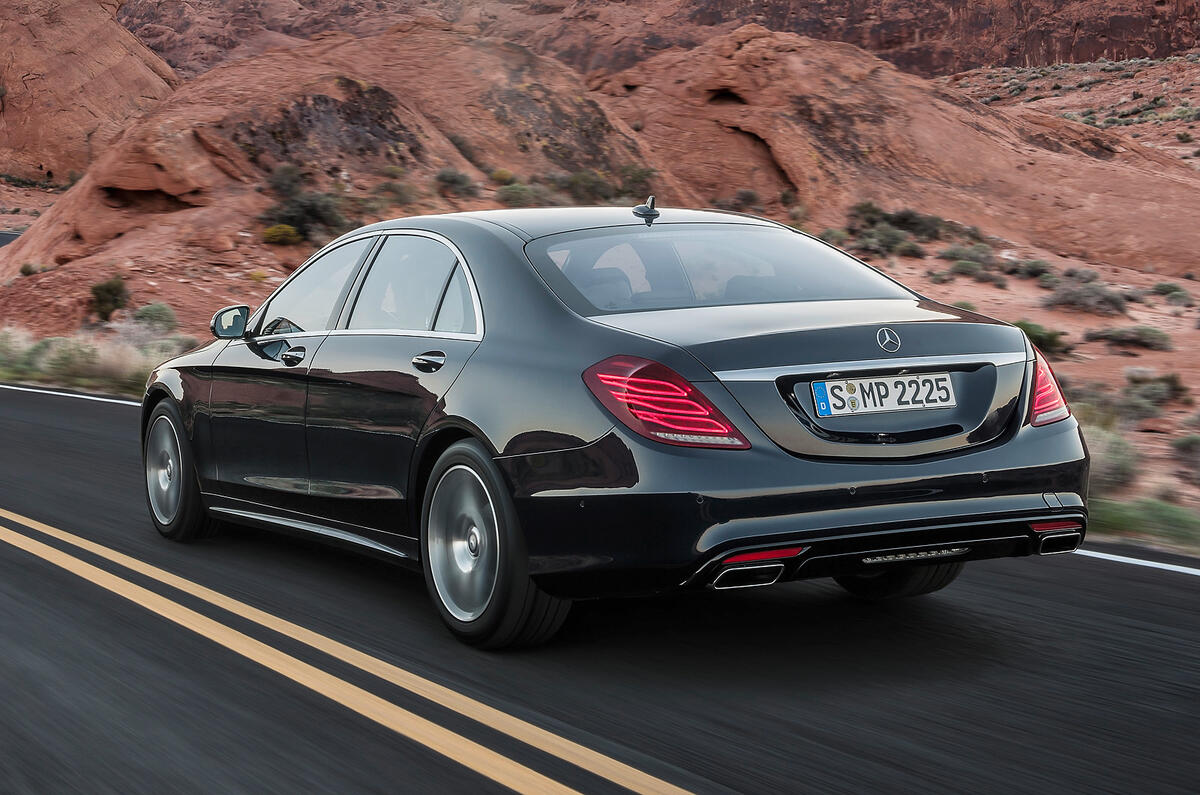
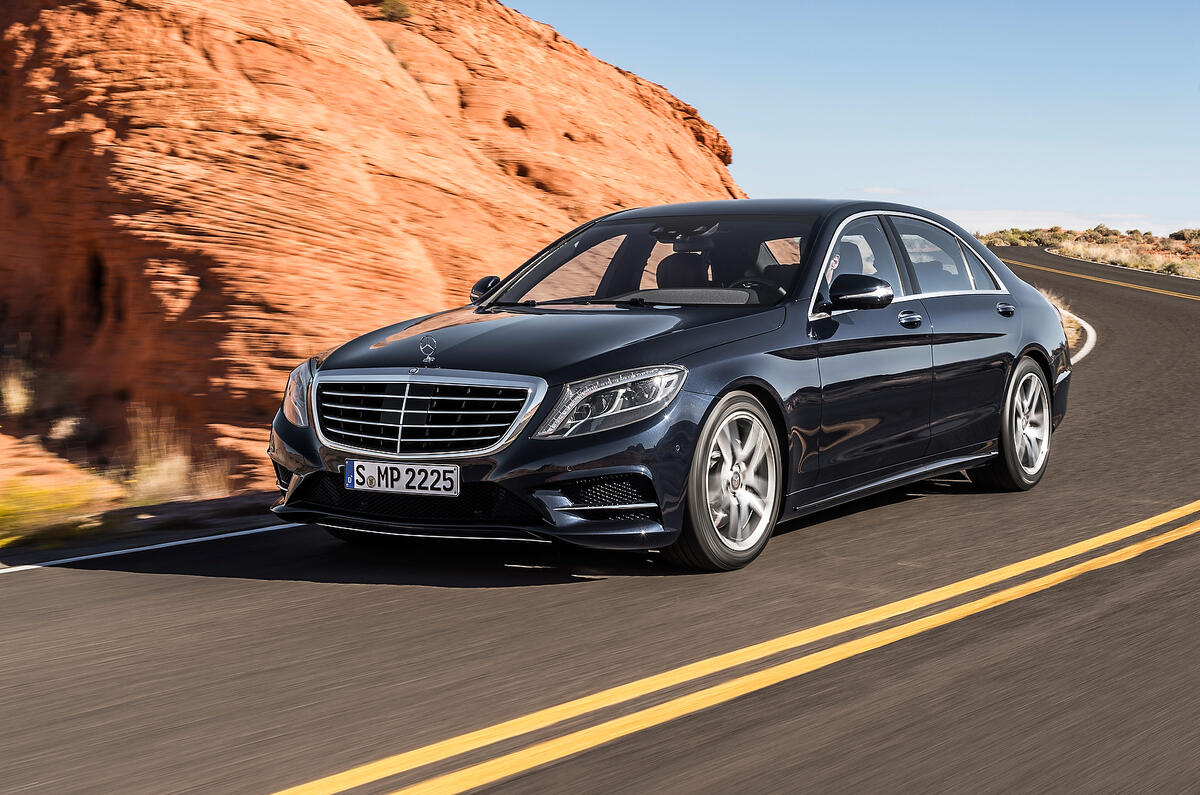
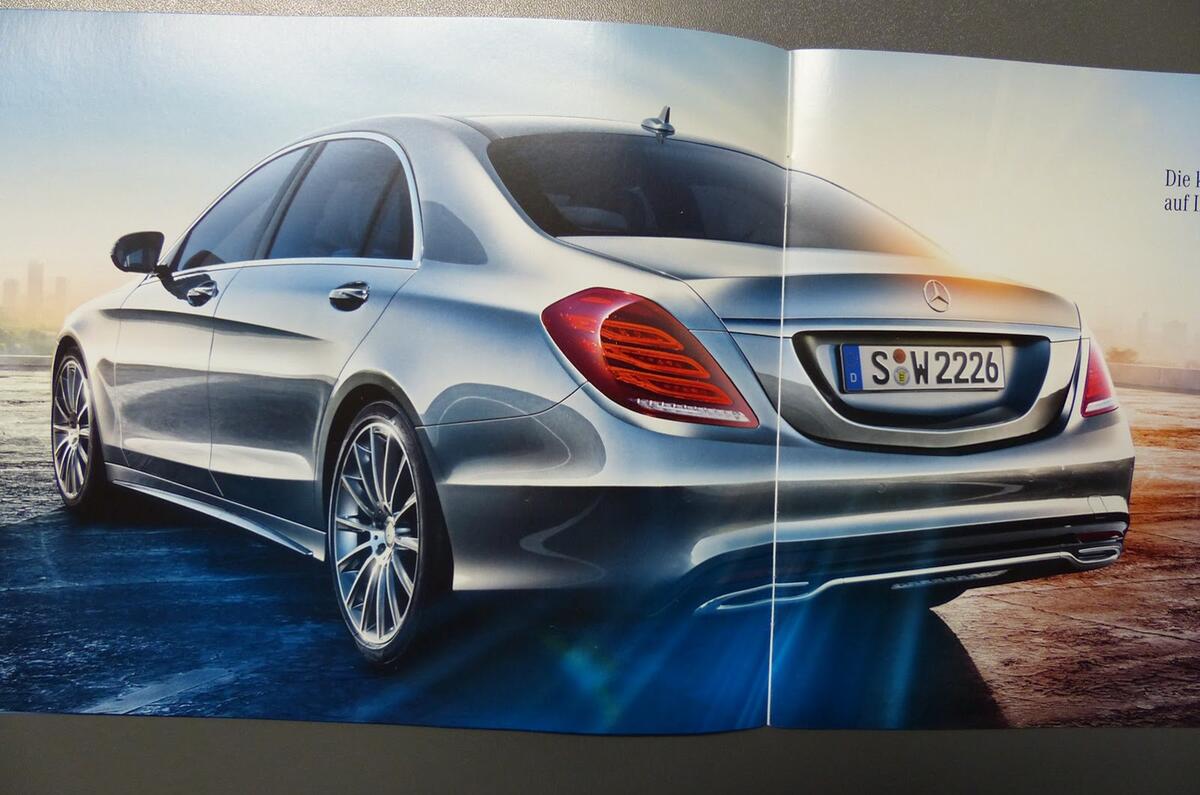
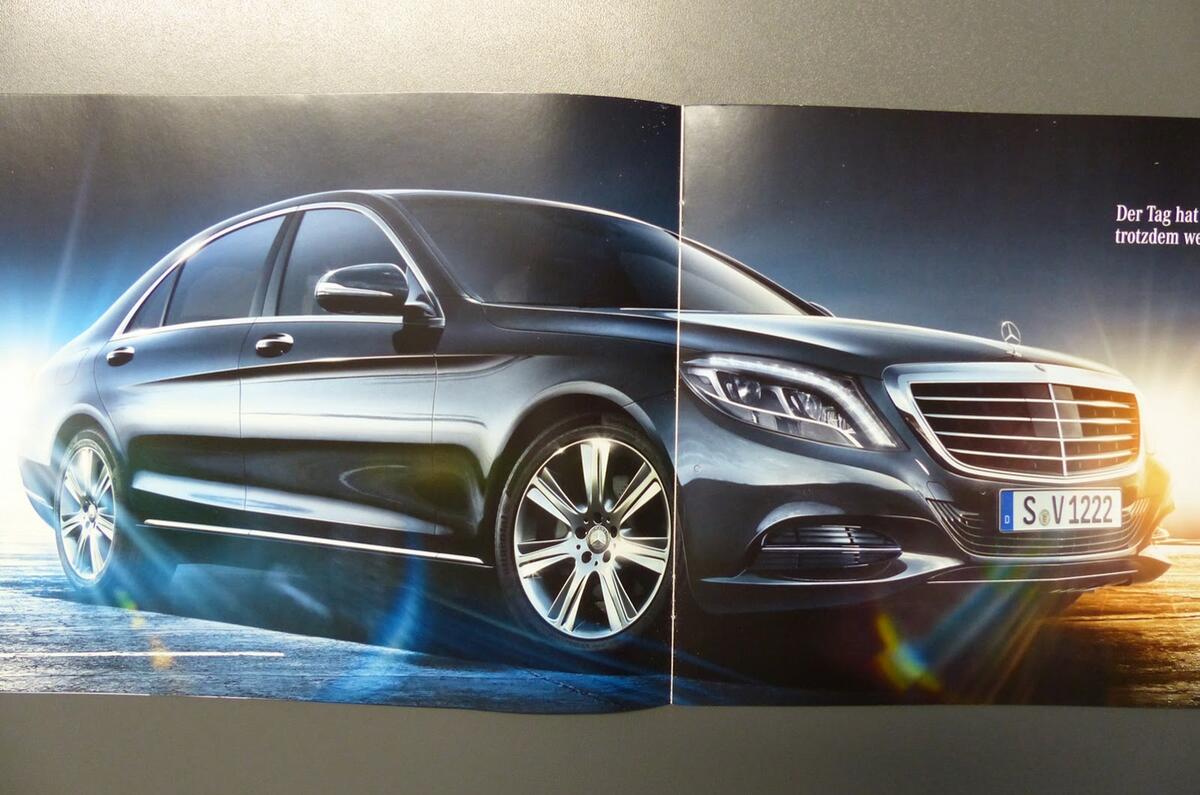
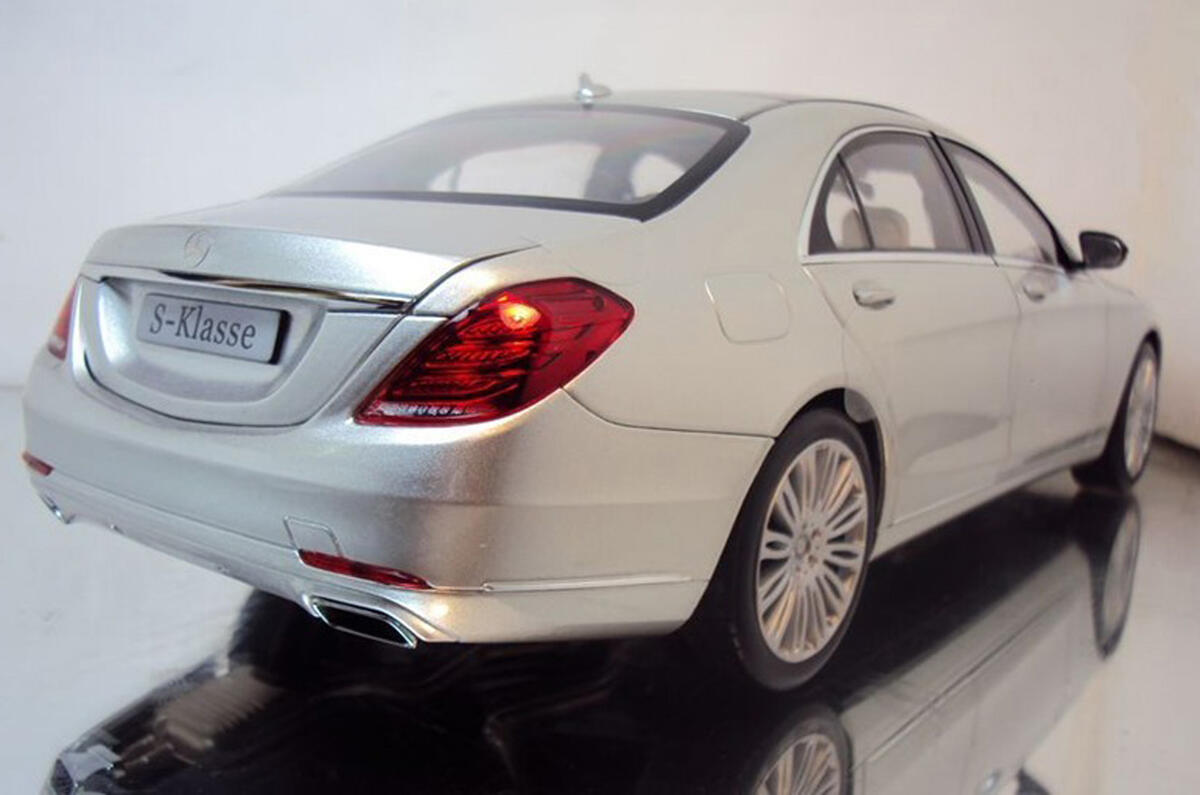
Stylistically, the new Mercedes-Benz S-Class, developed under the internal codename W222, is more evolutionary than revolutionary, representing a clear progression of the outgoing model rather than a complete departure of what went before it.
It shows obvious heritage in many elements, but the surfacing treatment is contemporary enough to give it modern appeal. Mercedes design boss, Gorden Wagener describes the car as having “more noble visual character” than its predecessor.
Continuing a trend that has seen all recent Mercedes-Benz models significantly undercut their predecessors in terms of aerodynamic efficiency, the big saloon is claimed to boast an impressively low drag coefficient of just 0.24.
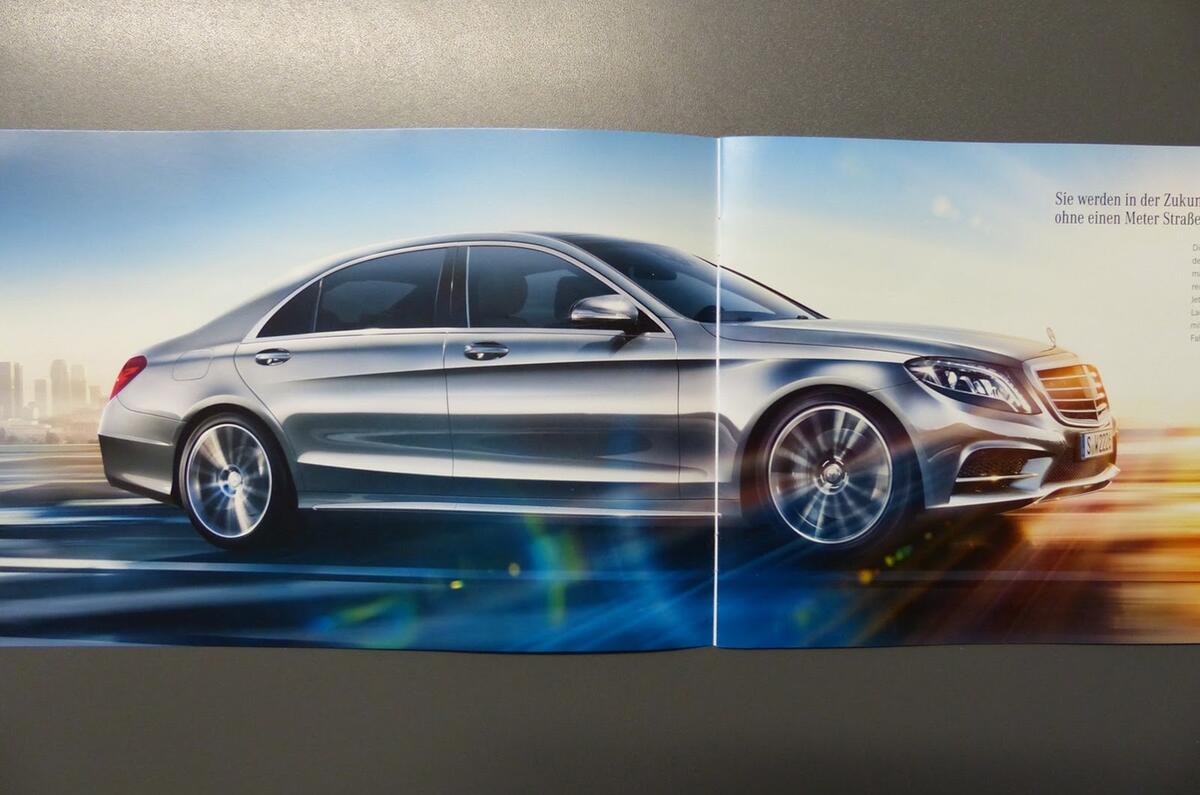
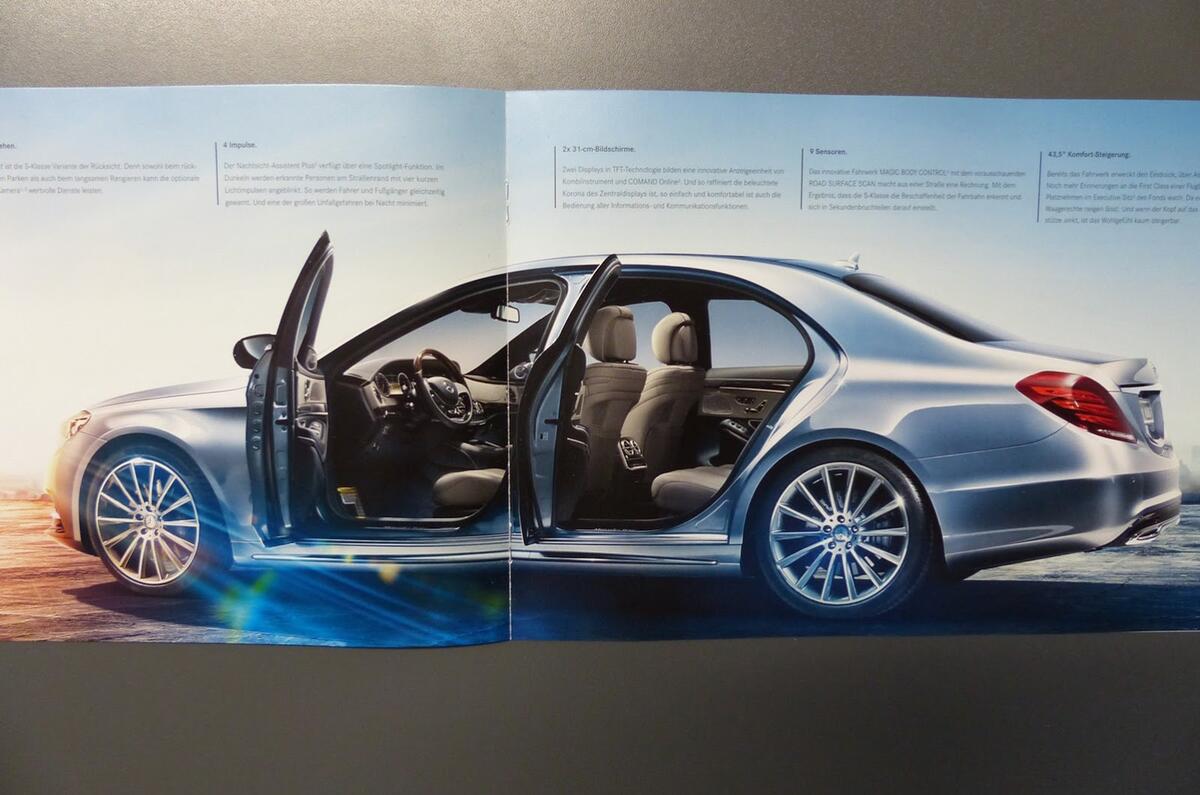
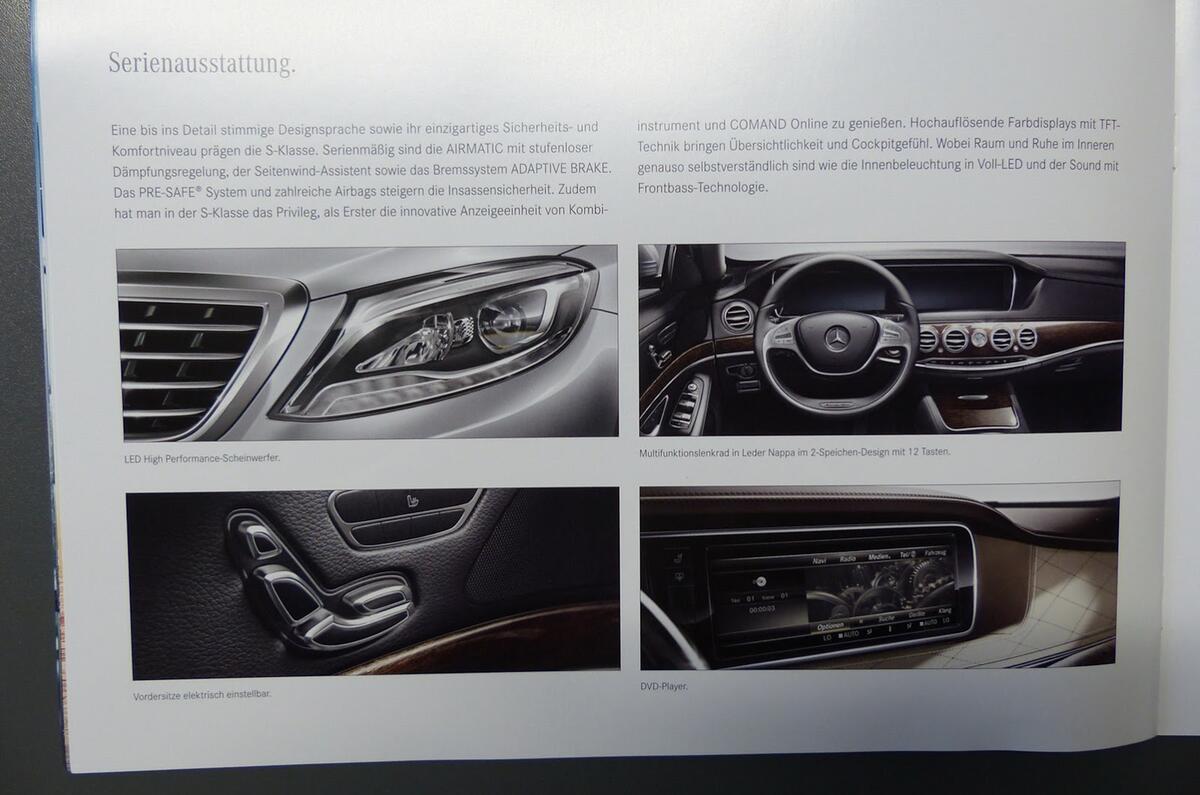
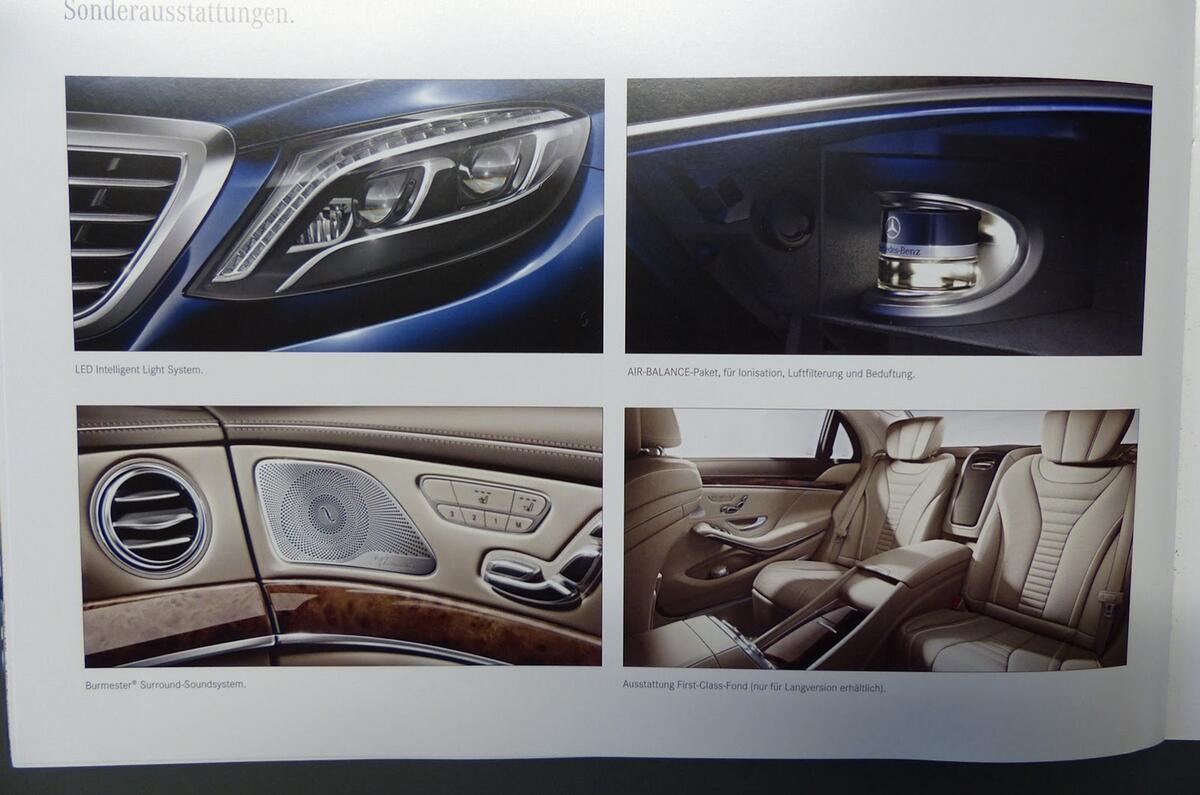
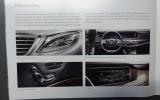
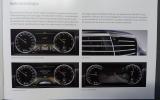
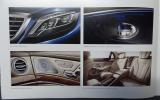
Sitting proud up front is a traditional grille with added chrome, increased width and greater prominence than on any recent Mercedes model. Other design features of note include larger headlamps with more expressive internal graphics and up to 56 individual LEDs, a heavily structured front bumper, more contoured bonnet, less prominent wheel arch flares, and a signature dropping line along the flanks that runs from the trailing edge of the headlamps to a lower point above the rear wheel arches.
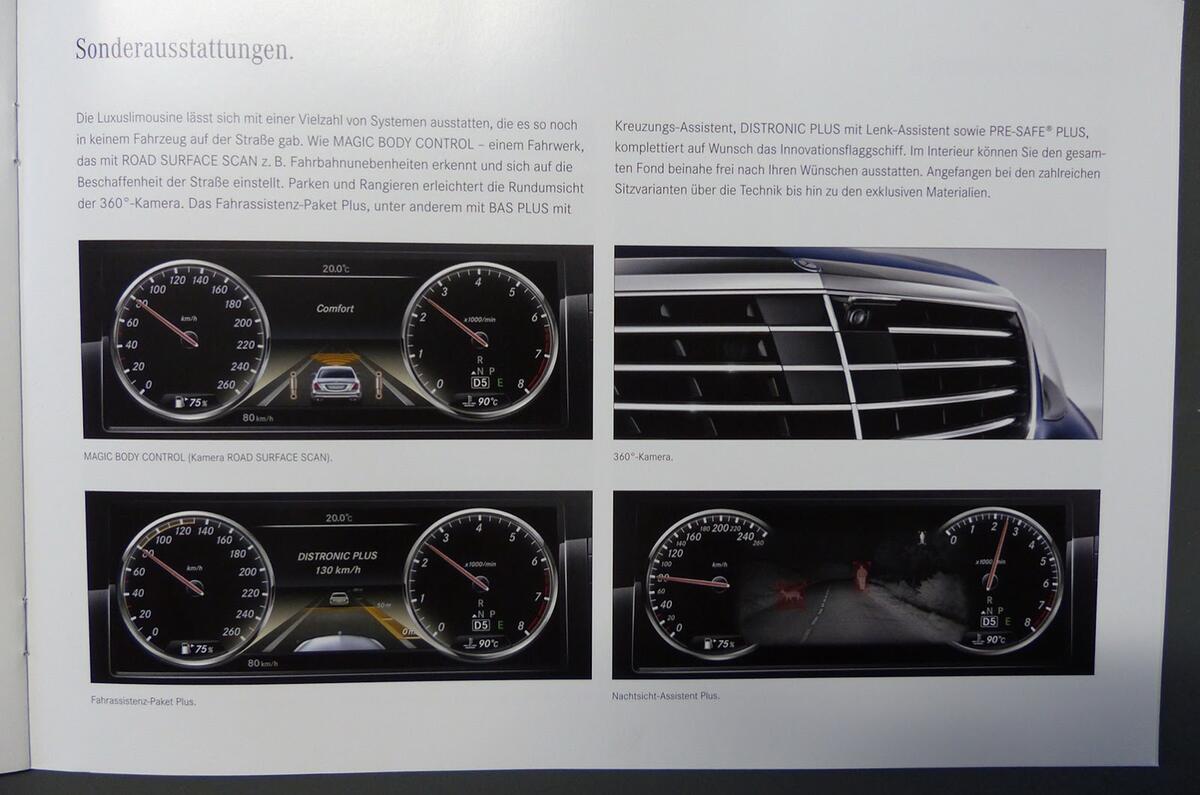
The underpinnings, like many elements of the new S-class, are a development of those used by its predecessor, albeit with numerous revisions, most notably in the area of electronics that sees the new car adopt some interesting new safety features.
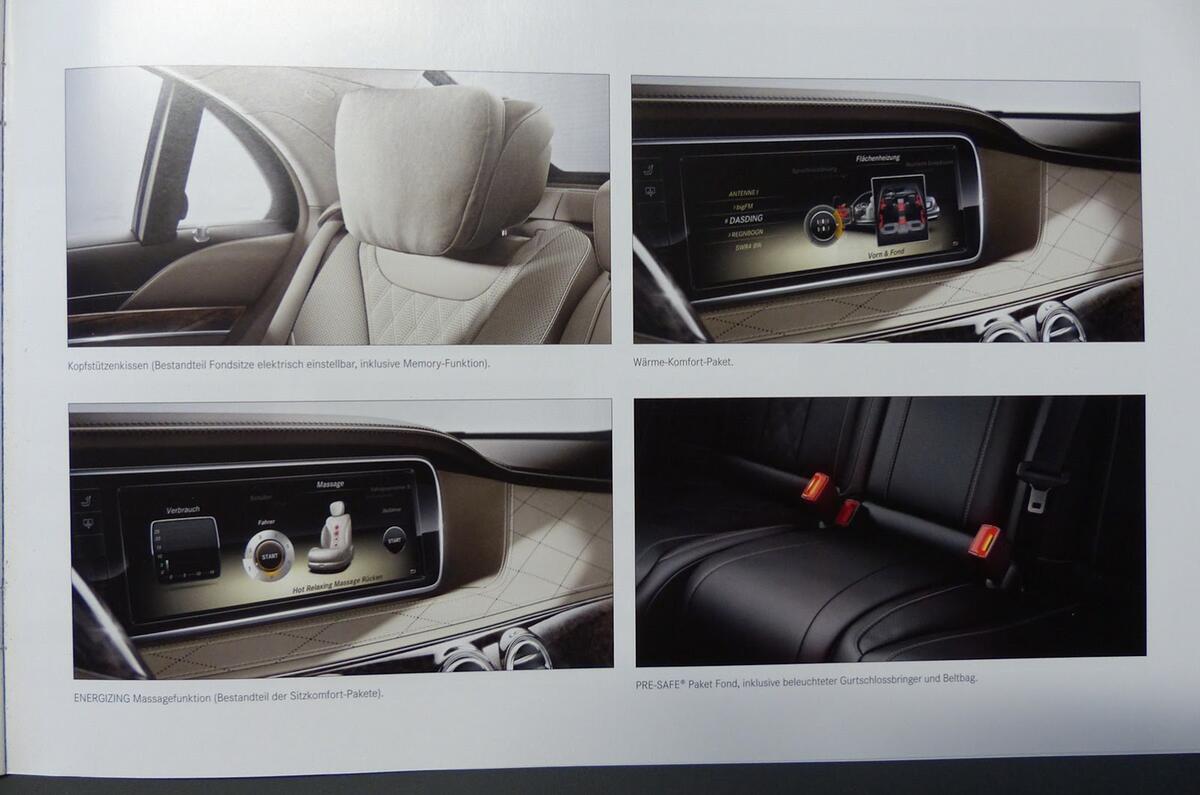
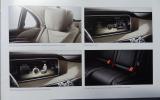
These include an illuminated belt buckle extender and air bags within the belt straps for the rear passengers. Models equipped with the optional reclining rear seat also receive an airbag within the seat cushion; it's designed to prevent the occupant sliding forward in the case of an accident.
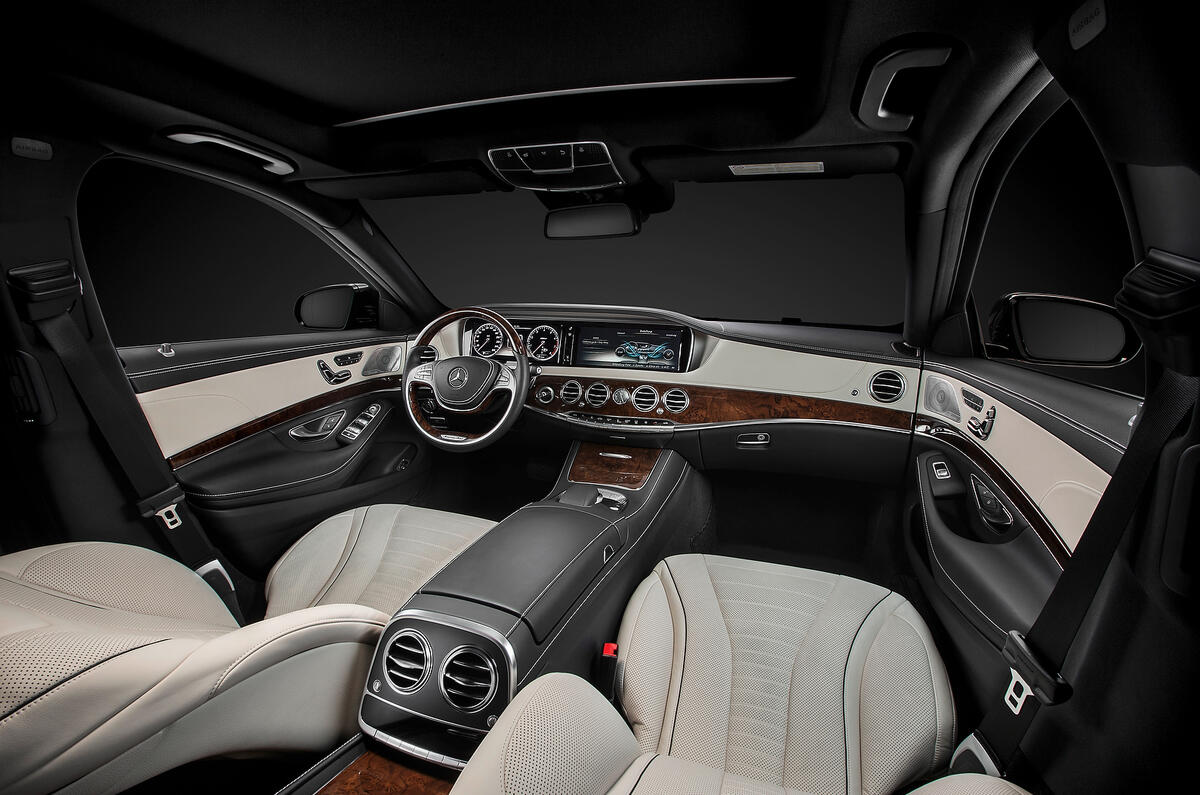
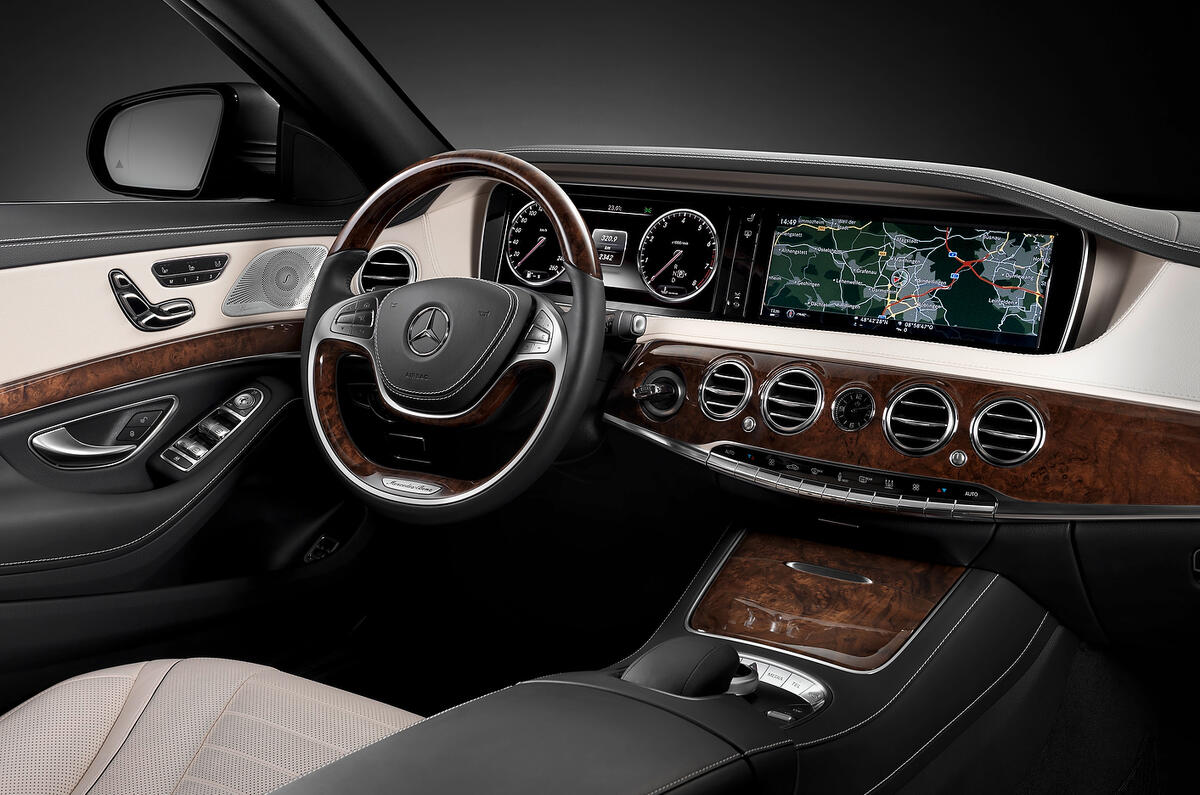
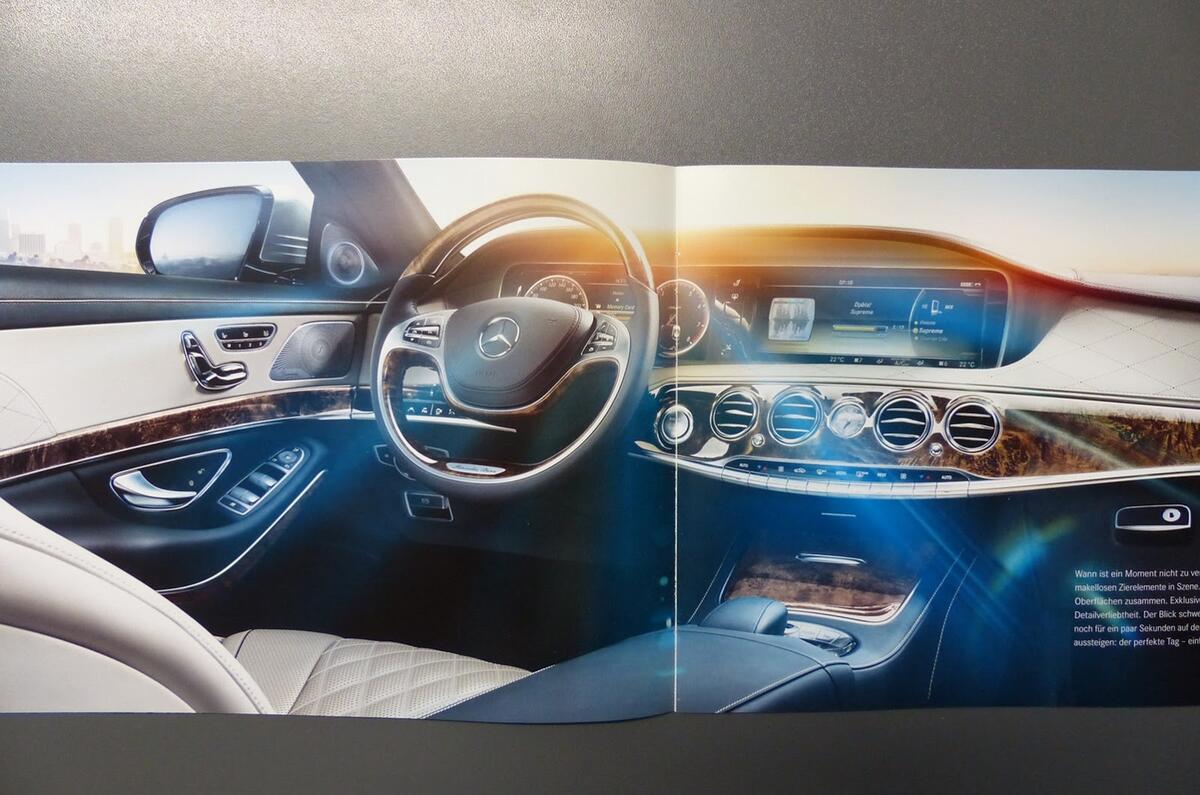
Many of the changes and developments have been made in an effort to improve rear-seat luxury, as the Asian market for traditional luxury saloons is becoming increasingly important. Interior space is greater than the previous generation and equipment like seatbelt holsters that rise electronically serve to boost what Mercedes-Benz calls the "essence of luxury".
Considerable lengths have also been taken to ensure that interior noise has been reduced, with structural and suspension components being specifically designed and manufactured to reduce noise, vibration and harshness. Damping foil and sound-deadening materials are used throughout the car to further quieten the cabin, while door and window sealing systems have been upgraded to cut wind and road noise.