
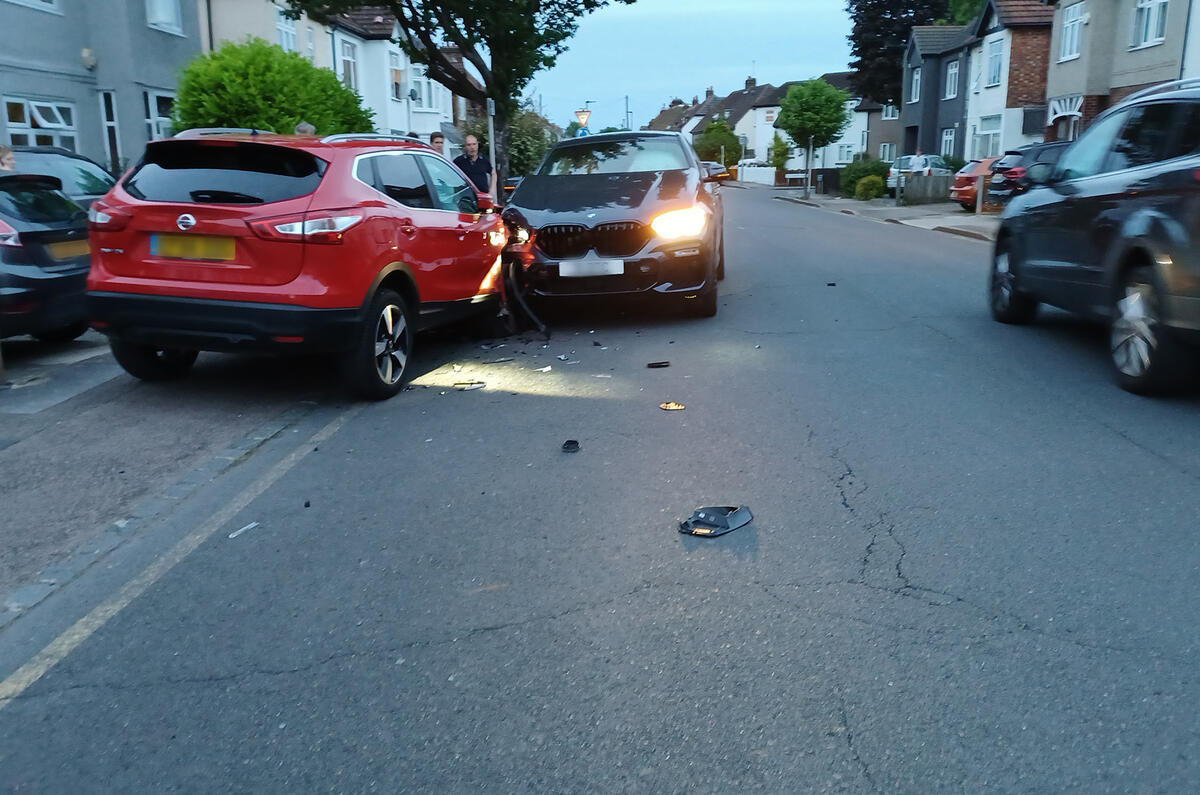

An increase in the number of speeding drivers across the UK has sparked more members of the public to take speed monitoring into their own hands and these groups claim lawmakers are refusing to act, despite being presented with evidence of reckless driving and even collisions.
Since 2022, speeding fines nationally have increased by around 15%, according to freedom of information requests. In response, the number of police-backed organisations, such as Community Speedwatch groups, has risen to 2500 and the number of volunteers operating them to more than 17,000.
However, in some areas where locals have shown there is a speeding problem (and in some cases obtained evidence of collisions involving vehicles, property and even pedestrians), councils have said the risk of injury is too low to justify taking action.
Among the latest to have their demands rejected are residents of two roads in Bromley, south-east London. Siward Road and Godwin Road are both limited to 30mph, but speed camera-wielding residents have caught around 1000 drivers breaking that over a two-week period. Of those, 40 were travelling at more than 40mph and one was clocked at 75mph.
The group also claims to have logged more than 10 collisions in the past four years, including an incident when a pedestrian was hit and hospitalised.
However, Susannah Miller (pictured below), member of the residents' campaign group, has accused Bromley Council of downplaying their findings.
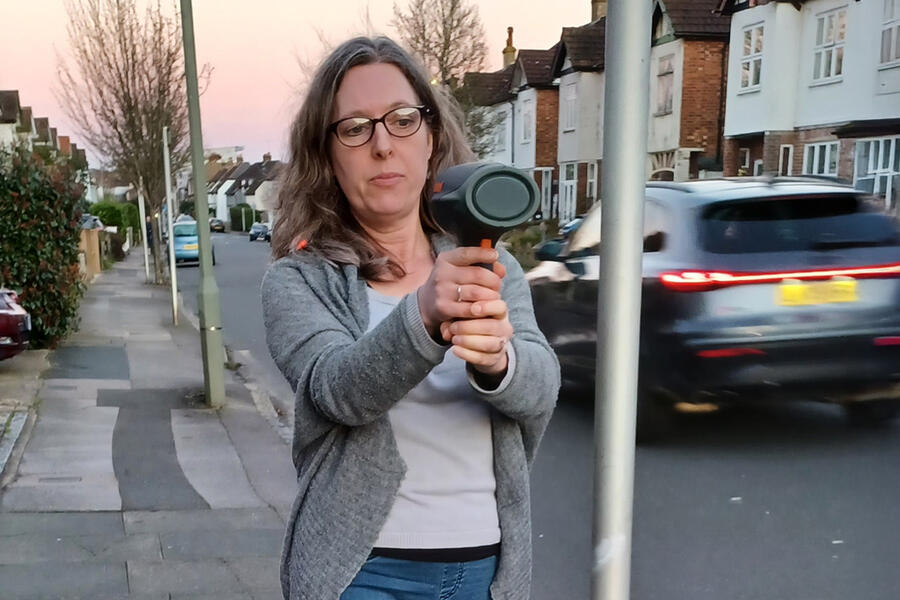
"They make it sound like there have been no accidents at all but my neighbours and I can assure anyone that there have been," she said. "We think physical interventions are needed but the council says five people have to be killed or seriously injured before they will consider any action. Why do people have to die or be hurt when we have the data to show there is a real risk?"
Expanding on the area's issues, she added: "Wing mirror casualties we've lost count of and we haven't even attempted to record all the near-misses."
In response, Bromley Council's transport chief, councillor Nicholas Bennett, claimed that the council has "no recorded injury collisions" on Siward Road and Godwin Road in the past three and a half years, and therefore "our focus will be elsewhere". He added that due to "finite funds from Transport for London, we must prioritise any action on the basis of evidence of known accident blackspots".
A council spokesman also defended its actions, saying it has a good road safety record in part because of its focus on prioritising collision hot spots: "Looking at the 2019-2023 five-year average for the London boroughs, Bromley saw the largest decrease in KSIs killed or seriously injured - a 48% decrease. In addition, 2023 data shows that Bromley has one of the lower casualty rates in London, with 140 KSI per billion vehicle miles, which is the 10th-lowest in London."


