

Currently reading: 7 of the most important powertrains in Audi’s history

From an iconic five-cylinder to a state-of-the-art hybrid system, we explore Audi’s industry-defining powertrains

Audi is synonymous with many things: clean, avant-garde styling, incredible interior quality, and its world-beating quattro all-wheel drive system. And throughout the past 60 years, the brand has also been a pioneer in the field of powertrain technology.

Driven by the four rings’ enduring philosophy of Vorsprung durch Technik (progress through technology), Audi’s engineers have brought us some of the most iconic engines in history – whether by virtue of their exceptional economy, mind-warping performance, or both.

From the iconic five-cylinder 2.1-litre turbo that dominated rallying and the screaming V10 that catapulted Audi into the supercar hall of fame, to the battery-powered e-trons that marry efficiency with impressive power delivery and the e-hybrids that seamlessly blend the benefits of EV and petrol power, we explore seven of Audi’s most significant powertrains.

995cc rotary engine
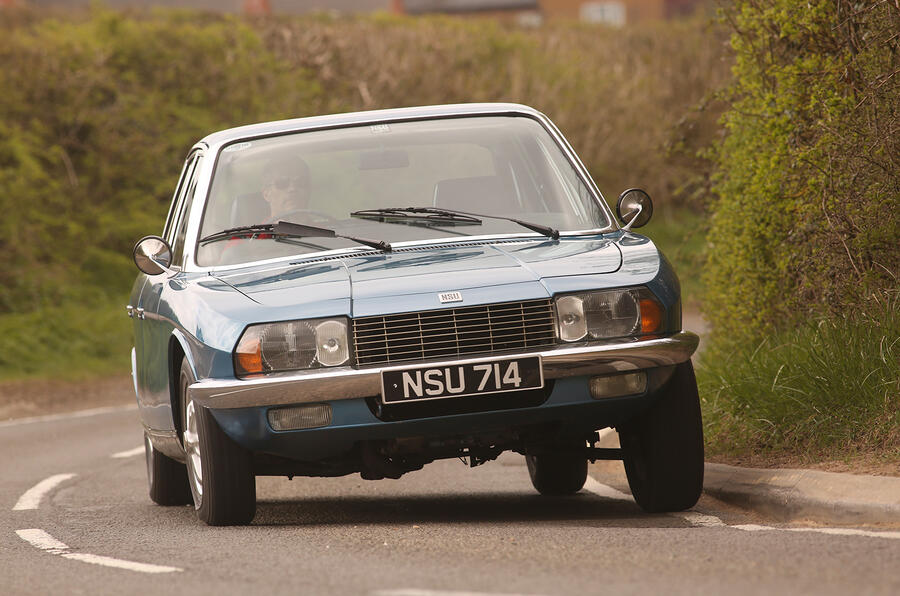
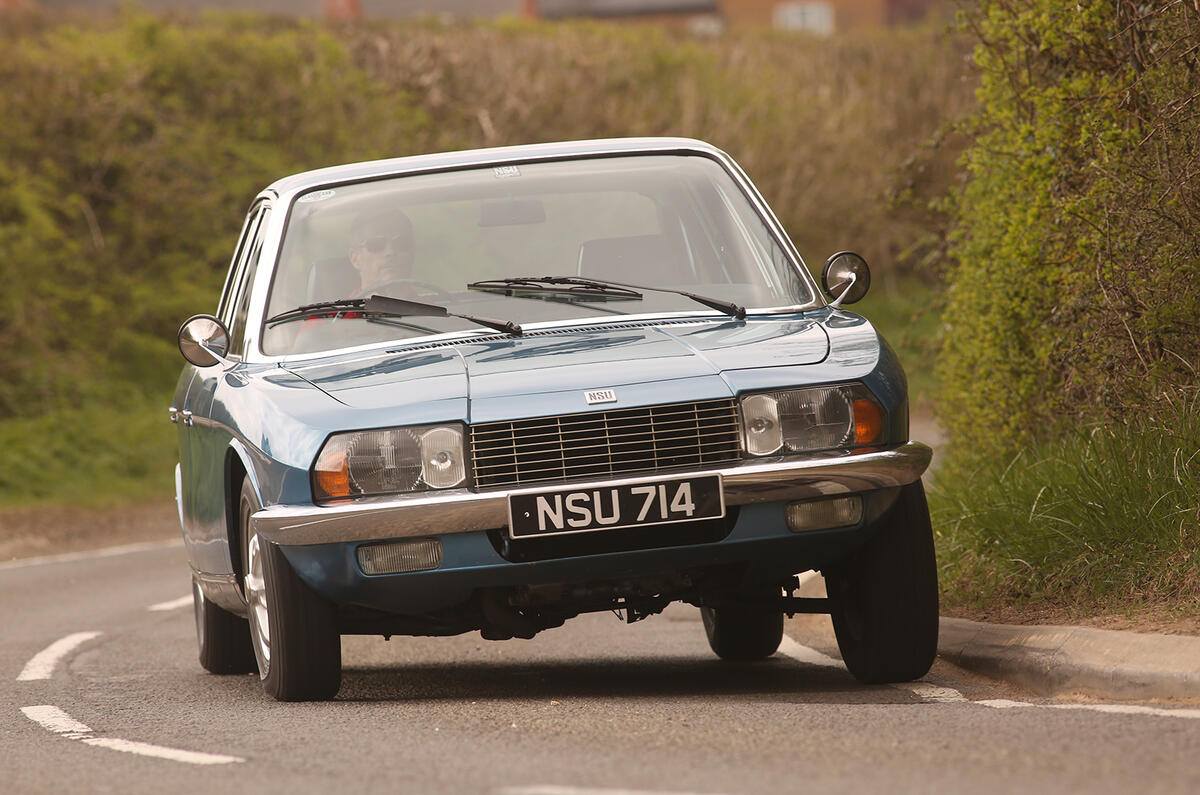
When Volkswagen acquired the NSU brand in 1969, it merged it with VW subsidiary Auto Union to create the Audi NSU Auto Union brand, which was abbreviated to simply Audi in 1985.

As part of the deal, Audi acquired a 995cc rotary engine from cash-strapped NSU, which was front and centre in the futuristic Ro 80 saloon car. It drove the front wheels, but instead of a traditional clutch it had an unusual vacuum-operated set-up.

Audi’s engineers immediately set about enhancing the engine, and very quickly managed to drastically improve both its reliability and its longevity, to the extent that the car lived on for another eight years.

2.1-litre turbocharged inline-five-cylinder
In 1976, Audi had plans to move upmarket, and the second-generation 100 model was its chosen contender.

Back to top

During the development process, it was decided that traditional four-cylinder engines were not upmarket enough, so engineers were torn between developing either an inline five-cylinder engine or a straight six. In the end, the five-cylinder powerplant was chosen because it not only took up less space but it was also lighter, which helped with weight distribution.

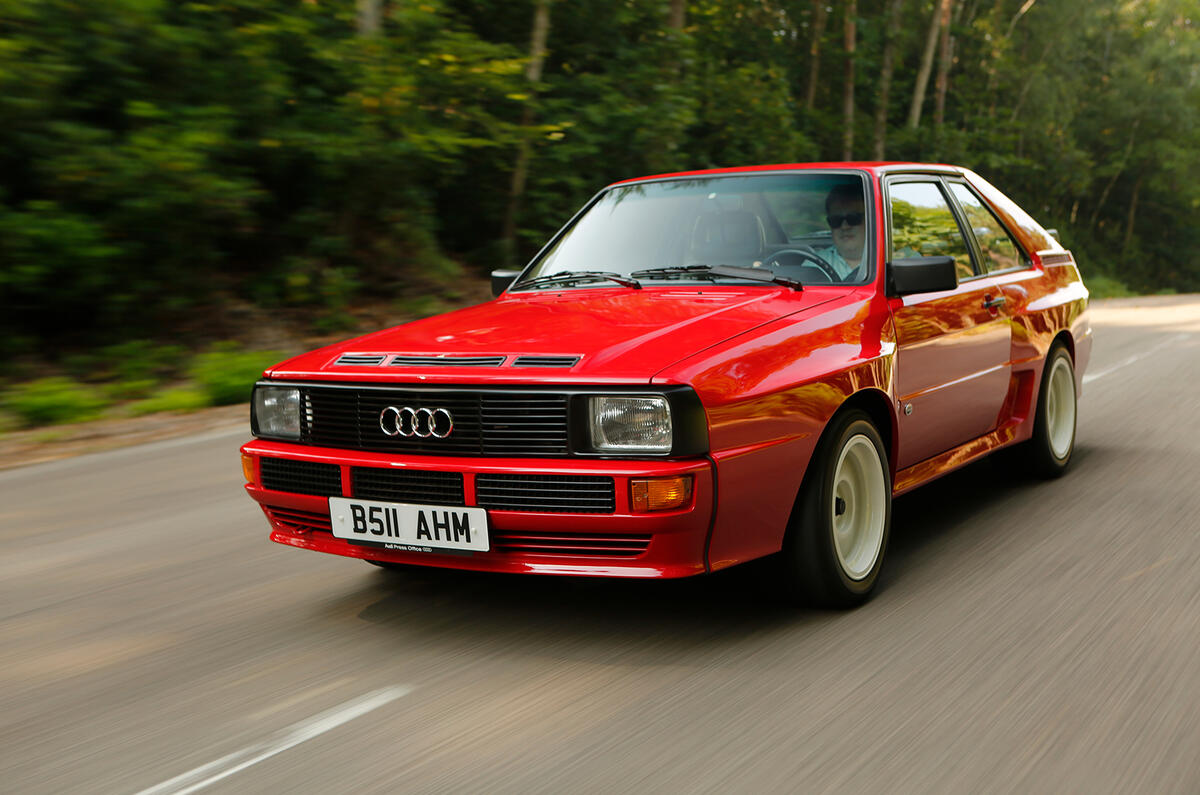
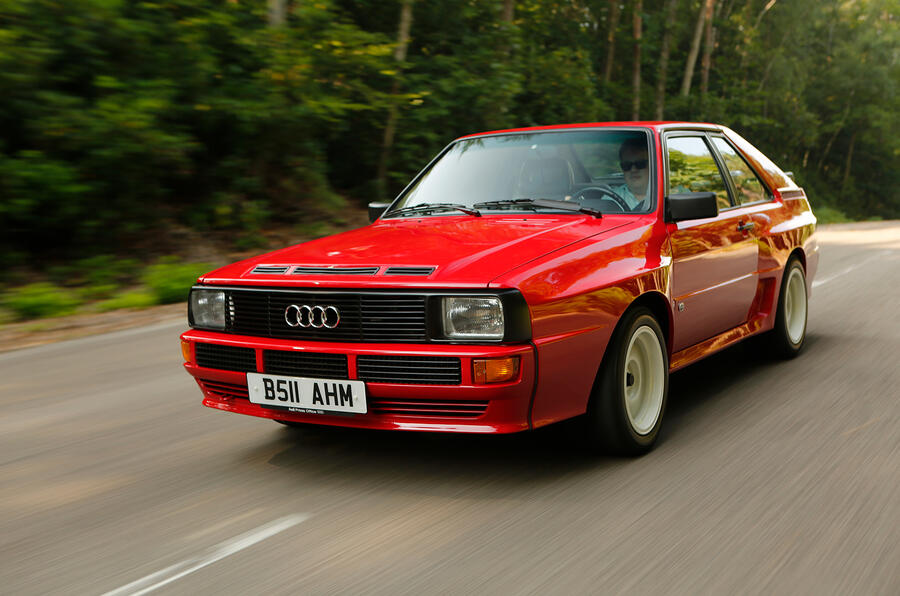
In the 100, there were three versions of the 2.1-litre five-cylinder unit available, developing 115PS, 136PS or 170PS. However, the engine would go on to much greater acclaim when in 1980 a 200PS version appeared in the Audi quattro coupé, one of the world’s first high-performance four-wheel drive cars.

The car would be on sale for 11 years. Undoubtedly, the way it revolutionised the World Rally Championship played a huge part in its success – millions of people watched as flame-spitting quattros decimated the field to the soundtrack of that unique five-pot exhaust note.

EA113 1.8-litre turbo
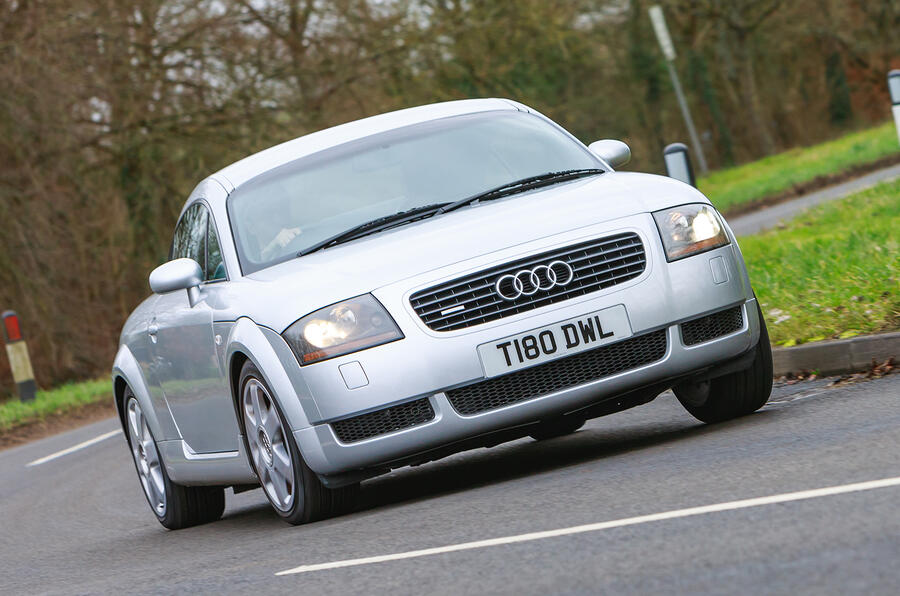
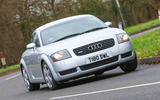
In the 1990s, Audi was one of the car makers that cottoned on early to the benefits of turbocharging smaller-capacity engines. One of its first was the 20-valve 1.8-litre four-cylinder unit that was developed under the EA113 type name.

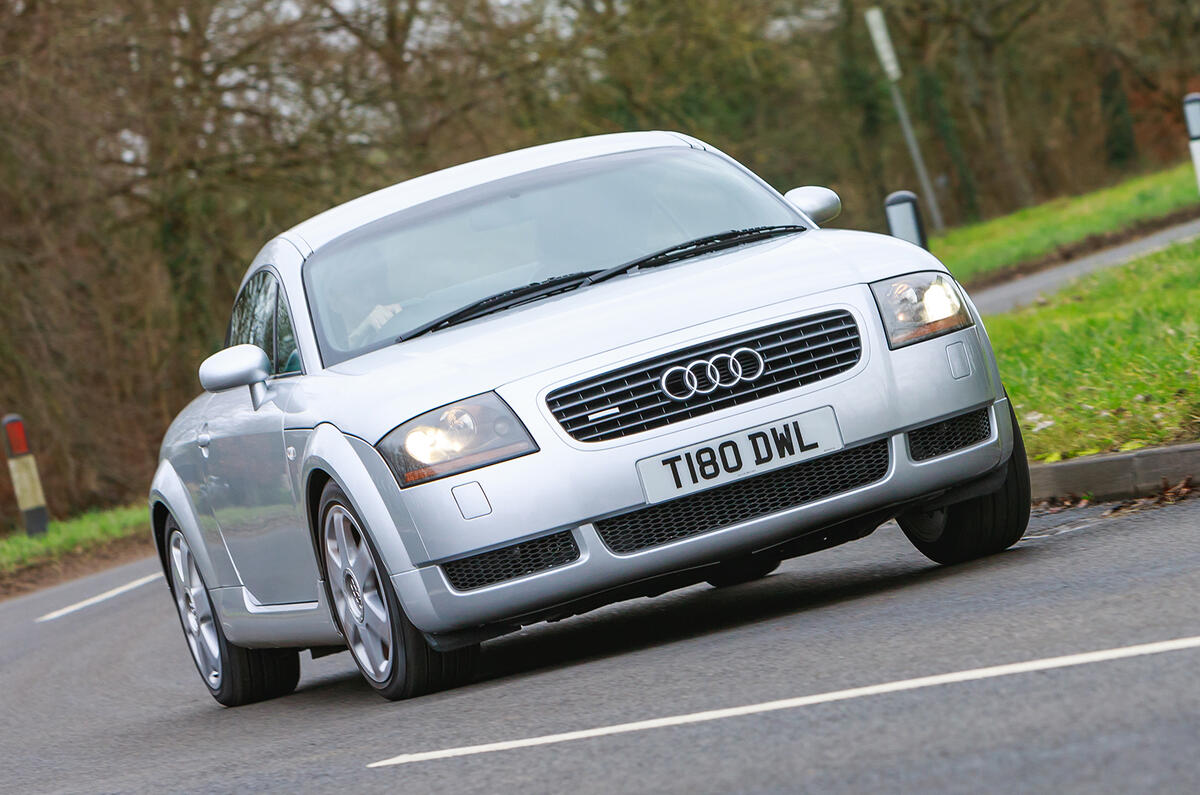
Its sheer breadth of abilities is unsurpassed, because it has appeared in a vast range of Audi models, starting with the A3 hatchback, and heading up through the A4 and A6 executive cars, and even the über-stylish TT. It truly was an engine that felt at home anywhere, which is why it was also fitted to cars competing in the Formula Palmer Audi racing series that ran from 1998 until 2010, as well as the FIA Formula Two Championship that ran from 2009-2012.

Back to top

4.2-litre V8

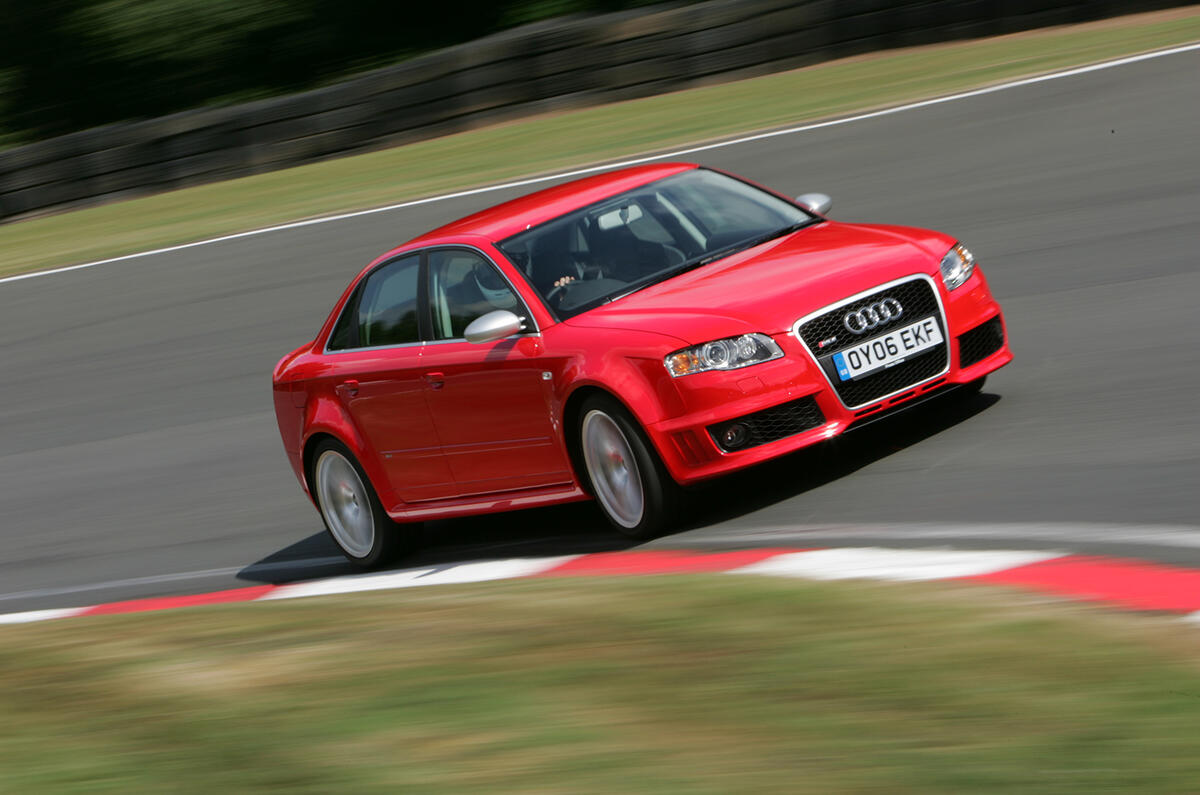
When Audi decides to build a performance car, it doesn’t do it by half. So, when it wanted a hot S4 variant of its A4 saloon, estate and convertible in 2003, it went for the no-holds-barred option of developing a new 4.2-litre V8 engine.

This new engine produced 344PS, and gave the S4 the pace to worry dedicated sports cars.

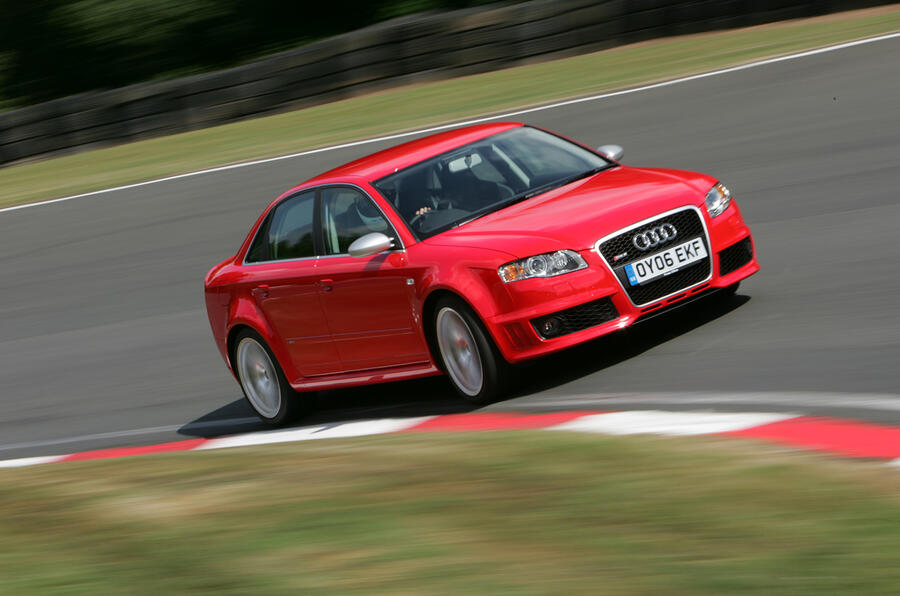
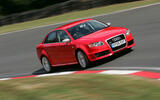
But Audi didn’t stop there. When the whole A4 range was revised in 2006, Audi revealed a new RS4 model, which had the V8 turned up to 11. In the RS4 it produced 420PS, and had a redline of 8000rpm.

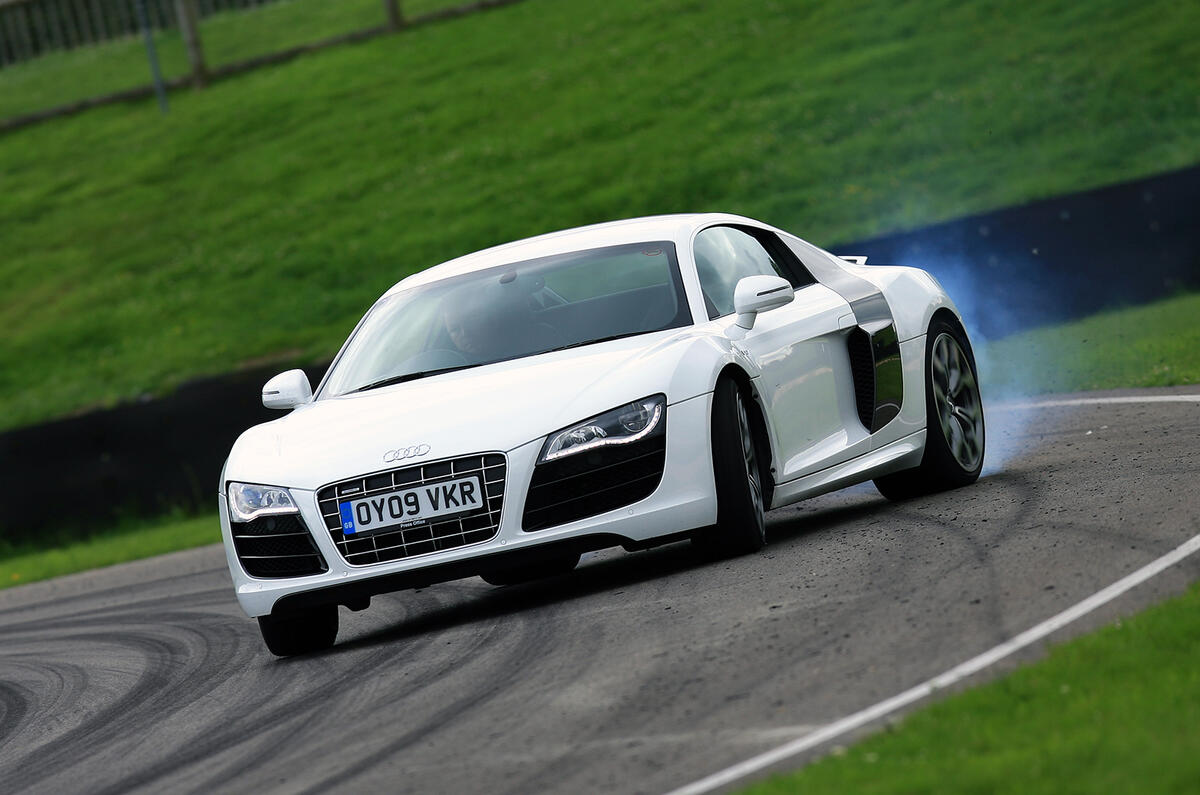
This award-winning engine also powered Audi’s first supercar, the R8, when it was launched.

Back to top

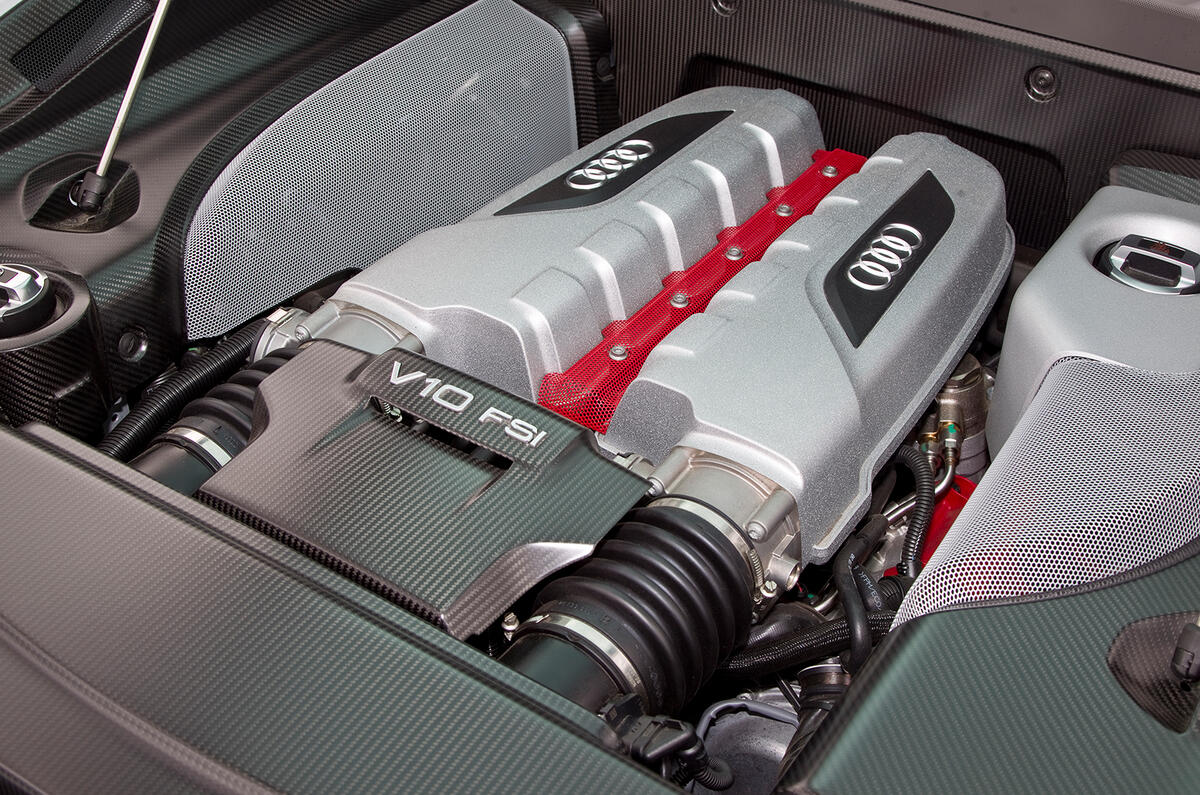
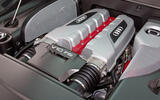
5.2-litre V10

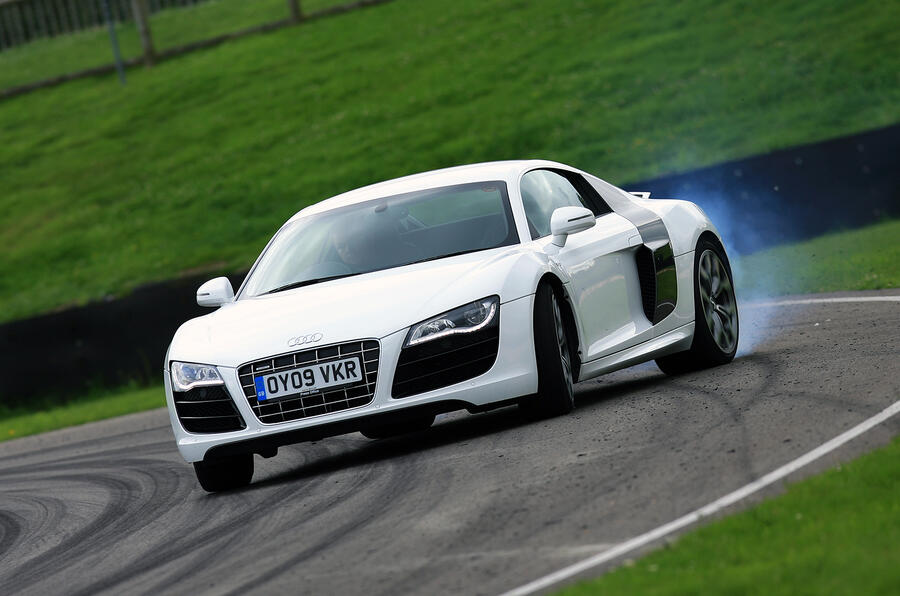
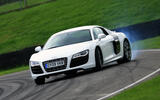
As the old saying goes, there ain’t no replacement for displacement. Audi took it to heart when developing the third-generation Audi S6, so came up with a 5.2-litre V10 engine, which built on the already impressive foundations of the 4.2 V8 seen in the S4 model. It produced 435PS and a howling soundtrack. And that’s what made it a natural fit for the second variant of the Audi R8, which was launched in 2009. This model featured a power output of 525PS, giving the car a 0-62mph time of 3.9 seconds and a top speed of 196mph.

This model also continued Audi’s Vorsprung Durch Technik ethos by being the world’s first car to be fitted with LED headlights.

e-tron

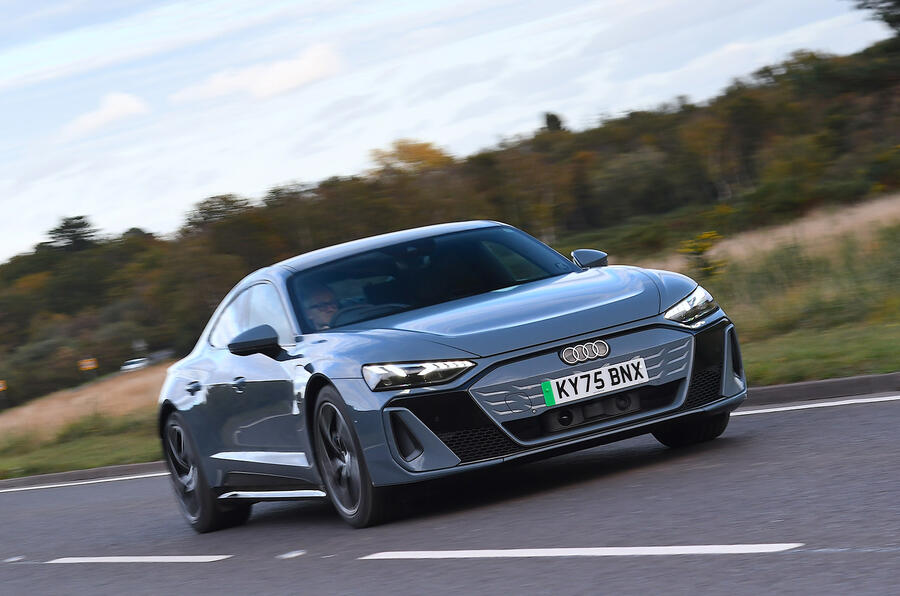
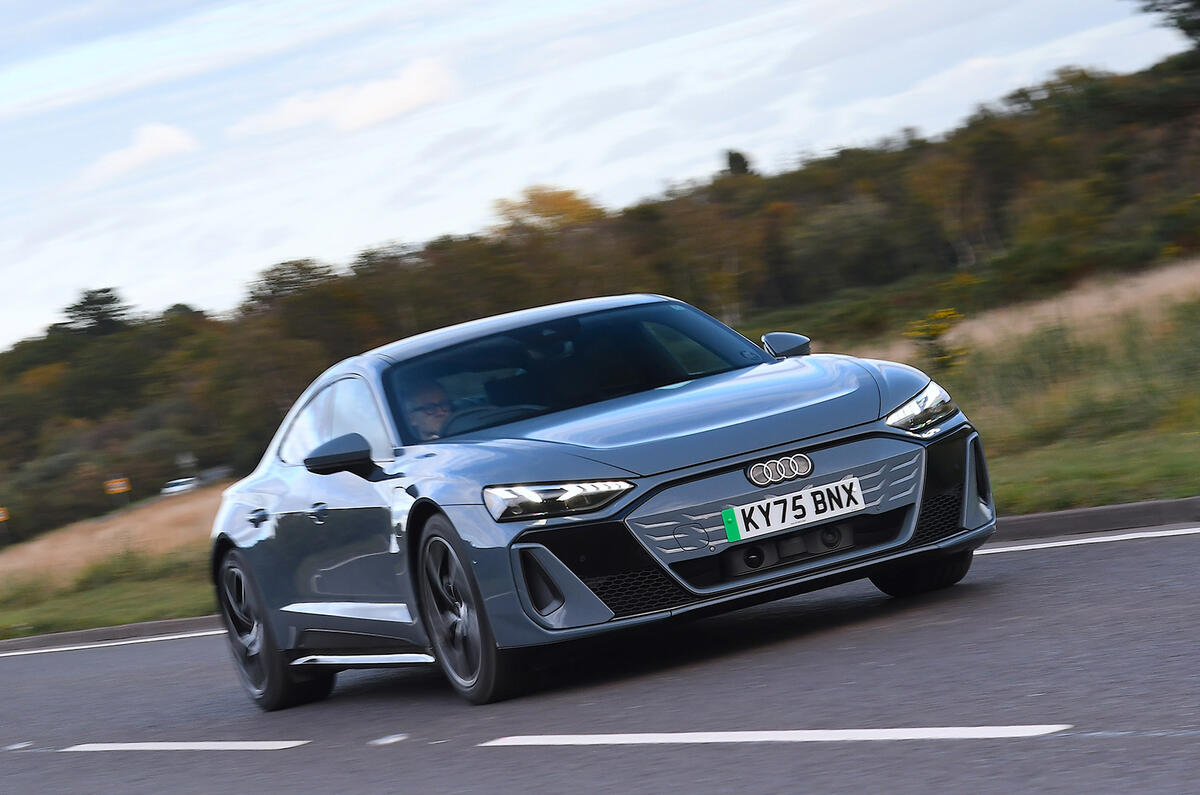
Talk about current thinking. e-tron is the designation Audi has given its range of fully electric powertrains. And much like the supremely versatile 1.8-litre turbo mentioned earlier, the e-tron powertrain is impressively broad in its talents. As such, there are a number of motor and battery-size options available across Audi’s range – with e-tron models including the Q4 e-tron, Q6 e-tron, A6 e-tron and e-tron GT – which means that there is now a fully electric Audi to suit most buyers’ wants and needs.

As it happens, electric motoring suits Audi quite nicely too, with the e-tron platform neatly blending the excitement of punchy torque, with the relaxation and refinement of smooth, almost-silent driving. Plus there’s the added bonus of potentially lowering your running costs that come from being able to recharge at home.

Back to top

Speaking of charging, Audi has taken care to make that effortless too. At home, you can ‘fill up’ your Audi’s battery overnight for added convenience, while out on the road, a lofty maximum charging speed means some models can be juiced up from 10-80% in as little as 21 minutes[2] at an ultra-rapid public charger.

e-hybrid

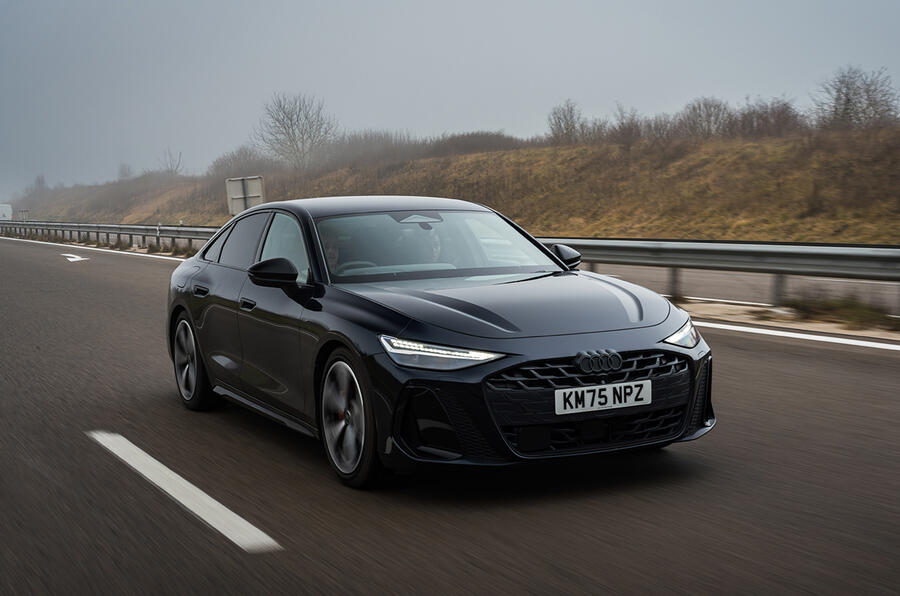
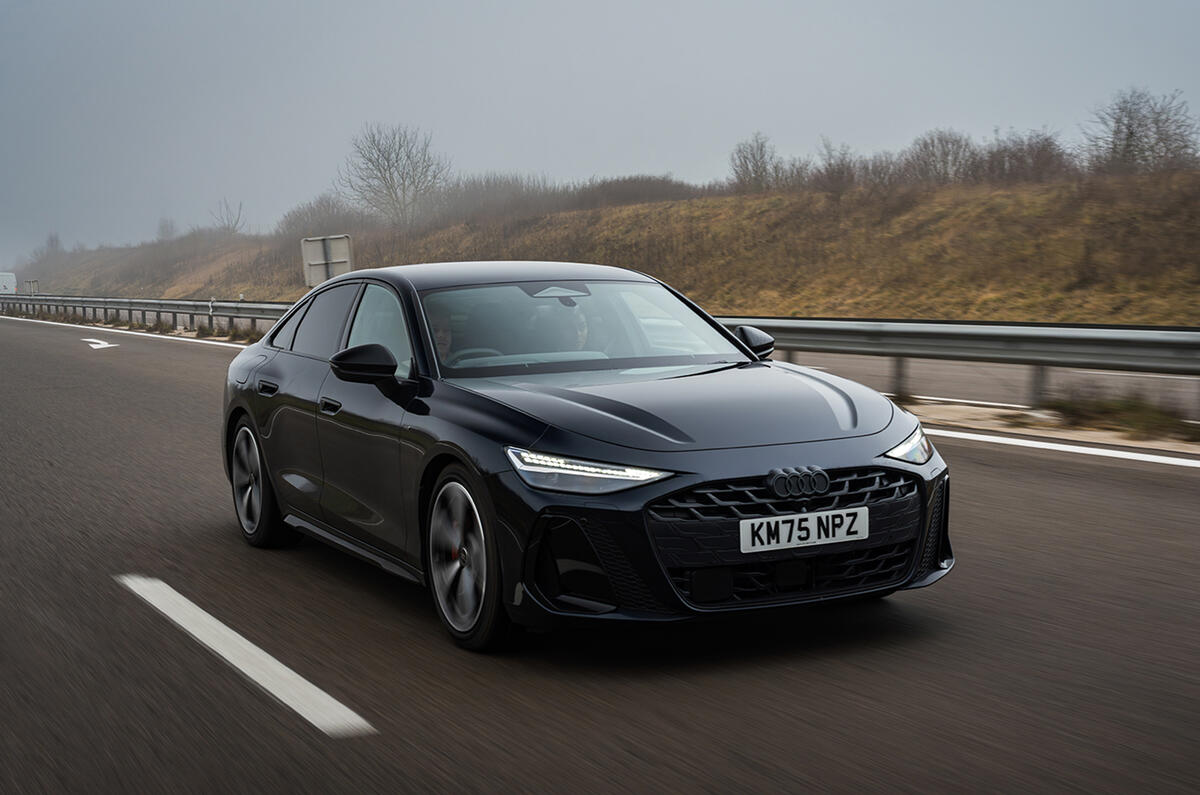
Plug-in hybrid cars have been a useful bridge between self-charging hybrid and fully electric vehicles for some years now, but Audi’s e-hybrid powertrains represent a substantial evolution of the established PHEV formula by significantly boosting the all-electric range.

For example, a fully electric range of up to 67-73 miles (WLTP) in the Q3 SUV e-hybrid[1] means that, for the average driver, there could be more than enough battery power for a few days of pure electric motoring. So you get the benefit of smooth, silent and responsive electric power, with the familiarity of an efficient, cutting-edge petrol engine for longer trips.

As you might expect, there are other clever bits of Audi innovation sprinkled throughout. Some models benefit from an enhanced quattro set-up, with the punchy response of the electric motor increasing the effectiveness of Audi’s legendary all-wheel-drive system. And, on many models, the e-hybrid powertrain is in constant communication with the sat-nav system, allowing it to work out which is the best drive option for any particular stage of your journey – the perfect demonstration of Vorsprung Durch Technik.

Back to top

Throughout its existence, Audi has been a pioneer in powertrain technology, from refining the remarkable rotary engine through to cohesive integration of petrol and electric power in the latest e-hybrid powertrains. The German marque has continuously been at the forefront of automotive technology, and one thing’s for sure – it will keep driving forward.

Explore the Audi e-hybrid range

[1] The Audi Q3 SUV e-hybrid is a plug-in hybrid vehicle which requires mains electricity for charging. *Figures shown are for comparability purposes and were obtained using a combination of battery power and fuel. These figures may not reflect real life driving results, which will depend upon a number of factors including the accessories fitted (post-registration), variations in weather, driving styles, route conditions, speed, vehicle and battery age and vehicle load. Data correct at [17.02.26]

[2] Timings based on a 10 to 80% charge using an ultra-rapid DC public charge station at the vehicle’s maximum charging capability. For rapid 270 kW charging you will need a charger in excess of 270 kW, or to charge at 260kW you will need to use a charger in excess of 260kW. The availability of 260kW+ chargers is currently limited to UK motorways and major arterial routes. Test data under standardised conditions for comparison purposes. Actual charging times will vary depending on various factors, including the selected vehicle (and battery option, if available), the type of charger used, the level of charge in the battery, the age type, condition and temperature of the charger and the battery, the power supply, ambient temperature at the point of use and other environmental factors. Charging times will also be affected by the charging curve (for example, once charging passes 80%, charging will slow to protect the battery's longevity) and will be longer in cold weather or if battery temperature activates safeguarding technology.

Join our WhatsApp community and be the first to read about the latest news and reviews wowing the car world. Our community is the best, easiest and most direct place to tap into the minds of Autocar, and if you join you’ll also be treated to unique WhatsApp content. You can leave at any time after joining - check our full privacy policy here.

The discussion board is currently closed for new comments while we carry out some maintenance. In the meantime, please join the debate on our social media channels.