


With their hefty kerb weights and instant torque delivery, EVs will suffer from faster tyre wear than a traditional ICE car - at least that’s the received wisdom.
In many respects, it's simple physics. You don’t even have to get behind the wheel and put the theory to the test: just get the calculator out and do the sums.
Yet as with everything in life, it’s a bit more complicated than that. Dig a little deeper and you will find that, yes, in many circumstances EVs do chew through rubber and an accelerated rate. Even Michelin has admitted that battery-powered cars can wear out tyres up to 20% faster than petrols and diesels.
However, tyre manufacturers are quickly coming to terms with the issue and developing EV-specific rubber that’s more robust, matching and even exceeding longevity of ICE cars. Moreover, it’s not just the tyres that can be changed in an effort to reduce wear: the driver can too.
So read on as we take a closer look at how these cars work their rubber, as well as offer a few tips on how you can tread more carefully to make the most of the covers on your electrified wheels.
Putting the power down and dealing with the mass
As we’ve already mentioned, the basic physics suggests that an EV will wear out their tyres more quickly than equivalently sized and specified ICE cars.
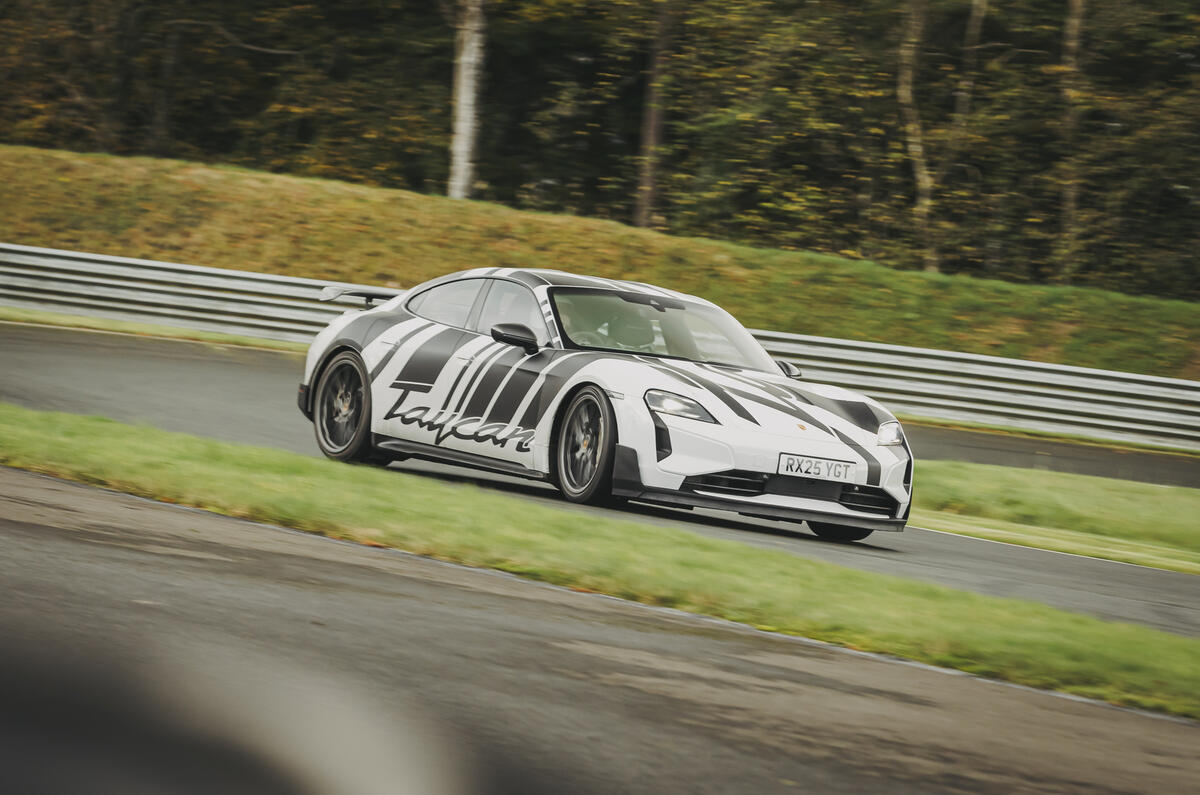
The extra mass off these heavy cars puts extra stress on the tread even in steady state cruising, while the instant spike in torque from the electric motor means the rubber is working harder to maintain traction.
When it comes to mass, respected automotive testing organisation Emissions Analytics reckons that for every extra 450kg you add to a car’s kerb weight, tyre wear increases by 20%. Given that most ICE family cars tip the scales at around 1400kg and an equivalent EV is around 2000kg, that’s a big chunk of extra wear.
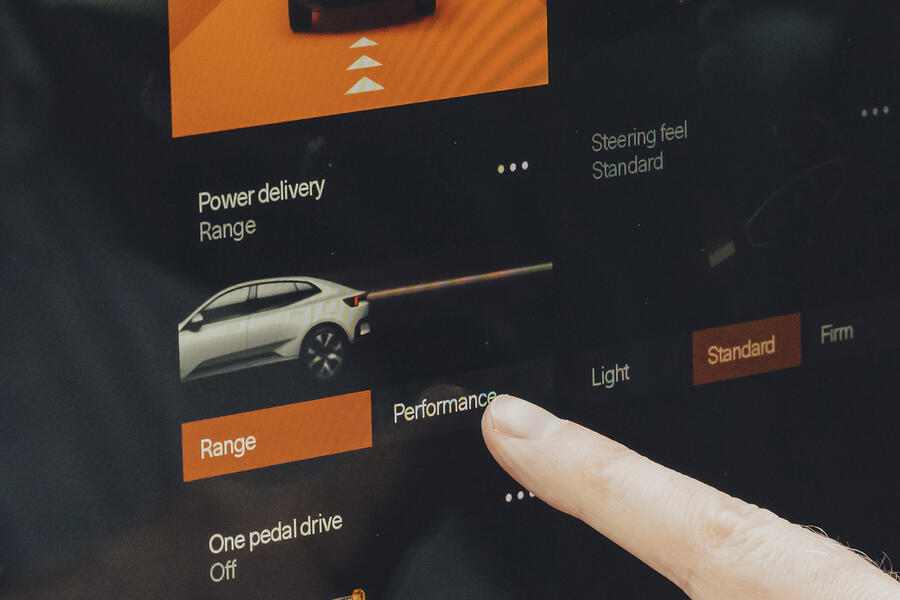
Then there’s an EV’s stronger acceleration: their motors’ ability to deliver 100% torque the moment you put your foot on the throttle puts the tread under increased stress as it tears into the road surface in an effort to translate all that energy into forward motion.
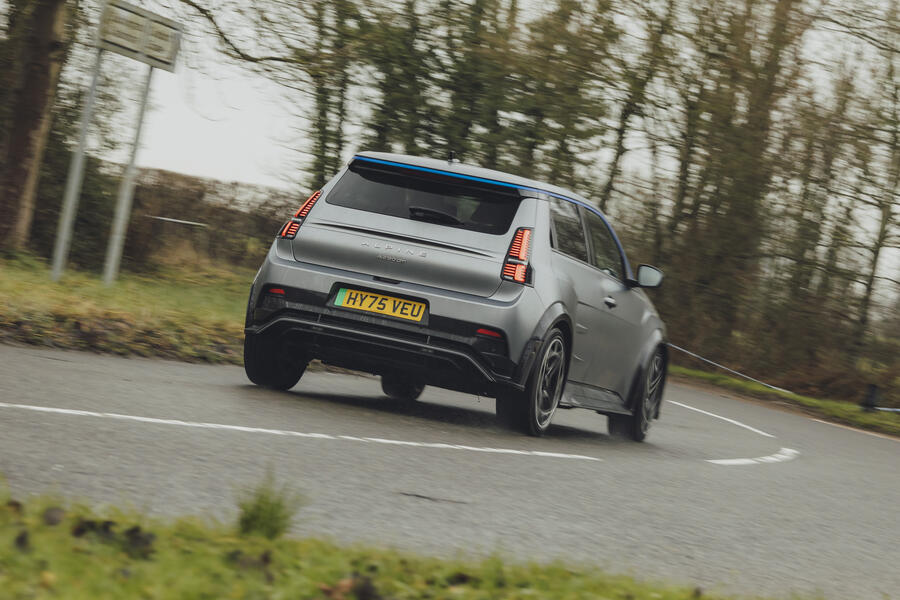
Yet what is true for going also applies to stopping and going around corners.
EVs use regenerative braking to help slow the car and feed otherwise lost energy into the battery. This is great news for the range and the traditional braking set-up, which doesn’t do as much work and so you save pad and disc wear, but the tyres are still under a fair amount of stress. Bringing 2000kg to a halt, particularly in a hurry, requires the rubber to work significantly harder than if it were 1500kg.