


Tyres cause quite the headache when it comes to environmentally friendly end-of-life disposal.
Part of the problem is that they are made from more than 200 materials, including natural and synthetic rubber fillers like carbon black (traditionally made from crude oil), silica derived from quartz sand, chemical agents, steel and textiles.

The good news is that most of the major players in tyre manufacturing are quickly replacing some of the worst-offending raw materials with more environmentally friendly alternatives. Major brands including Pirelli, Continental, Michelin, Goodyear, Falken and Bridgestone are all now producing tyres that contain a percentage of recycled or sustainable materials.
Two of the main culprits in traditional manufacturing are carbon black and silica, both used as filler (a bit like adding flour to a cake mix) in the tyre sidewalls and tread compounds.
Carbon black is formulated differently depending on the job it will be doing. For instance, Continental uses around a dozen types of carbon black to both support the stability of the sidewall and enable the tread to withstand forces and abrasion from the road surface.
Rather than crude oil, the tyre industry is now moving towards carbon black made from organic oils such as ‘tall oil’, which is extracted from coniferous trees during the wood pulping process.
Another approach is making it from tyre pyrolysis oil (TPO), which is produced by subjecting shredded old tyres to high temperatures in the absence of oxygen using a pyrolysis reactor.
Continental takes the “mass balance” approach, blending a proportion of bio-oils or recycled pyrolysis oil with traditional fossil raw materials.
Silica was introduced in tyre construction about 30 years ago and, according to Continental, has reduced braking distances by around a half in that time. In common with rival manufacturers, Continental is using more silica derived from rice husks, in this case a by-product of Asian agriculture and Italian risotto rice production.
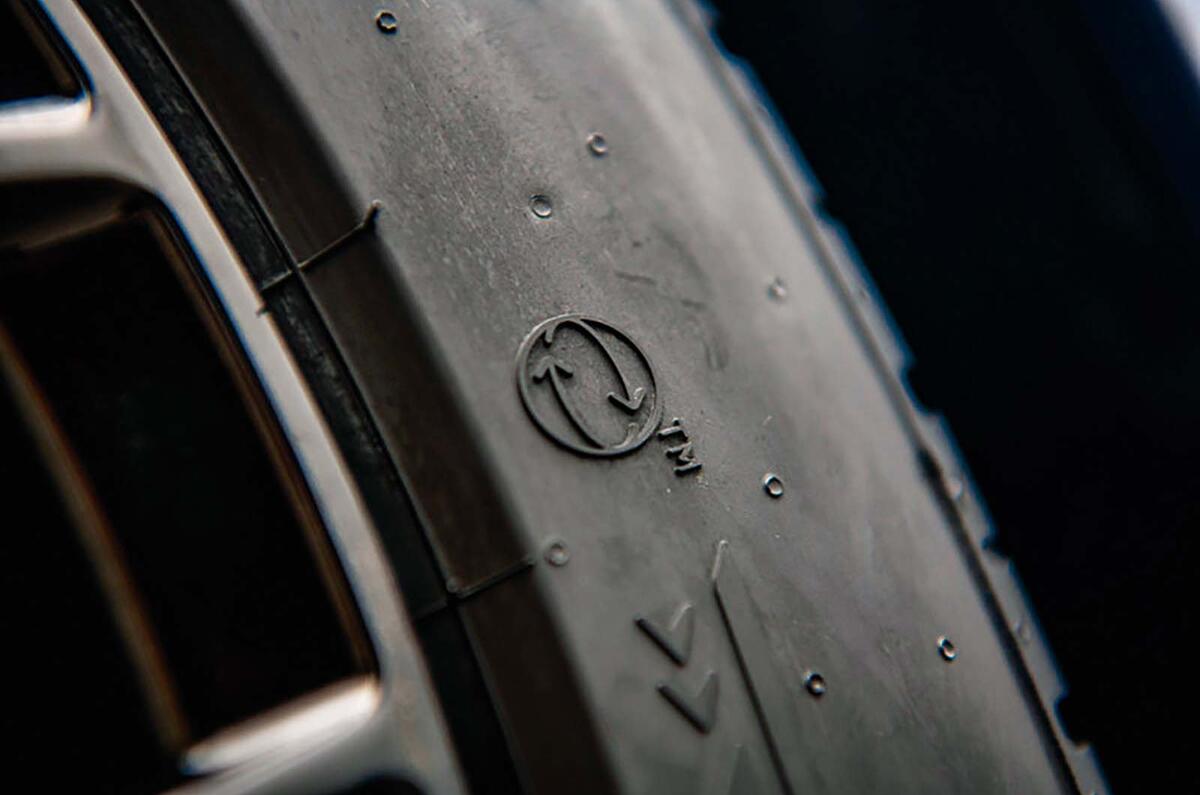
Pirelli recently announced a new P Zero tyre, 70% of which consists of bio-based or recycled materials, including Forest Stewardship Council-certified natural rubber. The Italian firm is aiming for all the natural rubber used in its European factories to be FSC-certified by next year.
The main thrust for this version of Pirelli’s high-performance tyre has been developed for JLR, initially to fit a 22in wheel.
The new P Zero includes the partial use of recycled steel (which matches the properties of virgin steel), rice husk silica in the tread compound, pyrolysis oil from recycled tyres as a replacement for fossil oil, and bio circular polymers from used cooking oil.
It also includes bio-resins – plant-based plasticisers that help to optimise the balance between wet and dry performance.

Add your comment