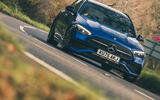
From £41,1358

Mercedes looks to cover off every angle with super-configurable, fifth-generation C-Class

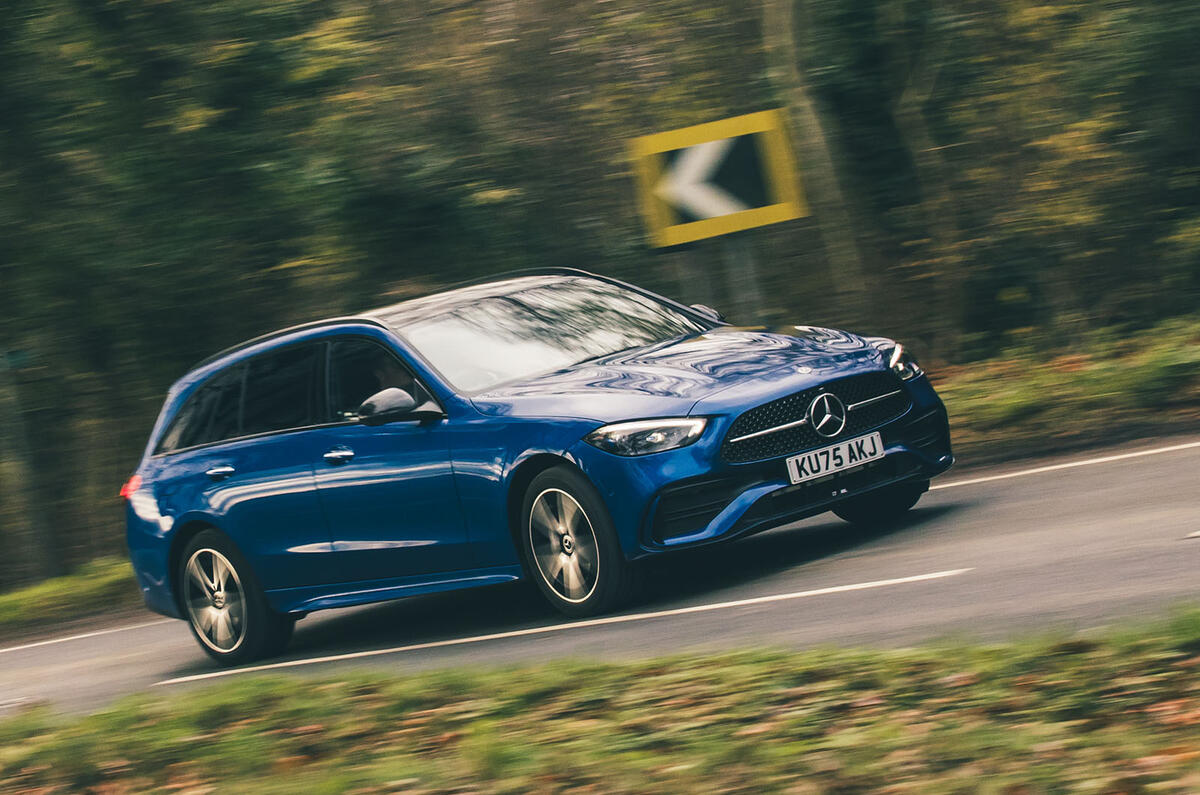
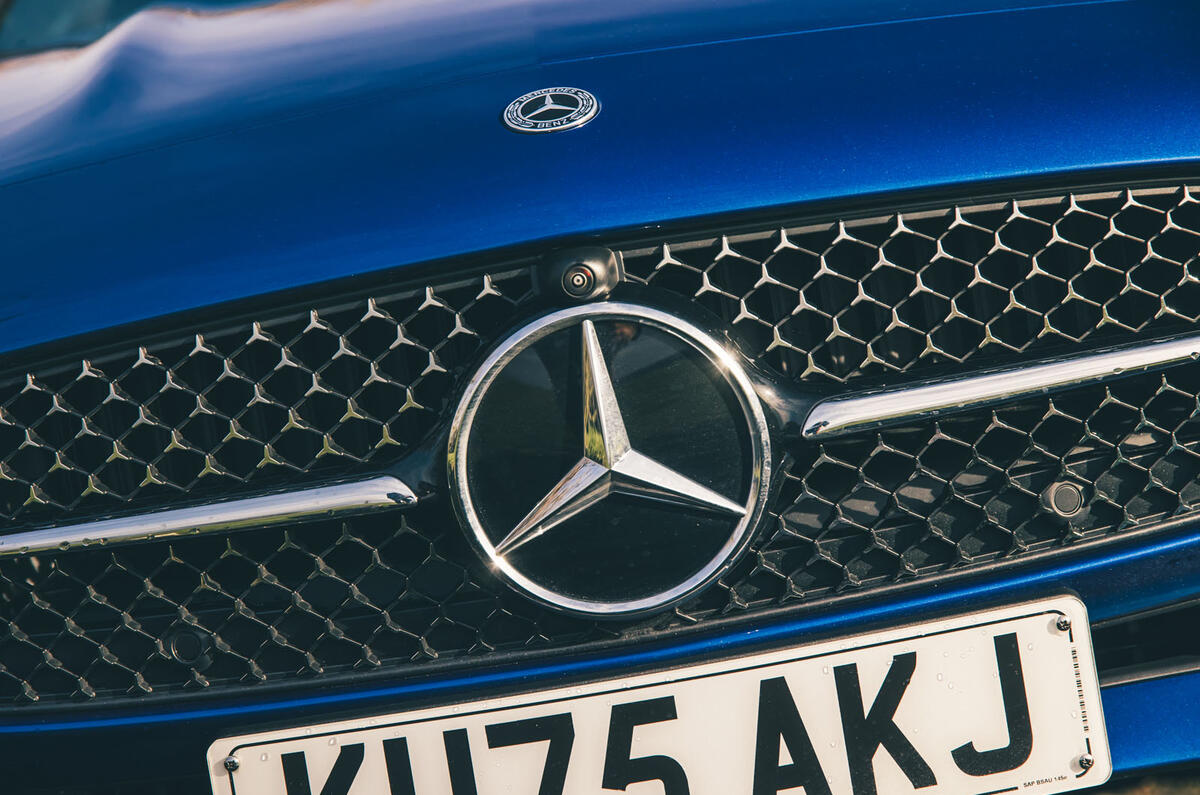
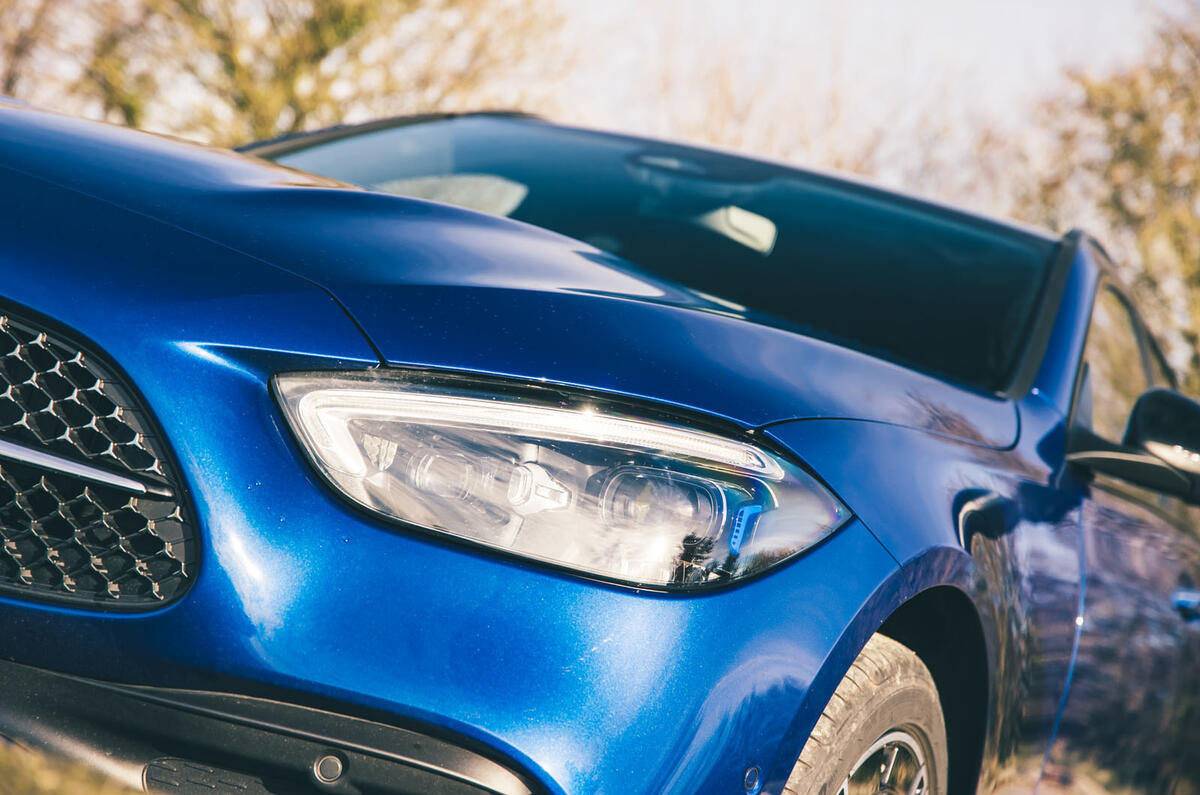
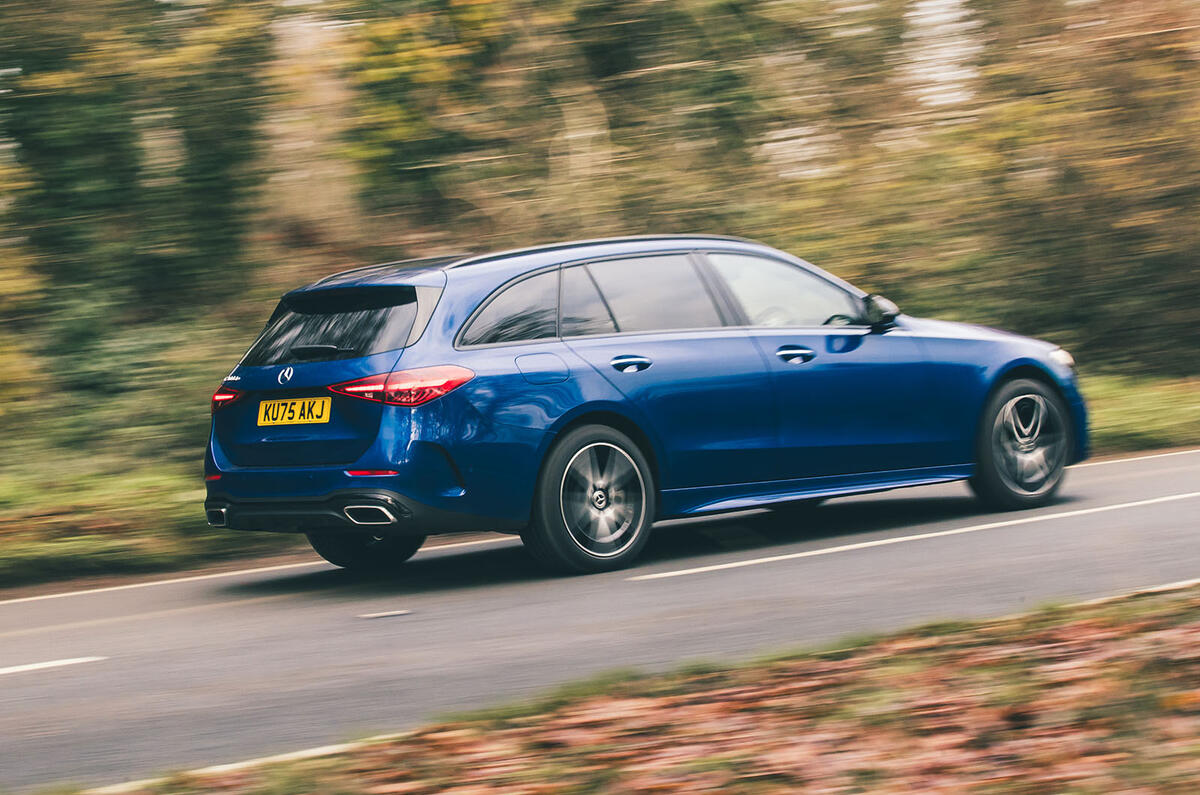
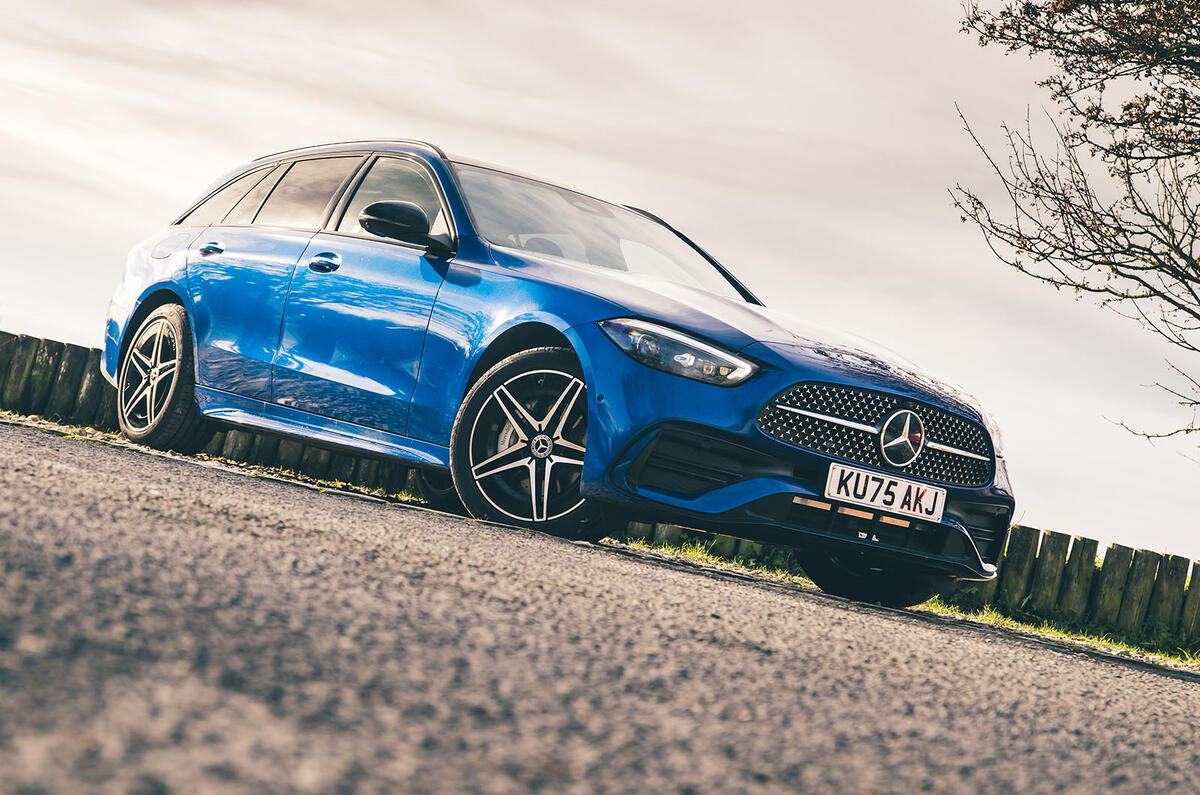
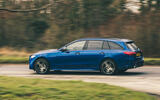
The W206-generation Mercedes C-Class is a transitional car for one of the world’s founding car makers, and yet it remains singularly important. It was the the first C-Class not to offer multi-cylinder combustion engines, for example, when it first appeared in 2021; but was also one of the last of Mercedes' current models of any series not to be engineered for all-electric power.

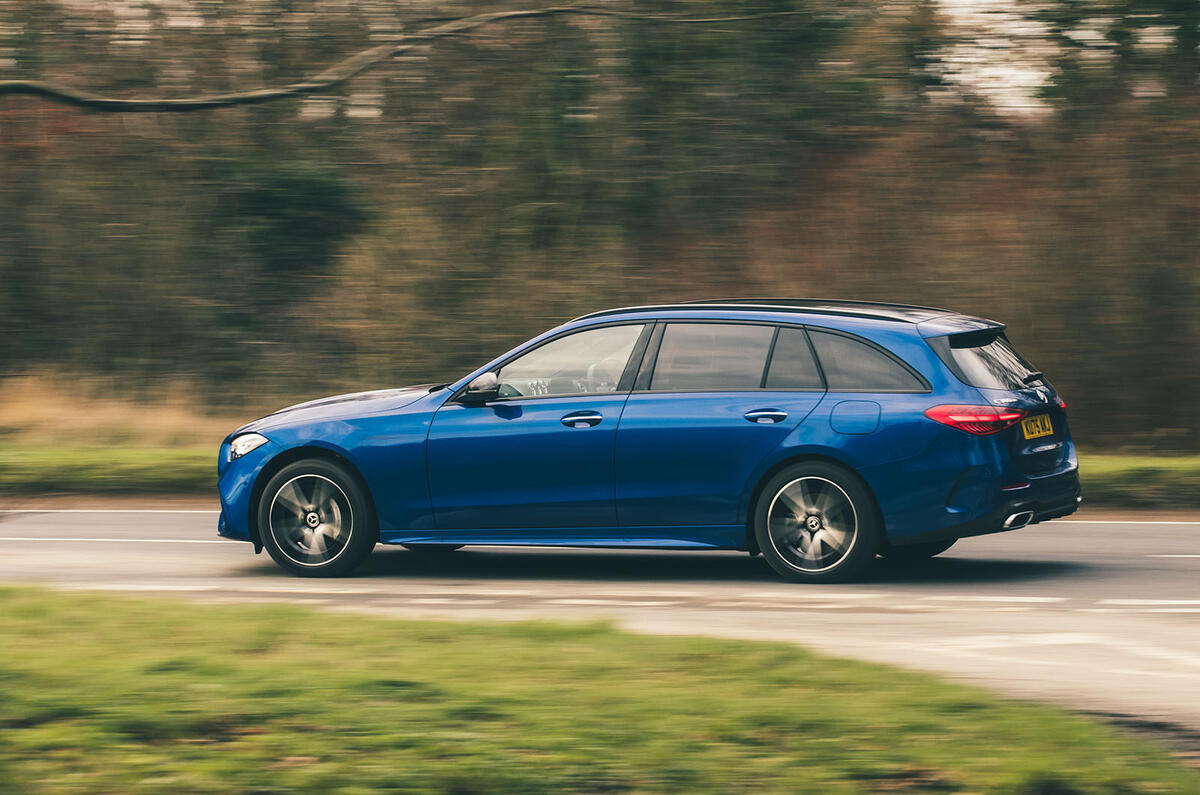
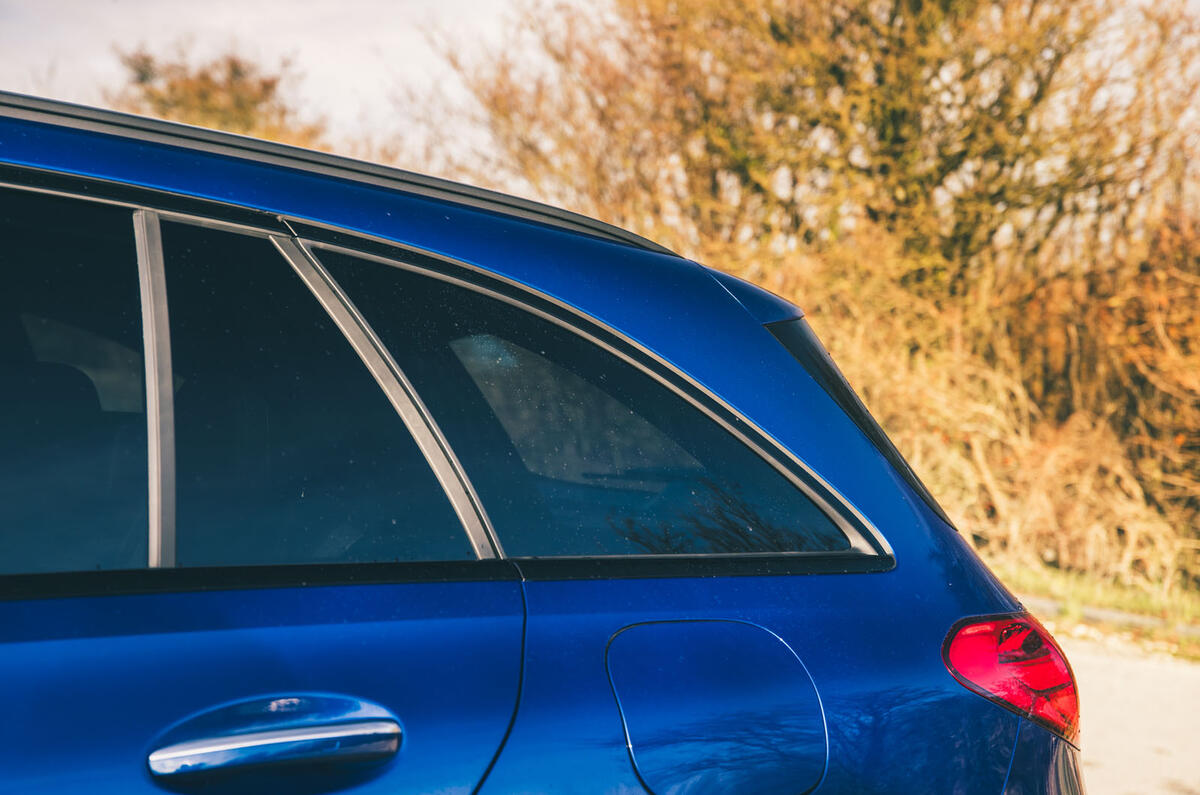
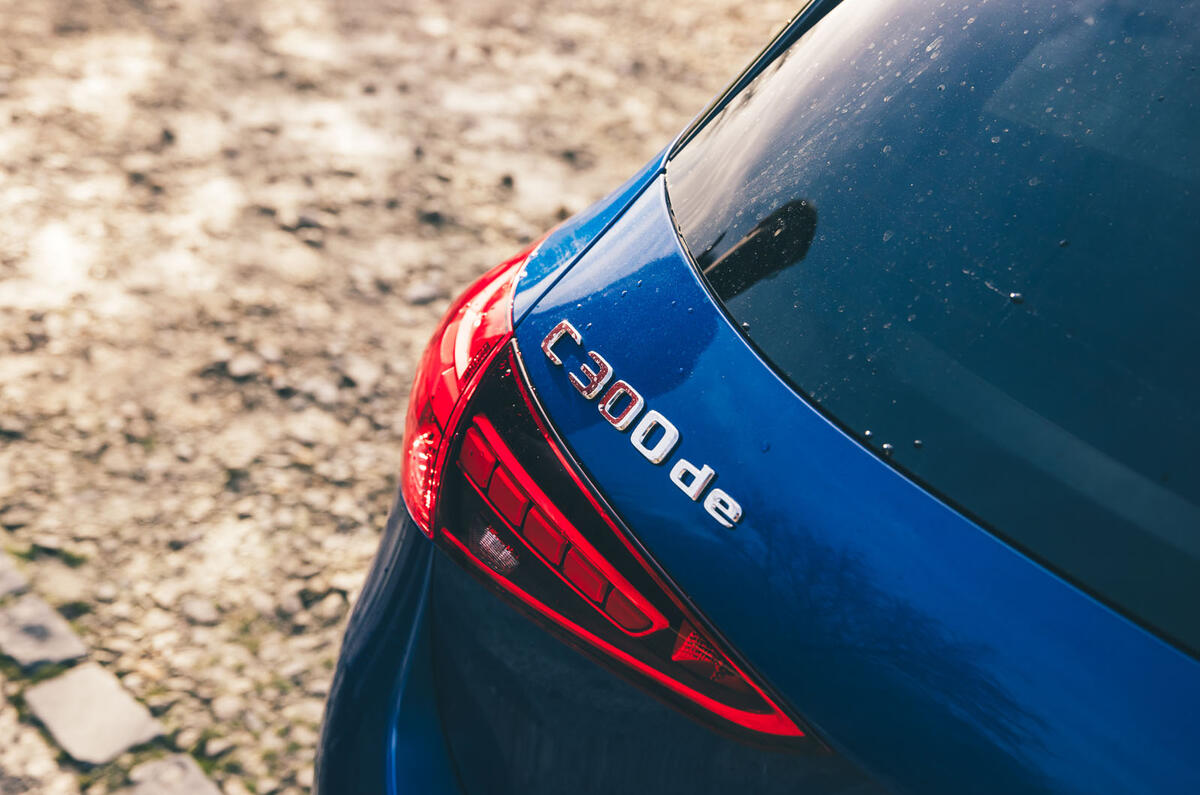
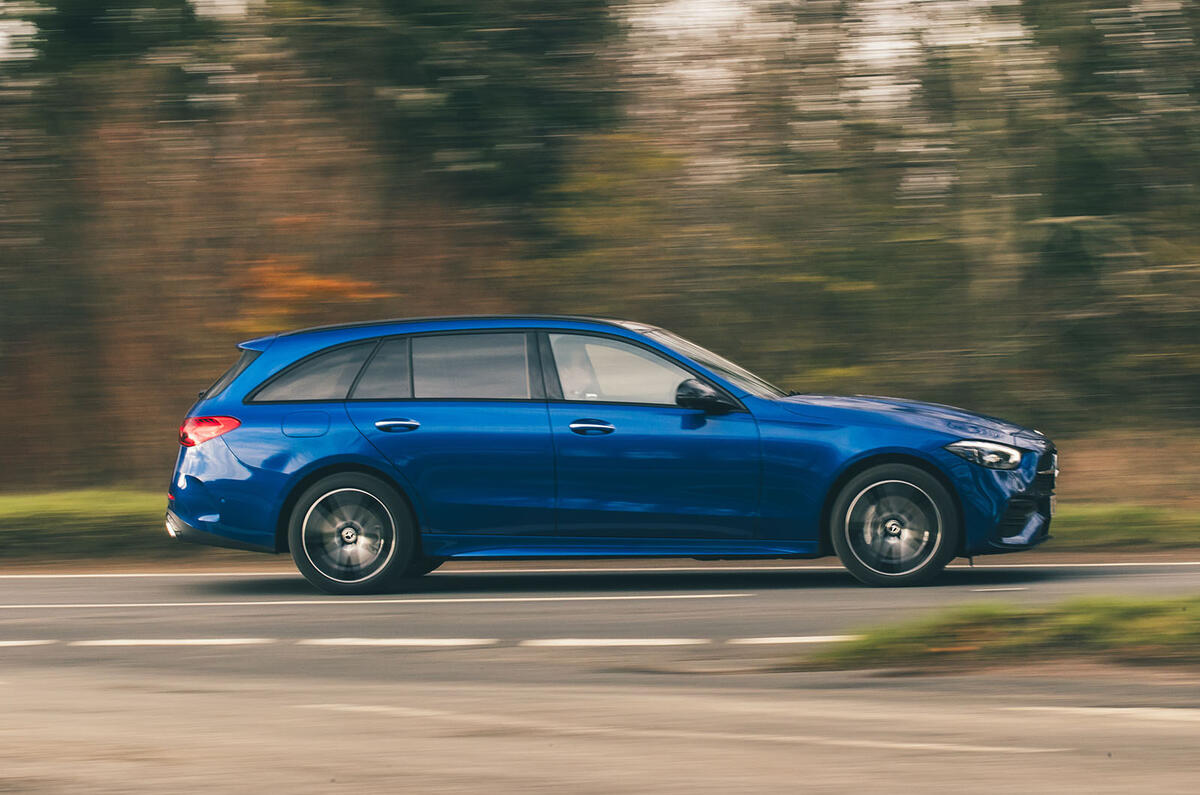
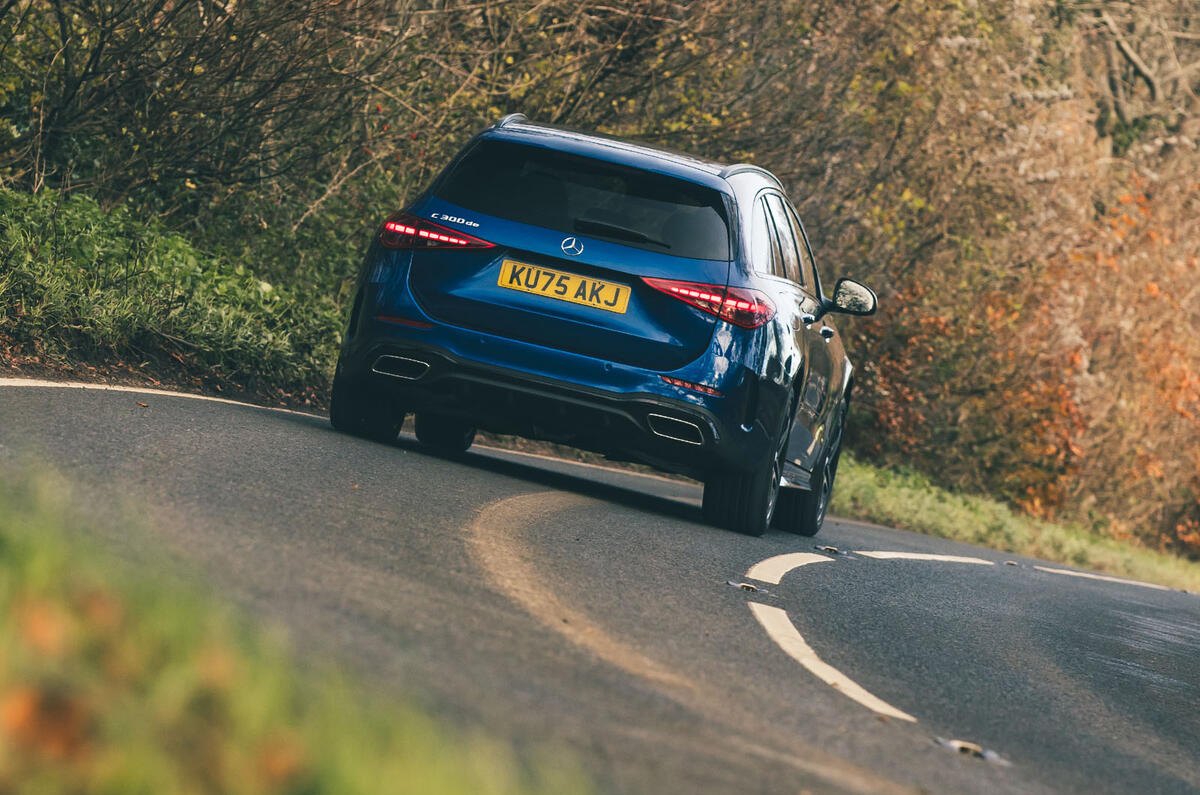
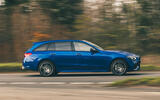
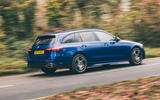
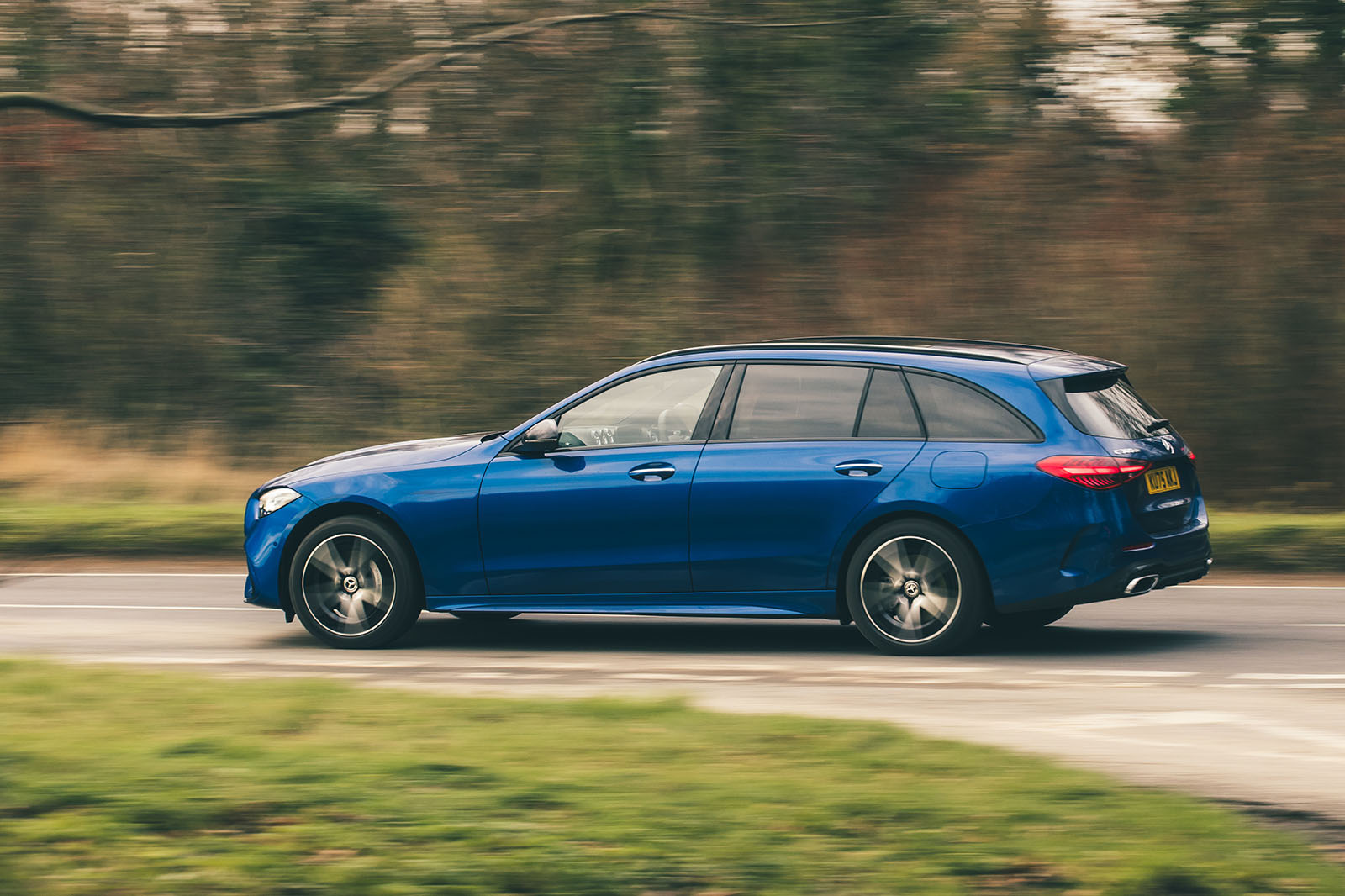
Needless to say, that doesn’t mean it won’t be ‘electrified’. In fact, Mercedes is aiming to attract particular attention, and win some key European fleet business, with plug-in hybrid models. You can have those as petrol- or diesel-electric options - the latter now the preserve of Mercedes alone, among passenger-car brands - and whichever you have, you can be confident of plenty of electric-only range, and a choice of four-door saloon or five-door estate bodystyles.

Rest assured, there are also still traditional non-hybridised petrol and diesel models to choose from, as well as hot AMG versions.

Advertisement

DESIGN & STYLING

8
MErcedes C Class reveiw 2025 002

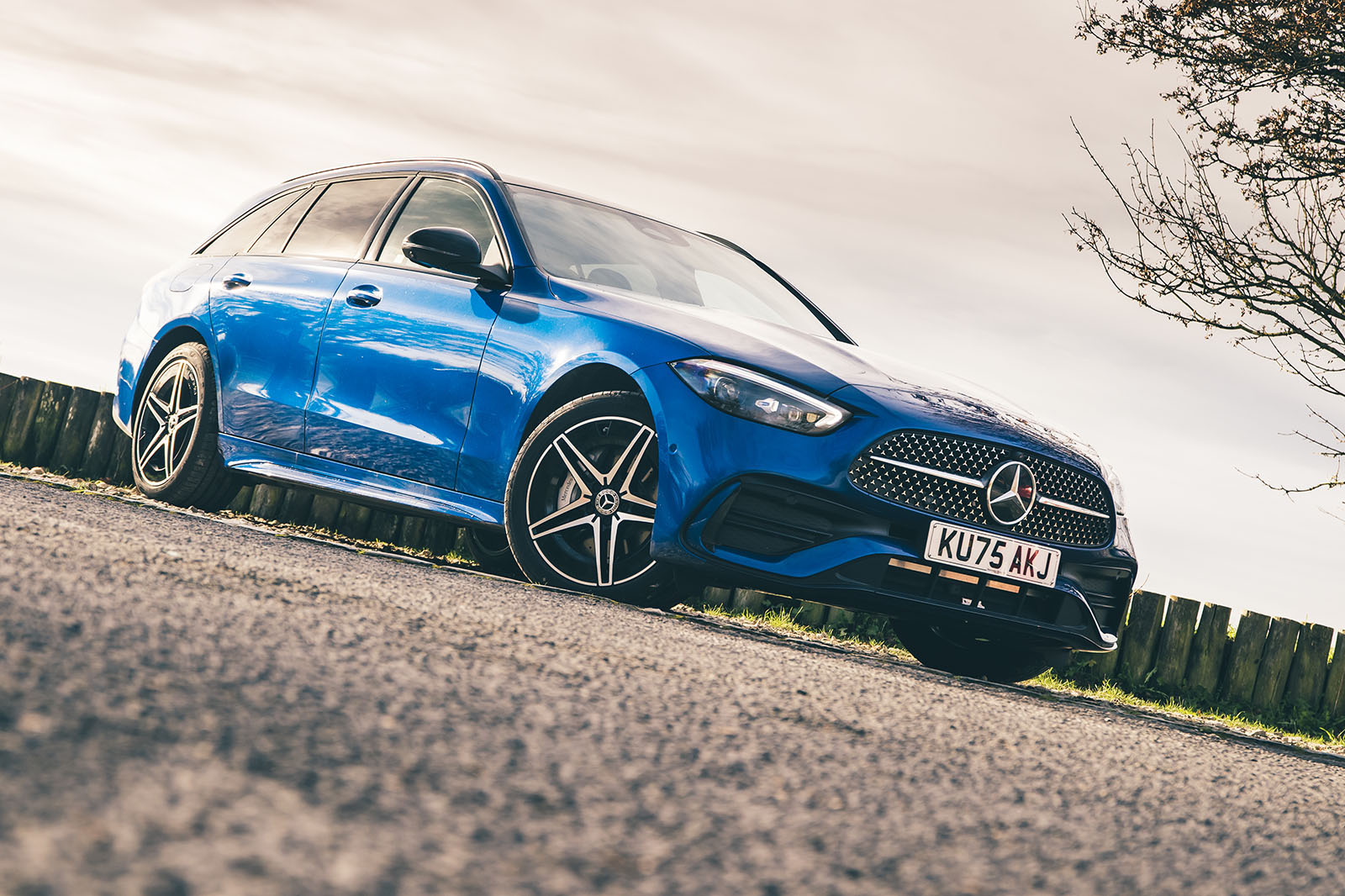
The fifth-generation C-Class, which appeared back in 2021, adopted Mercedes’ updated Modular Rear II model architecture. That’s a fact its maker is keen to communicate, because it has always talked up the effect of technology migrating from its flagship limousine down to its biggest-selling saloon. Mercedes followers will know, however, that the last S-Class (2014-2020) and C-Class (2014-2021) also shared their underpinnings.

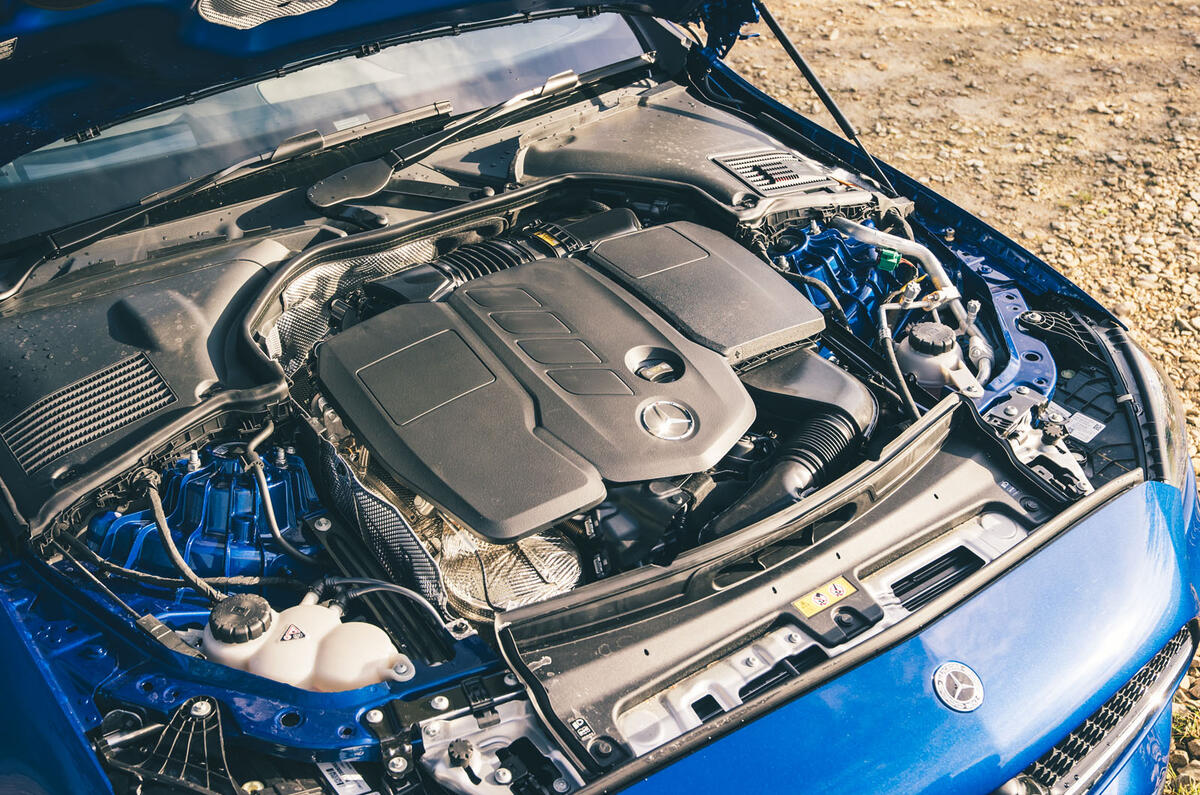
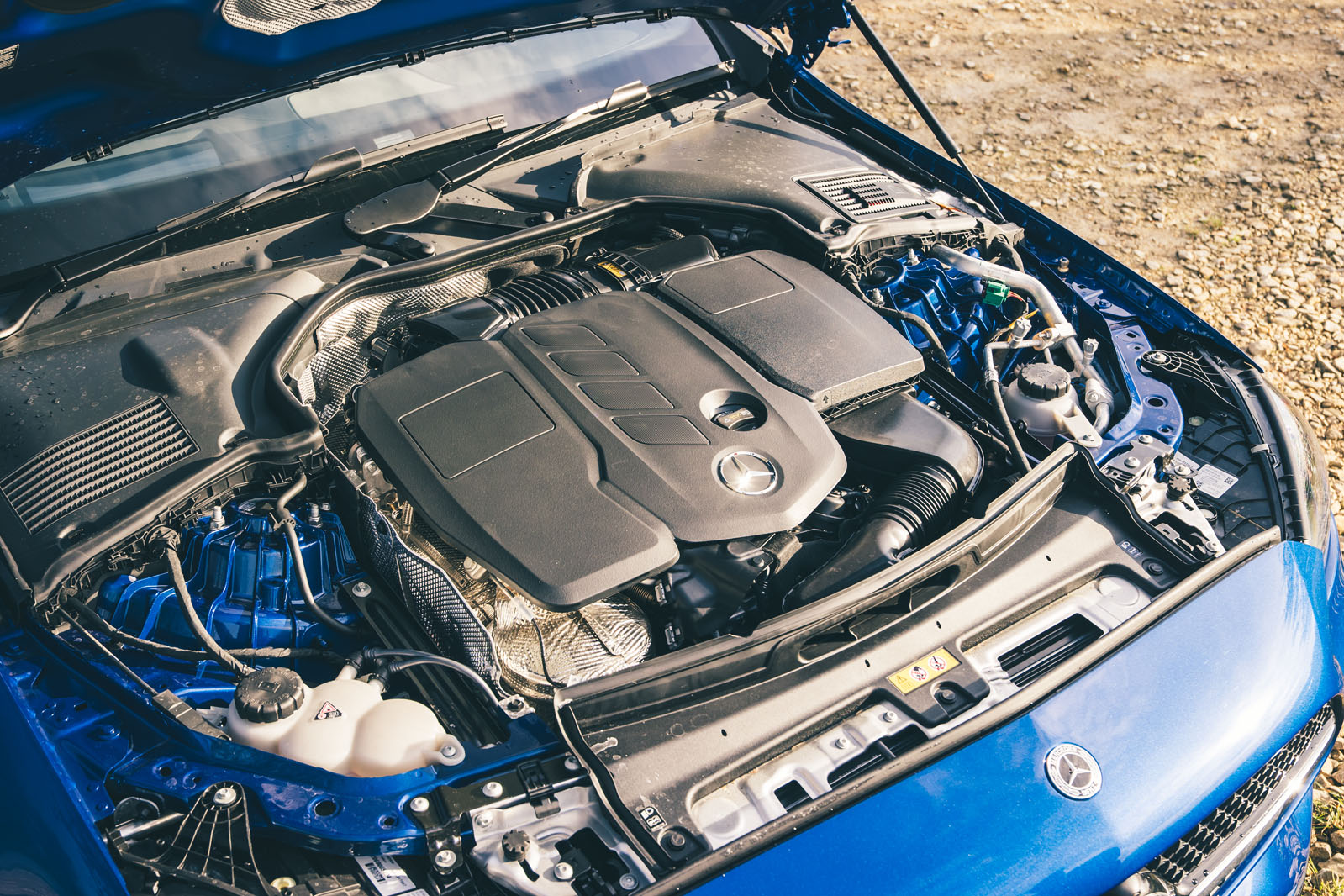
The W206 is a little larger than previous generations, and sticks with a traditional executive car mechanical layout of a longways-mounted engine up front - from where drive is taken to the rear axle exclusively; or to both, if you buy either of the AMG versions (which are now the only C-Classes available with 4Matic four-wheel drive). The combustion engines are all four-cylinder units, now with either 48V mild-hybrid assistance or full-on plug-in hybrid power.

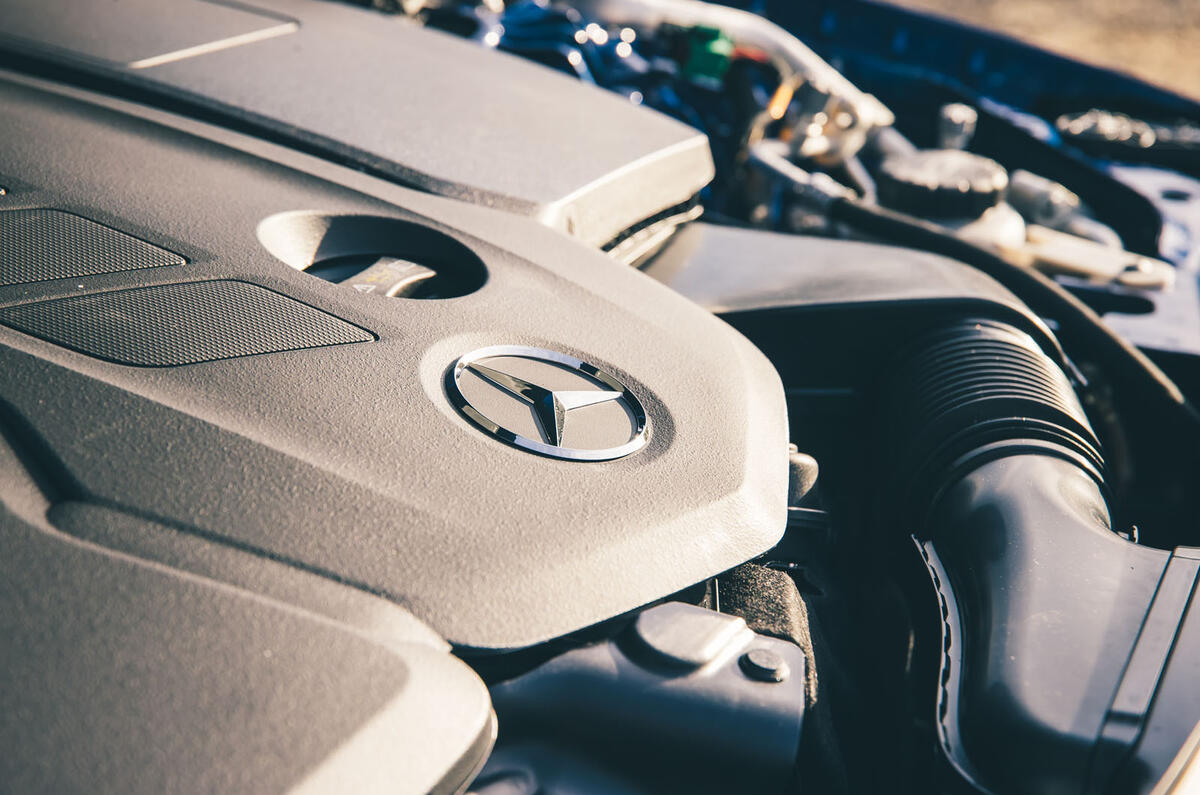
A 1.5-litre turbocharged petrol powers both the entry-level 168bhp C180 (which isn’t part of the UK model range) and the 201bhp C200, while primary power for both the 255bhp C300 (again, not a UK model) and the 308bhp (petrol-electric combined) C300e comes from a 2.0-litre turbocharged four. The 195bhp C220d and 262bhp C300d diesels, meanwhile, are powered by a revised version of Mercedes’ OM654 engine with a new crankshaft and integrated starter-generator motor.

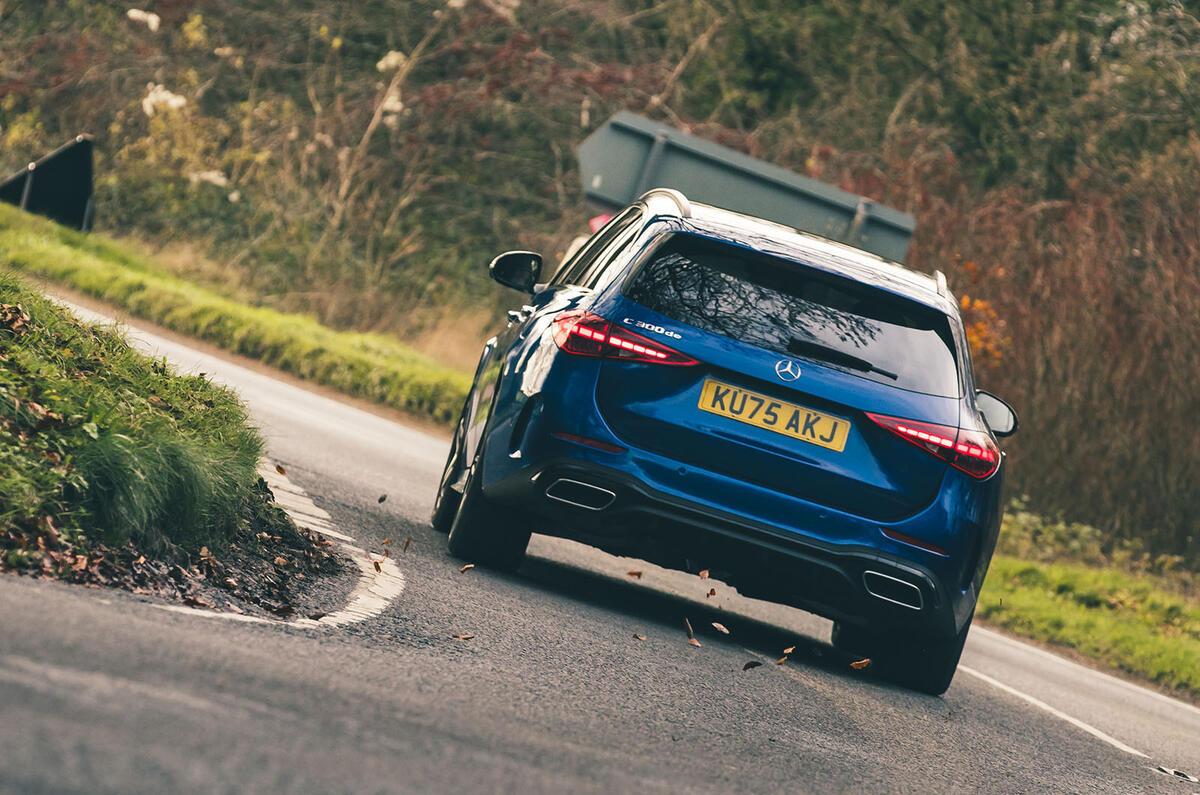
All C-Classes use a nine-speed automatic transmission; while the C300e and C300de PHEVs add a 127bhp permanently excited electric motor into its mechanical mix, which can power the car all by itself at speeds of up to 87mph. It draws charge from a nickel-manganese-cobalt drive battery that is physically smaller than the equivalent component in the outgoing C300e but also has nearly twice as much energy capacity: 25.4kWh in total, 19.5kWh of which is usable capacity.

That battery pack is now slim enough to leave the C300e and -de with a flat, rather than stepped, boot floor. But it must be heavy. Mercedes’ own unladen running-order weight for the C300e is 2124kg. For the -300de, it's 2178kg. And you can add another 70kg again to account for the estate bodystyle.

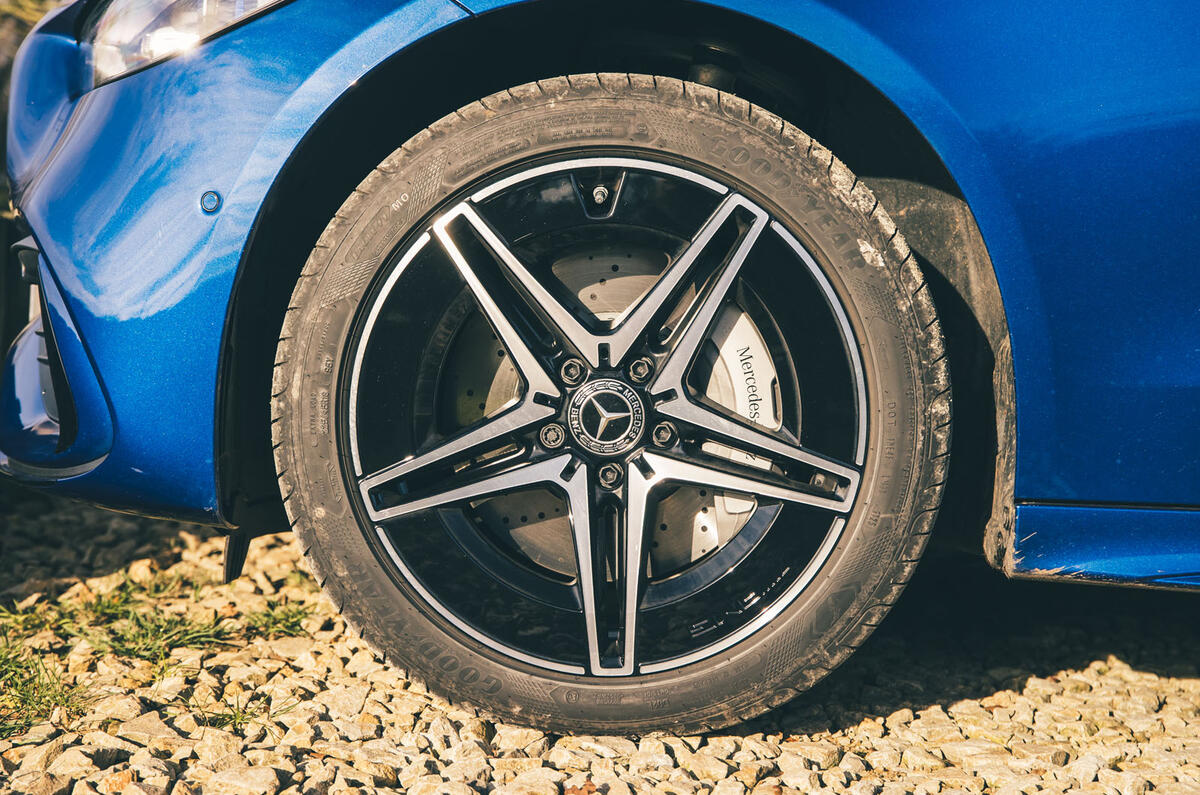
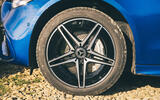
For suspension and steering, the C-Class uses multi-link axles front and rear, with coil springs on most examples; but self-levelling air suspension is fitted on the rear axle of estate and PHEV models, to better control these slightly heavier derivatives. Non-PHEVs in AMG Line trim, by comparison, have lowered coil springs and quickened steering racks; but these features aren't fitted to PHEV models.

INTERIOR

8
MErcedes C Class reveiw 2025 010

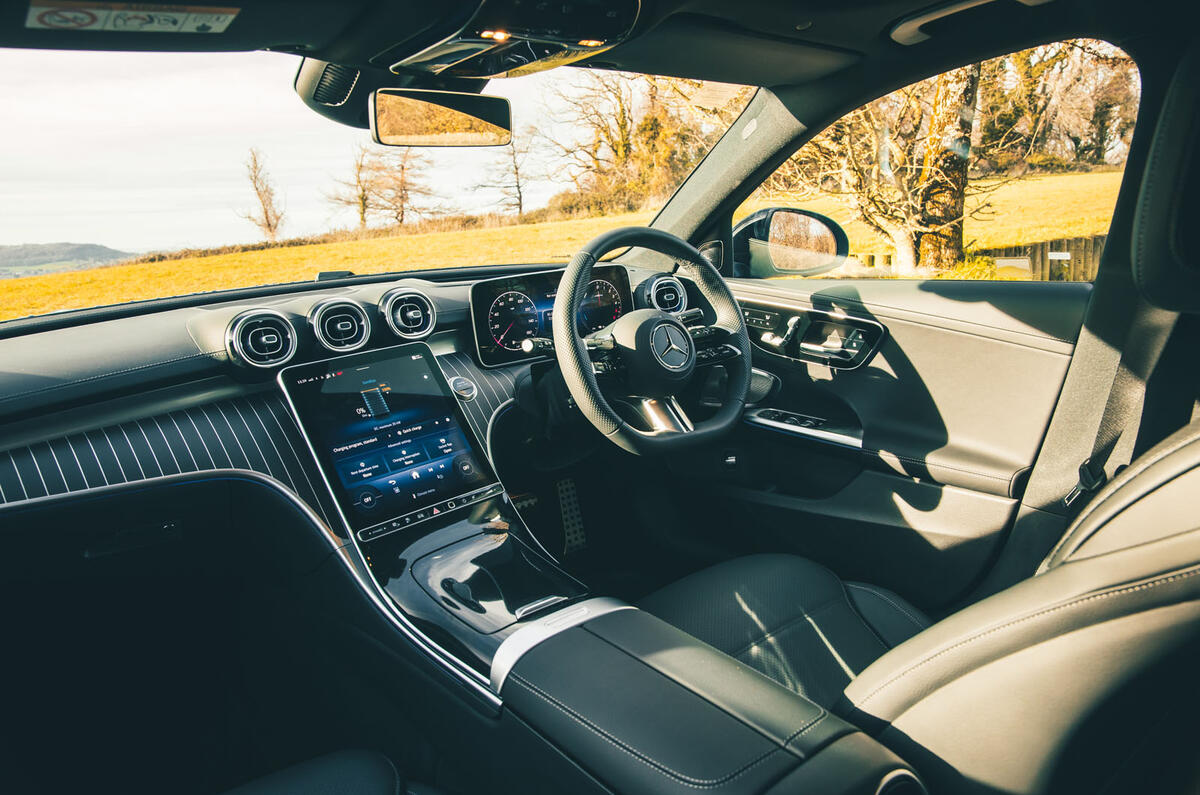
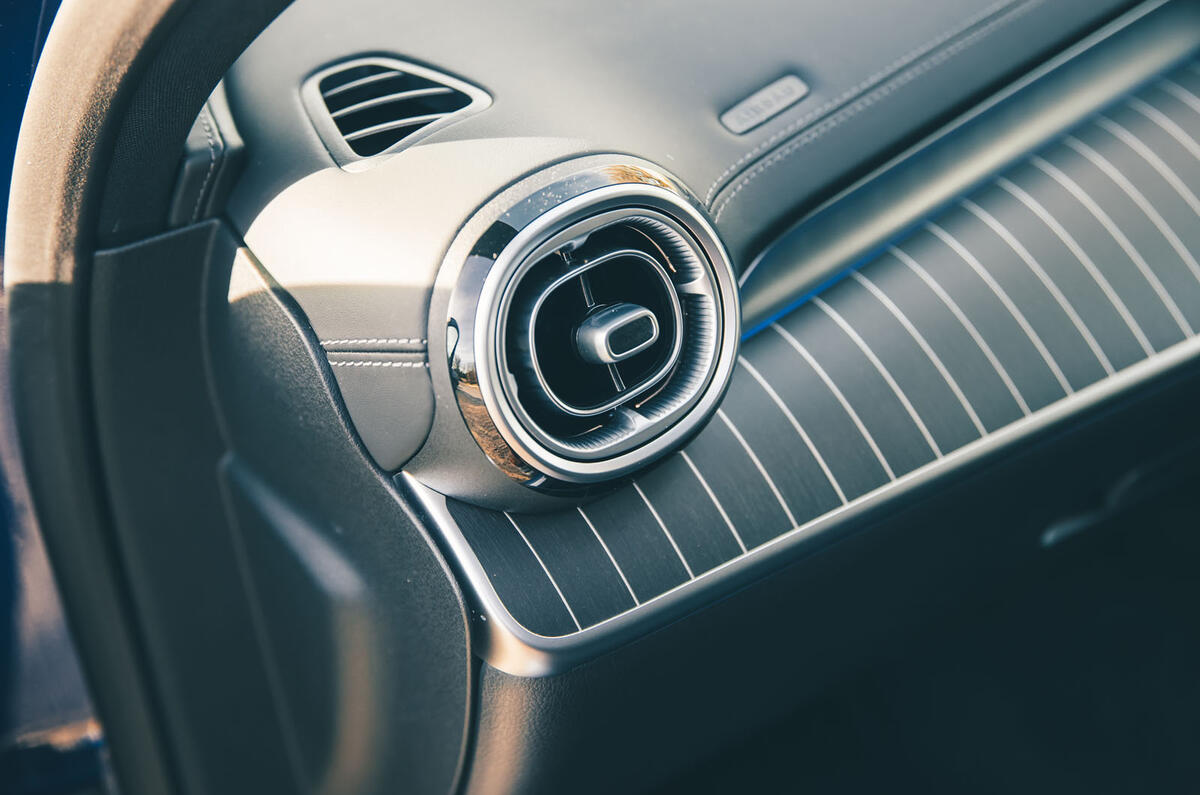
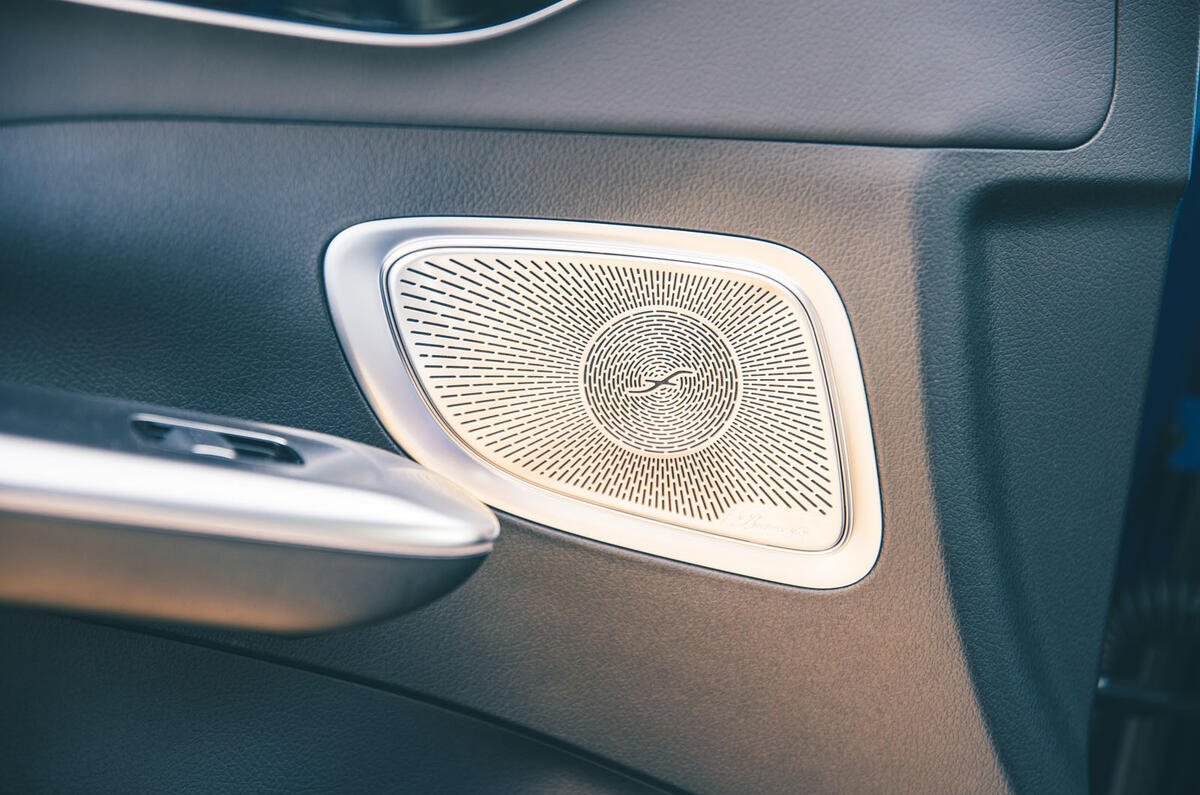
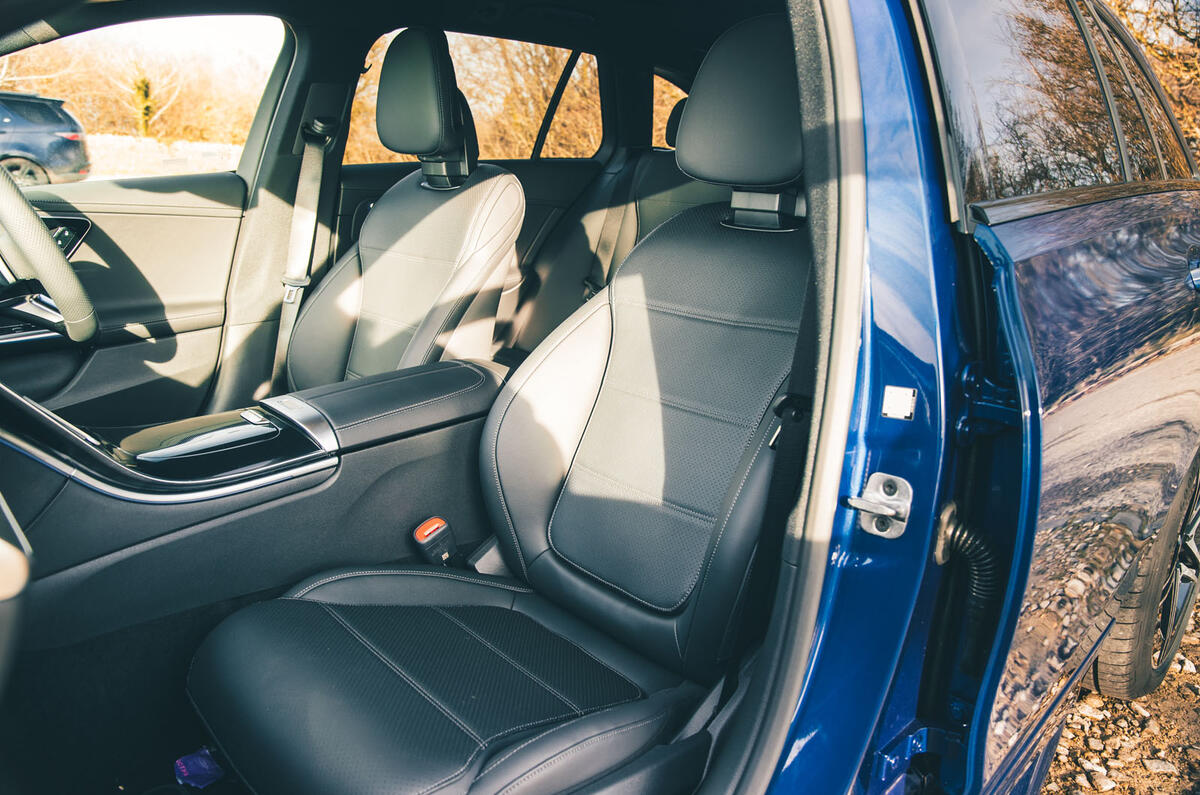
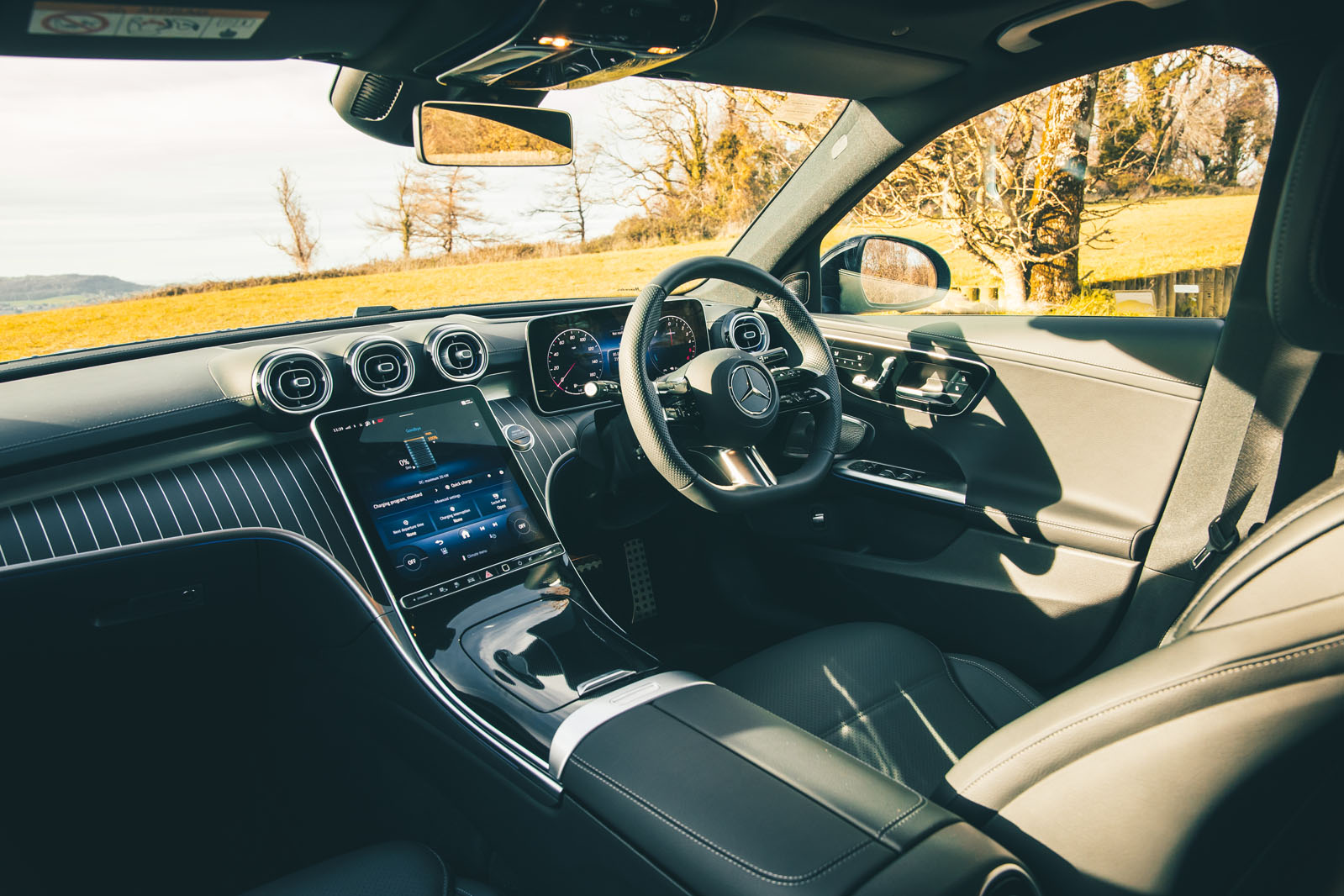
The C-Class looks like quite a lavishly designed and -appointed environment by 'compact executive' class standards, with all the equipment you would really need included as standard, even on lower-grade cars (which affirms the car’s integrity as a luxury product), and plenty of glitz and flashy material appeal.

The C-Class doesn’t stand up to close scrutiny of its on-board comfort and quality levels with quite as much distinction, though it certainly passes muster. You settle into a driver’s seat with plenty of room around it, in front of controls that are adjustable and well-placed.

If you dive several menus deep to find the right screen, you can turn off the ambient cabin lights at night by effectively winding the brightness down to zero. But, frankly, it shouldn’t be so hard.

The sports seats aren’t especially comfortable or supportive, though (despite offering extendable cushions), while the margins of the driver’s footwell feel strangely restrictive around your toes.

Most of the cabin’s fittings have a higher-quality solidity of feel, but there are dull and plain mouldings and sharper edges elsewhere too.

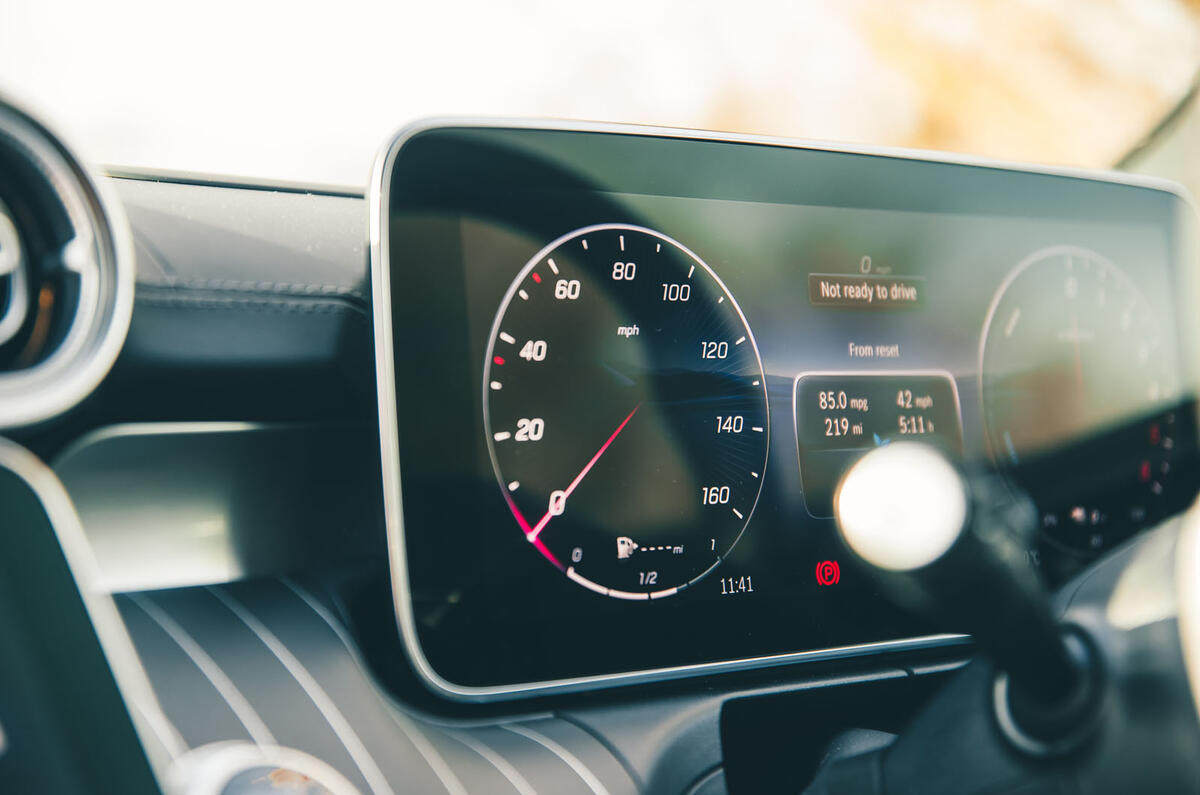
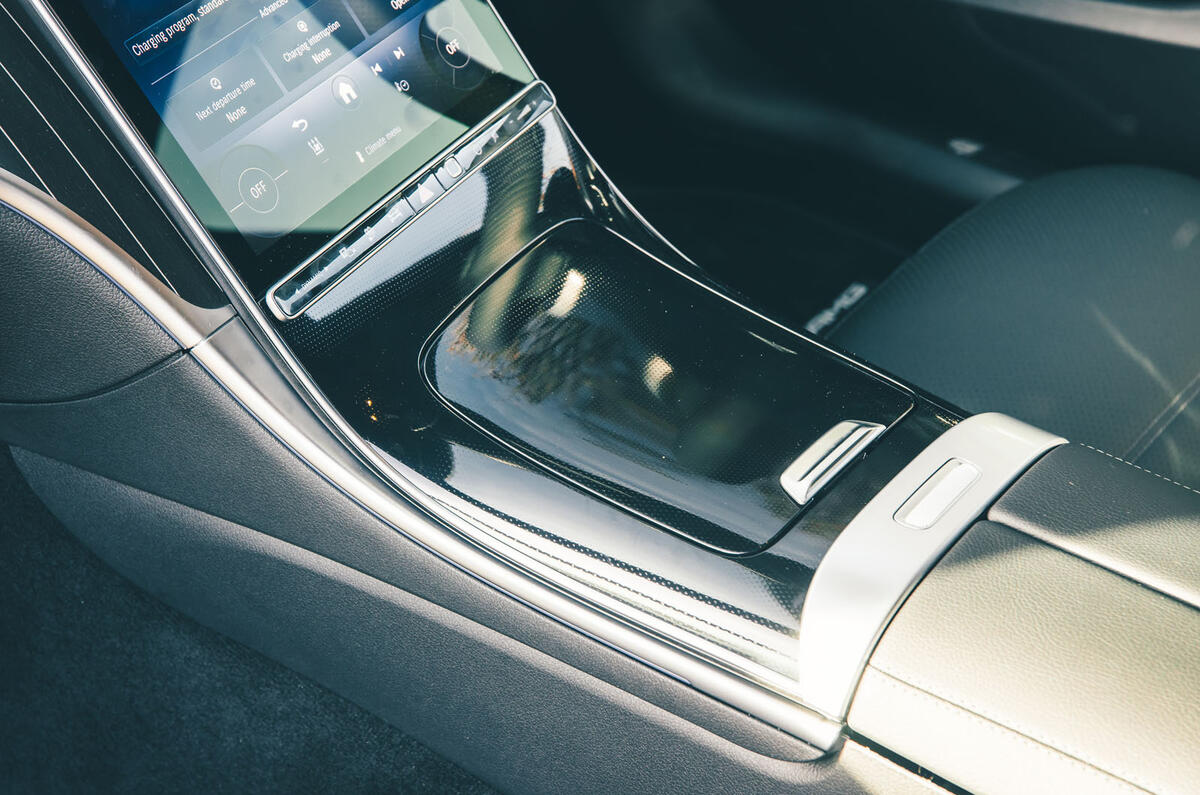
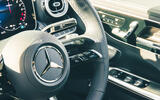
The control layout is digitally replete. A 12.3in digital instrument screen immediately ahead of you is quite complex and busy with information at first, but usefully versatile in the way it can be configured with practice. And, dominating the centre console is a steeply raked 11.9in, portrait-oriented infotainment touchscreen whose bottom section permanently conveys the heating and ventilation controls.

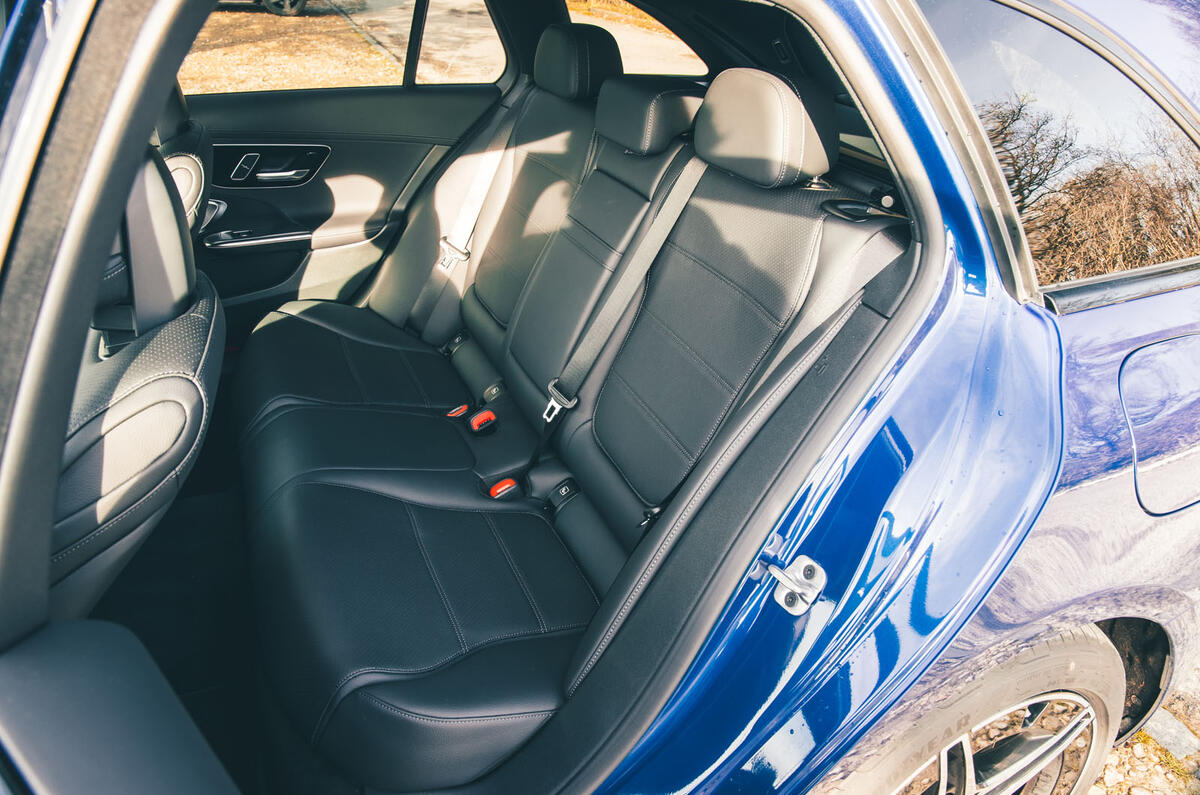
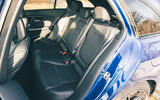
The car’s rear passenger quarters are only averagely spacious for the segment: roomy enough for most adults and growing kids, and fairly comfortable, but not so for the tallest.

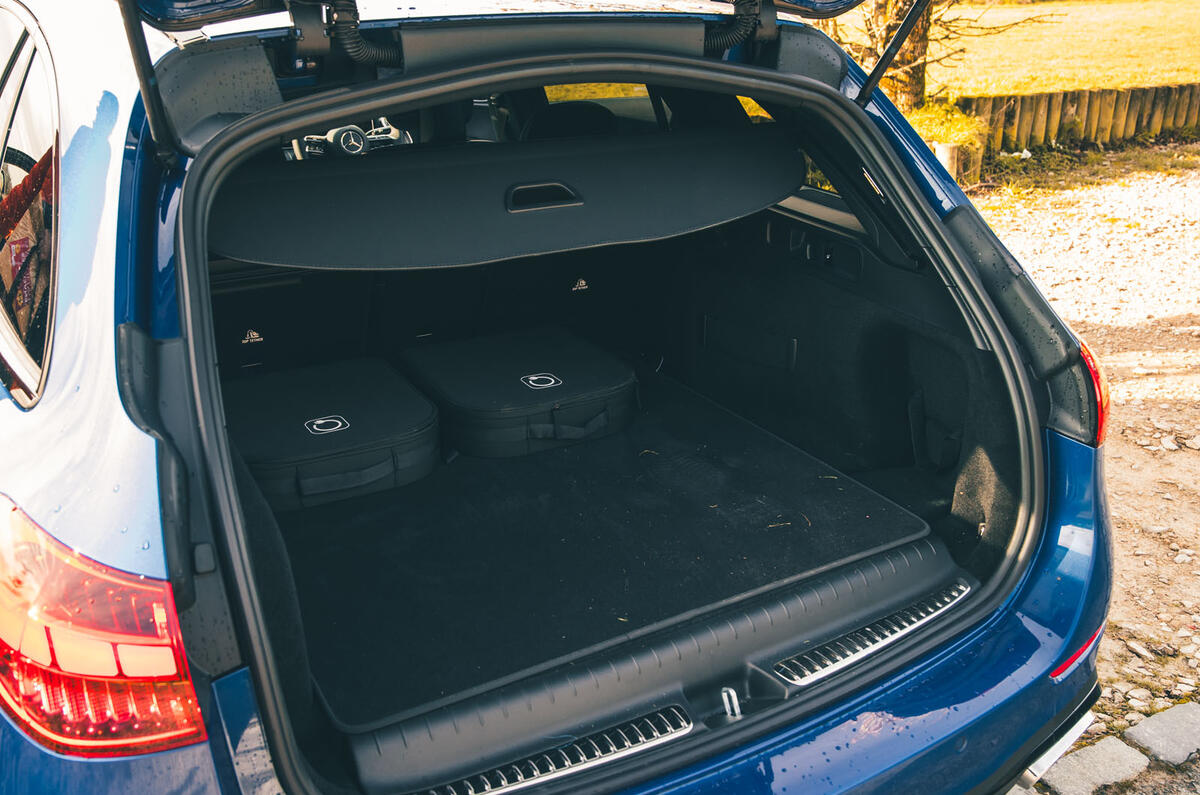
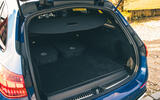
In the boot, you find a cargo space that’s usefully wide and it can be extended for length via folding rear seatbacks – but because of that battery placement, it still isn’t very deep. A minimum loading height of just 310mm (at the through-loading threshold) might not admit some bulkier everyday loads; although the estate bodystyle has a lot more versatile space if you're likely to carry bulky things. Here's losing that couple of inches of boot volume, thanks to the raised boot floor, doesn't seem like such a problem.

Multimedia system - 4 stars

Mercedes’ 11.9in MBUX touchscreen infotainment system for the C-Class is a version of the multimedia set-up first seen on the new Mercedes S-Class. It’s packed with all the right features, and gives good top-level access to commonly used menus, and a permanent shortcut to smartphone mirroring.

Several testers remarked that they didn't like the way its raked angle can reflect sunlight from the sidewindows, however, and how widely it retained smudgy fingermarks.

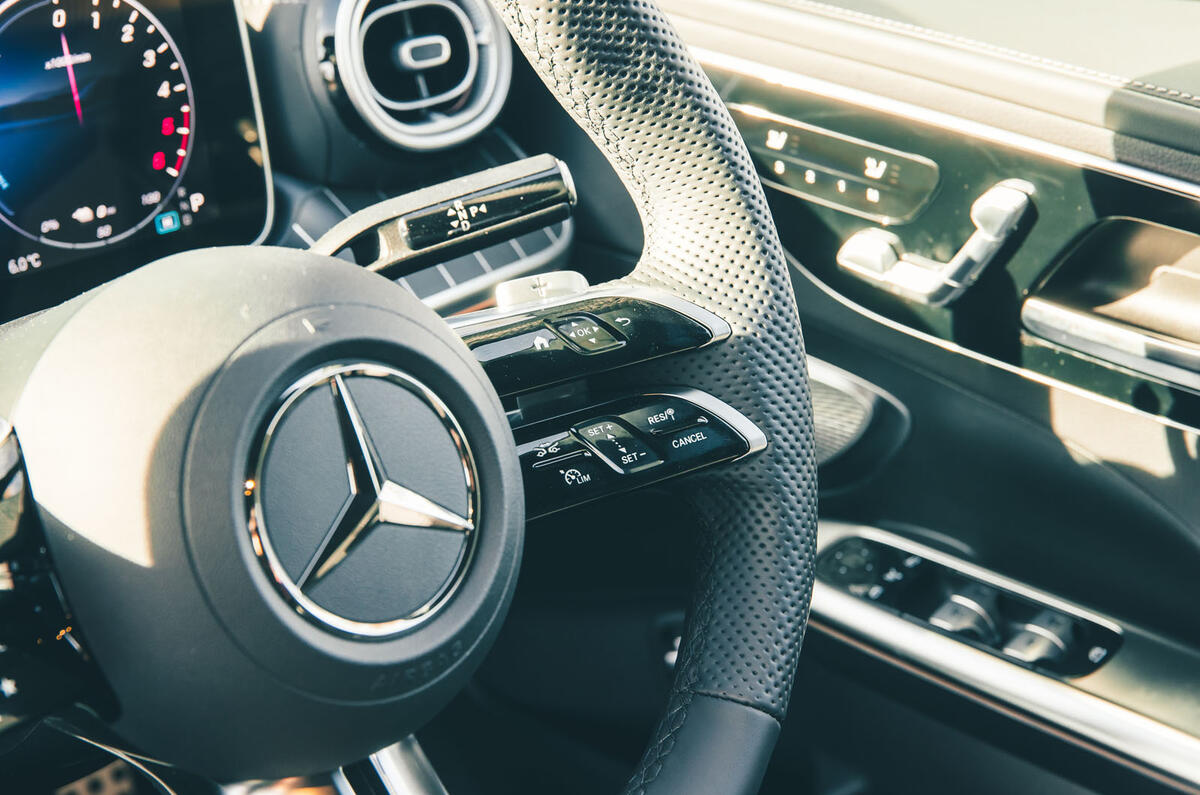
You can use the steering wheel remote controls to move a cursor around the main menu, although it's easy to brush these touch-sensitive pads inadvertently as you pass your hands around the wheel.

Mercedes’ natural speech recognition is supposed to make usability easier and, in some cases, does so quite well; but there are certain quick-fire functions that deserve a top-level button or shortcut on the screen and don’t get one. Wireless smartphone mirroring and device charging are included for no extra cost.

ENGINES & PERFORMANCE

8
MErcedes C Class reveiw 2025 021

Performance ranges quite a lot in the C-Class, as you'd expect from a car with so many different powertrains. Most models are around two tonnes, but they shoulder their mass effortlessly when they getting going.

On a cold, damp, slippery day at the proving ground, the C300e had enough traction and drivability to hit 60mph from rest in less than 6.0sec, although it needed little persuasion to do so besides a slightly feathered throttle on step-off. In perfect test conditions, a 5.5sec time ought to be achievable, making this car a good half-second quicker off the mark than most of its rivals.

For outright in-gear potency in roll-on acceleration, the C300e’s performance feels comparable with that of a saloon with a multi-cylinder diesel motor – except that the electric motor’s ‘torque fill’ comes instantly, making for even better responsiveness than even that comparison would imply, as well as better mechanical refinement.

So when Mercedes argues that this car no longer needs six-cylinder engines, in one sense it is absolutely correct. Accelerating from 30-70mph in fourth gear takes just 6.5sec: the BMW 330d Touring we tested in 2020 was only seven-tenths quicker.

The regular C300, with 255bhp on tap, feels reasonably quick off the mark but a bit breathless further up the rev range. Overtaking at low speeds is effortless, but you'll never feel the need to really manually hold onto the gears.

Diesel may be going out of fashion, but the two units make mincemeat of the car's heft. The C300d, with 262bhp and 406 lb ft, is plenty brisk and works seamlessly with the nine-speed auto box and mild-hybrid system. The C220d, meanwhile, is less powerful and refined, but ultimately nearly as good as the C300d while being usefully cheaper.

The C300de hybrid, meanwhile, really impresses - and not only with its hushed electric-only running. Mercedes has transformed the isolation of its diesel engines over the last decade or so, and in this one, the four-cylinder diesel starts and stops remarkably quietly and smoothly, and proffers plenty of accessible torque once it is running. The car somehow isn't quite the sporty, dynamic-seeming option you might expect of a 300-horsepower car when you fully uncork it; because four-cylinder diesels just don't much like to rev. Even so, in the broadest sense, it remains a very versatile and impressive powertrain.

RIDE & HANDLING

7
MErcedes C Class reveiw 2025 023

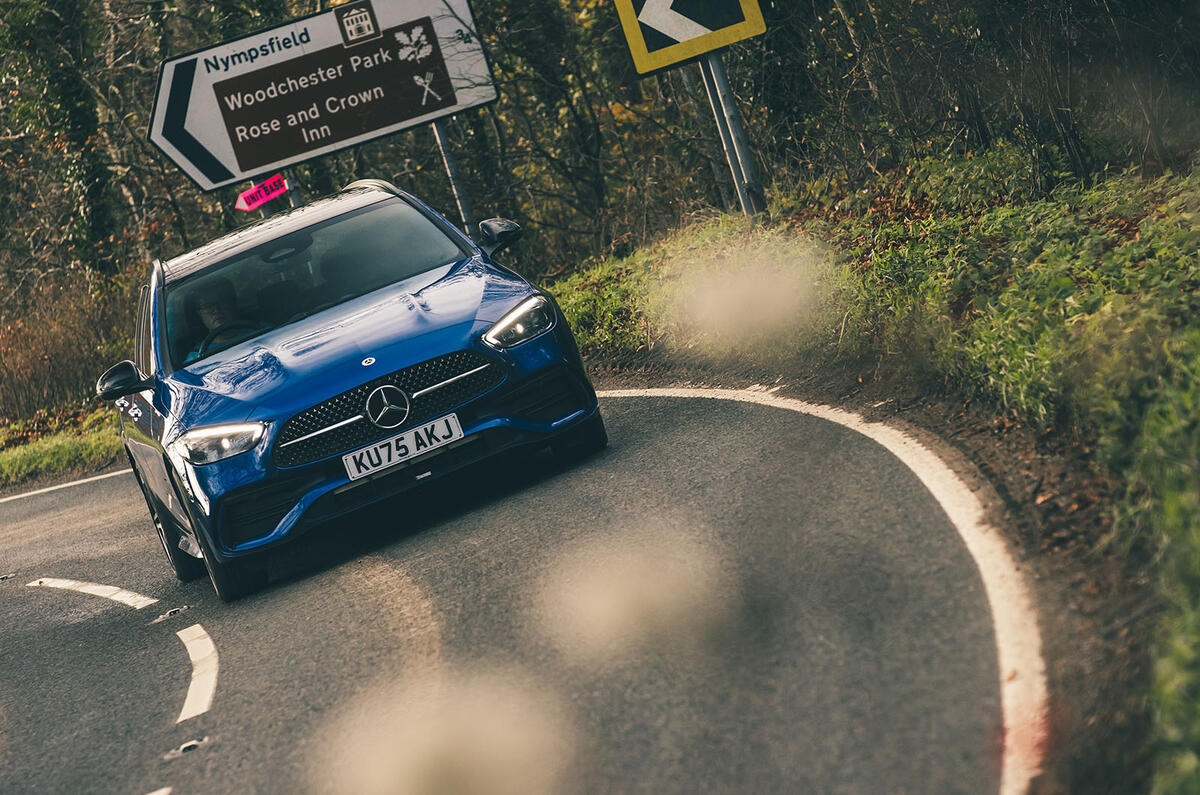
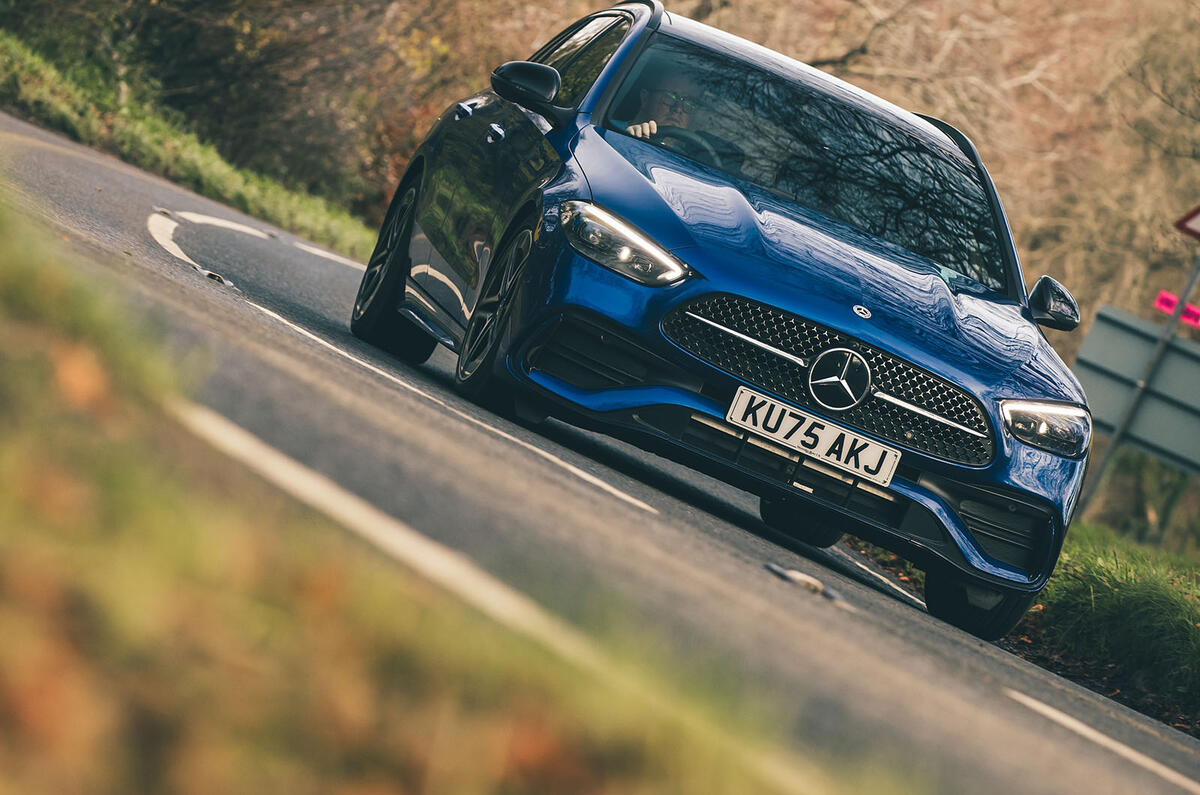
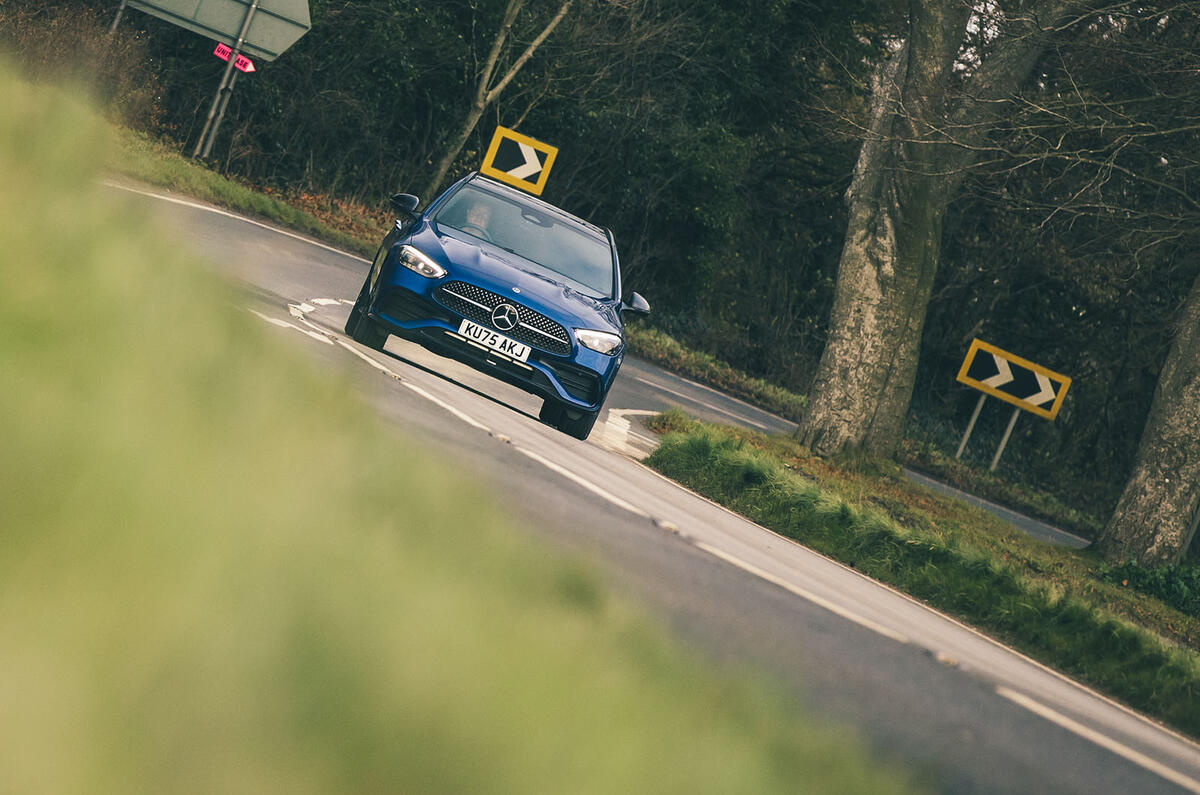
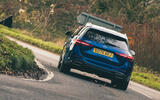
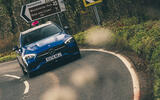
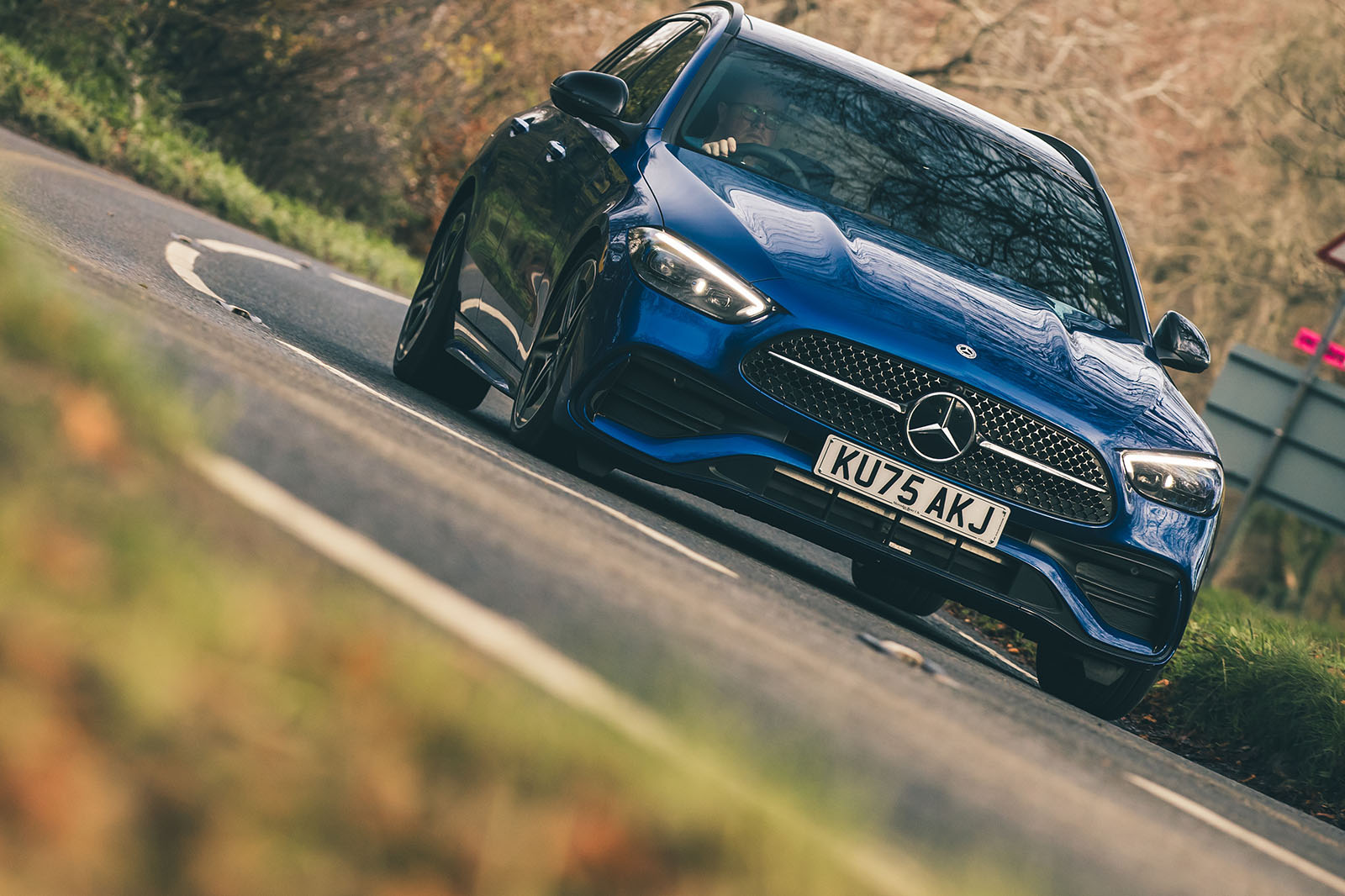
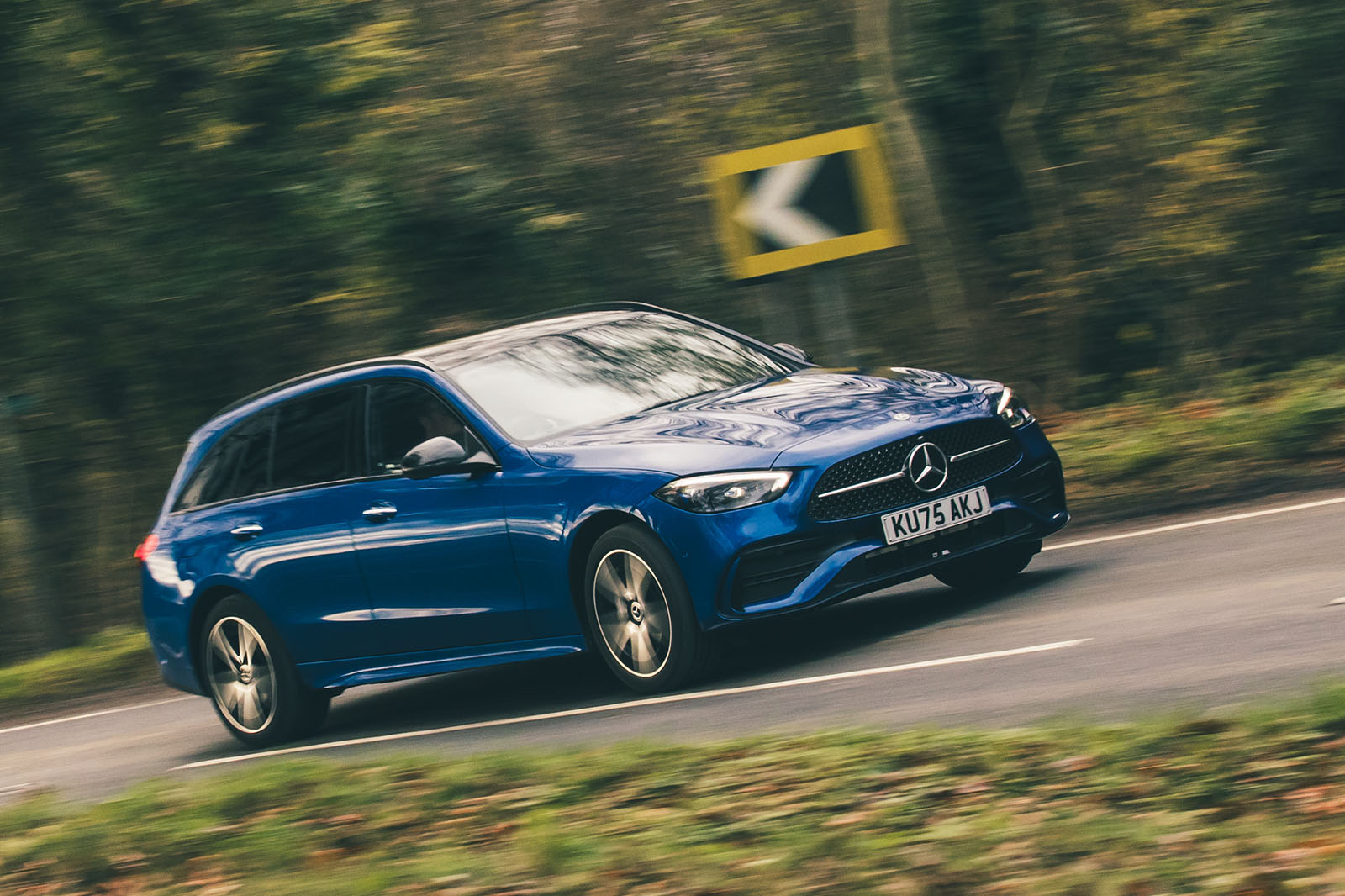
The C-Class isn’t quite a natural sports saloon and it won’t be a default choice for interested drivers, but it handles well and, in slippery and testing conditions, it showed close enough body control and sufficiently well-balanced grip levels to carry plenty of speed, to maintain an interested driving style and to contain any kerb-weight-related negative impacts.

The car changes direction progressively rather than keenly, and hints at handling adjustability in tighter bends without fully following through with much rear-driven handling flair.

But it generates more than enough grip, handling precision and dynamic composure to cover ground quickly when called on to do so, and is easy to drive briskly – which is probably exactly the effect its maker intended.

The C300e's chassis tune feels slightly comfort-biased at all times, with plenty of suppleness; but it stops well short of floating or wallowing on cross-country roads, and maintains good pitch control - which, in light of the car's mass, in quite impressive. Some body roll presents when cornering hard, but not enough to affect the steady-state grip levels, or to make the stability control electronics intervene intrusively. At the limit of grip, the front axle washes wide first, but with the weight of the batteries over the rear one, that’s probably as you would want it.

Vertical body control at speed over uneven roads is good – absorptive, but hard to fluster. The steering is quite light and feels filtered, and it lacks a little in helpful definition of feedback, just like the brake pedal tuning.

Comfort and isolation

Generally the C-Class is well mannered car at cruise. In comparable test conditions, it recorded better results at both 30mph and 50mph than the DS 9 E-Tense PHEV (itself a subjectively pleasingly refined car) with its engine shut down and both wind and road noise quite well contained.

When the engine is running, especially when turning at revs, the story is a little different. At maximum engine revs in fourth gear, the car actually proved two decibels noisier than the DS 9, and noisier too when stationary and with the engine turning over at idle. The hush of the ride can be upset by certain coarser asphalt surfaces, which find a way through to reverberate a little in the cabin. By and large, though, the car is much more often quiet and relaxing than at all uncouth.

The visibility granted from the driver’s seat is good – about typical for a fairly compact saloon with chunky modern pillars, some of which are necessarily close to your eyeline. The primary-control ergonomics are sound, seating you low enough at the controls to feel nicely ensconced but high enough to give a good vantage point. A BMW 3 Series feels much more naturally sporting to sit in, but the C-Class marries convenience and comfort with an ideally positioned hip point well.

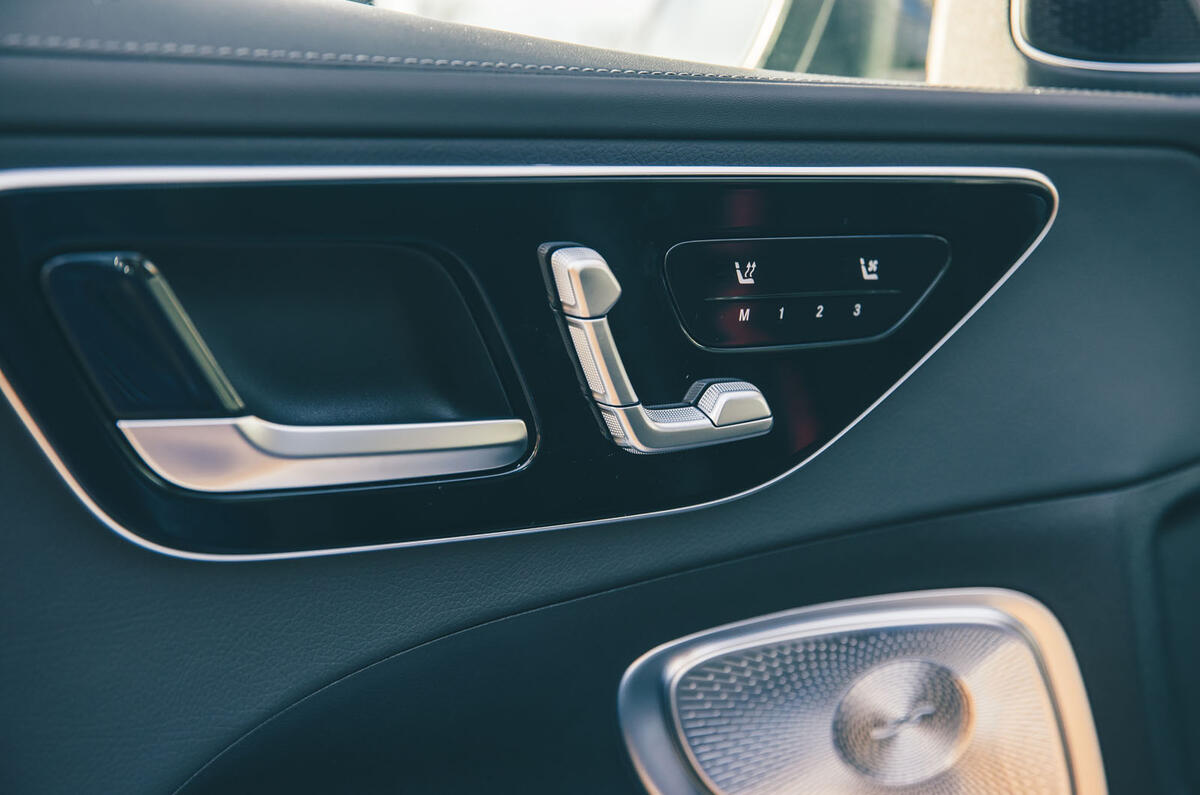
The driver’s seat itself could be more comfortably cushioned and effectively bolstered, though. Only one seat design is offered in UK-market C-Classes, with either electric (with memory function) or manual adjustment depending on trim level. There is no optional ‘comfort seat’. As they are, the seats offer lateral support that is ultimately less effective than they look fit for, and both shoulder and thigh support could also be improved.

We've yet to test a non-PHEV AMG Line model on Mercedes' lowered springs, and with its quickened steering.

Assisted driving notes

Mercedes uses its advanced suite of active safety systems as a lever to sell its highest-trim-level cars. So if you want a collision avoidance system with pedestrian and cyclist detection, or an adaptive cruise control system that can automatically adapt your speed to the posted limit, or a blindspot monitoring system clever enough to warn you before you open your driver’s door into the path of a passing motorbike? Well, you need to have AMG Line Premium Plus specification, and then add the Driving Assistance Package Plus on top, making for a rather expensive car.

As standard, Mercs get simpler blindspot warning, autonomous emergency braking and active lane keeping systems that all work fairly unobtrusively and effectively. The lane keeping system reactivates itself with every ignition cycle and can only be deactivated through the touchscreen, but there is at least a shortcut to switch it off.

MPG & RUNNING COSTS

9
MErcedes C Class reveiw 2025 001

The C-Class PHEVs should be default picks for fleet drivers who're certain they don't want an EV. Since both C300e and -de saloons can be configured to top 70 miles of equivalent all-electric range, they can both qualify for BIK tax at either six or seven per cent of showroom price; where most rivals will cost you nine- or ten-. Be warned, however, that the estate versions narrowly miss that threshold.

Our testing suggests that, in real-world use, 50 miles of electric use is possible on a mixed-speed journey. Furthermore, now that Mercedes has added DC rapid charging for the car, it's easier and quicker to top up the battery while you're out and about.

Diesels still make a great case if you are a longer-range driver. We've seen around 60mpg from the C220d in real-world motorway testing, while a C300de running in battery-depleted mode will easily top 50mpg.

VERDICT

8
MErcedes C Class reveiw 2025 028

The Mercedes C-Class is a car that does most things very well, while bathing you in technology and comfort. The plug-in hybrid system offers more performance, better refinement and better extended-range economy and, crucially, much more electric range – with all the running-cost advantages and wider freedoms that brings. Whether you want the longest electric range you can find for the money, or just a diesel-electric option that'll be frugal however you run it, Mercedes has you covered.

The C-Class is seriously refined on the motorway, and will look great at your business meeting or golf club. Mercedes has clearly thought about its target audience and really nailed what they expect.

For keen drivers, a BMW 3 Series remains a better sport saloon, even in plug-in hybrid form; although it doesn't have nearly the same rational qualities as the C-Class. But really, Mercedes has seldom if ever presented a better argument for deciding matters with your head, rather than your heart.

Murray Scullion

Murray Scullion
Title: Digital editor

Murray has been a journalist for more than a decade. During that time he’s written for magazines, newspapers and websites, but he now finds himself as Autocar’s digital editor.

He leads the output of the website and contributes to all other digital aspects, including the social media channels, podcasts and videos. During his time he has reviewed cars ranging from £50 - £500,000, including Austin Allegros and Ferrari 812 Superfasts. He has also interviewed F1 megastars, knows his PCPs from his HPs and has written, researched and experimented with behavioural surplus and driverless technology.

Murray graduated from the University of Derby with a BA in Journalism in 2014 and has previously written for Classic Car Weekly, Modern Classics Magazine, buyacar.co.uk, parkers.co.uk and CAR Magazine, as well as carmagazine.co.uk.

Matt Saunders

Matt Saunders Autocar
Title: Road test editor

As Autocar’s chief car tester and reviewer, it’s Matt’s job to ensure the quality, objectivity, relevance and rigour of the entirety of Autocar’s reviews output, as well contributing a great many detailed road tests, group tests and drive reviews himself.

Matt has been an Autocar staffer since the autumn of 2003, and has been lucky enough to work alongside some of the magazine’s best-known writers and contributors over that time. He served as staff writer, features editor, assistant editor and digital editor, before joining the road test desk in 2011.

Since then he’s driven, measured, lap-timed, figured, and reported on cars as varied as the Bugatti Veyron, Rolls-Royce PhantomTesla RoadsterAriel Hipercar, Tata Nano, McLaren SennaRenault Twizy and Toyota Mirai. Among his wider personal highlights of the job have been covering Sebastien Loeb’s record-breaking run at Pikes Peak in 2013; doing 190mph on derestricted German autobahn in a Brabus Rocket; and driving McLaren’s legendary ‘XP5’ F1 prototype. His own car is a trusty Mazda CX-5.