What is it?
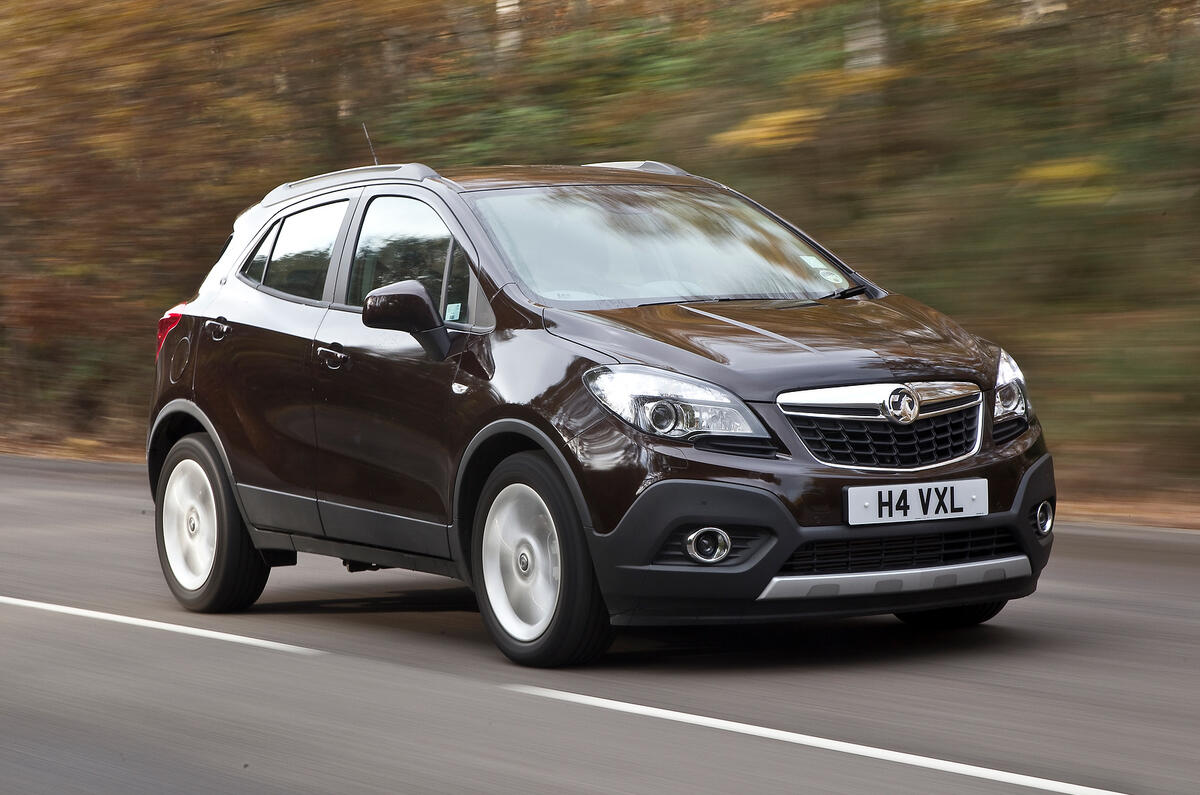
The new Vauxhall Mokka, sister car of the Chevrolet Trax, left flank of GM’s small car pincer movement and, if the hype is to be believed, the preordained second biggest retail seller in the brand’s UK line-up by this time next year.
Big boots for a sub compact SUV to fill, then, but the Mokka is plodding up the tyre tracks laid by the Skoda Yeti and the Nissan Juke, and Europe’s thirst for tiny soft-roader chic apparently grows quicker than giant kelp.
Consequently there’s room for some significant differentiation between this model and its overseas cousins (the Buick Encore is also closely related). First, and most noticeably, Vauxhall design cues are now prevalent in a restyled body shell, and the innards have been swapped out for the firm’s familiar interior look.
Underneath, the Gamma II platform sits unaltered, but the European engineers have been given space to tinker liberally with the running gear. Suspension mounts, bushes, damper and spring rates have all been shifted, replaced or retuned for a revised character. The electric power steering has also been reprogrammed with greater directness in mind.
Nevertheless, some of the ruggedness so important to other parts of the world arrives in the Mokka, too. Along with the front-wheel-drive version, an AWD car will be offered which uses an electromagnetic clutch to send as much as 50 per cent of the torque to the rear axle when a control module deems it necessary.
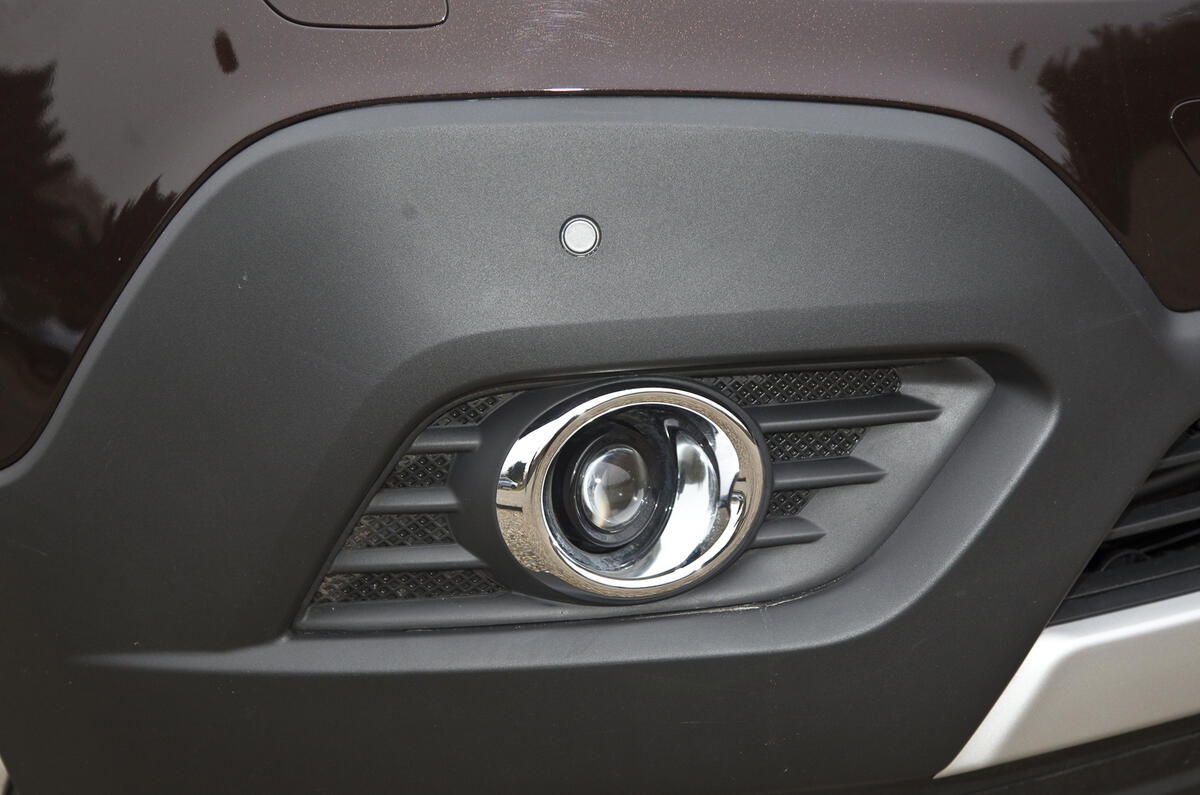
The new model also comes with a Descent Control System and Hill Start Assist as standard across all four trim levels (S, Exclusiv, Tech Line and SE). Admirably, even the entry-level car gets digital radio and cruise control, but dual-zone climate control, USB socket, Bluetooth connectivity and parkings sensors are saved for the mid-spec offering where British buyers are likely to start shopping.
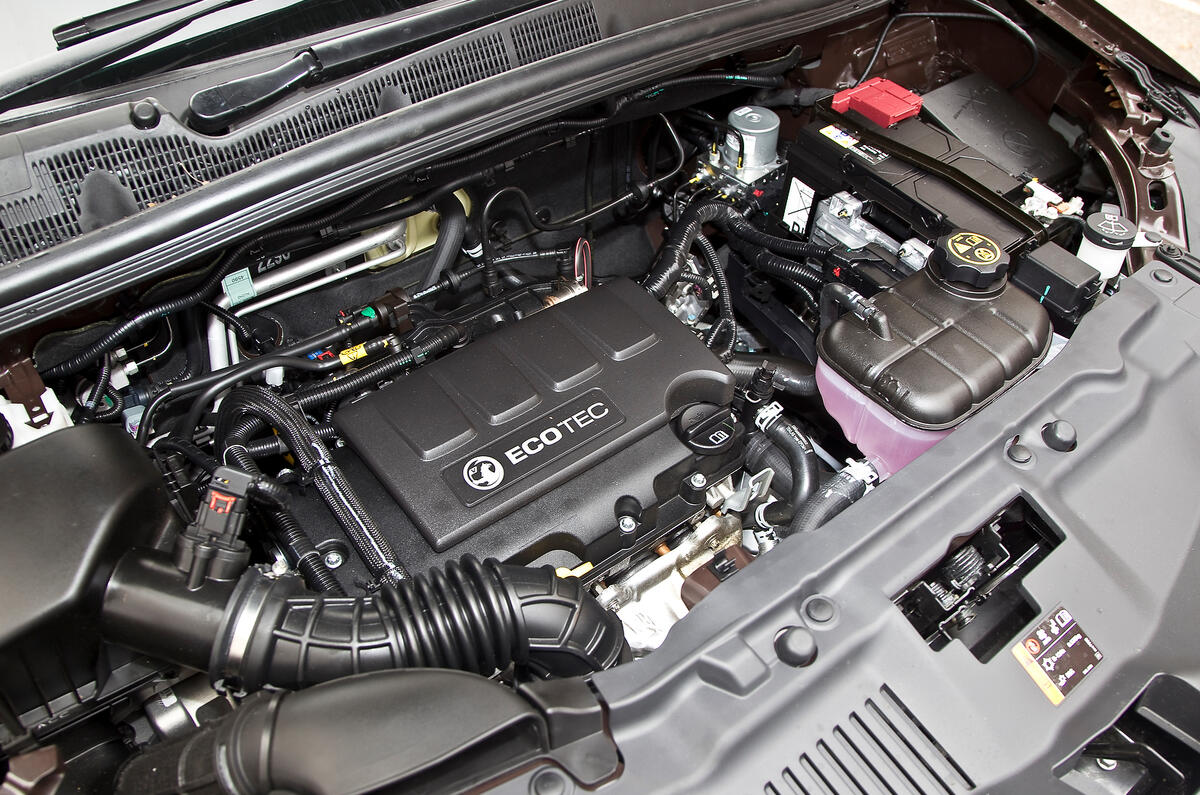
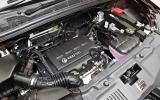
Three engines (shared between the brands) are available: two petrols — a 113bhp 1.6-litre and a 138bhp turbocharged 1.4-litre — and one diesel, the 128bhp 1.7-litre CDTi. The less powerful petrol unit (mated to a five-speed manual) kicks off the range at £15,995, but we drove the likely much more popular diesel engine, with a six-speed gearbox, in front-drive guise.
What is it like?
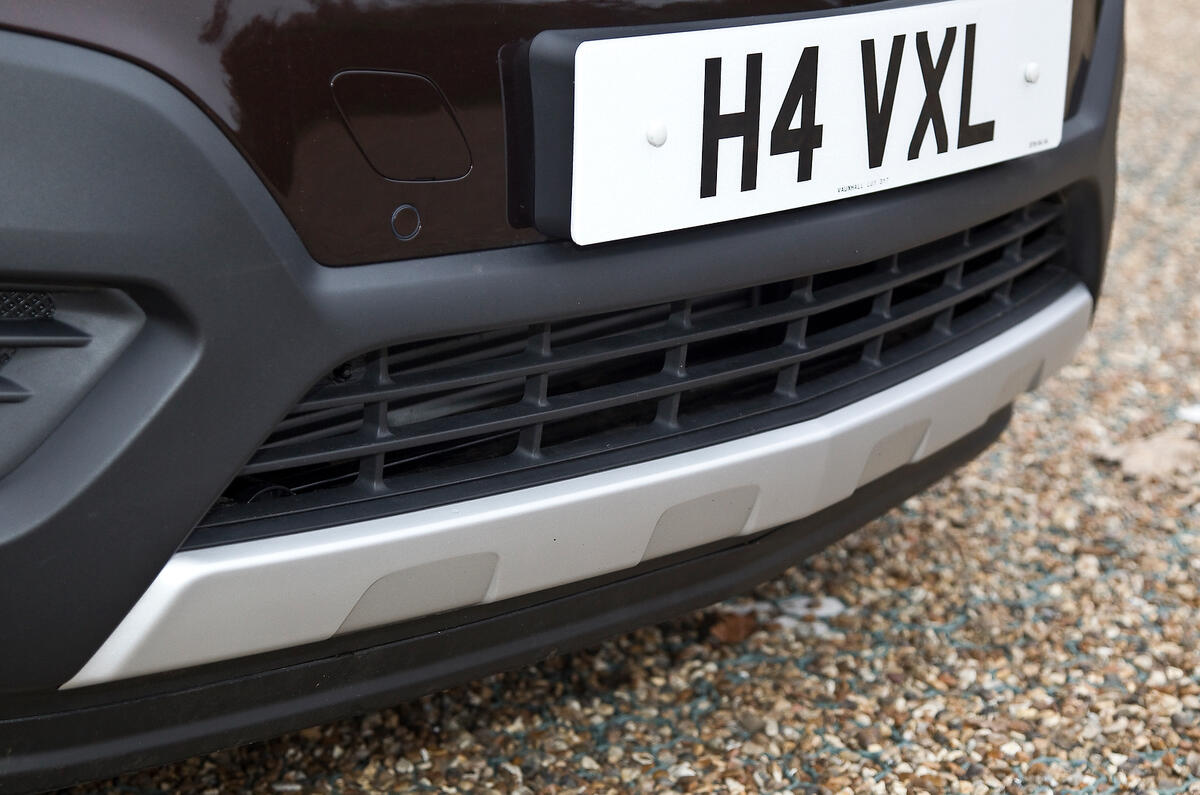
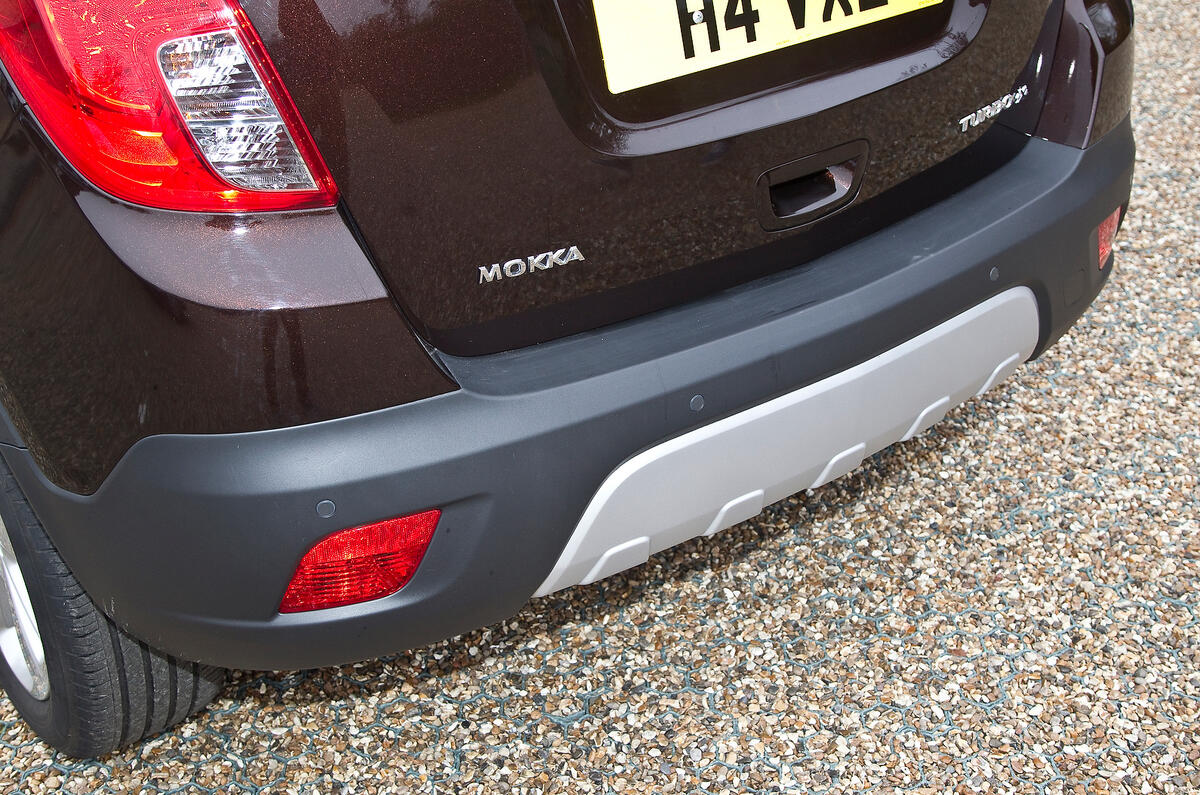
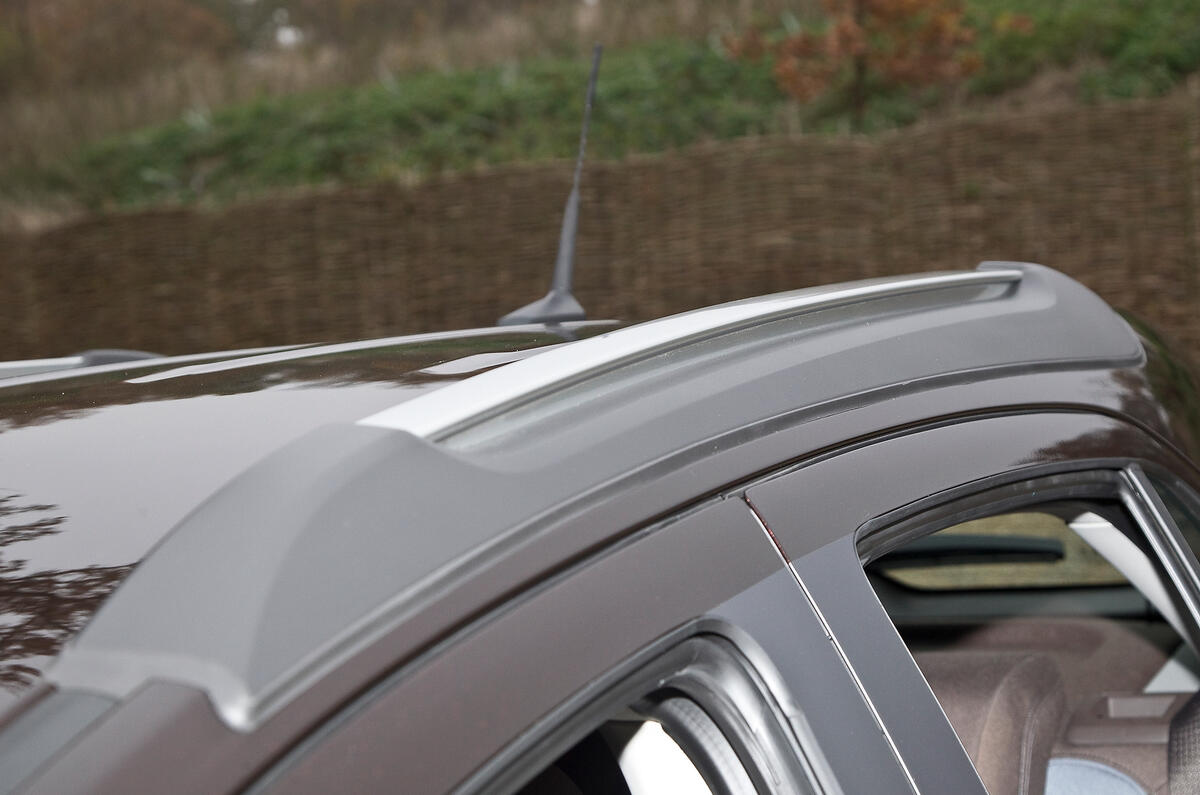
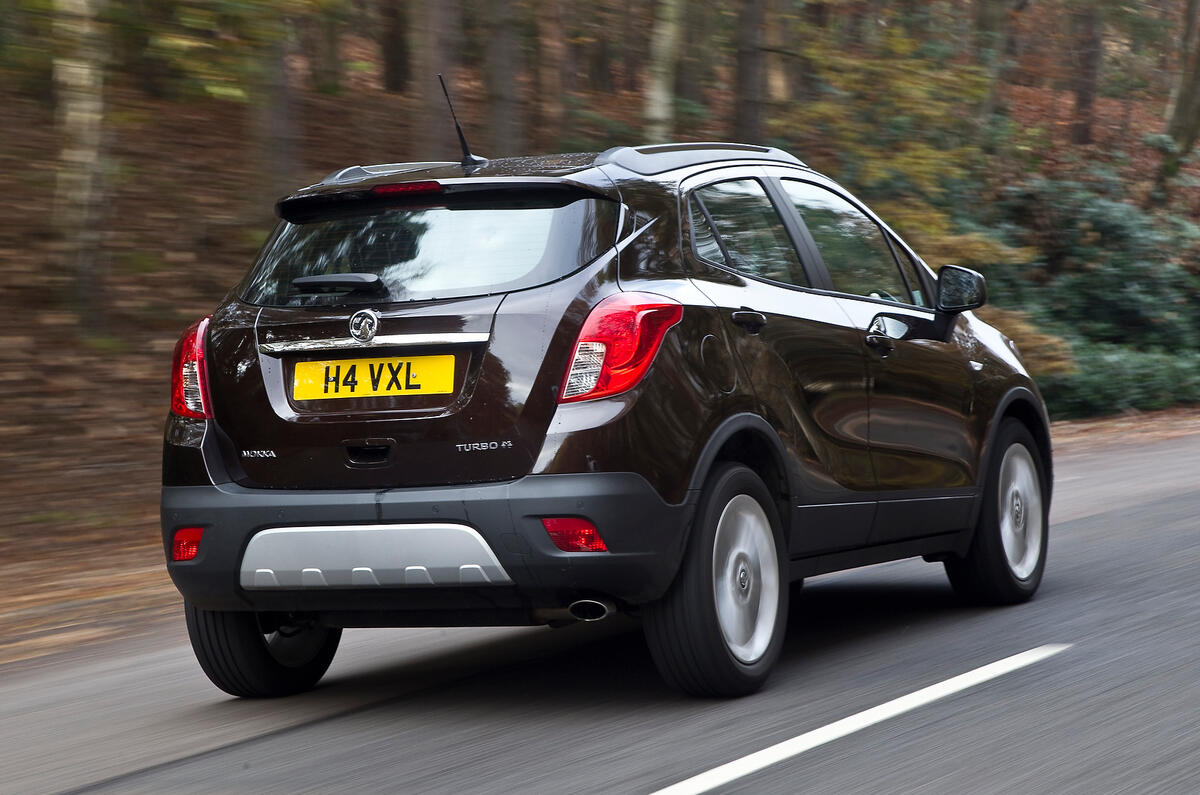
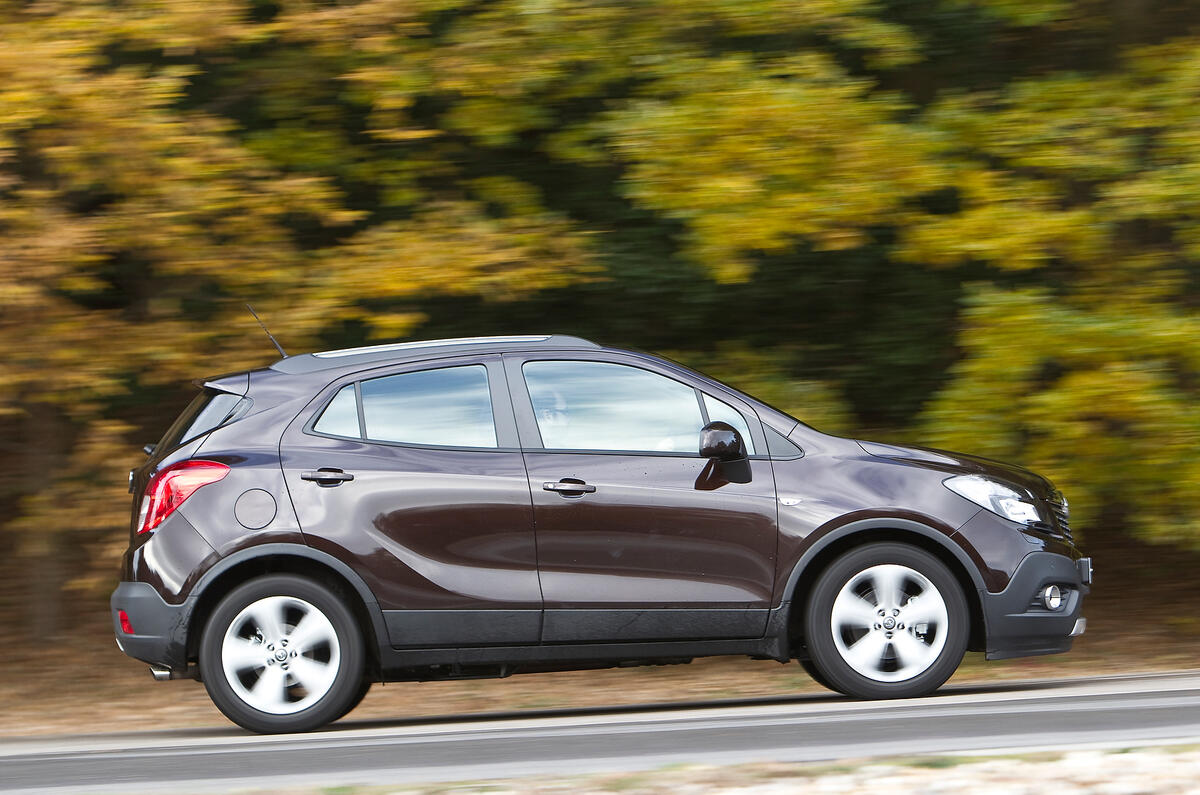
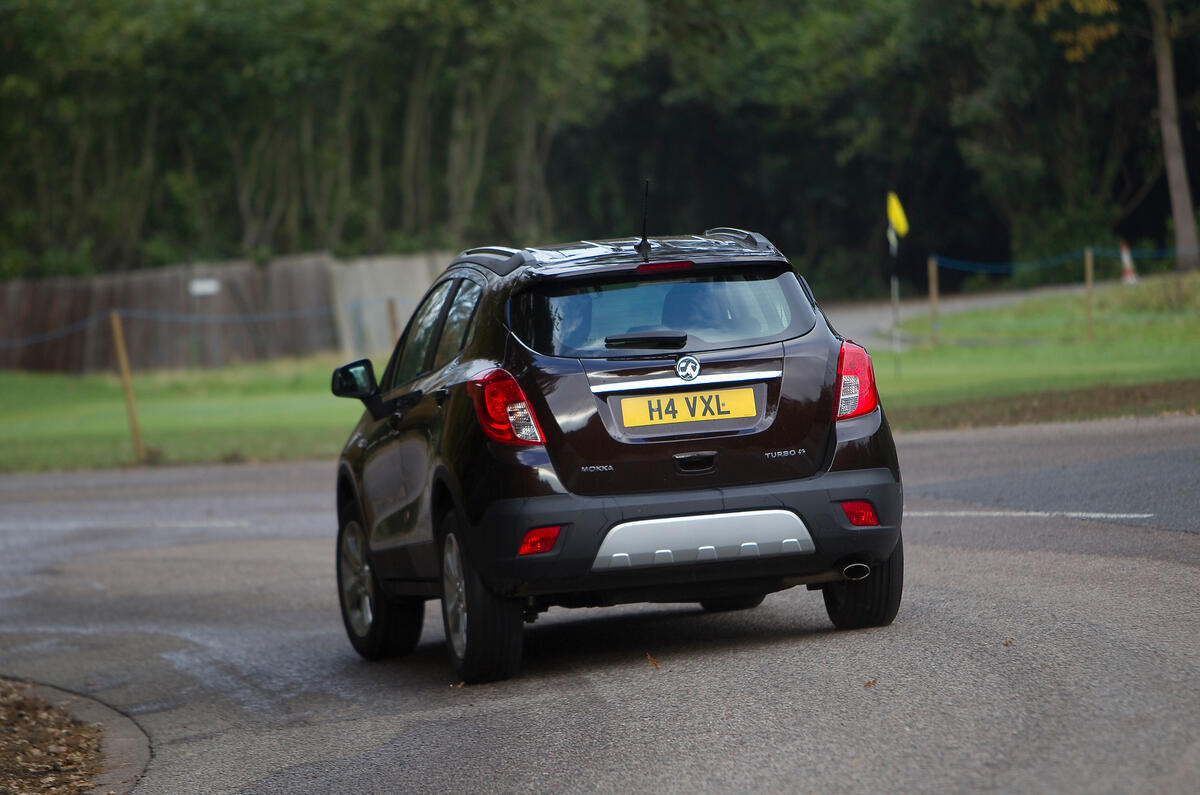
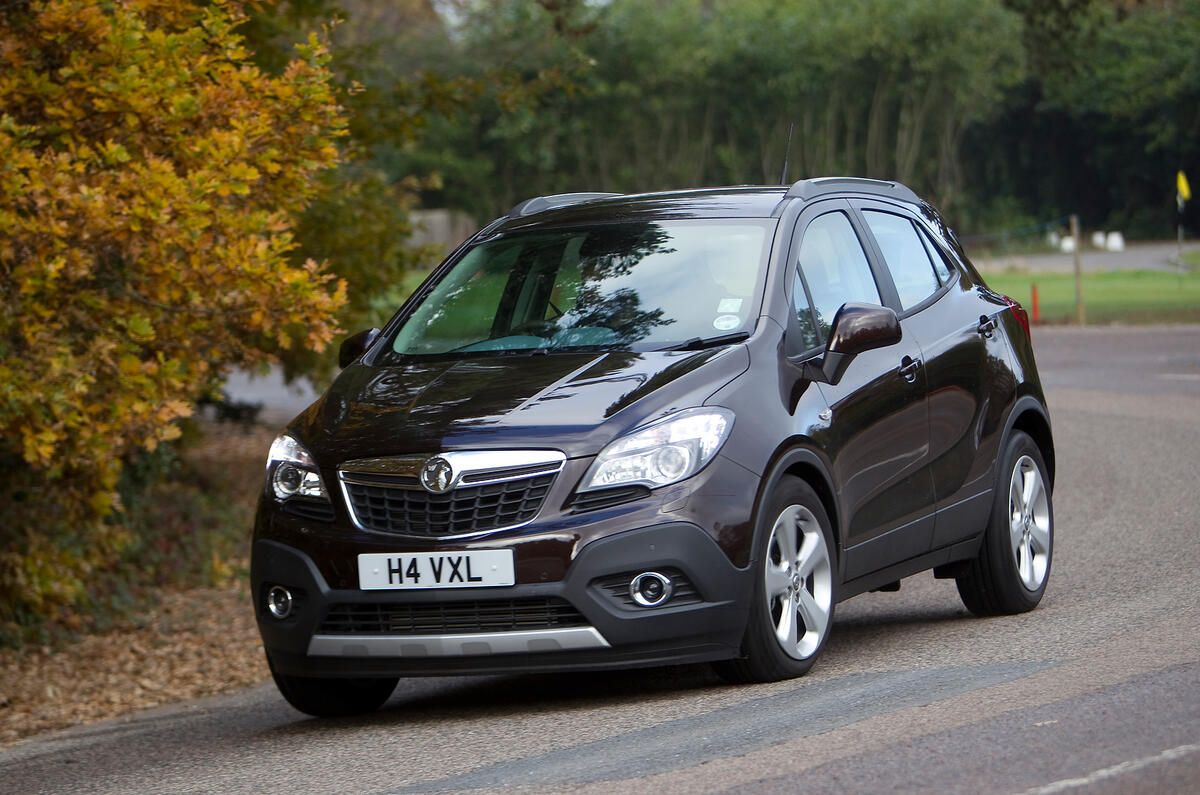
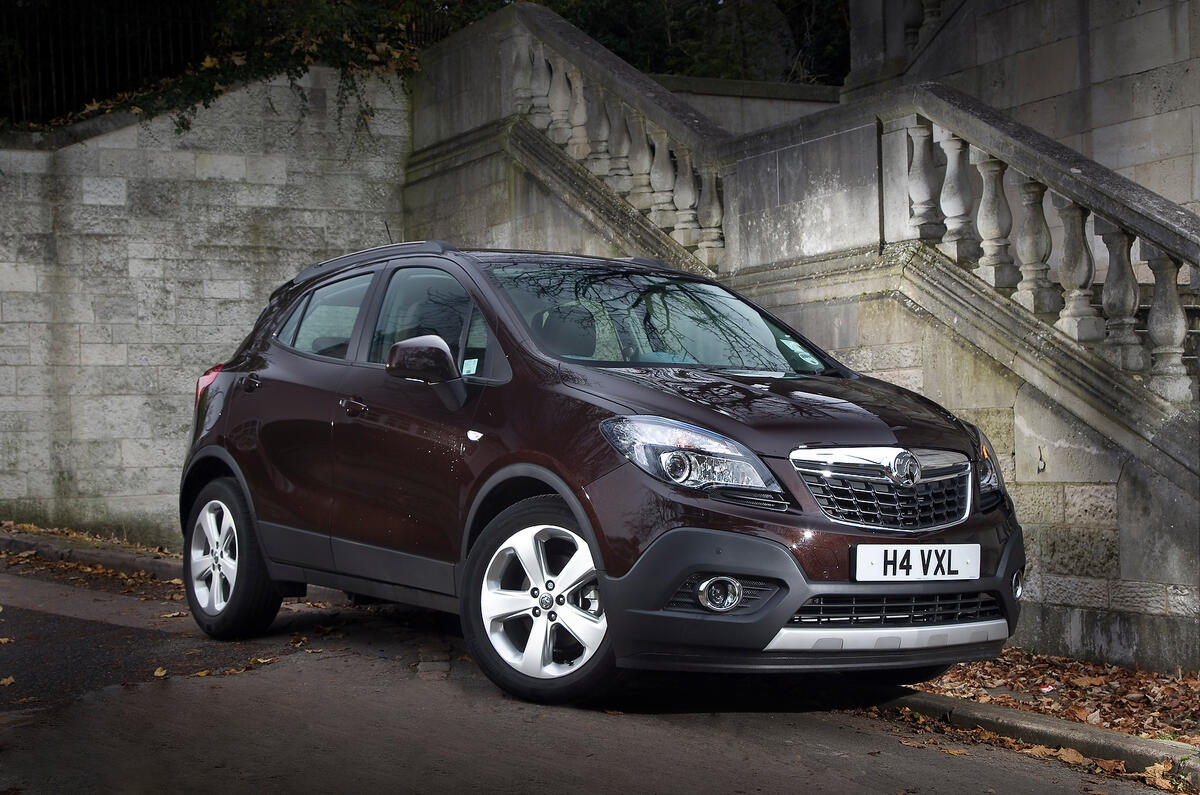
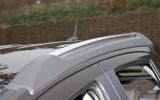
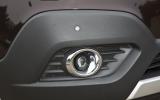
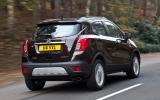
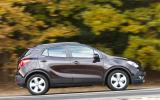
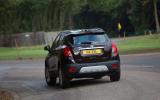
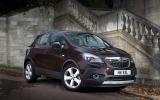
Plusher, posher and more purposeful than the Trax, but possibly just as pedestrian. Unequivocally, it is better looking. The front end is cuter, curvier, and, with bigger, prettier 18-inch wheels as standard on the desirable mid-spec, it pleases the eye in a way that the Chevy does not. Such an achievement should not be underestimated: small SUVs are a lifestyle purchase, and getting the ‘look’ right is half the sales battle won.
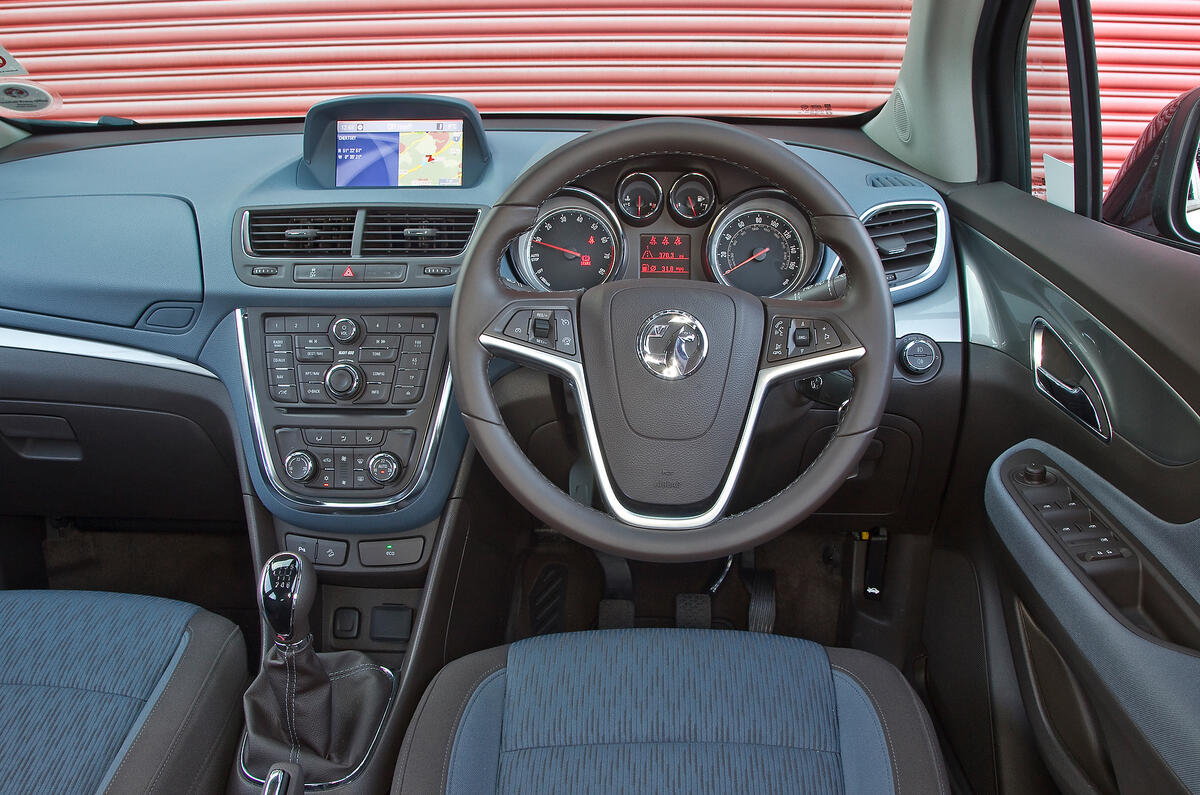
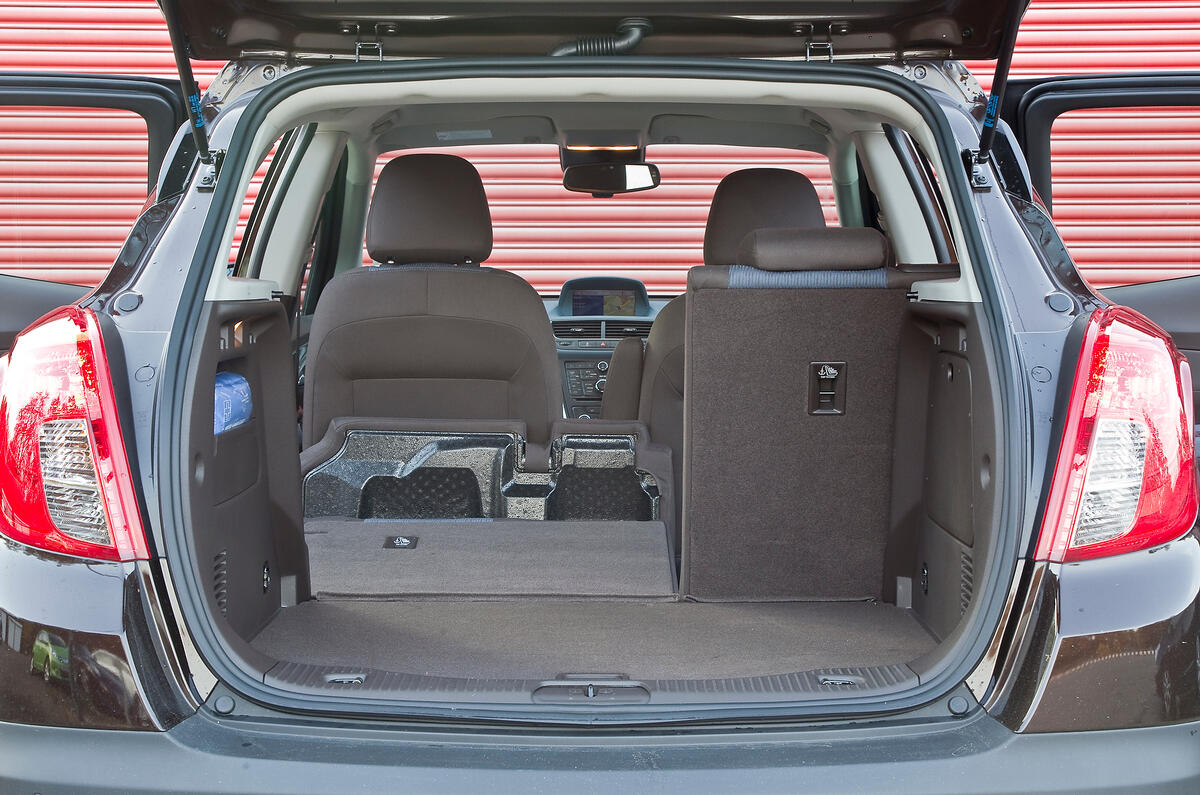
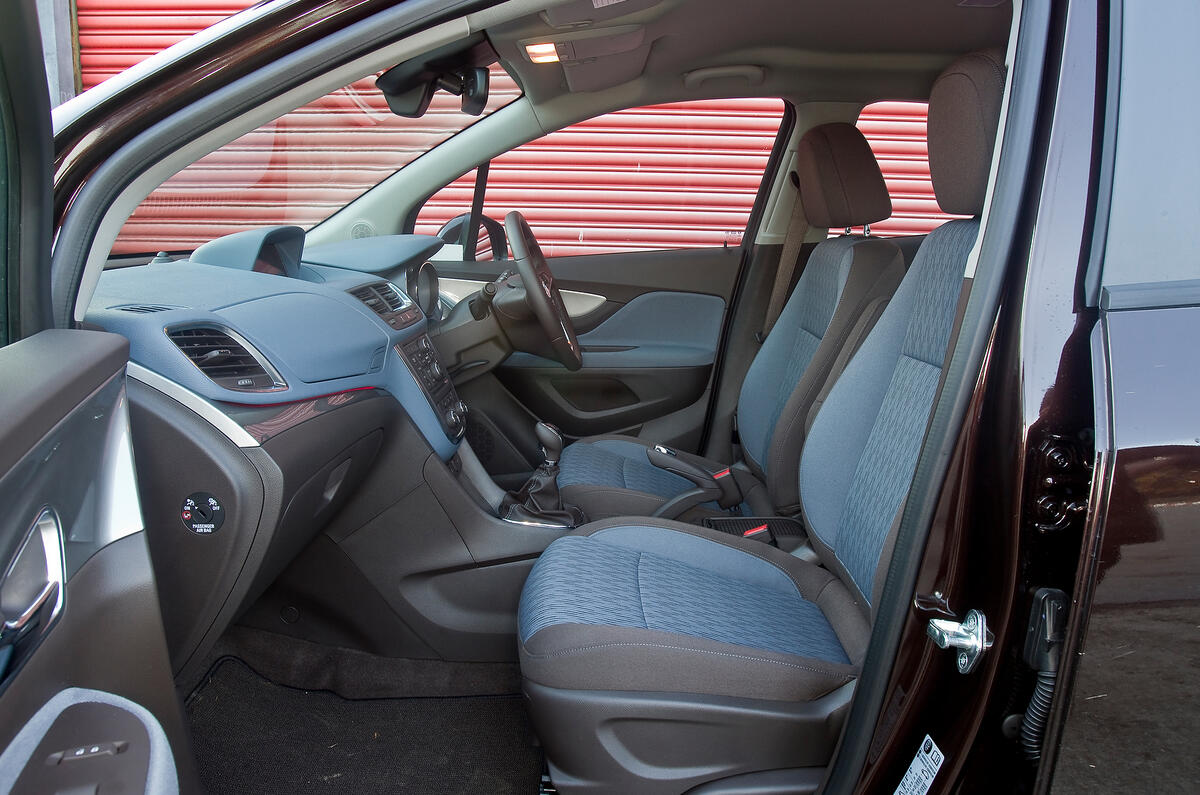
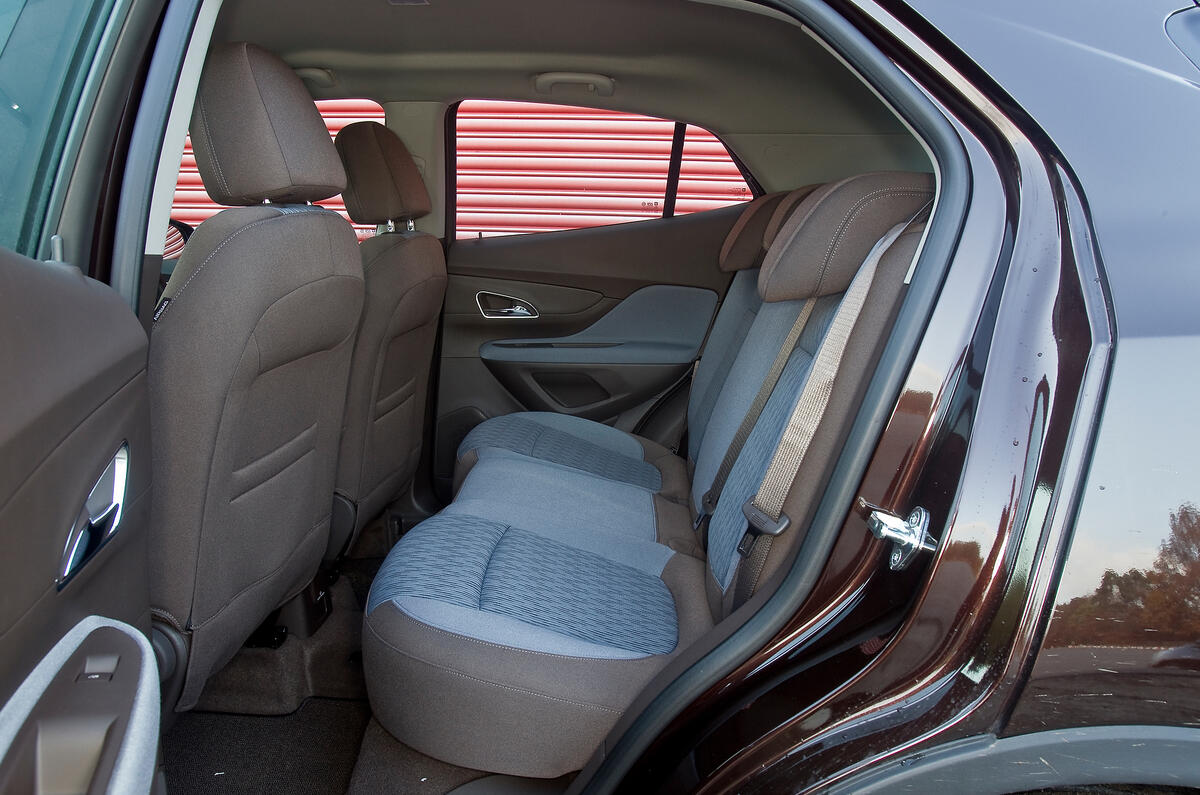
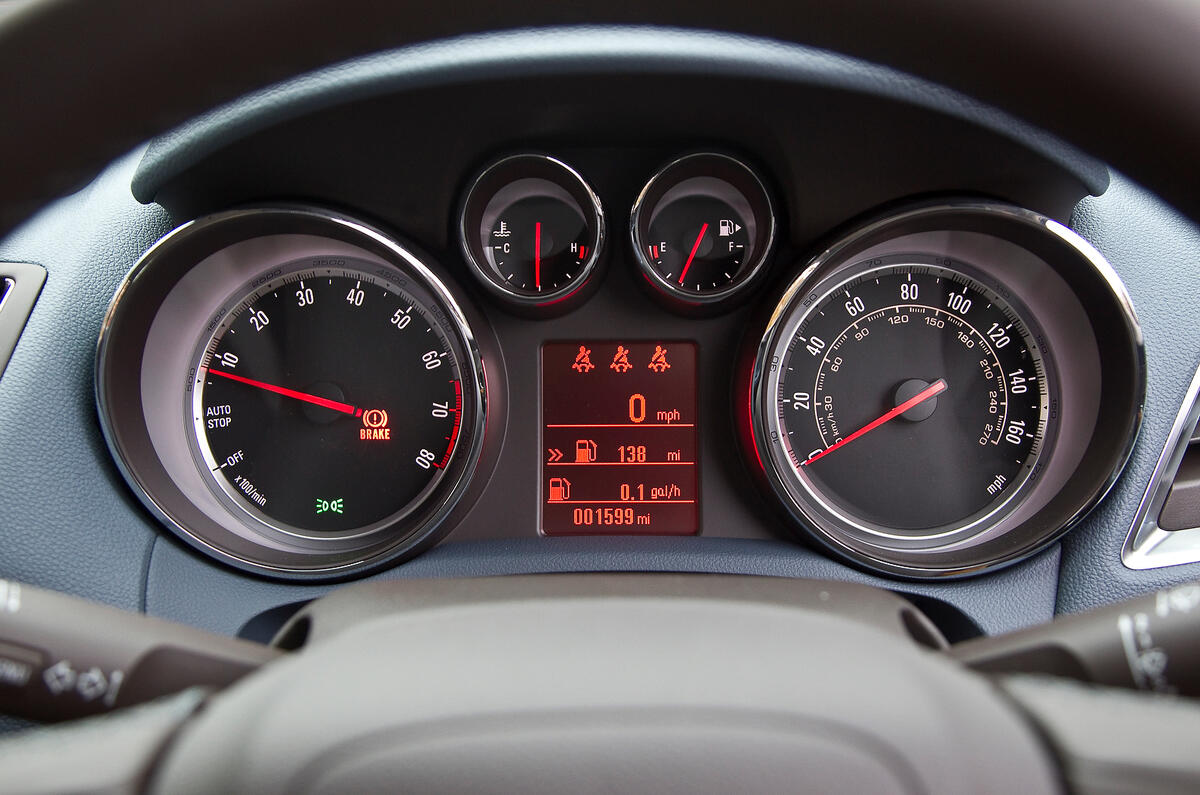
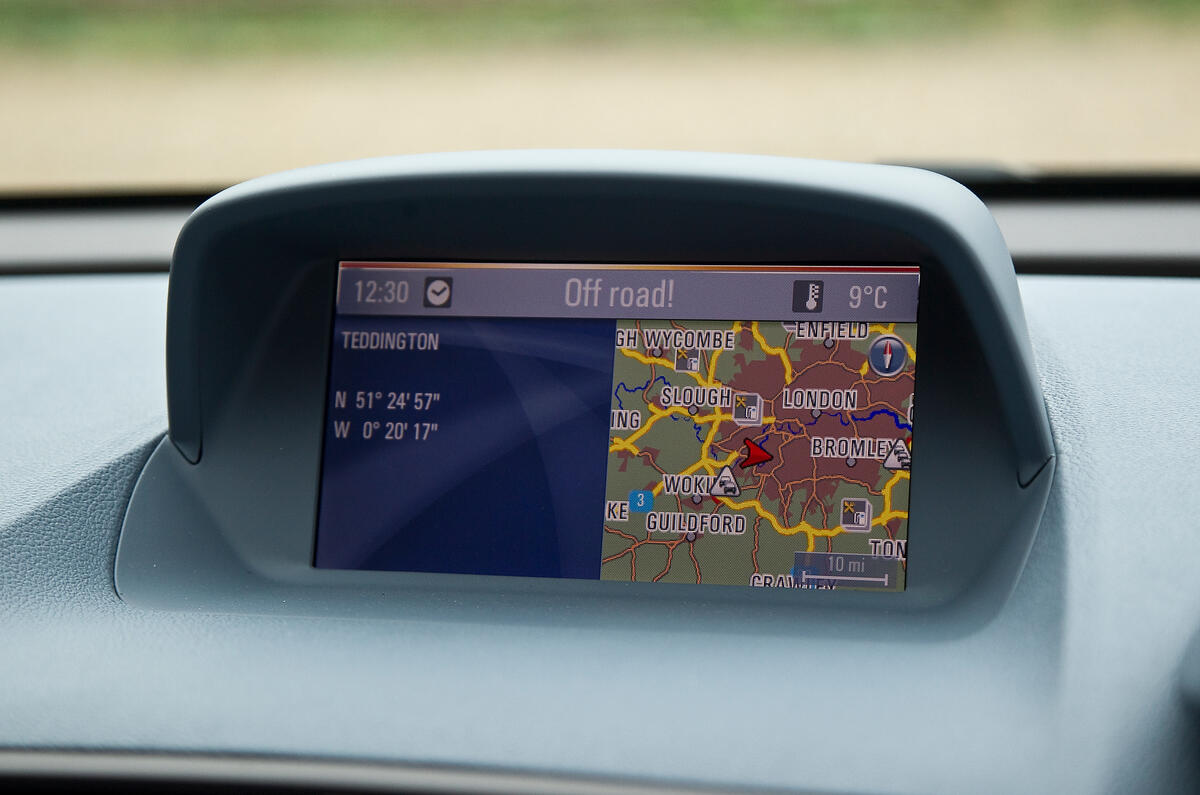
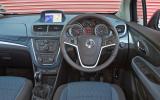
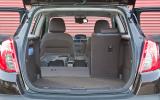
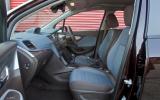
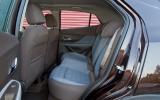
It’s moderately less successful inside, where the Mokka gets all the right kind of flexible practicality, but is then blighted by the cloudburst dreariness of Vauxhall’s current internal architecture. Granted, superior plastics mean tactility is less of an issue, and build quality seems on a par with rivals, but apparently no one has taken the time explain to the design team that buyers now expect a certain joie de vivre from their compact cars. Honestly, it’s like the Mini never happened.
As well as shrinking their larger cars’ interiors to fit, Vauxhall has sought, rather conspicuously, a scaled-down version of their dynamic experience. Thus, the Mokka gropes at the surly mix of refinement, comfort and po-faced handling that it considers to be marketably Germanic. On one level, this works. Brawnier steering and the newly-resolute chassis setup make the SUV a more substantial item to drive than the Trax; it feels leaner through a corner and, on proper tyres, it is far quieter, too.
But the bigger wheels and stiffer suspension have taken their toll. While the primary ride is adequately managed, the secondary hits sharper imperfections with a noticeable thunk. Vauxhall has also failed to find much more agility and the Mokka still bobs and weaves much like an SUV. Fine, you may think, but as the firm itself admits, this is a compact town car first and foremost, and therefore it would be preferable to have the reflexes of one.
Unfortunately, the 1.7-litre CDTi does not help its cause. It has a healthy if short-lived 221lb ft peak of torque between 2000-2500rpm but, thanks to a reluctant throttle, it feels difficult to access. Much revving is required to shift the Mokka from a standstill, and on the move too much downshifting and accelerator-pedal flooring is needed to maintain gratifying momentum. If all that weren’t old school enough, it also sustains a steady, readily apparent working grumble, as though you were two cabins from the engine room on a cruise ship.
Should I buy one?
If Vauxhall’s reading of the market is correct, then there’s a reasonable chance you’re actually thinking about it. Apparently a sizable number of citizens have already bought on the strength of the car’s image. For such customers, the Mokka will probably not disappoint. It looks almost as appealing in the metal as it does in posed pictures and, like the Yeti, it feels precisely the right size for a small family of the mythical ‘active’ demographic that is often mentioned in connection with compact SUVs.
However, for all its fine-tuning, Vauxhall has not managed to bottle the easy-going gusto which made the Yeti so compelling. Dynamically, for the most part, the Mokka is either satisfactory or carelessly forgettable. The suspicion that the ride quality might struggle in the UK, and that its engines (the 1.4-litre petrol is little better than the diesel) aren’t up to snuff, will hinder its introduction.
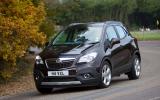
Nevertheless, such concerns aren’t likely to steal the car’s thunder. Like the Trax, it is not perfect, but it’s an understandable product and one likely to find itself in the right place at the right time for the public’s blossoming appetite.
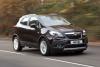
Vauxhall Mokka 1.7 CDTI Exclusiv
Price £19,445 0-62mph 10.0sec Top speed 116mph Economy 62.8mpg CO2 120g/km Kerbweight 1354kg Engine type 1686cc, four-cylinder, diesel Installation Front, transverse Power 138bhp Torque 221lb ft Gearbox 6-spd manual