What is it?
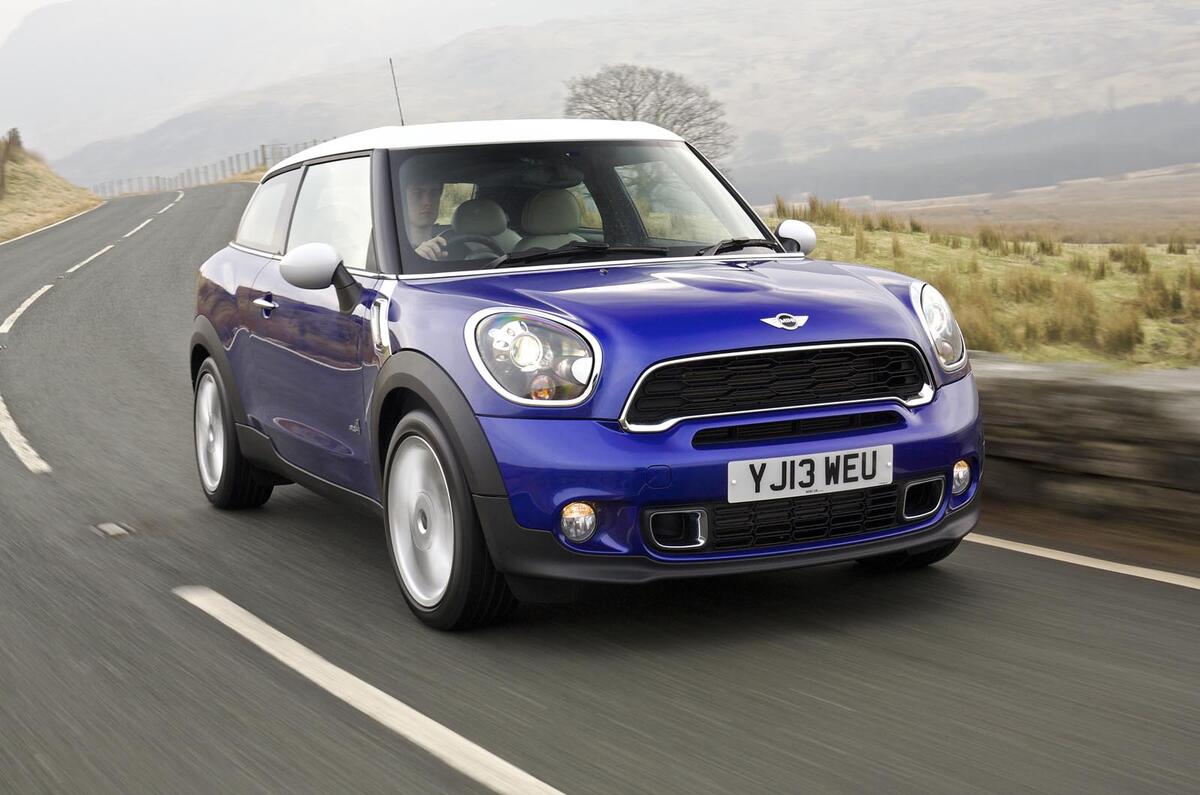
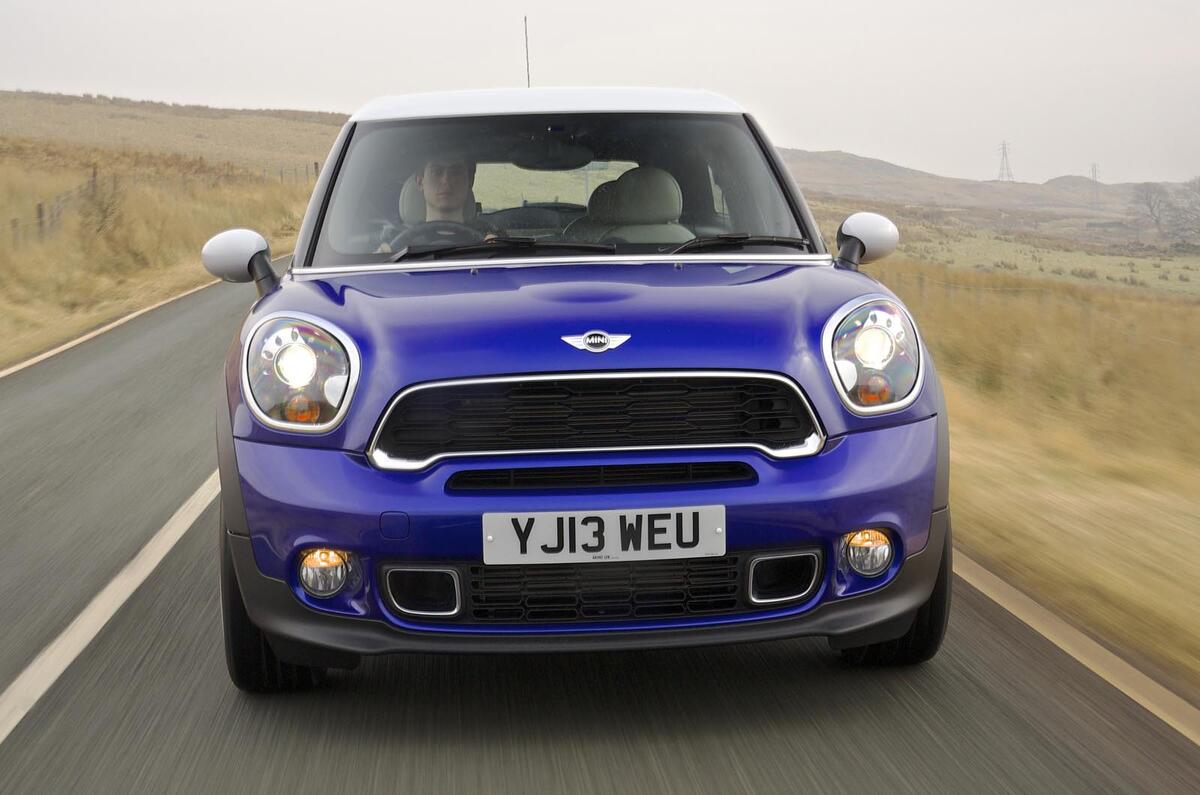
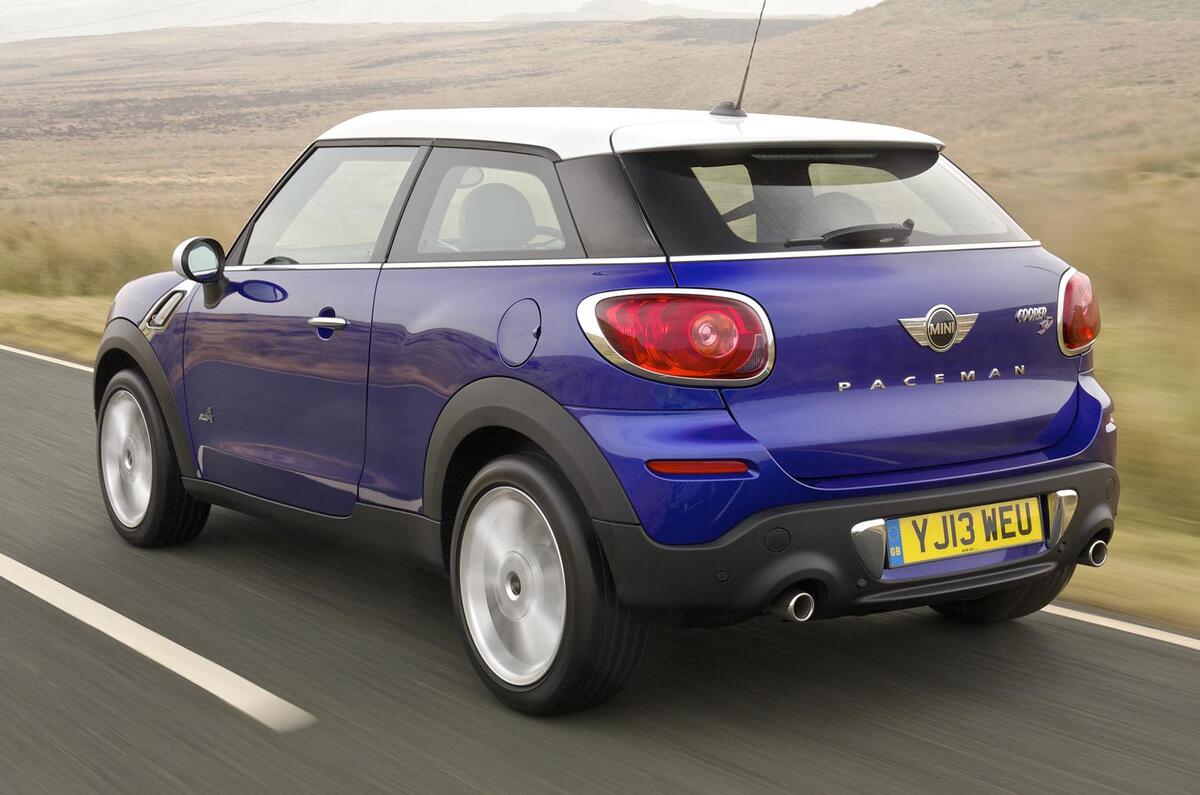
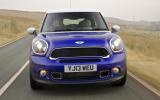
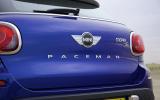
The production version of the Mini Paceman - the three-door offspring of the Countryman we’ve only previously driven in development form. Dubbed, optimistically, a Sports Activity Coupé, BMW insists this is the car to bridge the gap between its family-focused crossover and the now ageing hatchback.
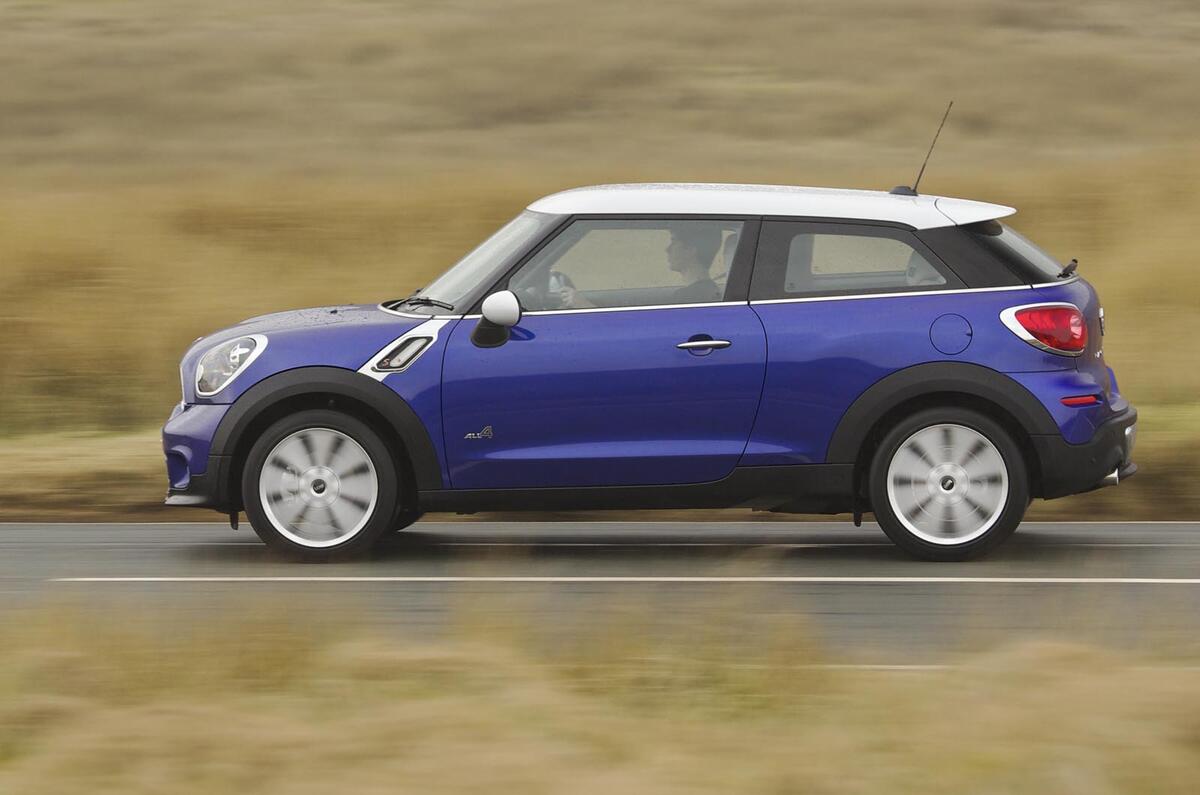
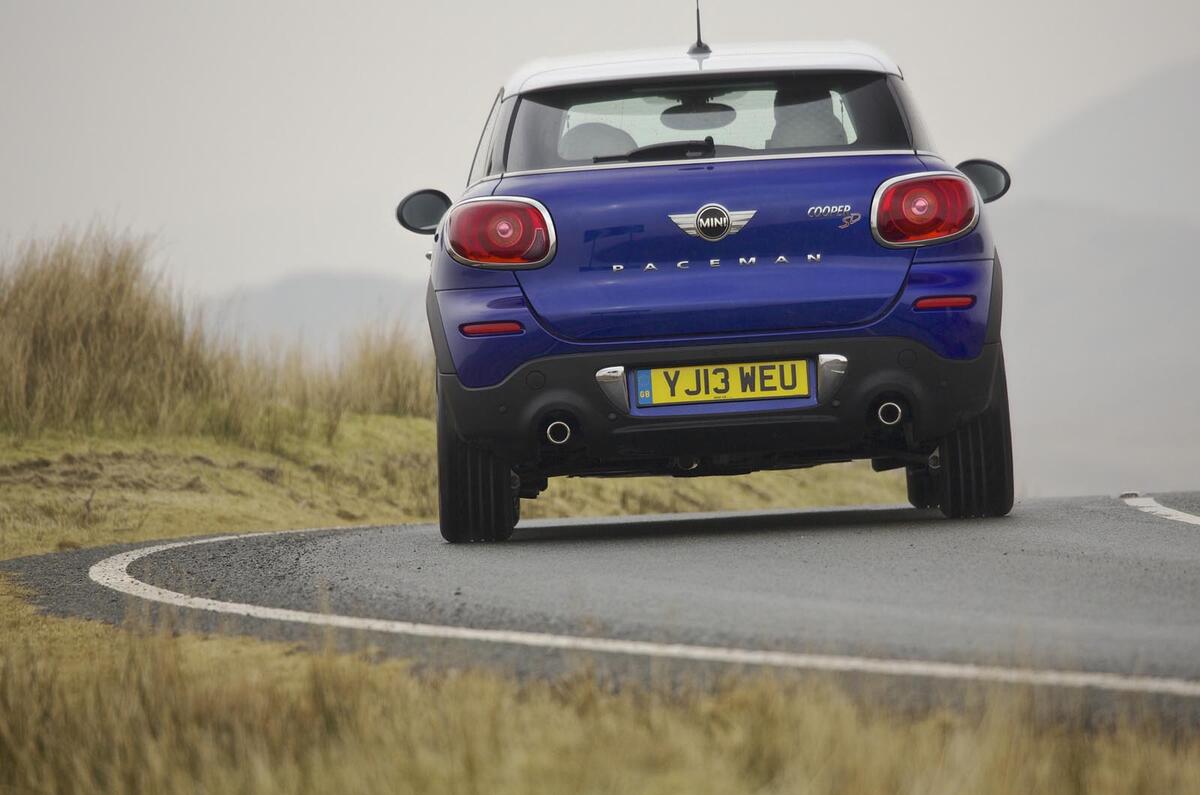
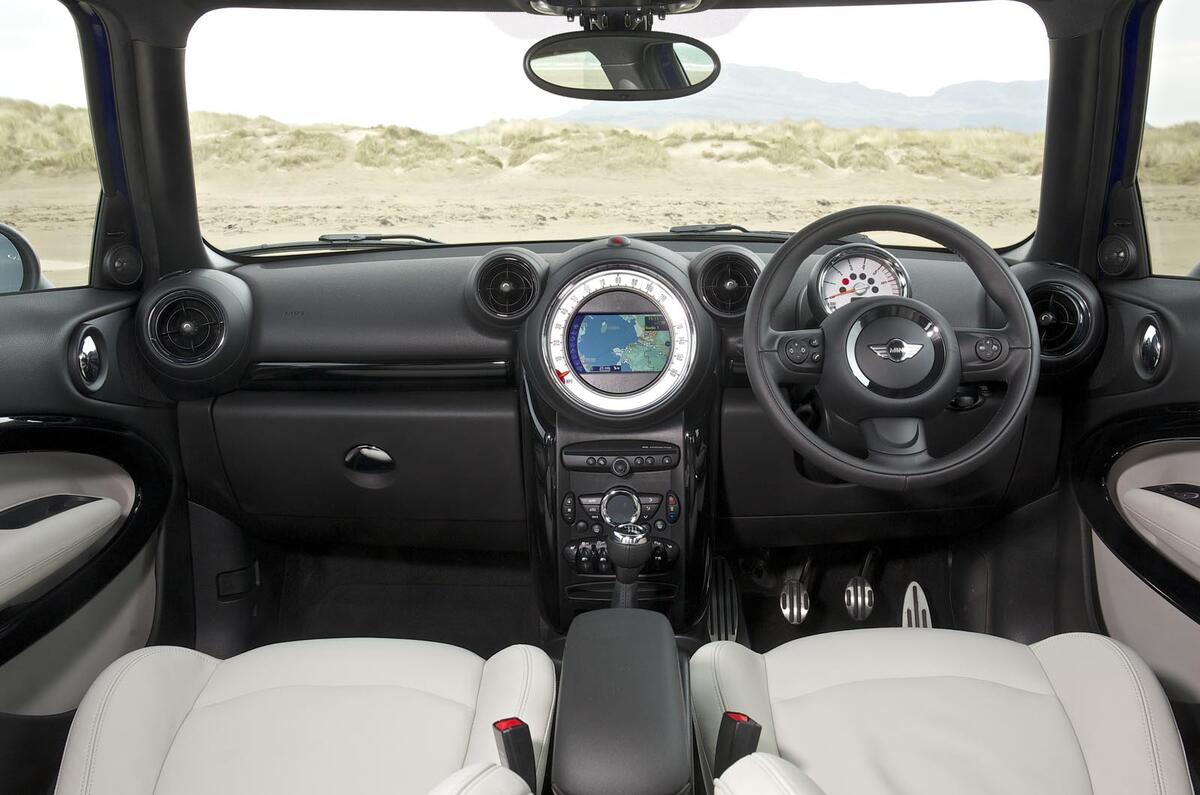
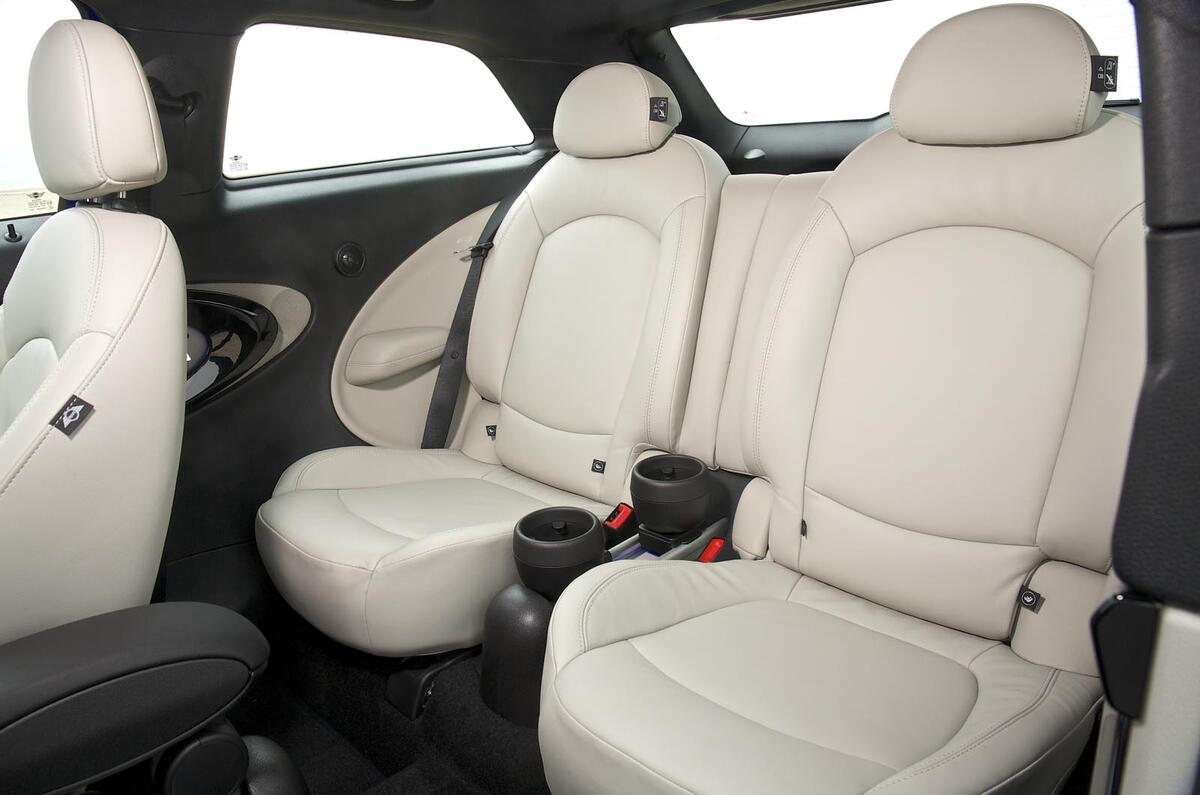
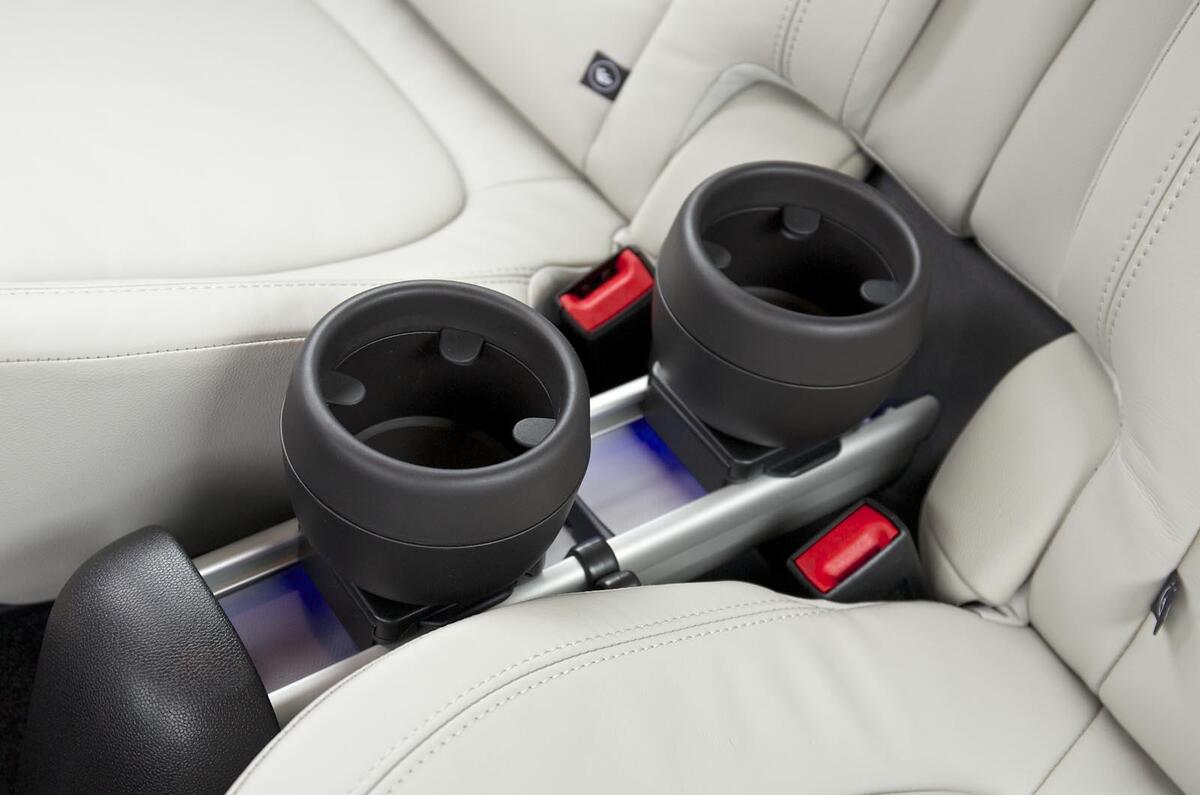
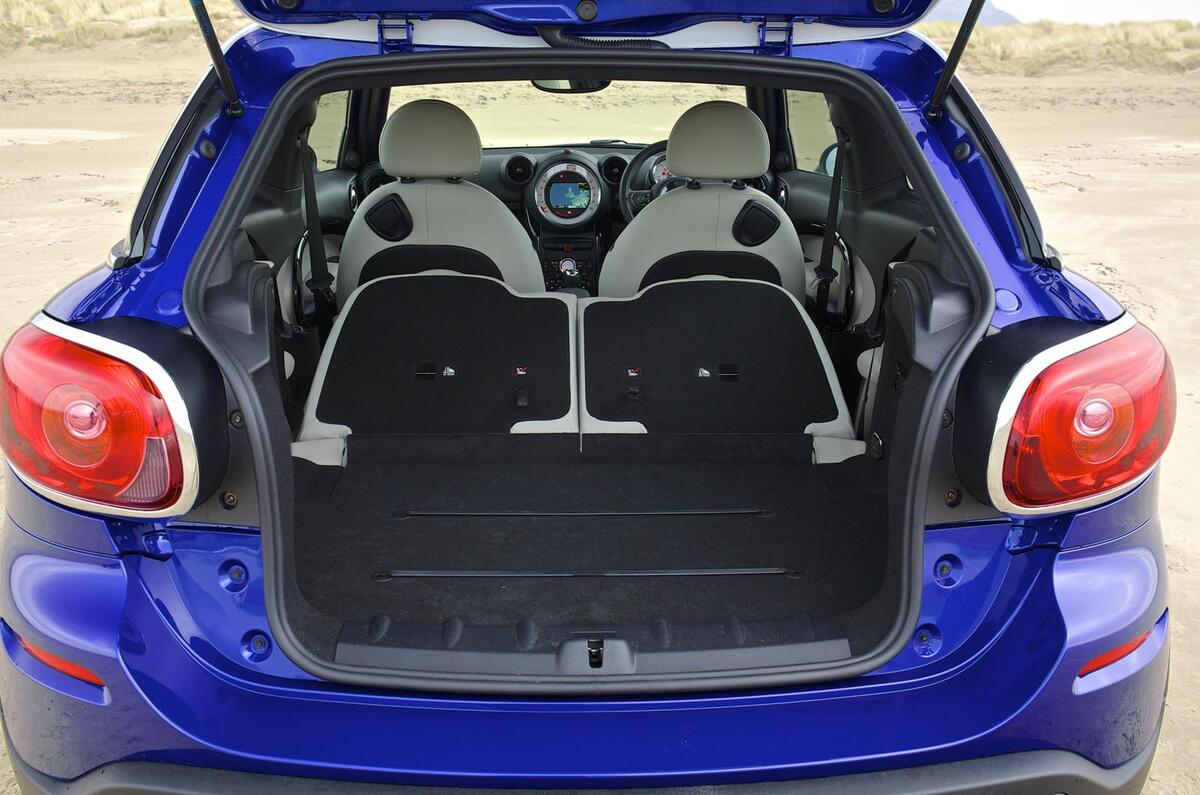
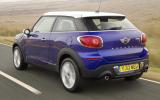
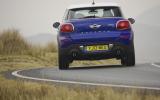
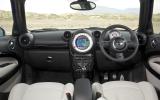
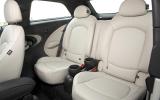
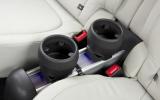
A new design has been penned around the deletion of the Countryman’s rear doors, which necessitates a retooled rear end, including a lowered roof line and altered tailgate. The subtraction continues inside where the standard rear bench has been replaced by Mini’s individual rear seats (formerly an option on the five-door).
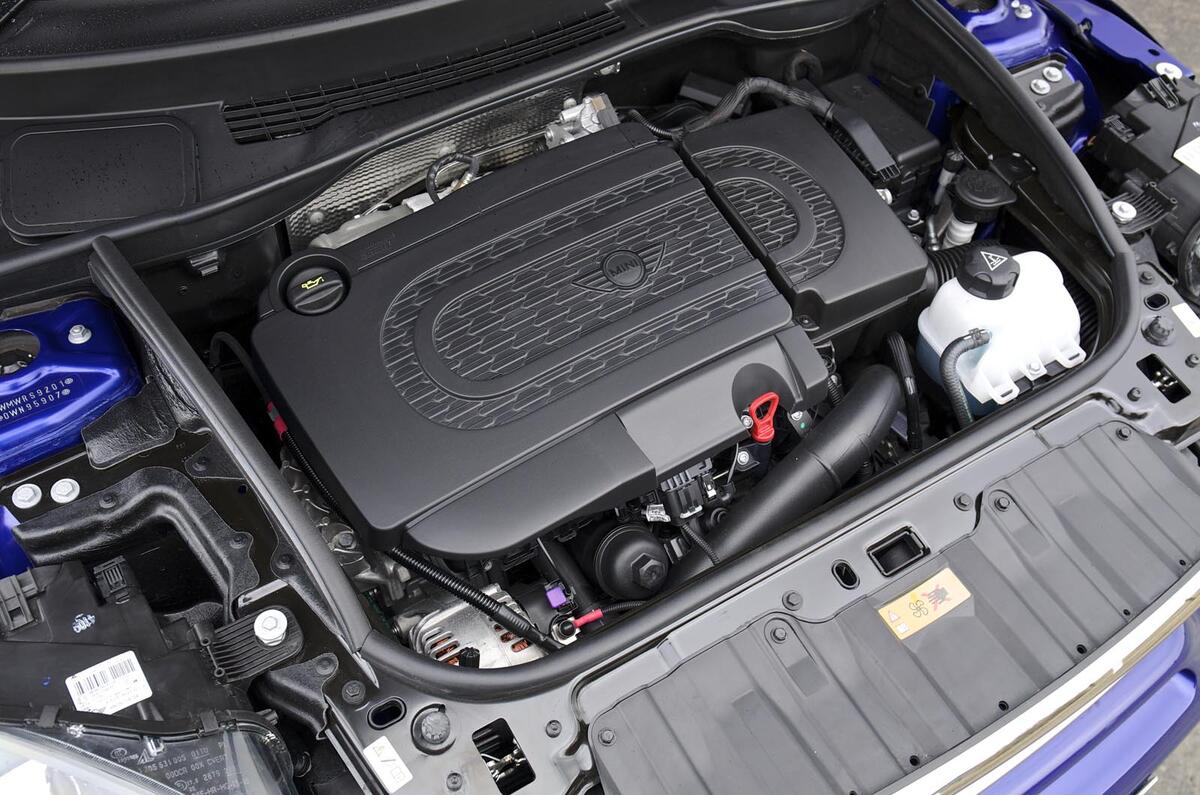
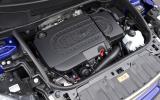
Despite sharing all of its running gear with the Countryman, the Paceman’s racier brief means it gets Mini’s sports suspension, dropping the car a further 10mm closer to terra firma. The engines and transmissions are all direct carryovers: the familiar 1.6-litre petrol unit comes in both 121bhp Cooper guise and 181bhp Cooper S format (driven here).
First drive review: Mini John Cooper Works GP
Similarly, the diesel options are split between the 110bhp 1.6-litre Cooper D and the 141bhp 2.0-litre Cooper SD. Every powerplant (with the exception of the entry-level Cooper) can be mated to Mini’s ALL4 four-wheel-drive system for a premium, although front-wheel-drive variants will form the bulk of sales.
What is it like?
Muddled, as perhaps, it was always destined to be. Welding shut the rear doors is the oldest trick in the manufacturing playbook, but rendering a sportier vibe from a lumpy crossover is considerably more difficult than doing so from a saloon or hatchback. It is this first hurdle which the Paceman doesn’t so much fall at, but ruinously head butt.
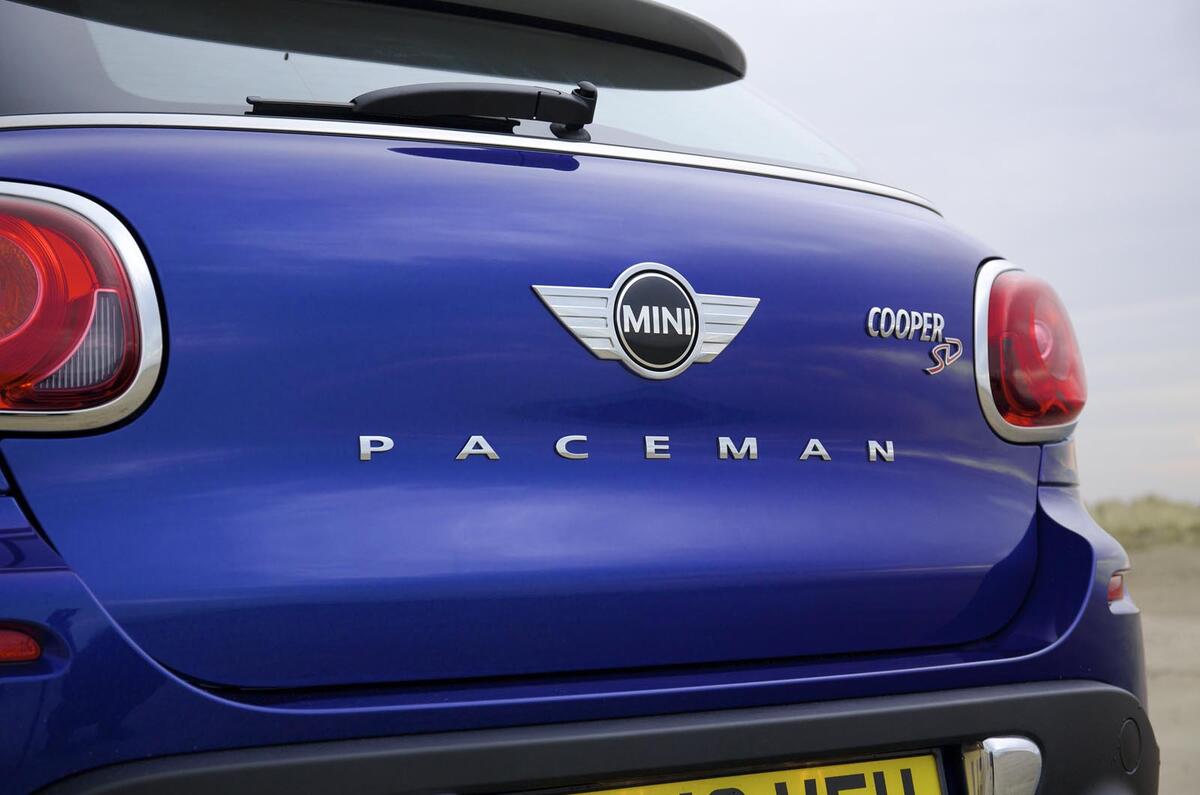
Raking the roof line and retooling the tailgate of the Countryman make theoretical sense, but the real-life result is as genetically confused as a germinating tumor. There’s none of the elegant collusion that makes three-door SUV’s such as the Evoque look desirable; instead BMW has seemingly resorted to pulling the high-rise skin taut over an already misconstrued skeleton.
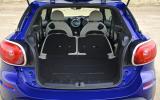
Conventionally, such a subjective appraisal would be beneath us, but so shallow is the Paceman’s appeal that without a stylistic trump card to play, its rationale flounders. It’s obviously less practical to get in and out of than the Countryman, there’s less rear headroom thanks to the new roofline, fewer seats to fill (which don’t even begin to fold flat) and it all comes with a higher price tag.
It’s regrettable, because dynamically, the Paceman - admittedly driven in Mallorca - comes across as a slim improvement on its SUV sibling - and probably not in the way you might expect. Despite unnecessarily bearing a firmer suspension, the car (somewhat inexplicably) accommodates battered roads slightly better than the notoriously wayward Countryman; there’s far less jarring, even with the springs pre-loaded under cornering.
This makes the Mini SUV far less wearing to drive, and its marginally tighter body control allows familiar liberties to be taken with the still very quick steering rack. Teamed in this instance with the more powerful petrol engine, this makes slice-and-dice suburban driving an appropriate cinch and (despite a whining, insistence sonic presence in sixth on a motorway) an acceptable companion beyond.
Should I buy one?
The only reason to seriously consider it is if you ‘get’ the stylistic revision in a way we don’t.
Despite a slightly more agreeable behind-the-wheel experience (yet to be played out or confirmed on British roads) the Paceman still feels like a car where you’re being asked to pay considerably more for less.
If you’re insistent on owning a four-metre-long Mini SUV, we’d recommend you continue to opt for the one with five-doors and a whole heft more sense.
Mini Cooper S Paceman
Price £22,355; 0-62mph 7.5sec; Top speed 134mph; Economy 46mpg; CO2 143g/km; Kerb weight 1380kg; Engine four-cylinder, 1598cc, turbocharged, petrol; Power 181bhp at 5500rpm; Torque 192lb ft at 1700-4500rpm; Gearbox 6-spd manual