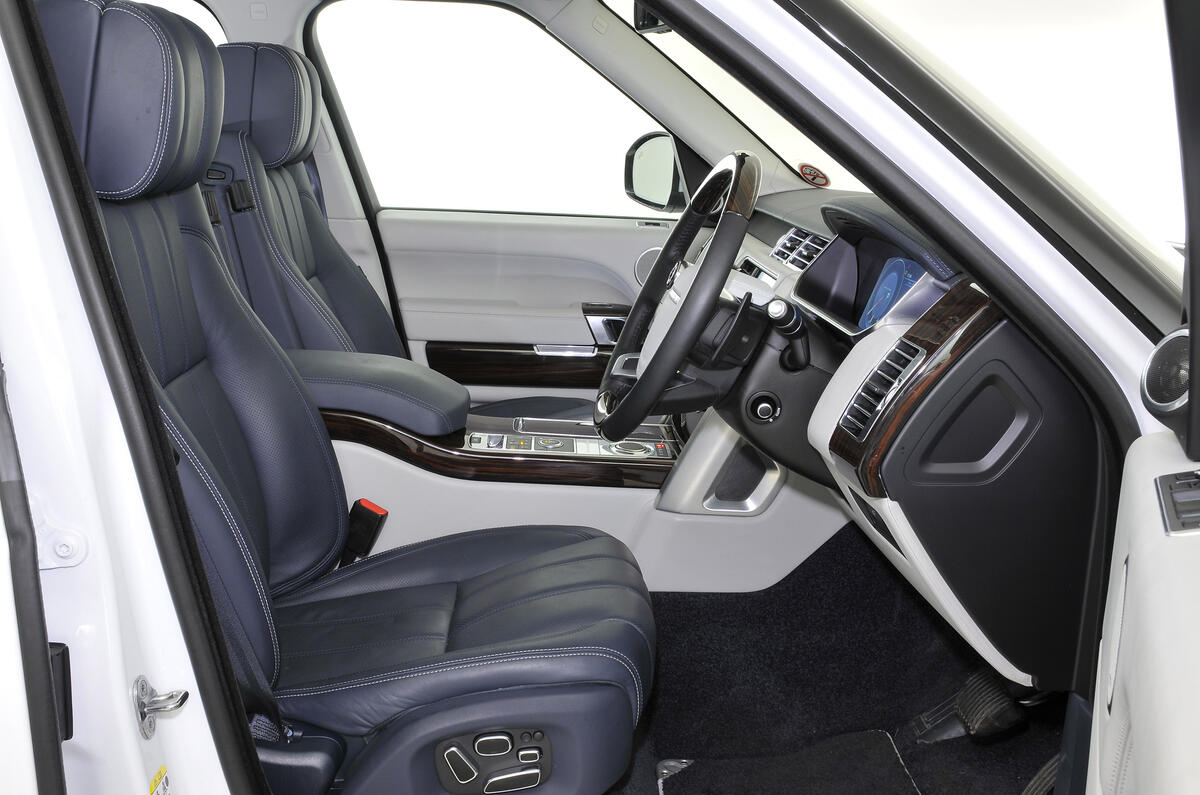
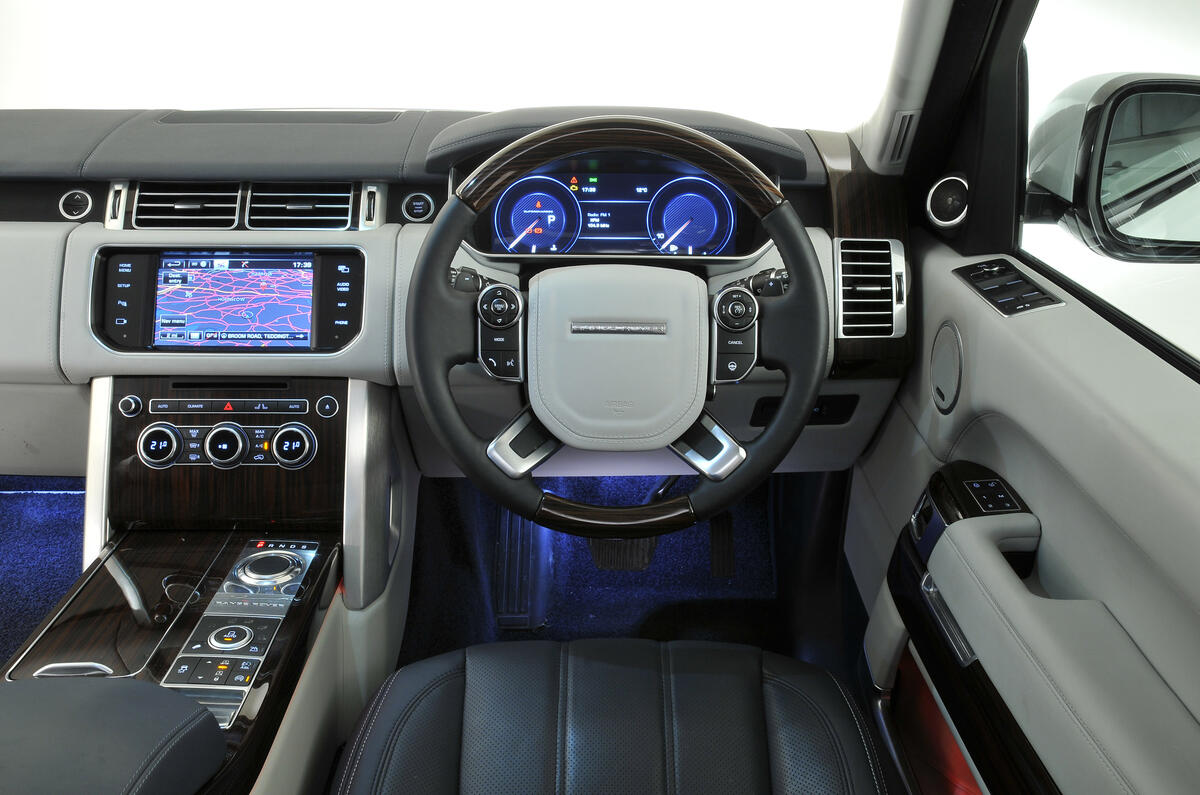
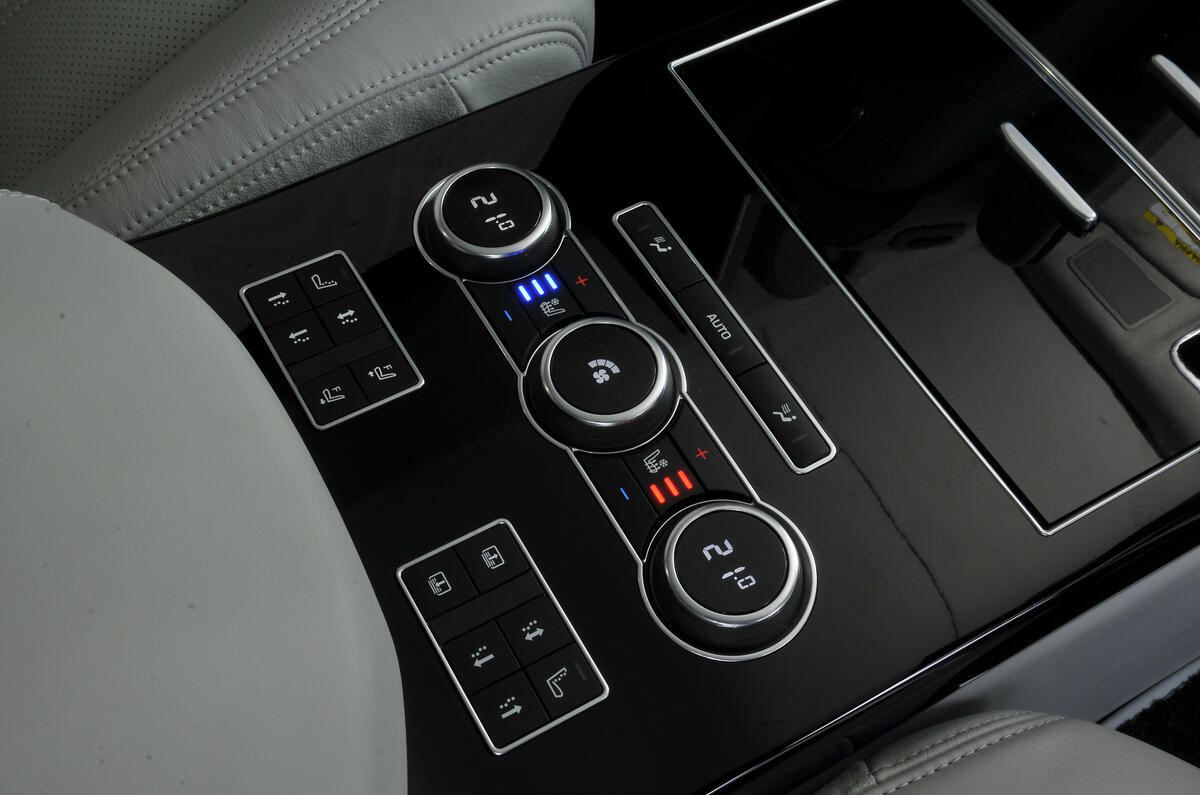
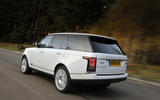
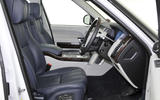
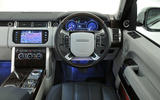
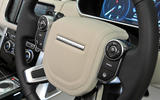
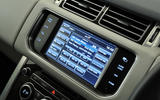
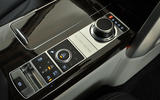
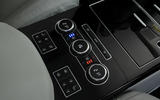
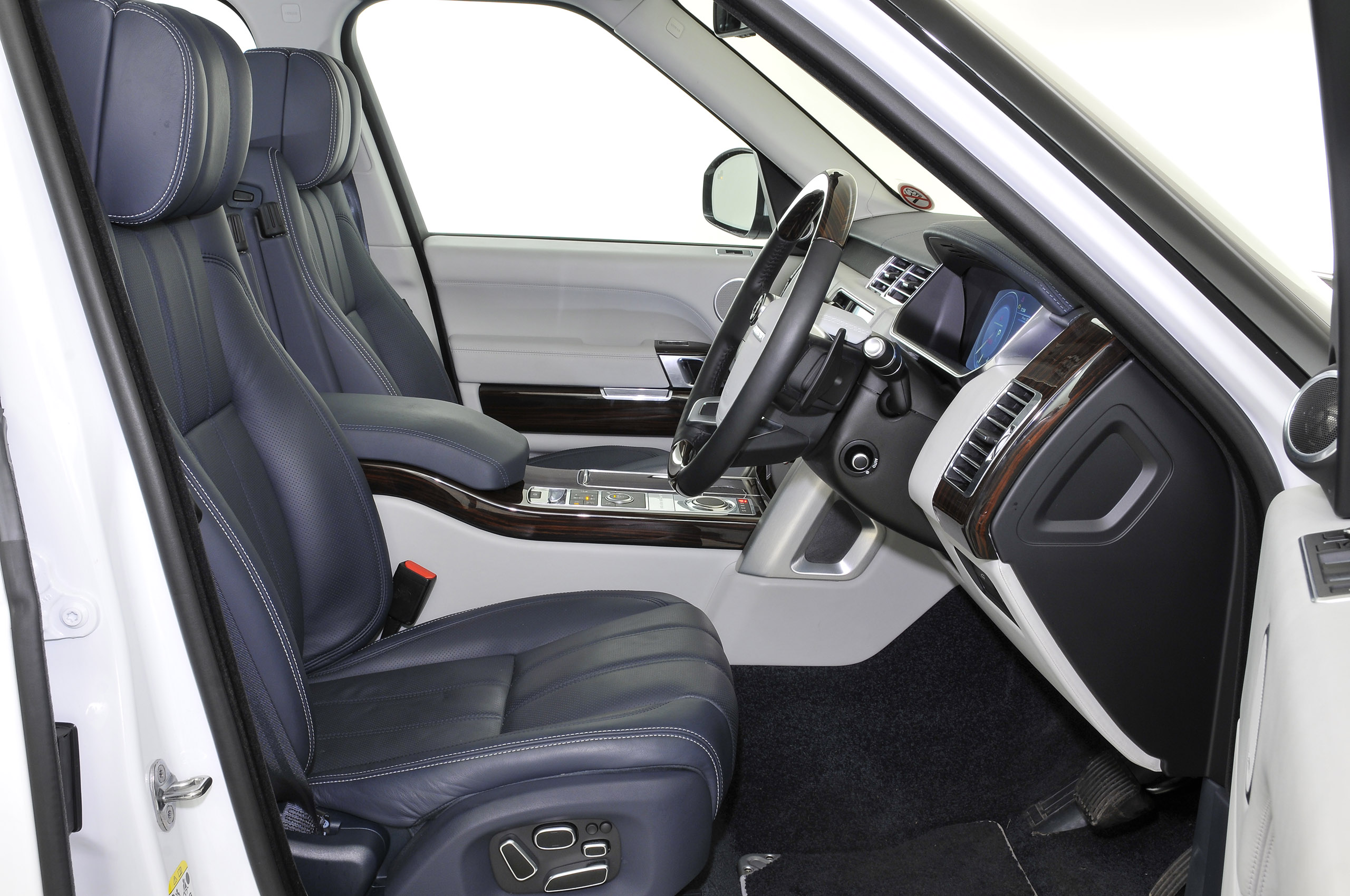
When you take the sizeable upward step into the Range Rover’s cabin, seat yourself in the standard electrically adjustable, heated, cooled, massaging, leather-covered seats and take in the luxurious ambience of the surroundings, it’s hard not to be impressed.
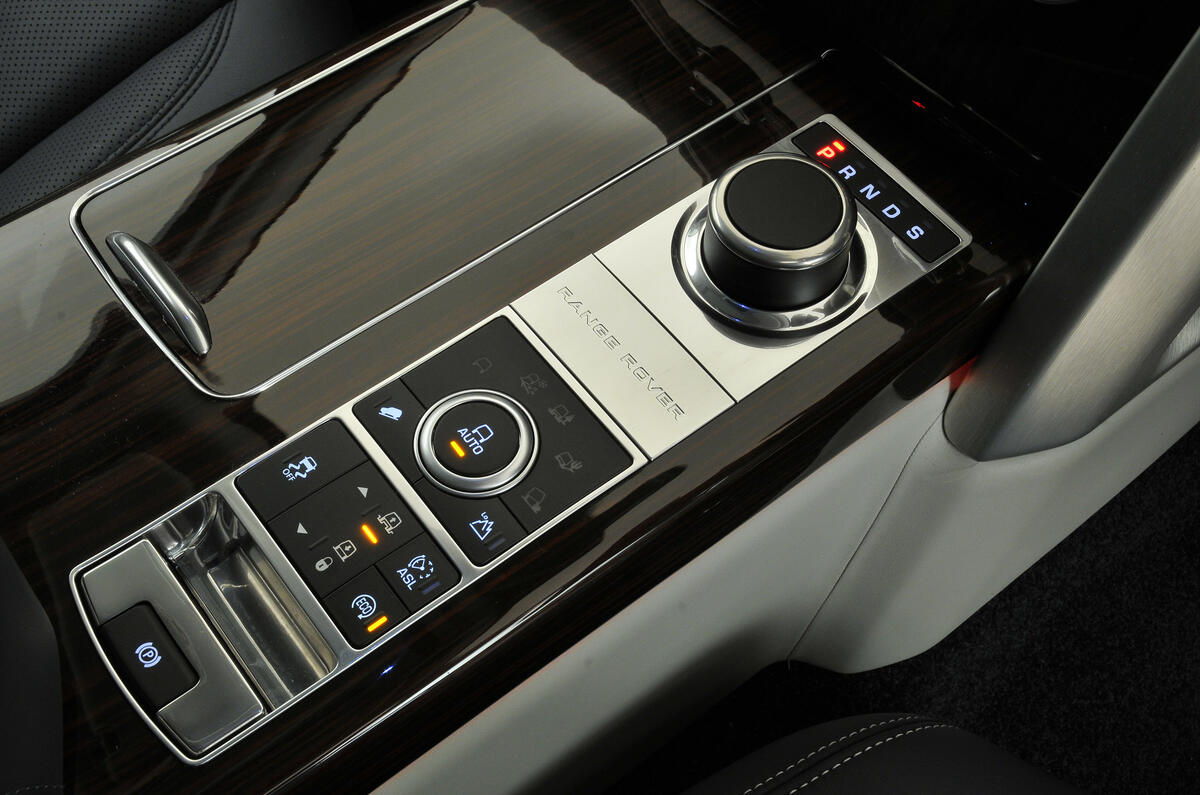
The Range Rover’s leather looks like leather, its wood like wood and the metal like metal, while even the plastic and rubberised mouldings exude an impression of quality and luxury. The Range Rover has nothing to fear from any car costing less than £100,000 and little to fear from most cars even at well above that figure. In fact, from your lofty viewpoint you can even begin to understand why the Range Rover weighs as much as it does.
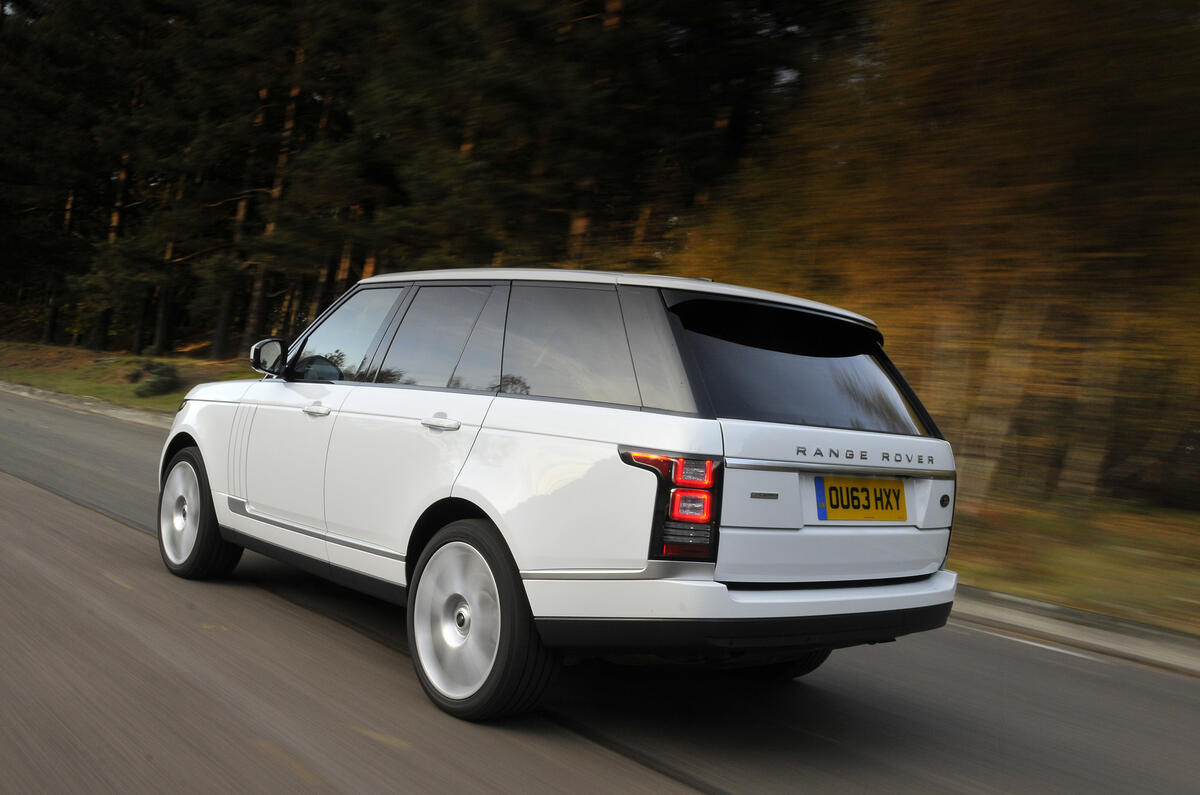
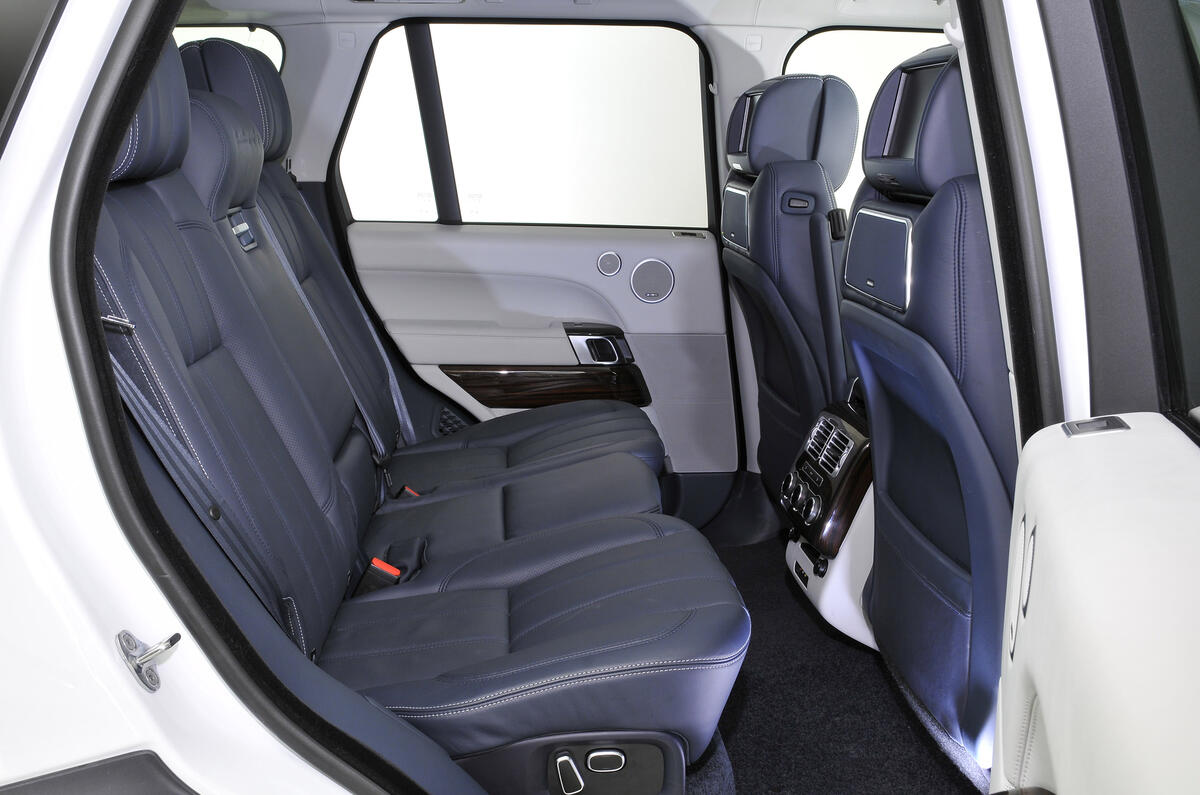
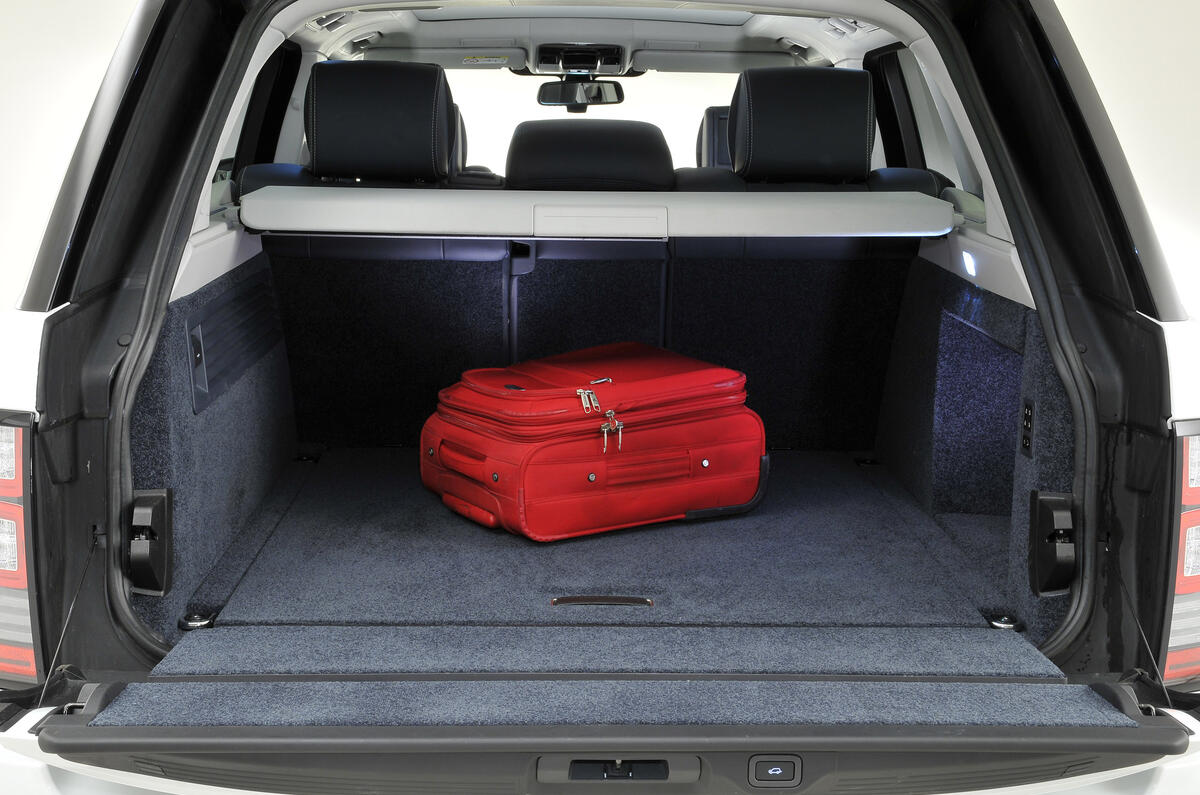
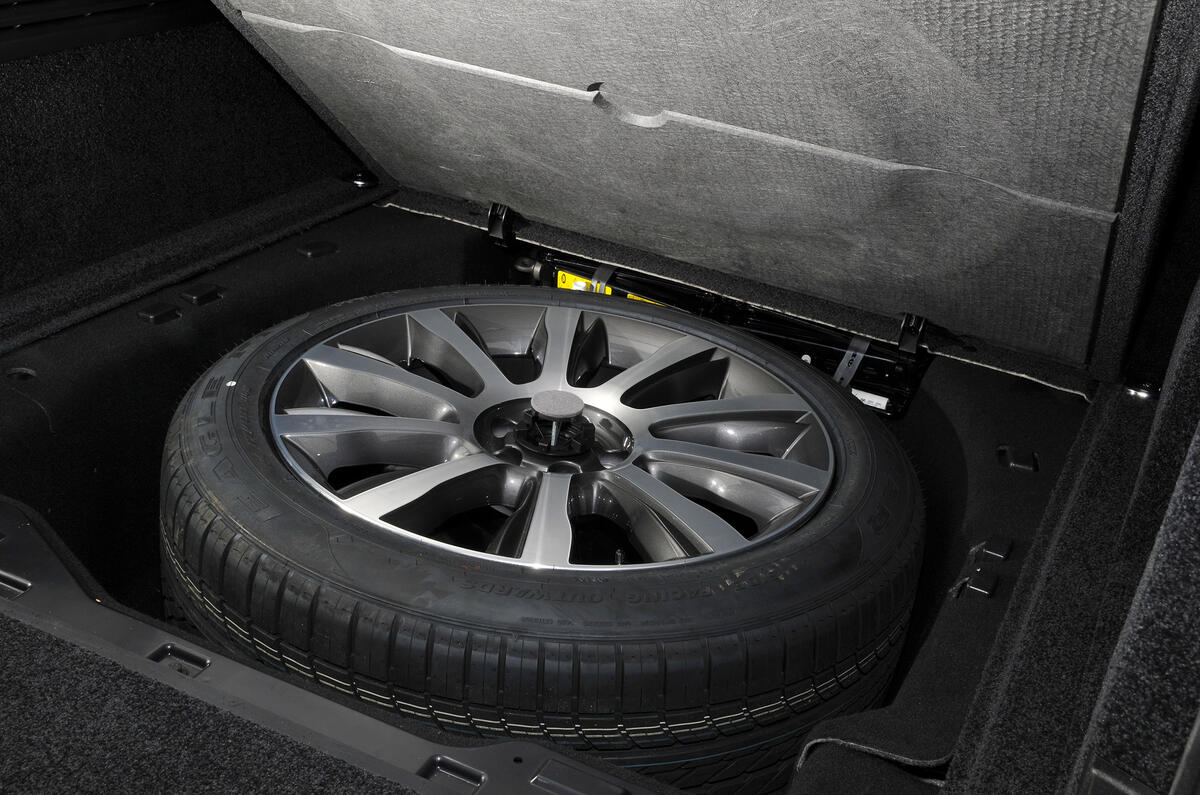
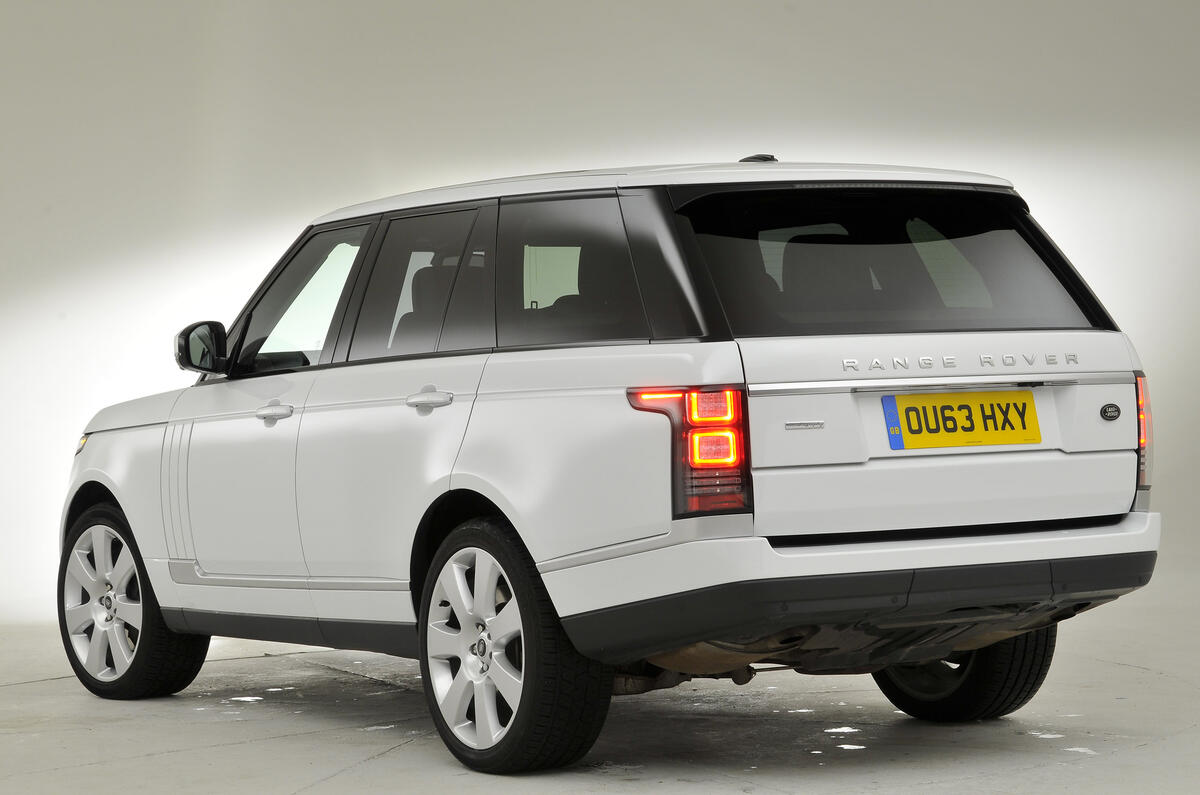
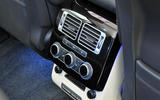
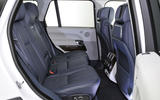
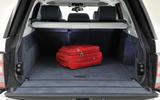
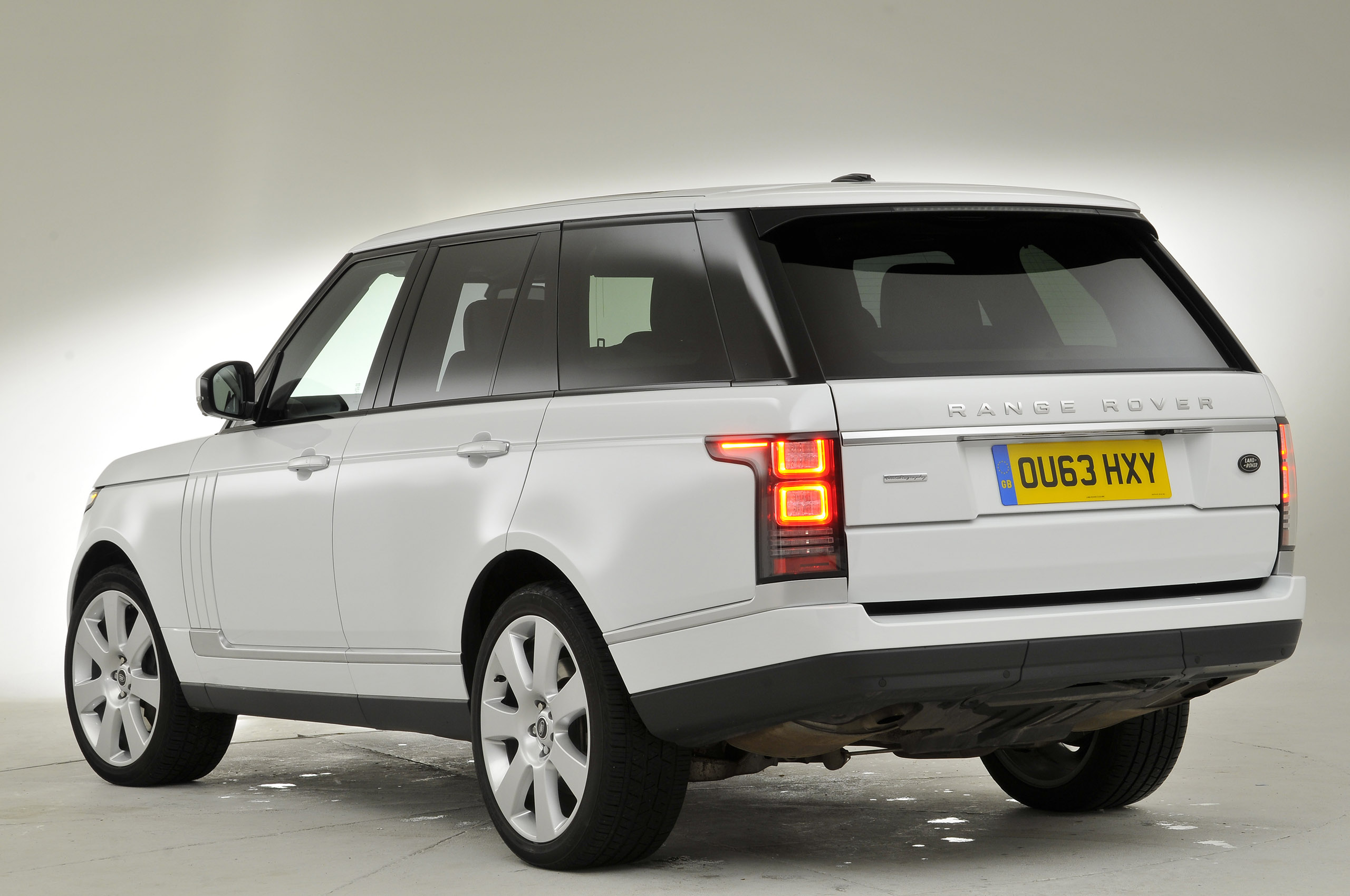
Accommodation in the front is spacious, and it’s fine in the back, where there are electrically adjustable seat backs. The 909 to 2030-litre boot is accessed by the traditional split tailgate, whose separate elements are both electrically operated as standard.
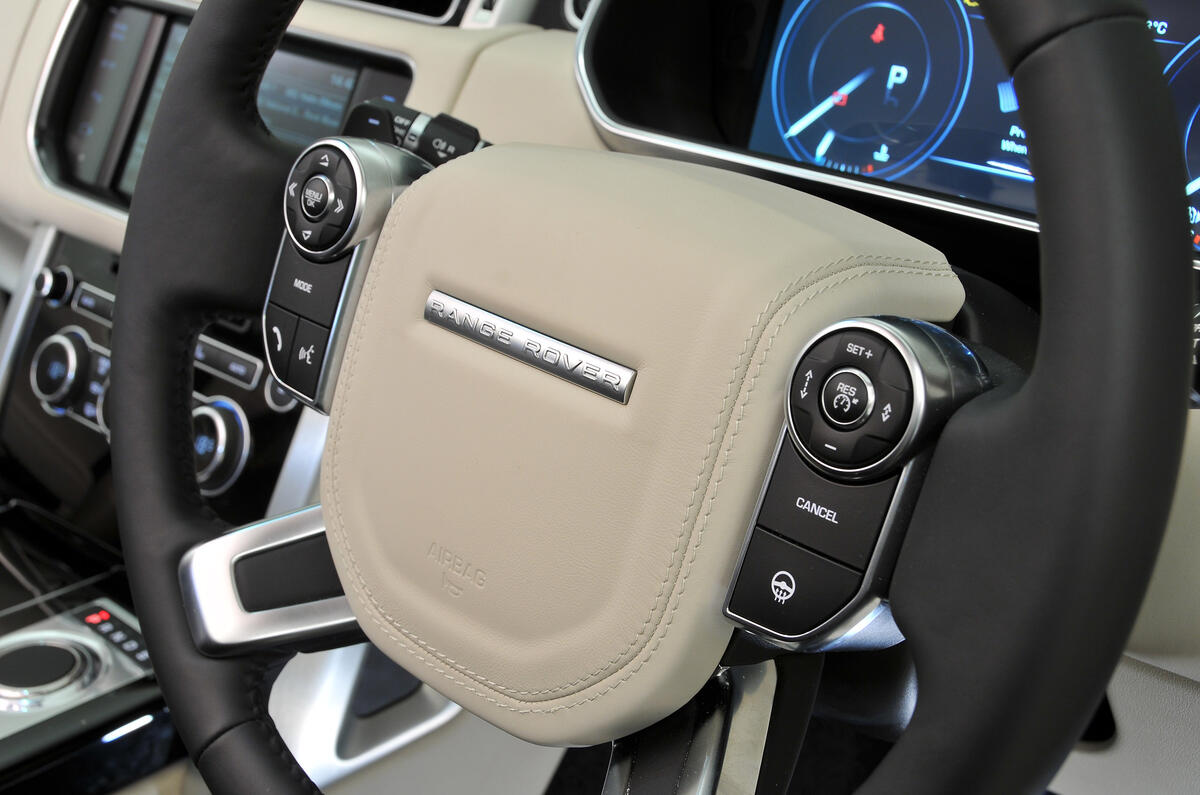
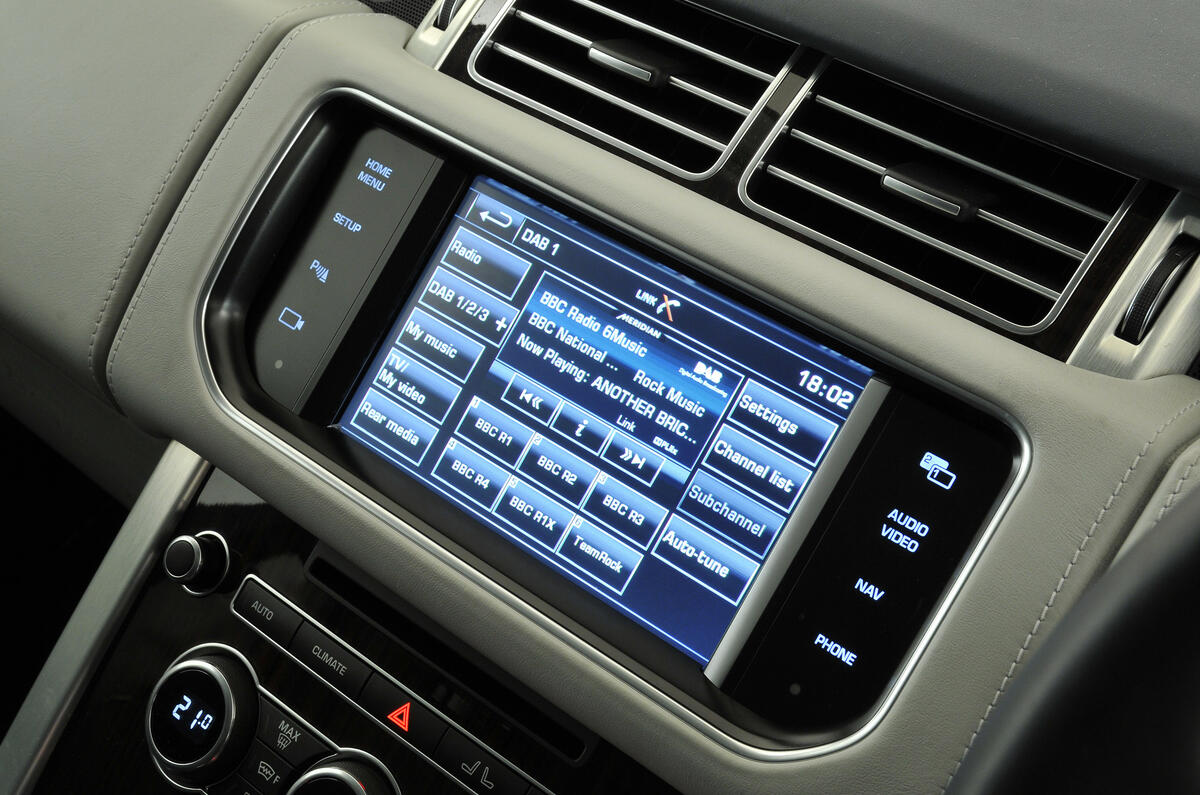
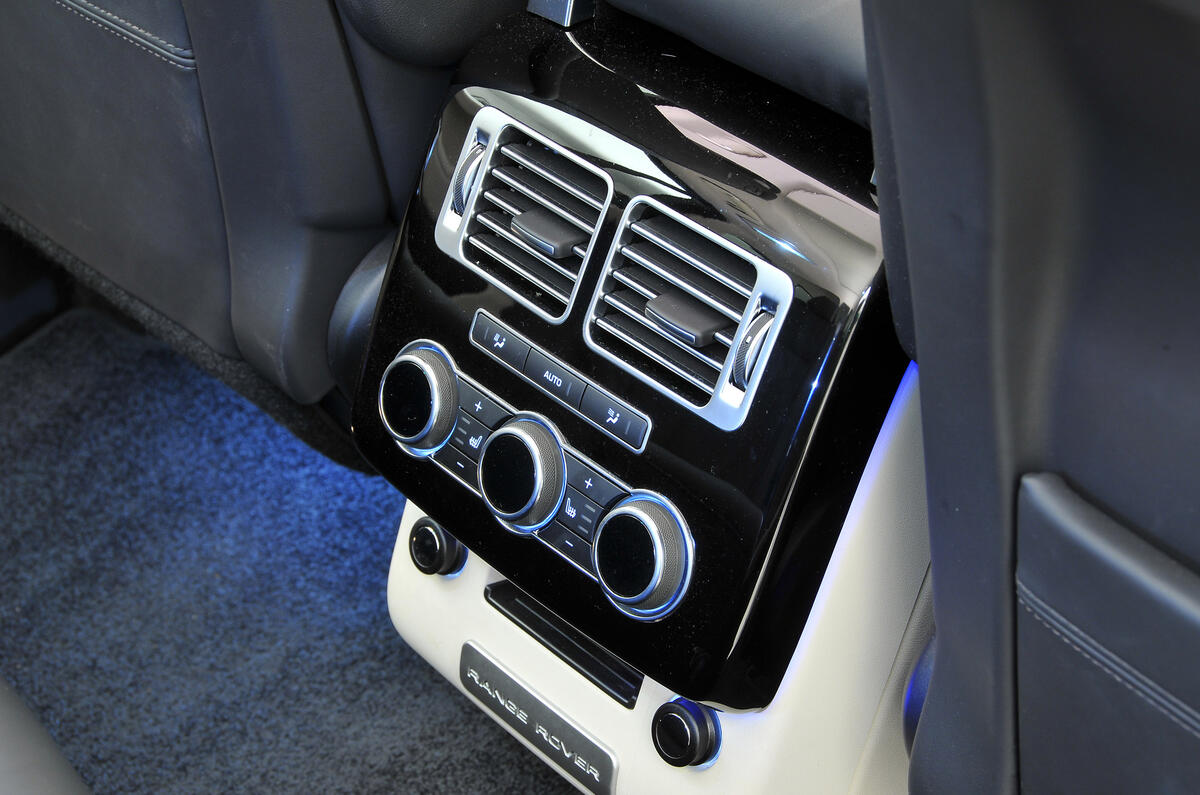
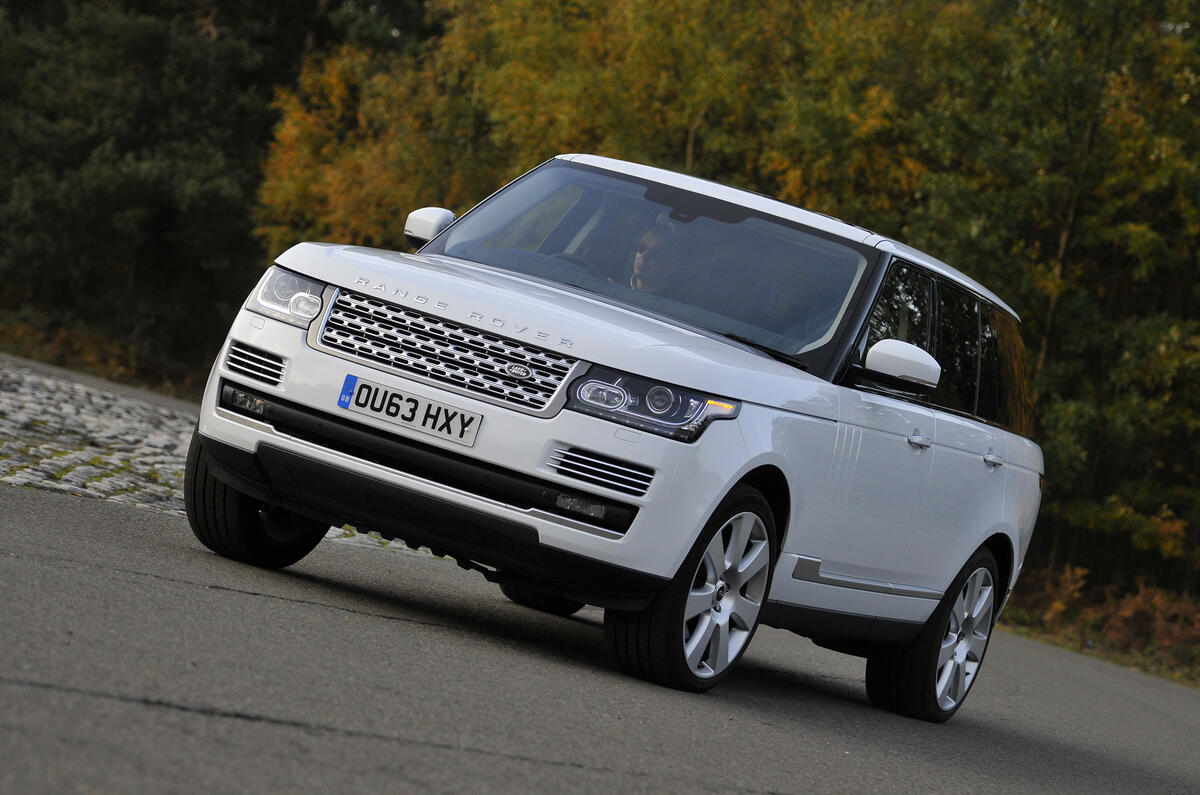
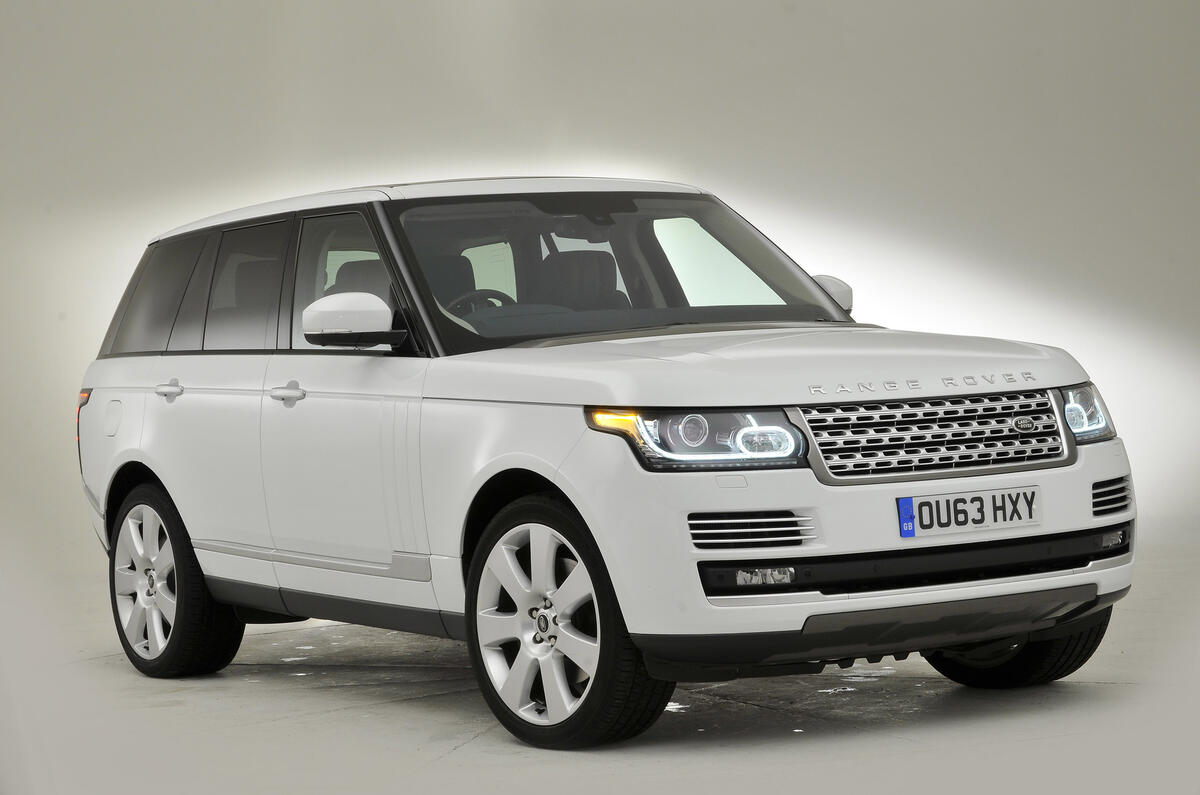
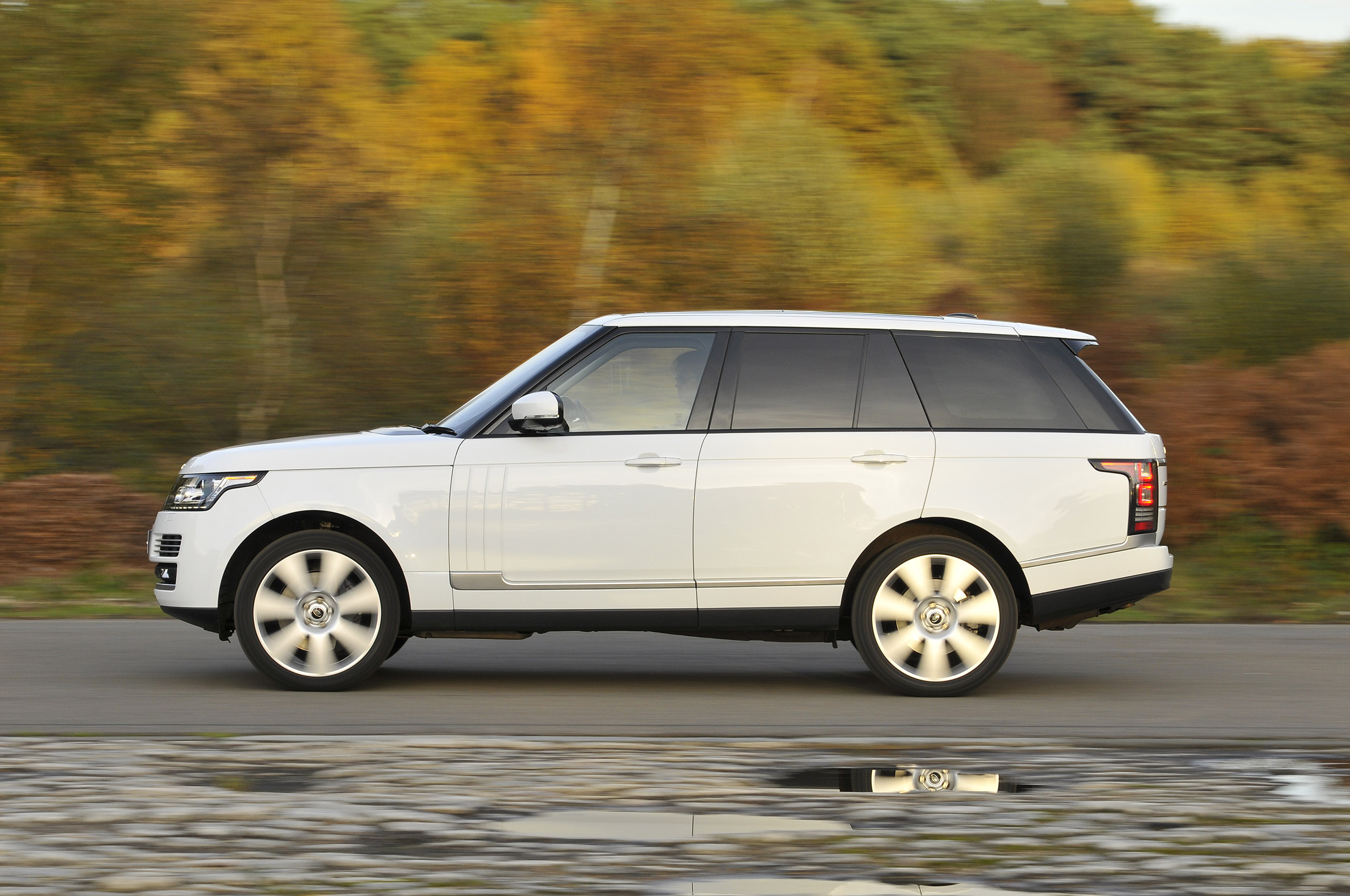
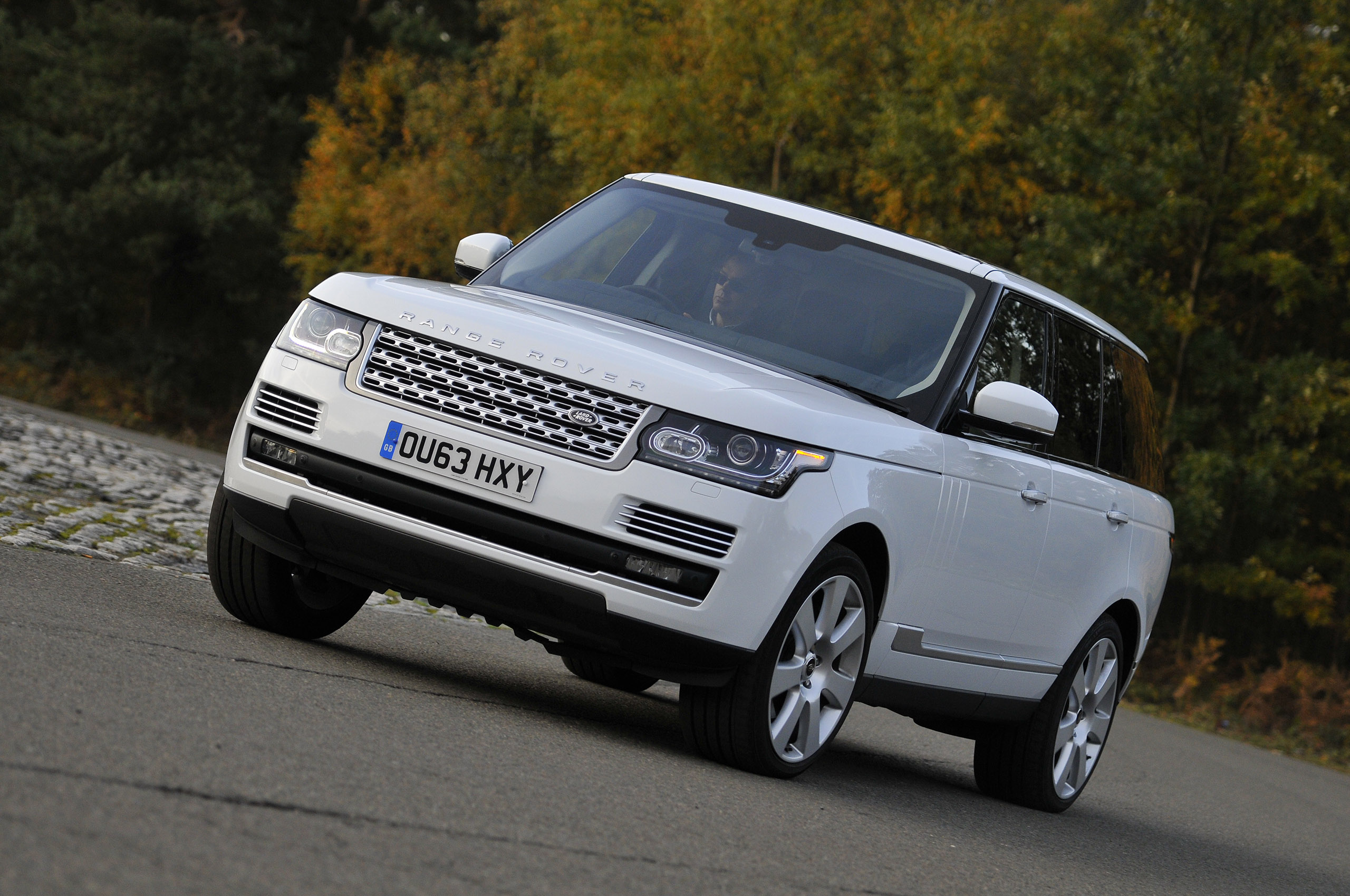
There are five trims to choose from, with two created by the SVO crack-team and two bespokely for the long-wheelbase models. The entry-level Vogue trimmed Range Rover gets a panoramic roof, heated and folding wing mirrors, xenon headlights, keyless entry and start, 20in alloy wheels, along with JLR's terrain response system on the outside as standard. Inside there are perforated leather heated seats and a heated steering wheel, tri-zone climate control, reversing camera, and Land Rover's autonomous safety technology, alongside JLR's InControl infotainment system complete with Bluetooth, DAB radio and a 380W Meridian sound system.
Upgrade to the popular Vogue SE trim and you'll gain 21in alloy wheels, 20-way electrically adjustable and ventilated front seats, a beefier 825W Meridian sound system, adaptive headlights, a 360-degree camera, and ambient interior lighting.
Autobiography-trimmed Range Rovers come with Noble plated paddle shifters, a sliding panoramic sunroof, adaptive cruise control, four-zone climate control, massaging front seats, reclining rear seats and a lane guidance system, while the über-luxury SVAutobiography Dynamic models gain red Brembo brake calipers, a quad-exhaust system, dynamic chassis, suspension and steering, 1700W Meridian sound system and 22in alloy wheels.
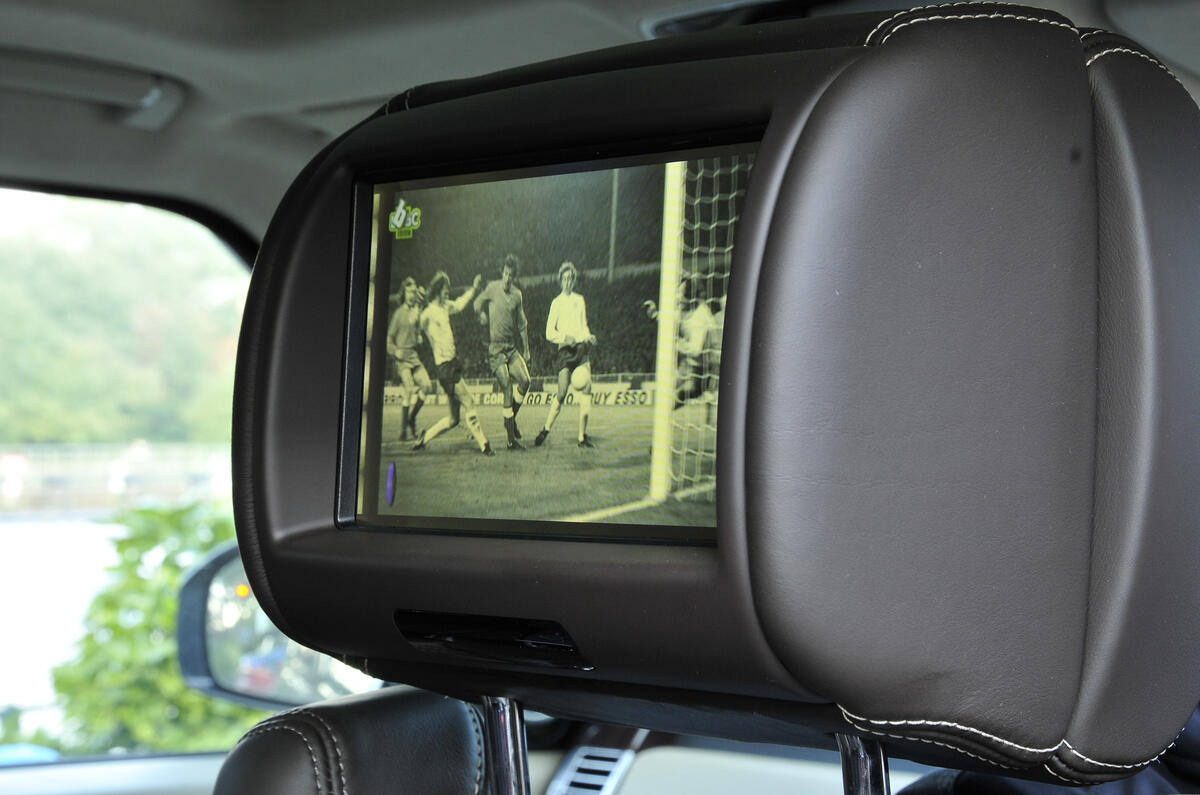
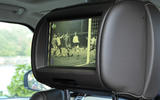
The long wheelbase models come in Autobiography and SVAutobiography spec, with the former gaining all the equipment found on the SWB version plus a rear entertainment pack inclusive of two 10.2in rear displays, rear sunblinds and 186mm of extra legroom. The SVAutobiography includes rear executive class seating with massage function, a heated wood and leather steering wheel, and numerous chrome details.
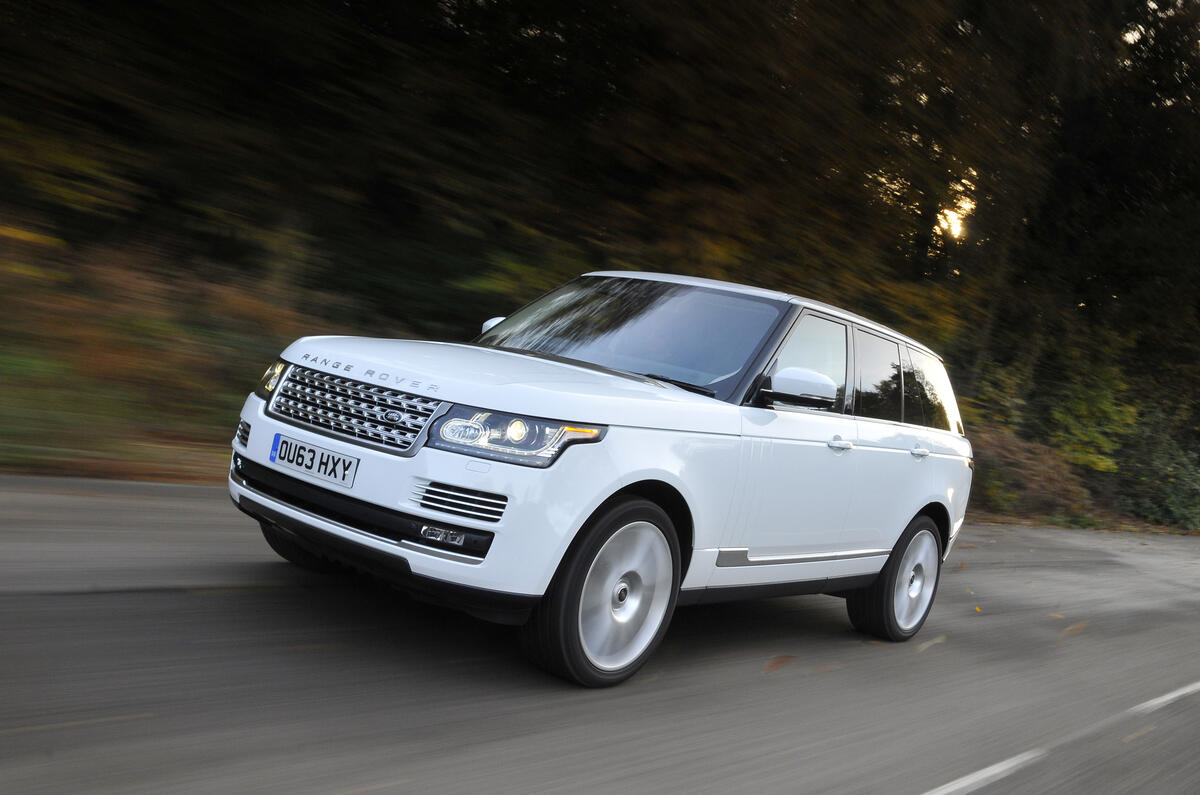
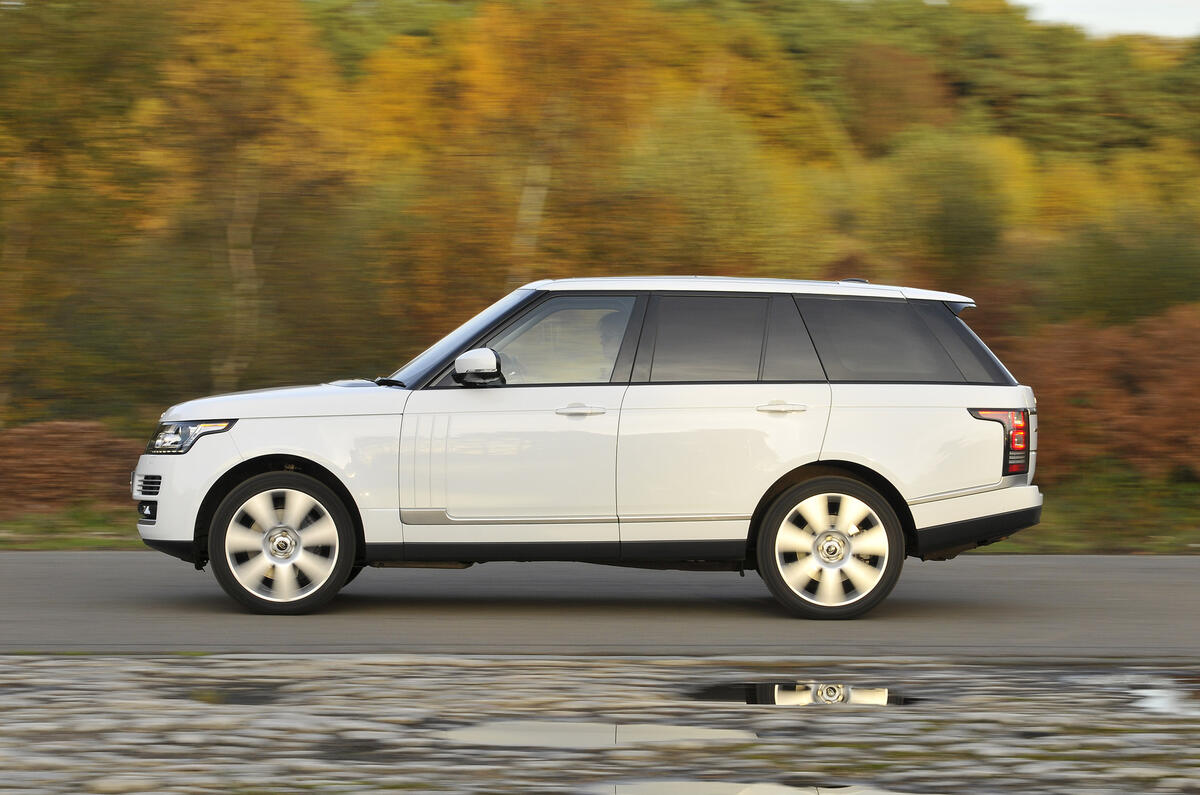
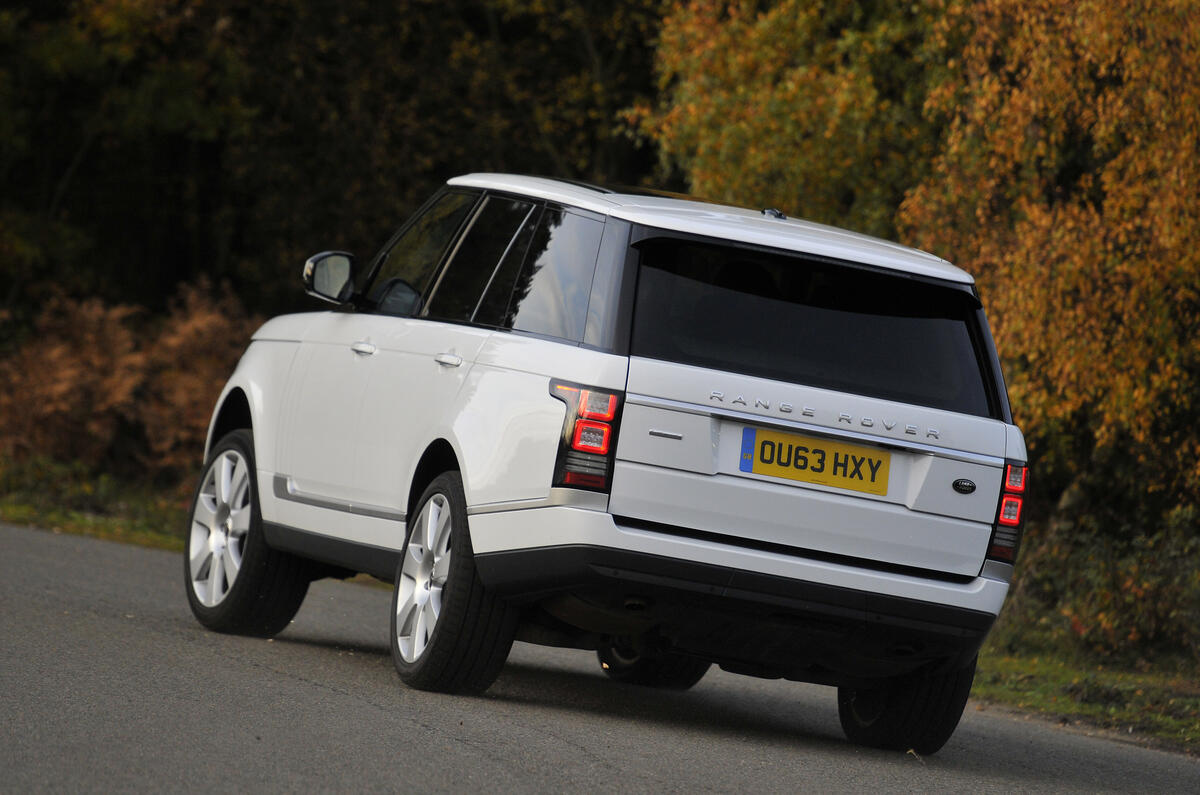
The driving position is first rate and the seats are excellent (particularly the super-soft optional winged head restraints), giving a clear view past mercifully thin pillars across a bonnet that is, similarly mercifully, easy to place. Owing to its easily judged edges, and with a limited amount of tumblehome (angle in the glasshouse), the Range Rover is easier to position on the road than its dimensions would suggest.
Some cars, such as the Audi Q7, feel too large and unwieldy for Britain’s country roads. The Range Rover was engineered on just such asphalt and spent serious amounts of time being threaded between the banks flanking the English Midlands and Welsh roads on which Jaguar Land Rover develops its cars. This home-grown development manifests itself just as much in the all-round visibility and placeability of the Range Rover as autobahn testing does in the impeccable straight-line stability of German performance cars.