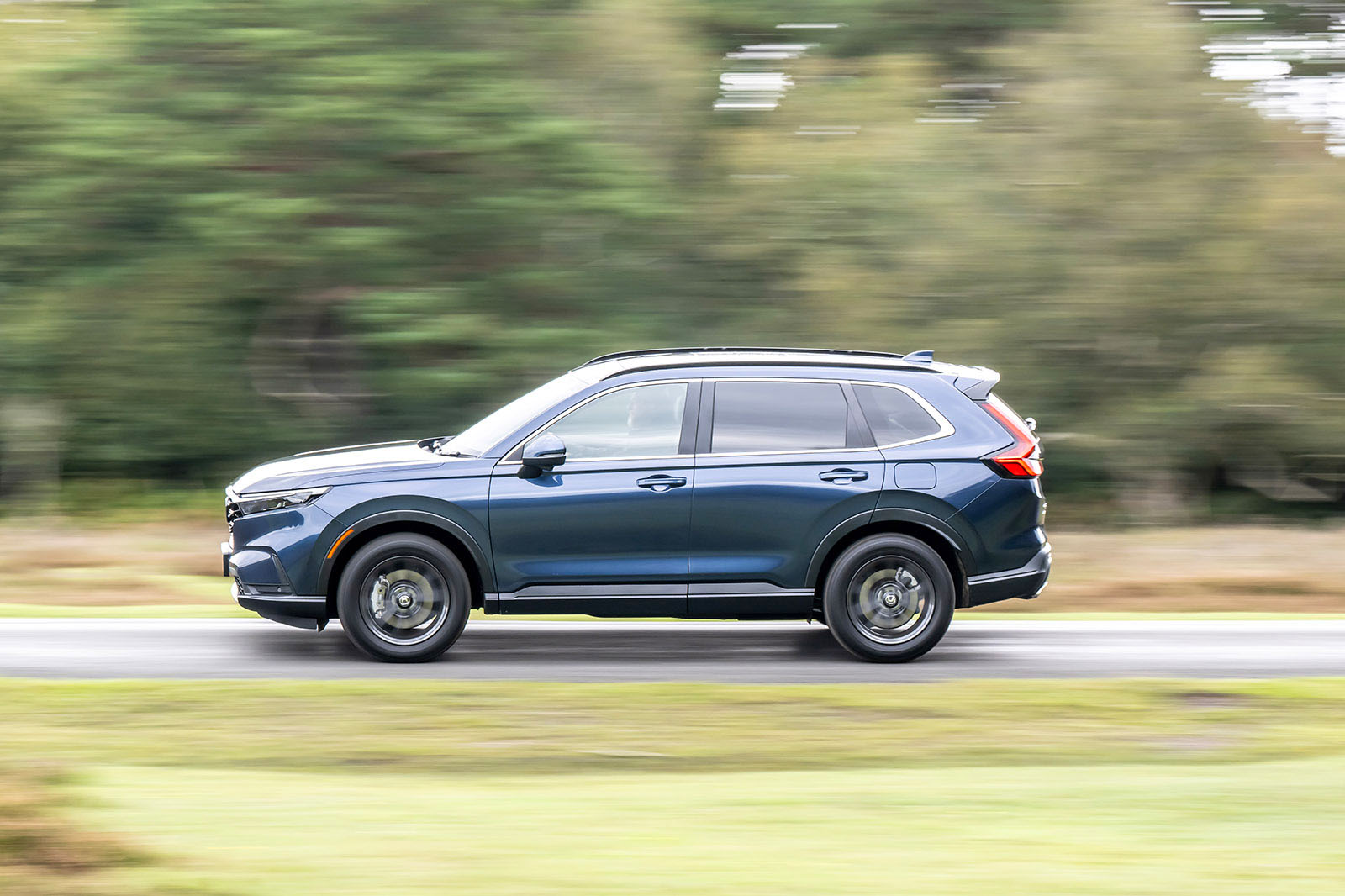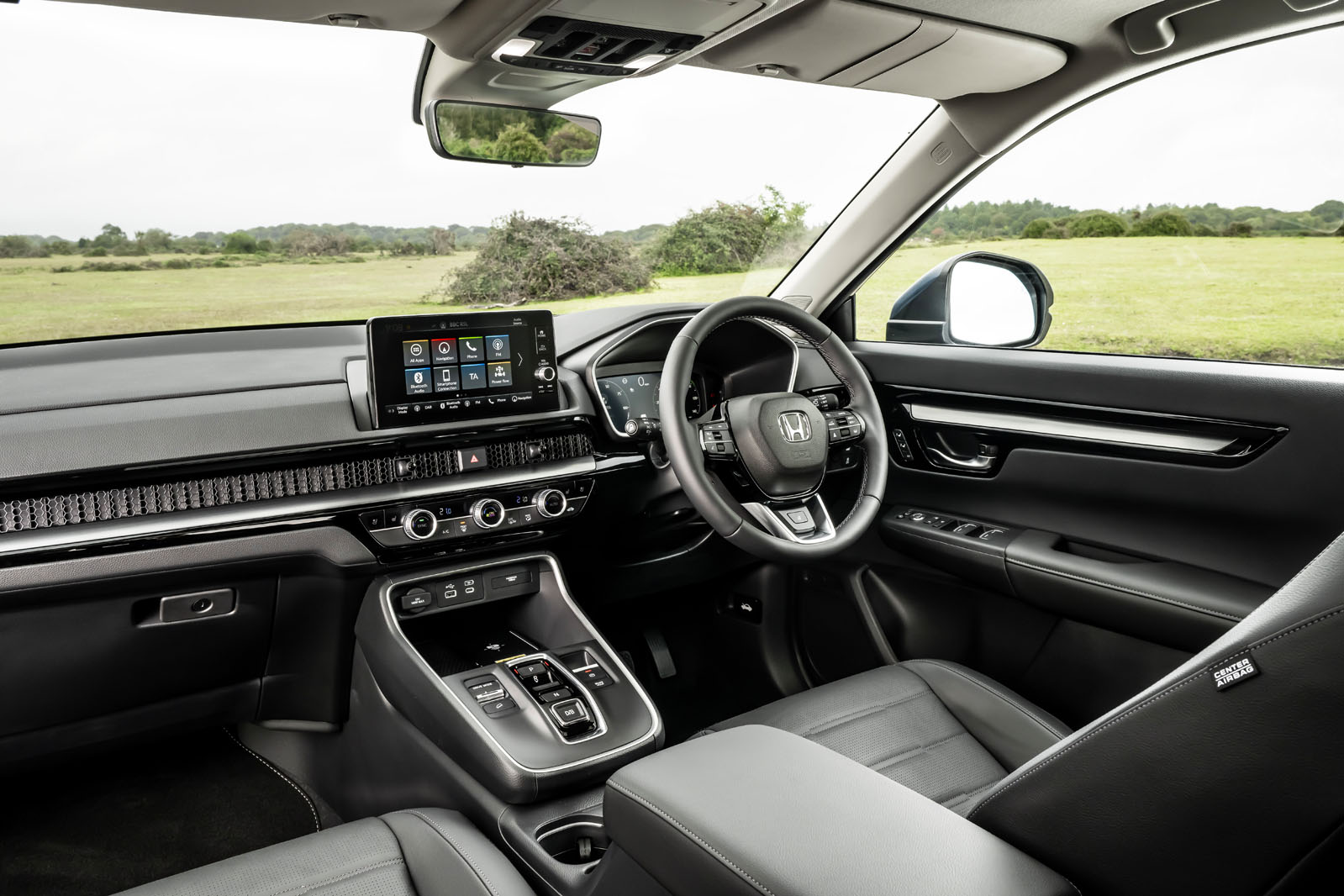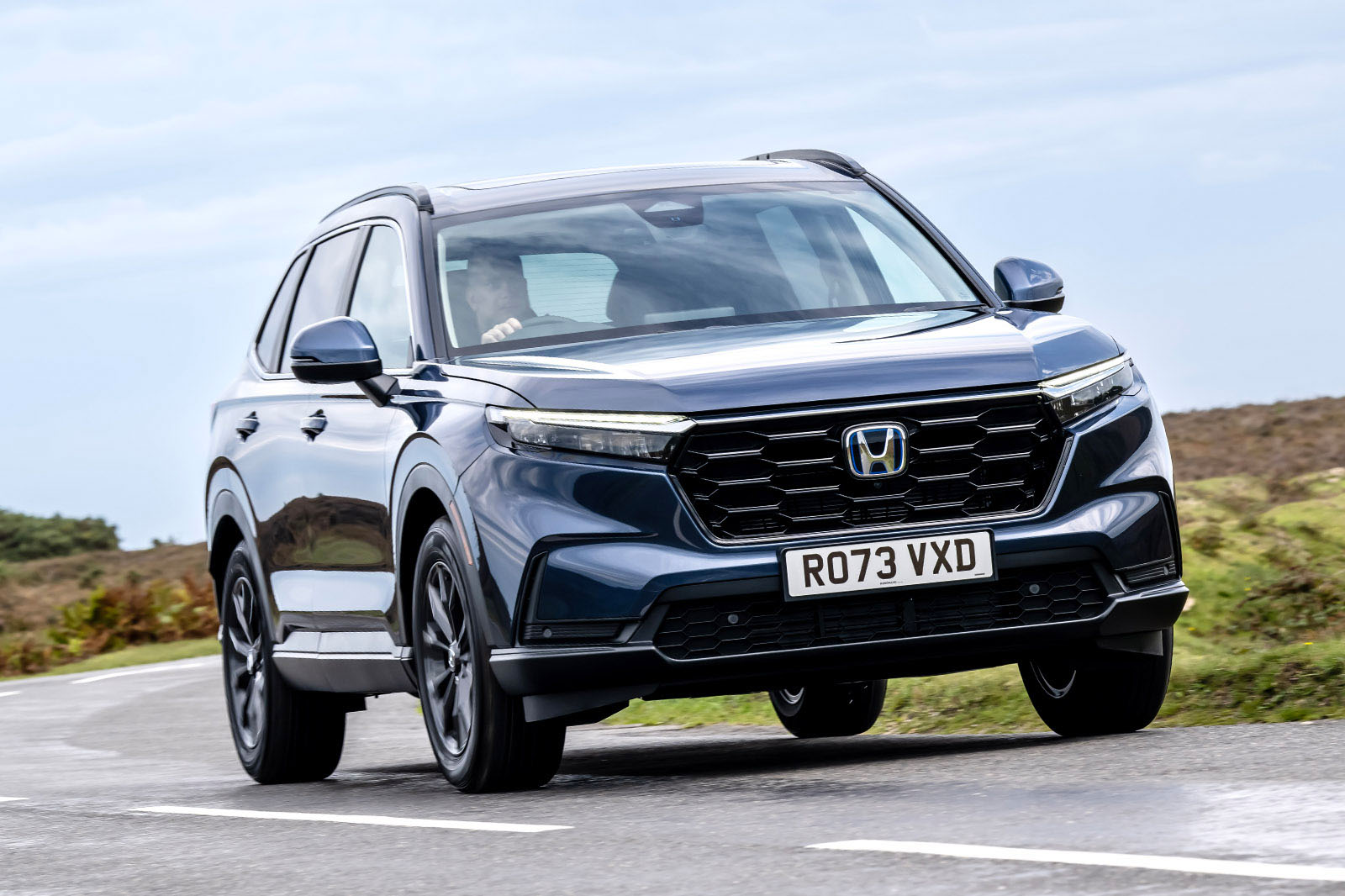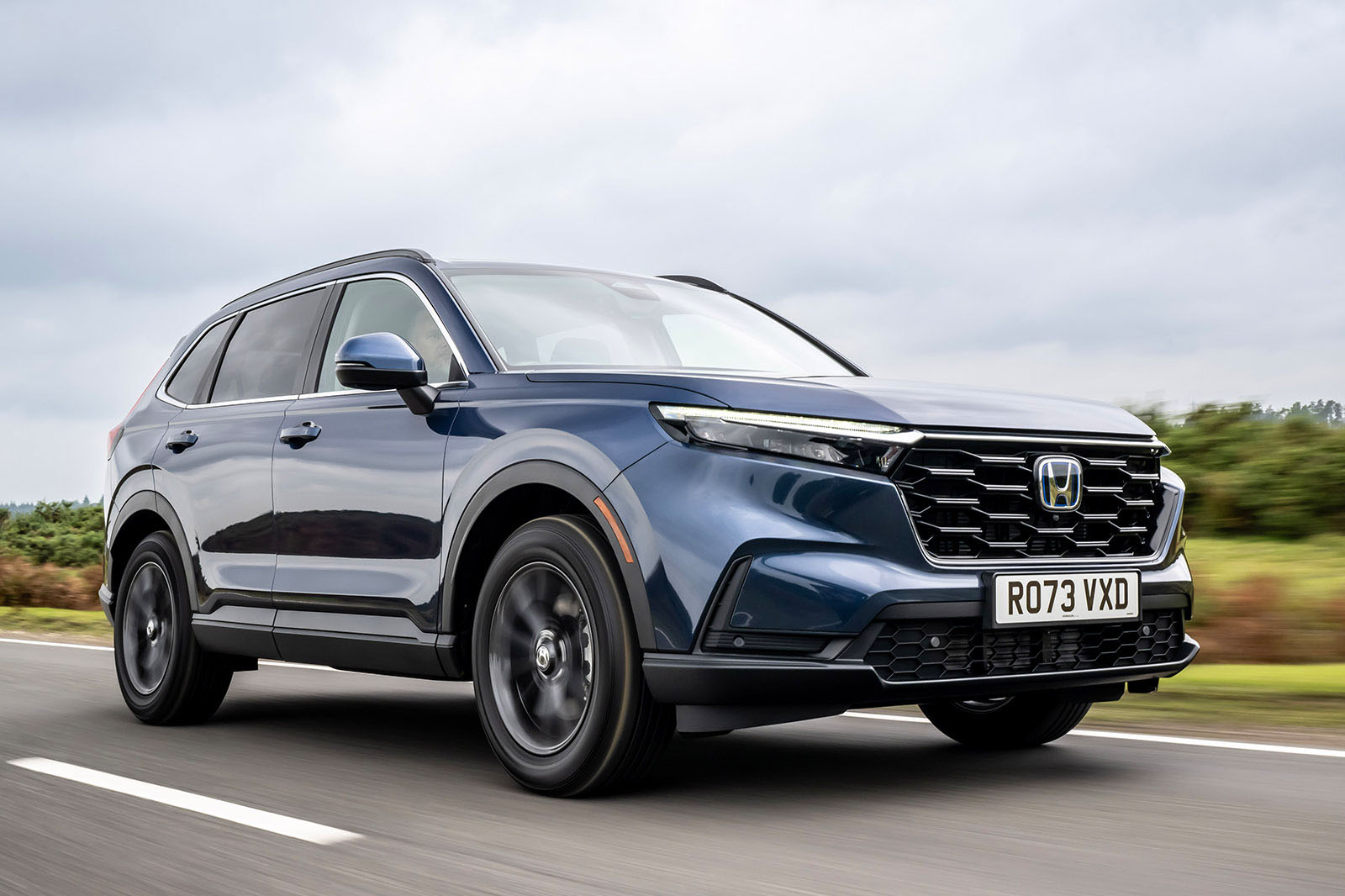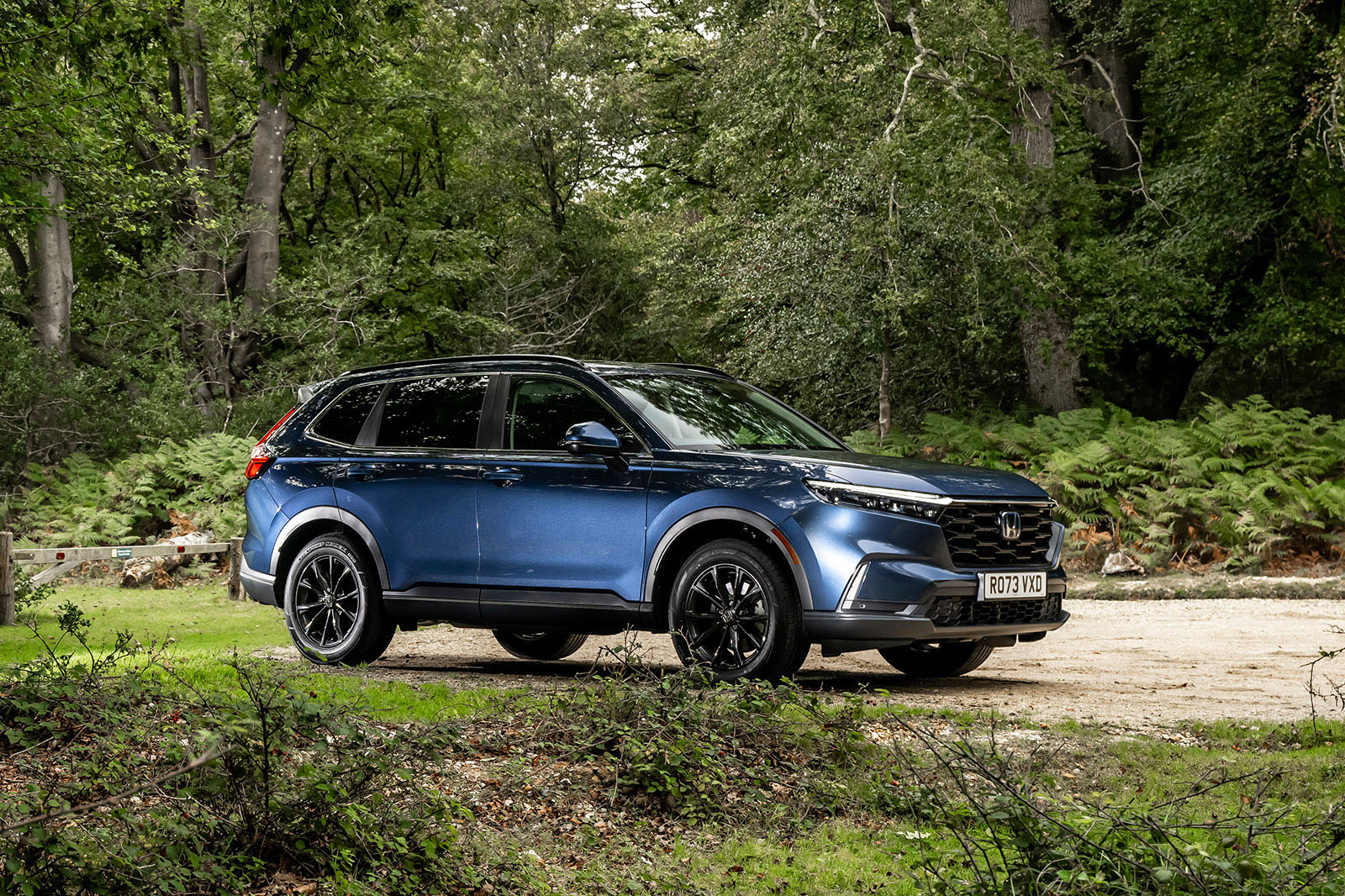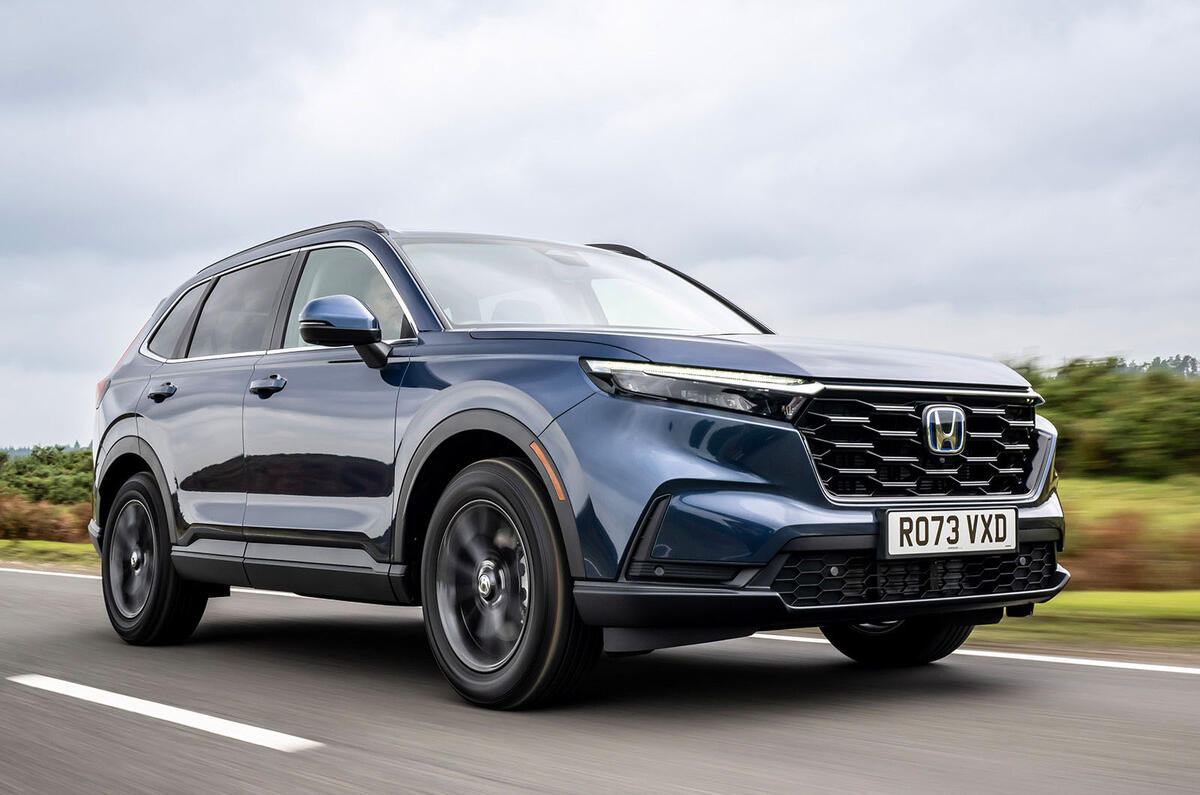
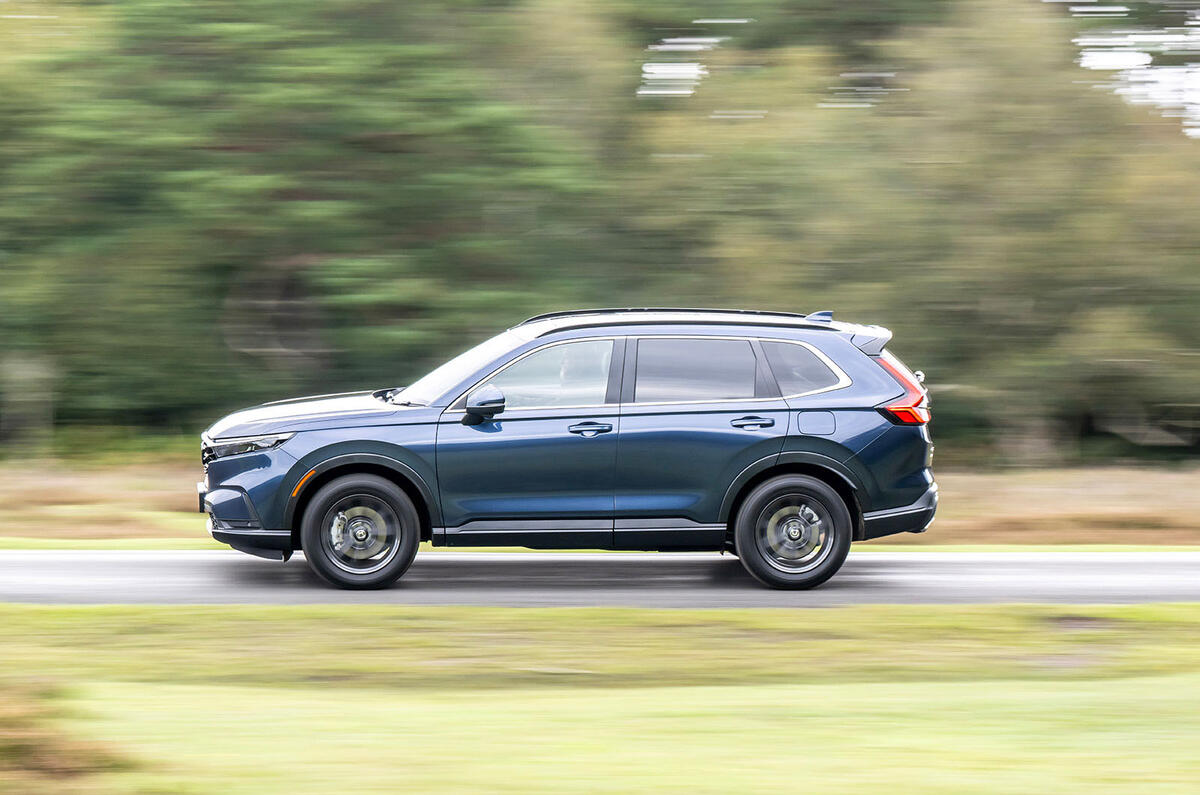
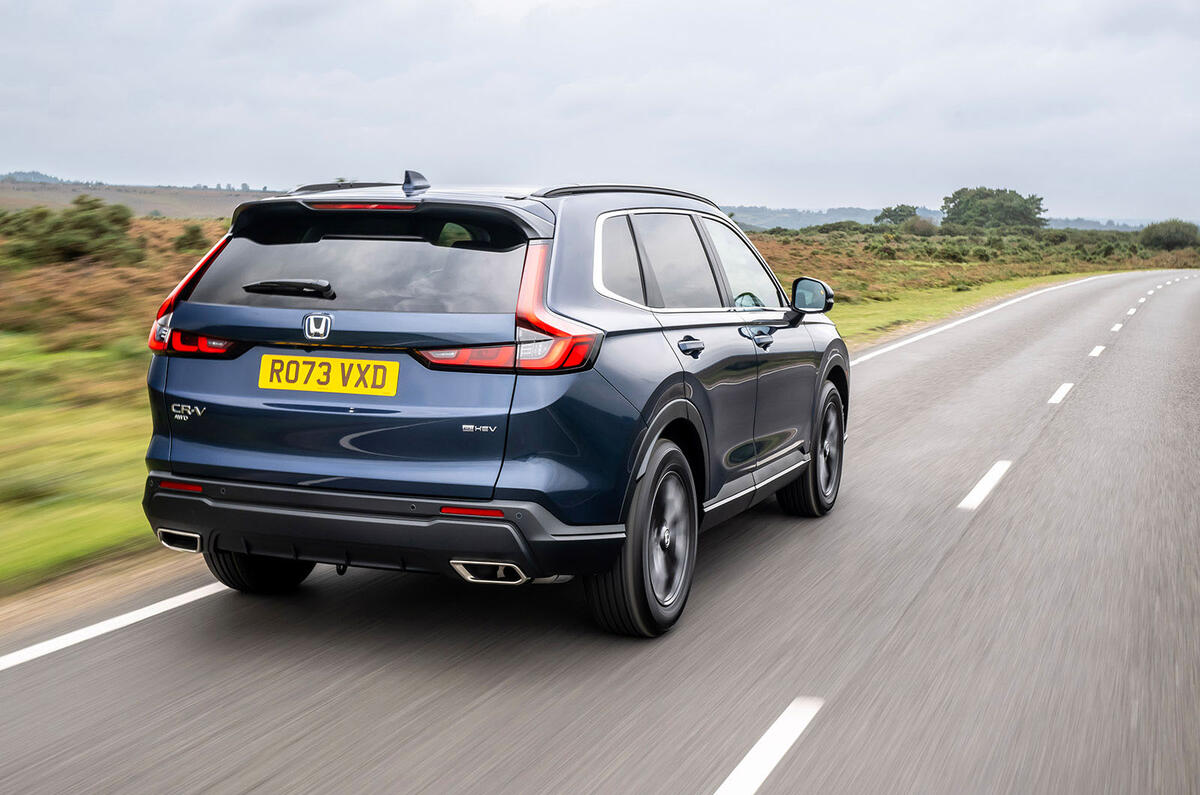
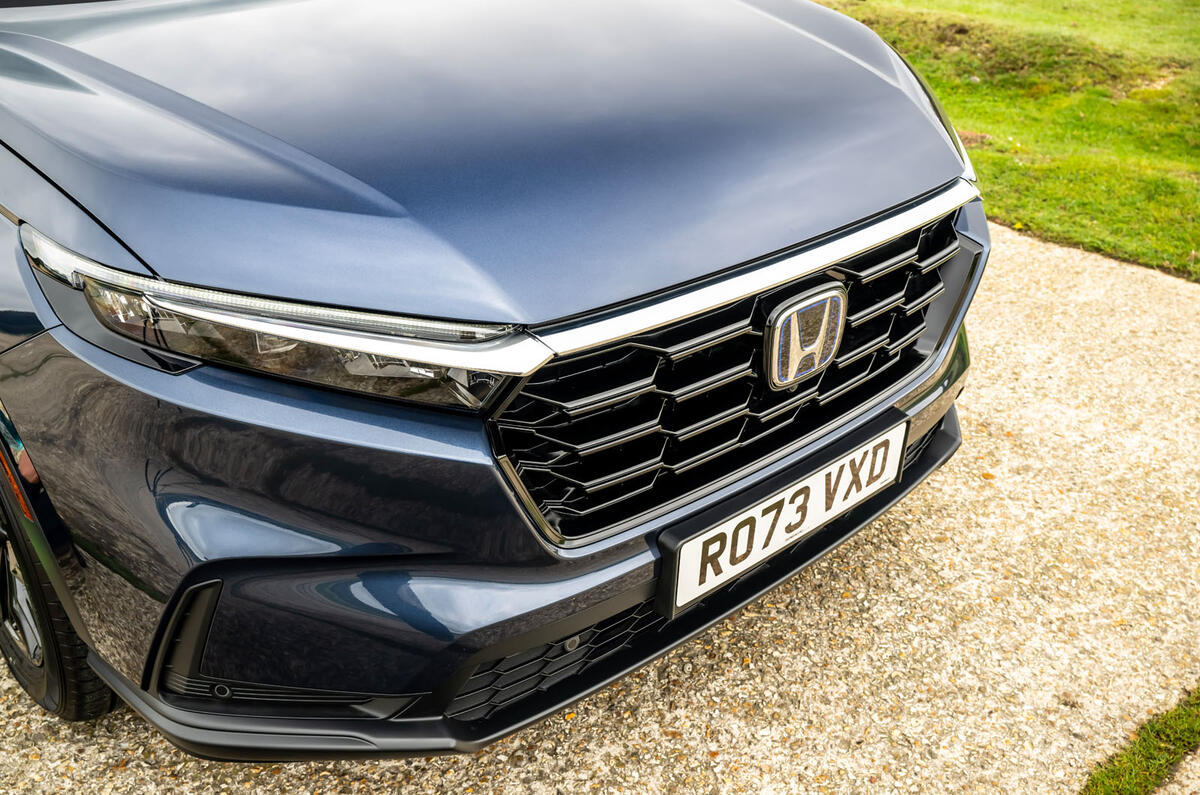
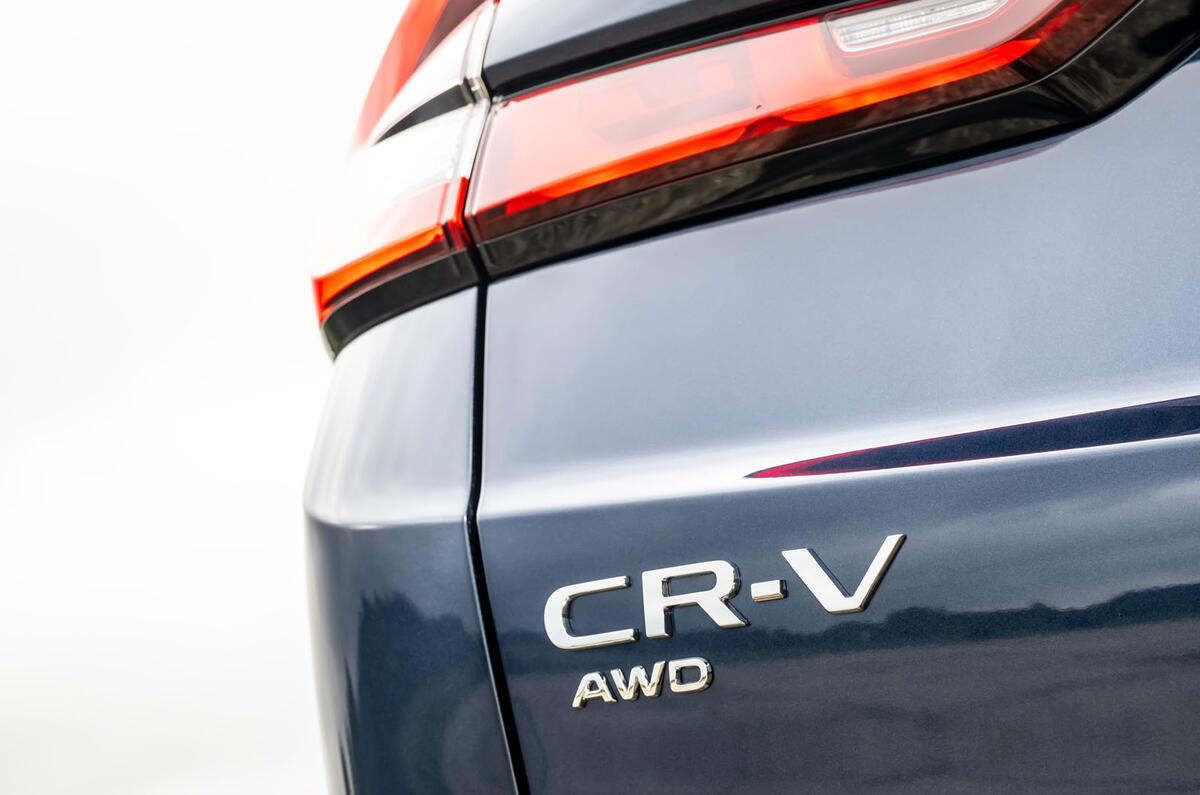
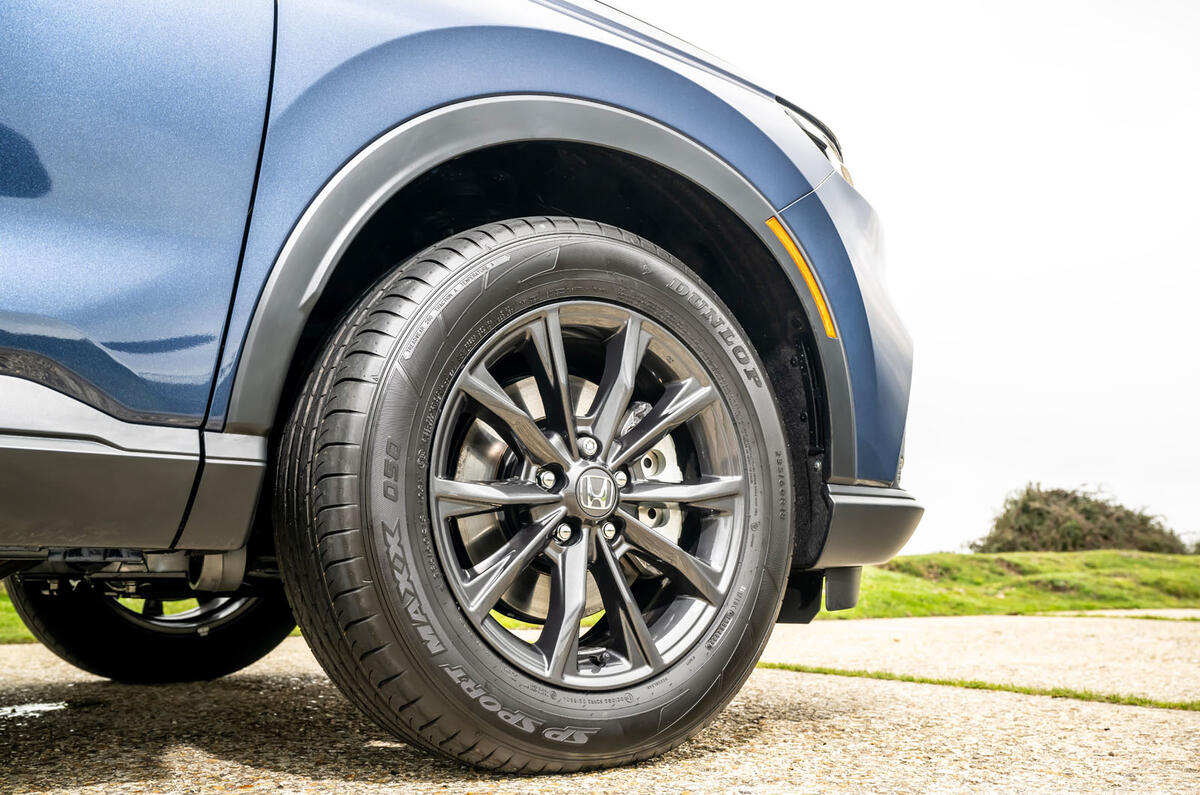
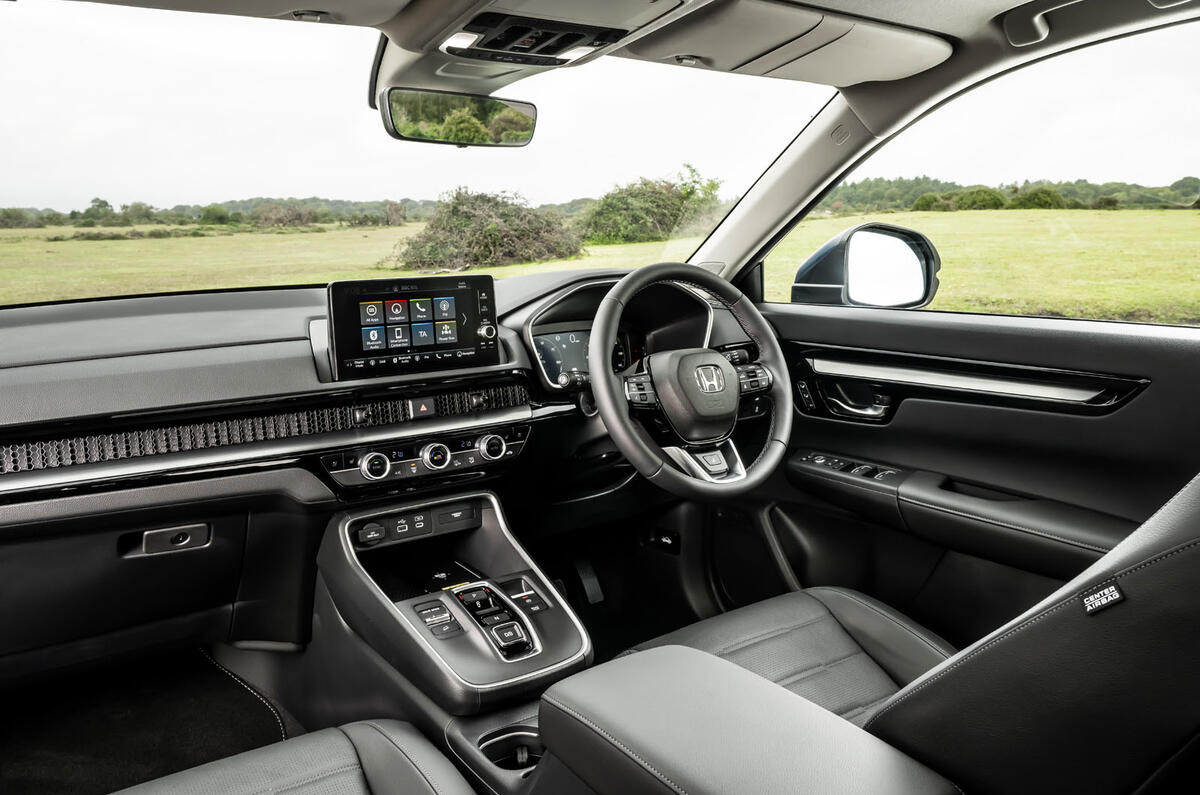
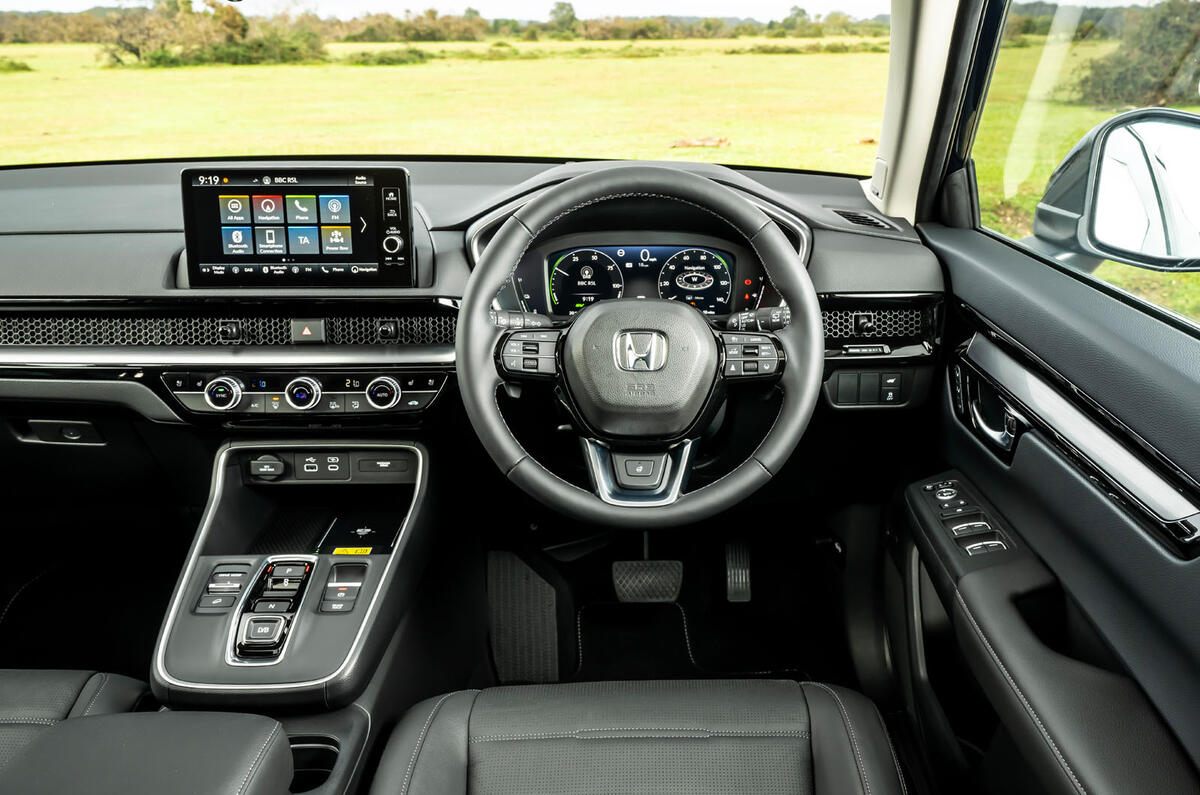
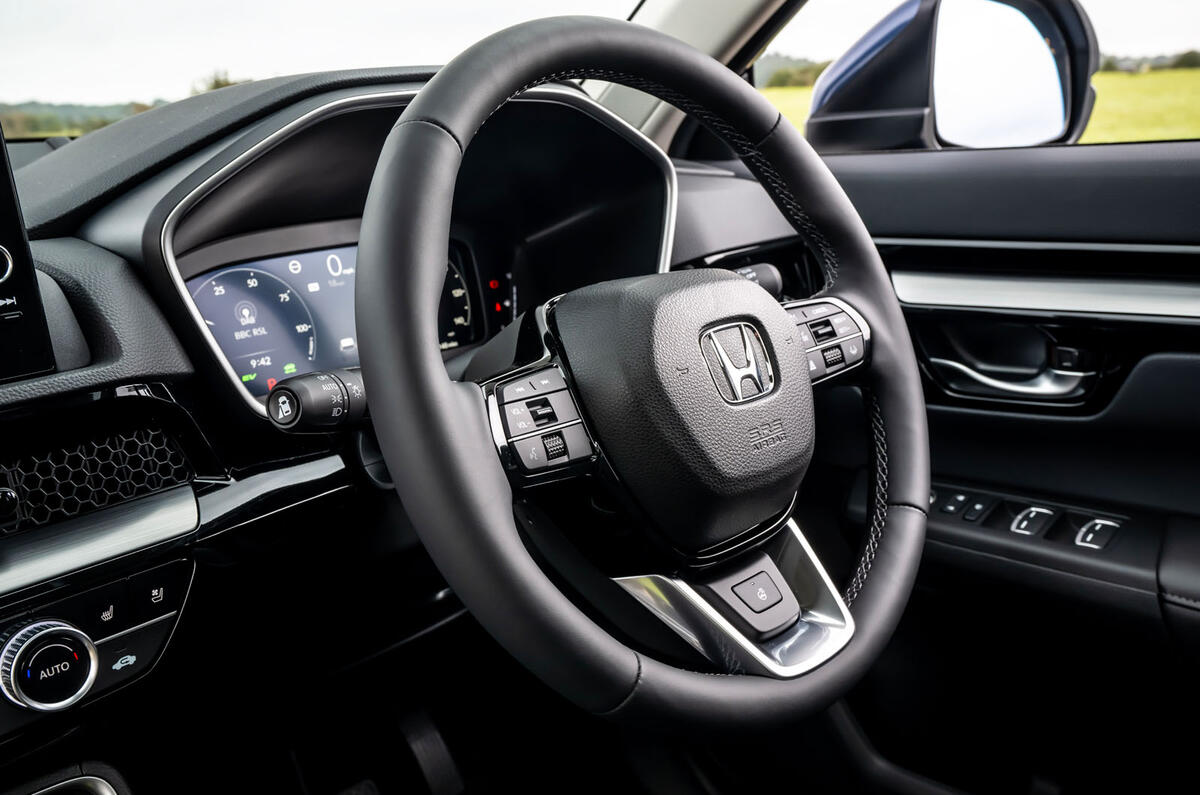
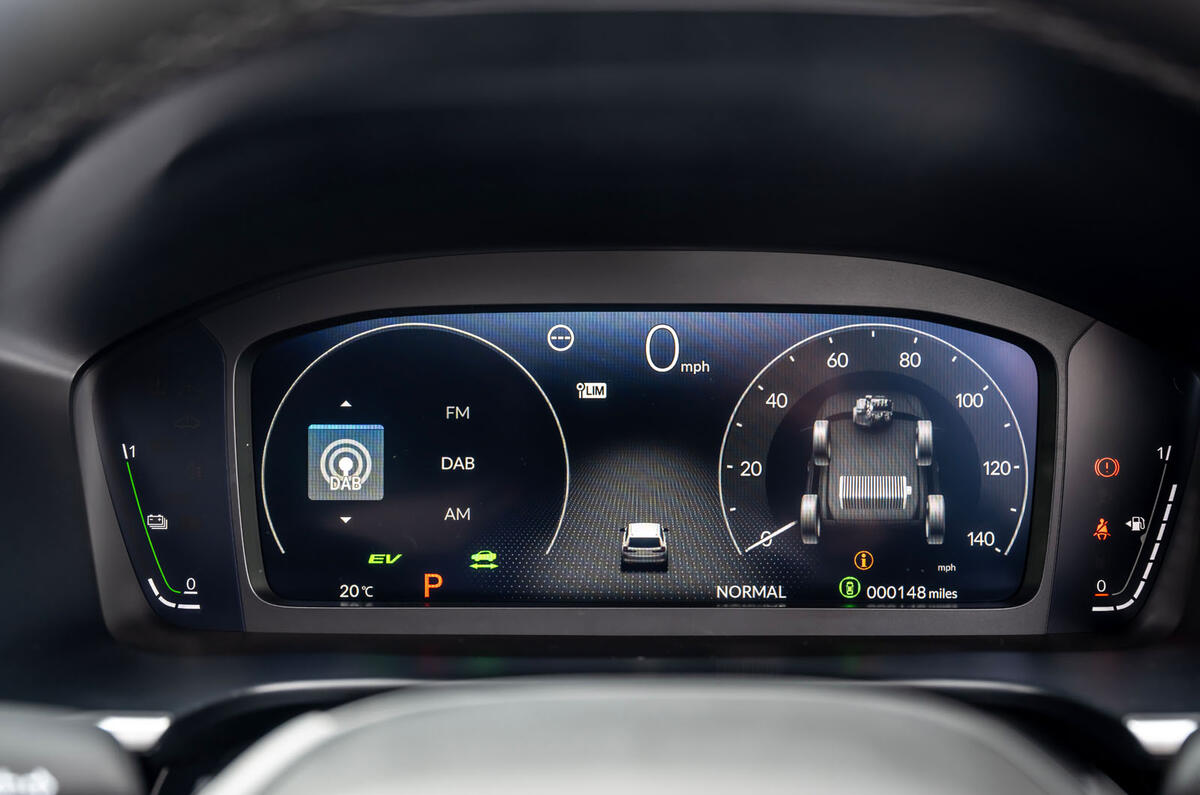
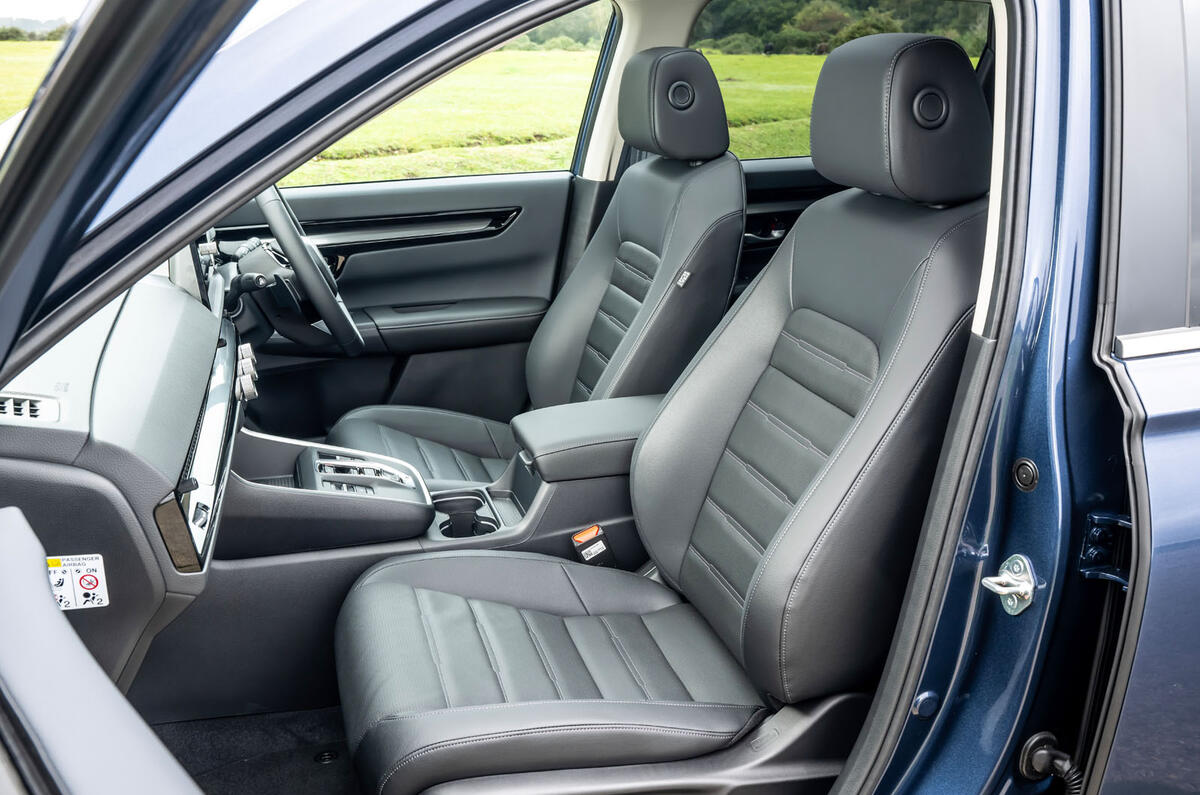
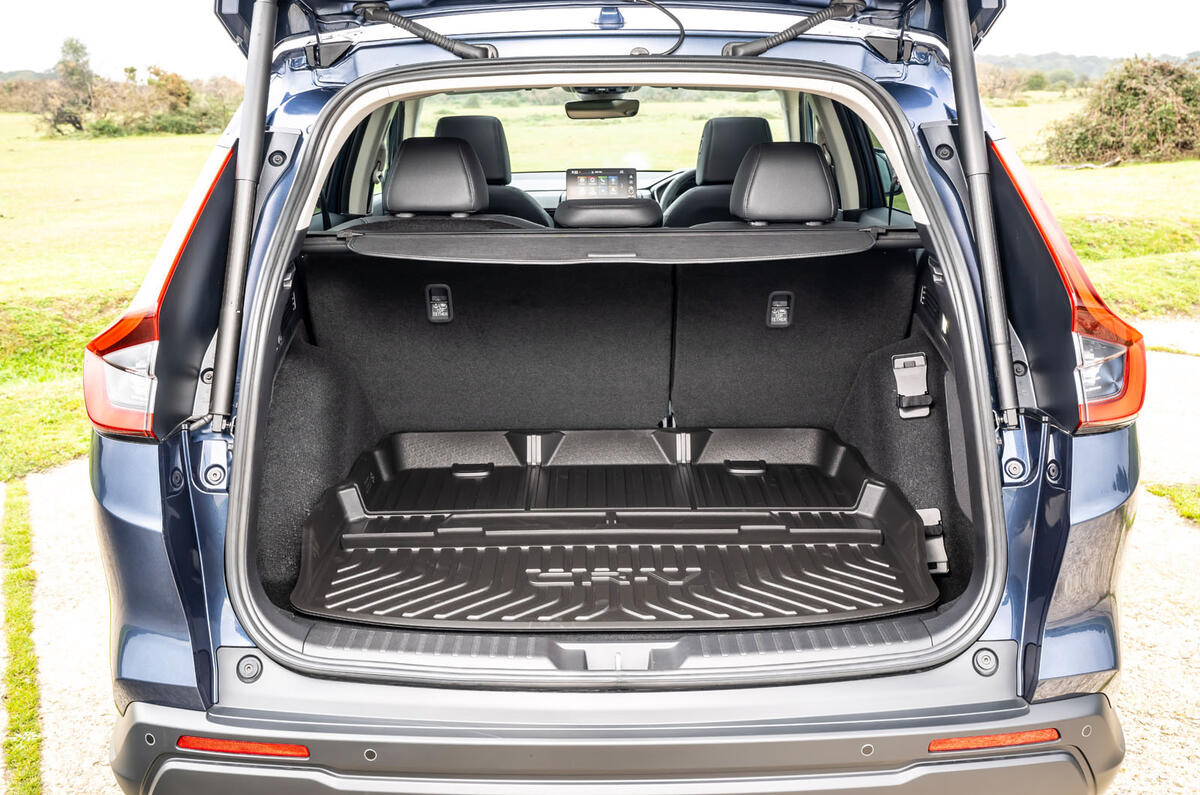
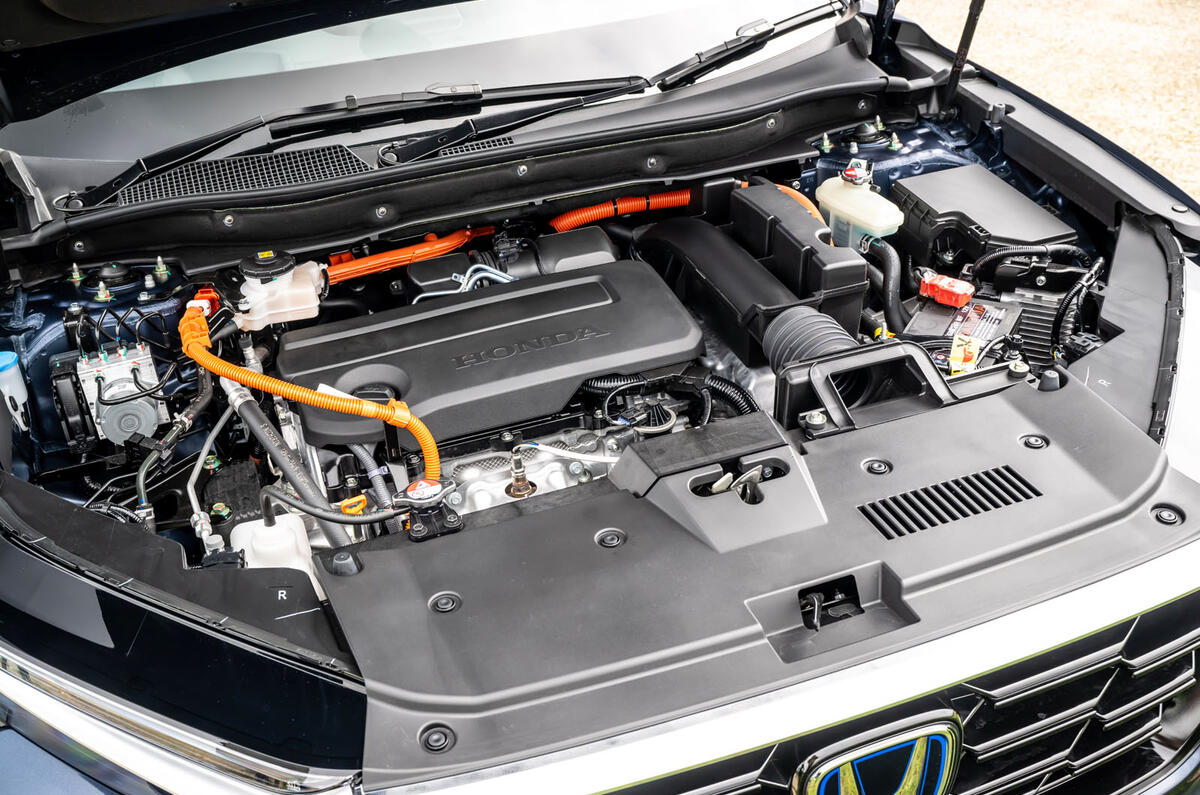
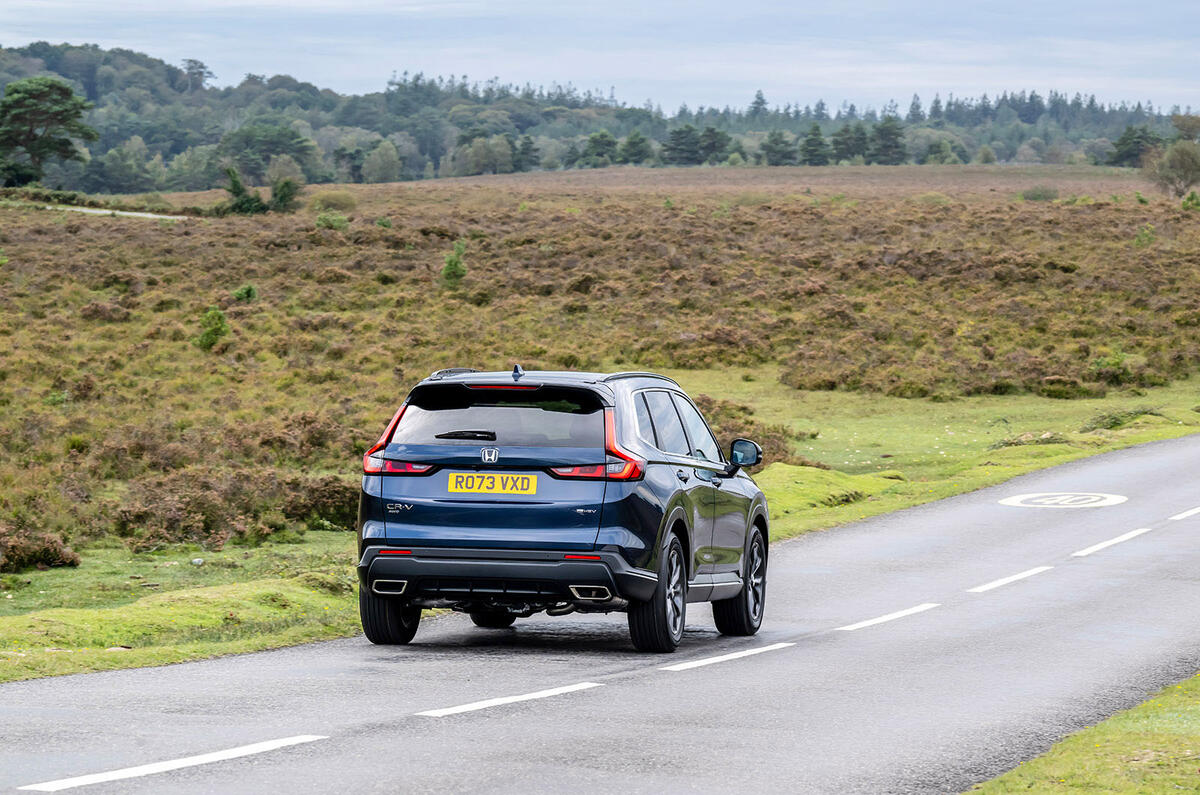
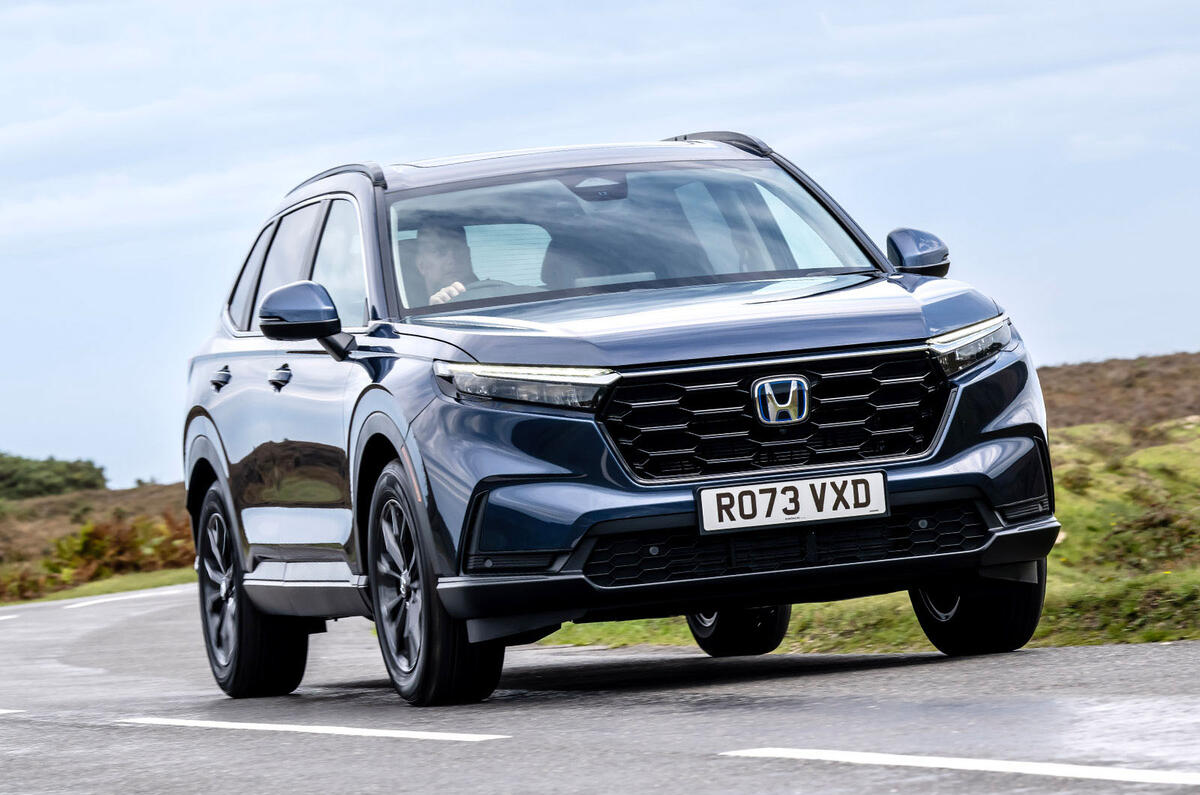
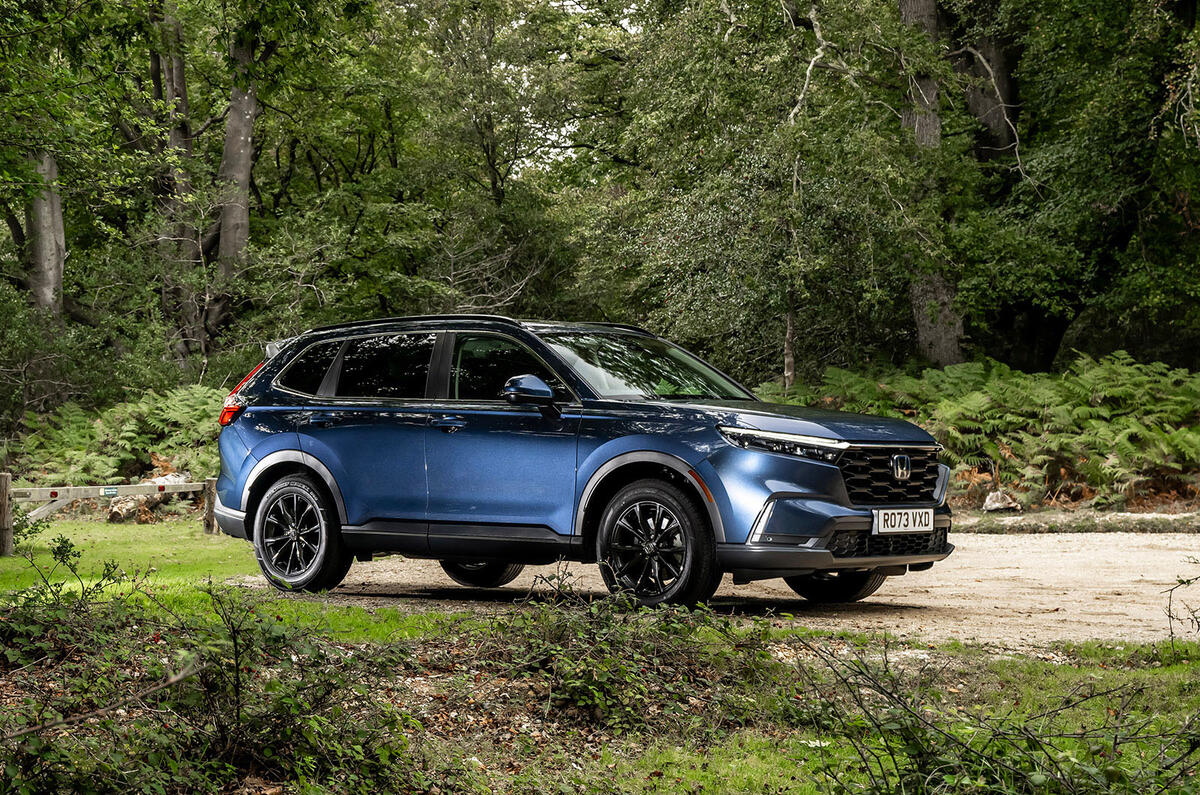
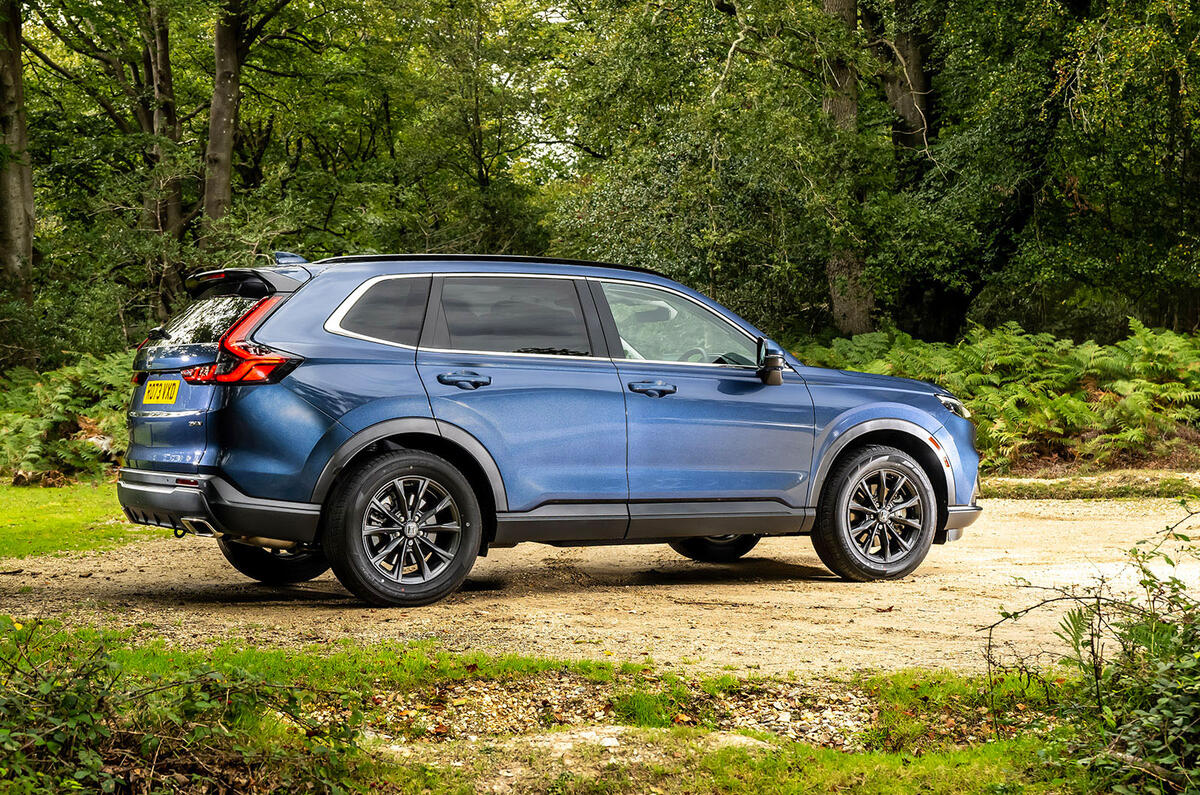





















Honda is churning them out at the moment. It soldiered on for years with an ageing range, but in just the past three years, it has given us a new Jazz, a new HR-V, a new Civic and two completely new additions to the line-up: the e:Ny1 electric crossover and the Civic-on-stilts ZR-V. And it’s still not done, because now comes the turn of a new Honda CR-V.
Together with the Toyota RAV4, the CR-V was a bit of a trailblazer for ‘soft-roaders’ when it arrived in 1995. Almost three decades later, it’s onto its sixth generation.
Verdict

Model tested:
Honda CR-V
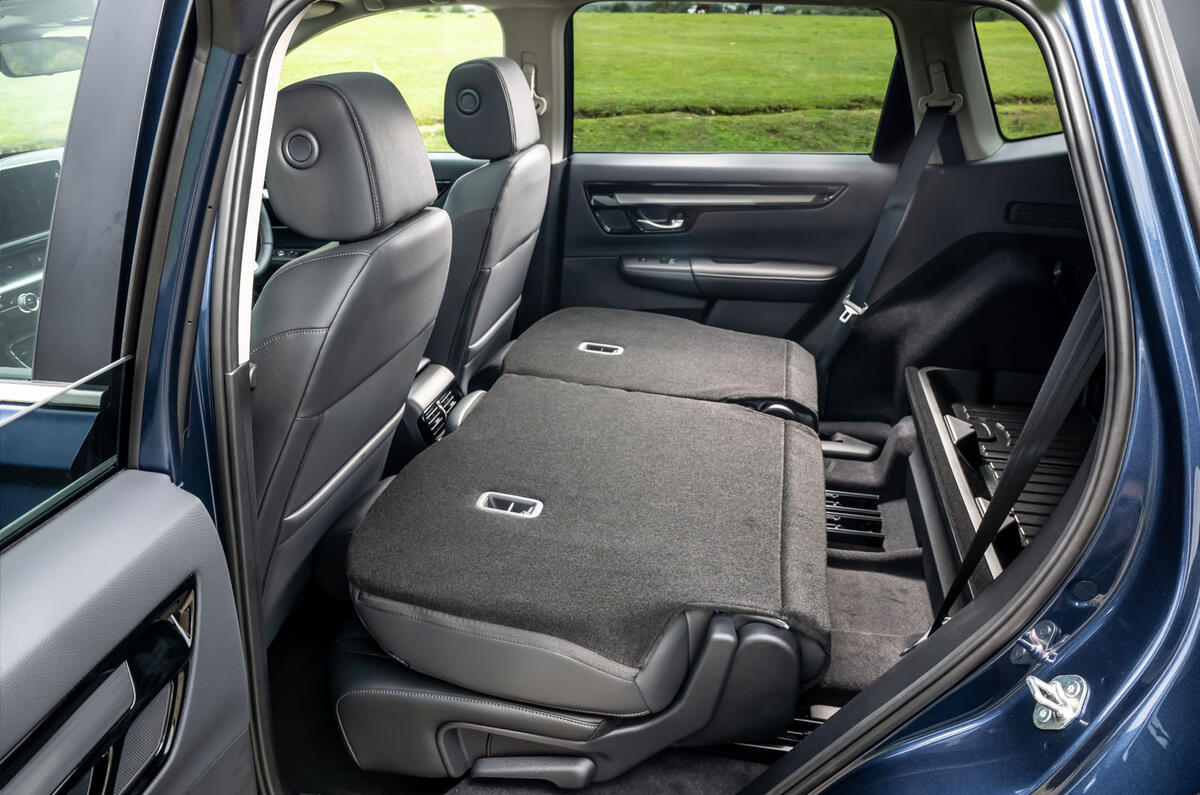
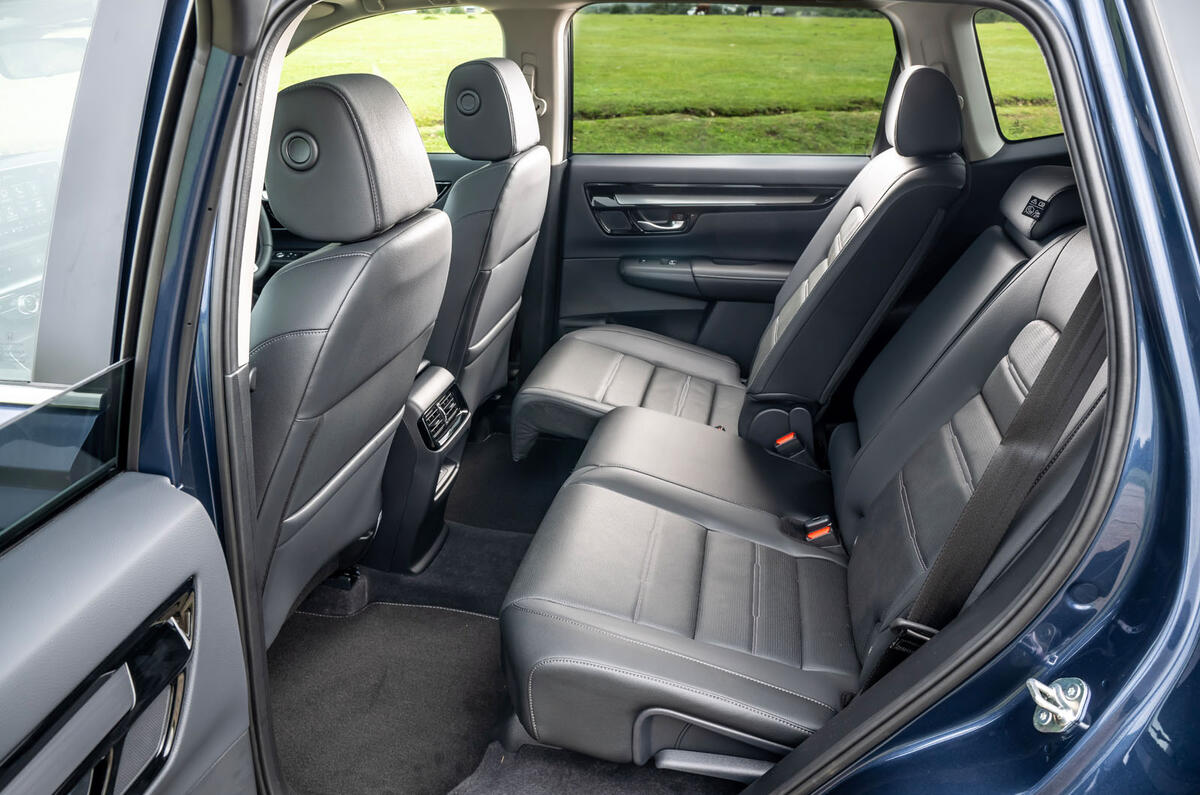
Comfortable, economical, practical and undemanding to drive, with a strong EV range from the PHEV. Ticks a lot of the right family SUV boxes. Could do with seven seats and a little bit more sparkle.
Good
Roomy and practical
Comfortable
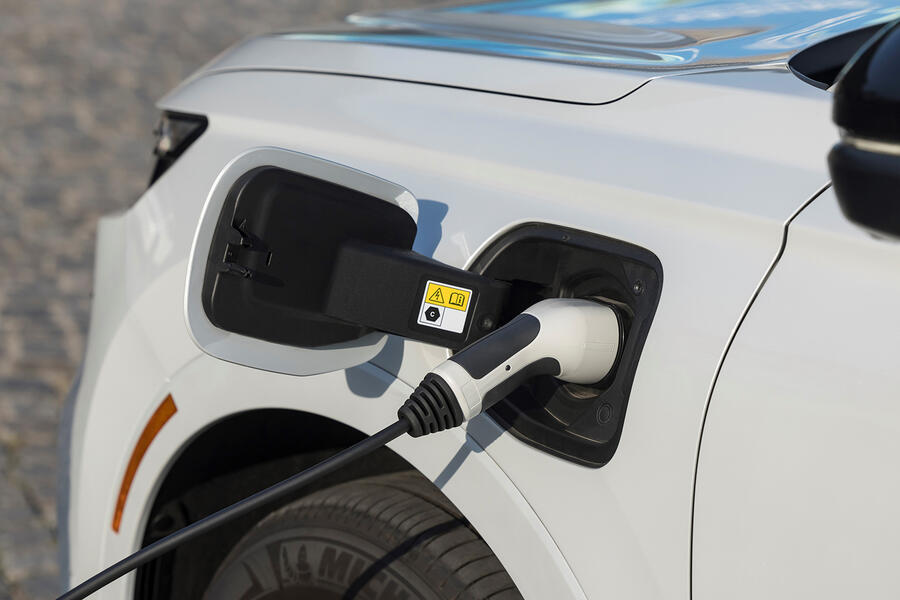
Strong EV range and economy for PHEV
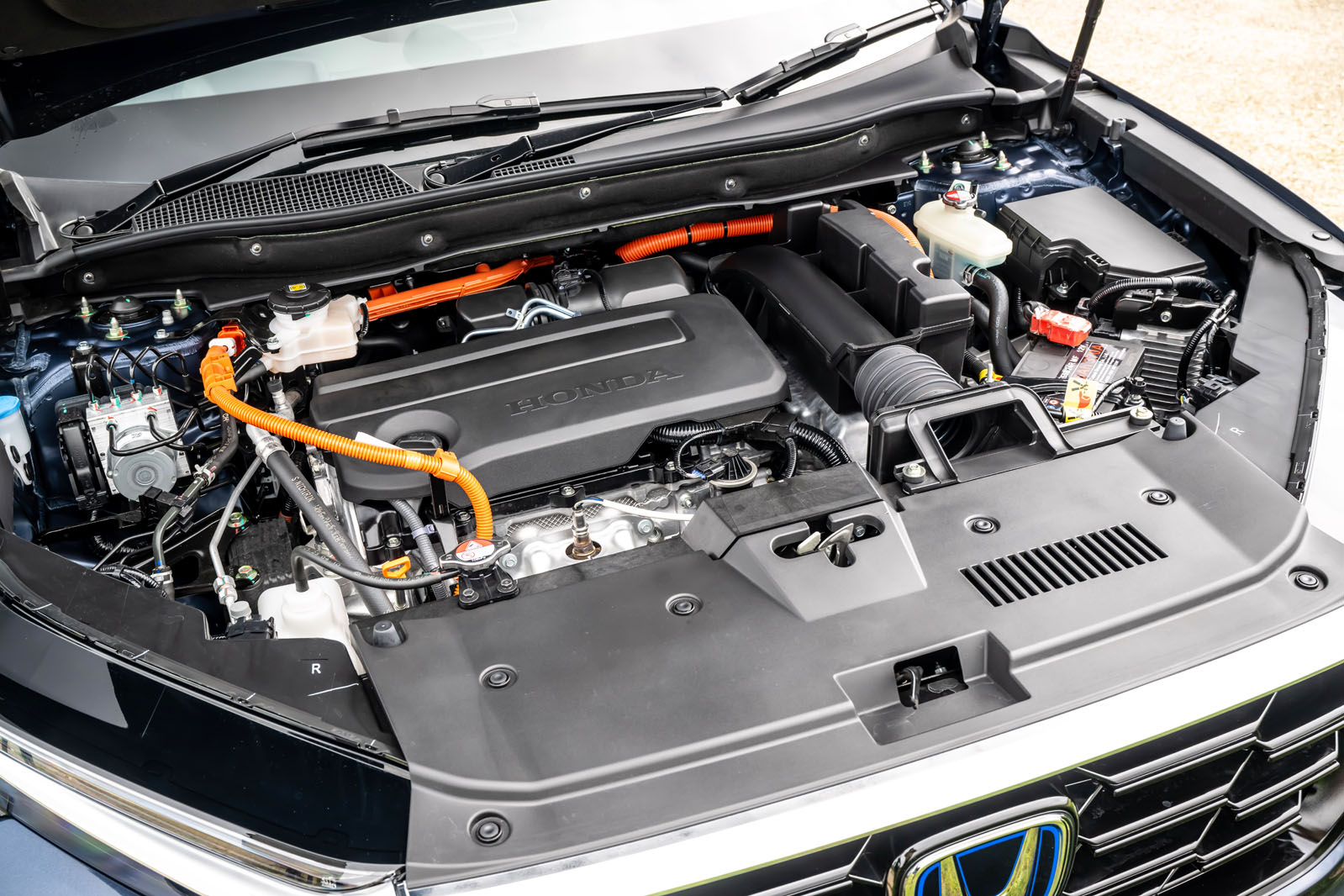
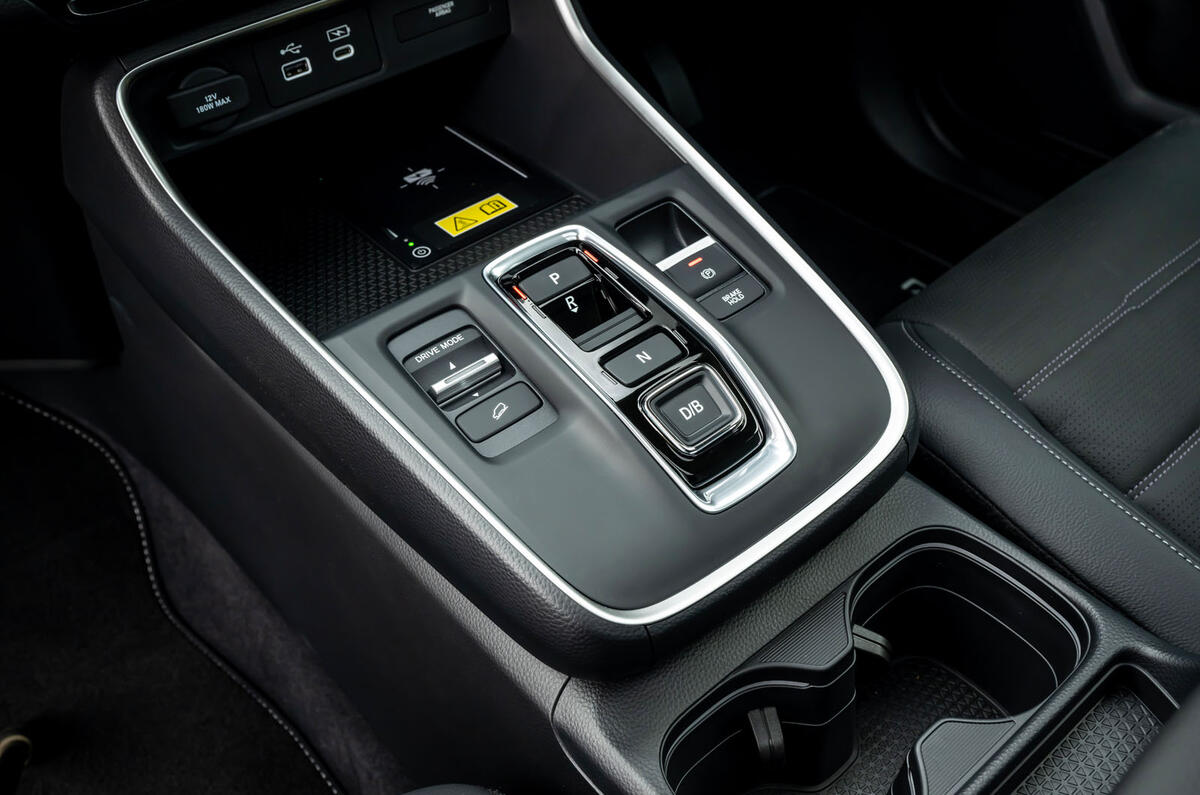
Slick hybrid system
Bad
Expensive
HEV only comes with four-wheel drive
Uninspiring to drive