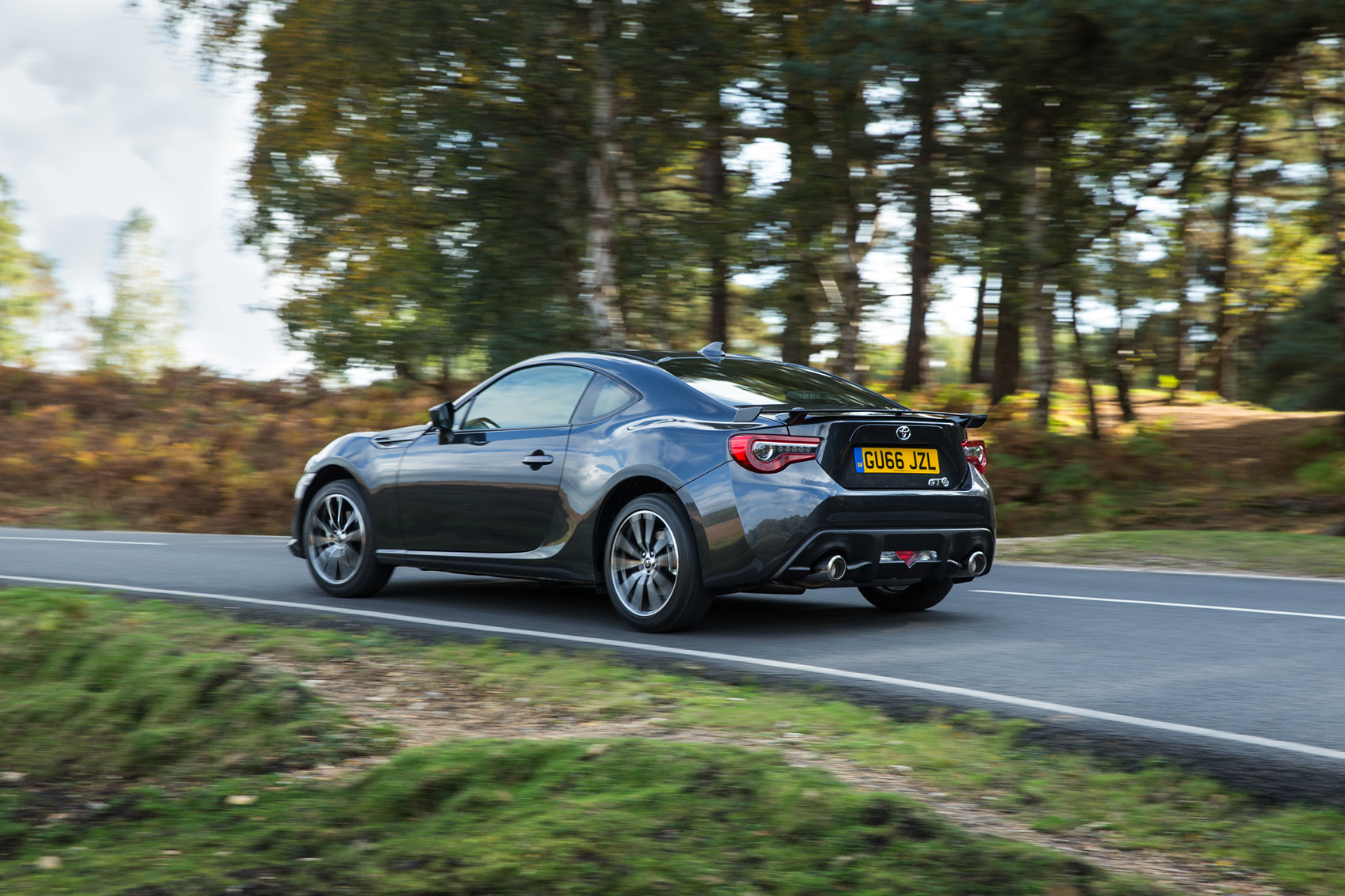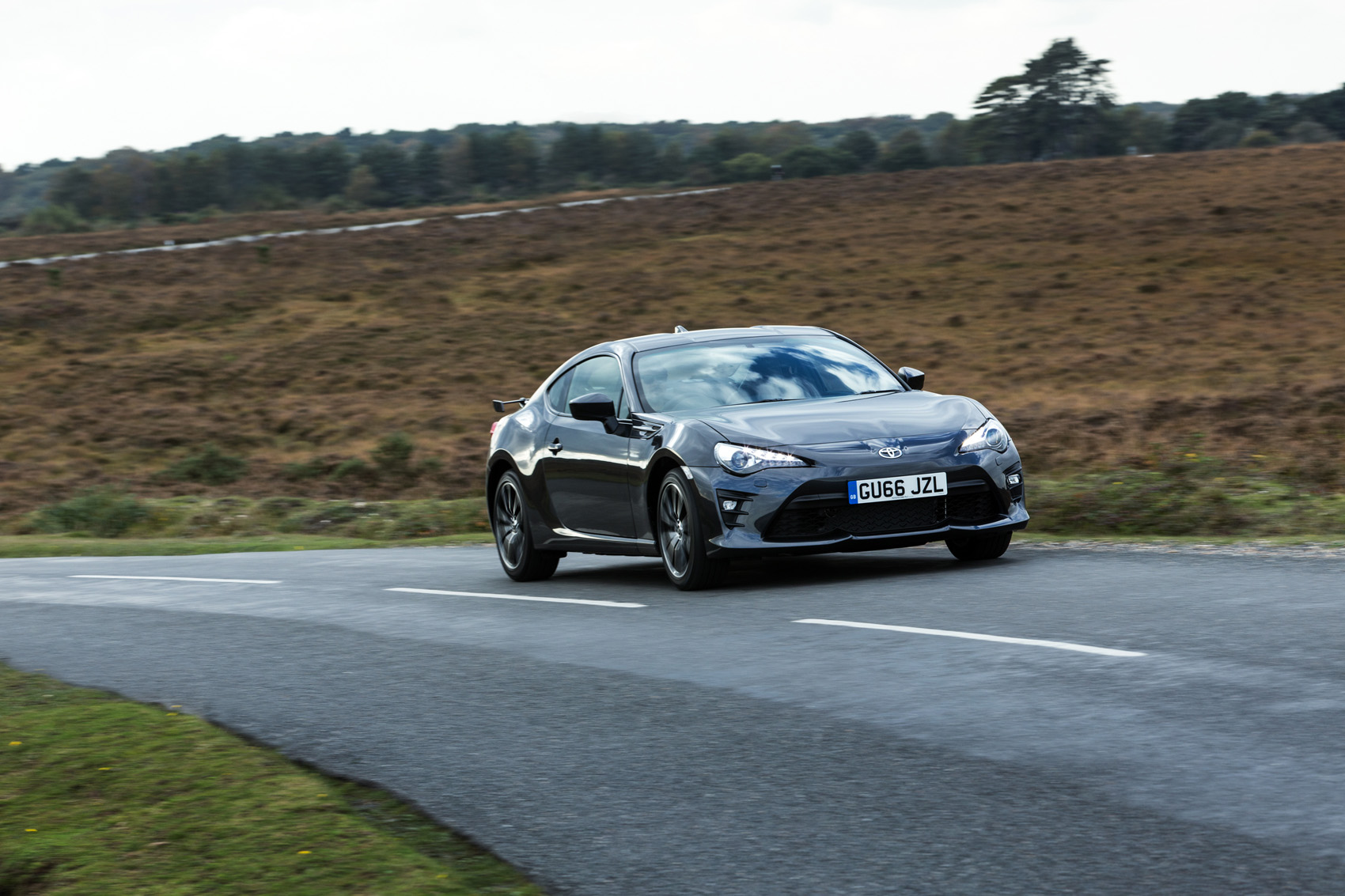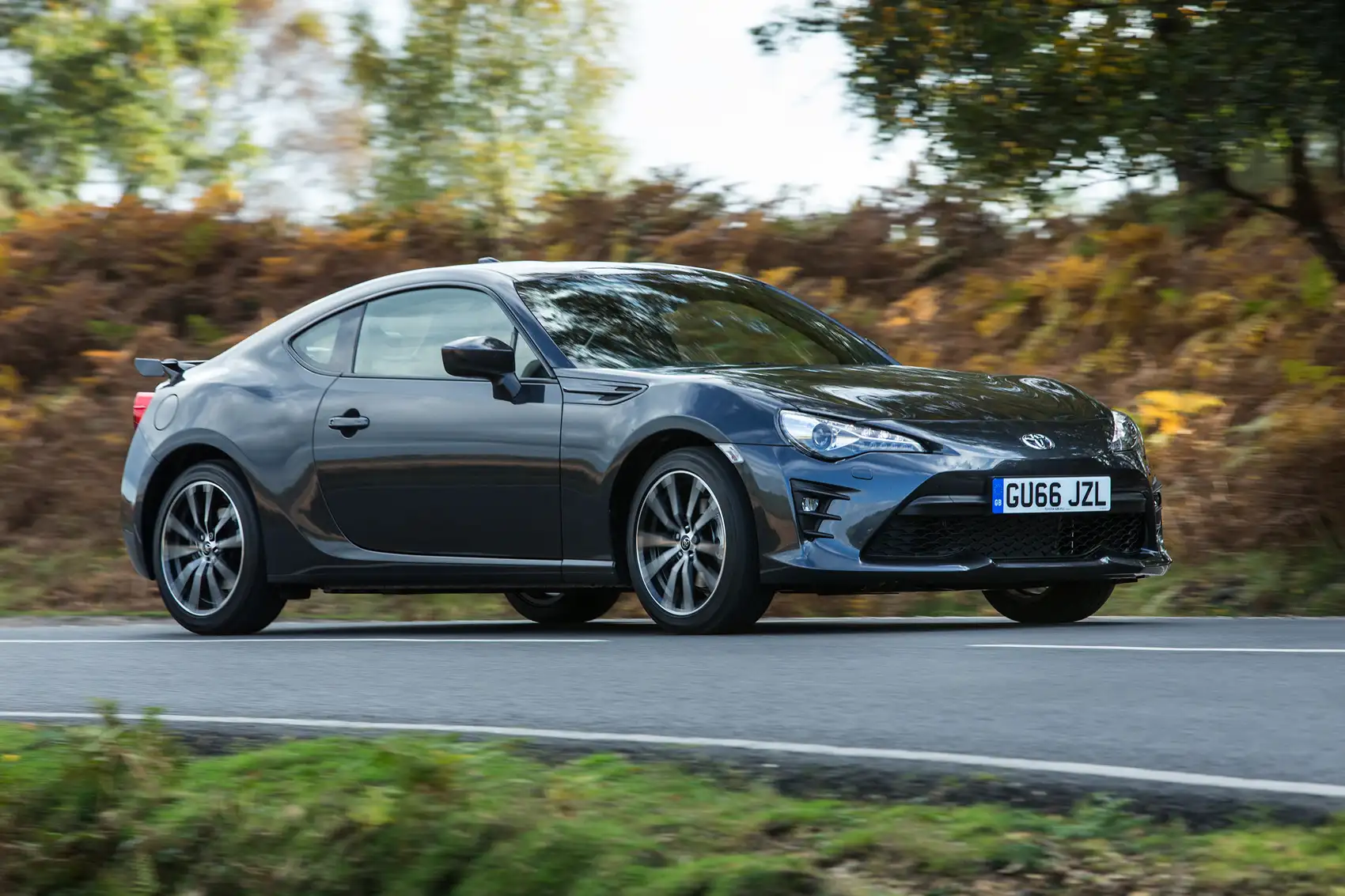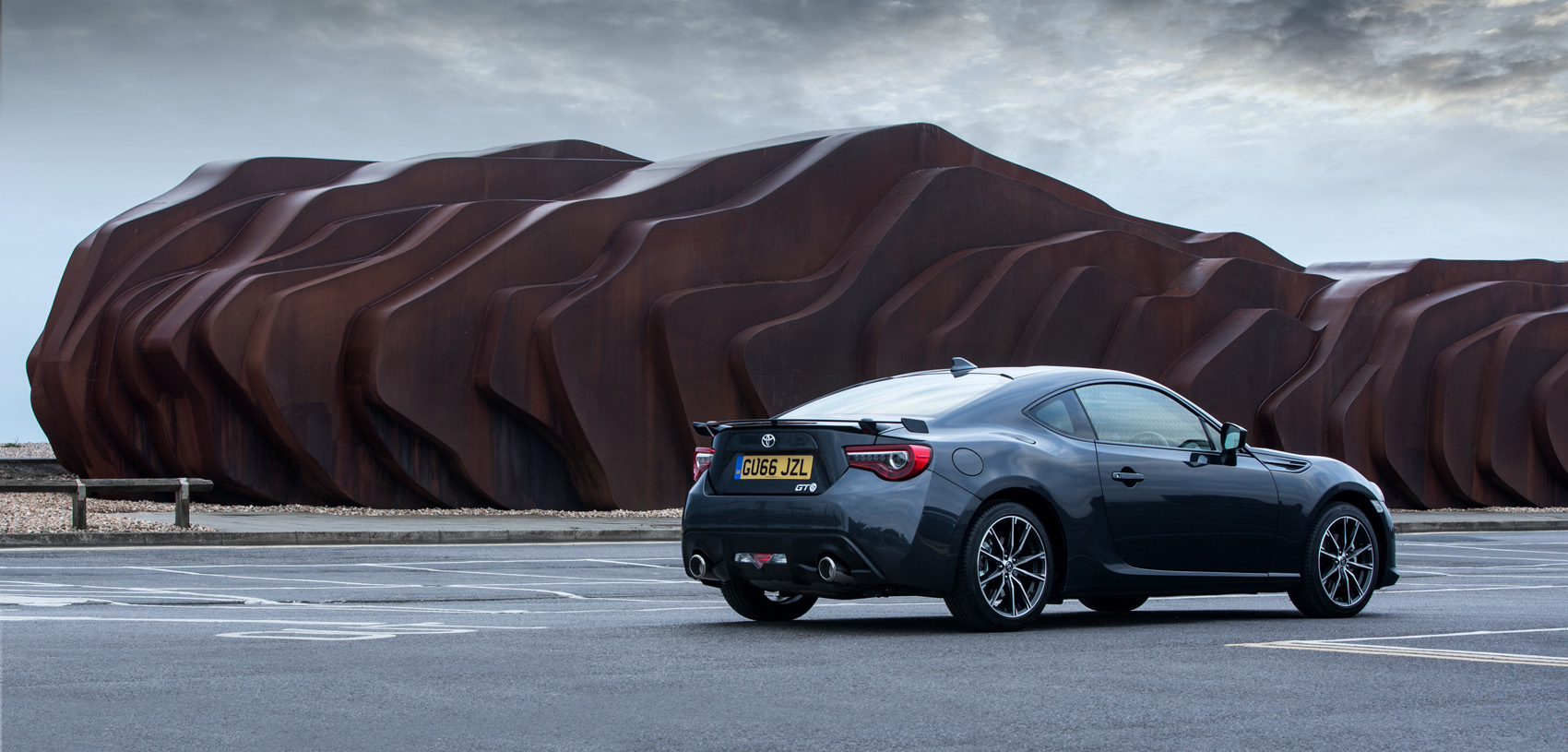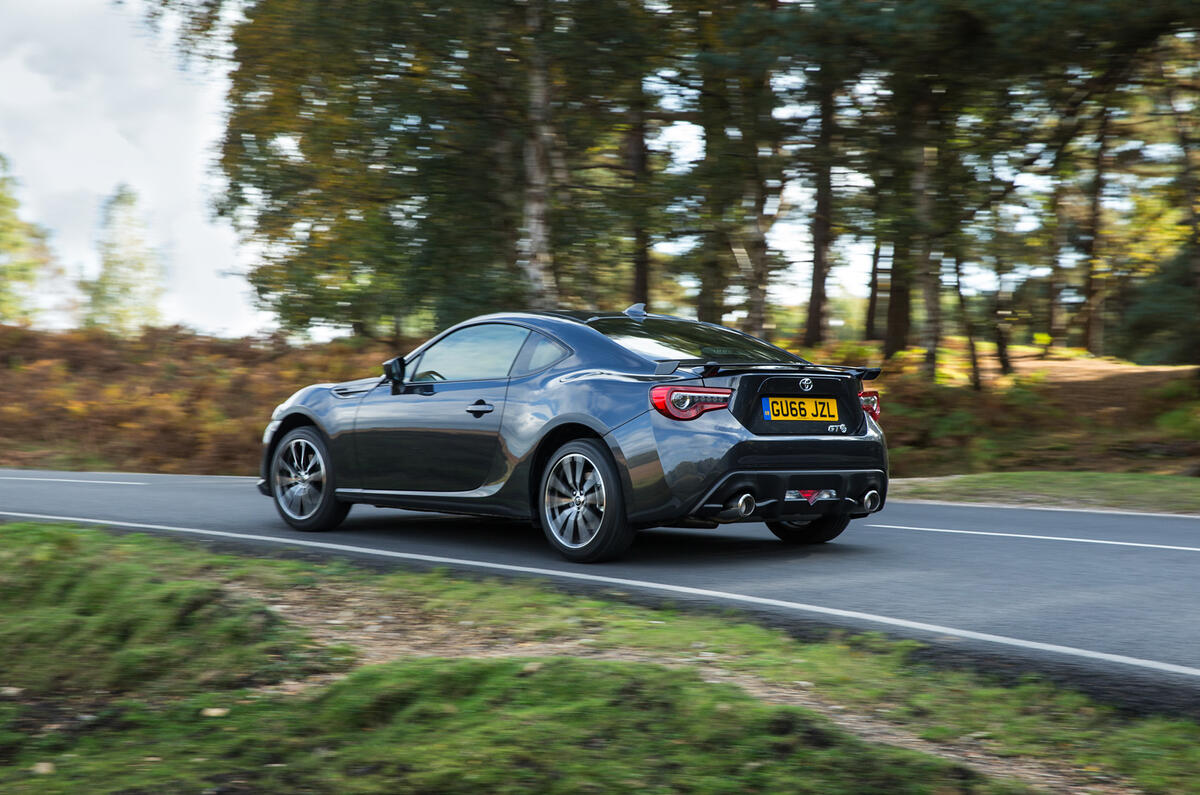
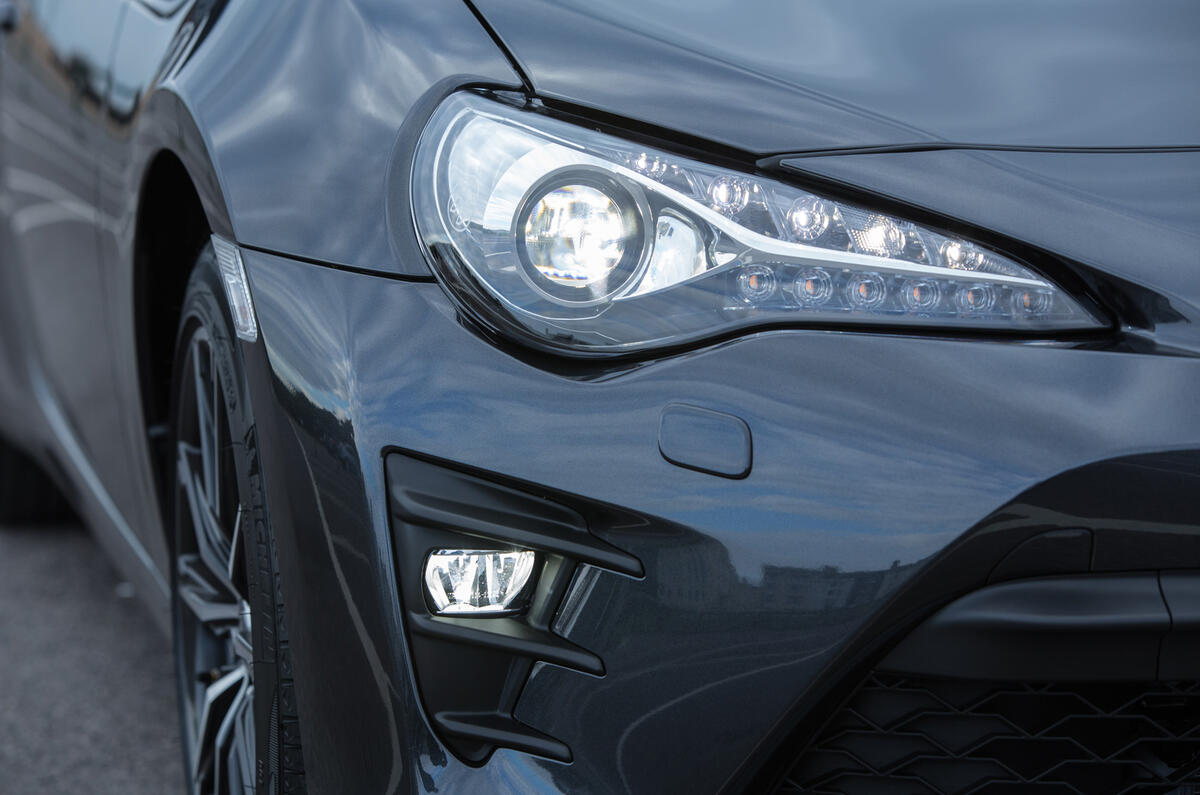
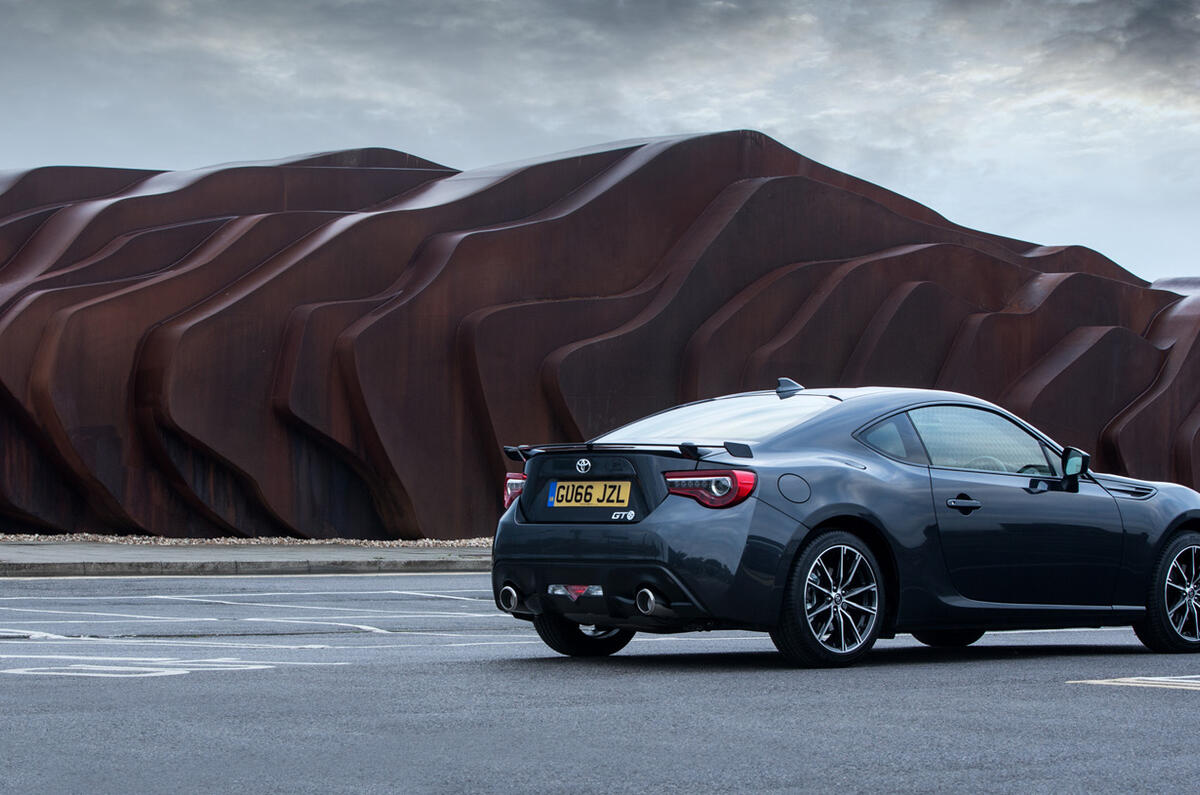
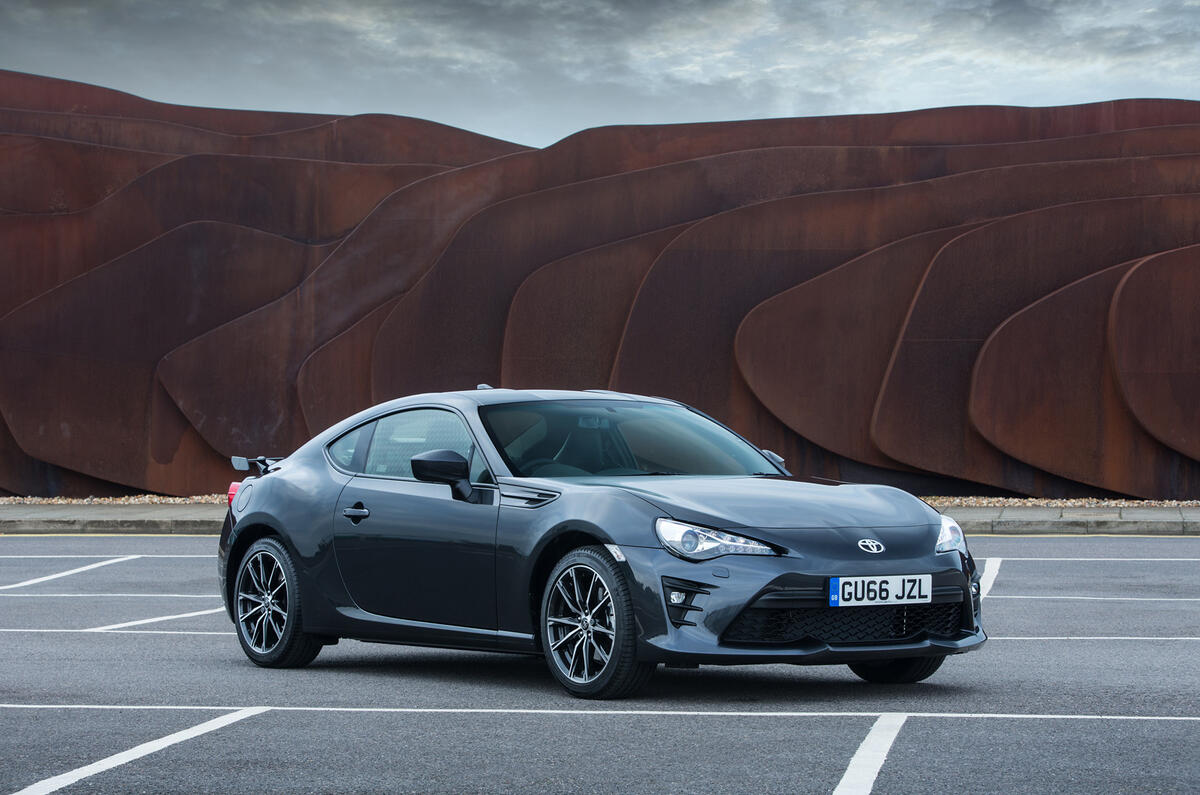
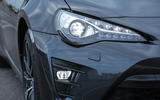
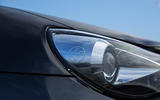
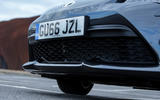
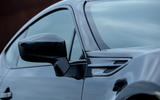
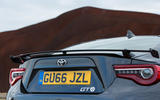
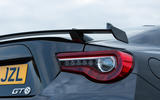
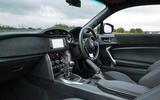
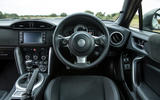

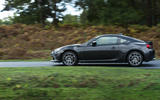
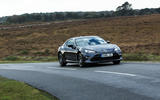

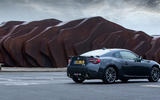
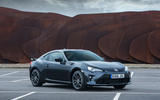
Few cars in recent times have had a gestation period as drawn-out as Toyota’s GT 86. It’s a car we’ve waited a long time for; literally, because we saw a lot of the concept both in photographs and leaked pictures, but figuratively, too, because Toyota promised that the GT 86 would deliver a return to sports car purity that is driven by feel and intuition rather than lap times and lateral grip levels. We’ve wanted a car like that for a long while.
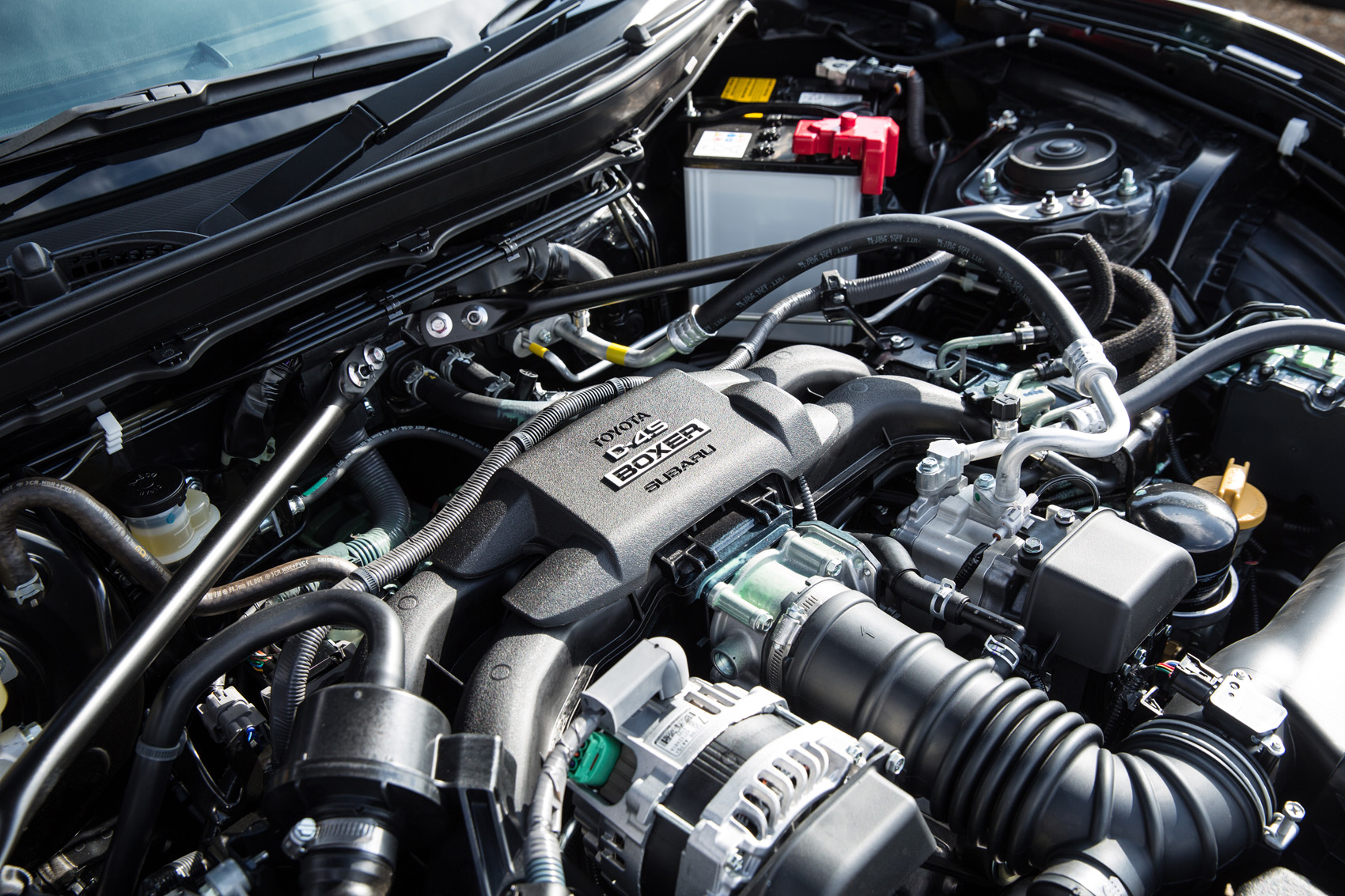
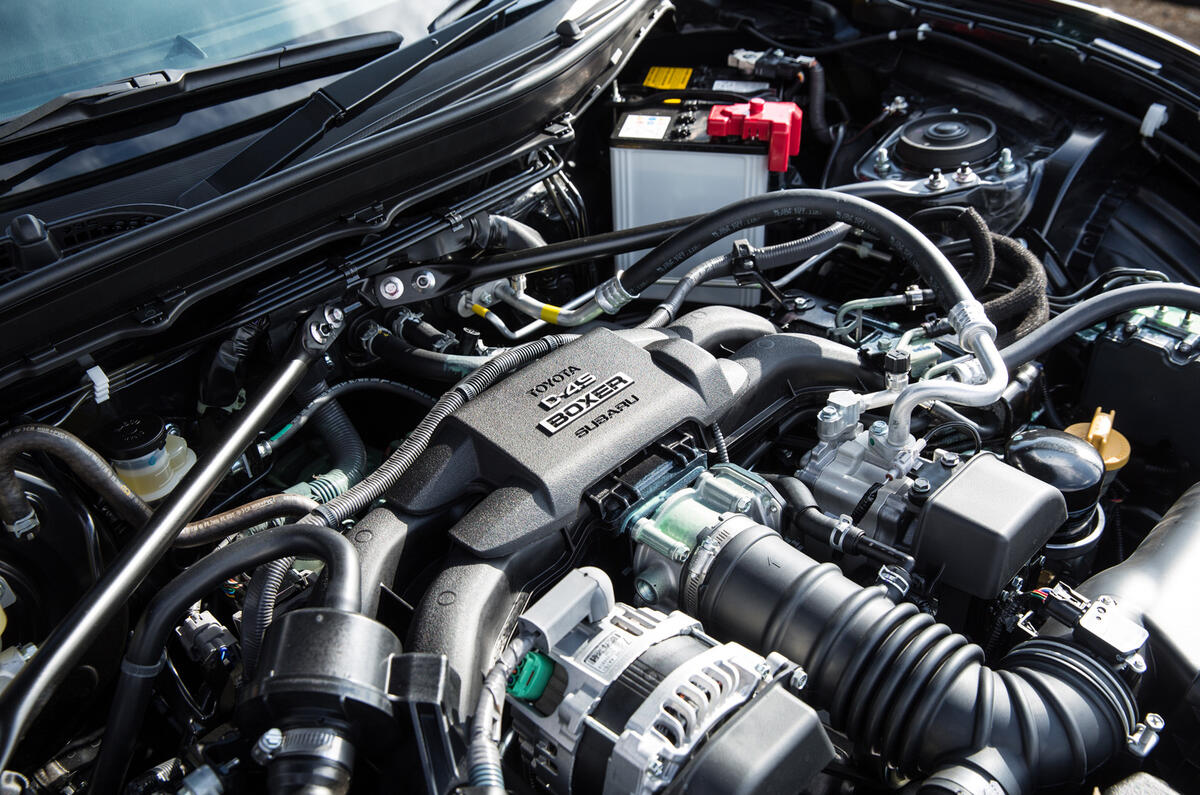
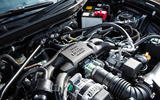
The GT 86 is on a new platform that has been co-developed with Subaru (whose Subaru BRZ is distinctly similar). It weighs just 1280kg and it has a 197bhp 2.0-litre flat-four petrol engine mounted up front, naturally aspirated, which is supplied by Subaru but gets Toyota’s D4-S direct injection system.
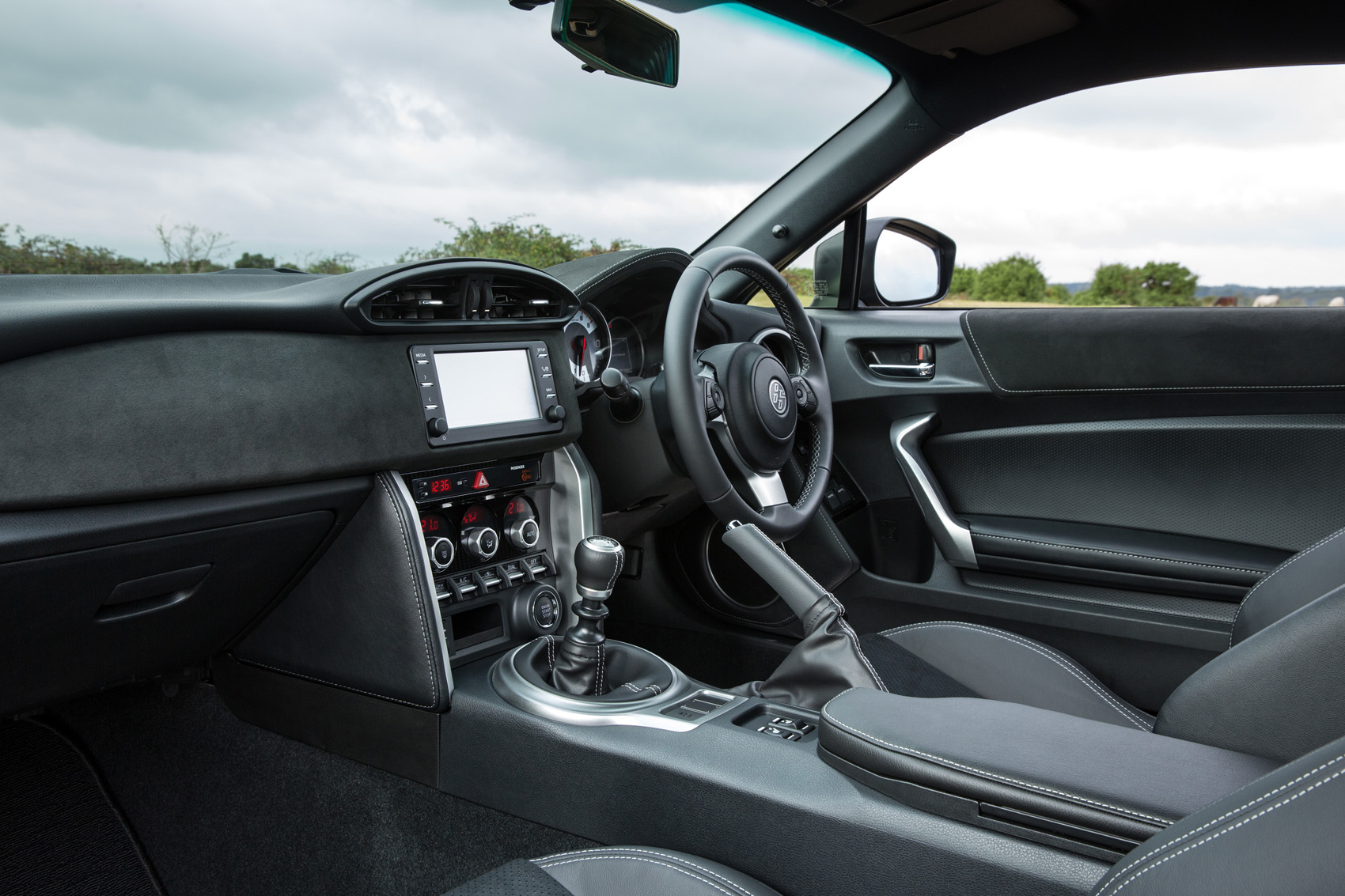
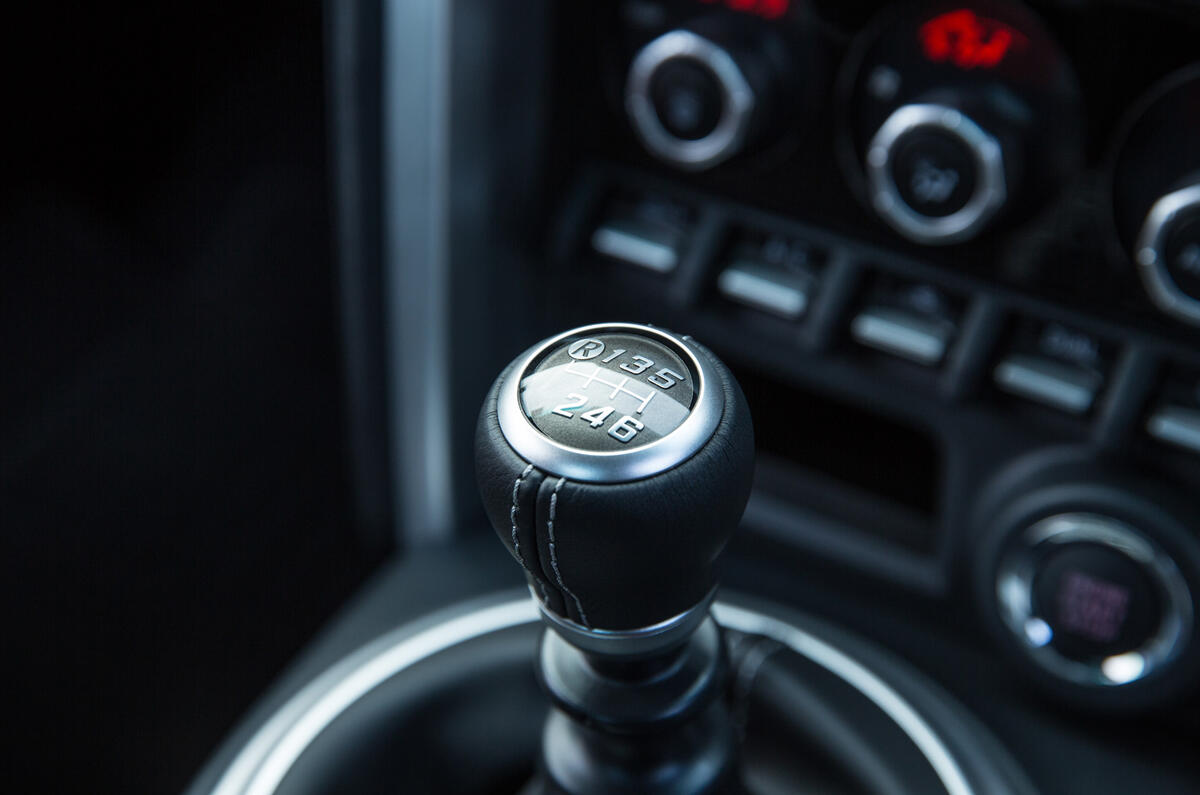
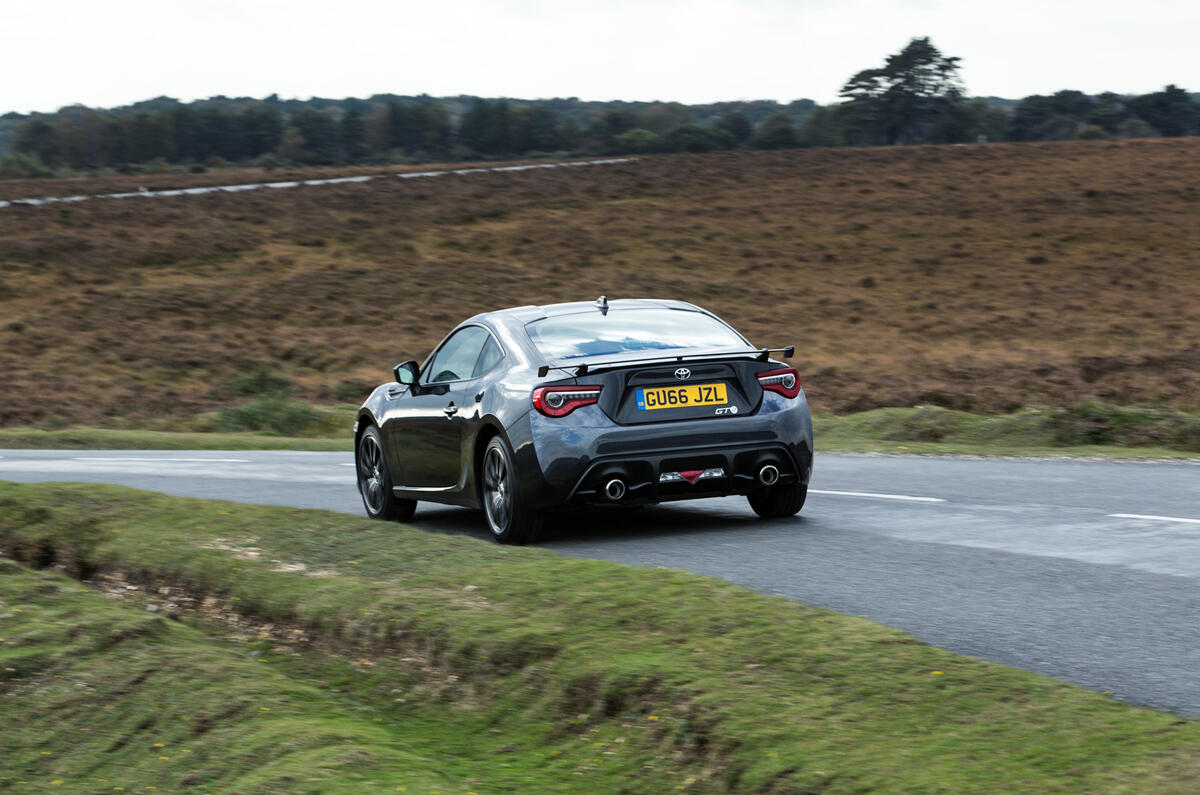
The key things to add are that it drives the rear wheels through a six-speed manual gearbox and a Torsen limited-slip differential. And the tyres are the same modest 215/45 R17 items you’ll find on a Toyota Prius. Oh, and the ESP can be completely switched off.
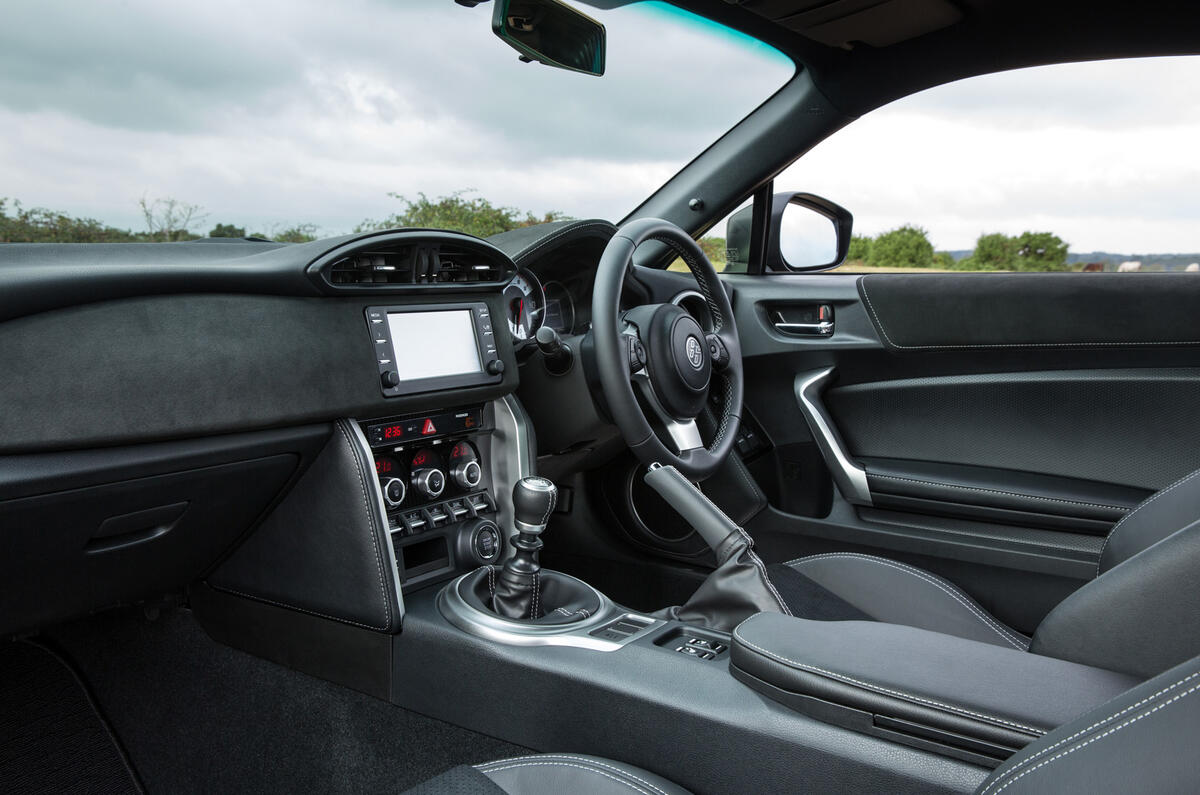
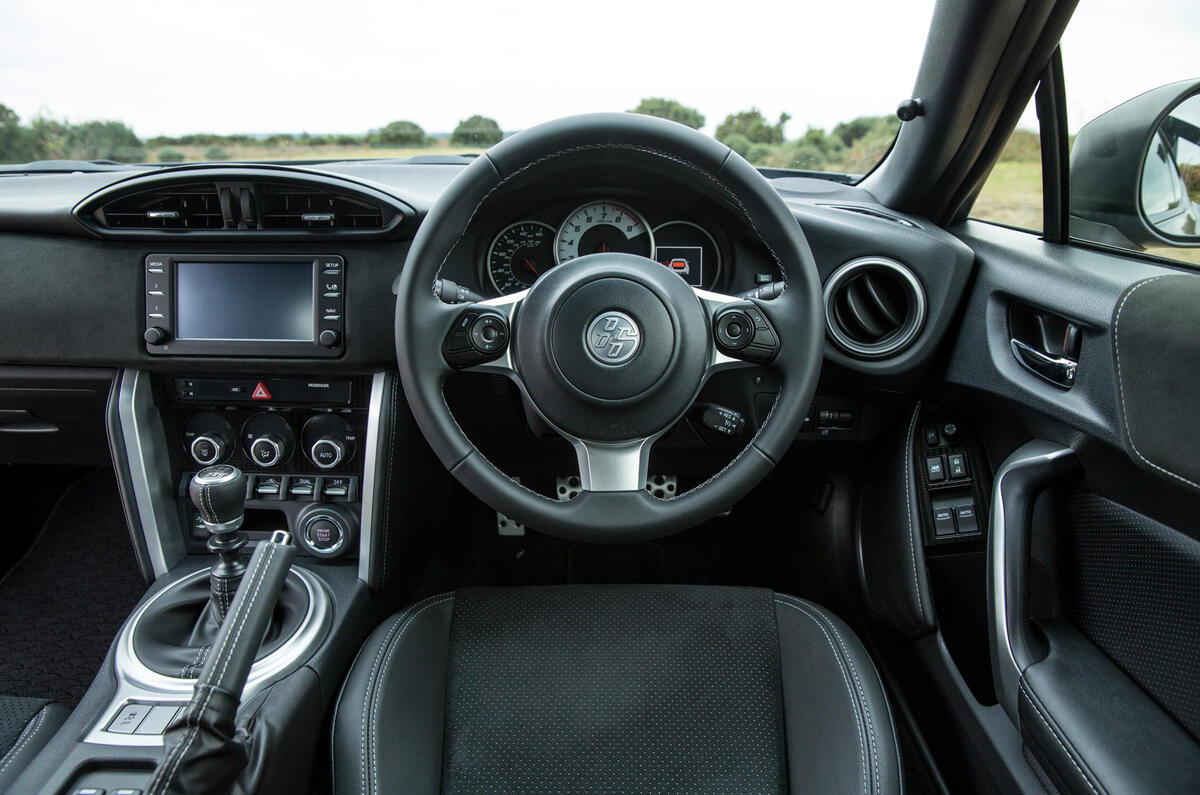
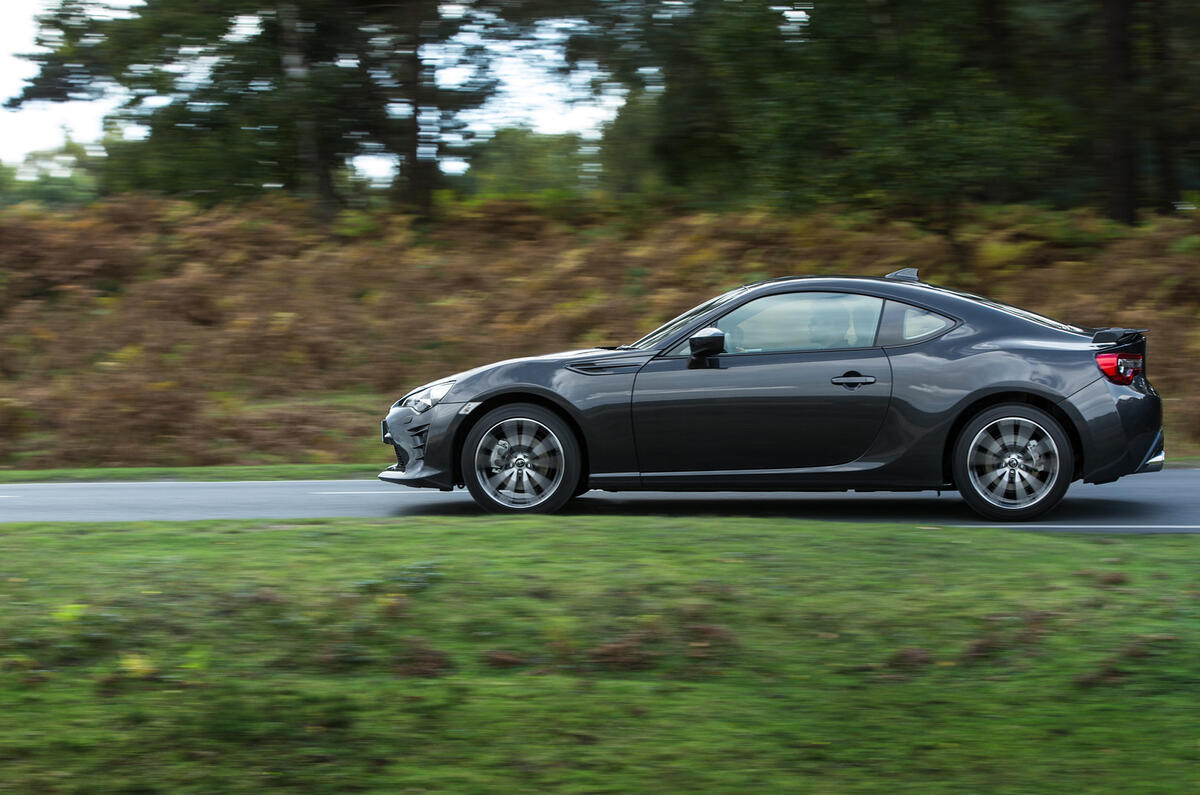
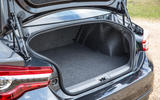
And it’s as much fun as you’d hope. It feels light and compact, a bit like an MX-5, although it’s a four-seater. The driving position is low, straight and snug, with grippy front seats (and admittedly not a lot of room in the back).
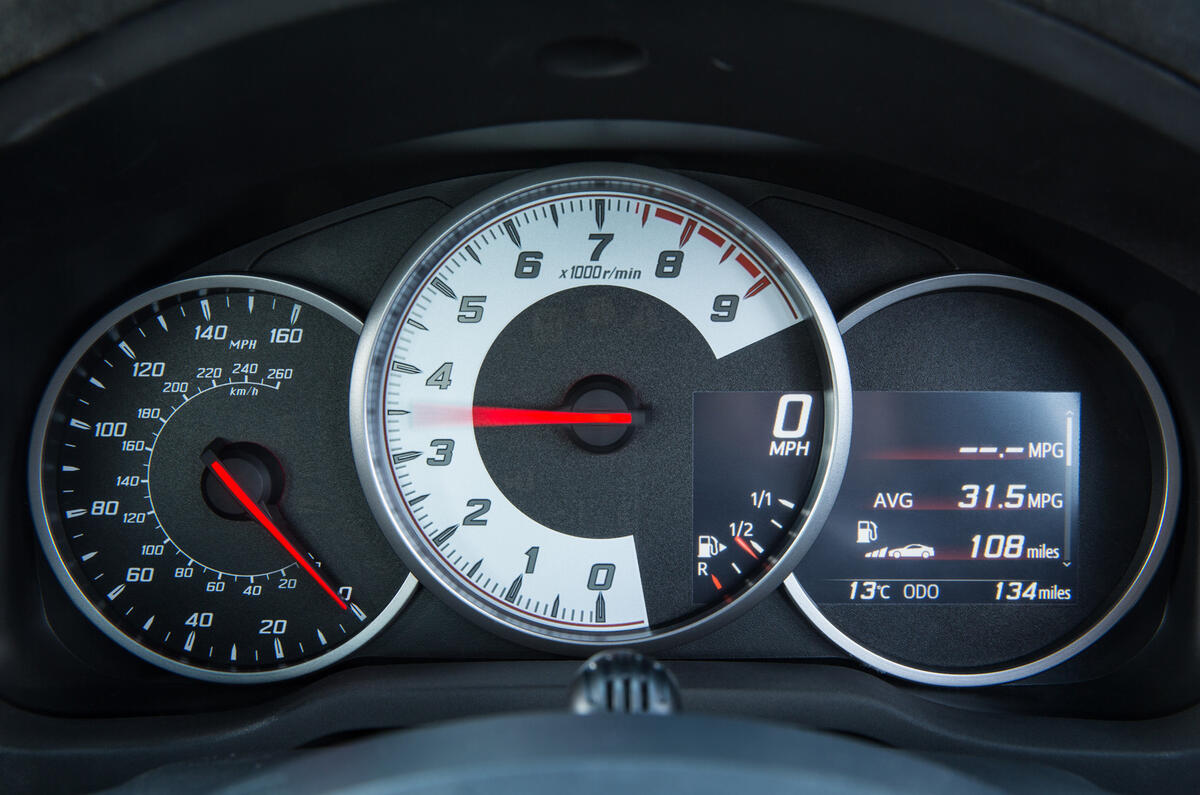
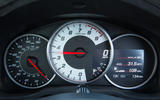
The Toyota GT 86 feels quick enough, too, with a precise if a touch notchy gearchange, and an engine note that’s a bit growly — there’s not much flat-four burble. Tweaking the NVH is high on Toyota’s ‘to-do’ list. It has a broad power curve and revs to 7500 but there’s no desperate need to wind it that far past the mid-range.
Although it was hard to accurately gauge the ride on the concrete runway we tested the car on, the GT 86 feels quite deftly set-up and light on its feet, and with a touch of tyre roar that’s only to be expected.
It steers easily, too. At 2.5 turns lock-to-lock the steering’s quick without being hyperactive, and is light-to-middling in weight. It all adds to the impression that this is an easy car to get along with.
Find a corner and you’ll find some roll, but its rate is well contained. The GT 86’s weight distribution is 53/47 per cent front/rear, so it’ll nudge into steady-state understeer if you’re on a constant throttle, where it grips moderately well and is pleasingly poised.
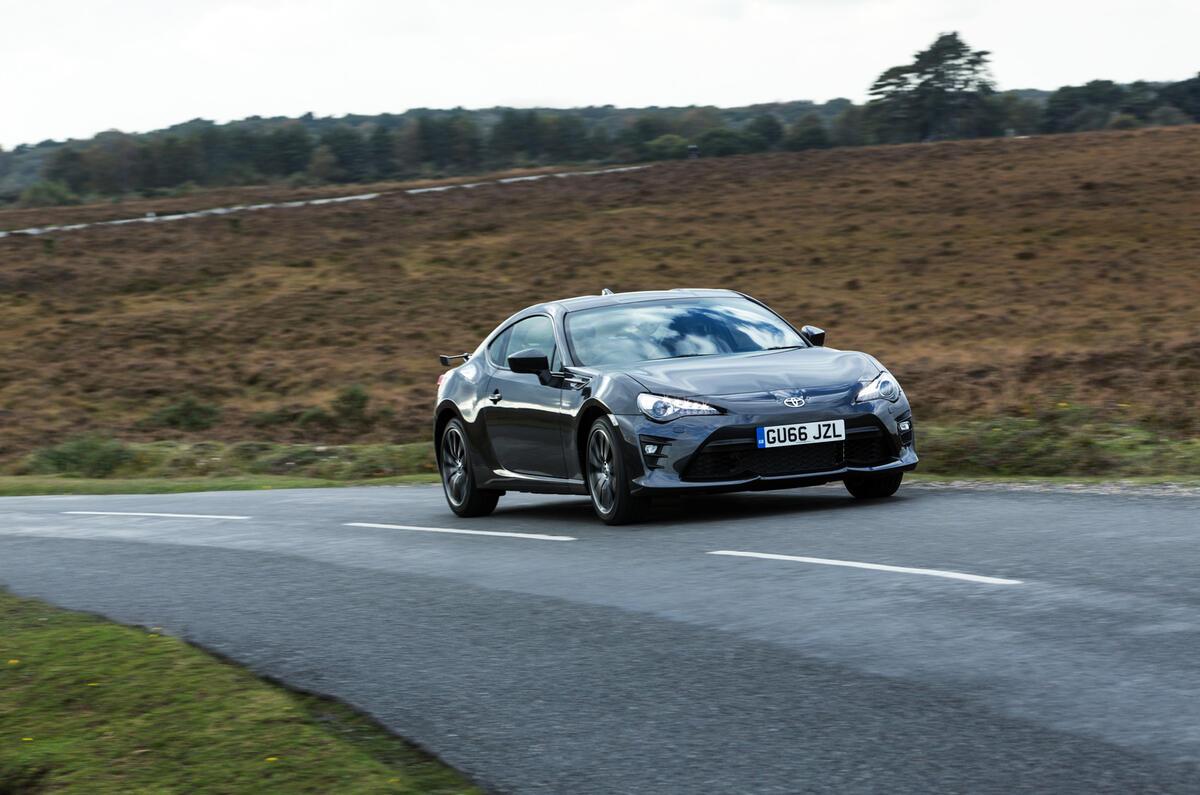
The great thing about the GT 86 though is, as promised, it really handles. It lets you choose how you want to corner. Add any amount of power and it’ll turn at least neutral. Trail the brakes into a bend, give a mid-corner throttle-lift or just give the steering a bit of a bung and lots of throttle and it’ll either straighten its line or give you armfuls of oversteer, utterly as you prefer.
The Toyota GT 86 will need a change in attitude by some prospective owners more used to heavier, overpowered sports cars: this car’s not about delivering ultimate acceleration or lap times, it’s just about having fun.
The GT 86’s modest limits and power mean that it should prove enjoyable on the road: you’ll be able to get more out of it, more often, than you could a much faster and more theoretically capable sports car, whose reward is more often than not limited by visibility and sensibility.
It’d be terrific fun on a track day, too. It’s light enough to not wear out its consumables quickly and, while an GT 86 wouldn’t be the fastest way around a circuit, there aren’t too many cars out there that could put a bigger smile on its driver’s face.