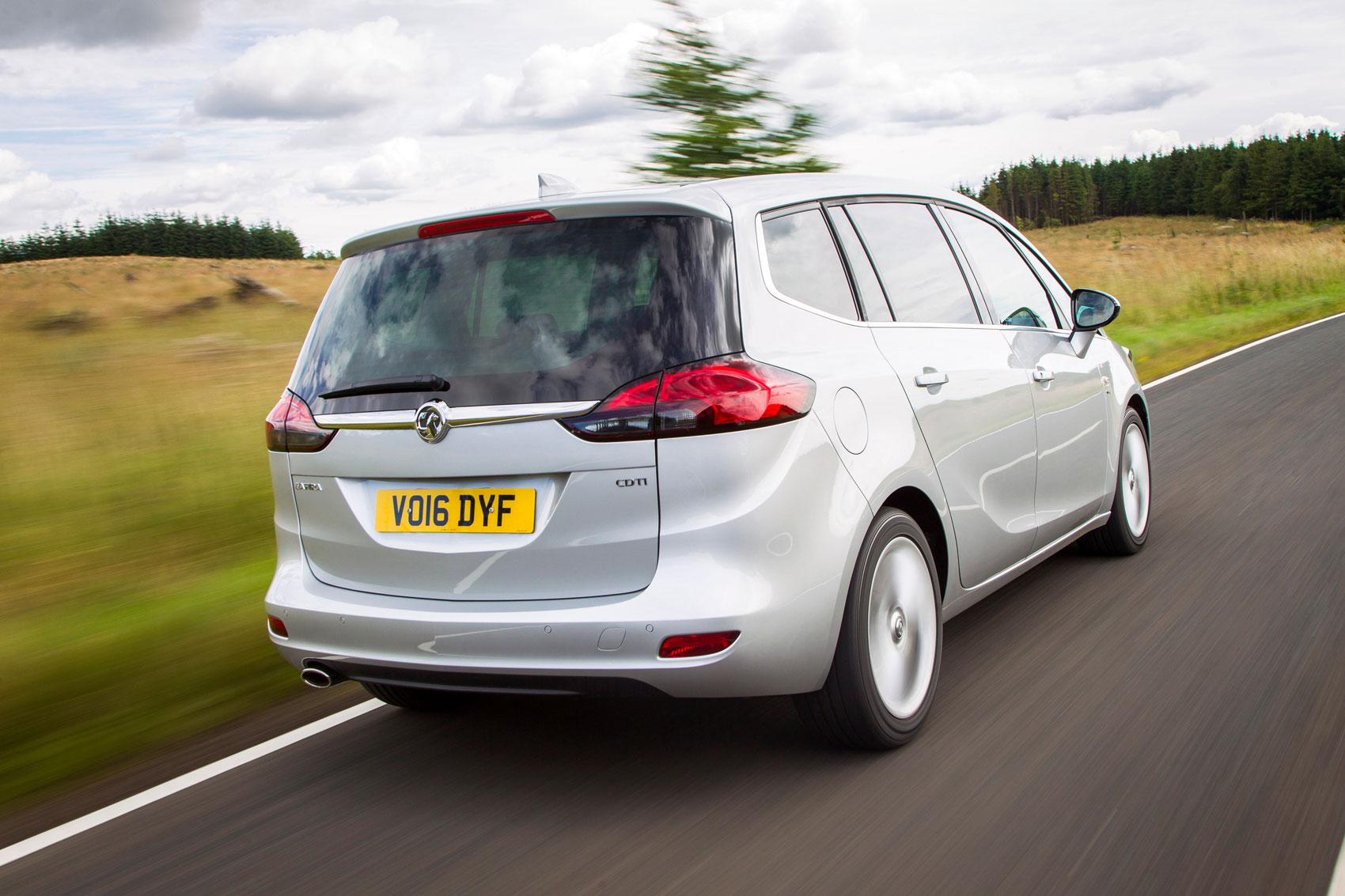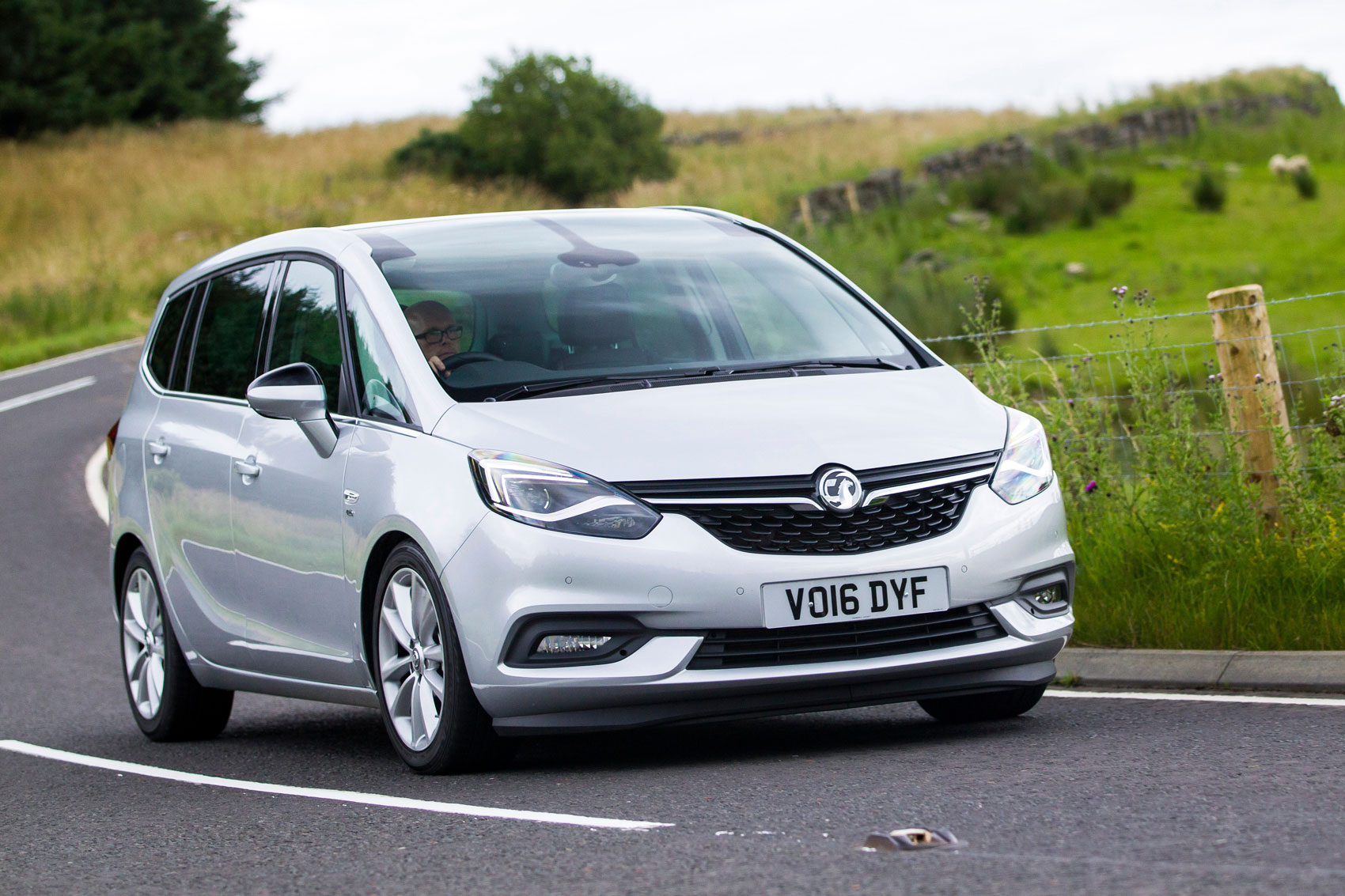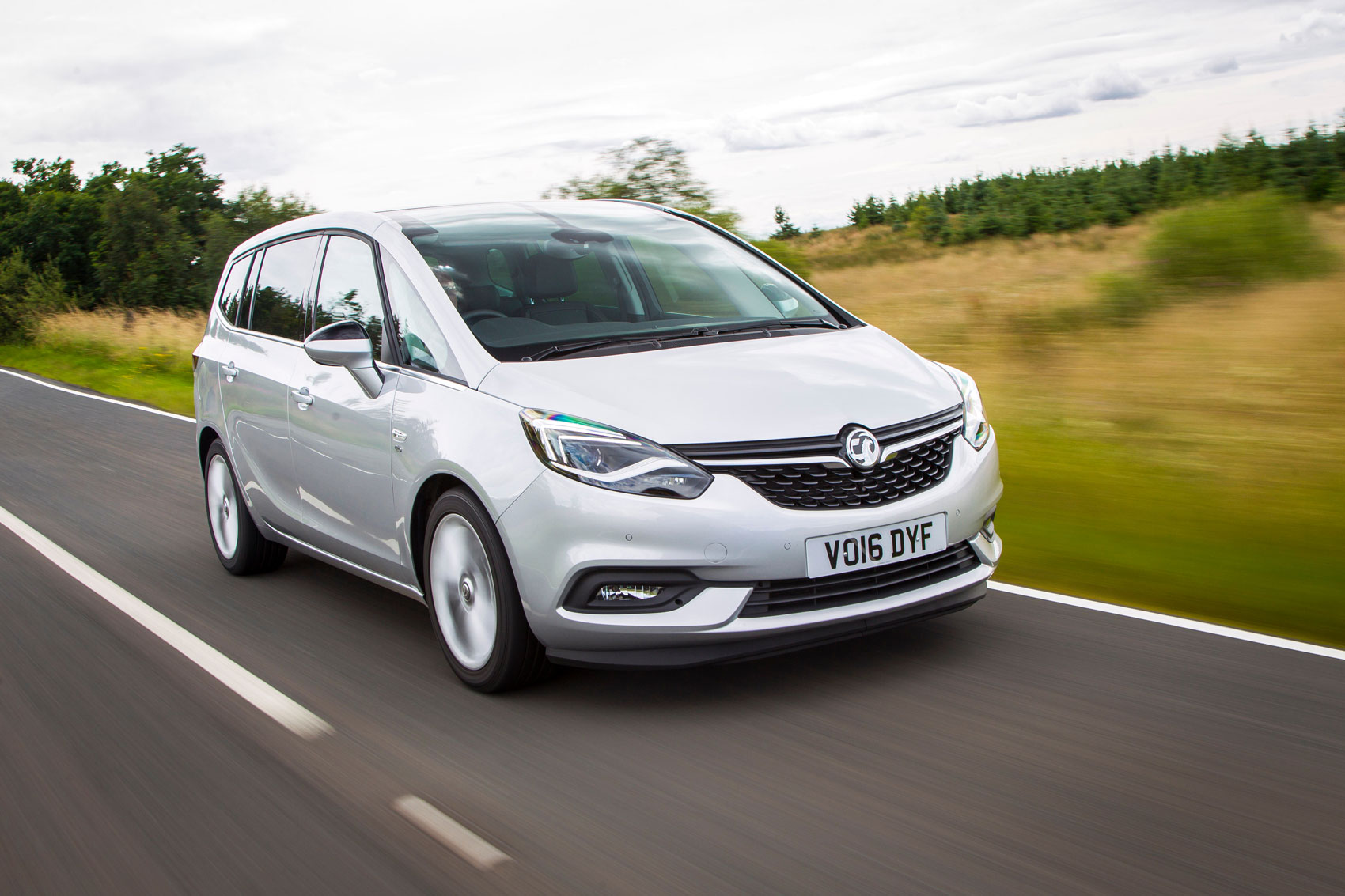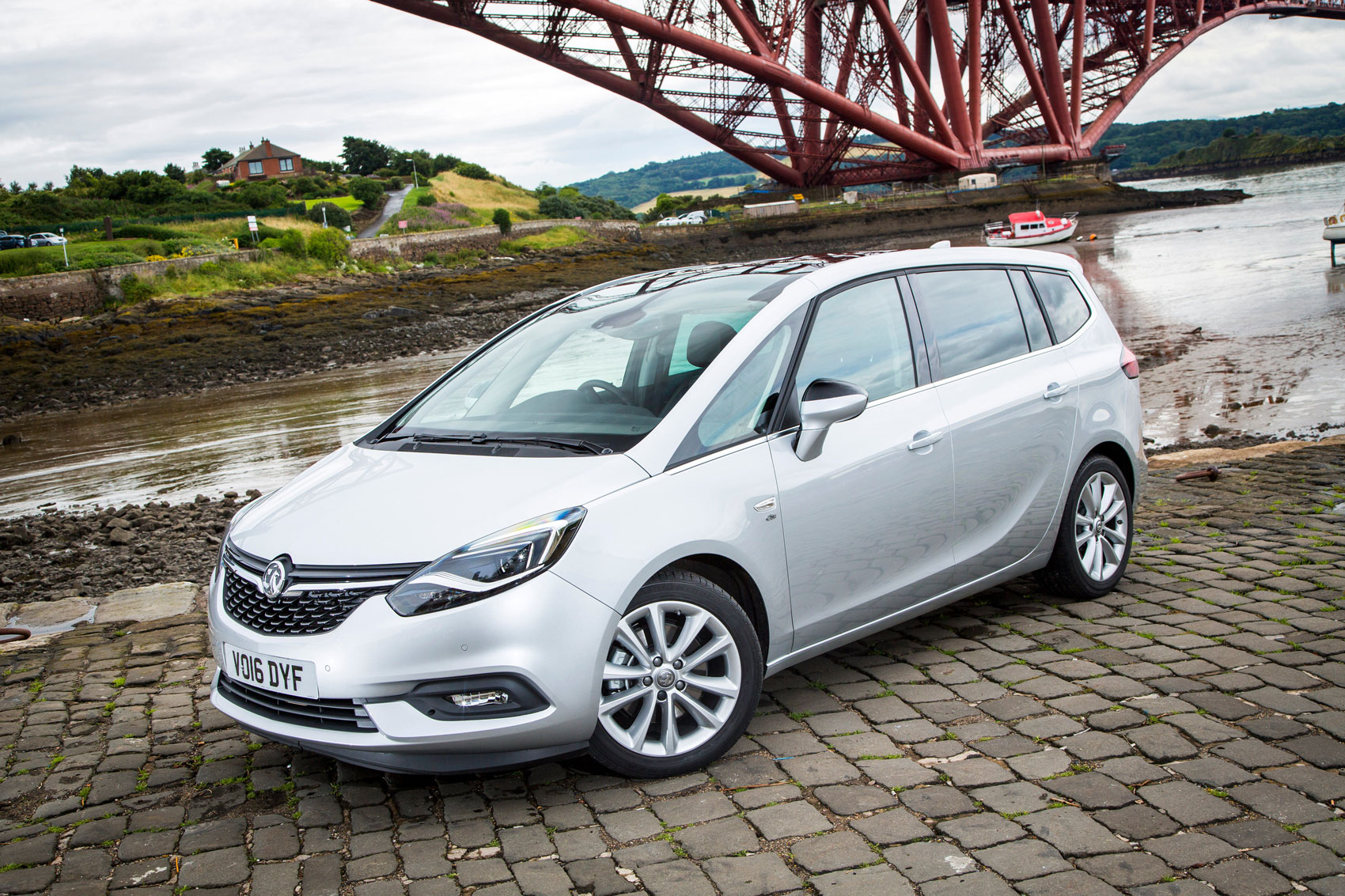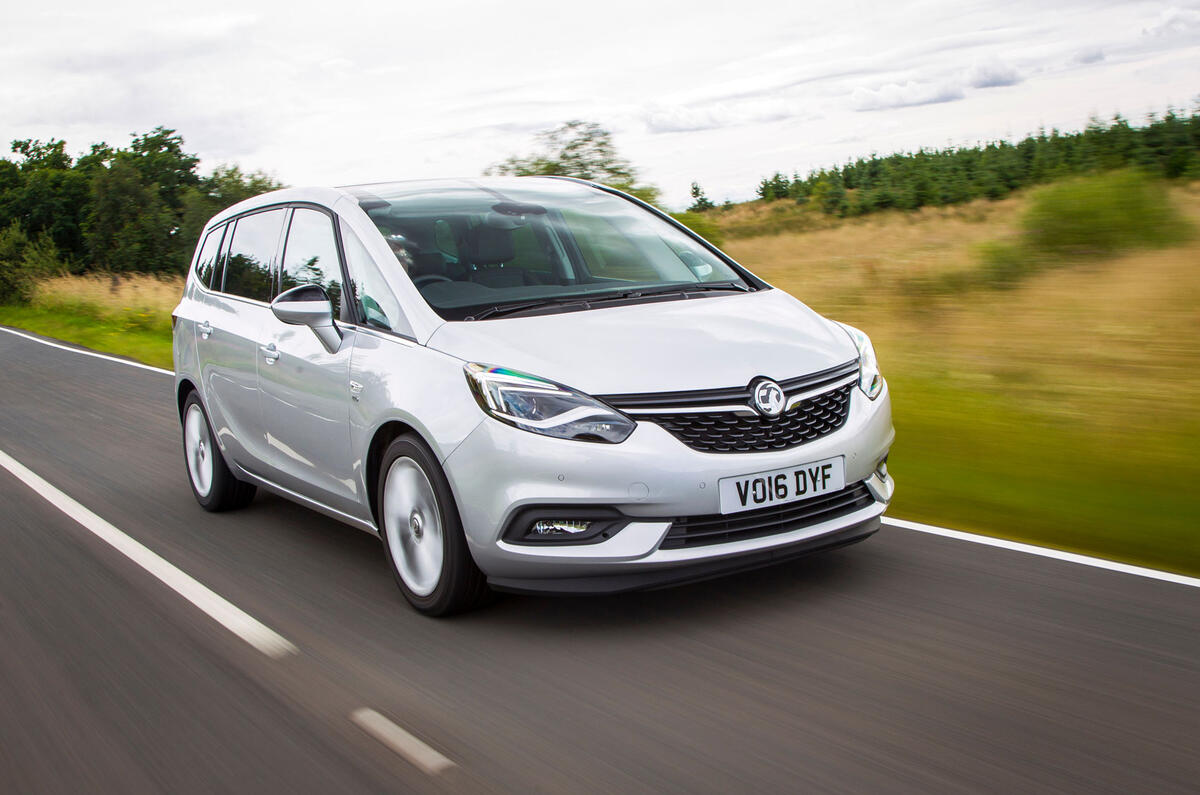
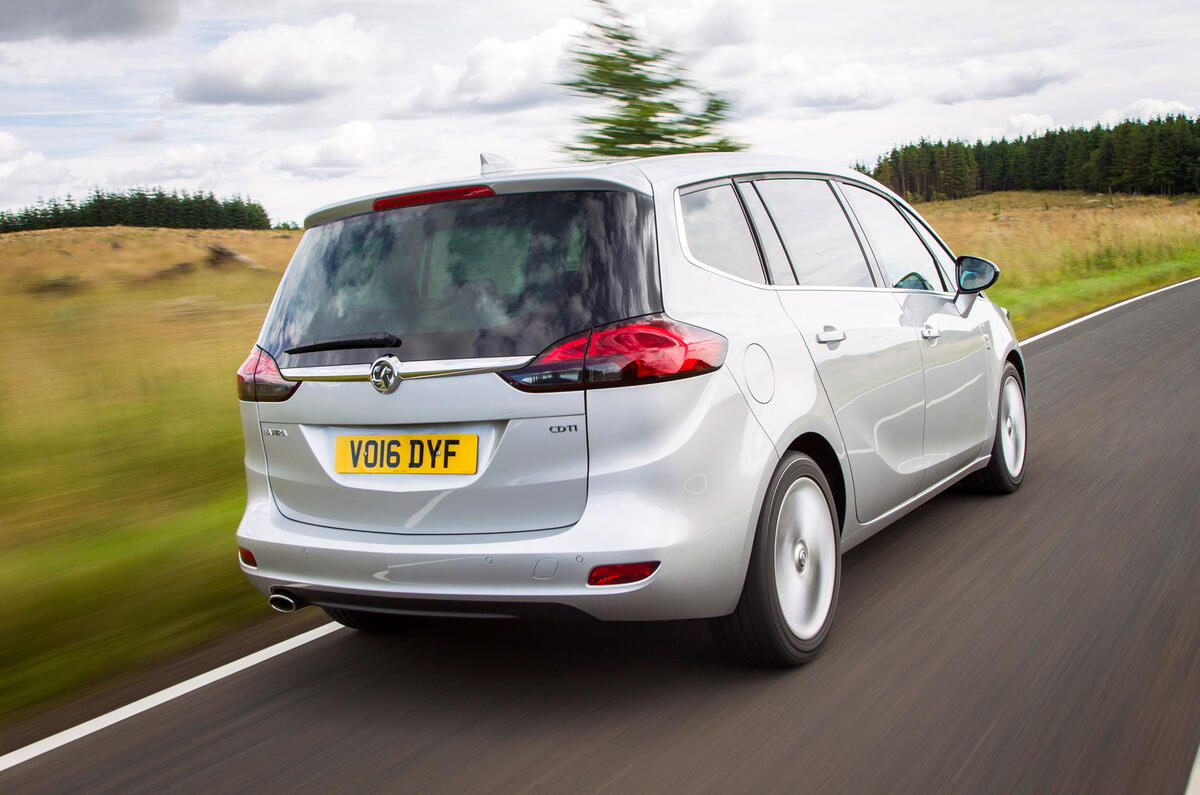














What is it?
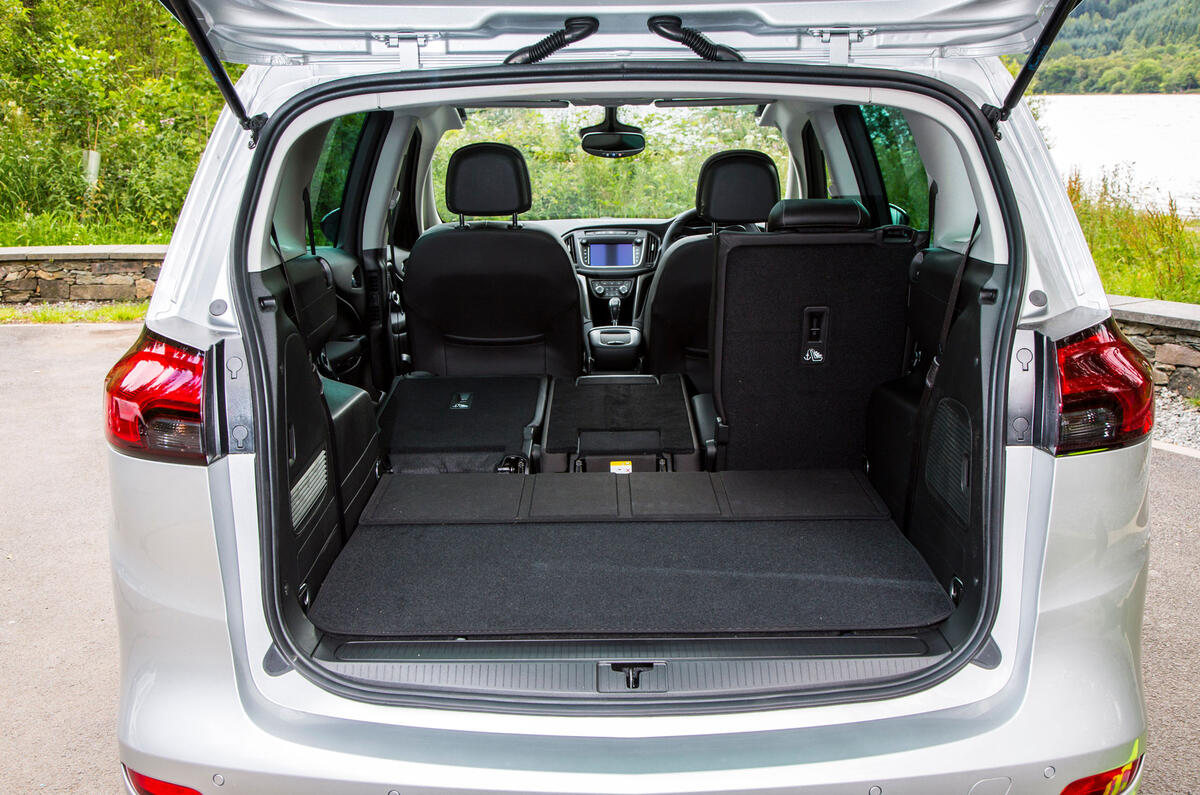
Ever since the original Zafira shook up the market with its ingenious seven-seat compact MPV design, car companies have been striving to provide us with different niche models to fulfil the role of family transport.
Today, those niches seem to be fighting for every little corner of the market, ensuring that all bases are covered with the right engines and the right trims. Of course the Zafira is no different, and as such Vauxhall has introduced a new engine into the Tourer in order to provide a fast but frugal flagship model.
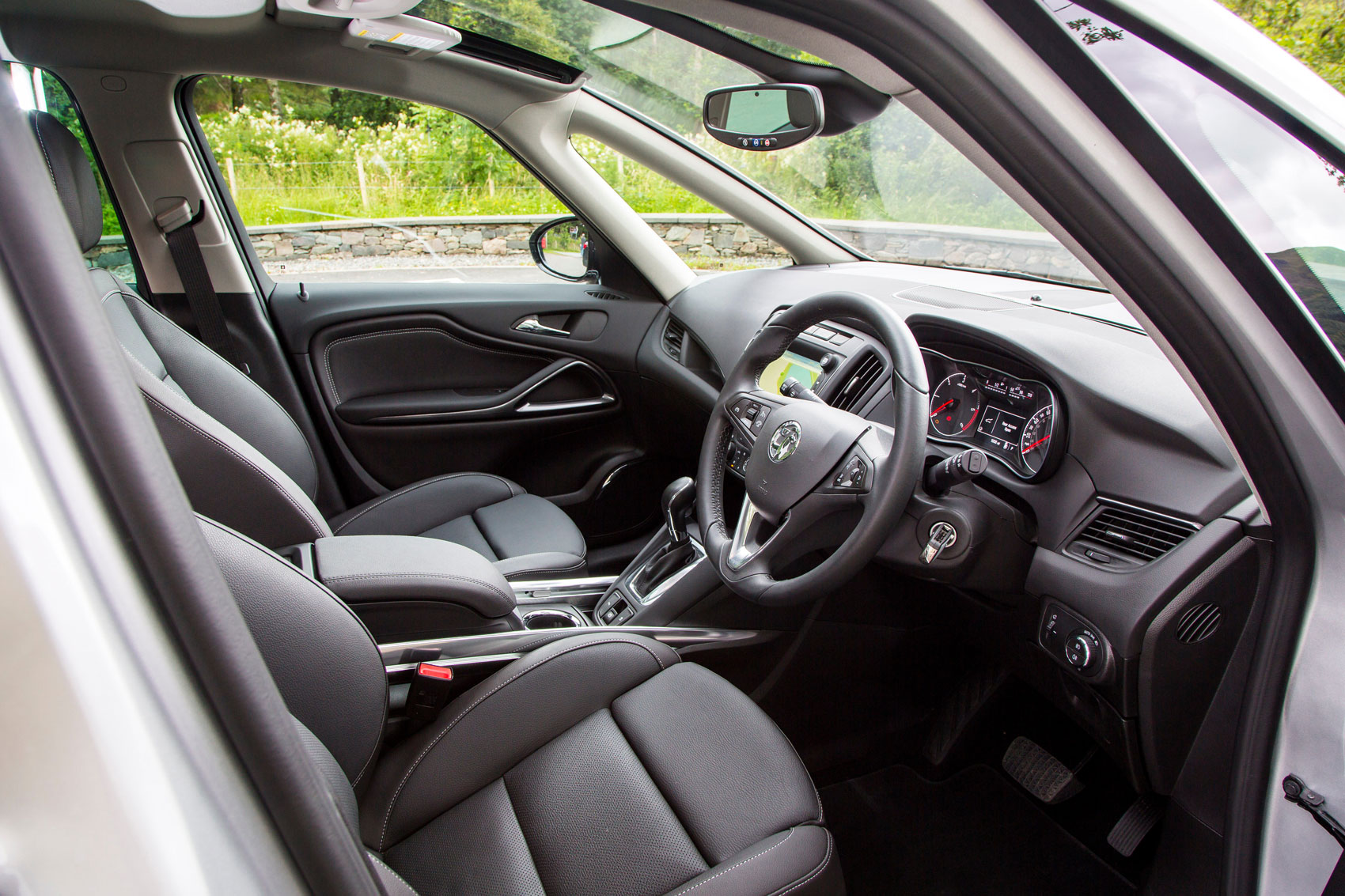
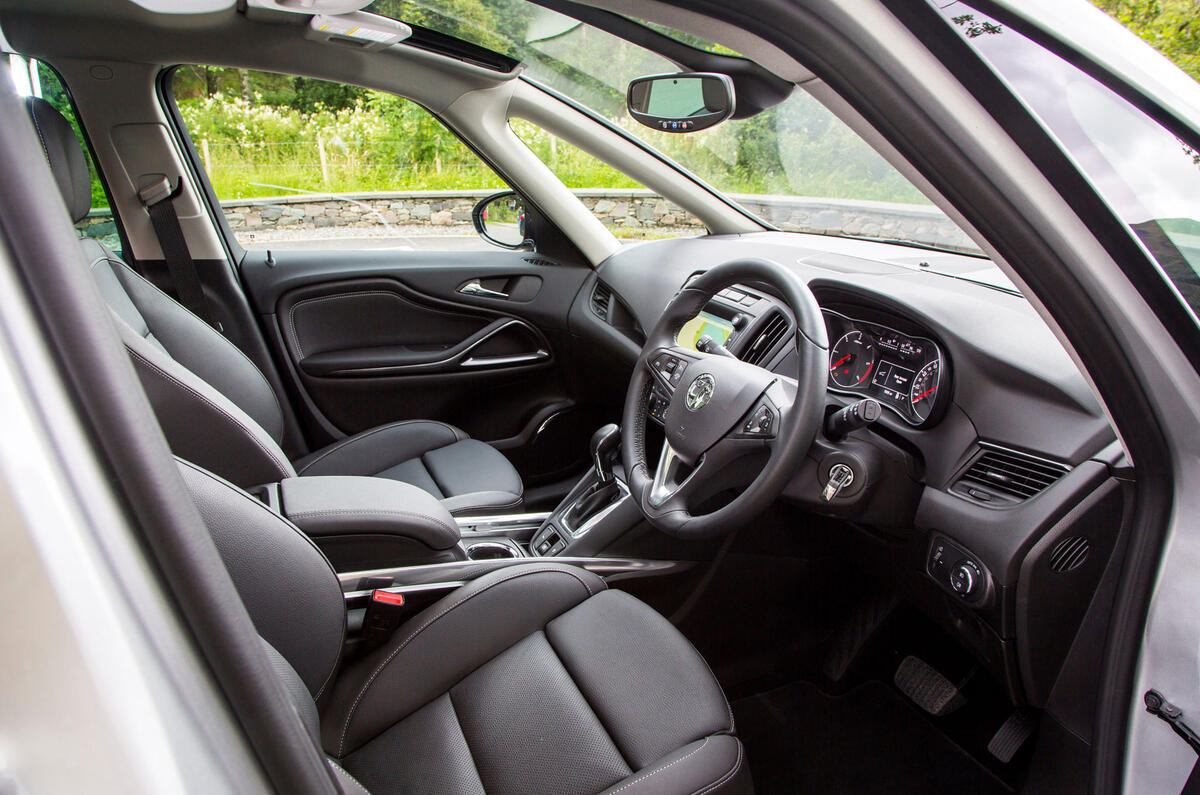
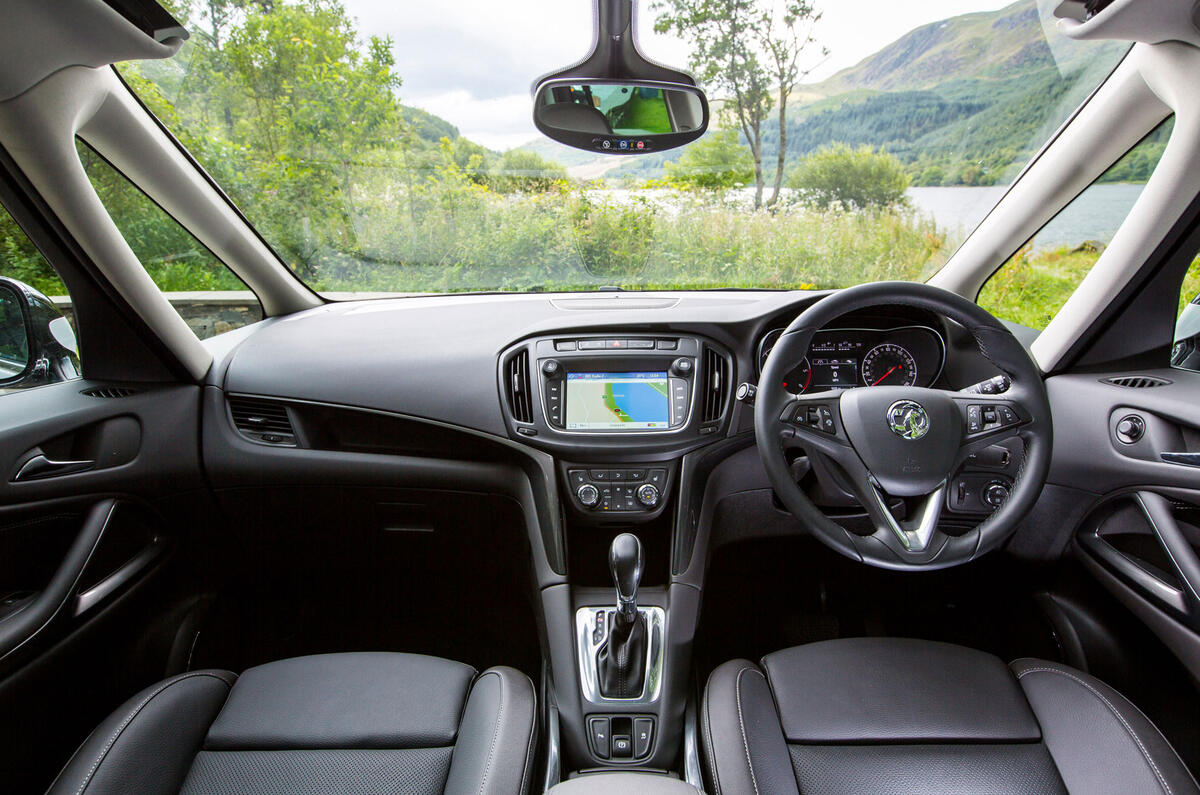
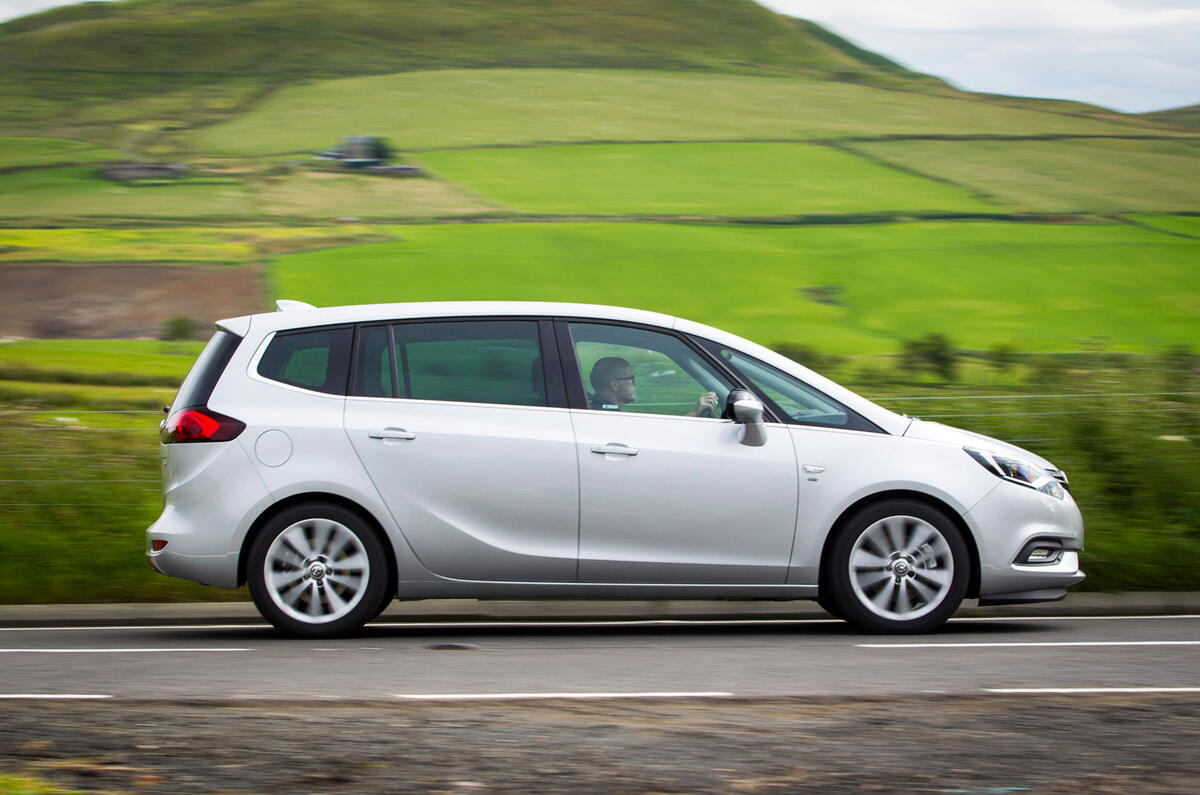
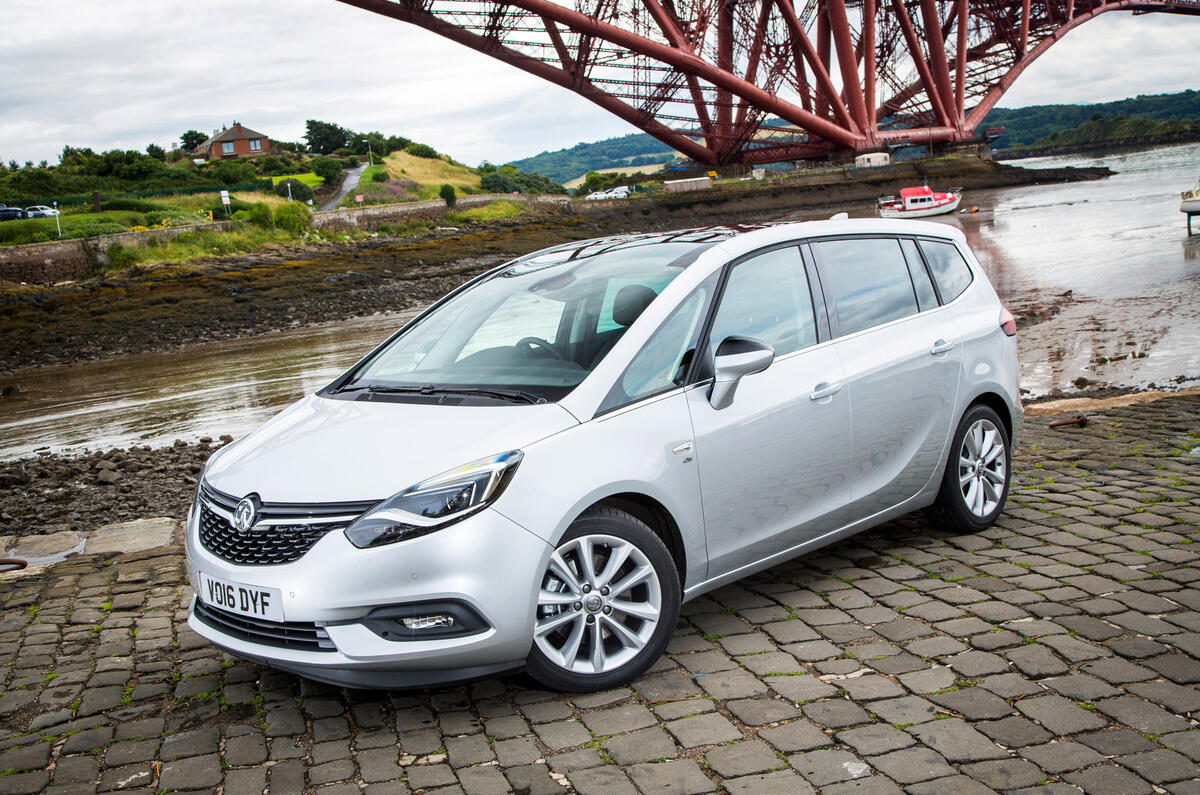
Now in its third generation, the car has evolved into an upmarket MPV with a smart interior almost contrary to the car’s practical, family transport-orientated nature. However, when we previously road tested it, one of the Zafira's weak points was its range-topping 2.0-litre, 163bhp diesel powerplant, which we deemed rather old-school compared to the rest of the package.
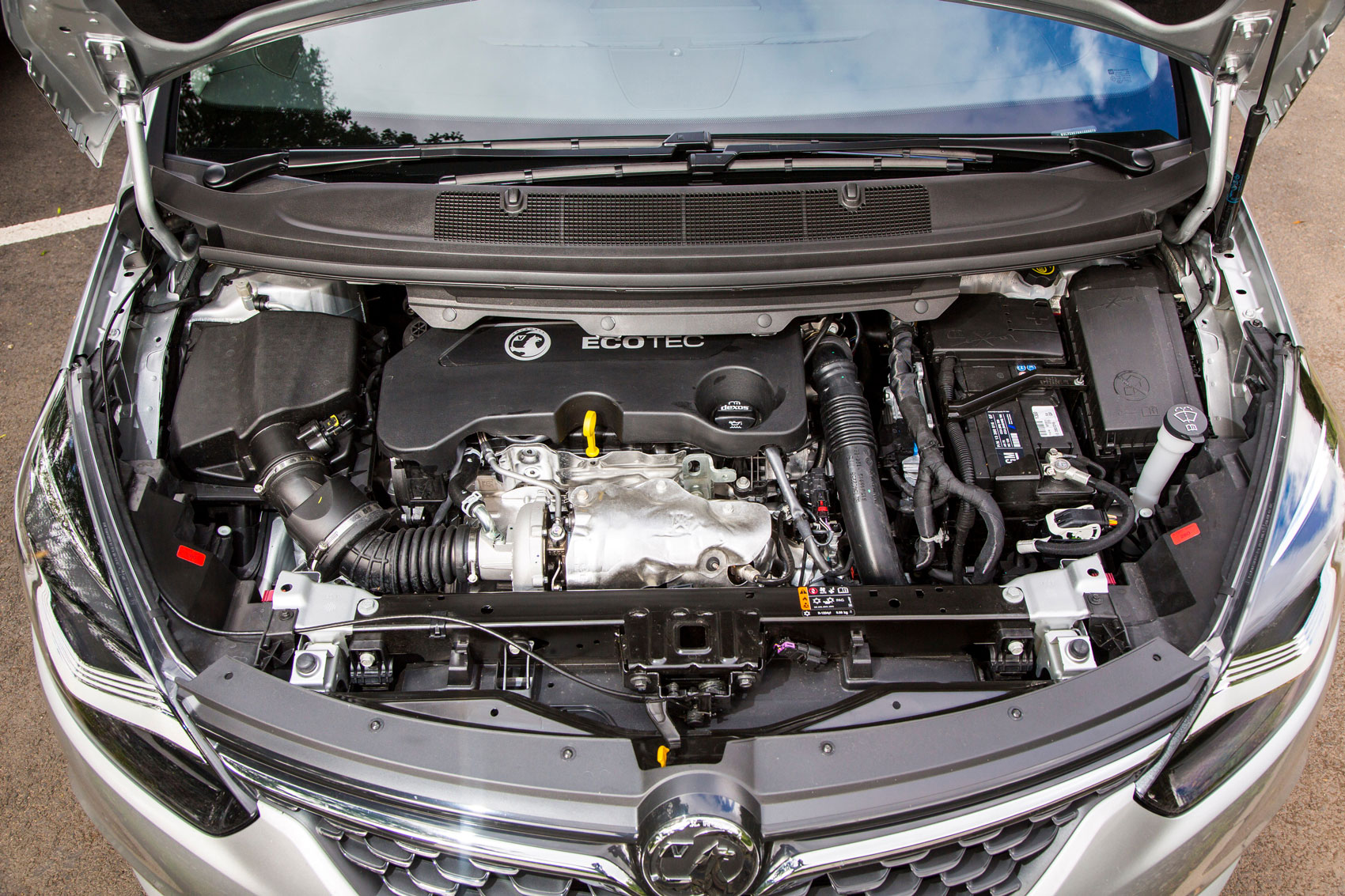
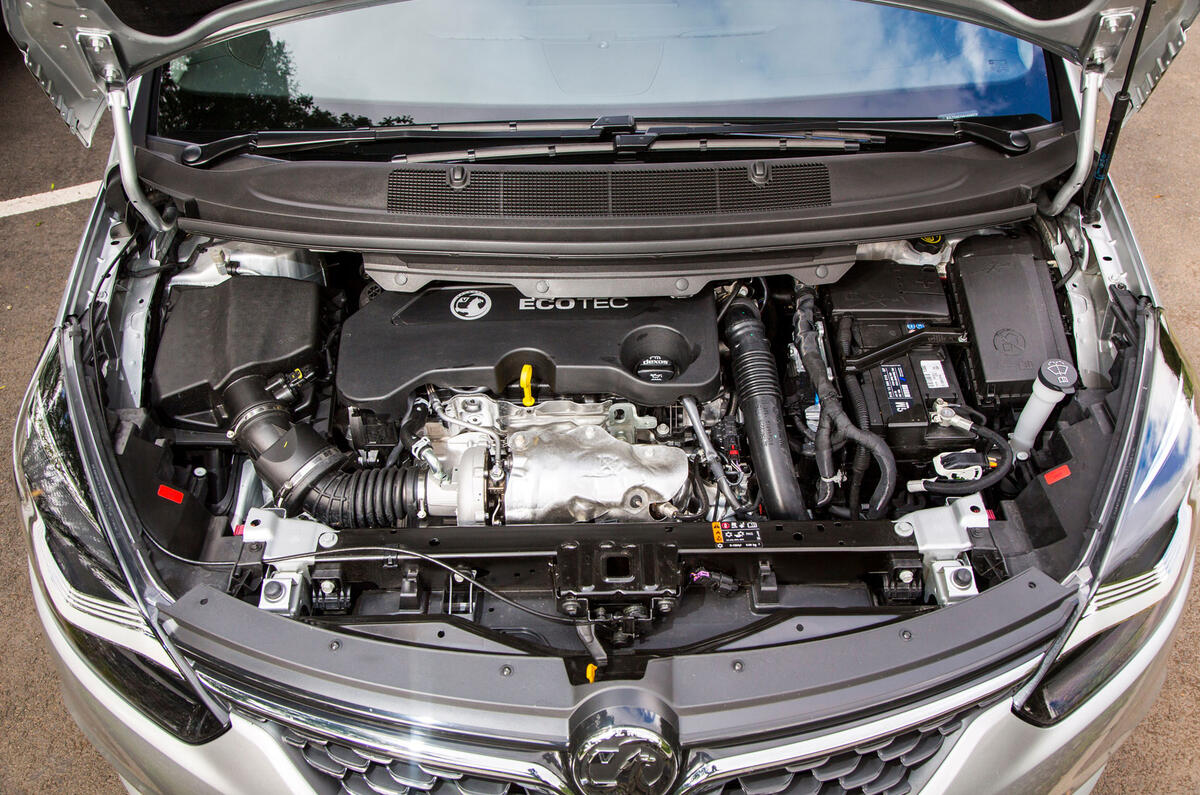
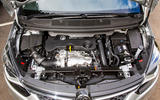
Vauxhall hopes it’s answered such criticism with this more sophisticated and faster 192bhp BiTurbo powerplant. In fact, it’s the most powerful diesel engine ever installed in a compact seven-seat MPV. Even our class favourite, the Ford Grand C-Max, can’t match the new BiTurbo, with the Ford offering just 168bhp in its most potent form.
Vauxhall also aims to be just as competitive with its least-powerful diesel Zafira, as come the Geneva motor show it’s launching a 134bhp engine capable of 68mpg while only emitting 109g/km of CO2. Both cars look like promising prospects to top and tail the range.
What is it like?
This new, more powerful powerplant is certainly impressive to drive compared to the old unit. Vauxhall has worked hard to provide a more seamless power delivery, thanks to its clever dual-turbocharging and impressive 295lb ft of torque.
Driving through Rüsselsheim, Germany, at the car’s launch, the engine was quick to react to throttle inputs even at low speed. The smaller of the engine's two turbochargers works alone at low speed, and thanks to its lower inertia it quickly spins into action and 80 per cent of the engine’s torque is available from just 1250rpm.
Step up the speed and the larger turbo progressively engages, the flow of air regulated to the needs of the two turbos. In fact the larger turbo pre-compressses the intake air before it’s fully compressed in the smaller one. A bypass valve is always controlling the gases going into the large turbo, ensuring a consistent power delivery at higher speeds.
The problem with the new engine is that in the voluminous Zafira the car never feels like a performance diesel; you don’t get a real thrust of power to excite the senses, just a commendable delivery that helps the Vauxhall keep pace. As long as you realise this then the new BiTurbo makes more sense.
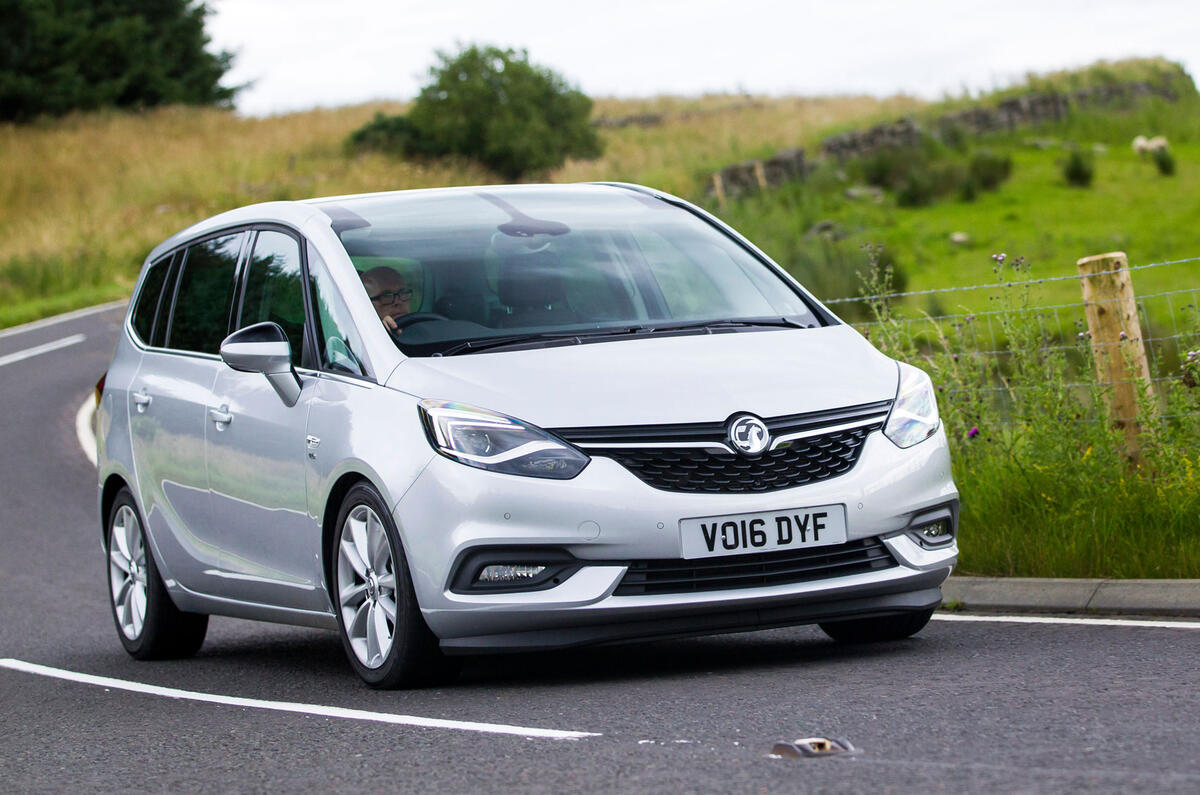
The Zafira is impressive dynamically. Put the FlexRide adaptive dampers into Sport mode and the dials turn red, the Zafira is quicker to respond and it's surprisingly easy to handle. It's engaging, too, with steering that is swift to react. But the new engine never sounds as refined as you would hope. Rather, it's a bit too coarse, especially at high speeds on the autobahns outside Frankfurt where we did our first drive.
Should I buy one?
Out of all the Zafiras GM sells, 65 per cent are diesels, so it’s good that it’s giving customers a better engine. It’s just a shame that the end result isn't as quite as exciting as the figures suggest, especially considering the price premium that Vauxhall will be charging for it.
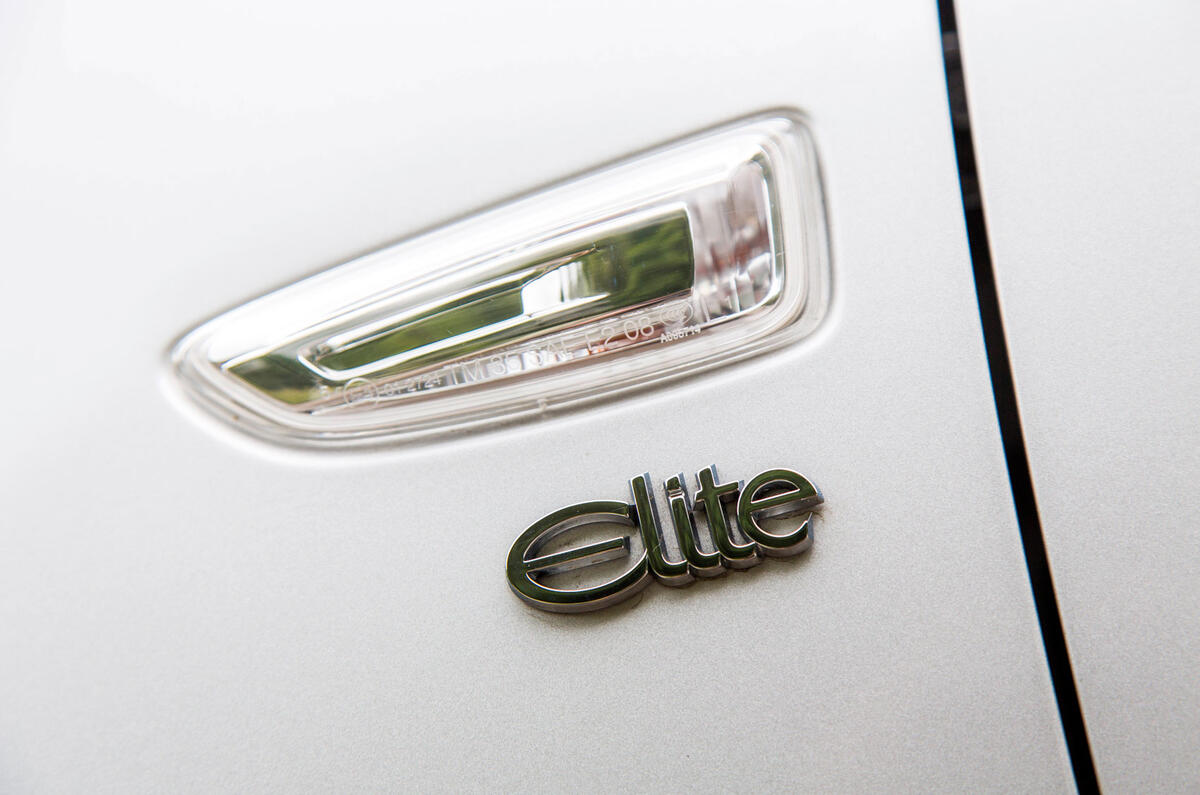
Vauxhall Zafira Tourer 2.0 BiTurbo Elite
Price £29,185; 0-62mph 8.9sec; Top speed 135mph; Economy 50.4mpg (combined); CO2 149g/km; Kerb weight 1733kg; Engine 4 cyls, 1956cc, turbodiesel; Power 192bhp at 4000rpm; Torque 295lb ft at 2000rpm; Gearbox 6-spd manual