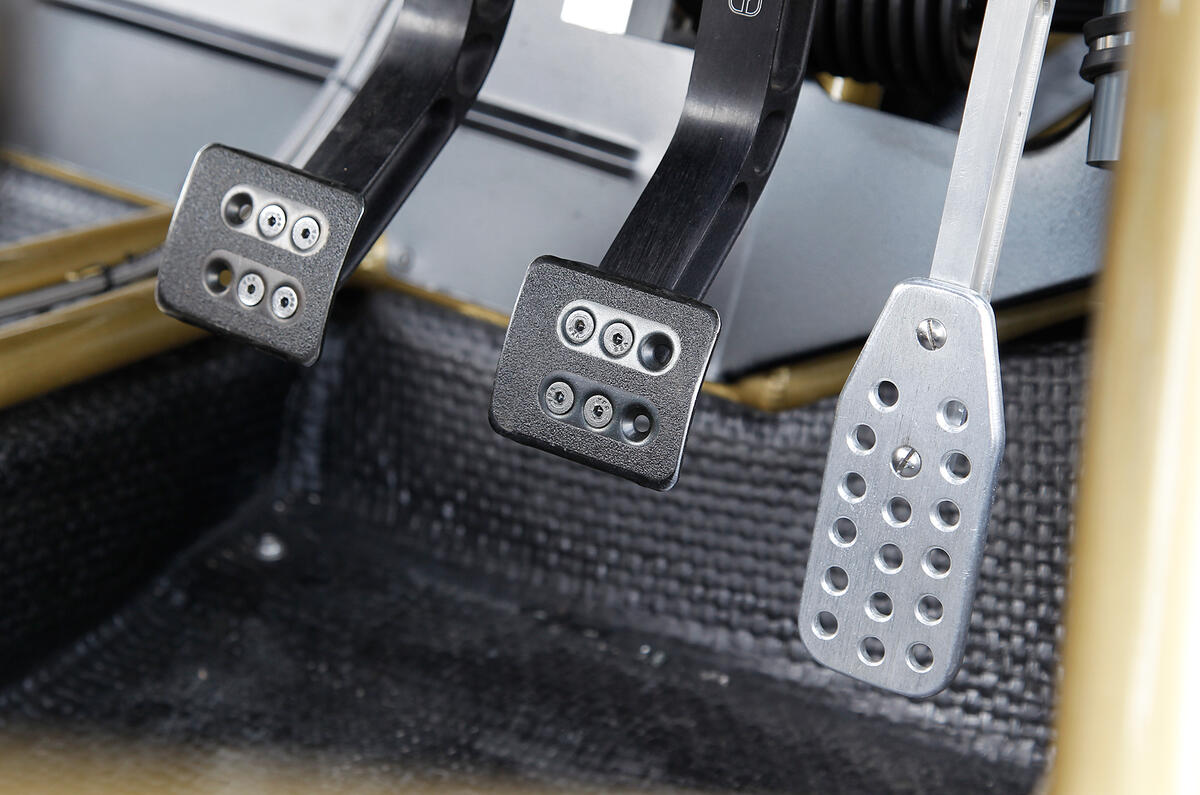
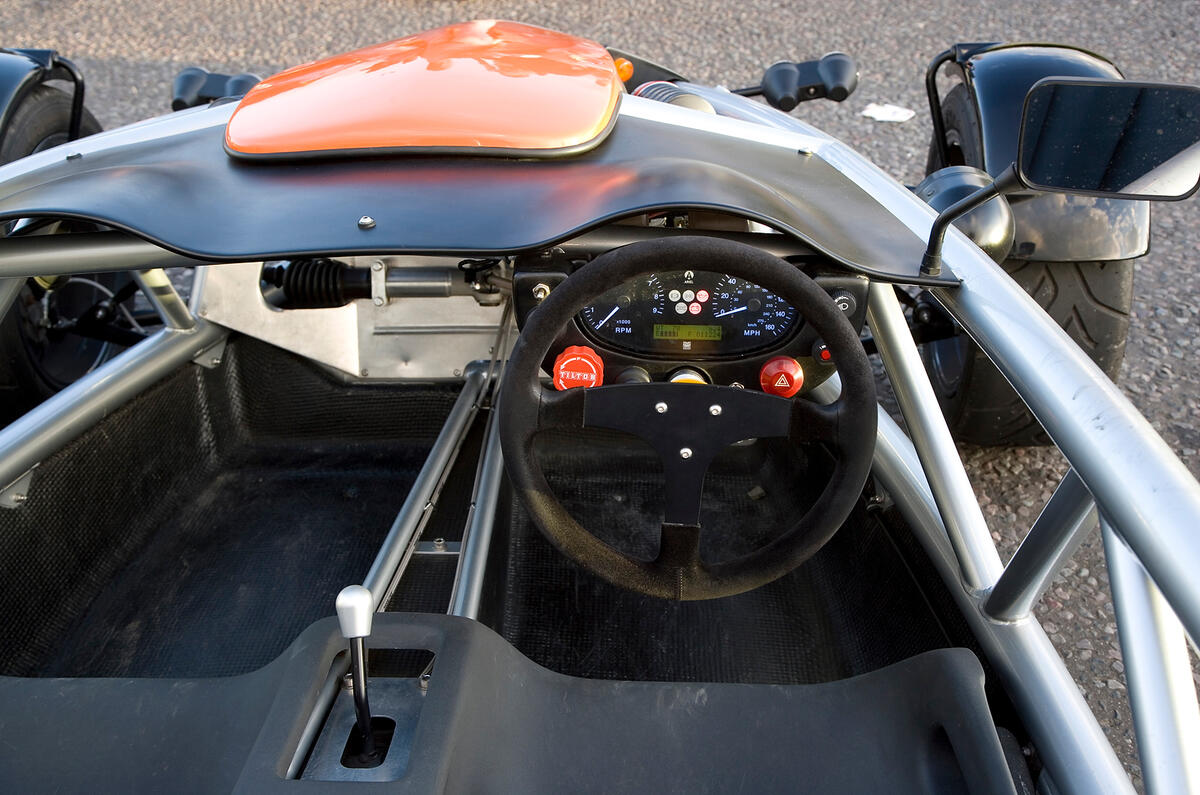
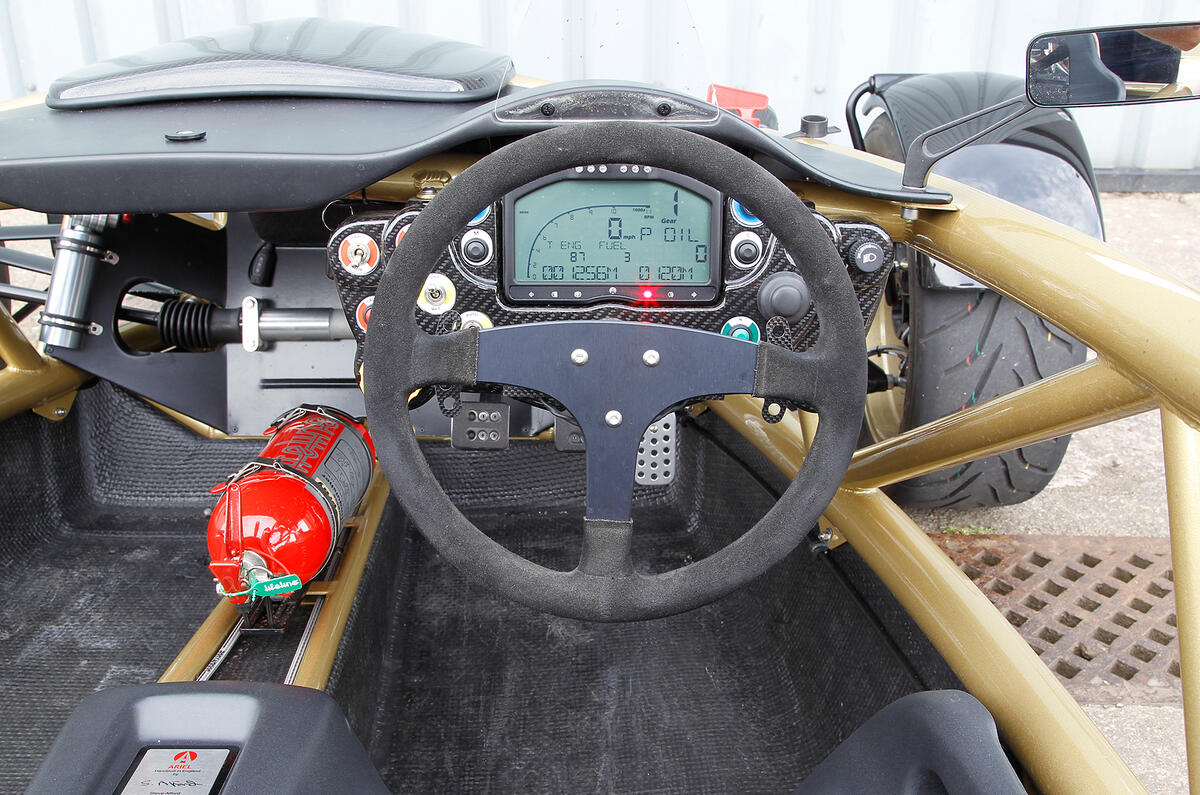
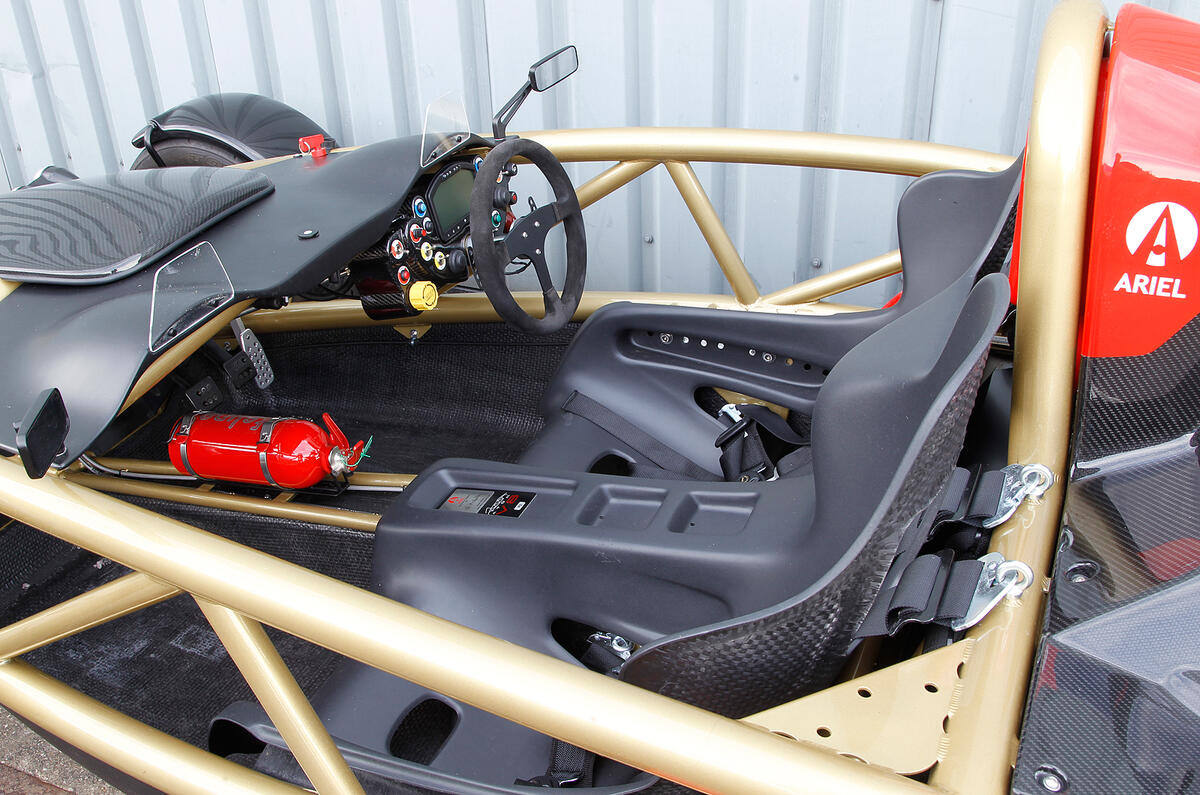
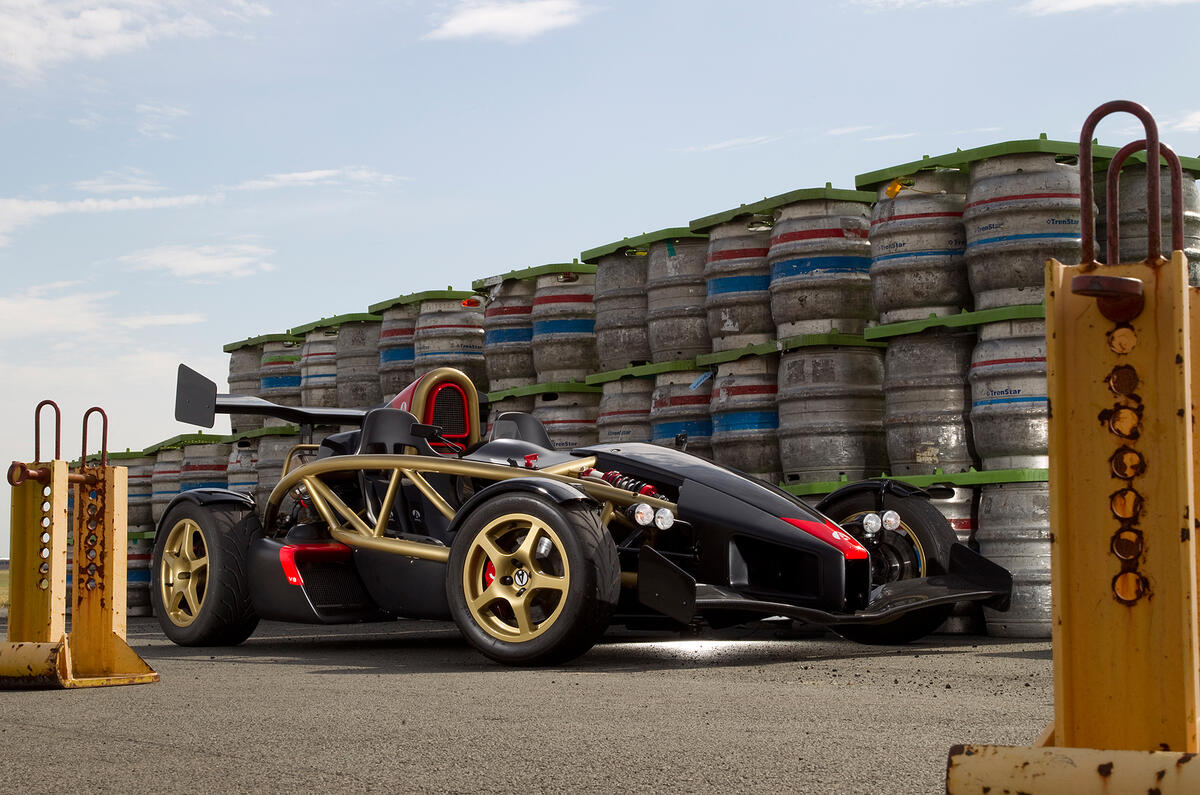
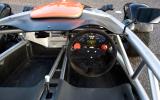
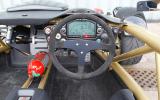
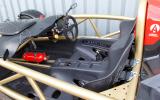
The relative width of the Ariel Atom means its one-piece seat, which adjusts fore and aft if you get busy with some Allen keys, allows generous shoulder room for two occupants and solid amounts of legroom. The pedals and steering wheel are fixed.
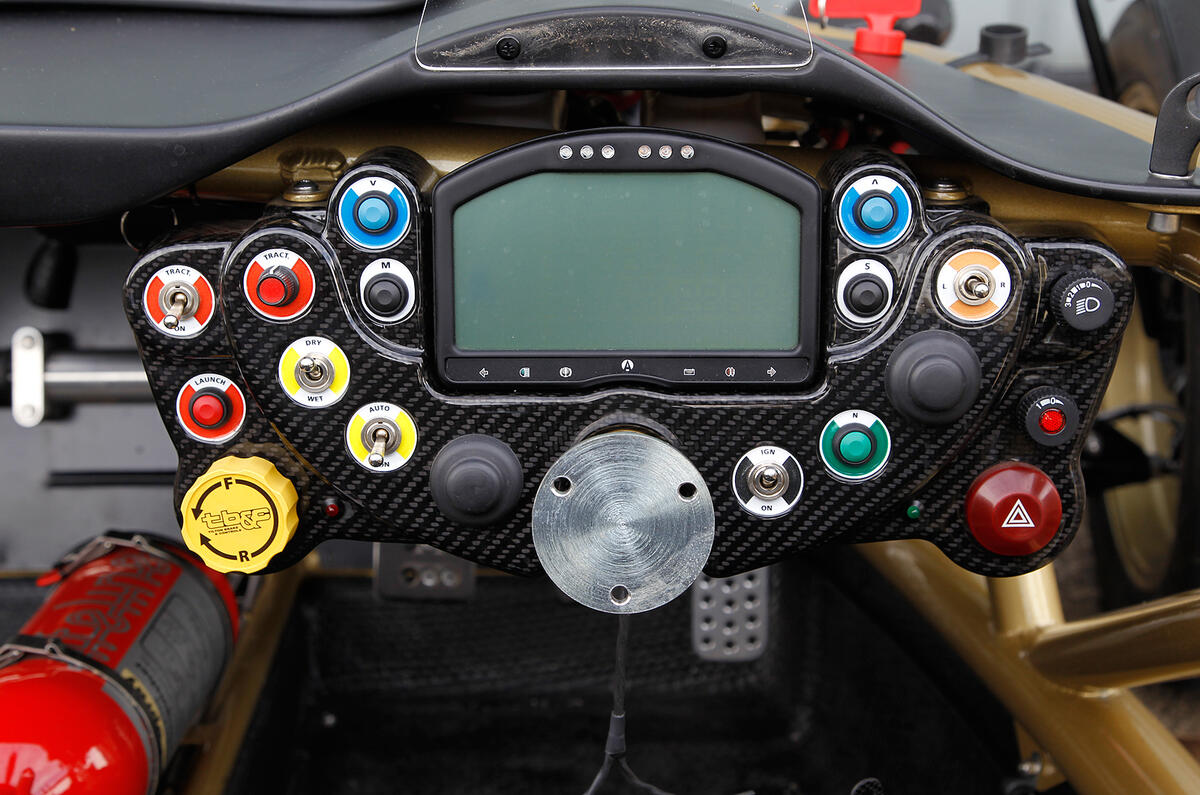
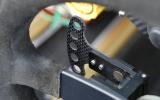
The Atom's steering wheel itself is backed by a race-derived LCD screen that shows revs, speeds and temperatures, and it is surrounded by all the switches you’ll need. They are marked clearly and, with a little familiarity, easily understood.
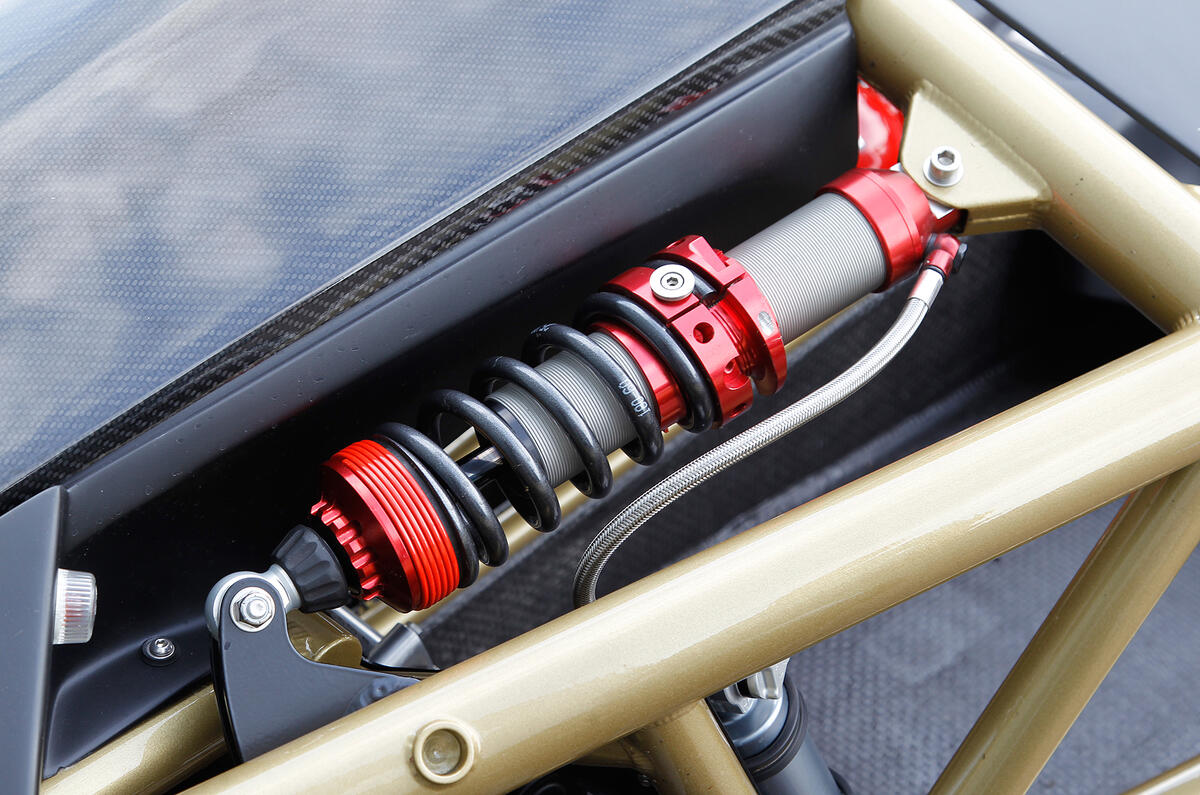
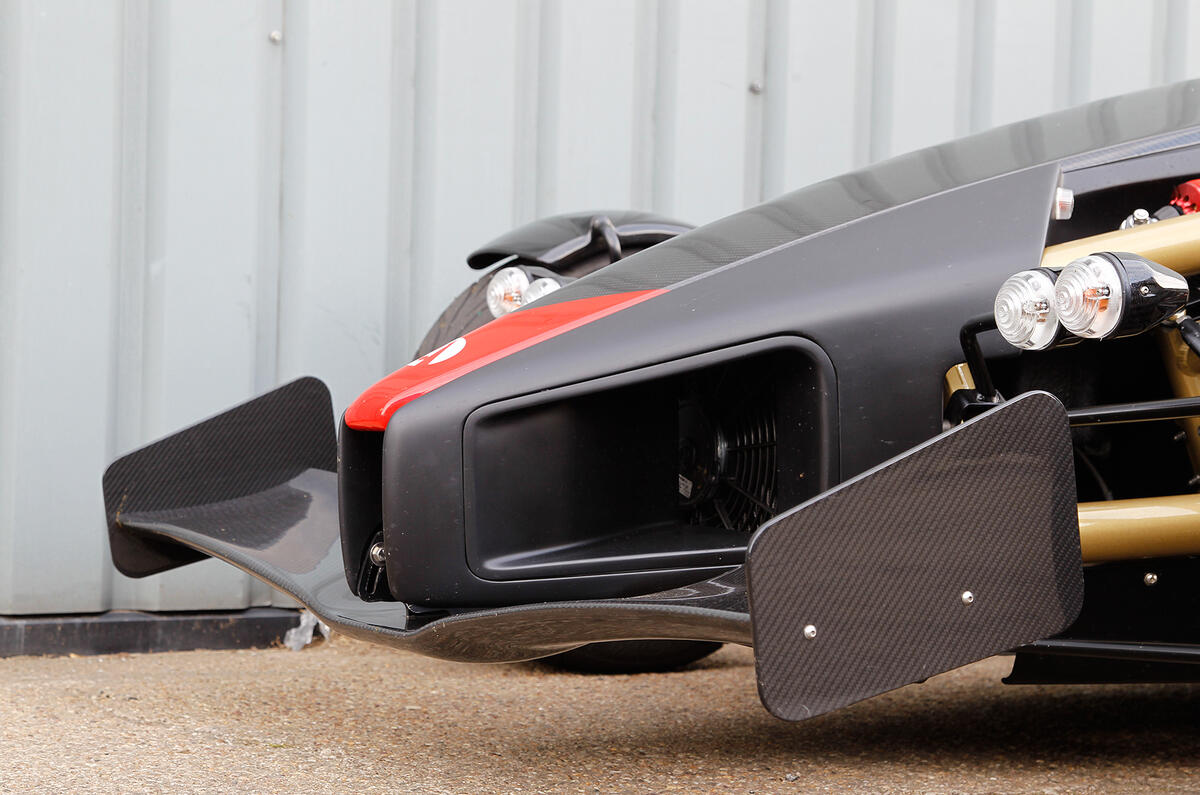
Each Atom also comes with Ariel's road pack, which adds projector headlamps, LED indicators, rear fog light, a reversing light, horn, catalytic converter and mudguards, to make it road legal, while the options list is large and allows one to create their own trackday special. Upgrades include a cat bypass pipe, limited slip differential, a six-speed sequential gearbox, Alcon four-piston brake calipers and heavier duty brake discs, Bilstein or Ohlin adaptive dampers, side panels, a bonnet and windscreen for the outside. Inside you can add 12V socket, Bluetooth, a TomTom motorbike sat nav system, footrests and a battery trickle charger.
Now, a general understanding of the word ‘quality’ and what car makers usually mean by it are not the same thing. Exquisite construction, tight tolerances and durability are the conventional understanding. Car manufacturers, meanwhile, usually think that ‘quality’ is being able to make the same part and screw it together the same way every time.
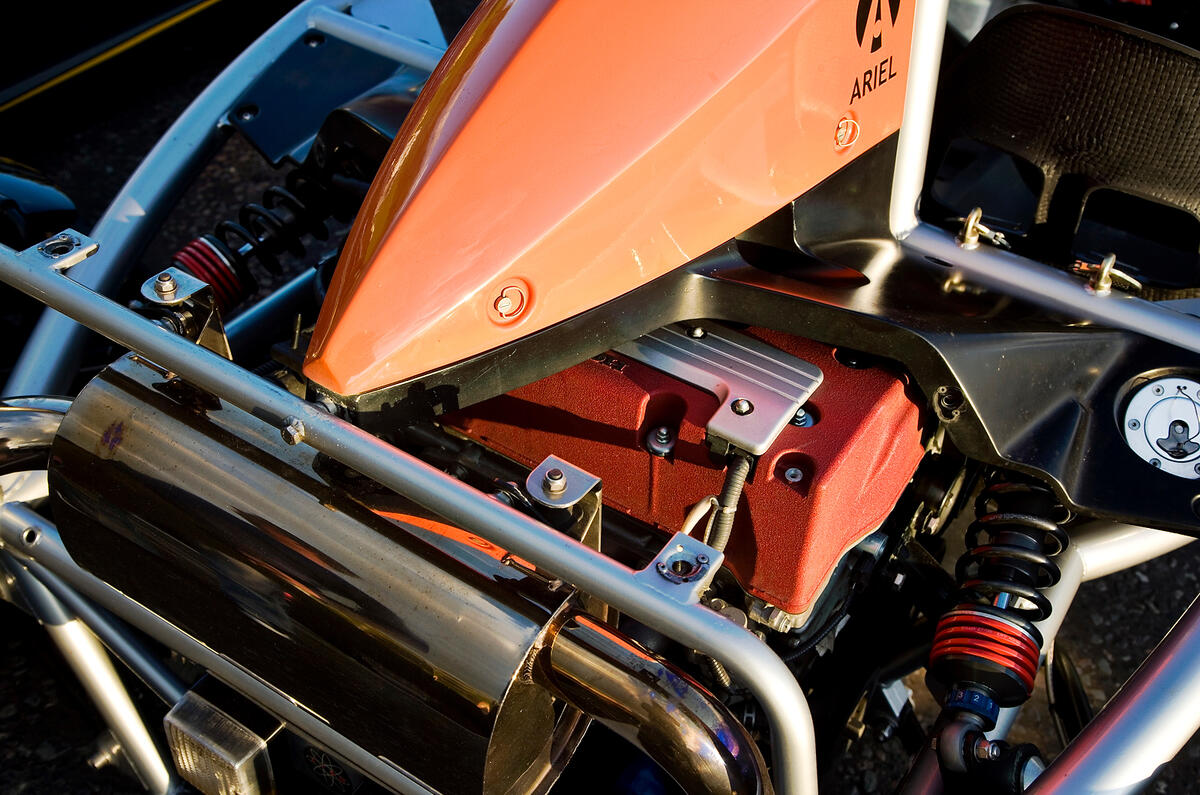
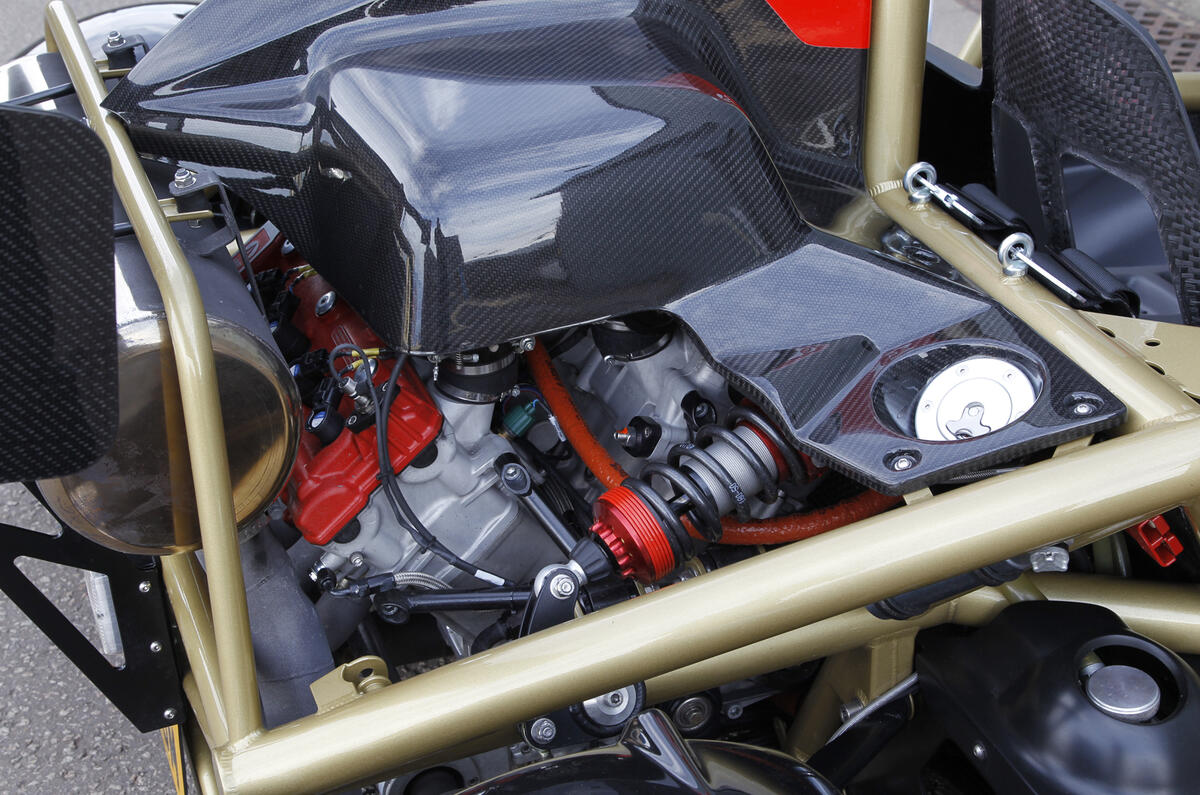
Ariel’s take on quality, thankfully, is more akin to the way you or we understand it. Sit in the cockpit and you’ll find yourself surrounded by high-cost, high-spec components assembled with care and craft.
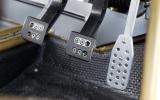
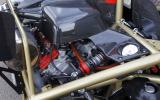
No, there is not a lot in here – no soft-touch fabrics, few switches and no seat cushions. But the substance that does exist here is certainly a treat. The race-car steering rack is just a few inches from your feet, which rest on superbly finished pedals. You can see the wishbones and it’s all perfectly constructed.
Conventional car buyers may, therefore, look at the Ariel Atom spec list and ask about what’s missing; as a potential buyer you should revel in its detail and simplicity, and move on to the more important details of the options list, which allow you to choose from a variety of add-ons that are mostly aimed at reducing weight or boosting performance.