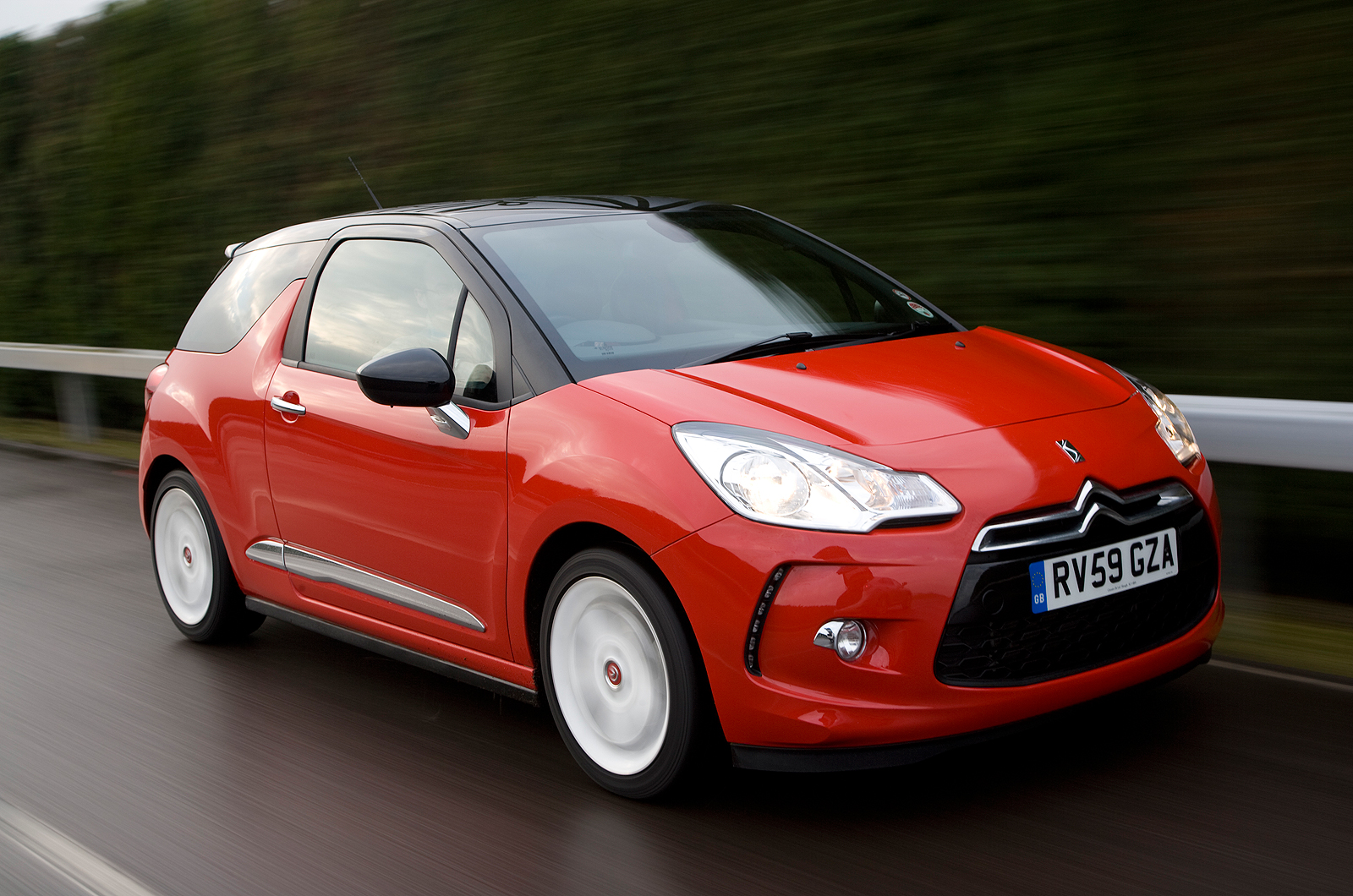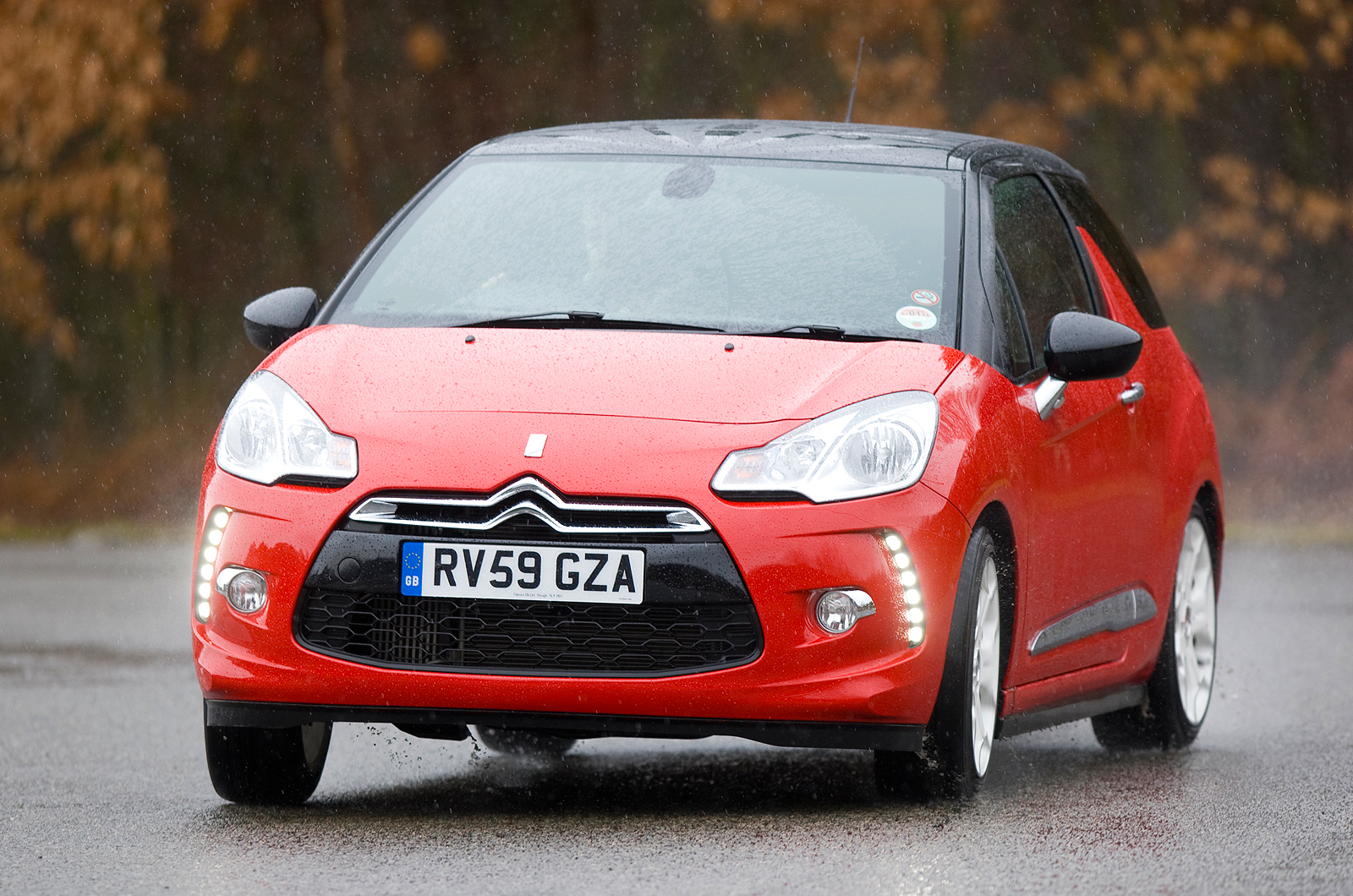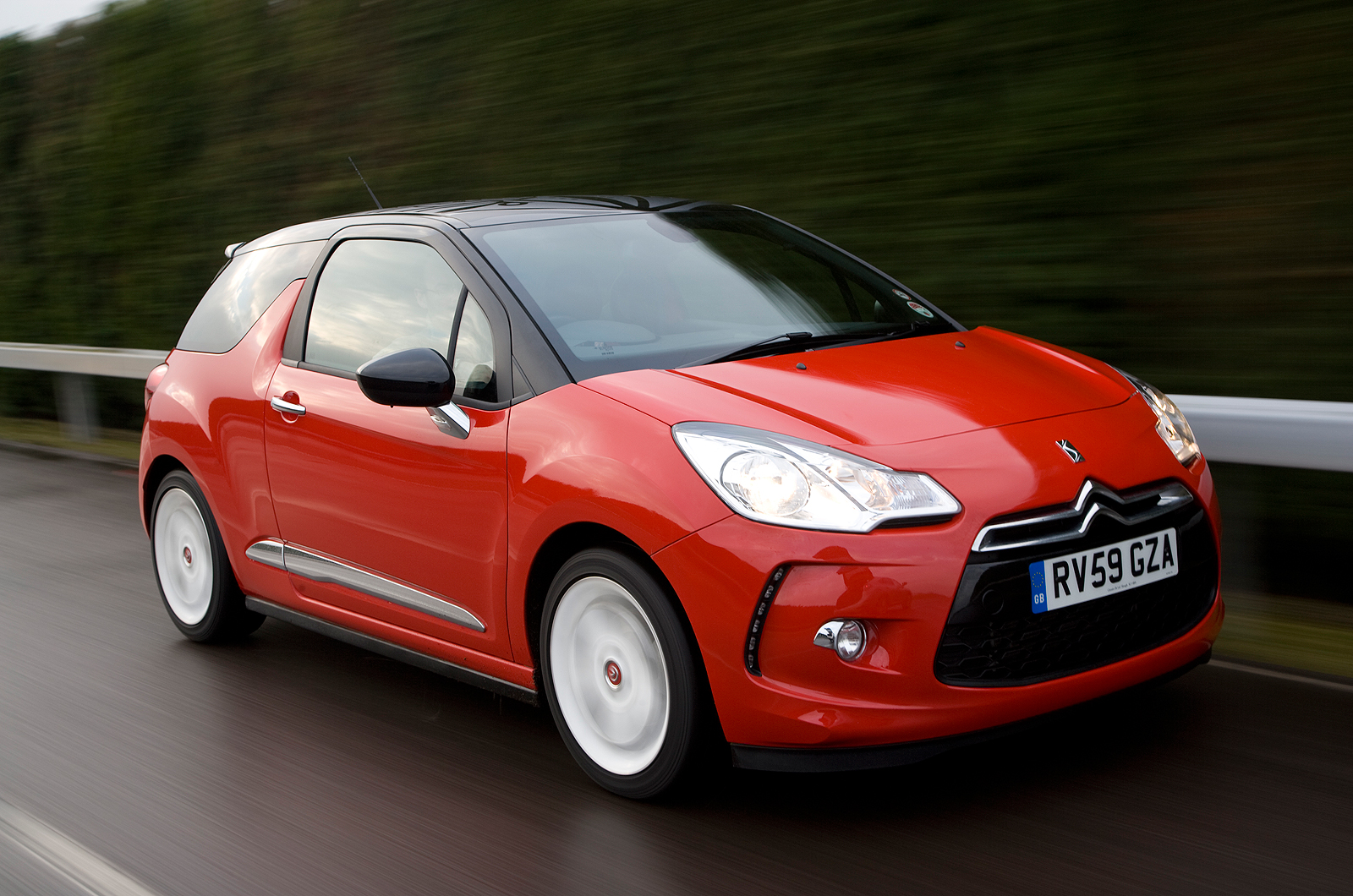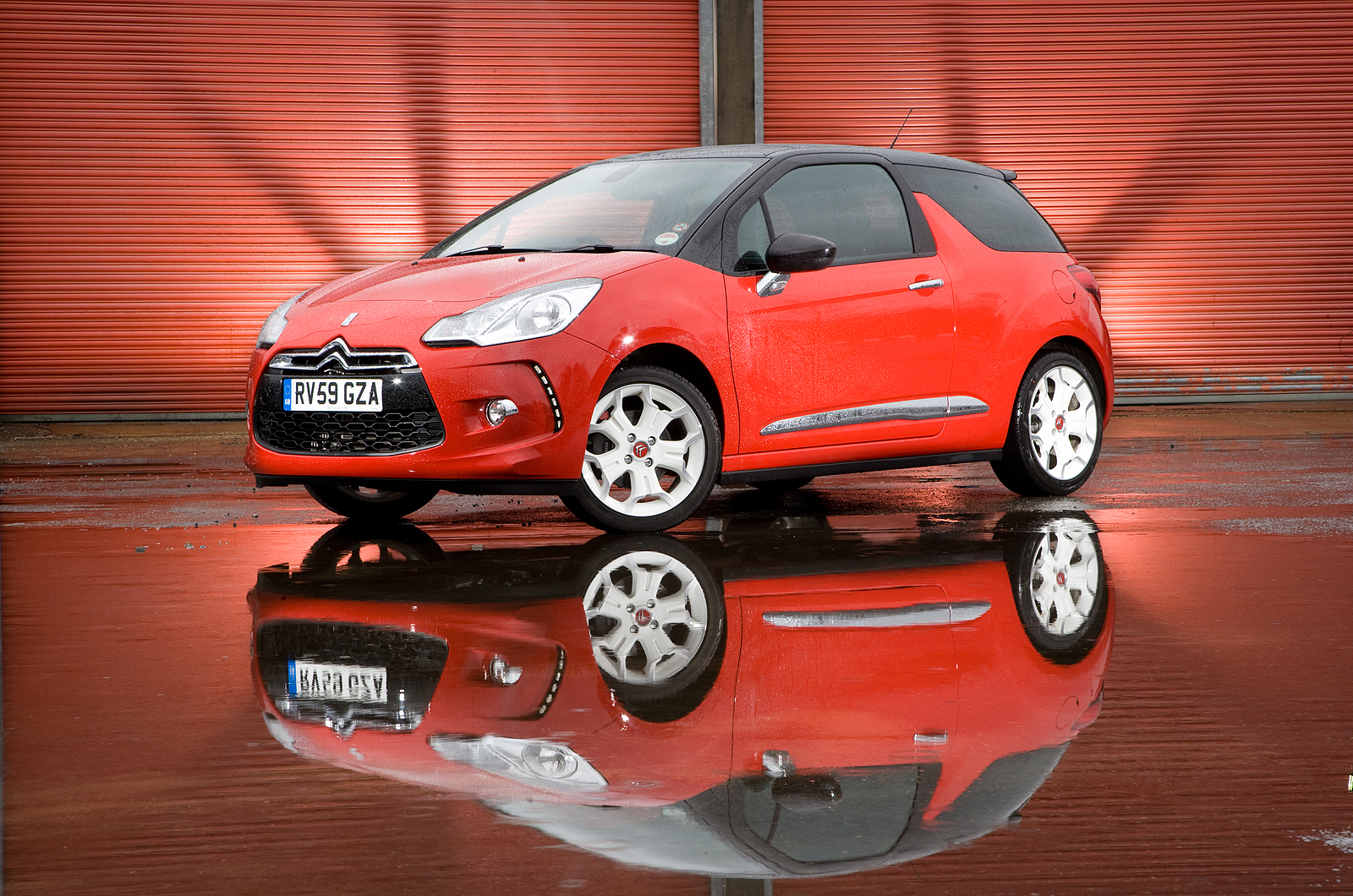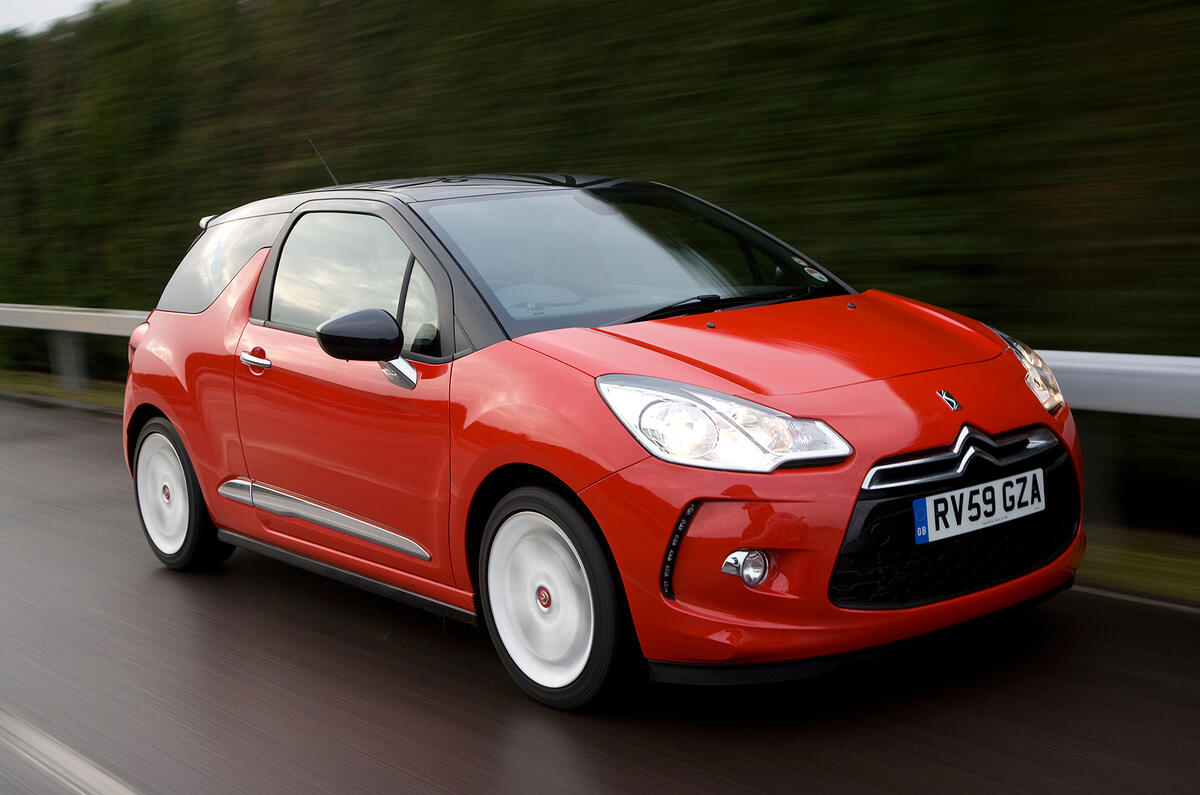




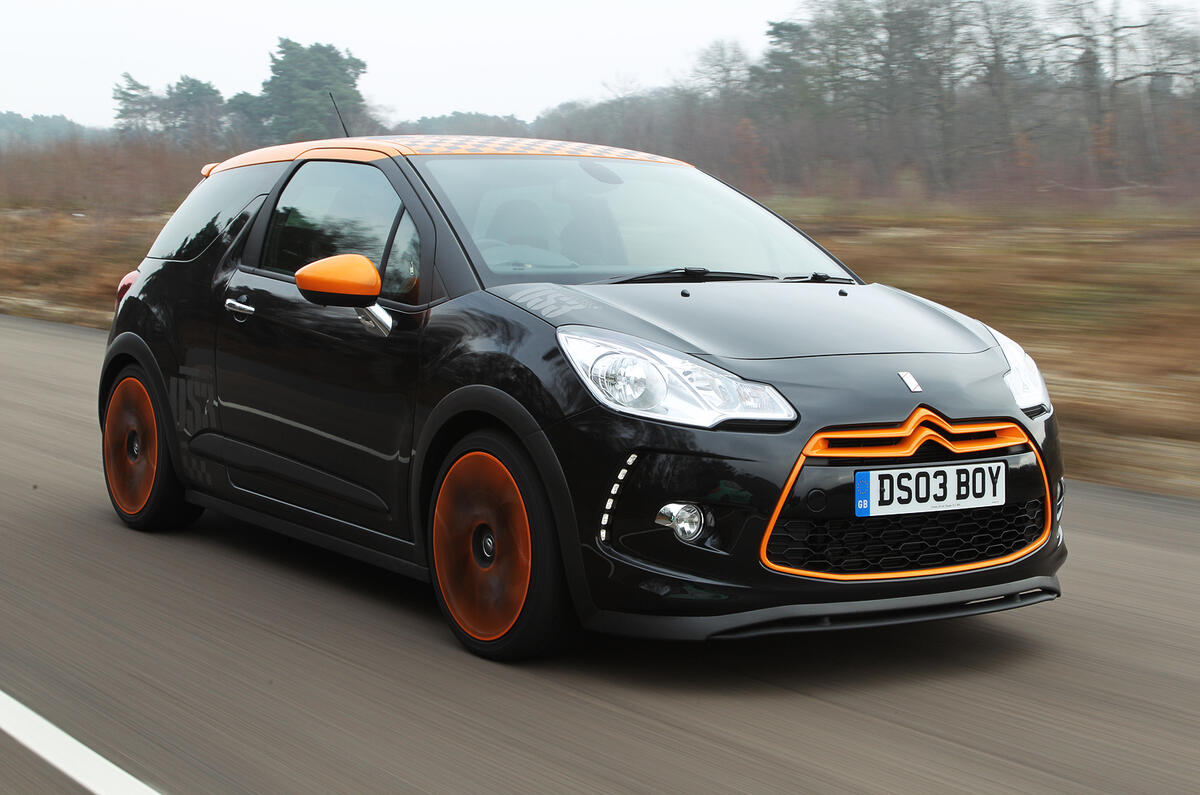
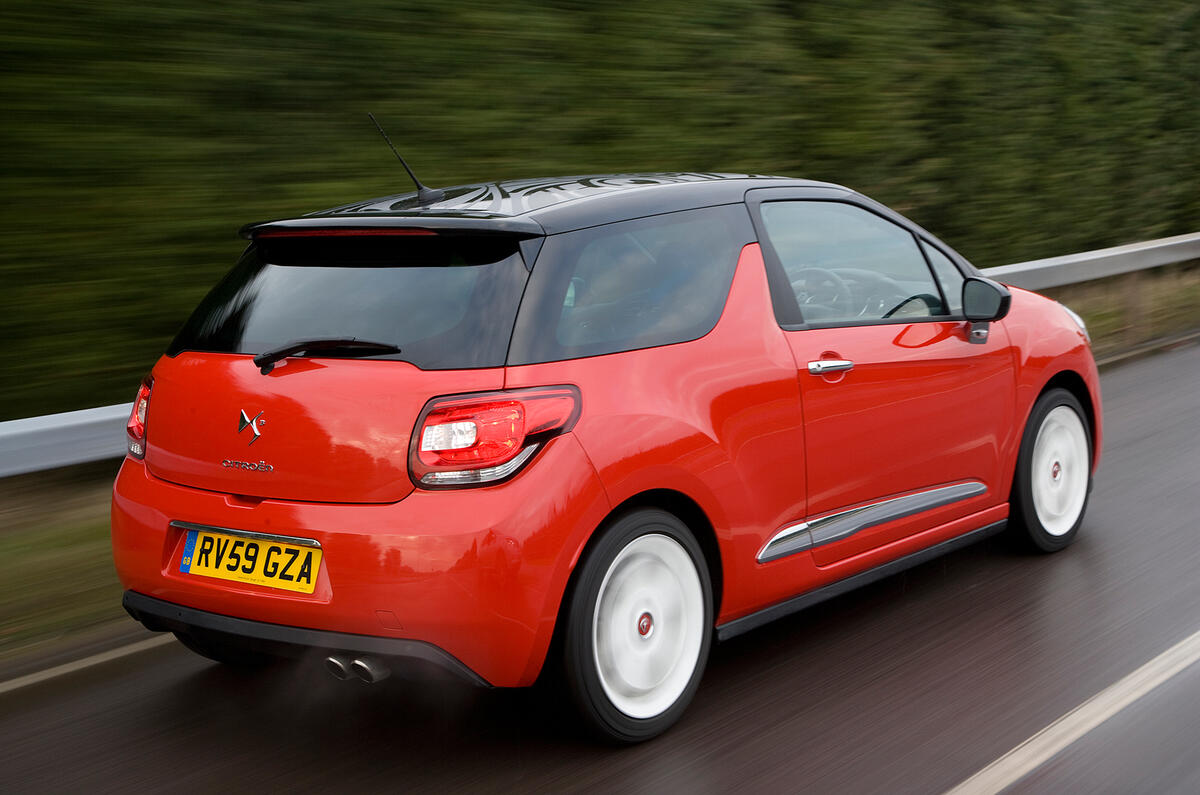
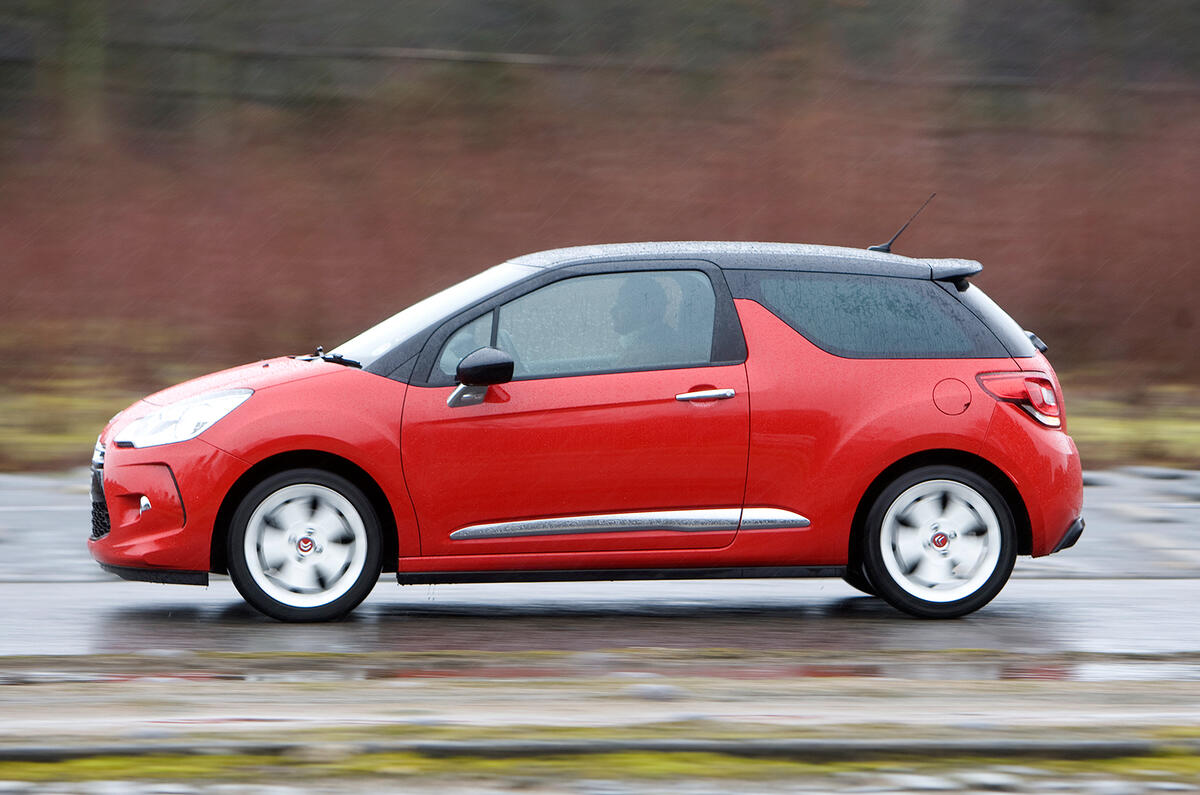

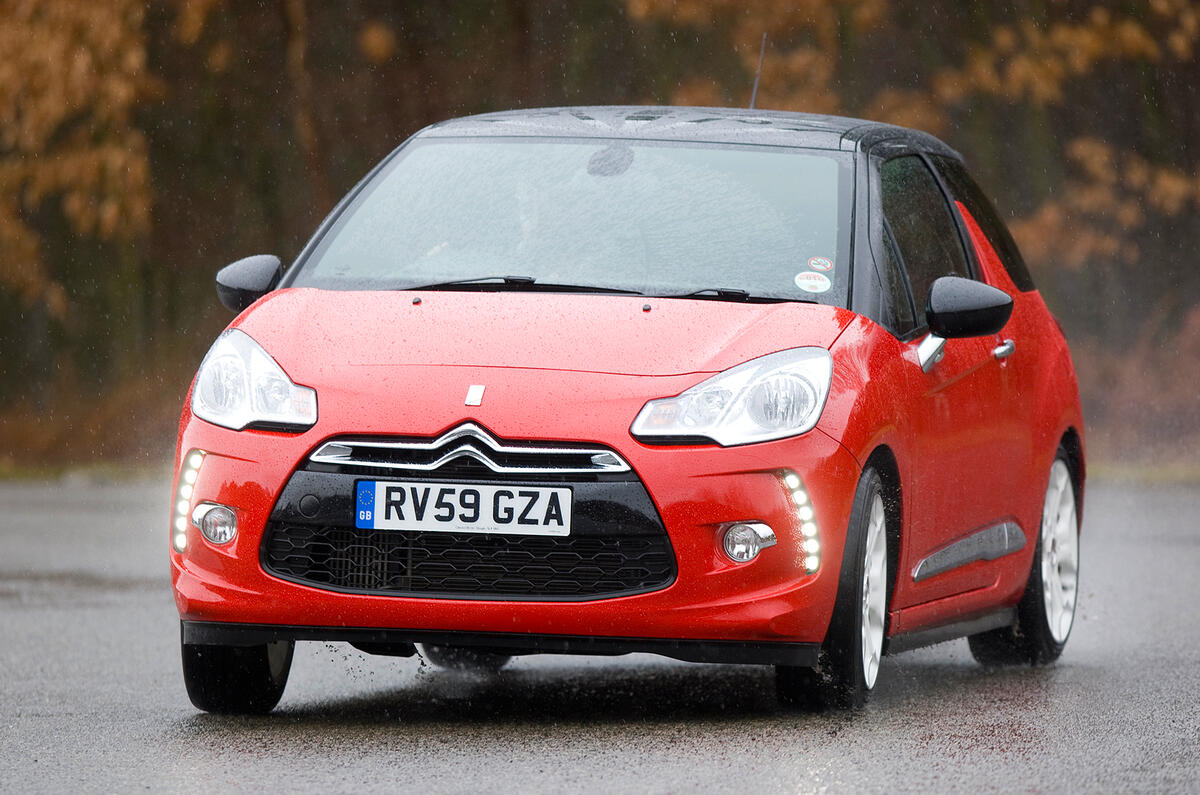
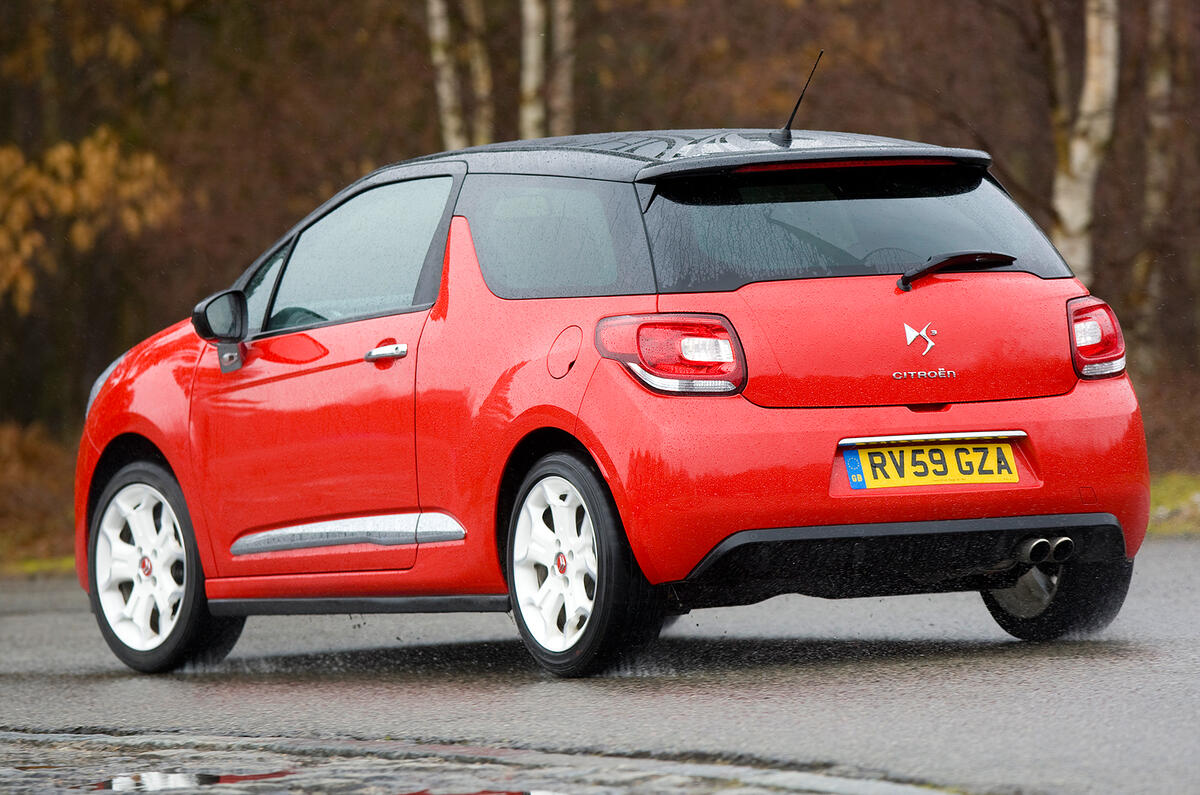
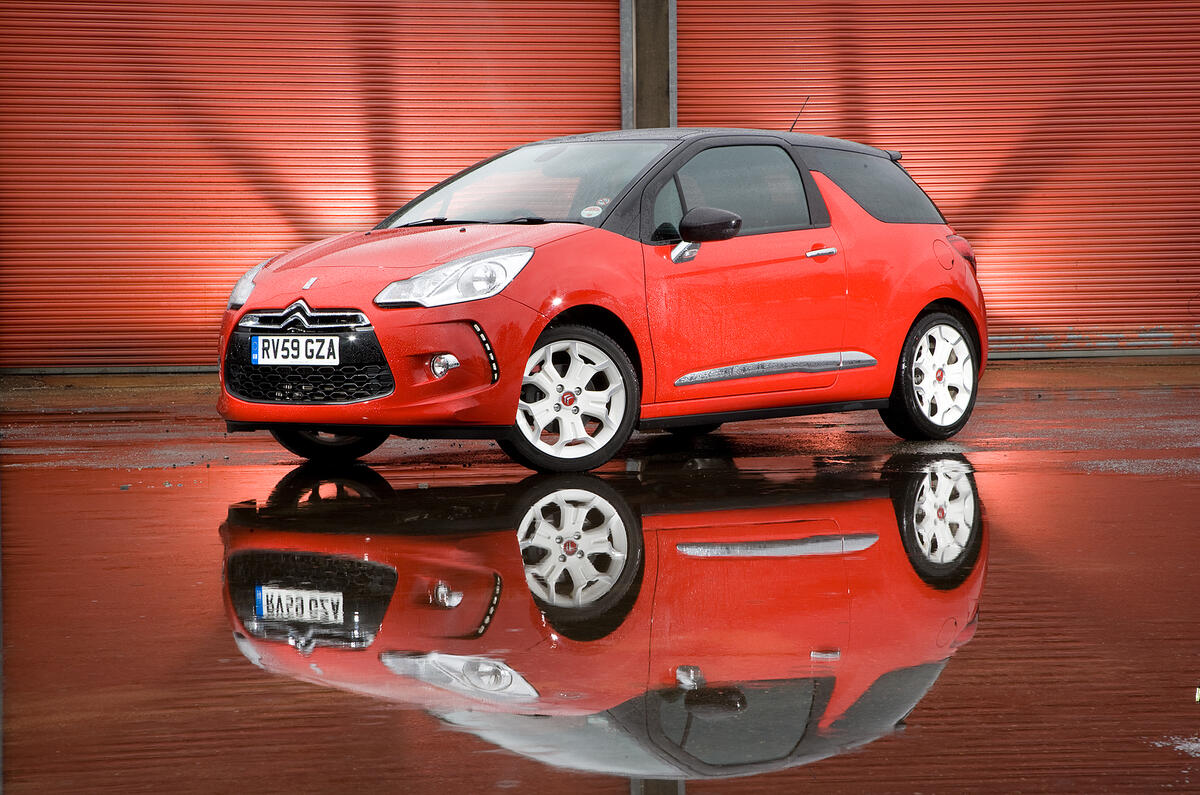


Not even the most ardent of Citroën admirers would accept any connection between the Citroën DS3 and the original DS, the firm’s iconic model. The DS broke new ground in several areas and 12,000 were ordered on its first day of launch in 1955; the DS3, on the other hand, is, in effect, the three-door variant of the regular C3 hatchback.
The Citroën DS3 exists for two reasons. The first is a need to counter the firm’s own decade-old push downmarket, a trend that has taken it into direct competition with Far Eastern brands such as Kia and Hyundai. And the second is to capitalise on the burgeoning market for premium-feel, customisable small hatchbacks created by Mini.
Chic, small runabouts used to be home turf for French manufacturers. But over the past decade Mini – or rather, BMW – has opened up fresh, profitable sales in that area. Fiat has enjoyed similar success in recent years with the Fiat 500, while Audi has jumped on the bandwagon with the Audi A1 and Vauxhall has attempted to follow suit more recently with the Adam.