What is it?
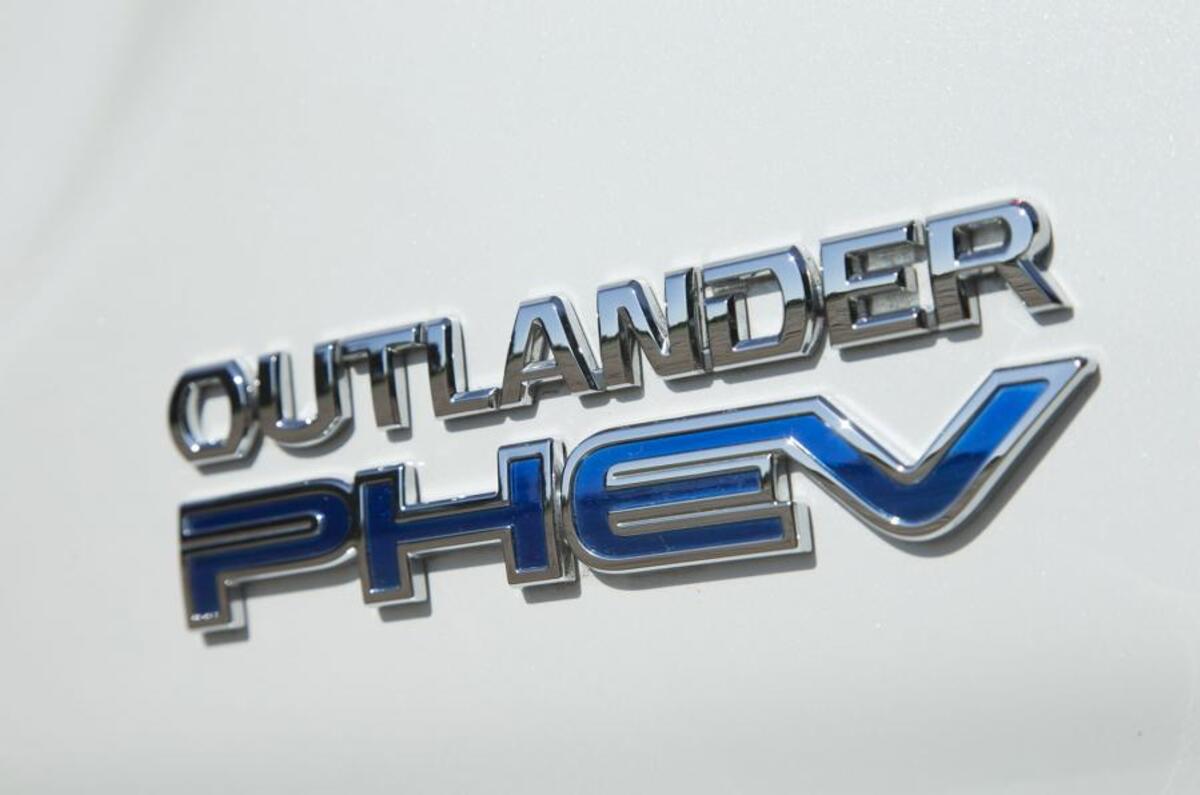
A different kind of plug-in hybrid: this is the Mitsubishi Outlander PHEV, which Autocar has been given a world-exclusive first drive in.
Why different? We’ll let the man from Mitsubishi explain. “If the next generation of battery-powered cars is ever going to become truly mainstream, it’s vital that they become ordinary,” he said. “The handful of plug-in hybrids that we’ve seen thus far have been showcase cars; four-wheeled statements of technological advancement for their manufacturers, and of environmental awareness for their drivers, rather than practical, usable family machines for everyone.
“Ours is different,” he insisted, before handing us the keys to a near-finished prototype. Just as we were, you’re probably inclined to dismiss all that as marketing waffle, but the car itself does actually live up to the billing.
What is it like?
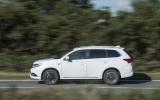
The Outlander PHEV is coming to Europe by the middle of next year and will become the market’s first all-wheel drive range-extended EV. But it’s more significant, says Mitsubishi, because it’s just another Outlander. Not a dedicated low-emissions model like the Prius, or an avant-garde poster boy like the Chevrolet Volt. It's just one more version of the new-generation mid-sized crossover SUV, planned from the outset, that could drastically reduce your fuel bills without any real compromise on maximum range, comfort, practicality or all-weather dependability.
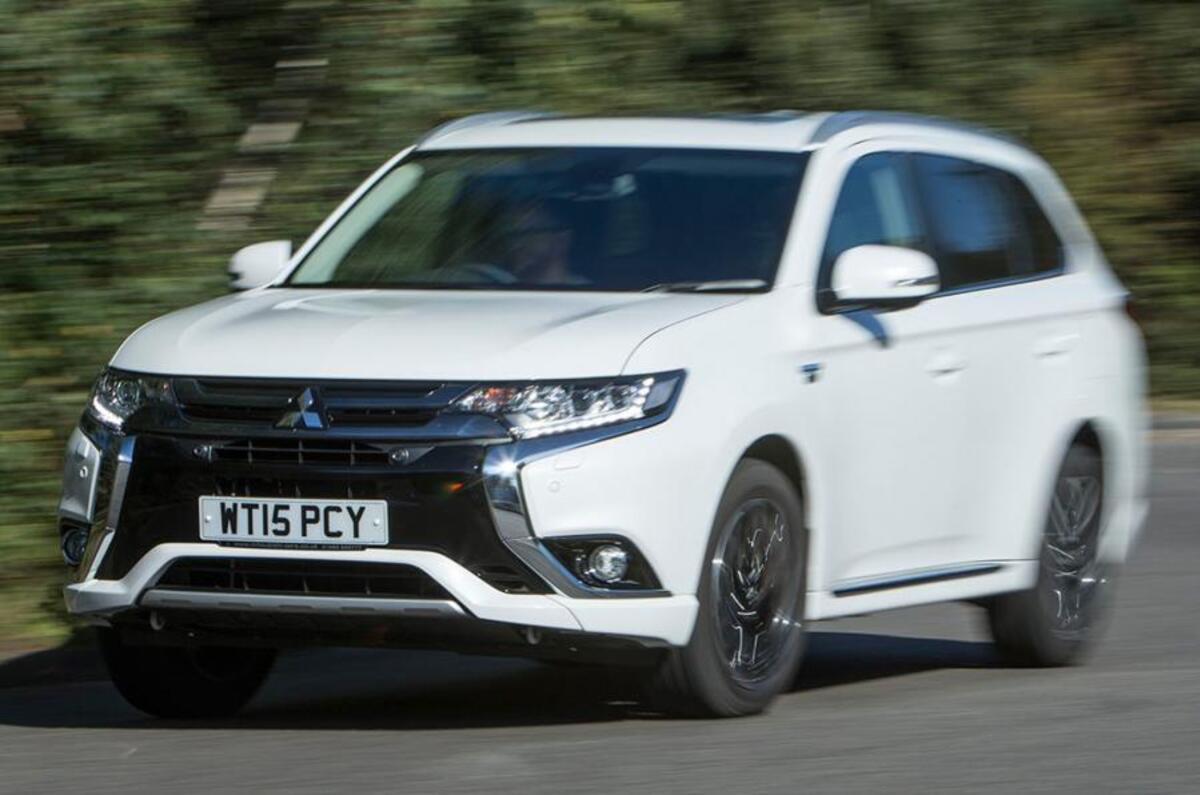
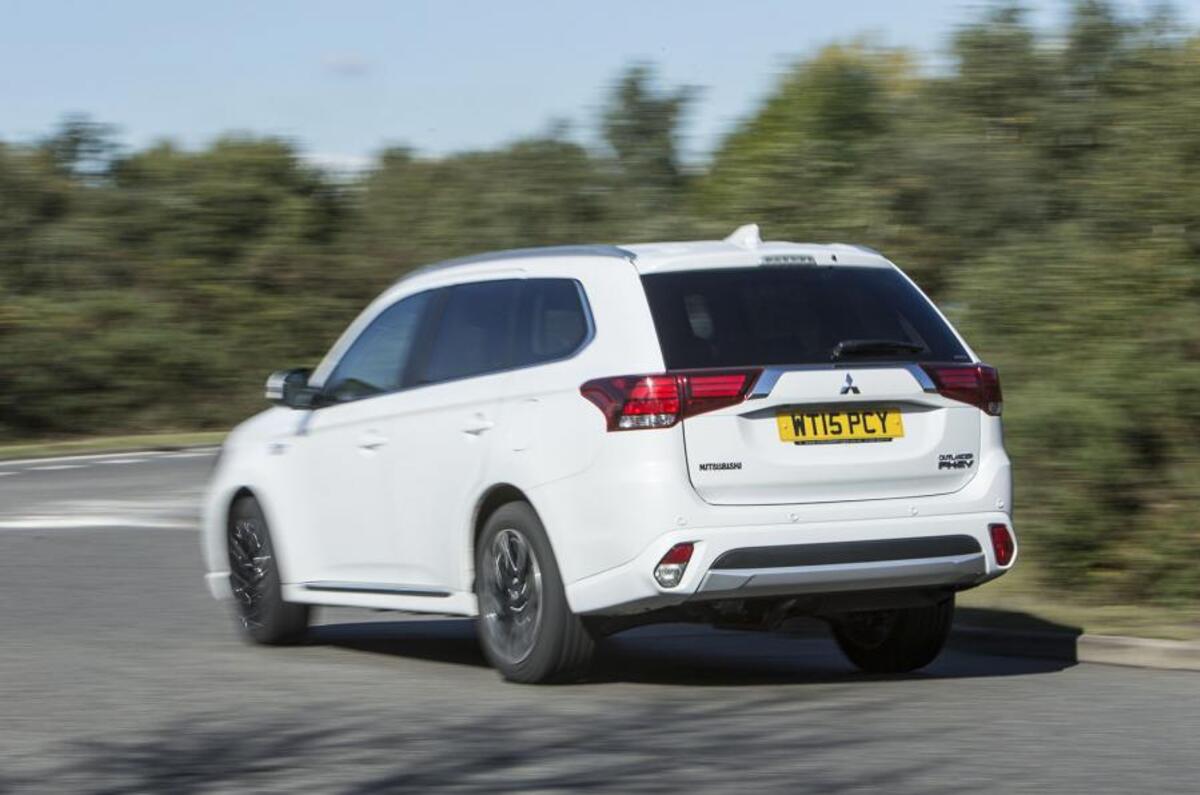
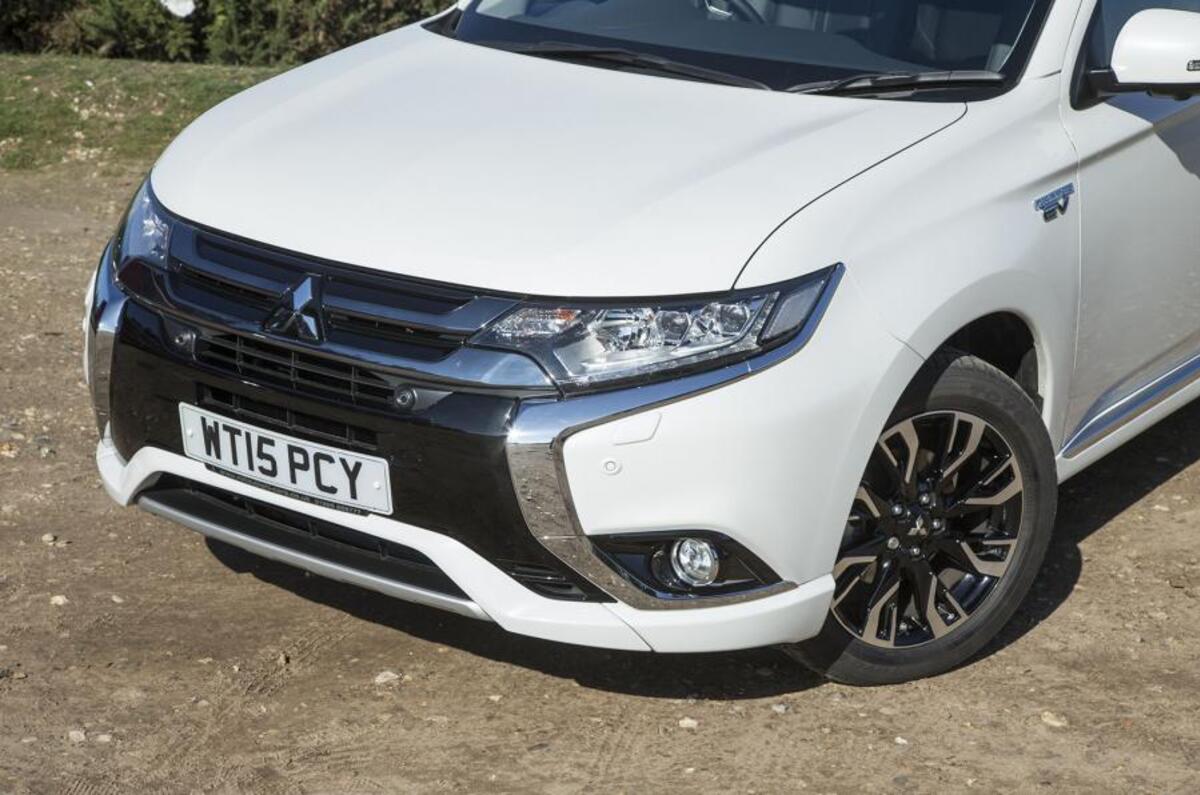
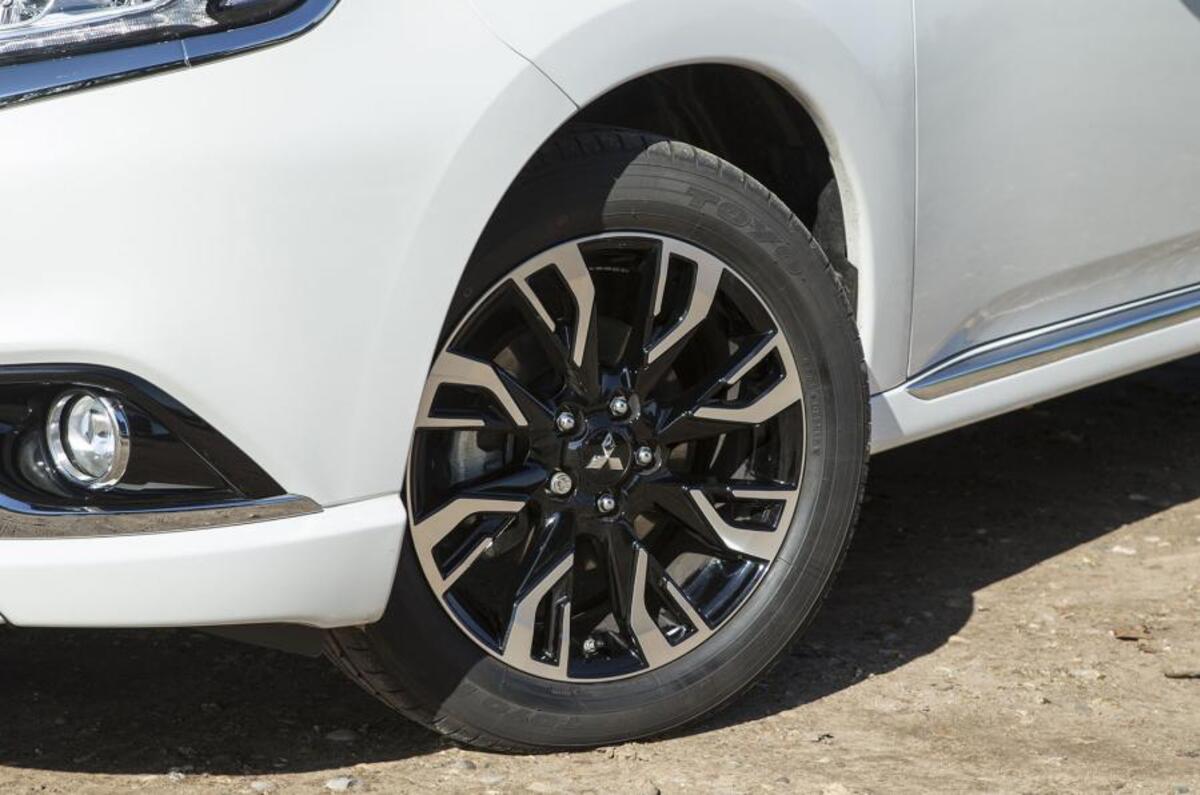
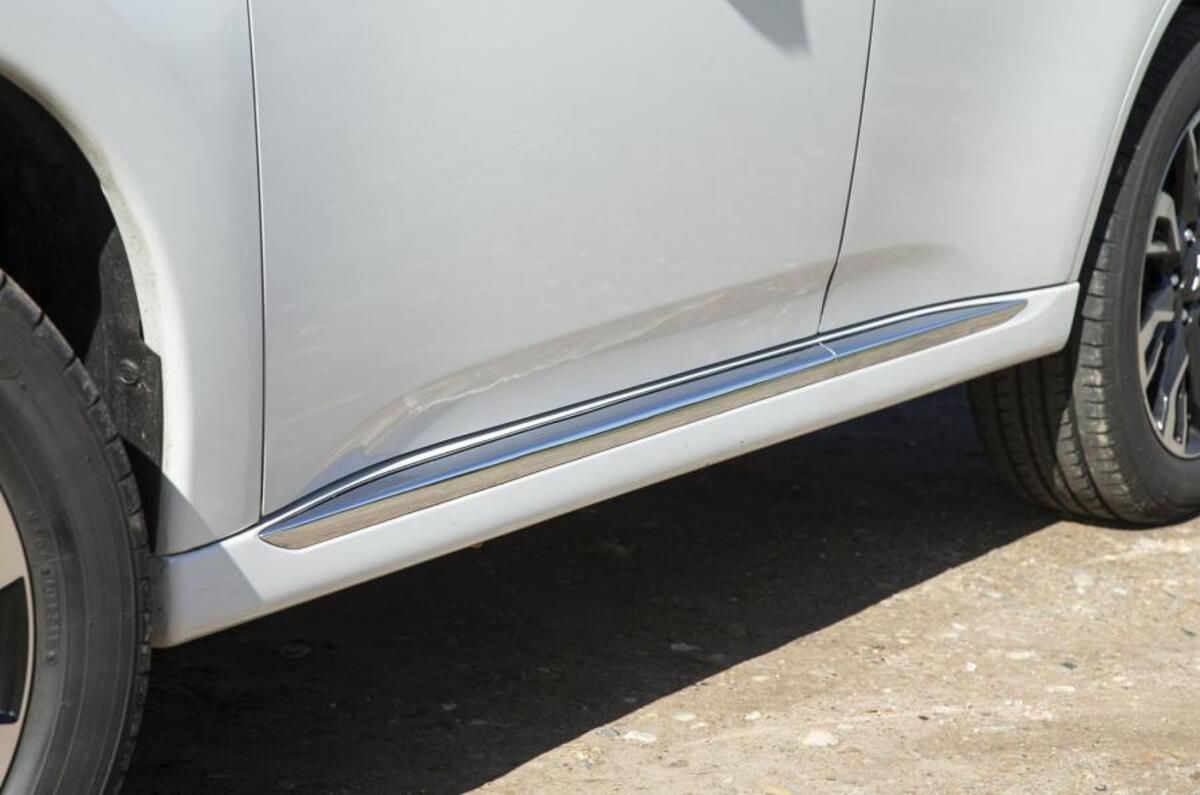
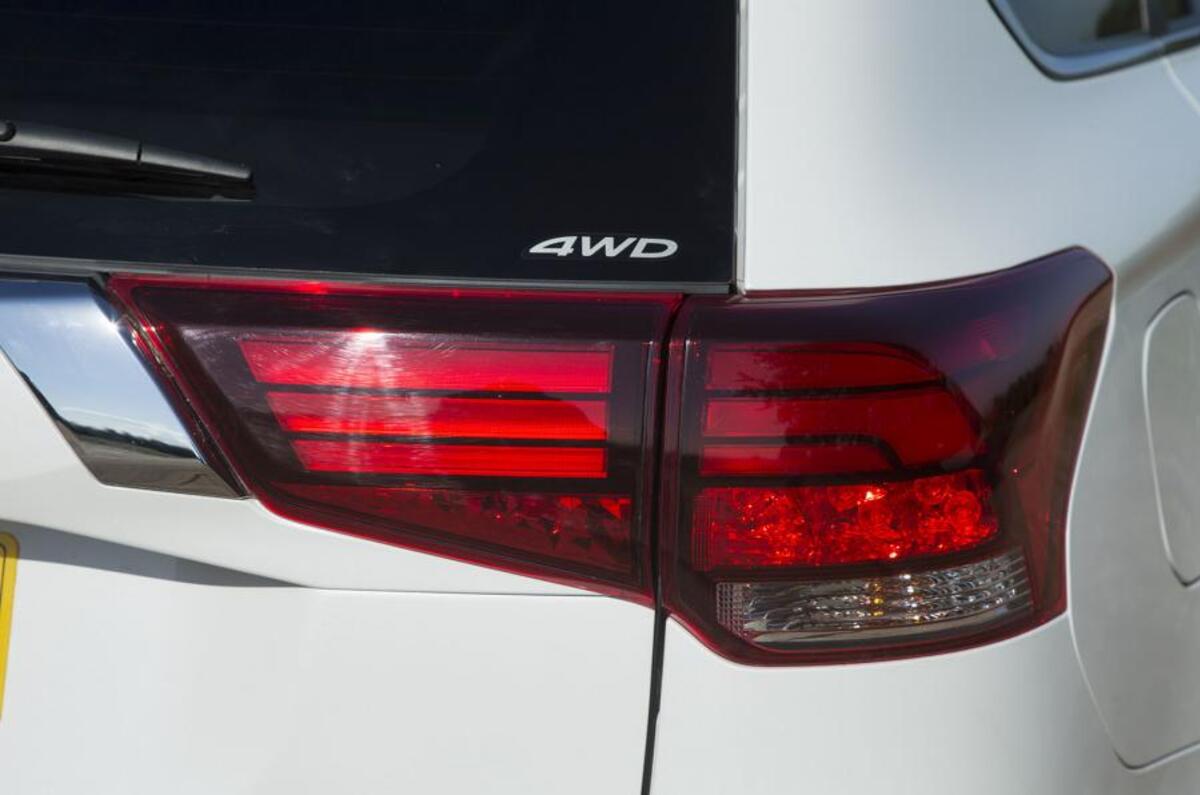
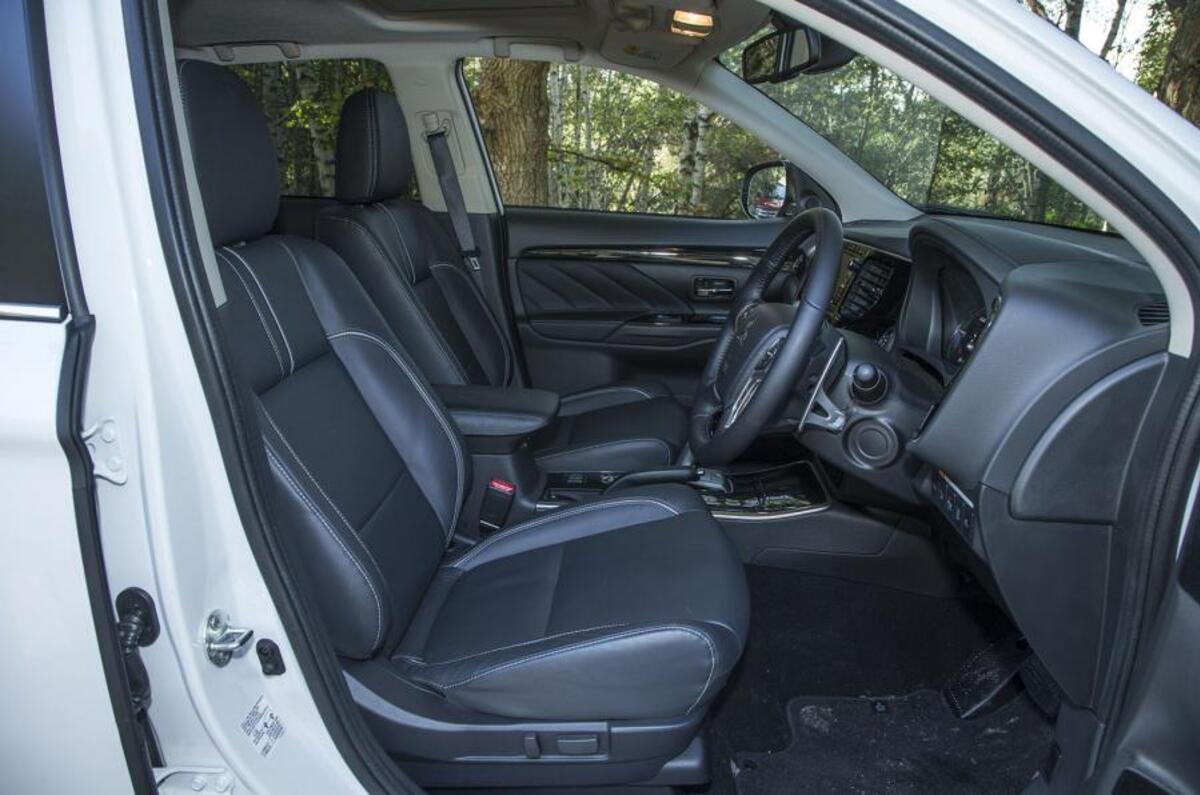
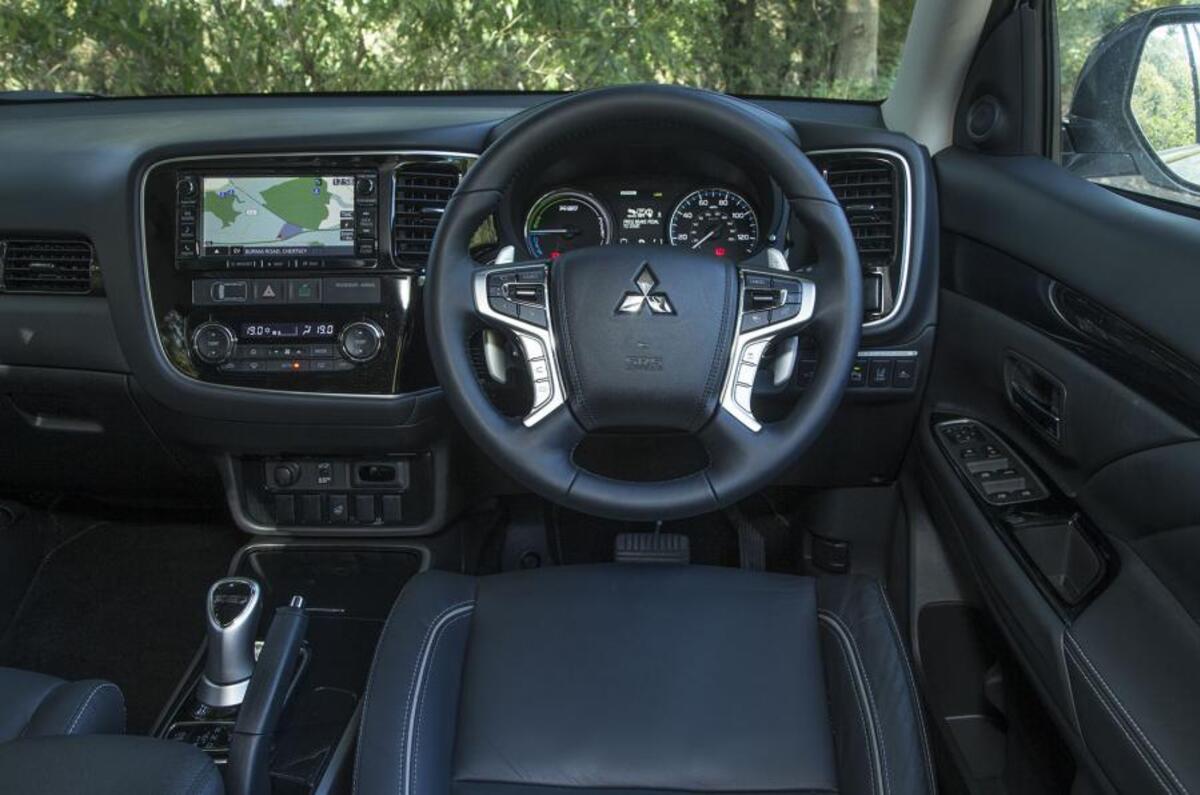
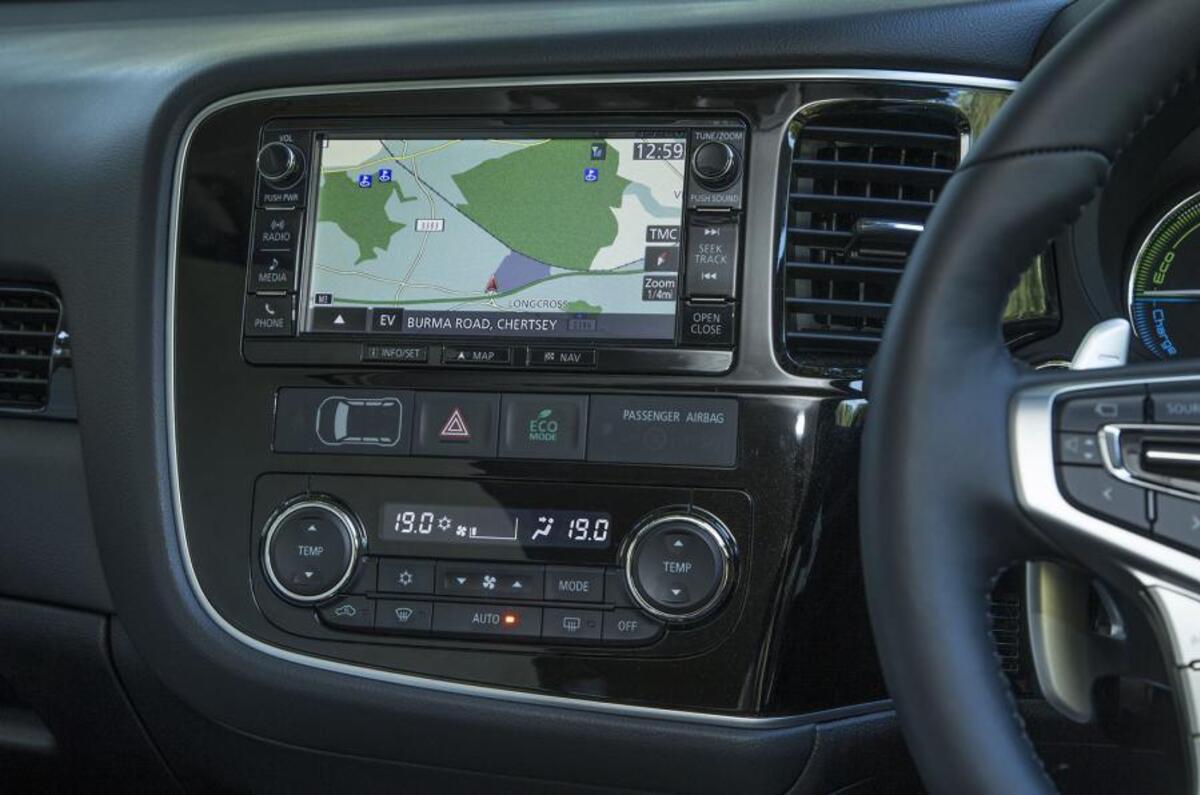
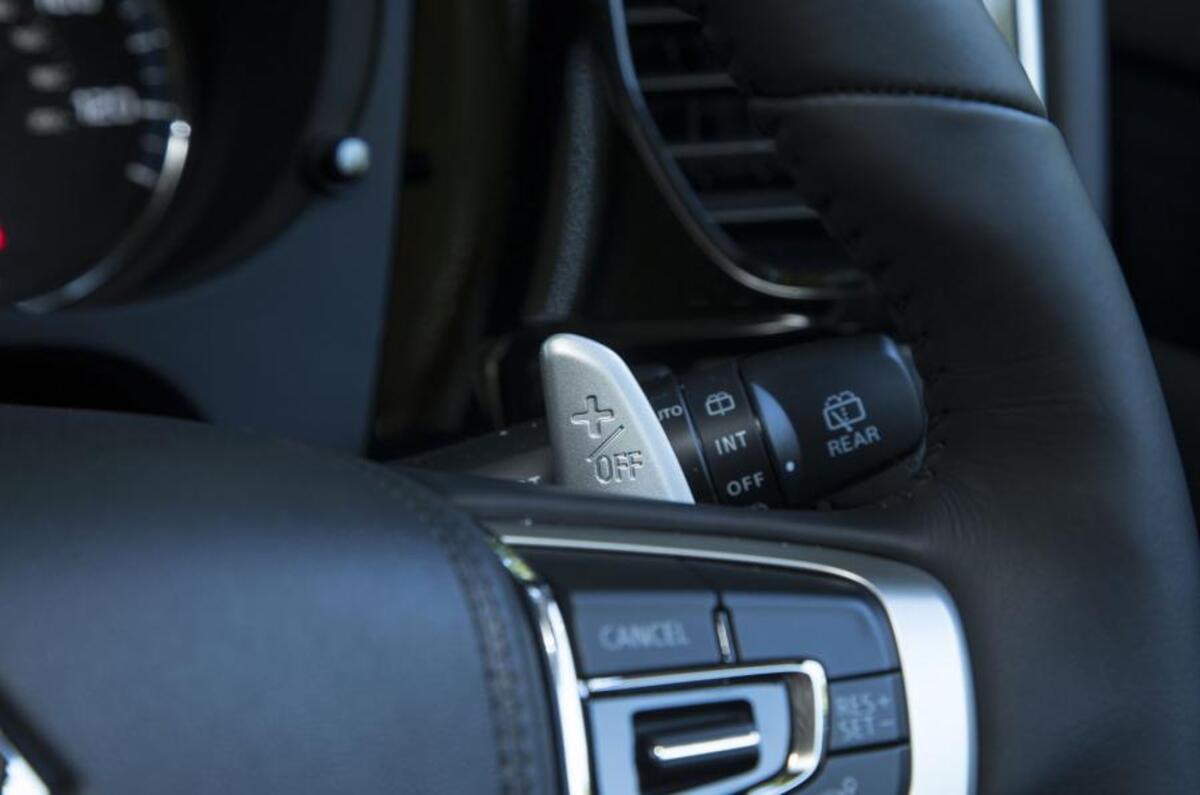
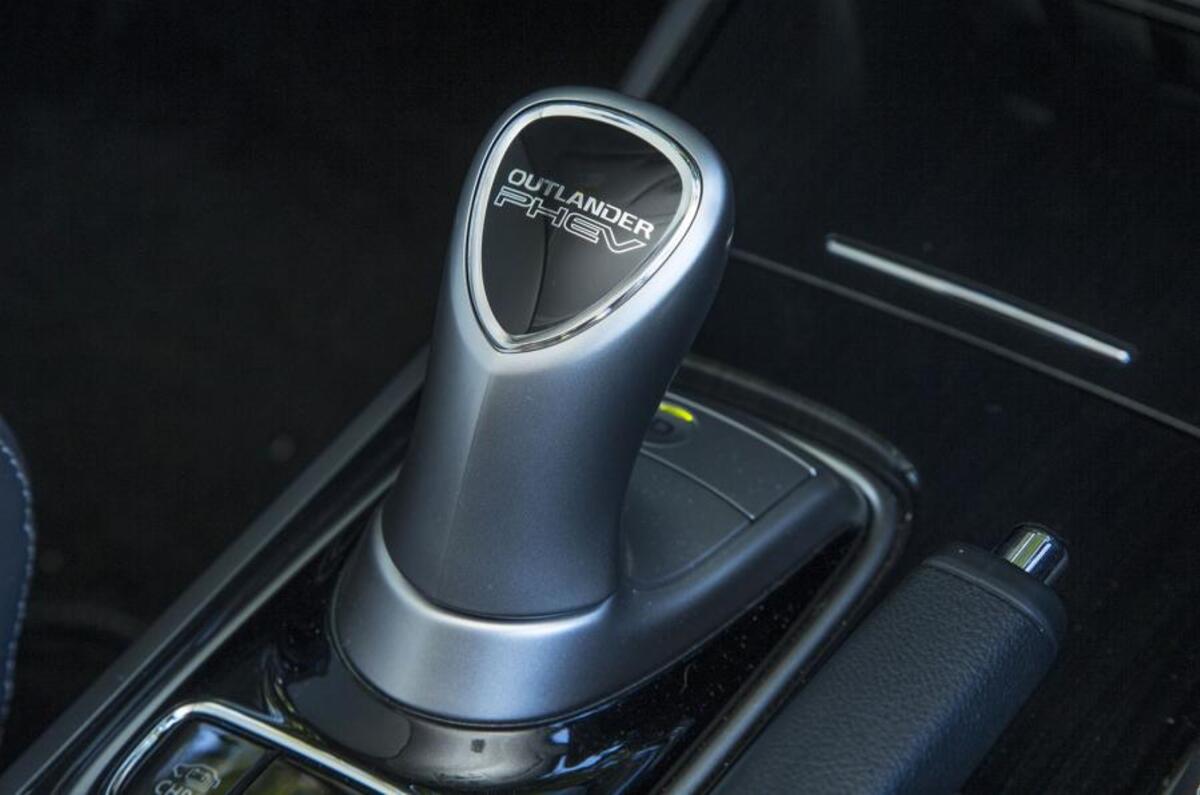
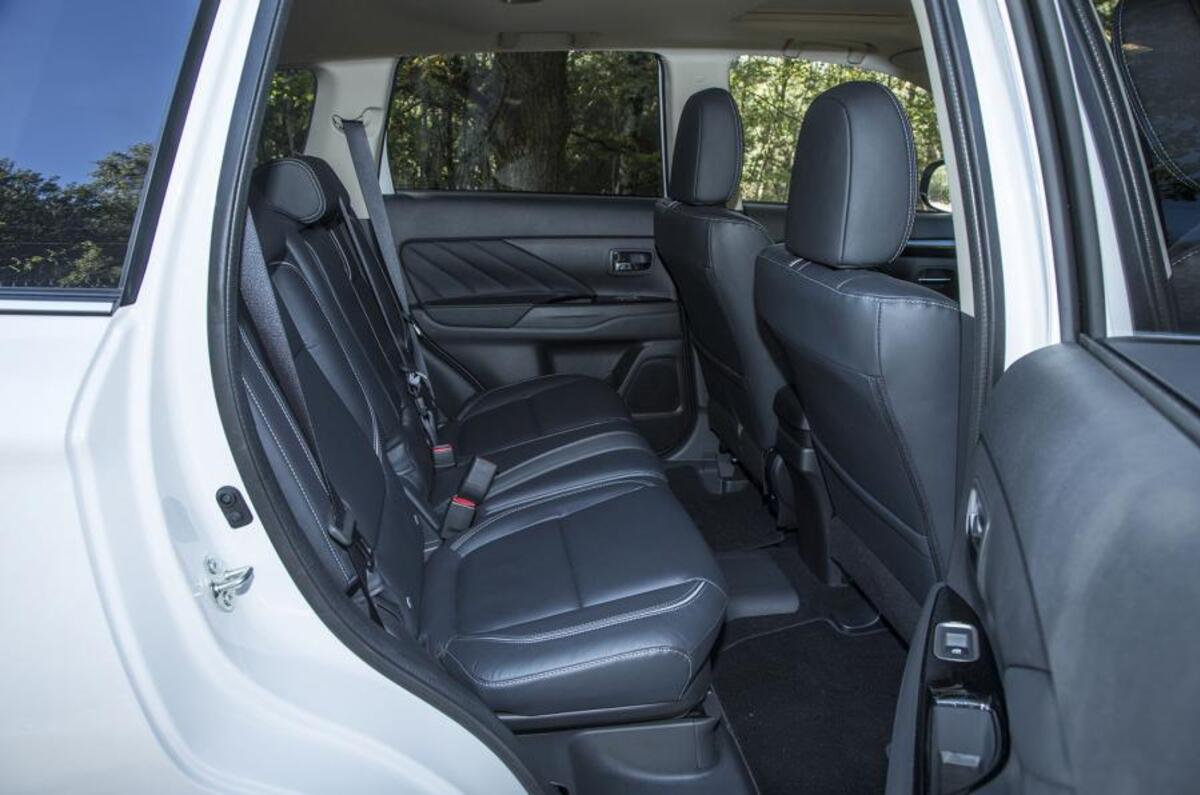
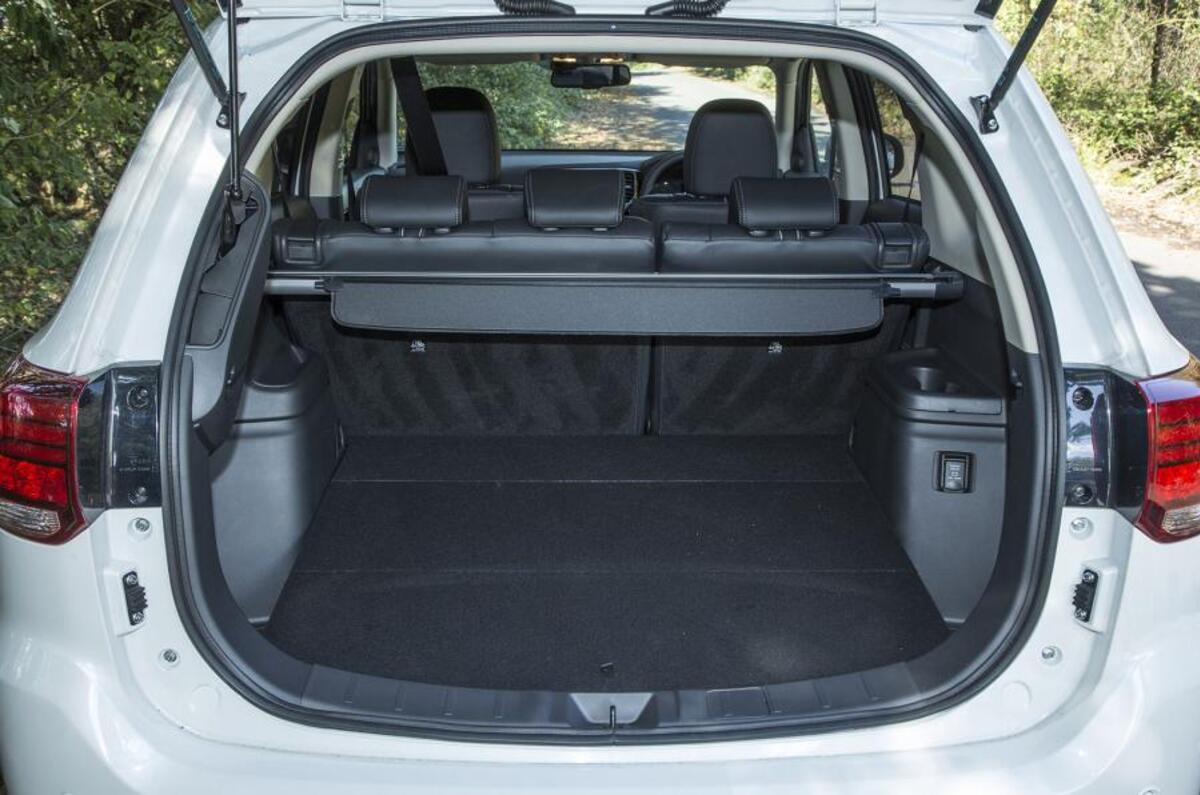
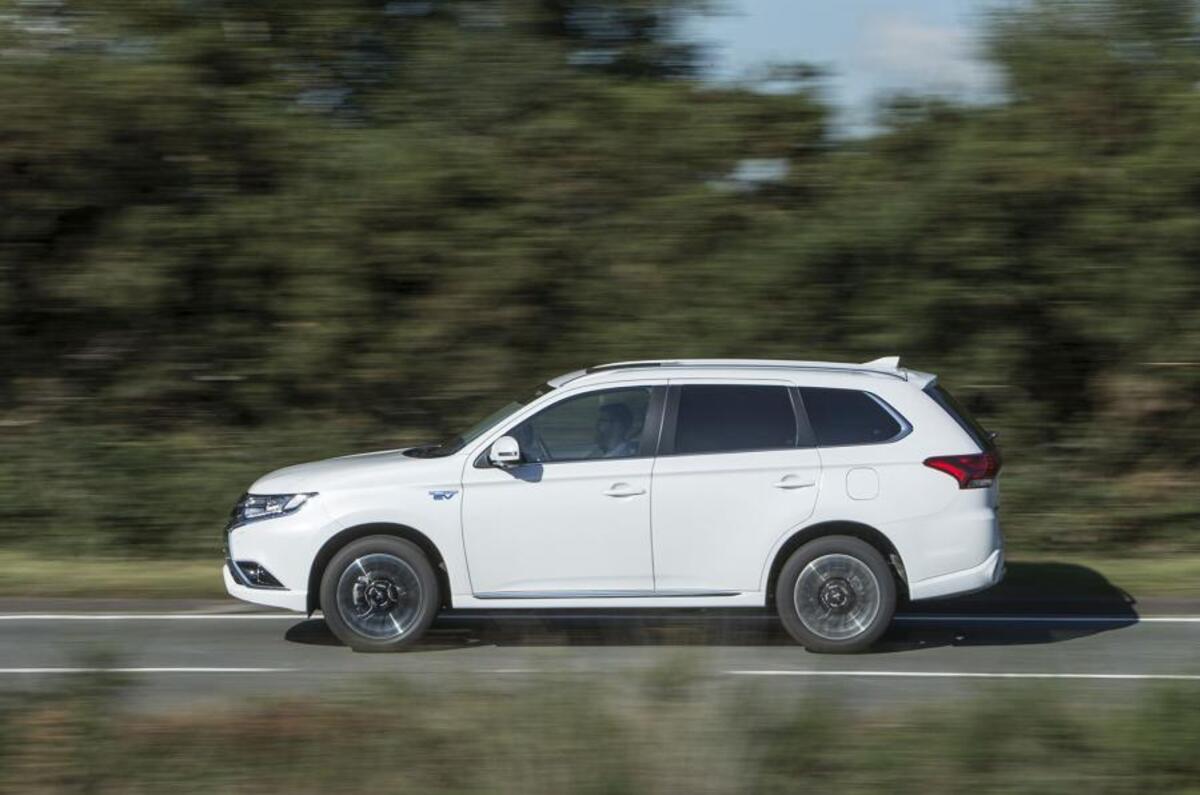
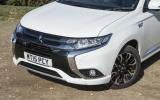
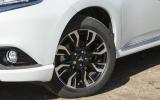
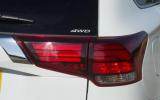
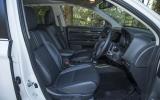
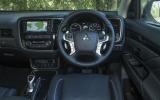
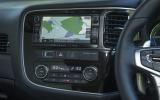
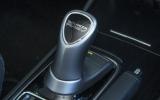
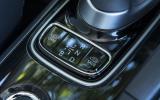
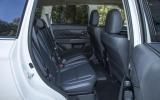
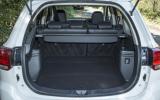
Well, there is one compromise: it only comes with five seats. But that apart, both inwardly and outwardly, the Outlander PHEV looks very much like the rest of the model range. The keen of eye may spot an LED running light here, a chrome trim there or a special alloy wheel, and on the inside, there are different instruments, a special gear selector and some special leather – but that’s it. The PHEV has the same 591-litre boot as the rest of the range, and the same roomy, functional cabin.
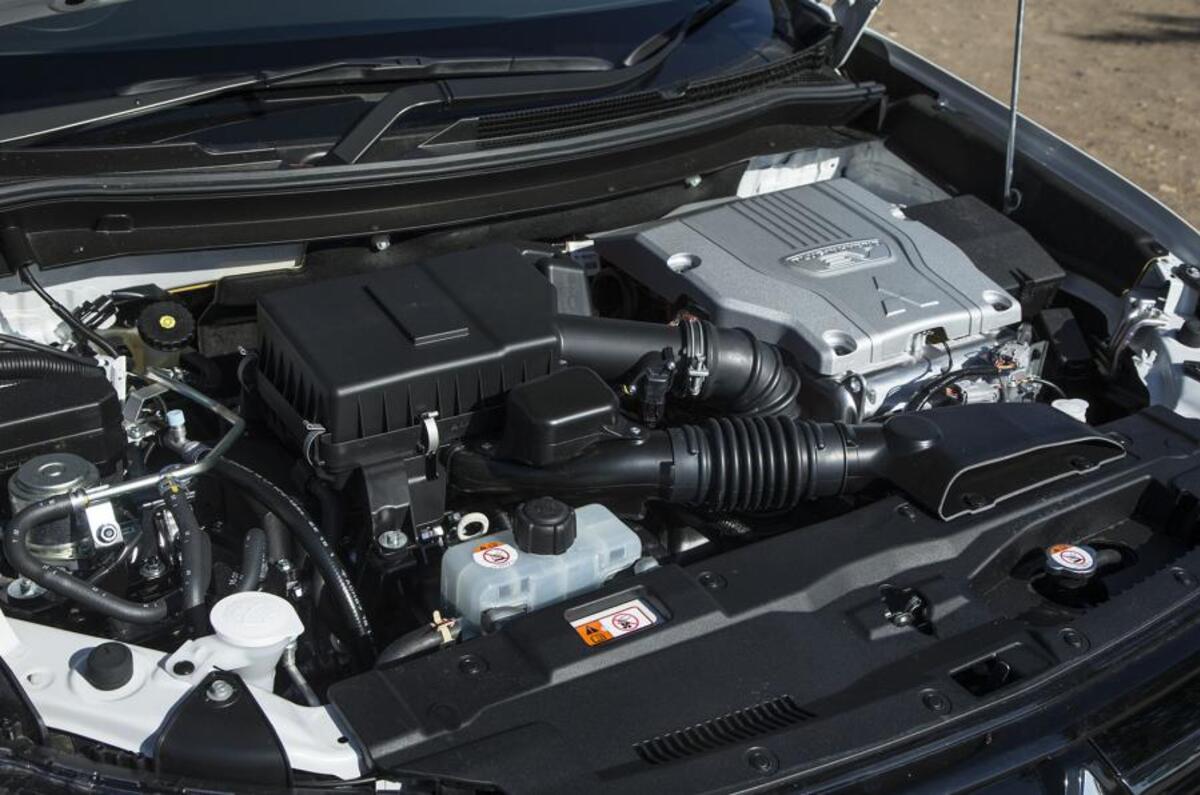
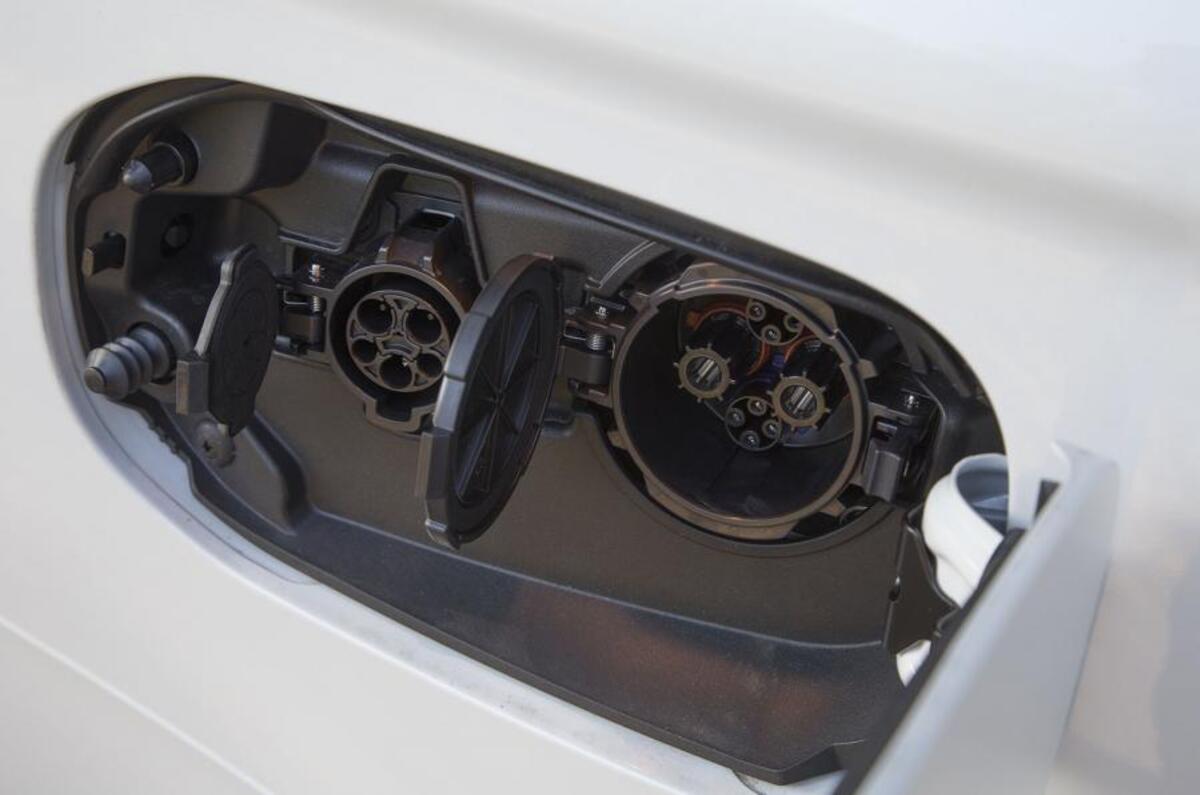
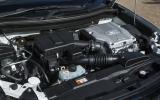
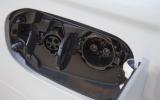
It’s driven primarily by two 80bhp electric motors, one for each axle. They’re exactly the same as the ones you’ll find in an i-Miev EV, and draw power, via two independent current inverters, from a 12kWh lithium ion battery under the floor. The rear motor produces a peak 144lb ft of torque from zero rpm, the front one up to 101lb ft. And the power they produce is good for up to 34 miles of battery range, after a four-hour charge from a 240v, 15amp mains supply.
Drive on after that electric range is used up and the back-up 2.0-litre petrol engine fires into life. Initially it only operates in ‘series’ mode, running the 70kW current generator to keep the traction motors supplied with juice, and the battery ticking over at about 30 per cent charge. But ask for maximum acceleration, which feels fairly brisk, and the car goes into ‘parallel’ hybrid mode; the engine begins to drive the front wheels directly, while also still providing power for the battery and motors.
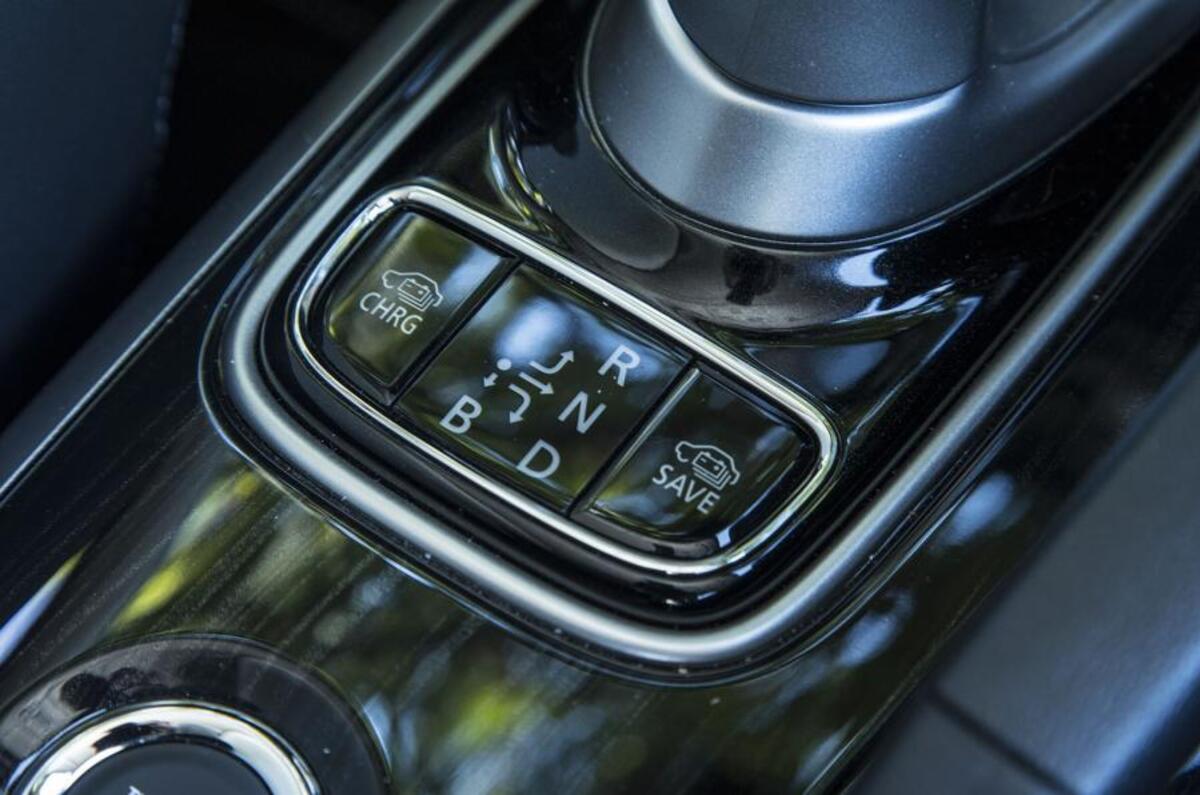
Maximum ‘extended’ range is claimed at a very respectable 547 miles. Like an Ampera, there’s a button to force the powertrain to hold battery charge at any given level. But unlike the Vauxhall, there’s another one to use petrol power to charge back up to 70 per cent on the battery – for towing, climbing or simply to save up your zero-emissions running for later in your journey.
The circumstances of our test in the PHEV didn’t allow us to fully examine its electric range, or to get a feel for how European cars will ride and handle – our test car had the Japanese-spec chassis settings. But the car did have good mechanical refinement; it’s typically quiet in EV mode and when the combustion engine starts, it seems well insulated and distant.
Pedal response is consistent, with none of the mushiness at the top of the brake pedal you can find in some hybrids, and outright performance is very flexible: relaxing most of the time; strong enough under full power.
The test car rode very smoothly, with little noise from the suspension. Body control was a little lax, allowing plenty of lateral roll, and the power steering system could be made more predictable. But all that’s due to be improved upon for European models.
Should I buy one?
With 1.8 tonnes to lug around and a 2.0-litre engine doing the range extension, it remains to be seen how economical the Outlander will be under combustion power. We’d expect no better than 35mpg. For high-mileage UK buyers, the cheaper 2.2-litre ‘Clean Diesel’ will be the more economical car in the real world, and probably the better bet even after CO2 taxes are considered.
Nevertheless, for those whom it suits – who do as many short-range trips as anything, can charge at home, and who want a 4x4 that’ll count for less on their monthly company car tax bill - the PHEV should really appeal. Rated to tow 1.6 tonnes and entirely suited to family life, it brings everyday, any-occasion usability to the low-emission market. And that’s very welcome indeed.
Mitsubishi Outlander PHEV
Price: tbc; 0-62mph: tbc; Top speed: 106mph; Economy: 172mpg (JC08 cycle); CO2: 49g/km; Kerb weight: 1810kg; Engine type, cc: 4cyls, 2000cc, petrol motor/generator with 2x80bhp electric motors; Installation: Petrol engine, 1xAC motor front, 1xAC motor rear, 4WD; Power: circa 220bhp (tbc); Torque: circa 320lb ft (tbc); Gearbox: Direct drive (AC motors), with gear train transmission for ICE engine (Parallel Hybrid mode only); Fuel tank: na; Boot: 591/na litres; Wheels: 8Jx18in/alloy; Tyres: 225/55 R18