
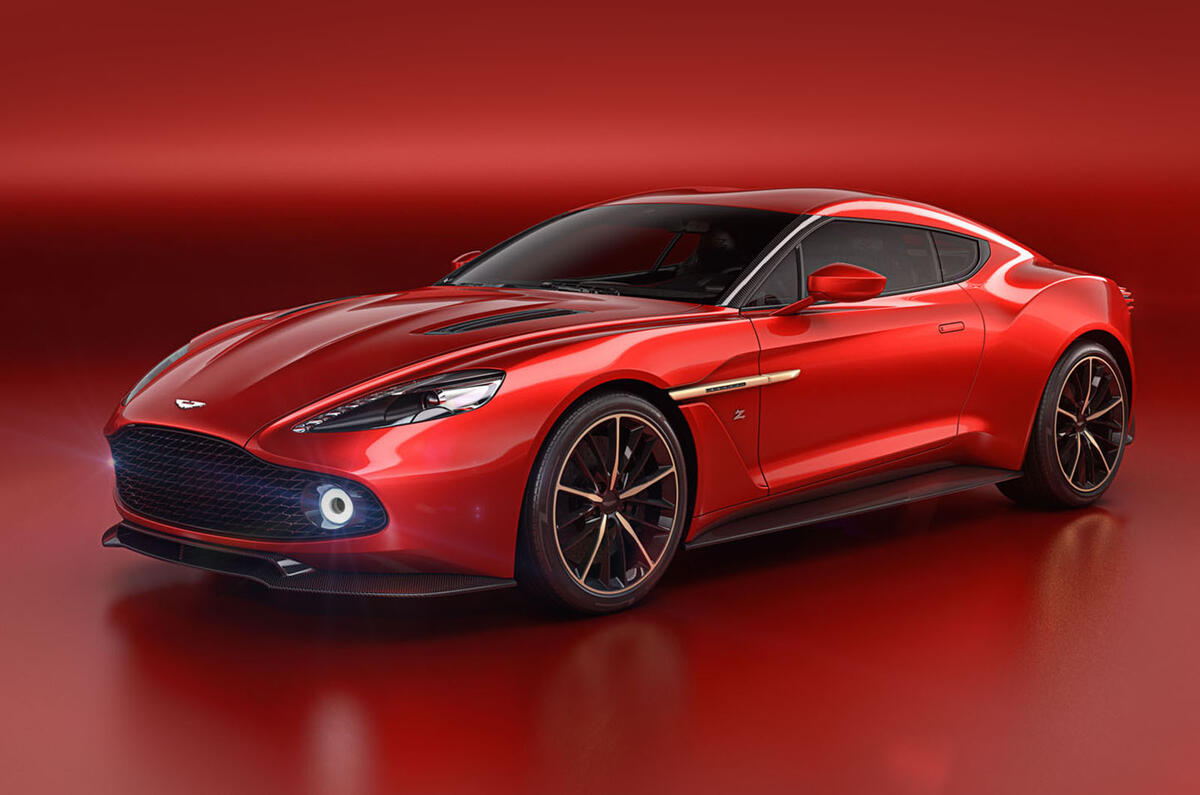
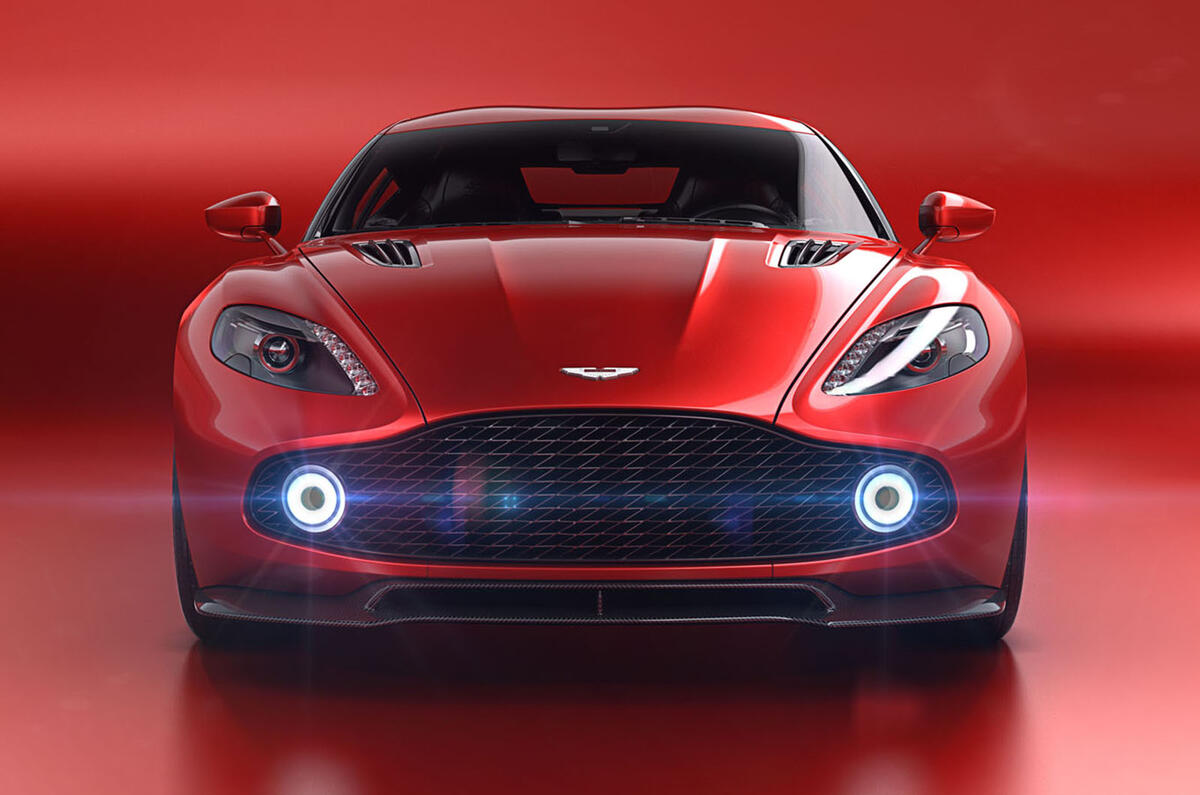
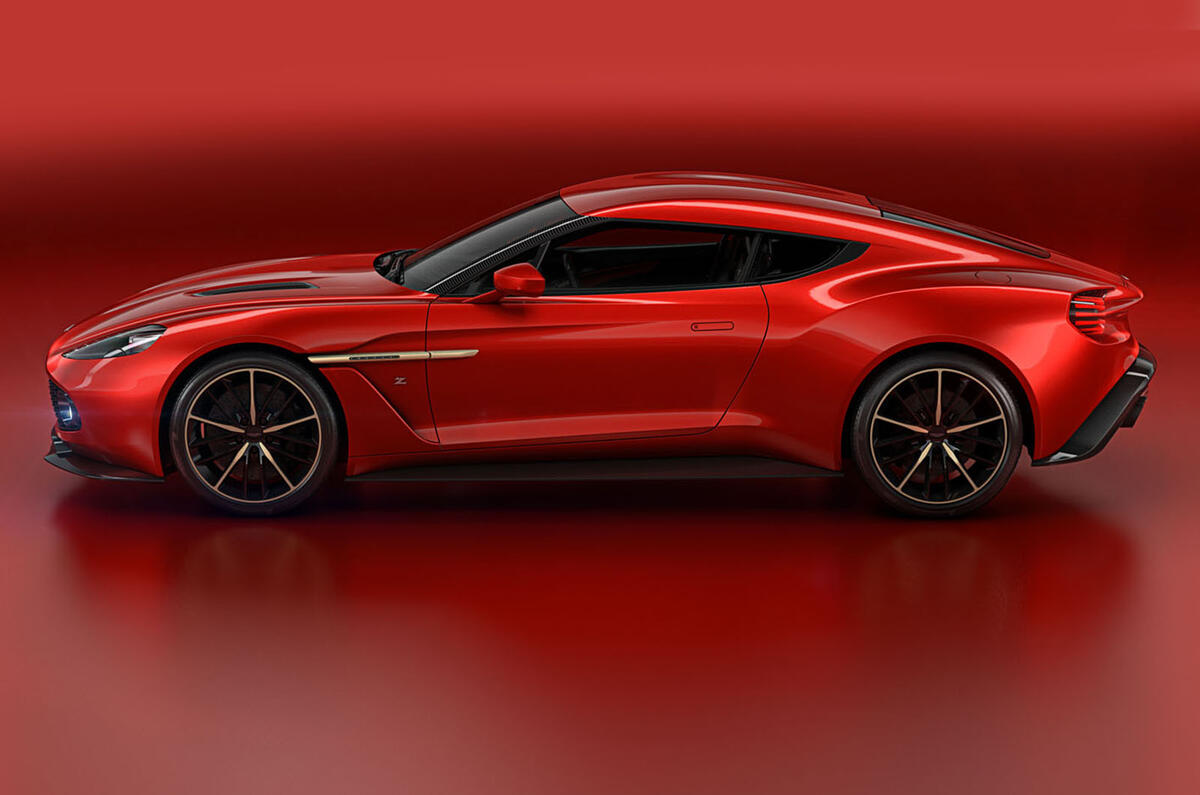
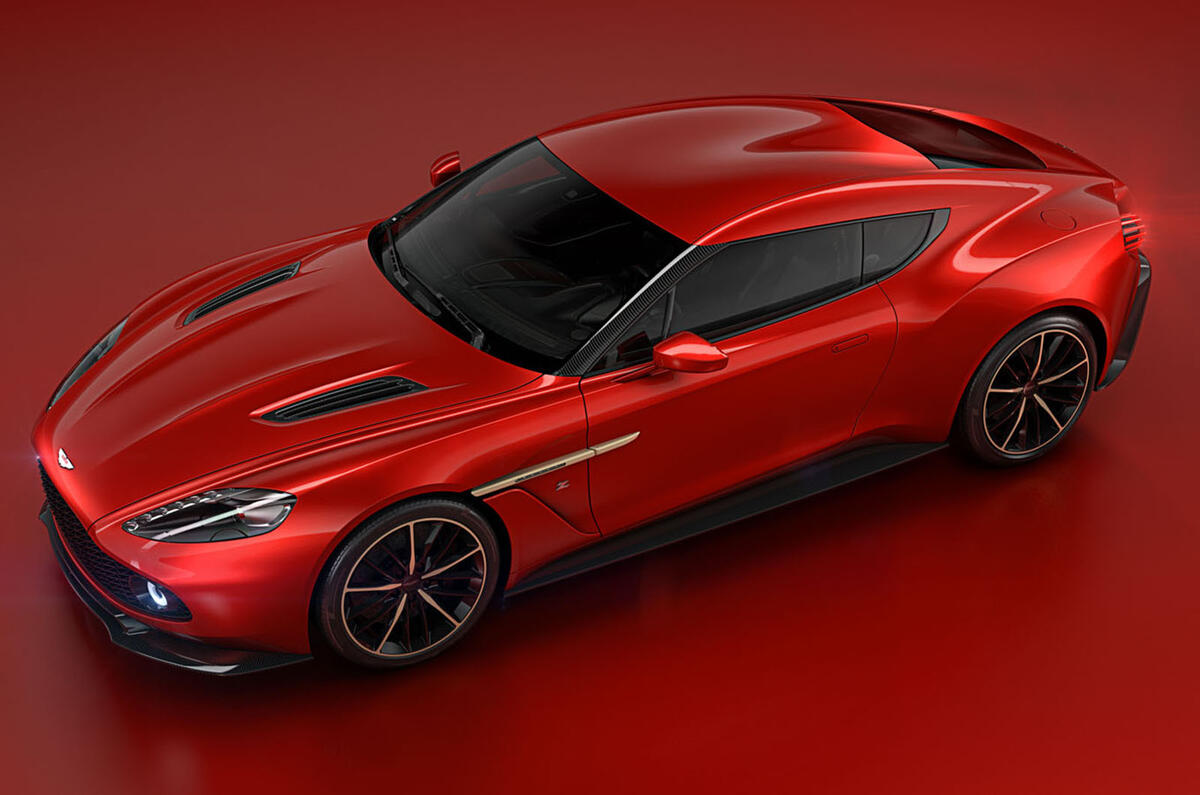
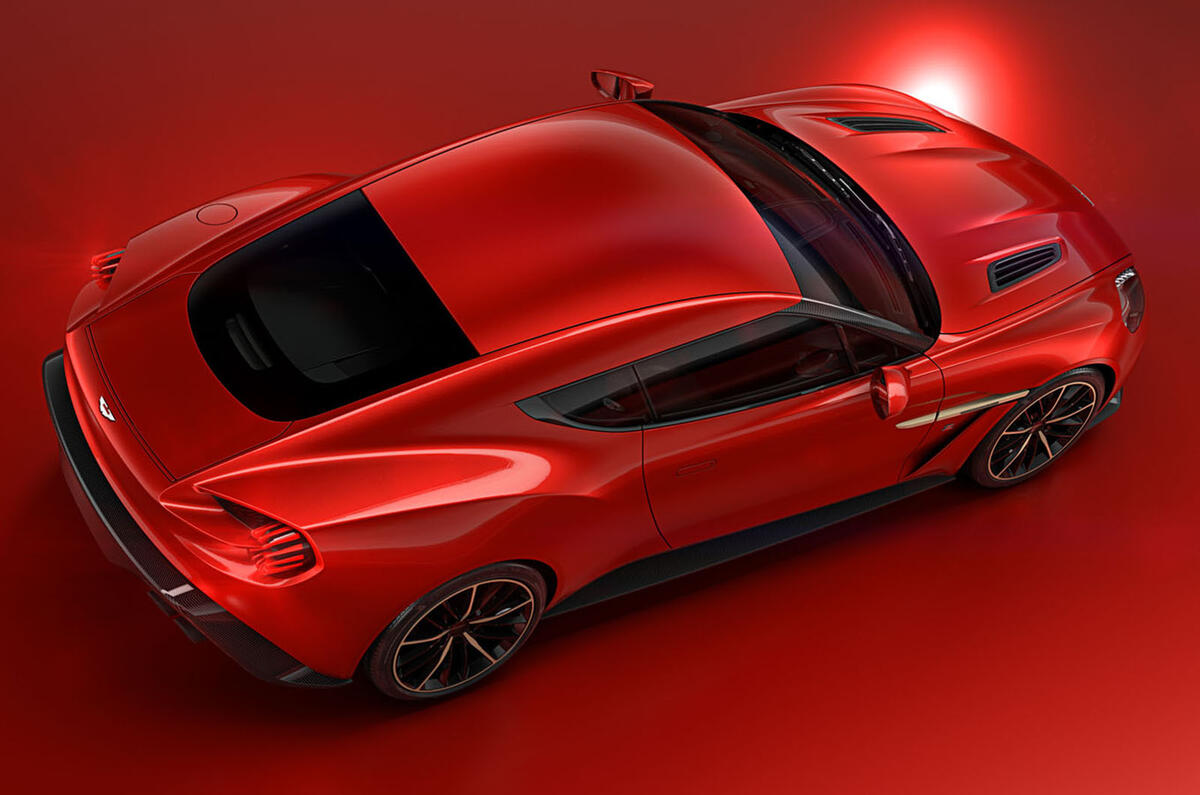
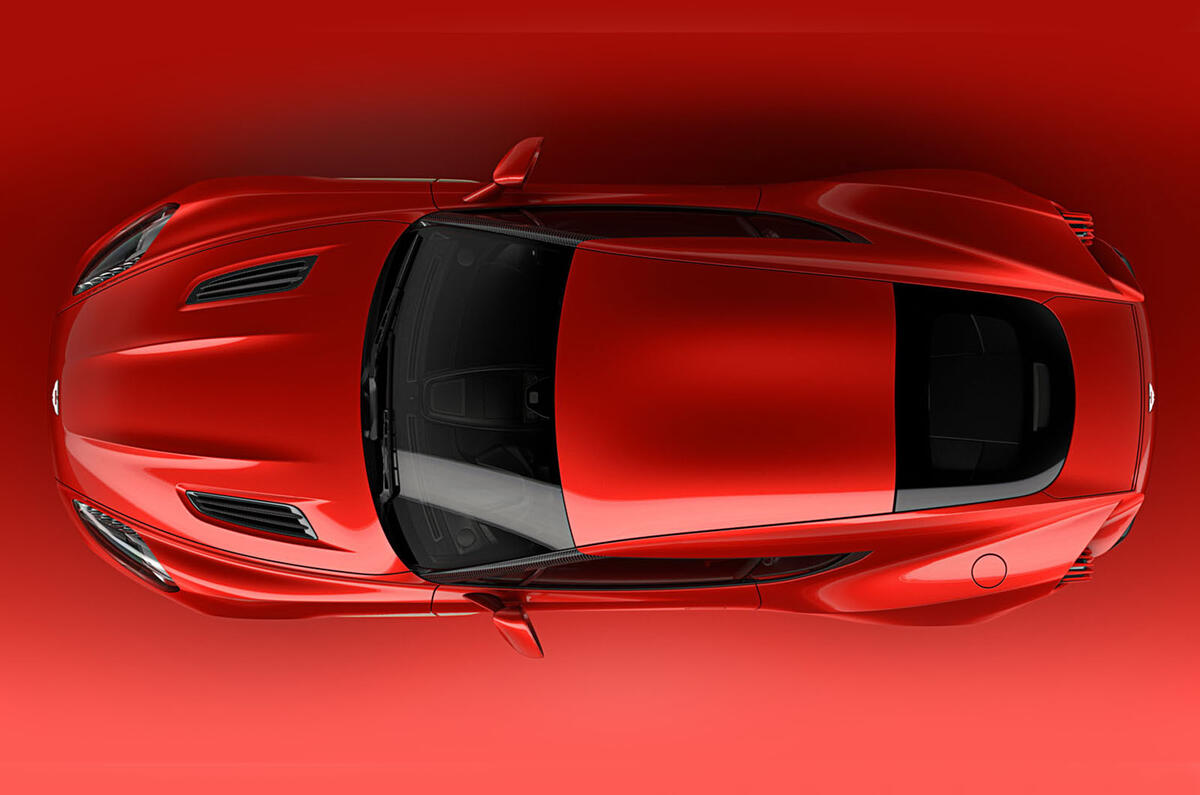
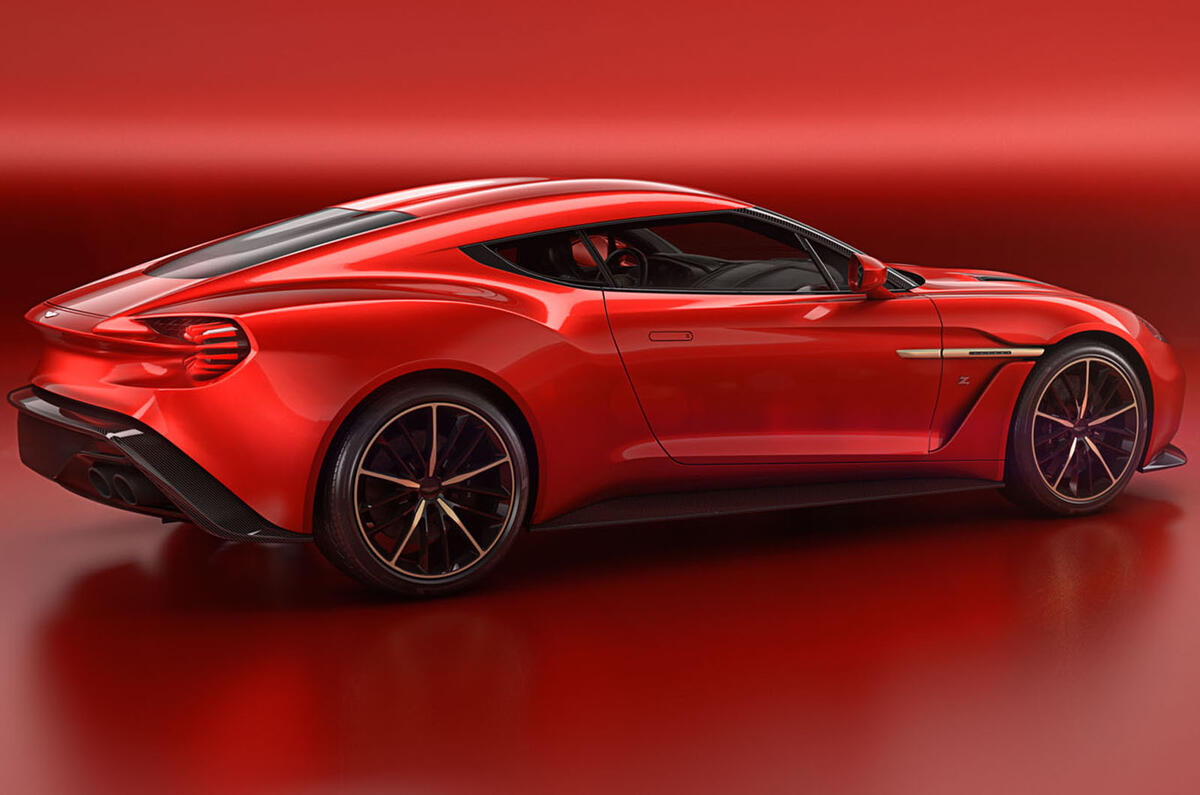
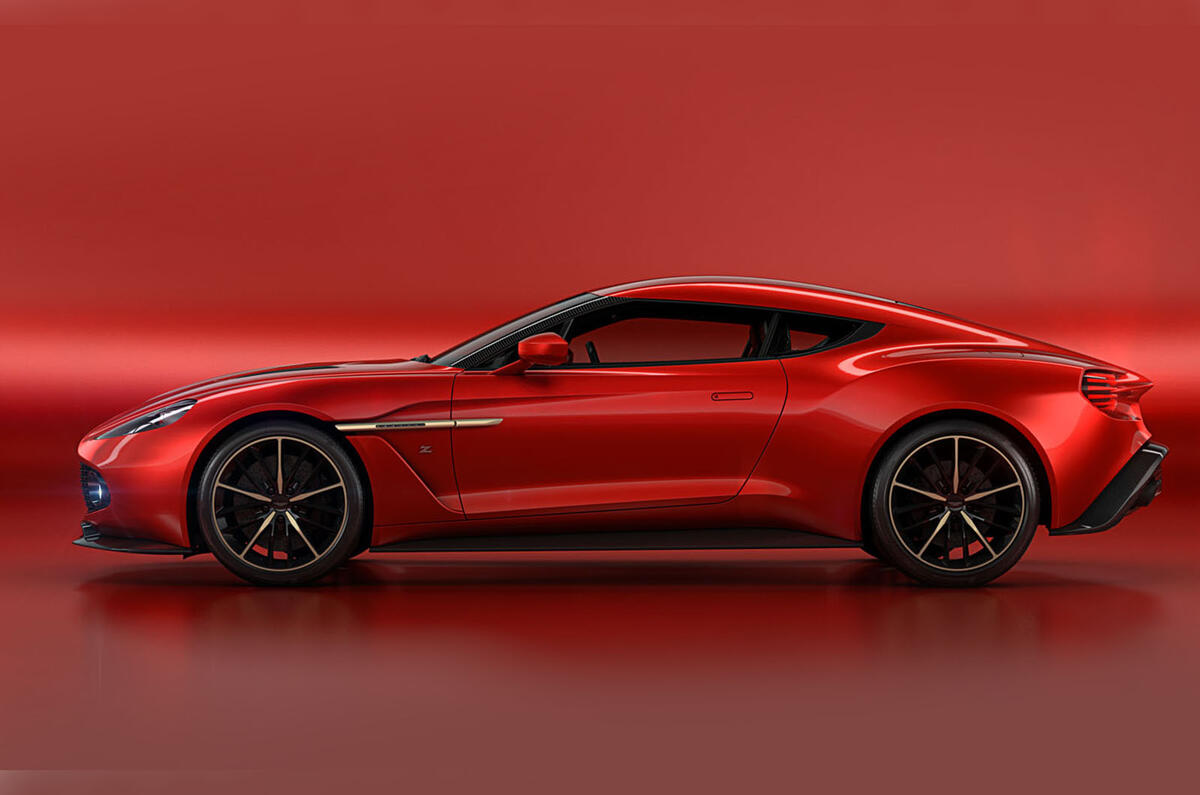
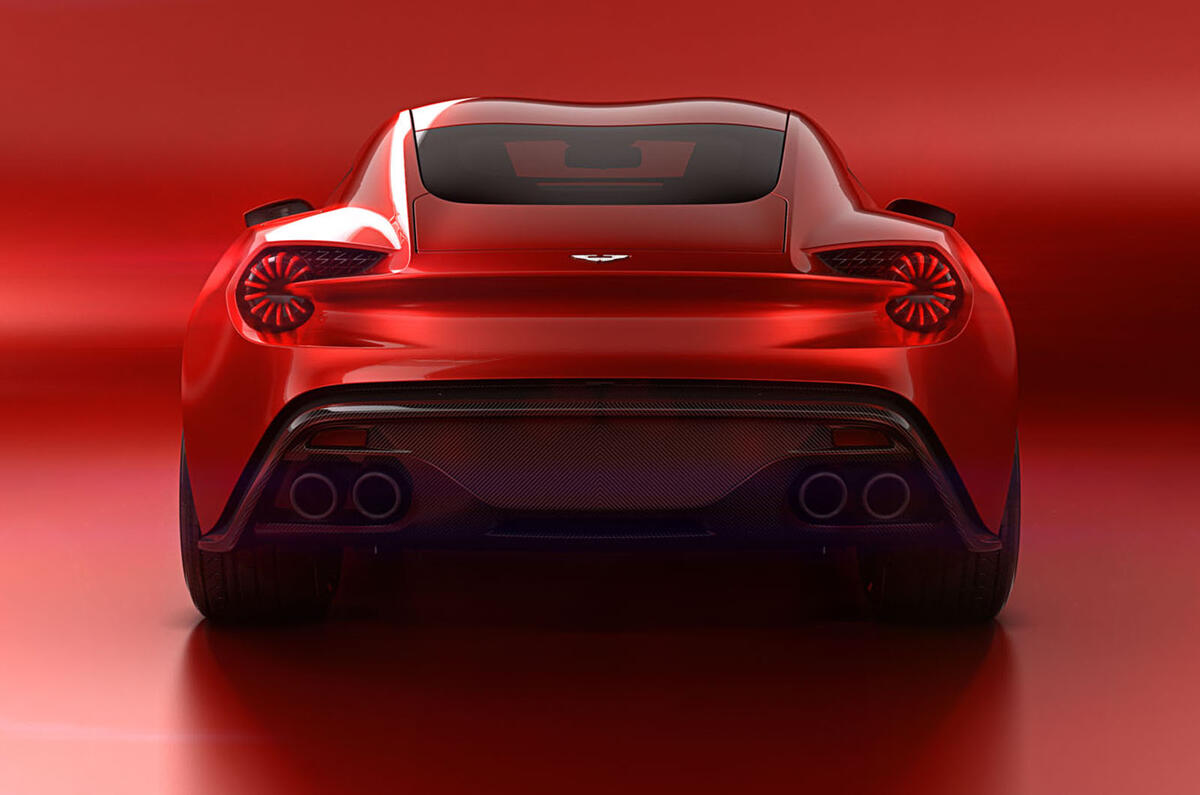
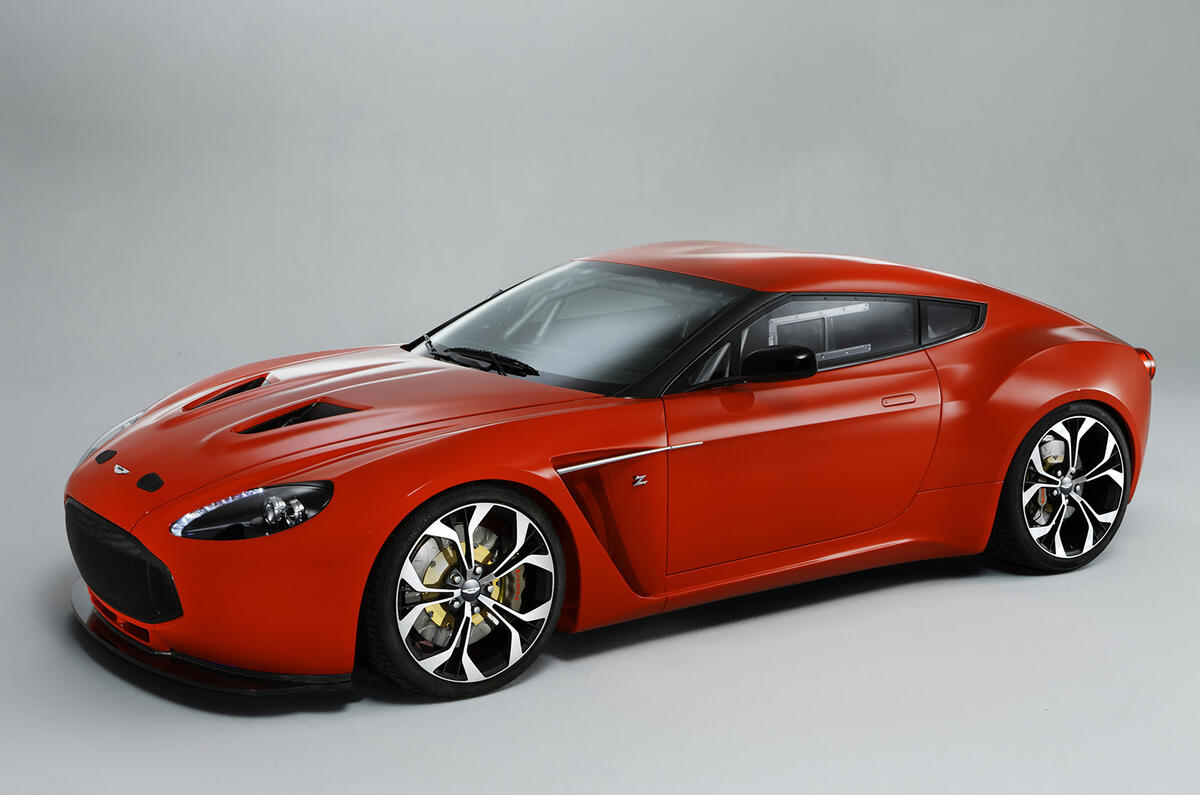









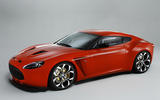

The Aston Martin Vanquish Zagato Concept, the latest car in a line of collaborations between the British manufacturer and the Italian design house, has been revealed ahead of its public debut tomorrow at the Villa d’Este concours d’elegance in Italy.
The Vanquish Zagato production model has been revealed. Click here to read about it.
The Vanquish Zagato Volante has been unveiled at Pebble Beach - read more here
The fifth car produced by the two companies – a partnership that started back in 1960 with the DB4 GT Zagato – draws on design cues featured on recent special-edition models such as the Aston Martin Vulcan and One-77, as well as the latest DB11.
Based on Aston’s flagship grand tourer, the Vanquish Zagato Concept was developed and engineered at Aston’s headquarters in Gaydon. The design was honed by Aston’s design team, led by Marek Reichman, in tandem with Zagato chief executive officer Andrea Zagato and his dedicated team in Milan.

Described by its makers as having “quintessentially Aston Martin proportions”, the one-off model has bodywork entirely shaped from carbonfibre, with large one-piece panels used to reduce shut-lines.
The new concept features a wraparound glasshouse and a new evolution of Aston’s trademark side-strake, which runs from wheel-arch to door in a nod to the CC-100 speedster created to celebrate the company’s 100th anniversary.
The car sports a ‘double-bubble’ roof, which has been a Zagato trademark since the early 1950s that originally arose from the need to accommodate drivers’ racing helmets with a minimum impact on the aerodynamic profile.
The Vanquish Zagato Concept features wing mirrors inspired by those on the One-77, and a sculptural rear end similar to DB11's aerodynamic profile, complete with a retractable spoiler and rear hatch for access to the luggage compartment. The rear lights incorporate the ‘bladed’ LED technology seen on the Vulcan, and the round rear reflectors are an iconic Zagato design flourish. Four exhausts exit through the carbonfibre sills.

Reichman said: “Over the years, we have developed and refined our own design language and we have always gone that little bit further with our special series cars like CC-100, One-77 and Aston Martin Vulcan. The Vanquish Zagato Concept shows how our two companies can come together and push the definition of Aston Martin design.”
Andrea Zagato said the new car, “represents the essence of an important design relationship that dates back over fifty years”.
The concept also features some dynamic tweaks: the naturally aspirated 5.9-litre V12 engine has been uprated from 568bhp in the standard £195,950 Vanquish to 591bhp.
The car’s adaptive dampers have been retuned to offer sharper handling.

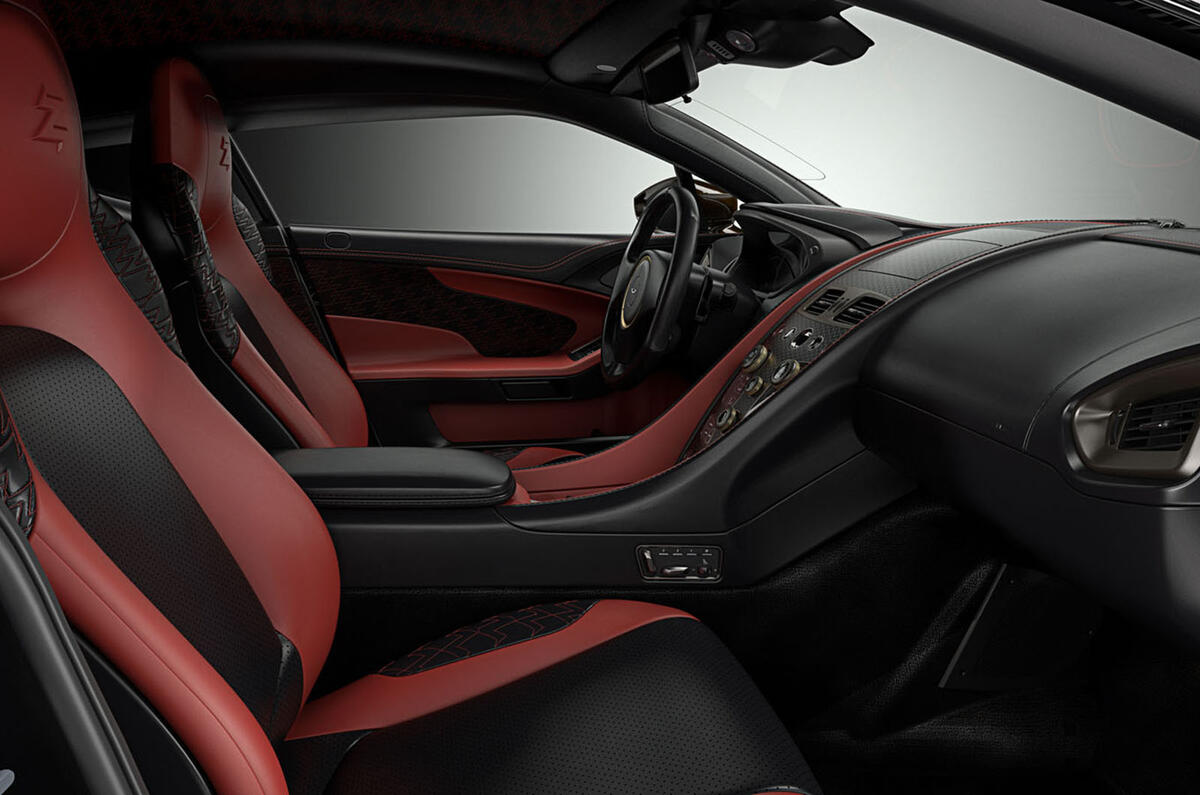
The interior features carbonfibre, anodised bronze and aniline leather on the facia, vents and rotary dials. A ‘Z’ quilt pattern stitch is used on the seat and door sections as well as being embossed on headrests and stitched into the centre console.
Previous collaborative concepts between Aston Martin and Zagato have developed into limited-edition road cars, and the V12 Zagato of 2011 was even raced at the Nürburgring, but Gaydon sources are tight-lipped as to whether this will be the case with the Vanquish Zagato Concept.
In addition to the official cars produced by the two companies, there have been a number of one-off cars reimagined by Zagato on behalf of private collectors. These include the DB9 Spider Zagato and DBS Coupe Zagato produced in 2013.
The other Aston Martin Zagato collaborations
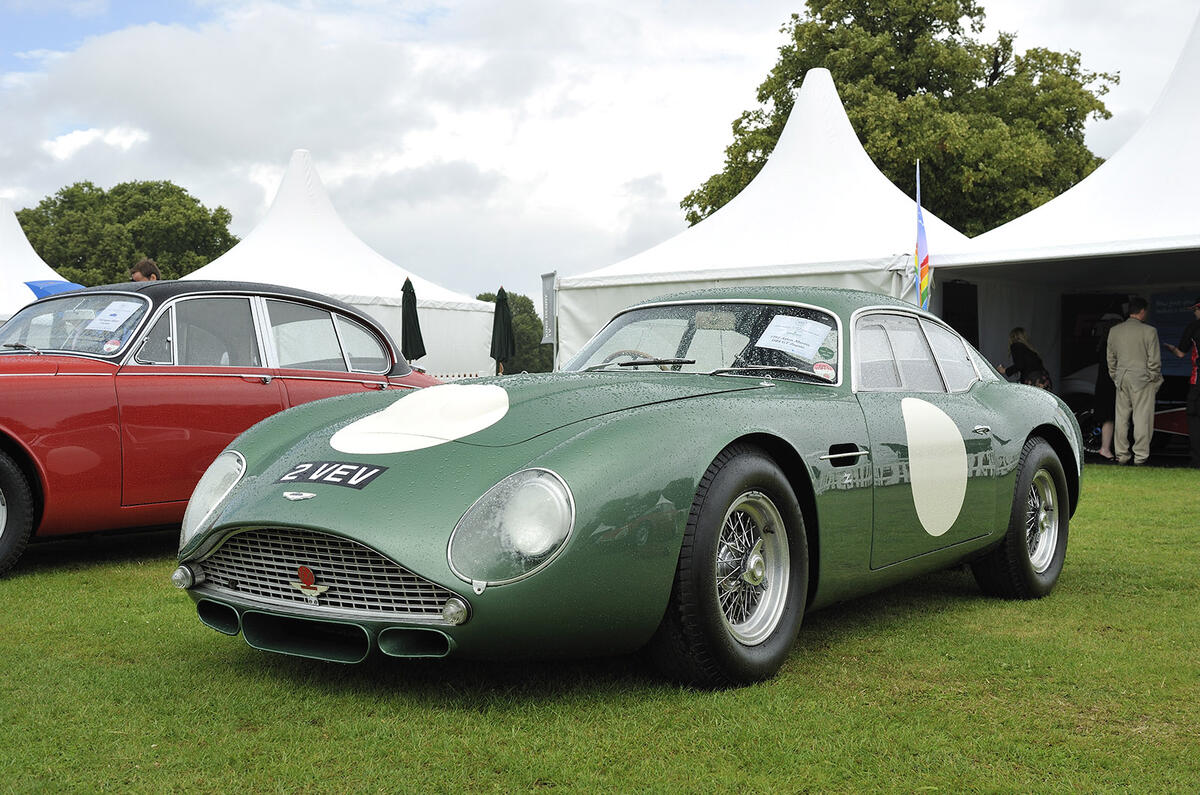
1 Aston Martin DB4 GT Zagato (1960-62)
In late 1960 the DB4 GT Zagato was unveiled at the London Motor Show, clothed in a beautiful and lightweight body from the famous Italian coachbuilder. Only 19 examples were produced and this rarity is reflected in their collectability and high value at auction today. Autocar road tested the machine in 1963 and concluded: “In sheer performance there are not more than a half-dozen road cars in the world which can match the agility of this special-bodied Aston Martin. For those to whom the high price is no barrier, but who are prepared to pay for an uncommon, well-engineered vehicle which has the ability to perform creditably on a race track and behave with decorum on the public roads with equal facility, it has few rivals.”

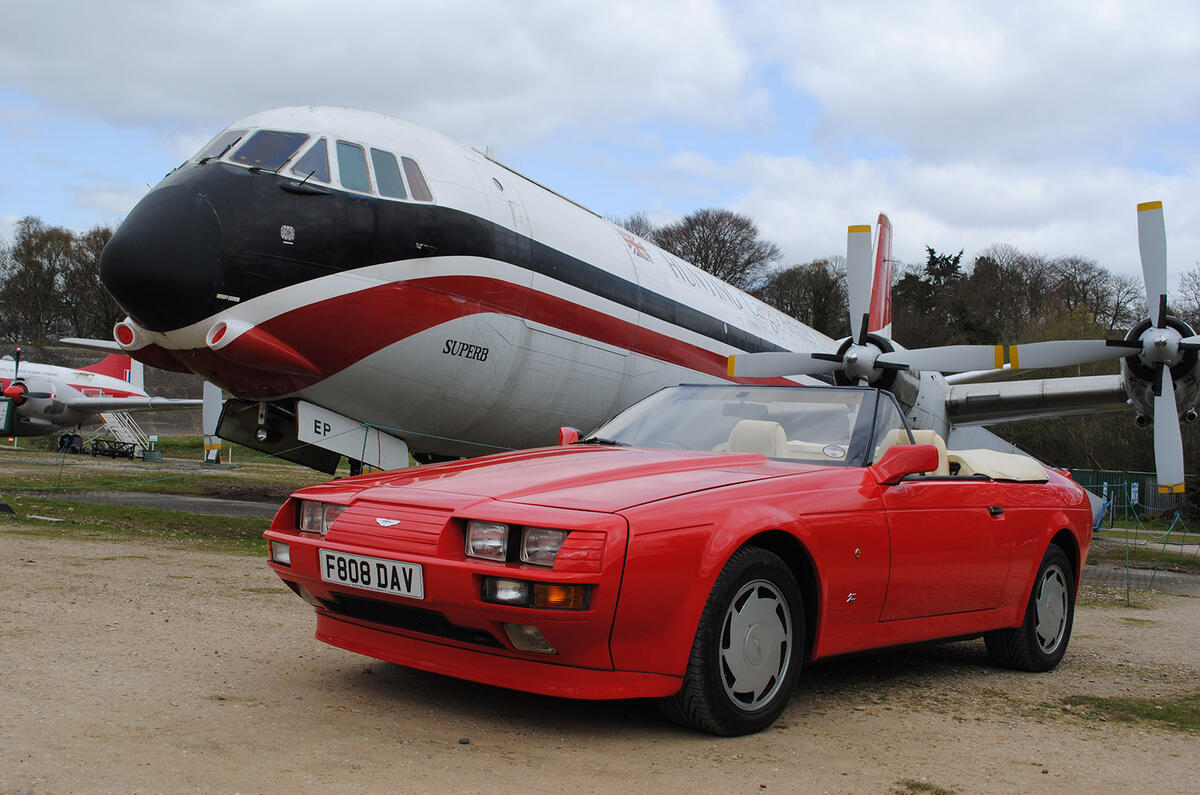
2 Aston Martin V8 Zagato (1986-1990)
The brutish styling divided opinion, but the Zagato carried out some effective performance enhancements that made this limited-edition model hugely desirable. The car’s wheelbase was shortened and the rear seats were removed – in total, the Italian company removed almost 170kg of weight from the standard V8. The rolling chassis was shipped to Milan to be cloaked in Zagato’s bodywork. In the hands of French journalists, the car attained a maximum of 186mph on a quiet autoroute. In addition to the rare coupé, a total of five open-top Volante derivatives were also created.

3 Aston Martin DB7 Zagato/DBAR1 (2003-04)
These two variants of the DB7 were produced in a limited run of 99 units apiece. The DB7 Zagato rekindled the relationship between Aston Martin and the Italian coachbuilder. The DB7 Zagato used a 440bhp version of the DB7 GT engine coupled to a 6 speed manual transmission. Due to homologation problems the DB7 Zagato was not offered to the US market. To satisfy the demand created by the coupe a special ‘roadster’ version was styled by Zagato, using the standard DB7 Volante chassis to overcome type approval issues. Called the ‘DB American Roadster 1’ (DB AR1) the model was built after the coupe and had no roof, just a simple rain cover.
4 Aston Martin V12 Zagato (2011)
The first Zagato-bodied model in eight years, the Aston Martin V12 Zagato was released in 2011 to mark the 50th anniversary of the DB4 GT Zagato. With only 150 units produced at a cost of £405,000, it was based on the regular V12 Vantage. It was developed using a combination of the latest computer-aided modeling techniques and the time-honoured method of hand-sculpted clay maquettes. Clad in a hand-crafted aluminium and carbonfibre skin featuring elements seen on previous cars from the Milanese carrozzeria such as the ‘double-bubble’ roof and short body overhangs. The car proved its sporting credentials in the Nürburgring 24 Hours, where two racing versions finished fifth and sixth overall.



Join the debate
Add your comment
Looks really good in that
Wow!
It great. I don't care if it