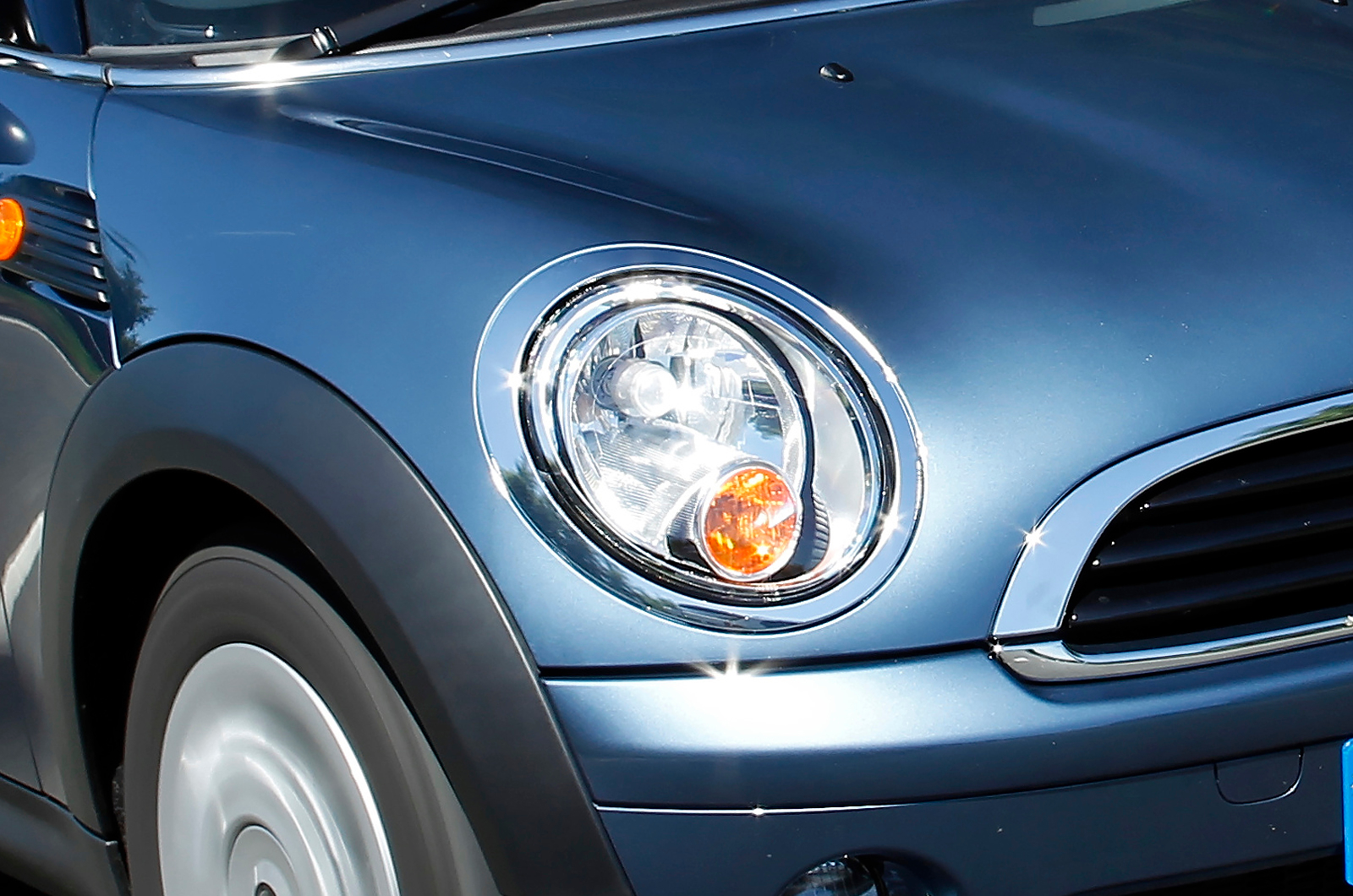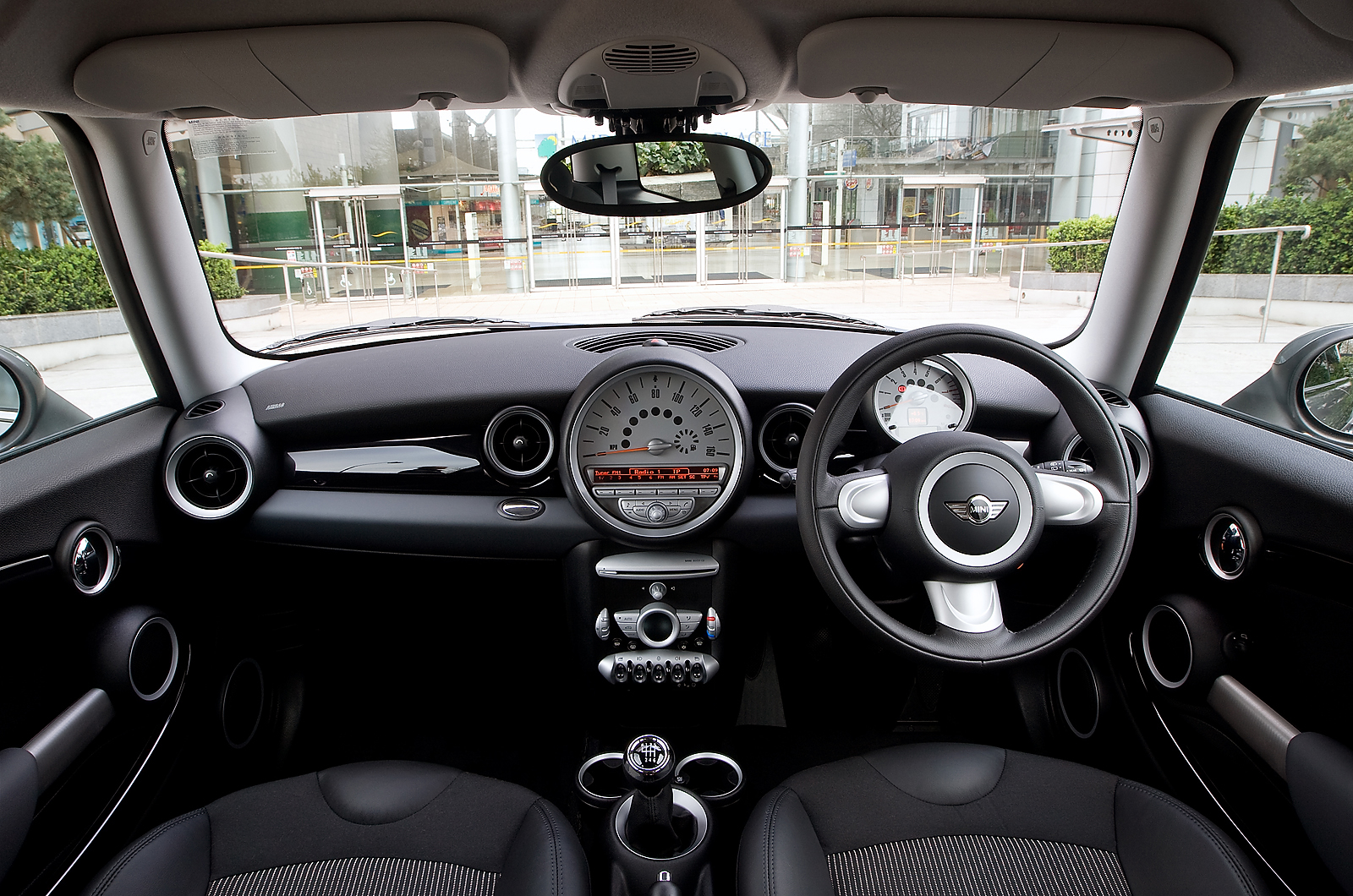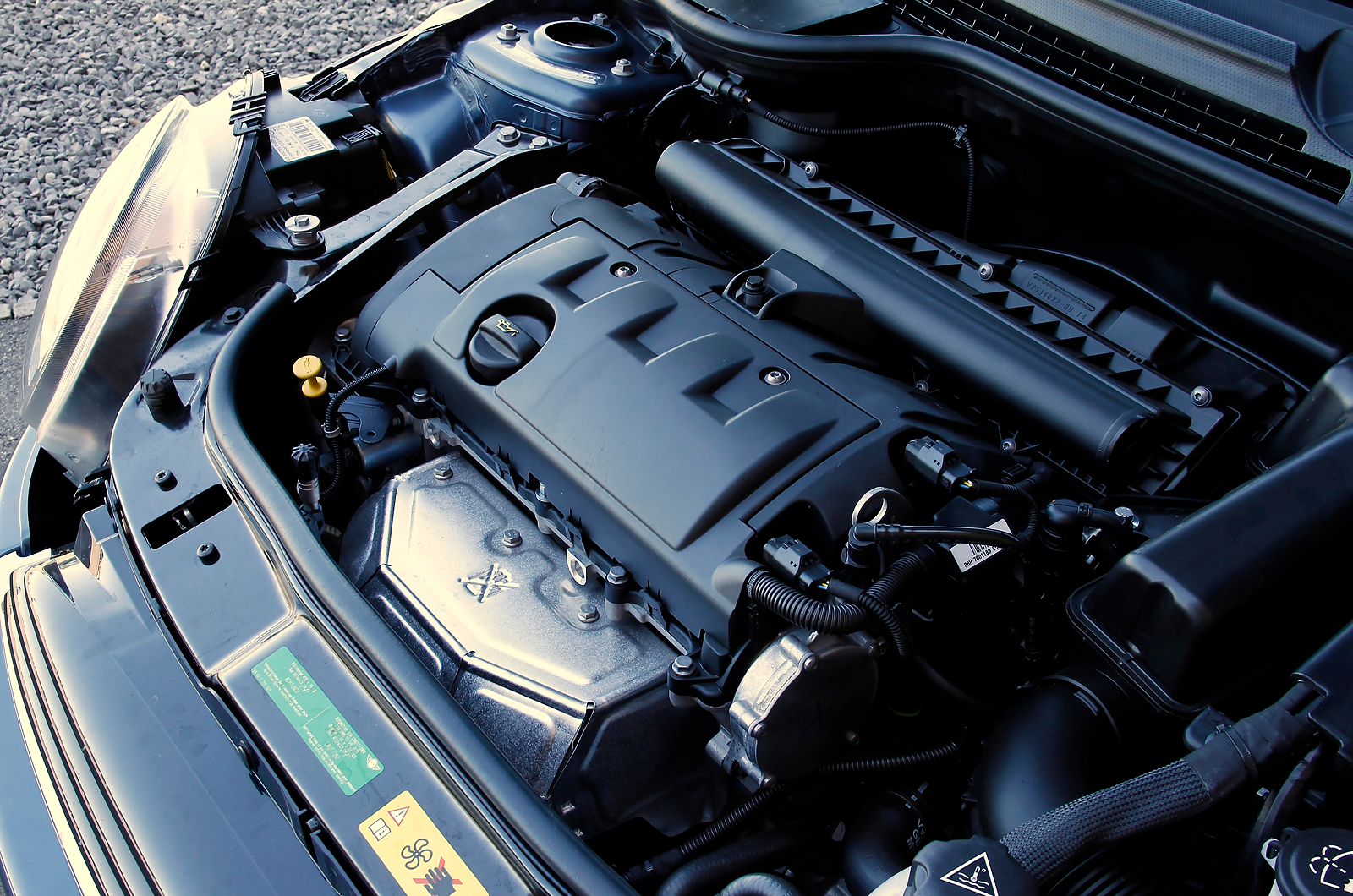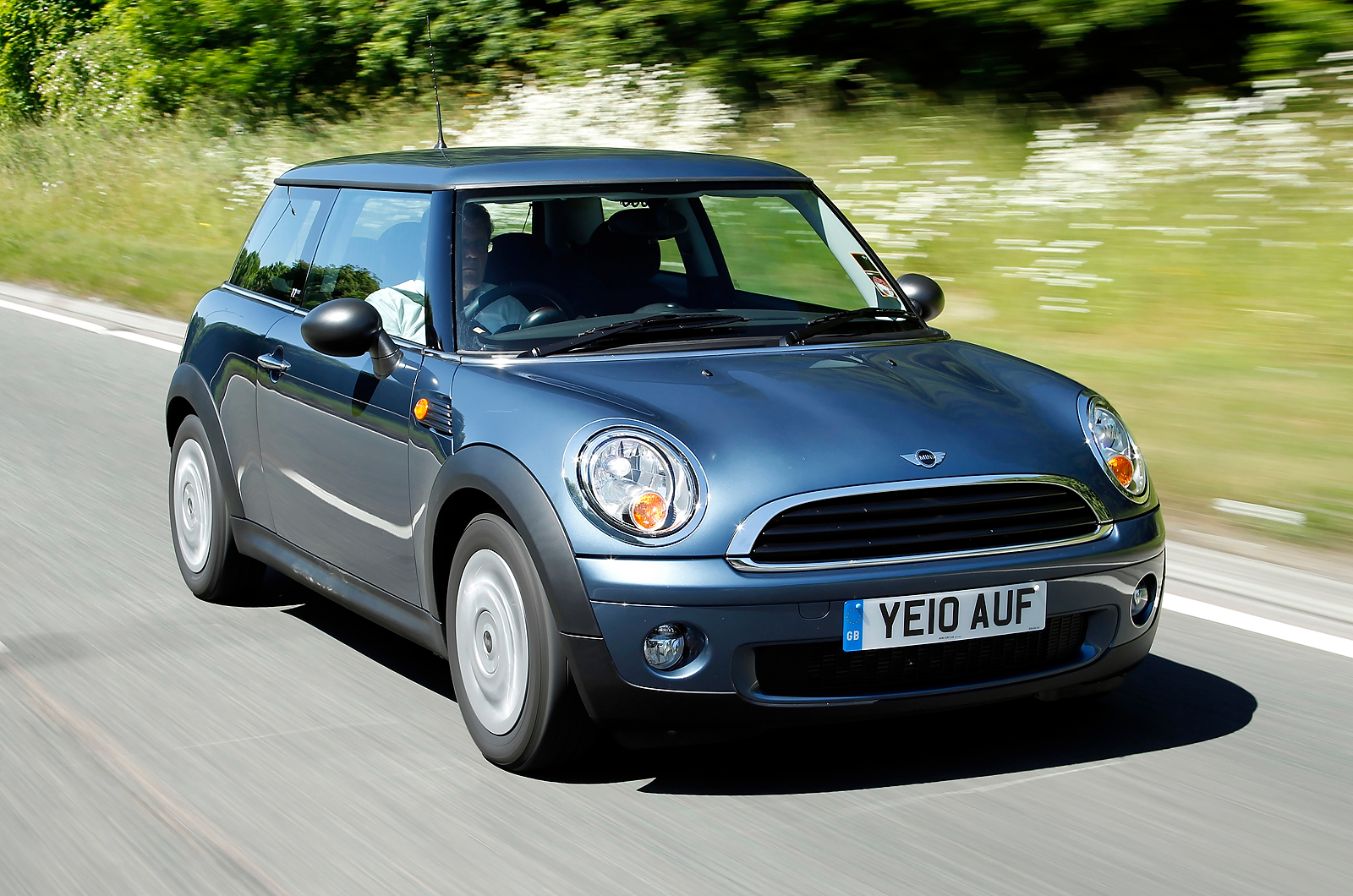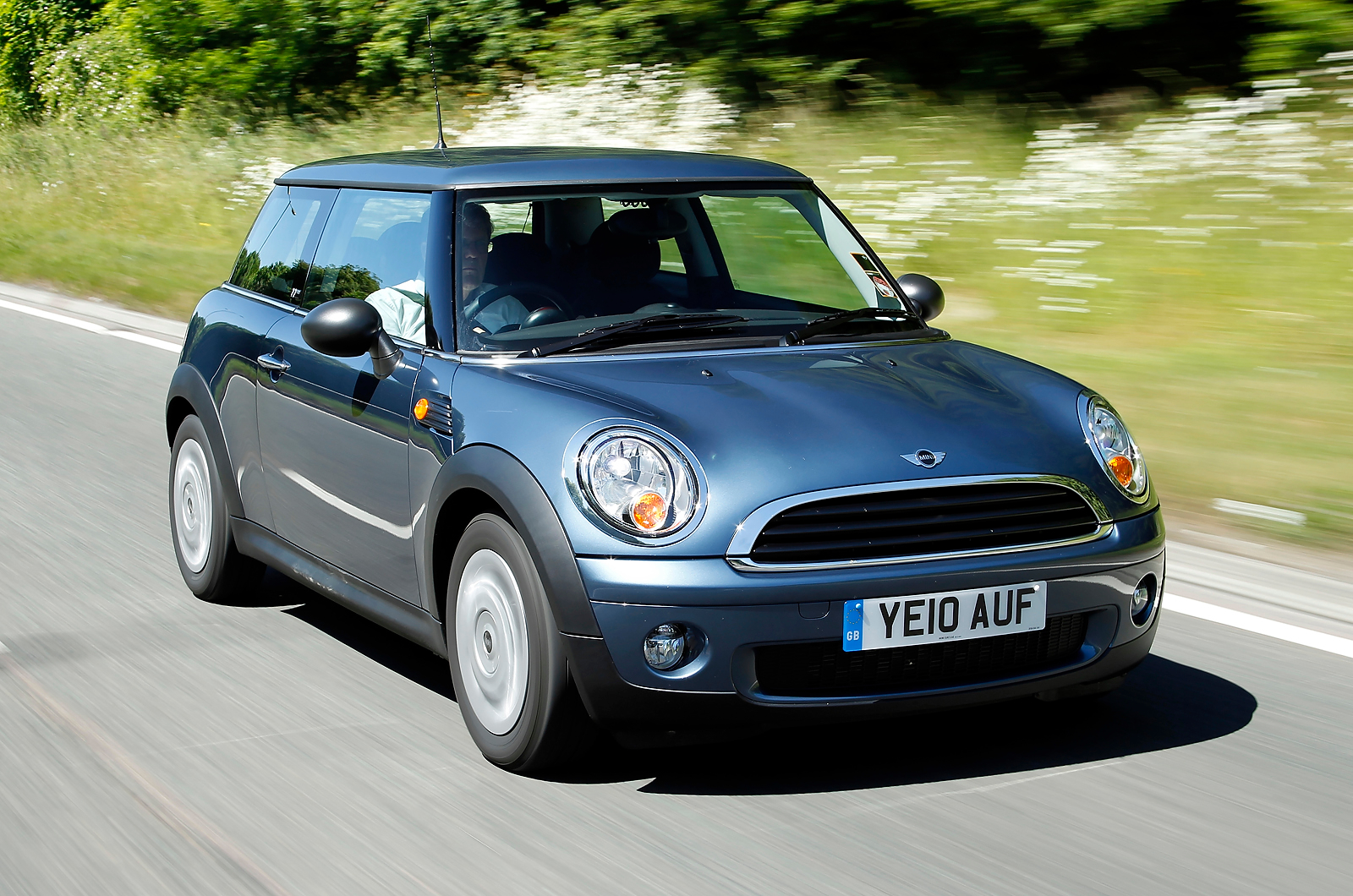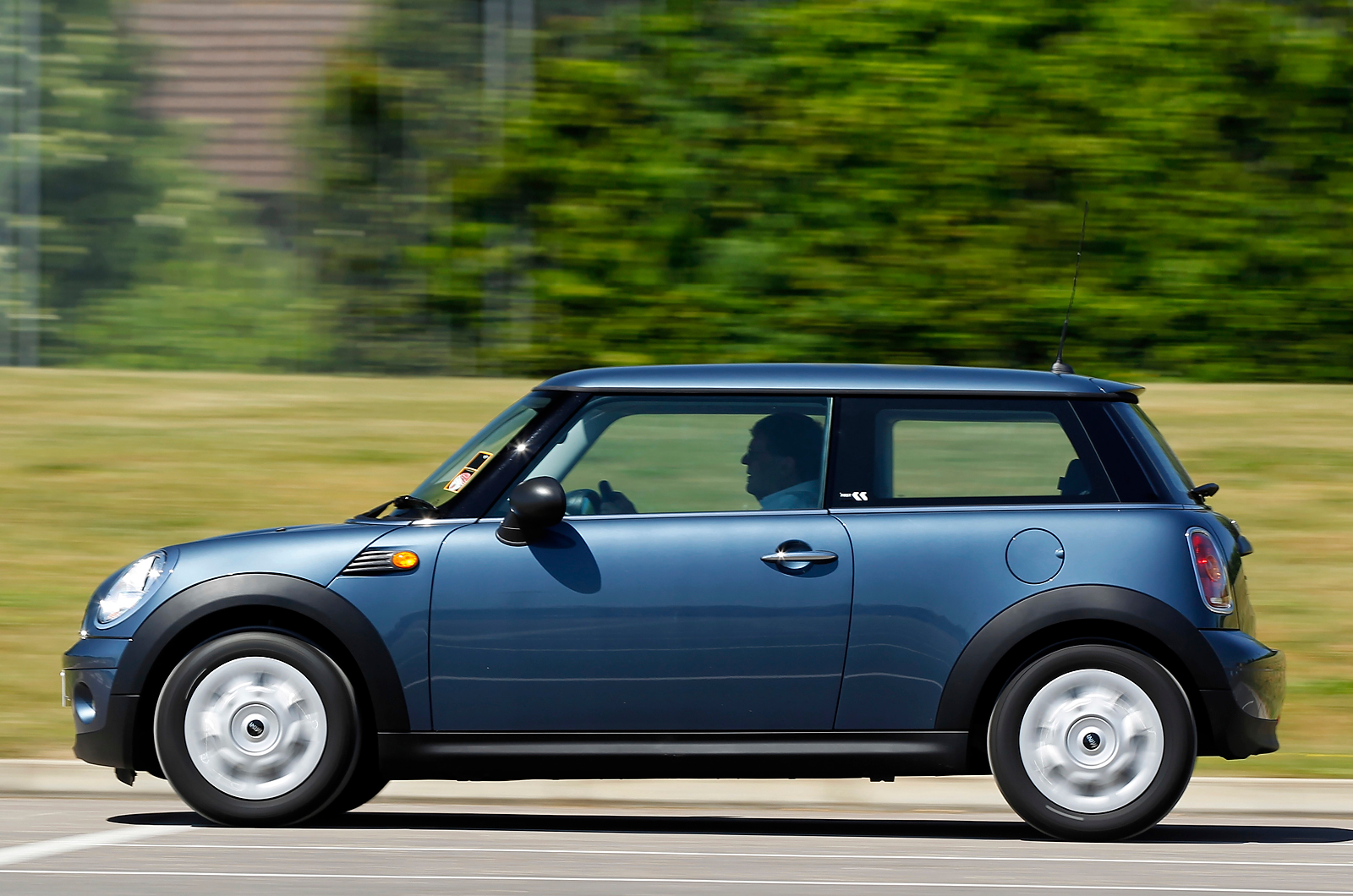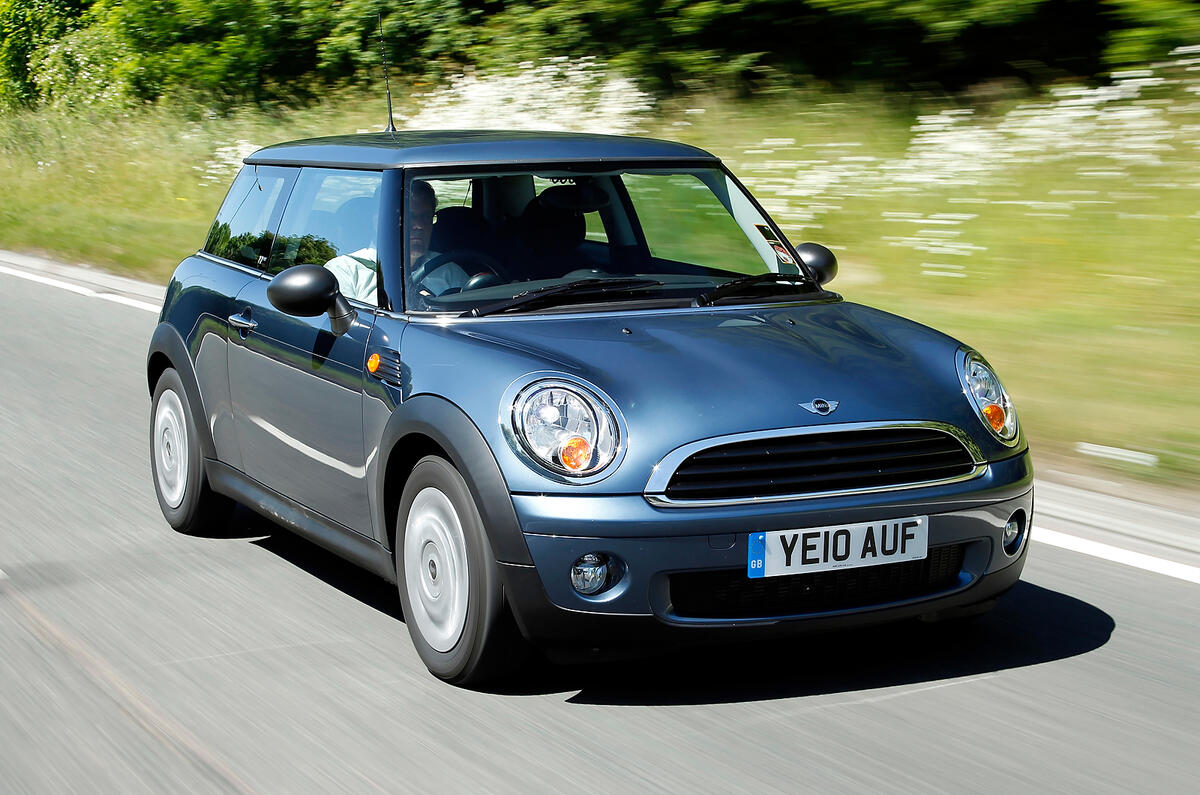


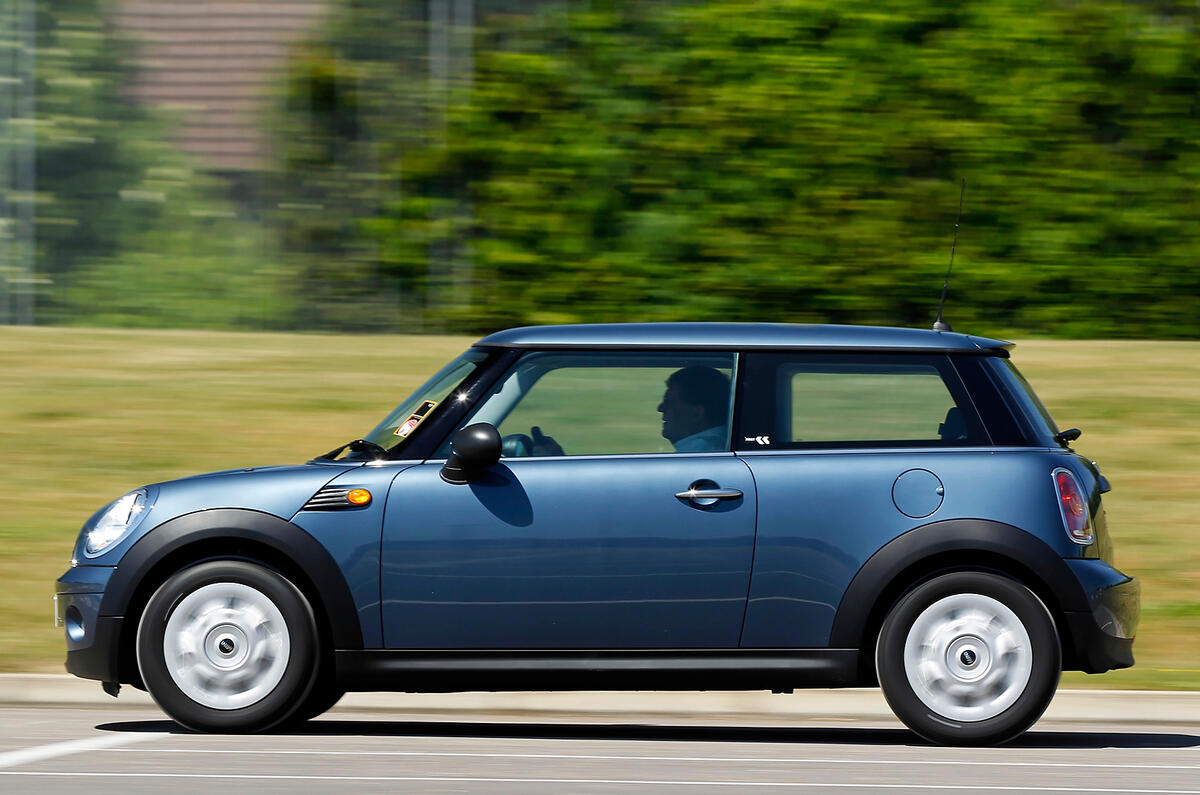
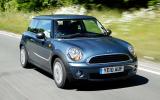


When the new Mini arrived in 2001, there were a few mutterings from certain quarters, notably diehard Mini enthusiasts. They bemoaned the betrayal of the original’s true values, wondering where the innovation, the genre-busting packaging, the dedication to supplying economical, efficient transportation to the masses had gone.
However, Mini parent BMW was savvy and pitched the new Mini into a market of the noughties that placed great value on style, brand prestige and fun – a recipe that the reborn car brewed together with genuine panache. Its replacement - the Mini hatchback - aims to fix the faults and quirks while keeping the winning formula very much intact.
Mirroring BMW’s expansion of the Mini into as many different bodystyles as it can think of, the staple Mini hatchback range is now wider than ever, spanning the entry-level, back-to-basics First to the range-topping John Cooper Works model. In between, you’ll find One, Cooper, Cooper S and Cooper SD models. There’s even an all-electric version, the Mini E, on trial.
There were only subtle styling changes to the second-generation BMW Mini but, inside and under the skin, things were much improved. Many asked that if the Mk2 Mini had become more grown-up more than ever, how much – if any – of the charm of the original remained?